BETTER FUTURES Celebrating a decade of tracking New Zealanders' attitudes & behaviours around sustainability - Colmar Brunton
←
→
Page content transcription
If your browser does not render page correctly, please read the page content below

BETTER      Celebrating a decade of
          tracking New Zealanders’

FUTURES
             attitudes & behaviours
               around sustainability

              © COLMAR BRUNTON BETTER FUTURES REPORT 2019 EDITION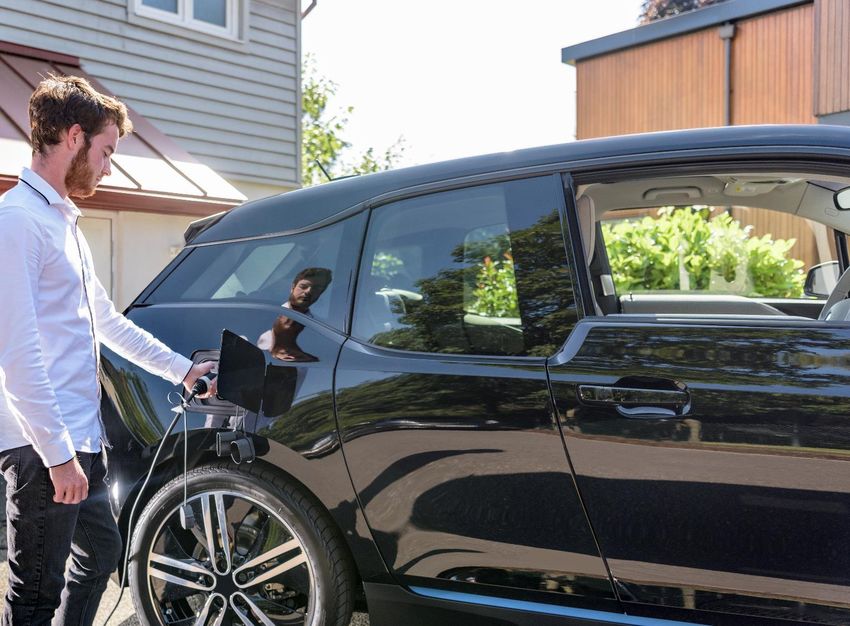
In 2018 we     1,000                 NZers
                                     online        18+ years
spoke to…    BETWEEN 4 AND 11 DECEMBER 2018
                                                    A total of
                                              16,600 people
                                               over 10 years

                                                © COLMAR BRUNTON BETTER FUTURES REPORT 2019 EDITION
RECAPPING                               HIGHLIGHTS

INCREASED               Increased
AWARENESS OF THE      ‘high commitment’              PLASTIC
                     to a sustainable
                   lifestyle
                                              WATER

                                           CLIMATE
                                          CHANGE
                                                     © COLMAR BRUNTON BETTER FUTURES REPORT 2019 EDITION
The worldwide trend on plastic concern
extended to New Zealand. The Government’s Oct 2018
Dec 2017 Aug 2018 Countdown
announcement of a plastic bag ban generated Government Foodstuffs plastic bag ban
significant social media engagement. announces ban Jun 2018 announces fully implemented
on microbeads Microbead ban plastic bag across all
takes effect ban stores
2018 MEDIA ACTIVITY
ON PLASTIC
Aug 2018 January
Oct 2017 New Zealand 2019
Countdown, Government Foodstuffs
followed by New announces ban takes
World, announces plastic bag effect
plastic bag ban ban
Feb-17
Feb-18
Oct-16
Apr-17
Oct-17
Apr-18
Oct-18
Nov-16
Dec-16
May-17
Nov-17
Dec-17
Jul-17
Aug-17
Sep-17
May-18
Aug-18
Sep-18
Nov-18
Dec-18
Jul-18
Jan-17
Mar-17
Jun-17
Jan-18
Mar-18
Jun-18
Jan-19
Source: Netbase, Mentions Posts
Date Range: 10/30/16 - 01/30/19
© COLMAR BRUNTON BETTER FUTURES REPORT 2019
2018 EDITION
2018 initiatives
on water signal a
commitment to
transparency by                                   Riverwatch
government                           Coastal
                                                  field trials
and corporates                       clean up     begin in 2018

                © Auckland Council

                                                © COLMAR BRUNTON BETTER FUTURES REPORT 2019 EDITION
There is growing
momentum
around climate
change action

                   Zero Carbon Bill
                   Consultation

                                      NZ kids protest against climate change

                                                        © COLMAR BRUNTON BETTER FUTURES REPORT 2019 EDITION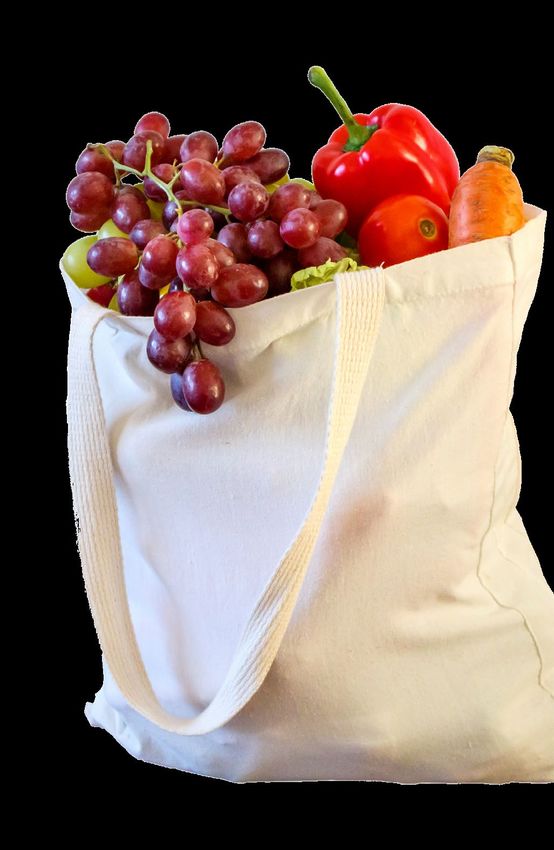
Let’s look at the
issues NZers care
     most deeply
     about now

                        © COLMAR BRUNTON BETTER FUTURES REPORT 2019 EDITION
The headline issue for
New Zealanders is…

 Plastic waste                       “I’m noticing a general
                                    change in people’s

72%
                                   attitudes and practices
                                  towards reusable materials
                                like containers or straws
                               or gladwrap.”
are concerned
                             “It's a lot more visible … things
                            like how we need to do something
                          fast to save our environment,
                         especially when it comes to plastic.”

                                       © COLMAR BRUNTON BETTER FUTURES REPORT 2019 EDITION
Beyond the environment
        and the cost of living
                                                Build-up of plastic
                                               in the environment              72%                                        9
                                                                                                                       points

        we also express deep                     The cost of living          68%                                     No
                                                                                                                   change
        concern for our
        most vulnerable
                                                                                                                Points
                                                   Protection of
                                            New Zealand children            67%                                    1

                                                     Suicide rates          67%                             3
                                                                                                          points

                                                                                                       Points
                                               Violence in society      65%                               4

                                                Pollution of lakes,
                                                 rivers, and seas       64%                        4
                                                                                                 points

                                 Caring for the ageing population      63%                   New
                                                                                            entrant

                                             The protection of my
                                             personal data online      62%              New
                                                                                       entrant

                                 Availability of affordable housing   61%             2
                                                                                   points

                                      Not having access to good,
                                            affordable healthcare     60%         2
                                                                              points

* Asked for first time in 2018                                                                                           © COLMAR BRUNTON BETTER FUTURES REPORT 2019 EDITION
Political co-operation on climate change is now
responding to growing public concern

% of New Zealanders who express high level
of concern around the impact of climate
change on New Zealand
                                                                                                                         55%
                                                                                                  48%
                                                                                     45%
                                                                 41%          40%
36%                                                  34%
              31%                            33%
                            29%

                    “Ten years ago when I first came into parliament I remember
                    standing at a town hall meeting and speaking passionately
                    about the issue of climate change and being roundly booed,
                                                                                  Jacinda Ardern,
                    including by, I think, members of my own family.”             World Economic Forum
                                                                                        © COLMAR BRUNTON BETTER FUTURES REPORT 2019 EDITION
How are we
responding to
the challenges
we face?
© COLMAR BRUNTON BETTER FUTURES REPORT 2019 EDITIONNew Zealanders say 24% 25% 30% 42%
they are increasingly
committed to living
sustainable lifestyles.
Four in ten rate
themselves as 59% 65% 60% 53%
highly committed
17% 10% 10% 5%
COMMITMENT TO LIVING
A SUSTAINABLE LIFESTYLE 2015 2016 2017 2018
© COLMAR BRUNTON BETTER FUTURES REPORT 2019 EDITION8
Our increased
commitment to
sustainable First… /10
lifestyles is
are ditching plastic bags in favour of
reflected in reusable ones showing population-level
two touchstone behaviour change is
behaviours possible
84%
30%
23% 22% 21%
2014 2015 2016 2017 2018
© COLMAR BRUNTON BETTER FUTURES REPORT 2019 EDITIONthe trend towards plant
Second… based diets is growing with…
1 /10 going meat-free
(mostly)
10%
7%
6%
5%
4%
2014 2015 2016 2017 2018
“For the average consumer… the takeaway Marco Springman
message is change your diet and write to your LEAD AUTHOR OF STUDY INTO
politicians to implement better regulations.” THE IMPACT OF FOOD PRODUCTION
© COLMAR BRUNTON BETTER FUTURES REPORT 2019 EDITIONLooking to the future, transport
is a critical pathway to a low 34% “Innovation comes
carbon, better quality of life
Thinking
about switching
in many forms and
is unpredictable.
Yet it is the closest thing
However, New Zealanders are not to a ‘silver bullet’ to enable
yet fully convinced the electric car 22% humanity to meet the
challenge of avoiding
is something to aspire to Thought about it,
but probably won’t damaging climate
change.”
NZ Productivity
Commission Low
Emissions Report,
27%
Don’t want to switch
AUGUST 2018
14%
Haven’t thought about
SWITCHING TO AN ELECTRIC CAR (EV) OR HYBRID switching / don’t know
© COLMAR BRUNTON BETTER FUTURES REPORT 2019 EDITIONHowever they 71% 67%
embrace accessible walk
shop
options to travel locally for short
journeys
sustainably
57% 25% 20%
drive
in a more take cycle
fuel- public for short
efficient transport journeys
way
19% 9% 6%
pay to scooter
carpool offset for short
to work carbon on journeys
flights
© COLMAR BRUNTON BETTER FUTURES REPORT 2019 EDITIONThere is an
enthusiastic sharing
economy mindset,
although demand
appears lower
than supply 59%
25% 27%
Buy second-hand Hire or borrow Dispose of
rather than new, things to avoid clothing / household
to avoid buying buying new stuff items through online
new stuff community groups
© COLMAR BRUNTON BETTER FUTURES REPORT 2019 EDITIONAnd what do
we expect of
businesses?
© COLMAR BRUNTON BETTER FUTURES REPORT 2019 EDITIONNew Zealanders
increasingly want
‘kinder’ businesses
By being kind we can
protect our customer
base and attract talent
86% “It is important for me to work
for a company that is socially
AGREE 13 and environmentally responsible”
points
90% “If I heard about a company being
irresponsible or unethical, I’d stop buying
AGREE 7 their products or using their services”
points
© COLMAR BRUNTON BETTER FUTURES REPORT 2019 EDITIONEthical consumers
will think again if they
believe brands have
a negative impact
on the environment
“I stopped using a brand of
eggs that were falsely labelled
as free range, as well as a
brand of laundry detergent
that marketed as most
environmentally friendly and
turned out not to be.”
“If items are wrapped in single use
plastic I won't buy it. If the plastic can
be recycled I will buy it.”
© COLMAR BRUNTON BETTER FUTURES REPORT 2019 EDITIONTHEY ARE ALSO SUSPICIOUS
OF GREENWASHING
“I read an article
about palm oil
and the different
names that hide
it in products, and I
have stopped buying
multiple products which
contain palm oil.”
© COLMAR BRUNTON BETTER FUTURES REPORT 2019 EDITIONIt’s more challenging than ever for business to
convince consumers of their credentials
THE WAY BUSINESSES TALK ABOUT THEIR SOCIAL AND
ENVIRONMENTAL COMMITMENTS IS CONFUSING
83%
81%
76% 74% 75%
75% 75% 72%
73%
2010
2011
2012
2013
2014
2015
2016
2017
2018
© COLMAR BRUNTON BETTER FUTURES REPORT 2019 EDITIONThis confusion manifests itself in an
inability to name leaders in sustainability
7 5% MENTION
/10
ARE UNABLE TO NAME A BRAND
WHICH IS A LEADER IN SUSTAINABILITY
3% MENTION
Other mentions are all less than 1%
© COLMAR BRUNTON BETTER FUTURES REPORT 2019 EDITION84%
However, when we prompt
people we can get a better 83%
feel for brands that tell
a more compelling 78%
sustainability story 71%
68%
66%
64%
61%
59%
55%
© COLMAR BRUNTON BETTER FUTURES REPORT 2019 EDITIONBusinesses are better at 67%
articulating their stories 6
around sustainability to points
agree their
employees than
65%
employer has
consumers values they
believe in
14
points
agree their
There is a noticeable shift
employer actively
in those who feel their
employer cares more
about their impact on
supports society 66%
society than simply 13
points
financial targets
agree they
would recommend
their workplace
to others
© COLMAR BRUNTON BETTER FUTURES REPORT 2019 EDITIONPeople want to feel
they can have a bigger
impact on the planet…
the question is how
to enable the
action behind “Do not think
the desire your single vote
does not matter
much. The rain that
refreshes the parched
ground is made up of
single drops.”
© COLMAR BRUNTON BETTER FUTURES REPORT 2019 EDITIONTAKEAWAY OR
‘BRINGABACK’
A case study to demonstrate
understanding attitudes
and drivers can lead to
behaviour change
opportunities
© COLMAR BRUNTON BETTER FUTURES REPORT 2019 EDITIONThe public have This provides the moral imperative to take action, and
the public feel they can make a difference
a strong emotional
response to the
impact of plastic
waste
85% 77%
say they can
say reducing
make a difference
disposable
by reducing use
packaging is the
of disposable
right thing to do
packaging
“There’s been a lot of dramatic footage coming to light about the
plastic island in the middle of the ocean. I watched a horrible
video that had a turtle with a straw up its nose. It was so sad.”
© COLMAR BRUNTON BETTER FUTURES REPORT 2019 EDITIONBYO CONTAINERS IS NOT
YET FRONT OF MIND
“I see more people now
using reusable coffee
1%
cups, but I don’t see that
Only many people using
reusable containers.”
of those who buy “I’ve never seen anyone else go
in and do it (use a BYO container),
lunch use reusable so it never really crossed my mind.”
containers all
the time “People are aware there’s an issue with
plastic, it’s ending up in the ocean and
that’s not great. But, they might not
necessarily make the connection between
their lunch habit and that.”
© COLMAR BRUNTON BETTER FUTURES REPORT 2019 EDITIONBarriers range from recall,
self-perceptions and practicalities
Remembering it when I buy lunch 68%
Thinking about what I want
for lunch before I go out 56%
Packaging is used to determine
portion sizes and what I pay 44%
Being a nuisance 41%
Nervous about asking the staff 34%
Finding a suitable container 33%
Concerns about spills / food quality 32%
Concerns about hygiene 28%
Cleaning containers 28%
Looking odd when carrying it around 27%
Cost of buying containers 19%
Being judged as greedy
for using a container 18%
© COLMAR BRUNTON BETTER FUTURES REPORT 2019 EDITIONCompostable packaging Compostable packaging is better for the
can lead to an unintended environment compared to plastic…
consequence of
consumers believing
there is less need to
BUT...
take a reusable It still requires proper disposal, It is a single-use product that
BYO container rather than working towards a uses resources to produce
goal of zero waste and transport to market
PLASTIC COMPOSTABLE BYO REUSABLE
CONTAINER CONTAINER CONTAINER
“I don’t take my own container “If people switch towards cardboard instead of
when I go to [specific food outlet]. plastic containers, people might be less inclined
They use paper. It’s okay because to bring their reusable containers. It’s better than
it’s just cardboard and paper.” plastic, but much better to bring your own.”
© COLMAR BRUNTON BETTER FUTURES REPORT 2019 EDITIONBut… There is a sign saying
you’re welcome to 55%
there are ways
to overcome You receive a loyalty stamp
54%
barriers…
You know you are
making a difference 51%
Positive reinforcement Receive a reusable
container from work 50%
Feeling like you are Receive 20 cents off
47%
making an impact
Staff say thank you
47%
Easy access to containers
You see other workers doing so 39%
The power of normalisation You see your boss doing so 25%
© COLMAR BRUNTON BETTER FUTURES REPORT 2019 EDITIONKEY
TAKEOUTS
© COLMAR BRUNTON BETTER FUTURES REPORT 2019 EDITIONSustainable choices and
TAKE actions are firmly on the
agenda of New Zealanders
OUT
With 4 /10 NZers
committed to sustainability there
is an obvious need and opportunity
for government and business
Plastic is the lightning rod
for consumption issues of
our time…
There is a need to make
climate change as tangible for
people as plastic
© COLMAR BRUNTON BETTER FUTURES REPORT 2019 EDITIONTAKE Businesses can’t ignore
the desire for changing
OUT consumption behaviour
Building a solid reputation
around sustainability
starts with employees
Brands that have been
recognised as leaders in
sustainability are working
from the inside out
© COLMAR BRUNTON BETTER FUTURES REPORT 2019 EDITIONTAKE In the age of ‘fake’,
telling a convincing
OUT story is harder than ever
THE CHALLENGE IS
FOR BUSINESSES TO…
Identify who needs to know
Understand the barriers and
drivers to changing behaviour
Tell your story in a genuine, “Blockchain could enable customers
meaningful and evidenced to purchase carbon offsets and track
based way them down to the tree being planted.”
Hitting the Green Button Listener Jan 19-25 2019
© COLMAR BRUNTON BETTER FUTURES REPORT 2019 EDITION“Countries such as New Zealand do matter
and a concerted effort by all is needed to
solve this issue. By achieving a successful NZ Productivity
transition to a low-emissions economy, Commission,
New Zealand has the opportunity to Low Emissions Report,
August 2018
influence other nations, including
sharing its technology
and experience.”
© COLMAR BRUNTON BETTER FUTURES REPORT 2019 EDITIONBETTER Celebrating a decade of
tracking New Zealanders’
FUTURES
attitudes & behaviours
around sustainability
© COLMAR BRUNTON BETTER FUTURES REPORT 2019 EDITIONYou can also read


