BIENNIAL BIENNIAL - Temasek Polytechnic
←
→
Page content transcription
If your browser does not render page correctly, please read the page content below
SCHOOL OF
APPLIED SCIENCE

      BIENNIALBIENNIAL
           BIENNIAL
      REPORT  REPORT
           REPORT

                  LEARNING TOGETHER.
                   GROWING TOGETHER.
                        APRIL 2018 – APRIL 2020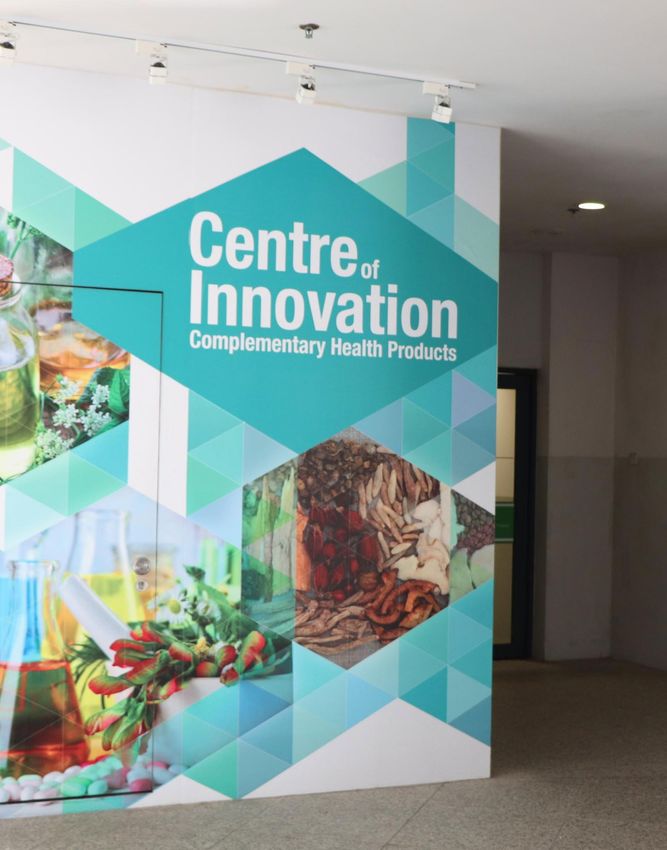
Cover Design and Report Layout
Phyllis Chan and Geraldine Tan
Diploma in Communication Design, School of Design

Editors
Jo-anne Loh and Petrina Lim

Theme: Learning Together, Growing Together
The use of gradients represents the constant growth and change of the
School of Applied Science, whereas the circles represents the holistic
development of students and staff. By bringing these elements together,
the Biennial Report will showcase the development of the School of
Applied Science over the course of 20 years. industry and the community
CONTENTS
 01        Vision and Mission

 02        Messages from:
      02            Principal & Chief Executive Officer

      04            Chairman, School Advisory Committee

      06            Director, School of Applied Science

 08        School Advisory Committee

 11        Teaching and Learning
      12            Facelifts for Diploma Courses

      14            Robust Student Internship Training

      16            Powering Education through Applied Learning

      18            Moving Ahead with CET

      20            Upgraded Teaching Spaces

 23        Applied Research and Innovation

      24            Now in ASC

      26            Collaborative Industry Projects

      31            Inventions Up for Grabs

      36            Industry Partnerships

 35        Events @ ASC

 37        Celebrating 20 Years

      39            Teaching Practices: Changing with the Times

      41            Expanding the Horizons in Applied Research and Innovation

      43            Developing our People

      45            Nurturing our Students

      47            A Chat with our Long Serving Colleagues

      48            Our Fondest Memories

 50        Reaching Out to the Community

 56        By Staff, for Staff

 63        Facts and Figures

 67        Appendices
1

SCHOOL OF
APPLIED SCIENCE (ASC)

               I O N
         V  IS

                   To be a leading centre for training,
                   education and applied research in
                   the chemical and life sciences

                             IO N
                        I SS
                    M
                              To continuously seek innovative ways to
                              train and educate school leavers and the
                              workforce, and to carve niche applied
                              research areas that will benefit students,
                              industry and the community

School of Applied Science
Biennial Report 2018 – 2020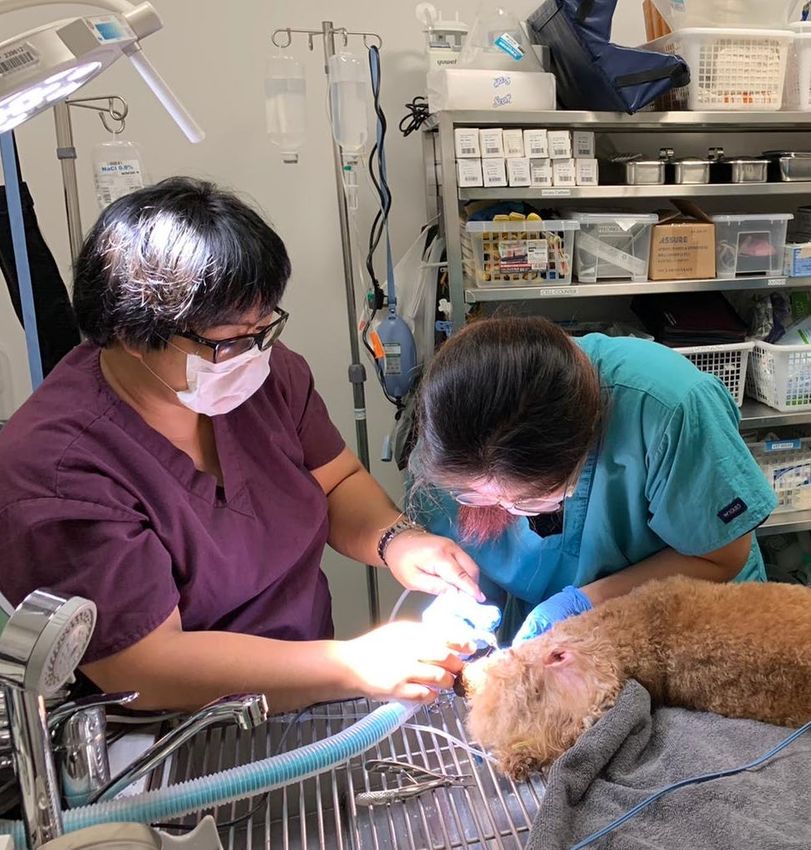
2

MESSAGE FROM
MR PETER LAM,
PRINCIPAL & CHIEF EXECUTIVE OFFICER

Upskilling and reskilling are no longer options but
necessities in today’s context. How has TP imbued
this to ensure quality education for her students?

The COVID-19 pandemic has demonstrated with even greater certainty that
lifelong learning and the ability to upskill and reskill are extremely important for
one to be employable. Learning to learn, unlearn and relearn is an important skill
that has been well demonstrated by TP staff especially during the pandemic. It
is also a skill that our students get to practise as they go through their 3 years of
diploma training.

In 2018, TP introduced a set of modules for all students, known as TP
fundamentals (TPFun). It focuses on future skills to better prepare students
for work and life, nurturing them into the TP Student Profile (TSP) of a Lifelong
Learner, Future-oriented Creator, and Values-centred Leader.

TP has also made learning more experiential with an extended internship
programme, some as long as six months. This gives students the opportunity to
practise the adjacent skills picked up through TPFun in a real work environment.
Specialised skills have been reduced in the diploma core. Graduates can
upskill or reskill in these specialisations through public programmes under our
continuing education and training (CET) framework, where they can deepen
their skills to be subject matter experts.

                                                                                        MESSAGE FROM PCEO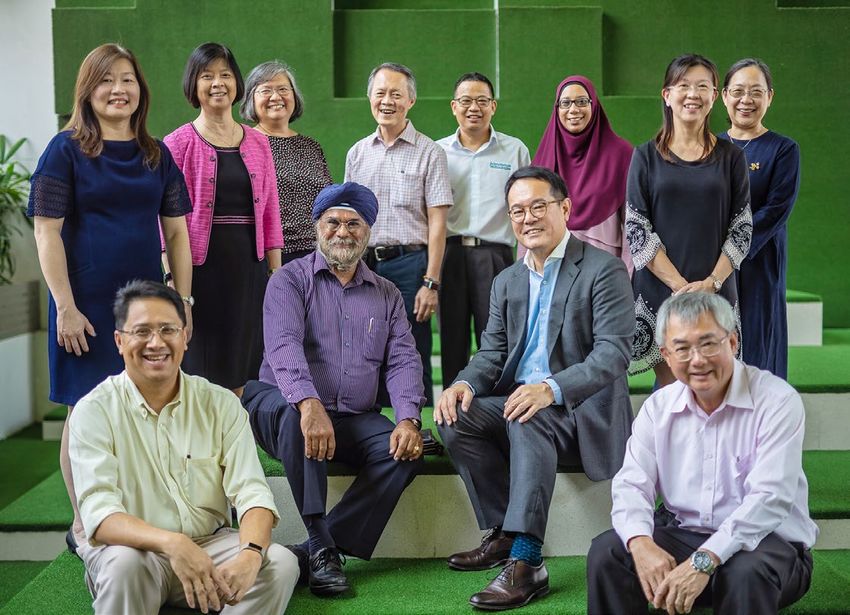
3

Moving forward, how do you see the
relationship of the industry and ASC evolving?

At TP, the relationship between the industry and school has always been a
synergistic one. In alignment with the Ministry of Education's (MOE) roadmap
for the future of education in Singapore: Learn for Life – Ready for the Future,
ASC has also ramped up the number of meaningful CET programmes for
Singaporeans during their working years. Programmes in food safety and
medical biotechnology have been launched, as well as Work-Study Programmes
in aquaculture, chemical technology and veterinary technology. These support
the local workforce (including our graduates) to upgrade their skills and enhance
their employability.

                     TP turned 30 in 2020. What is top on your wish list for ASC?

                     TP would not have come so far without                  offering practical tips on conducting their
                     very close knitted industry support and                business safely under the new normal. By
                     collaborations, in areas ranging from practice-        popular demand, it was translated into Chinese
                     based pedagogy and CET partnerships, to joint          and Malay by ASC, and subsequently into
                     research, development and commercialisation.           Spanish, Korean, Arabic, French, Japanese
                     ASC has forged many synergistic partnerships           and Indonesian. The school has also put
                     with MNCs as well as SMEs. The growing list of         together meaningful programmes under
                     industry partners can be found in this issue of        Singapore’s SG United initiative, to help reskill/
                     the ASC Biennial Report.                               upskill participants for better employability.
                                                                            In addition, to lend immediate assistance to
                     Top on my wish list for ASC would be to further        ease manpower constraint for COVID-19
                     widen our collaborations and engage more               testing, ASC has designed a 2-week course to
                     companies strategically to step forward. Many          train by the hundreds, laboratory technologists
                     of ASC’s RIE and CET initiatives support the           for the test labs. This was initiated and
                     national agenda. With equally passionate               supported by Temasek Holdings, and ASC has
                     industry partners, it would help ASC meet              invited Singapore Polytechnic and Republic
                     our national targets in a shorter span of time.        Polytechnic to come on board in anticipation of
                     Students trained in conjunction with companies         overwhelming demand.
                     on projects of national importance, would
                     also better appreciate the relevance of                All these were on top of the support ASC has
                     their education and training at ASC.                   always given to the industry through student
                                                                            projects, consultancies and R&D. ASC is also
                     Some of the activities at ASC that support             supporting Singapore’s ‘30 by 30’ food supply
                     national imperatives include the following.            goal and environmental sustainability
                     During the COVID-19 pandemic, ASC provided             efforts for a Zero Waste Nation.
                     free training in the form of mobile-based
                     micro-learning courses (MLC) and webinars.             Two of ASC’s significant partners had so far
                     Of notable mention is the MLC on “Pandemic –           been recognised through TP’s Partner-in-
                     Business as Usual”, which helped companies             Education Award. It is my wish that ASC
                     make sense of and comply with biosafety                would continue to discover more of such
                     measures during the circuit breaker period,            great partnerships.

School of Applied Science
Biennial Report 2018 – 2020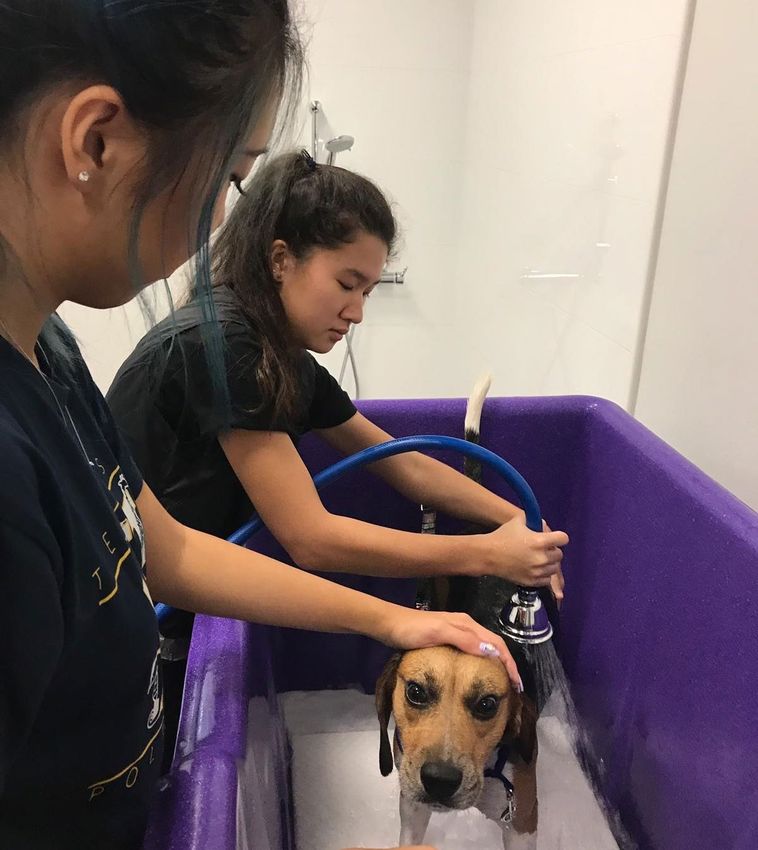
4

MESSAGE FROM
MR ANDREW TJIOE,
CHAIRMAN , SCHOOL ADVISORY COMMITTEE

What have you observed that ASC has
done to achieve the aim of shaping the
graduates to increase their employability?

With MOE’s announcement in 2018 to streamline polytechnic courses to ensure
that students develop relevant skills for an evolving workforce, ASC seized
that opportunity to consolidate and refresh a majority of their full-time diploma
courses. They launched two new diplomas in April 2019: Food, Nutrition and
Culinary Science (FNC) and Medical Biotechnology (MBT) that offers a broad-
based curriculum that serves more industry sectors. These courses would
provide the graduate a wide and well-grounded training with the added flexibility
to handle a varied job scope.

ASC has also been very proactive seeking opportunities in Singapore and
overseas for students to gain more experiential learning with their related
industry. Such exposure and global experiences ensure that they receive
up-to-date technical training and valuable life skills. In fact, the industry looks
out for graduates with transferable skills as it constantly faces numerous
unprecedented challenges to increase efficiency and be more resourceful.

                                                                                      MESSAGE FROM CHAIRMAN, SAC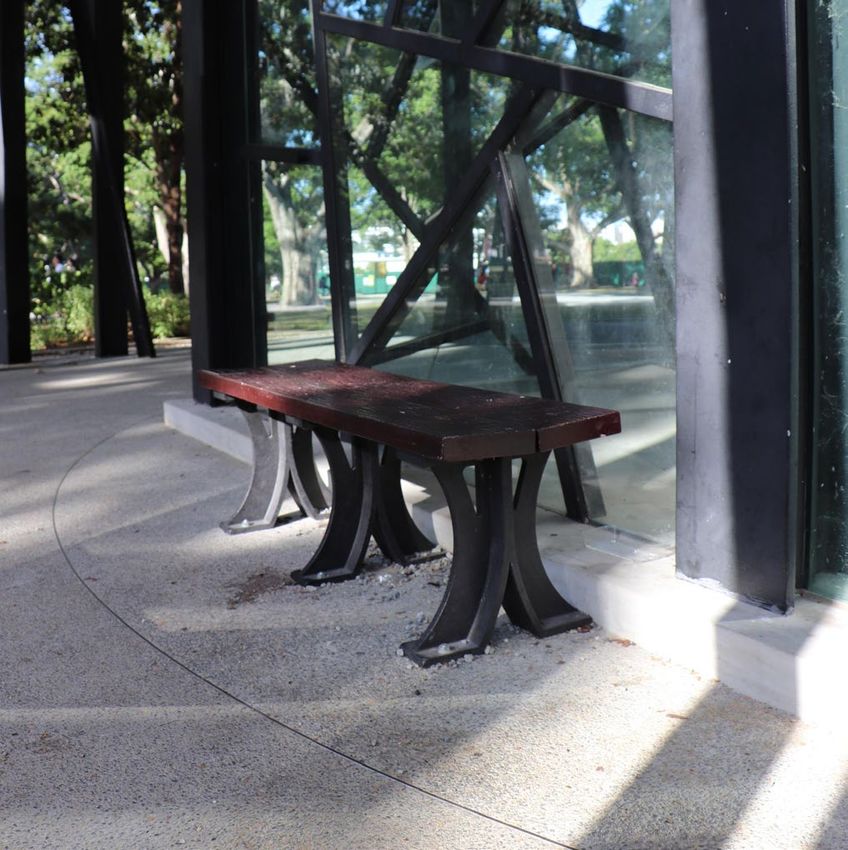
5

Being a major employer yourself, what can ASC do better to
support their related industries?

Since the government’s release of the Job Support Scheme (JSS), many
companies are hiring particularly Singapore citizens and PRs. This is a good
opportunity for ASC’s fresh and recent graduates, and the School should
strongly encourage them to join the workforce and gain early work experience
to kick-start their career path. The graduates may not find a 100% job fit in
such times, but if they are willing and eager to pick up skills through on-the-job
training (OJT), this is essentially the way to follow as any curriculum has their
limitations. For instance, there is a large demand for polytechnic graduates for
the restaurants as we move towards a manpower lean set up with automation
and more digitalisation. Unfortunately, applications are lower than expected
though the starting salaries have increased.

If young graduates do not feel ready to work, then they should continue to
learn, to reskill or upskill if necessary, as time is the essence to build a career.
A good strategy by ASC to initiate students into their related industries is with
their Work-Study award for the students. For instance, the Mitsui Study Award
is a sponsorship that is available to students from the Diploma in Chemical
Engineering where the recipient is assigned to Mitsui Phenols Singapore Pte Ltd
for their internship, and upon graduation, the recipient works with the company
for three years. This has also been effective with other industry partners
including those from healthcare sectors.

                                             What key concerns should ASC focus on in moving forward
                                             to better prepare their graduates for the unexpected?

                                             Though ASC has a robust character and leadership-building framework for the
                                             students, it is critical to emphasize their importance in such times. Graduates
                                             must be geared with their personal compass to steer them through decision-
                                             making, challenges and difficulties in this ever-changing and complex world.
                                             They need to be more resilient, creative and digitally savvy in any industry
                                             sector. Even the F&B industry is not spared to immediate changes, such as
                                             a new approach to fine dining with digitalisation, more takeaways and online
                                             delivery. With major economic and structural changes in retailing like having a
                                             cloud kitchen, graduates must be prepared for more learning, adapting, as well
                                             as taking on different job roles through multi-tasking. This is the new norm.

                                             As companies cut back on foreign workers, polytechnic graduates are in high
                                             demand. They should seize any job opportunities especially in this difficult
                                             period and turn this into a greater opportunity to learning and trying different
                                             areas, or continue learning through the many part-time courses that are being
                                             offered currently.

School of Applied Science
Biennial Report 2018 – 2020
6

MESSAGE FROM
DR GOH LAY BENG,
DIRECTOR, SCHOOL OF APPLIED SCIENCE

Being an innovation-driven economy,
how will ASC’s strategic focus prepare our
graduates for a rapidly changing economy?

Singapore is one of the most innovative cities in the world, with one of the
strongest innovation ecosystems in the region. All graduates can expect to
face a multitude of opportunities that come with challenges, but TP has carefully
laid the foundation for them to be adaptable, lifelong learners, ready to take on
the world.

We have made a concerted effort to streamline diploma courses with our
Centres of Excellence (COE) and Centres of Innovation (COI). This supports
cross-diploma training via final year electives, and a multidisciplinary skills-based
training to nurture highly adaptable graduates for a VUCA future. With diploma
course teams collaborating and co-creating projects and activities with our
technology centres, students get to work alongside teaching and research
staff on industry and competitive grant projects. Our centres also conduct
projects in collaboration with other institutes of higher learning (IHL), locally and
overseas. As such, the exposure students can receive these days are wider
ranging than before.

Cross-disciplinary and inter-organisational collaborations are key, to providing
a curriculum that prepares graduates for multifaceted challenges in the industry.
Our growing and constantly evolving micro-ecosystem within the school, seeds
the stage for cross-pollination of ideas, grooming innovative graduates for a
rapidly changing global economy.

                                                                                        MESSAGE FROM DIRECTOR, ASC
7

How relevant is ASC’s growth areas in addressing the need of
the various applied science related industries? Could you highlight
some plans or initiatives for staff/student capability building and
skills training to support national imperatives?

Our technology growth areas are in Food         For our students, ASC has launched
and Preventive Healthcare, as well as           a framework called the Differential
Urban Sustainability. These align with          eXperiential Programme (DXP) to
the national agenda on food security and        encourage the learning of a new skill
environment sustainability, and involve lots    or different discipline, through workshops,
of ground sensing to support the related        laboratory experimentations, research
industry sectors. We leverage strong            methodologies or analysis. Freshmen can
industry collaborations and partnerships        opt to delve into new or related disciplines
to engage in research, consultancy              through exploratory work such as Guided
and training programmes, developing             Learning (GL) projects, and later expand
technologies within the school. In this         the scope for deep learning in their final
way, learning opportunities are created         year Major Projects (MP). This framework
for staff to strengthen their technical         allows students to explore beyond
capabilities. Under these growth areas          their diploma core, and acquire a multi-
are also emerging areas in regenerative         disciplinary perspective about projects,
science (in plants and animals), carbon         the way things work in the real world.
capture, and sand replacement.

                      2020 is also ASC’s 20th anniversary. Could you highlight some of ASC’s
                      major achievements and milestones in the past decade? What is your
                      aspiration for ASC in the next 10 years?

                      ASC has grown from strength to strength               In terms of pedagogy, supported by technology
                      building upon legacies, and is now known for          development at the school, ASC is moving
                      services, research and training in the areas          towards more hands-on, more experiential type
                      of complementary health science, aquaculture,         of lesson delivery. Practice-based, project-
                      printable sustainable materials, and                  based and skills-based pedagogies will all suit
                      carbohydrate science.                                 students’ hunger for an exciting and relevant
                                                                            learning experience at ASC. Knowledge
                      In the next 10 years, we shall continue to deepen     acquisition shall be scaffolded towards more
                      in those areas as we embark on growing                self-directed e-learning over the three years,
                      knowledge and skills in the area of regenerative      while cross-disciplinary skills acquisition
                      science, for translation in plant and animal-         would deepen through the DXP mentioned
                      related applications. Our focus is in developing      earlier. Students would also have the choice to
                      platform technologies where the benefits can be       graduate with more certified skills, picked up
                      readily demonstrated in plants and animals, and       over the three years at their own pace.
                      also further translated for human applications,
                      in partnership with the industry. “High science       In other words, in the next ten years to come, I
                      low tech” suits the polytechnic setting. It gives     envisage ASC to be more a technology school
                      context to the learning of science, while keeping     than a science school, producing graduates
                      technology translation simple enough for              who are able to tackle technological challenges
                      students to par take, and easy enough for             with a scientific approach.
                      the industry to adopt.

School of Applied Science
Biennial Report 2018 – 2020
8
SCHOOL ADVISORY COMMITTEE
(From left to right)
Top Row: Ms Chang Kwei Fern, Dr Ang Hui Gek, Ms Lee
Choon-Siew, Mr Teng Chong Seng, Mr Lu Jin Ping,
Dr Rufaihah, Dr Goh Lay Beng, A/Prof Lita Chew
Bottom Row: Mr Mock Siew Fai, Dr Manjeet Singh,
Mr Andrew Tjioe, Dr Lucas Ng
Term of Office: 1 MAY 2017 to 30 APR 2020
NAME ROLE NAME ROLE
Mr Andrew Tjioe Ka Men Chairperson Dr Allan Lim Member
President & CEO Group Manager
Tung Lok Restaurants (2000) Ltd Nestle R&D Centre (Pte) Ltd
Dr Lee Chee Wee Deputy Ms Low Min Yong Member
Director Chairperson Assistant Group Director, Applied Sciences Group
School of Applied Science Health Sciences Authority
Dr Goh Lay Beng effective from 1 Jan 2019
Dr Annie Ling Mei Chuan Member
Ms Hamida Zam Zam Secretariat Group Director, Policy & Technology
Domain Lead, Business Development Policy Research & Surveillance Division
School of Applied Science Health Promotion Board
Dr Ang Hui Gek Member Mr Lu Jin Ping Member
Director, Allied Health Managing Director
Singapore General Hospital Admaterials Technologies Pte Ltd
Ms Chang Kwei Fern Member Mr Eric Ng Member
Group Chief Executive Officer
Director
Apollo Aquaculture Group
Accreditation Enterprise Singapore
Mr Lucas Ng Hong Kiang Member
Dr Cheng Wen Haur Member
General Manager (Plant)
Deputy Chief Executive Officer & Chief Life Sciences Officer
Petrochemical Corporation of Singapore (Pte) Ltd
Wildlife Reserves Singapore
Member Dr Rufaihah Binte Abdul Jalil Member
Ms Cindy Koh Kai Lin
Research Assistant Professor, Department of Surgery
Director
Yong Loo Lin School of Medicine
Consumer Division and Regional President
National University of Singapore
Americas Consumer Division
Singapore Economic Development Board
Dr Manjeet Singh Member
Ms Goh Han Yan Member Director
Head, Consumer Businesses Procurement Office (A*PO)
Singapore Economic Development Board Agency for Science Technology and Research (A*STAR)
Stepped down and replaced by Ms Cindy Koh
Mr Teng Chong Seng Member
Member Director, EHS
Mr Mock Siew Fai
Pfizer Asia Pacific Pte Ltd
General Manager, Plant
Mitsui Phenols (S) Pte Ltd Dr Wong Hon Mun Member
Senior Specialist, Industry & Professional Development
Ms Lee Choon-Siew Member Animal & Veterinary Service
Audit Director, Supply Chain National Parks Board
GlaxoSmithKline Pte Ltd
Ms Goh Han Yan Member
Head of Department, Pharmacy
National Cancer Centre Singapore
SCHOOL ADVISORY COMMITTEE9 10
ASC DIPLOMA COURSES &
T P C E N T R E S O F E XC E L L E N C E / I N N O VAT I O N
CENTRE FOR
APPLIED
NUTRITION
SERVICES
(CANS)
CENTRE FOR
ADVANCING
URBAN
S U S TA I N A B I L I T Y
ADVANCING
(CUS)
&
& GROWING,
GROWING,
CHEMICAL
CHEMICAL FOOD, FOOD, NUTRITION
NUTRITION MEDICAL
MEDICAL
FOOD, NUTRITION ENGINEERING
ENGINEERING & CULINARY
& CULINARY FOOD, NUTRITION
BIOTECHNOLOGY
BIOTECHNOLOGY
CHEMICAL MEDICAL CHEMICAL MEDICAL
& CULINARY SCIENCESCIENCE & CULINARY
ENGINEERING BIOTECHNOLOGY ENGINEERING BIOTECHNOLOGY
SCIENCE SCIENCE
CENTRE FOR
AQ U AC U LT U R E
& VETERINARY
SCIENCE CHEMICAL FOOD, NUTRITION MEDICAL
( C AV S ) ENGINEERING & CULINARY BIOTECHNOLOGY
SCIENCE CENTRE FOR
RESEARCH &
OPPORTUNITIES
FOR PL ANT
SCIENCE
PHARMACEUTICAL
PHARMACEUTICAL VETERINARY
VETERINARY
SCIENCE
SCIENCE TECHNOLOGY
TECHNOLOGY
(CROPS)
PHARMACEUTICAL VETERINARY PHARMACEUTICAL VETERINARY
SCIENCE TECHNOLOGY SCIENCE TECHNOLOGY
PHARMACEUTICAL
SCIENCE
VETERINARY
TECHNOLOGY
TOGETHER.
TOGETHER.
CENTRE FOR
I N N O VAT I O N
C O M P L E M E N TA R Y
H E A LT H
PRODUCTS
AQ U AC U LT U R E (COI-CHP)
I N N O VAT I O N
CENTRE
(AIC)
School of Applied Science
Biennial Report 2018 – 202011
TEACHING
AND
LEARNING
School of Applied Science
Biennial Report 2018 – 202012
FACELIFTS FOR
DIPLOMA COURSES
DIPLOMA IN
Food, Nutrition &
Culinary Science
A rapidly ageing population with increasing incidence
of chronic diseases contribute to high healthcare cost.
Besides ramping up healthcare infrastructure and
manpower, the government places strong emphasis on
health education, disease prevention, healthy eating and
active living.
Vigorous global competition drives food manufacturers
to build R&D capabilities and innovate to face challenges
and access rapidly growing emerging markets. With
the manpower crunch in Singapore, the food service
industry has to adopt manpower-lean practices through
the setting up of central kitchens using automation to
increase productivity. Integrating nutrition in their products
while ensuring value-for-money and quality taste will blur
the divide between food service and food manufacturing.
The merger of the Diplomas in Applied Food Science &
Nutrition, and Baking & Culinary Science creates synergies
that support the food manufacturing and food service
sectors, with nutrition as the fundamental backbone.
The new curriculum gives students good foundational
knowledge in food science and nutrition as well as hones
their culinary skills. From the junior year, they will select
food science, nutrition or culinary electives, with an
opportunity to deepen skills further in the respective
areas during their senior year.
TEACHING AND LEARNING13
DIPLOMA IN
Medical
Biotechnology
With reduced birth rate in Singapore and consequently
the dwindling cohort size, consolidation of synergistic
diplomas was done to optimise resources at TP. The
original two courses, Diploma in Biomedical Science
(BMS) and Diploma in Biotechnology (BIO) were designed
such that BMS graduates would work mainly as medical
laboratory technicians in hospital clinical laboratories, and
BIO graduates as R&D assistants in research laboratories
or QA/QC technicians in life science companies. However,
in recent years, the boundary of career prospects and job
scopes between BMS and BIO graduates have been less diagnostic methods or treatments to combat previously
defined. According to the Ministry of Manpower’s (MOM) life-threatening diseases, and to improve the quality of
recent data, employers are hiring both BMS and BIO life. According to MOM’s data, both medical laboratory
graduates as technicians in clinical and research technologists and biomedical research technologists are
laboratories. This supported the basis for the merge in high demand. This further supports the need for the
of the two courses. new course to focus on the area of medical biotechnology
that trains students in both aspects. The new merged
The development of biotechnology continues to course offers two specialised diploma options in
revolutionise the world of medicine. Exciting and new the second semester of Year 2: Medical Laboratory
developments in biotechnology have led the way to new Technology and Personalized Medicine Research.
DIPLOMA IN
Pharmaceutical
Science
The Diploma in Pharmaceutical Science (PHS) aims
to provide skilled manpower to support the continued
growth in the healthcare, and pharmaceutical and
biopharmaceutical manufacturing industries.
In 2018, PHS underwent a major revamp of its course
structure to align with the National Competency Standards
for Pharmacy Technicians launched by the Ministry of
Health (MOH) in 2015, and the biopharmaceutical
manufacturing skills framework for the training of
skilled manpower in these industries.
With the new course structure, PHS consolidated its
elective clusters to offer two elective clusters: Pharmacy
Practice and Pharmaceuticals and Biologics. The skill
sets and knowledge previously taught in the Forensics
and Bioanalytics elective cluster were subsequently
reorganized and subsumed as diploma core subjects.
School of Applied Science
Biennial Report 2018 – 202014
ROBUST STUDENT
INTERNSHIP TRAINING
Ms Magdeline Hor
Manager, Continuing Education Training
In the past, the Student Internship Programme Hence, ASC’s SIP was extended from a duration
(SIP) was a non-graded subject that awarded of 16 to 20 weeks to a period of 20 to 26 weeks.
just a Pass, Fail or Pass with Commendation. In addition, each student was issued a checklist
As such, it was not included in the computation of Learning Outcomes that lists transferable
towards the student’s Grade Point Average and industry-specific skills. The checklist
(GPA). However, in 2015, SkillsFuture Singapore indirectly became, for the student, company
announced an initiative called the Enhanced supervisor, and staff liaison officer, a structured
Internship Programme. With this programme, it learning programme to which all parties jointly
placed an emphasis on internships as an integral committed to. Another enhancement was
component of polytechnic education that the introduction of a mentor for each student
helps strengthen the understanding of theories by the SIP organisation. The mentor would
through workplace training. provide guidance, support and inspiration to
the student through sharing of knowledge
With effect from 2018, in order to phase in this and experience relevant to work, career and/
change, TP adjusted its SIP grading system or professional development. Through this,
to award letter grades that are eventually it hoped that students would develop an
computed into the students’ GPA. Its rationale awareness of the possible job and career
was to emphasise and motivate students on the opportunities in their related industry/sector.
importance of SIP, and to recognise those who With these enhancements, ASC students were
had performed well enough to help improve encouraged to reflect on what they had hoped
their overall GPA. This also motivated staff to to accomplish during SIP and beyond.
actively engage companies to provide robust
learning experiences for the students.
Testimonials by Industry Partners
“ This is our 15th consecutive year of partnership with Temasek Polytechnic School
of Applied Science. These students spend 24 weeks in various laboratories to be Dr Alvin Lim
Assistant Director
trained at the bench as well as pick up soft and IT skills. Once they have demonstrated
Department of Molecular Pathology,
competency, they work alongside our team of Medical Laboratory Technologists. All of
Division of Pathology, SGH
the students showed maturity and a deep willingness to learn, and have performed well Adjunct Associate Professor
at the tasks assigned to them. We are very pleased with both their attitude and quality Duke-NUS Medical School
of work and they have been a great help to us. They have also done well in their Major Adjunct Associate Professor
Projects, some of which have been published in peer reviewed journals.
” Nanyang Technological University
“ TP students are generally well-motivated. They have been proactive and made the
effort to meet the various deadlines. Having a structured learning outcome allows the
student, company supervisor and TP liaison officer to have a common understanding
of the aims and the objectives of the whole training program and overall, we found this Ms Esther Ang Pei Jing
structure helpful. The structure allows us to better incorporate the various Key Tasks Senior Pharmacist, Outpatient Pharmacy
and competency standards as required by the MOH PT work group.
” KK Women’s & Children’s hospital
“ The Student Internship Programme at Temasek Polytechnic provides a good
opportunity for polytechnic students to be exposed to early, direct hands-on research
Dr TOH Tan Boon (Ph.D.)
experience, which is an entry point for future aspiring undergraduate research
Senior Research Fellow, Head
opportunities. With the extended SIP, students have more time to develop not only their
Translational Core Tx Laboratory
laboratory technical skills, but also critical thinking, time management, and scientific The N.1 Institute for Health (N.1)
writing skills. The focused and structured learning outcomes and grading system National University of Singapore
provides a clear guiding tool for both the mentors and the students.
” Center for Life Sciences
TEACHING AND LEARNING15
Two students from Diploma in Chemical Engineering, Muhammad Afif B Kamaludin (A17D5) and Glenn Cheok Jun Wei (A17D3), were attached to the Osmoflo
desalination plant in South Australia, Adelaide for their 6-month internship.
Testimonials by Students
“ The experience I gained from SIP was a fruitful one. Having
the SIP performance to be included into our cGPA certainly “ With SIP being graded, it made the semester more balanced
as the focus is on both our work performance as well as our
had its benefits such as giving a chance to achieve a better major project. It also provided an extra source of motivation to
score for those who do not perform well academically. The do more and perform better during my period of attachment.
grading of SIP also helps to let me know about the quality The grading also helped to raise my final GPA which
of my work. The learning outcomes set by the school and
organisation help to streamline our learning. It also helps
benefitted my university applications.
”
Po Qian Hwee
the organisation plan our tasks effectively rather than letting Attached to St John’s Island National Marine Laboratory
students do tasks which may not be useful to our learning. A17K1, Diploma in Veterinary Technology
Having a mentor assigned to me was beneficial as I learnt
more about the industry, further studies and career paths. I
could also confide in my mentor when I had difficulties at work “ Having my internship at a petrochemical industry was
interesting mainly because it’s a totally new working
and they would try to help me if they could.
Nicole Chan Jie Yu
” environment and it’s not the usual office 9 to 5 type of work.
Instead its shift work and I was always on standby. The
Attached to KK Women’s and Children’s Hospital, Pharmacy Department workplace is big, noisy, and humid and at times I got to climb
A17L1, Diploma in Pharmaceutical Science towers that are high. I appreciate how different stream
processes are connected to each other and how each and
every stream/pipes becomes useful. One would even say
“ The additional 6 weeks of SIP allowed me to acclimatise
and adjust to the research environment. Additionally, this it’s quite an odd job, but I guess that’s what makes it unique
extension gave me time to plan my experiments, as well as well memorable. The extended internship period allowed
as the SIP and MP deliverables, at a comfortable pace, me to fully immerse in the learning experience for 6 months. I
allowing for a pleasant and enriching internship. In my remained focus, did my best and obtained an A grade for the
internship. It was a rewarding and enriching experience.
opinion, grading SIP is an effective measure to ensure that
students treat the SIP seriously and not neglect it amidst Yee Jia Jun
”
completing the Major Project.
”
Justin Tang Jit Hin
Attached to Singapore Refining Company Pte Ltd
A1ED3, Diploma in Chemical Engineering
Attached to The N.1 Institute for Health (N.1),
National University of Singapore, Center for Life Sciences
A17L4, Diploma in Pharmaceutical Science
School of Applied Science
Biennial Report 2018 – 202016
POWERING EDUCATION
THROUGH APPLIED LEARNING
VETERINARY WORK-BASED TRAINING
Dr Neo Peici
Veterinarian, Centre for Aquaculture and Veterinary Science
The TP Animal Clinic and Wellness (TPACW) offers the
full spectrum of veterinary services, including animal
rehabilitation, with a focus on the wellness of family pets
by protecting, promoting, and supporting good health. It
provides affordable services with best practices without
compromising on patient care.
This facility is primarily set up for the purpose of supporting
student training in a real-life clinic setting. The fully
operational and licensed clinic helps to enhance students’
competencies as they undergo training as part of their
curriculum by providing veterinary assistance. Under
the close supervision of professional veterinarians and
veterinary technicians, students from the Diploma in
Veterinary Technology are attached to the facility to
observe and gain hands-on experience as a Veterinary
Technician trainee. They assist in areas such as admission
of patients, anaesthesia preparation, intra-operative
monitoring, post-surgery care, as well as the discharge and
treatment of patients.
Testimonials
“ Iinhave learnt a lot from TPACW as everything that was taught
books were shown in real-life. The attachment has given
me a better perspective on clinic work as well as the technical
skills required for the job.
Ariel Peh Shi Qi
”
A18K1, Diploma in Veterinary Technology
“ My attachment at TPACW has been both enriching and
enlightening. It was eye-opening to observe and learn
how a clinic functions, and even more exciting to finally
be able to put our practical skills to use. The vast insights that
we gained from TPACW is definitely something that
will come in handy when we embark on future internships and
job opportunities.
Naomi Koh Shao Yun
”
A18K2, Diploma in Veterinary Technology
“ Iathad a great learning experience from clinical rotations held
TPACW. The teachers helped me pick up skills which I will
definitely be able to utilise in the future.
Ee Xin Ru, Chirsty
”
A18K1, Diploma in Veterinary Technology
TEACHING AND LEARNING17
CULINARY SCIENCE IN ACTION
Chef Randy Chow
Manager, Bistro Lab and CU2+
Bistro Lab is a 2-storey, 100-seater caféteria managed Specifically, through operating both the dining areas and
by the Centre for Applied Nutrition Services. A learning different types of kitchens, Bistro Lab offers students:
enterprise cum training facility for students from the
Diploma in Food, Nutrition and Culinary Science, and the • hands-on, real-time learning experiences in running a food
Diploma in Baking and Culinary Science, it facilitates work- & beverage business;
• opportunities to discover and explore new food concepts,
based training to induct students entering the foodservice kitchen technology and ingredient applications; and
industry. Together with a core team of chef instructors, • industry projects on food & beverage innovations,
this training facility cooks and serves healthier Asian and particularly in the development of sustainable cooking
Western food for dining in, takeaway and catering events. methods and nutritious recipes.
Testimonials
“ Spending 4 months at Bistro Lab was an eye-opening
experience that gave me a glimpse into the real-life industry, “ Askills
truly unique and distinctive platform to grow and hone my
as a culinary student. It provided opportunities to learn
learning to understand consumer behaviour, analyse daily and apply fascinating techniques and knowledge that I’ve
sales and interact with customers. The chefs at Bistro Lab acquired from the absolute best chef mentors there is to
were very knowledgeable and were ecstatic to share with us. offer. From learning classic French dishes to experimenting
Working at Bistro Lab has truly helped me grow in my craft with oriental dishes. I remembered waking up daily at the
and be a more responsible and resilient person. crack of dawn, thrilled and eager to dive straight into the Bistro
” Lab kitchen.
Clarissa Lee Qi Shani
A17J2, Diploma in Baking and Culinary Science Julius Chen XunWei
”
A18J2, Diploma in Baking and Culinary Science
“ Bistro Lab is a facility where teamwork and cooperation are
being fostered and learning is not determined by a syllabus,
but a two-way street where everyone must play a part in order
to thrive. Learning at Bistro Lab has been a creative platform
for us to develop new and unique products/ meals and to see
from a business perspective to better understand how an F&B
business operates.
Tan Yong Liang Cadell
”
A17J2, Diploma in Baking and Culinary Science
School of Applied Science
Biennial Report 2018 – 202018
MOVING AHEAD WITH CET
Ms Magdeline Hor
Manager, Continuing Education Training
In the last two years, ASC increased its momentum in the
provision of CET programmes to the public. These CET “ MOH is pleased to support the Specialist Diploma in One
Health (SDOH), as endorsed by the One Health member
programmes were created to serve the diverse needs agencies. I note that the course has been and will continue to
of the industries. Some of the industry sectors include
nutrition, healthcare, laboratory sciences, animal sciences,
be useful for public health officers.
Dr Derrick Heng
”
chemical technology and workplace safety. Presently, the Group Director, Public Health
Ministry of Health Singapore
CET programmes, are shown in the table below:
SPECIALIST DIPLOMA PART-TIME DIPLOMA INDUSTRY CERTIFICATIONS
BIOPHARMACEUTICALS Specialist Diploma in — —
MANUFACTURING Biopharmaceutical Technology
ENERGY AND Specialist Diploma in Laboraory Diploma in Applied Science Fundamentals of Chiller and
CHEMICALS Management & Instrumentation (Aquaculture) Cooling Tower Systems for
Facility Management
Diploma in Applied Science
(Chemical Technology)
ENVIRONMENTAL Specialist Diploma — —
SERVICES in Environment &
Water Technology
HEALTHCARE — Diploma in Applied Science Certificate in Phlebotomy
(Medical Laboratory Science)
jointly conducted by the
5 polytechnics
PROFESSIONAL Specialist Diploma Diploma in Applied Science Skills Certificate in Pet Care &
SERVICES in One Health (Veterinary Technology) NEW Management (Companion Animals)
Specialist Diploma in Diploma in Security, Workplace Skills Certificate in Pet Care &
Veterinary Wellness Care Safety and Health NEW Management (Ornamental Fish)
Skills Ceritificate in Small Animal
Echocardiography (Basic) NEW
Notably, for the veterinary sector, ASC offers a suite of certification courses to support
training. This included the foundation course to the achievement of Continuing
Professional Education (CPE) for practising veterinarians.
“ The proposed diploma programme with WSP, which is also tied with 2 Modular
Certificates in Aquaculture Sciences and Aquatic Systems & Mechanics, (and to be
completed in 12 months along with on-the-job training), such a programme will benefit
my company. It will equip new ITE graduates with the relevant knowledge and skills to
perform their work. We are also happy that the proposed WSP allows participants to
study at their own pace in 4 years. Besides, building their skills and knowledge, they
also acquire a diploma in the process.
Mr Phua Lucky
”
Deputy CEO
Apollo Aquaculture Group Pte Ltd
TEACHING AND LEARNING19
Upon reviewing industry requests, ASC developed and co-delivered customised
full-qualification programmes. An example is the Specialist Diploma in One
Health where the school coordinated and administered the programme with “ The Work and Study Programme
gives me an opportunity to gain more
four government agencies. They were: National Environment Agency (NEA), knowledge and acquire new skills
Ministry of Health (MOH), Singapore Food Agency (SFA) and National Parks sets which will be beneficial to me. I
will also get to network and befriend
Board (NParks). The course enjoyed strong support with trainers coming more people in this industry. Perhaps
from these institutions and they worked together with ASC lecturers. The I may become their colleague.
course participants were staff members from these institutions. Through this ”
Angiela Yeo
programme, the agencies aimed to foster a holistic perspective of public health Vet Clinic Assistant
among their staff members to respond in an integrated and effective manner to Acacia Veterinary Clinic
public health emergencies.
The SkillsFuture Work-Study Programme (WSP) is also being offered
to recent graduates of ITE and polytechnics in these CET programmes:
“ As a WSP student I benefitted more
compared to studying as a full-time student.
I can absorb and understand better the • Diploma in Applied Science (Chemical Technology)
lectures as the course is related to my daily • Diploma in Applied Science (Veterinary Technology)
work. With the lessons and guidance from • Diploma in Applied Science (Aquaculture)
the lecturers and manager, I can apply the • Specialist Diploma in Veterinary Wellness Care
knowledge and skills well.
”
Ong Jie Yi Diana Besides the full-qualification programmes, ASC delivered numerous short
Air Liquide Singapore Pte Ltd
courses for skills training and upgrading in different industry sectors and
community groups (as shown in the table below).
INDUSTRY FOCUS/ COMMUNITY GROUPS COURSES
GMP AND VALIDATION-RELATED Computer Systems Validation (CSV)
Good (Quality Control) Laboratory Practices
Introduction to GMP & Pharmaceutical Quality System
Process Validation (PV) & Cleaning Validation (CV)
Role of QA & QC in a GMP Manufacturing Environment & GXP Auditing
Supplier Qualification & Monitoring
MINISTRY OF EDUCATION (MOE) Basic First Aid in Science Labs
SCHOOL TEACHERS
Fundamental Principles and Applications of Instrumental Analysis
Introduction to Advanced Lab Equipment
Learning Journey on Healthy Living
Maintenance of Optical Microscopes
Nutrition for Optimum Health
Risk Management for Practitioners
PUBLIC Nutrition for Optimum Health
Nutrition Therapy for the Prevention and Management of Diabetes
WORKPLACE SAFETY AND SECURITY Bedok Safety Group WSH May Seminar 2019
Risk-based Corrective & Preventive Action (CAPA) Mechanism
SS ISO 45001 Occupational Health & Safety Management System Adoption Workshop
School of Applied Science
Biennial Report 2018 – 202020
UPGRADED
TEACHING FACILITIES
Dr Jiang Li
Senior Manager, Technical and Infrastructure Support
East Wing Teaching Laboratories
With the introduction of new technologies and changes in the curriculum
and pedagogy, the school’s older teaching laboratory facilities needed
an upgrade. Cited at TP’s latest block, the East Wing Block 1A, and termed
the East Wing laboratory renovation project, it all started in December 2018.
Renovation had since been completed and all the new laboratories were fitted
out and started functioning in October 2019.
The new features were:
• arrangement by clusters such as Biology, Biologics, Chemistry, and Food;
• related clusters are located on the same floor to optimize laboratory
utilisation rate and facilitate scheduling of practical sessions;
• better equipped laboratories to enhance interactive teaching in a
laboratory setting;
• equipped with movable benches for easy re-configuration of the
class layout;
• integrated laboratory set up for both teaching and research purposes; and
• fitted with latest industry-relevant equipment to meet current industry
design standards and requirements.
Biology Cluster
Medical Technology Laboratory Microbiology Laboratory
This houses several analytical instrument to provide students This laboratory allows students to explore fundamental
the opportunity to master relevant skills before entering microbiology techniques such as culturing, staining and
the industry. With instruments for histopathology, such as identification of bacteria. With the new layout and design of
the automatic tissue processor, embedding centre and the benches, students can easily view the demonstration
microtomes, students gain hands-on experience to process by tutors, and tutors in turn can also assess the students’
tissue samples and view them under the microscope. performance easily.
TEACHING AND LEARNING21
Biologics Cluster Chemistry Cluster
Small Bio-processing Laboratory Instrument Laboratory
This houses equipment for purification by Tangential Flow Equipped with industry-relevant equipment such as
Filtration (TFF) and gel size exclusion chromatography the High Performance Liquid Chromatography (HPLC)
(SEC). The laboratory set up allows students to view analyser, Inductively Coupled Plasma (ICP) spectrometer,
demonstrations by staff as machines are centrally located and Infrared (IR) spectrometer, this laboratory is to impart
and placed on laboratory benches. hands-on skills required by industries such as forensics,
petrochemical and pharmaceutical.
Pharmaceutical Formulation and
Analysis Laboratory Chemistry Laboratory
This well-equipped laboratory provides students This laboratory is primarily used for PET training to explore
with ample hands-on opportunities to perform the basic chemistry skills in chemical sample preparation that
manufacturing of different pharmaceutical dosage forms, includes distillation, liquid-liquid extraction and titration.
as well as the analysis of pharmaceutical raw materials and
finished products in accordance to the pharmacopoeia
test methods. The laboratory is also used for industry
projects related to product formulation development Food Cluster
and characterisation.
Beverage R&D Laboratory
Cleanrooms 10K and 100K
These newly established cleanrooms serve as a platform
for research collaborations, development of cell-based
therapy skills, and training facility for the emerging cell- This laboratory houses equipment such as mixer,
based therapies industry. homogeniser, as well as an Ultra High Temperature (UHT)
machine to impart hands-on skills required by the beverage
industry.
School of Applied Science
Biennial Report 2018 – 202022
Bakery & Confectionery Kitchen Laboratories
R&D Laboratory
These Kitchen Laboratories are equipped with commercial
scale cooking appliances and equipment. Built with audio-
A well-equipped laboratory with commercial grade baking visual capability, they are suitable for hosting cooking
and confectionery related equipment to provide students demonstrations, competitions and cooking workshops.
the opportunity to familiarise and master relevant skills The set up allows any form of training to simulate closely
before entering the industry. The laboratory set up is with the industry standard for the learner to acquire
also capable of supporting training for baking workshops industry-relevant skills in both Asian and Western cuisines.
and competitions.
Culinary Theatre Noodle & Snack R&D Laboratory
The Noodle & Snack R&D Laboratory is equipped with
pilot scale equipment like semi-continuous noodle maker,
combi oven, tunnel dryer, various-sized mixers to enable
This 100-seater Culinary Theatre is equipped with state- hands-on experience. The laboratory also provides
of-the-art ovens, cooktops and audio-visual tools to enable opportunities for staff capability development to work
a multi-sensory, interactive learning experience. Industry on pre-commercial production.
partners have taken centre stage to host food product
launches, culinary demonstrations, and food and nutrition
Sensory Laboratory
educational sharing sessions.
Dairy & Frozen Confections
R&D Laboratory
The laboratory features 10 open sensory evaluation
booths, each equipped with a lighting unit of different light
sources. Adjacent to the testing booths is a well-equipped
sample preparation room to ensure proper sample
transfer during a study. Built to conduct a range of sensory
The Dairy & Frozen Confections R&D Laboratory houses evaluation techniques, the laboratory is used to carry out
equipment such as ice cream maker, food processor and studies as part of new product development or product
homogenizer for student training and benchwork trials to reformulation.
conduct product formulation as part of industry projects.
TEACHING AND LEARNING23
APPLIED
RESEARCH
AND
INNOVATION
School of Applied Science
Biennial Report 2018 – 202024
NOW IN ASC
Dr Wuang Shy Chyi
Assistant Director, Technology Development
Under a new leadership from 2019, the School’s focus areas were streamlined to augment the
Agri-Food and Sustainable Development technology clusters at Temasek Polytechnic.
Growth areas for the School of Applied Science
Currently, the Centres of Excellence (COE) within ASC work closely with the Centre of Innovation
(COI) and the Aquaculture Innovation Centre (AIC) to form a strong agrotechnology microecosystem
with multiple areas of synergy between them.
Centre of Innovation–
Complementary Health Products
COI-CHP Centre for Research &
Opportunities in Plant Science
Centre for Aquaculture
•
& Veterinary Science
CROPS CANS
Centre for
Applied Nutrition Services
CAVS
CUS AIC
Centre for
Urban Sustainability
Aquaculture Innovation Centre
APEC Centre for Sustainable Development in Agriculture & Fishery Sectors
School of Applied Science agrotechnology microecosystem model
In addition, ASC has collaborated with APEC Policy Partnership on Food Security (PPFS) to set up
Centre for Sustainable Development in Agriculture & Fishery Sector
APPLIED RESEARCH AND INNOVATION25
Together, these Centres are the breeding grounds for
innovation and industry engagement. Staff are empowered
to put forward meaningful innovations for funding requests.
Some recently approved projects include ‘An Integrated
System to Produce Recycled Mixed Plastic Ingredients
and Composites for Infrastructural Applications’ (NEA-
Closing the Waste Loop), ‘Herbal Product Development
by 3D Skin Model and Liver-immune Co-culture System
for Skin Allergy’ (MOE-Translational R&D and Innovation
Fund), ‘A Pilot Study of Integrated Treatment of Hazardous
Industrial Wastewater Mixture’, ‘Efficacy of Dietary
Manipulation on Gut Microbiome and its Metabolites’,
‘Optimization of Rosemary Extract Used as Preservative in
Fish Oil’ and ‘Integrated Intensive Urban Farming Solutions
(I2UFS) for Indoor Farming and Nursery Management’.
The Centres also provided support to the industry,
particularly the SMEs, in product development, process
improvement and solutioning. Such work included the
development of improved recipes as healthier choices,
and an example was a project carried out by CANS that
saw the development of 15 Asian modular recipes suitable
for dysphagia patients that were very well-received by the
Parkway Cancer Centre. Another project, led by COI-CHP,
saw the formulation of a specific herbal product for the
prevention of diabetes that had since been licensed for Importantly, these Centres provided training
commercial application. For novel solutions, CUS saw the opportunities for staff and at the same time for
identification of a novel biocatalyst for the food composting students as they complemented the Diplomas by
process and in early 2020, staff from various Centres facilitating and enhancing skills-based training. Such
formulated an alcohol-based hand sanitizer against the forms of training were conducted at the learning
COVID-19 virus. enterprises, namely Bistro Lab Cafeteria & Production
Kitchens (managed by CANS), and TP Animal Clinic
& Wellness (managed by CAVS). These learning
enterprises are operated in tandem with emphasis on
real-life training for the students.
Concerted efforts were also aimed at integrating
research with academic and student development.
With the overarching objective of creating the Learner,
Creator and Leader, students were grounded in the
holistic development of domain competency and skills
proficiency. A unique Differential eXperiential Programme
(DXP) was also launched to enhance ASC’s flagship
Differential Research Programme (DRP). Having had an
initial experience in DRPs, students may then continue
to pursue their areas of interest into the academic
semester to fulfil academic requirements, undertaking
the Guided Learning (GL) module, and a related Major
Project (MP). This route would allow them to further
hone their domain skills under the supervision of our
scientists and researchers.
Moving forward, the Centres and Diplomas will continue
to gear towards achieving skills mastery with relevance
to the changing economy, and bring education to life and
life to education.
School of Applied Science
Biennial Report 2018 – 202026
COLLABORATIVE
INDUSTRY
PROJECTS
Asian Modular Dysphagia Meals Made Simple!
Singapore is greying at a faster pace compared with the last decade. The
physiological process of aging, stroke, and certain cancers can affect one’s
ability to swallow food at old age. As such dysphagia affects more than 60%
of elderly nursing home residents, patients after stroke, and around 30% of
the seniors who are admitted to hospital. When chewing andswallowing are
compromised, the recipes offered are even more important to prepare meals
for such persons.
Sensing the increasing needs, CANS, working with students developed
15 modular therapeutic recipes to suit the different levels of texture and
consistency based on the new International Dysphagia Diet Standardization
Initiative (IDDSI). These recipes were carefully adjusted to retain their unique
Asian flavours. This collection of recipes makes it easy for patients and
caregivers to savour their favourite local dishes in the comfort of their homes.
A part of this project was done in collaboration with Parkway Cancer Centre
and with the funding received from Temasek Polytechnic Research Funding.
APPLIED RESEARCH AND INNOVATION27
A Nutrition Resource Booklet on Healthy Eating Strategies for the Elderly
Developed by CANS in collaboration with the Agency for Integrated Care
(AIC), this “Eating for Health: Resource Book 2” was designed to offer
practical recommendations and healthy eating strategies for the elderly.
Launched in May 2019, this resource book is now available in the
Primary Care Network as a quick reference tool for healthcare
professionals, patients and caregivers to select and prepare
healthier meal options. The book consists of nutrient composition
for 45 commonly eaten local and international dishes categorised for
ease of reference, and tips for healthier alternatives.
Developing a More Efficient Biological Indicator with
Fast Growing Mutants Of G. stearothermophilus
In modern healthcare and research institutions, sterilization faster turnaround biological indicator, ASC conducted a
by wet heat is a crucial process used to avoid bacterial project for Steris Corporation, USA, that focused on the
contamination. However, validation is required to ensure development of mutants of G. stearothermophilus with
the efficacy of this steam sterilization process to assure reduced spore germination time.
end-users that the sterilized equipment are safe for
use. The bacterium, Geobacillus stearothermophilus, Students from the Diploma in Biotechnology had the
is commonly used as a biological indicator for sterility opportunity to be introduced to the sterilization and
monitoring due to its thermophilic nature. Currently, the validation concepts and be trained in basic laboratory
turnaround time for this biological indicator is between skills, as well as understand more about microbiology and
4 to 6 hours due to the bacterium’s prolonged spore biological indicators.
germination process. With an increasing demand for a
Developing Ready-To-Eat Meals Suitable for People With Diabetes
Leveraging on ASC’s expertise in food and culinary
science, NTUC Foodfare partnered CANS to develop
healthier food products and meal options that will benefit
the masses through NTUC Social Enterprises’ reach
of dining, supermarket, eldercare and early childhood
education chains.
At the end of 2018, under NTUC Foodfare’s house-brand,
Chef’s Finest, a new line of low Glycemic Index (GI) ready-
to-eat meals were launched and sold across all NTUC
Fairprice supermarkets nationwide. Developed by staff
and students, these frozen and microwaveable meals
come in both Asian and Western flavours, and are certified
halal. Bearing the Healthier Choice label, all these items are
endorsed by the Health Promotion Board (HPB) as being
suitable for those with diabetes.
School of Applied Science
Biennial Report 2018 – 202028
A Low Cost and Rapid Testing Method
for Product Quality Assessment of Lac
Activated Liver Protector™
Commissioned by GNC Singapore, ASC’s Centre of
Innovation for Complementary Health Products (COI-
CHP) conducted this study for long-term QC monitoring
of the herbal product. In this project, a high performance
thin layer chromatography (HPTLC) fingerprinting assay
was developed for qualitative identification of the herbal
ingredients used in the GNC herbal product. Upon
successfully developing this HPTLC assay, it was used as a
low cost yet rapid analysis for product QC monitoring.
LAC Activated Liver Protector™
Modern Chemical Instrumentation for Fast Screening of
Multi-Pesticide Residues in Organic and Non-Organic Vegetables
As consumers become increasingly wary about what they Partnering with Agilent Technologies, COI-CHP developed
consume, fresh and processed food products have come an advanced liquid-chromatography coupled with triple
under greater scrutiny to ensure product safety when they quadrupole (LC-QqQ) instrument-based chemical analysis
are introduced into the local market. Scientific approaches method for fast screening of multi-residue pesticides in
in this area increase consumer confidence and also allow complex product matrices. This method has been applied
enterprises to remain competitive. to test organic-labelled and conventional vegetables, as
well as various fruits, wines and TCM herbs.
Recycling Urban Wastes Into
TP Recycled Ecological Blocks (REB) and Green Park Benches
CUS has created a safe and viable technique
(environmentally & economically) to process urban wastes
such as wood & horticultural wastes and incineration fly
ash into REB that can be used to construct outdoor and
park facilities, as well as DIY (do-it-yourself) furniture. The
use of REB building materials would not compromise the
environment and eliminate the need for high heat, pressure
and adhesive application during its production. With REB,
CUS also prototyped green park benches that are six times
cheaper than similar park benches in the market too. These
benches require 2.67 times less manpower to build and
offer increased productivity by up to 62.5% per year.
In collaboration with the National Parks Board, these
benches were made from cementitious materials
incorporating wood and horticultural wastes collected
from Bedok Reservoir Park, and then installed in the park
for public use.
APPLIED RESEARCH AND INNOVATIONYou can also read


