BroadSIDE - Columbia Pike THROUGH THE LENS OF COMMUNITY - Library of Virginia
←
→
Page content transcription
If your browser does not render page correctly, please read the page content below
the magazine of the

broadSIDE               2021   | NO. 3

    Columbia Pike
    THROUGH THE LENS OF COMMUNITY
                    AN EXHIBITION
             Through January 8, 2022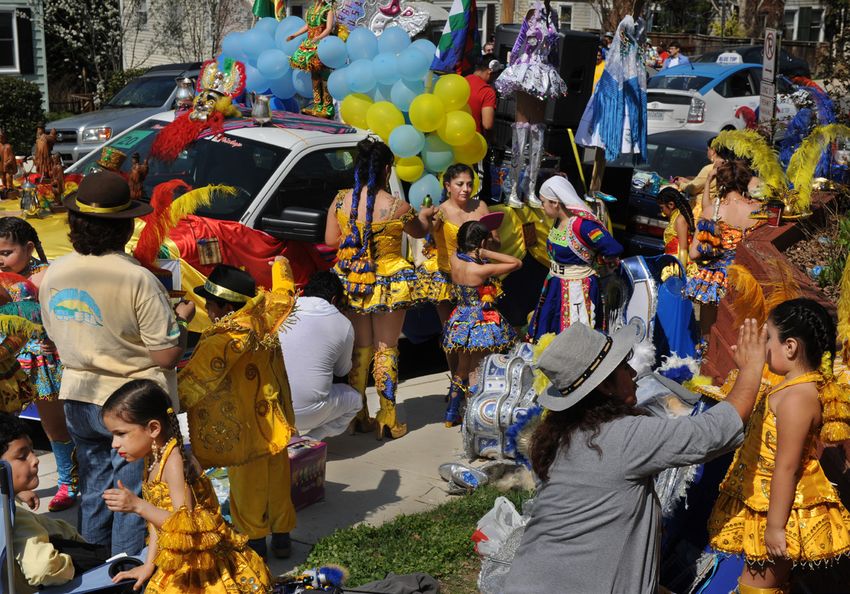
broadSIDE
the magazine of the
                                                   Sharing Our Collections
                                                                                                                the inside story

LIBRARY OF VIRGINIA
                                                   Traveling displays let us bring our
2021        | NO. 3                                exhibitions to you

                                                    E
librarian of virginia                                         xhibitions are an excellent way for libraries to share their
Sandra G. Treadway                                            collections with the general public. The Library of Virginia’s
                                                              first-floor Exhibition Gallery is modest in size, but we have
library board chair
                                                   used that space effectively over the years to inform and engage
Blythe Ann Scott
                                                   audiences on the wide variety of topics that our print, manuscript,
library of virgina foundation                      and visual collections address. Our 2014–2015 exhibition, To Be
board president                                    Sold: Virginia and the American Slave Trade, explored Richmond’s
Lucia Anna “Pia” Trigiani                          central role in the domestic slave trade, a harsh reality in Virginia’s past that many wished
                                                   to ignore or forget. In 2017 we marked the 100th anniversary of Prohibition with Teetotalers
library of virginia foundation
                                                   & Moonshiners, which examined the economic and social consequences of Prohibition
executive director
R. Scott Dodson                                    and its legacy, from NASCAR to today’s burgeoning brewing industry. In 2019 our New
                                                   Virginians exhibition highlighted the rich cultural traditions that recent immigrants brought
editorial board                                    to Virginia and their contributions to our ever-evolving commonwealth. The following year
R. Scott Dodson                                    we commemorated the centennial of the 19th
Ann E. Henderson                                   Amendment with We Demand: Women’s Suffrage               We make smaller
John Metz
                                                   in Virginia, which featured the Library’s rich Equal
                                                                                                            traveling versions of our
editor                                             Suffrage League Collection. Public programming
Ann E. Henderson                                   accompanying each of these exhibitions encouraged        exhibitions available to
                                                   community conversation about the past and its
graphic designer                                   impact on who we are today.                              local libraries, schools,
Amy C. Winegardner
                                                         It is not possible for every Virginian to travel   historical societies, and
photographic services
                                                   to Richmond to view our exhibitions in person,
Mark Fagerburg                                     so we make smaller traveling versions of our             other community-based
Ben Steck                                          exhibitions available to local libraries, schools,
                                                   historical societies, and other community-based
                                                                                                            venues across the state.
contributors
                                                   venues across the state. These pop-up banner displays are usually booked as soon as they
Barbara Batson
                                                   are announced and remain popular long after the main exhibition at the Library has closed.
Courtney Bryce
Nan Carmack                                        Teetotalers & Moonshiners, for example, will be on display this fall at Mecklenburg County
John Deal                                          Public Library in Boydton. Host institutions find that these traveling displays are easy to
Dawn Greggs                                        install and do not require a lot of space—and, best of all, they are free. Teachers, parents,
Audrey McElhinney                                  and librarians can find resources that complement our exhibitions on the Library’s education
Dale Neighbors                                     website at edu.lva.virginia.gov.
Emily J. Salmon
                                                         Host venues often plan programs relating to the exhibitions while they are on display.
Eddie Woodward\
                                                   This provides an opportunity to showcase local authors, community members associated
                                                   with the subject, or local collections that complement the topic. If you are interested in
                                                   learning more or possibly hosting one of our available traveling exhibitions, please contact
broadSIDE is published quarterly by the            the Library’s exhibitions coordinator, Barbara Batson, at barbara.batson@lva.virginia.gov—or
Library of Virginia. © 2021 Library of Virginia.
                                                   visit edu.lva.virginia.gov/traveling-exhibitions-from-the-library-of-virginia.
All rights reserved. Reproduction in whole or
in part without permission is prohibited.          Sincerely,
broadSIDE is funded by the Library of                                                                  ON THE COVER
Virginia Foundation and other special funds.                                                           Photographer Lloyd Wolf captured this image of
                                                                                                       a Bolivian Oruro dance celebration in Arlington’s
       | comments | address corrections
inquiries
                                                                                                       Columbia Pike neighborhood. It’s one of many
Ann E. Henderson, Editor, Broadside                Sandra G. Treadway, Librarian of Virginia
                                                                                                       photographs in the Columbia Pike Documentary
800 E. Broad St., Richmond, VA 23219                                                                   Project, some of which are on display in the
ann.henderson@lva.virginia.gov                                                                         exhibition Columbia Pike: Through the Lens of
                                                                                                       Community running in the Library of Virginia’s
804.692.3611
                                                                                                       Exhibition Gallery through January 8, 2022.
Library of Virginia 804.692.3500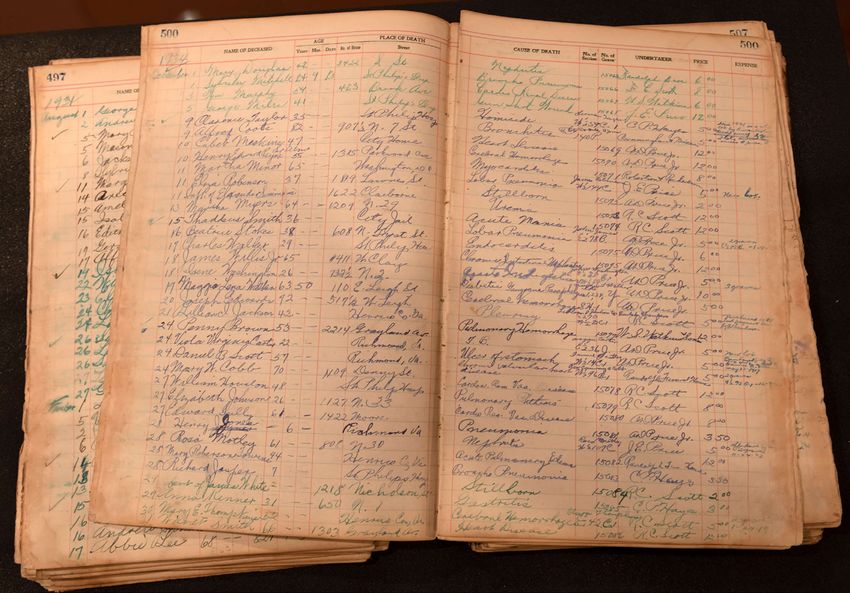
PLAN YOUR VISIT
                                                           800 East Broad Street | Richmond, Virginia 23219-8000 | 804.692.3500 | www.lva.virginia.gov

                                                           Welcome to the Library of Virginia, the state’s oldest institution dedicated to the
COVID-19 RESPONSE                                          preservation of Virginia’s history and culture. Our resources, exhibitions, and events attract
Appointments are no longer required                        more than 100,000 visitors each year. Our collections, containing more than 130 million
to use our second-floor reading rooms.                     items, document and illustrate the lives of both famous Virginians and ordinary citizens.
Visitors are strongly encouraged to
wear face coverings in the building.                       INFORMATION                                          LIBRARY REFERENCE DESK
                                                           804.692.3500 | www.lva.virginia.gov                  804.692.3777
For health and safety guidelines, visit                                                                         refdesk@lva.virginia.gov
www.lva.virginia.gov/covid-protocol.                       GENERAL HOURS                                        Monday–Friday, 9:00 am–5:00      pm
                                                           Monday–Saturday, 9:00 am –5:00 pm
                                                           (Saturday open hours begin Oct. 2)                   ARCHIVES REFERENCE DESK
                                                                                                                804.692.3888
                                                           READING ROOM HOURS                                   archdesk@lva.virginia.gov
  FOLLOW US ON                                             Tuesday–Friday, 9:00    am –5:00 pm                  Monday–Friday, 9:00 am–5:00      pm
                                                           Plus, special Saturday hours this fall:
                                                           October 2 & 23, 10:00 am–4:00 pm                     CALENDAR
                                                           November 6 & 20, 10:00 am–4:00 pm                    lva.virginia.gov/news/calendar
                                                           December 4 & 18, 10:00 am–4:00 pm                    THE VIRGINIA SHOP
                                                                                                                804.692.3524
                                                           HOLIDAY SCHEDULE
                                                           www.lva.virginia.gov/news/holiday.asp                Tuesday–Friday, 10:00    am–4:00 pm

                                                                                                                The Virginia Shop at the Capitol
                           Photograph © Ansel Olsen

                                                           ADMISSION IS FREE                                    Wednesday–Friday, 10:00 am–4:00       pm
                                                           Some special programs may have fees.                 Saturday, 10:00 am–2:00 pm
                                                           Check calendar listings for details.
                                                                                                                STATEWIDE EDUCATIONAL
                                                           PARKING                                              RESOURCES
                                                           Limited parking for Library visitors is available    804.692.3999
                                                           in the underground parking deck, accessible          www.lva.virginia.gov/lib-edu/education
                                                           from either Eighth or Ninth Streets.                 The Library provides relevant and
                                                                                                                useful educational material on Virginia’s
                                                           EXHIBITIONS                                          history, culture, and people to
                                                           Columbia Pike: Through the Lens of Community         educators, students, and lifelong
                                                           Through January 8, 2022                              learners of any age.
                                                           EVENTS                                               SUPPORT THE LIBRARY
                                                           804.692.3999                                         804.692.3813
                                                                                                                dawn.greggs@lva.virginia.gov
                                                                                                                www.lva.virginia.gov/donate

                                                           CONTENTS                                  2021      | NO. 3
                                                      2    New Exhibition | Columbia Pike: Through the Lens of Community

                                                      6    Literary Virginia | Library of Virginia Literary Awards

                                                      8    Local Libraries | Federal CARES Act Funding

                                                      10   Donor Spotlight | LDS Church Adopts Evergreen Cemetery Records

                                                      12   Local Records | Circuit Court Records Preservation Program

                                                      14   A Closer Look | Special Collections

                                                      16   Behind the Scenes | Inside the Exhibitions Program

                                                      18   Calendar | Events & Exhibitions

                                                      20   In Circulation | What’s Been Happening at the Library

2021 | ISSUE NO. 3                                                                                                                                 broadSIDE   1
1

               Columbia Pike
               THROUGH THE LENS OF COMMUNITY
              Photography exhibition explores the Arlington neighborhood that's
              been called “The World in a Zip Code”

             C
                     olumbia Pike: Through the Lens of Community, a unique exhibition of photographs at the Library of Virginia
                     running through January 8, 2022, celebrates the extraordinary cultural diversity found within a single
                     community in Northern Virginia. Columbia Pike Documentary Project photographers, whose personal
                                                                                              connections to the community allowed them
                                                                                              to capture the strength, pride, resilience,
                                                                                              elegance, and beauty of so many overlapping
                                                                                              cultures, created the works on view.
                                                                                                   Columbia Pike originated in the 19th
                                                                                              century as a toll road connecting rural Virginia
                                                                                              with the nation’s capital. Today, the Columbia
                                                                                              Pike corridor is one of the most culturally diverse
                                                                                              communities in the nation, and possibly in the
                                                                                              world. More than 130 languages are spoken in
                                                                                              Arlington County, with the densest concentration
                                                                                              along the Pike. At first glance, life doesn’t appear
                                                                                              so different from other contemporary urban
                                                                                              neighborhoods. Unlike in many other parts of the
                                                                                              world, or even in our own country, however, the
                                                                                              stunningly diverse group of people—representing
                                                                                              every continent—who live and work there do so
                                                                                   2
                                                                                              in relative harmony. “This is what peace looks
LIFE ON THE PIKE                                                                              like. People get along. This is how we should
1. Panorama, 3200 Block of Columbia Pike, 2008. Photograph by Xang Mimi Ho.                   be,” explained Columbia Pike Documentary
2. Columbia Pike Street Scene, July 2019. Photograph by Lara Ajami.                           Project photographer Lloyd Wolf.
                                                                                                    The inspiration for the documentary project
                                                                                              came from a conversation in 2006 when Wolf,
EXHIBITION                                                                                    along with fellow residents Paula and Todd
Through January 8, 2022 | Exhibition Gallery & Lobby                                          Endo, recognized that Columbia Pike was
                                                                                              something special and deserved attention. They

2   broadSIDE                                                          WWW.LVA.VIRGINIA.GOV                                                2021 | ISSUE NO. 3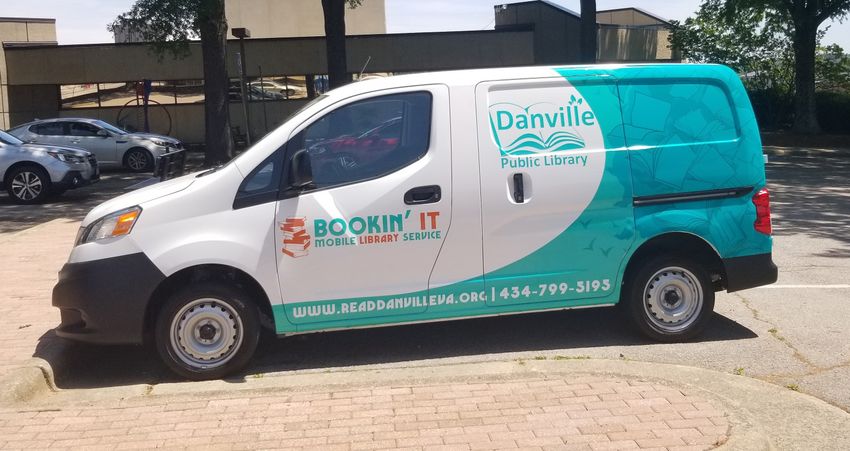
welcomed additional photographers and a writer to the project—
   including Dewey Tron, Xang Mimi Ho, Lara Ajami, Moises Gomez,
   Sushmita Mazumdar, and Aleksandra Lagkueva—and set about
   chronicling as many aspects of the Pike as they could. Together the
   team built a remarkable visual archive ranging in style from street
   photography to landscape photography to portraiture. Learn more
   about the documentary project at cpdpcolumbiapike.blogspot.com.
        Several thousand photographs from the Columbia Pike Documentary
   Project were transferred to the Library of Virginia’s Special Collections
                                        this spring. More than 70 of
                                                                                                                      3
“As the nation seems more               these images are highlighted
                                        in the exhibition, which also
 divided than ever, this                includes information about the
 collection shows how                   neighborhood, the residents, and
                                        the photographers themselves. “The
 one community is making                Library is grateful to welcome these
                                        compelling works to our collection,”
 diversity work.”                       said Visual Studies Collection
   coordinator Dale Neighbors. “As the nation seems more divided than
   ever, this collection shows how one community is making diversity work.”
        Look for information about exhibition-related events and programs
   on the Library’s calendar (www.lva.virginia.gov/news) and Facebook
   page in the coming weeks.
                                                                                                                      4
                                                                                   CELEBRATIONS
                                                                                   3. Columbia Pike Blues Festival,
   Help Us Share Virginia’s History                                                2012. Photograph by Lloyd Wolf.
                                                                                   4. Prio Bangla Festival,
   Through Exhibitions                                                             2014. Photograph by Dewey Tron.
                                                                                   5. Prio Bangla Festival,
   The Library of Virginia tells the story of
                                                                                   2012. Photograph by Lloyd Wolf.
   the commonwealth’s history through in-
   person, virtual, and traveling exhibitions
   that illustrate and illuminate Virginia’s
   culture. Support our work with a gift by
   using the enclosed envelope or by visiting
   www.lva.virginia.gov/donate.

                                       continues page 4
                                                                               5

   2021 | ISSUE NO. 3                                                                                  broadSIDE      3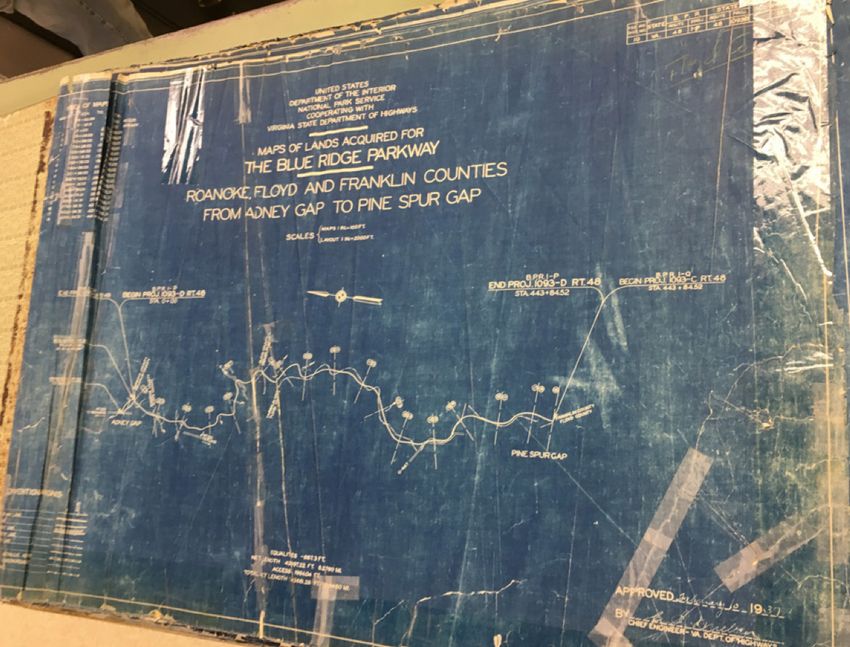
Questions for
LLOYD WOLF
Columbia Pike Documentary
     Project Photographer
                                                THE DOCUMENTARIANS
                                                Above: Lloyd Wolf (far right) poses with other Columbia Pike Documentary Project photographers (shown left to right)
                                                Aleksandra Lagkueva, Xang Mimi Ho (with daughter, Mila), Paula Endo, and Dewey Tron in 2014. Photograph by Lloyd

Can you tell us about your background in photography?                             photographers and interviewers, and secured additional funding and
Lloyd Wolf: I became a photographer by working for my college                     the sponsorship of the Columbia Pike Revitalization Organization, our
newspaper, and I interned and freelanced for the Hartford Times. After            local business-citizen civic nexus. Our talented team of photographers
college I moved back to Northern Virginia, where I worked in photo                and writers has produced two books, Living Diversity (2015) and
labs, freelanced, took night classes at the Corcoran School of Art, and           Transitions (2020), and has interesting plans for the future.
serendipitously became a photography teacher at an alternative public
school in Arlington. I earned my master’s degree in photography from              When does an image become complete and powerful enough to narrate a
Goddard College, and later received a National Endowment for the Arts             story? Is there something for you that makes a “good” photograph?
Documentary Grant with a colleague to record life in Arlington. The               LW: Frankly, like most photographers I know, I work largely by
Arlington Photographic Documentary Project produced an exhibition                 instinct, and respond to pictures the same way. Surprises or pictures
and an extensive catalog, and is archived in the Arlington Public                 that break through standard assumptions and practices are often the
Library’s Center for Local History. I began full-time freelancing with            most effective.
a wide range of editorial, nonprofit, and commercial clients, many of
whom were engaged in social service, social justice, and community-               Which images from the project are the most memorable for you?
empowerment activities. I’m a member of the U.S. Senate and House                 LW: It’s a big project spanning more than 15 years, so it’s rather hard
Press Photographer’s Gallery and I covered the riot at the Capitol on             to choose. Dewey Tron’s silhouette of a group of men walking at night
January 6, 2021. I’ve been working on the Columbia Pike Documentary               through heavy snow under streetlights evokes a sense of wonder, of
Project since 2006, have led it since about 2010, and plan to examine             something beyond ordinary experience. My favorite by Xang Mimi Ho is
the community as it continues to evolve.                                          a beautifully executed straightforward panoramic image of a shopping
                                                                                  strip that will likely soon be lost to development. An uplifting image by
How did the Columbia Pike Documentary Project come about?                         Lara Ajami is a close-up of a recent African refugee teen holding her
LW: The project began in 2006 as a confluence of related ideas that               hands cupped into a heart symbol just below her chin, with a sweet
were floating around in the minds of Paula and Todd Endo and myself.              and deep direct gaze at the viewer.
Paula and I had worked together teaching photography in Arlington
Public Schools, and as partners on the Arlington Photographic                     From my own pictures, there’s a close-up portrait of a Carnival
Documentary Project. Todd is an educational and civic activist in the             Boliviana dancer, his face in complete shadow, with bright strands of
community. Columbia Pike had become stunningly ethnically diverse,                colorful strings and beads hanging across the dark space, and a riot
and we felt that this was worthy of examination, documentation, and               of color in his hat against a blue sky that just resonates. It presents
sharing. More than 110 languages were spoken at Wakefield, the local              a secret hidden in clear sight, a glimpse perhaps of a shaman’s inner
high school, and the area was described in a Brookings Institution                workings moving in the world of everyday sight and experience.
report as “The World In a Zip Code.”
                                                                                  How do you approach strangers you want to photograph?
Paula had taught a photography class called the Columbia Heights                  LW: At big public gatherings, many people are photographed with little
West Teen Photo Project to mostly immigrant teens at an old                       or no awareness of my presence. If anyone asks, or if the subjects
community center along the Pike. The class produced a book, Portraits             are children, I approach them (or their parents) and explain what I’m
of the Pike, funded by Virginia Humanities, that contained portraits              doing. Most people are pleased to be part of the project. You get
and interviews with a diverse group of Arlington citizens. We decided to          an occasional no, and you simply respect that. We are sensitive to
expand on that idea. I received an individual artist’s grant to start what        people’s immigration status, and do our best to avoid putting anyone
became the Columbia Pike Documentary Project. We recruited more                   in danger and to respect privacy in general. In businesses, schools,

4   broadSIDE                                                         WWW.LVA.VIRGINIA.GOV                                                       2021 | ISSUE NO. 3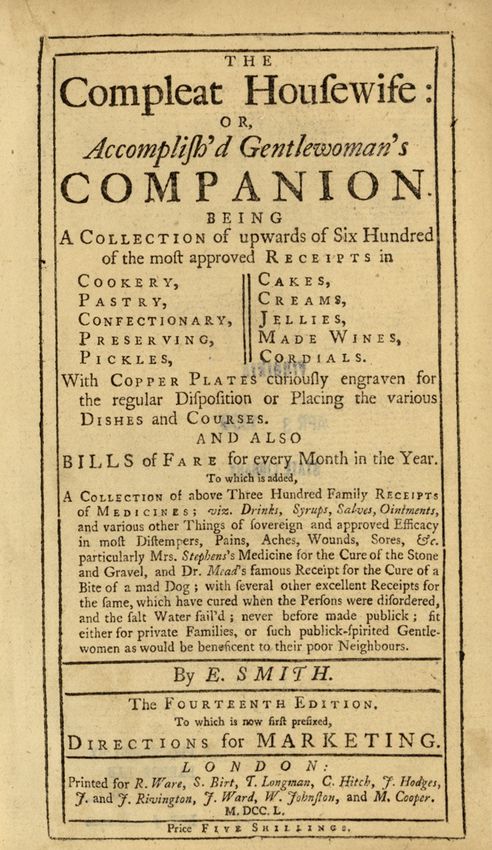
and homes, of course, we get permission first, and often make                STRIKING SUBJECTS
   arrangements ahead of time.                                                  1. First Thanksgiving for Refugees, Ethiopian Community Development Council,
                                                                                2018. Photograph by Lara Ajami.
                                                                                2. Carnaval de Oruro Parade, 2014. Photograph by Lloyd Wolf.
   What advice can you give photographers who want to document their            3. Night Scene After Heavy Snowfall, 2009. Photograph by Dewey Tron.
   own communities?
   LW: The most critical piece of doing community documentary work is
   to really know the community. Network extensively with individuals,
   community associations, businesses, schools—cast a wide net. Try to
   look at the buildings, people, and events with a questioning, curious
   eye, as if you have never seen them before. There are wonders to be
   seen everywhere—if your consciousness allows you to see them. Spend
   time on it. This kind of work needs steady cultivation. Walk the streets.
   Eat in people’s homes and restaurants. Visit the houses of worship,
   construction sites, firehouses, playgrounds, parks, celebrations. Think
   about what’s missing from your collection and add that to the mix.

   You have a saying: “This is what peace looks like.” How does it apply to
   Columbia Pike?
   LW: Sometimes when I see people just playing together, celebrating,
   or going about their everyday business without strife or enmity, I think
   what a blessing that is, and say to myself, “This is what peace looks
   like.” On Columbia Pike, where people from every corner of the planet
   have come to live all mixed together, from homelands where violence
   and interethnic bigotries are a common occurrence, there is, for the
   most part, real peace going on. It seems to me that the Pike is a
   model of how people of vastly different experiences and heritages can
   successfully live together with respect, harmony, and, yes, peace.

   What do you think the future holds for the Pike?
   LW: With Amazon’s HQ2 headquarters coming to an area adjacent to
   the Pike community, all bets are off. We are noticing a marked increase      1
                                     in real estate values, and a departure
There are wonders to                 of lower-income renters, many of
                                     them immigrants. I expect that there
be seen everywhere—if                will be large-scale development and
your consciousness                   urbanization in the next decades, a
                                     loss of green space, and an effort by
allows you to see them.              the county and some civic groups to
                                     hold onto affordable dwellings. My
   guess is that the Pike will become bigger, wealthier, trendier, less-
   family-oriented, and far less ethnically diverse, with fewer small locally
   owned ethnically focused businesses. n

    3                                                                           2

   2021 | ISSUE NO. 3                                                                                                                           broadSIDE      5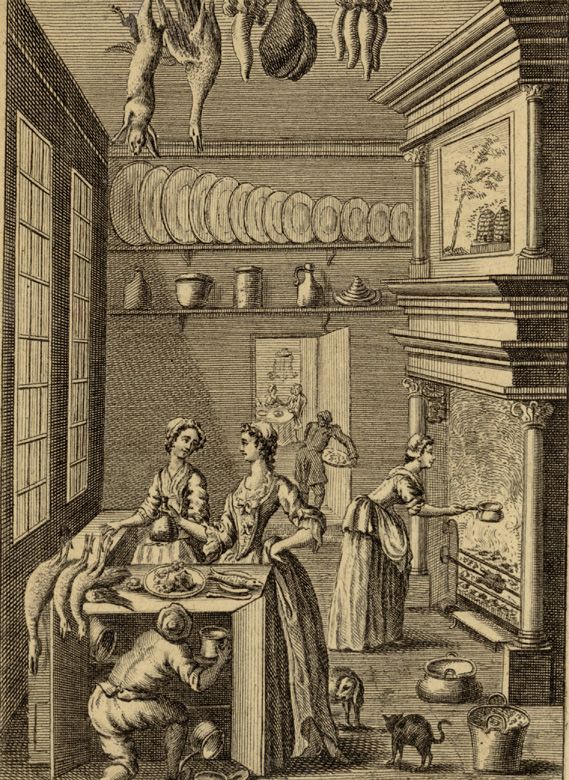
CELEBRATE
                                                VIRGINIA
                                                LITERATURE
                                                Make plans to attend the virtual Library
                                                of Virginia Literary Awards celebration

24th Annual
                                                OCTOBER 12–16, 2021

                                                T    he Library of Virginia Literary Awards will be held virtually
                                                     again this year with a week of author conversations and special
                                                events, most free, beginning Tuesday, October 12, 2021. The
                                                annual awards—our way of thanking the Virginia authors whose
                                                works have enriched our lives and filled our libraries—are presented
Literary Awards                                 to outstanding Virginia authors in the areas of poetry, fiction, and

     Celebration                                nonfiction. (The nonfiction category includes any author whose book
                                                is on a Virginia subject.) Also presented are the People’s Choice
                                                Awards for fiction and nonfiction and the Art in Literature: The Mary
                                                Lynn Kotz Award.
For more information about awards events,             The winners of these juried awards, who receive a cash prize and an engraved crystal
                 call 804.692.3813 or go to     book, are announced at the Library’s Annual Literary Awards Celebration, a virtual ceremony on
     www.lva.virginia.gov/public/litawards.     Saturday, October 16, 2021, supported by presenting sponsor Dominion Energy. Award-winning
                                                Virginia author Adriana Trigiani will again serve as host for the evening. Tune in via the Library of
                                                Virginia’s Facebook and YouTube pages to join the festivities.

    Tuesday, October 12 | 6:00–7:30   pm        Thursday, October 14 | 6:00–7:30   pm               year’s honoree is Gaylord Torrence for his
    NONFICTION DISCUSSION PANEL                 POETRY DISCUSSION PANEL                             book Continuum: Native North American Art
    Place: Online | Cost: Free                  Place: Online | Cost: Free                          at the Nelson-Atkins Museum of Art. Join us
    Nonfiction Award finalists Chip Jones,      Poetry Award finalists Bill Glose, Annie Kim,       for a presentation exploring the relationship
    Ryan Smith, and Nicole Myers Turner         and Kiki Petrosino discuss their work.              between literature and the visual arts. A book
    discuss their work.                                                                             signing and reception will follow the program.
                                                Friday, October 15 | 6:00–7:30 pm
    Wednesday, October 13 | 6:00–7:30      pm   ART IN LITERATURE:                                  Saturday, October 16 | 6:00–7:30   pm

    FICTION DISCUSSION PANEL                    THE MARY LYNN KOTZ AWARD                            LIBRARY OF VIRGINIA LITERARY
    Place: Online | Cost: Free                  Place: Virginia Museum of Fine Arts, Marble Hall    AWARDS CELEBRATION
                                                Cost: $8 ($5 for Library of Virginia &              Place: Online | Cost: Free
    Fiction Award finalists Rachel Beanland,
    Brian Castleberry, and Alma Katsu           VMFA members)                                       Award-winning author Adriana Trigiani
    discuss their work.                         Registration details coming soon.                   will again serve as host for the 24th
                                                The Library of Virginia and the Virginia            Annual Library of Virginia Literary Awards
                                                Museum of Fine Arts present the Art in              Celebration.
                                                Literature: The Mary Lynn Kotz Award. This

    6   broadSIDE                                               WWW.LVA.VIRGINIA.GOV                                             2021 | ISSUE NO. 3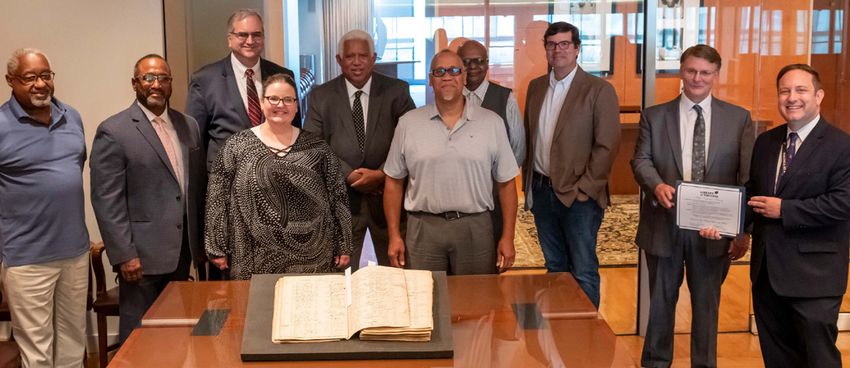
literary virginia                                                                                            LITERATURE & LITERACY

FINALISTS FOR THE LITERARY AWARDS & PEOPLE’S CHOICE AWARDS
T   he Literary Awards finalists were chosen by an independent panel of judges from books nominated. The People’s Choice Award winners
    were selected by votes from the public, which were cast online this summer. The winners in all categories will be announced at the virtual
celebration on Saturday, October 16, 2021.

2021 LITERARY AWARDS                                                      2021 PEOPLE’S CHOICE AWARDS
FICTION                                                                   FICTION
RACHEL BEANLAND | Florence Adler Swims Forever                            DAVID BALDACCI | Daylight
BRIAN CASTLEBERRY | Nine Shiny Objects                                    RACHEL BEANLAND | Florence Adler Swims Forever
ALMA KATSU | The Deep                                                     S. A. COSBY | Blacktop Wasteland

                                                                          KELLI JO FORD | Crooked Hallelujah
NONFICTION
                                                                          JOHN GRISHAM | A Time for Mercy
CHIP JONES | The Organ Thieves: The Shocking Story of the
                                                                          TJ KLUNE | The House in the Cerulean Sea
First Heart Transplant in the Segregated South

RYAN K. SMITH | Death and Rebirth in a Southern City:
                                                                          NONFICTION
Richmond’s Historic Cemeteries
                                                                          LYNNE CHENEY | The Virginia Dynasty: Four Presidents
NICOLE MYERS TURNER | Soul Liberty: The Evolution of
                                                                          and the Creation of the American Revolution
Black Religious Politics in Postemancipation Virginia
                                                                          ALEXIS COE | You Never Forget Your First:
                                                                          A Biography of George Washington
POETRY
                                                                          TIFFANY JANA & MICHAEL BARAN | Subtle Acts of Exclusion:
BILL GLOSE | Postscript to War
                                                                          How to Understand, Identify, and Stop Microaggressions
ANNIE KIM | Eros, Unbroken
                                                                          BETTYE KEARSE | The Other Madisons:
KIKI PETROSINO | White Blood: A Lyric of Virginia                         The Lost History of a President’s Black Family

                                                                          THOMAS E. RICKS | First Principles: What America’s Founders Learned
                                                                          from the Greeks and Romans and How That Shaped Our Country

                                                                          DAVID WRIGHT & ANTHONY DICOMO | The Captain

PRESENTING                           CELEBRATION
SPONSOR                              SPONSORS
                                     Carole & Marcus Weinstein
                                     Blue Edge Financial

                                     Liz & L. Preston Bryant, Jr.

                                     Janna & Marc Leepson

                                     MercerTrigiani

                                     Anna M. Moser &
                                                                           Help Strengthen Our Collections
                                     Peter B. Schwartz
                                                                           Your support can help the Library of Virginia strengthen
                                     Katherine Neville                     vital resources such as our Virginia Authors Collection—
                                     Joseph Papa &                         books by Virginia authors and on Virginia subjects. You
                                     John-Stuart Fauquet                   can make a gift by using the enclosed envelope or by visiting
                                     Kathy & Steve Rogers                  www.lva.virginia.gov/donate.
                                     Virginia Museum of Fine Arts
2021 | ISSUE NO. 3                                                                                                                  broadSIDE    7
LOCAL LIBRARIES

                                                                                        GOING MOBILE
                                                                                        CARES Act funding allowed Danville Public Library to
                                                                                        purchase a new mobile library vehicle to bring services
                                                                                        directly to the community.

    Federal CARES Act Funding Supports
         Virginia's Public Libraries
    WiFi zones, vehicles, and programming strengthen underserved communities
                                                         BY NAN CARMACK

                T    wenty Virginia Public Libraries were awarded federal CARES (Coronavirus Aid, Relief, and
                     Economic Security) Act funding through the Library of Virginia by the Institute of Museum and
                Library Services this past fall and have made great use of the funds as the grant period comes to a
                close. The libraries were chosen for their service to communities with high rates of unemployment
                and poverty and low rates of broadband connectivity. Faced with geographic and infrastructure
                barriers to Internet access, recipient libraries have been careful and innovative stewards of this
                opportunity, implementing multiple strategies for supporting their communities.
                     Lonesome Pine Regional Library, Halifax County–South Boston Library, and Danville Public
                Library each purchased vehicles (to be maintained with local funds) to provide outreach services
                in underserved parts of their communities, providing WiFi zones, programming, and book-lending
                services to those with limited access to libraries.
                     “COVID knocked us on our heels for a few weeks, but also provided us with a unique
                opportunity to really take a hard look at our services and the delivery of said services,” said
                Danville Public Library director Russell Carter. “We decided that we could no longer afford to sit
                in the building and wait for the community to come to us. We believe library services are crucial
                to the health and wellness of a community and should be afforded to everyone, no matter what
                challenges they face, even a global pandemic. The vehicle is the start of a whole new direction for
                us, one in which we are able to meet the community where they are and help overcome barriers to
                informational access.”
                     Almost all of the recipient libraries acquired WiFi hotspots and/or data-enabled laptops or
                tablets for patrons to check out and use at home, which provided access to at-home learning and

8   broadSIDE                                             WWW.LVA.VIRGINIA.GOV                                               2021 | ISSUE NO. 3
online job and government services for those who lacked high-quality
Internet service while libraries were closed to the public because of
the pandemic. These items will remain available for checkout post-
pandemic. Petersburg Public Library worked with city government to
provide WiFi zones on public transportation. Heritage Public Library
collaborated with a local nonprofit partner to provide a parking lot WiFi
zone for around-the-clock access to a community that previously had no
access at all.
Additional innovations include the installation of outdoor lockers for
access to library materials and expanding and strengthening WiFi signals
in library parking lots for after-hours use. Many libraries subscribed
to additional at-home learning and entertainment services during the
pandemic, ranging from eBooks and children’s content to homework help
and crafting programs.
One goal of CARES Act funding was to make libraries clean
and safe. To this end, libraries purchased PPE (personal protective
equipment) for the staff and to distribute to the public. Hand sanitizer
units, mobile handwashing
stations, and the The libraries were chosen
installation of self-checkout
for their service to
stations were common
features of the project. communities with high rates
The Library of Virginia
thanks the 20 recipient
of unemployment and poverty
libraries for their diligent and low rates of broadband
management of these
resources: Alleghany
connectivity.
Highlands Regional Library,
Blue Ridge Regional Library, Buchanan County Public Library, Central
Virginia Regional Library, Charlotte County Public Library, Cumberland
County Public Library, Danville Public Library, Eastern Shore Public
Library, Essex Public Library, Galax-Carroll Regional Library, Halifax
County–South Boston Public Library, Heritage Public Library, Lonesome
Pine Regional Library, Lunenburg Public Library, Massanutten Regional
Library, Mecklenburg County Public Library, Meherrin Regional Library,
Pamunkey Regional Library, Petersburg Public Library, and Russell
County Library.
To learn more about federal CARES Act funding for libraries, visit
www.imls.gov/grants/available/imls-cares-act-grants-museums-and-
libraries.
The best way to support YOUR public library is to use it! n
Nan Carmack is director of our Library Development and Networking Division.
ECONOMIC AID FOR LIBRARIES
Top Right: Youth Services specialist Beth Rohne hosts online story time for Essex Public Library
using studio equipment purchased with CARES Act funds.
Right: Alleghany Highlands Regional Library provides hotspot kits for patrons to check out to
provide Internet access at home, made possible through pandemic-related funding.
2021 | ISSUE NO. 3 broadSIDE 9DONOR SPOTLIGHT
DONORS & GUESTS GATHER
R. Scott Dodson (executive director, Library of Virginia Foundation), at far right, presents a certificate of adoption for the Evergreen Cemetery interment volume to LDS Church
members and other guests. Shown left to right are: Larry Clark (president, Greater Richmond Chapter, Afro-American Historical and Genealogical Society), Hal Miles (assistant
director of Communications – Outreach, Church of Jesus Christ of Latter-day Saints, Chesterfield Stake), Alan Earnshaw (assistant director of Communications – Media Relations,
Church of Jesus Christ of Latter-day Saints, Richmond Coordinating Council), Katie Derby (assistant director of Communications – Family History, Church of Jesus Christ of Latter-day
Saints, Richmond Coordinating Council), Stuart Scott (assistant director of Communications – African American Outreach, Church of Jesus Christ of Latter-day Saints, Richmond
Coordinating Council), John Mitchell (great-grandnephew of John Mitchell Jr., the editor and publisher of the Richmond Planet newspaper, who is buried in Evergreen Cemetery), Rev.
Dr. J. Elisha Burke (director of Health and Wellness, Men, Social Justice, and Sacred Spaces, Baptist General Convention of Virginia), John Sydnor (executive director, Enrichmond
Foundation), and Michael Mabe (president, Chesterfield Stake, Church of Jesus Christ of Latter-day Saints and director of Library Services, Chesterfield Public Libraries).
Helping to Preserve African American History
The Church of Jesus Christ of Latter-day Saints adopts an Evergreen
Cemetery interment volume for conservation and digitization
T hanks to a generous donation from The Church of Jesus Christ
of Latter-day Saints, a record book that holds vital information
on the history of Richmond’s Black community has been adopted
“The Library of Virginia is grateful for the generous support of
The Church of Jesus Christ of Latter-day Saints, which will allow
us to conserve an interment register for Evergreen Cemetery,” said
for preservation and digitization. The Evergreen Cemetery Interment Librarian of Virginia Sandra G.
Volume, 1926–1962, will be conserved, deacidified, given a new Treadway. “This register contains Founded in 1891 as
binding, and made available on the Library of Virginia’s website in invaluable information about
a Black equivalent to
digital format for review, research, and transcription. Staff members so many men and women who
with the LDS Church and other interested guests gathered to played an important role in Hollywood Cemetery,
commemorate the adoption and view the volume in the Library’s Richmond’s history. Descendants,
Special Collections Reading Room on July 12, 2021, before the item genealogists, and historical
Evergreen is the
was sent out for conservation. researchers will find these final resting place
The Evergreen Cemetery is a historic African American cemetery registers immensely useful. We
located in the East End neighborhood of Richmond, Virginia. Founded in are so pleased to be able to
for many notable
1891 as a Black equivalent to Hollywood Cemetery, Evergreen is the final preserve this treasure trove of African Americans.
resting place for many notable African Americans, including entrepreneur information about Richmond’s
and civic leader Maggie L. Walker, newspaper editor and civil rights African American community for
activist John Mitchell Jr., and business leader Alfred D. “A. D.” Price. future generations.”
10 broadSIDE WWW.LVA.VIRGINIA.GOV 2021 | ISSUE NO. 3“The Library of Virginia, by restoring the Evergreen records, is providing support to open
the pathway for families to discover the burial plots of their loved ones and possibly many
other unknown family histories,” said Larry Clark, president of the Greater Richmond, Virginia,
Chapter of the Afro-American Historical and Genealogy Society. “Cemetery records are critical
to family history research. Restoring the Evergreen Cemetery records will be of valuable
assistance to our mission. Our organization provides information on tools and techniques
for families who are undertaking genealogical research of their ancestors. Having clear and
accurate cemetery records is critical to the Evergreen families’ quests to understand the history
and lives of their ancestors. Unfortunately, at times this is the only information that can be
found pertaining to an ancestors’ birth and death information.” n
ADOPT VIRGINIA’S HISTORY
ADOPT VIRGINIA’S HISTORY
Reveal a Piece of the Past
Your gift can preserve items in the collections
The Adopt Virginia’s History program supports collection
management and conservation efforts for the 130 million archival
items and books in our collections, helping the Library preserve and
document our state’s collective memory. We welcome donations
to our general conservation and management fund. You can be
REVEALING RECORDS proud of your contribution to this important cause, which is tax
Above: These pages in the Evergreen Cemetery Interment Volume, 1926–1962, deductible. When you adopt a project, your gift will be noted in
include the interment listing for John Mitchell Jr., who was a prominent newspaper our online catalog record, and you will be invited to come and see
editor, politician, banker, and civil rights activist.
your work after conservation is completed. For more information
Top Right: John Metz, the Library’s deputy of Collections and Programs, presents
about this program, please contact Elaine McFadden, assistant
the Evergreen Cemetery Interment Volume to the group.
director of development with the Library of Virginia Foundation, at
804.692.3592 or elaine.mcfadden@lva.virginia.gov. To view images
of previously adopted items, visit www.lva.virginia.gov/involved/
adopted.asp.
2021 | ISSUE NO. 3 broadSIDE 11LOCAL RECORDS
CIRCUIT COURT
CARETAKERS
City of Chesapeake
circuit court clerk
Alan Krasnoff
(left) and Suzanne
Shoemaker (right) from
deeds and records
show off some of the
treasures in their
vault. Krasnoff has
helped the clerk of
court’s office receive
Circuit Court Records
Preservation Grants
along with other
funding to conserve
deed and will books,
plats, and plat books.
SAVING HISTORY
Circuit Court Records Preservation Program
conserves community narratives
T he Circuit Court Records Preservation Program, known as the
CCRP, provides resources to help preserve Virginia’s permanent
circuit court records and make them accessible to the public. Part
What Kinds of Local Government Records Receive
Conservation Grants?
The records in Virginia circuit court clerks’ offices document the
of the Library of Virginia’s Government Records Division and history of the city or county and its inhabitants, and can help
administered by the Local Records Services Branch, the CCRP genealogical researchers and historians tell the stories of the
is funded through a $3.50 recordation fee on land instruments community and the people who lived there. Because of the wide
recorded in the commonwealth’s circuit court clerks’ offices. The variety of information contained in local government records, it can
program awards grants to the clerks to help them address the needs be difficult to prioritize the conservation needs for the different
of the records housed in their localities. Since 1992, the CCRP has types of items in a circuit court records room.
awarded more than 1,800 preservation grants totaling more than Records that are used frequently, such as land books and will
$24 million dollars. books, can be good candidates
The Library’s Local Records staff members travel across the for conservation. Some items The Library’s local
state visiting circuit court clerks’ offices to examine records and that are used infrequently,
offer advice about records management and preservation. however, may also need prompt
records archivists often
The CCRP also provides resources needed to process and treatment. They might be rare see documents that are
house the circuit court records that are transferred to the State or unique, documenting historic
Archives for safekeeping and increased access, as well as tracking, events or holding special chipped and torn, have
duplicating, and maintaining circuit court microfilm stored in the importance to a locality. The tape repairs, are overly
Library’s media vault. size, shape, or artistic qualities
For more information about the program—including grant sometimes found in plats, acidic, or display signs of
program documents, guides and indexes to government records, and
finding aids—visit www.lva.virginia.gov/agencies/ccrp.
maps, or blueprints might make
water damage or mold.
them distinctive. In addition,
12 broadSIDE WWW.LVA.VIRGINIA.GOV 2021 | ISSUE NO. 3the older the records, the higher a priority, especially if they are
pre–Civil War.
The physical condition of items also factors into prioritizing. The
Library’s local records archivists often see documents or pages in a
volume that are chipped and torn, have tape repairs, are overly acidic, or
display signs of water damage or mold. Record books can have all of these
maladies, plus loose or detached spines, boards, signatures, and pages.
Records that are fragile or in an unstable medium or format,
such as the Emery Silking Process or cellulose acetate lamination, are
likely candidates. Records that are improperly housed or stored in poor
environmental conditions also deserve attention.
There is no simple formula for making these determinations.
The importance and usage of a record must be considered along with
its physical condition. For example, a 1940s deed book that is used
frequently but has little or no damage or deterioration is probably not
as good a candidate for conservation as an 1850s road book that is
rarely used but has detached signatures and pages, tears and tape
repairs, and no spine or boards.
—Eddie Woodward, Senior Local Records Archivist
A version of this article first appeared in the Spring 2021 issue of
CCRP News: The Newsletter of Virginia Circuit Court Records
Preservation Program.
DESERVING OF PRESERVING
Examples of records in Virginia’s circuit court clerks’ offices that need conservation
treatment include 1. Roanoke County Roads Vol. 19, Section 36a; 2. Floyd County’s
Maps of Lands Acquired for Blue Ridge Parkway, 1937; and 3. 1795 Mathews 1
County Fee Book.
3 2
2021 | ISSUE NO. 3 broadSIDE 13The Compleat
Housewife
London, 1750
a closer look RARE BOOK COLLECTION
T he most popular cookbook in 18th-
century America came from England
in the form of The Compleat Housewife: Or,
added several for colonial tastes in the first
American edition.
The Compleat Housewife went
more than 600 recipes, as well as some
home remedies.
Although Smith writes plainly, most of
Accomplish’d Gentlewoman’s Companion through 18 editions between 1727 and her recipes do not provide enough detail for
by Eliza Smith. The first cookbook to be 1773. Pictured here is the 14th edition, use by today’s standards. She doesn’t include
published in the American colonies, it was from 1750. Each page holds approximately cooking temperatures or times, for example.
issued in Williamsburg by William Parks four to five recipes, with only two to three Smith provides an extensive bill of fare for
in 1742. Using Smith’s 5th London edition sentences devoted to each. The book runs every season and month of the year, and
as his basis, Parks deleted some recipes and 400 pages within 10 sections and contains offers tips on how to tell if meat and poultry
14 broadSIDE WWW.LVA.VIRGINIA.GOV 2021 | ISSUE NO. 3A GENTLEWOMAN’S COMPANION
Left: The 14th edition of The Compleat Housewife, shown here,
was the first to offer “Directions for Marketing.”
Help Preserve Virginia’s History!
Far left: The book’s frontispiece presents a lively kitchen scene
with servants at work. Establishing an acquisition or
preservation fund is the perfect way to
are fresh. She devotes many pages to soft foods for elderly palates, such as Scotch
help the Library care for and expand
collops, fricassees, ragouts, soups, gravies, and plum porridges. There is a lengthy its world-class collection. Call Elaine
recipe for English “Katchup” that requires a week to reach proper strength. McFadden, assistant director of
This edition includes an illustrated development at 804.692.3592 or email
frontispiece image showing a kitchen scene There is a lengthy recipe elaine.mcfadden@lva.virginia.gov to
with servants preparing food for guests in the learn more.
dining room in the background. It also contains
for English “Katchup”
engravings showing table placement of food that requires a week to
courses for Winter, Summer, and “A Supper,
Second Course —The Dessert in the Middle.” reach proper strength.
Eliza Smith herself remains a bit of a
mystery. In the book’s preface, she writes that she spent her life as a cook and
housekeeper for wealthy households for more than thirty years, but she offers no
other personal information and produced no further books.
—Audrey C. McElhinney,
Senior Manuscript, Map, and Rare Book Librarian
THE
UNCOMMONWEALTH
Voices from the Library of Virginia
A wealth of stories. Far from common.
The UncommonWealth blog shares stories from the Voices of the Library of
Virginia. Learn about what we do, why we do it, and how our efforts relate
to current issues and events. In addition to our intriguing collections and
groundbreaking projects, we spotlight public libraries, staff members, and
specialized professions. Visit the website below to start exploring.
uncommonwealth.virginiamemory.com | #thisisLVA
2021 | ISSUE NO. 3 broadSIDE 15behind the scenes
INSIDE THE EXHIBITIONS PROGRAM
Questions for Barbara Batson, Exhibitions Coordinator
T
he Library of Virginia’s exhibitions
program explores the commonwealth’s
social and cultural history by highlighting
its rich collections and the stories they hold.
The program began in 1997 after the Library
moved into its current building, which provided
space for the Exhibition Gallery on the first
floor just beyond the main lobby. Since then,
exhibitions have explored topics such as a self-
taught African American sculptor, Virginia’s roots
music, architecture that was never built, the
internal slave trade, post–Civil War Virginia, the
long campaign for woman suffrage, and many
others. In addition to on-site exhibitions, the
Library offers online and traveling exhibitions
(see sidebar article at right). Exhibitions
coordinator Barbara Batson, who has guided this
work, answers some questions below.
GUIDING THE GALLERY
Exhibitions coordinator Barbara Batson prepares a collection item for display.
How did you get into this line of work? What is your How do you safely display historic collection items in our
background? Exhibition Gallery?
Barbara Batson: I’ve been involved with museums since I was in BB: Light is the big enemy for displaying paper items, so I work with
high school. I was a costumed interpreter at Old Salem Museums the Library’s conservator, Leslie Courtois, and a professional lighting
and Gardens and later worked as a researcher at the Museum of designer to ensure that lighting levels in the gallery are acceptable. We
Early Southern Decorative Arts, both in Winston-Salem, North use museum-quality framing materials and secure vitrines for display.
Carolina. I had a yearlong internship at Historic Deerfield in The idea is to display materials safely in order to preserve them.
Massachusetts and then joined The Valentine here in Richmond as
curator. I was at The Valentine for 11 years before joining the Library Are there any unusual or particularly memorable items you’ve
of Virginia. In fact, I started working at the Library the day before worked with for an exhibition?
we opened this building to the public. My academic background is in BB: Probably the most memorable and most fun exhibition for
anthropology and art history. me personally was Freeing Art from Wood: The Sculpture of
Leslie Garland Bolling. I wrote Bolling’s biographical entry for the
What do you like about your job? Library’s Dictionary of Virginia Biography, and I became intrigued
BB: I tell people that this is the best job: I work with a great with the idea of mounting an exhibition of his work. I knew the
collection, I work with really smart people, and I learn something location of only about 10 sculptures, but as I did research, I wound
new every day. No kidding! up with more than 20 of his works. And I keep finding them! As
a result of the exhibition, Bolling’s sculpture Saver of Soles is now
in the collection of the Art institute of Chicago, and Cooking on
16 broadSIDE WWW.LVA.VIRGINIA.GOV 2021 | ISSUE NO. 3Saturday, a work that was
located after the exhibition,
is now in the collection of
the Metropolitan Museum of
Art. More recently, I had a
blast working on We Demand:
Women’s Suffrage in Virginia
with editor Mari Julienne and
historian and author Brent
Tarter. We found lots of new
information that changed
the narrative. Read our book
The Campaign for Woman INSTALLATION DAY
Suffrage in Virginia, which Education and Outreach staff members work to install the
We Demand: Women’s Suffrage in Virginia exhibition, which
complements the exhibition.
ran from January 2020 through the spring of 2021.
Above: Editor Marianne Julienne works with text panels in the
Is there anything that would Exhibition Gallery.
surprise people about the At Left, Left to right: Catherine Fitzgerald Wyatt (Education
work that you do? and Outreach manager), Mari Julienne (editor), Barbara
BB: Organizing and mounting Batson (exhibitions coordinator), and Ashley Ramey
(community outreach specialist) install items in the lobby.
exhibitions takes a village. n
Online & Traveling Exhibitions The Library also provides traveling exhibitions free of charge
to public libraries, museums, and smaller historical societies
Online exhibitions on a wide variety of topics can be found on the throughout the commonwealth. Drawn from our on-site exhibitions,
Library’s website at virginiamemory.com/exhibitions. Some are these traveling versions go on the road to reach more than 100,000
digital versions of past on-site offerings, while others are created Virginians each year. If you’re interested in bringing a traveling
for online viewing and hosted through the Google Arts & Culture exhibition to your organization, contact Barbara Batson at barbara.
platform. Both types allow the public to access fascinating and batson@lva.virginia.gov or 804.692.3518.
important items from our collections.
The Cardinal Rules
Celebrate our state bird
with new home décor and
charming gifts featuring
stunning cardinals! The
Virginia Shop’s selection
of merchandise includes
prints, mugs, pillows, plush
toys, and more to meet your
gift needs.
Photograph courtesy of Shenandoah University Shop in store (Tuesday–Friday, 10:00 am–4:00 pm)
or online anytime at thevirginiashop.org.
Congratulations to Dr. Brent Tarter!
Brent Tarter, historian, author, and editor of the Library of
Virginia’s Dictionary of Virginia Biography, received an honorary
Doctor of Humanities degree from Shenandoah University in
recognition of his contributions to the study of Virginia history.
800 East Broad Street | Richmond, VA 23219 | www.thevirginiashop.org
The ceremony took place in Winchester on May 23, 2021. 804.692.3524 | email: shop@thevirginiashop.org
2021 | ISSUE NO. 3 broadSIDE 17calendar
Fall Events
and Politics. Former Secretary of Education
For the latest information, please follow us on Anne Holton will join Senator Robb on stage
social media and visit our Calendar of Events to reflect on his extraordinary life and career.
Full of honest reflections, the book pulls
at www.lva.virginia.gov/news/calendar.
back the curtain on one of America’s proven
ALL EVENTS ARE FREE UNLESS OTHERWISE NOTED. political leaders. A book signing will follow the
talk. The book is available at the Virginia Shop
(thevirginiashop.org). For more information,
contact Courtney Bryce at courtney.bryce@
lva.virginia.gov or 804.692.3524.
Tuesdays: Oct. 19, Nov. 16 & Dec. 21
6:00–7:30 pm
Tuesday–Saturday, October 12–16
BOOK CLUB
LIBRARY OF VIRGINIA LITERARY AWARDS
Common Ground Virginia History Book Group
Awards Celebration & Related Events
Place: Online
See pages 6–7 for details. Registration required: lva.virginia.gov/public/
virginia_history_book_group
Wednesdays:
Saturday, September 25 | 12:00–2:00 pm Read and discuss compelling nonfiction books
Oct. 13, Nov. 10
VOLUNTEER OPPORTUNITY handpicked by Library staff members that
& Dec. 8
Transcribe-a-versary Celebration explore Virginia history, society, and culture.
6:00–7:30 pm
Place: Online On the third Tuesday evening of each month,
BOOK CLUB
Registration required: join a virtual book group discussion. October’s
Literary Virginia
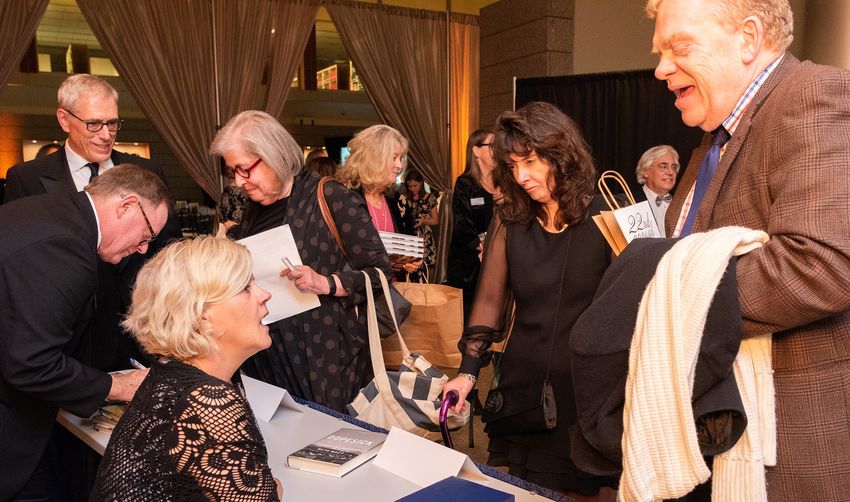
bit.ly/LVAvirtualvolunteer book is Dopesick by Beth Macy. November’s
Book Group
The Library invites past transcribers and new book is Fearless: How a Poor Virginia
Place: Orientation
volunteers to join us for a virtual Transcribe- Seamstress Took On Jim Crow, Beat the Poll
Room or Online
a-versary! This event celebrates the ongoing Tax and Changed Her City Forever by Charlene
Read and discuss Butts Ligon. December’s book is Steel Drivin'
contributions of our volunteers and offers
the best of today’s Man: John Henry, the Untold Story of an
information about the future direction of
Virginia literature— American Legend by Scott Reynolds Nelson.
Transcribe projects. Guest speaker Dr. Robert
including books by Library of Virginia Literary Check your local public library to borrow
Nelson, director of the Digital Scholarship
Award winners and finalists in fiction and titles, or purchase through the Virginia Shop
Lab at the University of Richmond, will
nonfiction. On the second Wednesday (thevirginiashop.org) or other online retailers.
provide insight into the possibilities of
evening of each month, join a book group For more information, contact Rebecca
digital humanities projects. Volunteers will
discussion either in person or online. In Schneider at rebecca.schneider@lva.virginia.
then transcribe handwritten pages and
October, we’ll discuss You Never Forget Your gov or 804.692.3550.
historical newspapers by reading the text and
First: A Biography of George Washington
typing it into digital form. We will conclude
by Alexis Coe, a nonfiction finalist for the
with a discussion about crowdsourcing
People’s Choice Award and the subject of
projects at the Library of Virginia. Contact
our November Weinstein Author Series talk.
Sonya Coleman for more information
November’s book is Crooked Hallelujah by
at makinghistory@virginiamemory.com.
Kelli Jo Ford, a fiction finalist for the People’s
Choice Award. December’s book is Daylight
Wednesday, October 6
by David Baldacci, another fiction finalist
5:30–7:00 pm
for the People’s Choice Award. Books are
BOOK EVENT WITH
available at the Virginia Shop (thevirginiashop.
CHUCK ROBB
org) and other retail outlets. For more
In the Arena:
information (including how to join by Zoom),
A Memoir of Love,
visit lva.virginia.gov/public/literary_virginia_ Friday, October 22 | 9:00 am –12:00 pm
War, and Politics
book_group or contact Nan Carmack at nan. GENEALOGY WORKSHOP
Place: Lecture Hall
carmack@lva.virginia.gov or 804.692.3792. Immigration Records at the
Registration required:
bit.ly/3xCXMKW Library of Virginia
Place: Online
Join us for a Registration required:
conversation with former U.S. senator and immigrationrecordsatlva.eventbrite.com
Virginia governor Chuck Robb about his new Cost: $15 ($10 for Library members)
memoir, In the Arena: A Memoir of Love, War,
18 broadSIDE WWW.LVA.VIRGINIA.GOV 2021 | ISSUE NO. 3Library of Virginia reference archivist Cara at makinghistory@virginiamemory.com
Griggs leads this workshop focused on or call Hands On Greater Richmond at
records from 1607 to 1929 concerning 804.330.7400.
the immigration of individuals who came to
Virginia. Learn about passenger lists and
naturalization records as well as strategies for
identifying birthplaces through records that
relate to immigration and naturalization, vital
records, obituaries, cemetery records, the
records of religious organizations, and records Wednesday, November 17 | 6:00–7:30 pm
from an individual’s country of origin. Contact WEINSTEIN AUTHOR SERIES TALK
Ashley Ramey at ashley.ramey@lva.virginia. You Never Forget Your First
gov or 804.692.3001 for more information. Place: Lecture Hall
Registration required: Friday, November 19 | 9:00 am –12:00 pm
lva.virginia.gov/public/weinstein GENEALOGY WORKSHOP
Join us for a How to Trace Your Virginia Roots
talk by historian Place: Online
and New York Registration required: bit.ly/LVA-VaRoots
Times best- Cost: $15 ($10 for Library members)
selling author Back by popular demand: Library of Virginia
Alexis Coe on her archivist Amanda Morell and reference
book You Never services librarian Becky Schneider introduce
Forget Your First: you to the types of records in the Library’s
Saturdays: Oct. 23 & Nov. 20 | 12:00–2:00 pm
A Biography
VOLUNTEER OPPORTUNITY collections to help you get started with your
of George Virginia-based genealogical research. We
Making History with LVA Washington, which takes a closer look at our
Place: Online encourage you to view the resources available
first president and finds he is not quite the on our Family History Playlist on YouTube
Registration required: bit.ly/LVAvirtualvolunteer man we remember. Coe’s form-shattering before attending the workshop. Contact Ashley
Crowdsource with us! Volunteers will book combines rigorous research and lively Ramey at ashley.ramey@lva.virginia.gov or
transcribe handwritten pages and historical storytelling that will have readers—including 804.692.3001 for more information.
newspapers by reading text and typing those who thought presidential biographies
it into digital form. Join us for a virtual were just for dads—inhaling every word. The
session to learn how you can help make Carole Weinstein Author Series supports
historical documents more searchable the literary arts by bringing both new and
and usable for researchers now and in the well-known authors to the Library of Virginia
future. Each session will focus on one or through online or in-person events. The
more of these three crowdsourcing projects book is available from the Virginia Shop
(depending on document availability): (thevirginiashop.org). For more information,
Making History: Transcribe; From the Page: contact Dawn Greggs at 804.692.3813
WWI Questionnaires; or Virginia Chronicle. or dawn.greggs@lva.virginia.gov.
Contact Sonya Coleman for more information
exhibitions at
800
east broad
Columbia Pike
THROUGH THE LENS OF COMMUNITY
Through January 8, 2022
Exhibition Gallery & Lobby
See pages 2–5 for details.
2021 | ISSUE NO. 3 broadSIDE 19in circulation WHAT’S BEEN HAPPENING
AT THE LIBRARY
Find more images at www.f lickr.com/photos/lvaevents and follow us on Facebook.
1 2
3 4
1. On May 27, 2021, as the Library prepared to allow visitors back to the second-floor reading rooms with no
appointments needed, staff members gathered on the stairs in the Lobby to pose for a “welcome back” photo.
2. Left to right: Summer interns Kofi Mason, Joellen Ceide, and Julia Preston toured the Library’s closed
stacks to learn about our collections on June 29, 2021.
3. Governor Ralph Northam (at far right) visited the Library to view original copies of four of Virginia’s
constitutions on July 1, 2021, along with the University of Virginia’s Warner-Booker Distinguished Professor
of Law, A. E. Dick Howard (at his left), and Librarian of Virginia Sandra G. Treadway. The items were on
display in honor of the 50th anniversary commemoration of the Virginia Constitution of 1971.
4. Anne Walker, one of the Library’s Brown Teacher Research Fellows (left), leads a session during the
12th annual Anne and Ryland Brown Teacher Institute at the Library on August 3, 2021. This year’s one-
day conference focused on the 50th anniversary of the 1971 Virginia Constitution, offering resources to
help educators teach students about the document and its legacies.
5 5. Panelists enjoyed a light moment during the Library’s first in-person event of the year, “Looking Back,
Looking Forward: The 50th Anniversary of the Virginia Constitution,” on July 1, 2021. Shown are Brian
Cannon, director of campaigns for the Institute for Political Innovation (left), and Henry L. Chambers Jr., a
professor of law at the University of Richmond (right), who discussed the advances made possible by the
Constitution of 1971, as well as the work that still remains.
20 broadSIDE WWW.LVA.VIRGINIA.GOV 2021 | ISSUE NO. 3You can also read


