Building
  A
  Scholarly
  Publishing

Infrastructure
  At
  The
  University
  of

                 Michigan:

    Challenges,
  OpportuniAes
  and
  First

                    Moves
←
→
Page content transcription
If your browser does not render page correctly, please read the page content below
Building
A
Scholarly
Publishing
Infrastructure
At
The
University
of
Michigan:
Challenges,
OpportuniAes
and
First
Moves
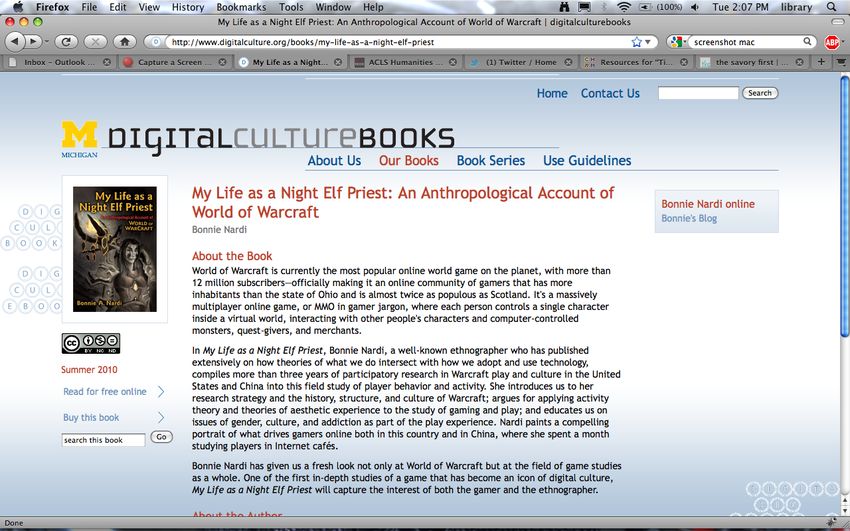
A brief history of publishing at the University of Michigan from the beginning of 8me to the present day • 1858: UM publishes first book with university imprint (on asteroids) • 1930: University of Michigan Press • 1993: Mosaic Web Browser • 1993-‐present: All hell breaks loose • 2000: Scholarly Publishing Office of the University of Michigan Library • 2004: Deep Blue (IR) • 2009: Copyright Office • March 2009: UM Press reports within Library • late 2009: MPublishing; AUL for publishing hired
Moving
  from
  an
  industrial
  park
To
a
subdivision
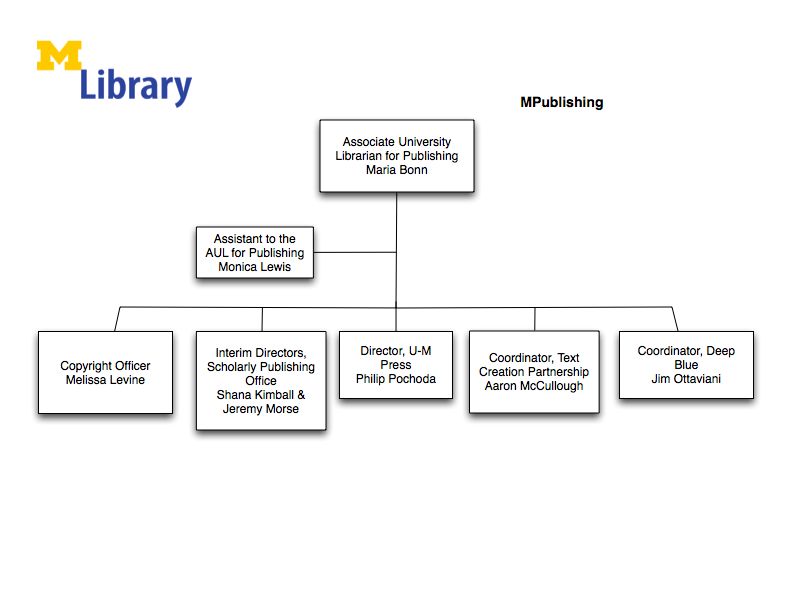
AUL
for
Publishing
Maria
Bonn
Assistant
to
the
AUL
for
Publishing
Monica
Lewis
Copyright
Head
Head
Research
Head
Michigan
Manager
Ari
Friedlander
Office
Deep
Blue
Publishing
UM
Press
Associate
Publishing
Digital
-‐Text
Crea8on
Copyright
Director
Technology
Library
Print
Partnership
Director
-‐
Phil
Services
Publishing
Specialist
Natsuko
Group
Services
Outreach
Pochoda
Jim
OWaviani
Produc8on
Nicholls
Shana
Kimball
Terri
Geitgey
Coordinator
Melissa
Levine
Jeremy
Morse
Kevin
Hawkins
Copyright
Assistant
Specialist
Programmer
Librarian
Gregg
Seth
Johnson
Rebecca
Grossmeier
Welzenbach
Copyright
Interface
Computer
Specialist
Librarian
Systems
Specialist
Bobby
Glushko
Open
Posi8on
Rashmi
Nikore
Applica8ons
Digital
Programmer
Conversion
Bryan
Smith
Assistant
Alix
Keener
To
  a
  coopera8ve

The
  challenges
  of
  community

• If
  you
  don’t
  mow
  your
  lawn,
  my
  property

  values
  will
  go
  down.

• We
  should
  spend
  money
  on
  the
  roads,
  not
  the

  landscaping.

• We
  should
  spend
  money
  on
  the
  landscaping,

  not
  the
  roads.

• Coopera8ve
  maintenance
  or
  hire
  an
  outside

  company?
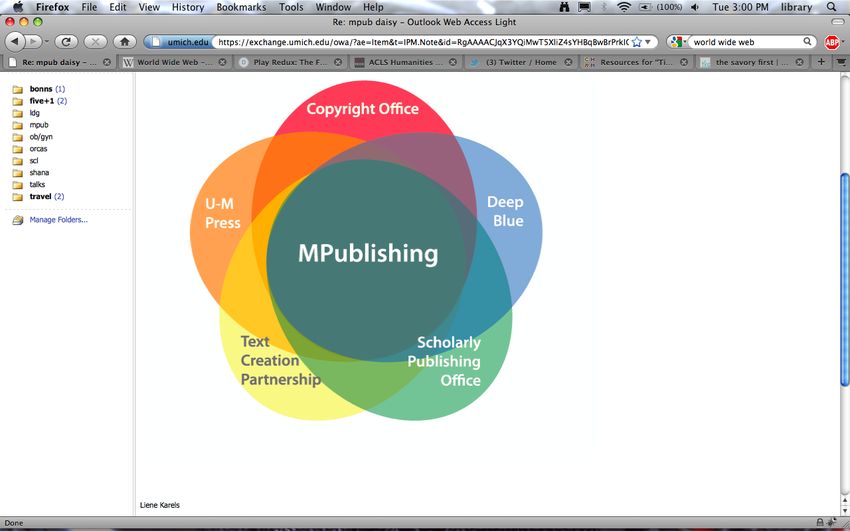
The
  benefits
  of
  a
  shared
  infrastructure

• Scale

• Sharing
  of
  exper8se
  on
  real
  world
  problems

• Opportunity
  to
  leverage
  exis8ng
  workflow
  and

  business
  rela8onships

• Varie8es
  of
  perspec8ve
  and
  experience
  make

  for
  beWer
  strategy
  and
  planning

• More
  room
  on
  the
  margins
  for

  experimenta8on
  and
  innova8on
What
  does
  MPublishing
  do?

• Monograph
  publishing
  in
  print
  and
  electronic
  forms

• Journal
  hos8ng
  and
  publishing

• Development
  of
  new
  publishing
  models:
  community

  portals
  and
  knowledge
  bases

• Permanent
  electronic
  archiving
  of
  faculty
  publica8ons

  and
  related
  materials

• Publishing
  consulta8on
  and
  educa8on

• Copyright
  consulta8on
  and
  educa8on

• Rights
  advocacy
  for
  University
  of
  Michigan
  authors

• Reissuing
  materials
  from
  our
  collec8ons
  and
  our
  faculty

  in
  new
  forms
  (reprints,
  electronic
  edi8ons   )
Monograph
publishing
in
print
and
electronic
forms
• Crea8ng
a
produc8on
infrastructure
for
books
• and
book-‐like
things
• that
capitalizes
on
our
exis8ng
strengths
• and
builds
new
tool
sets
• and
is
responsive
to
the
needs
of
our
authors
and
readers
• at
the
lowest
possible
cost
Type
  1:
  Print2Screen

• Conver8ng
  print
  books
  to
  Web
  delivery

• First
  itera8on
  of
  digitalculturebooks

• Books
  move
  through
  tradi8onal
  UMP

  produc8on
  process

• Final
  copy
  sent
  to
  printers
  and
  digital

  produc8on
  at
  Library
Type 1: Print2Screen • Pros: – One workflow – No addi8onal overhead or process redesign – Cheap • Cons: – One-‐way flow – Loses opportunity for faster 8me to publica8on – Digital func8onality is an aeer-‐thought
Type 2: The Book in Mo8on • Adding func8onality to the tradi8onal, linear text • Linking within, across and outside of texts • Adding mul8media “illustra8on” • Crea8ng rela8onships to datasets of various types • In development as part of UMP produc8on process • Well-‐established in HEB “frontlist” workflow • Goal of XML first
Type
  2:
  The
  Book
  in
  Mo8on

• Pros:

   – Integrates
  well
  with
  established
  transmiWal
  process

   – Moves
  digital
  planning
  upstream
  where
  it
  belongs

   – Teaches
  us
  to
  ask
  the
  right
  ques8ons
  at
  the
  right
  8me

• Cons/Challenges:

   – Educa8on
  needs
  to
  move
  upstream
  too
  –
  produc8on

     has
  to
  educate
  all
  the
  way
  back
  to
  the
  author

   – Addi8onal
  level
  of
  engagement
  with
  author

   – Extra
  level
  of
  aWen8on
  to
  permissions
  and
  materials

     prepara8on
Type
  3:
  When
  A
  Book
  Is
  Not
  A
  Book
Type
  3:
  When
  A
  Book
  Is
  Not
  A
  Book

• Web
  first,
  book
  second?

• Not
  only
  born
  digital
  but
  conceived
  digital

• Primary
  presenta8on
  may
  not
  be
  linear
Type
3:
When
A
Book
Is
Not
A
Book:
Ques8ons
and
Lots
of
Them
• How
do
we
evaluate
appropriateness
of
investment?
• What
sort
of
sustained
engagement
with
author
is
required?
• Who
does
the
data
model?
• What’s
the
plan
for
long-‐term
cura8on?
• What
is
the
evalua8on
process
at
all
phases?
• Will
any
of
this
be
re-‐purposable?
• Is
a
book
a
requirement?
What
happens
if
it
doesn’t
appear?
What’s
  the
  goal
  again?

• A
  flexible
  and
  efficient
  collabora8ve
  publishing

  infrastructure
And
  what’s
  it
  going
  to
  take?

• Time

• Money
OK,
  what’s
  it
  going
  to
  take
  that
  we’ve

                           got?

• Shared
  understanding
  of
  our
  publishing

  economies
  and
  varie8es
  of
  costs

• Willingness
  to
  learn
  new
  roles

• Tolerance
  for
  ambiguity

• Real
  projects
  and
  lots
  of
  them

• Humbleness

• Arrogance
Ques8ons?

Now?


  Just
  ask

Later?


  mbonn@umich.edu


  @msbonn


  hWp://lib.umich.edu/mpublishing
You can also read


