Building Scotland's Low Emission Zones - A Consultation - transport.gov.scot - The ...
←
→
Page content transcription
If your browser does not render page correctly, please read the page content below

transport.gov.scot

Building Scotland’s
Low Emission Zones
A Consultation
Consultation on Building Scotland’s Low Emission Zones
Transport Scotland
Ministerial Foreword
Roseanna Aileen Campbell MSP Humza Yousaf MSP
Cunningham MSP
Minister for Public Minister for Transport
Cabinet Secretary For Health and Sport and The Islands
Environment, Climate
Change and Land
Reform
We have progressively reduced air pollution in Scotland over recent years, but poor
air quality – predominantly caused by road transport – remains an issue at a number
of hotspots in our towns and cities. In the Cleaner Air for Scotland: The Road to a
Healthier Future (CAFS) strategy, published in November 2015, we therefore
committed to ensuring that Scotland’s air quality will be the best in Europe.
Improving air quality must be at the centre of the Scottish Government’s transport
and placemaking decision making, to ensure we maximise the real and tangible
health benefits associated with cleaner air. To support this, the Scottish Government
has committed to:
with local authorities, introduce Low Emission Zones (LEZs) into our four biggest
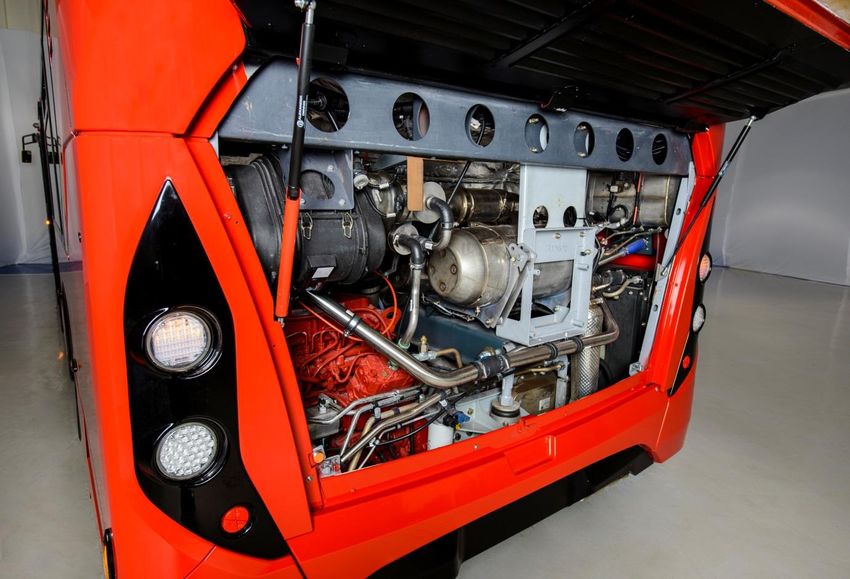
cities between 2018 and 2020 and into all other Air Quality Management Areas
by 2023 where the National Low Emission Framework (NLEF) appraisals
advocate such mitigation
introduce an Air Quality Fund to support local authorities with Air Quality
Management Areas to deliver transport based mitigation as identified by the
NLEF
work with the commercial and bus sectors, the Energy Saving Trust and the Low
Carbon Vehicle Partnership to introduce an Engine Retrofitting Centre in
Scotland to support the delivery of LEZs, creating new jobs and with the goal of
winning business from outwith Scotland
Following the May 2017 local elections, several local authorities in major Scottish
cities have made positive statements around LEZs, and we are encouraged to see
the strong political will across local government to support the building of Scotland’s
LEZs.
Local authorities have longstanding expert knowledge about their air pollution
challenges, and are best placed to take the lead in addressing air pollution hotspots.
ii
Consultation on Building Scotland’s Low Emission Zones
                                                                     Transport Scotland

However, we also recognise there must be collaboration and partnerships between
Government, its agencies, local authorities, regional transport partnerships, business
and industry, non-governmental organisations and the general public to successfully
deliver LEZs.
We look forward to receiving your views on our questions and proposals on Building
Scotland’s Low Emission Zones.

                                          iii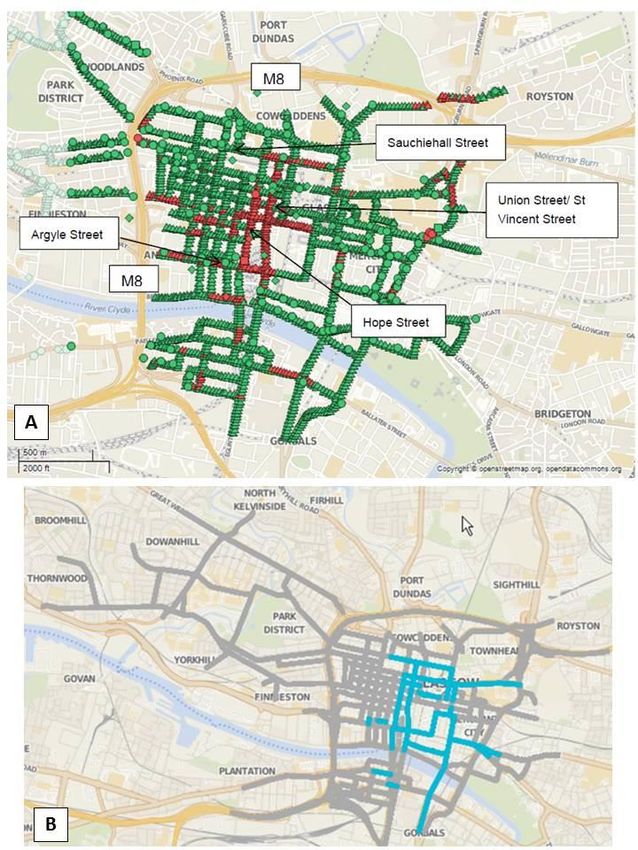
Consultation on Building Scotland’s Low Emission Zones
                                                                 Transport Scotland

Contents
1. Introduction                                                                  3
  Cleaner Air for Scotland and Low Emission Zones                                3
  Purpose of this consultation                                                   4
2. Setting the Scene                                                             5
  Air quality in Scotland                                                        5
  Air pollution and health                                                       5
  Responsibilities under air quality legislation                                 6
  Local Air Quality Management                                                   6
  Transport strategy and air quality                                            14
  What is a LEZ?                                                                14
  Do LEZs improve air quality?                                                  16
  Scottish Parliament scrutiny of LEZs                                          16
  Legislation, Orders and Conditions related to LEZs                            17
3. Building Scotland’s LEZs                                                     18
  Primary LEZ objective                                                         18
  LEZ Euro emission standard criteria and vehicle scope                         19
  LEZ scheme founding principle: Charging versus Penalty                        22
  LEZ hours of operation                                                        23
  Enforcement and Vehicle Detection                                             24
  Exemptions                                                                    24
  Lead-in time and sunset period                                                26
  Alternative engine technology and retrofitting                                29
  Funding                                                                       30
  Measuring LEZ effectiveness                                                   31
  Communications                                                                31
4. Complementary measures to LEZs                                               33
  Multiple benefits associated with improvements to air quality                 33
  Air pollution and climate change                                              34
  Air pollution and congestion                                                  35
5. Assessing Impact                                                             37

                                         iv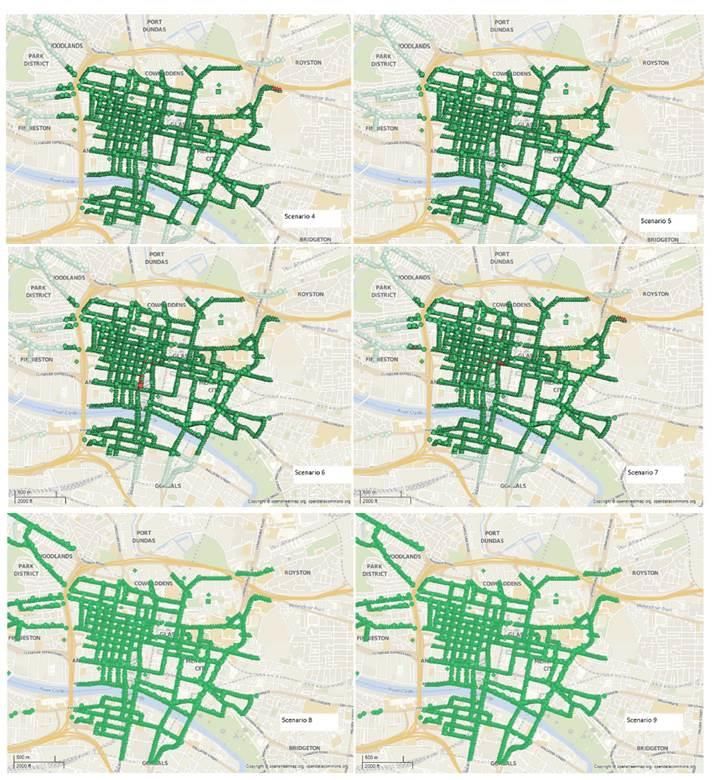
Consultation on Building Scotland’s Low Emission Zones
                                                                Transport Scotland

  Equality                                                                     37
  Business and Regulation                                                      37
  Privacy                                                                      38
  Environment                                                                  38
6. Consultation Questions                                                      40
7. References                                                                  42
8. Respondent Information Form                                                 44

                                         v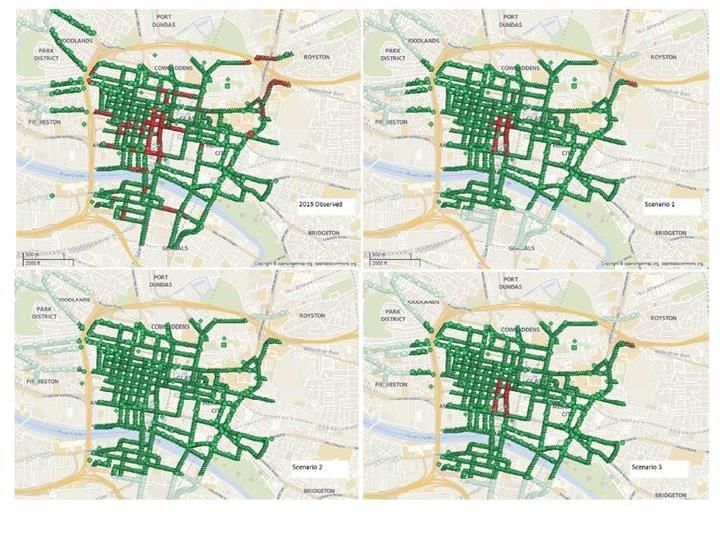
Consultation on Building Scotland’s Low Emission Zones
                                                                            Transport Scotland

Abbreviations
Air Quality Management Area ........................................................................... AQMA
Automatic Number Plate Recognition................................................................. ANPR
Cleaner Air For Scotland .................................................................................... CAFS
Clean Vehicle Retrofit Accreditation Scheme ...................................................CVRAS
Gross Vehicle Weight .......................................................................................... GVW
Heavy Goods Vehicle ........................................................................................... HGV
Intelligent Transport Systems ................................................................................. ITS
Local Air Quality Management ........................................................................... LAQM
Low Emission Zone ............................................................................................... LEZ
Member of the Scottish Parliament ...................................................................... MSP
National Low Emission Framework ..................................................................... NLEF
National Modelling Framework ............................................................................. NMF
Particulate Matter ....................................................................................................PM
Regional Transport Partnership ............................................................................ RTP
Traffic Regulation Conditions ................................................................................TRC
Traffic Regulation Order ....................................................................................... TRO
Ultra-Low Emission Zone .................................................................................... ULEZ

                                                           vi
Consultation on Building Scotland’s Low Emission Zones
Transport Scotland
About this consultation
Consultation is an essential part of the policy making process. This consultation on
Building Scotland's Low Emission Zones gives us the opportunity to seek your
opinions on issues we believe are essential to deliver a national approach that
ensures robust implementation of LEZs. There has been significant scrutiny of LEZs
and air quality in recent years. This consultation provides an opportunity for
stakeholders and the general public to offer their views on Scottish Government
proposals on key aspects of establishing LEZs in Scotland.
After the consultation is closed, all responses will be analysed and used to inform the
LEZ policy making process, helping to shape the guiding principles that the Scottish
Government will adopt to design, establish, and operate Scottish LEZs. We will
publish responses where we have been given permission to do so.
This consultation focuses on the proposals for LEZs to improve air quality; however
we believe LEZs should also act as a means to improve road network operations and
tackle congestion (in tandem with other transport policies), support modal shift to
active travel and public transport, support climate change mitigation and support
placemaking to improve town and city spaces.
This consultation is not about:
The design or implementation of any individual town or city-specific LEZ.
Further consultation on location-specific LEZ proposals will follow in due
course.
A full review around the next phase of actions for AQMAs, although Section 4
ask for views on the actions that local or central government should consider to
work in tandem with LEZs to improve air quality.
Zero-emission zones, that restrict road access to only zero emission vehicles,
although the evolution of some European LEZs has seen zero-emission zones
being considered.
Deadline
This consultation will close at 23:59 on the 28 November 2017.
How to respond
To encourage wide participation, the Scottish Government has created a number of
ways for you to engage in the consultation. You can respond online, by email or by
post. The consultation will also be available in alternative formats on request,
including Large Print, Braille and Easy Read.
1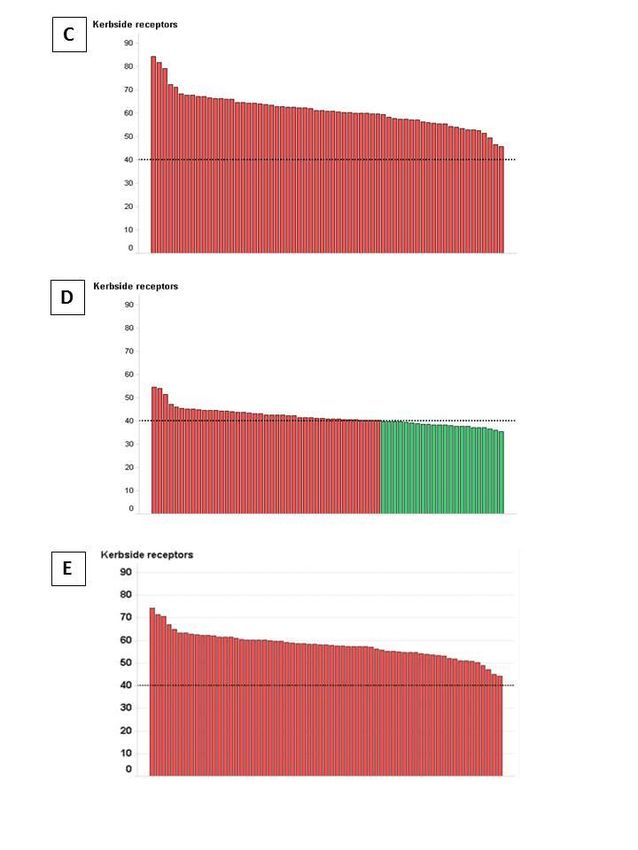
Consultation on Building Scotland’s Low Emission Zones
                                                                Transport Scotland

Response methods
Online   To respond online, please use the Scottish Government’s consultation hub
         called Citizen Space. You can respond in English or British Sign Language.
         You can save and return to your response at any time while the
         consultation is open, but please ensure that your response is submitted
         before the consultation closes at 23:59 on the 28 November 2017.
         You will be automatically emailed a copy of your response after you submit
         it. If you choose this method you will be directed to complete the
         Respondent Information Form (as shown in Section 8). The Respondent
         Information Form lets us know how you wish your response to be handled,
         and in particular whether you are happy for your response to be made
         public.
Email    Send us an email to lezconsultation@transport.gov.scot with a copy of your
         response, along with the Respondent Information Form.
Post     Send your responses (within the Respondent Information Form) in English
         to the following address:
         Environment and Sustainability
         Trunk Road and Bus Operations
         Transport Scotland
         Buchanan House, 7th Floor
         58 Port Dundas Road
         GLASGOW G4 0HF

With each of these methods, you need to include your Respondent Information Form
because this lets us know how you wish your response to be handled, and in
particular whether you are happy for your response to be made public.
If you wish to comment on the consultation via Twitter, please use the hashtag
#lezconsultation

Next Steps
After the consultation has closed we will analyse all the responses received and use
your feedback to help inform the development of future legislation and guidance on
LEZs. Where permission has been given, we will make responses available to the
public at https://consult.scotland.gov.uk/. We will aim to publish our response and
analysis to the consultation within 20 working days of the consultation closing.

Need Assistance?
If you need support in answering this consultation or alternatively have a query about
the consultation process, or a complaint about how this consultation has been
conducted, you can send your query to the email, postal address or Twitter hashtag
shown above.

                                          2
Consultation on Building Scotland’s Low Emission Zones
Transport Scotland
1. Introduction
Cleaner Air for Scotland and Low Emission Zones
1.1 Cleaner Air for Scotland: The Road to a Healthier Future (CAFS), published in
2015, is Scotland’s first distinct air quality strategy. CAFS sets out how the
Scottish Government and its partners propose to reduce air pollution and fulfil
Scotland’s legal responsibilities as soon as possible. CAFS committed to:
A nationally consistent approach to the appraisal, design and
implementation of Low Emission Zones (LEZs) through the application of a
National Low Emission Framework (NLEF) in conjunction with a National
Modelling Framework (NMF)
‘…significant progress towards the revocation of all Air Quality Management
Areas’ by 2020. LEZs have a clear role to play in this commitment
1.2 The Scottish Government’s Programme for Government 2017 states that, in
partnership with local authorities, we will:
introduce Low Emission Zones (LEZ) into Scotland’s four biggest cities
between 2018 and 2020, and into all other Air Quality Management Areas
(AQMAs) by 2023 where the National Low Emission Framework appraisals
advocate such mitigation
introduce an Air Quality Fund to support local authorities with Air Quality
Management Areas to deliver transport-based mitigation as identified by the
National Low Emission Framework
work with the commercial and bus sectors, the Energy Saving Trust and the
Low Carbon Vehicle Partnership to introduce an Engine Retrofitting Centre
in Scotland to support the delivery of LEZs, creating new jobs and with the
goal of winning business from outside Scotland
1.3 In addition, the draft Climate Change Plan has also stated that the ‘Scottish
Government will evaluate the scope for urban wide LEZs with a specific focus
on CO2 emissions, as well as air pollution’.
1.4 The development of LEZs will be supported by the Cleaner Air for Scotland
Governance Group1 (in tandem with a selection of stakeholders). LEZs will be
designed in a manner consistent with the national discussion on the NLEF 2 and
we will use the experience of putting in place the first LEZ to inform the NLEF,
which is currently being prepared by the Scottish Government.
1
The CAFS governance group membership is outlined at http://www.scottishairquality.co.uk/air-
quality/CAFS
2
Noting that the first LEZ design may not fully reflect the eventual NLEF appraisal document
guidance. The Scottish Government would not expect the first LEZ appraisal to be repeated once
NLEF is published.
3Consultation on Building Scotland’s Low Emission Zones
Transport Scotland
Purpose of this consultation
1.5 This consultation paper sets out the proposed arrangements and options to
deliver consistent, well-designed and managed LEZs. Local authorities will
undoubtedly aim to work in partnership with a range of stakeholders including
the Scottish Government and Regional Transport Partnerships – together with
industry stakeholders across bus operators, freight transport companies and
taxi associations - to make the key decisions on the size, shape and scope of
LEZs, given the extensive local knowledge of air pollution challenges and
transport solutions across such stakeholders.
1.6 Section 3 outlines the proposed guiding principles for building Scotland’s LEZs
to address hotspots of air pollution in our towns and cities, and seeks your
views on a selection of issues such as Euro emission criteria, LEZ hours of
operation, enforcement, lead-in times and exemptions.
1.7 Section 4 seeks your views on synergistic complementary measures that local,
regional or central government - in tandem with commercial fleet and bus
operators should consider in conjunction with LEZs to support congestion
reduction, climate change mitigation and modal shift to active travel and public
transport.
1.8 Section 5 seeks opinions on how the Scottish Government should pay due
regard to impacts across equalities, business and regulation, privacy and
environment.
1.9 The findings from the consultation will help inform the guiding principles for
Scottish LEZs. They will also help guide the design of the NLEF, which will
provide local authorities with a consistent national methodology to appraise,
implement and operate a LEZ.
1.10 In developing our plans for LEZs, the Scottish Government have been, or will
seek to, actively engage with relevant stakeholders, including but not limited to
Convention of Scottish Local Authorities, local authorities, Regional Transport
Partnerships (RTPs), Society of Chief Officers for Transportation in Scotland,
Traffic Commissioner for Scotland, business organisations including Chamber
of Commerce and Federation of Small Businesses, planning groups, non-
governmental organisations, freight transportation organisations (such as the
Freight Transport Association and Road Haulage Association) and bus sector
organisations (including the Confederation for Passenger Transport). A number
of these organisations will have roles to play in the governance and delivery of
LEZs in Scotland, to ensure stakeholders are involved in the co-design of LEZs
as early as practicably possible.
1.11 We hope that as many members of the public as possible will respond to this
consultation. We appreciate that some of the more technical questions in this
consultation are aimed at local authorities and businesses, but we would
encourage everyone to respond to any or all of those areas where you feel you
have a contribution to make.
4Consultation on Building Scotland’s Low Emission Zones
Transport Scotland
2. Setting the Scene
Air quality in Scotland
2.1 Levels of the main transport-related air pollutants are declining with cumulative
emission from nitrogen oxides (NOx) having decreased by 39% and fine
particulate matter (PM) by 2% between 2007 and 2014. However, we are not
meeting European limit values or Scottish Air Quality objectives at a number of
locations across towns and cities in Scotland, primarily as a result of transport
emissions which contribute 39.1% of nitrogen oxides emissions3.
2.2 The Scottish Air Quality website provides a summary of the Scottish Air Quality
objectives and standards - as set out in the Air Quality (Scotland) Regulations
2000 - along with the locations of Air Quality Management Areas and a short
glossary description on both PM and oxides of nitrogen e.g. the relationship
between NOx and NO2.
Air pollution and health
2.3 Transport-related air pollution caused by fine particulate matter (PM2.5 and
PM10) and gases such as nitrogen oxides (NOx) impact on human health. Air
pollution can have a particular impact on the very young and old, and those
with existing respiratory and cardiovascular conditions, where air pollution can
exacerbate existing health conditions (especially heart disease and respiratory
illnesses) of vulnerable individuals. More detail on this topic can be found in
Chapter 5 of Cleaner Air for Scotland.
2.4 Air pollution is a health inequalities and social justice issue, given that
vulnerable groups are disproportionately affected. There is a positive
relationship between air quality and social deprivation, with the most socially
deprived communities more likely receive a disproportionate share of poor air
quality (see Namdeo & Stringer, 2008; King & Healy, 2013; Mitchell, et al 2015)
2.5 In 2010, the UK Government Department of Health’s expert advisory
committee, the Committee on the Medical Effects of Air Pollution (COMEAP)
produced estimates of the burden of added mortality associated with ambient
fine particulate pollution at UK level. COMEAP estimate that poor air quality
shortens average life expectancy in Scotland by 3-4 months (compared to 6-7
in England and Wales), although vulnerable groups are disproportionately
affected (Health Protection Scotland, 2014).
3
Transport sector contributions are outlined in Table 1 of Cleaner Air for Scotland. The Scottish
Transport Statistics can be found on the Transport Scotland website, to enable comparison between
transport and emissions, with the latest data available at
https://www.transport.gov.scot/publication/scottish-transport-statistics-no-35-2016-edition/
5Consultation on Building Scotland’s Low Emission Zones
Transport Scotland
Responsibilities under air quality legislation
2.6 With respect to domestic legislation, the Environment Act 1995 and associated
regulations require local authorities to review and assess air quality in their
areas against objectives and standards for a range of averaging periods for a
number of air pollutants.
2.7 Assessment of air quality is focused on locations where members of the public
are regularly present and where there is exposure to the pollutant in question
over the timescale for which the air quality objective is defined. Authorities are
legally obliged to demonstrate that they are doing all that is reasonably possible
to work towards the legal objective values. Authorities are expected to liaise
with Transport Scotland, Scottish Environment Protection Agency and other
relevant organisations when developing action plan measures.
2.8 With respect to European legislation, the Ambient Air Quality Directive
2008/50/EC requires the Scottish Government to secure compliance with the
European Directive limit values, at locations where the public has access (but
not including factory premises or industrial installations where legal provisions
regarding health and safety at work apply, locations with no fixed habitation,
and road carriageways) as soon as possible. The work of local authorities in
relation to Local Air Quality Management (LAQM) makes an important
contribution to actions being implemented by the Scottish Government.
Local Air Quality Management
2.9 The LAQM system is detailed in the LAQM Policy Guidance PG(S)16 (Scottish
Government, 2016). It sets out the policy framework for improving local air
quality, with local authorities holding the responsibility to deliver LAQM
objectives and Scottish air quality assessments.
2.10 A number of local authorities with Air Quality Management Areas (AQMAs) now
have action plans, and the Scottish Government is working closely with these
authorities, to help implement the plans and deliver air quality improvements.
The majority of Air Quality Management Areas declared in Scotland are due to
nitrogen dioxide (NO2) and/or particulate matter (PM) emissions from road
traffic. For this reason, air quality mitigation related to transport has been a
longstanding focus of AQMAs, including action on vehicle idling, traffic
management (using Intelligent Transport Systems (ITS)), improved cycling
uptake/active travel measures, introduction of cleaner low emission vehicles
and parking policies. A number of local authorities have also outlined their
interest in a LEZ (feasibility and appraisal) option within previous LAQM annual
reports.
2.11 Scottish Government (2016) made reference to significant new component
parts of the LAQM process, including the forthcoming National Low Emission
Framework (NLEF) and the National Modelling Framework (NMF). The NMF,
informed by robust local traffic data, will provide modelled kerbside pollution
concentrations that can be assigned to emissions across the fleet. The NMF
will inform traffic-related actions through the NLEF appraisal process to reduce
6Consultation on Building Scotland’s Low Emission Zones
Transport Scotland
kerbside concentrations, and thus improve local air quality and minimise public
exposure. As such, LEZs should be considered as an additional action to the
current LAQM regime, with LEZs being put in place where NMF/NLEF evidence
helps to determine both the exact extent and focus of the LEZ area, and the
LEZ implementation towards achieving the LAQM objectives.
2.12 Early NMF outputs for a hypothetical LEZ in Glasgow are shown in Figures 1 to
3, to provide an indication of the impact that could result from a LEZ in relation
to achieving the Scottish Air Quality Objective for nitrogen dioxide. The NMF
outputs are based on the application of the proposed Euro emission standards
(as described in Table 2), but are provided here for illustration only in relation to
the topics outlined in Section 3. Whilst several scenarios in Figure 3 have
focused on a hypothetical bus-only LEZ, bus-only LEZs are not being
proposed in this consultation for any location in Scotland. Individual town
or city-specific LEZs will be consulted upon in due course. As noted later in
Section 4, LEZ implementation could play a key enabling role to tackle urban
congestion and support the bus sector to increase patronage, by supporting
actions to reduce both private car journey emissions and congestion caused by
cars. The NMF modelling work, in tandem with traffic modelling, will be central
to the analysis of future Scottish LEZs.
7Consultation on Building Scotland’s Low Emission Zones
Transport Scotland
Figure 1 – Map A shows NOx emissions within a hypothetical LEZ in Glasgow City
Centre modelled for the year of 2015 using the NMF, based on 2015 observed traffic
8Consultation on Building Scotland’s Low Emission Zones
Transport Scotland
data e.g. before LEZ mitigation is put in place. The red colouring shows locations
where NOx levels exceed a limit of 40 μgm-3, whilst green colouring shows locations
where these levels are below this limit. Map B shows the main sources of NOx
emissions in Glasgow city centre. Roads shown in blue represent the locations
where buses contribute more than 40% of the emissions. The roads shown in grey
represent locations where private cars contribute more than 40% of the emissions. In
summary, buses are the dominant source of road emissions on specific city centre
streets, whilst private vehicles are the dominant source across the wider road
network. Maps created using OpenStreetMap and published on
OpenDataCommons. © OpenStreetMap.
9Consultation on Building Scotland’s Low Emission Zones
Transport Scotland
Figure 2 – Examples of air quality impact on Renfield Street in Glasgow for a
hypothetical LEZ at a number of kerbside locations, noting that altering the Euro
10Consultation on Building Scotland’s Low Emission Zones
Transport Scotland
emission standard for various vehicle types for a specific street can result in variable
outcomes. Upgrading the bus fleet only to Euro VI is predicted to reduce kerbside
NO2 concentrations by an average of 19 µg m-3, whilst upgrading the diesel car fleet
only to Euro 6 on the same street would achieve more modest improvements in air
quality, with average reduction in kerbside NO2 concentrations of 3 µg m-3. Graph C
represents kerbside receptor model predictions with no action; Graph D represents
kerbside receptor model predictions with action focused only on buses; Graph E
represents kerbside receptor model predictions with action focused only on diesel
private cars. The dotted line in graphs C, D and E represent the 40 μgm-3 mean
Scottish Air Quality Objective value.
11Consultation on Building Scotland’s Low Emission Zones
Transport Scotland
Figure 3a – NMF outputs showing a variety of potential scenarios for a hypothetical
Glasgow LEZ, based on work commissioned by Transport Scotland to estimate LEZ
costs. The scenarios are shown in the table of page 11. The green areas represent
locations where the NOx mean level would be lower than the 40 μgm-3 mean
Scottish Air Quality Objective value if the scenario was implemented. Note that
scenario 6 in Figure 3b (which focuses on buses) would still result some exceedance
of the Scottish Air Quality Objective value on Hope Street and Argyle Street. The
NMF calculations utilised EMIT, which is a comprehensive emissions inventory
toolkit and included road traffic emissions factors from DfT and from Defra’s
Emission Factor Toolkit. Maps created using OpenStreetMap and published on
OpenDataCommons. © OpenStreetMap.
12Consultation on Building Scotland’s Low Emission Zones
Transport Scotland
Figure 3b - NMF outputs showing a variety of potential scenarios for a hypothetical
Glasgow LEZ. Maps created using OpenStreetMap and published on
OpenDataCommons. © OpenStreetMap.
13Consultation on Building Scotland’s Low Emission Zones
Transport Scotland
Transport strategy and air quality
2.13 The refreshed National Transport Strategy 2016 (NTS; see Transport Scotland
2016), reiterated the primacy of three Key Strategic Outcomes to be used as
the guiding principles at national, regional, and local level when developing
transport strategy and prioritising resources. One Key Strategic Outcome has a
clear link to LEZs, which is to seek “Reduced emissions, to tackle climate
change, air quality, health improvement”.
2.14 A full review of the National Transport Strategy is currently underway and will
aim to set out an updated vision for what kind of transport system we want for
the whole of Scotland over the next 20 years and how it can be delivered. The
Review will seek to identify the most effective means of reducing transport’s
local (air quality) and global (climate change) emissions.
What is a LEZ?
2.15 LEZs were first introduced in 1996 in Sweden to improve air quality, and there
are now over 250 LEZs across 15 European countries in either an operational
or planning phase, as outlined in Table 1.
2.16 LEZs are a form of Vehicle Access Regulation Scheme which set an
environmental limit on certain road spaces, to improve air quality by allowing
access to only the cleanest vehicles, particularly at locations where there is
public exposure. LEZs help to accelerate the move to lower emission vehicles
and encourage earlier renewal of the fleet. LEZ can also act as a catalyst to the
introduction of non-technological air quality mitigation, as outlined in more detail
in Section 4.
2.17 European LEZs cover a variety of vehicle types, but there is no single model for
determining which vehicles to include in a LEZ. Some European LEZs initially
focus on heavier vehicles, such as HGVs, buses and coaches, before
subsequently placing vehicle access restrictions on private cars. The key
principles of a LEZ are outlined in Box 1.
14Consultation on Building Scotland’s Low Emission Zones
Transport Scotland
Country Number Applicable vehicles National
Framework or
legislation
Implemented Schemes
Austria 7 HGVs Yes
Belgium 1 All vehicles with 4 or more wheels Yes
Denmark 4 HGVs Yes
Finland 1 Buses and refuse trucks -
France* 1 HGVs*** No
Germany 73 All vehicles with 4 or more wheels Yes
Greece 1 All vehicles with 4 or more wheels Yes
Italy 102** Various No
Netherlands 13 All vehicles with 4 or more wheels Yes
Portugal 1 All vehicles with 4 or more wheels No
Sweden 8 HGVs Yes
England and 5 Various Yes****
Wales
Planned Schemes Implementation
year
Czech 1 HGVs 2017
Republic
Norway 3 Unknown Unknown
Notes:
* The Mont Blanc Tunnel LEZ is between France and Italy but is included in
Italy’s LEZs. An odd-even number plate scheme restricts vehicles during high
pollution events.
** Lombardia Region LEZs, outside cities, are counted as a single LEZ.
*** Expanded to all vehicles from 1 July 2016.
**** Known as the Clean Air Zone Framework.
HGVs = heavy goods vehicles, with a gross vehicle weight (GVW) > 3.5 tonnes.
Where the restriction includes all vehicles > 3.5t it includes buses and coaches
Table 1 - Summary of European Low Emission Zones, based on 2015 data from the
Urban Access Regulations in Europe Website.
Box 1 – Key principles of LEZs in Europe
The key design objectives of a LEZ are to accelerate the move to low emission
vehicles, and encourage modal shift, thereby improving air quality in the area as
soon as possible. The choice around vehicle restrictions is typically based on
emissions per vehicle-kilometre, although Begg (2017) has recently highlighted the
importance of emissions per passenger-kilometre.
A number of European LEZs have, over time, increased both the vehicle type, scope
and Euro emission standard criteria (as described in Table 2) to ensure continual
improvement. Key principles of European LEZ design are as follows:
15Consultation on Building Scotland’s Low Emission Zones
Transport Scotland
Emission modelling is required to quantify the potential impact, with some
countries developing a national LEZ framework to provide a consistent approach
Most LEZs have started with a restriction on heavy duty diesel vehicles, but over
time their scope has widened to target a wider range of vehicles
The LEZ area chosen depends on a number of factors including the magnitude
of the contribution of traffic – and particular vehicle types - to the urban
background, the city’s road network and administrative boundaries
Do LEZs improve air quality?
2.18 LEZs can be a viable option to improve air quality. The Airuse (2017) literature
review found that LEZ outcomes are highly dependent on the scale, operational
scope and traffic data robustness, along with the variable air quality issues that
particular cities or countries are trying to address.
2.19 Gehrsitz (2017) found that German LEZs reduced average PM levels by about
4%. The Berlin LEZ was introduced over two stages, creating a 7-10%
reduction in NOx, with traffic adjusted black carbon concentrations decreasing
by 14-16% (Lutz, 2009; Airuse, 2017), whilst a 4% reduction in NOx
concentrations was achieved across 17 German cities with LEZs. PM10 was
reduced by 4% in Milan, 1-2% in Hanover, 2-4% in the Rhur area of Germany,
with reductions in PM10 also detected at 22 out of 29 monitoring sites in Baden
in 2008, albeit with meteorological factor contributions (derived from Sadler,
2011). However LEZs in 11 Dutch cities and London did not impact on NO2
concentrations.
Scottish Parliament scrutiny of LEZs
2.20 Air Quality and LEZs have been the focus of Questions, Committee
discussions, and debates in the Scottish Parliament. During 2017, a Members’
debate on the 14 June, led by the Scottish Green Party, highlighted the
interlinkages between air quality and health as part of the National Clean Air
Day 2017. The Environment, Climate Change and Land Reform (ECCLR)
Committee subsequently heard evidence from cross-professional experts on
the 2 May, which led to an ECCLR Committee Air Quality in Scotland Inquiry.
The Inquiry received more than 50 written submissions4.
2.21 There is broad political consensus to maintain the joined-up approach across
national government, local government and Regional Transport Partnerships –
in tandem with commercial fleets and bus operators - to target the urban air
pollution hotspots in Scotland’s towns and cities.
4
http://www.parliament.scot/parliamentarybusiness/CurrentCommittees/105527.aspx
16Consultation on Building Scotland’s Low Emission Zones
Transport Scotland
Legislation, Orders and Conditions related to LEZs
2.22 There are currently three potential mechanisms that might support the creation
of a LEZ:
The Environment Act 1995 enables the Scottish Ministers to make
Regulations prohibiting or restricting the access of vehicles or mobile
equipment to areas prescribed in the Regulations
The Road Traffic Regulation Act 1984 enables local authorities through the
mechanism of making a Traffic Regulation Order (TRO) to prohibit or restrict
the use of certain vehicles on certain roads for certain purposes including air
quality management. Contravention of a TRO is a statutory criminal offence.
Police Scotland lead on the enforcement of TROs (with the exception of
decriminalised parking matters). The 1984 Act does not provide for
enforcement of a TRO through a civil penalty
Air quality related Traffic Regulation Conditions (TRCs) can be attached as
licence conditions in respect of buses by the Traffic Commissioner for
Scotland, on the application of the local authority.
Question 1
Do you support the principle of LEZs to help improve Scottish air
quality? Please be as specific as possible in your reasoning.
17Consultation on Building Scotland’s Low Emission Zones
Transport Scotland
3. Building Scotland’s LEZs
Primary LEZ objective
3.1 Air Quality objectives adopted in Scotland for the purpose of LAQM can be
found on the Scottish Air Quality website, as noted in Section 2. The CAFS
strategy also targets significant progress towards the revocation of all AQMAs
by 2020, under the Scottish Air Quality objectives. Full compliance with the
Ambient Air Quality Directive 2008/50/EC by 2020 will be based around the
collective actions of CAFS, including the introduction of LEZs.
3.2 The Scottish Government is proposing that the primary objective of LEZs
in Scotland will be to support the achievement of Scottish Air Quality
Objectives that focus on nitrogen dioxide and particulate matter. As our
learning around LEZs matures, the focus could widen to incorporate additional
Scottish Air Quality Objectives pollutants and support the reduction of
greenhouse gas emissions.
Question 2
Do you agree that the primary objective of LEZs should be to support the
achievement of Scottish Air Quality Objectives?
If not, why not?
18Consultation on Building Scotland’s Low Emission Zones
Transport Scotland
LEZ Euro emission standard criteria and vehicle scope
3.3 Most European LEZs adopt the Euro-emission engine classification (known as
Euro emission standards5) to set out minimum mandatory standards that some,
or all, vehicle types must comply with, depending on the LEZ scope e.g. entry
into the LEZ is based on the type approval emission rating of a vehicle. These
vehicle standards were introduced in 1992 with Euro Class 1, with a
subsequent reduction in allowable emission each time a new class was
introduced, with the Euro Class 6 for cars introduced in 2015; the Euro VI for
vehicles over 3.5 tonnes was introduced in 2013. The classes define emission
limits for a range of pollutants, and for air quality there are limits for NOx and
PM. Vehicles manufactured in 2017 must meet the Euro VI/6 standard, and the
new Real Driving Emissions test procedure will enhance the Euro emission
standard credibility, although LEZ entry will still be based on the Euro emission
standard of a vehicle.
3.4 The Scottish Government proposals for the minimum mandatory Euro
emission standards for Scottish LEZs across all vehicle types are
outlined in Table 2.
3.5 Informed by the NMF methodology and the NLEF appraisal findings, the
Scottish Government will seek to work in partnership with local authorities to
complete the following, as part of a LEZ design:
Justify and confirm the vehicle types to be included within the scope of any
LEZ (from 2018 onwards), as outlined in Table 2, based on the NMF outputs
in tandem with decision making on a suite of issues including exemptions and
LEZ geographical area coverage, and thereafter
Consider the potential for a phased evolution of any LEZ vehicle scope to
tighten over time, to continually improve air quality beyond the current
Scottish legal objective values.
3.6 The Scottish Government are not proposing to define specific vehicle types to
be included in a LEZ. Rather, the decision on all vehicle types to be included in
a LEZ should only be decided once (i) an air quality model - that follows the
NMF methodology - has been completed, to inform the development of (ii)
compelling reasons for certain vehicle types to be included in a LEZ via the
NLEF.
3.7 Emission sources which are not yet included in the LEZ scope include
construction machinery and refrigerated units on large and small vans, noting
that the latter are an unregulated source and are not classed in the same way
as vehicle exhaust emissions that relate directly to Euro emission standards.
5
The Euro-emissions are based on Nitrogen Dioxide emissions, and use Arabic (Euro 5, Euro 6 for
cars) and Roman (Euro V, Euro VI for commercial vehicles) numbering to classify the emission
standard (Holman et al 2015).
19Consultation on Building Scotland’s Low Emission Zones
Transport Scotland
Vehicle Type Euro Category Euro Emission Standard
Bus M3 (GVW over 5000 kg and more Euro VI (with retrofitted
than 8 seats in addition to the driver) diesel engines meeting
M2 (GVW not exceeding 5000 kg, Euro VI by using the Clean
ref mass exceeding 2610 kg and Vehicle Retrofit
more than 8 seats in addition to the Accreditation Scheme
driver) (CVRAS))
Coach Euro VI (once retrofitting
technology becomes
available and is certified by
CVRAS, possibly by end of
2018). Euro IV is
acceptable until CVRAS
approved technology
becomes available.
Minibus M2 (GVW not exceeding 5000 kg, Euro 6 (diesel)
ref. mass not exceeding 2840 kg Euro 4 (petrol)
and more than 8 seats in addition to
the driver)
Taxi and Passenger vehicle with up to 8 seats Euro 6 (diesel)
Private Hire in addition to the driver Euro 4 (petrol)
HGV N2 (GVW over 3500 kg and ref. Euro VI (with retrofitted
mass over 2610 kg) diesel engines meeting
N3 (GVW over 5000kg) Euro VI by using the
CVRAS)
Large van N1 (GVW not exceeding 3500 kg Euro 6 (diesel)
and ref. mass over 1305 kg but not Euro 4 (petrol)
exceeding 2840 kg)
N2 (GVW over 3500 kg and ref.
mass not exceeding 2840 kg)
Small van N1 (GVW not exceeding 3500 kg Euro 6 (diesel)
and light and ref. mass not exceeding 1305 Euro 4 (petrol)
commercial kg)
Cars Passenger vehicle with up to 8 seats Euro 6 (diesel)*
in addition to the driver Euro 4 (petrol)
Motorcycles Not applicable Euro 3
and mopeds
Table 2 – Minimum mandatory Euro emission standards for all vehicle types in
relation to LEZs. Note that the vehicle types to be included in the LEZ scope will be
determined by the local authority in partnership with the Scottish Government once
the air quality modelling - following the NMF methodology - has been undertaken.
Details on the CVRAS can be found in Section 3. *The Vehicle Emission Testing
20Consultation on Building Scotland’s Low Emission Zones
Transport Scotland
Programme6 from April 2016 found that a gap exists between the regulated nitrogen
oxide (NOx) emissions measured under controlled laboratory conditions and on-the-
road performance. The forthcoming new tests and indexes such as the Realworld
Driving Emission (RDE) test for Euro 6 diesel cars will have a role to play in
informing future LEZ policy.
Question 3a
Do you agree with the proposed minimum mandatory Euro emission
criteria for Scottish LEZs?
Question 3b
Do you agree with the proposal to use the NMF modelling in tandem
with the NLEF appraisal to identify the vehicle types for inclusion within a
LEZ?
Question 3c
Should emission sources from construction machinery and/or large or
small van refrigerated units be included in the LEZ scope, and if so
should their inclusion be immediate or after a period of time?
6
https://www.gov.uk/government/uploads/system/uploads/attachment_data/file/548148/vehicle-
emissions-testing-programme-web.pdf
21Consultation on Building Scotland’s Low Emission Zones
Transport Scotland
LEZ scheme founding principle: Charging versus Penalty
3.8 LEZs across Europe typically adopt one of the following founding principles:
Road Charging Scheme7 – where vehicles that do not meet LEZ Euro
emission standards (and do not meet any LEZ exemption) are allowed to
enter a LEZ, but must pay a moderate daily charge, which it typically less than
£20 per day
Road Access Restriction Scheme - where vehicles that do not meet LEZ Euro
emission standards (and do not meet any LEZ exemptions) are not allowed to
enter a LEZ, and are subject to a penalty if they enter the LEZ, where the
penalty is proportionally higher than a daily charge as noted above to
incentivise compliance with the LEZ
3.9 A road charging scheme approach has recently been noted by the UK
Government (2017) as one – albeit the last - option for proposed ‘Clean Air
Zones’ in England only (see UK Government. 2017). The proposed London
Ultra Low Emission Zone (ULEZ) will also require all applicable vehicles to
either meet exhaust Euro-emission standards, or pay a daily charge, when
travelling in central London.
7
Also known as ‘road pricing’.
22Consultation on Building Scotland’s Low Emission Zones
Transport Scotland
3.10 The Transport (Scotland) Act 2001 provides the legal basis for road charging,
and allows local authorities, with the approval of Scottish Ministers, to establish
road charging schemes. It is not Scottish Government policy to adopt road
charging and we are not proposing road charging for LEZs.
3.11 In light of this, our focus is on creating a national penalty scheme for LEZs,
which could be set at a standard rate for all vehicles, or a variable rate
depending on vehicle class. Penalties could be set within bands with upper and
lower limits, and could vary across different classes of vehicles as outlined in
Table 2. An additional element to consider would be the ability to vary the
penalties across local or regional areas, depending on the scale of the emission
challenge.
3.12 A national penalty regime could also be designed to vary with time. For
example, a non-compliant vehicle which is issued with a notice could be
required to pay the penalty within a set number of days, with the penalty
increasing in amount after a defined period e.g. akin to the approach adopted
for parking charges.
3.13 The public body recipient of monies generated by penalties has still to be
confirmed. Only a decriminalised penalty regime would allow penalties to return
back to Scottish public bodies directly.
3.14 The Scottish Government’s preference would be a road access restriction
scheme for LEZs.
Question 4
What are your views on adopting a national road access restriction
scheme for LEZs across difference classes of vehicles?
LEZ hours of operation
3.15 The majority of European LEZs operate continuously, 24 hours a day, seven
days a week, all year round, although some operate non-continuously (across
set times, or only on specific days or months8). Where hours of operation are
non-continuous, the timings chosen are based on evidence from local air
pollution and socio-economic factors. Operating 24 hours a day, seven days a
week, all year round, would maximises air quality improvement, particularly with
respect to the achievement of the annual air quality objective.
3.16 TROs are typically limited to a maximum of 8 hours per day, unless amenity
value is proven to extend the TRO up to 24 hours per day.
3.17 A key consideration is whether local authorities should have discretion to vary
LEZ operating times to suit local conditions, or whether Scotland-wide LEZ
operating times would be consistent. The Scottish Government preference
8
See http://urbanaccessregulations.eu/overview-of-lezs or the Airuse (2017) report for more
information on LEZ hours of operation.
23Consultation on Building Scotland’s Low Emission Zones
Transport Scotland
would be for LEZs to operate continuously, 24 hours a day, seven days a
week, all year round.
Question 5
What are your views on the proposed LEZ hours of operation, in
particular whether local authorities should be able to decide on LEZ
hours of operation for their own LEZs?
Enforcement and Vehicle Detection
3.18 European LEZs use either automatic or manual enforcement regimes to detect
compliance with the LEZ emission criteria. Automatic detection would utilise
Automatic Number Plate Recognition (ANPR) cameras linked to a national
vehicle licencing database to monitor vehicles entering a LEZ, and
automatically detect vehicles which do not comply with Euro emission
standards (as outlined in Table 2). Manual detection would rely on police
officers or traffic wardens to check colour-coded windscreen stickers or permits.
3.19 An automatic detection enforcement regime using ANPR cameras would be
more rigorous and effective than a manual detection approach, offer a higher
detection rate of non-compliant vehicles, require fewer physical resources to
operate, and would mirror existing practices already utilised in Scotland to
enforce bus lanes.
3.20 The Scottish Government’s preference would be that ANPR cameras
would be utilised as the primary basis for monitoring and enforcing LEZs.
Question 6
What are your views on Automatic Number Plate Recognition
enforcement of LEZs?
Exemptions
3.21 Certain vehicle types and classes could be exempt from the LEZ emission
criteria across all Scottish LEZs in a consistent manner, once a lead-in period
or sunset period has passed. Exemptions might be influenced by some of the
following considerations:
the contribution of the vehicle journey to wider society where the exemption is
linked to the use of the vehicle rather than just the vehicle type (including, but
not limited to, emergency service vehicles, NHS vehicles, refuse vehicles or
social care)
whether the vehicle is operated by a blue badge holder
24Consultation on Building Scotland’s Low Emission Zones
Transport Scotland
historic and specialist vehicles as defined by a ‘historic’ vehicle tax class
whether the vehicle is a military vehicle
specific commercial vehicle types with low frequency movements within a LEZ
(including, but not limited to a snow plough or accredited breakdown and
roadside recovery vehicle)
agricultural or construction mobile machinery with low frequency movements
within a LEZ
the relatively low distances travelled within a LEZ for buses, coaches and
commercial vehicles, compared to distances travelled out-with a LEZ
the unintended or unavoidable movement of non-compliant vehicles into a
LEZ due to traffic diversions or road closures, where these vehicles do not
normally operate within a proposed LEZ
Demonstration by the vehicle owner that that they would be severely
financially affected by changing their vehicle to meet the LEZ minimum
emission criteria, only where the vehicle operates predominantly in a LEZ
(known as a ‘hardship exemption’ in Germany and the Netherlands, with
evidence based on financial data for companies and income support levels for
private persons)
An ‘out of hours’ exemption tied specifically to times when public transport is
closed, to enable people to travel to late-night shift employment. This would
require evidence from the vehicle owner that no alternative public transport
options exist
3.22 Determining the exemption rules would require consideration of equality and
socio-economic factors, to ensure that LEZs do not create unintended negative
consequences for society.
3.23 The successful management of exemptions is reliant on ensuring the vehicle
database used for the ANPR enforcement regime includes a list of all exempt
vehicles, so that a penalty is not issued. The ability to cross reference certain
specific vehicle uses or critical functions would also be important.
3.24 In creating rules for LEZ exemptions, a number of complex issues must be
taken account of:
The length of time that exemptions last for, so that exemptions are not open
ended without periodic review of their appropriateness and applicability
The ability to cross reference a specific vehicle use or critical function with the
ANPR enforcement (which identifies a vehicle type and Euro emission
standard)
3.25 The Scottish Government will consider views and options to enable
robust exemptions to be identified that enable LEZs to operate in harmony
with private and commercial vehicle owner needs, whilst still contributing to the
achievement of Scottish Air Quality objectives. A key variation here is the
25Consultation on Building Scotland’s Low Emission Zones
Transport Scotland
extent to which local authorities should have the discretion to identify and apply
LEZ exemptions.
Question 7a
What exemptions should be applied to allow LEZs to operate robustly?
Please be as specific as possible in your reasoning.
Question 7b
Should exemptions be consistent across all Scottish local authorities?
Lead-in time and sunset period
3.26 The design, implementation and operation of LEZs in Europe are often
associated with a lead-in time and sunset period. A lead-in time would allow
commercial fleet operators and private vehicle owners time to prepare - prior to
LEZ operational enforcement starting - for LEZ Euro emission standards that
are shown in Table 2 that may be stricter than the Euro emission standard of
their current vehicle(s). Key principles of LEZ lead-in times are outlined in Box
2.
Box 2 – Lead in Times and Sunset Periods for LEZs in Europe
Key principles of lead-in times and sunset periods are as follows:
Awareness raising at the policy stage is essential, with strong engagement
required across all road users.
During the operational period, prior to enforcement, a range of awareness
raising measures must be implemented.
National frameworks can support consistency of approach (the NLEF will be the
Scottish approach on this issue).
3.27 The association between lead in times and sunset periods, with policy
development and enforcement is shown in Figure 4, noting that the first LEZ will
be put in place by 2018. In summary, the lead-in time would commence once a
specific LEZ design was published and declared by a local authority.
26Consultation on Building Scotland’s Low Emission Zones
Transport Scotland
Figure 4 – Potential lead-in time and sunset period timeline. 1 = Building Scotland’s
LEZ’s consultation; 2 = First LEZ declared by a local authority; 3 = First LEZ put in
place.
3.28 European LEZ lead-in times can vary significantly. LEZs in Belgium and France
sought to update their existing LEZ standards and adopted a 4 year lead-in
time for this task9. A similar timeframe was also adopted for UK LEZ’s, as
outlined in Box 3.
Box 3 – European city LEZ lead-in times
The Antwerp LEZ10 was developed using the Belgian national LEZ framework. In
terms of key milestones, a feasibility study was produced in 2012, a council decision
was made in 2013, with awareness raising starting in 2014 before the LEZ became
operational in February 2017 (4 year lead-in time between 2013 and 2017).
The London ULEZ final plan launch date was March 201511 with a goal to implement
the ULEZ in September 2020, which equates to a 5.5 year lead-in time. However,
the lead-in time frame was subsequently reduced to 4.5 years following a change in
Mayor12.
The Brighton and Hove’s bus-only LEZ adopted a 4 year lead-in period from the date
that the LEZ was put in place.
9
An indication of lead-in time trends are sourced from http://urbanaccessregulations.eu. LEZ criteria
can vary across cities, countries, and classes of vehicle, with outline details of LEZ schemes
sometimes being revealed prior to the lead-in time starting.
10
http://www.joaquin.eu/03/MyDocuments/Yperman_Introducing_low_emission_zone_in_the_city_of_A
ntwerp.pdf
11
http://www.airqualitynews.com/2015/03/26/london-ulez-plans-confirmed-for-2020/
12
http://www.airqualitynews.com/2016/07/05/mayor-london-launches-ambitious-air-quality-plan/
27Consultation on Building Scotland’s Low Emission Zones
Transport Scotland
3.29 Preparation prior to and during a lead-in time may encompass retrofitting
existing vehicles, purchase of new vehicles to replace older non-compliant
vehicles, or altering the journey type or mode. It is worth noting that vehicle
improvements will require an engineering or manufacturing solution that may be
limited nationally by resource and equipment supply. This is where the policy
development around the Programme for Government commitment to a National
Retrofitting Centre will focus. Commercial businesses would also need to factor
in fleet upgrades into their existing investment cycles.
3.30 During a lead-in period, ANPR cameras might be used to monitor the expected
change in vehicle fleet Euro-standard classification. A communications plan
would also be created prior to and during the lead-in period, to help inform
vehicle owners that a LEZ was about to be put in place.
3.31 Lead-in periods would be set in a manner which did not disincentivise a fleet
operator from adopting ultra-low carbon (or zero) emission vehicle.
3.32 Sunset periods offer a period of time (the sunset period) for vehicles operating
from a commercial base or residential property within a LEZ boundary to
ensure that their vehicle complies with the suggested LEZ Euro emission
standards (as shown in Table 2)13. The sunset period would only apply to
vehicles identified by a local authority as being within the scope of a LEZ. For
example, if private cars were included in a LEZ scope, then private car owners
living within a LEZ boundary with a car that did not meet the proposed Euro
emission standards would be applicable for a sunset period. Typically, this
would mean replacing the vehicle by the end of the sunset period. As a guide,
the London ULEZ proposed a 3 year sunset period for residents living within
the ULEZ boundary.
3.33 A consistent national standard for both lead-in periods and sunset periods (as
applicable to all vehicle type shown in Table 2) would be the Scottish
Governments preferred option. The Scottish Government are seeking views
and options that would enable robust lead-in periods and sunset periods
to be identified, noting that we are seeking to address air pollution in the
quickest possible time.
Question 8
What are your views on LEZ lead-in times and sunset periods for vehicle
types shown in Table 2?
13
London’s ULEZ has suggested implementing a 3 year sunset period from the date when the ULEZ
goes live for residents living in the ULEZ.
28Consultation on Building Scotland’s Low Emission Zones
Transport Scotland
Alternative engine technology and retrofitting
3.34 The Scottish Government provides a wide range of support related to the
purchase of new low emission vehicles14, and the Switched On Scotland Phase
2 action plan roadmap was recently published by Transport Scotland in 2017.
3.35 The United Kingdom engine retrofitting industry tends to focus on upgrading
commercial vehicles to a higher Euro emission standard. The Low Carbon
Vehicle Partnership15 and Energy Saving Trust16 have jointly launched the
‘Clean Vehicle Retrofit Accreditation Scheme (CVRAS) ‘…to provide
independent evidence that a vehicle retrofit technology will deliver the expected
emissions reductions and air quality benefits’ thus providing confidence to
vehicle owners that accredited technologies provide the appropriate emissions
reductions for entry to LEZs’ (UK Government, 2017).
3.36 The Engine Retrofitting Centre in Scotland policy centres around support from
the Scottish Government to facilitate the creation of new jobs in the retrofitting
14
http://www.greenerscotland.org/greener-travel/greener-driving/grants-and-funding
15
http://www.lowcvp.org.uk/news,solving-the-clean-air-zone-conundrum-clean-vehicle-retrofit-
scheme-provides-key-component-of-defras-aq-plan_3674.htm
16
http://www.energysavingtrust.org.uk/business/transport/clean-vehicle-retrofit-accreditation-scheme-
cvras?utm_medium=pr&utm_source=Energy%20Saving%20Trust&utm_campaign=pr&utm_term=CV
RAS
29You can also read


