Cameroon Primary School Curriculum - English Subsystem - Minedub
←
→
Page content transcription
If your browser does not render page correctly, please read the page content below
REPUBLIC OF CAMEROON                     REPUBLIQUE DU CAMEROUN
   Peace – Work – Fatherland                  Paix – Travail – Patrie
         ------------------                         ---------------
MINISTRY OF BASIC EDUCATION            MINISTERE DE L’EDUCATION DE BASE
         -------------------                        ---------------

  Cameroon Primary School
        Curriculum

                     English Subsystem

                     Level I: Class 1 & Class 2

                               2018

                                               We are building today what tomorrow will be.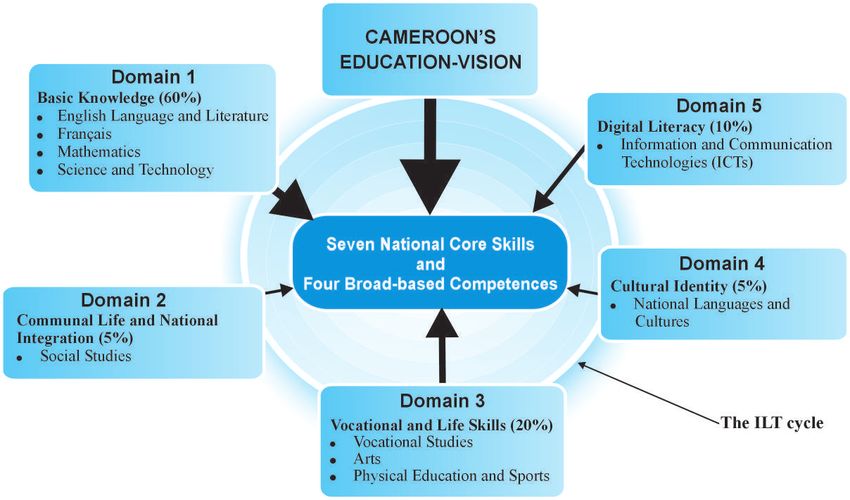
FOREWORD
Nursery and Primary Education is the foundation of sustainable learning. It is on this basis that
Cameroon has ratified several conventions related to compulsory education. These conventions
range from the Jomtien Education Framework of 1990, the Salamanca Statement of 1994, the
Dakar Framework of 2000 to the Incheon Declaration of 2015 precisely the fourth Sustainable
Development Goal (SDG4).

Besides these international conventions, the Constitution of the Republic of Cameroon
guarantees the right of the child to education and further highlights it in the1998 Law to Lay
Down Guidelines for Education. In view of becoming an emergent nation by the year 2035,
the government developed the Growth and Employment Strategy Paper (GESP) in 2009 to
provide major orientations to all sectors of the society. The document tasked ministries in
charge of education to develop the human capital required to attain this vision. The 2013-2020
Education and Training Sector Strategy Paper (ETSSP) clearly defines the missions of each
sub-sector in the educational system.

This curriculum is designed to guide the development of knowledge, skills and attitudes in
the learners and to set the foundation for learning with emphasis on Science, Technology,
Engineering and Mathematics (STEM). The curriculum therefore responds to one of the key
missions assigned to the Ministry of Basic Education (MINEDUB).

This new pedagogic tool replaces the one of 1987 for the nursery and that of 2000 for the primary.
My fervent wish is that the entire education community explores and makes maximum use of
this document in order to enable the nursery and primary school learners attain knowledge-
based, skill-based and attitude-based proficiencies upon graduation. In this way, they will be
able to cope with the different educational and/or professional options available to them at
the end of the primary school cycle and embrace lifelong learning, no matter the post-primary
path they choose.

Cameroon Primary School Curriculum
English Subsystem - Level I: Class 1 & Class 2                                       3
PREFACE
This curriculum has taken into consideration the fact that learners have unique personalities, talents,
attitudes, and interests that they bring into the classroom. They also have a variety of experiences
which the teacher must build on, in order to effect and affect the teaching – learning process. The
learners’ uniqueness and variety of experiences are primordial in the development of any school
curriculum. Analyses of curricula that have been successful in many countries throughout the world
suggest that appropriate curriculum design should:
     • involve parents in their children’s education
     • develop an atmosphere based on sound human relationships
     • establish a balance between child-directed and teacher-directed activities
     • specify objectives and needs of individual learners
     • emphasise on pragmatic and play-based learning in pre-primary and primary education

Basic Education moulds learners and encourages them to be dynamic and creative. Hence, the 1996
Constitution of the Republic of Cameroon clearly spells out the State’s engagement in guaranteeing
the child’s right to education. Cameroon also adheres to the Human Rights Declaration and related
legal instruments. Every child is endowed with learning potentials which need to be awakened and
guided by appropriate instruction and instructional materials. Consequently, the Ministry of Basic
Education (MINEDUB) has undertaken a massive reform of the Nursery and the Primary school
curricula, an activity that aims at ensuring quality basic education for all Cameroonian children.
This will therefore serve as an important reference and working document for teachers and the entire
education community.

In order to render the curriculum standard and to guarantee quality assurance, the following phases
and procedures were followed:
    • writing and validating the Cameroon National Core Skills Framework
    • carrying out needs analysis
    • writing and validating the Curriculum Framework
    • training of 105 writers by consultants
    • writing the first draft
    • reading and evaluating the first draft by the scientific committee
    • integrating the recommendations and suggestions of the scientific committee
    • experimenting the curriculum in all the ten regions of Cameroon
    • integrating the recommendations and suggestions from the field
    • re-evaluating the curriculum by the scientific committee
    • integrating the recommendations and suggestions from the scientific committee
    • reviewing the curriculum by the consultants and the scientific committee
    • finalising and validating the curriculum

The inclusive nature of this document therefore makes it user-friendly, thus, the classroom teachers
should be able to claim ownership of it and be totally accountable for its implementation.

It is also worth noting that priority was given to national expertise by working with two renowned
consultants representing the language of instruction of the two subsystems.This was done in strict
respect of the specificities of the two subsystems of education in conformity with the provisions of
the 1998 Law to Lay Down Guidelines for Education in Cameroon. Following the recommendations
of the Curriculum Framework, the two subsystems have the same domains, weighting, core skills
and broad-based competences, and activities for the nursery cycle and subjects for the primary cycle.
                                                                          Cameroon Primary School Curriculum
             4                                                   English Subsystem - Level I: Class 1 & Class 2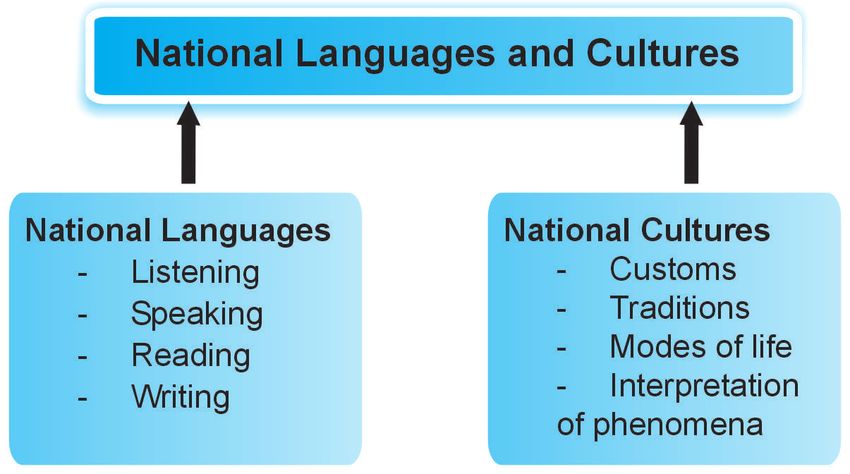
However, each subsystem has maintained its specificities with regards to learning strategies/methods,
teaching-learning materials, and assessment strategies and tools.

As a matter of fact, this is a hands-on document aimed at rendering the job of the classroom practitioner
lighter and more enjoyable. The annual time allocation has been calculated and activities for the
Nursery school as well as subjects for the Primary school cycle identified and built under appropriate
domains. The competences from the National Core Skills Framework to be developed by each subject
area have also been clearly stated. Besides, the activities and/or subjects are technically distributed to
represent the weighting that was hitherto given to the various domains. The major teaching-learning
approach: the Project Based Learning which is supported by the Integrated-Theme Learning and the
Cooperative Learning strategies has been explained. Furthermore, the importance of assessment is
reiterated in order to encourage the classroom teacher to constantly exploit and maximise its use. A
glossary is provided to situate the user on the contextual use of some key concepts.

Summarily, the ADDIE Model guided the entire process of the curriculum development as follows:
   A for the Analysis phase, explains the situational analysis (teachers, learners, supervisors, education
   community)
    D for the Design phase, focuses on the structure of teaching-learning and assessment of learning
    outcomes
    D for the Development phase, is where the writing and re-writing of all the planned activities in
    the design phase are carried out
    I for the Implementation phase, covers the period of the experimentation. This period offers
    feedback for revision
    E for the Evaluation phase, is where plans for the evaluation of the entire curriculum are made as
    it is progressively being used
It is worthy to mention here that globalisation has severely impacted contemporary instructional
processes. Increasingly, our society is rocked by various challenges which include economic
recession, advancing technologies, changing family relationships, violence in communities, exclusion,
intolerance and identity crisis. These issues constitute a serious hurdle to pedagogues who must derive
appropriate strategies to handle them. Educators and parents are, therefore, called upon to embrace
this important change and to work in harmony. Learners are expected to acquire necessary life skills
such as autonomy, honesty, adaptability to technological changes, respect for self, respect for others
and respect for institutions, as well as the 21st century skills: collaboration, teamwork, creativity,
problem solving and critical thinking for effective lifelong learning.

Cameroon Primary School Curriculum
English Subsystem - Level I: Class 1 & Class 2                                              5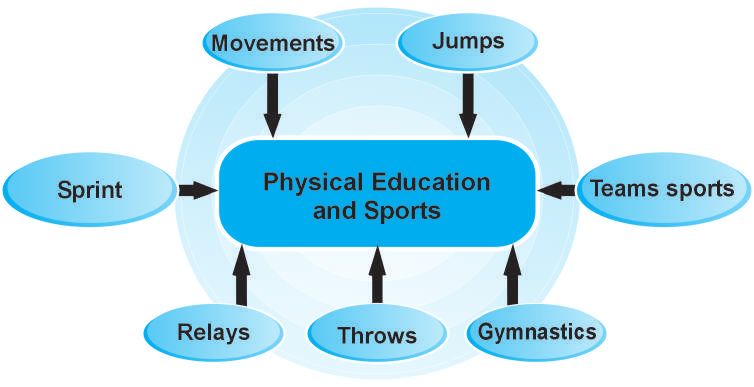
Table of Contents
FOREWORD........................................................................................................................................3
PREFACE.............................................................................................................................................4
List of Tables.........................................................................................................................................8
List of Figures.......................................................................................................................................9
List of Abbreviations and Acronyms................................................................................................10
GENERAL INTRODUCTION.........................................................................................................11

PART ONE: OVERVIEW.................................................................................................................13
The Learner’s Profile............................................................................................................................13
Domains, Weighting, Competences and Subjects................................................................................14
Integrated Learning Themes (ILTs)......................................................................................................15
Pedagogic Approaches.........................................................................................................................16
    Project-Based Learning (PBL)........................................................................................................16
    Cooperative Learning (CL).............................................................................................................18
Assessment...........................................................................................................................................19
Weighting and Time Allocation...........................................................................................................19
Link between Learning Domains and the National Core Skills/Broad-based Competences...............21
Plan of action for the teaching-learning cycle......................................................................................23

PART TWO: DEFINITION OF DOMAINS AND THEIR RELATED CARRIER
          SUBJECTS..................................................................................................................25
   Domain 1: Basic Knowledge............................................................................................................25
         English Language.......................................................................................................................25
         Mathematics...............................................................................................................................26
         Science and Technology.............................................................................................................28
         Français.....................................................................................................................................29
   Domain 2: Communal Life and National Integration.......................................................................30
         Social Studies.............................................................................................................................30
   Domain 3: Vocational and Life Skills...............................................................................................32
         Vocational Studies......................................................................................................................32
         Arts.............................................................................................................................................33
         Physical Education and Sports...................................................................................................35
   Domain 4: Cultural Identity..............................................................................................................36

                                                                                                              Cameroon Primary School Curriculum
                   6                                                                               English Subsystem - Level I: Class 1 & Class 2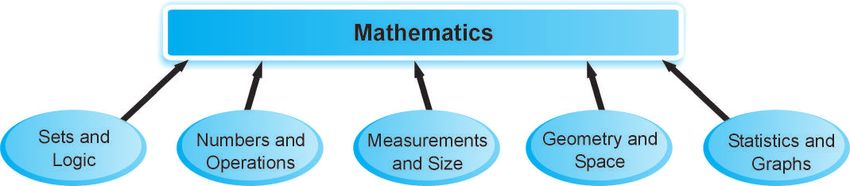
National Languages and Cultures.................................................................................................36
   Domain 5: Digital Literacy...............................................................................................................38
      Information and Communication Technologies (ICTs)................................................................38

PART THREE: CONTENTS OF THE SYLLABUS......................................................................40
Contents of English Language ............................................................................................................41
Contents of Mathematics.....................................................................................................................48
Contents of Science and Technology...................................................................................................51
Les Contenus du Français....................................................................................................................56
Contents of Social Studies...................................................................................................................63
Contents of Vocational Studies............................................................................................................65
Contents of Arts...................................................................................................................................69
Contents of Physical Education and Sports.........................................................................................70
Contents of National Languages and Cultures.....................................................................................72
Contents of Information and Communication Technologies...............................................................76
BIBLIOGRAPHY..............................................................................................................................81
GLOSSARY.......................................................................................................................................83
LIST OF CONTRIBUTORS............................................................................................................85

Cameroon Primary School Curriculum
English Subsystem - Level I: Class 1 & Class 2                                                                                     7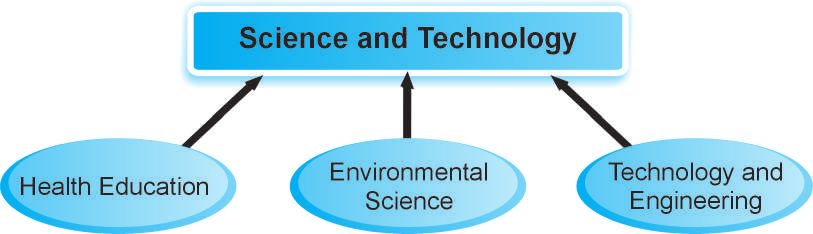
List of Tables
Table 1: Domains, Weighting, Competences to be Developed and Related Subjects........................................15
Table 2: Integrated Learning Themes.………………………………………………..…………................…..16
Table 3: Annual Learning Time in Hours per Level and Subject Area for the Single Shift System…........….20
Table 4: Weekly Learning Hours per Level and Subject Area for the Single Shift System...............................20
Table 5: Annual Learning Time in Hours per Level and Subject Area for the Double Shift System.................21
Table 6: Weekly Learning Hours per Level and Subject Area for the Double Shift System..............................21
Table 7: Terminal Learning Outcomes and Evaluation Criteria (English Language)........................................26
Table 8: Terminal Learning Outcomes and Evaluation Criteria (Mathematics)………….....…..............…….27
Table 9: Terminal Learning Outcomes and Evaluation Criteria (Science and Technology)……….......……...29
Tableau 10: Attentes de fin de niveau.………….............................................…………...................................30
Tableau 11: Les attentes à la fin de niveau et les critères d’évaluation…………………..….......……..…......30
Table 12: Terminal Learning Outcomes and Evaluation Criteria (Citizenship)………………..............……...31
Table 13: Terminal Learning Outcomes and Evaluation Criteria (Vocational Studies).......…...............….…..33
Table 14 Terminal Learning Outcomes and Evaluation Criteria (Arts)……….………………..............……..34
Table 15: Terminal Learning Outcomes and Evaluation Criteria (PES)…………………...............……….....36
Table 16: Terminal Learning Outcomes and Evaluation Criteria (National Languages and Cultures).............37
Table 17: Terminal Learning Outcomes and Evaluation Criteria (ICTs)……………………...........................39
Table 18: Integrated Learning Themes for Level I and Level II (classes 1/2/3/4)...............................................40
Table 19: Integrated Learning Themes for Level III (classes 5/6).....................................................................40
Table 20: English Language contents, expected learning outcomes and methodology......……………………41
Table 21: Mathematics contents, expected learning outcomes and methodology.....………..………………...48
Table 22: Science and Technology contents, expected learning outcomes and methodology.…….…..……....51
Tableau 23: Les contenus du Français …...................……………………………………………..….……....56
Table 24: Citizenship contents, expected learning outcomes and methodology……………….……………...63
Table 25: Vocational Studies contents, expected learning outcomes and methodology...……………...….….65
Table 26: Arts contents, expected learning outcomes and methodology…………………..........……….........69
Table 27: Physical Education and Sports contents, expected learning outcomes and methodology.....….…...70
Table 28: National Languages and Cultures contents, expected learning outcomes and methodology .………72
Table 29: Information and Communication Technologies contents, expected learning outcomes and
            methodology.................……................................................................................……………..........75

                                                                                                  Cameroon Primary School Curriculum
                 8                                                                      English Subsystem - Level I: Class 1 & Class 2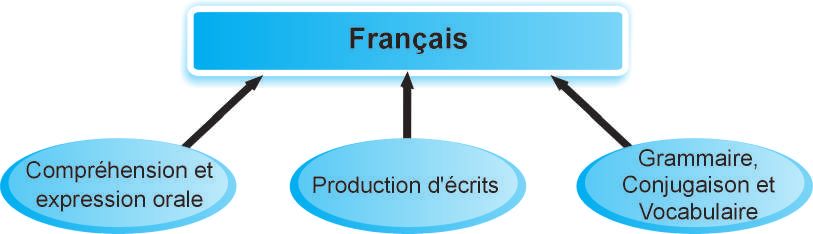
List of Figures
Figure 1: Link between the Learning Domains and the National Core Skills/Broad-based
         Competences..................................…………………………………...…….…......       22

Figure 2: Cyclical Teaching and Learning Process...........……………………………………              24
Figure 3: Components of English Language ……………………………………...………...                       25
Figure 4: Components of Mathematics ……………………………………………...……...                          27
Figure 5: Components of Science and Technology………………………...……………….                      28
Figure 6: Les composants du français ………………………………...…………………….                          29
Figure 7: Components of Social Studies……………………………………………………                             31
Figure 8: Components of Vocational Studies …………………………....…….……………                      32
Figure 9: Components of Arts………………………………………...……………………..                               34
Figure 10: Components of Physical Education and Sports….……………….....…………...             35
Figure 11: Components of National Languages and Cultures……………...………………..               37
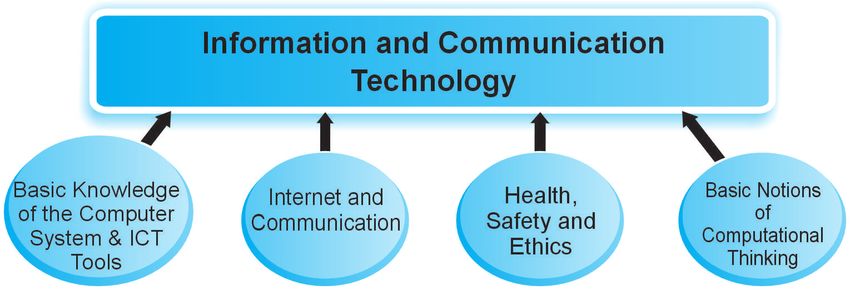
Figure 12 : Components of Information and Communication Technologies……....………...       38

Cameroon Primary School Curriculum
English Subsystem - Level I: Class 1 & Class 2                                    9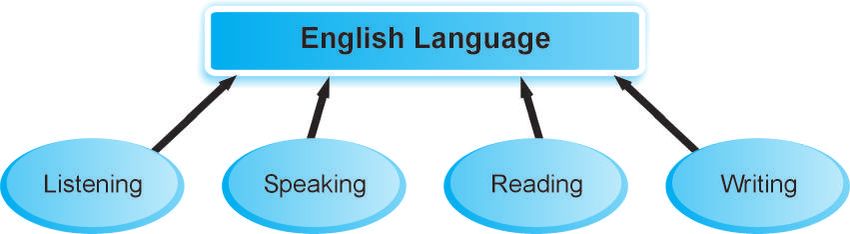
List of Abbreviations and Acronyms
ADEA       Association for the Development of Education in Africa
CESA       Continental Education Strategy for Africa
EFA        Education For All
ETSSP      Education and Training Sector Strategy Paper
GACL       General Alphabet of Cameroonian Languages
GESP       Growth and Employment Strategy Paper
ICT        Information and Communication Technology
IGE        Inspectorate General of Education
ILT        Integrated Learning Theme
MDGs       Millennium Development Goals
MINEDUB Ministry of Basic Education
PBL        Project Based Learning
PES        Physical Education and Sports
SDGs       Sustainable Development Goals
UNESCO     United Nations Educational Scientific and Cultural Organization
UNICEF     United Nations International Children’s Emergency Fund

                                                                     Cameroon Primary School Curriculum
          10                                                English Subsystem - Level I: Class 1 & Class 2
GENERAL INTRODUCTION
In 1990, the World Conference on Education For All (EFA) which held in Jomtien, Thailand, made
a clarion call for universal quality primary education. During this conference, emphasis was laid
on access, equity and quality primary education for all. Apart from declaring that “Education is
the fundamental right for all people, women and men of all ages throughout the world”, the EFA
conference also underscored that
…active and participatory approaches are particularly valuable in assuring learning acquisition and
allowing learners to reach their fullest potentials. It is, therefore, necessary to define acceptable levels
of learning acquisition for educational programmes and to improve and apply systems of assessing
learning achievement.
A decade after Jomtien, in the year 2000, the World Education Forum held in Dakar, Senegal where
the Dakar Framework for Action focused, among others, on “HIV/AIDS, early childhood education,
school health, education of girls and women, adult literacy and education in situations of crisis and
emergency”. To further expand on the education agenda of Jomtien, the Dakar meeting, after careful
evaluation, extended the scope of educational imperatives to include:
• Expanding and improving comprehensive early childhood care and education, especially for
the most vulnerable and disadvantaged children
• Ensuring that by 2015, all children, particularly girls, children in difficult circumstances
and those belonging to ethnic minorities, have access to and complete free and compulsory
primary education of good quality
• Ensuring that the learning needs of all young people and adults are met through equitable
access to appropriate learning and life-skills programmes
• Achieving a 50 per cent improvement in levels of adult literacy by 2015, especially for women,
and equitable access to basic and continuing education for all adults
• Eliminating gender disparities in primary and secondary education by 2005 and achieving
gender equality in education by 2015, with a focus on ensuring girls’ full and equal access to
and achievement in basic education of good quality
• Improving all aspects of the quality of education and ensuring excellence of all so that
recognized and measurable learning outcomes are achieved by all, especially in literacy,
numeracy and essential life skills.
There was renewed zeal to move the agenda of education forward as key stakeholders to the course of
education at the World Education Forum 2015 in Incheon, Korea declared that:
building on the legacy of Jomtien and Dakar, this Incheon Declaration is a historic commitment
by all of us to transform lives through a new vision for education, with bold and innovative
actions, to reach our ambitious goal by 2030. Our vision is to transform lives through
education, recognizing the important role of education as a main driver of development and in
achieving the other proposed SDGs. We commit with a sense of urgency to a single, renewed
education agenda that is holistic, ambitious and aspirational, leaving no one behind.
In order to meet up with these education milestones, Cameroon had to carry out major actions which
included the writing of syllabuses on HIV/AIDS, on Human Rights and on ICTs. Furthermore, the
revision of curricula to align with the provisions of the Incheon World Education Forum became im-
perative.
Cameroon Primary School Curriculum
English Subsystem - Level I: Class 1 & Class 2 11The vision of the new curriculum falls in line with the SDG4 which seeks to ensure inclusive and
equitable quality education and promote lifelong learning for all with focus on access, equity and
inclusion, quality and learning outcomes within a lifelong learning approach. This is in line with the
vision of the Education Forum which states that by 2030, all girls and boys should be able to complete
free, equitable and quality primary and secondary education leading to relevant and effective learning
outcomes. Access to quality early childhood development, care and pre-primary education should
be granted so that children are ready for primary education. By the same token, all men and women
should have affordable and quality technical, vocational and tertiary education, including university;
and the number of youths and adults who have relevant skills, including technical and vocational
skills, for employment, decent jobs and entrepreneurship should be substantially increased.
In addition, the vision of the Continental Education Strategy for Africa (CESA 2016-2025), reorienting
“Africa’s education and training systems to meet knowledge, competencies, skills, innovation
and creativity required to nurture African core values and promote sustainable development at the
national, sub-regional and continental levels” has carefully been addressed in this curriculum. The
present curricular reform, taking its cue from these instruments, is an attempt to respond to current
trends so as to provide an education, from early childhood, that would address the needs of each
child through the development of their mind-set. This is in corroboration with the law to Lay Down
Guidelines for Education (1998) which states in Article 4 that the general aim of education is to
ensure the intellectual, physical, civic and moral development of the child as well as its economic,
socio-cultural, political and moral integration in the society.
Nonetheless, faced with the problem of quality and the phasing out of the Cameroon Primary School
Syllabuses for both subsystems, which date as far back as 2000, the building up of a new curriculum
became a necessity.
The concerns raised by the International, Continental and National instruments reviewed above, were
addressed in the National Core Skills Framework: communication in the two official languages, (English
and French), and the use of at least one national language; use of basic notions in Mathematics, Science
and Technology; practice of social and citizenship values; demonstration of the spirit of autonomy,
a sense of initiative, creativity and entrepreneurship; use of basic Information and Communication
Technology concepts and tools; pratice of lifelong learning; and the practice of Physical, Sports and
Artistic activities. These National Core Skills are hinged on the Broad-Based Competences namely:
intellectual, methodological, personal and interpersonal, and communication competences. The
National Core Skills Framework constitutes the springboard of this curriculum.
The curriculum is presented in three parts. Part One gives an overview of the document, Part Two
defines the domains and the subjects, while Part Three provides the contents of the syllabus.
Cameroon Primary School Curriculum
12 English Subsystem - Level I: Class 1 & Class 2PART ONE
OVERVIEW
This section presents the learner’s profile at the end of primary school in Cameroon, the domains and
subjects, the competences to be developed, the integrated learning themes, the pedagogical approaches,
assessment strategies, weighting and the time allocated to the different subjects.
The Learner’s Profile
The Ministry of Basic Education intends to develop the knowledge, skills and attitudes of learners
under its authority. At the end of the primary school cycle, the learner is expected to have acquired
national core skills in view of stepping into secondary school or engaging in other learning contexts
or activities. Furthermore, the learner must equally have acquired key values in the five domains. On
a similar note, they should show interest in learning all the subjects.
The Cameroon Education System outlines seven National Core Skills which should be acquired by the
end of both nursery and primary cycles of education. They include:
1. Communication in the two official languages (English and French) and the use of at least
one national language
Communication in English, in French and in at least one National Language implies the ability to
use the four language skills of these languages. The learner should be able to listen, communicate
orally, and be able to read and to write. The language competence is a prerequisite for access to
other core skills.
2. Use of basic notions in Mathematics, Science and Technology
Introducing notions of Mathematics, Science, and Technology involves the acquisition of
knowledge, skills and attitudes in these subjet areas and the ability to use them to address
challenges in real life situations.
3. Practice of Social and Citizenship Values (morality, good governance and budgetary
transparency)
This involves inculcating patriotic, moral, citizenship and values of good governance in the
learners of both cycles so as to prepare them for a harmonious insertion into the society.
4. Demonstration of the Spirit of Autonomy, a Sense of Initiative, Creativity, and
Entrepreneurship
Developing this competence in the learner calls for the assembling of multidisciplinary
knowledge and skills in view of developing the learners’ social integration skills, creativity as
well as managerial and entrepreneurial potentials.
5. Use of Basic Information and Communication Technology Concepts and Tools
Generally, this core skill requires the use of information and communication technology tools
in school and in society. It is related to healthy, safe and responsible use of various ICT devices
for learning and for leisure activities. In addition to this, it develops logical and critical thinking,
automated management of information (analysing, summarizing, and assessing), and apt
communication skills.
Cameroon Primary School Curriculum
English Subsystem - Level I: Class 1 & Class 2 136. Practice of Lifelong Learning
This implies that the learner will demonstrate the desire and will to undertake and continue
education, organize self, especially through efficient time and information management,
individually or in groups.
7. Practice of Physical, Sports and Artistic Activities
This competence provides learners with a platform to develop their physical, psycho-motor,
artistic, personal and interpersonal skills as well as improve their well-being. It enables them
to acquire knowledge, skills and attitudes required for their participation in several physical,
psycho-motor, sports and leisure activities in order to strengthen social harmony and ensure a
healthy lifestyle.
Broad-based Competences
The Cameroon National Core Skills Framework comprises four broad-based competences as follows:
1. Intellectual competences
Intellectual Competences include:
• exploiting information
• solving problems
• acquiring logical thinking and a sense of observation
• exercising critical judgement
• practising creative and innovative thinking
2. Methodological competence
Methodological competences include:
• giving oneself efficient working methods
• exploiting information and communication technologies
• organizing one’s learning
• arousing the desire to learn each subject
3. Personal and interpersonal competences
Personal and interpersonal competences enable the learner to:
• develop his/her personality
• acquire abilities in view of his/her socio-cultural integration and individual fulfilment
• cooperate with others
4. Communication competences
Communication competences enable the learner to:
• communicate in an appropriate manner in the two official languages
• communicate in at least one national language
Domains, Weighting, Competences and Subjects
In Table 1 that follows, the domains and their weightings are provided. The competences from the
National Core Skills Document that each domain develops are indicated and the subjects that are
needed to develop these competences are equally listed.
Cameroon Primary School Curriculum
14 English Subsystem - Level I: Class 1 & Class 2Table 1: Domains, Weighting, Competences to be Developed and Related Subjects
No Domain/Weighting Competences to be Developed Subjects
1 Basic knowledge (60%) - Communication in the two official - English Language
languages (English and French) and the - Mathematics
use of at least one national language - Science and
- Use of basic notions in mathematics, Technology
science and technology - French
- Practice of lifelong learning
- The four broad-based competences
2 Communal life and national - Practice of social and citizenship - Social Studies
integration (5%) values (Morality, good governance and
budgetary transparency)
- Practice of lifelong learning
- The four broad-based competences
3 Vocational and life skills - Demonstration of the spirit of - Vocational Studies
(20%) autonomy, a sense of initiative, - Arts
creativity, and entrepreneurship - Physical Education
- Practice of physical, sports and artistic and Sports
activities
- Practice of lifelong learning
- The four broad-based competences
4 Cultural identity (5%) - Practice of lifelong learning - National Languages
- The four broad-based competences and Cultures
5 Digital Literacy (10%) - Use basic information and - Information and
communication technology concepts Communication
and tools Technologies (ICTs)
- Practice of lifelong learning
- The four broad-based competences
The curriculum is learner - centred and is based on the development of skills needed to meet the
challenges of contemporary Cameroon in particular and the world at large. The syllabuses are presented
in three levels: Level 1 (class 1 and 2), Level 2 (class 3 and 4) and Level 3 (class 5 and 6). In all, ten
subjects have been identified from the five domains namely: English Language, Mathematics, Science
and Technology, French, Social Studies, Vocational Studies, Arts, Physical Education and Sports,
National Languages and Cultures, and Information and Communication Technologies (ICTs). Details
about these subject areas (expected learning outcomes, content areas, suggested methods and didactic
materials) are laid out in Part Three.
Integrated Learning Themes (ILTs)
In order to make learning relevant to daily life, eight integrated learning themes have been identified
to develop skills necessary in the harmonious integration of learners in their environment. The ILT for
the primary school cycle are presented in table 2.
Cameroon Primary School Curriculum
English Subsystem - Level I: Class 1 & Class 2 15Table 2: Integrated Learning Themes
Level I Level II Level III
- The home - The home - Nature
- The village/town - The village/town - The village/town
- The school - The school - The school
- Occupations - Occupations - Occupations
- Travelling - Travelling - Travelling
- Health - Health - Health
- Games - Games - Sports and leisure
- Communication - Communication - The universe and space
The use of integrated learning themes represents the fundamentals of project-based learning. They
facilitate the learning-teaching process and make the essence of PBL come to light. The process
entails integrating themes that have been developed in order to facilitate teaching-learning in the
Primary School. These themes will constitute the basis of contextualizing the concepts of the subjects.
Integrated learning themes are the foundation on which all the activities for a defined period of time
within the school year are expected to take place. This can be done for some weeks, months or beyond
and has a direct impact on project-based learning. An integrated approach unites all subjects and
gives opportunities to the learners to learn more through variant contents. Children will consequently
develop a deeper understanding of contents in their local contexts.
The approach allows learners to explore, gather, process, refine and present information. It also
allows learners to engage in purposeful and relevant learning. Learners are expected to see the
interconnectedness within curriculum areas. It is based on skill development around a particular theme
that is relevant to the pupils in the class.
Pedagogic approaches
Teaching methods are special procedures through which educational goals are attained. The Cameroon
education system has experienced pedagogic evolutions from the Objective-based Approach (OBA)
through the Inferential Thinking Approach, that was referred to as “New Pedagogic Approach” to the
Competence-based Approach (CBA) or the Behavioural Objective-based Approach which is in use
today. The CBA facilitates the development of skills through the practice of Project Based Learning,
Cooperative Learning and Integrated Theme Learning. The underlying philosophy of the CBA requires
that learning should be based on the potentials of the learner. The learner should be responsible for
his/her own learning. Focus is on learning and not on teaching. It is important for the classroom
teachers to diligently determine the characteristics of their learners. Lesson preparation should always
implicitly or overtly provide for gender equity, for inclusiveness and for multiple intelligences.
The pedagogic practices that make the learners more responsible for their own learning include:
Project-Based Learning (PBL)
Project-based learning is a pragmatic approach to learning in which learners create their own knowledge
through learning activities built around intellectual inquiry and a high degree of engagement with
meaningful tasks. Projects are designed to allow learners with a variety of different learning styles to
demonstrate their acquired knowledge, skills and attitudes. Therefore, a well-designed Project-Based
Learning activity is one which addresses different learning styles and does not assume that all learners
Cameroon Primary School Curriculum
16 English Subsystem - Level I: Class 1 & Class 2can demonstrate their knowledge, skills and attitudes in a single or standard way. It is an effective way
of connecting classroom activities to the real world through a process of integrating the four broad-
based competences in the learner’s life. PBL is an “investigative” or “discovery” type of learning.
It is a research-based method of learning, wherein, together with the learners, questions are asked,
investigated and solutions proposed and presented.
Commitment to project-based learning enables the learner to solve many problems and makes the
teaching-learning process more skill-based. In practical terms, PBL can be implemented in the
following ways:
1. Identify a problem: This has to be done together with the learners in order to give them ownership
of their learning and of the final product which will be the project. Once a problem is identified, a
project is designed to bring about a solution to the said problem.
2. Identify all the parts of a project namely: Beginning, progression and a culminating event. That
is, you should master how to start off with the project because as mentioned earlier, it should be a
process that involves learning across the curriculum or better still, across all subjects. There is a
progression part in a project in Project-Based Learning in order to show that the project is not an
end in itself but a means to an end. This implies that the subjects are taught in order to enable the
learner either solve a problem or produce something concrete.
3. Brainstorm with colleagues about the progression and set aside a “Project Book” where ideas
are jotted down. Points about the progress of the project should equally be jotted (monitoring
progress). This enables the actors in the project to see what is working and what is not working
and reformulate questions and bring out more concrete solutions. This will also lead or aid in the
culmination event where the entire process will be explained.
4. Discuss with learners. Learners are skilfully guided both in class and at the project site towards the
realisation of the project. The learner’s place should not be taken up by the teacher; they should be
guided to complete or carry out tasks as individuals and as groups as the case may be. The tasks
should not be carried out for them: leading questions and clues are vital in helping them carry out
their tasks.
5. Assign a role to every learner. No learner should feel isolated or abandoned nor left behind.
Assigning roles empowers them and builds the spirit of togetherness, initiative, creativity and
responsibility in the learner.
6. Discuss the progress of the project with individual learners, groups and with the whole class.
Discussing the progress of the project entails participation, improving on aspects that are lacking
and making the project participants (learners) feel anxious to complete the task/solve the problem.
7. Respect all the three parts of the project, that is, introduction (identifying a problem and proposing
a solution that is a project), progression (carrying out the project) and the culmination event
(presenting and evaluating the project).
NB: The culmination event is paramount and should not be left out. It must be a presentation by
the learners while the teacher evaluates the success of the project with the help of the points in the
“Project exercise/note book”. Project-based learning helps the teacher to assess learners as many
times as the need arises.
Cameroon Primary School Curriculum
English Subsystem - Level I: Class 1 & Class 2 17Benefits of Project-based Learning
Project-based learning:
• promotes lifelong learning skills
• enhances logical thinking
• promotes team spirit and hard work
• promotes entrepreneurial skills
• promotes bonding and interaction
• creates responsible attitudes in learners
• helps learners to manage their resources
• motivates learners
• builds confidence in learners
• renders learning practical
• situates learning in a real life situation
• makes learners inquisitive/curious
• develops problem-solving skills in learners
• improves on learners communication skills
• makes the task of assessment and evaluation for the teacher easier and more enjoyable
Cooperative Learning (CL)
Cooperative learning is a specific kind of collaborative learning. In cooperative learning, pupils work
together in small teams on a structured activity. They are individually accountable for their work, and
for the work of the group as a whole. The Integrated Theme Learning and Cooperative Learning are
supporting strategies of the PBL.
The strategy consists of putting learners into small, mixed-ability learning teams. They are responsible
not only for learning the contents in question, but also for helping their teammates learn. The most
amazing thing here is that the learning process becomes a web, wherein you do not succeed alone.
The learners must be made to understand that if one person fails, the entire team/boat sinks, and if one
person succeeds, the success affects everyone else. Within cooperative learning teams, pupils discuss
the material to be learned with one another, and support each other to understand it, and encourage
and help one another to have a clear understanding of their participation. Teams differ from groups
because cooperative learning is constituted of teams whereby:
• goals are shared
• information is circulated
• roles are assigned
• materials are managed
• teammates depend on one another to complete tasks successfully
• pupils learn to respect each other’s contributions and opinions
• pupils engage in “cognitive collaboration.” They must organize their thoughts to explain
ideas to teammates
• pupils have fun while learning
• pupils’ social nature is used to their advantage
• social, leadership, communication, decision making, problem solving, and conflict resolution
skills are developed
Cameroon Primary School Curriculum
18 English Subsystem - Level I: Class 1 & Class 2Assessment Assessment is the process of passing judgements on learners’ knowledge, skills and attitudes with the sole aim of making decisions about their education. It is an integral part of the teaching-learning process in the Primary School and constitutes part of the curriculum. Assessment is a means of objectively informing parents, guardians and policy makers on learners’ progress in school. Diverse tools should be used to collect information about the learner in order to moderate and increase learners’ chances of learning from one another. Nevertheless, learners must be assessed fairly and at the same time taking into consideration that each learner has their learning styles. Consequently, all the learners may not always be at the same level of attaining the expected learner outcome. Assessment in primary schools in Cameroon can take three forms (oral, written, practical). There are many ways through which information can be gathered about learner’s progress. This can be done through: observation checklists; learner’s self-assessment; daily practical assignments; samples of learner’s work; learner’s willingness to participate and contribute in projects/conferencing; oral and written quizzes; portfolios; willingness to be involved in class and school activities. It is worth stating that formative and summative assessment should take into consideration knowledge, skills and attitudes as indicated on the “Expected Learning Outcomes” column of each subject. Types of Assessment Diagnostic Assessment: This type of assessment verifies what the learner already knows and it is used to improve on the learner’s achievement. Hence, each time we have to embark on a learning and teaching experience, we must always try to find out learners’ level of competence and/or knowledge, skills and attitudes about the new material. This helps the teacher develop strategies and activities that can be used to facilitate learning. Formative Assessment: This type of assessment keeps the learners in permanent interaction with the curriculum during the teaching-learning process. It is designed to keep track of learners’ learning achievements. Their response to this type of interaction equally helps the curriculum user (the teacher) to provide feedback to both the learner and the parents. Summative Assessment: It is carried out periodically to show the level of attainment of expected learning outcomes at the end of the term, year, level or cycle. It is a more judgmental kind of assessment. Whatever the case, summative assessment must not always be standardized tests. There is need for a variation in the use of assessment instruments. Weighting and Time Allocation Tables 3, 4, 5 and 6 present the weighting and time allocation for the single shift and the double shift systems. Cameroon Primary School Curriculum English Subsystem - Level I: Class 1 & Class 2 19
Table 3: Annual Learning Time in Hours per Level and Subject Area for the Single Shift System

Subject Area                                                 Level 1         Level 2         Level 3
English Language and Literature                                   172.5            172.5            138
Mathematics                                                           69              69          103.5
Science and Technology                                                69              69          103.5
Français                                                          103.5            103.5             69
Social Studies                                                      34.5            34.5           34.5
Vocational Studies                                                    69              69             69
Arts                                                                34.5            34.5           34.5
Physical Education and Sports                                       34.5            34.5           34.5
National Languages and Cultures                                     34.5            34.5           34.5
Information and Communication Technologies (ICTs)                     69              69             69
Two short breaks of 15 minutes each                                 52.9            52.9           52.9
Daily assembly                                                      57.5            57.5           57.5
Daily long break                                                     115             115            115
Total                                                             915.4            915.4          915.4

Table 4: Weekly Learning Hours per Level and Subject Area for the Single Shift System

Subject Area                                                  Level 1         Level 2        Level 3
English Language and Literature                                     7.5            7.5              6
Mathematics                                                           3              3            4.5
Science and Technology                                                3              3            4.5
Français                                                            4.5            4.5              3
Social Studies                                                      1.5            1.5            1.5
Vocational Studies                                                    3              3              3
Arts                                                                1.5            1.5            1.5
Physical Education and Sports                                       1.5            1.5            1.5
National Languages and Cultures                                     1.5            1.5            1.5
Information and Communication Technologies (ICTs)                     3              3              3
Two short breaks of 15 minutes each                                 2.3            2.3            2.3
Daily assembly                                                      2.5            2.5            2.5
Daily long break                                                      5              5              5
Total                                                             39.8           39.8           39.8

                                                                    Cameroon Primary School Curriculum
            20                                             English Subsystem - Level I: Class 1 & Class 2
Table 5: Annual Learning Time in Hours per Level and Subject Area for the Double Shift System Subject Area Level 1 Level 2 Level 3 English Language and Literature 172.5 172.5 138 Mathematics 69 69 103.5 Science and Technology 69 69 103.5 Français 103.5 103.5 69 Social Studies 34.5 34.5 34.5 Vocational Studies 69 69 69 Arts 34.5 34.5 34.5 Physical Education and Sports 34.5 34.5 34.5 National Languages and Cultures 34.5 34.5 34.5 Information and Communication Technologies (ICTs) 69 69 69 One short break of 30 minutes per level 11.5 11.5 11.5 Daily assembly 0.5 0.5 0.5 No daily assembly and long break 0 0 0 Total 702 702 702 Table 6: Weekly Learning Hours per Level and Subject Area for the Double Shift System Subject Area Level 1 Level 2 Level 3 English Language and Literature 7.5 7.5 6 Mathematics 3 3 4.5 Science and Technology 3 3 4.5 Français 4.5 4.5 3 Social Studies 1.5 1.5 1.5 Vocational Studies 3 3 3 Arts 1.5 1.5 1.5 Physical Education and Sports 1.5 1.5 1.5 National Languages and Cultures 1.5 1.5 1.5 Information and Communication Technologies (ICTs) 3 3 3 One short break of 30 minutes 3 3 3 One weekly assembly 0.5 0.5 0.5 No daily long break 0 0 0 Total 33.5 33.5 33.5 Link between the Learning Domains and the National Core Skills/Broad- based Competences Generally, the Cameroon education-vision that is expressed in the National Core Skills Framework is realised through PBL and ILT carried out in the subject areas that are lodged in the five domains. This is illustrated in figure 1. Cameroon Primary School Curriculum English Subsystem - Level I: Class 1 & Class 2 21
22
                                                                                      Figure 1: Link between the Learning Domains and the National Core Skills/Broad-Base Competences

English Subsystem - Level I: Class 1 & Class 2
                                                 Cameroon Primary School Curriculum
Plan of Action for the Teaching-Learning Cycle The following steps will enable the teacher to put his/her plan into action: 1. Identify learning outcomes in function of the national core skills and as stated in the integrated monthly schemes of work. 2. Based on the integrated learning theme of the month, identify a project and plan the activities that will lead to its realization. 3. The different activities are planned chronologically (entry behaviour, simple to complex) in relation to the contents and contextualized through the ILT. 4. Monitor the realization of the project and ensure that all learners carry out their tasks. 5. Organize culmination events, that is, presentation of projects and assessment every last Thursday and Friday of the four weeks. Depending on the level, the presentations and assessment should cover three forms: oral, written and practice. A checklist should be prepared depending on the stated learning outcomes in order to record learners’ progress in the class broadsheet (this will constitute a gradual building of the information for pupils’ report cards which are filled every term). 6. Carry out remediation activities where necessary. 7. Do an auto-evaluation of the process. Note should be taken that this is a cyclical process within each teacher’s community of practice (the school). Figure 2 illustrates the cyclical teaching and learning process. Cameroon Primary School Curriculum English Subsystem - Level I: Class 1 & Class 2 23
Recognize that the
                                                                                      competences to be
                                                                                                                          Auto-evaluation and

  24
                                                                                      developed in the learner
                                                                                                                        confirmation of acquired                          Remediation
                                                                                      are drawn from the
                                                                                                                           KSAs of learners                             (where necessary)
                                                                                      National Core Skills
                                                                                      Framework

                                                                                                                                                                      Presentation of projects
                                                                                                                                                                      and assessment (orally,
                                                                                                                                                                      practically and written)

                                                                                       Identify a project within       Carry out teaching-learning
                                                                                          the context of the           activities, contextualizing                      Project activities in
                                                                                      integrated learning theme         them within the ILT and                        relation to the project
                                                                                                 (ILT)                  incorporating the project                             timeline

                                                                                                                   Figure 2: Cyclical Teaching and Learning Process

English Subsystem - Level I: Class 1 & Class 2
                                                 Cameroon Primary School Curriculum
PART TWO
DEFINITION OF DOMAINS AND THEIR
RELATED CARRIER SUBJECTS
Part two presents the five domains and their related carrier subjects. Each of these subjects is briefly
defined while highlighting the national core skills that each develops, followed by a visual presentation
of the subject, its components, terminal learning outcomes, and suggested evaluation criteria.
Domain 1: Basic Knowledge
This domain is fundamental to the development of all other domains. It nurtures and advances literacy
and numeracy skills which are the pillars for a strong foundation in education and vital for living in the
21st century. As the name implies, basic knowledge is intended to create the base and a solid foundation
for all other learning. There is no gainsaying that the ability to read and to work with numbers are
prerequisites for the success of any educational system. Many studies carried out in Cameroon on
learning achievements in the past couple of years show that there is a dwindling effect in literacy and
numeracy to the extent that children who leave primary schools in Cameroon today can barely read
and/or write, talk less of manipulating numbers and figures confidently. It is in this light that, it became
necessary to give more learning-teaching time to a domain that will properly develop learners’ literacy
and numeracy skills and hence enhance their performance in other learning domains. Consequently,
a sixty percent learning-teaching time has been assigned to this domain. The domain is going to be
powered by English Language and Literature, Mathematics, Science and Technology and Français.
English Language
English Language is one of the two official languages in Cameroon. It is the language of instruction for
the English Subsystem of Education. A literature component has been added to this subject in level two
and level three. While English Language enables learners to express themselves orally and in writing,
Literature enhances the reading culture in them. The teaching of English will target the development
of the listening, speaking, reading and writing skills with emphasis on grammar, vocabulary and
pronunciation. Like all languages, English is rule-governed, thus the systematic functional teaching
of grammar is strongly recommended. This will enable learners use the language effectively.
This subject has been developed from domains that were derived from the following national core
skills:
• Communication in the two official languages (English and French) and the use of at least
one national language
• Practice of lifelong learning and the four broad-based competences
The components of the subjects are presented in figure 3.
Figure 3: Components of English Language
Cameroon Primary School Curriculum
English Subsystem - Level I: Class 1 & Class 2 25You can also read


