Care Home COVID-19 - Gov.uk
←
→
Page content transcription
If your browser does not render page correctly, please read the page content below
Care Home
COVID-19
Testing Guidance
For testing of staff and residents

It provides guidance for regular resident testing using PCR, and regular staff testing using PCR and LFD.

If you are testing care home residents please refer to the guidance on PCR testing beginning
on pg. 9, or the guidance on LFD testing of residents in an outbreak situation on pg. 44

If you are testing care home staff, please refer to the guidance on PCR testing beginning
on pg. 9 or the guidance on LFD testing beginning on pg. 24 as appropriate.

For outbreak testing procedures, please refer to the guidance on pg. 39

     Before you do any testing
     • Read this guidance in its entirety

     • Make sure you have booked a courier collection by 7pm the day before you start PCR testing.
       This can be arranged at https://test-kit-collection.test-for-coronavirus.service.gov.uk/

                                                                                                            February 2021

If you have any questions please call 119    .   Lines open from 7am - 11pm daily
                                                                                                                            1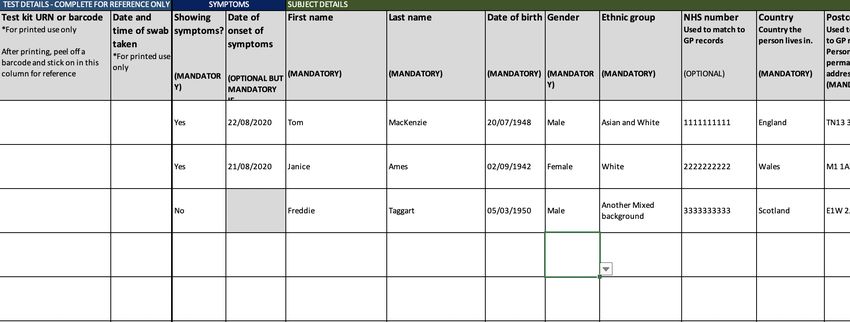
Version Control
Date of Issue            Changes made

6 January 2021           PCR and LFD guidance added

16 February 2021         Tier guidance amended
                         Outbreak testing guidance added (pg 39)
                         90 day testing window guidance added (pg 9)

                                        .
If you have any questions please call 119   Lines open from 7am - 11pm daily
                                                                               2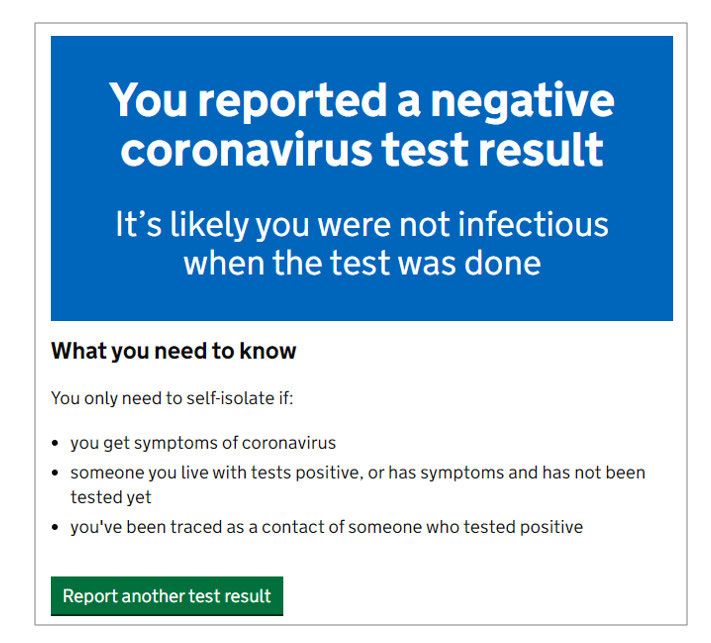
Table of Contents
Introduction                                                                4

Testing process overview                                                    5

Testing schedules for staff and residents                                   6

Who should be tested                                                        8

PCR Testing process:

      1. Book your courier collection for PCR tests                         10

      2. Prepare for PCR testing                                            11

      3. Conduct PCR testing and instructions                               13

      4. Record PCR test sample                                             17

      5. Register completed PCR tests online                                18

      6. Securely package and give the completed PCR tests to the courier   22

LFD Testing process:

      1. Prepare the LFD testing area                                       24

      2. Staff member arrival                                               26

      3. LFD sample collection                                              27

      4. LFD Sample analysis                                                28

      5. LFD Results analysis                                               29

      6. Register and record LFD results                                    30

      7. LFD Results guidance                                               37

Outbreak guidance                                                           39

Further Advice for care home testing                                        46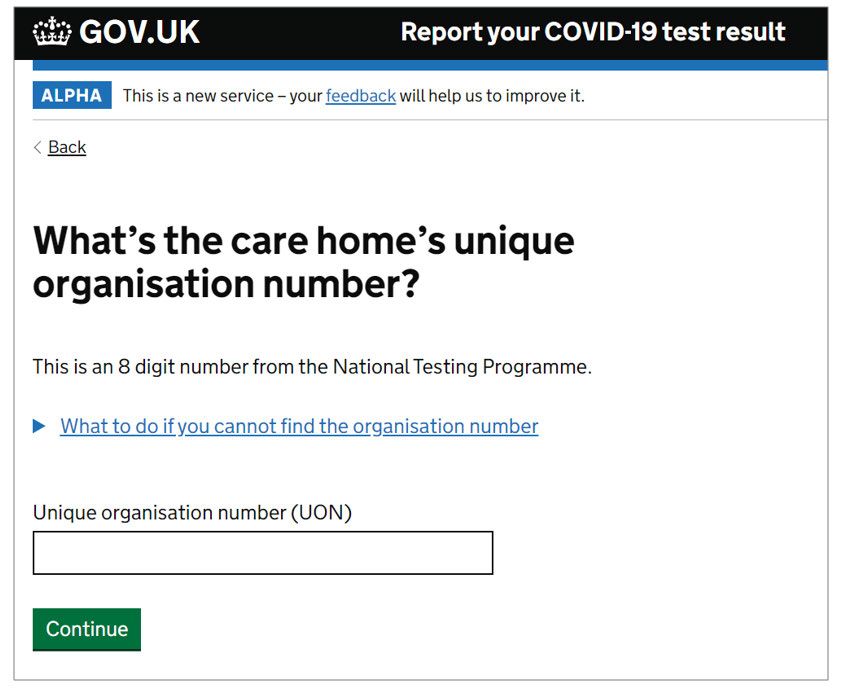
Introduction
Providing testing within all adult care homes will help you protect your residents and staff,
and is an important part of the national effort to tackle coronavirus. Thank you for everything
you are doing to help the country beat the virus at this hugely challenging time.

      Based on current prevalence and the transmissibility of the current variant, this is the current policy for
      regular and outbreak testing in care homes. The aim of this policy is to enable positive cases to be identified
      quickly, enabling action to stop the spread. We will keep this policy under review as the situation changes.

All CQC registered care homes for adults can apply for regular re-testing at:
https://request-testing.test-for-coronavirus.service.gov.uk

For an overview about how to access testing for care homes and other adult social care
settings, please go to: https://assets.publishing.service.gov.uk/government/uploads/system/
uploads/attachment_data/file/949665/Care_Home_Testing_Guidance_visual_v291220-1.pdf

Prepare your care home for testing
This will help to ensure you are ready to test staff and residents on a regular basis.

To prepare your care home, make sure you:
• familiarise yourself with the PCR testing guidance             • ensure a proper workstation is available
  and instructions and assist your team to prepare                 for preparing and packing the tests.
  by watching the instructional video for over 65s
  and dementia and specialist care homes and                     • look out for the delivery confirmation email
  completing the online self-assessment tool.                      letting you know when tests will be delivered.

• have all staff who will conduct LFD testing complete           • have a workflow to allow tests to be easily recorded,
  the NHS Test and Trace online training. Each home                conducted and registered as swiftly as possible
  will recieve an email with details giving them access            — it is recommended to have two staff members;
  to the training portal. Once access is granted, all              one to conduct the test and the other to record
  testing staff are required to watch the training videos          the relevant information needed for registration.
  and complete the online assessment. If you have not
  received an email with access details, please call 119.        • If you have received a handheld scanner for easier
                                                                   registration:
• ensure that you have enough trained staff                        make sure you have set it up and familiarised your staff
  (Processing Operatives) available to process                     with how to use it.
  the number of LFD tests being conducted.                         For a quick start guide on how to use the
                                                                   scanning device, turn to page 21.
• discuss the testing approach with your residents
  and staff. Spend time preparing residents                      • have booked a courier collection for PCR tests by 7pm
  and explaining the procedure to them.                            the day before you start testing.
                                                                   This can be arranged at https://test-kit-collection.
• obtain written consent.                                          test-for-coronavirus.service.gov.uk/

• review your personal protective equipment (PPE) supply
  and ensure you have the correct PPE to carry out testing.

If you have any questions please call 119      .   Lines open from 7am - 11pm daily
                                                                                                                              4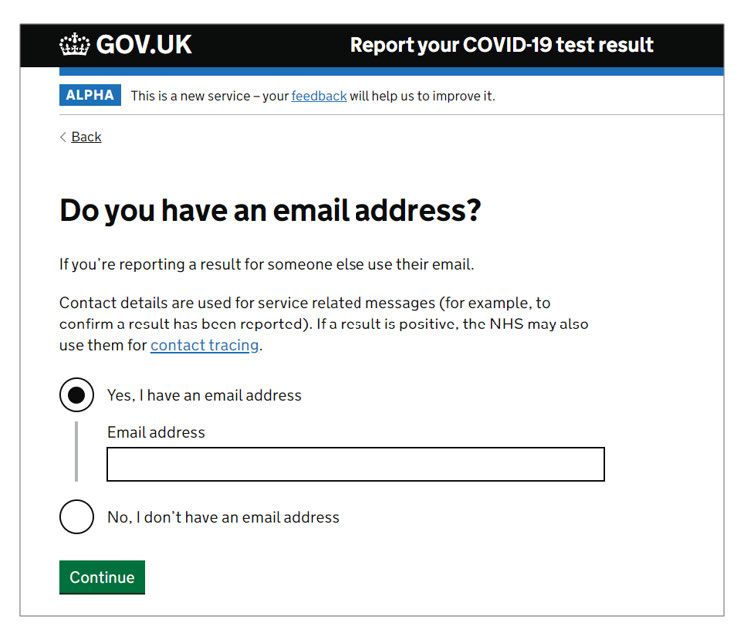
Testing process overview

                    What to expect:                               What to do :

                    You will receive an email confirming          Start planning in advance so that you are ready to begin
Initial             your successful order of both PCR             testing when the test kits are delivered to you:
Order               and LFD tests from:
                                                                  •    Read the instructions and watch the instruction video(s)
                    care.home.portal.for.coronavirus.test.
                    kits@notifications.service.gov.uk             •    Prepare a workflow and allocated work stations for testing

                                                                  •    Ensure you have enough of the appropriate PPE

             There will be a delay between placing your order and confirming your delivery as we
               prioritise care home orders. Use the time to prepare your care home for testing.

                                                                  Make sure you:
                    You will receive a second email
Delivery            confirming the test kits are                  •    Communicate the testing plan to all staff and residents
Confirmation        scheduled for delivery. Take
                                                                  •    You should obtain consent to conduct the test from the
                    this time to start preparing.
                                                                       resident in line with your usual policies and procedures.
                                                                       (more on page 13 - obtaining consent)

                                                                  •    Obtain agreement from staff to be tested, and schedule
                                                                       testing of staff taking into account shift patterns

                                                                   Start preparing for testing
Receive             You will receive your delivery of test
                    kits via courier after 10am.                   •    Re-familiarise yourself and staff with the test instructions to prepare,
test kits                                                               collect and package the sample for each person being tested
                    Ensure that all test kits are stored safely
                                                                   •    Prepare your record keeping spreadsheet and workstations
                    at an ambient temperature. Do not
                                                                        for an easy testing and registration workflow
                    refrigerate or leave in direct sunlight.
                                                                   •    Spend time preparing residents and explaining the procedure to them

                    Book a courier collection for PCR tests       You can book all your courier collections at once or you can book ad hoc
Before              at least a day before testing (by no          courier collections as and when you plan to test. Make sure that you have
testing             later than 7pm)                               a confirmed courier collection for the day that you are due to start PCR
                                                                  testing. LFD tests can be disposed of in your health care waste bin.

                    Testing days, on day(s) of your choice:       For EACH day of testing:
Testing
                                                                  •    Follow the test instructions to prepare an LFD test for each
days                Conduct LFD tests for staff, ideally before
                                                                       staff member on the same day as PCR testing.
                    starting work, on the same day that they
                    are testing using PCR tests, and mid-week     •    Follow the PCR test instructions to prepare, collect and package a PCR
                    between PCR tests.                                 sample for each resident or staff member between 6am and 3pm
                    Stop PCR testing at 3pm to allow time
                                                                  •    Note the barcode number and time of each PCR
                    for packaging before courier collection.
                                                                       test against the name of the person tested

                    Courier collection for PCR test kits will     •    Register the completed test online as close as possible to the time
                    take place between 4pm and 10pm on                 of the swab. This applies to both PCR and LFD tests.
                    each day you have a booked collection.
                                                                  •    Courier collects completed PCR test samples between 4pm and
                                                                       10pm. LFD tests can be disposed of in your health care waste bin.

Results             You will recieve the LFD test results         •    Notify, as appropriate, the resident, GP and family of the test result
                    within 30 minutes, and the PCR test
                                                                  •    Take appropriate actions if the test result is positive or inconclusive
                    results by email or text within 72 hours
                    of test kits arriving at the laboratory

If you have any questions please call 119         .   Lines open from 7am - 11pm daily
                                                                                                                                                   5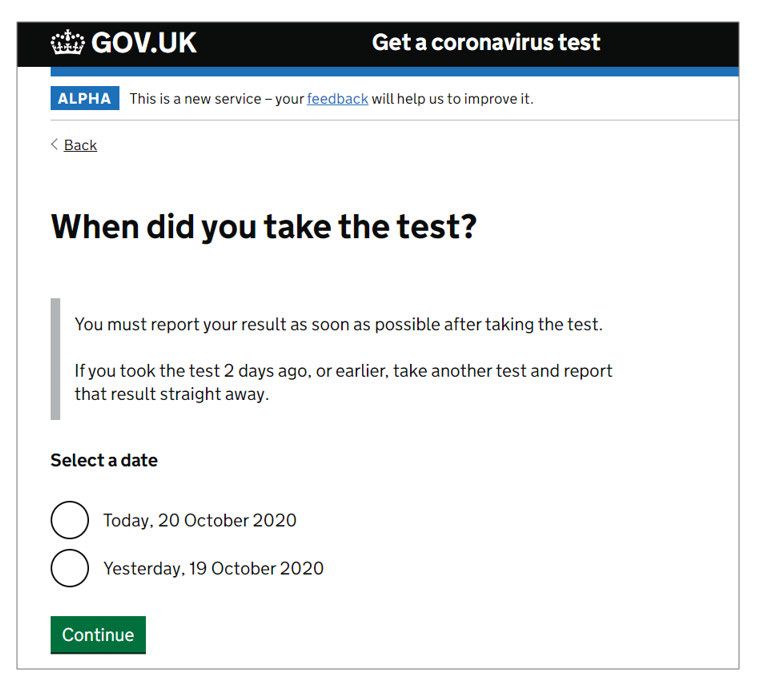
Testing schedules for staff and residents

The regular testing pattern
Ensure you are ready to test staff and residents on a regular basis. Below is the regular testing pattern:

Key:       P   PCR test       L   LFD test

Week             1                       2                      3                     4                       5+

Staff
               P                      P                        P                      P                       P
                                                                                                                                   Repeat
                L         L           L          L             L          L           L        L              L          L
                                                                                                                                   testing cycle
                                                                                                                                   for staff and
Resident       P                                                                                              P                    residents

Rapid response daily LFD testing for staff
Where there is one or more positive cases found

In addition to regular testing,                                                                                              Contact your

                                                     +                                                            +
                                                                    Confirmatory P PCR test
7 days of daily LFD testing for staff                                                                                        local HPT
                                                                    if there are any additional
                                                                                                                             for advice
                                                                    positives from L LFD testing
Positive P or         L
result reported           L L L L L L L
(staff or resident)

Outbreak testing
An outbreak is defined as two or more positive cases.

                                    For each resident               For each staff member                         Isolation of staff and/
                                                                                                                  or residents who tested
                              Day 1                                                                               positive. Contacts of anyone
                                             4           7           1     4          7
Contact your                                                                                                      who tests positive will
local HPT
for advice                +          P
                                             +
                                                     P               P
                                                                              +
                                                                                  P
                                                                                                   +              also need to be isolated.
                                                                                                                  This guidance provides
                                                                                                                  further detail regarding what
                                     L               L               L L L L L L L          Until 5 days of
                                                                                             no positives         constitutes a “contact” in
                                                                                                                  health and social care settings.

For the full guidance on how to manage an outbreak in your home, turn to page 39

 If you have any questions please call 119               .   Lines open from 7am - 11pm daily
                                                                                                                                                     6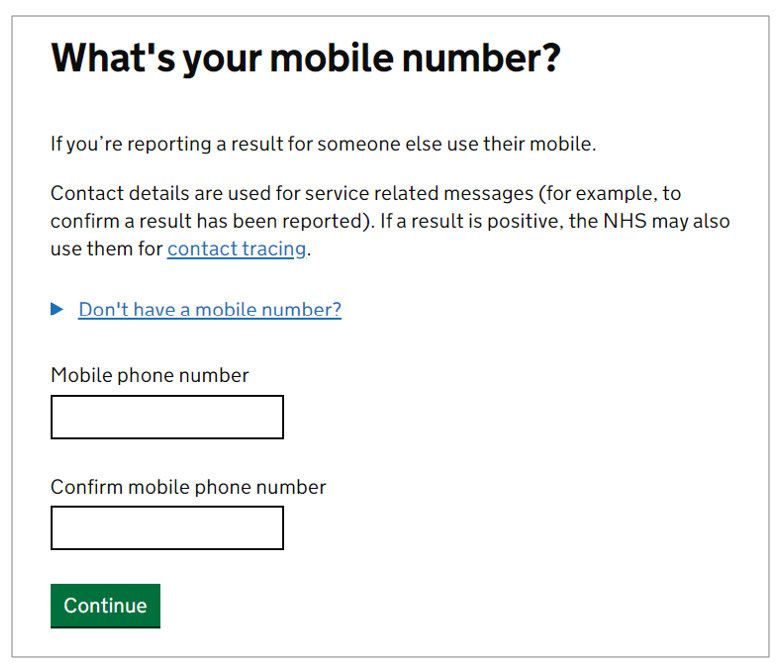
Testing schedule in detail                                                         Key:    P   PCR test     L   LFD test

Staff testing            P   L                                 Resident testing                P

You should test all asymptomatic staff:                        You should test all residents with PCR:
   • weekly using PCR test kits on                                • monthly with test kits.
     the same day each week.
                                                                  • as soon as they join your care
   • twice weekly using LFD test kits on the same day
                                                                    home, if they are new.
     as the weekly PCR test and with an additional
     LFD test 3 or 4 days after their regular PCR test.
                                                                  • immediately if they develop symptoms,
   • where they are working in multiple locations:                  don’t wait for the next retesting cycle.
     they should also be tested with LFD immediately
     before their shift if they have worked somewhere          In the event of an outbreak
     else since their last shift in the home.                  (two or more positive cases)
   • with LFD on the first day back to work
                                                               • PCR test residents on day 1 of the outbreak
     before the start of their shift, after a period
                                                                 and once between days 4-7.
     of leave resulting in them missing their
     weekly PCR (i.e. i.e. after annual leave/sick
                                                               • LFD test residents on the same days.
     leave on entry back into the care home.)

You should also test all staff on duty:

   • In the event of a positive result from LFD
     or PCR from either a resident or staff
                                                                           What to do in case
     member, test daily with LFD as close to the                           of a positive result
     beginning of their shift as possible for 7 days.
     Any staff members who have tested positive
                                                                            In the case of a positive LFD result
     should immediately take a confirmatory PCR,
                                                                            Any staff or residents who test positive
     registered through the organisation route using
                                                                            for coronavirus with an LFD test
     the care home’s UON and then self-isolate at
                                                                            should take a confirmatory PCR test
     home. Please note that the confirmatory PCR is
                                                                            registered to the care home’s UON and
     in addition to the weekly PCR test that all staff
                                                                            isolate until they receive their result. If
     undertake, unless they tested positive on the
                                                                            the confirmatory PCR is negative, the
     day they did their weekly PCR test. You only
                                                                            staff member can return to work.
     need to test staff working in the home over
     the rapid response testing period. You do not
     need to test those who are not working, there
                                                                            In the case of a positive PCR result
     is no requirement to bring people into work
                                                                            Any individual who tests positive
     to get tested on their non-working days.
                                                                            for coronavirus with a PCR test
                                                                            should follow existing guidance on
   • If daily LFDs return more positive results, you
                                                                            isolation and contact Test & Trace.
     should continue testing until 5 days with no
     positives are recorded. Please see the outbreak
     testing section starting on page 39 for more
                                                                            Begin rapid response daily testing
     advice on what to do in this situation
                                                                            If there are any staff or resident
                                                                            positives, either from LFD or PCR, all
                                                                            staff should conduct a daily LFD test
                                                                            before starting their shift if possible.

                                                                            In an outbreak situation:
                                                                            Please see pg 39 for more advice
                                                                            on what to do in this situation.

If you have any questions please call 119     .   Lines open from 7am - 11pm daily
                                                                                                                           7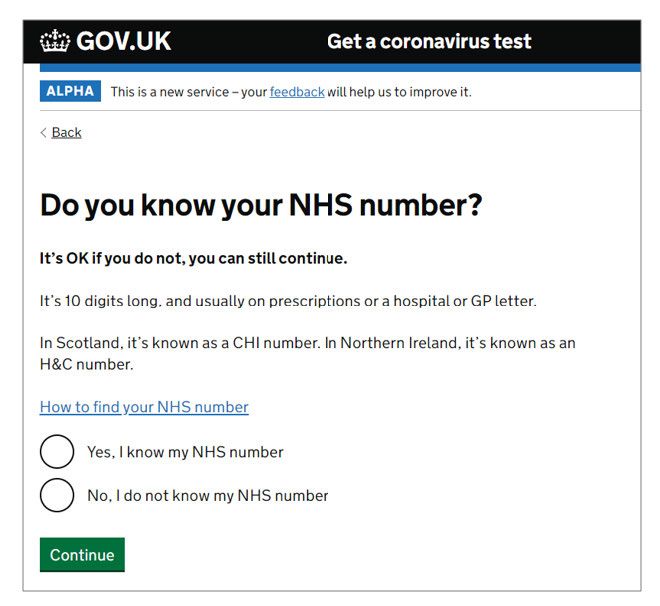
Who should be tested?

Testing should be done for the whole home.
Even where residents and staff are not symptomatic. Whole care home testing is about
prevention rather than waiting until it is too late and having to deal with an outbreak.

Residents with or                                              Staff without symptoms
without symptoms                                               All care home staff (including agency workers) without
                                                               symptoms can be tested with both LFD and PCR
All residents can be tested with both LFD and PCR
                                                               tests. Regular testing of all care home staff (including
tests according to the policy outlined on page 6.
                                                               agency workers) without symptoms should be
                                                               undertaken at the pattern recommended on pg. 6.
Those who have previously tested positive for
COVID-19 should not test with either PCR or LFD
                                                               Any positive results in the care home, either
for 90 days unless they become symptomatic. After
                                                               from LFD or PCR, will require all staff in the care
90 days, residents should continue regular PCR
                                                               home to be tested daily with LFD for 7 days
testing and if required can also test using LFD.
                                                               Those who have previously tested positive
If residents develop new symptoms, as far as possible,
                                                               for COVID-19 should not test with either
residents should be isolated immediately and tested
                                                               PCR or LFD for 90 days unless they become
- contact your local Health Protection Team.
                                                               symptomatic. After 90 days, staff should
                                                               continue testing with PCR or LFD tests.
As far as possible, residents should be offered
the choice to either self-administer the LFD and
PCR tests on themselves or to have the tests
administered by a suitable member of staff.

If you choose not to conduct tests on
                                                               Staff with symptoms should
symptomatic residents in your home, please                     NOT be tested in the care home
notify your local health protection team.
                                                               Staff with symptoms should instead be referred for testing
                                                               at a regional / local test centre or in their own home.
                                                               Please visit www.gov.uk/get-coronavirus-test
                                                               to arrange a test as an essential worker.

                                                               Registration of staff tests
                                                               Staff members should register both LFD and PCR tests
                                                               themselves to receive the test results directly, or may
                                                               give consent to the care home to register and receive
                                                               their test results as well. This consent should be given
                                                               in writing. As test results are personal information no
   COVID-19 Symptoms
                                                               staff member should be compelled to provide consent.
   Please refer to the latest
   guidance online for up to date
   guidance on symptoms.

If you have any questions please call 119    .     Lines open from 7am - 11pm daily
                                                                                                                            8
The 90-day window after a positive test
Following a substantial clinical review of the latest evidence and testing data,
we are now changing the advice for retesting within 90 days of a positive.

From now on, if someone tests positive with a PCR test, they should not be tested
using PCR or LFD for 90 days, unless they develop new symptoms during this time,
in which case they should be retested immediately using PCR. This 90 day period is from
the initial onset of symptoms or, if asymptomatic when tested, their positive test result.

The previous policy to continue LFD testing following a positive PCR result was
because although very unlikely, it is possible to be reinfected within 90 days. However
based on the latest testing data and clinical advice, the policy has now changed.

 The clinical view is that during this 90 day window from a positive test, given the low rate of
reinfection during this window it is significantly more likely that a positive LFD test would be
a false result, rather than someone being reinfected, causing people to isolate unnecessarily.
Therefore we are now stopping the regular testing using LFD during this 90 day period.
The individual should return to the regular LFD and PCR regime once 90 days has passed.

This means that the policy for retesting within 90 days for Adult Social Care is
now the same as the policy for NHS staff. The policy also applies to professionals
visiting a care home who have received a positive PCR result in the last 90 days.

Testing and vaccinations
Whilst vaccination offers vital protection, no vaccine is 100% effective, and importantly
we do not yet know if being vaccinated prevents transmission of the disease. In order
to identify positive cases, and continue to monitor the effects and transmission of
coronavirus, we must continue to operate a thorough and meaningful testing programme,
even in settings where vaccines have been administered. Vaccination is just one tool
in our collective response and recovery from the effects of coronavirus, and so testing
and other infection control measures including appropriate PPE will continue to be the
necessary and proportionate approach to help keep care home residents and staff safe.

If you have any questions please call 119     .   Lines open from 7am - 11pm daily
                                                                                                   9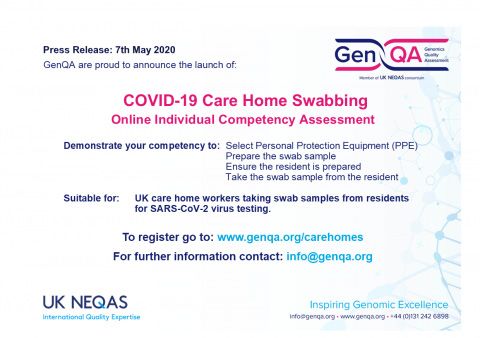
PCR Testing Process
for staff and residents
LFD testing instructions can be found on page 24.

                                        .
If you have any questions please call 119   Lines open from 7am - 11pm daily
                                                                               10
1 Book your courier collection for PCR tests
Please read the below instructions that describe how to arrange a courier collection before you start testing
Please book your courier collection at
https://test-kit-collection.test-for-coronavirus.service.gov.uk/
Arranging your test kit Tests must be picked up on the
courier collection: same day they are taken
1 Once you have planned for when to
do testing book your courier collection
Why courier timing is important:
There is a 48 hour window to get a swab sample to the
at https://test-kit-collection.test- laboratory for processing. If this window is missed, there
for-coronavirus.service.gov.uk/ is a high chance that the individual may not get their
results and a retest may be required at a later time.
2 You will need your unique
organisation number and postcode
You will be able to book multiple collections, but
please make sure that you only test on a day where
to register. You must book for next you have a confirmed courier scheduled to collect
day before 7pm. You can book up to 6 your test kits that same day between 4pm and 10pm.
days in advance. You can book ad hoc
courier collections through this portal If you have received test kits for testing in your care
home from any other source (for example directly
from Public Health England or your local Clinical
3 Receive your courier collection
confirmation email
Commissioning Group), please keep these tests separate
and do not return these tests with the same courier.
Note: Do not send any personal information
along with the completed test kits, in the form
4 Conduct testing between 6am and
3pm on the day your courier has
of a record keeping spreadsheet or otherwise.
been arranged (see page 14 for
more information about testing)
5 Package your test kits up before 4pm Important
using one of the empty boxes you will
have received with your test kit delivery Please only test on a day that you have a
and add the UN3373 label to the box confirmed courier collection arranged
Contact the customer contact centre on 119 the
following morning if your courier has not arrived.
They will book an urgent courier collection for you.
6 The courier will collect completed kits
from you between 4pm and 10pm
on the day you have selected
If you have any questions please call 119 . Lines open from 7am - 11pm daily
112 Prepare for PCR testing
Learn how to conduct the test
To ensure that tests are carried out safely, you must ensure that suitably competent staff conduct
the tests. Every person involved in conducting the test in your care home MUST read the detailed
instructions provided and watch the instructional videos for elderly and specialist care homes before
conducting the swab test. Residents who would prefer to self-administer the test on themselves should
watch this self-swabbing instruction video, as should staff. Staff are expected to self-swab.
If a test isn’t correctly undertaken it may lead to inaccurate test results.
It is recommended that staff complete the COVID-19 Care Home Swabbing Online Individual
Competency Assessment to improve the success of the swab test. It is quick and easy to use and
follows on from the above video. Individuals can register at www.genqa.org/carehomes and will
be given a login for immediate use. Alternatively care home managers can create an organisational
account and arrange this centrally. Please contact info@genqa.org to set this up.
Care home instruction video Self-swabbing instruction video
https://youtu.be/1l0jcv37WzI https://youtu.be/zCqo7MhQT6U
Competency Assessment Testing in a mental health or
www.genqa.org/carehomes learning disabilities care setting
https://youtu.be/oIuTQCVKM1A
If you have any questions please call 119 . Lines open from 7am - 11pm daily
12PPE (Personal Protective Equipment)
We recommend that you share with your staff, and follow, the current guidance from Public Health
England on how to work safely in care homes and this short video guide on putting on and
removing PPE. You should not conduct any tests if you don’t have the correct PPE.
PPE is not needed for people who are self-swabbing.
Obtaining Consent
You should obtain consent to conduct the test from the resident, consulting family members and their GP as
appropriate and in line with your usual policies and procedures. Some residents, for example some people
with dementia, learning disabilities or mental health conditions, may lack the relevant mental capacity to
make a decision about their own testing. If the person lacks the relevant mental capacity to consent to
the test, and they are aged 16 or over, you should consider if the principles of the Mental Capacity Act
2005 allow you to make a ‘best interests decision’ to swab and receive results, on their behalf.
As far as possible, residents should be offered the choice to either self-administer the test on themselves or to
have the test administered by a suitable member of staff. Likewise, the resident should be offered the choice to
receive the results directly (rather than via the registered manager on their behalf), in which case you should follow
the same process set out in this guidance but using the resident’s contact details to register the test online.
Obtain written agreement for all staff to be tested and how the results will be shared. For example,
directly with the staff member or to the care home directly via the care home manager.
If you have any questions please call 119 . Lines open from 7am - 11pm daily
133 Conduct PCR testing
Swabs should be taken between 6am and 3pm
for collection by courier between 4pm and 10pm the same day
This ensures that night shift staff can be tested at the end of their shift, and ensures tests
are delivered to the laboratory within 48 hours of collecting each sample.
Before Testing Testing Day
7pm 6am 3pm 4pm 10pm
1 2 3 4 If you can’t test
everyone in one day
Book your Take swab samples Package Collection by courier
you can book more
courier test kits
courier collections
collection by
7pm the day
before testing
at the latest Register completed tests
If testing another person, it is recommended that
you have two colleagues conduct the test.
One recording the test, and the other swabbing the resident. This ensures that there is no cross
contamination between the test materials and the materials you are using to record the information.
Have a clean workstation for test preparation.
Preparing your resident for testing
Take a moment to reassure the resident to help them feel more comfortable while you perform the
test. Follow local guidance on obtaining consent for the test – see page 13 for more information.
Check nasal passages for any recent nasal surgery or abnormalities, cuts or injuries that
would make swabbing difficult. Have the resident gently blow their nose and cough into a
tissue to dispose of any excess mucus, and dispose of the tissue immediately in a bin.
If you have any questions please call 119 . Lines open from 7am - 11pm daily
14Combined nose and throat swabbing
Care-home specific instructions for PCR testing can be found on pages 16-17
Where possible a combined nose and throat swab should be taken.
However a person-centred approach should be used to assess which sample to take from each resident.
Taking a throat swab is more invasive than taking a nose swab and can be uncomfortable. To take a throat
swab safely, the person being swabbed needs to be able to understand and comply with instructions, including
having the ability to maintain their mouth wide open for the period of the swabbing. This can be difficult not
only for people with advanced dementia, but also for those with limited strength due to severe frailty.
Where a combined nose and throat swab is not possible, a nose swab from both nostrils
should be taken, if this is feasible. The swab does not need to be pushed far into the nostril. Extra care
is needed when interpreting the results from a nasal swab compared to a full throat and nose swab. If
the result is negative but the resident has persistent symptoms, a clinical assessment should be made to
determine whether a repeat test is required. Isolation should continue until symptoms reside.
Unused test kits and further testing
Any residual test kits not used should be retained by the care home for future ad hoc tests if required.
Please do not return unused test kits with the courier even if they insist. Store test kits in a
safe place with an ambient temperature of between 5 and 22 degrees Celsius.
Care homes should follow a regular retesting cycle by:
• retesting staff with PCR swabs on the same day every week
• retesting residents with PCR tests every 28 days.
Use any spare test kits to test new residents and staff as soon as they join your care home. If any residents
develop symptoms test immediately, don’t wait for the next retesting cycle and contact your HPT.
Book a courier collection for any tests (ad hoc or planned) at https://test-kit-collection.test-for-
coronavirus.service.gov.uk/. Make sure you book the courier first and then test on the same day as
the courier collection. It is important to test on the same day as courier collection as once a test has
been used it must be tested by the lab within 48 hours of swabbing or the test will become void.
If you have any questions please call 119 . Lines open from 7am - 11pm daily
154 Record PCR test sample
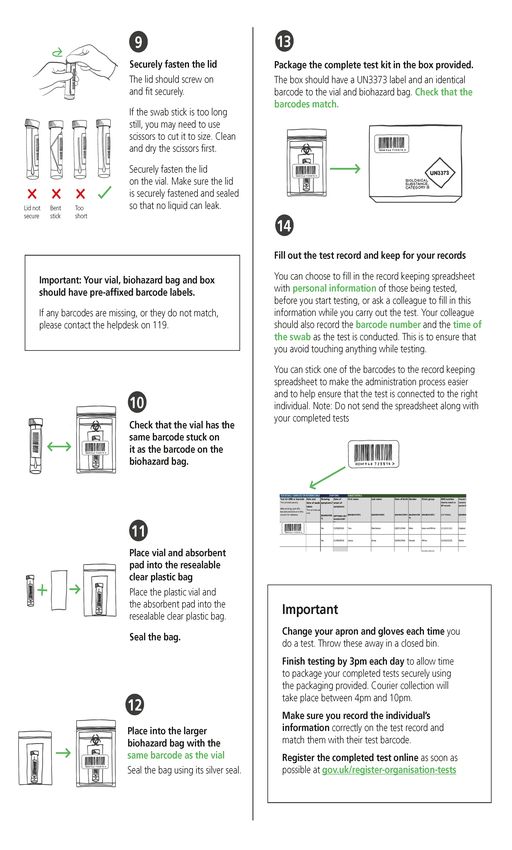
Record swab samples
When you conduct the swab test, you must register each completed test online. This will record the URN
or barcode of each swab against the name and details of the individual who has been tested. This will
also enable you to receive the test results back by email (or text if a number has been provided) within
72 hours of the test arriving at the laboratory. You should monitor your email account carefully.
Ensure that each swab sample is clearly recorded against the correct resident details.
Extra care should be taken when more than one swab is being collected in the
home from residents and staff. You should follow these steps:
• If possible, complete each test in full on a patient by patient basis including swabbing,
packaging and record keeping, before moving on to the next person.
• To help with your record keeping, you should download a copy of the record keeping spreadsheet
fill in the personal details of the individuals being tested on your device, and save. Then, use a
printed copy of the spreadsheet to capture the date, time and associated barcode or URN number
of each test. You will need all of this information to register each person’s test kit online.
• Please only use the spreadsheet provided as part of the registration process on:
https://organisations.test-for-coronavirus.service.gov.uk/register-organisation-tests
• Keep hold of the record keeping spreadsheet for your personal record. Please do not
send any personal information along with the completed tests to the lab. This
will be reported as a clinical incident and could delay getting your results back.
If you have any questions please call 119 . Lines open from 7am - 11pm daily
185 Register completed PCR tests online
It is crucial that you register each
completed test online at
gov.uk/register-organisation-tests
This registration process is essential, as without it, the
laboratory will not be able to provide you with the
test results. Note that you must complete this on the
SAME DAY that you conduct the swab testing and as
close as possible to the time that the swab is taken.
There are two ways of registering:
Register the tests individually
A
• You can use the link above to register
staff or resident tests individually. Important
When registering over 100 staff
or 100 residents at once, you
B Register the tests in bulk in batches up to 100 will need to download additional
spreadsheets. Do not exceed
• You will need to use separate record keeping 100 tests per spreadsheet.
spreadsheets for staff and residents.
• You may pre-populate the record keeping spreadsheet
with all the personal details before testing.
• Download this spreadsheet and save it as a
Scanning barcodes
Master copy to use in future retesting. You can use a handheld scanner
(provided by the National Testing
• Print out the spreadsheet to fill in the barcode Programme) to speed up the
(URN) and the date and time of testing. process of entering barcodes into
the portal for individual or bulk
registration. For more information
on this turn to page 21.
Once you have successfully registered each test you will receive a confirmation
email or text message. You will receive the test results by email or text within
72 hours of the test arriving at the laboratory. You should monitor your
email account carefully. Registered managers should not use a personal
email or phone number to receive test results for any residents or staff.
When you receive the test result email, this may not include the name of
the resident or staff member. You should therefore retain a careful record
of each test URN/barcode and the name of the resident or staff member.
Staff members should also retain a record of their own test URN/barcode.
If you have any questions please call 119 . Lines open from 7am - 11pm daily
19What you’ll need to register your test online
Before testing
You may pre-populate sections on the registration portal spreadsheet.
1. UNIQUE ORGANISATION NUMBER (UON): This is the unique 8-digit number provided to you
by the National Testing Programme which will be be sent to you via email. Otherwise visit
https://organisation-number-lookup.test-for-coronavirus.service.gov.uk/ for a reminder.
2. STAFF OR RESIDENT: Select Staff or Resident.
3. FIRST AND LAST NAME: Of the person who has been tested.
4. DATE OF BIRTH, GENDER, AND ETHNIC GROUP: Of the person who has been tested.
5. FIRST LINE OF ADDRESS, COUNTRY AND POSTCODE: This will be the care
home address (for residents) or a home address (for staff members).
6. NHS NUMBER: Of the person who has been tested, if available (not required).
7. WORKING CIRCUMSTANCES, AREA OF WORK, OCCUPATION, AND EMPLOYER:
Of the person who has been tested, if available (not required).
8. EMAIL AND PHONE OF THE PERSON WHO SHOULD RECEIVE THE TEST RESULTS: i.e. the
resident or staff member. In certain cases it may be more appropriate for the registered manager to
receive the test results on behalf of residents and, in exceptional circumstances staff, if consent has
been obtained. Registered managers should not use a personal email or phone number and must
ensure that written consent has been obtained via usual policies and procedures. As test results are
personal information no resident or staff member should be compelled to provide consent.
9. SYMPTOMS: Indicate whether the person being tested is experiencing symptoms at the time the test is taken.
When a registered manager is receiving
During testing the test results on behalf of a resident:
This information will need to be collected while testing.
The registered manager should not use a
10. ENTER THE TEST BARCODE: Enter the 11 personal email or phone number to receive
character reference below the barcode on your test results for any residents. When you
test kit, or scan the barcode using your phone or receive the test result email, this may not
computer camera, or handheld scanner (see page include the name of the resident.
21 for more information on scanners). Take care You should therefore retain a careful
to double check that this number is correct. record of each test URN/barcode
and the name of the resident.
11. DATE AND TIME OF THE TEST: to ensure
tests have reached the lab within the 48 hour All test results for residents should
window required for a valid test result. be notified to the resident, their
GP and family (if appropriate).
When you receive the test results you should
follow the Public Health England Guidance
on admission and care of
people in care homes.
If you have any questions please call 119 . Lines open from 7am - 11pm daily
20Setting up your handheld scanner
Turn off your computer’s power
1 before connecting the scanner.
Plug the cable into the bottom of the scanner
2
and plug the other end into a computer.
Turn on the computer once the
3 scanner is fully connected
The computer should recognise the scanner
4 automatically as a USB keyboard device.
Registering with a handheld scanner
For single registration
To use the scanning device when registering a
single person on the registration portal:
On the page “Enter the unique test kit barcode”
1 Click in the “Test kit barcode reference” box
Scan the barcode using your handheld scanner.
2
This automatically adds it to the box
3 Click in the “Confirm test kit barcode reference” box
Scan the barcode again using you handheld
4 scanner. This automatically adds it to the box
5 Click “Continue”
Further instructions on how to use the handheld scanning device
are located on the registration portal, under the drop down
field in blue “how to use a barcode scanner”
Multiple registration on next page
If you have any questions please call 119 . Lines open from 7am - 11pm daily
21For multiple registration on the bulk upload portal
For bulk uploads, scanning should be completed through the registration portal, not the
bulk upload spreadsheet. To use the scanning device when registering multiple test kits:
1 On the page “Check the test kit details for each person”
Click in the “Test kit barcode reference” box
2 Scan the barcode using your handheld scanner.
This automatically adds it to the box
3 Click in the “Confirm test kit barcode reference” box
Scan the barcode again using you handheld
4 scanner. This automatically adds it to the box
5 Confirm all records are correct and click the
“I confirm all details are correct” box
6 Click “Continue”
Further instructions on how to use the handheld scanning device are located on the
registration portal, under the drop down field in blue “how to use a barcode scanner”
If you have any issues using the scanners or have
technical support questions please contact:
Codeway Mobile & Scanner Support Team
Email: scannersupport@codeway.com
Telephone: 01206 986492
Opening Hours: Monday to Friday 09:00 to 17:00
If you have any questions please call 119 . Lines open from 7am - 11pm daily
22Securely package and give the
6 completed PCR tests to the courier
Important
Make sure you have received email confirmation
of your courier collection before you test.
Package your test kits before 4pm
Use one of the empty boxes you will have received with your
test kit delivery and add the UN3373 label to the box
The courier will collect completed test kits from you
between 4pm and 10pm on the day you have selected.
Tests must be picked up on If there is a problem with
the same day they are taken your courier collection
There is a 48 hour window to get a swab sample to
If your courier has not collected your test kits
the lab for processing. If this window is missed, there
by 10pm, please call the customer contact centre
is a high chance that the individual may not get their
on 119 the following morning to request an
results and a retest may be required at a later time.
urgent courier collection. You will receive an email
confirmation of your revised collection time.
When returning test kits, please do not send any personal
information along with the completed test kits, in the
If the courier arrives before 4pm and your test kits
form of a record keeping spreadsheet or otherwise.
are not yet ready for collection, please politely ask
the courier to wait or return at 4pm the same day.
You will be able to book multiple collections, but
please make sure that you only test on a day where
If you have any other problems with your delivery
you have a confirmed courier scheduled to collect
or collection that are not addressed above, please call
your test kits that same day between 4pm and 10pm.
the helpline number at the bottom of this page.
If you have received test kits for testing in your care
home from any other source (for example directly
from Public Health England or your local Clinical
Commissioning Group), please keep these tests separate
and do not return these tests with the same courier.
If you have any questions please call 119 . Lines open from 7am - 11pm daily
23LFD testing guidance
For testing of staff members within the care home
with LFD test kits on a weekly basis.
Please note that staff self-testing at home has also been approved by the MHRA.
For full details on how care homes and staff should manage this process, please refer to the self test guidance
.
If you have any questions please call 119 Lines open from 7am - 11pm daily
241 Prepare the LFD testing area
Before you start
Prepare for day of testing and make sure:
• there is a designated area for staff to be tested — whether specifically for staff or using the same visitor
testing area — to complete a self-assisted swab and wait on results, maintaining social distancing.
• you have your schedule planned accordingly to take into account time for testing.
It is recommended that staff LFD testing takes place before shifts start.
Staff should not commence work before the result of their LFD test is known.
• you have prepared written consent forms for staff members to be tested
in line with your normal policies and procedures.
• devices are set up for registration and the UON is visible for staff members to register online. If you have
received a handheld scanner for easier registration: make sure you have set it up and familiarised your
staff with how to use it. For a quick start guide on how to use the scanning device, turn to page 21.
• you are prepared to have a clear record of which device matches which individual’s result.
• you have a mirror, timer, permanent markers, hand sanitiser, and health care waste bins in the testing area.
• you have enough trained staff (Processing Operatives) available to
process the number of staff tests being conducted.
• you have read the Terms and Conditions for LFD Testing as contained within Visitor testing guidance
Testing process checklist:
Staff member checks in and
1
consents to testing
2 Take swab sample (tonsils then nose)
Process the sample and apply
3
it to the rapid test
4 Wait 30 minutes then read results
5 Register test kit and result onto
the online registration form
6 Post-test action
If you have any questions please call 119 . Lines open from 7am - 11pm daily
25Prepare the check-in area
PPE for staff members
Prepare the testing area
LFD cartridge
Swab, inside sealed wrapper
Extraction tube Clean cup to prop up
the extraction tube
(not provided)
Extraction solution Devices for registration
support (if staff member
cannot use mobile phone)
Handheld scanner provided
by the National Testing
Programme to speed up the
registration process of test kits
(Please note these are being
rolled out in phases so you
may not have received one
yet but will do so soon.)
If you have any questions please call 119 . Lines open from 7am - 11pm daily
262 Preparing staff for LFD testing
1
Check the staff member in
As each staff member enters they are provided PPE, checked
in against the staff members list, asked to consent to
testing and confirm they do not have symptoms.
2
Take down registration details (if staff member cannot register their own kit)
If a staff member will not be able to register their own result online, make sure to explain
that you are asking for their personal information to register the test kit on their behalf.
To complete the registration form, take down the following personal
details of each staff member being tested. These details can be
recorded before or after the testing process occurs:
They will need to enter:
• Full name
• Date of birth
• Gender
• Ethnic group
• Home address
• Contact details, including mobile number and email address
3
Staff member moves to swabbing area
The staff member can now move to the testing area.
If you have any questions please call 119 . Lines open from 7am - 11pm daily
273 LFD Sample collection
4
Test kit preparation
The Processing Operative, a trained member of staff, prepares the test kit including
the extraction tube and extraction solution to process individual samples.
The staff member then hands the staff member the packaged swab.
10
secs
5
Staff member self- swabs
The staff member un-packages the swab and self-administers
the swab sample for both the throat and nose.
10
secs
The staff member should hold their used swab until the Processing Operative is ready
to process their test sample. It is critical that no one touches the end of the swab.
6
drops 6
Extraction preparation
The Processing Operative puts the extraction tube into a small cup and puts 6 drops
of the extraction solution into the tube (without touching the edge of the tube).
7
Swab Handover
The Processing Operative then takes the used swab from the staff member.
The staff member can move into the waiting area after they hand over the swab.
If you have any questions please call 119. Lines open from 7am - 11pm daily
284 LFD Sample analysis
10
8
secs
Swab processing
The swab is inserted head-first into the extraction tube. Hold and press
the swab head against the wall of the tube while rotating for about 10
seconds. Squeeze the lower end of the tube while removing the swab
in order to remove as much liquid as possible from the swab.
9
Swab extraction
Take out the swab while squeezing the tube and fabric end of the swab to squeeze
as much fluid out as possible. Dispose of the swab in a health care waste bin.
10
Prepare nozzle
Press the nozzle cap tightly on to the tube.
2
drops 11
LFD cartridge processing
Squeeze 2 drops of the solution into the sample well of the LFD cartridge and
record the time of test (for example, “Drop @ HH:MM”) in marker on the LFD.
If you have any questions please call 119 . Lines open from 7am - 11pm daily
295 LFD Results analysis
20-30 12
min
Results Development
Move the LFD cartridge an area where results will be processed and start the timer to
track the development of the sample. Results can be analysed after 20-30 minutes.
13
Results Interpretation
The results are interpreted by examining the presence of coloured lines on the LFD.
Positive results can be reported at 20 minutes.
Negative results can be reported after 30 minutes.
If a positive signal appears after 30 minutes, it should not be reported
as positive. Line C must be coloured to have a valid test result.
Negative Positive Invalid or Void
14
Marking Results
The test is then marked by a permanent marker and removed from the desk.
+ for positives
V for invalid and void tests
- for negatives
Communicating results:
You should now communicate the result to the staff member and register the test result online.
If you have any questions please call 119 . Lines open from 7am - 11pm daily
306 Register and record LFD results
Using the online form
The online form links your LFD ID number and test result to the staff member. The form will ask for the staff
member’s personal details, ID number of the LFD, and whether the result was positive, negative or void.
When using the online form, there is the option to create a user account. When you create a user account, you
link your email address to your personal details. After you register your first LFD test using your user account, your
personal details will be saved, and you will not have to re-enter them when you register in future. Creating an
account should take about 2 minutes and will save about 5 minutes each time you register a test in the future.
Whether you create a user account or not, notifications of your result will be sent to you via SMS or e-mail. Care
Home managers may ask to see your SMS or e-mail results as part of their Care Home tracking system.
Complete registration as soon as the test result is determined.
You need the ID number on the test strip to register the result.
1 Navigate to the online form
Navigate to https://www.gov.uk/report-covid19-result
Tap Start Now to enter into the form.
Enter who you are reporting for
2
Select “myself” then select continue.
Select whether you would like to sign in or create
3 an account or continue without an account
You can create an account using your email address
and mobile phone number. Once you have an
account, it will remember your personal details and
save time when it comes to each test result.
If you want to create an account, continue to step 4.
If you want to continue without an
account, continue to step 11.
If you have any questions please call 119 . Lines open from 7am - 11pm daily
31Create your NHS account:
Please note: you will only to follow this process once to create a
user account. For future registrations, you can enter the email you
used to create your user account to login and save time.
4 Enter your email
Enter your email address.
This email will be used to set up your account, and your
personal details will be linked to this email address.
This email must be your own individual email, and you will
need to be able to access the email listed to confirm your
user account set up. This email can be your own work email
or a personal email address. It cannot be your care home
manager’s email or a shared general care home email.
If you do not have your own email address, you
cannot create an account at this time.
Create a password
5
Create a password for your account. It must have at
least 8 characters and have 1 or more capital letters.
Enter your password again to confirm your
password then select continue.
6 Check your email
In a new browser window, navigate to your email inbox.
Open the email from noreply@login.nhs.uk
and select confirm email address.
Return to the NHS login screen.
Select “I have confirmed my email”.
7 Enter your mobile number
Enter your mobile number then select continue.
A security code will be sent to this number so you must be
able to receive messages on the mobile number you enter.
.
If you have any questions please call 119 Lines open from 7am - 11pm daily
32Check your mobile phone
8
Enter the 6 digit security code sent to your
mobile phone then select continue.
9 Agree to share your NHS login information
To create your account, you will need to agree
to share your NHS login information (your email
address and mobile number) with GOV.UK.
To agree, select continue.
Using your account: Report a COVID-19 test result
10
You have now successfully created your individual account.
To enter a test result, select “Report a COVID-19 test result”
Main registration flow
Enter why you took the test
11
Select “Testing for a care home” then select Continue.
.
If you have any questions please call 119 Lines open from 7am - 11pm daily
33Enter your role
12
Select “I work at a care home” then tap Continue.
Enter your UON
13
Enter your UON then select Continue. Your Care Home
manager will be able to provide this number to you.
For Care Home Managers: You will need to share
your UON with all staff members testing at home. .
14 Select your country location
Select the appropriate country for the care home.
15 Enter date of the test
Enter today’s date (unless you are completing
the form after the testing day).
.
If you have any questions please call 119 Lines open from 7am - 11pm daily
3416 Enter the test kit ID number
Enter and re-enter the test kit ID number. The ID number
can be found via the QR code on the lateral flow device.
You may use a handheld scanner to speed up this process
if one has been provided. Click into the ‘test kit ID number’
box and the scan the QR code on the LFD device; then
repeat this process to enter the test kit ID number into
the ‘confirm test kit ID number’ box and click ‘continue’.
To set up your handheld scanner:
1 Turn off your computer’s power before connecting the scanner.
2 Plug the cable into the bottom of the scanner
and plug the other end into a computer.
3 Turn on the computer once the scanner is fully connected
4 The computer should recognise the scanner
automatically as a USB keyboard device.
See page 21 for more information on scanners. Further instructions on how to
use the handheld scanning device are also located on the registration portal,
under the drop down field in blue “how to use a barcode scanner”
If you have any questions please call 119 . Lines open from 7am - 11pm daily
3517 Enter your personal details*
You will need to enter your
personal details including:
• Full name
• Date of birth
• Gender
• Ethnic group
• Home address
Enter your contact details*
18 *If you have
Enter your following contact details: created an account,
this information
• Email address (if you have one)
will be saved for
• Mobile number future use and
you will not need
If you do not have a mobile number, to enter these
you can enter a relative’s number. details for future
If you do not have a relative’s registrations.
number to add, you should contact
119 to complete the form.
19 Enter NHS number (if available)*
The form will ask if you know
your NHS number. If applicable,
select “Yes, I know my NHS
Number” and enter it.
Otherwise, select “No, I do not know
my NHS Number” and tap Continue.
20 Enter test results
Select the result of the test, and tap “Continue.”
.
If you have any questions please call 119 Lines open from 7am - 11pm daily
3621
Review and submit result
Check the answers you have provided and change them
if needed. Click “Report Result” when you confirm
all your responses are correct. The results page will
appear. You will receive your result by SMS or e-mail.
If you have created an account, you can still review
and change any saved details on this screen.
Safely dispose of the device
22
Once the test result is registered, put all of the used
test kit contents into a healthcare waste bin.
If you cannot register the test result immediately after the test is complete, make sure
you taken down the test kit ID number before disposing the lateral flow device.
If you have any questions please call 119 . Lines open from 7am - 11pm daily
377 LFD Results Guidance
Once the result is determined, your home and the staff member should register
the test result and follow the associated guidance for proceeding with work.
Negative result
The staff member can proceed with work.
The staff member should only enter designated parts of the care home and must wear appropriate
PPE including a face mask, gloves, apron and follow IPC measures in line with the care home
and national policy. IPC measures remain important because the test is not 100% sensitive.
Negative
? Invalid or void result
Retest using a spare LFD kit to receive a conclusive result.
If the re-test also comes back as void or invalid, the staff member should continue
to work as normal and undertake a further LFD test on the next day.
Invalid or Void
Positive result
The staff member must not proceed with work and
requires an immediate confirmatory PCR test.
Provide the staff member with a PCR test kit and ask the staff member to test on site then
isolate at home immediately, avoiding public transport and wearing a face mask appropriately.
Positive
Before the staff member leaves they will need the register the confirmatory
PCR kit online in the usual way, using the home’s UON.
Where possible, confirmatory PCR test kits should be sent to the labs using the closest
Royal Mail priority post box. There is a Royal Mail priority post box return label included
within each PCR test kit to facilitate this. Use the following link to find your closest priority
post box and collection times: https://www.royalmail.com/priority-postboxes
If it is not possible to return the confirmatory PCR test via a priority
post box, please ring 119 to schedule an urgent courier.
If the confirmatory PCR is negative, the staff member can return to work.
If the confirmatory PCR is positive, care homes should contact their local HPT
as soon as possible. The HPT will advise on the need for outbreak testing, with
the first test on day 1 and second between day 4-7 of the outbreak.
If there are any staff or resident positives, either from LFD or the confirmatory PCR, all staff
should conduct a daily LFD test for 7 days before starting their shift until 5 days have passed
with no new positives. The exception to this is the person(s) who tested positive. They should
not be tested with either PCR or LFD for 90 days unless they become symptomatic.
If you have any questions please call 119 . Lines open from 7am - 11pm daily
38Outbreak Testing
This guidance only applies to care homes in England,
outlining the steps to be taken in the event of a confirmed / suspected
outbreak. It does not apply to any other Adult social care settings.
.
If you have any questions please call 119 Lines open from 7am - 11pm daily
39Imporant note about outbreak testing
Testing is only one part of the outbreak response
Health Protection Teams will provide advice on how to manage the outbreak including the necessary
Infection Prevention and Control measures including cohorting, proper use of PPE, good hand hygiene and
distancing. Even for staff or residents who have been vaccinated, the following testing is still needed.
Rationale for increased testing
Due to the prevalence and transmissibility of the current Covid-19 variant, we are expanding the use of LFDs
in an outbreak. This is to help care homes contain outbreaks more quickly. We will keep this policy under
review as the situation changes. This outbreak testing guidance is based on SAGE and Public Health England
advice on how to use testing in a care home outbreak to reduce COVID-19 transmission and save lives.
In the early stages of an outbreak, having test results available more quickly helps to identify those infected so
that appropriate action can be taken. LFD testing can help to quickly understand the extent of the outbreak in a
care home – in both staff and residents – and this information is important to rapidly inform the implementation
of isolation and infection control strategies. All infection control measures are important, but as we have seen,
the current measures (including the current testing regime) have not always stopped the spread of infection
and there continues to be transmission within care homes. Using LFDs for staff and residents in this way,
is a further tool to help contain outbreaks and help stop as many people from becoming infected.
If you have any questions please call 119 . Lines open from 7am - 11pm daily
40Outbreak testing overview
Definition of a care home outbreak: An ‘outbreak’ constitutes 2 or more positive / clinically
suspected cases among individuals (residents or staff) detected within 14 days of one another,
whether the results are returned through a PCR or LFD. If you have two positive cases, please
contact your HPT for advice. One positive test result may be the first sign of an outbreak,
so you should also contact your health protection team for advice in this instance.
What to do if you only have 1 suspected or confirmed positive case in your home
1 Ensure the individuals who tested positive are appropriately isolated,
and arrange confirmatory PCR tests if they tested positive with LFDs.
2 Start rapid response daily staff testing immediately (7 days of daily
LFD testing) and contact your local HPT for advice.
If there are 2 or more positive cases detected within the same 14 day period,
this is considered an outbreak. In addition to the above, do the following:
3 Notify your local HPT of the situation and do the following:
If any residents become
• Conduct PCR for all staff and residents on day 1 of the outbreak
symptomatic outside
and once between days 4-7 for those who tested negative
of this schedule
please test them
• Start (or continue depending on your circumstances) daily LFD testing
again using LFD and if
of all staff until there has not been a new positive result in 5 days.
positive confirmatory
PCR. Isolate and
• When you carry out the outbreak PCR for residents (day 1 and once again
report to the HPT.
between day 4-7), also test the resident with LFD on the same day.
4 Order more test kits if you think you will run out before the round of
outbreak testing is complete. (You can do this by calling 119 in an emergency).
Book courier collections if needed. Continue outbreak testing as advised.
5 Once you have completed the above, return to the regular To avoid excessive
testing regime of testing staff twice a week (once with PCR and testing of residents,
LFD, and once LFD only) and residents every 28 days with PCR. if the regular resident
testing is due at a
similar time as the
6 In discussion with HPT, undertake end of outbreak testing: Test all staff whole home recovery
and residents 28 days after the last positive result. The outbreak is considered testing, the regular
ended once 28 days have passed without any new positive tests. resident testing can be
delayed (by a week),
and replaced with the
If there are further positive tests after 28 days this is considered a new recovery testing.
7
outbreak. The outbreak process should be restarted and the local HPT contacted.
If you have any questions please call 119 . Lines open from 7am - 11pm daily
41You can also read


