CHANGE LIVES SHAPE FUTURES - INVESTING IN BETTER MENTAL HEALTH FOR OFFENDERS - MCGUINNESS INSTITUTE
←
→
Page content transcription
If your browser does not render page correctly, please read the page content below
Change Lives Shape Futures
INVESTING IN BETTER MENTAL HEALTH FOR OFFENDERS
@correctionsNZ Corrections NZ RSS Feed

3

Industry, Treatment                                                 Community
    & Learning                                                        Safety
 > Employment and education
                                                                  > Community engagement
  > Mental health, alcohol and
                                                                    > Community probation
   other drug (AOD) support

                                   Our Goal
                                 to reduce re-offending by 25%

                                                                     Modern
     Our People                                                   Infrastructure
      > Health and safety
                                                                   > Facilities development
        > Recruitment
                                                                 > Technology enhancement

                     One goal > Four priorities > Eight action areas
4   Department of Corrections   Change Lives Shape Futures – Investing in better mental health for offenders

    Investing in better mental health for offenders
    Too many people come into Corrections in poor health; drug and alcohol use, undiagnosed illness,
    violence, abuse and a chaotic lifestyle all take their toll, leaving people in poor physical and mental
    health. The challenge we face is to improve people’s overall wellbeing so they can engage in activities
    aimed at helping them stop offending.

    W      orldwide it is estimated one in four people
           experience mental health issues. One in five
    New Zealanders experience mental illness in their
                                                                                 past and move forward with a firm commitment to
                                                                                 invest in this area and improve the way we work
                                                                                 with people who have mental health disorders2.
    lifetime. In prison these figures are significantly higher;
    more than nine out of 10 (91%) people had a lifetime                         The support we provide will be aimed at two particular
    diagnosis of a mental health or substance use disorder.                      groups; those with mild to moderate mental health
                                                                                 issues, including drug and alcohol issues, and the small
    The high prevalence of mental illness among prisoners                        but significant minority of prisoners with severe (or
    means that the Department of Corrections is managing                         acute) mental health issues and complex needs.
    more people with mental illness than any other
                                                                                 The investment we are making is significant. Some of
    institution in New Zealand.
                                                                                 it has already begun, such as our $14 million investment
    People starting a community sentence are five times                          in mental health services and the $300 million
    more likely than the general population to have used a                       redevelopment of Auckland Prison. Some are long-term
    mental health service in the year before or after their                      aims that will take time and further investment, such
    time spent in the justice sector. Drug and alcohol use                       as replacing out-dated units and moving to a new
    is also much higher among offenders. Almost half of                          intervention and support model. Some initiatives
    all prisoners had a substance use disorder over their                        are dependant on the co-operation of our partners.
    lifetime, 13 times higher than the general population.                       Changes of this scale cannot be introduced overnight,
                                                                                 nor can they be done in isolation. We will work closely
    The mental health of offenders is an ongoing concern                         with those committed to delivering better mental
    for us, and I know it has also been an area of concern                       health services, including the Ministry of Health
    for others too, including the Office of the Ombudsman                        and District Health Boards, particularly forensic
    whose insights and reported findings1 have been                              units such as the Mason Clinic, the Ombudsman,
    valuable in informing our plans to increase mental                           service providers and our justice sector colleagues.
    health support for offenders.
                                                                                 Our duty of care is as strong as our call to action.
    I signalled the importance of making gains in this                           By investing in better mental health for offenders
    area when I launched our Change Lives Shape Futures                          we improve their chances of changing their life and
    Strategic Plan back in August 2016. Providing a greater                      shaping a new future for themselves, their family,
    level of mental health, alcohol and other drug (AOD)                         and our communities.
    support was one of eight action areas central to this
    plan. Here, we have set out in more detail what that
    support will look like.

    In looking ahead, we must accept that at times our
    approach has not always met the mental health needs                          Ray Smith
    of all individuals in our care. We must learn from the                       Chief Executive

    1. COTA Findings Report – A Question of Restraint August 2016
    2. Mental health disorders include substance use disorders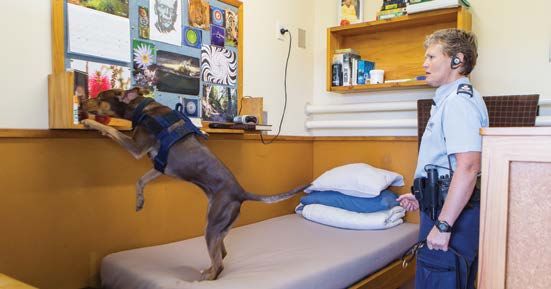
5

             91%                                                                20%
(nine out of ten) of prisoners had                                      (one in five) of people
   a LIFETIME DIAGNOSIS                                                  in NEW ZEALAND
      of a mental health or                                           experience mental illness
    substance use disorder3.                                               in their lifetime4.

    3. Figures fom Comorbid substance use disorders and mental health disorders among New Zealand prisoners,
                   Devon Indig, Craig Gear, Kay Wilhelm. June 2016, Department of Corrections

              4. Te Rau Hinangaro: The New Zealand Mental Health Survey (2006, Ministry of Health)

“The high prevalence of mental illness among prisoners means
 that the Department of Corrections is managing more people
 with mental illness than any other institution in New Zealand.”

                                         Ray Smith, Chief Executive Department of Corrections
6   Department of Corrections   Change Lives Shape Futures – Investing in better mental health for offenders

    Modern Infrastructure

    Auckland Prison Redevelopment
    $300 million redevelopment of New Zealand’s Maximum Security Facility
    Auckland Prison’s maximum security facility houses 260 of the most challenging prisoners in the
    country, including 80 prisoners with serious mental health and/or complex behavioural issues.
    Many of these men have deeply troubled pasts fraught with abuse, deprivation, violence and
    substance misuse. Many display behaviours such as chronic self-harm, violence, persistent
    shouting and smearing their cells with excrement or blood.

    While a small proportion of the people we work with                          The new 260 bed facility design includes three points of
    meet the criteria to be transferred to a specialist                          delivery for healthcare:
    forensic care facility5 for ongoing treatment, most do
                                                                                 »» A Central Health Centre for minor surgical
    not and must be managed within the prison. Managing
                                                                                    procedures, emergencies and services that require
    people with such extreme needs is a challenge. It
                                                                                    special equipment. It will be the secure repository
    requires well-trained staff supported by mental health
                                                                                    for all health records.
    experts working in a safe and therapeutic environment.
    The existing facility at Auckland Prison falls far short                     »» Satellite Health Stations on each accommodation
    from this ideal setting.                                                        block will have medication storage, and a treatment/
                                                                                    consultation room. A range of interview and
    It was built in 1968 at a time when the priority was for                        programme rooms will be available for health staff to
    a secure maximum security facility (the first, and still                        undertake a wider variety of activities with prisoners.
    the only such facility in New Zealand). Nearly 50 years                      »» A ‘to the door service’ will allow nurses to administer
    on, safe containment is not enough and the prison is                            daily medication, treat minor complaints and assess
    no longer fit for purpose. In 2012 the Government                               segregated prisoners at their cell door.
    approved the redevelopment at Auckland Prison
    to enhance safety and security, to better address
    prisoners’ mental health needs, to provide a greater
    opportunity for rehabilitation and reintegration to
    progress prisoners through the security classification
    system, and to improve operational efficiency.
    Construction began in 2015 and the new facility
    is due to open in 2018.

    5.	There are five secure forensic units run by DHBs across the country – Mason Clinic, Henry Rongomau Bennett Centre,
      Ratonga-Rua-o-Porirua, Hillmorton Hospital and Wakari Hospital.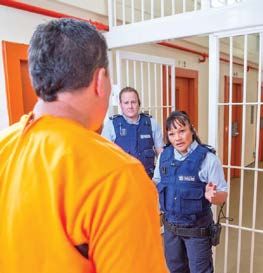
7

     “Our investment is more than a fiscal one; it is also
an investment in time, people, resources, specialist support,
          individuals, families and communities.”

                       Ray Smith, Chief Executive Department of Corrections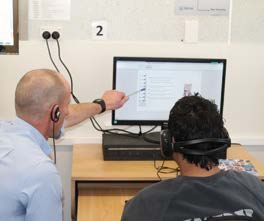
8   Department of Corrections   Change Lives Shape Futures – Investing in better mental health for offenders

    Supporting the mental health of prisoners is a key                           Above all, Unit 11 will be a positive space to work
    component of the $300 million redevelopment. Where                           in and a therapeutic and humane environment for
    possible, people with mild to moderate mental health                         prisoners and staff.
    needs will be managed in standard accommodation and
    supported by health staff on the unit. For those with a                      A multidisciplinary team will provide timely, on site
    higher level of need, Unit 11 – Kia Mau Kia Matära6                          support. The team will be made up of Corrections’
    – will be a purpose built facility featuring:                                health staff, psychologists, case managers, instructors,
                                                                                 programme facilitators, custodial staff, and experts
    »» a range of cell types to meet varying needs                               such as Regional Mental Health Service forensic nurses
    »» soft, flexible furniture that will be used to provide                     and psychologists6, reintegration service providers and
       a positive, flexible, multipurpose environment                            cultural advisers. Individuals will be assessed and a
    »» enhanced safety through clear lines of sight,                             management plan developed. Their healthcare will be
       duress alarms and cameras                                                 complemented by general practitioners, psychiatrists,
                                                                                 occupational therapists and physiotherapists.
    »» dayrooms and yards with views
    »» a sensory room and garden designed as places                              Prisoners will take part in structured recreation,
       to relax, reflect, meditate, contemplate and talk.                        cultural and spiritual activities as well as having shared
       The spaces enhance the senses of sight, sound,                            meals and time to socialise. They will be encouraged to
       smell, taste and touch                                                    join in group activities and follow regular routines to
    »» access to treatment at the cell door                                      maintain personal hygiene and sufficient sleep.

    »» offender employment on unit
    »» multipurpose rooms suitable for programmes,
       psychology, case management, health,
       socialisation, and activities.

    6. Provided by DHBs through the Ministry of Health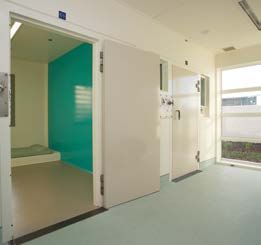
9

The redevelopment at Auckland Prison will provide          Crucially, we want to improve the individual’s mental
a new way of managing prisoners with high needs.           health and wellbeing so they can take the next steps
It is being built as a public private partnership (PPP).   towards their rehabilitation.
Next Step Partners will design, build, finance and
maintain the new facility, but the operation of the        As we develop Auckland Prison and other sites, we will
prison and custody of prisoners will continue to be        include facilities to better support those with mental
the responsibility of the Department of Corrections.       health disorders. In February 2017, the Government
As such, it is essential that our people have the skills   approved a new facility to be built at Waikeria Prison.
and support necessary to work in this new environment.     Although the design of this new site has not been
                                                           confirmed, it will include many of those features known
We will provide specialist training for staff who work     to provide a safer and more humane environment for
in high needs areas. There will also be additional         people with high needs.
support available to staff who may have to manage
very distressing situations such as threats of violence,
or incidents of self-harm.

The new facilities and operating model at Auckland
Prison will make it easier for us to treat and manage
people with mental health disorders on site. The aim
is to assess and intervene early to treat people before
their behaviour escalates (or deteriorates), which
will not only reduce the demand for our more acute
services within prison, but also that of in-patient
beds in secure facilities.
10 Department of Corrections Change Lives Shape Futures – Investing in better mental health for offenders
Industry, Treatment & Learning
Supporting offenders with mental health issues – $14 million mental health package
As well as the existing screening and treatment to support offenders with mental health issues (detailed on pages 22),
Corrections is investing $14 million into a two-year mental health programme. The pilot programme, which began in
early 2017, has four main workstreams:
1. Professional teams of mental 2. More help for women in prison
health clinicians For women in prison their substance dependence or
Teams of contracted mental health workers will work mental health challenges can often be linked to historic
with prisoners and community-based offenders across trauma. Departmental research indicates that two
15 prisons and four Community Corrections sites. thirds of women in prison in New Zealand have been
Made up of professionals including psychiatrists, victims of family violence, rape and/or sexual assault.
nurses with post-graduate qualifications in mental The resulting trauma they experience from these events
health, psychologists and occupational therapists, has lasting adverse effects on the women’s functioning
the team will work directly with offenders to stabilise and physical, social, emotional or spiritual wellbeing.
and address their mental health needs.
They may be in a state of extreme stress and self-
These mental health teams will also provide advice protection, lack trust, have low cognitive abilities,
and training to support Corrections staff working feel unsafe, be hyper-vigilant and fearful, they may
with offenders with mental health disorders. self-harm, be defiant or angry, freeze when they feel
in danger, be in physical pain or emotionally numb.
In the community, the team will be there to support The prison environment itself can re-traumatise them.
staff, offenders and their families. They will help
offenders link in to existing mental health services It is essential that we understand the reasons behind
in their area, and support ex-prisoners with mental a female prisoner’s behaviour in order to respond
health needs as they transition into the community. accordingly. As well as increasing staff awareness
around trauma and how to manage women suffering
from it, counsellors deliver trauma-specific services to
women in need and social workers support and enhance
women’s wellbeing in prison, particularly women
associated with gangs and mothers who may be
struggling to deal with family issues from prison.
Since November 2016, professional counsellors and
social workers have worked with female prisoners at
all three women’s prisons (Auckland Region Women’s
Corrections Facility, Arohata Prison and Christchurch
Women’s Prison). The aim is to equip women with a
variety of skills that will help them cope both in prison
and on release.11
100%
12
50%
75% 61% 0%
Female prisoners were
Over half
significantly more likely to have (52%) of women in
a 12 month diagnosis of any prison have a lifetime
MENTAL DISORDER POST-TRAUMATIC
(75% compared to 61% ). STRESS DIAGNOSIS.
“It just blows you away the lives they’ve led. It’s a testament
to their strength that they’re still in the condition they’re in.
They’re survivors and I guess they’ve been like that forever.”
Corrections officer in a women’s prison in New Zealand12 Department of Corrections Change Lives Shape Futures – Investing in better mental health for offenders
3. Supported Living 4. Wrap around family support
Finding somewhere to live is difficult enough, but for Wrap around family support is a service for vulnerable
people with high needs it can be particularly difficult. families of offenders with mental health disorders.
The service will provide support during imprisonment
Supported living will provide temporary accommodation and post release. The aim will be to help families remain
for a small number of offenders with complex mental connected and able to support the offender on release
health needs. from prison. Families will be linked in to services in their
community, eg Whanäu Ora providers, to improve the
For men and women in the community, there will be
offender’s social, health and education outcomes.
accommodation provided in Auckland and Hamilton
by a supported living service provider. The provider Four Community Corrections sites at Manukau,
will also help residents link into ongoing treatment, Hamilton, Palmerston North and Dunedin have been
heath and services available to them from community chosen to pilot the programme initially. Eligible families
agencies, which will make the transition from will be identified through visitor centres at prisons, and
Corrections’ oversight smoother as they move will be referred to the providers of this new wrap
into the wider community. around family support service.
In exceptional circumstances, supported For the majority of prisoners with mental health
accommodation will be available. On release from issues, their illness is mild to moderate. With timely
prision a small number of men with high and complex intervention, treatment and support they can take the
mental health or cognitive impairment needs will be steps they need to take toward rehabilitation. For the
able to stay temporarily in self-care units on prison land few with more complex needs, there will be supported
that have been re-designated to house them. accommodation and additional help to transition into
the community.
The aim of the mental health package is to promote
self-care and independence, increase links between
families, offenders and community services, improve
collaboration and continuity of support for prisoners
transitioning into the community, improve the capability
of staff and improve offenders’ overall mental health.13
A new approach to managing people at risk
“These people want to damage themselves and they’ll
use anything to damage themselves.” Staff member, Specialist residential treatment
At Risk Unit
The awful reality is that there are many people in
prison who wish to take their own life. Close to 580 When prisoners have severe mental health
people committed suicide in New Zealand last year. On issues Corrections works directly with
average (based on the last five years) six people commit Regional Forensic Mental Health Services
suicide in a New Zealand prison each year. For every life (RFMHS) who are part of five lead District
that is lost, there are many more that are saved through Health Boards (DHBs). In 2015/16, 625
the quick intervention of Corrections staff. Yet any death prisoners met the threshold for treatment
in custody is one too many and we want to do more to and support by RFMHS (indicating a serious
manage our most vulnerable prisoners. mental illness) and were placed on their
caseload. RFMHS can either treat people
Since the mid 1990s, the Department of Corrections in prison or refer them to one of five
has operated special At Risk Units (ARUs) for the safe secure forensic mental health facilities in
management of prisoners with mental health needs New Zealand. Each year, an average of 112
and an increased risk of self-harm. The approach prisoners is transferred to these facilities.
to managing people in these units has focused on
identifying risks, maintaining a prisoner’s physical
safety through close observation and referral to
external agencies.
“I’m going to hang myself. I’ll hang myself in there.
Look see that glass, smash! I’m dead.” Prisoner in
At Risk Unit
A prisoner is placed in an ARU if they display significant
mental health or behavioural disturbance. Corrections
health and custodial staff work with RFMHS to treat
and support some of the people in ARUs. Of 18 prisons
in New Zealand, 14 have ARUs. In the past year, 3,088
prisoners were placed in ARUs on 4,281 occasions.
The average length of stay is seven days, over one-third
of prisoners stayed one day and 250 prisoners stayed
for more than 30 days.
While no prisoner who was considered to be ‘at risk’
in an At Risk Unit has taken their life in the last
three years, there is more we can do to support
at risk prisoners.14 Department of Corrections Change Lives Shape Futures – Investing in better mental health for offenders
Transforming Intervention and
Support for At Risk Prisoners
Where possible, we will treat more people in their unit
so they do not have to be moved to at risk. All staff who
work with prisoners will undergo training to be able to
identify risk, gain a better understanding of suicide and
self-harm, and develop communications skills to help
in their interactions with at risk prisoners. Where a
prisoner has been identified as at risk, they will be
assessed by a qualified professional. An Integrated
Intervention and Support Plan will be prepared that
sets out any safety concerns, needs, treatment and
interventions.
For those whose risk escalates, we will provide better
facilities to care for prisoners with severe mental
health disorders within prison.
At Risk Units will become Intervention and Support
Units (ISU) that are more therapeutic environments There will be a focus on engaging in meaningful activity
focused on supporting people at risk to make them and treatment. Safety and security for both staff
well enough to leave the unit, stay safe and engage and prisoners will remain paramount, but additional
in further treatment. resources will ensure prisoners have more unlock
time and opportunities for interaction. Custodial staff
Multidisciplinary teams (MDT) will be established to in the ISU will receive additional mental health training
provide specialist care while prisoners are in the unit, and be a dedicated team.
and follow up care after they have left. Made up of
mental health nurses, psychologists, occupational We will physically change the units to make them less
therapists, social workers, cultural advisers, medical, austere, to provide more furnishings, access to TV and
case management and custodial staff, these teams radio, provision of reading material, reduce noise, access
will decide or provide treatment options and to natural light and improved outdoor spaces. We will
interventions for prisoners, while they are in the ISU, redevelop the existing At Risk Units as opportunities
as they transition to other units or as they return to the present, eg design work is underway for a new At Risk
community. The MDT will complement the work of the Unit at Christchurch Men’s Prison. Other units can be
RFMHS, the aim is to reduce the prisoner’s condition changed with relatively minor modifications to support a
before it escalates to the point where they require more therapeutic environment. Further investment may
forensic services. MDT will work closely with the be required to bring some units up to the standard of an
mental health clinicians who will operate in the wider Intervention and Support Unit.
prison environment.15
20% 19%
(one in five) of prisoners
had both a MENTAL DISORDER (one in five) of prisoners had
AND A SUBSTANCE ATTEMPTED SUICIDE,
USE DISORDER (comorbidity) 6% of prisoners had attempted
in the last 12 months. suicide in the last year.
25%
(one in four) of people
WORLDWIDE
experience mental illness8.
8. World Health Organisation16 Department of Corrections Change Lives Shape Futures – Investing in better mental health for offenders
Investing in more drug and other alcohol
(AOD) treatment and support
One in five prisoners were found to have a 12-month
diagnosis of both mental health and substance use
disorders (known as comorbidity), while 42% were
found to have a lifetime comorbidity diagnosis.
Approximately 60% of community-based offenders
have an identified alcohol and other drug (AOD) issue
and 87% of prisoners have experienced problems
with alcohol and drugs over their lifetime. For people
in prison with AOD problems there is help available,
but the real challenge often begins when they leave
prison. Corrections is investing $8.6 million from the
Justice Sector Fund to provide more consistent
aftercare support for offenders with (AOD) issues. Enhancing technology
Approximately 8,000 offenders will receive some
form of AOD aftercare service during the two year
pilot, which ends in June 2018. By making use of existing technology
offenders will be able to access mental
New AOD aftercare support includes: health, alcohol and other drug support
»» Alcohol and other Drug (AOD) Aftercare through mobile apps, 0800 lines and online
Workers: AOD Aftercare Workers support prisoners programmes. Offender Digital Health
who have completed Drug Treatment Unit and Services are under development and will
Intensive Treatment Programmes. The aim is to include a telephone-based AOD helpline
help them maintain the gains they made during the that offenders, family members and
programmes. Fifteen AOD Aftercare Workers have friends can call 24 hours a day, seven
already been contracted to provide medium-intensity days a week, and a telephone-based
maintenance programmes that start in prison and AOD treatment programme.
follow offenders into the community for six-12
We are also investigating delivering mental
months. This service began at most prisons in
health learning and support programmes
July 2016.
via secure online learning (computer
»» Community Residential AOD Treatment and suites in prison with access to a range
Intensive AOD Outpatient Programmes: We of educational, life skills, employment
are providing more residential AOD treatment beds and reintegration sites).
for community-based offenders with high alcohol
and drug needs. The Community Residential AOD
Treatment service went live on 8 February 2017.
From April 2017, three new Intensive AOD Outpatient
Programmes will deliver treatment five days a A new Proceeds of Crime meth screening and
week for offenders with high AOD needs who rehabilitation pilot will identify meth users as they
cannot undertake residential treatment. enter prison and provide support and treatment.
»» Offender Digital Health Services
(see Enhancing technology)17
Drugs, alcohol and contraband
“I made the change to come here and give up disrupt organised crime, reduce the supply
the dope. That’s my 20th negative [from the of drugs and minimise the harm caused to
IDU drug testing station]. I’ve been five individuals and communities.
years clean.” Prisoner
In May 2017 a two year trial of devices that
Reducing the harm caused by the use and misuse detect alcohol will begin in the northern region.
of drugs is an important foundation for stable This is the result of new legislation that has
mental wellbeing. As well as testing prisoners for come into effect that allows Corrections and
alcohol and drug use, we have security measures Police to monitor and test offenders and people
in place to prevent the smuggling of contraband on bail who have been given abstinence conditions
into prison, eg camera surveillance, scanners, by a judge or the Parole Board.
searches, visitor checks and drug detection dog
teams. In 2015-16, over 4,400 random drug tests We have recently received additional funding
were carried out in prisons; only 3.4% returned a to continue the trial of alcohol interlock devices
positive result. in cars for another year. The aim of this is to
stop drink driving. Probation officers follow up
A multi-agency gang strategy sets out the on any alcohol interlock violation with a sanction
combined effort of Police, Corrections, the such as a brief intervention or community AOD
Ministry of Social Development and others to treatment referral.18 Department of Corrections Change Lives Shape Futures – Investing in better mental health for offenders
Our People
Our workforce at Corrections is committed to working with offenders to help them turn their lives
around. Our people care when someone is in physical or mental pain, they care when someone hurts
themselves or others, and understandably they want to feel safe at work. This is why from the time
they are recruited, our people receive the training, mentoring, skills and tools they need to work with
challenging people and keep each other safe.
Many of our people have either previous experience in »» We employ more psychologists than any other
mental health care, or can receive training, to help them organisation in New Zealand. Psychologists work
manage offenders with poor mental health: to address the behaviour that results in criminal
offending. They are available for other staff to
»» Our health staff are trained to support prisoners’ consult with, eg probation officers concerned about
physical and mental healthcare and all Corrections’ the mental wellbeing of an offender. Specially trained
Health Centres have Cornerstone® accreditation. psychologists provide workshops to develop staff
Corrections health staff are supported by doctors skills, eg understanding and managing offenders
and specialist medical staff. with personality disorders.
»» Training on suicide prevention is available for
staff in frontline roles such as corrections officers, As well as making it easier for prisoners to access case
instructors and probation officers. managers, corrections officers and health staff, we will
do more to upskill all our frontline staff in identifying
»» As well as providing direct interventions to prisoners,
and managing people’s mental health needs, in
mental health clinicians are available to train staff
particular our At Risk Unit staff who will receive specific
who manage prisoners with mental health disorders.
training in how to manage the more challenging
behaviours they encounter from at risk prisoners.
Working with vulnerable people, being that person
who stops someone self-harming, or tries to save a
life; these are high stress environments to work in.
Staff will be supported to ensure they receive the
counselling or assistance they need.19
“I understand how difficult it is to be a frontline Corrections
Officer… It is not an easy job maintaining a secure and safe
environment and offering work and recreation programmes
for rehabilitation to a group of people (some who may have
a violent disposition) who are confined and therefore
may be highly strung.”
Ex-prisoner talking about her time in custody at Arohata Prison20 Department of Corrections Change Lives Shape Futures – Investing in better mental health for offenders
Community Safety
Three-quarters of offenders live in the community and have access to the same levels of mental
healthcare available to the rest of the public. However they can often be less likely to access that support.
If probation officers have concerns about an offender’s Probation staff work with offenders to address
mental wellbeing they take steps to ensure the offender their alcohol and other drug (AOD) misuse issues.
accesses help and receives appropriate care. They will Once probation staff have identified offenders with
also escalate any safety concerns they have for the AOD issues they conduct motivational interviewing
person or others. designed to strengthen personal motivation and/or
refer offenders to appropriate programmes.
We are putting a lot more focus on supporting people
leaving prison, providing additional help to get a job, Corrections reaches out to those in the community who
find accommodation, to access ongoing care in the are keen to lend a hand. Good engagement with local
community and continue with their treatment. For mental health services, DHBs, service providers and
example Out of Gate services are available for people as support groups is essential to ensure offenders receive
they leave prison and reintegrate into the community. the ongoing support and treatment they need.
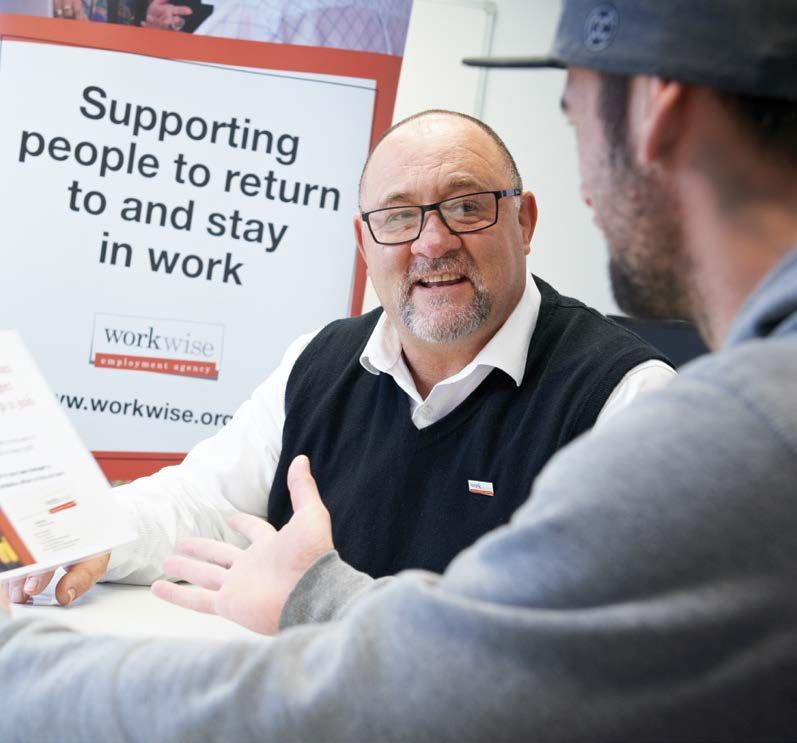
We work with employment services such as Workwise
who are skilled at helping with personal or health Our services complement those in the health sector
challenges into work. and help connect people to community health services.
Addressing mental health in the Corrections system
Looking ahead, we will seek to expand those requires partnership. We value the relationship we have
interventions that have proven effective, such as with the Ministry of Health and will continue to work
intensive reintegration services. closely with our health sector colleagues to develop
and provide new models of care that will improve the
mental wellbeing of offenders both in prison and
based in the community.21
“I’m feeling really positive about my release. Last time I was in
prison I just acted the goat. Then I came out, did the same thing
again and went back to prison. This time I am doing everything
to make it work. I’m going to reconnect with my family.
I’m not coming back.”
Prisoner on guided release22 Department of Corrections Change Lives Shape Futures – Investing in better mental health for offenders
Existing mental health, alcohol
and other drug (AOD) support
The following tables detail some of the screening and treatment options available to offenders
with mental health disorders.
Screening and assessment tools
Intervention Type Description For Provided By
Mental Health A screening tool included in the Initial All prisoners on Corrections’ Health
Screening Tool Health Assessment (IHA) or Update arrival if they meet Services staff
Health Assessment (UHA). The tool the test for IHA
identifies whether a prisoner should (see below)
be referred to Forensic Mental Health
Services for further assessment.
Reception Health This is the first opportunity Health All prisoners on the Corrections’ Health
Triage Assessment Services staff have to obtain health day of reception in Services staff
(RHT) information about prisoners who may prison (including
need health services while they are in transfer or after
prison. The purpose of the RHT is to 96 hours offsite)
ensure that the prisoner’s immediate
health needs are clinically addressed
in a timely manner.
Initial Health This follows the Reception Health Prisoners Corrections’ Health
Assessment (IHA) Triage (RHT). It is required for all: Services staff
or Update Health »» new prisoners
Assessment (UHA)
»» returning prisoners if they have
not been in prison within the last
24 months.
Prisoners who return to prison within
24 months and have had a previous
IHA completed (within the last
24 months) will require an Update
Health Assessment.
Colombia Suicide A tool that indicates a person’s Offenders Corrections’ staff
Severity Rating Scale risk of suicide, being piloted at
select sites.
Reception and review An assessment tool to identify the Prisoners Corrections’ custodial
risk assessments level of self-harm risk, including staff
risk of suicide that each prisoner
presents on reception and at any
time while in prison where concerns
are raised by custodial staff.23
Intervention Type Description For Provided By
Alcohol, Smoking Screening tool to detect AOD issues, Prisoners and Corrections’ Health
and Substance completed either at pre-sentence, community based Services staff, case
Involvement on reception to prison or early in the offenders managers and
Screening Test offender planning process. probation officers
(ASSIST)
Nicotine Replacement NRT assessment questions in Prisoners Corrections’ Health
Therapy Assessment the Reception Health Triage Services staff
advanced form.
Psychopathy Checklist A structured interview assessment Prisoners Corrections’
Screening (PCL:SV) that provides an estimate of risk psychologists
of serious re-offending. It uses
risk factors relating to antisocial
personality and previous deviant/
criminal behaviour that have been
shown to be associated with serious
recidivism. Used both in specialist
assessment of risk but also of
treatment need and to identify
barriers to effective treatment.
Millon Clinical A comprehensive personality and Prisoners Corrections’
Multiaxial Inventory- clinical syndrome inventory for use psychologists
Version III with people who are being evaluated
(MCMI-III) for emotional, behavioural, or
interpersonal difficulties.
One of the most widely used and
validated measures used around
the world to assess personality
pathology and the interaction with
major mental health issues such as
depression, anxiety, and psychosis.
DASA (Dynamic A simple risk management measure Prisoners Corrections’
Appraisal of for the assessment and prediction psychologists and
Situational of violence risk over the short-term trained corrections
Aggression) (24-hours) based on observation officers
and rating of the individuals last 24
hours. DASA has been adapted in
New Zealand for application with
prisoners and is available for
custodial staff to aid with prediction
of short-term violence risk and
management of emotionally volatile
difficult or dangerous prisoners,
especially those with personality
disorder and possible mental
health issues.24 Department of Corrections Change Lives Shape Futures – Investing in better mental health for offenders
Treatment available
Intervention Type Description For Provided By
Forensic services Treatment for those with serious Prisoners Regional Forensic
mental health needs (both in prisons Mental Health
and Secure DHB Forensic Units). Services
(DHB)
Primary health care Treatment and support, including Prisoners Medical officers
prescribed medication if required. (doctors) and
registered nurses
High Dependency Unit The HDU at Rimutaka Prison was set Prisoners Specialist health staff
(HDU) up in 2012 for prisoners with complex Corrections officers
needs who cannot function in the
mainstream prison environment. It is
the first of its kind in New Zealand and
supports prisoners with mental health
conditions such as dementia, physical
disabilities or neurological disorders.
The unit is set up as a health facility
with 24 hour/7 day a week health
staff and custodial staff on site.
Packages of care Various brief primary mental health Prisoners in all Contracted providers
interventions offered to prisoners by prisons (except Mt
a contracted provider. Packages of Eden Corrections
care can include self-guided tools Facility and Auckland
(eg reading material), group sessions South Corrections
looking at improving mental Facility)
wellbeing, up to six sessions of
Cognitive Behavioural Therapy.
Mental Health Contracted experienced primary Prisoners in three Contracted clinicians
Clinicians mental health clinicians who support pilot sites
health and custodial staff to assess
and manage offenders with mental
health issues and provide treatment
and support prisoners with mental
health needs.
Supporting offenders A pilot programme to support Prisoners and A range of
with mental health offenders with mental health community-based Corrections staff and
issues pilot issues. See page 10 for detail. offenders contracted providers25
Intervention Type Description For Provided By
High Risk Personality Specialist programme for Prisoners in Corrections’
Programme (HRPP) people with severe personality maximum and high psychologists
pathology with significant security settings at
ongoing violence issues. Auckland and
Christchurch Men’s
prisons
Individual and Psychologists provide individual and Offenders Corrections’
group treatment group treatment targeting acute and psychologists
chronic issues within individual
therapy for offence related needs.
AOD Brief Support A group based motivational Offenders Corrections’
motivational programme for offenders to help staff
programme identify the pros and cons of alcohol
and/or drug use, enhance motivation
to change problem use, and discuss
options to change if desired.
AOD Intermediate A group-based alcohol and drug Prisoners Programme
Support Programme programme for prisoners who are facilitators
willing to consider changes to how
they use alcohol and/or drugs.
The programme helps prisoners to
identify how drugs impact on their life,
which changes they want to make and
introduces some skills and strategies
to support those changes.
Drug Treatment Unit An intensive alcohol and drug Prisoners Contracted service
3 and 6 month treatment programme consisting There are 11 DTUs providers
programmes of group-based and individual at nine prisons
therapy for prisoners with
problematic alcohol and drug use.
Includes AOD aftercare services.
Intensive Treatment An eight week group-based Prisoners Contracted service
Programme (ITP) therapeutic programme for prisoners providers
with problematic alcohol and drug
use. Includes AOD aftercare services.26 Department of Corrections Change Lives Shape Futures – Investing in better mental health for offenders
Intervention Type Description For Provided By
AOD aftercare The pilot AOD aftercare worker Prisoners and Contracted service
worker service service supports graduates from ITP ex-prisoners providers
or DTU to maintain treatment gains
while in prison and upon release.
It also provides an intervention
service for prisoners who exit
early from these programmes.
Community Specialist residential and outpatient Community-based Contracted service
Residential AOD alcohol and drug treatment offenders providers
Treatment Programme programmes within the community.
and Intensive
Outpatient Programme
Offender Digital This service is still under Offenders Contracted service
Health Services development. It is likely to providers
allow offenders to access 24-hour
support through a range of digital
services such as an AOD helpline
and a telephone-based AOD
treatment programme.
Nicotine Replacement Medically approved treatment used Prisoners Corrections’ Health
Therapy on its own or in conjunction with Services staff
behavioural therapy.
Opioid Substitution Medically approved treatment Prisoners Corrections’ Health
Treatment for opioid use (eg Methadone, Services staff
Buprenorphine) used on its
ownor in conjunction with
behavioural therapy.
Work and Living Skills An educational programme to address Community-based Multi-agency
drink-driving education the harm caused by drinking and offenders through Community
programme driving, enables offenders to Corrections
examine their behaviour, and
assists them to develop strategies
to avoid driving while impaired
Proceeds of Crime A pilot to provide improved Prisoners Corrections’ Health
‘Meth screening screening and identification of Services staff/
and rehabilitation’ methamphetamine users entering Contracted service
prison and a pilot treatment providers
programme for prisoners
identified with problem use.Department of Corrections, Mayfair House, 44-52 The Terrace, Wellington
Phone: (64 4) 460 3000 Fax: (64 4) 460 3263 www.corrections.govt.nz
@correctionsNZ Corrections NZ RSS FeedYou can also read


