Changes and Choices - Gov.uk
←
→
Page content transcription
If your browser does not render page correctly, please read the page content below
Changes and Choices
Advice on future frameworks for international collaboration on research and
    innovation, commissioned by the Minister of State for Universities,
                     Science, Research and Innovation

    Professor Sir Adrian Smith and Professor Graeme Reid

                               JULY 2019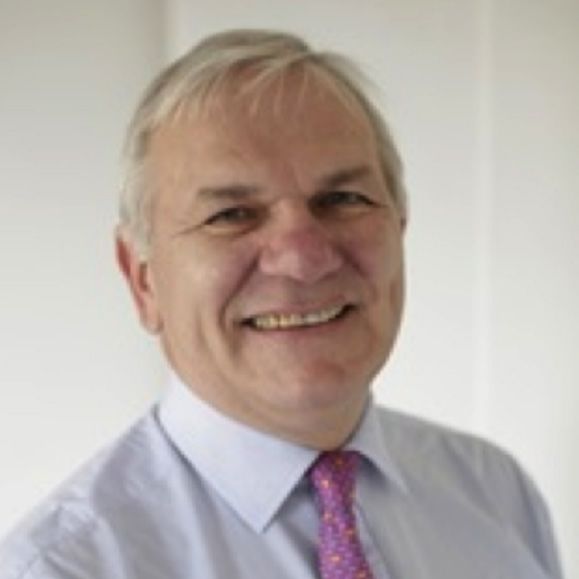
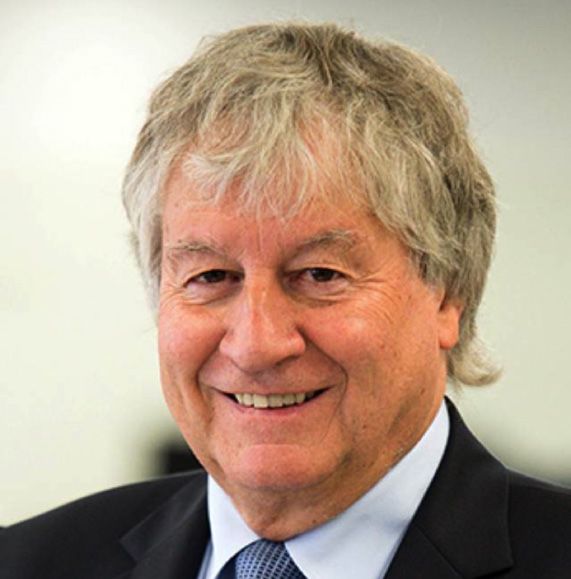
THE AUTHORS

                              A d r i a n S m i t h j o i n e d T h e A l a n Tu r i n g I n s t i t u t e
                              i n S e p t e m b e r 2 0 1 8 . H i s p r e v i o u s r o l e w a s Vi c e -
                              Chancellor of the University of London from
                              2012. He was Director General, Knowledge and
                              Innovation in BIS (now BEIS) from 2008-2012.

                              Professor Smith has worked with the UK Higher
                              Education Funding and Research Councils and
                              was appointed Deputy Chair of the UK Statistics
                              Authority from September 2012. In 2014, he was
 Professor Adrian Smith       appointed Chair of the Board of the Diamond
  The Alan Turing Institute   Synchrotron at Harwell and in 2018, a board
                              m e m b e r o f t h e U K A t o m i c E n e rg y A u t h o r i t y.

                              Professor Smith is a past President of the Royal
                              Statistical Society and was elected a Fellow of
                              the Royal Society in 2001 in recognition of his
                              contribution to statistics.

                              In 2003-04 Professor Smith undertook an inquiry
                              into Post-14 Mathematics Education for the UK
                              Secretary of State for Education and Skills and
                              i n 2 0 1 7 , o n b e h a l f o f H e r M a j e s t y ’s Tr e a s u r y a n d
                              the Department for Education, published a 16-18
                              M a t h s R e v i e w. I n 2 0 0 6 h e c o m p l e t e d a r e p o r t f o r
                              the UK Home Secretary on the issue of public trust
                              in Crime Statistics. He received a knighthood in the
                              2 0 11 N e w Ye a r H o n o u r s l i s t .
Graeme Reid is Chair of Science and Research
Polic y a t U nive rs ity C olle ge London.
He has spent most of his career at the interface
between science and Government, having worked
i n t h e B u s i n e s s D e p a r t m e n t , t h e C a b i n e t O ff i c e
a n d H M Tr e a s u r y b e f o r e m o v i n g t o U C L .
Professor Reid was specialist advisor to the House
o f L o r d s S c i e n c e a n d Te c h n o l o g y C o m m i t t e e
Professor Graeme Reid during their extensive inquiries into Brexit and,
University College London m o r e r e c e n t l y, i n d u s t r i a l s t r a t e g y. H e i s a m e m b e r
o f t h e G o v e r n m e n t ’s H i g h L e v e l G r o u p o n E U
Exit, Universities, Research and Innovation. He
has led research and innovation policy reviews
f o r t h e S c o t t i s h F u n d i n g C o u n c i l a n d t h e We l s h
Government.
He is a member of the Council of Research
England. He is Chair of the Campaign for Science
a n d E n g i n e e r i n g , a Tr u s t e e o f t h e A s s o c i a t i o n o f
Medical Research Charities and strategic advisor to
the National Centre for Universities and Business.
Professor Reid is a Fellow of the Royal Society
o f E d i n b u rg h , F e l l o w o f t h e I n s t i t u t e o f P h y s i c s ,
Fellow of the Institution of Engineering and
Te c h n o l o g y a n d a C h a r t e r e d E n g i n e e r.CONTENTS
INTRODUCTION..............................................................................1
E X E C U T I V E S U M M A RY. . . . . . . . . . . . . . . . . . . . . . . . . . . . . . . . . . . . . . . . . . . . . . . . . . . . . . . . . . . . . . . . . . . . . . . . 3
T H E P R O C E S S O F T H E R E V I E W. . . . . . . . . . . . . . . . . . . . . . . . . . . . . . . . . . . . . . . . . . . . . . . . . . . . . . . . . . . . . 7
THE UK IN A EUROPEAN RESEARCH LANDSCAPE.................................8
THE UK IN A GLOBAL RESEARCH LANDSCAPE....................................14
KEY THEMES FROM THE EVIDENCE...................................................19
CONCLUSIONS................................................................................30
R E C O M M E N D AT I O N S . . . . . . . . . . . . . . . . . . . . . . . . . . . . . . . . . . . . . . . . . . . . . . . . . . . . . . . . . . . . . . . . . . . 3 5
NEXT STEPS.......................................................................................42
ACKNOWLEDGEMENTS...................................................................42
ANNEXES.....................................................................................43
ANNEX A Wr i t t e n M i n i s t e r i a l S t a t e m e n t w i t h Te r m s o f R e f e r e n c e . . . . . . . . . . 4 4
ANNEX B Call for evidence.....................................................................47
ANNEX C O rg a n i s a t i o n s w h o r e s p o n d e d t o t h e c a l l f o r e v i d e n c e . . . . . . . . . . . . . . 4 9
ANNEX D Evidence gathering sessions.....................................................51
A N N E X E L e t t e r f r o m t h e c h a i r o f C a S E t o t h e M i n i s t e r o f S t a t e f o r
Universities, Science, Research and Innovation on intangible
benefits of participation in EU research...................................52
ANNEX F Public expenditure on research and
innovation international collaboration..................................54Changes and Choices I n t ro d u c t i o n
INTRODUCTION
T
he UK Government would like the option to associate to Horizon Europe. It
h a s m a d e c l e a r t h a t p o s i t i o n c o n s i s t e n t l y a n d r e p e a t e d l y. T h e U K G o v e r n m e n t
is continuing to actively shape the development of that programme. It is also
exploring credible and ambitious alternatives to deliver positive outcomes for
science, research and innovation in the event that the UK does not associate.
We p r e p a r e d t h i s r e p o r t a g a i n s t t h a t b a c k g r o u n d .
International collaboration is deeply embedded in the research and innovation community
across the UK. International collaboration is not an optional extra. It is fundamental to high
quality research and business innovation.
The persistent focus on excellence in the funding of research and innovation in the UK has
paid huge dividends. Excellent research delivers high levels of economic and social impact
a c r o s s t h e c o u n t r y. I t i s a m a g n e t f o r f o r e i g n d i r e c t i n v e s t m e n t i n R & D w h i c h i s v i t a l t o
increasing overall investment in the UK. And it attracts talented researchers from around the
w o r l d w h o g o o n t o d e l i v e r f u r t h e r e x c e l l e n t w o r k . We s e e a c o m p e l l i n g c a s e f o r t h a t f o c u s
remaining in future.
The exploration of alternatives to Horizon Europe association is a challenging topic.
Many of those we consulted were strongly committed to the principle of association. Some
consultees were apprehensive about even exploring contingencies.
T h e U K ’s i n v o l v e m e n t i n p r e v i o u s E U r e s e a r c h a n d i n n o v a t i o n p r o g r a m m e s h a s b e e n v a l u e d
h i g h l y a c r o s s t h e r e s e a r c h a n d i n n o v a t i o n c o m m u n i t y. T h a t i n v o l v e m e n t h a s p r o v i d e d
access to a common protocol for collaboration across a sizeable population of researchers.
Of course, it has provided additional funding. It has also diversified the range of funding
opportunities, provided access to research facilities and delivered numerous intangible
b e n e f i t s . B u t t h e s h a p e o f E U r e s e a r c h p r o g r a m m e s i s c h a n g i n g , a s i s t h e U K ’s r e l a t i o n s h i p
with the EU.
We o ff e r n o v i e w s o n t h e a rg u m e n t s f o r o r a g a i n s t a s s o c i a t i o n w i t h H o r i z o n E u r o p e . T h a t
is not our role. In any case, we do not yet know the terms under which the UK Government
will consider options to associate. Those terms will depend on the outcome of forthcoming
negotiations on both the form of Horizon Europe and the future relationship between the UK
and the EU.
Page 1Changes and Choices I n t ro d u c t i o n
Whatever the outcome of forthcoming negotiations on Horizon Europe, this is a good time to
r e f l e c t o n f u t u r e U K a r r a n g e m e n t s a n d o p p o r t u n i t i e s f o r i n t e r n a t i o n a l c o l l a b o r a t i o n g l o b a l l y,
post-Brexit. These opportunities reach beyond the boundaries of Horizon Europe and beyond
the boundaries of the EU.
That said, we have not attempted any detailed investigation into the future of research
f u n d i n g f o r O ff i c i a l D e v e l o p m e n t A s s i s t a n c e o r t h e e s t a b l i s h e d i n t e r n a t i o n a l a c t i v i t i e s o f
R e s e a r c h C o u n c i l s . T h e s e a r e v i t a l p a r t s o f t h e U K r e s e a r c h b a s e b u t t h e y a r e l a rg e l y b e y o n d
t h e s c o p e o f t h i s r e v i e w. C l e a r l y t h e r e a r e l e v e l s o f d e t a i l i n i n d i v i d u a l b u s i n e s s s e c t o r s a n d
research disciplines which are vital to the success of future plans but beyond the scope of
o u r h i g h l e v e l r e v i e w.
Beyond issues relating to association with Horizon Europe, leaving the EU has other
s i g n i f i c a n t p o t e n t i a l i m p a c t s o n t h e U K ’s r e s e a r c h a n d i n n o v a t i o n e c o s y s t e m . We h a v e
been struck in the course of this review by evidence across regions of the UK, not least
the Devolved Administrations, of the ways in which strands of EU structural funds and
regional development support have been combined with research and innovation funding
to play a vital role in developing local economies. There will be a need to explore how the
G o v e r n m e n t ’s n e w S h a r e d P r o s p e r i t y F u n d c a n b e d e v e l o p e d t o s u p p o r t f u r t h e r i n t e g r a t i o n o f
research and innovation into regional economic development in all areas of the UK.
T h r o u g h o u t o u r c o n s u l t a t i o n s , a r e c u r r i n g t h e m e h a s b e e n t h a t r e t a i n i n g t h e U K ’s l e a d i n g
international position in a globally competitive research and innovation environment
d e p e n d s t o a l a rg e e x t e n t o n o u r a b i l i t y t o a t t r a c t a n d r e t a i n t h e b e s t i n t e r n a t i o n a l t a l e n t .
O v e r w h e l m i n g l y, t h o s e c o n s u l t e d w i s h e d t o s e e e x p l i c i t a l i g n m e n t o f i m m i g r a t i o n p o l i c y
with the needs of the research and innovation community in the UK.
I m m i g r a t i o n p o l i c y a n d r e g i o n a l d e v e l o p m e n t a r e b e y o n d t h e f o r m a l s c o p e o f t h i s r e v i e w.
B u t , i n o u r v i e w, a n e x p l o r a t i o n o f f u t u r e a r r a n g e m e n t s f o r i n t e r n a t i o n a l c o l l a b o r a t i o n i n
R&D would be incomplete without them.
T h e r e c e n t c r e a t i o n o f U K R I ; t h e G o v e r n m e n t ’s c o m m i t m e n t t o r a i s e o v e r a l l l e v e l s o f R & D
investment in the UK to 2.4% of GDP; and high levels of international R&D activity in
b u s i n e s s , r e s e a r c h i n s t i t u t e s a n d u n i v e r s i t i e s m a k e i t t i m e l y, a s w e p r e p a r e t o l e a v e t h e E U ,
to review current arrangements with a view to developing a bold new vision for UK research
and innovation.
Page 2Changes and Choices Executive Summary
E X E C U T I V E S U M M A RY
Funding issues
U n t i l n o w, t h e c o s t t o t h e U K o f p a r t i c i p a t i o n i n E U r e s e a r c h a n d i n n o v a t i o n p r o g r a m m e s
h a s b e e n m e t w i t h i n t h e U K ’s w i d e r f i n a n c i a l s u b s c r i p t i o n t o t h e E U . I n f u t u r e , t h e s e c o s t s
will need to be justified alongside competing demands for public spending.
If the Government decides not to associate with Horizon Europe because the terms of
a s s o c i a t i o n d o n o t d e l i v e r s u ff i c i e n t b e n e f i t t o t h e U K , t h e n w e a r e n o t c o n v i n c e d t h a t
a persuasive case can be made for sizeable levels of public spending on activities that
r e p l i c a t e , l i n e b y l i n e , E U r e s e a r c h a n d i n n o v a t i o n a r r a n g e m e n t s i n t h e U K . H o w e v e r, w e d o
f i n d c o m p e l l i n g a rg u m e n t s f o r p u b l i c s e c t o r i n v e s t m e n t t o s t a b i l i s e a n d p r o t e c t t h e a s s e t s ,
infrastructure and capabilities that have been created by previous decades of participation in
EU research and innovation.
I f t h e U K d o e s n o t a s s o c i a t e w i t h H o r i z o n E u r o p e t h e n w e a l s o s e e p o w e r f u l a rg u m e n t s f o r
additional UK public investment – redirecting funds that previously went to the EU - on
wider forms of international collaboration.
Ta k e n t o g e t h e r, f u n d i n g f o r s t a b i l i s a t i o n , p r o t e c t i o n a n d w i d e r f o r m s o f i n t e r n a t i o n a l
collaboration would be at about the same scale as this country has received in the past from
participation in EU programmes - around £1.5bn per annum. Our recommendations are based
on the availability of at least that level of funding.
We a d v i s e a g a i n s t t h e d i s r u p t i o n o f e x i s t i n g r e s e a r c h a n d i n n o v a t i o n a c t i v i t i e s t o r e l e a s e
r e s o u r c e s f o r o u r r e c o m m e n d a t i o n s . S u c h d i s r u p t i o n w o u l d d e s t a b i l i s e t h e U K ’s h i g h l y
successful research and innovation ecosystem just at a time when it faces uncertainty
a n d c h a n g e . T h i s i n t u r n w o u l d h a v e u n p r e d i c t a b l e e ff e c t s o n b u s i n e s s e s a n d c h a r i t i e s
contemplating new investments in UK R&D.
Whether or not the UK associates with Horizon Europe, we recommend that Brexit is used
a s a s t i m u l u s f o r a n e x c i t i n g n e w v i s i o n f o r t h e U K . T h i s s h o u l d f o c u s o n t h e G o v e r n m e n t ’s
commitments to raise overall levels of R&D investment, to reduce regional disparities in
wealth and opportunity and to work towards a new global positioning for the UK.
Page 3Changes and Choices Executive Summary
A new vision
Many of those we consulted asked for the outline of this new vision to be prepared quickly
a n d p r o m o t e d w i d e l y. T h e y a rg u e d t h a t t h e v i s i o n w i l l p r o v i d e a s e n s e o f d i r e c t i o n f o r t h e
UK research base, helping to mitigate the inevitable uncertainty that will follow decades
of participation in EU programmes. Detailed arrangements for component parts of the
vision would then be developed in consultation with the business, academic and charity
communities. But those consultations would take place in the knowledge that resources are
available.
As first steps, the vision should include:
Strides towards – or beyond - 2.4%
• A n i n t e r n a t i o n a l v e r s i o n o f t h e h i g h l y s u c c e s s f u l U K R e s e a r c h P a r t n e r s h i p I n v e s t m e n t
Fund should run competitions with sizeable rewards for the universities or research
i n s t i t u t e s t h a t a t t r a c t l a rg e a m o u n t s o f f o r e i g n d i r e c t i n v e s t m e n t i n R & D t o t h e U K .
• A c o h e r e n t G l o b a l Ta l e n t S t r a t e g y, c o m b i n i n g r e f o r m s t o i m m i g r a t i o n p o l i c y w i t h a s u i t e
o f f e l l o w s h i p a n d p o s t g r a d u a t e p r o g r a m m e s t o a t t r a c t a n d r e t a i n m a n y o f t h e w o r l d ’s
most talented researchers in the UK.
• S u b s t a n t i a l a d d i t i o n a l f u n d i n g f o r b a s i c r e s e a r c h , r e c o g n i s i n g t h a t s i g n i f i c a n t l e v e l s o f
support for this important work currently come from EU collaborations.
• A f l a g s h i p p r o g r a m m e o f r e s e a r c h f e l l o w s h i p s o ff e r i n g l a rg e a w a r d s o v e r l o n g p e r i o d s o f
time for exceptional researchers in all disciplines to expand the frontiers of knowledge
i n a r e a s t h e y h a v e i d e n t i f i e d . Aw a r d s w o u l d b e o v e r s e e n b y a p r e s t i g i o u s i n t e r n a t i o n a l
faculty of peer reviewers, recruited through national academies in several countries.
Opportunities for all regions of the UK
• I n t e g r a t i o n o f t h e f o r t h c o m i n g S h a r e d P r o s p e r i t y F u n d w i t h t h e I n n o v a t e U K a g e n d a . T h i s
s h o u l d t a k e f u l l a d v a n t a g e o f I n n o v a t e U K ’s p o t e n t i a l t o g u i d e a n d s h a p e s i z e a b l e p a r t s
of the Shared Prosperity Fund, in partnership with the Ministry of Housing, Communities
and Local Government, Devolved Governments and the wider UKRI agenda, ensuring
d i r e c t c o n n e c t i v i t y w i t h t h e u n i v e r s i t y s e c t o r. I n n o v a t e U K a l s o h a s t h e p o t e n t i a l t o
manage distinctive new investment streams, responding to any reduction in support for
UK SMEs under Horizon 2020.
Page 4Changes and Choices Executive Summary
Greater agility
• T w o m a j o r n e w f u n d i n g s t r e a m s t o c a p t u r e f a s t - m o v i n g a n d u n e x p e c t e d o p p o r t u n i t i e s :
a . T h e f i r s t o f t h e s e s h o u l d p r o v i d e a d d i t i o n a l f i n a n c i a l s u p p o r t t h r o u g h q u a l i t y -
r e l a t e d ( Q R ) f u n d i n g - a n d d e v o l v e d e q u i v a l e n t s - f o r t h e s p o n t a n e o u s , o rg a n i c
collaborations that are woven into the fabric of research and innovation but can so
easily be inhibited by funding models that are tied to specific projects.
b . T h e s e c o n d s h o u l d b e a n ‘ A g i l i t y F u n d ’ w i t h d i s t i n c t s t r a n d s . T h e f i r s t s h o u l d e n a b l e
t h e U K t o i n v e s t i n e m e rg i n g i n t e r n a t i o n a l p r o g r a m m e s o f s i g n i f i c a n t p o t e n t i a l
b e n e f i t t o U K r e s e a r c h . T h e s e c o n d t o c a p t u r e o p p o r t u n i t i e s t h a t a r i s e u n e x p e c t e d l y,
including during interactions with other countries at Ministerial levels.
Funding bodies
International collaboration on this scale will require distinctive administrative structures.
Much of the funding will be deployed in partnerships with funding agencies and businesses
i n o t h e r c o u n t r i e s , r a t h e r t h a n u n d e r t h e e x c l u s i v e c o n t r o l o f t h e U K . We o ff e r a s e t o f
principles for the design of such administrative structures and several high level options for
the structures themselves. Of course, some of these principles already operate in domestic
funding arrangements.
• R o b u s t g o v e r n a n c e t o e n s u r e e ff e c t i v e s t e w a r d s h i p o f p u b l i c f u n d s a n d m a i n t a i n t h e
confidence of BEIS and HMT
• I n d e p e n d e n c e a n d t r a n s p a r e n c y t o m a i n t a i n t h e c o n f i d e n c e o f n e w i n v e s t o r s f r o m o t h e r
countries and the research community in the UK
• E x p e r t i s e i n t h e d i s t i n c t i v e n a t u r e o f i n t e r n a t i o n a l c o l l a b o r a t i o n s a s w e l l a s a c c e s s t o
expertise and administrative support on research and innovation funding
• Ma i n t a in o r e n h a n ce th e d iv ers ity o f funding s ourc e s for re s e a rc h a nd innova tion in the U K
• Introduce the lowest extra costs of administration consistent with the four principles above.
It is beyond the scope – and authority - of this review to design detailed arrangements for
management and governance. On the basis of discussions with well-informed stakeholders,
we identified many options for the management of new funding streams within these
principles.
Page 5Changes and Choices Executive Summary
These options include:
1 . C r e a t i n g a n e w, s t a n d - a l o n e p u b l i c b o d y t h a t w o u l d m a n a g e m o s t o r a l l o f t h e n e w f u n d s ,
becoming a ‘champion’ for international collaboration.
2 . A l l o c a t i n g t h e f u n d i n g a c r o s s t h e e x i s t i n g n i n e c o u n c i l s o f U K R I s o t h a t s e v e r a l C o u n c i l s
each led appropriate parts of the international agenda.
3 . C r e a t i n g a n e w c r o s s - c u t t i n g f u n d i n g s t r e a m a t t h e U K R I c e n t r e a l o n g s i d e t h e I n d u s t r i a l
Strategy Challenge Fund (ISCF) and Global Challenges Research Fund (GCRF) that work
in collaboration with existing UKRI Councils where appropriate.
4 . C r e a t i n g a n e w, i n d e p e n d e n t C o u n c i l w i t h i n U K R I , ( a l o n g t h e l i n e s o f a s c i e n c e a n d
humanities Council as defined in the 2017 HE & Research Act) that would be a champion
for international collaboration, manage much of the new funding itself and work in
collaboration with existing Councils where appropriate.
D i ff e r e n t c o m p o n e n t s o f f u n d i n g m i g h t w e l l b e m a n a g e d t h r o u g h d i ff e r e n t o p t i o n s .
Page 6Changes and Choices T h e P ro c e s s o f t h e R e v i e w
THE PROCESS OF THE REVIEW
Ministerial Commission
In March 2019 the BEIS Secretary of State commissioned independent advice on the
p o t e n t i a l d e s i g n o f t h e f u t u r e U K f u n d i n g l a n d s c a p e i n t h e c o n t e x t o f t h e U K ’s f u t u r e
ambitions for international collaboration on research and innovation.
Ministers said that this advice will inform policy thinking already being undertaken by
BEIS, UKRI, the National Academies and the Devolved Administrations on plausible
a l t e r n a t i v e s t o H o r i z o n E u r o p e , a n d b r o a d e n - o u t t h i n k i n g t o e n c o m p a s s t h e l o n g e r- t e r m
international perspective as set by the recently published International Research and
I n n o v a t i o n S t r a t e g y.
The terms of reference for the review are at Annex A.
Gathering evidence
• A c a l l f o r w r i t t e n e v i d e n c e w a s p u b l i s h e d o n g o v. u k u s i n g t h e B E I S c o n s u l t a t i o n h u b .
Over 130 responses were received from businesses, institutions and individuals. The call
for evidence text is at Annex B, and a list of respondents at Annex C.
• D i s c u s s i o n s w e r e c o n v e n e d o n o u r b e h a l f b y o rg a n i s a t i o n s a r o u n d t h e c o u n t r y. T h e s e
i n c l u d e d m e e t i n g s i n S c o t l a n d , Wa l e s , N o r t h e r n I r e l a n d a n d t h e N o r t h , M i d l a n d s a n d
S o u t h West of England as well as several meetings in London. A list of these meetings is at
Annex D.
• D i s c u s s i o n s w e r e h e l d w i t h G o v e r n m e n t a t m i n i s t e r i a l a n d o ff i c i a l l e v e l s , i n c l u d i n g t h e
M i n i s t e r s ’ H i g h L e v e l G r o u p , t h e G o v e r n m e n t ’s C h i e f S c i e n t i f i c A d v i s e r, D e p a r t m e n t a l
C h i e f S c i e n t i f i c A d v i s o r s a n d w i t h t h e Tr e a s u r y.
Ti m i n g
The Minister asked that the review would be carried out in time to inform Government
t h i n k i n g d u r i n g t h e s u m m e r o f 2 0 1 9 , i n p r e p a r a t i o n f o r a n y f o r t h c o m i n g S p e n d i n g R e v i e w.
T h e r e v i e w ’s s u b s e q u e n t f o c u s o n h i g h l e v e l i s s u e s w a s c o n s i s t e n t w i t h t h i s t i m e t a b l e .
Page 7Changes and Choices T h e U K i n a E u ro p e a n R e s e a rc h L a n d s c a p e
THE UK IN A EUROPEAN RESEARCH LANDSCAPE
Historic relationships with European Science
The UK has long-standing scientific relationships with Europe. For example, Rosalind
Franklin was taught X-ray crystallography in Paris before returning to the UK where her
expertise led to the discovery of the structure of DNA. Alexander von Humboldt, the
Prussian polymath and naturalist, maintained professional relationships with many British
scientists, including Charles Darwin.
M o r e r e c e n t l y, c o l l a b o r a t i o n s w i t h E u r o p e h a v e b e e n c e m e n t e d t h r o u g h t h e E U F r a m e w o r k
Programmes, which began in 1984 and are now in their 8th iteration. During Framework
Programme 7 (FP7), which ran from 2007-2013, the UK participated in over 10,000 projects
with over 18,000 participants. In total, the UK secured around €7 billion in funding
(15% of total awarded funding) over that period. The UK had the second greatest share of
participations and of EU funding, behind Germany in both cases.
More recently
Around 3% of the total expenditure on R&D in the UK comes from EU Framework
programmes or their successors. The Royal Society illustrated the distribution of R&D
expenditure for the last Framework Programme in Figure 1.
Across the 28 EU member states, around 3.5% of Gross domestic Expenditure on Research
and Development (GERD) comes from the latest EU Framework Programme, Horizon 2020.
Page 8Changes and Choices T h e U K i n a E u ro p e a n R e s e a rc h L a n d s c a p e
Figure 1 UK expenditure on R&D by source of funding (2007-13)
FP7 funding (3%)
,500
000
H2020 Net Contribution (£millions)
500
000
Total
500
000
500
000
00
Business Other Sources Government Departments
Research Councils Higher Education Funding Charities
FP7 Funding
S o u rc e : R o y a l S o c i e t y 1
As of June 2019, the UK has around 13,000 project participations in Horizon 2020, the
second highest number of project participations.2 UK businesses have the fifth highest
60
level of participation rates of EU countries (around 3,000 participants under Horizon 2020),
securing just over €1billion in funding since 2014.
50
Overall, the UK has secured around €5.9 billion in funding from Horizon 2020, as at June
40
2 0 1 9 ( 1 3 . 5 % o f t h e t o t a l , s e c o n d o n l y t o G e r m a n y ) . R & D f u n d i n g m a k e s u p a b o u t 1 8 % o f
E U a w a r d s c o m i n g t o t h e U K a n d i s t h e s e c o n d l a rg e s t c o m p o n e n t o f E U f u n d i n g i n t o t h e U K
30
after agriculture.3
20
10
0 1
h t t p s : / / r o y a l s o c i e t y. o rg / ~ / m e d i a / p o l i c y / p r o j e c t s / e u - u k - f u n d i n g / u k - m e m b e r s h i p - o f - e u . p d f
United Kingdom
2
E u r o p e a Canada
n C o m m i s s i o n d a tItaly
a (eCorda). Germany France United States Japan
3
h t t p s : / / r o y a l s o c i e t y. o rg / ~ / m e d i a / p o l i c y / p r o j e c t s / e u - u k - f u n d i n g / u k - m e m b e r s h i p - o f - e u . p d f
Page 9
14,000
12,000Scotland London North East of West South Yorkshire South East Wales Nort
West England Midlands East and the West Midlands Irel
Humber
Changes and Choices T h e U K i n a E u ro p e a n R e s e a rc h L a n d s c a p e
F i g u r e 2 E U r e s e a r c h f u n d i n g - v a l u e o fMSCA
signed for Horizon 2020 grants
and structural funding for research and innovation 2015-17
Estimated value of 6% SMEi
Structural Funds (R&I) MSCA 3%
13%
Estimated value of 6% SMEi
MSCAStructural Funds (R&I) 3%
(open to third 13%
countries)
MSCA
6% to third
(open
countries)
6% ERC
26%
ERC
26%
Open to third countries -
Openother
to third countries -
46% other
46%
SMEi
SMEi
ERCERC Opentotothird
Open third countries
countries - other
- other
MSCA
MSCA (open
(open toto thirdcountries)
third countries) Estimated
Estimated value of of
value Structural Funds
Structural (R&I)(R&I)
Funds
S o u rc e : e C O R D A , R o y a l S o c i e t y
Key sources of European research and innovation funding are Horizon 2020 and the
European Structural and Investment Funds (ESIF).4 Figure 2 shows the levels of funding
secured by the UK over the period 2015 to 2017. This shows just over €4.5billion of
European funding was secured for research and innovation activity in the UK over that
period, with most of this coming through Horizon 2020. Around a quarter of European
No of co-authored publications with the UK
f u n d i n g c a m e t o t h180,000
e UK via the European Research Council (ERC) (26%), 12% via the Marie
No of co-authored publications with the UK
S k ł o d o w s k a - C u180,000
rie actions (MSCA) and 13% through structural funds.
150,000
150,000
120,000
120,000
90,000
90,00060,000
O t h e r R & I f o c u s s e d E U f u n d s i n c l u d e t h e E u r a t o m R e s e a r c h a n d Tr a i n i n g p r o g r a m m e ,
4
I T E R ( ‘ T h e Wa y ’ i n L a t i n ; a n a m b i t i o u s e n e rg y p r o j e c t b a s e d i n S o u t h e r n F r a n c e ) , G a l i l e o ,
30,000
C o p e r n i c u s a s w60,000
ell other EU programmes containing elements of R&I.
0
30,000 United Page
Germany 10 France Italy Australia China Netherlands
States
0
Co-publication between 2003-2007 Co-publication between 2013-2
United Germany France Italy Australia China Nethe£100
£0
rn North England Wales Scotland Northern England Wales Scotland
d East Changes and Choices T h e U K i n a E uIreland
ro p e a n R e s e a rc h L a n d s c a p e
Figure 3 shows that funding through the ERC to the UK is spread about evenly between
A d v a n c e d G r a n t s 5, C o n s o l i d a t o r G r a n t s 6 a n d S t a r t i n g G r a n t s . 7 P r o o f o f C o n c e p t G r a n t s m a k e
up around 1% of overall ERC funding to the UK.8
F i g u re 3 B re a k d o w n o f E u ro p e a n R e s e a rc h C o u n c i l g r a n t s re c e i v e d
by the UK 2015-2017
ERC Starting Grants
32%
ERC Advanced Grants
35%
ERC Proof of
Concept Grants
1%
ERC Consolidator Grants
32%
ERC Advanced Grants ERC Proof of Concept Grants
ERC Consolidator Grants ERC Starting Grants
S o u rc e : e C O R D A , R o y a l S o c i e t y
Funding concentration
T h e o v e r a l l f i g u r e o f 3 % a t F i g u r e 1 m a s k s c o n c e35
ntrations of funding into important subsets
of institutions, research disciplines and geographic regions.
30
E U g o v e r n m e n t r e s e a r c h i n c o m e r e p r e s e n t e d 11 % o f t h e c o l l e c t i v e r e s e a r c h g r a n t i n c o m e t o
Russell Group universities in 2017/18.9
25
20
5
Advanced grants provide funding to researchers to pursue ground-breaking high-risk projects.
15
6
onsolidator grants provide funding to researchers to consolidate their independence by establishing a
C
research team.
10
7
S t a r t i n g g r a n t s p r o v i d e f u n d i n g t o e n a b l e r e s e a r c h e r s t o w o r k i n d e p e n d e n t l y.
%
8
P r o o f o f c o n c e p t f u n d i n g a l l o w c o m m e r c i a l o r s o c i e t a l5p o t e n t i a l o f r e s e a r c h e r w o r k t o b e e x p l o r e d .
9
Russell Group data.
0
2014/15 2015/16
2015/16 2016/17
2016/17
P a g e 11
Spain Canada Switzerland
All foreign academi AcademiChanges and Choices T h e U K i n a E u ro p e a n R e s e a rc h L a n d s c a p e
Figure 4 lists the disciplines for which funding from the EU made up over a quarter of its
total income in 2014/15. Archaeology is the discipline that receives the highest proportion
of its income from EU government bodies (38%).
F i g u re 4 D i s c i p l i n e s f o r w h i c h f u n d i n g f ro m t h e E U m a k e s u p o v e r a q u a r t e r o f t h e i r
total income (2014/15)
D i s c i p l i n e EU government bodies income over
total income in 2014/15
A r c h a e o l o g y 38%
C l a s s i c s 33%
I T, s y s t e m s s c i e n c e s a n d c o m p u t e r s o f t w a r e e n g i n e e r i n g 30%
Media Studies 27%
Law 26%
Philosophy 25%
S o u rc e : H E S A d a t a b y c o s t c e n t re f ro m Te c h n o p o l i s ( 2 0 1 7 ) ‘ T h e ro l e o f E U f u n d i n g i n U K
re s e a rc h a n d i n n o v a t i o n ’ – c o m m i s s i o n e d b y t h e f o u r U K n a t i o n a l a c a d e m i e s . 1 0
Figure 5 illustrates the distribution of annualised Horizon 2020 funding by geographic region
a s a p r o p o r t i o n o f e c o n o m i c o u t p u t ( G r o s s Va l u e A d d e d o r G VA ) . 11 I t s h o w s c o n c e n t r a t i o n s o f
E U f u n d i n g i n S c o t l a n d a n d L o n d o n a l o n g w i t h t h e N o r t h We s t a n d E a s t o f E n g l a n d .
F i g u re 5 R e g i o n a l d i s t r i b u t i o n o f a n n u a l H o r i z o n 2 0 2 0 f u n d i n g t o t h e U K
( a s a t J u n e 2 0 1 9 ) a s % o f G ro s s Va l u e A d d e d
0.18% £900
Planned funding 2014-2020 (£millions)
0.16% £800
H2020 funding as% of GVA
0.14% £700
0.12% £600
0.10% £500
0.08% £400
0.06% £300
0.04% £200
0.02% £100
0.0 £0
Scotland London North East of West South Yorkshire South East Wales Northern North
West England Midlands East and the West Midlands Ireland East
Humber
S o u rc e : H o r i z o n 2 0 2 0 e C o rd a D a t a b a s e a n d O N S G VA
10
https://acmedsci.ac.uk/policy/policy-projects/the-role-of-eu-funding-in-uk-research-and-innovation
11
s with other R&D investment data, the location where R&D activity is registered may not always be
A
where it takes place. For example, businesses often have headquarters registered in London, but with
MSCA
R & D f a c i l i t i e s e l s e(monobeneficiary)
w h e r e i n t h e c o u n t r y.
Estimated value of 6% SMEI
Structural funds (R&I) 3%
13%
MSCA Page 12 ERC Starting Grants
(open to third 32%
countries)
6%
ERCChanges and Choices T h e U K i n a E u ro p e a n R e s e a rc h L a n d s c a p e
Structural Funds
Figure 6 shows the UK distribution of planned allocations under the European Structural and
Investment Funds (ESIF) from 2014 to 2020, compared to funding awarded under Horizon 2020.
F i g u re 6 E U R e s e a rc h & I n n o v a t i o n f u n d i n g t o t h e U K
£900 £4,500
Planned funding 2014-2020 (£millions)
H2020 Net Contribution (£millions)
£800 £4,000
£700 £3,500
£600 £3,000
£500 £2,500
£400 £2,000
£300 £1,500
£200 £1,000
£100 £500
£0 £0
England Wales Scotland Northern England Wales Scotland Northern
Ireland Ireland
ESIF (planned over 2014-2020) Horizon 2020 (to June 2019)
S o u rc e : E u ro p e a n C o m m i s s i o n , e C O R D A
H o r i z o n 2 0 2 0 f u n d i n g a w a r d e d t o d a t e i s a r o u n d t h r e e t i m e s t h a t a n t i c i p a t e d f r o m E S I F.
T h i s r e f l e c t s d i ff e r e n c e s i n t h e d e s i g n o f t h e t w o f u n d s . T h e H o r i z o n 2 0 2 0 p r o g r a m m e
awards funds on the basis of excellence through competition while structural funding is
a l l o c a t e d o n t h e b a s i s o f n e e d . F o r e x a m p l e , Wa l e s , w h i c h h a s a r e l a t i v e l y h i g h n u m b e r o f
assisted areas, has a received relatively high level of structural funds.
Intangible benefits
Finances present only part of the picture. Figure 7 outlines some of the intangible (i.e. non-
financial) benefits The Research Council of Norway have articulated from participating in
Framework Programmes.
F i g u re 7 B e n e f i t s o f F r a m e w o r k P ro g r a m m e p a r t i c i p a t i o n ( s u m m a r y o f R e s e a rc h
Council of Norway findings)
• Access to complementary and state-of-the art knowledge
• B u i l d i n g n e t w o r k s w i t h o t h e r E u r o p e a n r e s e a r c h o rg a n i s a t i o n s
• I n c r e a s i n g i n t e r n a t i o n a l c o - p u b l i c a t i o n s w i t h E u r o p e a n p a r t n e r s w h i c h g e n e r a l l y h a v e
a higher scientific impact than national publications
• Access to customers and suppliers through collaborative projects for firms
• A p o s i t i v e e ff e c t o n t h e h i g h e r e d u c a t i o n m o d e r n i s a t i o n a g e n d a
T h e s e a r e s i m i l a r t o t h e i n t a n g i b l e b e n e f i t s i d e n t i f i e d b y U K o rg a n i s a t i o n s a n d c o m m u n i c a t e d
to the then Science Minister in 2018 in the letter in Annex E.
Page 13Changes and Choices T h e U K i n a G l o b a l R e s e a rc h L a n d s c a p e
THE UK IN A GLOBAL RESEARCH LANDSCAPE
The excellence of UK research has been built on its global reach and collaborative
p a r t n e r s h i p s i n c l u d i n g t h e m o b i l i t y o f i n d i v i d u a l r e s e a r c h e r s , t h e U K ’s r o l e i n i n t e r n a t i o n a l
research infrastructures, institutions, research programmes and inward investment in R&D
from global businesses.
Wi t h 0 . 9 p e r c e n t o f t h e w o r l d ’s p o p u l a t i o n a n d 4 . 1 p e r c e n t o f r e s e a r c h e r s , t h e U K a c c o u n t s
f o r 1 0 . 7 p e r c e n t o f c i t a t i o n s a n d 1 5 . 2 p e r c e n t o f t h e w o r l d ’s m o s t h i g h l y c i t e d r e s e a r c h
papers. Government programmes have supported new collaborative partnerships, including
O ff i c i a l D e v e l o p m e n t A s s i s t a n c e f u n d s .
The global landscape for research is changing. Access to knowledge, markets, skills and
p a r t n e r s i s e a s i e r – a n d m o r e i n t e r n a t i o n a l – t h a n e v e r. T h e w o r l d w i d e e s t i m a t e o f t o t a l R & D
e x p e n d i t u r e s m o r e t h a n d o u b l e d o v e r t h e 1 5 - y e a r p e r i o d b e t w e e n 2 0 0 0 - 2 0 1 5 . 12 N o n - O E C D
countries account for a growing share of global R&D, both in terms of researchers and
investment.
Collaborative partners
I n 2 0 1 7 , o v e r h a l f o f a l l p e e r- r e v i e w e d p u b l i c a t i o n s b y U K r e s e a r c h e r s w e r e c o - a u t h o r e d b y
a t l e a s t o n e n o n - U K r e s e a r c h e r. T h e U K i s r a n k e d a s t h e s e c o n d m o s t c o l l a b o r a t i v e c o u n t r y
amongst similar research-intensive comparator countries after France. In 2007, 36% of
such publications had an international co-author and the UK was ranked as the fourth most
c o l l a b o r a t i v e c o u n t r y.
F i g u r e 8 s h o w s t h e U K ’s t o p t e n c o l l a b o r a t i v e p a r t n e r s b e t w e e n 2 0 1 3 a n d 2 0 1 7 . C o m p a r e d t o
2 0 0 3 - 2 0 0 7 , t h e U K ’s t o p c o l l a b o r a t i v e p a r t n e r s r e m a i n b r o a d l y u n c h a n g e d 1 3 , w i t h l e v e l s o f
collaboration increasing by almost 140% across these countries. Five of these top ten partners
are outside the EU. The highest levels of growth in co-authorship were with China, Australia
and Spain.
12
National Science Board – Science and Engineering Indicators 2018
13
etween 2003-2007, Japan was ranked the 10th most collaborative country with the UK. This has now
B
c h a n g e d t o J a p a n r a n k i n g t h e 1 3 t h m o s t c o l l a b o r a t i v e c o u n t r y. C h i n a o n t h e o t h e r h a n d h a s r a p i d l y
moved up the rankings from 12th position to the 6th.
Page 14Changes and Choices T h e U K i n a G l o b a l R e s e a rc h L a n d s c a p e
F i g u re 8 U K ’s t o p 1 0 c o l l a b o r a t i o n p a r t n e r s b y v o l u m e o f i n t e r n a t i o n a l l y c o - a u t h o re d
publications
180,000
150,000
120,000
No of co-authored publications with the UK
90,000
60,000
30,000
0
United Germany France Italy Australia China Netherlands Spain Canada Switzerland
States
Co-publication between 2003-2007 Co-publication between 2013-2017
S o u rc e : E l s e v i e r S c i v a l D a t a b a s e
A c a d e m i c s t a ff b y n a t i o n a l i t y
F i g u r e 9 s h o w s t h a t i n t h e a c a d e m i c y e a r 2 0 1 7 / 1 8 , a l m o s t o n e t h i r d o f a l l a c a d e m i c 1 4 s t a ff
in UK universities were foreign (including the EU) and almost a fifth are from other parts
of the EU. The proportion of foreign academics has increased by 2.5% over the past four
years. EU academics have maintained a strong presence (growing by 1.4% since 2014/15).
This does not reflect media reports of an outflow of EU nationals from the UK research base
f o l l o w i n g t h e U K r e f e r e n d u m o n E U m e m b e r s h i p . H o w e v e r, t h e s e n u m b e r s d o n o t r e v e a l
future intentions or recent moves and so we interpret this data with a degree of caution.
14
c a d e m i c c o n t r a c t s t a ff a r e d e f i n e d a s p r o f e s s i o n a l s h o l d i n g a c o n t r a c t f o r p l a n n i n g , d i r e c t i n g a n d
A
undertaking academic teaching and research within Higher Education providers. Examples of such
contracts include those for vice-chancellors, medical practitioners, dentists, veterinarians and other
health care professionals who undertake lecturing or research activities.
Page 15Experience, constant prices
8,000
ERC Consolidator Grants
32%
6,000
C h a nGra
ERC Advanced g ents
s and C h o ERC
i c e Proof
s of Concept Grants T 4,000
h e U K i n a G l o b a l R e s e a rc h L a n d s c a p e
ERC Consolidator Grants ERC Starting Grants
2,000
0
United Kingdom United States EU
F i g u re 9 A c a d e m i c s t a f f i n t h e U K b y n a t i o n a l i t y
2007 2017
35
30
25
20
15
10
%
5
0
2014/15 2015/16
2015/16 2016/17
2016/17 2
2017/18
017/18
n 2020 (to June 2019)
FP7 funding (3%)
£4,500 All foreign academi Academi ion
S o u rc e : H E S A
£4,000
H2020 Net Contribution (£millions)
Foreign direct investment in R&D
£3,500
£3,000
F o r e i g n b u s i n e s s i n v e s t m e n t i n R & D p e r f o r mTotal
ed in the UK can be described through two
£2,500
m e a s u r e s p u b l i s h e d b y t h e O N S : t h e f i r s t i s b u s i n e s s R & D e x p e n d i t u r e b y a ff i l i a t e s o f f o r e i g n -
o w£2,000
ned companies. The second is funding from overseas of R&D performed in the UK. The first
measure describes Foreign Direct Investment (FDI), i.e. multinational enterprises investing in
£1,500
the UK with ownership and control of the firm in question lying outside the UK. This report
u s£1,000
es this first measure.
£500
F i g u r e 1 0 s h o w s R & D e x p e n d i t u r e b y a ff i l i a t e s o f f o r e i g n o w n e d c o m p a n i e s . B y t h i s m e a s u r e ,
£0 Business Other Sources Government Departments
ales Scotland Northern
t h e U K h a s a h i g h e r lResearch
e v e l o fCouncils
f o r e i g n d i rHigher
e c t i nEducation
v e s t m eFunding
n t i n R & D Charities
than any other G7 nation.
Ireland
FP7 Funding
F i g u re 1 0 2 0 1 5 R & D e x p e n d i t u re o f f o re i g n a f f i l i a t e s a s a p e rc e n t a g e o f R & D
e x p e n d i t u re s i n b u s i n e s s e s
60
50
% of foreign-owned
40
30
20
10
0
United Kingdom Canada Italy Germany France United States Japan
S o u rc e : O E C D , M S T I D a t a b a s e
14,000
Page 16
es (£millions)
12,000
10,000£4,000
H2020 Net Contribution (£millions)
£3,500
C h a n g e s a n£3,000
d Choices T h e U K i n a G l o b a l R e s e a rc h L a n d s c a p e
Total
£2,500
£2,000
F u t u r e t r e n d s i n F D I w i l l h a v e a s i g n i f i c a n t i m p a c t o n o v e r a l l R & D l e v e l s i n t h i s c o u n t r y.
£1,500
T h i s i s s u e h a s b e e n g i v e n e v e n g r e a t e r p r o m i n e n c e b y t h e G o v e r n m e n t ’s c o m m i t m e n t t o r a i s e
R& D investment to 2.4% of GDP by 2027.
£1,000
£500
By 2017, the volume of R&D expenditure in the UK by foreign-owned companies had
£0 Business Other Sources Government Departments
Wales Scotland Northern i n c r e a s e d b y a l m o s t Research
7 0 % s iCouncils
nce 2007, w i t h Education
Higher t h e i n c Funding
r e a s e b e i n gCharities
l a rg e l y d r i v e n b y c o u n t r i e s
Ireland
f r o m o u t s i d e o f t h e UFP7
S Funding
a n d t h e E U ( s e e F i g u r e 11 ) .
U K - o w n e d b u s i n e s s s p e n d i n g o n R & D r e m a i n s t h e l a rg e s t s o u r c e i n t h i s c o u n t r y, a c c o u n t i n g
f o r a r o u n d h a l f t h e t o t a l . H o w e v e r, i t i s a l s o t h e a r e a o f l e a s t g r o w t h . O v e r t h i s p e r i o d , U S
o w n e d b60u s i n e s s e s h a v e i n c r e a s e d R & D e x p e n d i t u r e i n t h e U K b y 2 2 % , E U o w n e d b u s i n e s s e s
b y 4 2 %50a n d o t h e r i n t e r n a t i o n a l l y o w n e d b u s i n e s s e s b y o v e r 3 0 0 % .
% of foreign-owned
40
Examples of recent investments in UK R&D from business headquartered overseas can be
s e e n i n 30F i g u r e 1 2 . O u t w a r d i n v e s t m e n t i n R & D a l s o o c c u r s . F o r e x a m p l e , i n J u n e 2 0 1 9 i t w a s
a n n o u n c20e d t h a t G S K w i l l i n v e s t $ 6 7 m o v e r f i v e y e a r s i n t h e U n i v e r s i t y o f C a l i f o r n i a . 15
10
F i g u re 11
0
E x p e n d i t u re o n R & D p e r f o r m e d i n U K b u s i n e s s e s b y c o u n t r y
United Kingdom Canada Italy Germany France United States Japan
of ownership of businesses performing the R&D
14,000
Experience, constant prices (£millions)
12,000
10,000
8,000
6,000
4,000
2,000
0
United Kingdom United States EU Rest of the world
2007 2017
S o u rc e : B E R D s t a t i s t i c s , O N S
15
h t t p s : / / w w w. g s k . c o m / e n - g b / m e d i a / p r e s s - r e l e a s e s / g s k - j o i n s - f o r c e s - w i t h - t h e - u n i v e r s i t y - o f - c a l i f o r n i a -
to-advance-genomic-research-and-improve-drug-discovery/
Page 17
2016/17
2016/17 2
2017/18
017/18
Academi ionChanges and Choices T h e U K i n a G l o b a l R e s e a rc h L a n d s c a p e
Public expenditure on international collaboration
B E I S s p e n d s a r o u n d £ 4 4 0 m a y e a r o n i t s O ff i c i a l D e v e l o p m e n t A s s i s t a n c e ( O D A ) f o c u s s e d
on research and innovation, and around £230m on its other international research and
i n n o v a t i o n p r o g r a m m e s . 16
The UK Government also contributes to the cost of international EU Research and
I n n o v a t i o n p r o g r a m m e s , i n c l u d i n g H o r i z o n 2 0 2 0 , E u r a t o m R e s e a r c h a n d Tr a i n i n g , I T E R ,
Copernicus and Galileo through the EU budget. The cost to the UK of these activities
c a n n o t b e c a l c u l a t e d e x p l i c i t l y. A s s u m i n g a p r o p o r t i o n a l s h a r e o f t h e E U b u d g e t a t t r i b u t e d
to the UK is applied to the budgets for these EU programmes, BEIS estimates the collective
e x p e n d i t u r e o n r e s e a r c h a n d i n n o v a t i o n t o b e j u s t o v e r £ 1 . 5 b n a y e a r.
F i g u re 1 2 E x a m p l e s o f re c e n t i n v e s t m e n t s re l a t i n g t o U K R & D f ro m b u s i n e s s e s
h e a d q u a r t e re d o v e r s e a s
B o e i n g i n S h e ff i e l d , O c t o b e r 2 0 1 8 1 7
“ B o e i n g S h e ff i e l d i s a d i r e c t r e s u l t o f t h i s l o n g s t a n d i n g a n d s u c c e s s f u l r e l a t i o n s h i p
with the AMRC and its world-class research and development.”
M e r c k ( M S D ) i n L o n d o n , N o v e m b e r 2 0 1 7 18
“ W e b e l i e v e L o n d o n t o b e a u n i q u e b i o s c i e n c e c e n t r e o f e x c e l l e n c e … M S D b e l i e v e s
t h a t l o c a t i n g a r e s e a r c h f a c i l i t y i n L o n d o n w i l l e x p a n d M S D ’s o p p o r t u n i t y t o e n g a g e
with leading researchers in the UK and Europe.”
S a m s u n g i n C a m b r i d g e , M a y 2 0 1 8 19
“ T h e C a m b r i d g e a r e a i s a g l o b a l e p i c e n t r e o f m a c h i n e l e a r n i n g a n d o n e o f t h e w o r l d ’s
foremost hubs for AI research and development, home not only to world-class talent
but also some of the most well-renowned AI scholars with whom we will cooperate
c l o s e l y. ”
R e c k i t t B e n c k i s e r i n H u l l , J u l y 2 0 1 4 20
“ T h e C e n t e r f o r S c i e n t i f i c E x c e l l e n c e i s a t r u l y e x c i t i n g p r o j e c t , w h i c h r e c o n f i r m s t h e
relevance of Hull to our global R&D operations.”
S o u rc e : C a S E
16
B E I S D a t a . F u r t h e r i n f o r m a t i o n i s i n A n n e x F.
17
https://boeing.mediaroom.com/news-releases-statements?item=130324
18
h t t p s : / / w w w. m s d - u k . c o m / s t a t i c / p d f / M S D % 2 0 p r e s s % 2 0 s t a t e m e n t - J e w e l % 2 0 a n n o u n c e m e n t . p d f
19
https://news.samsung.com/uk/samsung-to-open-new-ai-lab-in-the-uk
20
h t t p : / / w w w. r b . c o m / u s / i n n o v a t i o n / i n n o v a t i o n - a t - r b / c e n t e r s - o f - e x c e l l e n c e - h u l l /
Page 18Changes and Choices K e y T h e m e s f ro m t h e E v i d e n c e
KEY THEMES FROM THE EVIDENCE
Evidence gathering meetings
To i n f o r m t h i s r e v i e w, e v i d e n c e g a t h e r i n g s e s s i o n s w e r e c o n v e n e d a c r o s s t h e U K , a s l i s t e d
a t A n n e x C . T h e s e s e s s i o n s a t t r a c t e d r e p r e s e n t a t i v e s f r o m a w i d e r a n g e o f o rg a n i s a t i o n s ,
including universities, small and medium enterprises (SMEs), research intensive businesses,
National Academies, professional bodies and charities.
Wr i t t e n r e s p o n s e s
A w r i t t e n c a l l f o r e v i d e n c e w a s p u b l i s h e d a t t h e s t a r t o f t h e r e v i e w. I t a t t r a c t e d 1 3 7
r e s p o n s e s , 1 3 r e s p o n s e s w e r e f r o m i n d i v i d u a l s a n d 1 2 4 w e r e o n b e h a l f o f o rg a n i s a t i o n s .
O f t h o s e w h o r e s p o n d e d o n b e h a l f o f o rg a n i s a t i o n s , 4 9 w e r e f r o m a c a d e m i c o r r e s e a r c h
i n s t i t u t i o n s , 9 w e r e f r o m l a rg e b u s i n e s s o rg a n i s a t i o n s , 1 4 w e r e f r o m p u b l i c b o d i e s , 3 w e r e
from SMEs and 16 were from Learned Societies and National Academies. In addition,
r e s p o n s e s w e r e r e c e i v e d f r o m c h a r i t i e s , i n t e rg o v e r n m e n t a l o rg a n i s a t i o n s a n d t r a d e
associations.
R e s p o n s e s w e r e r e c e i v e d f r o m o rg a n i s a t i o n s b a s e d i n m a n y g e o g r a p h i c l o c a t i o n s o f t h e U K .
R e s p o n s e s w e r e a l s o r e c e i v e d f r o m o rg a n i s a t i o n s o u t s i d e t h e U K . A n n e x F s h o w s a l i s t o f
respondents.
The valuable and wide-ranging views raised at the evidence gathering sessions and in the
c a l l f o r e v i d e n c e r e s p o n s e s h a v e i n f o r m e d t h i s r e v i e w. A s u m m a r y o f k e y t h e m e s f r o m t h e
written evidence and discussion groups is provided here.
Wo r k i n g i n t e r n a t i o n a l l y – t h e i m p o r t a n c e o f E u r o p e a n R e s e a r c h a n d I n n o v a t i o n F u n d i n g
T h e r e v i e w ’s f o c u s i s o n t h e f u l l i n t e r n a t i o n a l f u n d i n g l a n d s c a p e , b u t i t i s i m p o s s i b l e t o l o o k
a t t h i s w i t h o u t a c k n o w l e d g i n g t h e r o l e t h a t E u r o p e a n f u n d i n g p l a y s i n t h e U K ’s i n t e r n a t i o n a l
r e s e a r c h a n d i n n o v a t i o n a c t i v i t y. M a n y r e s p o n d e n t s s t a t e d i t w a s t h e i r p r e f e r e n c e t h a t t h e
UK secures associated country status to Horizon Europe. There was widespread recognition
of the unique characteristics of EU research and innovation programmes and the benefits
the UK has enjoyed from participation in EU Framework Programmes over several decades.
The scale and scope of EU funding, the prestige, and the multinational collaborative
research enterprises it facilitates were raised as some of the key benefits of association
to EU Framework Programmes. Respondents also emphasised the intangible benefits of
participation in EU programmes.
Whilst acknowledging the general preference amongst stakeholders for maintaining a strong
r e l a t i o n s h i p w i t h H o r i z o n E u r o p e , t h e d i s c u s s i o n t h a t f o l l o w s i s b r o a d e r i n s c o p e . The review
Page 19Changes and Choices K e y T h e m e s f ro m t h e E v i d e n c e
focuses on the design and delivery of potential funding schemes to support international
collaboration in its widest sense, which may include activities that would sit alongside full
or partial association to Horizon Europe or be needed should association not be a viable
option.
V i e w s f r o m o u t s i d e t h e U K
U K g o v e r n m e n t h a s o ff i c e r s w o r k i n g a r o u n d t h e w o r l d a s p a r t o f t h e S c i e n c e a n d
I n n o v a t i o n N e t w o r k ( S I N ) . B a s e d o n t h e i r i n - c o u n t r y e x p e r i e n c e , S I N o ff i c e r s a d v i s e d t h e
review that:
European views
EU programmes play a critical role in UK engagement with European counterparts. If
the UK is not keyed into EU programmes, the UK would need to establish new long-
term commitments and mechanisms across areas of shared interests, avoiding duplication
with Horizon Europe and addressing the double jeopardy of research funding. Enabling
a n d s u s t a i n i n g s t u d e n t a n d r e s e a r c h e r m o b i l i t y, c o n t i n u e d s u p p o r t f o r o p e n e x c h a n g e o f
data and material, use of research outputs and Intellectual Property would need to be
addressed.
Global views
T h e s p l i t b e t w e e n b o t t o m - u p , r e s e a r c h e r- l e d r e l a t i o n s h i p s v e r s u s t o p - d o w n g o v e r n m e n t -
to-government-led agreements was a prominent theme. Bilateral ODA programmes
demonstrated this top-down approach – established through agreement of shared thematic
p r i o r i t i e s a n d c o - o w n e r s h i p o f p r o g r a m m e s . S e v e r a l o ff i c e r s n o t e d t h e n e e d f o r a
sustained and flexible portfolio of funding mechanisms balancing support for both ODA
and non-ODA funding routes, particularly to keep pace with the fast-growing economies.
T h e c o - d e s i g n o f j o i n t f u n d i n g p r o g r a m m e s w o u l d n e e d t o a c c o m m o d a t e d i ff e r e n t
programme durations and funding cycles in partner countries. Across all regions, the
wider international participation in the current European research and innovation
programme (Horizon 2020) was indicated as a multilateral route to further cooperation.
Tr a n s i t i o n a n d t h e n e e d f o r s t a b i l i s a t i o n
R e s p o n d e n t s r e c o g n i s e d t h a t a n e ff e c t i v e t r a n s i t i o n f r o m h i s t o r i c p a r t i c i p a t i o n i n E U
Framework Programmes to any new funding arrangements is essential in ensuring success.
Many emphasised the need for short-term stability to protect capabilities built up during
previous EU R&D programmes and alleviate the disruption that not associating to Horizon
E u r o p e m a y c a u s e . T h e r e w a s w i d e s p r e a d c o n c e r n t h a t a n i n e ff e c t i v e t r a n s i t i o n w o u l d l e a d t o
the UK becoming a seemingly less attractive place to both researchers and businesses. It was
h i g h l i g h t e d t h a t t h i s c o u l d h i n d e r t h e U K ’s a b i l i t y t o a t t r a c t a n d r e t a i n w o r l d l e a d i n g t a l e n t
a n d b u s i n e s s i n v e s t m e n t , v i t a l s t e p s i n r e a c h i n g t h e 2 . 4 % t a rg e t . A w i d e l y h e l d v i e w w a s
that, as the UK leaves the EU, a long-term programme of regulatory reform will be required.
T h i s w i l l r e q u i r e e x t e n s i v e i n p u t f r o m t h e r e s e a r c h a n d i n n o v a t i o n c o m m u n i t y, a c r o s s a w i d e
range of disciplines and public policy domains.
Page 20Changes and Choices K e y T h e m e s f ro m t h e E v i d e n c e
Blue-skies research
E u ro p e a n R e s e a rc h C o u n c i l ( E R C )
S o m e r e s p o n d e n t s h i g h l i g h t e d t h e E R C a s a h i g h l y e ff e c t i v e a n d r e s p e c t e d f a c i l i t a t o r o f
excellence driven blue-skies research in the UK. Many of those respondents cited the unique
c h a r a c t e r i s t i c s t h e E R C o ff e r s a s u n d e r l i n i n g i t s s u c c e s s . T h e k e y c h a r a c t e r i s t i c s h i g h l i g h t e d
by consultees, which are well aligned with the capabilities and aspirations of world-leading
researchers in the UK, are listed in Figure 13.
F i g u r e 1 3 H i g h l y r e g a r d e d c h a r a c t e r i s t i c s o f E R C
• Size of the grants
• Length of the grants
• Open to all nationalities
• Over a decade of precedent and familiarity has led to prestige
• F r e e d o m t o e x p l o r e i d e a s a s t h e y e m e rg e
• Freedom to move institute and country
• C o v e r s d i ff e r e n t c a r e e r s t a g e s
• Prestige due to the rigour of the peer review process
• Excellence as sole criterion for evaluation
U K f u n d i n g f o r b l u e - s k i e s re s e a rc h
It was widely agreed during discussions of both ERC and other EU programmes that, in the
absence of association, new arrangements would be needed to support excellence focused
blue-skies research in the UK. Current domestic funding schemes, including the overall
balance of funding in UKRI, were described as focusing on specific missions and challenges
at the expense of blue skies research. Only the public sector will support blue-skies research
at a national scale so it is particularly important that UKRI provides such support. There
was wide agreement that a domestic blue-skies funding scheme could reflect and improve
many of the best features of ERC, including using excellence as the sole criterion for
evaluation.
Some suggested a replacement should and could improve on the ERC in terms of the duration
a n d l e v e l o f f u n d i n g i t o ff e r s . N e w a r r a n g e m e n t s c o u l d b e o p t i m i s e d a r o u n d d i s t i n c t i v e U K
interests, rather than the collective interests of 28 EU Member States. There was discrepancy
between responses as to whether regional disparities in research funding within the UK
should be addressed within a new excellence focused funding scheme. In addition, the current
s p l i t o f f u n d i n g b e t w e e n d i ff e r e n t d i s c i p l i n e s a n d s e c t o r s w a s r a i s e d a s a p o i n t t h a t n e e d s
careful consideration. Similar points were made in relation to other strands of EU funding.
Page 21Changes and Choices K e y T h e m e s f ro m t h e E v i d e n c e
It was universally agreed that grants for the highest quality researchers should be available
a c r o s s a l l c a r e e r s t a g e s . S o m e r e s p o n d e n t s w i s h e d t o s e e a l a rg e r n u m b e r o f g r a n t s a v a i l a b l e
to post-doctorate researchers.
D i s c i p l i n e s a n d i n t e r- d i s c i p l i n e s
Many highlighted the reliance of particular sectors and disciplines, such as Social Sciences
and Humanities, on ERC funds and the current shortage of such funding in the UK for
t h e s e d i s c i p l i n e s . T h e d i s p r o p o r t i o n a t e n e g a t i v e e ff e c t l o s s o f E R C f u n d i n g w o u l d h a v e
on these disciplines was a widely raised concern. The need for more multidisciplinary and
interdisciplinary funds was frequently emphasised. There was a lack of consensus as to the
c u r r e n t e ff e c t i v e n e s s o f E U f u n d i n g i n a s s e s s i n g a n d f u n d i n g m u l t i - a n d i n t e r- d i s c i p l i n a r y
projects.
Delivery
Administrative arrangements
Where funding administration was discussed, some respondents stated that UKRI were the
o n l y b o d y, o r b e s t - p l a c e d b o d y, t o d e l i v e r t h e a d m i n i s t r a t i v e a r r a n g e m e n t s f o r n e w f u n d i n g .
S o m e f e l t t h a t u s i n g U K R I t o d e l i v e r f u n d i n g r e p r e s e n t e d t h e b e s t v a l u e - f o r- m o n e y f o r
public funds. Many respondents valued the Haldane Principle and the general view was
that future funding initiatives for both blue-skies research and international collaboration
should usually have independence from Government – not least because the shape and
s c a l e o f i n t e r n a t i o n a l c o l l a b o r a t i o n s w i l l b e a g r e e d b e t w e e n r e s e a r c h e r s i n d i ff e r e n t
countries rather than being determined by the UK alone. One frequently raised suggestion
was that any alternative funding scheme could be overseen within UKRI and governed by
a b o a r d c o n s i s t i n g o f i n t e r n a t i o n a l r e s e a r c h e r s s e l e c t e d d u e t o t h e i r q u a l i t y, c o m m i t m e n t
and expertise. National Academies in the UK and elsewhere could play important roles in
nominating candidates for the board.
P e e r re v i e w
T h e n e e d f o r q u a l i t y p e e r r e v i e w w a s e m p h a s i s e d b y m a n y. T h e E R C p e e r r e v i e w s y s t e m ,
where subject panels consisting of academic experts review applications, was frequently
m e n t i o n e d a s a m o d e l f o r i n t e r n a t i o n a l l y r e c o g n i s e d p e e r r e v i e w. M a n y r e s p o n d e n t s
highlighted that UKRI have expertise in this area and others pointed to the National
A c a d e m i e s a s h a v i n g w e l l d e v e l o p e d a n d h i g h l y r e s p e c t e d m e c h a n i s m s f o r p e e r r e v i e w.
Operating principles
There was widespread recognition that the purpose and key principles of new funding
arrangements need to be clearly established before the detailed administrative arrangements
can be designed.
Page 22Changes and Choices K e y T h e m e s f ro m t h e E v i d e n c e
Frequently suggested principles included support for excellence, independence from
Government, supporting and supplementing existing collaborative relationships, establishing
l o n g - t e r m s t a b l e c o m m i t m e n t s t o f u n d i n g , a n d p r o v i d i n g g r a n t s a c r o s s t h e d i ff e r e n t r e s e a r c h
career stages. There was widespread concern that new international schemes could be
too highly specified by funders rather than challenging researchers to identify the most
c o m p e l l i n g f i e l d s o f e n q u i r y.
There was recognition that long-term investment models are required. Some respondents
cited the forthcoming UKRI infrastructure roadmap as a welcome step towards a strategic
approach to planning and harmonising future funding schemes. In addition, many emphasised
that improvements could be made to the design of future frameworks, this included new
funding schemes to focus on value and outcome, rather than process, helping to align
resources.
Industrial strategy and the 2.4% agenda
I n c re a s i n g i n v e s t m e n t l e v e l s i n t h e U K
There was wide agreement that the agenda for any new funding arrangements should be
set within the context of raising overall investment levels in the UK to 2.4% of GDP by
2027. Many highlighted the strategic role universities could play in this agenda due to the
international networks and structures many have already established.
Increasing support for university-business collaborations and match-funding contributions
for international businesses looking to invest in UK R&D, were frequently raised as
mechanisms to incentivise R&D investment including Foreign Direct Investment.
I t w a s w i d e l y r e c o g n i s e d t h a t t h e U K ’s r e p u t a t i o n f o r o u t s t a n d i n g b l u e - s k i e s r e s e a r c h i s
fundamental in attracting business investment to the UK. It attracts the world-leading talent
that businesses want to access. It was suggested that maintaining a balance between blue-
skies and innovation-led research is important to continue to attract R&D investment, as
w e l l a s m a i n t a i n i n g t h e b r e a d t h o f w o r l d - c l a s s r e s e a r c h t h e U K h a s t o o ff e r.
Ta l e n t
There was wide agreement that attracting and retaining talent in the UK is essential,
e s p e c i a l l y i n r e a c h i n g t h e U K ’s 2 . 4 % c o m m i t m e n t . T h e U K w o u l d a p p e a r l e s s a t t r a c t i v e
a f t e r B r e x i t a n d i f i t d o e s n o t a s s o c i a t e t o H o r i z o n E u r o p e u n l e s s a n e ff e c t i v e p r o g r a m m e
o f m i t i g a t i o n i s i n t r o d u c e d q u i c k l y. F o r e x a m p l e , i t w a s s u g g e s t e d t h a t t h e U K w o u l d
need to improve its ability to attract and retain world leading talent. Mechanisms that
w e r e f r e q u e n t l y s u g g e s t e d i n c l u d e d o ff e r i n g f e l l o w s h i p s a n d g r a n t s t h a t c o v e r a l l c a r e e r
s t a g e s , i n c l u d i n g P h D s , o ff e r i n g F u l l E c o n o m i c C o s t s o n g r a n t s , o ff e r i n g i n c r e a s e d s a l a r i e s
and making grants open to all nationalities. Some respondents suggested developing new
schemes for international PhD students to attract researchers to the UK.
Page 23Changes and Choices K e y T h e m e s f ro m t h e E v i d e n c e
B l u e - s k i e s r e s e a r c h a n d t h e 2 . 4 % t a rg e t
It is widely understood that excellence based research attracts investment:
• ‘ t h e r e i s a w i d e v a r i e t y o f p o s i t i v e i m p a c t l i n k s b e t w e e n t h e s c i e n c e b a s e a n d t h e
p r i v a t e s e c t o r. M o r e o v e r, t h e r e a p p e a r s t o b e a “ c r o w d i n g i n ” e ff e c t o f p u b l i c s e c t o r
R & D o n d o m e s t i c a n d f o r e i g n R & D a c t i v i t i e s i n t h e U K . ’ ( C a S E 21)
• ‘ C o m p a n i e s c o m e [ t o t h e U K ] t o h i r e t a l e n t ( a n d l o t s o f i t ) . T h e f o c u s f o r t h e U K
should be on a ready supply of the skills foreign and domestic businesses need.’
( D e l o i t t e 22)
• ‘ T h e h i g h q u a l i t y o f U K a c a d e m i c r e s e a r c h a n d t h e a b i l i t y t o c o l l a b o r a t e w i t h
universities are key factors in attracting early-stage investment in R&D to the
UK.… Collaboration with universities is an important route for early-stage and
long-term strategic R&D and can play a crucial role in supporting company growth.
H o w e v e r, t h e r e i s i n c r e a s i n g i n t e r n a t i o n a l c o m p e t i t i o n f o r t h i s c o l l a b o r a t i v e w o r k ,
w i t h t h e q u a l i t y o f r e s e a r c h i n m a n y c o u n t r i e s i m p r o v i n g r a p i d l y. T h e U K m u s t
work to maintain its leading position in academic excellence.’ (Royal Academy of
E n g i n e e r i n g 23)
• ‘ F i r s t l y, w e m u s t c r e a t e t h e o p p o r t u n i t y f o r t h a t f i r s t s p a r k o f c r e a t i v i t y t o a r i s e . A n d
this means encouraging a vibrant and diverse research system, with support for world-
class, blue-skies research in universities and institutes.’ (Minister for Universities,
S c i e n c e , R e s e a r c h a n d I n n o v a t i o n 24)
International collaboration
Supporting spontaneous international collaboration
One frequently cited issue was the substantial body of international collaboration that takes
p l a c e ‘ s p o n t a n e o u s l y ’ a n d ‘ o rg a n i c a l l y ’ w i t h i n t h e r e s e a r c h c o m m u n i t y. T h e s e s p o n t a n e o u s
collaborations are widespread, varied and dynamic and occur outside any formal funding
m e c h a n i s m s . Q u a n t i f y i n g t h e m i s d i ff i c u l t .
Spontaneous collaboration was highlighted as an essential foundation to UK participation in
formal schemes such as Global Challenge Research Fund (GCRF) and EU programmes.
21
‘ T h e E c o n o m i c S i g n i f i c a n c e o f t h e U K S c i e n c e B a s e : a r e p o r t f o r t h e C a m p a i g n f o r S c i e n c e a n d
Engineering’. April 2014. Jonathan Haskel, Alan Hughes, Elif Bascavusoglu-Moreau
22
‘Power Up: UK inward investment’. 2019. Deloitte
23
‘Increasing R&D investment: business perspectives.’ 2019. Royal Academy of Engineering
24
h t t p s : / / w w w. g o v. u k / g o v e r n m e n t / s p e e c h e s / b e c o m i n g - a n - i n n o v a t i o n - n a t i o n - d r i v i n g - u p - p r i v a t e -
investment-into-research-and-development
Page 24Changes and Choices K e y T h e m e s f ro m t h e E v i d e n c e
Many highlighted Quality-Related (QR) funding as the key facilitator of these collaborations
a n d e m p h a s i s e d t h a t i n c r e a s e d i n v e s t m e n t i n U K u n i v e r s i t i e s , t h r o u g h Q R f u n d i n g o r s i m i l a r,
is needed to continue to support spontaneous international collaboration. It was suggested
by several consultees that a QR fund could be developed to incentivise and support
international collaboration, similar to the business QR fund and charity QR fund. Other
mechanisms highlighted by which spontaneous collaboration can be supported included
workshops and conferences, secondments, and university level collaboration. Capturing fast-
moving opportunities for business collaboration required the flexibility of QR funding.
Collaborative networks
The was widespread consensus across sectors, from academics through to research-
intensive businesses, that access to the collaborative networks the EU facilitates is vital
to supporting R&D in the UK. For academics these collaborations allow access to the
essential infrastructure, facilities, resources, databases, talent and skills. Businesses and
SMEs emphasised that collaborative networks help projects to be scaled-up and, for some
businesses, the ability to form partnerships and be involved in projects is more important
than the funding.
P a n - E u r o p e a n n e t w o r k G É A N T 25
T h e U K i s c u r r e n t l y a m e m b e r o f G É A N T, t h e p a n - E u r o p e a n n e t w o r k t h a t i n t e r c o n n e c t s
specialised internet service providers across and beyond the EU. It allows researchers
t o c o m m u n i c a t e , s h a r e h i g h p e r f o r m a n c e c o m p u t i n g a n d t r a n s f e r l a rg e v o l u m e s o f d a t a .
European Research Area members currently contribute towards 50 per cent of the cost of
G É A N T, w i t h t h e r e m a i n i n g c o s t s m e t b y t h e E u r o p e a n C o m m i s s i o n .
C l e a n S k y - A P u b l i c - P r i v a t e P a r t n e r s h i p w i t h t h e E u r o p e a n C o m m i s s i o n 26
Clean Sky is a public-private partnership between the European Commission and the
E u r o p e a n a e r o n a u t i c s i n d u s t r y, i n c l u d i n g S M E s , r e s e a r c h c e n t r e s a n d a c a d e m i a . I t a i m s
to develop technologies to enable future aircraft to reduce noise levels and cut fuel burn
and related CO2 emissions by 20-30%. The 16 founding members of Clean Sky include
Rolls-Royce, Safran and Leonardo Helicopters. The University of Nottingham has the
highest level of participation of any university involved.
25
Case study and text provided by Jisc.
26
Case study and text provided by University of Nottingham.
Page 25You can also read


