Changing Patterns of Disease Severity in Blastomyces dermatitidis Infection, Quebec, Canada - CDC
←
→
Page content transcription
If your browser does not render page correctly, please read the page content below

RESEARCH

   Changing Patterns of Disease
Severity in Blastomyces dermatitidis
    Infection, Quebec, Canada
            Alex Carignan, Chiheb Boudhrioua, Sandrine Moreira, Andrée Ann Pelletier, Kevin Dufour,
                   Jacques Pépin, Catherine Allard, Dominique Marcoux, Philippe J. Dufresne

 This retrospective multicenter cohort study assessed                  from 1988 to 2011. Similar trends have been observed
 temporal changes in the severity and mortality rate of                in several regions in the United States (7), although
 blastomycosis in Quebec, Canada, and identified risk                  the underlying causes are poorly understood. The ab-
 factors for death in patients with blastomycosis in 1988–             sence of robust reporting and lack of reportability in
 2016. The primary outcome was 90-day all-cause deaths.                many jurisdictions may hamper the ability to know
 Among 185 patients, 122 (66%) needed hospitalization                  whether cases are increasing more broadly. Some au-
 and 30 (16%) died. We noted increases in the proportion               thors suggested a possible relationship with certain
 of severe cases, in age at diagnosis and in the proportion            climatic factors (3,8). In the wake of the increased in-
 of diabetic and immunocompromised patients over time.
                                                                       cidence of blastomycosis in Quebec, clinicians have
 Independent risk factors for death were age (adjusted
                                                                       observed a possible worsening of the disease severity
 odds ratio [aOR] 1.04, 95% CI 1.00–1.07), immunosup-
 pression (aOR 4.2, 95% CI 1.5–11.6), and involvement                  in patients, with occasional deaths.
 of >2 lung lobes (aOR 5.3, 95% CI 1.9–14.3). There was                     This study aimed to assess temporal changes in
 no association between the Blastomyces genotype group                 the severity and mortality of blastomycosis in Quebec
 and all-cause mortality. The proportion of severe cases               and to identify risk factors for blastomycosis-related
 of blastomycosis has increased in Quebec over the past                deaths. In Quebec, all suspected B. dermatitidis iso-
 30 years, partially explained by the higher number of im-             lates are sent for molecular species confirmation at
 munosuppressed patients.                                              the Quebec Public Health Laboratory (Laboratoire
                                                                       de Santé Publique du Québec; LSPQ; Sainte-Anne-

B   lastomyces dermatitidis, a dimorphic fungus, causes
    a localized or disseminated pyogranulomatous
fungal infection called blastomycosis. Various de-
                                                                       de-Bellevue, QC, Canada), a Containment Level 3
                                                                       laboratory. In addition, these strains are maintained
                                                                       in a strain biorepository. Therefore, we also aimed to
scriptive studies have shown predominantly pulmo-                      establish a genetic diversity profile of the circulating
nary, skin, bone, and genitourinary involvement (1).                   Blastomyces strains in Quebec and assess whether ma-
The clinical spectrum of blastomycosis is wide, rang-                  jor genotypes may be associated with increased dis-
ing from subclinical infection to critical cases of acute              ease severity or death. The institutional review board
respiratory distress syndrome. Retrospective studies                   of Centre Intégré Universitaire de Santé et de Services
conducted in recent years have shown an increased                      Sociaux de l’Estrie—Centre Hospitalier Universitaire
incidence of blastomycosis in both Canada and the                      de Sherbrooke (CIUSSSE-CHUS) approved this study
United States (2–5). Blastomycosis is endemic to                       (project no. MP-31-2017-1597) and waived the need
the St. Lawrence River Valley; a study that focused                    for individual informed consent because the study
on the incidence of blastomycosis in the province of                   involved minimal to no risk to participants and this
Quebec, Canada (6), showed an increasing incidence                     retrospective research could not practically be carried
Author affiliations: Université de Sherbrooke, Sherbrooke, Quebec,     out without the waiver.
Canada (A. Carignan, A.A. Pelletier, K. Dufour, J. Pépin, C. Allard,
D. Marcoux); Laboratoire de Santé Publique du Québec,                  Methods
Sainte-Anne-de-Bellevue, Québec, Canada (C. Boudhrioua,                We conducted a retrospective cohort study in 39
S. Moreira, P.J. Dufresne)                                             acute-care facilities, including community hospitals
                                                                       and academic centers, in Quebec. The study popu-
DOI: https://doi.org/10.3201/eid2711.210552
                                                                       lation included all patients with culture-confirmed

2810                        Emerging Infectious Diseases • www.cdc.gov/eid • Vol. 27, No. 11, November 2021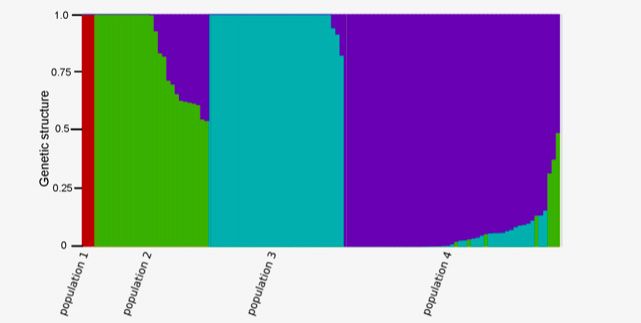
Severity of B. dermatitidis Infection, Canada

B. dermatitidis infection who were treated as inpa-             University, Nashville, TN, USA), and analyzed data
tients or outpatients. Data on B. dermatitidis cultures         using Stata version 15.1 for Mac (StataCorp, https://
were extracted from the database (1988–2017) of the             www.stata.com). Proportions were compared using
LSPQ, where all B. dermatitidis isolates are confirmed          the χ2 or Fisher exact test, as appropriate. We com-
by an in-house detection PCR coupled with confirma-             pared continuous variables by Wilcoxon rank-sum
tory sequencing of the internal transcribed spacer re-          test. We excluded cases with missing data from the
gion and stored in the repository.                              analyses. To establish risk factors for death, we select-
                                                                ed the variables to be included in the multivariable
Data Collection and Outcomes                                    unconditional logistic regression model by applying
Research assistants reviewed hospital records using             a 10% significance level after univariate analysis. We
a standardized questionnaire. The administrative re-            added variables one at a time and retained them only
gion of residence was determined using postal codes             if they were found to be significant in the multivari-
(9). The medical history was delineated to calculate            able model based on the likelihood ratio test (p10 and mapping score >30)           120; 65%) and dyspnea (n = 97; 52%). Fever was doc-
across all samples, from which >5% carried the minor            umented in 65 (35%) patients and weight loss in 62
allele, were stored. These SNPs were used to conduct            (34%) patients. In patients with pulmonary infections,
population structure analysis with fastSTRUCTURE                chest radiograph or computed tomography (CT) scan
(https://rajanil.github.io/fastStructure) to identify ma-       showed the involvement of >2 lobes in 64 (43%) pa-
jor genetic groups present in the population.                   tients. Radiologic manifestations on chest radiograph,
                                                                chest CT, or both included, among others, nodular in-
Statistical Analysis                                            filtrates (53; 36%), focal masses (27; 18%), and miliary
We double-entered data into an electronic input tool,           patterns (n = 9; 6%). Furthermore, 122 patients (66%)
Research Electronic Data Capture (REDcap; Vanderbilt            needed hospitalization for a median duration of 15

                       Emerging Infectious Diseases • www.cdc.gov/eid • Vol. 27, No. 11, November 2021                  2811
RESEARCH
Table 1. Characteristics of patients in study of blastomycosis in Quebec, Canada*
Characteristic 1988–1997, n = 33 1998–2007, n = 57 2008–2017, n = 95 p value
Median age, y (IQR) 47.4 (42.9–61.2) 50.0 (40.4–62.8) 58.9 (48.6–70.6) 0.02†
Sex
F 11 (33) 13 (23) 18 (19)
M 22 (67) 44 (77) 77 (81) 0.2
No. involved organs
1 17 (52) 34 (60) 70 (74)
>2 16 (48) 23 (40) 25 (26) 0.04
Underlying conditions
Chronic obstructive pulmonary disease 6 (18) 7 (12) 21 (22) 0.3
Diabetes 1 (3) 9 (16) 22 (23) 0.03
Immunosuppression 2 (6) 11 (19) 31 (33) 0.005
Charlson Comorbidity Index
0 20 (61) 28 (49) 33 (35)
1–2 11 (33) 12 (21) 30 (32)
>3 2 (6) 17 (30) 32 (34) 0.01
First antifungal administered
Amphotericin B, lipid formulations 0 5 (9) 20 (21)
Amphotericin B, deoxycholate 5 (15) 6 (11) 6 (6)
Azole 20 (61) 33 (58) 58 (61)
No treatment 8 (24) 13 (23) 11 (12) 0.008‡
Blastomyces genotype group
I 1 (6) 1 (2) 1 (2)
II 3 (17) 11 (24) 11 (24)
III 4 (22) 13 (29) 14 (30)
IV 10 (56) 20 (44) 20 (44) 0.9
Severe illness 1 (3) 8 (15) 21 (22) 0.03
90-day all-cause mortality 2 (6) 10 (18) 18 (19) 0.2
*Values are no. (%) except as indicated. IQR, interquartile range.
†By Mood's equality of medians test.
‡By Fisher exact test.
(IQR 7–29) days. Of these, 37/122 (30%) patients were age of patients with blastomycosis over the study pe-
admitted to the intensive care unit (median duration riods (p = 0.02). In addition, we saw increases in the
4 days, IQR 2–9 days). A severe form of blastomycosis proportion of diabetic patients, immunocompromised
was observed in 30/185 patients (16%), and the 90- patients, and patients with a Charlson Comorbidity In-
day all-cause mortality was 16% (30/185). dex score >3. Among the case-patients diagnosed dur-
ing the 2008–2017 period, we noted an increasing use
Temporal Changes in Characteristics, Treatment, of the lipid formulations of amphotericin B over that of
and Outcomes of Blastomycosis amphotericin B deoxycholate. There was no significant
To further investigate temporal changes in blasto- change in the distribution of B. dermatitidis genotypes
mycosis, we compared the characteristics of case-pa- over time: we observed an increase in the proportion
tients from 1988–1997 (n = 33) with those identified in of severe cases over the study periods (1988–1997, 1/33
1998–2007 (n = 57) and 2008–2017 (n = 95) (Table 1). [3%]; 1998–2007, 8/57 [15%]; 2008–2016, 21/95 [22%]; p
We observed a significant increase over time in the = 0.03) (Figure), as well as in the 90-day all-cause mor-
tality (1988–1997, 2/33 [6%]; 1998–2007, 11/54 [18%];
2008–2016, 18/89 [19%]), but the differences between
the study periods were not significant (p = 0.15).
Risk Factors for Mortality
Several variables were associated with mortal-
ity in univariate analysis but were no longer signifi-
cant after adjusting for confounders. There was no
significant association between genotype and mor-
tality. The independent risk factors associated with
mortality included age (p = 0.04), immunosuppres-
sion (p = 0.005), and the involvement of >2 lung lobes
on chest radiograph (p = 0.001) (Table 2).
Figure. Cases of Blastomyces dermatitidis infection by severity,
Quebec, Canada, 1988–2017.
2812 Emerging Infectious Diseases • www.cdc.gov/eid • Vol. 27, No. 11, November 2021Severity of B. dermatitidis Infection, Canada
Table 2. Risk factors for 90-day all-cause mortality among patients with blastomycosis, Quebec, Canada*
Crude odds ratio Adjusted odds
Risk factor Survived, n = 155 Died, n = 30 (95% CI) p value ratio (95% CI) p value
Study period
1988–1997 31 (94) 2 (6) 1
1998–2007 47 (82) 10 (18) 3.3 (0.7–16.1) 0.1 2.7 (0.5–15.3) 0.3
2008–2017 77 (81) 18 (19) 3.6 (0.8–16.6) 0.1 1.2 (0.2–6.5) 0.8
Median no. days of symptoms before 71 (26–141) 37 (18–45) 0.99 (0.99–1.00) 0.04 0.99 (0.99–1.00) 0.07
diagnosis (IQR)
Median age, y (IQR) 54 (44–64) 62 (53–71) 1.04 (1.01–1.07) 0.004 1.04 (1.00–1.07) 0.04
Sex
F 34 (81) 8 (19)
M 121 (85) 22 (15) 0.8 (0.3–1.9) 0.6
Charlson Comorbidity Index score
0 76 (94) 5 (6)
1–2 43 (81) 10 (19) 3.5 (1.1–16.1) 0.03
≥3 36 (71) 15 (29) 6.3 (2.1–18.8) 0.001
Underlying condition
Diabetes 23 (72) 9 (28) 2.5 (1.00–6.04) 0.05
COPD 27 (79) 7 (21) 1.4 (0.6–3.7) 0.5
Immunosuppression 27 (61) 17(39) 6.2 (2.7–14.3) 2 50 (78) 14 (22) 1.8 (0.8–4.1) 0.1
Radiologic manifestations
No. lobes
0–2 112 (93) 8 (7)
>2 43 (66) 22 (34) 7.2 (3.0–17.3)RESEARCH
and increasing prevalence of chronic disease and extracorporeal membrane oxygenation, for blasto-
multiple underlying conditions within the popula- mycosis-related acute respiratory distress syndrome
tion of Quebec may explain the increased proportion (23). Extracorporeal membrane oxygenation use in-
of severe cases that were observed since 1998 (15). In creased substantially since 2002 (24); this treatment
addition, there was a similar increase in the preva- has been shown to decrease deaths in adults with
lence of diabetes in Quebec, from 4.7% in 2000–2001 severe acute respiratory failure (25). In addition,
to 7.2% in 2014–2015 (16). Because our definition we documented the gradual replacement of am-
of severe cases included, among others, the use of photericin B deoxycholate by lipid formulations of
mechanical ventilation, the increase in the propor- amphotericin B. Despite its well-demonstrated effec-
tion of severe cases may also be partially explained tiveness, amphotericin B deoxycholate is associated
by changes leading to increasing use of mechanical with renal toxicity (26). Patients with AIDS who had
ventilation over the years (17). disseminated histoplasmosis and were treated with
We observed an overall mortality rate of 16.2% liposomal amphotericin B have demonstrated bet-
in this study cohort, which is higher than the mortal- ter clinical outcomes compared with patients who
ity rate observed in recently published large cohorts. were treated with the deoxycholate forms (27). The
A US nationwide study found an overall in-hospital increasing use of lipid formulations of amphotericin
mortality rate of 6.9% (18), and an overall case-fa- B may have contributed to the improved patient out-
tality rate in a cohort of 671 cases in Minnesota dur- comes in this study, although a head-to-head com-
ing 1999–2018 was 10% (19). In a systematic review parison of amphotericin B formulations for B. der-
and meta-analysis, the mortality estimate for gen- matitidis infection has not been performed in clinical
eral clinical cases of blastomycosis was 6.6% overall trials. Our study was not adequately powered to
(20); substantial heterogeneity between the included verify this hypothesis.
studies was mainly attributed to inconsistent defini- We used WGS to characterize the complete ge-
tions of mortality. We used 90-day all-cause mortal- nome of our isolates. The high reproducibility and dis-
ity, a more robust outcome than other studies that criminatory power of WGS (28) enabled us to detect a
used outcomes such as attributable mortality, which strong association between genotype groups and the
might explain the higher mortality rate in our find- region where patients lived, where we assumed they
ings compared with previously published results. acquired infection. These findings are similar to those
Despite the increasing proportion of severe cases, of a study in Canada (29) that showed that the popula-
we observed that the case-fatality ratio remained tions of both Blastomyces species were associated with
stable over the past 20 years. This observation may major freshwater drainage. Other studies have used
reflect improvements in severe sepsis management polymorphic microsatellite markers to genotype B.
(21) or mechanical ventilation strategies (22), such as dermatitidis and have suggested potential associations
Table 3. Characteristics of patients according to Blastomyces genotype groups, Quebec, Canada*
Characteristic Genotype I, n = 3 Genotype II, n = 25 Genotype III, n = 31 Genotype IV, n = 49 p value
Quebec administrative region
Bas-St-Laurent 0 0 0 0 (10)
Saguenay-Lac-St-Jean 0 0 0 1 (2)
Capitale-Nationale 0 0 0 13 (27)
Mauricie 0 0 1 (3) 5 (10)
Estrie 1 (33) 0 25 (81) 4 (8)
Montréal 1 (33) 3 (12) 3 (10) 3 (6)
Outaouais 1 (33) 10 (40) 0 0
Chaudière-Appalaches 0 0 1 (3) 5 (10)
Laval 0 1 (4) 0 0
Lanaudière 0 7 (28) 0 0
Laurentides 0 1 (4) 0 0
Montérégie 0 3 (12) 1 (3) 4 (8)
Centre-du-Québec 0 0 0 9 (18)Severity of B. dermatitidis Infection, Canada
between the clinical phenotype and genetic groups of About the Author
B. dermatitidis. Frost et al. found that SNP alleles were Dr Carignan is a professor at the Faculté de Médecine
substantially different in cases of pulmonary and dis- et des Sciences de la Santé de l’Université de Sherbrooke
seminated disease (30) and identified associations and a clinical research scholar from the Fonds de
between the group 1 genotype (B. gilchristii) and pul- Recherche en Santé du Québec. His research interests
monary infection and between the group 2 genotype include the epidemiology of emerging infections
and disseminated disease (31). We had a very limited associated with climate change.
number of B. gilchristii infections in our study popu-
lation and were therefore unable to assess the poten-
tial of these 2 groups to cause disseminated diseases References
1. Bennett JE, Dolin R, Blaser MJ. Mandell, Douglas, and
within the cohort. We identified 4 main distinct genetic Bennett’s principles and practice of infectious diseases. 8th
groups that correlate with the geographic origins, but ed. Philadelphia: Elsevier Health Sciences; 2014.
we did not find any association between the genotype 2. Dworkin MS, Duckro AN, Proia L, Semel JD, Huhn G. The
and the proportion of severe cases or mortality rate. epidemiology of blastomycosis in Illinois and factors
associated with death. Clin Infect Dis. 2005;41:e107–11.
These results indicate that virulence of B. dermatitidis is https://doi.org/10.1086/498152
not correlated with its population genetic structure in 3. Baumgardner DJ, Knavel EM, Steber D, Swain GR.
Quebec. Nevertheless, we cannot exclude the possibil- Geographic distribution of human blastomycosis cases in
ity that virulence may be controlled by specific regions Milwaukee, Wisconsin, USA: association with urban
watersheds. Mycopathologia. 2006;161:275–82.
or alleles in the genome. In this case, other approaches https://doi.org/10.1007/s11046-006-0018-9
could be more suitable such as genome-wide associa- 4. Morris SK, Brophy J, Richardson SE, Summerbell R,
tion mapping which reveals SNPs strongly associated Parkin PC, Jamieson F, et al. Blastomycosis in Ontario,
with a given virulence trait. 1994–2003. Emerg Infect Dis. 2006;12:274–9. https://doi.org/
10.3201/eid1202.050849
The main limitation of our study is its retrospec- 5. Crampton TL, Light RB, Berg GM, Meyers MP, Schroeder GC,
tive nature, which could introduce information bias. Hershfield ES, et al. Epidemiology and clinical spectrum of
We were able to minimize this bias by including on blastomycosis diagnosed at Manitoba hospitals. Clin Infect
the study team specialized research assistants and in- Dis. 2002;34:1310–6. https://doi.org/10.1086/340049
6. Litvinov IV, St-Germain G, Pelletier R, Paradis M,
fectious diseases fellows who ensured the complete- Sheppard DC. Endemic human blastomycosis in Quebec,
ness of data collection. Moreover, this study had lim- Canada, 1988–2011. Epidemiol Infect. 2013;141:1143–7.
ited power to assess the potential factors that could https://doi.org/10.1017/S0950268812001860
affect mortality rate (e.g., increasing use of lipid for- 7. Seitz AE, Younes N, Steiner CA, Prevots DR. Incidence and
trends of blastomycosis-associated hospitalizations in the
mulations of amphotericin B). Furthermore, the cases United States. PLoS One. 2014;9:e105466. https://doi.org/
we analyzed in this study were restricted to patients 10.1371/journal.pone.0105466
for whom a positive Blastomyces culture was sent to 8. Baumgardner DJ, Paretsky DP, Baeseman ZJ, Schreiber A.
the provincial health laboratory. Given that the diag- Effects of season and weather on blastomycosis in dogs:
Northern Wisconsin, USA. Med Mycol. 2011;49:49–55.
nosis of Blastomyces infection is not limited to culture https://doi.org/10.3109/13693786.2010.488658
results, this leads to an underestimation of cases and 9. Elections Quebec. Administrative entities linked to a postal
may have created bias in our data. code. 2020 October 20 [cited 2020 Nov 3]. https://www.
The proportion of severe cases of blastomycosis electionsquebec.qc.ca/english/provincial/electoral-map/
administrative-entities-linked-to-a-postal-code.php
in Quebec has increased over the past 30 years. These 10. Charlson ME, Pompei P, Ales KL, MacKenzie CR.
changes could be explained in part by the higher A new method of classifying prognostic comorbidity in
proportion of immunosuppressed patients, as well longitudinal studies: development and validation.
as the older age of infected persons. The study data J Chronic Dis. 1987;40:373–83. https://doi.org/10.1016/
0021-9681(87)90171-8
do not support an increasing virulence of B. derma- 11. Lohrenz S, Minion J, Pandey M, Karunakaran K.
titidis strains in Quebec. Future studies may help un- Blastomycosis in southern Saskatchewan 2000–2015:
derstand whether climate changes or more specific unique presentations and disease characteristics. Med
genetic determinants may have played a role in the Mycol. 2018;56:787–95. https://doi.org/10.1093/mmy/
myx131
emergence of more severe B. dermatitidis infections, 12. Harpaz R, Dahl RM, Dooling KL. Prevalence of
the incidence of which has tripled over time. immunosuppression among US adults, 2013. JAMA.
2016;316:2547–8.
This work was supported by the Centre de recherche du 13. Novosad SA, Winthrop KL. Beyond tumor necrosis factor
Centre hospitalier universitaire de Sherbrooke and The inhibition: the expanding pipeline of biologic therapies for
Infectious Disease and Climate Change Fund from Public inflammatory diseases and their associated infectious se-
quelae. Clin Infect Dis. 2014;58:1587–98. https://doi.org/
Health Agency of Canada. 10.1093/cid/ciu104
Emerging Infectious Diseases • www.cdc.gov/eid • Vol. 27, No. 11, November 2021 2815RESEARCH
14. Memoli MJ, Athota R, Reed S, Czajkowski L, Bristol T, Semin Thorac Cardiovasc Surg. 2015;27:81–8.
Proudfoot K, et al. The natural history of influenza https://doi.org/10.1053/j.semtcvs.2015.07.005
infection in the severely immunocompromised vs 25. Peek GJ, Mugford M, Tiruvoipati R, Wilson A, Allen E,
nonimmunocompromised hosts. Clin Infect Dis. 2014;58:214– Thalanany MM, et al.; CESAR trial collaboration. Efficacy
24. https://doi.org/10.1093/cid/cit725 and economic assessment of conventional ventilatory
15. Institut National de Santé Publique du Québec. Aging in support versus extracorporeal membrane oxygenation for
Québec [cited 2020 Nov 3]. https://www.inspq.qc.ca/ severe adult respiratory failure (CESAR): a multicentre
le-vieillissement-au-quebec randomised controlled trial. Lancet. 2009;374:1351–63.
16. Ins Institut National de Santé Publique du Québec. https://doi.org/10.1016/S0140-6736(09)61069-2
Diabetes. 2020 [cited 2020 Nov 3]. https://www.inspq.qc.ca/ 26. Girois SB, Chapuis F, Decullier E, Revol BG. Adverse
santescope/syntheses/diabete effects of antifungal therapies in invasive fungal infections:
17. Mehta AB, Syeda SN, Wiener RS, Walkey AJ. review and meta-analysis. Eur J Clin Microbiol Infect Dis.
Epidemiological trends in invasive mechanical ventilation 2006;25:138–49. https://doi.org/10.1007/s10096-005-0080-0
in the United States: a population-based study. J Crit Care. 27. Johnson PC, Wheat LJ, Cloud GA, Goldman M, Lancaster D,
2015;30:1217–21. https://doi.org/10.1016/j.jcrc.2015.07.007 Bamberger DM, et al.; US National Institute of Allergy and
18. Rush B, Lother S, Paunovic B, Mooney O, Kumar A. Infectious Diseases Mycoses Study Group. Safety and
Outcomes with severe blastomycosis and respiratory failure efficacy of liposomal amphotericin B compared with
in the United States. Clin Infect Dis. 2021;72:1603–7. conventional amphotericin B for induction therapy of
https://doi.org/10.1093/cid/ciaa294 histoplasmosis in patients with AIDS. Ann Intern Med.
19. Ireland M, Klumb C, Smith K, Scheftel J. Blastomycosis in 2002;137:105–9. https://doi.org/10.7326/0003-4819-137-2-
Minnesota, USA, 1999–2018. Emerg Infect Dis. 2020;26:866– 200207160-00008
75. https://doi.org/10.3201/eid2605.191074 28. Araujo R. Towards the genotyping of fungi: methods,
20. Carignan A, Denis M, Abou Chakra CN. Mortality associated benefits and challenges. Curr Fungal Infect Rep. 2014;8:203–10.
with Blastomyces dermatitidis infection: a systematic review of 29. McTaggart LR, Brown EM, Richardson SE. Phylogeographic
the literature and meta-analysis. Med Mycol. 2020;58:1–10. analysis of Blastomyces dermatitidis and Blastomyces
https://doi.org/10.1093/mmy/myz048 gilchristii reveals an association with North American
21. Stevenson EK, Rubenstein AR, Radin GT, Wiener RS, freshwater drainage basins. PLoS One. 2016;11:e0159396.
Walkey AJ. Two decades of mortality trends among https://doi.org/10.1371/journal.pone.0159396
patients with severe sepsis: a comparative meta-analysis. 30. Frost HM, Anderson JL, Ivacic L, Sloss BL, Embil J, Meece JK.
Crit Care Med. 2014;42:625–31. https://doi.org/10.1097/ Development and validation of a novel single nucleotide
CCM.0000000000000026 polymorphism (SNP) panel for genetic analysis of
22. Kawai K, Gebremeskel BG, Acosta CJ. Systematic review Blastomyces spp. and association analysis. BMC Infect Dis.
of incidence and complications of herpes zoster: towards a 2016;16:509. https://doi.org/10.1186/s12879-016-1847-x
global perspective. BMJ Open. 2014;4:e004833. 31. Meece JK, Anderson JL, Gruszka S, Sloss BL, Sullivan B,
https://doi.org/10.1136/bmjopen-2014-004833 Reed KD. Variation in clinical phenotype of human infection
23. Bednarczyk JM, Kethireddy S, White CW, Freed DH, among genetic groups of Blastomyces dermatitidis. J Infect Dis.
Singal RK, Bell D, et al. Extracorporeal membrane 2013;207:814–22. https://doi.org/10.1093/infdis/jis756
oxygenation for blastomycosis-related acute respiratory
distress syndrome: a case series. Can J Anaesth. 2015; Address for correspondence: Alex Carignan, Department of
62:807–15. https://doi.org/10.1007/s12630-015-0378-z
Microbiology and Infectious Diseases, Université de Sherbrooke,
24. McCarthy FH, McDermott KM, Kini V, Gutsche JT,
Wald JW, Xie D, et al. Trends in U.S. extracorporeal 3001, 12th Ave N, Sherbrooke, QC J1H 5N4, Canada; email:
membrane oxygenation use and outcomes: 2002–2012. Alex.Carignan@USherbrooke.ca
2816 Emerging Infectious Diseases • www.cdc.gov/eid • Vol. 27, No. 11, November 2021Article DOI: https://doi.org/10.301/eid2711.210552
Changing Patterns of Disease Severity in
Blastomyces dermatitidis Infection, Quebec,
Canada
Appendix
Appendix Figure. Population structure analysis of Blastomyces dermatitidis fungi based on 97,403 SNPs
genotype calls across 108 strains. Each vertical line represents a strain and each color a separate
population.
Page 1 of 1You can also read


