Citi Bike Expansion: Draft Plan - New York City Department of Transportation Presented to Manhattan Community Board 10 Transportation Committee ...
←
→
Page content transcription
If your browser does not render page correctly, please read the page content below
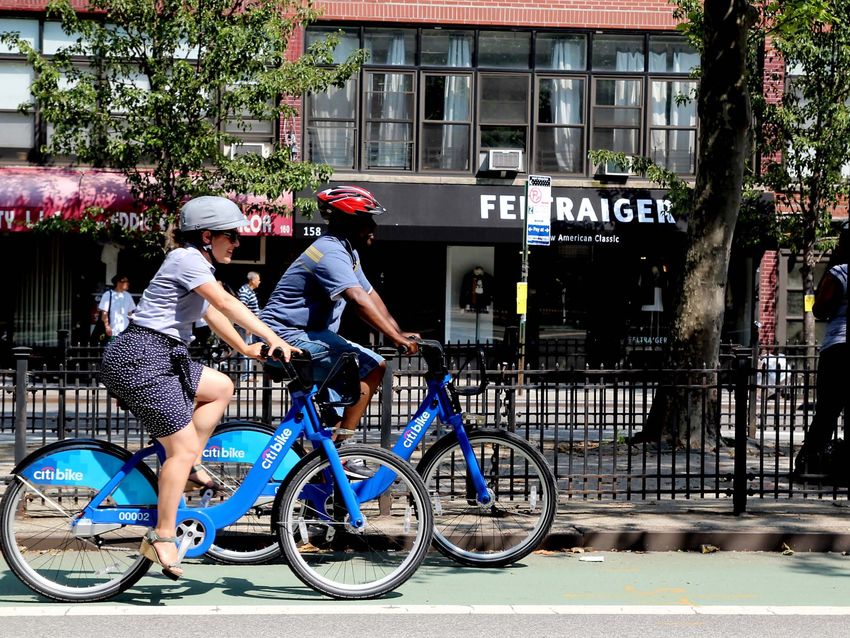
Citi Bike Expansion: Draft Plan

New York City Department of Transportation
Presented to Manhattan Community Board 10 Transportation Committee, April 12, 2016
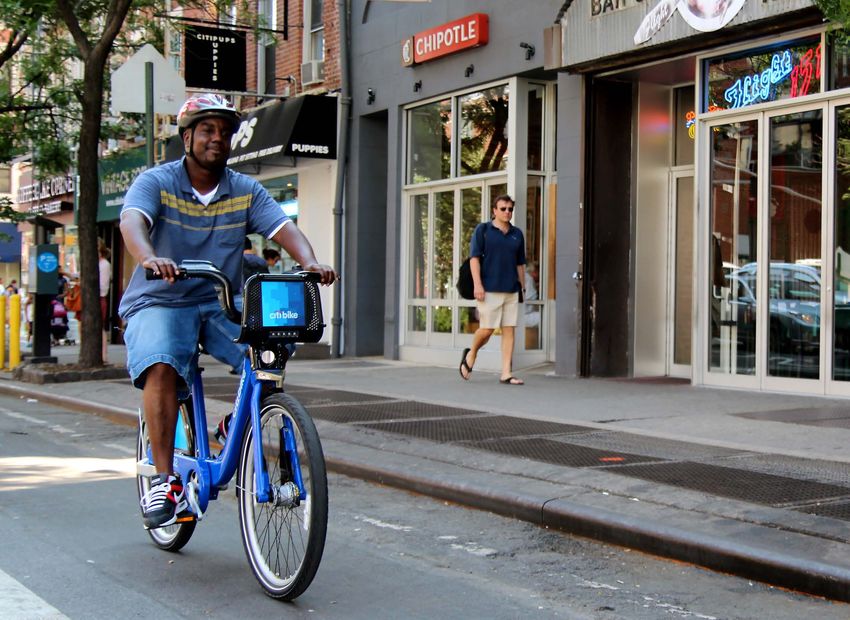
What is Citi Bike?

• • Citi Bike
      Citi    is New
           Bike      York
                 is New   City’sbike
                        York’s   bike share
                                      share system

•
     system
    A network of bicycle rental stations uniformly
    spread across a defined service area
 • A network of bicycle rental stations
• Intended
    locatedfor
            anshort,
               easy one-way  trips under 30-45
                     walking distance
  minutes
    apart
•   Convenient for trips that are too far to walk
    but too short for a taxi or the subway

•   Ideal for cross-town travel

                                                     2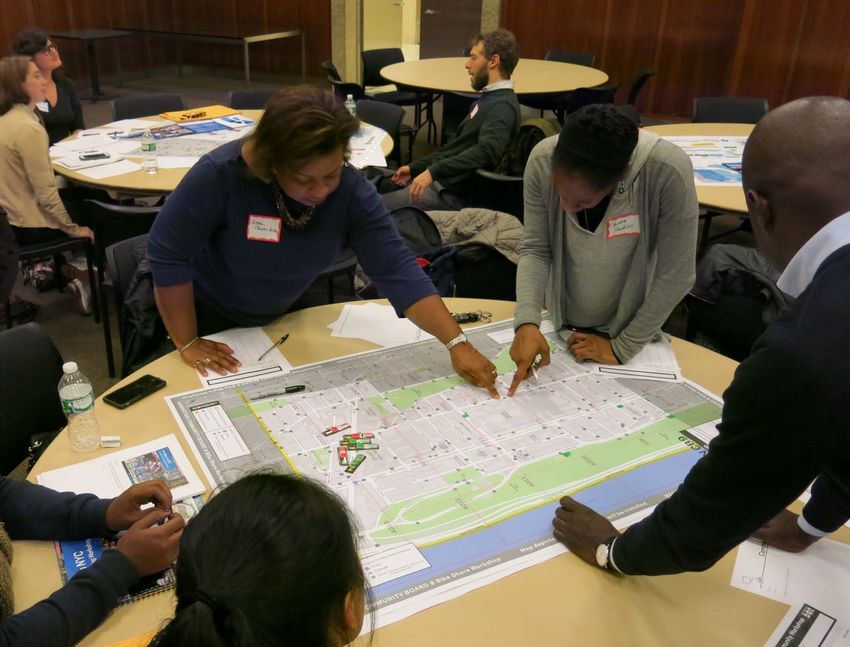
How Does Citi Bike Work?

 • Users purchase annual or short-
   term memberships

 • Members can take unlimited rides
   for no additional cost:

    − Up to 45 min. for annual

    − Up to 30 min. for short-term

 • Additional fees for rides longer
   than 45/30 minutes

 • Bikes can be returned to any
   station in NYC

 • System operates 24/7

                                      3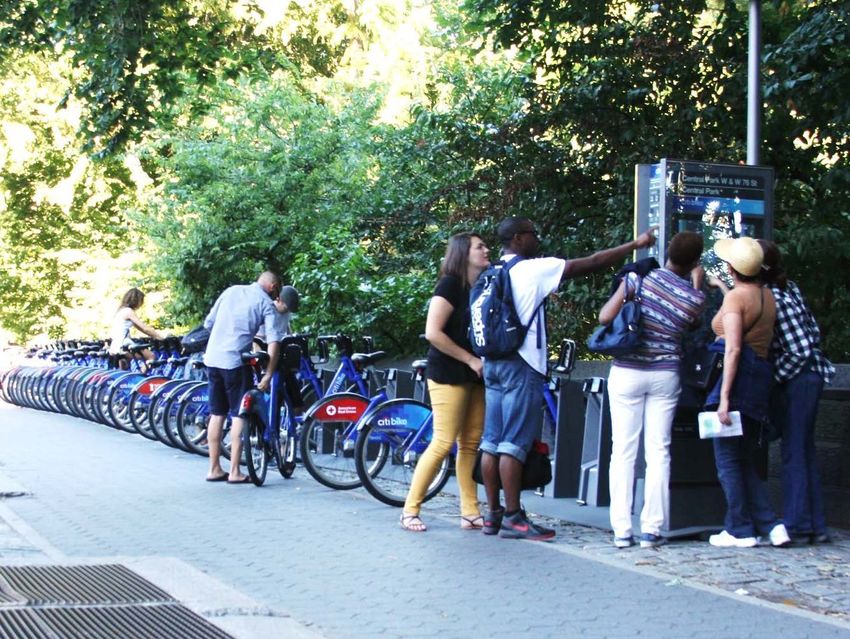
Benefits and Uses

                    •   Useful for all types of
                        trips: commuting, running
                        errands, recreation

                    •   Cross-town travel

                    •   Compliments existing
                        transportation network

                    •   Cycling consistent with a
                        healthy lifestyle

                    •   No need to store bike
                        when not in use

                    •   No need to own a lock

                    •   No need to perform bike
                        maintenance

                                                    4
Citi Bike To Date
                    • Launched in May 2013
                      with 6,000 bikes at 332
                      stations

                    • Extensive public outreach

                    • Public-private partnership

                    • No city funds used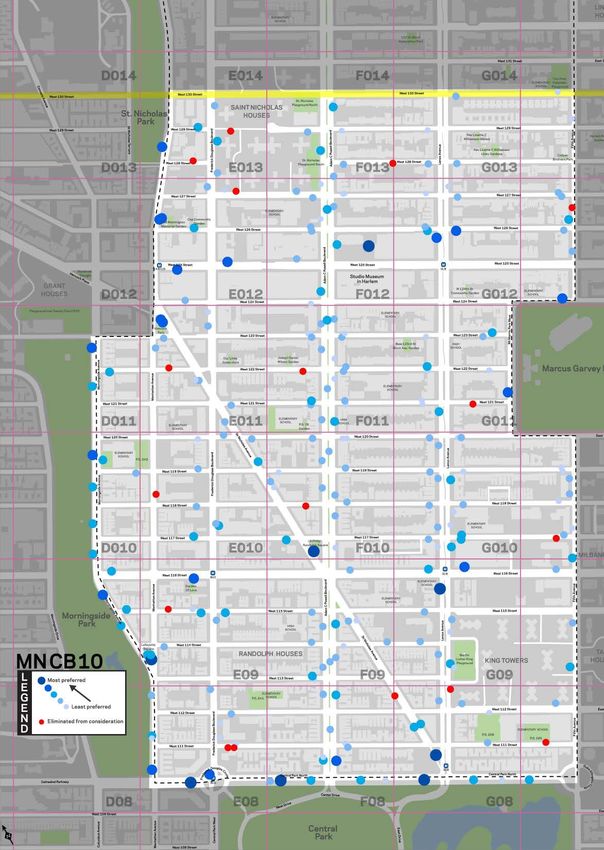
Citi Bike To Date

                    • Original owner, Alta Bicycle Share, acquired by
                      Motivate in late 2014
                    • Under new management, Citi Bike has grown to
                      approximately 7,500 bikes available at 475
                      stations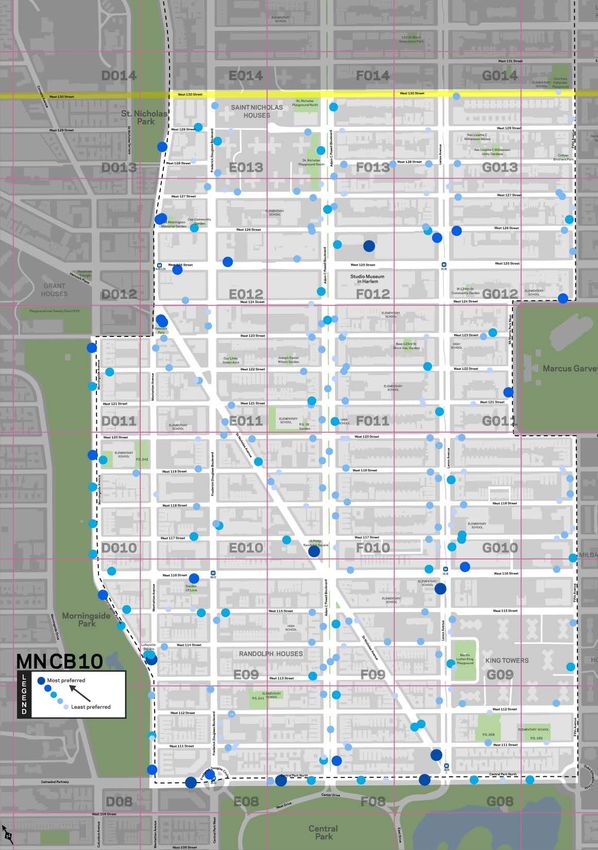
High Ridership
                                                        97% of trips
                                                        incur no
                   Trips Per Month                      overage fees
                      (Millions)
1.5
  1
0.5
  0                                                     Average trip
                                                        duration is
                                                        under 15
                                                        minutes

      25,000,000 +     Total trips

      1,250,000 +      Memberships sold
                                                        89% of trips
        97,000 +       Active annual members
                                                        are taken by
        50,000 +       Trips on busiest days            annual
                                                        members
         8.0 +         Trips per bike on busiest days

                                                               Data: NYCDOT
                                                               (as of March 2016)
Strong Safety Record

  • Only one reported crash for every 101k trips
  • A 2014 CUNY Hunter study identified Citi Bike riders exhibited safer
    riding behavior than other cyclists
  • A 2016 Report from Mineta Transportation Institution found that Bike
    Share riders have lower rates of crashes than other cyclists

                                              Source: NYCBS; January 1, 2015 to March 14, 2016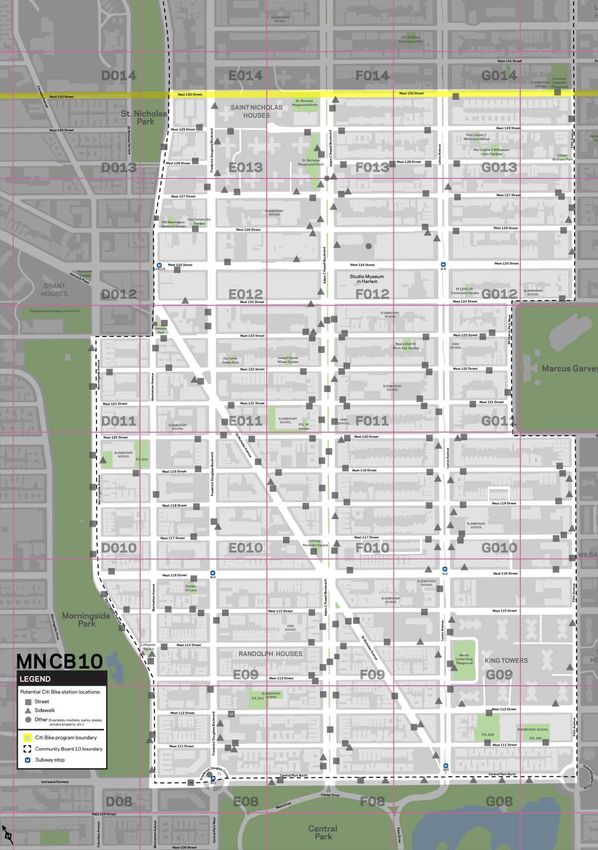
The Bike
Safe Cycling Promotion

DOT promotes cycling safety with:
• Helmet fittings
• Light and bell giveaways
• Safety awareness classes
• Commercial cyclist workshops

                                    10
Safe Cycling Promotion
Citi Bike/Motivate promotes
cycling safety with:
• Safety ambassadors
• Free Street Skills classesDiscounted Memberships
Annual membership
$155 /year
or $14.95 / month
Discounted membership
$5 / month
All NYCHA residents and
members of select credit
unions are eligible for
discounted memberships.
Credit Unions:
• Brooklyn Cooperative Federal
Credit Union
• LES People’s Federal Credit
Union
• NYU Federal Credit Union
More than 2,000 Discounted
Memberships purchased.
Info at www.CitiBikeNYC.com 12Affordability Memberships
To sign up as a NYCHA resident,
provide:
• Tenant Account Number
• Birthday
• Credit card info
Info at
www.CitiBikeNYC.com
13Phase 2 Expansion
Phase 2
As of fall 2015, system has:
Expansion
• 7,500 bicycles
• 475 stations
By end of 2017, Citi Bike will add
another:
• 4,500 bicycles
• 225 stations
Current
Service
Total size of Citi Bike system will Area
be:
• 12,000 bikes
• 700 stations
Phase 2
Expansion
Phase 2 sets stage for future
expansion in any directionPlanning and Outreach
• Extensive participatory planning
and outreach campaign
conducted to select station
locations in CB 10
• In this area, outreach campaign
has included:
‒ Meetings with CB 10, elected
officials, area institutions,
BIDs, and other community
organizations
‒ Public community planning
workshop in November 2015Site Selection Process
• DOT and Motivate are working with
communities to find best locations for
stations in their neighborhoods
• Planning process includes:
‒ Meetings with elected officials,
community boards, local
institutions, and stakeholders
‒ Community planning workshops
‒ Public web portal
‒ Draft station siting plan presented
to community board
‒ Final plan reflective of draft plan
feedbackCreating a Plan Map presented at community planning workshops in November 2015 270 potential sites shown Participants asked to use red and green stickers and fill out comment forms to indicate opinions on specific sites
Creating a Plan

 Potential sites are shown here by
 intensity of stakeholder preference

 Darker shade indicates greater
 preference

 Inputs include:
 • Community feedback
 • Concentration of support clicks
   from public web portal
 • Motivate operational
   considerations
Creating a Plan

Where possible, less preferred sites
were removed from consideration
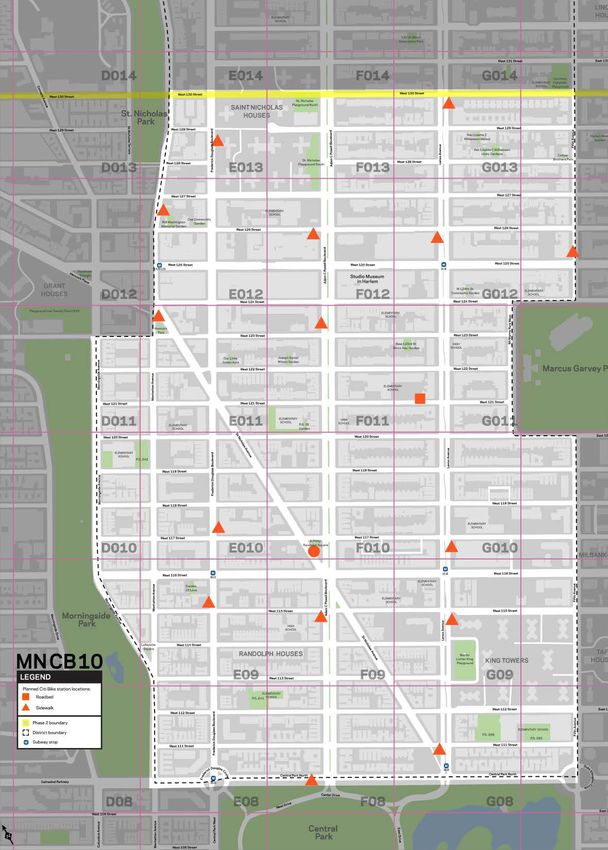
Creating a Plan

Community preference and network
considerations were combined to
create a draft plan

17 sites needed for CB 10 Draft Plan
Typical Station Locations
STATIONS IN ROADBED

    Stations are typically located in
    the parking lane of the street, or
    on sidewalks that are wide
    enough to allow pedestrian flow

                                         11
Typical Station Locations
STATIONS ON SIDEWALK
Stations are typically located in
the parking lane of the street, or
on sidewalks that are wide
enough to allow pedestrian flow
ALONG PARK VERGE
ALONG CURB LINE ALONG BUILDING LINE / FENCEINSERT SECTIONAL DRAFT PLAN MAPS FOR DISTRICT
INSERT SECTIONAL DRAFT PLAN
MAPS FOR DISTRICT
Data: NYCDOT
(as of March 2016)
Data: NYCDOT
(as of March 2016)
Questions?

             nyc.gov/bikeshare

             www.citibikenyc.com

                        Thank
                         You
You can also read


