Metro Active Transportation - Projects and Programs 9/6/2019 - Go Human
←
→
Page content transcription
If your browser does not render page correctly, please read the page content below
9/6/2019

      Metro Active Transportation

                      Projects and Programs

•   First/Last Mile
•   Corridors: LA River, Rail to River
•   Metro Bike Hubs
•   Bike Parking
•   Micro-mobility
•   Metro Bike Share
•   Open Streets

                                                    1
9/6/2019

                                           Open
                                           Street
                                              s

 Metro Open Streets Grant Program

             What are Open Streets?
One-day car-free events that OPEN the streets up to people walking,
 riding a bike, and using other forms of non-automobile transport.
 First event held in Bogota Colombia in the 1970s billed as Ciclovia.

                                                                              2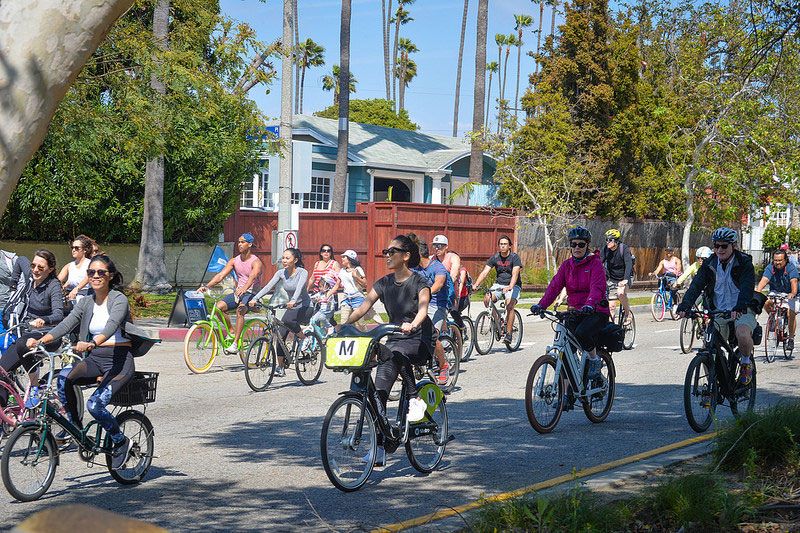
9/6/2019

     History of Open Streets in Los
•
     Angeles
  First LA County Open Street event held 10/10/2010
• First event funded and organized by non profit CicLAvia
• Organizers struggled to get approvals and funding for event which
  was postponed twice

 Metro Open Streets Grant Program is
                Born

           • First CicLAvia was wildly successful, resulting in calls for
             additional events
           • Open Streets introduced new groups to active transportation,
             and showcased large but often hidden bicycle culture of LA
           • August 2013 Metro Board Motion #72 directed staff to develop
             an Open Streets Grant Program

                                                                                  3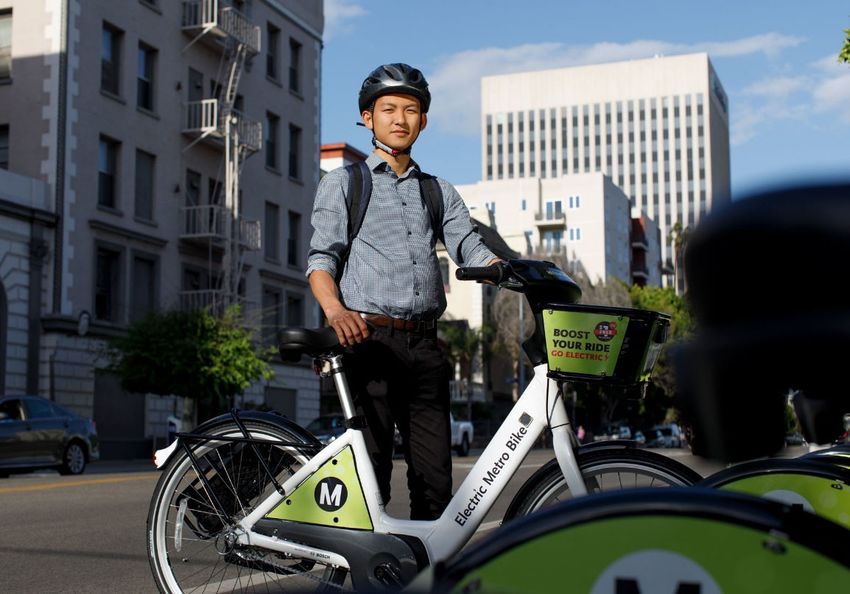
9/6/2019

      Goals of Metro Open Streets Grant
•                          Program
    Provide opportunity to walk, ride transit, bike in urban
  environment
• Encourage sustainable transportation mode share
• Encourage cities to further develop their multi-modal policies

Open Streets Grant Program Framework
• Allocation of up to $2 million annually
• Competitive application process
• Technical process to collect data and evaluate the costs and
  benefits

                                                                         4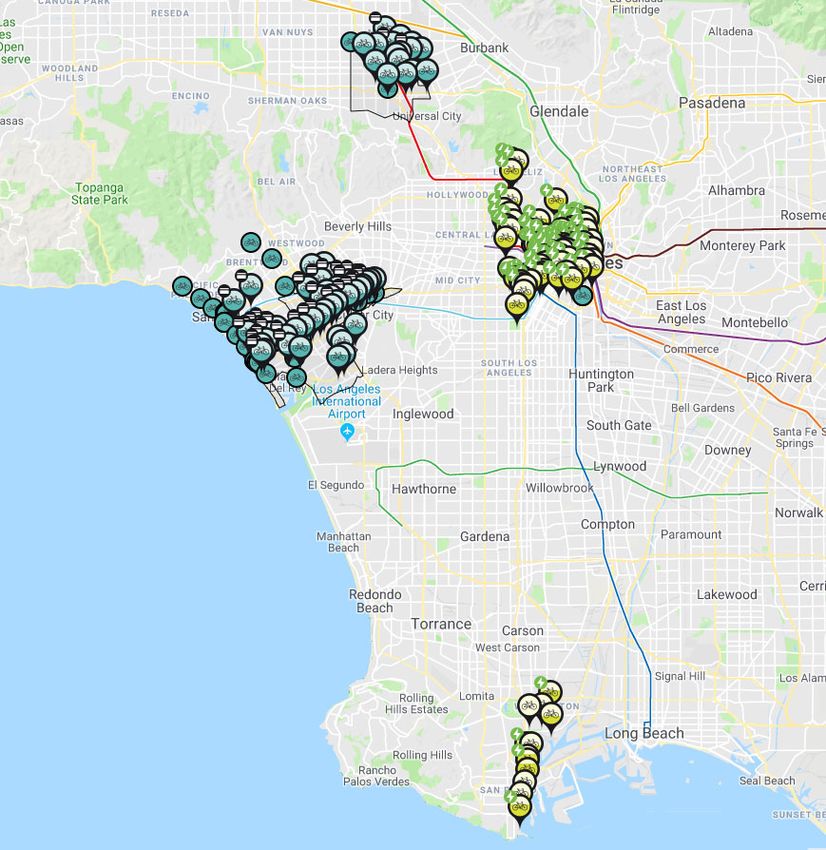
9/6/2019

              Cycle One, Two and Three
• Board has awarded 11.84
  million to 44 events
• 27 Events have been
  implemented in 29
  separate jurisdictions
  totaling 170 miles of car
  free streets
• Additional points granted
  to multijurisdictional
  events and disadvantaged
  communities
• Metro funded Evaluation
  Study
                                      CicLAvia Pasadena, May 2015
   – 8% ridership increase
     systemwide
   – 11% increase in TAP card sales
   – 10% increase in event day
     retail sales

                     FY2020 Mini-cycle
 • In order to increase regional equity in funding
   distribution Mini-cycle Application and Guidelines
   approved by Board in January 2019
 • Staff returning to the Board in May with
   recommendations for 5 additional events totaling over 21
   additional miles

                                                                          5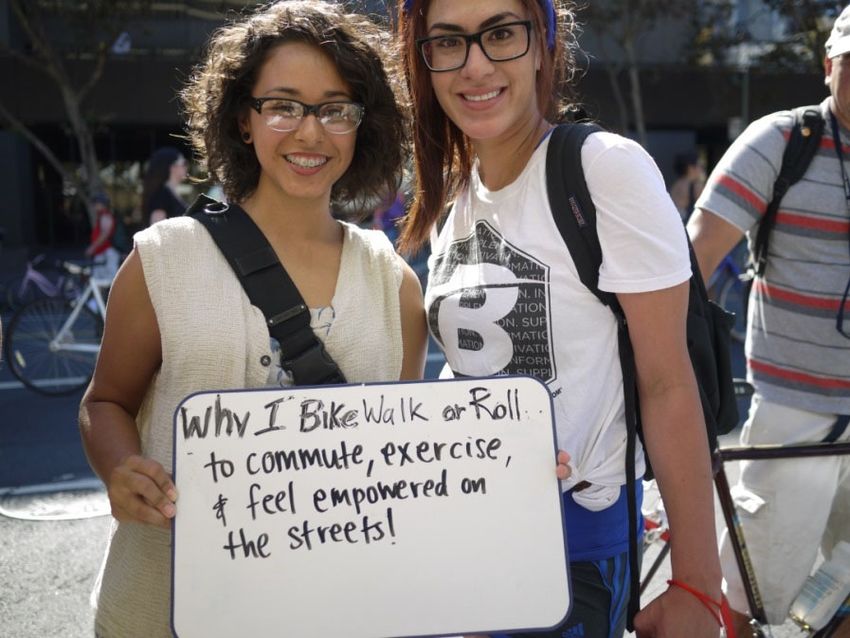
9/6/2019

 What’s New For Cycle Three and Mini-
                          cycle?
• Additional points for clear plan to satisfy data collection
  requirements
   o Standardized data collection template provided
• Separate criteria for new and existing applicants
   o Existing applicants demonstrate success with previous
     events
   o New applicants demonstrate capacity to produce
     successful event
• Additional scoring criteria to encourage innovative
  events

     Events Funded Across LA County

                                                                      6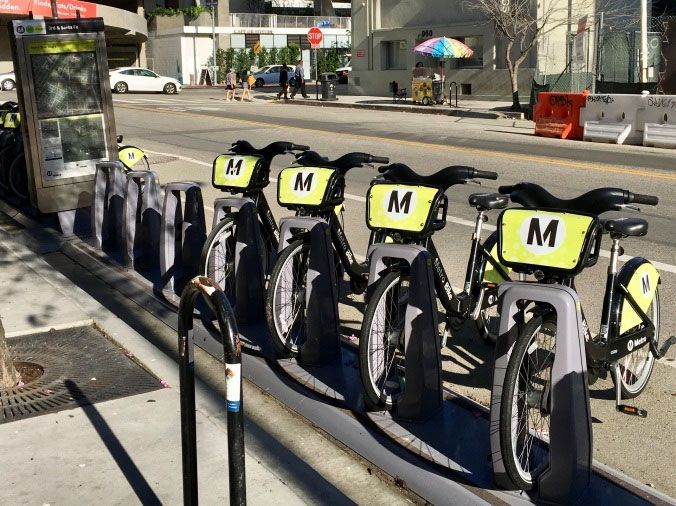
9/6/2019

              Questions & Answers

              Brett Thomas
              Sr. Transportation Planner
              Countywide Planning
              ThomasBJ@Metro.net

              Dolores Roybal-Saltarelli
              Sr. Director
              Countywide Planning
              RoybalD@Metro.net

Wheel Video
Intro Video

                    Metro Bike Share

                                                 7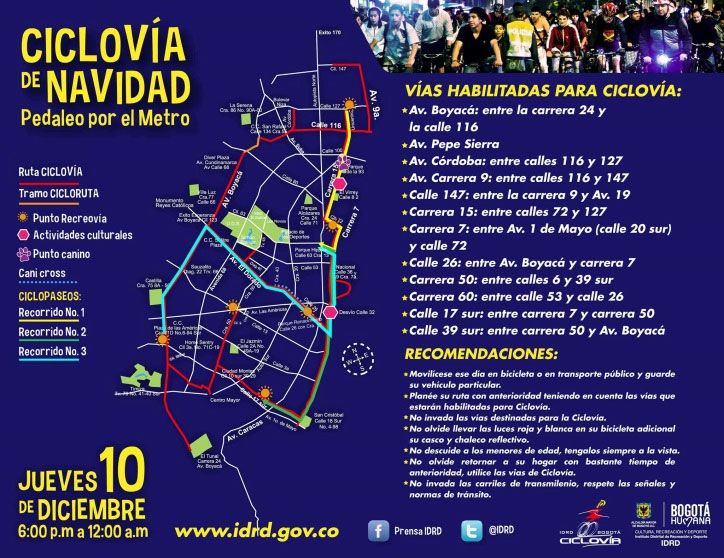
9/6/2019

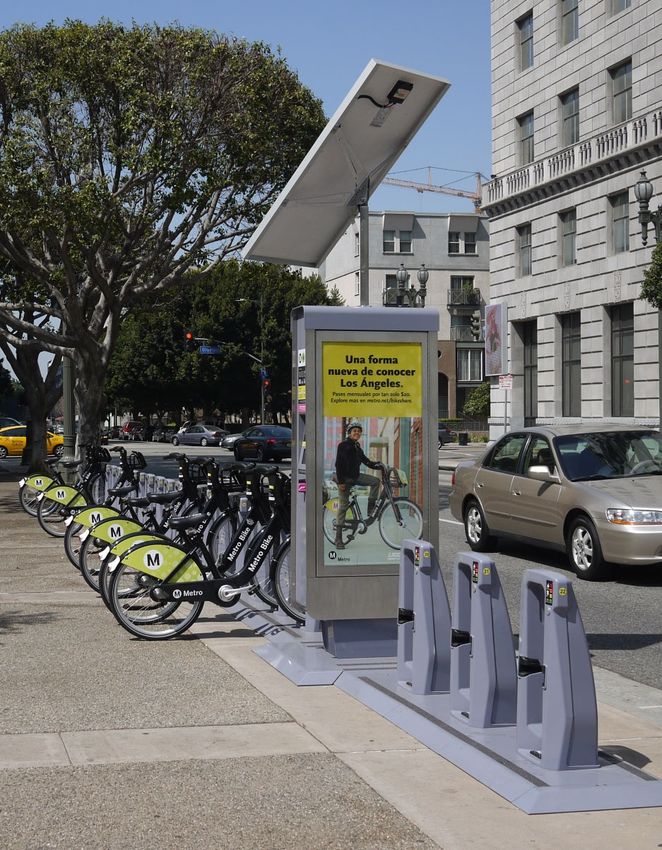
                       Metro Bike Share

• Public shared use fleet of bikes
• First/last mile and short trips
• Partnership with cities
• Countywide program
• Environmental & Equity
  analysis

 Currently Servicing DTLA, Ktown, MacArthur Park,
     Venice, Mar Vista, Palms & the Port of LA

                                            DTLA ‐ launched July 7, 2016
                                                     90+ Stations
                                         Port of LA‐ launched July 31, 2017
                                                    10+ Stations
                                      Westside – launched September 7, 2017
                                                    40+ Stations
                                     North Hollywood – launched August 8, 2019
                                                    20+ stations

                                                                                       8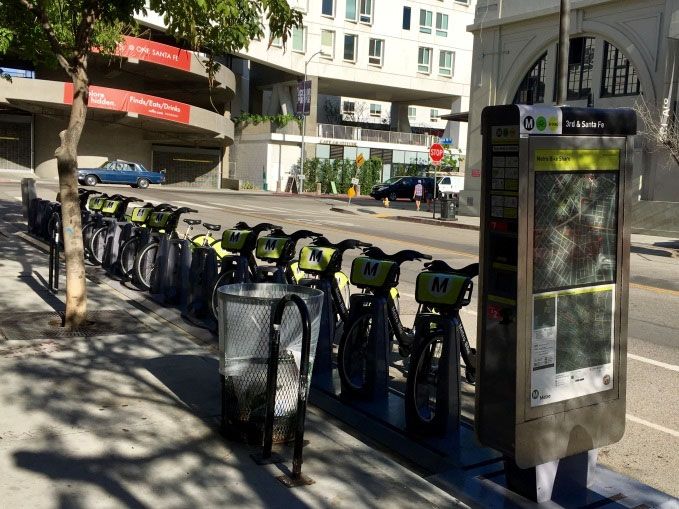
9/6/2019

Phase 3 Expansion

                                      17

Classic Metro Bike

       • Metro Bike Share system in
         Downtown/Central LA and Port of
         LA
       • Smart dock technology
       • Technology in station
       • Fixed locations, return to any
         station

                                                 9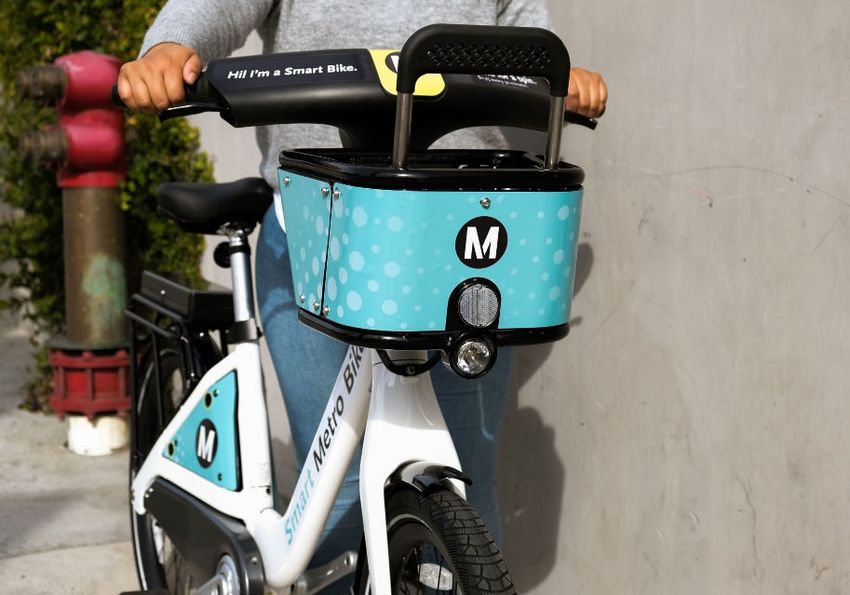
9/6/2019

                   Smart Metro Bike

• System currently on the
  Westside and in North
  Hollywood Technology on bike
• Stations available, but
  can be returned to any bike
  rack
• Incentives to return to a
  station

                  Electric Metro Bike

                                 • Works with classic bike
                                   (smart dock) equipment
                                 • Launched May 30, 2019
                                 • Pedal assist up to 17MPH
                                 • Additional fee to unlock is
                                   waived thru end of August

                                                           20

                                                                      10
9/6/2019
Station Siting Considerations
Transit Access Property Ownership
Destinations Station Network
Space Availability Street Lighting
Visibility Bike Facilities
Access for Repairs
Solar Access
& Rebalancing
Metro Bike Share Siting Process
1. Release Countywide Crowdsourcing Map
2. Review Countywide Crowdsourcing Map for clusters of likes
119/6/2019
Metro Bike Share Siting Process
3. Work with local stakeholders to develop list of potential station locations. Consider
crowdsourced clusters, land use patterns, access, convenience, spacing, safety, and
general stakeholder recommendations.
4. Release list of stations to the public for input and
comments.
Metro Bike Share Siting Process
5. Use comments to narrow list of potential stations to determine which locations to
move forward with, which locations need more field work or calibration, which stations to
not move forward with.
6. Begin field work phase to determine exact
placement using parameters discussed earlier
in presentation.
129/6/2019
Metro Bike Share Siting Process
7. Develop station drawing package and submit to LADOT for engineering approval, or
work through license agreements with any private property owners.
8. Install stations.
Thank you!
13You can also read


