Class of 2021 - Department of Geography and Environmental Engineering - Department Catalog and - West Point
←
→
Page content transcription
If your browser does not render page correctly, please read the page content below
Department Catalog and
      Guide to Academic Programs

      Class of 2021

Department of Geography and
 Environmental Engineering
             -0–
COVER BACKGROUND PHOTO: EVAPORATION FOG OVER LUSK
                   RESERVOIR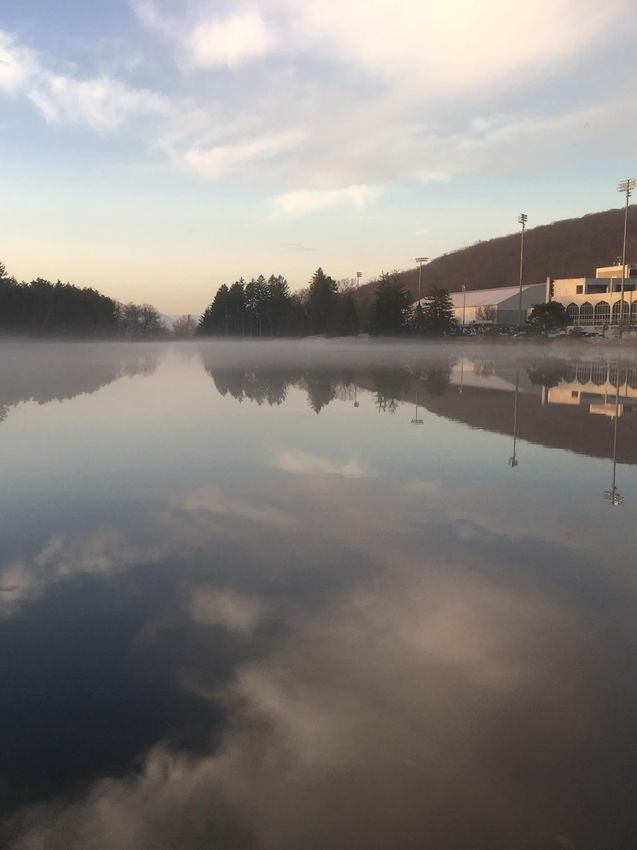
DEPARTMENT CATALOG
       GUIDE TO THE ACADEMIC PROGRAMS
                                                    CLASS OF 2021

TABLE OF CONTENTS
Message to Cadets ............................................................................................................... 2
After Graduation ................................................................................................................. 5
Department Opportunities .............................................................................................. 7
Center for Academic Excellence ................................................................................... 10
Programs for Class of 2021 ............................................................................................. 11
Academic Major Descriptions ........................................................................................ 12
Academic Major Details.................................................................................................... 14
Faculty Counselors ........................................................................................................... 28
Course Offerings and Descriptions ................................................................................ 31
Complimentary Support Courses .................................................................................... 45
Department Faculty ........................................................................................................... 52
List of Current Majors ...................................................................................................... 81
Hometown Distribution, USMA Class of 2021 .............................. Inside Back Cover

                       Department Website External to USMA:
               https://www.usma.edu/gene/SitePages/Home.aspx

      Department Academic Counselor: CPT(P) Elizabeth Dzwonczyk

                                                               -2-
MESSAGE TO CADETS
Welcome to the Department of Geography and Environmental Engineering!
Thank you for taking the time to look at our diverse offering of academic majors. We offer studies in
geography, environmental engineering, environmental science, and geospatial information science -
disciplines that have unquestionable relevance for your future, our Army, and our nation. Our team of
highly credentialed faculty and staff want to inspire, educate, and develop each of you to think globally
and geospatially and then apply your understanding of human-environment interactions to develop
culturally appropriate, sustainable solutions. By learning to think in this manner, you will find that you
are a valued member of any team you serve on in the future – especially when solving our most challenging
problems such as access to clean water, energy security, climate change, natural disasters, food insecurity,
restoring urban infrastructure, or protecting populations against disease.
In the Department of Geography and Environmental Engineering, we seek to better understand the world
in which we live. Our academic majors and minor, which examine the most challenging problems facing
our society, include:
Environmental Engineering: the application of science and engineering principles to
minimize adverse effects of human activities on the environment and to protect human health
by providing clean air and water.
Environmental Science: a broad, integrative science-based study of how humans affect the
planet with the goal of creating a sustainable future for all.
Geospatial Information Science: the study of data structures and computational techniques
to capture, represent, process, and analyze geographic information.
Geography: studies social and environmental issues in a rapidly changing world from a spatial
perspective. Three tracks within the major (human, physical, and human-environment) focus
on topics such as the cultural patterns of the world's regions, demographic and social change,
globalization, natural landscapes, resource issues, and environmental change.
Each major prepares you to serve your nation as an Army officer and in unique capacities beyond your
military service. Despite the continual changes in our Army and throughout the world, several constants
continue to serve as guideposts for our profession:
Leaders must understand human and physical operating environments--this is critical to
successfully planning and conducting military operations;
Leaders must think holistically--many of our challenges have global, far-reaching connections;
Leaders must understand that positively affecting the human condition is critical to
establishing and preserving peace.
Our core course in physical geography, our environmental engineering sequence, each major, and the
research you may choose to complete while pursuing our honors program give you the opportunity to
address the tenants of these three professional guideposts. In choosing a major, you select a subject to
investigate in depth. Your task in selecting a major is to find the subject that excites you and inspires a
vision for your future. We have much to offer - let us tell you more!
Your options are exciting and the possibilities are numerous. Please look through this booklet,
consider what interests you, and then visit with our faculty. They stand ready to assist you in
understanding the rewarding opportunities that are available within the Department of Geography and
Environmental Engineering.
MARK R. READ
Colonel, US Army
Professor, USMA, and Head
Department of Geography
and Environmental Engineering
-3-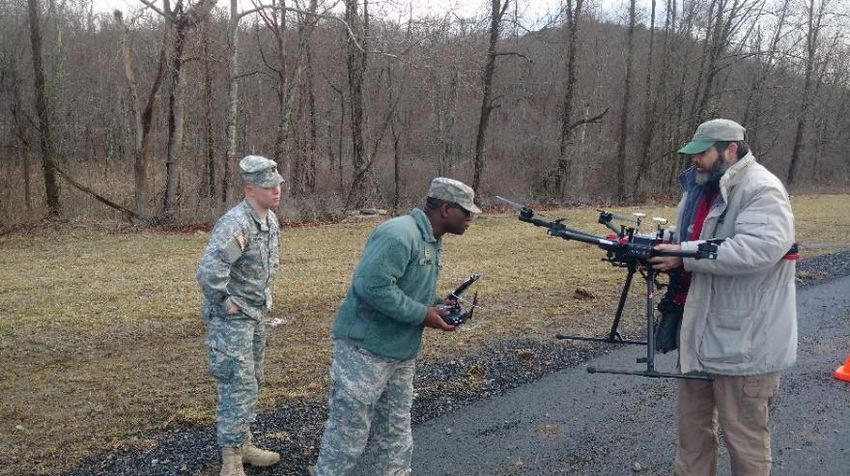
PEOPLE AND PLANET
    SINCE 1803

       -4-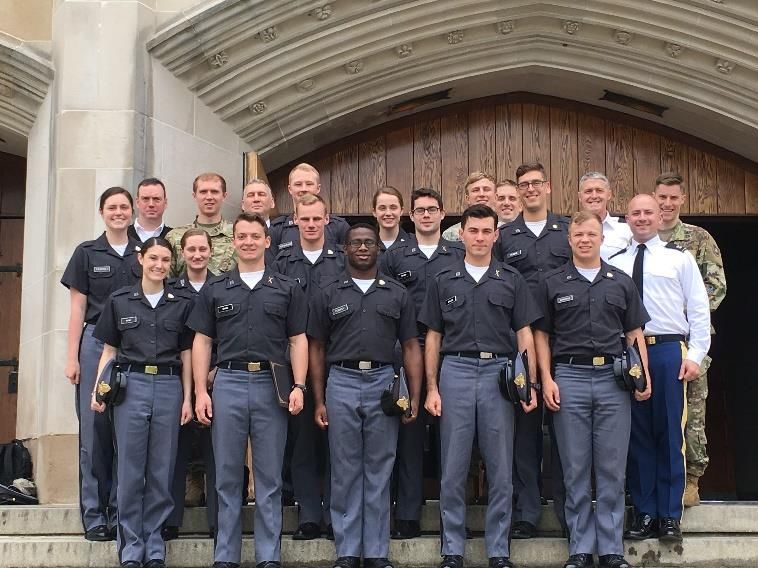
G&EnE’s Mission
To enhance the intellectual, character, and military development of all cadets within the
context of a core course in physical geography, a three course environmental engineering
sequence, four distinct majors, and a diverse offering of elective courses all while supporting
the continued development of faculty and staff.

                                 G&EnE’s Vision
The Department of Geography and Environmental Engineering is a cohesive, integrated
organization that is well-resourced and widely recognized for its teaching, scholarship, and
collegiality; the Department is built around a core of credentialed faculty and trained staff
who are inspired to educate and develop cadets so that each cadet thinks globally and
geospatially and can apply their understanding of human-environment interactions to
develop culturally appropriate, sustainable solutions.

                                 G&EnE’s Goals
•    Inspire cadets and promote development through teaching and enrichment activities.
•    Staff and faculty are credentialed, trained, productive, and continually seek professional
            and personal growth.
•    Intellectual capabilities are widely recognized, valued, and sought by West Point, the
            Army, and National and disciplinary partners.
•    An active and respected member of the West Point Community.
•    Offers a welcoming, collegial, and enriching environment to cadets, faculty, staff,
            families and guests.

    2017-2018 Department of Geography and Environmental Engineering Staff and Faculty

                                              -5-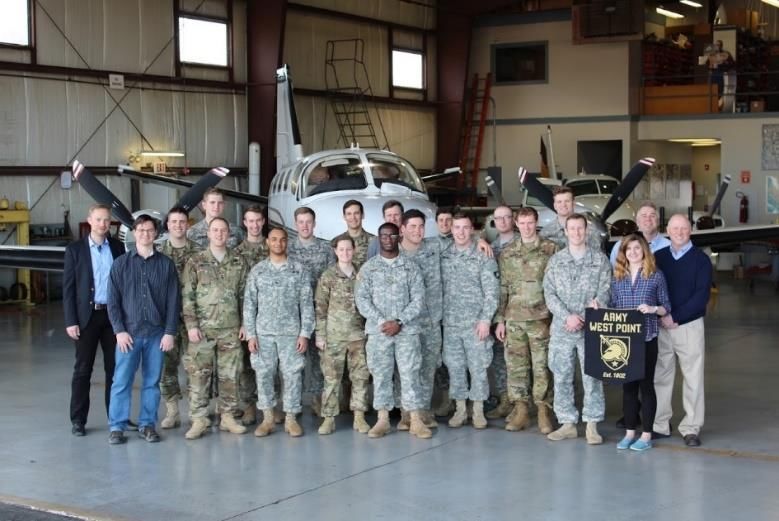
AFTER GRADUATION
Each of our academic programs is focused on preparing you for success as a leader.
We develop successful leaders who critically evaluate and solve problems. Regardless of your
major, the faculty provides an academically rigorous environment in order to develop your
analytical problem solving skills that will serve you well in the future. Many of the problems
you will face in the Army will be examined in our classes because the Army is our laboratory
and we study real world examples. We also provide you the finest laboratory experience
available to undergraduate students in the United States. Not only will we provide the best
equipment, but we also focus on your research and academic experience, preparing you to
creatively find and solve ill-defined problems in your career. You will also become a capable
user of some of the most up-to-date technology in your field, and our Geospatial Sciences
Laboratory is world-class. In addition to our regular academic program our AIAD program
exposes you to the people and planet by providing you the opportunity to interact with over
45 cultural, governmental, military and academic institutions before you graduate.
Majoring in this department does not limit your branch opportunities – on the contrary, it
expands your value in whatever branch you choose. Each branch needs leaders who
understand the world, its people, and how they interact – our programs will give you those
skills. All Army units must train and operate in varied operational environments and within
the guidelines of established environmental regulations in a way that sustains limited training
lands. Finally, the special skills learned as part of the geospatial sciences program are critical
to all types of military planning and provide the critical spatial data that every Army
deployment requires.

WHAT GEOGRAPHERS, GEOSPATIAL INFORMATION
SCIENTISTS, ENVIRONMENTAL SCIENTISTS, AND
ENVIRONMENTAL ENGINEERS DO FOR THE ARMY
As a geographer, geospatial information scientist, environmental scientist, or
environmental engineer, you will be an asset to any branch or functional area. Your keen
understanding of culture, technology, and engineering will provide you valuable insights for
any mission. As our Army continues to place increased emphasis on cultural awareness and
environmental issues, you will be well positioned to succeed regardless of your branch. Here
are just a few examples:
WARFIGHTING – Geographers, geospatial information scientists, and environmental
engineers are found in all combat and support branches. Terrain, weather, climate, and cultural
landscapes are typically the decisive geographic elements common to every tactical
environment and across the spectrum of Army missions. An understanding of physical
geography enables the officer to judge the influence of climate, soils, vegetation, and terrain
on military operations. A clear awareness of the fundamentals of cultural geography is a critical
element in operational planning, given the high probabilities of low and mid-intensity conflict.
Officers trained in the geospatial information sciences permit the Army to retain an advantage
in maintaining information dominance on the battlefield. Environmental engineers and
scientists are well suited to understanding and addressing environmental issues associated with
warfare ranging between the use of environmental warfare by our adversaries to the protection
of our troops from disease and other wartime environmental hazards.
DEFENSE SUPPORT TO CIVIL AUTHORITY OPERATIONS -- As the Army’s
mission profile increasingly expands to include stability operations, the need for well-trained

                                              -6-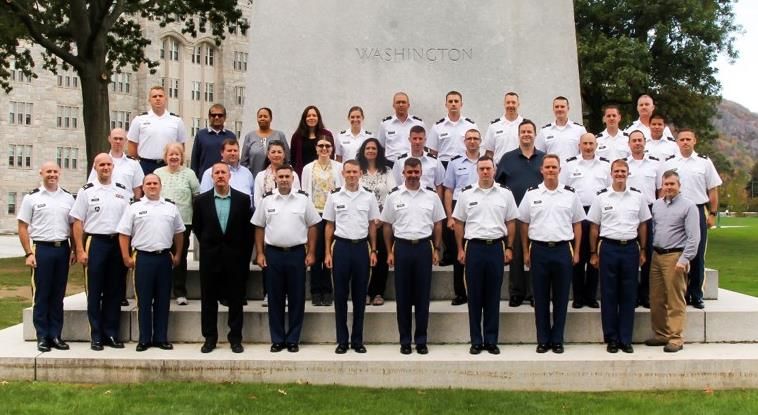
geographers, environmental engineers and scientists, and geospatial analysts has become
critical. Currently, humanitarian assistance and disaster response has been provided in places
such as Haiti, Kashmir, Sumatra, Pakistan, the Democratic Republic of Congo, Rwanda, and
Sudan. These examples reflect the diverse array of culture systems and physical environments
with which our Soldiers must contend. Officers trained in human geography understand
cultural, political, and economic situations and are a valuable asset to every humanitarian
assistance mission. Those trained in physical and human environment geography can assess
the natural landscape, environmental resources, and human-environment interaction, thus
providing useful information during humanitarian assistance or disaster relief operations. The
environmental engineer is well-suited to meet the demands of these situations by providing
safe drinking water, improving sanitary conditions, and mitigating adverse impacts of military
operations. Finally, all Army units rely on geospatial information to ensure accurate, successful
planning and mission execution. The ability to process multiple layers of data linked to an
actual location on the ground allows the mission planner to make the most informed decision,
from road construction to well digging, and route planning to crime stopping.
SUPPORTING MILITARY TRAINING -- During peacetime operations, leaders are
increasingly challenged to develop imaginative ways in which to provide tough, realistic
training while sustaining and improving the condition of our training areas. In preparing for
the unit’s wartime mission, a geographer’s understanding of contingency locations around the
world is useful in developing realistic training conditions. Environmental scientists and
engineers implement policies that support a broad range of environmental protection
regulations from resource management to hazardous waste disposal. Using modern geospatial
information sciences and techniques, the spatial distribution of key training area resources, as
well as potential hazards, are accurately recorded and analyzed.

2016-17 First Captain, Cadet Hugh McConnell and Cadet Alaina Kappner brief “Effects of Hurricane
Irene on Trout Population in Black Rock Forest” to LTG Caslen during Projects Day 2017

                                              -7-
DEPARTMENT OPPORTUNITIES
OVERVIEW
The Department offers some of the best undergraduate opportunities in the country
for the study of geography, geospatial information science, and environmental
science/engineering. Each Cadet's elective sequence, regardless of the program, is tailored
according to personal interests and abilities. Throughout the program of study, special
attention is focused on the analysis and evaluation of significant human-environment
problems. This theme permeates all aspects of the academic program.

OPPORTUNITIES FOR DEPARTMENT MAJORS
DEPARTMENT ACTIVITIES AND FACILITIES -- Our majors are integrated into a
variety of activities. Cadets are invited to attend lectures, seminars, and professional
discussions on a wide array of subjects. Department facilities include a specialized library, map
library, a geographic sciences laboratory, a geology laboratory, and environmental laboratories.
Academic and social events are held frequently so that students and faculty can continue the
interactive process of learning in a variety of forums.
INDIVIDUAL ADVANCED DEVELOPMENT -- The department sponsors an
outstanding summer intern program for approximately 75 upper-class Cadets as a part of
Cadet Summer Training. Cadets have the opportunity to work with agencies such as the Army
Environmental Center, Army Geospatial Center, National Geospatial Intelligence Agency,
Army Research Institute, Environmental Protection Agency, and Defense Intelligence
Agency. Cadet travel can cover the entire world, including Africa, Central Asia, Southeast
Asia, the Middle East, or any of an ever-changing array of locations. These programs offer
unique opportunities for Cadets to broaden their education while observing the critical
contributions of their discipline at high levels of government.
INDIVIDUAL RESEARCH -- Each semester a number of Cadets are selected to participate
in individually designed research and study programs on topics of special interest. Cadets and
a faculty sponsor design projects jointly. These research endeavors offer a unique opportunity
to excel in an area of academic interest. Examples of recent projects include a yardage book
and course guide for the West Point Golf Course using GIS, herbicide effectiveness on
invasive lake species in Wilkins Pond, determining lead mobility from small arms ranges,
mixing and stratification impact on water quality issues in Devils Lake, North Dakota, and an
evaluation of beach erosion hot-spots along the mid-Atlantic coast.
HONORS PROGRAMS -- Each of the department’s four majors offer an honors program
for qualified Cadets. The Geography honors program begins during the fall term of the First-
class year as participants attend a research seminar. During this seminar, Cadets explore salient
research issues in their particular field, learn methodologies, and develop technical writing
skills. As part of this seminar, each Cadet will define a research topic, explore the literature,
and develop a research proposal. During their final term, Cadets will use the research proposal
as a point of departure and conduct an independent study project. At the end of the year,
Cadets will present their findings to the faculty and submit a written honors thesis. The GIS
and Environmental Science majors select one additional course from their respective electives
list and will complete an independent research project (EV489A) during one term of their
First-class year and present their findings to their classmates and faculty. Environmental
Engineering majors complete an independent research project as one of their electives. Refer
to the detailed program descriptions in this book and see your academic counselor for the
specific details for each honors program as well as entry standards.
                                              -8-
ACADEMIC AWARDS -- The Department recognizes its best Cadets through a number of
prestigious awards.
The Congressional Medal of Honor Society Award is presented annually to a
member of the graduating class for excellence in geography.
The Order of the Founders and Patriots of America Award is presented annually to
a member of the graduating class for excellence in environmental science or
engineering.
The National Organization of the Ladies Auxiliary Veterans of Foreign Wars of the
United States Award is presented annually to a member of the graduating class for
excellence in the Environmental Engineering sequence.
The Environmental Systems Research Institute Award is presented annually to a
member of the graduating class for excellence in geospatial information science.
The BAE Systems Award for excellence in photogrammetry is presented annually
to a member of the graduating class for excellence in aerial photography and
photogrammetry.
These honors are presented at the annual graduation awards convocation to the Cadet in
each respective major with the highest grade point average in the elective program.
Gamma Theta Upsilon, the Geographic Honors Society AY 2017 Inductees.
-9-ACADEMIC AWARDS - PREVIOUS AWARDEES
Congressional Medal of Honor Society Award for Excellence in Geography
2017 – Nahm Doug Kim
16 – Ian Meyers 13 – Harrison Green 10 – Nicholas Lewis-Walls
15 – Michael Atkinson 12 – Matthew McGoffin 09 – Trey Wheeler
14- John Szott 11 – Alexander Keimach 08 – Lauren Teal
Order of Founders and Patriots of America Award for Excellence in
Environmental Science or Environmental Engineering
2017 – Hugh McConnell
16 – Nathaniel Pieringer 13 – Brett Krueger 0 - Nathaniel Sheehan
15 – Courtland Adams 12 – Bradey Potts 09 - Tyler Bott
14 – William Anderson 11 – Taylor Hirschey 08 - Russell Raines
National Organization of the Ladies Auxiliary VFW of the United States
Award for Excellence in the Environmental Engineering Sequence
2017 – Michael Clarion
16 – Nathaniel Pieringer 13 – James Raab 10 - Margaret Fountain
15 – Courtland Adams 12 – Alexander Pagoulatos 09 - Trey Wheeler
14 – Caleb Johnson 11 – Kelly Macdonald 08 - Zachary Miller
Environmental Systems Research Institute Award for Excellence in
Geospatial Information Science
2017 – Jett Di Palma
16 – Rachel Wolfe 13 – Max Vandervort 10 – Nicholas Lewis-Walls
15 – Christian Eckhardt 12 – Hanna Burgess 09 – Nicholas Dieter
14 – Mike Williams 11 – Augustin Paulo 08 – Jonathan Dyer
BAE Award for Excellence in Photogrammetry
2017 – Brendan Ward
16 – Jett DiPalma 13 – Aaron Green 11 – Rhys Hearn &
15 – Christian Eckhardt 12 – Nick Bayer Byron Plapp
14 – Pierce Wasdahl 10 – Augustin Paolo
- 10 -CENTER FOR ACADEMIC EXCELLENCE
Center for the Study of Civil-Military Operations
Civilian Director: Mr. John Melkon
Military Director: COL Andrew Lohman
Mission: To develop all West Point leaders so that they are
prepared to employ an understanding of Civil-Military Operations (CMO) within the
framework of the broad spectrum of challenges they will face in military service.
In today’s complex operating environments, regardless of the mission, military leaders will
find themselves working with a wide range of other actors solving complex problems. These
actors include U.S. government agencies (Dept. of State, USAID), host nation government
officials, non-governmental organizations (NGOs), international organizations like the UN,
multinational coalition partners, as well as local leaders and populations. The Center for the
Study of Civil-Military Operations (CSCMO) was founded in 2012 to help ensure that future
leaders and graduates of the Academy are prepared to face these challenges and work
collaboratively with these partners to develop appropriate solutions as members of a
cohesive team. To achieve its mission, the Center provides and enables numerous
opportunities for Cadets to learn and gain practical experience working with these partners
to provide a foundational understanding of civil-military operations. The Center
accomplishes these objectives by supporting classroom instruction through guest lectures,
hosting workshops and symposia, facilitating scholarship and research, and providing service
learning opportunities (AIADs). The Center has enabled Cadets to experience the realm of
civil military operations working with military commands, government agencies, and non-
governmental organizations in Washington D.C., Fort Bragg, Hawaii, Alaska as well as
internationally, with JFT-Bravo in Honduras, American University of Kosovo, NATO
headquarters in Brussels, and other commands in Italy, the Netherlands, Hungary and South
Africa. During the academic year, the Center hosts its annual Student Workshop on Civil
Military Operations, which in the past has focused on humanitarian assistance and disaster
response in the Philippines, Africa, and other locations, while the 2016 Workshop focused
on civil military cooperation over the course of the US led operations in Iraq. The Center
also sponsors a DCA Club – the Cadet Community on Civil Military Operations (C3MO) –
which participates with the ALLIES forum from Tufts and other civilian universities, has
attended the Association of the US Army (AUSA) annual conference in Washington, D.C.,
and facilitated numerous community service projects, including Habitat for Humanity as well
as assisting local food banks. All of these efforts are intended to provide opportunities and
introduce Cadets to the myriad of actors and agencies they can expect to work with once
commissioned as leaders of character.
- 11 -PROGRAMS FOR THE CLASS OF 2021
SCOPE -- Our Geography, Environmental, and Geospatial Information Science programs
are designed to prepare Cadets for careers involving the observation, evaluation, and design
of human and physical systems in today's interdependent world. State of the art departmental
laboratory facilities support our programs.
OPTIONS -- Cadets desiring to complete a baseline program have four alternatives for a
major. Those who desire academic enrichment in the discipline and meet academic
requirements may apply to participate in an honors program in each of our four majors. The
program areas are:
Environmental Engineering
Environmental Science
Geography
Geospatial Information Science
CORE REQUIREMENTS -- You must complete or have received USMA credit for the 24
core courses as shown in the General Section of the USMA Academic Program (Redbook)
for your class. You must also fulfill the Information Technology core course requirement.
ENGINEERING SEQUENCE -- The 3-Course Environmental Engineering
Sequence is available to all Cadets. It focuses on current environmental issues and designing
viable, sustainable solutions to them. It offers an opportunity to learn and apply the
engineering design process in the natural world, within which social, political, cultural, and
economic considerations are critical factors in decision-making. The environmental
engineering sequence has three objectives:
Have Cadets attain a fundamental appreciation of the most salient environmental
issues and their underlying causes and impacts on the natural environment.
Provide Cadets with the ability to formulate and communicate practical engineering
solutions to important environmental problems.
Teach Cadets to develop and apply viable engineering solutions that conform to
important economic, social, cultural, and political criteria.
The first course in the sequence, EV300 (Environmental Science), provides Cadets with a
broad understanding of what the term "environmental issues" encompasses and how
influences, especially human, cause changes in the balance of Earth’s natural and biological
cycles. The second course, EV350 (Environmental Engineering Technologies), builds on
the EV300 experience through the application of science-based engineered solutions to
common environmental issues. Finally, in EV450 (Environmental Engineering for
Community Development) Cadets learn to balance engineered solutions with economic,
social, political, and ecological considerations. By undertaking a semester long project to
improve the quality of life in a developing world community, Cadets learn decision-making
and policy development realities.
- 12 -ACADEMIC MAJOR DESCRIPTIONS
GEOGRAPHY
Geography is the study of people, places,
and the environment and is an ideal major
for Cadets interested in the outdoors, global cultures,
and the natural world. More specifically, Geographers
examine spatial patterns, geographic processes, and natural
and human landscapes. Majoring in geography requires
persistent curiosity and inquiry into human-land-environment
interactions including an examination of how natural systems function, how physical
landscapes evolve, how human populations adapt, and how humans shape the environment.
Three tracks allow Cadets to explore geography through the major subfields of the discipline:
Human Geography, Physical Geography, or Human-Environment Interaction. The Human
Geography track provides a social science perspective that enables Cadets to explore cultural
diversity, population trends, and political, economic, and social systems from a global and
regional perspective. The Physical Geography track falls within the natural sciences and allows
Cadets to develop a greater depth of knowledge on the physical processes that shape the Earth.
The Human-Environment Geography track emphasizes the interaction between humans and
their environment by delineating the regional challenges inherent with environmental change
and natural hazards, identifying anthropogenic pressures on natural resources and the role
these resources play in economic wellbeing, and understanding the environments role in
regional instability. The major integrates the use of geographic skills such as computer
cartography, remote sensing, and geographic information systems. Geography is the ideal
discipline for an Army officer in a changing world.
POC: COL Andrew Lohman, WH5304, x2930, andrew.lohman@usma.edu
ENVIRONMENTAL SCIENCE
Environmental science is a broad, integrative,
science-based discipline that focuses on the
interrelationships between people and the environment.
Environmental scientists conduct investigations to analyze
these interrelationships and to identify, abate, or eliminate
human-caused pressures on the environment. The ultimate
goal of these investigations is to create a sustainable balance
between humans and the natural world that minimizes environmental degradation. This major
develops expertise into the processes that sustain our environment by expanding upon the
West Point core science education by adding studies in the natural sciences such as biology,
ecology, geology, and meteorology, and in the integrative studies of environmental decision-
making and environmental security. This broad academic background is excellent preparation
for challenges faced by a military leader who must balance resources and human requirements.
The program seeks to (1) enhance your curiosity about natural processes and your ability to
study such processes as a scientist and (2) deepen your knowledge of human influences on the
environment and foster evaluation of our individual and collective responsibilities as
environmental stewards. A pre-med track as well as an honors program are available.
POC: Dr. Michael Butkus, WH5303A, x2820, michael.butkus@usma.edu
- 13 -ENVIRONMENTAL ENGINEERING
Environmental engineers face a range of issues
from disasters like air pollution from the 9/11
terrorist attack on the World Trade Towers or drinking
water contamination in Flint, MI. Environmental
engineers use chemical, biological, and physical processes to
engineer systems that address such issues. This discipline is
evolving to face new challenges resulting from rapid growth
in human population and technology. Environmental
engineers work in multidisciplinary teams to develop methods to combat global climate
change; find alternative sources of energy; and recover materials from discarded products.
Our program provides you with an active learning experience designed to develop your
knowledge of math, science, and engineering science and your ability to use this knowledge
to be an active problem solver for complex environmental issues. This skill has been
invaluable to our graduates in the Army as they work environmental projects around the
world and improve the welfare of their Soldiers. The Environmental Engineering Program
is accredited by the Engineering Accreditation Commission of ABET, www.abet.org.
POC: Dr. Michael Butkus, WH5303A, x2820, michael.butkus@usma.edu
GEOSPATIAL INFORMATION SCIENCE
Fundamental to understanding our environment and the geography of the earth
is our ability to locate, measure, and quantify geographic phenomena. The
discipline of Geospatial Information Science is concerned with the measurement of the earth
and all that is on it, natural and man-made. Cadets develop expertise in subjects ranging from
traditional methods of land surveying to satellite imaging and positioning systems. The
Geospatial Information Science curriculum builds on a firm math science, and geography
foundation with specialized courses in land surveying, cartography, photogrammetry, remote
sensing, and geographic information systems. Both the civil and military sectors of our society
are placing an ever-increasing reliance on the ability to build and query GIS to support a myriad
of social/economic and engineering issues. The cadet at the USMA has a rare opportunity to
pursue an integrated field of study that is commonly spread over several separate disciplines
at other institutions. This major has applicability for the future military officer regardless of
branch. Cadets majoring in GIS receive a 3Y (Space Activities) Skill Identifier on their official
military record. Additionally, cadets who branch Engineers will qualify for the Geospatial
Engineer Officer Identifier. Cadets majoring in GIS also qualify for the United States
Geospatial Intelligence Foundations Geospatial Intelligence Certificate. The Geospatial
Information Science Program is accredited by the United States Geospatial Intelligence
Foundation. The program has also been designated as a National Center of Academic
Excellence in Geospatial Science by the National Geospatial Intelligence Agency and the
United States Geological Survey.
POC: LTC William Wright, WH5302, x2063, william.wright@usma.edu
- 14 -GEOGRAPHY
Human Geography Track (GEH0)
Physical Geography Track (GEP0)
Human Environment Geography Track (GEE0)
Geography Major w/ Honors (GE(H,P,E)0H)
CORE CURRICULUM AND ENGINEERING SEQUENCE
Complete the 24-course core curriculum
Complete a 3-course core engineering sequence, cadets in Physical and Human -
Environmental tracks automatically receive the Environmental Engineering CES
Complete one of the following courses:
Course # Course Title
CY305 Cyber Foundations
CY355 Cyber Foundations - Computing
FOUNDATION COURSES (ALL Tracks)
Complete the courses listed below for your track:
(H) Human
(P) Physical
(E) Human Environment
Course # Course Title H P E
EV303 Foundations in Geography X X X
EV365 Geography of Global Cultures X X X
EV367 Geography Research Methods X X X
EV398 Geographic Information Systems X X X
EV483 Colloquium in Geography X
EV486 Environment and Development X
REGIONAL GEOGRAPHY (HUMAN AND HUMAN ENVIRONMENT)
Complete one of the seven Regional Geography courses listed below:
Course # Course Title
EV371 Geography of Russia
EV372 Geography of Asia
EV373 Geography of Latin America
EV375 Geography of Africa
EV376 Geography of the Middle East
EV384 Geography of North America
EV386 Geography of Europe
- 15 -PHYSICAL GEOGRAPHY ELECTIVE (HUMAN ENVIRONMENT AND
PHYSICAL)
(E) Human Environment Track - Complete one of the first four courses listed below:
(P) Physical Track - Complete three of the five courses listed below:
Course # Course Title
EV387 Meteorology
EV388a Physical Geology
EV388b Geomorphology
EV389b Climatology
EV391b Natural Hazards and Risk (Physical Track only)
GEOGRAPHY TOOLS AND LANDSCAPE ANALYSIS (HUMAN
ENVIRONMENT AND PHYSICAL)
Complete one of the three courses listed below for your track:
Course # Course Title E P
EV377 Remote Sensing X
EV390b Urban Geography X X
Principles of Land Use Planning and X X
EV391a Management
EV483 Colloquium in Geography X
HUMAN GEOGRAPHY ELECTIVES (HUMAN)
Complete one of the eleven courses listed below:
Course # Course Title
EV371 Geography of Russia
EV372 Geography of Asia
EV373 Geography of Latin America
EV375 Geography of Africa
EV376 Geography of the Middle East
EV384 Geography of North America
EV386 Geography of Europe
EV390b Urban Geography
EV391a Principles of Land Use Planning and Management
EV485 Special Topics in Geography & the Environment
EV489b Advanced Individual Study in Geography
GEOGRAPHY ELECTIVES (ALL)
(H) Human Track: Complete two of the courses indicated below:
(P) Physical Track: Complete one of the courses indicated below:
(E) Human Environment Track: Complete one of the courses indicated below:
Course # Course Title H P E
EV371 Geography of Russia X X X
EV372 Geography of Asia X X X
EV373 Geography of Latin America X X X
- 16 -Course # Course Title H P E
EV375 Geography of Africa X X X
EV376 Geography of the Middle East X X X
EV377 Remote Sensing X X
EV378 Cartography X X
EV379 Photogrammetry X X X
EV380 Principles of Surveying X X
EV384 Geography of North America X X X
EV386 Geography of Europe X X X
EV387 Meteorology X X
EV388a Physical Geology X X
EV388b Geomorphology X X
EV389b Climatology X X
EV390b Urban Geography X X
EV391a Principles of Land Use Planning X X
and Management
EV391b Natural Hazards and Risk X X
EV394 Hydrogeology X
EV396 Environmental Biologic Systems X
EV397 Air Pollution Engineering X
EV471 Ecology X
EV477 Advanced Remote Sensing X X X
EV478 Geospatial Military Operations X X
EV483 Colloquium in Geography X
EV485 Special Topics in Geography & the X X X
Environment
EV486 Environment and Development X X
EV487 Environmental Security X
EV489b Advanced Individual Study in X X X
Geography
EV498 Advanced Geographic Information X X
Systems
HUMAN GEOGRAPHY COMPLEMENTARY SUPPORT COURSES
Select one of the twelve Focus Areas, and select three courses from the focus area
(See Page 45 for Complementary Support Courses):
Focus Area
Africa East, South, and Middle East
Southeast Asia
Behavioral Economic North America
Civil-Military Europe Politics & Military
Cultural Latin America Russia
- 17 -HUMAN ENVIRONMENT GEOGRAPHY COMPLEMENTARY SUPPORT
COURSES
Select three of the five Focus Areas, and select one course from each selected focus
area (See Page 50 for Complementary Support Courses):
Focus Area
Physical Science Philosophy/Sociology Math/Economics
Regional Global
PHYSICAL GEOGRAPHY COMPLEMENTARY SUPPORT COURSES
Select three courses; see Page 51 for Complementary Support Courses
INTEGRATIVE EXPERIENCE
Complete the following course:
Course # Course Title
EV482 Military Geography
HONORS PROGRAM IN GEOGRAPHY
Cadets pursuing the honors program in Human Geography must meet the entry-level
requirement of having a 3.00 grade point average in the core curriculum, an APSC of at least
3.5 in the major, and approval by the Geography Program Director. Cadets approved for
participation in the honors program must complete the following courses:
Course # Course Title
EV480 Honors Seminar in Geography
EV489b Advanced Individual Study II
Note: These courses are not restricted to honors Cadets.
Cadets in EV388a (Physical Geology) tour in New Paltz, NY.
- 18 -GEOGRAPHY MINOR
Geography Minor (GEO0N)
The Geography minor consists of six courses
Three of these courses must be UNIQUE to the minor, meaning they do not count
toward the cadet’s major coursework
Complete the following courses:
Course # Course Title
EV203 Introduction to Physical Geography
EV303 Foundations in Geography
EV365 Geography of Global Cultures
Complete three of the following 28 courses:
Course # Course Title
EV367 Geographic Research Methods
EV371 Geography of Russia
EV372 Geography of Asia
EV373 Geography of Latin America
EV375 Geography of Africa
EV376 Geography of the Middle East
EV377 Remote Sensing
EV378 Cartography
EV379 Photogrammetry
EV380 Surveying
EV384 Geography of North America
EV386 Geography of Europe
EV387 Meteorology
EV388b Geomorphology
EV389b Climatology
EV390b Urban Geography
EV391a Principles of Land Use Planning and Management
EV391b Natural Hazards and Risk
EV398 Geographic Information Systems
EV477 Advanced Remote Sensing
EV478 Geospatial Military Operations
EV483 Colloquium in Geography
EV485 Special Topics in Geography & the Environment
EV486 Environment and Development
EV487 Environmental Security
EV489b Advanced Individual Study in Geography
EV498 Advanced Geographic Information Systems
- 19 -ENVIRONMENTAL SCIENCE
Environmental Science Major (ESC1)
Environmental Science Major with Honors (ESC1H)
CORE CURRICULUM AND ENGINEERING SEQUENCE
Complete the 24-course core curriculum, Cadets must complete CH102 Chemistry II
as their Science Depth course for this major.
Complete the Environmental Engineering Sequence
Complete one of the following courses:
Course # Course Title
CY305 Cyber Foundations
CY355 Cyber Foundations - Computing
FOUNDATION COURSES
Complete the three courses listed below:
Course # Course Title
EV310 Aquatic Science
EV388a Physical Geology
EV471 Ecology
ATMOSPHERE COURSE
Complete one of the following courses:
Course # Course Title
EV387 Meteorology
EV389b Climatology
TOOLS ELECTIVE
Complete one of the three courses listed below:
Course # Course Title
CH387 Human Physiology
EV377 Remote Sensing
EV398 Geographic Information Systems
- 20 -DEPTH ELECTIVES
Complete two of the seven courses listed below:
Course # Course Title
CH383 Organic Chemistry I
CH384 Organic Chemistry II
EV391a Land Use Planning and Management
EV391b Natural Hazards and Risk
EV396 Environmental Biological Systems
EV398 Geographic Information Systems
XS391 Principles and Applications of Environmental Chemistry
FIELD ELECTIVE
Complete two of the following courses:
Course # Course Title
CH383 Organic Chemistry I
CH384 Organic Chemistry II
CH385 Introduction to Cell Biology
CH387 Human Physiology
CH388 Genetics
CH457 Microbiology
CH460 Human Anatomy
CH473 Biochemistry
CH481 Physical Chemistry I
DS350 Persuasive Communications
EM381 Engineering Economy
EV371 Geography of Russia
EV372 Geography of Asia
EV373 Geography of Latin America
EV375 Geography of Africa
EV376 Geography of Middle East
EV377 Remote Sensing
EV378 Cartography
EV380 Surveying
EV384 Geography of North America
EV386 Geography of Europe
EV387 Meteorology
EV388b Geomorphology
EV390b Urban Geography
EV391a Principles of Land Use Planning and Management
EV391b Natural Hazards and Risk
EV394 Hydrogeology/Hydraulic Systems
EV396 Environmental Biological Systems
- 21 -EV397 Air Pollution Engineering
EV398 Geographic Information Systems
EV482 Military Geography
EV489a Advanced Individual Study I
LW473 Environmental Law
LW481 International Law
MA363 Vector Calculus and Ordinary Differential Equations
MA366 Applied Engineering Math
MA376 Applied Statistics
MA391 Mathematical Modeling
MA396 Numerical Methods for the Solution of Differential Equations
MA476 Mathematical Statistics
PL396 Science Network Analysis for Public Policy
PY386 Philosophy of Science
SS381 Cultural/Political Anthropology
SS387 Public Finance
SS485 Politics and Development of Sub-Saharan Africa
XS391 Principles and Applications of Environmental Chemistry
COMPLEMENTARY SUPPORT COURSES
Complete the following course:
Course # Course Title
EV365 Geography of Global Cultures
Complete one of the following two courses:
Course # Course Title
CH275 Biology
CH375 Advanced Biology
Complete one of the following six courses:
Course # Course Title
CH457 Microbiology
CH473 Biochemistry
MA205 Calculus II
MA376 Applied Statistics
PH206 Physics II
PH256 Advanced Physics II
INTEGRATIVE EXPERIENCE
Complete the following course:
Course # Course Title
EV487 Environmental Security
- 22 -HONORS PROGRAM IN ENVIRONMENTAL SCIENCE
Cadets pursuing the honors program will complete two additional courses: 1) EV489A
(Advanced Individual Study), and 2) an additional course from the field electives list. Cadets also
must graduate with an APSC of at least 3.0 in the USMA core curriculum and an APSC of at
least 3.5 in the major.
REQUIRED COURSES
Course # Course Title
EV489a Advanced Individual Study I
XXXXX One course from the Field Electives list
Cadets Denali Jackson, Courtney Green, Michael Sewell and Nick Kantas storm chasing on
the Severe Weather AIAD, June 2017.
Cadets in EV391b Natural Hazards and Risks conducting lab work.
- 23 -ENVIRONMENTAL ENGINEERING
Environmental Engineering Major (EVE1)
Environmental Engineering Major with Honors (EVE1H)
CORE CURRICULUM AND ENGINEERING SEQUENCE:
Complete the 24-course core curriculum, Cadets must complete CH102 Chemistry II
as their Science Depth course, and MA205 Calculus II as their STEM Depth course.
ENVIRONMENTAL ENGINEERING REQUIRED COURSES
Complete the following eleven courses:
Course # Course Title
EV301 Environmental Science for Engineers and Scientists
EV388a Physical Geology
EV394 Hydrogeology/Hydraulic Systems
EV396 Environmental Biological Systems
EV397 Air Pollution Engineering
EV401 Physical and Chemical Treatment
EV402 Biochemical Treatment
EV481 Water Resources Planning and Design
EV488 Solid and Hazardous Waste Treatment and Remediation
MC311 Thermal Fluid Systems I
XS391 Principles and Applications of Environmental Chemistry
ENVIRONMENTAL ENGINEERING FIELD ELECTIVES
Choose three electives from the ENVIRONMENTAL ENGINEERING FIELD
ELECTIVES list. The sum of the Engineering Topics (ET) credits for the three chosen
field electives must total 8 or greater.
Course # Course Title
CE350 Infrastructure Engineering
CE371 Soil Mechanics/Foundation Engineering
CE380 Hydrology/Hydraulic Design
CE450 Construction Management
CH362 Mass and Energy Balances
EE377 Electrical Power Engineering
EM381 Engineering Economy
EM411 Project Management
EV377 Remote Sensing
EV380 Surveying
EV398 Geographic Information Systems
EV485 Special Topics – Geography and Environment
- 24 -EV489a Advanced Individual Study I
EV489b Advanced Individual Study II
MC300 Fundamentals of Engineering Mechanics and Design
MC312 Thermal-Fluid Systems II
MC364 Mechanics of Materials
MC380 Engineering Materials
ME370 Computer Aided Design
ME472 Energy Conversion Systems
SE375 Statistics for Engineers
SE385 Decision Analysis
XE442 Alternative Energy Engineering
COMPLEMENTARY SUPPORT COURSES
Complete the following courses:
Course # Course Title
PH206 Physics II
MA366 Applied Engineering Math
EE301 Fundamentals of Electrical Engineering*
*EE301 fulfills the IT/Cyber requirement for this major, and is a
Complementary Support Course for the major.
INTEGRATIVE EXPERIENCE
Complete the following courses:
Course # Course Title
EV490 Environmental Engineering Design
EV491 Advanced Environmental Engineering Design
HONORS PROGRAM IN ENVIRONMENTAL
ENGINEERING
Cadets pursuing the honors program must complete Advanced Individual Studies I
(EV489a) as one of their field electives, and attain an APSC of at least 3.0 in the USMA core
curriculum and an APSC of at least 3.5 in the major.
REQUIRED COURSES
Course # Course Title
EV489a Advanced Individual Study I
- 25 -GEOSPATIAL INFORMATION SCIENCE
Geospatial Information Science Major (GIS)
Geospatial Information Science Major with Honors (GIS1H)
- All Cadets that major in GIS earn the 3Y Space Force Enhancement Skill Identifier.
- To earn the USGIF Certification, Cadets must take Surveying and Photogrammetry.
- GIS majors are eligible for the W2 Skill Identifier ONLY if they branch Engineers.
CORE CURRICULUM AND ENGINEERING SEQUENCE
Complete the 24-course core curriculum
Complete any 3-course core engineering sequence
Complete one of the following courses:
Course # Course Title
CY305 Cyber Foundations
CY355 Cyber Foundations - Computing
FOUNDATION COURSES
Complete the courses listed below:
Course # Course Title
EV377 Remote Sensing
EV378 Cartography
EV398 Geographic Information Systems
EV477 Advanced Remote Sensing
EV478 Geospatial Military Operations
EV498 Advanced Geographic Information Systems
SPATIAL DATA ACQUISITION ELECTIVES
Complete one of the two courses listed below:
Course # Course Title
EV379 Photogrammetry
EV380 Surveying
REGIONAL STUDIES ELECTIVES
Complete one of the thirteen courses listed below:
Course # Course Title
EV371 Geography of Russia
EV372 Geography of Asia
EV373 Geography of Latin America
EV375 Geography of Africa
EV376 Geography of the Middle East
- 26 -EV384 Geography of North America
EV386 Geography of Europe
SS372 Politics and Government of China
SS374 Politics and Government of Koreas and Japan
SS375 Government and Politics of Russia and Neighbors
SS377 Politics and Government of Europe
SS383 Politics and Government – Middle East
SS384 Politics and Government – Latin America
ENVIRONMENTAL ANALYSIS ELECTIVES
Complete one of the eleven courses listed below
Course # Course Title
EV300 Environmental Science
EV388a Physical Geology
EV388b Geomorphology
EV389b Climatology
EV390b Urban Geography
EV391a Land Use Planning and Management
EV391b Natural Hazards and Risk
EV397 Air Pollution Engineering
EV379 Photogrammetry
EV380 Surveying
EV481 Water Resources Planning and Design
COMPLEMENTARY SUPPORT COURSES
Take the following course:
Course # Course Title
EV365 Geography of Global Cultures
Complete two of the following courses:
Course # Course Title
CE350 Infrastructure Engineering
CE371 Soil Mechanics
CE380 Hydrology/Hydraulic Design
CS393 Database Systems
EV387 Meteorology
EV388a Physical Geology
EV388b Geomorphology
EV391B Natural Hazards and Risk
EV471 Ecology
EV487 Environmental Security
IT383 User Interface Development
MA366 Applied Engineering Math
- 27 -MA383 Foundations of Math
ME370 Computer Aided Design
PL377 Social Inequality
PL393 Criminology / Criminal Justice System
SE301 Introduction to Engineering Design
SE370 Computer Aided Systems Engineering
SP471 Astronautics
SP472 Space Physics
SS381 Cultural / Political Anthropology
SS464 Homeland Security
SS465 Terrorism: New Challenges
INTEGRATIVE EXPERIENCE
Complete the following course:
Course # Course Title
EV482 Military Geography
HONORS PROGRAM IN GIS
Cadets pursuing the honors program in Geospatial Information Science must meet the
entry-level requirement of having a 3.00 grade point average in the core curriculum, an APSC
of at least 3.5 in the major, and approval by the GIS Program Director. Cadets approved for
participation in the honors program must complete one of the following tracks of two courses:
Course # Course Title
EV489a Advanced Individual Study I
EV489b Advanced Individual Study II
OR
Course # Course Title
EV489a Advanced Individual Study I
One course from the Regional Studies or
EV___
Environmental/Data Acquisition Electives list
- 28 -ACADEMIC COUNSELORS FOR AY 17- 18
PROGRAM PROGRAM COUNSELOR OFFICE PHONE
Environmental Engineering and
CPT Martinez WH5416 4855
Environmental Science
Geography CPT(P) Dzwonczyk WH5318 4400
Geospatial Information Science LTC Ware WH5313 3986
Counseling and Scheduling CPT(P) Dzwonczyk WH5318 4400
COURSE DIRECTORS FOR AY 18-19
COURSE TITLE DIRECTOR OFFICE PHONE
EV203 Physical Geography LTC Ridgeway WH5312 3161
EV310 Aquatic Science Dr. Baker WH5324 5024
EV300 Environmental Science LTC Wallen WH5316 4658
Environmental Science for
EV301 LTC Kimball WH5415 5421
Engineers and Scientists
EV303 Foundations in Geography Dr. Malinowski WH5323 4673
Environmental Engineering
EV350 LTC Wallen WH5320 4658
Technologies
Geography of Global
EV365 COL Lohman WH5304 2930
Cultures
EV367 Geographic Research Methods LTC Fuhriman WH5313 4035
EV371 Geography of Russia Dr. Wolfel WH4330 8798
EV372 Geography of Asia Dr. Malinowski WH5323 4673
EV373 Geography of Latin America LTC Ridgeway WH5312 3161
EV375 Geography of Africa Mr Melkon WH5332 5126
Geography of the Middle
EV376 COL Lohman WH5304 2930
East
EV377 Remote Sensing CPT Powell WH5414 4620
EV378 Cartography LTC Ware WH5311 3531
EV379 Photogrammetry Dr. O’Banion WH5316 2326
EV380 Principles of Surveying LTC Wright WH5302 2063
EV384 Geography of North America COL Read WH6000 2472
Introduction to
EV385 CPT Plante WH5416 0124
Environmental Engineering
EV386 Geography of Europe Dr. Wolfel WH4330 8798
- 29 -COURSE TITLE DIRECTOR OFFICE PHONE
EV387 Meteorology MAJ Nixon WH5322 0207
EV388a Physical Geology LTC Kimball WH5415 5421
EV388b Geomorphology CPT Leydet WH5319
EV389b Climatology MAJ Nixon WH5322 0207
EV390b Urban Geography Dr. Wolfel WH4330 8798
Principles of Land Use
EV391a Dr. Richmond WH5412 3735
Planning and Management
EV391b Hazards and Risk CPT Ouellette 5400 3093
EV394 Hydrogeology Dr. Butkus WH5303 2820
Environmental Biological
EV396 CPT Plante WH5416 0124
Systems
EV397 Air Pollution Engineering COL Dacunto WH5313 4658
Geographic Information
EV398 LTC Irmischer WH6001 5287
Systems
Physical and Chemical
EV401 CPT Sheehan WH5400 3509
Treatment
EV402 Biochemical Treatment CPT Plante WH5416 0124
Environmental Engineering
EV450 CPT Martinez WH5416 4855
for Community Development
EV471 Ecology CPT Ouellette WH5400 3093
EV477 Advanced Remote Sensing CPT Powell WH5414 4620
Military Geospatial
EV478 LTC Oxendine WH5317 4354
Operations
Honors Seminar in
EV480 Dr. Richmond WH5412 3735
Geography
Water Resources Planning
EV481 COL Dacunto WH6001 5287
and Design
EV482 Military Geography COL Lohman WH5304 2930
EV483 Colloquium in Geography Dr. Malinowski WH5323 4673
Special Topics in Geography
EV485 COL Lohman WH5304 2930
& the Environment
Environment and
EV486 Dr. Richmond WH5412 3735
Development
EV487 Environmental Security COL Read WH6001 2472
Solid and Hazardous Waste
EV488 Dr. Butkus WH5303 2820
Treatment and Remediation
EV489a Advanced Individual Study I Dr. Butkus WH5303 2820
- 30 -COURSE TITLE DIRECTOR OFFICE PHONE
EV489b Advanced Individual Study II Dr. Richmond WH5412 3735
Environmental Engineering
EV490 COL Dacunto WH5313 4658
Design
Advanced Environmental
EV491 COL Dacunto WH5313 4658
Engineering Design
Advanced Geographic
EV498 LTC Oxendine WH5317 4354
Information Systems
Principles of Environmental
XS391 Dr. Butkus WH5303 2820
Engineering
Cadets in EV488 (Solid & Hazardous Waste Treatment and Remediation) at the
ExxonMobil remediation site in Brooklyn. The cadets were able to view full-scale
remediation systems that target one of the largest subsurface petroleum spills in the USA.
Cadet Jett DiPalma guides BG Jebb through his virtual reality capstone “3D Modeling and
mapping using UAS” during Projects Day 2017
- 31 -COURSE OFFERINGS
Course # Course Title 181 182 191 192 201 202
EV203 Physical Geography X X X X X X
EV300 Environmental Science X X X
Environmental Science for
EV301 X X X X X X
Engineers and Scientists
EV303 Foundations in Geography X X X
EV310 Water Science X X
Environmental Engineering
EV350 X X X
Technologies
EV365 Geography of Global Cultures X X X X X X
EV367 Geographic Research Methods X X X
EV371 Geography of Russia X X
EV372 Geography of Asia X X X
EV373 Geography of Latin America X X X
EV375 Geography of Africa X X X
EV376 Geography of the Middle East X X X
EV377 Remote Sensing X X X X X X
EV378 Cartography X X X
EV379 Photogrammetry X X X
EV380 Principles of Surveying X X X
EV384 Geography of North America X X X
Introduction to Environmental
EV385 X X X
Engineering
EV386 Geography of Europe X X X
EV387 Meteorology X X X
EV388a Physical Geology X X X X X X
EV388b Geomorphology X X X
EV389b Climatology X X X
EV390b Urban Geography X X X
Land Use Planning and
EV391a X X X
Management
EV391b Natural Hazards and Risk X X X
EV394 Hydrogeology/Hydraulic Systems X X X
EV396 Environmental Biological Systems X X X X X X
EV397 Air Pollution Engineering X X X
EV398 Geographic Information Systems X X X X X X
EV401 Physical and Chemical Treatment X X X
EV402 Biochemical Treatment X X X
- 32 -Course # Course Title 181 182 191 192 201 202
Environmental Engineering for
EV450 X X X X X X
Community Development
EV471 Ecology X X X
EV477 Advanced Remote Sensing X X X
EV478 Geospatial Military Operations X X X
EV480 Honors Seminar in Geography X X X
EV481 Water Resources X X X X
EV482 Military Geography X X X
EV483 Colloquium in Geography X X
Special Topics in Geography & the
EV485 X X X
Environment
EV486 Environment and Development X X X
EV487 Environmental Security X X X
Solid and Hazardous Waste
EV488 X X X
Treatment and Remediation
EV489a Advanced Individual Study I X X X X X X
EV489b Advanced Individual Study II X X X
EV490 Environmental Engineering Design X X X
Advanced Environmental
EV491 X X
Engineering Design
Advanced Geographic Information
EV498 X X X
Systems
Principles and Applications of
XS391 X X X
Environmental Chemistry
Cadets DiPalma and Pompey using a drone to collect data for creating 3D models of the
MOUT Site.
- 33 -COURSE DESCRIPTIONS
EV203 PHYSICAL GEOGRAPHY
3.0 Credit Hours (BS=2.5, ET=0.0);
Prerequisite: None
SCOPE: This core course provides cadets with a fundamental understanding of scientific principles and processes of
earth science, meteorology, climatology, geomorphology, and environmental systems, as well as an introduction to
cultural geography. Further the course introduces cadets to technical skills – (terrain analysis, image interpretation and
spectral analysis, remote sensing, global positioning system, geographic information systems, and cartography) – to
delineate the geologic distribution of landforms, weather, climate, and culture systems; and evaluate their potential impact
on military operations. Lessons are reinforced by use of in- and out-of-class practical exercises, terrain walks and
computer exercises to demonstrate the interrelationship between physical and human processes, and their impact on the
environment. Historical and Contemporary vignettes are employed to demonstrate how weather, climate, terrain, soils,
vegetation and culture are important, cogent and frequently decisive in military operations.
LESSONS: 34 @ 55 min (2.5 Att/wk) LABS: 6 @ 55 min
SPECIAL REQUIREMENTS: None.
EV310 Aquatic Science
3.0 Credit Hours (BS=3.0, ET=0.0);
Prerequisite: EV203, EV301
SCOPE:
This course provides disciplinary depth in the science of oceans, estuaries, lakes, rivers, and water ecosystems through
the study of physical, chemical and biological principles related to marine and freshwater biomes. Communities of
marine and freshwater organisms at various ecological zones are explored, as they are affected by light, nutrients, water
chemistry, and other physical and chemical properties. The impacts of humans on these water ecosystems are also
evaluated. The course provides the student with a strong foundation in the science of the hydrosphere while introducing
students to environmental science lab and field research methods.
LESSONS: 40 @ 55 min (2.5 Att/wk) LABS: 0 @ 0 min
SPECIAL REQUIREMENTS: In-class labs and field trips; term project examining aspects of one of the world’s
aquatic ecosystems. Compensatory time provided.
EV300 ENVIRONMENTAL SCIENCE
3.0 Credit Hours (BS=0.0, ET=0.0) ;
EV CES Course Prerequisite: EV203;
Disqualifiers: EV301
SCOPE: As the introductory course to the Environmental Engineering Sequence, EV300 provides a broad
understanding of current global and local environmental issues. It specifically focuses on natural ecosystem processes,
the effects of pollution on human health, assessing the level of risk associated with pollution, and the environmental
effects of energy use, air pollution, global climate change, acid rain, and smog. Discussions of anthropogenic influences
on the environment also consider social, economic, technological and political impacts. Cadets learn to evaluate
environmental issues through current events and interactive debates. A course project requires cadets to apply the
scientific method to evaluate a current environmental problem, and provides an opportunity to integrate multiple course
topics with an in-depth study of an issue of interest.
LESSONS: 40 @ 55 min (2.5 Att/wk) LABS: None
SPECIAL REQUIREMENTS: Design and conduct an environmental study.
ENVIRONMENTAL SCIENCE FOR ENGINEERS AND
EV301
SCIENTISTS
3.0 Credit Hours (BS=1.0, ET=2.0);
Prerequisite: EV203;
Disqualifiers: EV300
SCOPE: EV301 provides the cadet with a deep understanding of current global and local environmental issues. It
specifically focuses on natural ecosystem processes, the effects of pollution on human health, assessing the level of human
health risk associated with pollution, and the strain on natural resources that stem from population growth. Discussions
of anthropogenic influences consider social, economic, technological, and political impacts. Cadets evaluate
environmental issues through review of scientific literature, current events, and interactive debates. A course project
requires cadets to conduct an in-depth study by applying the scientific method to evaluate a current environmental
problem of interest. . The project results in a foundation of engineering science that facilitates follow-on engineering
design.
LESSONS: 40 @ 55 min (2.5 Att/wk) LABS: None
SPECIAL REQUIREMENTS: Design and conduct an environmental study, attend one field trip, in-class labs.
- 34 -You can also read


