CLIMATE TRANSPARENCY REPORT - COMPARING G20 CLIMATE ACTION AND RESPONSES TO THE COVID-19 CRISIS
←
→
Page content transcription
If your browser does not render page correctly, please read the page content below
CLIMATE TRANSPARENCY REPORT
  COMPARING G20 CLIMATE ACTION AND RESPONSES TO THE COVID-19 CRISIS

  1.5°C
                                                            G20
                                                            2020
    CORONAVIRUS RECOVERY
Includes 2020 emissions data and projections, analysis of
stimulus responses, and insights for a Greener Recovery.
CLIMATE TRANSPARENCY REPORT | 2020
ABOUT CLIMATE TRANSPARENCY AND THIS REPORT
14
PARTNERS
20
MAJOR
100
INDICATORS
ECONOMIES
Our global partnership Our mission is to encourage Our Climate Transparency Report is
brings together experts from ambitious climate action in the world’s most comprehensive
research organisations and the G20 countries: we inform annual review of G20 climate
NGOs in the majority of the policy makers and stimulate action: we provide concise and
G20 countries. national debate. comparable information on
mitigation, finance and vulnerability.
CLIMATE TRANSPARENCY REPORT | 2020 RUSSIA
RUSSIA
Climate Transparency Report | 2020 consists of this summary report and an in-depth
2020
CLIMATE TRANSPARENCY REPORT COMPARING G20 CLIMATE ACTION AND RESPONSES TO THE COVID-19 CRISIS CLIMATE TRANSPARENCY REPORT | 2020 RUSSIA
RUSSIA
This country profile is part of the Climate Transparency Report 2020. Find the full report and other G20 country profiles at: www.climate-transparency.org
PER CAPITA GREENHOUSE GAS (GHG) NOT ON TRACK FOR A 1.5°C WORLD 2020
EMISSIONS ABOVE G20 AVERAGECLIMATE TRANSPARENCY REPORT
Russia’s fair-share
COMPARING compatible range is ACTION
G20 CLIMATE below 828
AND RESPONSES TO THE COVID-19 CRISIS
MtCO2e by 2030 and below 248 MtCO2e by 2050.
This country 1.5°C Under Russia’s 2030 Find
NDCthe target, emissions would
Russia’s economy GHG emissions (incl. landprofile
use) is part of the Climate Transparency Report 2020. full report
only be limited to 2,423-2,578 MtCO2e. 1.5°C
and other G20 country profiles at: www.climate-transparency.org
country profile for each of the G20 countries. The country profiles, as well as a technical
is the most energy per capita (tCO2e/capita)1 ‘fair-share’ compatibility can be achieved via strong domestic
intensive in the G20
emissions reductions, supplemented with contributions to global
and is trending in
the wrong direction.
PER CAPITA GREENHOUSE GAS (GHG) NOT ON TRACK FOR A 1.5°C WORLD
emissions reduction efforts. All figures exclude land use emissions
Emissions are
11.01 7.32 ABOVE G20 AVERAGE
EMISSIONS
and are based on pre-COVID-19 projections.
Russia’s fair-share compatible range is below 828
projected to rise Russia 1.5°C ‘fair-share’ pathway (MtCO2e/year) 1&2 MtCO2e by 2030 and below 248 MtCO2e by 2050.
beyond 2030, and 1.5°C Under Russia’s 2030 NDC target, emissions would
G20
Russia’s economy GHG 3000 emissions (incl. land use)
there is no plan for NDC target range only be limited to 2,423-2,578 MtCO2e. 1.5°C
is the most
Russia average
energy per capita (tCO2e/capita)1
emissions to fall below 2000 ‘fair-share’ compatibility can be achieved via strong domestic
current levels before intensive in the G20 2,155
MtCO2e Ambition gap
emissions reductions, supplemented with contributions to global
2050 even in Russia’s and is trending in
5-year trend (2012-2017) 1000 emissions reduction efforts. All figures exclude land use emissions
the wrong direction. max 828
“optimistic” scenario
in its draft long-term +4.3% 2.3%
Emissions are 0 11.01 7.32 MtCO2e and are based on pre-COVID-19 projections.
max 248
MtCO2e
climate strategy. Russia projected to rise
G20 average Russia 1.5°C ‘fair-share’ pathway (MtCO2e/year) 1&2
beyond 2030, and -1000
2017 G20 2030 30002050
there is no plan for NDC target range
note on data sources and methodology, can be found at:
Data for 2017. Sources: CAT, 2019; Gütschow et al., 2019; UN Russia Action average
emissionsDivision,
to fall below Source: Climate Tracker, 2020
Department of Economic and Social Affairs Population 2020 2000 2,155
current levels before Ambition gap
MtCO2e
2050 even in Russia’s 5-year trend (2012-2017) 1000
KEY OPPORTUNITIES FOR ENHANCING CLIMATE AMBITION
“optimistic” scenario
max 828
MtCO2e
in its draft long-term +4.3% 2.3% 0 max 248
MtCO2e
Russia should aim forclimate strategy. A renovation
Russia rate G20 average Russia’s current
net-zero emissions target of 3% per -1000target of a
2024
2017 2030 2050
by 2050, in line with Data for 2017. Sources: CAT, annum
2019; should
Gütschow be et al., 2019; UN 4.5% share of non-
Source: Climate Action Tracker, 2020
what is required Department of Economic and implemented
Social Affairsas Population Division, 2020 hydro renewables in
to limit warming to TARGET 3% soon as possible, INVEST MORE IN the power sector is
1.5°C. While Russia’s RENOVATION while new buildings RENEWABLE far too low. A target
TARGET DEEPER
KEY OPPORTUNITIES FOR ENHANCING CLIMATE AMBITION
EMISSIONS
REDUCTIONS
long-term climate
strategy remains
RATE PER ANNUM should be near zero
energy. The recently
SECTOR beyond 2024 needs
to be put in place to
in its current draft released draft planRussia should aim
on increasing thefor ensure a ramping A up
renovation rate in the
of investment Russia’s current
form, there is an opportunity to increase energy efficiencynet-zero emissions
of the Russian economy target of 3%
sector and a replacement per
of coal-fired 2024 target of a
the level of ambition to target deeper by 2050,
should quantify more in linetargets
ambitious with for generation. annum should be 4.5% share of non-
emissions reductions and more stringent what is required
the building sector. implemented as hydro renewables in
sectoral targets. to limit warming to TARGET 3% soon as possible, INVEST MORE IN the power sector is
TARGET DEEPER 1.5°C. While Russia’s RENOVATION while new buildings RENEWABLE far too low. A target
RECENT DEVELOPMENTS
EMISSIONS
REDUCTIONS
long-term climate
strategy remains
RATE PER ANNUM should be near zero
energy. The recently
SECTOR beyond 2024 needs
to be put in place to
in its current draft released draft plan on increasing the ensure a ramping up of investment in the
A newly released draft energy form, there isInan opportunity
March to increase
2020, Russia proposed energy efficiency In lateof2019,
the Russian economy
Russia announced sector and a replacement of coal-fired
efficiency plan sets a target the level of ambition to target
a slight update to deeper
its NDC to cut should quantify more
it was ambitious
gutting targets
its draft for
climate generation.
www.climate-transparency.org
of reducing total energy emissions reductions
emissionsand more
to 33% stringent
below 1990 the building sector.
law, removing binding
intensity of GDP by 20% sectoral targets.
levels (incl. land use). However, this is still emissions targets and penalties for
below 2017 levels by 2030. above the expected emissions levels in companies that do not comply, as
2030 under current policies, meaning it is well as funding to support emissions-
RECENT DEVELOPMENTS
not an actual increase in ambition. reducing projects.
A newly released draft energy In March 2020, Russia proposed In late 2019, Russia announced
CORONAVIRUS RECOVERY Despite 60% of Russians
efficiency plan setsexpressing
a target their desire for COVID-19-related economic
a slight update to its NDC to cut it was gutting its draft climate
recovery measures
of reducing to deal
total with climate change, the USD
energy 73bn recovery
emissions package
to 33% below 1990 law, removing binding
announced in June does not do so. Instead it primarily focuses
intensity on tax
of GDP byholidays
20% for small and medium-sized
levels businesses
(incl. land use). However,and higher
this is still emissions targets and penalties for
social payments for families and medical workers. Atbelowthe time
2017oflevels
writing
by(July 2020), no measures
2030. above thehadexpected
been announced
emissionsthat improve
levels in companies that do not comply, as
on Russia’s current suite of climate-related policies. 2030 under current policies, meaning it is well as funding to support emissions-
References: Ipsos, 2020; Moscow Times, 2020 not an actual increase in ambition. reducing projects.
1
CORONAVIRUS RECOVERY Despite 60% of Russians expressing their desire for COVID-19-related economic
recovery measures to deal with climate change, the USD 73bn recovery package
announced in June does not do so. Instead it primarily focuses on tax holidays for small and medium-sized businesses and higher
social payments for families and medical workers. At the time of writing (July 2020), no measures had been announced that improve
on Russia’s current suite of climate-related policies.
References: Ipsos, 2020; Moscow Times, 2020
1
PARTNERS DATA PARTNERS
Climate
Action
Tracker
Enerdata
intelligence + consulting
FUNDERS
Supported by:
based on a decision of the German Bundestag
2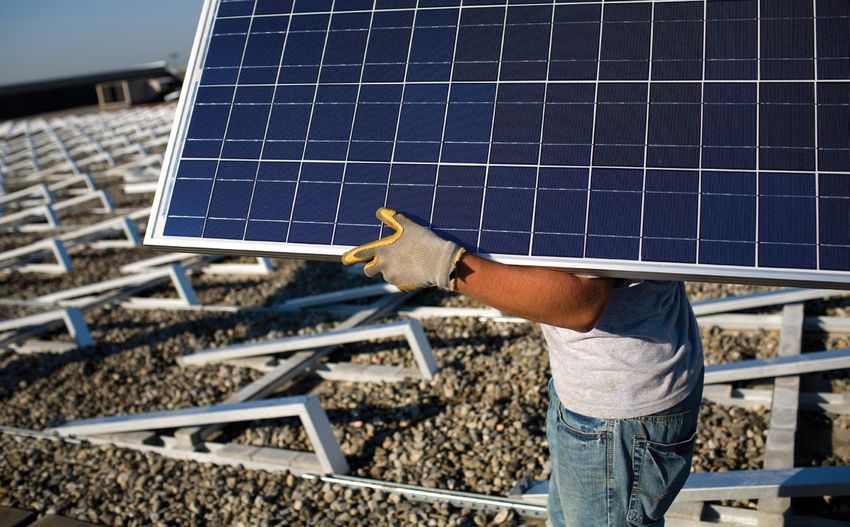
CLIMATE TRANSPARENCY REPORT | 2020

CONTENTS
FOREWORD BY THE CO-CHAIRS.  .  .  .  .  .  .  .  .  .  .  .  .  .  .  .  .  .  .  .  .  .  .  .  .  .  .  .  .  .  .  .  .  .  .  .  .  .  .  .  .  .  .  .  .  .  .  .  .  .  .  .  .  .  .  .  .  .  .  .  .  .  .  .  .  .  .  .  .  .  .  .  .  .  . 2

EXECUTIVE SUMMARY.  .  .  .  .  .  .  .  .  .  .  .  .  .  .  .  .  .  .  .  .  .  .  .  .  .  .  .  .  .  .  .  .  .  .  .  .  .  .  .  .  .  .  .  .  .  .  .  .  .  .  .  .  .  .  .  .  .  .  .  .  .  .  .  .  .  .  .  .  .  .  .  .  .  .  .  .  .  .  .  .  .  . 3

   PART 1: G20 RESPONSES TO THE COVID-19 CRISIS                                                                                                                                                                                                                                                6

     Impacts of the COVID-19 Crisis on CO2 Emissions.  .  .  .  .  .  .  .  .  .  .  .  .  .  .  .  .  .  .  .  .  .  .  .  .  .  .  .  .  .  .  .  .  .  .  .  .  .  .  .  .  .  .  .  .  .  .  .  .  .  .  .  .  .  .  .  .  .  .  . 7

     Comparing G20 Recovery Packages. .  .  .  .  .  .  .  .  .  .  .  .  .  .  .  .  .  .  .  .  .  .  .  .  .  .  .  .  .  .  .  .  .  .  .  .  .  .  .  .  .  .  .  .  .  .  .  .  .  .  .  .  .  .  .  .  .  .  .  .  .  .  .  .  .  .  .  .  .  . 11

     Climate Implications of G20 Recovery Responses.  .  .  .  .  .  .  .  .  .  .  .  .  .  .  .  .  .  .  .  .  .  .  .  .  .  .  .  .  .  .  .  .  .  .  .  .  .  .  .  .  .  .  .  .  .  .  .  .  .  .  .  .  .  .  .  .  .  . 15

     Insights for a Green Recovery. .  .  .  .  .  .  .  .  .  .  .  .  .  .  .  .  .  .  .  .  .  .  .  .  .  .  .  .  .  .  .  .  .  .  .  .  .  .  .  .  .  .  .  .  .  .  .  .  .  .  .  .  .  .  .  .  .  .  .  .  .  .  .  .  .  .  .  .  .  .  .  .  .  .  .  . 16

   PART 2: G20 CLIMATE ACTION STOCKTAKE                                                                                                                                                                                                                                                    20

     The G20’s NDC Updates.  .  .  .  .  .  .  .  .  .  .  .  .  .  .  .  .  .  .  .  .  .  .  .  .  .  .  .  .  .  .  .  .  .  .  .  .  .  .  .  .  .  .  .  .  .  .  .  .  .  .  .  .  .  .  .  .  .  .  .  .  .  .  .  .  .  .  .  .  .  .  .  .  .  .  .  .  .  .  .  . 21

     ADAPTATION: ADDRESSING AND REDUCING VULNERABILITY TO CLIMATE CHANGE .  .  .  .  .  .  .  .  .  .  .  . 24
          G20 Vulnerability to Climate Change .  .  .  .  .  .  .  .  .  .  .  .  .  .  .  .  .  .  .  .  .  .  .  .  .  .  .  .  .  .  .  .  .  .  .  .  .  .  .  .  .  .  .  .  .  .  .  .  .  .  .  .  .  .  .  .  .  .  .  .  .  .  .  .  .  .  .  . 25

          G20 Adaptation Plans and Strategies.  .  .  .  .  .  .  .  .  .  .  .  .  .  .  .  .  .  .  .  .  .  .  .  .  .  .  .  .  .  .  .  .  .  .  .  .  .  .  .  .  .  .  .  .  .  .  .  .  .  .  .  .  .  .  .  .  .  .  .  .  .  .  .  .  .  .  . 27

     MITIGATION: REDUCING EMISSIONS TO LIMIT GLOBAL TEMPERATURE INCREASE.  .  .  .  .  .  .  .  .  .  .  .  .  .  . 30
          Energy Overview.  .  .  .  .  .  .  .  .  .  .  .  .  .  .  .  .  .  .  .  .  .  .  .  .  .  .  .  .  .  .  .  .  .  .  .  .  .  .  .  .  .  .  .  .  .  .  .  .  .  .  .  .  .  .  .  .  .  .  .  .  .  .  .  .  .  .  .  .  .  .  .  .  .  .  .  .  .  .  .  .  .  .  .  .  . 32

          Power Sector .  .  .  .  .  .  .  .  .  .  .  .  .  .  .  .  .  .  .  .  .  .  .  .  .  .  .  .  .  .  .  .  .  .  .  .  .  .  .  .  .  .  .  .  .  .  .  .  .  .  .  .  .  .  .  .  .  .  .  .  .  .  .  .  .  .  .  .  .  .  .  .  .  .  .  .  .  .  .  .  .  .  .  .  .  .  .  .  . 35

          Transport Sector .  .  .  .  .  .  .  .  .  .  .  .  .  .  .  .  .  .  .  .  .  .  .  .  .  .  .  .  .  .  .  .  .  .  .  .  .  .  .  .  .  .  .  .  .  .  .  .  .  .  .  .  .  .  .  .  .  .  .  .  .  .  .  .  .  .  .  .  .  .  .  .  .  .  .  .  .  .  .  .  .  .  .  .  .  . 39

          Building Sector. .  .  .  .  .  .  .  .  .  .  .  .  .  .  .  .  .  .  .  .  .  .  .  .  .  .  .  .  .  .  .  .  .  .  .  .  .  .  .  .  .  .  .  .  .  .  .  .  .  .  .  .  .  .  .  .  .  .  .  .  .  .  .  .  .  .  .  .  .  .  .  .  .  .  .  .  .  .  .  .  .  .  .  .  .  .  . 43

          Industry Sector. .  .  .  .  .  .  .  .  .  .  .  .  .  .  .  .  .  .  .  .  .  .  .  .  .  .  .  .  .  .  .  .  .  .  .  .  .  .  .  .  .  .  .  .  .  .  .  .  .  .  .  .  .  .  .  .  .  .  .  .  .  .  .  .  .  .  .  .  .  .  .  .  .  .  .  .  .  .  .  .  .  .  .  .  .  .  . 46

          Agriculture and Land Use. . . . . . . . . . . . . . . . . . . . . . . . . . . . . . . . . . . . . . . . . . . . . . . . . . . . . . . . . . . . . . . . . . . . . . . . . . . . . . 49

     FINANCE: MAKING FINANCE FLOWS CONSISTENT WITH CLIMATE GOALS .  .  .  .  .  .  .  .  .  .  .  .  .  .  .  .  .  .  .  .  .  . 54
          Financial Policies and Regulations. .  .  .  .  .  .  .  .  .  .  .  .  .  .  .  .  .  .  .  .  .  .  .  .  .  .  .  .  .  .  .  .  .  .  .  .  .  .  .  .  .  .  .  .  .  .  .  .  .  .  .  .  .  .  .  .  .  .  .  .  .  .  .  .  .  .  .  .  .  . 55

          Fiscal Policies: Subsidies and Carbon Pricing.  .  .  .  .  .  .  .  .  .  .  .  .  .  .  .  .  .  .  .  .  .  .  .  .  .  .  .  .  .  .  .  .  .  .  .  .  .  .  .  .  .  .  .  .  .  .  .  .  .  .  .  .  .  .  .  .  .  .  .  . 58

          Public Finance .  .  .  .  .  .  .  .  .  .  .  .  .  .  .  .  .  .  .  .  .  .  .  .  .  .  .  .  .  .  .  .  .  .  .  .  .  .  .  .  .  .  .  .  .  .  .  .  .  .  .  .  .  .  .  .  .  .  .  .  .  .  .  .  .  .  .  .  .  .  .  .  .  .  .  .  .  .  .  .  .  .  .  .  .  .  .  . 62

ENDNOTES.  .  .  .  .  .  .  .  .  .  .  .  .  .  .  .  .  .  .  .  .  .  .  .  .  .  .  .  .  .  .  .  .  .  .  .  .  .  .  .  .  .  .  .  .  .  .  .  .  .  .  .  .  .  .  .  .  .  .  .  .  .  .  .  .  .  .  .  .  .  .  .  .  .  .  .  .  .  .  .  .  .  .  .  .  .  .  .  .  .  .  . 66

AUTHORS AND ACKNOWLEDGMENTS .  .  .  .  .  .  .  .  .  .  .  .  .  .  .  .  .  .  .  .  .  .  .  .  .  .  .  .  .  .  .  .  .  .  .  .  .  .  .  .  .  .  .  .  .  .  .  .  .  .  .  .  .  .  .  .  .  .  .  .  .  .  .  .  .  .  .  .  . 69

                                                                                                                                                                                                                                                                                                      1
CLIMATE TRANSPARENCY REPORT | 2020

FOREWORD BY THE CO-CHAIRS
In a moment of hope, the nations of the world came                 In the second part of this report, “G20 Climate Action
together in 2015 and committed to arresting catastrophic           Stocktake”, the focus returns to trends and developments
climate change, ending poverty, protecting the planet, and         in G20 climate ambition and action, which are assessed
improving the prospects and lives of everyone, everywhere.         against the goals of the Paris Agreement. Under the Paris
                                                                   Agreement “ambition mechanism”, countries’ Nationally
Now, five years since the landmark Paris Agreement and the         Determined Contributions (NDC) to emissions reduction
adoption of the United Nations Sustainable Development             targets are expected to be updated every five years, to
Goals (SDGs), humankind is being called upon to honour             reflect a country’s highest possible ambition. NDCs are due
these commitments and do what is necessary to ensure a             to be updated in 2020. This stocktake takes a deeper look
more sustainable, equitable, and resilient future as it faces      at the status of vulnerability and adaptation across the G20,
down the COVID-19 pandemic.                                        trends in and opportunities for greater emissions mitigation
                                                                   across key sectors, and progress on making financial flows
The Climate Transparency Report* constitutes this summary          consistent with climate-resilient development.
report and profiles for all G20 countries. It offers comparable
and concise analysis of climate ambition and action across         Encompassing the biggest economies, home to more than
the G20. Independently developed within the international          half the global population, and responsible for approximately
Climate Transparency partnership, the report enables               three quarters of global Greenhouse Gas (GHG) emissions,
learning across the G20 and offers insights into what can          the role of the G20 is central to achieving a global green
and must be done now to safeguard our common future.               recovery and catalysing more ambitious climate action.

In the 2020 edition of the annual Climate Transparency                What’s new in this year’s report?
Report, the existential question of this moment is confronted         •   This edition of the Climate Transparency Report
– what choices need to be made today, in the context of                   provides emissions projections and data for the
an ongoing global pandemic and economic recession,                        current year, as well as analysis of COVID-19
to ensure that the world does not exceed the 1.5-2°C                      responses, stimulus measures, and recommen-
temperature limit and instead delivers on commitments for                 dations for a greener recovery.
a better future for all.                                              •   Insights from a new Climate Transparency series,
                                                                          the NDC Transparency Check**, provide guidance
In the first part of this report, “G20 Responses to the
                                                                          on what information countries should provide
COVID-19 Crisis”, the focus falls on what has happened in
                                                                          to ensure that their NDC updates are clear,
2020: on the impacts of COVID-19 across G20 countries’
                                                                          transparent, and understandable – in line with the
emissions, economies, and societies, and the environmental                requirements of the Paris Agreement.
implications of rescue and recovery responses. Looking
                                                                      •   For the first time, the Climate Transparency Report
forward, the G20 needs to prevent against emissions
                                                                          includes summary infographics for each stocktake
rebounding and growing and, rather, redirect investment
                                                                          chapter, capturing the most important data, insights,
and reinvigorate policies aimed at decarbonisation and
                                                                          and opportunities to increase G20 climate action.
sustainable transformation.

                   Alvaro Umaña                                                       Peter Eigen
                   Former Minister of Environment and                                 Founder and Chair of the Advisory Council
                   Energy of Costa Rica and former                                    of Transparency International and Co-
                   Ambassador of Costa Rica to the United                             Founder of the HUMBOLDT-VIADRINA
                   Nations Copenhagen Climate Change                                  Governance Platform
                   Conference

* Previously called the Brown to Green Report
** Find out more at https://www.climate-transparency.org/ndc-transparency-check

2
EXECUTIVE SUMMARY

EXECUTIVE SUMMARY
G20 COUNTRIES CAN USE A GREEN RECOVERY TO ADVANCE
CLIMATE ACTION
In a time of uncertainty, the G20 can harness the               spending, which range from approximately USD 17,200
opportunities of a green recovery to set course for a more      per capita in Japan to USD 6,500 in South Korea. By
resilient and sustainable future. In the five years since the   comparison, emerging economies range from around USD
adoption of the Paris Agreement, there have been many           1,000 per capita in Brazil to less than USD 200 in Indonesia.
lessons – some hard and some hopeful. G20 members
should heed these lessons as they make decisions that will      Differences in vulnerability and resources to respond
shape our common future.                                        between G20 countries (and the rest of the world)
                                                                underscores the need for greater international cooperation
The 2020 edition of the Climate Transparency Report             and support. It is in the interest of all countries to contribute
unpacks recent developments and longer-term trends,             to a robust and sustainable global recovery and to avoid
providing key insights into where and how to advance            global divergence.
climate action, including through greening the recovery
from the COVID-19 crisis.                                       Future resilience requires strong G20
                                                                leadership and immediate action on the
2020 has exposed our vulnerability to                           climate crisis
intersecting crises                                             In 2020, the G20 Saudi Arabian Presidency identified
By the end of October 2020, 1.3 million lives have been lost    climate change as one of the most pressing challenges of
to COVID-19. This number is still growing and would be          the 21st century, noting that the urgency to act on climate
much larger if the collateral effects of the pandemic were      change is growing, and that the G20 need to be at the
included.                                                       forefront of necessary transitions.

G20 GDP is projected to decrease by around 4% in 2020,          The 2015 Paris Agreement set clear goals to strengthen the
with devastating effects on many levels, exacerbating           global response to the threat of climate change. Achieving
poverty, inequality, and unemployment. The decline in           the mitigation goal of limiting the global temperature
global GDP in 2020 could lead to an increase of 25 million      increase to 1.5°C would reduce the risks and impacts of
people being unemployed, 100 million additional people          climate change and the costs of adaptation. To do so, global
living in poverty, and the number of people facing acute        CO2 emissions need to decrease by 45% by 2030 and reach
food insecurity doubling to 265 million.                        net-zero by 2050. Deeper reductions are required among
The impacts of the COVID-19 pandemic have been                  the biggest emitters and more advanced economies.
compounded by other vulnerabilities, including exposure
                                                                G20 energy-related CO2 emissions are projected to
and capacity to respond to extreme climate and weather
                                                                decrease by 7.5% in 2020. This reduction appears to be
events such as record-breaking floods, heatwaves, and wild-
                                                                temporary, mainly the result of the impacts of and responses
fires in 2020, as well as political and economic turbulence.
                                                                to the COVID-19 pandemic. Without transformational climate
                                                                action by countries, emissions growth will rebound and the
Inequalities increase risks and impacts
                                                                goals of the Paris Agreement will not be reached.
G20 countries have responded by rolling out recovery
packages, including fiscal stimulus measures that are           Mid-century net-zero emissions targets are
unprecedented in terms of scale and speed. As of the
                                                                gaining ground in the G20
middle of October 2020, announced economic stimulus
                                                                There is growing recognition that a fundamental, structural
packages across the G20 totalled USD 12.1tn, but there is an
                                                                shift is required. The race to net-zero emissions among the
extreme divide in resources between countries.
                                                                G20 began in earnest between 2019 and 2020. In June
Advanced economies have had more resources to respond           2019, France and the UK set net-zero targets for 2050, and
to the crisis, evident in comparing per capita stimulus         by the end of the year the EU and Germany made similar

                                                                                                                                3
CLIMATE TRANSPARENCY REPORT | 2020

announcements. In 2020, Canada, China, South Africa,              2. Investments in nature-based solutions and the
South Korea, and Japan joined in (with China aiming to be            environment offer opportunities for resilient job creation
carbon-neutral before 2060).                                         – especially for vulnerable rural populations. Key
                                                                     opportunities include landscape restoration, protection
More and more companies, regions, and cities are also                of forests and afforestation, and wildfire prevention as
making net-zero by 2050 commitments, such as Buenos                  well as sustainable agricultural practices.
Aires, Cape Town, London, Mexico City, New York City, and
                                                                  3. To support immediate employment and structural
Tokyo. Political commitments need to make their way into             shifts to green industries, G20 members can invest in
enhanced NDC targets and long-term strategies – which                education and R&D. Efforts can go towards training
are due to be updated in 2020 – and recovery packages.               for and innovation in zero-carbon energy and industry
                                                                     technologies and climate-resilient agriculture.
Yet most current COVID-19 recovery packages
                                                                  4. Conditional bailouts can protect jobs, deliver other
are moving in the opposite direction
                                                                     public benefits, and bring companies in line with long-
Approximately 30% of stimulus spending is going into                 term climate commitments. Attaching conditions is
environmentally-intensive sectors. Analysis of recovery              particularly important where support is going to fossil
packages in these sectors reveals that, by and large, G20            fuel or other emissions-intensive industries.
members are supporting emissions-intensive and envi-              5. G20 members can reinforce policy, regulations, and
ronmentally-damaging industries with little consideration            incentives to support a sustainable transition. Tax
overall to the climate or improving resilience.                      rebates, subsidies, and other incentives can be used to
                                                                     boost the renewable energy industry, zero-emissions
Comparing G20 stimulus responses thus far:
                                                                     transport, industrial efficiency, and environmental
•    10 countries are providing support to the domestic coal         protection – while also boosting the economy.
     sector and 10 provide support to the gas sector
                                                                  In applying these principles, G20 members can build on
•    9 countries are providing support to the oil sector          recent climate action gains and advance efforts where
•    14 countries bailed out their national airline companies     progress is lacking by aligning recovery plans with medium-
     without conditions attached. Only France has included        and long-term climate goals.
     conditions in its bailout.
•    7 countries are providing unconditional support to
                                                                  Positive shifts in energy emissions trends in
     the automobile industry. Only Germany and France             the G20 show that climate policies work
     are providing support with environmental conditions          Before the COVID-19 pandemic hit, the results of climate
     attached.                                                    action in G20 countries were becoming visible in key areas.
                                                                  Significantly, G20 energy-related CO2 emissions decreased
Nevertheless, 17 G20 countries (excluding Mexico, Russia,         by 0.1% in 2019. This represents a remarkable departure
and Saudi Arabia) are providing some support to green             from the 1.9% increase in 2018 and the longer-term annual
industries, focusing mainly on the expansion of renewable         average growth rate of 1.4% between 2005 and 2017.
energy capacities and low-emissions transport.
                                                                  Progress in key sectors in the G20 contributed to this
Greening COVID-19 responses can be used to                        positive development in 2019:
align recovery with long-term goals                               •   The carbon-intensity     of   primary   energy    supply
Five Green Recovery Principles can be used to chart a                 decreased by 0.8%.
climate-smart way out of the crisis, while protecting and         •   Coal consumption decreased by 2%.
creating jobs, supporting economic growth, and increasing
                                                                  •   CO2 emissions from the power sector decreased by 2.4%.
resilience. It is not too late to correct course, as programmes
                                                                  •   Renewables grew to 27% of power generation compared
are still being rolled out.
                                                                      to 25% in 2018. (In 2020, renewables are projected to
1.   G20 governments can direct investment to sustainable             increase to 28% of power generation – showing the
     infrastructure to accelerate energy transitions, includ-         resilience and potential of the industry.)
     ing to renewable energy, storage and transmission            •   Energy-related CO2 emissions from the agriculture
     infrastructure, and zero-carbon transport and industry.          sector decreased by 0.5%.

4
EXECUTIVE SUMMARY

Policies can propel shifts toward zero-carbon economies:         There are clear policy benchmarks to fill the gaps.

•   Coal phase-out: Canada, France, Germany, Italy, and          •   Fossil fuel subsidies should be phased out by 2025:
    the UK have set coal phase-out targets. Brazil, the EU,          Despite political commitments to rationalise and phase
    and China have policies to reduce coal consumption.              out inefficient fossil fuel subsidies, G20 countries
•   Restricting public finance for fossils: 13 G20 countries         provided USD 130bn in subsidies to fossil fuels in 2019,
    have introduced policies to (partially) restrict public          up from USD 117bn in 2018.
    finance to coal. Only Brazil, France, and Germany have       •   The G20 can use modal shifting and fuel switching to
    some restrictions in place for oil and gas.                      decarbonise transport: Only Canada, France, Japan,
•   Renewable energy targets: 16 G20 members have                    and the UK have set targets for fossil fuel car phase-out
    policies to increase renewable generation (Australia,            (the UK’s target is 1.5°C compatible). No G20 members
    Canada, Mexico, and USA are the exceptions). Over                have policies in place to reduce absolute emissions from
    the last five years, the emissions intensity of the power        freight or long-term strategies to shift transport demand
    sector in the G20 has decreased by 10% and the share             to low- or zero-emissions alternatives.
    of renewables in power generation grew by 20%.               •   Decarbonising industry requires greater efficiency
•   Building sector: 18 G20 members (Argentina and Russia            and innovation: Most G20 countries do not score
    are the exceptions) have polices in place for near-zero          highly on industry efficiency policies. Apart from Italy,
    energy new buildings. France, Italy, and Germany have            Japan, Germany, and India, most G20 countries do not
    1.5°C compatible targets. 13 G20 members have some               have extensive energy efficiency policies in place for
    policies for retrofitting existing buildings, with the EU,       industry. Six G20 countries now have national hydrogen
    Germany, and France having the most ambitious.                   strategies.
•   Carbon pricing: 18 G20 countries are implementing            •   (Net) zero deforestation targets: No G20 countries
    explicit carbon pricing schemes (India and Australia             have targets for reaching zero deforestation by the
    are the exceptions), but price levels are not yet 1.5°C          2020s (1.5°C compatible), although China, the EU, and
    compatible.                                                      Mexico have targets for net-zero deforestation. Australia,
•   Greening the financial sector: 17 G20 members have               France, and Canada have no policies in place.
    initiated discussions or are already implementing some
    form of green finance principles through national green      The NDC updates, which are expected in 2020, offer a
    finance strategies or taxonomies of sustainable finance      key opportunity to enhance overall ambition and set clear
    (India, Saudi Arabia, and South Korea are the exceptions).   sectoral targets. Though parties to the Paris Agreement
                                                                 are obliged to provide NDC updates in 2020, some
All G20 countries now need to advance                            countries have indicated that they will only do so in 2021
ambitious climate policies across sectors                        ahead of COP26. This offers a decisive opening for parties
                                                                 to enhance their NDC updates to represent their highest
Despite some positive developments, fossil fuels still
                                                                 possible ambition – as stipulated in the Paris Agreement.
accounted for 81.5% of primary energy supply in 2019, as
increases in oil (+1%) and gas (+3%) consumption offset the
decrease in coal consumption.
                                                                 Ambitious climate action is pivotal to a
                                                                 sustainable, equitable, and resilient future
Many G20 countries are lacking effective targets and             G20 climate action can reinforce economic recovery and
policies in key sectors. Progress in the transport, building,    bring substantial co-benefits to support the UN Sustainable
and industry sectors is lagging and many G20 members are         Development Goals (SDGs), amplifying the positive
still losing tree cover, diminishing critical carbon sinks.      outcomes of stimulus spending in the long-term. Co-benefits
•   In 2019, CO2 emissions from the transport sector grew        of climate action include improvements to health and
    by 1.5% (the same as in 2018 and the long-term trend         wellbeing, jobs and economic value creation, biodiversity
    between 2005-2017).                                          and environmental resilience, financial security and fiscal
                                                                 benefits, and enhanced energy access and security.
•   CO2 emissions from the building sector grew by 0.9% in
    2019 (lower than the 3.2% increase in 2018 but higher        Ultimately, greening COVID-19 recovery responses offers a
    than the long-term trend of +0.1% between 2015-2017).        unique opportunity for G20 countries to accelerate just, low-
•   CO2 emissions from the industry sector grew by 1.2%          carbon transitions and to deliver on Paris Agreement goals –
    (higher than the 1% increase in 2018, but lower than the     reducing vulnerability, limiting global warming, and bringing
    long-term trend of 1.7% between 2005-2017).                  our economies in line with sustainable development.

                                                                                                                              5
CLIMATE TRANSPARENCY REPORT | 2020
PART 1
G20 RESPONSES TO THE
COVID-19 CRISIS
“The post-Corona recovery packages can lead to a greener
and more just world. Unfortunately, many do not live up to that
aspiration. The Climate Transparency Report provides an excellent
overview of the recovery programs with good examples as well as
missed chances.”
Joseph Stiglitz
A SUSTAINABLE
GLOBAL RECOVERY
IS IN THE INTEREST OF ALL USA | A worker installs photovoltaic solar panels on the roof of a department
store in New Jersey. Photo by Robert Nickelsberg/Getty Images
Photo of Joseph Stiglitz by Daniel Baud and the Sydney Opera House
6PART 1 | COVID-19 RECOVERY
Taken together, the events of 2020 have demonstrated state of and access to healthcare, preparedness to respond
the importance of working collectively to identify, to crises, the resilience of the economy, and the resources
manage and respond to global crises. It has also exposed available to provide support and stimulate economic
the tenuousness of incremental progress and sounded activity.5
a clear call to hasten efforts to build the equitable,
inclusive, and sustainable future envisioned in the Paris The role of the state in identifying and managing risks,
Agreement and the UN SDGs. The window of opportunity providing social protections, and facilitating international
to set a new course through decisive action is still open. coordination has been brought into sharp focus.6 So, too,
has the potential for external shocks to wipe out hard-won
The novel coronavirus that caused the COVID-19 pandemic progress when it comes to poverty, healthcare, education,
was first identified in the last days of December 2019. It employment, fiscal stability, and development.7
quickly spread across borders and was declared a global
pandemic by the World Health Organisation (WHO) on Compared with more advanced economies, emerging
11 March 2020.1 By April 2020, it had brought much of the market and developing countries have limited fiscal space
world to a virtual standstill. to address the crisis. This is having a large impact on debt
levels and the fiscal situation in such countries. Much
Across countries, the lockdown, shelter-in-place, and stay- needed foreign direct investment (FDI) has also contracted.
at-home orders dramatically changed the lives of people in Global FDI is projected to decrease by 40% in 2020/21
unprecedented ways.2 Capital cities and urban hubs around and inflows to developing countries are expected to drop
the world were vacated, roads and streets emptied, public even more than the global average.8 9 A growing number of
transport stations and other critical infrastructure were developing countries face the risk of sovereign debt crises
minimally staffed and suddenly underutilised. and reduced fiscal resources could severely undermine the
prospects of achieving the SDGs by 2030.10 The decline in
At the same time, health services and hospitals were
global GDP in 2020 could lead to an increase of 25 million
urgently expanded and, in some cases, overflowed. Public
people being unemployed, 100 million additional people
and other resources were rerouted in ways unimaginable
living in poverty, and the number of people facing acute
just months before, not only to health services but also to
food insecurity doubling to 265 million.11
directly support citizens and companies suddenly grappling
with a loss of income and security. It is in the interest of all countries to contribute to a robust and
sustainable global recovery and to avoid global divergence.
In many countries, the COVID-19 crisis coincided with,
To achieve this, developed countries will need to provide
amplified, or sparked responses to structural economic
assistance to developing and emerging countries.12 The
and societal issues. 3 In others, extreme weather events –
still-unfolding response to COVID-19 – including how the
a harbinger of the environmental impacts we can expect
biggest economic stimulus in recent history will be spent –
with rising temperatures – intersected with the pandemic,
offers G20 countries a unique chance to redirect and align
affecting vulnerable populations particularly badly.4
policies in support of a properly planned and just transition
The COVID-19 pandemic has exposed inequalities within to a prosperous, low-carbon economy.
and between countries when it comes to the pre-existing
IMPACTS OF THE COVID-19 CRISIS ON CO2 EMISSIONS
A temporary decrease in emissions will not have a lasting Responses to the COVID-19 pandemic have had a dramatic
impact on the climate. Sustained annual decreases effect on global anthropogenic CO2 emissions in 2020 and
toward net-zero emissions by 2050 are necessary to are expected to result in the largest annual drop in recent
arrest global warming. Efforts to use recovery measures history. A year-on-year decrease of between 4% and 9%
to accelerate the decoupling of economic activity and is currently projected, much larger than the 1.4% decrease
CO2 emissions could help G20 countries to meet Paris seen in the 2008/09 global financial crisis or any other
Agreement goals.
7CLIMATE TRANSPARENCY REPORT | 2020
modern economic crisis.13 In the G20, energy-related CO2 quarter of 2020, daily CO2 emissions remained lower than
emissions are projected to drop by around 7.5%.14 the previous year in most countries but were higher than
they were under the initial lockdown.
However, concentrations of CO2 in the atmosphere
continued to rise in 2020.15 16 If global emissions in 2020 A high degree of uncertainty remains regarding the course
decrease, for example, by 7.5% compared to 2019 levels, of the pandemic and recovery. Some projections forecast
they will be almost 60% higher than in 1990 and equivalent emissions continuing to grow at a lower rate, while others
to total emissions in 2011.17 In other words, the world is still show an increase on previous rates, or even an overshoot
injecting CO2 into the atmosphere. of previous projections up to 2030.21 Evidence suggests
that COVID-19 recovery responses, thus far, have been
Sustained annual decreases in total CO2 emissions are
disproportionately directed towards emissions-intensive
necessary to keep within the carbon budget that remains to
and environmentally-damaging sectors. 22 This could
meet the global temperature goal of the Paris Agreement. To
contribute to emissions rebounding at a faster rate.
limit warming to 1.5°C above pre-industrial levels, global CO2
emissions need to be reduced by 45% by 2030 (compared By the end of 2020, CO2 emissions are projected to
to 2010 levels) and reach net-zero by 2050.18 be lower in all G20 members compared to 2019, and
approximately 7.5% lower across the G20.
Global daily CO2 emissions reductions resulting from
responses to the COVID-19 pandemic seem to have already There are considerable differences in projected emissions
peaked in early April, when they fell to a level 17% lower than reductions across countries – ranging from -2.7% in China
just one year before.19 However, some countries’ daily CO2 to -12.3% in Mexico. The exact causes of differences will
emissions are already back to or exceeding 2019 levels. require further research and greater certainty on the final
reductions. However, there may be some links to longer-
For example, dramatic CO2 emissions reductions were
term trends at play, in addition to the impacts of the
recorded in China in the first quarter of 2020, but the
pandemic and responses.
country was already approaching business-as-usual by the
middle of March and surged past 2019 levels in May 2020.20 Mexico, the UK, and Germany are among the G20
In contrast, the USA, India, the EU, and the rest of the world members with the deepest CO2 reductions in 2020. These
witnessed their biggest reductions, thus far, in the second countries also witnessed greater than average emissions
quarter of 2020. A more varied rebound in CO2 emissions reductions in key sectors in 2019, due in part to climate-
has followed across different countries, depending related policies.
on factors such as their approaches to lockdown, the
progression of the pandemic, underlying emissions profile, Mexico, the UK, and Germany witnessed greater than
and the economic impacts of COVID-19. Towards the third average reductions in the energy intensity of their
IN APRIL 2020 GLOBAL CO2 EMISSIONS WERE 17% LOWER THAN IN 2019
% Change in global daily fossil CO2 emissions (2020)
0%
Rest of the world
-5%
China
India
-10% Europe
USA
-15%
February March April May June
2020
Source: Le Quéré et al., 2020
8PART 1 | COVID-19 RECOVERY
Projected % change in G20 GDP and energy-related CO2 emissions (2020)
MEX UK CAN GER EU ITA JAP RUS USA ZAF IND ARG AUS FRA G20 BRA KOR SAU IDN TUR CHI
G20
2%
0%
-2%
-4%
-6%
-8%
-10%
-12%
-14%
CO2 emissions (from fuel combustion) GDP variation
Source: Enerdata, 2020
economies between 2013 and 2018 (-18%, -16% and South Korea recorded higher growth in building sector
-12%, respectively). Germany and the UK also witnessed emissions per capita between 2014 and 2019 (+14% and
significant decreases in the emissions intensity of their +9%, respectively).
power sectors over the past five years (-23% and -51%,
respectively) and per capita emissions from the building In conjunction with some parallels with longer-term trends,
sector (-17% and -27%, respectively). Compared to the G20 differences in governments’ COVID-19 responses and
cohort, the UK and Germany have more ambitious policies underlying economic factors are likely to impact both
for reducing emissions in power and building sectors. 2020 GDP and CO2 emissions reductions. In the cases of
Mexico also recorded decreases in the emissions intensity South Africa and Mexico, the deep decrease in GDP may
of its power sector (-4%) and building sector (-6%) over the also reveal the economic crises already underway in these
same period, although to a lesser degree than the UK and countries ahead of – and compounded by – the COVID-19
Germany. Mexico also has comparatively more ambitious pandemic.23
policies in place for near-zero energy new buildings.
The share of renewables in power generation is projected
Turkey, Indonesia, and South Korea are among the five to increase in all G20 countries in 2020.
countries with comparatively smaller reductions in CO2
One notable feature contributing to the decrease in CO2
emissions in 2020. These countries also witnessed above
emissions is a projected increase in the share of renewables
average growth in emissions in key sectors in 2019.
in power generation in all G20 countries in 2020 (in 2019,
Between 2013 and 2018, G20 countries decreased the 18 G20 countries saw increases). Several factors may have
energy intensity of their economies by 11.6%. Turkey (+2%), caused this change: renewables being cheaper, preferential
South Korea (-4%), and Indonesia (-6%) were all behind access for renewables, favourable hydrological conditions
this trend. Turkey and South Korea also registered high for hydroelectric power and a reduction of peak demand,
increases in per capita transport emissions between 2013 which is typically met with gas. The gain in renewables is
and 2018 (+38% and +14%, respectively) and do not have a signal of climate policies and economic factors at work in
ambitious policies to decarbonise transport. Indonesia and G20 countries.
9CLIMATE TRANSPARENCY REPORT | 2020
RENEWABLES ARE PROJECTED TO INCREASE IN ALL G20 COUNTRIES IN 2020
Projected % share of renewables in power generation in the G20 and percentage point change (2020)
100 6
% share renewablesin power generation
Percentage point change 2019-2020
5
80 5.1
4.8
4.4
4
4
60
3.7
3.3 3
2.9 3
2.8 2.8
40
2.4 2
1.7
20 1.5
1.3 1
1 1.1
0.8
0 0.6
0.4 0.4
0 0
G20
SAU KOR TUR CHI IDN JAP G20 CAN ZAF IND USA FRA RUS BRA EU GER ITA AUS MEX ARG UK
Source: Enerdata, 2020
Projected change in energy consumption and sectoral emissions in the G20 (2020)
Energy consumption % Changes in sectoral emissions
% Change final % Change % Change
(Mtoe) primary (Mtoe) electricity (TWh) Power sector Transport sector
Argentina -5.5% -5.9% -1.8% -11.0% -16.2%
Australia -5.6% -6.4% -4.1% -7.9% -7.8%
Brazil -4.8% -11.0% -3.1% -16.1% -7.3%
Canada -8.9% -4.8% -5.8% -13.5% -9.2%
China 1.3% -1.1% 1.9% -0.1% -4.3%
EU -4.6% -6.0% -3.2% -11.8% -11.8%
France* -7.9% -5.0% -3.9% 6.2% -15.4%
Germany -3.0% -2.6% -3.2% -15.4% -6.1%
India -7.6% -6.9% -3.5% -5.9% -15.8%
Indonesia -4.9% -5.1% -2.8% -4.1% -9.9%
Italy -4.4% -6.6% -6.2% -13.2% -18.9%
Japan -5.2% -5.7% -4.2% -5.9% -8.7%
Mexico -11.5% -8.6% -6.8% -9.6% -16.8%
Russia -4.6% -6.0% -3.8% -9.1% -9.5%
Saudi Arabia -5.6% -4.4% -4.7% -5.1% -6.8%
South Africa -9.7% -7.7% -6.6% -7.9% -16.5%
South Korea -1.0% -1.3% -0.7% -0.8% -4.8%
Turkey -1.2% -3.9% -2.9% -6.3% -2.9%
UK -7.2% -7.4% -2.9% -13.0% -16.4%
USA -8.2% -7.2% -1.9% -7.3% -10.7%
G20 -4.7% -4.9% -1.4% -4.5% -9.6%
Source: Enerdata, 2020
* Power sector emissions increased in France due to nuclear maintenance, increasing typically low fossil fuel generation slightly in 2020.
10PART 1 | COVID-19 RECOVERY
COMPARING G20 RECOVERY PACKAGES
In the wake of immediate rescue measures, G20 Australia
governments have an opportunity to use economic and The Australian fiscal package includes specific health
policy responses to the COVID-19 crisis to pave a path to spending, and support for households, workers, and
a green recovery and sustainable development. By and businesses. The government has expressed its intention
large, G20 members have not yet used this opportunity. to pursue a “gas-led” recovery. Australia has provided
Instead, the majority are investing in existing or unconditional support to coal, oil, and gas sectors and
traditional infrastructure, with little consideration overall extended USD 437m in loans and tax deferrals to the
to decarbonisation or improving resilience in the long- airline industry. Some funding for clean energy has been
term. But it is not too late to switch to a greener path, as provided, for example for hydrogen and battery storage,
programmes are still being rolled out. through the federal and state governments. In the state
of Victoria, conservation laws in the logging industry have
Among the G20, the COVID-19 pandemic resulted in
been suspended.
lockdowns of varying length and severity, and responses
have included interrelated phases of rescue and recovery.24
Brazil
Rescue measures typically encompass short-term stabilisa- A considerable proportion of Brazil’s stimulus spending
tion policies, such as providing economic relief, bolstering has gone to supporting the economically vulnerable, with
healthcare services, and offering immediate support and approximately 60% of the population receiving financial
protection to individuals and companies confronted with a aid (126 million people). The government has also provided
sudden loss of income and security. Recovery measures, economic support to the industrial and transport sectors,
on the other hand, typically focus on public investment including the airline industry, without any environmental
responses that aim to prevent recession, stimulate demand, conditions attached. Meanwhile, deregulation in land use in
and recover economic growth and employment levels. 25 As the Amazon is likely to increase logging, mining, agriculture
such, recovery measures tend to take a longer-term view and forestry activities. Due to a decrease in energy demand,
than rescue measures and can explicitly try to maximise the electricity auctions were postponed, which will likely benefit
future value of present investment.26 the gas sector. However, the government has announced
financial mechanisms for green bonds for sustainable
The following analysis of G20 responses to the COVID-19 infrastructure, which are expected to attract up to USD 34bn
pandemic is informed by 2020 data and projections from by 2029.
Enerdata, as well as analysis from Vivid Economics’ Green-
ness of Stimulus Index, 27 Carbon Brief’s “Green Recovery” Canada
tracker, 28 the Energy Policy Tracker, 29 the Oxford Corona- The Canadian government has directed support towards
virus Government Response Tracker, 30 and country reports. the healthcare system, households, and businesses. In the
energy sector, support for fossil fuels is stronger than for
Argentina clean energy, and tax relief has been extended to the oil and
Argentina’s economic response has focused primarily on gas sectors in Alberta. The gas sector will also benefit from
rescue measures for the economy and healthcare system as extended export credit capacity. About USD 252m has been
well as support for vulnerable populations groups, workers, provided to the country’s airports. However, the September
and businesses. Support for companies has not yet been Throne Speech emphasised green recovery measures and
made conditional on achieving environmental or climate investments, including for renewable energy, afforestation,
objectives. Measures targeted at increasing commodity zero-carbon public transport, and building retrofits. An
exports and fossil fuels have been introduced, and the additional USD 530m was made available through the
government disbursed over USD 289m to companies Emissions Reductions Fund to reduce the labour costs of
already benefiting from the Unconventional Gas Plan. This upgrading methane monitoring and reduction technologies.
amount is equivalent to the expenditure on all the public Furthermore, recipients of support from the Large Employer
health equipment, laboratories and pharmaceuticals related Emergency Financing Facility will have to disclose annual
to the pandemic. climate-related reports, including assessments of future
operations on sustainability and climate goals.
11CLIMATE TRANSPARENCY REPORT | 2020
China R&D spending. An additional USD 45bn stimulus “Package
Thus far, China’s economic recovery plan has not focused on for the Future” was announced in June 2020 includes
climate change mitigation. Part of China’s stimulus response measures to support the green transition in transport and
included faster coal permit approvals, and project approvals energy as well as some support for green agriculture and
for new coal power plants have accelerated in 2020, with industry. Significantly, buying electric and hybrid vehicles
an additional 40.8 GW approved. 31 The government also will be supported, whereas traditional vehicles will not.
announced an unconditional USD 3.5bn bailout of Cathay Major programmes have been announced for hydrogen
Pacific airline as well as support for the automotive industry. technology, public transport, building efficiency and forestry.
Several provinces are assisting fossil fuel car manufacturers However, the government bailed out three airlines, TUI Fly
through subsidies for buyers. On the other hand, China (USD 1.98bn), Lufthansa (USD 9.9bn) and Condor (USD
launched its New Infrastructure Plan in June 2020, with 600m) without environmental conditions, though it acquired
USD 1.4tn-2.5tn directed to innovation, digitalisation, and a 20% stake in Lufthansa.
modern infrastructure. It includes investments in renewable
energy, high-speed and inner-city rail, and electric vehicle India
(EV) charging infrastructure. India’s initial stimulus package focused on support for
healthcare and welfare, but further measures have included
EU significant support for fossil fuels, particularly promoting
On top of initial rescue measures, in July 2020 EU leaders domestic coal production. However, India has since
approved the “Next Generation EU” recovery plan totalling introduced measures to support renewable energy and
EUR 750bn. Roughly 30% of the package is dedicated to green transport initiatives, such as the “Green Railway
green measures in support of the EU Green Deal. Loans and Initiative”. India is also channelling USD 780m towards
grants to member states will have environmental conditions an afforestation programme through the Compensatory
attached. One priority of the programme is to increase Afforestation Management and Planning Authority (CAMPA)
economic and social resilience. There are also plans for fund. This plan is designed to stimulate the rural and semi-
sustainable agriculture, which could have a major influence urban economy while providing essential ecosystem
on land use. Of all G20 members, the EU package contains benefits.
the strongest contribution towards environmental and
climate objectives. Indonesia
The OECD projects a 3.3% GDP decrease in 2020, although
France the Asian Development Bank indicates a smaller decrease
About 30% of the announced stimulus spending thus far of 1%. 32 The Indonesian recovery package focuses on social
in France will be directed toward an ecological and low- protection, small and medium enterprises, jobs, and state-
carbon transition, with savings of 57 MtCO2e expected over owned enterprises. The state-owned power company, PLN,
the investment lifetime. An addition EUR 30bn for green and oil and gas company, Pertamina, continue to receive
investments was announced in September 2020, including support in the form of subsidies as part of existing policies,
EUR 9bn for the development of a hydrogen industry and while other state-owned enterprises received additional
other green technologies, EUR 4.7bn for the state railways capital injections. However, some positive measures have
and EUR 6.7bn for improving insulation in homes and public also been announced, including subsidies for biodiesel
buildings. Support for emissions-intensive (airlines and fuel consumption and tax reductions for various renewable
automotive) industries has also been made conditional energy projects. Additionally, a planned relaxation of
on environmental and climate performance. For example, regulation for land use and forestry was repealed.
France supported the French-Dutch bailout of Air France-
KLM with more than USD 7bn, but with the condition that Italy
the company reduces emissions by 50% and introduces The Italian recovery programme has focused on healthcare,
a minimum standard of 2% renewable fuel by 2030. How welfare and emergency support for businesses and contains
these environmental conditions will be enforced in practice, only small contributions to a green recovery. While the
however, has not yet been stipulated. Alitalia airline has received a EUR 3bn unconditional bailout,
the government is providing a subsidy of up to EUR 10,000
Germany per electric vehicle purchase until the end of 2020. Fossil
The initial German stimulus package focused on economic fuel vehicle purchases will also be subsidised, though at a
support to industries, healthcare, welfare, and vaccine lower level. In addition, the government is providing support
12PART 1 | COVID-19 RECOVERY
to active transport and private installations of energy South Africa
efficiency retrofits (such as heat pumps), solar photovoltaics,
The OECD projects a 11.5% GDP decrease in 2020, higher
and electric vehicle charging points.
than the Ministry of Finance’s 7.8% projection. A substantial
stimulus programme has focused on the immediate
Japan
response to the crisis with healthcare and welfare measures.
Japan’s two stimulus packages include funding for health- Unfortunately, loan guarantees (USD 10.6bn) and certain
care, welfare, and employment protection as well as a tax measures (USD 3.7bn) have allotted specific support to
large share for industry and transport sectors. Additionally, businesses in South Africa’s polluting energy and industry
regulatory roll-back saw reduced environmental perfor-
sectors and South African Airways will receive a USD
mance-based taxes on certain passenger cars. Building on
600n bailout. The government also initiated a three-month
the UNFCCC’s “June Momentum for Climate Change”, the
deferral of carbon tax payments.
government organised the “Online Platform for Sustainable
and Resilient Recovery from COVID-19” to discuss a green
South Korea
recovery. However, few specific environmental measures
The South Korean government aims to provide USD 376bn
have been announced in the stimulus packages thus far.
to mitigate the pandemic’s impacts, of which USD 63bn will
Mexico go to South Korea’s ambitious “Green New Deal”. However,
the Green New Deal is expected to reduce only 12.3 MtCO2e
Alongside healthcare and social programmes, a large
up to 2025, indicating that GHG emissions reduction is likely
proportion of the Mexican stimulus package is directed
not the focus of the package. Furthermore, the government
towards infrastructure investments, including a flagship oil
extended its 30% tax reduction for car manufacturers, which
refinery and airport expansion, plus tax breaks for Pemex,
was supposed to end in 2020, and lowered the car sales tax
Mexico’s state-owned oil company. Furthermore, the
from 5% to 1.5% for consumers. Additionally, USD 2.5bn was
federal government has announced changes to market
provided to airlines and USD 3bn to the largest producer of
rules, which give priority to the government’s own oil-fired
power plants by adding barriers to wind and solar dispatch. coal in South Korea.
However, support for active transport infrastructure is being
advanced in some cities, although the national Sustainable
Turkey
Urban Mobility Strategy is underfunded. Turkey’s COVID-19 recovery package focuses on healthcare,
social protection, employment and economic stimulus with
Russia little to no reference to environmental or climate objectives.
The Russian recovery package primarily focuses on a The package includes support for Turkish Airlines, a
tax holiday for businesses along with social payments for reduction of the VAT on domestic airline travel from 18% to
families and medical workers. No reference is made to 1%, and a bailout of the mining sector. A positive measure
measures that mitigate climate change. The government is the announcement of a “Green Tariff” for power from
has supported airlines and airports (USD 500m) and renewable sources and support for solar power.
the automotive industry (USD 360m) without conditions
attached. Meanwhile, tax incentives for exploration in the UK
Arctic and a temporary ban on imports of some fuels have The UK recovery package has the intention of “building
further benefited the oil and gas industry. back greener”. However, airlines (USD 2.2bn) and car
manufacturers have received unconditional support.
Saudi Arabia Nevertheless, the public transport operator TfL has been
The Saudi-Russia oil price war and COVID-19 related drop in bailed out with USD 2bn, which is considered a green
oil prices impacted Saudi Arabia especially hard and reduced bailout. This is complemented with an increase in the
government revenue. The government provided electricity congestion charge in London and promotion of active
subsidies for businesses in the commercial, industrial, and transport through investments in cycling and walking paths
agricultural sectors (programme cost USD 240m), halving (USD 2.5bn). Energy efficiency is also being advanced, in
the price of petroleum domestically. Despite the pandemic, particular in homes and public sector buildings (USD 3.7bn),
the National Renewable Energy Programme has moved while support for wind energy is being directed towards
forward with its second procurement round and is producing what will become the world’s largest offshore wind farm.
very low cost photovoltaic bids (USD 0.0162/kWh).
13You can also read


