Clinical management of COVID-19: Experiences of the COVID-19 epidemic from Groote Schuur Hospital, Cape Town, South Africa
←
→
Page content transcription
If your browser does not render page correctly, please read the page content below
This open-access article is distributed under
               Creative Commons licence CC-BY-NC 4.0.                                                                            IN PRACTICE

CLINICAL UPDATE
Clinical management of COVID-19: Experiences of
the COVID-19 epidemic from Groote Schuur Hospital,
Cape Town, South Africa
M Mendelson,1,2 MBBS, PhD; L Boloko,2 MB ChB, MMed, FCP (SA); A Boutall,3 MB ChB, FCS (SA), Cert Gastro (Surg);
L Cairncross,3 MB ChB, FCS (SA), MMed (Surg); G Calligaro,2,4 BSc Hons, MB BCh, Dip PEC, MMed, FCP (SA), Cert Pulm (SA);
C Coccia,2 MB ChB, FCP (SA), MMed; J A Dave,2,5 MB ChB, PhD, FCP (SA), Cert Endocrinol Metab (SA), FRCP (London);
M de Villiers,2 MB ChB, MMed, FCP (SA); S Dlamini,1,2 MB ChB, FCP (SA), Cert ID (SA) Phys; P Frankenfeld,2 MB ChB, FCP (SA);
P Gina,2 MB ChB, FCP (SA), MMed, Dip HIV Man (SA); M V Gule,2 MB ChB, FCP (SA); J Hoare, 6 MB ChB, DMH, MRCPsych (UK),
FCPsych, MPhil, PhD; R Hofmeyr,7 MB ChB, Dip PEC, DA, MMed, FCA, FAWM; M Hsiao,8 MB BCh, MMed, Path Virol, MPH;
I Joubert,9 MB BCh, DA (SA), FCA (SA) (Crit Care); T Kahn,2 MB ChB, FCP (SA); R Krause,10 MB ChB, MFamMed, MPhil (Palliative
Medicine), PD (Health Prof Educ); A Kroopman,11 MB ChB, Dip PEC, FCEM; D Levin,2,12 MB BCh, MBA, FCP (SA), Cert Gastroenterol;
D Maughan,2 MB ChB, MMed, FCP (SA); S Mazondwa,2 MB ChB, FCP (SA); G Meintjes,1,2 MB ChB, FRCP (UK), FCP (SA), MPH, PhD;
R Nordien,2 MB ChB, FCP (SA) MMed; N Ntusi,2 DPhil, MD; N Papavarnavas,2 MB ChB, Dip HIV Man (SA), Dip Practical Dermatol
(CU), DTM&H, Higher Dip Int Med (SA), MMed, FCP (SA); J Peter,2,13 MB ChB, PhD; H Pickard,3 MB ChB, FCS (SA);
P Raubenheimer,2 MB BCh, FCP (SA); Q Said-Hartley,14 MB ChB, FCRad (Diag) (SA); P Singh,2 MB ChB, FCP (SA), MMed, Dip HIV Man
(SA); S Wasserman,1,2 MB ChB, MMed, Cert ID (SA) Phys; on behalf of the Groote Schuur Hospital COVID-19 Response Team*

1
  Division of Infectious Diseases and HIV Medicine, Faculty of Health Sciences, University of Cape Town, South Africa
2
  Department of Medicine, Faculty of Health Sciences, University of Cape Town, South Africa
3
  Division of General Surgery, Faculty of Health Sciences, University of Cape Town, South Africa
4
  Division of Pulmonology, Faculty of Health Sciences, University of Cape Town, South Africa
5
  Division of Endocrinology, Faculty of Health Sciences, University of Cape Town, South Africa
6
  Department of Psychiatry, Faculty of Health Sciences, University of Cape Town, South Africa
7
  Department of Anaesthesia and Perioperative Medicine, Faculty of Health Sciences, University of Cape Town, South Africa
8
  Division of Medical Virology, Department of Pathology, University of Cape Town and Groote Schuur Hospital Complex, National Health
  Laboratory Service, Cape Town, South Africa
9
   Division of Critical Care Medicine, Faculty of Health Sciences, University of Cape Town, South Africa
10
   School of Public Health and Family Medicine, Faculty of Health Sciences, University of Cape Town, South Africa
11
   Division of Emergency Medicine, Faculty of Health Sciences, University of Cape Town, South Africa
12
   Division of Gastroenterology, Faculty of Health Sciences, University of Cape Town, South Africa
13
   Division of Allergy and Clinical Immunology, Faculty of Health Sciences, University of Cape Town, South Africa
14
   Department of Radiology, Faculty of Health Sciences, University of Cape Town, South Africa
*Groote Schuur Hospital COVID-19 Response Team – see supplementary file for full list (http://www.samj.org.za/public/sup/15157.pdf)

Corresponding author: M Mendelson (marc.mendelson@uct.ac.za)

    The SARS-CoV-2 pandemic has presented clinicians with an enormous challenge in managing a respiratory virus that is not only capable
    of causing severe pneumonia and acute respiratory distress syndrome, but also multisystem disease. The extraordinary pace of clinical
    research, and particularly the surge in adaptive trials of new and repurposed treatments, have provided rapid answers to questions
    of whether such treatments work, and has resulted in corticosteroids taking centre stage in the management of hospitalised patients
    requiring oxygen support. Some treatment modalities, such as the role of anticoagulation to prevent and treat potential thromboembolic
    complications, remain controversial, as does the use of high-level oxygen support, outside of an intensive care unit setting. In this article, we
    describe the clinical management of COVID-19 patients admitted to Groote Schuur Hospital, a major tertiary level hospital at the epicentre
    of South Africa’s SARS-CoV-2 epidemic during its first 4 months.

    S Afr Med J 2020;110(10):973-981. https://doi.org/10.7196/SAMJ.2020.v110i10.15157

The clinical management of COVID-19 is a rapidly evolving field                         epidemic in its first 4 months. As of 6 August 2020, we had admitted
that has challenged clinicians across the world. Initially described                    3 487 persons under investigation (PUIs), and 1 781 COVID-19 cases
as ‘just like flu’, we have come to appreciate marked differences and                   have been confirmed (Western Cape Provincial Health Data Centre,
new challenges in managing this severe pneumonia, its complications                     unpublished). In this article, we share our experiences of developing a
and extrapulmonary manifestations. Groote Schuur Hospital (GSH)                         clinical service for COVID-19 in a tertiary centre in SA, and focus on
is the 950-bed academic teaching hospital of the University of Cape                     new developments and areas of contention in clinical management of
Town, located at the epicentre of South Africa (SA)’s COVID-19                          COVID-19 as well as practices implemented in our hospital.

                                                          973               October 2020, Vol. 110, No. 10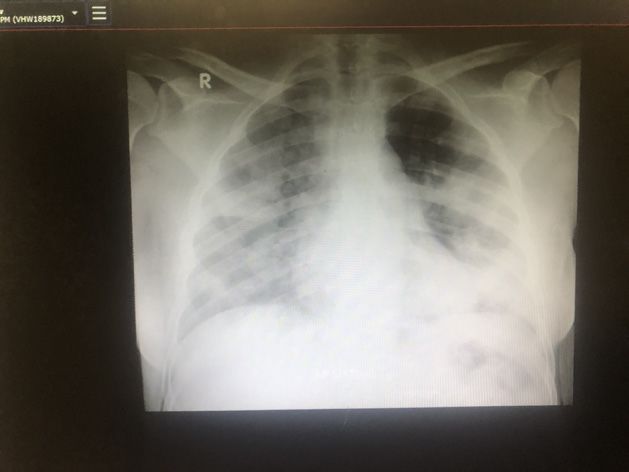
IN PRACTICE

Oxygen support outside of the ICU                                             identified a number of important dos and don’ts relating to HFNC
About 20% of hospitalised patients with confirmed SARS-CoV-2                  use for COVID-19 (Table 1).
pneumonia will develop acute respiratory distress syndrome, and ~12%
will meet conventional indications for intubation and mechanical              The value of a dedicated intubation
ventilation.[1,2] In SA, the capacity to treat forecasted numbers of          team
patients with acute hypoxaemic respiratory failure (AHRF) with                Early planning for the dramatic increased intubation requirement is
ventilation in the intensive care unit (ICU) is severely constrained.[3]      critical, particularly in view of the high risk to staff from this aerosol-
Furthermore, mechanical ventilation for COVID-19-associated AHRF              generating procedure (AGP). As routine and elective surgery
is associated with variable, but often very high, mortality.[1] There has     de-escalated, the Department of Anaesthesia and Perioperative
been considerable interest in strategies that improve oxygenation non-        Medicine redeployed approximately half of its consultants and
invasively, and that could be deployed in the non-ICU setting. High-          registrars to COVID-19 services and formed a dedicated COVID-19
flow nasal cannula (HFNC) is an oxygen delivery method capable of             Anaesthesia and Airway Team. We created a highly protocolised
supplying high inspired partial pressures of warmed and humidified            approach to safe intubation, which defined roles, checklists and
oxygen, while reducing anatomic dead space, work of breathing and             systems (https://www.sasaCOVID19.com). We used our experience
respiratory rate, and increasing positive pressure and compliance.            in simulation to provide open training sessions for all staff in
The device consists of a flow generator providing gas flow rates up           appropriate use of PPE for AGPs, rapid intubation and patient
to 60 L/min, an air-oxygen blender and a humidifier that saturates            transfers. We undertook in situ simulation in theatres, emergency
the gas mixture, markedly improving patient comfort, tolerance and            departments and wards, and actively encouraged cross-disciplinary
compliance.[4]                                                                participation of staff in interchangeable roles. This strengthened
   In the non-COVID-19 setting, HFNC has been shown to avoid                  interdepartmental collaboration and allowed systems testing and
intubation compared with conventional oxygen supply devices,[5,6]             rapid improvement prior to the patient surge.
and there are data to suggest that it may be useful in patients                  To date, the COVID-19 Anaesthesia and Airway Team have
with COVID-19 pneumonia.[7-9] At GSH, in anticipation of severe               completed over 400 cases, including intubations for respiratory
pressure on ICU beds, we cohorted patients with laboratory-                   failure (particularly failure of high-flow nasal oxygen), anaesthesia
confirmed or highly suspected COVID-19 pneumonia and severe                   for surgery, ICU tracheostomies and trauma/emergency intubations,
respiratory failure (ratio of arterial partial pressure of oxygen and         in PUIs or COVID-19 patients, without any infections documented
fraction of inspired oxygen typically 6 L/min) or ‘double oxygen’ – rather use HFNC if available
    risk of bioaerosolisation                                         • If mechanical ventilation is an option, do not consider HFNC as first-line
  • Monitor patients with continuous pulse oximetry and observe         in hypercapnic, haemodynamically unstable or obtunded patients or those
    closely for any malposition or displacement of nasal interface      with imminent respiratory arrest
  • Allow patients to eat and drink while on HFNC                     • Do not initiate HFNC without regular clinical assessments of its efficacy
  • Combine HFNC with awake self-proning to improve                     (especially during the first few hours of treatment)
    oxygenation                                                       • Do not delay intubation if there is a decline on HFNC (consistent or rapid
                                                                        increase in respiratory rate, consistently or rapidly declining SpO2, or
                                                                        exhaustion)
                                                                      • Do not offer a scalable HFNC service without first consulting with engineers
                                                                        about local oxygen capacity

  HFNC = high-flow nasal cannula.

                                                   974               October 2020, Vol. 110, No. 10
IN PRACTICE
safe transfer of patients from the emergency department or wards patients requiring any level of oxygen support.[19] There was no
to the ICU. benefit in patients not requiring oxygen support. We use intravenous
dexamethasone in ventilated patients and, wherever possible, 40 mg
Antimicrobial stewardship oral prednisolone to negate the need for a venous catheter.
At the time of writing, no single antimicrobial has been shown to
reduce mortality from SARS-CoV-2 infection. The broad-acting Anticoagulation
antiviral remdesivir has been shown to reduce duration of illness, International cohorts report the incidence of confirmed venous
but not directly affect mortality.[13] Results from larger randomised thromboembolism (VTE) as between 20 and 60% among critically
controlled trials are awaited. Despite being much vaunted, ill COVID-19 patients,[20,21] and >5% (up to 22% in one cohort)
hydroxychloroquine has been shown to have no beneficial effect, and in those less severely hypoxic, despite heparin prophylaxis,[22-24]
has been observed to trend towards worse outcomes in hospitalised much higher rates than general medical patients.[25,26] Even in the
patients.[14] The antiretroviral combination of lopinavir/ritonavir also absence of overt VTE, microvascular thrombosis in the pulmonary
showed no benefit.[15] circulation may also contribute to hypoxaemic respiratory failure
The existing epidemic of antibiotic-resistant bacterial infections in COVID-19.[27]
in SA has been one of many entrenched public health crises, such The recognition and diagnosis of VTE is more challenging
as diabetes and obesity, to collide with COVID-19. The primary in the context of COVID-19: patients with severe COVID-19
driver of antibiotic resistance is antibiotic consumption, historically pneumonia often have fluctuating oxygen requirements that may
fuelled by inappropriate prescribing for respiratory viral infections. mask a new thrombotic event; they may be too unstable for transfer
Influenza pandemics characterised by bacterial co-infections begged to undergo investigation; and IPC concerns may restrict access to
the question of an equal impact from SARS-CoV-2. However, pooled diagnostic testing. We follow international guidelines to not screen
prevalence of laboratory-confirmed bacterial infections was 7% routinely for VTE with lower-limb Doppler ultrasound or computed
throughout the course of hospitalisation in the largest systematic tomography pulmonary angiography.[21,28] Our indications for testing
review and meta-analysis conducted to date.[16] Bacterial coinfection are clinically guided and include suspected symptomatic lower limb
at the time of presentation to hospital is likely much lower. Despite deep vein thrombosis, sudden unexplained respiratory deterioration
this extremely low level, between 56 and 95% of patients in these and and persistent or refractory hypoxia. We have recognised VTE across
other studies received empirical antibiotics.[17] this clinical spectrum in our COVID-19 service.
Our approach is to withhold antibiotics in patients with a clinical All inpatients with suspected or confirmed COVID-19 pneumonia
or laboratory-confirmed diagnosis of COVID-19, and stop antibiotics receive VTE prophylaxis unless there is a contraindication. Low-
in those treated empirically, even though clinical and radiological molecular-weight heparin is preferred due to ease of use (subcutaneous
differentiation from bacterial pneumonia is difficult. Biomarkers are injection), predictable pharmacokinetics and limited monitoring
unhelpful in optimising antibiotic use in COVID-19, as high levels requirements. Our practice has recently changed to provide enhanced
of C-reactive protein (CRP) are common, and no good data exist for or ‘intermediate’ dose enoxaparin prophylaxis for patients with
procalcitonin (PCT), despite it being an indicator of severity, with a hypoxic pneumonia (Table 2). This is to overcome putative heparin
5-fold increase in odd ratio of severe COVID-19 if PCT is raised.[18] resistance[29] in COVID-19 due to increased circulating fibrinogen,
We do not advocate measuring CRP or PCT as biomarkers for factor VII and von Willebrand factor levels.[30,31] We have also
COVID-19 infection. witnessed incident VTE despite standard heparin prophylaxis,[20] and
For patients who deteriorate during their hospital stay, hospital- intermediate dose enoxaparin may ensure better protection for obese
acquired infection (HAI) should always be considered. HAIs patients who may be underdosed because of failure to do accurate
are predominantly seen in ICU patients, and may be multi-drug weight-based dosing. The intermediate dosing strategy is based on
resistant, especially when selected out by empirical broad-spectrum expert opinion and does not comply with current national guidance,
antibiotics used earlier. Empirical antibiotic choice will depend on which recommends the use of standard dose heparin prophylaxis in
local resistance patterns. If antibiotics are to be given, blood and COVID-19; however, several international hospital groups[32] have
site-directed specimens should be sent for culture prior to starting instituted this practice, and a there is support in published consensus
antibiotics, and the first dose should not be delayed. Oral medications documents by major international societies.[28,32,33] Major bleeding
should always be used in preference to intravenous whenever possible events appear to be uncommon with anticoagulant use in COVID-
to reduce venous catheter-associated infections. 19, but a recent retrospective study from Italy reported substantially
increased bleeding risk with high doses of heparin in a cohort with a
Corticosteroids median age of 71 years.[34] Therefore, we are cautious with using non-
To date, only the anti-inflammatory therapy of 6 mg IV or oral standard-dose heparin prophylaxis in patients >70 years and those
dexamethasone daily for 10 days has been shown to reduce mortality in who have other bleeding risk factors.
COVID-19 patients requiring oxygen – the largest gains were observed D-dimer elevation[35,36] and obesity[37,38] are both common in severe
in those who were mechanically ventilated, with one-third reduction COVID-19, and independently correlate with increased VTE risk and
in death at 28 days v. one-fifth reduction in non-ventilated hospitalised with mortality. Retrospective studies suggest improved survival for
Table 2. Enoxaparin dosing for VTE prophylaxis
Total body weight (kg) Dose (subcutaneous) Renal impairment (eGFRIN PRACTICE
Table 3. Enoxaparin dosing for therapeutic anticoagulation
Total body weight (kg) Dose (subcutaneous) Renal impairment (eGFR 120 mg 12-hourly.
therapeutic anticoagulation in critically ill
patients requiring mechanical ventilation[39]
and those with very high D-dimer levels. [40] In-hospital management of diabetes in patients with SARS-CoV-2 infection
Because of greatly increased VTE risk in
these groups (particularly in our population Problems
with a high prevalence of obesity) and limited 1. Patients living with diabetes have an increased risk of morbidity and mortality from infection with
SARS-Cov-2
diagnostic testing, we empirically prescribe 2. Poorly-controlled diabetes is a risk factor for increased morbidity and mortality from SARS-CoV-2
therapeutic anticoagulation (Table 3) for infection
3. Data from an observational study to show that morbidity and mortality from SARS-CoV-2 infection
the following patients in our service: those may be improved with better diabetes control
4. Acute hyperglycaemia has been shown to upregulate ACE2 expression on cells which might
requiring high flow nasal cannula oxygen facilitate viral cell entry
or mechanical ventilation (considered to 5. In-hospital hypoglycaemia increases morbidity and mortality
6. Patients with diabetes and severe COVID-19 have marked insulin resistance disproportionate to
be critically ill); D-dimer levels >1.5 × the critical illness caused by other conditions and this may require very high doses of insulin to
upper limit of normal or rising on serial maintain euglycaemia
7. Good diabetes control in the hospital requires frequent fingerprick blood glucose testing (at least
measurement; and those with clinically before each meal and at 22h00) and administration of insulin thereby increasing exposure of
healthcare workers to the infected patient
suspected VTE. Major bleeding events 8. There are no robust studies to guide the in-patient management of diabetes in patients with diabetes
appear to be uncommon with anticoagulant that are infected with SARS-CoV-2
9. Limited time available to stabilise on longterm treatment regimens and, at the moment, limited
use in COVID-19, but we are cautious with options for outpatient follow-up
this approach in patients older than 75 years Recommendations
and those who have other bleeding risk 1. HbA1c measurement on admission (unless HbA1c available within past 1 month)
factors. 2. INITIAL management of diabetes will depend on the HbA1c and disease severity
a. HbA1c < 9% plus mild disease (no pneumonia or mild pneumonia with respiratory rate < 30
Arterial thrombosis occurs much breaths/min and O2 saturation ≥ 94%)
less frequently than VTE,[41] but we have • continue pre-admission medication
o stop metformin if eGFR 9% with any severity of illness
• Stop all oral diabetes medications
patients complicating with stroke and • Continue with pre-admission insulin regimen OR commence insulin as per Diabetes
myocardial infarction. Prophylaxis with anti Chart, preferably using a basal bolus regimen
• Use insulin correction doses as per Diabetes Chart
platelet agents is not recommended and is c. Patients may have other reasons (another infection, on steroids, etc) apart from
COVID-19 that may change your INITIAL management so good and usual clinical
not part of our practice. judgement is required at all times
d. Encourage self-monitoring of fingerprick blood glucose by the patient if clinical status allows
Diabetes stewardship Glucose
e. Encourage self-administration of insulin by the patient if clinical status allows
f. Monitor fingerprick glucose twice daily if on oral therapy and 4 times daily if on insulin
target g. Review glycaemic control and management daily
The association between diabetes and h. Aim for a fingerpick blood glucose between 5.0 mmol/L to 10 mmol/L at all times but
less than 10
in
creased morbidity and mortality from mmol/L
preferably closer to 8.0 mmol/L
i. Very important to avoid hypoglycaemia (glucoseIN PRACTICE
on-site individual and group counselling
to provide a containing and supportive
Patients with COVID-19 and NEW Diabetes Mellitus space wherein HCWs are able to share their
Discharge process anxieties and fears and the traumas that they
have experienced within the hospital context
• Try and discharge patients on the simplest regimen that will keep their fingerprick blood as a result of severe patient morbidity and
glucose in the range 6.0-9.0 mmol/L mortality.
• All patients admitted in diabetic ketoacidosis (DKA) must be discharged on insulin We perform daily mental health ward
• Whilst the patient is in the ward the nursing staff and doctors should instruct the patient rounds to screen for patients who require
on fingerpick blood glucose monitoring and insulin administration
mental health assessment, management and
• As much as possible encourage self-monitoring of fingerprick blood glucose and self-
treatment. Common reasons for referral
administration of insulin
are agitated delirium (Fig. 3), bereavement,
• Dietary advice: dietician, GSH Diabetes Stewardship dietary handout, COVID Ward
anxiety and behavioural problems. Smart
handout
phones have enabled us to FaceTime families
• Before discharge please ensure that the following have been entered into the patient’s
within the high-risk COVID-19 wards to
notes: HbA1c, weight, height, mid-upper-arm circumference
address the isolation and trauma that many
• Patients on a basal bolus regimen
patients experience.
o A few days before discharge review the need for this regimen and the ability of
the patient to comply with this regimen, it is an intense regimen and many
patients are unable to comply
Palliative care for
o To convert to a more simple regimen using a pre-mix insulin (such as
COVID-19 patients
Actraphane or Humulin 30/70) twice-daily follow these steps:
The World Health Organization (WHO)
▪ Work out the total amount of insulin per day that the patient is needing strongly recommends that palliative care
(i.e., the total daily dose, TDD) should be accessible in all institutions that
▪ Give two-thirds of the TDD before breakfast and one-third of the TDD provide care for persons with COVID-19.[44]
before supper The Palliative Care Practitioners Association
• Patients must monitor their fingerpick blood glucose before giving insulin and must use of SA (PalPrac) has created clinical guide
the following correction doses: lines on palliative care management for
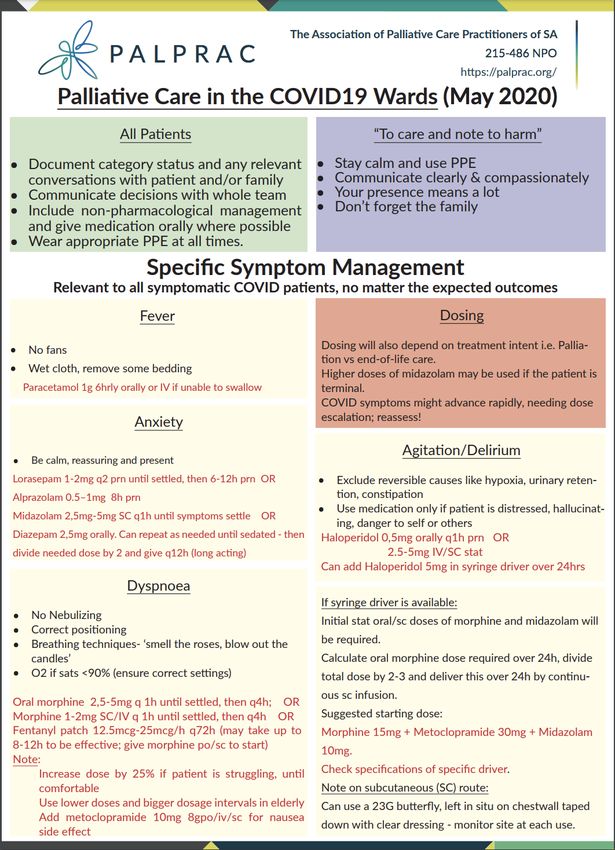
Meal-time insulin correction doses COVID-19 in SA (Fig. 4),[45] and has been
Less than 4.0 Eat and re-check blood glucose in 20 minutes supported by the provincial operational guide
Blood glucose level
4.1 to 4.9 Decrease the prescribed dose of insulin by 4 units for implementation, with provincial training
(mmol/L)
5.0 to 8.5 Give the prescribed dose of insulin
and mentorship by PalPrac.[46] Despite this,
8.6 -12.0 Increase the prescribed dose of insulin by 2 units
misconceptions around palliative care remain,
Greater than 12.1 Increase the prescribed dose of insulin by 4 units
and the lack of awareness, training and
• After discharge patients can phone the Help Line, weekdays between 09h00 and dedicated staff has hampered the integration
13h00 to discuss any problems with a doctor of palliative care into healthcare facilities.
• Patients must be please given an appointment for the GSH Diabetes Clinic for 2 weeks We strengthened the established team at
after the end of the patient’s self-isolation (please contact the Endo SR-on-call for an GSH with family medicine registrars and
appointment date, this is the only way of getting an appointment so please do it this by building strong relationships with the
way) psychiatry, psychology, oncology and social
work departments. Three main categories
Division of Endocrinology, Groote Schuur Hospital, June 2020 of patients are referred: firstly, the known
palliative care patients whose care has been
Fig. 2. Discharge process for diabetics with COVID-19. comprom ised in the time of COVID-19.
Social isolation, complex advanced decision-
fingerprick glucose monitoring and the epidemic. Working long hours in unfamiliar making and downscaling of community
administration of insulin, and a handout settings and in PPE, fear of contracting palliative care resources have led to
was provided describing basic dietary advice SARS-CoV-2 and passing it to their loved intensified palliative care for these patients in
as well as glycaemic management princi ones, seeing many patients die and breaking the hospital setting. Secondly, known patients
ples, including insulin correction doses bad news to bereaved families are all having in the COVID-19 wards requiring palliative
and glucose targets (Fig. 2). Furthermore, an impact on wellbeing. At the same time, care for an existing condition that has been
a telephonic helpline was established for the lockdown has meant that many have complicated by the infection. The third
the patient to contact should (s)he require been unable to recharge their batteries. group are the end-of-life patients dying from
guidance. There is no socialising, and some have COVID-19-related complications because
isolated themselves from their families to they were not candidates for ventilation.
Mental health – protect them. Terminal agitation, dyspnoea and delirium are
supporting staff and Working closely in an established the main symptoms requiring management.
patients alike partnership between our hospital and Pre-bereavement and bereavement care with
Many HCWs have reported that mental Metropolitan Health, we developed a GSH families are essential components of palliative
health conditions linked to their work Wellness Team to prioritise employee health care, and psychiatry, psychology, spiritual care
have been made worse by the COVID-19 and wellness during the crisis. We support and social work colleagues worked alongside
977 October 2020, Vol. 110, No. 10IN PRACTICE
Management of Agitated Delirium
incorrectly categorised patients was offset by
Non-pharmacological or environmental support strategies should be instituted consistent PPE and IPC protocols.
wherever possible. These include co-ordinating nursing care, preventing sensory We reserved the use of CT chest (high
deprivation and disorientation, and maintaining competence. resolution CT and CT pulmonary angio
graphy) for complications and for inpatients
Pharmacological treatment should be directed first at the underlying cause (if known)
not improving on treatment. Indications for
and then at the relief of specific symptoms of delirium.
CT imaging have evolved, now including
General principles of delirium management in some instances patients who are
ONLY USE ANTIPSYCHOTICS IF THE PATEINT IS DISTRESSED OR AGITATED persistently reverse transcriptase polymerase
• Keep the use of sedatives and antipsychotic medications to a minimum. chain reaction (RT-PCR)-negative with an
• Use one drug at a time. abnormal chest X-ray.
• Tailor doses according to age, body size and degree of agitation.
A COVID-19 radiology meeting (initially
• Titrate doses to effect.
held daily, then weekly) has been critical for
• Use small doses regularly, rather than large doses less frequently.
• Review at least every 24 hours. discussing diagnostic challenges in imaging
• Increase scheduled doses if regular ‘as needed’ doses are required after the of COVID-19 patients.
initial 24-hour period.
• Maintain at an effective dose and discontinue 7–10 days after symptoms Ensuring rapid
resolve. turnaround times for
Antipsychotics
SARS-CoV-2 diagnostic
Use lower doses especially in patients who are elderly. Discontinue these tests
medications as soon as possible. Attempt a trial of tapering the medication once Rapid turnaround time (TAT) for the SARS-
symptoms are in control. Antipsychotics can be associated with adverse neurological CoV-2 RT-PCR diagnostic test is a critical
effects such as extrapyramidal symptoms, neuroleptic malignant syndrome, and factor in the clinical management of COVID-
tardive dyskinesia. Longer term use is also associated with metabolic syndrome. 19 and triage through the hospital. Inpatient
Haloperidol-Considered first-line agent. No trial data has demonstrated superiority and HCW samples were prioritised from
of other antipsychotics over haloperidol; however, care must be taken to monitor for the start. Major challenges around supply
extrapyramidal and cardiac adverse effects. Avoid in Lewy body dementia and chain management and a shortage of qualified
Parkinson’s disease, Avoid intravenous use where possible. However, in the medical staff for the shift system created a stressful
ICU setting, IV is often used with close continuous ECG monitoring environment and affected the quality and
1) Start with either Haloperidol po or Risperidone po 0.5mg 12-hourly. Can
productivity of our virology laboratory
increase to up to 0.5mg 6-hourly service.
2) If poor response to Haloperidol or Risperidone OR if patient is VERY agitated While direct communication with the
try Olanzapine 2.5mg po 12 hourly. Can increase to up to 2.5mg 8-hourly laboratory to expedite urgent samples may
be tempting, this adds further work and
Benzodiazepines- AVOID and stop if already in use
pressure on the already strained system.
Reserved for delirium resulting from seizures or withdrawal from alcohol or
sedative hypnotics OR Terminal delirium. Benzodiazepines are preferred over Eventually, we identified three key factors
neuroleptics for treatment of delirium resulting from alcohol or sedative hypnotic that improved TAT of urgent hospital
withdrawal. Use special precaution when using benzodiazepines because they may samples. Firstly, a separate testing stream
cause respiratory depression, especially in patients who are elderly, those with was established where samples were
pulmonary problems, or debilitated patients.
marked with a clearly visible red dot on
Terminal agitated Delirium the outside of the sample bag. Secondly, we
Midazolam 2.5 mg subcutaneously and increase or provide continuously through a identified the main bottleneck in testing
syringe driver. (See Palprac guidelines – Figure 5) as the nucleic acid extraction process, and
developed an alternative extraction-free
Fig. 3. Management of agitated delirium in COVID-19 patients. (ICU = intensive care unit; method, overcoming reagent shortages and
IV = intravenous; ECG = electrocardiogram.) saving precious processing time. Finally,
work volumes were reduced by establishing
the palliative care team to broaden the reach resonance (MR) and CT scanning is additional testing laboratories – at the
for patients and their families. performed with two radiographers in Greenpoint National Health Laboratory
attendance; one remains clean in the Service that tested community screening
Radiology services for console room, planning and executing samples, and later, research laboratories at
COVID-19 the scan. The second wears full PPE and the University of Cape Town, allowing us
Chest radiography is the mainstay of imaging, assists with positioning the patient in the to focus on serving the hospital population,
and it was planned as a mobile service for all room, remaining with the staff transporting and ultimately to improve quality and
COVID-19 suspects and patients using the the patient until the patient leaves the sample TAT.
two-radiographer technique. High demand department. After every PUI or COVID-
caused strain on the service; however, this 19 patient, the room is deep-cleaned by Developing research as
was somewhat offset by clustering patients the housekeeping team and allowed part of the COVID-19
whenever possible. to stand empty for an hour to ventilate. response
Within the Radiology Department Ventilation and air flow must be checked Three broad priority areas for research
one machine was a ‘designated COVID- by engineers to ensure it is adequate. The were identified: Establishing a clinical
19 scanner’ wherever possible. Magnetic risk of transmission from asymptomatic or and laboratory data repository; under
978 October 2020, Vol. 110, No. 10IN PRACTICE
institution of rapid review processes for
COVID-19-related projects and oversight
in this challenging research environment is
highly recommended.
Conclusion
Clinical management of COVID-19 improves
with experience, and we now have a suite of
interventions that we believe improve clinical
outcomes (Fig. 5). Notable developments
have been the use of corticosteroids, HFNC
outside of the ICU, a dedicated intubation
team to support management of these
challenging patients, rigour in relation to
antibiotic and diabetic stewardship and
the provision of strong mental health and
palliative care services to benefit distressed
patients and staff. The challenge continues,
with the only certainty being that we still
have much more to learn.
Declaration. None.
Acknowledgements. We acknowledge with
immense gratitude the tremendous contri
bution to the success of the COVID-19
response at GSH from our nurses, allied
medical professionals, hospital and provincial
managers, as well as every last porter, cleaner,
caterer, volunteer and all other support staff
who have contributed to our service. We also
acknowledge that we would have been unable
to provide the care we have to COVID-19
patients were it not for the partnership of other
colleagues working across the hospital on non-
COVID-19 wards. We dedicate this article to all
the patients who have passed on and to those
who have left our hospital to return to friends
Reproduced with permission of Dr René Krause
and family.
Fig. 4. Palliative care in the COVID-19 wards. (PPE = personal protective equipment.) Author contributions. MM conceived and co-
ordinated the manuscript. All authors wrote
taking local studies to understand Local studies are focusing on main areas
parts and/or led the clinical/laboratory/radiology
clinical epidemiology in our population of clinical presentation and management,
services described, and all authors edited and
and to directly inform our practice; and i.e. the COVID-19 and HIV interaction,
contributing data to global observational impact of diabetes on clinical outcomes, use approved the final manuscript for submission.
and trial protocols. Early in our epidemic, of HFNC oxygen, respiratory co-infections Funding. None.
the Department of Medicine, with ethics and optimising anticoagulation. Our Conflicts of interest. None.
approval, implemented a protocol for hospital is also a participating centre for
collection and storage of clinical data linked the WHO’s SOLIDARITY trial,[47] and the
to electronic records systems, a virtual ICU contributes to the International Severe 1. Richardson S, Hirsch JS, Narasimhan M, et al. Presenting
characteristics, comorbidities, and outcomes among 5 700
repository for all clinical samples obtained Acute Respiratory and Emerging Infection patients hospitalized with COVID-19 in the New York City
area. JAMA 2020;323(20):2052-2059. https://doi.org/10.1001/
from all COVID-19-related research, and Consortium database.[48] jama.2020.6775
a governance structure developed by a A guiding principle of our efforts is 2. Wang D, Hu B, Hu C, et al. Clinical characteristics of 138
hospitalized patients with 2019 novel coronavirus-infected
Departmental COVID-19 Research Steering that research conduct should contribute pneumonia in Wuhan, China. JAMA 2020;323(11):1061-1069.
Committee, which evaluates requests from directly to the clinical service and not place https://doi.org/10.1001/jama.2020.1585
3. GroundUp. COVID-19: Groote Schuur on the brink. https://
investigators to access the data under additional burdens on staff or PPE, and www.groundup.org.za/article/covid-19-groote-schuur-brink/
(accessed 13 July 2020).
approved protocols. This aims to ensure that that study procedures should not increase 4. Mauri T, Galazzi A, Binda F, et al. Impact of flow and
no single research group has ‘ownership’ transmission risk in the hospital, e.g. temperature on patient comfort during respiratory support by
high-flow nasal cannula. Crit Care 2018;22(1):120. https://doi.
over data from COVID-19 patients, and through the use of paper-based records or org/10.1186/s13054-018-2039-4
avoids duplication in informed consent, performance of AGPs. Close engagement 5. Li J, Jing G, Scott JB. Year in review 2019: High-flow nasal cannula
oxygen therapy for adult subjects. Respir Care 2020;65(4):545-
study procedures and data reporting. with ethical and regulatory bodies for the 557. https://doi.org/10.4187/respcare.07663
979 October 2020, Vol. 110, No. 10IN PRACTICE
antimicrobial prescribing. Clin Infect Dis 2020;ciaa530 (epub ahead
of print). https://doi.org/10.1093/cid/ciaa530
18. Lippi G, Plebani M. Procalcitonin in patients with severe
UCT/GSH DEPARTMENTS OF MEDICINE & SURGERY coronavirus disease 2019 (COVID-19): A meta-analysis.
Clin Chim Acta 2020;505:190-191. https://doi.org/10.1016/j.
COVID-19 ADMISSION APPROACH cca.2020.03.004
19. RECOVERY Collaborative Group, Horby P, Lim WS, et al.
Dexamethasone in hospitalized patients with COVID-19 –
Management of laboratory confirmed or clinically diagnosed case preliminary report. N Engl J Med 2020 (epub 17 July 2020).
https://doi.org/10.1056/NEJMoa2021436
1. Oxygen therapy, escalating according to need 20. Llitjos JF, Leclerc M, Chochois C, et al. High incidence of venous
thromboembolic events in anticoagulated severe COVID-19
1. Nasal cannulae (2-6 L/min) patients. J Thromb Haemost 2020;18(7):1743-1746. https://doi.
2. Face mask 40% (6-8 L/min) org/10.1111/jth.14869
21. Moores LK, Tritschler T, Brosnahan S, et al. Prevention,
3. Reservoir mask (flow to fill reservoir bag) diagnosis, and treatment of VTE in patients With COVID-19:
4. High flow nasal oxygen CHEST guideline and expert panel report. Chest 2020 (epub
2 June 2020). https://doi.org/10.1016/j.chest.2020.05.559
5. Refer to ICU for intubation and ventilation 22. Lodigiani C, Iapichino G, Carenzo L, et al. Venous and arterial
thromboembolic complications in COVID-19 patients admitted
2. Awake proning if sats < 90% to an academic hospital in Milan, Italy. Thromb Res 2020;191:9-
3. Dexamethasone 6mg IVI or Prednisone 40mg PO daily 14. https://doi.org/10.1016/j.thromres.2020.04.024
23. Middeldorp S, Coppens M, van Haaps TF, et al. Incidence
4. Enoxaparin (provided no contra-indication) of venous thromboembolism in hospitalized patients with
COVID-19. J Thromb Haemost 2020;18(8):1995-2002. https://
1. 40mg SC daily for prophylaxis doi.org/10.1111/jth.14888
2. Enhanced prophylactic doses if hypoxic pneumonia 24. Artifoni M, Danic G, Gautier G, et al. Systematic assessment
of venous thromboembolism in COVID-19 patients receiving
3. If requiring high intensity oxygen or D-dimer > 1.5 then thromboprophylaxis: incidence and role of D-dimer as
1mg/kg 12 hourly (weigh patient if possible) predictive factors. J Thromb Thrombolysis 2020;50(1):211-216.
https://doi.org/10.1007/s11239-020-02146-z
5. Lansoprazole 30mg daily or Omeprazole 20mg daily 25. Samama MM, Cohen AT, Darmon JY, et al. A comparison
of enoxaparin with placebo for the prevention of venous
6. Paracetamol 1 g 6 hourly. Escalate analgesia if needed. thromboembolism in acutely ill medical patients. Prophylaxis
7. Appropriate management of co-morbidities (especially diabetes: in Medical Patients with Enoxaparin Study Group.
N Engl J Med 1999;341(11):793-800. https://doi.org/10.1056/
SC insulin if hyperglycaemic; IVI insulin infusion and fluids if DKA) NEJM1999909093411103
26. Malato A, Dentali F, Siragusa S, et al. The impact of deep vein
8. No routine antibiotics thrombosis in critically ill patients: A meta-analysis of major
9. For some patients institution of palliative care appropriate clinical outcomes. Blood Transfus 2015;13(4):559-568. https://
doi.org/10.2450/2015.0277-14
27. Ackermann M, Verleden SE, Kuehnel M, et al. Pulmonary
vascular endothelialitis, thrombosis, and angiogenesis in
Investigations COVID-19. N Engl J Med 2020;383(2):120-128. https://doi.
org/10.1056/NEJMoa2015432
1. NP or mid-turbinate swab for 28. Bikdeli B, Madhavan MV, Jimenez D, et al. COVID-19 and
SARS-CoV-2 (if high suspicion thrombotic or thromboembolic disease: Implications for
prevention, antithrombotic therapy, and follow-up: JACC state-
& swab neg then sputum) of-the-art review. J Am Coll Cardiol 2020;75(23):2950-2973.
https://doi.org/10.1016/j.jacc.2020.04.031
2. Blood glucose 29. Ranucci M, Ballotta A, Di Dedda U, et al. The procoagulant
3. ABG (if sats < 95%) pattern of patients with COVID-19 acute respiratory distress
syndrome. J Thromb Haemost 2020;18(7):1747-1751. https://
4. CEU doi.org/10.1111/jth.14854
5. FBC/diff 30. Beun R, Kusadasi N, Sikma M, Westerink J, Huisman A.
Thromboembolic events and apparent heparin resistance
6. D-dimer Clinically-diagnosed cases are patients
in patients infected with SARS-CoV-2. Int J Lab Hematol
2020;42(S1):19-20. https://doi.org/10.1111/ijlh.13230
7. HIV with characteristic symptoms, positive contact
and/or characteristic CXR with bilateral
31. White D, MacDonald S, Bull T, et al. Heparin resistance in
8. HbA1C ground glass infiltrates with prominent
COVID-19 patients in the intensive care unit. J Thromb
Thrombolysis 2020;50(2):287-291. https://doi.org/10.1007/
peripheral distribution
9. If ischaemic chest pain s11239-020-02145-0
then TropT and ECG Version: 9 Aug 2020
32. Connors JM, Levy JH. COVID-19 and its implications for
thrombosis and anticoagulation. Blood 2020;135(23):2033-
2040. https://doi.org/10.1182/blood.2020006000
33. Barnes GD, Burnett A, Allen A, et al. Thromboembolism and
anticoagulant therapy during the COVID-19 pandemic: Interim
Fig. 5. Groote Schuur Hospital (GSH)/University of Cape Town (UCT) approach to admissions with clinical guidance from the anticoagulation forum. J Thromb
COVID-19. (ICU = intensive care unit; IVI = intravenous infusion; PO = per os; SC = subcutaneous; Thrombolysis 2020;50(1):72-81. https://doi.org/10.1007/
s11239-020-02138-z
DKA = diabetic ketoacidosis; NP = nasopharyngeal; ABG = arterial blood gas; CUE = creatinine, urea 34. Pesavento R, Ceccato D, Pasquetto G, et al. The hazard of (sub)
therapeutic doses of anticoagulants in non-critically ill patients with
and electrolytes; TropT = troponin T; ECG = electrocardiogram; CXR = chest X-ray.) Covid-19: The Padua province experience. J Thromb Haemost 2020
(epub 21 July 2020). https://doi.org/10.1111/jth.15022
35. Artifoni M, Danic G, Gautier G, et al. Systematic assessment
6. Rochwerg B, Granton D, Wang DX, Einav S, Burns KEA. High- 2020;55(5):2000892. https://doi.org/10.1183/13993003.00892-
2020 of venous thromboembolism in COVID-19 patients receiving
flow nasal cannula compared with conventional oxygen therapy
for acute hypoxemic respiratory failure: Author’s reply. Intensive 12. Kingma K, Hofmeyr R, Zeng IS, Coomarasamy C, Brainard thromboprophylaxis: Incidence and role of D-dimer as
Care Med 2019;45(8):1171. https://doi.org/10.1007/s00134-019- A. Comparison of four methods of endotracheal tube predictive factors. J Thromb Thrombolysis 2020;50(1):211-216.
05658-2 passage in simulated airways: There is room for improved https://doi.org/10.1007/s11239-020-02146-z
7. Guan W, Ni Z, Hu Y, et al. Clinical characteristics of coronavirus techniques. Emerg Med Australas 2017;29(6):650-657. https://doi. 36. Zhou F, Yu T, Du R, et al. Clinical course and risk factors for
disease 2019 in China. N Engl J Med 2020;382(18):1708-1720. org/10.1111/1742-6723.12874 mortality of adult inpatients with COVID-19 in Wuhan, China:
https://doi.org/10.1056/NEJMoa2002032 13. Beigel JH, Tomashek KM, Dodd LE, et al. Remdesivir for the A retrospective cohort study. Lancet 2020;395(10229):1054-
8. Lalla U, Allwood BW, Louw EH, et al. The utility of high- treatment of COVID-19 – preliminary report. N Engl J Med. 2020 1062. https://doi.org/10.1016/S0140-6736(20)30566-3
flow nasal cannula oxygen therapy in the management of (epub 22 May 2020). https://doi.org/10.1056/NEJMoa2007764 37. Lighter J, Phillips M, Hochman S, et al. Obesity in patients
respiratory failure secondary to COVID-19 pneumonia. S Afr 14. Horby P, Mafham M, Linsell, et al. Effect of hydroxychloroquine younger than 60 years is a risk factor for COVID-19 hospital
in hospitalized patients with COVID-19: Preliminary results from admission. Clin Infect Dis 2020;71(15):896-897. https://doi.
Med J 2020;110(6):432. https://doi.org/10.7196/SAMJ.2020.
a multi-centre, randomized, controlled trial. medRxiv 2020 (epub org/10.1093/cid/ciaa415
v110i6.14882
15 July 2020). https://doi.org/10.1101/2020.07.15.20151852 38. Rocha AT, de Vasconcellos AG, da Luz Neto ER, Araújo
9. Geng S, Mei Q, Zhu C, et al. High flow nasal cannula is a good
15. Statement from the Chief Investigators of the Randomised DM, Alves ES, Lopes AA. Risk of venous thromboembolism
treatment option for COVID-19. Heart Lung 2020;S0147-
Evaluation of COVid-19 thERapY (RECOVERY) Trial on and efficacy of thromboprophylaxis in hospitalized obese
9563(20)30113-8(epub 13 April 2020). https://doi.org/10.1016/j. lopinavir-ritonavir, 29 June 2020. https://www.recoverytrial.net/
hrtlng.2020.03.018 medical patients and in obese patients undergoing bariatric
files/lopinavir-ritonavir-recovery-statement-29062020_final.pdf
10. Hui DS, Chow BK, Lo T, et al. Exhaled air dispersion during surgery. Obes Surg 2006;16(12):1645-1655. https://doi.
(accessed 17 July 2020).
high-flow nasal cannula therapy versus CPAP via different org/10.1381/096089206779319383
16. Lansbury L, Lim B, Baskaran V, Lim WS. Co-infections in people
masks. Eur Respir J 2019;53(4):1802339. https://doi. 39. Paranjpe I, Fuster V, Lala A, et al. Association of treatment dose
with COVID-19: A systematic review and meta-analysis. J Infect
org/10.1183/13993003.02339-2018 2020;81(2):266-275. https://doi.org/10.1016/j.jinf.2020.05.046 anticoagulation with in-hospital survival among hospitalized
11. Li J, Fink JB, Ehrmann S. High-flow nasal cannula for COVID-19 17. Rawson TR, Moore LSP, Zhu N. Bacterial and fungal co-infection in patients with COVID-19. J Am Coll Cardiol 2020;76(1):122-124.
patients: Low risk of bio-aerosol dispersion. Eur Respir J individuals with coronavirus: A rapid review to support COVID-19 https://doi.org/10.1016/j.jacc.2020.05.001
980 October 2020, Vol. 110, No. 10IN PRACTICE
40. Tang N, Bai H, Chen X, Gong J, Li D, Sun Z. Anticoagulant treatment is associated with decreased 45. The Association of Palliative Care Practitioners of SA. Providing Palliative Care in South Africa during
mortality in severe coronavirus disease 2019 patients with coagulopathy. J Thromb Haemost the COVID-19 pandemic. Cape Town: PALPRAC, 2020.
2020;18(5):1094-1099. https://doi.org/10.1111/jth.14817 46. Arendse J. Operational guide to implementing palliative care during COVID-19. In: Department of
41. Cantador E, Nunez A, Sobrino P, et al. Incidence and consequences of systemic arterial thrombotic Health Western Cape, ed. Palliative Care Position Statement. Cape Town, 2020.
events in COVID-19 patients. J Thromb Thrombolysis 2020 (epub 9 June 2020). https://doi. 47. World Health Organization. ‘Solidarity’ clinical trial for COVID-19 treatments. https://www.who.
org/10.1007/s11239-020-02176-7 int/emergencies/diseases/novel-coronavirus-2019/global-research-on-novel-coronavirus-2019-ncov/
42. Wu Z, McGoogan JM. Characteristics of and important lessons from the coronavirus disease 2019 solidarity-clinical-trial-for-covid-19-treatments (accessed 17 July 2020).
(COVID-19) outbreak in China: Summary of a report of 72 314 cases from the Chinese Center 48. International Severe Acute Respiratory and Emerging Infection Consortium (ISARIC). COVID-19 clinical
for Disease Control and Prevention. JAMA 2020;323(13):1239-1242. https://doi.org/10.1001/ data report. https://isaric.tghn.org/covid-19-clinical-research-resources/ (accessed 6 August 2020).
jama.2020.2648
43. The OpenSAFELY Collaborative, Williamson E, Walker AJ, et al. OpenSAFELY: Factors associated
with COVID-19-related hospital death in the linked electronic health records of 17 million adult NHS
patients. medRxiv 2020 (epub 7 May 2020). https://doi.org/10.1101/2020.05.06.20092999
44. World Health Organization. Clinical management of COVID-19: Interim guidance, 27 May 2020.
WHO reference number: WHO/2019-nCoV/clinical/2020.5. Geneva: WHO, 2020. Accepted 12 August 2020.
981 October 2020, Vol. 110, No. 10You can also read


