École secondaire Neelin High School Registration Guide 2020-2021 - Brandon School Division
←
→
Page content transcription
If your browser does not render page correctly, please read the page content below

École secondaire Neelin High School Registration Guide 2020-2021

Cover Art:
Top Left: Rainbow clouds – Ash Kroken, Grade 9
Top Middle: Untitled – Peyton Stevenson, Grade 9
Top Right: Purple stars – Maybelle Mousseau-Bone, Grade 9
Bottom Left: Lightbulb- Joshua Henriquez, Grade 9
Bottom Right: Stripes and spatters- Alexys Houle, Grade 10

TABLE OF CONTENTS

A l t e r n a t i v e C r e d i t O p t i o n s ...........................................................................................................................................................5
A p p l i e d C o m m e r c e E d u c a t i o n (Business Technology)…………………………………………………………………………………………………………………. 10
C a r e e r D e v e l o p m e n t .......................................................................................................................................................................... 13
C o m p u t e r T e c h n o l o g y....................................................................................................................................................................... 12
C o u r s e S e l e c t i o n , C h a n g e s & C o d e s ............................................................................................................................... 1
E n g l i s h L a n g u a g e A r t s .................................................................................................................................................................... 13
F i n e a n d P e r f o r m i n g A r t s ....................................................................................................................................................................... 15
F r e n c h I m m e r s i o n ................................................................................................................................................................................. 30
G e n e r a l I n f o r m a t i o n ............................................................................................................................................................................. 1
G r a d u a t i o n R e q u i r e m e n t s .............................................................................................................................................................. 3
I n t e r n a t i o n a l B a c c a l a u r e a t e D i p l o m a P r o g r a m m e .................................................................................. 7
L a n g u a g e s ...................................................................................................................................................................................................... 20
L i f e S k i l l s ...................................................................................................................................................................................................... 35
M a t h e m a t i c s................................................................................................................................................................................................ 22
P h y s i c a l E d u c a t i o n .............................................................................................................................................................................. 24
S c h o l a r s h i p s ...............................................................................................................................................................................................4
S c i e n c e s ........................................................................................................................................................................................................... 25
S o c i a l S c i e n c e s ........................................................................................................................................................................................ 27
                                                                                       1020 Brandon Avenue
                                                                                       Brandon, MB R7A 1K6
                                                                      Phone: (204) 729-3180 Fax: (204) 726-5813
                                                                                  www.bsd.ca/schools/neelin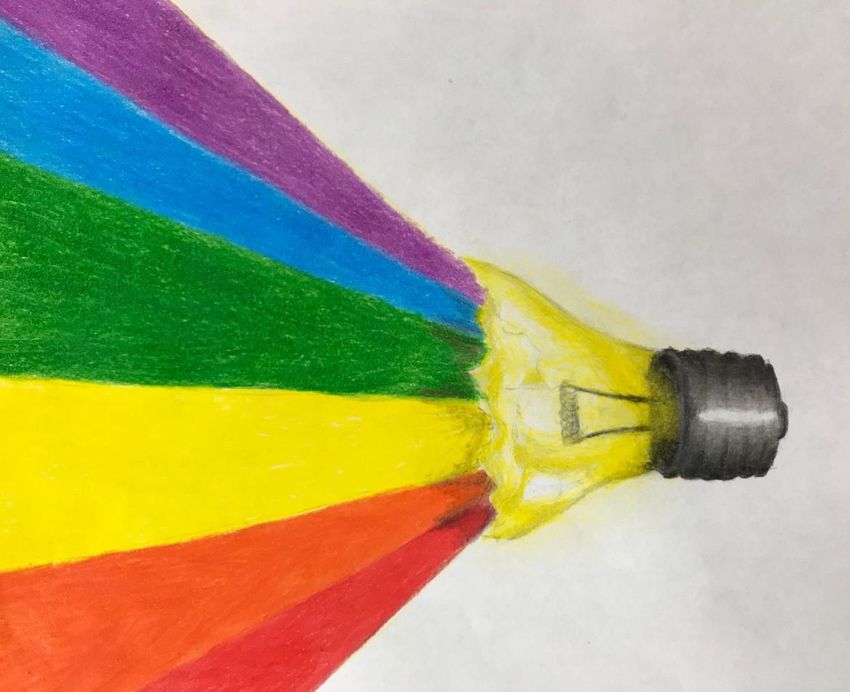
COURSE CHANGES
GENERAL INFORMATION
                                                                                 When selecting courses at the time of registration, students are making their
                                                                                 choice for the entire school year. Students and their parents or guardians are
COURSE SELECTION                                                                 urged to consider the following points if they wish to make a change to
                                                                                 courses.
Registration occurs in late winter for the subsequent school year.
Courses for both semesters are selected at the time of registration.             1. In the event that a change is requested, some opportunity to adjust
                                                                                 timetables may exist; however, any changes are subject to space availability.
The school timetable is designed to provide compulsory courses in each
semester. Students are strongly urged to select a balanced course load.          2. Course changes for each semester should be made as soon as the need is
Please note some courses may only be offered in one semester due to              recognized. Changes must be completed before the end of the first week of
enrolment numbers.                                                               classes in a given semester.

When selecting a program of studies for the coming school year,                  3. Students who need to repeat a course from first semester will be
students and their parents are urged to consider the following:                  accommodated only where space permits.
1. Students should select courses that are best suited to their particular
abilities, interests and aptitudes taking into consideration future career       4. The parent, teacher, and guidance counsellor must approve course
or education plans. Be honest and realistic when making choices.                 changes. Course change forms are available from the academic counsellor.
2. Students should select courses that will be reasonably challenging
and can be completed successfully. Courses should not be selected
simply because friends have selected them.

3. Students are encouraged to consult teachers, the academic
counsellor, and/or school administration when selecting courses. The
opinions and advice of the professional staff are readily available and
may make decisions easier.

4. Students should consult the entrance requirements of the
universities, colleges and other post-secondary institutions that
they may plan to attend.

                                                                             1
transition into the English program
COURSE CODES
                                                                             M Modified: Curriculum that has been modified to take into account the
                                                                             capabilities of students with exceptionalities
All courses in the course description for Grade 9 through Grade 12 are
numbered using three characters, as specified by Manitoba Education          I Individualized: Educational experiences intended for students with
                                                                             significant exceptionalities
Citizenship and Youth.

First character:

Indicates the course level:     1 - Grade 9
                                2 - Grade 10
                                3 - Grade 11
                                4 - Grade 12

Second character:

0 Developed or approved by Manitoba Education,
Citizenship and Youth for 1 credit
1 Developed by school or division (include Student
Initiated Projects (SIP) and School Initiated Courses (SIC)
2 Developed elsewhere, such as university,
out-of-province or out-of-country
5 Developed or approved by Manitoba Education,
Citizenship and Youth for 0.5 credit
Third character:

F Foundation: compulsory courses for all students which may
further studies beyond the senior years (e.g. apprenticeship, college
and university)
G General: General educational experiences for all students
S Specialized: Learning experiences focused on specific skills and
content
E English as an Additional Language: Curriculum is adapted for
students whose first language is not English as they make a

                                                                         2
GRADUATION REQUIREMENTS
Manitoba Education, Citizenship and Youth require that students meet FRENCH LANGUAGE PROGRAM COMPULSORY CREDITS
minimum criteria to be eligible for graduation. Students must complete
a minimum of 30 credits during their Senior Years. Students must
complete all of the compulsory credits. A minimum of one Grade 11 and Grade Grade Grade Grade
two Grade 12 credits must be earned from the available optional 9 10 11 12
courses.
English Language
10F 20F 30S 40S
ENGLISH LANGUAGE PROGRAM COMPULSORY CREDITS Arts
Français 10F 20F 30S 40S
Grade Grade Grade Grade
9 10 11 12 Mathématiques 10F 20S 30S 40S
English Language
10F 20F 30S 40S Sciences de la
Arts 10F 20F
nature
Mathematics 10F 20S 30S 40S
Sciences
10F
humaines
Science 10F 20F
Géographie du
20F
Social Studies 10F Canada
Histoire du
Geography 20F 30F
Canada
History 30F Éducation
10F 20F 30F 40F
physique
Physical
10F 20F 30F 40F
Education A maximum of 11 School Initiated Courses (SIC’s) and 3 Students Initiated Projects (SIP’s)
can be included in the 30 credits used to meet the requirements for graduation.
3three of the categories and at least one credit in the remaining category. Three
OPTIONAL DIPLOMAS & CERTIFICATES
of the nine credits must be at the Grade 11 and/or Grade 12 level. (Musical
Theatre 10S-40S could be a Drama, Dance, or Music credit.)
In addition to the Manitoba High School Diploma, École secondaire
Neelin High School students may be eligible for the following: Performing and Visual Arts Certificate - Major:
Students that meet the requirements for the PVA certificate, including a
French Immersion Diploma: minimum of five credits in one of the four categories, will receive a PVA
French Immersion students must complete a minimum of 14 credits in Certificate with a major in one of the following areas: Art, Dance, Drama, or
courses taught in French including Français at all grade levels. Of these 14 Music.
credits, four must be from the Grade 9 level, four from Grade 10, three
from Grade 11 and three from Grade 12. SCHOLARSHIPS & AWARDS
French Immersion Certificate: An awards committee determines School and Community based scholarships,
Students must complete a minimum of 10 credits in courses taught in awards and certificates each year. Graduating students complete information
French. Of these 10 credits, four must be from Grade 11 and/or Grade forms in April of their graduating year indicating their involvement in activities
12. in school and in the community.
Students are encouraged to view:
International Baccalaureate Diploma: Final Year 2020-2021 www.scholarshipscanada.com and
IB students who earn a minimum of 24 points in their required IB www.studentawards.com
programme may be awarded an International Baccalaureate diploma.
More information is available on pages 7-9.
Applied Commerce Education: Technology Education Diploma
Students who complete a minimum of eight credits in specific business
and marketing courses will receive a Manitoba Technology Education
Diploma.
Performing and Visual Arts Certificate:
Awarded to students who have accumulated nine credits in a
combination of any of our Fine Arts courses in the categories of Art,
Dance, Drama, and Music. A minimum of two credits must be obtained in
4CHALLENGE FOR CREDIT
ALTERNATIVE CREDIT OPTIONS
In exceptional circumstances, a student may challenge for a credit in a course
COMMUNITY SERVICE CREDIT 41G (CSC41G) in which they have already acquired the knowledge, skills and outcomes. See
the academic counsellor for more information.
Students who volunteer at a non-profit community organization may
earn up to one credit upon completion of 110 hours of service. Only one CADET CREDITS
credit may be earned during the high school years. Agencies must be
registered with Brandon School Division and students must get approval One credit can be recognized for the Cadet Basic Training Program and a
from the academic counsellor before beginning their placement. second credit recognized for the Cadet Advanced Training Program. Please
note that these two credits are recognized only as additional credits beyond
POST-SECONDARY DUAL CREDITS the minimum 30 credits required for graduation.
Students can earn up to five dual credits toward high school graduation CREDIT FOR EMPLOYMENT (CFE)
while earning credits for the same courses at the college or university
level. See the academic counsellor for more information. Students may earn one grade 11 credit and one grade 12 credit for working.
Each credit requires 110 hours of paid work and students must have completed
SPECIAL LANGUAGE CREDIT OPTION or be registered in a Career Development course. See the Academic
Counsellor for more information.
Students may be eligible for up to four credits for proficiency of
languages other than English or French. This includes American Sign HIGH SCHOOL APPRENTICESHIP PROGRAM
Language. See the academic counsellor for more information.
Earn money, learn a trade and receive credits for graduation. The High School
PRIVATE MUSIC OPTION Apprenticeship Program (HSAP) is an option for students to earn high school
academic credits while learning a trade.
A student may earn up to four credits provided the minimum standing • Students must be at least 16 years of age and have their Grade 9 compulsory
for each level has been attained through the Conservatory Canada credits completed.
program or Royal Conservatory of Music. Please note that these two • Students are eligible to receive up to eight (8) academic credits towards
credits are recognized only as additional credits beyond the minimum graduation.
30 credits required for graduation. • Students receive a wage for the hours worked at the rate defined by each
trade.
STUDENT-INITIATED PROJECTS • Apply on-the-job training hours to continued, full-time apprenticeship
training after graduation
Students may include up to three credits for projects they initiate and • Students are responsible for finding a qualified employer who is willing to
have approved by the school administration. Interested students should participate.
make arrangements through the academic counsellor.
5Construction
Trades Eligible for HSAP
• Boilermaker • Bricklayer
• Cabinetmaker • Carpenter
Industrial
• Concrete Finisher • Construction Craft Worker
• Electric Motor System Technician • Machinist
• Crane & Hoisting Equipment Operator
• Industrial Electrician • Power Electrician
• Domestic Gasfitter • Construction Electrician
• Industrial Instrument Mechanic • Rig Technician
• Floorcovering Installer • Insulator (Heat & Frost)
• Tool and Die Maker • Welder
• Industrial Mechanic • Interior Systems Mechanic
• Water and Wastewater Technician
• Mechanic • Ironworker • Glazier
• Sheet Metal Worker • Landscape Horticulturist
Service
• Pre-Engineered Building Erector • Plumber
• Cook • Hairstylist
• Refrigeration & Air-Conditioning • Roofer
• Electrolysist • Esthetician
• Steamfitter-Pipefitter • Sprinkler System Installer
• Pork Production Technician • Parts person
For more information, see the Academic Counsellor.
Transportation
• Diesel Engine Mechanic • Aircraft Maintenance
• Gas Turbine Technician • Automotive Painter
• Motor Vehicle Body Repair • Automotive Service
• Transport Trailer Technician • Railway Car Technician
• Agricultural Equipment Technician
• Heavy Duty Equipment Technician
• Marine & Outdoor Power Equipment Technician
• Recreation Vehicle Service Technician
• Truck & Transport Mechanic
6INTERNATIONAL BACCALAUREATE (FINAL YEAR 2020-2021)
THE IB PROGRAM AT ECOLE SECONDAIRE NEELIN HIGH SCHOOL IS BEING TRANSITIONED OUT AND FOR THE 2020-2021 SCHOOL YEAR, ONLY
GRADE 12 STUDENTS WHO ARE CURRENTLY ENROLLED IN AN IB COURSE OR DIPLOMA PROGRAM CAN REGISTER FOR IB COURSES.
OTHER ENRICHMENT OPPORTUNITIES WILL BE OFFERED FOR THE 2021-2022 SCHOOL YEAR.
The IB Diploma Programme is a comprehensive and challenging pre- university program that demands the best from both motivated students and teachers.
This sophisticated two-year curriculum covers a wide range of academic subjects and has stood the test of time for over half a million students in over 130
countries since 1968. IB Diploma graduates are welcomed by the world’s leading universities.
The IB Diploma Programme is widely recognized for its high academic standards. IB students choose to study in six subject areas. A minimum of three of the
six areas must be Higher Level (HL). The assessment is varied and takes place over two years, with final examinations in each subject. A trained international
board of examiner assesses students’ work
Subjects are scored on a 1-7 scale along with a maximum of three points available for Theory of Knowledge and the Extended Essay. Students who display
good levels of performance across all six subjects and achieve a minimum of 24 points (out of a possible 45) are awarded the diploma. If a student scores an
E on either the TOK or EE, they must score a minimum of 28 points.
Students who do not receive a diploma will receive a certificate for each of the subjects successfully completed.
The following IB courses will be offered for the 2020-2021 school year:
Group 1 Language
ENGLISH HL (ENC40S, ELA42S)
2 Credits
Prerequisite: ELA32S
IB English is a two-year course covering a variety of themes, styles and forms of literature in greater depth than in the regular program. Poems, essays, plays
and novels are studied in the context of selected topics.
World literature in translation is a special feature. Students’ oral and written work is assessed, both internally and externally, over two years. IB students write
the Manitoba provincial core English examination in January of Grade 12, as well as the Higher Level IB exam in May of their graduating year.
7Group 2 Second Language
FRANÇAIS SL (FRA42S)
1 Credit
Prerequisite: FRA32S
This course sequence is designed to reinforce grammatical structures and communication skills and to promote the development of accurate idiomatic
expression. Students are also introduced to literary analysis by studying a variety of literary texts and novels. The curriculum adopts a communicative
approach, based on thematic units while maintaining an emphasis on literary works. A wide variety of texts will be selected with a view to developing all four
language skills, namely listening, reading, speaking and writing. Accurate use of the language is expected. IB students write the Manitoba provincial core
Français examination in January of Grade 12, as well as the Higher Level IB exam in May of their graduating year.
Group 3 Individuals and Societies
PSYCHOLOGY HL (PSY40S, PSY42S)
2 Credits
IB Psychology examines the interaction of biological, cognitive, and sociocultural influences on human behaviour. Students will develop an understanding of
how psychological knowledge is generated, developed, and applied, enabling them to have a greater understanding of themselves and the diversity of human
behaviour. Topics may include: Abnormal Psychology, Developmental Psychology, Health Psychology, Psychology of Human Relationships, and Sport
Psychology. Ethical concerns raised by the psychological research are also key considerations of this course.
Group 4 Experimental Sciences
BIOLOGY HL (BIO40S, BIO42S)
2 Credits
Prerequisite: BIO32S
Students will acquire a limited body of facts and at the same time develop a broad, general understanding of the principles of the subject. Students will
become aware of how scientists work and communicate with each other. While the “scientific method” may take on a wide variety of forms, it will generally
involve the formation, testing and modification of hypotheses through observation and measurement, under the controlled conditions of an experiment. It is
this approach, along with the falsifiability of scientific hypotheses that distinguishes the experimental sciences from the other disciplines and characterizes
this course. Areas of study will include Statistical Analysis, Cells, Chemistry of Life, Genetics, Ecology and Evolution, Human Health and Physiology, Nucleic
Acids and Proteins, Cell Respiration and Photosynthesis, and Plant Science.
8CHEMISTRY SL (CHE42S)
1 Credit
Prerequisite: CHEM32S
These courses are intended to prepare students for further study of Chemistry in higher levels of education. Topics covered include: Quantitative Chemistry,
Atomic Structure, Periodicity, Bonding, Energetics, Kinetics, Equilibrium, Acids and Bases, Oxidation and Reduction, Organic Chemistry, Measuring and Data
Processing, Human Biochemistry and Environmental Chemistry. The study of theoretical Chemistry will be supplemented, wherever possible, with laboratory
work to develop manipulative and experimental skills.
Group 5 Mathematics
MATHEMATICS SL (MAT42S)
1 credit
Prerequisite: MAT32S
This course introduces important mathematical concepts through the development of mathematical techniques. All Pre-Calculus 40S topics
are covered, with additional study in Vectors, Probability, Statistics, and Calculus.
Students will complete a math exploration, which provides the opportunity to develop independence in their learning. This course is
extremely useful for students wishing to take higher level mathematics and sciences in university. Students will be required to write the
Manitoba Provincial Pre-Calculus 40S exam.
Group 6 The Arts
VISUAL ART SL (ART42S)
1 credit
Prerequisite: ART32S
IB Visual Art includes three main components: a comparative study (externally assessed), a process portfolio (externally assessed) and an exhibition of studio
work (internally assessed). Students will investigate a range of artists, styles, images and objects from a range of cultural contexts. They will create art with
personal relevance. In creating their own work and interpreting that of others, they will attend to formal qualities; consider function and purpose, and show
awareness of cultural significance. They will personally and critically reflect on their creative process, using both visual and written forms of notation.
THEORY OF KNOWLEDGE (TOK42S)
0.5 Credit
Theory of Knowledge is a practical subject that helps the student understand himself or herself and the subjects he or she is studying, or may study in the
future. TOK examines the nature of knowledge in each of the traditional academic disciplines of natural science, math, human sciences, history, the arts and
ethics. TOK students do an internally assessed presentation on a knowledge issue related to class discussion and an externally evaluated essay on a question
chosen from a list prepared by the IB organization.
9approach. The course focuses on advertising strategies, direct marketing,
APPLIED COMMERCE EDUCATION personal selling, sales promotions, and public relations. Students will
apply these concepts and their creativity to design a variety of
A.C.E. Diploma: promotional and advertising material. Creative Promotions is designed
Students who complete a minimum of eight credits that must include 2 for students who are looking to expand their business knowledge
grade 11 credits and 2 grade 12 credits of the following Applied regarding communicating effectively and creatively.
Commerce Education courses on Pages 12&13 will receive a Senior Years
ENTREPRENEURSHIP 20S (ENT20S)
Technology Diploma.
Entrepreneurship focuses on developing the foundational skills and ideas
BUSINESS INNOVATION 10S (BIN10S) needed to plan and develop a business. This course is relevant to high
school students since many are already involved in their communities, and
Business Innovations is an introductory course that allows students to are starting to recognize various needs and opportunities in their areas.
sample the various strands within the applied commerce education Students begin by evaluating innovation, inventions, and innovative ideas.
program. The course offers students the opportunity to explore They learn the process of planning, marketing, and implementing a
commerce-related topics, such as economics, entrepreneurship, business, venture. This course is designed for students interested in business
marketing, technology, and finance. Throughout the course, students will principles related to the ownership and management of a business.
apply the concepts and strategies they learn to a variety of creative
business projects or simulations. It is the suggested introduction to all of VENTURE DEVELOPMENT 30S (VDE30S)
the other courses offered in the applied commerce education subject
area. Students focus on planning, creating, implementing, evaluating, and
growing their own business venture. Venture Development is designed for
PERSONAL FINANCE 20S (PFI20S) students interested in starting their own business and in furthering their
knowledge of business ownership and management principles.
Personal Finance focuses on developing fundamental financial literacy
skills, including the value of money, basic economics, budgeting, saving, RETAILING PERSPECTIVES 30S (RPE30S)
financial institution services, and investing. This is especially relevant to
high school students, since they are entering the workforce and are Retailing Perspectives helps students gain an understanding of retailing
considering future purchases that require financial planning, such as from both a theoretical and a practical approach. This course provides
buying a car, travelling, or pursuing post-secondary education. Since insight on the various types of retail establishments and forms of
financial literacy is a life skill, this course is a good option for all students. ownership. It emphasizes the retailing operations of both a physical and
an online environment. Retailing Perspectives focuses on the financially
CREATIVE PROMOTIONS 20S (CPR20S) sustainable strategies retailers use to appeal to consumers. This course is
designed for students interested in managing or owning their own
Creative Promotions helps students develop an understanding of retailing establishment. It is, however, relevant to all students, since, as
promotional communication from both a theoretical and a practical consumers, they experience retailing as part of their daily lives.
10ACCOUNTING PRINCIPLES 30S (ACE30S) MARKETING AND DIGITAL COMMERCE 40S (MCD40S)
An introduction to accounting principles including debit and credit theory, Marketing and Digital Commerce helps students develop an
balance sheet accounts, the accounting cycle, preparation of worksheet understanding of marketing activities from both a theoretical and a
and classified financial statements, adjusting and closing entries and practical approach. The course focuses on applying marketing concepts,
accounting for a merchandising concern. principles, and strategies in making decisions related to product, price,
This course is helpful to students starting their own business, interested in place, and promotion. Students will apply these concepts and their own
an office career, or for anyone planning to study business at the post- creativity through hands-on applications and the creation of a marketing
secondary level. plan.
This course is designed for students interested in a variety of business
ACCOUNTING SYSTEMS 40S (ACS40S) opportunities, as well as those who are looking to further expand their
Prerequisite: ACE30S business knowledge. The course is of interest to a wide range of students,
since it teaches skills that are fundamental to all consumers.
This course has a theory portion and a Simply Accounting section. The
theory portion deals with special accounting concerns such as special ECONOMICS PRINCIPLES 40S (EPR 40S)
journals, merchandising accounting, bank reconciliation statements, cash
controls, subsidiary ledgers, financial and payroll accounting. Simply Topics and Trends in Business uses an inquiry-based learning model to
Accounting is an accounting software package providing students an allow students to explore current and/or emerging topics, trends, and
opportunity to apply accounting concepts electronically opportunities related to business at a local, national, or global level.
Students will design, recommend, and/or implement an action plan based
BUSINESS MANAGEMENT 40S (BMA40S) on their inquiry findings. This course is designed to allow students to focus
on issues about which they are passionate.
Business Management focuses on developing skills in planning, leading,
organizing, controlling, and staffing. Students will study various
management styles and participate in activities related to human
resources, inventory, finance, and project management. This course is
designed for students interested in furthering their knowledge of
management strategies used in various settings and furthering their
knowledge of business ownership.
11APPLYING ICT I 15F & APPLYING ICT II 15F (AIT15F/AIT25F)
COMPUTER TECHNOLOGY & NETWORKING
This introductory course is designed to develop a student’s awareness of
HARDWARE AND SOFTWARE ESSENTIALS 20S (NCSH20S) the impact of computers on personal, business, and global applications.
Core units include the evolution of technology, review of word processing
This course presents an in-depth exposure to computer hardware and basics, spreadsheets, desktop publishing, image editing, presentation
operating systems. Students learn the functionality of hardware and software, and multimedia.
software components as well as suggested best practices in maintenance
and safety issues. Through hands on activities and labs, students learn how
PRINT COMMUNICATIONS 25S/KEYBOARDING 25S (PRC25S/KEY25S)
to assemble and configure a computer, install operating systems and
software, and troubleshoot hardware and software problems. In addition,
Print Communications will enable students to apply word processing skills
an introduction to networking is included.
to plan and create documents for personal or school use, such as reports,
as well as business documents such as letters and agendas. Speed and
accuracy timings will be given throughout the semester to help foster
NETWORKING TECHNOLOGIES 30S
students keyboarding skills. The purpose of Keyboarding is to improve
students’ accuracy and speed on a keyboard, with emphasis on using
This course is an introduction to fundamental networking concepts and
correct technique to meet or exceed a goal of 25 words per minute.
technologies which provides a hands-on introduction to networking and
the Internet using tools and hardware commonly found in the home and
small business environment. Online materials will assist students in COMPUTER SCIENCE 20S (COM20S)
developing the skills necessary to plan and implement small networks
across a range of applications. This is an introduction to the art and science of programing, for the serious
computer student who enjoys puzzles, creativity and thinking. Students will
use Visual Basic 2010 to learn programming techniques and write simple
ADVANCED NETWORKING TECHNOLOGIES 40S code for applications in mathematics, business, engineering, science,
finance and fun. Topics include: Introducing VB 2010, variables and
The goal of this course is to develop the skills necessary to provide constants, flow control and looping structures.
customer support to users of small-to-medium-sized networks and
across a range of applications. The course introduces routing and COMPUTER SCIENCE 30S (COM30S)
remote access, addressing and network services. It will also familiarize Prerequisite: COM20S
students with servers providing e-mail services, web space, and
Authenticated Access. This course prepares students with the skills Students will continue to use VB 2010 as well as other languages to explore
required for entry-level Help Desk Technician and entry-level Network how computers store and manipulate information, learn more complex
Technician jobs. programming strategies, and investigate advanced data structures.
12CAREER DEVELOPMENT ENGLISH LANGUAGE ARTS
All English Language Arts programs are required by Manitoba Education
CAREER LIFE PLANNING 20S (CDP20S)
Citizenship and Youth to achieve the following five outcomes to be
addressed with an increased sophistication and complexity as students
Provides students with opportunities to explore potential occupations,
progress through the grade levels.
demonstrate employability skills, essential skills and specific
Students will listen, speak, read, write, view, and represent to:
occupational skills. They will review various types of working conditions,
• explore thoughts, ideas, feelings and experiences
explore potential career opportunities and locate sources of work
• comprehend and respond personally and critically to oral, print, and
information.
other media texts
Students will plan volunteer work, leisure activities, and high school goals
• enhance clarity and artistry of communication
that relate to occupational interests along with composing a good
resume, cover letter, and career portfolio. • celebrate and build community
• manage ideas and information
All ELA programs will deal in varying degrees with literary and
CAREER LIFE BUILDING 30S (CDB30S)
transactional language.
CAREER LIFE TRANSITIONING 40S
(CDT40S)
Literary language includes forms of communication intended to entertain,
stimulate emotions and imagination, provide aesthetic pleasure, reveal
This is a “Tri-High” two-credit program designed to prepare senior
truth about human nature, and cultivate universal moral values. Literary
students for the realities of today’s workplace. This program will provide
texts may include novels, short stories, plays, films and poetry.
students an opportunity to integrate classroom theory with practical and
meaningful experiences in the workplace.
Transactional language is defined as pragmatic language to inform, advise,
persuade or instruct people. Transactional texts may include expository
Topics include workplace health and safety, work ethics and attitudes,
and persuasive essays, letters, memos, newscasts, speeches, book reviews,
first impressions, confidentiality, resumes, cover letters, interviews,
summaries, magazine and newspaper articles, auto-biographies, and
employability skills and portfolios (both traditional and electronic
biographies.
versions).
Two off site work experiences will be arranged with student input to
ENGLISH 10F (ELA10F)(CDE15S) (1.0 & 0.5 credits)
ensure a meaningful exploration of two occupations of interest.
This two-credit program is offered in the afternoon of Semester 2.
This foundation ELA course will expose students to a balance of literary,
Students should carefully plan their overall high school program to
transactional and technical materials and related activities with an
ensure that all compulsory courses are properly scheduled.
emphasis on the skills of writing, reading, speaking, listening, viewing, and
representing.
13ENGLISH 20F (ELA20F) ENGLISH 40S: COMPREHENSIVE FOCUS (ENC40S)
Prerequisite: ELA10F Prerequisite: ENC30S
Students in this course will be exposed to a variety of literary genres. The
Students will be exposed to a wide range of texts, including media,
course will broaden student’s ability to read, write, listen, speak, and
transactional, and literary texts, while improving language and
think critically; skills required for all areas of study and also for post-
literacy skills through reading, writing, listening, speaking, viewing
secondary education. The use of language explored in the
and representing.
Comprehensive Focus will expand student’s capability to explore and
produce a wide range of texts that includes pragmatic, expressive, and
ENGLISH 20FA (ACCELERATED) (ELA20FA)
aesthetic uses.
Prerequisite: ELA10F
Students will be required to write the Grade 12 English Language Arts
provincial standards exam worth 30% of their final mark.
This accelerated English course will offer students an opportunity to
cover the core curriculum of English 20F as well as an enrichment in
the literary, transactional and technical components of the
program.
ENGLISH 30S: COMPREHENSIVE FOCUS (ENC30S)
Prerequisite: ELA20F
This course addresses a variety of informal and formal discourses,
ranging from oral discussion, free writing, letters, improvised
drama, and journals to reports, formal presentations,
documentaries, fiction, and poetry.
These texts fall along the language continuum of transactional and
literary texts. The Comprehensive Focus provides opportunities to
use, compare, and compose a range of transactional and literary
texts on the same subject.
14FINE AND PERFORMING ARTS
VISUAL ARTS 30S (ART30S)
PERFORMING AND VISUAL ARTS CERTIFICATE
Prerequisite: ART20S or permission of instructor
Neelin offers a Performing and Visual Arts Certificate. Students who earn a
This course is designed to increase the young artist’s self-
minimum of 9 credits in the area of Performing and Visual Arts will receive
directedness and confidence in his or her creative processes and
a PVA Certificate. Within the nine credits, a minimum of two credits must
products. At a higher level, the student will continue to make
be in 3 of the categories, and at least one in the remaining category. The
personally relevant art and demonstrate increasing facility with
categories include: Art, Dance, Drama, and Music. A minimum of 3 credits
creative expression, art language and tools, understanding art in
must be completed at the Grade 11 and/or Grade 12 level. A “Major” will
context and the valuing art experiences (own and others’). The focus
be declared when a student qualifies for the PVA and obtains a minimum
of this course is contemporary art themes and practice.
of five credits in a category.
VISUAL ARTS 40S (ART40S)
VISUAL ARTS 10S (ART10S)
Prerequisite: ART30S or permission of instructor
This course is designed to encourage the growth and
This course is designed to foster artistic confidence, the
development of the beginning young artist through
creative process, artistic self-direction, openness to visual
foundational art experiences. Through personal art making
experiences, understanding one’s place in the world and in
and responding to contemporary and historical art and artists,
connection to art history and culture, self-expression through
the student will develop facility with art language and
original artworks, and empowering the young artist to enrich
practices, the elements of art (line, value, texture, colour,
his or her life through art. A written artist’s statement and
shape, form and space), creative expression and valuing art
participation in critiques are also required. Students wishing
experience.
to tailor their work to particular post- secondary portfolio
requirements may do so.
VISUAL ARTS 20S (ART20S)
Prerequisite: ART10S or permission of instructor
VISUAL ARTS: PRINTMAKING 10S (ARP10S)
This course is designed to engage the young artist in a wide
This course is designed to foster engagement and development in the beginning
variety of art experiences to develop and further their skills in
young artist through fundamental ideas, techniques and types of printmaking.
the elements and principles of art. The students work in an
Through hands on use of tools, media and equipment students will develop
art journal every day to provide opportunity to explore all
facility with art language and practices, key methods of contemporary
aspects, mediums and techniques, with constant reference to
printmaking, creative expression and valuing art experiences. Students will gain
art in context and in history.
the unique opportunity to work in varieties of printmaking such as relief (gelatin
prints, linoleum cut, and wood block) and intaglio (plexiglass plate and copper
plate
15VISUAL ARTS: PRINTMAKING 20S (ARP20S) CONCERT BAND 10S, 20S, 30S, and 40S (BAN10S,
Required Prerequisite: ARP10S BAN20S, BAN30S, BAN40S)
This course is designed to increase confidence and self-directness in the The Senior B Concert Band is made up from Grade 9 students and is structured as
creative processes surrounding printmaking. Students will continue to a continuation of the middle school band program. The Senior A Concert Band,
utilize key media and techniques sequential to the successful print-maker, and Wind Ensemble combines Grade 10, 11, and 12 students. The Wind
while using new and exciting means of creation. Students will build on Ensemble is an auditioned group that rehearses outside the school timetable,
existing knowledge concerning printmaking, while increasing facility with and studies and performs challenging wind literature. Both Concert Bands are
creative expression, art language tools, understanding art in context, and timetabled and rehearse two to three periods per week, alternating with the jazz
valuing art experiences. ensembles. Students need to take band in both semesters to obtain one credit.
Students keep busy throughout the year participating in various concerts, tours,
VISUAL ARTS: PRINTMAKING 30S (ARP30S) honour bands, and festivals. Students also have the opportunity to work with
Required Prerequisite: ARP20S guest clinicians and hear professional performers. Bus transportation is provided
both ways for students attending from Neelin High School.
This course is designed to integrate key contemporary art themes, ideas
and concepts through practice with the various varieties and techniques JAZZ BAND 10S, 20S, 30S, 40S (JAZ10S,
achieved in printmaking 10S and 20S. Students will continue to develop JAZ20S, JAZ30S, JAZ40S)
their creative processes and facility with creative expression, art language Prerequisite: By Audition in September
and tools, understanding art in context, and valuing art experiences
through the utilization of printmaking The groups rehearse two to three times per week with one credit offered for
participation in both semesters. Bus transportation is provided both ways for
VISUAL ARTS: PRINTMAKING 40S (ARP40S) those students attending from Neelin. Performance for community, civic, and
Required Prerequisite: ARP30S school functions as well as attendance at festivals is an intrinsic part of the
This course is designed to strengthen the young artist’s confidence, facility, program. Students must participate in the Concert Band Program to be eligible
and knowledge surrounding key concepts, ideas and techniques found in to take part in the Jazz Ensembles.
printmaking. Students will continue to increase competencies in the
creative processes covered in Printmaking 30S. Within Printmaking 40S, JAZZ COMBO 10S, 20S, 30S, 40S (JZC10S,
students will invest in themselves as young artists, focusing on their own JZC20S, JZC30S, JZC40S)
creative process, art language and tools, art in context and valuing art Students will learn jazz standards and forms as well as participate in developing
experiences in class. This course relies on self-directedness, arrangements. This course will emphasize improvisation and develop the
experimentation in media, and exposure to recursive themes in visual art. theoretical understanding required to play jazz at an advanced level. Rehearsal
times will be held outside of the normal school day.
16CONCERT CHOIR 10S, 20S, 30S, 40S VOCAL JAZZ 10S, 20S, 30S, 40S (VJZ10S,
(CHO10S, CHO20S, CHO30S, CHO40S) VJZ20S, VJZ30S, VJZ40S)
Prerequisite: None - No audition required Prerequisite: Registered in Choir and by audition in September
Since 1967, Neelin has provided the opportunity for students to gain
musical knowledge and choral skills while creating lasting high school Students who show advanced skill and work ethic in the vocal/choral art are
memories through the course known as Concert Choir. The goal of this given another opportunity for enrichment and performance experience in this
program is to expand the artistic dimension of student’s life, by ensemble, known as Simple Green. Each student carries a far greater weight of
increasing his or her ability to enjoy, perform and comprehend music. responsibility because of the limited size of the ensemble, with 12-20 singers,
and the sophistication of the literature being performed and studied. Students
Concert Choir is delivered through three lunch time rehearsals per week will develop the techniques of vocal production and the skills required for
and scheduled performances of a wide variety of quality choral participation in a small vocal ensemble through rehearsing and performing
literature. Local performances take place up to four times per year, and quality repertoire in a cappella, contemporary, pop, Broadway, and jazz idioms
optional tours include local, provincial and national destinations on a in an acoustic setting.
three-year rotation. Students will be required to pay a choir fee and This group has several community performances thus students must be
fundraising opportunities will be available. Choir is recommended for prepared to be flexible with work and extra-curricular schedules outside of the
students who are interested in participating in Neelin’s major school day. Each spring, Simple Green singers prepare individual or small group
production. Be a part of the Neelin tradition - join Choir! presentations and tour to local schools. They also tour with the Concert Choir in
the fall and/or spring, and every three years, students are invited to take part in
CHAMBER CHOIR / ADVANCED ENSEMBLE - CHORAL 10S, 20S, 30S, 40S an advanced choir tour project to a national or international destination.
(CAE10S, CAE20S, CAE30S, CAE40S) Rehearsals are held outside of the regular school schedule. A uniform fee is
Prerequisite: Registered in Concert Choir and by audition in September required for first-year singers.
This course offers an enriched education for students with a DANCE - BEGINNER 10S, 20S, 30S, 40S (DNC1A10S,
demonstrated talent in the vocal/choral art, showing advanced skills and DNC1A20S, DNC1A30S, DNC1A40S)
work ethic. There are two choirs - the Boys Chamber Choir and the
Chamber Ensemble for girls. The major emphasis is the rehearsal and For the beginner dancer who has little to no dance experience. An introduction
performance of choral music in a wide range of periods, languages and to various forms of jazz dance; using influences from ballet, modern, lyrical, hip
styles. Due to their size and quality of musicianship, the Chamber Choirs hop, street and Broadway. Jazz dance focuses on isolating various parts of the
take public performance bookings throughout the year, including a local body in movement while demonstrating musicality. Students will learn to use
day tour at year-end. They also tour annually with the Concert Choir, their body for movement and expression. They will develop skills and technique
which is optional, though the highest effort to do so is expected. Every while improving coordination and feel a connection to a more improved physical
three years, students may take part in an advanced choir tour project to well-being.
a national or international destination. Rehearsals are held outside of the
regular school schedule.
17DRAMA 30S (DRA30S)
DANCE - INTERMEDIATE 10S, 20S, 30S, 40S
(DNC2A10S, DNC2A20S, DNC2A30S, DNC2A40S) Prerequisite: DRA20S or permission of instructor
Students work through the elements of drama, tragedy and comedy by reading
For the intermediate dancer with previous formal training. Students will
have the opportunity to use their previous training to continue to build plays, casting, assessing plays, background and language, improvisation, and
blocking exercises. Students become more aware of drama and the creativity
on their basic technique, flexibility and abilities in dance. This course will
within drama when allowed to interpret through exercises and projects. Course
focus on various forms of jazz dance; using influences from ballet,
experiences include the study of different acting styles from a variety of historic
modern, lyrical, hip hop, street and Broadway. Understanding and
periods. The course also includes performing opportunities in class and for the
executing various styles, while demonstrating jazz basics like center
public.
control and extensions. Students will rehearse and refine routines that
showcase technique and performance.
DRAMA 40S (DRA40S)
DRAMA 10S (DRA10S) Prerequisite: DRA30S or permission of instructor
Students will have opportunities to develop skills which will enable them The class reviews basic stage techniques and etiquette through individual and
to present and perform in front of others with more confidence. group projects and presentations. The student actor further develops his or her
skills and performances of specific assigned scripts. Again, improvisation and
Students are given choice regarding performance opportunities so the
interpretations is of major importance. Students also study the business of
pressure to “get up in front of the class” is alleviated. The objectives of
theater. The class will be involved in assisting to produce, and/or perform in a full
the course are to sharpen student perceptions, to increase the
length show and receive training in acting, basic lighting, sound, makeup, sets,
awareness of self, to appreciate the diversity in thoughts and
costuming, stage management, publicity and script writing.
experiences of others, to extend control over speech and gesture, to
choose appropriate ways to express thoughts, feelings and beliefs and
to develop the student’s creative imaginations. INTRODUCTION TO MUSIC THEORY 20S (THE20S)
DRAMA 20S (DRA20S) Can’t read music? Here’s your chance to learn how! The Music Theory course
covers, in one semester, what most students would take over a two-year period
This is a basic drama course which develops students’ intellectual, social, through private study. Students are assessed at the beginning of the course to
physical and imaginative skills by participating in creative games and determine their current level, then are assigned two workbooks to be completed
exercises. The activities in this course promote group cooperation, the during the semester which correspond to fitting levels in the Royal Conservatory
use of voice to communicate ideas and self-confidence. Creative of Music Theory program. Students will have the option to write, at their own
problem solving is utilized in various forms to develop fundamental expense, the appropriate RCM examination for their completed level, if they
skills. wish to do so, following the course, at Brandon University School of Music.
Workbooks are supplied by the school.
18INTRODUCTION TO MUSIC THEORY 30S (THE30S) MUSICAL THEATRE 20S (DRM3A20S)
Prerequisite: THE20S or permission of instructor Prerequisite: MUT10S, or permission of instructor
Take your music literacy to the next level! This course follows successful In addition to the above, students will be required to choose two of the skills of
completion of Music Theory 20S, allowing students to take the next two singing, dancing, or acting to prepare and perform a solo piece from an opera,
levels of Music Theory fitting to their development. Two workbooks are operetta, or musical. They must also demonstrate otherwise unperformed
assigned to be completed by the end of the semester, corresponding with skills in a minimum of one group piece by the end of the semester. Students
the appropriate levels in the Royal Conservatory of Music Theory program. will also be required to observe and review two live or recorded musical
Students will have the option to write, at their own expense, the theatre performances.
appropriate RCM examination for their completed level, if they wish to do
so, following the course, at Brandon University School of Music. MUSICAL THEATRE 30S (DRM3A30S)
Workbooks are supplied by the school. This series of courses focuses on Prerequisite: MUT20S, or permission of instructor
skill development and knowledge-building in the specific genre of Musical
Theatre, as students learn to integrate singing, dancing and acting on the In addition to the above, students will be required to choose three of the skills of
stage. Students work on their personal performance strengths and singing, dancing, or acting to prepare and perform a solo piece from an opera,
weaknesses, mixing beginners with advanced performers, while learning operetta, or musical. They must also (a) perform one or more of these skills in a
the various types of musical storytelling stage presentations, including minimum of one group piece by the end of the semester, and (b) choose, cast,
opera and operetta, and Broadway and Off-Broadway musicals. The and direct one published group piece.
history of these styles, with closer analysis and study done on particular Students will also be required to observe and review three live or recorded
works/shows, will be offered with different emphases over a four-year musical theatre performances.
curriculum. Students are required to do solo and/or ensemble
performances in class, for other students, and/or for the public, with MUSICAL THEATRE 40S (DRM3A40S)
increased expectations in each level. Prerequisite: MUT30S, or permission of instructor
MUSICAL THEATRE 10S (DRM3A10S) In addition to the above, students will be required to choose three of the skills of
singing, dancing, or acting to prepare and perform a solo piece from an opera,
In addition to the above, students will be required to choose a minimum operetta, or musical. They must also: (a) perform one or more of these skills in a
of one of the skills of singing, dancing, or acting to prepare and perform a minimum of one group piece by the end of the semester, and (b) write, cast, and
solo piece from an opera, operetta, or musical. They must also perform in direct one original group piece.
a minimum of one group piece by the end of the semester that Students will also be required to observe and review four live or recorded
demonstrates the unperformed skills. Students will also be required to musical theatre performances.
observe and review one live or recorded musical theatre performance.
19LANGUAGES FRENCH 40S (FRE40S)
Prerequisite: FRE30S
FRENCH 10F (FRE10F)
The Grade 12 French course is designed to bring together all material covered in
Prerequisite: Grade 8 French
both an oral and written manner. Students are expected to take the initiative in
asking and answering oral questions during class time. At this level, students
The Grade 9 French program is taught using the communicative
should converse in a group for the duration of the class. Personal participation
experiential approach. The program is integrated around themes and
and motivation are essential as this course will prepare students for post-
projects. Through a variety of language activities, from whole class
secondary studies in French.
instruction to group and individual work, students develop their oral and
written skills in French. Students are expected to take an active role in
SPANISH 10F (SPA10F)
their French classes - a good effort to participate and communicate
enhances success in learning a second language. Prerequisite: None
NOTE: Francophone and former French Immersion students wishing to
continue studying French must meet with the French teacher to This course provides learning opportunities in the basic Spanish language arts:
reading, writing, viewing, speaking, and listening. It also introduces students to
determine placement.
the history, geography, and diversity of Hispanic culture. Upon completion,
students will be able to speak, read, write, and comprehend Spanish at a basic
FRENCH 20F (FRE20F)
level of proficiency.
Prerequisite: FRE10F
There is an increased emphasis on oral French, pronunciation, SPANISH 20F (SPA20F)
comprehension, and participation. Oral work combines general questions Prerequisite: SPA10F or permission of instructor
as well as presentations on magazine and newspaper articles, short
novels, and material from a variety of media. Students are expected to This course serves as an introduction to one of the most widely-spoken
be able to ask and answer questions within the limits of the vocabulary languages in the world. As early as possible in the school year, classes are
and grammar previously taught. Written exercises will reinforce conducted mostly in Spanish. Special emphasis is placed upon oral
grammar taught in the classroom. comprehension; extensive use of audio and video cassettes helps to develop this
skill. Students are encouraged to speak the language as much as possible, and
FRENCH 30S (FRE30S) they are expected to participate in various oral presentations in class. Substance
Prerequisite: FRE20F (meaningful communication) takes precedence over form (grammar) at this level.
Since this is an introductory course, an effort is made to use vocabulary, which is
The continuing study of grammatical rules, along with oral work, plays a common to both Spain and the Western Hemisphere. Differences between
very important part in Grade 11. As well as general conversation between European Spanish and the Spanish of this hemisphere are discussed as they
the teacher and students, students prepare topics for presentation and arise.
debate. Several short stories are taken up during the course and the
students are expected to read and write summaries of these stories.
Written assignments are used to reinforce all the grammatical structures
taught in the previous grades.
20You can also read


