Primary Modern Languages - Grades K - 6 Ministry of Education, Human Resource Development - Camdu St. Lucia
←
→
Page content transcription
If your browser does not render page correctly, please read the page content below
Ministry of Education, Human Resource Development
                      & Labour

 Primary Modern Languages

               Grades K - 6

            Curriculum and Materials Development Unit
                            @2012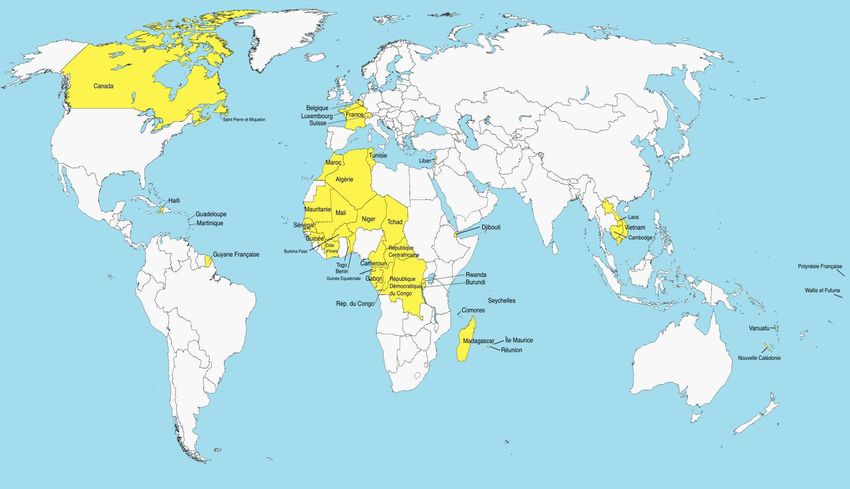
TABLE OF CONTENTS

Acknowledgements                                                  2
Introduction                                                      4
Rationale                                                         5
Aims of Programme                                                 6
General Objectives                                                6
Recommended Teaching Approaches and Assessment Methods            7
Standard Period Lengths According to Grade Level                  8
Curriculum: Grade K                                               9
Curriculum: Grade 1                                               17
Curriculum: Grade 2                                               25
Curriculum: Grade 3                                               34
Curriculum: Grade 4                                               44
Curriculum: Grade 5                                               56
Curriculum: Grade 6                                               62
Summative Evaluation Checklists Grades K – 6                      68
Appendices
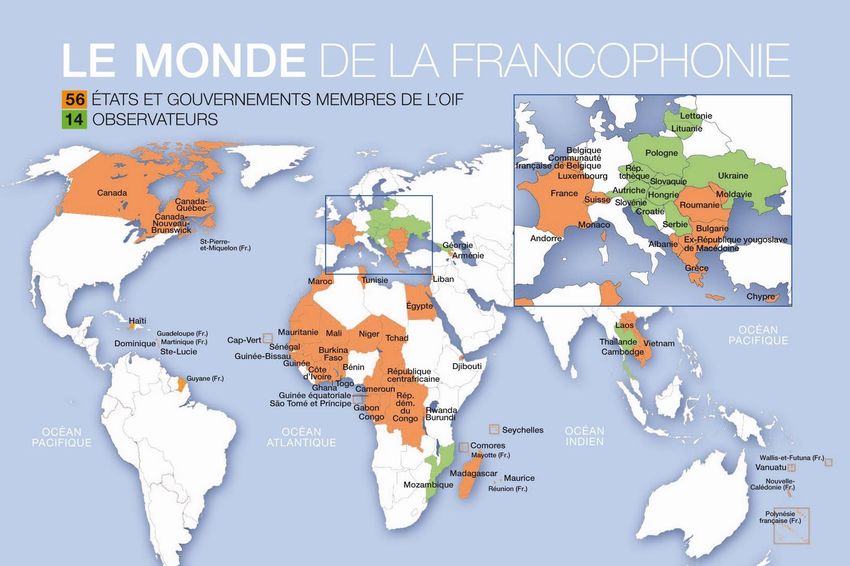
       I:    Map of French-Speaking World                         83
       II:   Map of Francophonie World                            85
       III:  Map of Spanish-speaking Countries                    87
       IV:   Wordlists (French & Spanish)                         89
       V:    How to make play dough (no cook recipe)              92
       VI:   Sitography of Modern Languages Resources             93
       VII: Sitography of Suggested Songs for Didactic Purposes   95
       VIII: Tongue Twisters (French & Spanish)                   96
Bibliography                                                      97

                                                                   Page | 1
ACKNOWLEDGEMENTS

The Ministry of Education, Human Resource Development and Labour wishes to express its
deepest gratitude to all who have made invaluable contributions to the development of this
current curriculum document.

Special thanks to Dr. Anthony Felicien, Education Officer – CAMDU, for providing the
necessary guidance and support, as well as training in the areas of curriculum writing and
development processes.

Gratitude is also extended to Leonard Robinson, Curriculum Officer – Modern Languages,
for putting together the Writing and Review Teams, and for his overall dedication to this
project. Many thanks to Meuris Raymond and Cordelia Fevrier for their unwavering
support and assistance in the validation of the content and the review of the document.
Thanks and appreciation to Shervana Francois for her assistance in editing the document.
Thanks as well to Mr. Germain Anthony for creating the Map of the French-speaking
World.

Finally, sincerest gratitude is also extended to the members of Writing and Review Teams
for their advice, support, commitment to task, useful recommendations and constructive
critiques.

Members of the Writing and Review Teams are as follows:

Writing Team
Agath Alphone             La Croix Maingot Combined School
Berthelina Avril          La Croix Maingot Combined School
Renia Cenac               Vide Bouteille Secondary School
Jessima Cooper            St. Joseph’s Convent
Constance Fevrier         St. Joseph’s Convent
Delia Henry               St. Joseph’s Convent
Jeanine Henry             Anse Ger Secondary School
Calixta Joseph            Soufriere Primary School
Finley Louis              Plain View Combined School
Lesley Lubin              Vieux-Fort Comprehensive Secondary School Campus B
Snaliah Mahal             Marigot Secondary School
Laura Marcion             Canon Laurie Anglican Primary School
Kasha Modeste             Sir Ira Simmons Secondary School

                                                                                   Page | 2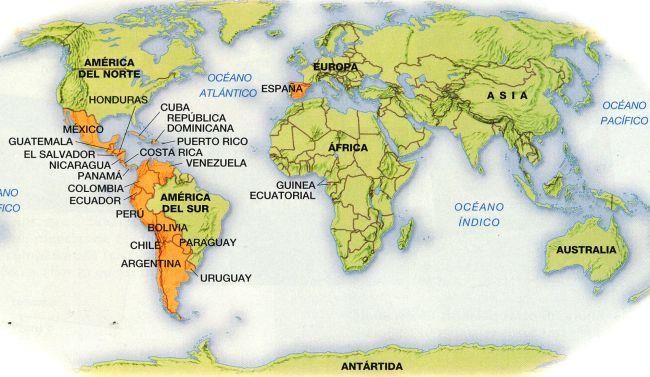
Zaheer Popo           Ave Maria Girls’ Primary School
Merlika St. Marie     La Croix Maingot Combined School
Priscilla Simon       Desbarras Combined School
Sabina Sonson         Monchy Combined School
Sarrah Stanislas      Tapion Private School
Pamela Stephens       Camille Henry Memorial School
Elda Gale Thornille   Vieux-Fort Comprehensive Secondary School Campus A
Heidi-Ann Toussaint   Micoud Secondary School

Review Team
Francene Beharry      St. Aloysius R.C. Boy’s Primary School
Dr. Elphege Brown     Entrepot Secondary School
Cuthbert Elisee       Leon Hess Comprehensive Secondary School
Neema Fontenelle      Bexon Primary School
Sarrah Gouda          Alliance Française de Sainte-Lucie (student teacher)
Arletta Tracy Jacob   Bonne Terre Preparatory School
Winnifred Calderon    St. Mary’s College
Josephine Myers       Camille Henry Memorial School
Amandine Quétel       Alliance Française de Sainte-Lucie

                                                                             Page | 3
INTRODUCTION
Currently, there is an absence of a clearly defined language policy which addresses the
importance of our indigenous Saint Lucian Creole. The lack of such a policy to speak to the
status, role and use of foreign language acquisition within the local context has hindered the
stimulation of economic, social, educational and cultural growth across the various sectors.
A consequence of this has been the nation’s inability to successfully fill its quota of job
placements at the United Nations.
The Government of Saint Lucia is endeavouring to restructure the education sector so that it
will be better able to meet the ever increasing demands of the competitive global market. In
this regard, the implementation of a modern foreign language curriculum in the primary
school system is a matter of urgency. The introduction of the modern foreign languages
will not only ensure the psychosocial development of the students, but also their
socioeconomic development in the long run.
The signing of a number of agreements has served to officially institutionalise the teaching
of modern foreign languages in the primary schools. The signing of the CARICOM
agreement (2005) calls for the introduction of Spanish as the first foreign language to be
taught in Caribbean primary schools. Further, the Linguistic Pact between Saint Lucia and
the International Francophonie Organisation (OIF, 2010) also stipulates that French should
be the first foreign language taught in Saint Lucian primary schools. At this juncture, due to
its geopolitical affiliations, on the one hand, and, its historical and cultural affinities, on the
other, the Government of Saint Lucia has made a concerted effort to honour both
agreements.
As a result, the Curriculum and Materials Development Unit (CAMDU) of the Ministry of
Education, at the behest of the policy makers, has responded through a consultative process
to the call for the development of the Primary School Modern Languages Curriculum for
Grades K – 6.
The Modern Languages programme will constitute part of the core primary curricula.
The main focus of this programme of study is to develop the students’ capacity to
communicate orally in a variety of authentic situations while having fun discovering the
languages and their accompanying cultures. In so doing, it is the Government of Saint
Lucia’s fervent hope that it can sow the seeds of a multilingual future generation capable of
taking advantage of the synergies created through globalisation.
Page | 4RATIONALE
As the world becomes a global village, it has become increasingly indispensable that St.
Lucian nationals be fluent in at least one foreign language. The ability to communicate in a
foreign language is a valuable and marketable skill which will stimulate economic,
educational and cultural growth. It has become commonplace that our nationals take up
scholarships to pursue university studies, and/or work in non-English-speaking nations
including, but not limited to: Cuba, Mexico, France (including Martinique and
Guadeloupe), Puerto Rico, China and Japan.
Consequently, in an attempt to better equip the future generations with the requisite
linguistic skills and cultural understanding to be able to take advantage of the synergies
created through globalisation, and to honour its contractual agreements with OIF and
CARICOM, the Ministry of Education has undertaken an initiative to restructure the
national core primary curricula to now include modern languages (French and Spanish).
The introduction of the modern languages at the primary level will not only serve to assist
the children in fostering a greater appreciation of, tolerance for and openness to other
peoples and cultures; but also, to enhance the children’s overall mental development
through increased language skills, higher self-esteem, and greater thinking and reasoning
skills both in mathematics and language. According to Ronald Kotulak (1996), in his book
entitled Inside the Brain: Revolutionary discoveries of how the mind works, the architecture
of the brain is completed by age twelve. Therefore, it is vital that foreign language
acquisition take place before this period as the foundations for thinking, learning, vision,
attitudes, aptitudes and other characteristics are laid down.
With this in mind, the programme will be structured in such a way so as to capitalise on the
emotional and playful aspects of learning in order to build the children’s oral/aural skills.
The proposed methodology is one which will allow the students to interact with each
other, the language itself and its culture through a number of fun-filled games and activities
as they consolidate their literacy and numeracy skills. The absence of the writing
component in the modern languages curriculum seeks to capture the students’ interest and
motivate them to reach their potential without having to first contend with the issue of
spelling in English and that of a foreign language.
Page | 5AIMS OF PROGRAMME
The Modern Languages Curriculum seeks to:
Allow students to boost their morale and self-esteem;
Develop a love for and an understanding of Francophone and Hispanic Cultures;
Develop an understanding of standard spoken forms of French and Spanish;
Develop their primary language skills in the modern languages – listening and
speaking – in various practical every situations so as to ensure the acquisition of
essential language structures;
Engender a greater sense of tolerance, team-spirit and co-operation;
Ensure consolidation of certain key concepts in numeracy and literacy through
integration;
Ensure that students are capable of communicating in a manner acceptable to native
speakers of French and Spanish.
GENERAL OBJECTIVES
Upon completion of the Primary Modern Languages Programme, students should:
Respond appropriately to simple oral stimuli in the target language;
Be able to converse in French and/or Spanish on matters related to their daily lives;
Be able to provide and solicit information from others in the target language;
Respect the diversity, dignity and equality of all peoples;
Have a greater sense of appreciation for the cultural differences that exist between
Francophone and Hispanic societies and their own;
View the learning and acquisition of a foreign language as a tool for personal, social
and intellectual development.
Page | 6RECOMMENDED TEACHING APPROACHES AND ASSESSMENT METHODS
The Primary Modern Languages Curriculum has been designed to develop the students’ oral
competencies in French and Spanish. Such an approach is a deviation from the usual
integration of the four competencies: reading, writing, speaking and listening. The isolation
of the oral component thus allows for the uninhibited development of this skill, leading to
more confident speakers. Nonetheless, the success of such an approach is hinged on the
teachers’ linguistic competencies and their abilities to provide the students with a variety of
real life situations and opportunities to practise the language concepts.
The entire thrust of the curriculum is effective communication in the target language, and
not a grammar-based approach. It is therefore highly recommended that teachers use a
wide range of fun-filled activities, including typical childhood games and songs, to aid the
students’ acquisition of the language functions. Within the framework of the proposed
activities, teachers should attempt to include various elements of the cultures accompanying
the target languages as a means of developing the students’ self-awareness and tolerance for
differences.
For the programme to generate positive results and to have a meaningful impact in the
schools, it is highly recommended that each foreign language be allotted two (2) weekly
periods per grade. This will permit teachers to consolidate the concepts taught in previous
periods.
In an attempt to maintain the students’ intrinsic motivation, the current programme
recommends the use of more authentic assessment methods, including, but not limited to:
portfolios, teacher observations, oral interviews, student self-assessment, and social learning
activities. As a result, students will receive an evaluation card at the end of each term in the
form of a checklist highlighting the concepts that they have mastered. NO LETTER GRADES
OR SCORES ARE TO BE RECORDED IN THE STUDENTS’ REPORT BOOKS. A simple
qualitative comment will suffice.
Page | 7STANDARD PERIOD LENGTHS ACCORDING TO GRADE LEVEL
LEVEL LENGTH OF PERIOD
Kindergarten / Stage 1 20 minutes
Grade 1 / Stage 2 25 – 30 minutes
Grade 2 / Stage 3 25 – 30 minutes
Grade 3 / Standard 1 25 – 30 minutes
Grade 4 / Standard 2 30 – 40 minutes
Grade 5 / Standard 3 30 – 40 minutes
Grade 6 / Standard 4 30 – 40 minutes
Page | 8GRADE LEVEL: KINDERGARTEN
AGE RANGE: 5 – 6 YEARS
GENERAL OBJECTIVES
VALUES
Develop a positive attitude towards the learning of French and Spanish
KNOWLEDGE AND UNDERSTANDING
Decode French and Spanish that is spoken clearly and simply;
Respond appropriately to spoken French and Spanish;
Be able to provide and solicit information from others.
SPECIFIC OBJECTIVES
VALUES
Participate with enthusiasm in French and Spanish activities
- Participate willingly in activities,
- Show interest in words and sounds.
TERM ONE TERM TWO TERM THREE
Topics: Topics: Topics:
* Getting to know you and others * Numbers 0 – 6 * Numbers 0 – 12
* Survival Skills * Getting to know you and others (cont’d) * Colours (cont’d)
* Colours * Survival Skills (cont’d)
THEMATIC AREAS
Psychosocial Development – Making friends at school and in the community; developing respect and gratitude. Showing interest in others.
Cognitive Development – Identifying self, numbers, colours and personal needs.
Ethical and Moral Development – Showing respect for authority; developing self-control.
Psychomotor Development – Physical response to cues: using the body to respond to questions and orders in the target language with exercises,
actions applause, drawing, etc.
Page | 9Topic Communicative Key Concepts FRENCH SPANISH Assessment/Evaluation Didactic
Objectives Content & Example Content & Example Activities Activities /
Resources
Getting to Greetings and Good morning Bonjour Buenos días Students will respond to Repetition
know you Farewells Good afternoon Bonsoir Buenas tardes greetings in the target
and others Goodnight Buenas noches language on a daily basis Role Play
Hello Salut Hola when the teacher enters
Goodbye Au revoir Adiós the class. Songs
Addressing Maman Mamá Students look at pictures Games
different people Papa Papá and identify the greeting
Madame Señora that they should use in Pictures
Mademoiselle Señorita the target language.
Monsieur Señor
Students engage in a
Ça va ? ¿Cómo están/está(s)? role play in pairs in
Ça va bien, merci. Bien, gracias. which they must greet
their teacher / parent /
friend in the target
language.
Students sing a song
which includes the
greetings and farewells
in the target language.
Students can dip for
pictures or written
greetings in English and
say what the greeting is
in the target language.
Introductions Exchanging Comment tu ¿Cómo te llamas? Students introduce Repetition
Page | 10names t’appelles? themselves to the class
in the target language… Puppet Show
Je m’appelle…. Me llamo….
Students work in pairs Role Play
and ask each other their
names in the target Ball Game:
language. Catch and say
your name
Students will play the
ball game “Catch and
say your name” in the
target language on the
school court/field.
Survival Responding to Understanding Asseyez-vous ! ¡Siéntense! Students identify the Pictures
Skills classroom and carrying out Écoutez ! ¡Escuchen! command portrayed in
instructions simple classroom Silence ! ¡Silencio! picture form. Mime
instructions. Répétez ! ¡Repitan!
Students carry out the Games : Simon
instruction(s) that the says
teachers says in the
target language.
Students pay attention
to the gestures that the
teacher makes and they
identify it in the target
language.
Students will play
“Jacques a dit” / “Simón
dice”
Numbers Identifying Names of Les numéros 0 à 6 Los números 0 a 6 Students sing a number Repetition
Page | 11numbers in the numbers song in the target
target language language. Song
and counting
from 0 – 6 Students play a game of Game:
“La Marelle” / “La Hopscotch
Rayuela” to practice
counting in the target Flashcards /
language. Posters
Students identify the
numeral on flashcard /
chart / blackboard in the
target language as the
teacher points to it.
Students identify the
number represented by
a group of objects in the
target language.
Students complete
number sequences orally
in the target language.
Getting to Telling one’s Exchanging Tu as quel âge? ¿Cuántos años tienes? Students choose a Repetition
know you age information classmate at random
and others about one’s age J’ai …. ans Tengo … años and enquire about Question &
his/her age in the target Answer Games
language. Once that
student has answered
the question, he/she will
ask another classmate
until all the students
have had a turn.
Page | 12Colours Identifying the Blue Bleu Azul Students will name the Repetition
colours of the Black Noir Negro colours found on the
National Flag White Blanc Blanco national flag of Saint Colour cards
Yellow Jaune Amarillo Lucia in the target
language. Worksheet
What colour is C’est quelle couleur ? ¿Qué color es?
this? Students identify the Colour Bingo
colour depicted on a Game: Guess the
This is yellow. C’est jaune. Es amarillo. card / poster in the colour
target language.
Pictures
Students complete
colour by number Ludo board,
worksheets. (N.B.: the pegs and dice
colours and numbers
will be identified in the
target language).
Students play a game of
colour bingo in the
target language for
which a prize can be
awarded.
Students identify the
colour an uncoloured
object should be. (NB:
These pictures can be
labelled in English. E.g. :
milk, tyre, sun, sea)
Students play a game of
Ludo using the national
colours.
Page | 13Numbers Identifying Review numbers Les numéros 0 à 12 Los números 0 a 12 Students identify Repetition
numbers and 0–6 numbers portrayed on a
counting from card / poster in the Card / poster
0 – 12 Names numbers target language.
from 7 – 12 Skipping rope
Students complete
number sequences orally Game
in the target language.
Students count in the
target language as they
skip / play a simple
clapping game.
Consecutive students
will count in intervals of
twelve in the target
language until each
student has counted.
After, students will
assemble by number
groups as quickly as
possible. The quickest
group will be awarded a
prize.
Students will make a
number train in intervals
of twelve as they sing a
number song in the
target language.
Colours Identifying Pink Rose Rosado Students will create Repetition
other common Red Rouge Rojo colour wheels and
Page | 14colours Green Vert Verde identify the colours in Song
Purple Violet Violeta the target language.
Orange Orange Anaranjado Worksheets
Brown Marron Marrón Students will complete a
colour by number Colour Bingo
worksheet. N.B. Colours
What colour is C’est quelle couleur ? ¿Qué color es? and numbers will be
this? identified in the target
language.
This is… C’est ... Es ...
Students can match
common objects to their
typical colours. N.B:
Once the task is
completed, the students
will name the matching
objects in English and
their colour in the target
language as the oral
component of this task.
Students identify colours
in the target language
shown on cards/posters.
Students play a game of
colour bingo in the
target language
including the numbers 0
– 12.
Survival Expressing basic Hunger J’ai faim, monsieur / Tengo hambre, señor / Students identify the set Repetition
Skills needs papa papá expression in the target
(cont’d) language portrayed in a Picture /
Page | 15Thirst J’ai soif, madame / Tengo sed, señora / picture / drawing. Drawing
maman mamá.
Students dip for the set Charades/Mime
Asking for water De l’eau, s’il vous plaît, Quiero agua, por expression in English.
mademoiselle. favor, señorita. Then, they act out the Role Play
expression so that they
Asking to go to Je peux aller aux ¿Puedo ir al baño, por can identify it in the
the bathroom toilettes, s’il vous plaît, favor, señora? target language.
madame ?
Students role play in
Please S’il vous plaît Por favor pairs a scene with a
Yes Oui Sí teacher and student /
No Non No parent and child using
Thank you Merci Gracias one of the set
expressions in the target
language. The student
playing the role of the
teacher/parent will
allow / forbid the
action.
Page | 16GRADE LEVEL: GRADE ONE
AGE RANGE: 6 – 7 YEARS
GENERAL OBJECTIVES
VALUES
Develop a positive attitude towards the learning of French and Spanish.
KNOWLEDGE AND UNDERSTANDING
Decode French and Spanish that is spoken clearly and simply;
Respond appropriately to spoken French and Spanish;
Be able to provide and solicit information from others.
SPECIFIC OBJECTIVES
VALUES
Participate with enthusiasm in French and Spanish activities
- Participate willingly in activities;
- Show interest in words and sounds.
Take risks in learning as a learner of French and Spanish
- Attempt to use recently learnt words in context.
TERM ONE TERM TWO TERM THREE
Topics: Topics: Topics:
* Greetings and farewells (cont’d) * Shapes * Family
* Stating where one lives * Classroom objects * Parts of the body
* Making Friends * Describing and working with objects * Survival Skills (cont’d)
* Numbers 0 – 20
THEMATIC AREAS
Psychosocial Development – Making friends at school and in the community; showing interest in others.
Cognitive Development – Identifying self, family members, shapes, body parts and classroom objects. Solving mathematical operations.
Page | 17Ethical and Moral Development – Showing kindness to others; developing a sense of appreciation for others; consideration of others.
Psychomotor Development – Physical responses to cues: using the body to describe and explain, to respond to questions and orders in the target
language with exercises, actions, drawings, applause, etc.
Topic Communicative Key Concepts FRENCH SPANISH Assessment/Evaluation Didactic
Objectives Content & Example Content & Example Activities Activities /
Resources
Greetings Alternative Goodbye Tchao / Salut Chao Students dip for an Repetition
and farewells expression in English
Farewells See you later À plus (tard) Hasta luego and say it in the target Bag with
language. expressions
See you À demain Hasta mañana written on
tomorrow Students respond to strips of
simple oral situations paper
See you soon À bientôt Hasta pronto where they are to give
the answer in the target
language.
Stating Exchanging Address Tu habites où? ¿Dónde vives? Students interview a -
where one information classmate in the target
lives about one’s J’habite (à) … Vivo en … language to find out
place of where he/she lives.
dwelling
Making Review name, - Comment tu ¿Cómo te llamas? In pairs, students Model
Friends age, address t’appelles? Me llamo…. practise asking a activity with a
Je m’appelle … classmate to be friends / puppet show
to play as well as giving
Tu as quel âge ? ¿Cuántos años tienes? the possible responses in
J’ai … ans Tengo … años the target language. Fruit / Sweets
Tu habites où ? ¿Dónde vives? Students will create a
J’habite (à) … Vivo en … mini-dialogue in the
Alternative - Toi, c’est qui? ¿Cuál es tu nombre? / target language in which
ways of asking Mi nombre es… they meet a student on
Page | 18someone’s Moi, c’est … ¿Quién eres? the first day of school in
name Je suis … Soy … which they exchange
personal information
Asking - On est ami(e)s? ¿Somos amigos / and invite the person to
someone to be amigas? be their friend or to
your friend / to play.
play Tu veux jouer? ¿Quieres jugar?
Students are given four
Oui Sí sweets/ fruit slices. For
D’accord Claro the first three sweets,
Mais oui Cómo no they are to provide one
piece of personal
information in the target
language (name, age,
address). The fourth
sweet is used to invite a
classmate to be a friend
/ to play in the target
language. They get to
eat a sweet for every
correct response.
Numbers Identifying Review Les numéros 0 à 20 Los números 0 a 20 Students identify, in the Repetition
numbers and numbers 0 – 12 target language, the
counting from C’est quel numéro? ¿Qué número es? number written on a Card / Poster
0 – 20 Names Deux! ¡Dos! card / poster.
numbers from Bottle
13 – 20 Students play a game of
spin the bottle in groups Worksheet
of four. When the
bottle points to the
student, the group
members call a number
in English and he/she has
Page | 19to say it in target
language.
Students have a
worksheet with five
series containing two
numbers each. The
teacher will call one
number per series in the
target language and the
students circle the one
that is called from each
series.
Carrying basic Addition + et / plus + y / más Students listen to simple -
operations mathematical sums and
with numbers Subtraction - moins - menos give the response in the
target language.
Students will make up
their own sums and will
ask a classmate to
provide the answer in
the target language.
Shapes Identifying Students identify shapes Repetition
basic shapes Circle Un cercle Un círculo on a flashcard or drawn
on the board in the Paper / Play
target language. dough /
Triangle Un triangle Un triángulo Plasticine
Students make shapes
out of paper/ play Worksheets
Square Un carré Un cuadrado dough/ plasticine as the
teacher names each Cut outs of
Page | 20Rectangle shape in the target shapes
Un rectangle Un rectángulo language.
Counting how Consolidation Un rectangle a quatre Un rectángulo tiene Students are split into
many sides a of : côtés. (etc.) cuatro lados. (etc.) four large groups. Each
shape has - numbers; group will form the
- shapes shape it hears in the
target language. The
group with the most
correct formations will
earn a prize.
Students find hidden
shapes in a picture.
Then they colour each
shape in a colour
stipulated by the
teacher. N.B.: Shapes
and colours can be
identified in the target
language.
Students count the sides
of shape cut-outs in the
target language.
Classroom Identifying What is this? Qu’est-ce que c’est? ¿Qué es esto? Students identify the Repetition
Objects everyday objects in the target
classroom It is … C’est… Es… language when shown a Pictures /
objects A pencil Un crayon Un lápiz picture or the physical Physical
An exercise Un cahier Un cuaderno object. objects
book N.B.: This activity
An eraser Une gomme Una goma should be repeated as
A ruler Une règle Una regla often as possible to help
Page | 21students retain the
vocabulary. Students
can be given a few
seconds to identify each
object in the target
language.
Students name the basic
objects they have in
their bag / they see in
the classroom in the
target language.
Describing Using shapes to Review: Un pupitre est un Un pupitre es un Students identify Physical
and describe - classroom carré. cuadrado. classroom objects by objects
working classroom objects their shape in the target
with objects objects. - shapes Une règle est un Una regla es un language. Worksheet
rectangle. rectángulo.
Students count how
Une pendule est un Un reloj es un círculo. many objects in the class
cercle. are of a particular shape.
They identify the object
and the number in the
target language.
(Example: square – 2)
Students choose a
pathway with a
particular shape leading
to a classroom object
identified on the
worksheet. N.B. The
teacher names the shape
and the object in the
Page | 22target language.
Family Identifying the Family Ma Famille Mi familia Students interview a Repetition
members of the peer in the target
immediate Father Un père Un padre language to find out Video clip /
family Mother Une mère Una madre how many song
Brother Un frère Un hermano brothers/sisters he/she
Sister Une sœur Una hermana has. Pictures
Determinants Consolidation Tu as des frères ou des ¿Tienes hermanos o Students watch a short
(indefinite, of numbers sœurs ? hermanas? clip in the target
numeric, language about the
possessive) Oui, j’ai un frère / une Sí, tengo un hermano / family or sing a song on
sœur / deux frères… una hermana / dos the same topic.
hermanos …
Students use
Non, je suis enfant No, soy hijo único / photographs to present
unique. hija única their family to the class
in the target language.
C’est qui ? ¿Quién es?
C’est mon père / ma Es mi papá / mamá…
mère …
The Body Identifying Eyes Les yeux Los ojos Students point to the Repetition
body parts Nose Le nez La nariz body parts as the
(Face) Mouth La bouche La boca teacher names them in Realia
Ears Les oreilles Las orejas the target language.
Chin Le menton El mentón Game: Simon
Students name the body says
parts in the target
language as the teacher
points to them.
Students play “Jacques a
Page | 23dit: - touche les yeux” /
“Simon dice: - toca los
ojos”
Survival Expressing basic I am hot J’ai chaud Tengo calor Students decode the Repetition
Skills information I am cold J’ai froid Tengo frío message in the target
(cont’d) I don’t know Je ne sais pas No sé language conveyed by Emoticons
I don’t Je ne comprends pas No comprendo the emoticons.
understand Charades
I have finished/ J’ai fini He terminado Students make gestures /
I’m done facial expressions depict
the expressions
identified in the target
language.
Page | 24GRADE LEVEL: GRADE TWO
AGE RANGE: 7 – 8 YEARS
GENERAL OBJECTIVES
VALUES
Develop a positive attitude towards the learning of French and Spanish.
KNOWLEDGE AND UNDERSTANDING
Decode French and Spanish that is spoken clearly and simply;
Respond appropriately to spoken French and Spanish;
Be able to provide and solicit information from others.
SPECIFIC OBJECTIVES
VALUES
Participate with enthusiasm in French and Spanish activities
- Participate willingly in activities;
- Show interest in words and sounds.
Take risks in learning as a learner of French and Spanish
- Attempt to use recently learnt words in context;
- Use prior knowledge in a new context.
TERM ONE TERM TWO TERM THREE
Topics: Topics: Topics:
* Alphabet * Operation with numbers (cont’d) * Body Parts
* Days of the week * Family (cont’d) * My body in action
* Months of the year * Home
* Numbers 0 – 31
* Date
Page | 25THEMATIC AREAS
Psychosocial Development – Learning to share information with others.
Cognitive Development – Identifying family members; stating the date; discussing the body and actions.
Ethical and Moral Development – Showing respect for authority; understanding one’s body.
Psychomotor Development – Physical responses to cues: using the body to describe and explain, to respond to questions and orders in the target
language with exercises, actions, drawings, applause, etc.
Topic Communicative Key Concepts FRENCH SPANISH Assessment/Evaluation Didactic
Objectives Content & Example Content & Example Activities Activities /
Resources
Alphabet Reciting Alphabet L’alphabet El alfabeto / El Students recite the Repetition
alphabet and abecedario alphabet in the target
identifying the language. Song
letters What letter is C’est quelle lettre? ¿Qué letra es?
this? Students have a Poster / Chart
worksheet with fifteen
Asking how to How do you Comment ça s’écrit ¿Cómo se escribe tu series containing one Worksheet
spell each spell your ton prénom / ton nombre / tu apellido? letter in different
other’s name first name nom de famille ? colours. The teacher Bingo cards
/surname? OU O will call the letter and
Comment ça s’écrit ¿Cómo se escribe colour in the target Game :
Martin / Dubois ? Martín / García? language for each series Alphabet
and the students circle Sparkle
the one that is called.
Students ask their
classmates to spell either
their first name or
surname in the target
language.
Students play a game of
Page | 26BINGO in the target
language.
Days of the Naming the Les jours de la Los días de la semana Students look at Repetition
Week days of the semaine drawings of various
week activities and identify Pictures/
Is today …? C’est lundi, ¿Hoy es lunes? the day, in the target Drawings
aujourd’hui? language, that each
Oui, c’est lundi. Sí, es lunes. activity is done. Song
Non, c’est mardi. No, es martes.
Students answer
Yesterday Et hier? Y, ¿ayer? questions orally in the
Dimanche. Domingo. target language about
the days of the week.
Tomorrow Et demain? Y, ¿mañana?
Mardi. Martes.
Months of Naming the Les mois de l’année Los meses del año Students identify the Repetition
the Year months of the missing months in a
year What month Nous sommes en quel ¿En qué mes estamos? series orally in the target Song
are we in? mois? language.
Nous sommes en Estamos en octubre. Students identify the
octobre. month, in the target
language, associated
with various local
cultural activities and/or
known international
feasts.
Numbers Identifying Review C’est quel numéro? ¿Qué número es? Students identify the Repetition
numbers and numbers 0 – Vingt-cinq! ¡Veinticinco! number, in the target
counting from 20 language, written on a Card/Poster
0 – 31 card / poster.
Page | 27Names Worksheet
numbers Students have a
from 21 – 31 worksheet with five Game:
series containing two “Silence”
numbers each. The
teacher will call one
number per series in the
target language and the
students circle the one
that is called from each
series.
Students complete
number sequences
orally in the target
language.
Students play the
clapping game
“Silence”. However,
they must say each
number in the target
language.
Date Enquiring What is Nous sommes quelle ¿A cuántos estamos Students state the dates Repetition/
about the date today’s date? date? / Quelle est la (hoy)? / ¿Qué fecha es identified on a calendar Modelling
date (d’) aujourd’hui? hoy? in the target language.
Calendar
Today is… Nous sommes (lundi) Estamos a (lunes)… Students work in pairs
le … / de…. / and ask each to state
Aujourd’hui, c’est Hoy es (lunes) el … different dates in the
(lundi) le … de … target language.
Students state the date
Page | 28of various activities
identified in English in
the target language.
Numbers Performing Consolidation + et / plus + y / más Students listen to simple -
(cont’d) operations with of: mathematical sums and
numbers Addition - moins - menos give the response in the
target language.
Subtraction
Students will make up
their own sums and will
ask a classmate to
provide the answer in
the target language.
Family Identifying Who is it? C’est qui? ¿Quién es? Students provide orally Repetition
(cont’d) some members the equivalent in the
of the extended This is my… C’est … Es … target language of the Pictures /
family Grandfather mon grand-père mi abuelo family member Drawings
Grandmother ma grand-mère mi abuela mentioned in English.
Possessive Uncle mon oncle mi tío They may be given a Puppet Show
determinant Aunt ma tante mi tía few seconds for this.
Cousin mon cousin / mi primo Song
ma cousine mi prima Students introduce their
Stepfather mon beau-père mi padrastro family members to the Listening
Stepmother ma belle-mère mi madrastra class in the target comprehension
language using
pictures/drawings.
Students have five series
of two pictures and
choose the picture
which portrays the
family member
Page | 29identified in the target
language in each series.
Home Enquiring House une maison una casa Students participate in a Repetition
about each Apartment un appartement un apartamento question and answer
other’s session in the target Pictures /
dwelling place Tu habites (dans) une ¿Vives en una casa o language on their type Drawing
maison ou (dans) un en un apartamento? of dwelling.
appartement ? Play dough
Students engage in a
J’habite (dans) une Vivo en una casa / en role play in which they Song / Video
maison / (dans) un un apartamento introduce themselves Clip
appartement. (name, age address) and
exchange information Listening
Stating who Review Avec qui habites-tu? ¿Con quién vives? about the type of comprehension
one lives with members of dwelling and whom
the family J’habite avec ma Vivo con mi mamá, they live with in the Worksheet
mère, mon frère et ma mi hermano y mi target language.
grand-mère. abuela. Role play
Students create models
Identifying the The house La maison La casa of their homes in play Charades
parts of the What is this? Qu’est-ce que c’est ? ¿Qué es (esto)? dough and present it to
house the class orally in the
This is a … C’est … Es … target language.
bedroom une chambre un dormitorio (Modification: Students
bathroom une salle de bains un baño can draw instead of
toilet des toilettes un baño using play dough).
kitchen une cuisine una cocina
living room un salon / un séjour un salón / una sala Students listen to a short
dining room une salle à manger un comedor passage in the target
garage un garage un garaje language and answer
garden un jardin un jardín questions based on it in
English on their answer
Enquiring How many Il y a combien de ¿Cuántas habitaciones sheet.
Page | 30about the rooms are pièces chez toi / à la hay en tu casa?
number of there at your maison? Students orally identify
rooms in a home? in the target language
house / the various parts of the
apartment There are …. Il y a cinq pièces (chez Hay cinco house seen in pictorial
moi) : une chambre, habitaciones: un form.
un salon, une salle à dormitorio, un salón,
manger, une salle de un comedor, un baño Students perform
bains et une cuisine. y una cocina. different actions
associated with various
Tu as un jardin chez ¿Tienes un jardín en rooms of the house and
toi / à la maison ? casa? the class has to identify
the room in the target
Oui, j’ai un jardin. Sí, tengo un jardín. language.
Non, j’ai un garage. No, tengo un garaje.
Students transform
sections of the class into
different rooms in the
house and give their
peers a tour identifying
the rooms in the target
language.
Students have a
worksheet with five
series containing two
pictures each of the
parts of the house. The
teacher will call one
room/part of the house
per series in the target
language and the
students circle the one
that is called from each
Page | 31series.
Students exchange
information orally in
the target language
about the number of
rooms at their homes.
Body Parts Identifying Review of Révision : Repaso : Students identify the Repetition/
(cont’d) body parts body parts Les yeux, le nez, la Los ojos, la nariz, la parts of the body on a Modelling
(face) bouche, les oreilles, le boca, las orejas, el chart / poster in the
menton mentón target language. Song: Head
Shoulders,
Name other Le corps El cuerpo Students mime an Knees and
body parts action done with a Toes
Head la tête la cabeza body part and the class
Hair les cheveux el pelo names the body part in Chart/poster
Teeth les dents los dientes the target language.
Shoulder l’épaule el hombro Mime /
Arm le bras el brazo Students carry out the Charades
Hand la main la mano command given in the
Finger le doigt el dedo target language to touch Game: Simon
Belly le ventre la barriga specific body parts. says
Leg la jambe la pierna
Knee le genou la rodilla Students participate in a Listening
Foot le pied el pie game of “Jacques a dit” comprehension
Toes les orteils los dedos (del pie) / “Simón dice”
Understanding Carry out Bouge Bougez Muévete Muévanse Students have five series
simple simple Touche Touchez Toca Toquen of three pictures and
commands commands Saute Sautez Salta Salten they circle the body
showing Parle Parlez Habla Hablen part named in the target
movement Marche Marchez Camina Caminen language in each series.
Page | 32Stating what Identifying Je touche avec la Toco con la mano. Students have five series Repetition/
actions are actions that main. of two pictures and Modelling
done with correspond they circle the body
different body with body J’écris avec la main. Escribo con la mano. part that corresponds to Listening
parts parts the action mentioned in comprehension
Je mange avec la Como con la boca. the target language for
bouche. each series of pictures. Worksheet
Je parle avec la Hablo con la boca. Students match
bouche. drawings of the body
part and the actions
Je bois avec la Bebo con la boca. done. Then they can
bouche. make a short sentence
orally in the target
Je vois avec les yeux. Veo con los ojos. language.
Je marche avec les Camino con los pies.
pieds.
Je saute avec les Salto con las piernas.
jambes.
Page | 33GRADE LEVEL: GRADE THREE
AGE RANGE: 8 – 9 YEARS
GENERAL OBJECTIVES
VALUES
Develop a positive attitude towards the learning of French and Spanish;
Appreciate the learning of French and Spanish as a tool for personal, social and intellectual development.
KNOWLEDGE AND UNDERSTANDING
Decode French and Spanish that is spoken clearly and simply;
Respond appropriately to spoken French and Spanish;
Be able to provide and solicit information from others;
Communicate orally in French and Spanish on matters directly related to their daily lives.
SPECIFIC OBJECTIVES
VALUES
Participate with enthusiasm in French and Spanish activities
- Participate willingly in activities;
- Show interest in words and sounds.
Take risks in learning as a learner of French and Spanish
- Attempt to use recently learnt words in context;
- Use prior knowledge in a new context;
- Use different means of making oneself understood (gestures, movement, etc.).
TERM ONE TERM TWO TERM THREE
Topics: Topics: Topics:
* Survival Skills (Cont’d) * Foods *Animals in the Neighbourhood
* Numbers (cont’d) * Time
* Discussing birthdays
* Expressing Holiday Wishes
Page | 34THEMATIC AREAS
Psychosocial Development – Sharing responsibilities; celebrating together.
Cognitive Development – Identifying and describing animals and routines; expressing simple wishes.
Ethical and Moral Development – Developing a sense of appreciation for their environment and routines.
Psychomotor Development – Physical response to cues given in the target language with drawings, actions, etc.
Topic Communicative Key FRENCH SPANISH Assessment/Evaluation Didactic
Objectives Concepts Content & Example Content & Example Activities Resources
Survival Understanding Look Regardez Miren Students decode Repetition
Skills and carrying Cut Out Découpez Recorten instructions portrayed in
(cont’d) out simple Circle Entourez Rodeen con un círculo pictures in the target Pictures
classroom Colour Coloriez Coloreen language.
instructions Stick Collez Peguen Worksheets
Draw Dessinez Dibujen Students carry out
Trace Décalquez Calquen instructions in the target Scissors
language on various
worksheets containing Crayons /
instructions to colour / Markers
circle / cut out various
objects. Role Play
In groups of three or Game: Simon
more, students role play says
a scene with a teacher
giving instructions to
his/her class in the
target language.
Students play a game of
“Jacques a dit” / “Simón
dice”.
Numbers Identifying Review Les numéros 0 à 50 Los números 0 a 50 Students identify the Repetition
Page | 35numbers and numbers 0 number written on a
counting from – 31 C’est quel numéro? ¿Qué número es? card / poster in the Card/Poster
0 – 50 Trente-neuf! ¡Treinta y nueve! target language.
Name Worksheet
numbers 32 Students have a
– 50 worksheet with fifteen Game: “Silence”
series containing two
numbers each. The Basketball court
teacher will call one / football field
number per series in the
target language and the
students circle the one
that is called from each
series.
Students complete
number sequences
orally in the target
language.
Students play the
clapping game
“Silence”. However,
they must say each
number in the target
language.
Students are put into
groups. Each group will
be given approximately
5 minutes to make as
many baskets as
possible. Students must
count each basket in the
Page | 36target language. (This
activity can be
modified: e.g., how
many goals can be
scored in 5 minutes).
Discussing Exchanging When is C’est quand, ton ¿Cuándo es tu Students create a Repetition/
Birthdays birthday your anniversaire? cumpleaños? classroom birthday Modelling
information birthday? calendar. To do so,
they must enquire Chart / Calendar
My Mon anniversaire, Mi cumpleaños es el…. about each other’s
birthday c’est le... de…. birthday in the target Role Play
is… language and write the
students’ names on a
chart / calendar by the
appropriate dates.
Students work in pairs
and prepare a simple
dialogue in the target
language in which they
exchange personal
information: name, age,
address and birthday.
Wishing Happy Bon anniversaire ! / ¡Cumpleaños feliz! / Students wish each Repetition/
someone a Birthday! Joyeux anniversaire ! ¡Feliz cumpleaños! other happy birthday in Modelling
happy birthday the target language
whenever a classmate Birthday song
celebrate his/her
birthday.
Students can create a
simple happy birthday Crayons
Page | 37card/collage for their Paper
friend / relative in the Scissors
target language. Glue
Inviting Come to Viens à ma boum / Te invito a mi fiesta. / In pairs, students will, in Repetition/
someone to my party fête ! / Tu veux venir ¿Quieres ir a mi fiesta? the target language, Modelling
your birthday à ma boum? invite a friend to their
party birthday party and the Puppet Show
friend will either accept
Accepting / Sure. D’accord. Merci. De acuerdo. Gracias. or decline the Role Play
Declining an Thanks. invitation.
invitation Video Clip /
Certainly! Mais oui ! ¡Cómo no! In pairs, students engage Song
in role play, in the
No, thanks. Non merci. No gracias. target language, in
which one plays the
Sorry, I Désolé(e) Lo siento, no puedo. role of a new student
can’t who is celebrating
his/her birthday. The
other student must wish
the new student happy
birthday. The new
student then invites
him/her to his party and
the student will accept/
decline the invitation.
Holiday Expressing Merry Joyeux Noël ! / ¡Feliz Navidad! Students create simple Crayons
Wishes simple holiday Christmas Bon Noël ! Christmas and New Paper
wishes Years cards / collages Scissors
Happy Bonne Année! ¡Feliz Año Nuevo! for their friends / Glue
New Year teacher / relative in the
target language.
Page | 38Students wish each Repetition
other orally Merry
Christmas and Happy
New Year in the target
language.
Foods Identifying and Food Fruits Frutas Students name the food Repetition
naming foods Vocabulary Légumes Legumbres they see on pictures /
Produits Laitiers Productos lácteos flashcards in the target Pictures /
Boissons Bebidas language. flashcards
Students draw foods Paper
Asking and Qu’est-ce que tu ¿Qué comes / bebes? that the teacher calls Pencil
saying what manges / bois? out in the target
one eats language. Realia
and drinks Je mange du … / de Como …
la … / des …. Students create a shop Play dough
with different foods and
Je bois du … / de la Bebo…. identify two or three Worksheet
… / des ….. foods they want in the
target language Song / Video
(Example: water, bread,
cheese).
Students prepare a table
with five foods and/or
drinks they eat/drink at
a party. Then name
each item in the target
language.
Students create a meal
out of play dough and
present it to the class in
Page | 39the target language.
In groups, students
conduct a mini-survey
to determine what food
each member eats and
drinks. Then, they say
the food and state how
many people in their
group eat/drink it in the
target language.
(Example: Juice – 4,
etc.)
Students have ten series
of two pictures. First
they circle the
foods/drinks the teacher
calls. Then, they will
put the foods that are
not circled in the
colours specified by the
teacher in the target
language.
Students can create a
simple jingle about the
foods they eat/drink in
the target language.
Time Telling time on What time Quelle heure est-il? / ¿Qué hora es? Students create paper Repetition/
the hour is it? Il est quelle heure? clocks and ask their Modelling
nearest classmate the
It is … Il est midi. Es mediodía. time displayed on the Paper clocks
Page | 40Il est deux heures. Son las dos. clock in the target (Paper, scissors,
language. (N.B.: glue )
Instructions for making
the clocks can be given Worksheets
in the target language).
Flashcards
Students identify the
time displayed on the Game: Mr. Wolf
various clocks printed
on their worksheet / on
flashcards in the target
language.
Students play
“Monsieur Loup” /
“Señor Lobo”.
Identifying Breakfast Le petit-déjeuner est à El desayuno es a las … Students state the times Repetition/
meal times … heures. of the various meals in Modelling
the target language.
Lunch Le déjeuner est à … El almuerzo es a las …
heures. Students identify the Pictures
meal portrayed in the
Dinner Le dîner est à … La cena es a las … picture form orally in
heures. the target language.
Animals in Identifying and Les animaux Los animales Students name the Repetition/
the naming animals domestiques domésticos animals in picture form Modelling
Neighbour- in our in the target language.
hood environment What Qu’est-ce que c’est ? ¿Qué es (esto)? Pictures
animal is Students draw the
this? animals the teacher calls Paper & Pencil
out in the target
It is a … C’est un / une … Es un / una … language. Worksheet &
Page | 41crayons /
Is it a cat? C’est un chat? ¿Es un gato? Students put the animals markers
on the worksheet
Yes, it is a Oui, c’est un chat. Sí, es un gato. provided in the colours Song: Old Mac
cat. specified by the teacher Donald
in the target language.
No, it is a Non, c’est un chien. No, es un perro. Play dough
dog. Students create replicas
of the animals they Paper, Bristol
Do you Tu as un cheval ? ¿Tienes un caballo? have at home / they board, scissors,
have a would like to have in crayons/markers,
horse? play dough and present glue, pencil, etc.
them to the class in the
Yes, I have Oui, j’ai un cheval. Sí, tengo un caballo. target language.
a horse Worksheet &
Students mimic animals Pencil
No, I have Non, j’ai une vache. No, tengo una vaca. sounds / activities and
a cow the class must name the Recordings of
animal in the target animal sounds.
Characterising Review of language. (N.B.: They
and colours can create animal
distinguishing costumes out of Bristol
familiar animals Is the pig Le cochon est rose ? ¿El cerdo es rosado? board, paper, glues and
pink? bits of cloth.
Instructions are given in
Yes, pink. Oui, rose. Sí, rosado. the target language.)
No, black. Non, noir. No, negro. Students have 5 series of
three pictures
What Quel animal fait bêê ? ¿Qué animal hace bee? portraying animal
animal says habitats. Students circle
baa? the habitat of the
corresponding habitat
A sheep. Un mouton Una oveja for the animal identified
Page | 42by the teacher in the
target language for each
series of pictures.
Students listen to
animals sounds and
identify the animal in
the target language.
Students sing Le Vieux
MacDonald a une ferme
/ La Granja del Viejo
MacDonald and create
a verse with an animal
and its sound in the
target language.
Page | 43GRADE LEVEL: GRADE FOUR
AGE RANGE: 9 – 10 YEARS
GENERAL OBJECTIVES
VALUES
Develop a positive attitude towards the learning of French and Spanish;
Appreciate the learning of French and Spanish as a tool for personal, social and intellectual development.
KNOWLEDGE AND UNDERSTANDING
Decode French and Spanish that is spoken clearly and simply;
Respond appropriately to spoken French and Spanish;
Be able to provide and solicit information from others;
Communicate orally in French and Spanish on matters directly related to their daily lives.
SPECIFIC OBJECTIVES
VALUES
Participate with enthusiasm in French and Spanish activities
- Participate willingly in activities;
- Show interest in words and sounds.
Take risks in learning as a learner of French and Spanish
- Attempt to use recently learnt words in context;
- Use prior knowledge in a new context;
- Consider errors as part of the learning process;
- Use different means of making oneself understood (gestures, movement, etc.).
TERM ONE TERM TWO TERM THREE
Topics: Topics: Topics:
* Greetings and farewells (cont’d) * Weather * Numbers (cont’d)
* Health * Clothing * Making friends (cont’d)
* Foods (cont’d)
Page | 44THEMATIC AREAS
Psychosocial Development – Healthy eating practices; protecting body from weather elements
Cognitive Development – Healthy body; healthy habits
Ethical and Moral Development – Taking responsibility for personal health and taking interest in other people’s well-being
Psychomotor Development – Physical responses to cues: using the body to describe and explain, to respond to questions and orders in the target
language with exercises, actions, drawings, applause, etc.
Topic Communicative Key Concepts FRENCH SPANISH Assessment/Evaluation Didactic
Objectives Content & Example Content & Example Activities Resources
Greetings Additional Until we see À la prochaine ! ¡Hasta la vista! Students identify what Repetition
and Greetings and again greeting or farewell is
farewells farewells portrayed in pictures in Pictures
(cont’d) Good night Bonne nuit Buenas noches the target language.
(before bed) Role Play
Students role play a
How are you? (Comment) ça va? / ¿Cómo estás? / simple dialogue with Puppet show
Tu vas bien ? ¿Qué tal? greetings and farewells
in the target language. Song / Video
(Very) well, (Ça va) (Très) bien, (Estoy) (Muy) bien, They should also clip
thanks. merci. gracias. exchange personal
information: name, age,
Not too Pas mal, merci. (Estoy) regular, address, and birthday.
badly, thanks. gracias.
Students answer simple
So so … Comme ci, comme ça Así así / más o menos questions in English / in
Multiple Choice format
based on a simple
Terms of daddy papa papá / papi listening comprehension
endearment for passage containing
family mummy maman mamá / mami information on
members greetings and farewells
grandma mamie abuelita in the target language.
Page | 45You can also read


