Town of Unity Housing Plan 2015 - Prepared for: Town of Unity Provided by: Prairie Wild
←
→
Page content transcription
If your browser does not render page correctly, please read the page content below
2015

          Town of Unity Housing Plan

                                                             Prepared for: Town of Unity
                                                             Provided by: Prairie Wild
Town of Unity Housing Plan Draft [For Discussion Purposes]
                                                             Consulting Co.
Table of Contents
 Acknowledgements                                              2
 Section 1: Welcome to the Town of Unity Housing Plan          3
 1.1     Introduction                                          3
 1.2     Goals and Objectives of the Plan                      3
 1.3     Methods                                               3
 1.4     Format of the Plan                                    4
 1.5     Report Considerations                                 5
 Section 2: Unity Today and Tomorrow                           6
 2.1     Unity in a Regional Context                           6
 2.2     Community Profile                                     8
 2.3     Housing Profile                                       16
 2.4     Governance: Collaborations, Partnerships & Funding    19
 Section 3: Community Voice                                    22
 3.1     Community Engagement Process                          22
 3.2     Foundations for Success                               24
 3.3     A Vision for Housing in Unity                         24
 Section 4: Gaps and Opportunities Analysis                    25
 4.1     Housing Gaps                                          25
 4.2     Housing Opportunities                                 29
 Section 5: Implementation of the Housing Plan                 30
 5.1     Introduction                                          30
 5.2     Town of Unity Housing Strategies                      32
 5.3     Prioritizing the Strategic Relations                  60
 5.4     Housing Targets                                       63
 5.5     Performance Measures and Monitoring                   65
 Section 6: Next Steps                                         66
 Appendix A: Maps                                              67
 Appendix B: Promising Practices – Case Study Examples         73
 Appendix C: Funders                                           89
 Appendix D: Developers                                        93
 Appendix E: Definitions                                       95
 Appendix F: Acronyms                                          97

Town of Unity Housing Plan                                    Page | 1
Acknowledgements
The Town of Unity would like to express gratitude for everyone’s time and effort to help develop the
Unity Housing Plan. This included a wide range of the local and regional community members:
Residents
Business owners
Children and youth
Local committees and organizations
RM of Round Valley council members
Town of Unity administration and staff
Town of Unity council members
Prairie Wild Consulting (crafter of the Housing Plan)
During the development of the Housing Plan, community members participated by sharing their local
knowledge and wisdom. Your voice was the driving factor behind this project. The Unity Housing Plan is
reflective of the needs and opportunities of the community and it is intended to showcase innovation as
a guide for future housing. This plan would not have been possible without your leadership and
guidance. All your insights, ideas, and intellect were very much appreciated.
Once again, thank you.
Town of Unity Housing Plan Page | 2
Section 1: Welcome to the Town of Unity Housing Plan
1.1 Introduction
Welcome to the Town of Unity Housing Plan! This plan will deliver a current assessment of needs across
the Unity housing continuum and provide direction for future work to address housing gaps. The
creation of a guiding plan will help ensure that a continuum of housing needs will be met in Unity into
the future.
Figure 1.1.1 The Housing Continuum (from Canada Mortgage and Housing Corporation)
Market
Emergency Transitional Supportive Subsidized Market Rental
Homeownership
Shelters Housing Housing Housing Housing
Housing
1.2 Goals and Objectives of the Plan
In March 2015, the Town of Unity contracted Prairie Wild Consulting Co. to facilitate the creation of a
Housing Plan. The goals and objectives of this project are to:
Engage the community in the future of housing in Unity;
Identify a continuum of anticipated housing needs for future development; and
Provide direction and guidance for future housing development in Unity for the next 15+ years.
This plan will:
Create an inventory of the existing state of housing in Unity;
Identify roles and relationships on housing;
Set targets and priorities for housing development;
Identify strategies for achieving housing targets; and
Identify performance measures and methods of reporting on progress.
1.3 Methods
Development of the Unity Housing Plan
This plan was developed through engagement and interviews with community, local leadership,
businesses, community housing organizations, and housing providers within Unity. A physical inventory
of housing in the Town was conducted. A community and housing profile was developed through the
collection and review of available documents, research and statistics, and through interviews with local
housing organizations. To inform the planning process, a scan of current trends, developments, and
promising practices for housing in rural and urban areas that are comparable to Unity was undertaken.
The data that was collected was used to develop an analysis of gaps and opportunities to determine
housing needs in Unity over a 15 year time horizon.
Town of Unity Housing Plan Page | 3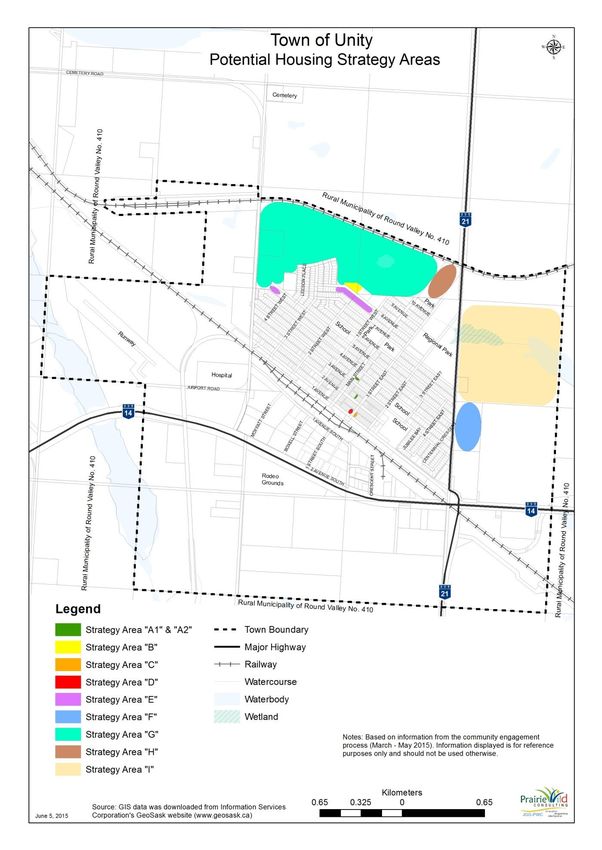
Figure 1.3.1 Steps in Developing the Unity Housing Plan

                                                                                       Plan Adoption and
                                                                                       Implementation
                                                                   Plan Drafting and
                                                                   Presentation

                                                Community and
                                                Local Leadership
                                                Engagement
                             Physical
                             Inventory and
                             Environmental
                             Scan of Existing
                             Housing
            Background
            Data
            Collection and
            Analysis;
            Community
            Profile

   1.4 Format of the Plan
The Town of Unity Housing Plan has 6 major parts.

 Section 1: Welcome to         Introduces the Plan and outlines goals, objectives, and methods.
 the Town of Unity
 Housing Plan
 Section 2: Unity Today         Contains a profile of the community, describes the current state of housing,
 and Tommorrow                  and outlines current roles and partnerships.

 Section 3: Community           Articulates a vision for housing in Unity based on the results of the
 Voice                          community engagement.

 Section 4: Gaps and            Looks at future population and housing trends in Unity and asseses housing
 Opportunities Analysis         needs for the future, including setting targets for housing development in the
                                next 15 years.
 Section 5:                     Outlines strategies for future development and outlines options for housing,
 Implementation of the          including potential sources of funding and partnerships.
 Housing Plan
 Section 6: Next Steps          Conclusion and actions for moving forward.
 and Final Remarks

Town of Unity Housing Plan                                                                              Page | 4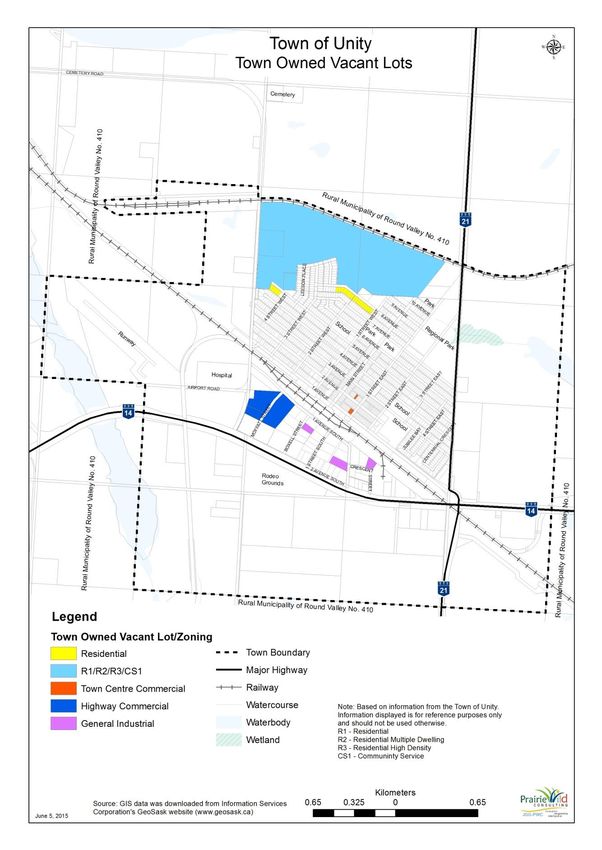
1.5 Report Considerations
This Housing Plan was completed over the course of two months to accommodate funding deadlines. All
resources were collected based on availability. This includes local wisdom and experience (community
engagement), Town bylaws and related information, and statistics from the Census and National
Household Survey.
The Town of Unity’s most recent Census data (2011) including the National Household Survey (NHS) was
suppressed. This is because the global non-response rate was too low, meaning that over half of the
population did not respond to the voluntary survey. Data from the NHS was used sparingly. What is
present may not accurately reflect the reality in the community.

Town of Unity Housing Plan                                                                  Page | 5
Section 2: Unity Today and Tomorrow
    2.1 Unity in a Regional Context
The Town of Unity is a recognized regional hub located in west central Saskatchewan on Treaty 6 lands.
From its beginnings as a farming service center, the Town has grown and now provides services to a
wide area of industry in the region, particularly in agriculture and oil and gas development.
In order to provide context and comparisons for the information presented in this profile, information
on Unity is illustrated alongside that of other communities in the region– Wilkie, Kerrobert, Macklin,
Provost Alberta, Lloydminster, Cut Knife, and North Battleford.
Figure 2.1.1 Unity and Region Population, Statistics Canada 2011

                                       Lloydminster
                                             Pop.
                                            27,804

                                                             Cut Knife:
                                                              Pop. 517

                                     Unity Pop.                                   North
      Provost Pop.                      2,389                                     Battleford
         2,041                                                                         Pop.
                                                                                      13,888

                                                                     Wilkie Pop.
                                                                             1,301
               Macklin
              Pop. 1415

                                        Kerrobert
                                       Pop.1,061

Town of Unity Housing Plan                                                                      Page | 6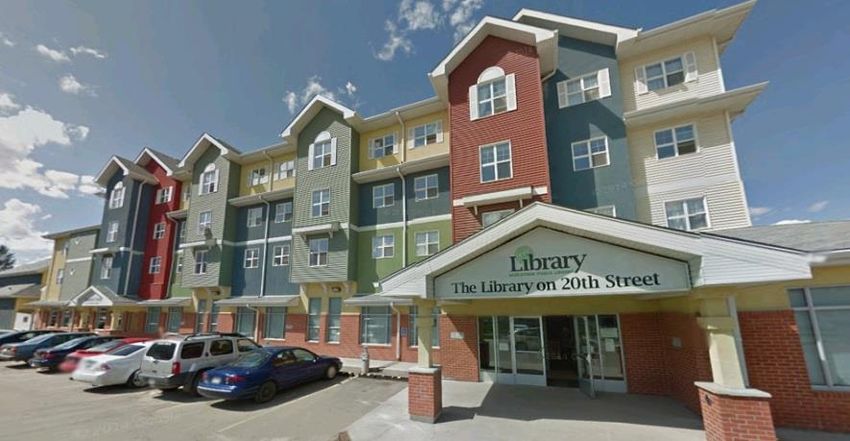
Figure 2.1.2 Unity and Region Housing Snapshot, Statistics Canada 2011

City of Lloydminster:
Home Owners: 6955
Home Renters: 3660
Average Household Income: $101,586
Average Value of Homes: $292,148                      Town of Cut Knife:
Median Commute Time: 10.6 min                         Home Owners: 195
                                                      Home Renters: 30
                                                      Average Household Income: $102,704
                                                      Average Value of Homes: $133,461
                                                      Median Commute Time: 5.2 min

                                                                                      City of North Battleford:
                                                                                      Home Owners: 3845
                                                                                      Home Renters: 1920
   Town of Unity:                                                                     Average Household Income: $63,279
   Home Owners: 965                                                                   Average Value of Homes: $200,274
   Home Renters: 195                                                                  Median Commute Time: 10.3 min
   Average Household Income: $68,317
   Average Value of Homes: $177,811
   Median Commute Time: 5.5 min

Town of Provost:
Home Owners: 630
Home Rents: 175
Average Household Income: $98,060
Average Value of Homes: $287,996
Median Commute Time: 5.8 min

                                                                                           Town of Wilkie:
                                                                                           Home Owners: 465
                                                                                           Home Renters: 85
                                                                                           Average Household Income: $62,665
                                                                                           Average Value of Homes: $175,227
                                                                                           Median Commute Time: 5.7 min

                  Town of Macklin:
                  Home Owners: 415
                  Home Renters: 75
                  Average Household Income: $81,606                        Town of Kerrobert:
                  Average Value of Homes: $194,767                         Home Owners: 395
                  Median Commute Time: 10.5 min                            Home Renters: 75
                                                                           Average Household Income: $69,359
                                                                           Average Value of Homes: $130,556
                                                                           Median Commute Time : 10.2 min

        Town of Unity Housing Plan                                                                             Page | 7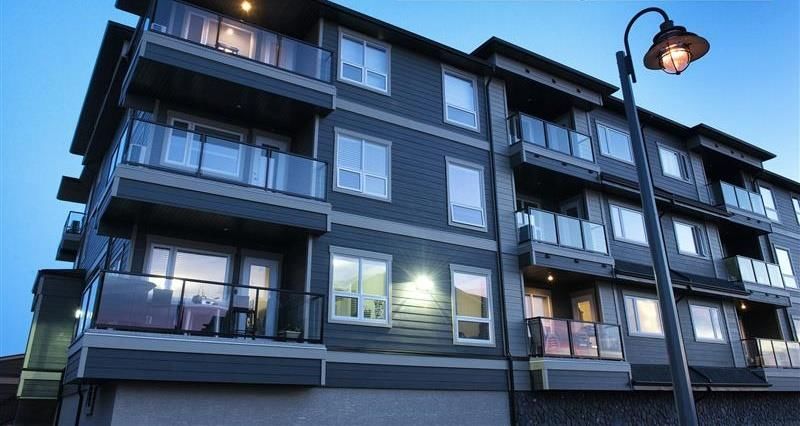
2.2 Community Profile
Population and Growth
The total population of Unity (as of 2011) is 2,3891, an increase of 11.3 percent from 2006 (242 people),
or roughly 2.3 percent a year over the five year period.

                                Figure 2.2.1 Growth Rate Percentage 2006 - 2011
                      14
                      12     11.3
                                      9.7
                      10
                       8                       6.5      6.7
                                                                     6
                       6                                                  5.3
                       4
                       2
                       0
                      -2
                                                                                   -1.5
                      -4                                                                   -2.8

Two different population projection methods were used to provide a range of potential growth for the
Town of Unity to 2031. One assumes a standard rate of growth of 1.95% based on the average growth
rates from 1991 to 2011. The other is an arithmetic growth constant. From these projections, Unity’s
population is projected to grow to between 2581 and 3350 by 2031.

                           Figure 2.2.2 Population Projections for Town of Unity, 2011
                                                     to 2031
                  4,000
                  3,500
                  3,000
                  2,500
                  2,000
                  1,500
                  1,000
                    500
                      0
                               2011           2016            2021          2026           2031

                                       1.95% Growth           Arithmetic Growth Constant

1
    Statistics Canada Census Profile 2011, Population Center of Unity
Town of Unity Housing Plan                                                                        Page | 8
Table 2.2.1 Population Projection for Unity, Basic 1.95% Growth Rate Method
                     0 to 4         5 to 14        15 to 19       20 to 24       25 to 44    45 to 54       55 to 64       65 to 74       75 to 79       85 years    Total 65
 Year   Total
                     years          years          years          years          years       years          years          years          years          and over    and over
2011         2390             180         315            100            110            560         335            240            195            230           125             550
2016         2437             184         321            102            112            571         342            245            199            234           127             561
2021         2484             187         327            104            114            582         348            249            203            239           130             572
2026         2533             191         334            106            117            593         355            254            207            244           132             583
2031         2582             194         340            108            119            605         362            259            211            248           135             594

Table 2.2.2 Population Projection for Unity, Arithmetic Growth Constant Method
                     0 to 4         5 to 14        15 to 19       20 to 24       25 to 44    45 to 54       55 to 64       65 to 74       75 to 79       85 years    Population
Year    Total
                     years          years          years          years          years       years          years          years          years          and over    Over 65
  Ka            48             6              19         -10                 0          14              8              8              1              0          2

2012         2438             186         334             90            110            574         343            248            196            230           127       553

2013         2486             192         353             80            110            588         351            256            197            230           129       556

2014         2534             198         372             70            110            602         359            264            198            230           131       559

2015         2582             204         391             60            110            616         367            272            199            230           133       562

2016         2630             210         410             50            110            630         375            280            200            230           135       565

2017         2678             216         429             40            110            644         383            288            201            230           137       568

2018         2726             222         448             30            110            658         391            296            202            230           139       571

2019         2774             228         467             20            110            672         399            304            203            230           141       574

2020         2822             234         486             10            110            686         407            312            204            230           143       577

2021         2870             240         505                 0         110            700         415            320            205            230           145       580

2022         2918             246         524            -10            110            714         423            328            206            230           147       583

2023         2966             252         543            -20            110            728         431            336            207            230           149       586

2024         3014             258         562            -30            110            742         439            344            208            230           151       589

2025         3062             264         581            -40            110            756         447            352            209            230           153       592

2026         3110             270         600            -50            110            770         455            360            210            230           155       595

2027         3158             276         619            -60            110            784         463            368            211            230           157       598

2028         3206             282         638            -70            110            798         471            376            212            230           159       601

2029         3254             288         657            -80            110            812         479            384            213            230           161       604

2030         3302             294         676            -90            110            826         487            392            214            230           163       607

2031         3350             300         695           -100            110            840         495            400            215            230           165       610

          Age and Gender Distribution
          Figure 2.2.3 illustrates the population of Unity by age and gender in 2011. There are a large number of
          children under nine years of age. This may be due to an influx of young families, with young people
          finishing school and returning to Unity to raise children. There is also other large groups at the 45 to 49

          Town of Unity Housing Plan                                                                                                                      Page | 9
and 50 to 54 year range. Within the time frame of the Unity Housing Plan, this group will reach
approximately 65 to 75 years of age.
Figure 2.2.3 Unity's Population Pyramid, Statistics Canada
2011
85 years and over 70 55
80 to 84 years 75 35
75 to 79 years 60 50
70 to 74 years 60 40
65 to 69 years 55 45
60 to 64 years 65 60
55 to 59 years 55 60
50 to 54 years 95 95
45 to 49 years 80 70
40 to 44 years 70 65
35 to 39 years 70 75
30 to 34 years 65 80
25 to 29 years 70 65
20 to 24 years 50 65
15 to 19 years 50 55
10 to 14 years 75 60
5 to 9 years 85 95
0 to 4 years 95 85
Women Men
Figure 2.2.4 Age Distribution for Unity, Statistics Canada 2011
200
180
160
140
120
100
80
60
40
20
0
Town of Unity Housing Plan Page | 10Mobility
Figure 2.2.5 Mobility of the Population of Unity (1
Of Unity’s total population 5 years and older
Year), Statistics Canada 2011
in 2011, 90.1 percent lived at the same
address as they had 1 year previously. 4.7
percent of people had moved within the Lived at the
Town, 4.9 percent of people had moved Same Address
from a different municipality, and 0.0 5% 5% 0%
Moved Within
percent had moved from outside the the Town
country. Of the same total population, 62.3
Moved Outside
percent lived at the same address as they
the Town
had 5 years prior. 17.8 percent of people
90% Lived Outside
had moved within the Town, 19.9 percent
of people had moved from a different Canada
municipality, and 1.0 percent had moved Source: 2011 Census of Canada
from outside the country.
Aboriginal Population
Figure 2.2.6 Mobility of the Population of Unity (5
In the 2006 Census, 50 people in Unity self-
Year), Statistics Canada 2011
identified as Aboriginal. In 2011, 15 people
self-identified as Aboriginal, this loss of 35 1% Lived at the Same
people could be a result of suppressed data Address
20%
in the National Household Survey. It should Moved Within the
also be noted that 35 people in the 2011 17% Town
reported to be of Aboriginal ethnic origin. 62%
Moved Outside the
There are several nearby First Nations Town
Reserves located to the north east (within
approximately 60 km), which play a Lived Outside Canada
substantial role in the region, geographically Source: 2011 Census of Canada
and culturally. These include Little Pine
First Nation, Sweetgrass First Nation, Grizzly
Bear’s Head and Lean Man First Nation, Figure 2.2.7 Household Size in Unity, Statistics
Poundmaker First Nation, Mosquito First Canada 2011
Nation, and Red Pheasant First Nation. In 500
2013, a Métis local was listed for in Wilkie 395 390
(Scott #112) and there are other Métis locals 400
within 70 km in the Battlefords region2. 300
Language and Diversity
200
In the community of Unity, 90.3 percent of 115
90
100 65
the population identified English as their 20
Mother Tongue. 95 people list German as 0
their Mother Tongue, 50 people listed 1 person 2 persons 3 persons 4 persons 5 persons 6 or more
Tagalog (Pilipino or Filipino), 25 people persons
indicated French, 15 listed Chinese, and 10
2
Métis Nation – Saskatchewan Directory of Local Presidents, Regional Directors, and Senators, August 2013
Town of Unity Housing Plan Page | 11reported Ukrainian. Arabic, Gujarati, Hindi, and Khmer (Cambodian) were listed as Mother Tongue by
five people each.
Household Structure
There are a total of 1070 private households in Unity. Figure 2.2.7 shows a breakdown of household size
in Unity. Figure 2.2.8 shows household structure. Both indicate that there are a large number of 1 and 2
person households. The average number of persons per household is 2.23. The single-occupant
residency level in Unity is 36.7 percent, slightly above the Saskatchewan Provincial average of 27.9
percent.
41.2 percent of Unity’s over 65 population lives alone. Unity is on the mid to high end of the spectrum in
this regard, when compared to the surrounding communities. The Saskatchewan average is 31.7
percent.
Figure 2.2.8 Household Structure by Household
Type in Unity, Statistics Canada 2011
500
395
400 345
300 250
200
100 60
0
One-Person Couple Without Couple With Lone-Parent
Household Children Children Household
Figure 2.2.9 % of People Over Age 65 Living Alone, Statistics
Canada 2011
50.0
50.0 44.7
41.2
45.0 38.6
35.6 35.5 34.0
40.0 31.7
35.0 28.6
30.0
25.0
20.0
15.0
10.0
5.0
0.0
3
Statistics Canada Census Profile 2011.
Town of Unity Housing Plan Page | 12Unity is similar to the surrounding region, and to the Saskatchewan average, in terms of number of
persons per household. As noted earlier, there largest number of households are 1 and 2 person
households.
Income
In 2011, the median household total income for the Town of Unity was $50,332. The median household
total income for Saskatchewan in 2011 was $61,703 placing Unity below the Provincial average.
According to the National Household Survey, in 2010, 12.3 percent of area residents were considered
low income after taxes4. Of these, 55.2 percent were aged 18 to 64.
Figure 2.2.10 Unity Population Considered in Low Income in
2010 Based on After-Tax Low-Income Measure (LIM-AT),
Statistics Canada 2011
60.0% 55.2%
50.0%
40.0%
30.0%
20.0% 13.8% 13.8% 15.5%
10.0%
0.0%
Less than 6 years 6 to 17 years 18 to 64 years 65 years and over
Table 2.2.3 Regional Comparison of Household Size, Census Canada 2011
Town/City Total 1 2 3 4 5 6+
Households
Unity 1075 37% 36% 8% 11% 6% 2%
Wilkie 550 32% 40% 12% 11% 4% 1%
Macklin 525 26% 34% 12% 15% 10% 2%
Cut Knife 225 38% 33% 11% 11% 4% 2%
Kerrobert 430 31% 36% 10% 12% 6% 3%
Provost 780 29% 32% 13% 14% 8% 3%
North 5770 34% 32% 14% 12% 5% 3%
Battleford
Lloydminster 10615 25% 32% 17% 15% 7% 3%
Saskatchewan 409645 28% 36% 14% 13% 5% 4%
4
Statistics Canada NHS 2011
Town of Unity Housing Plan Page | 13Employment
Figure 2.2.11 shows Unity’s labour force broken down by industry. Oil and gas industry, and the finance
and insurance industry, are frequent employers in Unity.
Figure 2.2.11 Employment by Industry in Unity, Statistics Canada 2011
Arts, entertainment and recreation 0
Management of companies and enterprises 0
Information and cultural industries 0
Utilities 0
Real estate and rental and leasing 15
Professional, scientific and technical services 25
Public administration 30
Construction 35
Other services (except public administration) 45
Wholesale trade 45
Administrative and support, waste management and remediation services 55
Manufacturing 65
Accommodation and food services 75
Transportation and warehousing 80
Retail trade 90
Agriculture, forestry, fishing and hunting 105
Health care and social assistance 110
Educational services 110
Mining, quarrying, and oil and gas extraction 115
Finance and insurance 155
0 20 40 60 80 100 120 140 160
Town of Unity Housing Plan Page | 14Population Density
Unity’s population density is higher than Kerrobert’s and Wilkie’s and is lower than Provost, North
Battleford, Macklin, and Lloydminster.
Figure 2.2.12 Population Density, Unity and Region
Town/City People Per Square Kilometer
Kerrobert
Wilkie
Unity
Cut Knife
Provost
North Battleford
Macklin
Lloydminster
Note: Saskatchewan’s Population Density is 1.8 people per square km.
= 25 people, colour is only for visual aid to easily see groups of 100
Infrastructure
The Town of Unity currently has plans to upgrade the sewage lagoon. There is also a Local Improvement
Plan in place to remove and replace aging water mains in several locations. The third major
infrastructure initiative currently planned will be to service the new subdivision in the north area of
Town.
Unity is located at the intersection of two main highways (14 and 21). Highway 21 forms a boundary on
the east side of the main developed portion of Town and 14 is the boundary to the south. Unity is also
located at the junction of the Canadian National Railway and Canadian Pacific Railway lines, which form
a boundary to the north of Town and bisects the southern portion of the Town.
Town of Unity Housing Plan Page | 15Infill
The Town has implemented an infill strategy, providing an incentive for people to build on lots within
the existing Town. This has been well received by the community and has enhanced the appearance of
Unity.
2.3 Housing Profile
Housing Characteristics
Figure 2.3.1 Housing Stock Breakdown as per Unity's
In 2006, there were 980 Property Assessment Roll, 2015
private dwellings in Unity. As
of 2011, there were 1,070 1%
private dwellings in the 1%
community – an increase of 5%
90 private dwellings over the R (Residential)
5
five year period . Current tax R/A (Acreage)
records for the Town of Unity
indicate that there are 952 R/C (Mixed Use)
dwellings listed as 93% M (Multi-Unit)
“residential”, 7 acreages, 7
mixed-use commercial
buildings, and 52 multi-unit
structures. These numbers
are low compared to Statistics Canada (2011), which state that there are 865 single detached homes, 15
movable homes, 15 semi-detached homes, 30 row houses, 10 apartment duplexes (one suite above, one
suite below), 135 units in apartments, and 5 other singe-attached homes (multi-unit, for example
attached to a business). Tax records are calculated by zoning while census data is calculated by
structural type.
In 2011, almost half (48.9 percent) of the buildings in Unity had been built in the 1961 to 1980 time
period, and an additional 23.8 percent were built before 19606.
Figure 2.3.2 Age of Dwellings in Unity, 2011 Census
60.0%
50.0%
40.0%
30.0%
20.0%
10.0%
0.0%
1960 or 1961 to 1981 to 1991 to 2001 to 2006 to
before 1980 1990 2000 2005 2011
5
Statistics Canada 2006, 2011
6
Statistics Canada NHS 2011.
Town of Unity Housing Plan Page | 16Single detached homes make up 80.8 percent of all housing in Unity. From a regional perspective, many
smaller centers such as Wilkie, Cut Knife, and Kerrobert also have a high proportion of single detached
dwellings compared to larger centers like Lloydminster and North Battleford, and Saskatchewan overall.
Unity has a somewhat greater amount of rental housing compared to its near neighbors, but these
numbers are still low compared to larger centers.
Table 2.3.1 Housing Types as a % of Total Dwellings per Community
Town/City/ Total Single- Multi-Unit: Semi- Movable
Province Occupied Detached Apartment Detached/Row
Dwellings & Duplexes House/Other
Single Attached
Unity 1070 81% 13% 5% 1%
Wilkie 550 90% 3% 6% 3%
Macklin 525 79% 4% 11% 4%
Cut Knife 230 89% 2% 9% 0%
Kerrobert 425 88% 7% 7% 2%
Provost 775 85% 4% 6% 5%
North Battleford 5770 69% 23% 7% 1%
Lloydminster 10610 66% 23% 8% 3%
Saskatchewan 409645 74% 17% 7% 2%
In Unity 83.5 percent of homes in the Town are owned, with the other 16.5 percent being rented7. In
2011, only a small proportion (7.4 percent) of housing was listed as being in need of major repair8.
Housing suitability refers to the proportion of housing that has enough bedrooms for the size and
composition of the household. There was no housing that was recorded as “unsuitable” in Unity in the
National Household Survey data for 2011.
Unity is similar to its neighbours in terms of the proportion of one-bedroom dwellings, though the
smaller towns are lower in this area than larger centers such as Lloydminster, North Battleford, and
Saskatchewan as a whole. Unity has a high proportion (24.7 percent) of two-bedroom dwellings
compared to all its neighbours – higher, in fact, than the Saskatchewan average (21.8 percent).
Compared to the region, Unity has a slight dearth of homes with four or more rooms.
7
Ibid.
8
Ibid.
Town of Unity Housing Plan Page | 17Table 2.3.2 Number of Bedrooms per Dwelling as a % of Total Community Dwellings, Regional Comparison,
Statistics Canada 2011
Town/City/ Total 0-1 2 3 4+
Province Occupied
Dwellings by
number of
Bedrooms
Unity 1155 7% 25% 34% 33%
Wilkie 550 6% 24% 30% 40%
Macklin 490 4% 17% 24% 54%
Cut Knife 230 0% 13% 43% 37%
Kerrobert 470 0% 14% 38% 45%
Provost 800 4% 23% 32% 41%
North Battleford 5765 12% 21% 36% 31%
Lloydminster 11645 10% 19% 33% 38%
Saskatchewan 409575 11% 22% 35% 32%
Housing Costs
As in many places in Saskatchewan, housing prices in Unity have been on the rise in the last 10 years.
The figure below shows the median sale price for homes in Unity from 2005 to 2014. According to MLS
statistics, the median value of a dwelling in 2014 was $162,750; data from land transfers provided by the
Town9 showed a median sale of $180,000; both data sets show land values climbing over time.
Figure 2.3.3 Median MLS Housing Sales in Unity, 2005 to
2014. MLS Statistics.
$180,000
$160,000
2014
$140,000
$120,000
$100,000
$80,000 2010
$60,000
$40,000
$20,000 2005
$0
9
Town of Unity, 2014.
Town of Unity Housing Plan Page | 1814.8 percent of total households in Unity reported spending more than 30% of their income on shelter.
In this regard, Unity is on the mid to low end of the spectrum for the region (Figure 2.3.4). The majority
of households spending more than 30% of their income on shelter were renters (31.6 percent); only 10.9
percent were homeowners.
Figure 2.3.4 Percentage of Home Owners and Renters Spending 30%
or More of Total Household Income, Statistics Canada 2011
59%
60.00% 50% 50%
50.00% 42%
40.00% 32% 32%
27%
30.00% 17%
13% 14% 15% 13% 15%
20.00% 9% 11% 8%
10.00% 0% 0%
0.00%
% of owners spending 30% or more of total household income
% of tenants spending 30% or more of total household income
Generally speaking, housing in Unity is somewhat affordable. The Median Multiple Housing Index
measures the ratio of the median price of a home to median household income. A median multiple of 3
or less is considered affordable10. In 2011, Unity’s median multiple was 3.39.
Table 2.3.3 Median Multiple Housing Affordability Index for Unity, 2011. Source: MLS
Data 2011 and Statistics Canada 2011
Median Price of a Home 2011 Median Household Income 2011 Ratio of Price/Income
$170,558 $50,332 3.39
2.4 Governance: Collaborations, Partnerships & Funding
This section outlines the current roles of the Town and its partners, who include all orders of
government, developers, and community-based collaborators. These collaborative partnerships form an
asset base from which to go forward in implementing housing strategies for Unity.
Municipal Role
The Town of Unity is committed to support housing planning and development in Unity in a variety of
ways. These include:
Engaging with the community around housing objectives and strategies;
Undertaking community planning processes such as the creation of an Official Community Plan11
(OCP) and the current Housing Plan to outline goals, objectives, and a long-term housing
strategy for Unity;
10
City of Saskatoon Housing Business Plan 2013.
Town of Unity Housing Plan Page | 19 Communicating goals, strategies, and progress to residents;
Acting as a convenor to bring partnerships together in support of housing initiatives;
Collaborating with other orders of government, the private sector, and community organizations
in support of housing projects;
Providing incentives and other programs to support housing goals and promising practices, such
as the recent program to provide property tax exemptions to encourage infill;
Monitoring, regulating, and enforcing adherence to health and safety standards for housing in
Unity;
Ensuring an adequate supply of land is available to support housing development; and
Providing support and incentives for development in a way that promotes growth while
considering the overall benefit to the community as whole.
Collaborations to Support Housing
Federal Government
Federally, the Canadian government is active in helping Canadian families and individuals have access to
safe, adequate, affordable housing. This is done in a number of ways, chiefly through enacting
legislation and supporting agencies that have a role to play in housing12. The main such agency is
currently Canada Mortgage and Housing Corporation (CMHC). CMHC provides funding for affordable
housing through a partnership with Saskatchewan Housing Corporation (SHC), housing market research
and training13, and a variety of funding programs to support a mix of housing options in communities.
The Canadian government also provides Homelessness Partnering Strategy Funding14 to address
homelessness in communities.
Provincial Government
The Government of Saskatchewan takes a leadership role in planning for housing across the Province.
Planning initiatives include the development of a Housing Strategy for 2011-201915. Enabled by this
strategy, the Provincial government provides a number of grants and funding programs to address
housing. Examples include the Encouraging Community Housing Options – Action Component (funding
to undertake initiatives developed out of a Housing Plan) or the Rental Development Program
(forgivable loans for affordable rental housing). Further information on both Federal and Provincial
funding programs is provided in Appendix “C.”
Inter-Municipal Government
Other orders of government that are essential for collaboration around housing initiatives include the
Rural Municipality of Round Valley and local Aboriginal government, including the Poundmaker First
Nation to the north east. The Town of Unity’s Official Community Plan (OCP) speaks to the promotion of
inter-municipal partnerships to plan and manage land use at municipal boundaries and lands adjacent to
the Town. A collaborative approach can be used to support maximum efficiency and cost effectiveness
11
Town of Unity Official Community Plan, 2009.
12
Canadian Mortgage and Housing Corporation, 2011. The Evolution of Social Housing in Canada.
https://www.cmhc-schl.gc.ca/en/corp/about/cahoob/upload/Chapter_9_EN_W.pdf
13
City of Saskatoon Housing Business Plan 2013-2022
14
http://actionplan.gc.ca/en/initiative/homelessness-partnering-strategy
15
http://www.qp.gov.sk.ca/Publications_Centre/SocialServices/2011-19-Housing-Strategy-for-Saskatchewan.pdf
Town of Unity Housing Plan Page | 20in providing services. A planning strategy that may be beneficial includes the development of a Planning
District. Similar to what the City of Saskatoon currently has in partnership with the RM of Corman Park16,
this would provide for coordination of planning and development that is focused on shared priorities
and abilities.
An integral partner in the development of housing includes partnerships with Aboriginal governments
and organizations. A number of Tribal Councils and First Nations governments are directly investing in
housing developments in a number of rural centers to both provide housing for persons living and
working off-reserve and also as a form of skills training and economic development. Likewise, the
Provincial Metis Housing Corporation also has a number of programs and services targeting
development in various rural centers across Saskatchewan ranging from the provision of shelters to full
build outs of rental and owner-occupied residencies.
Other Collaborations
There are also a number of other organizations that are involved in assisting and supporting a range of
housing developments in Saskatchewan. Collaborations outside orders of government are essential in
supporting housing initiatives in Unity. Potential collaborators of this nature for Unity include:
Umbrella organizations - These provide important information and often act as a clearing house
for announcements about various capital and operating grants related to housing and housing-
related infrastructure. These organizations include: the Saskatchewan Association of Rural
Municipalities (SARM) of which the RM of Round Valley is a member; the Saskatchewan Urban
Municipalities Association (SUMA), and the Federation of Canadian Municipalities (FCM). In
particular, FCM is often selected as a third party distributor of federal funds toward programs
focusing on housing and housing related programs.
Developers – an example would be BridgeRoad Developments Ltd., who are currently
developing adult housing in Unity. In addition to being partners in housing development,
developers can sometimes provide incentive programs; an example would be the Down
Payment Matching Program, a Saskatoon collaboration between Innovative Residential Inc., the
City of Saskatoon, The National Affordable Housing Corporation, and Canada Mortgage and
Housing Corporation17;
Financial Institutions such as Credit Unions, banks, and insurance providers;
Homeowners, in particular those who provide rentals through secondary suites;18
Builders and contractors;
Community organizations such as the faith community, community service organizations, or
citizen investor groups; and
The residents of Unity in planning, developing, and supporting the implementation of housing
initiatives.
16
http://www.rmcormanpark.ca/media/tinymce_files/Planning%20Department/community_plan_and_zoning_byl
aw/District_OCP_Consolidation_Nov_2014.pdf
17
Innovative Residential Inc. Down Payment Matching Program.
http://innovativeresidential.ca/learn/affordability/
18
City of Saskatoon Housing Business Plan 2013-2022
Town of Unity Housing Plan Page | 21Section 3: Community Voice
One of the most valuable sources of information is gained through local wisdom and experience.
Community engagement played an important role in the development of the Town of Unity’s Housing
Plan. Community and regional residents, Council, Administration, youth, business owners, and
stakeholders were invited to share their local wisdom and
experience about housing in Unity today and their hopes
in the future. Information derived from the community
engagement was used to create the community’s vision,
goals, and strategies about the future of housing in Unity.
3.1 Community Engagement Process
The process for the generation of this Plan and the
facilitation design utilized is based on promising practices
and an Appreciative Inquiry model; intended to ensure
time for community capacity building and quality results.
The model builds from the positives and asks participants to
discuss their “best hopes and goals” for the future of
community. There were seven focus group meetings held, a
community wide meeting, and specific interviews
conducted in person and by phone to inform this Plan. The
community engagement sessions are described in further
detail below.
Community engagement involves a wide range of
participants with varying opinions and ideas. The
Appreciative Inquiry model allows for the creation of open
space where everyone can voice their opinions
and be heard throughout the process. It guides the
community to create a shared vision that everyone
can live with.
Roles were shared at the beginning of each session
for the facilitative planners and participants, with a
common goal for everyone to learn something
new, have fun and share others the work being
done together.
3.1.1 Focus Groups
Over the course of two days, there were seven focus groups that were held. The people attending the
focus groups varied to include representatives from community organizations, businesses, Council
members, and developers. During the focus groups a round of introductions was shared around the
room, participants were provided with some background and context, and then they were engaged in a
discussion about housing in the Town of Unity today and in the future. All of the focus groups had
similar ideas with respect to the needs of housing types including seniors, short-term, rental, more
options across the continuum, mixed use, transitional, and entry-level. Participants were also in
agreement that the density in the Town should be increased as opposed to spreading out.
Town of Unity Housing Plan Page | 223.1.2 Youth Engagement
Youth was also engaged during the planning process. Elementary School grades 3 and 4 participated as
well as the High School students in grades 8, and 9. Each session was approximately an hour and the
youth was asked to draw their housing visions for Unity. They were provided with paper, markers, Town
of Unity baseline maps, and various housing type cut-outs. They were asked to envision Unity’s housing
15+ years into the future and draw/cut and paste the vision on the provided paper.
3.1.3 Community wide meeting
On the evening of April 5th, there was a community-wide meeting held that invited community members
and stakeholders to participate in the development of the Town of Unity Housing Plan. There were
approximately 30 people that attended. Similar to the focus groups, a round of introductions was shared
followed by some participatory exercises building on the work and information provided over the last
two days.
During the first exercise, participants were divided into groups and asked to have a discussion and
document their answers to the following questions:
• What are your best hopes for future housing in Unity? Please list as many as you can. And,
please utilize an open sky that is limitless. We’ll fly down soon enough.
• What considerations do we need to think about when identifying such hopes... e.g. policy,
types of houses, funding partnerships...
• What else?
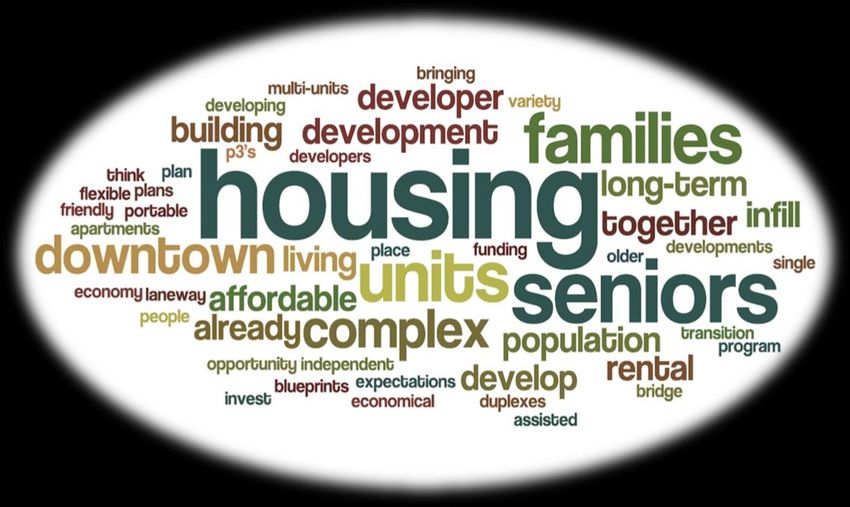
After sharing the responses together, the groups had similar hopes. In summary, these included:
www.wordle.net
Town of Unity Housing Plan Page | 23While discussing what we noticed about the hopes for the future of housing in Unity, the community
started to build a vision. The vision is shared below in Section 3.3.
The second exercise was called “Cards of House” where participants were given flipchart paper,
markers, a Town of Unity map and various housing styles on cards, and were asked to build their vision
of what housing looks like in the future. The Town was split up into three sections and participants were
rotated through each section.
The third and final exercise was asking participants to prioritize the action items into an Action Plan
Table. The participants were to include Time Frame, Action, Who’s Involved, and What Else? The actions
identified informed the Town of Unity’s Housing Strategies provided in Section 5.
3.1.4 Phone Conversations and Interviews
In addition to the above engagement, other key stakeholders were contacted to discuss Unity’s housing
now and into the future.
3.2 Foundations for Success
Foundations for Success were developed to ensure there was open collaboration among everyone
involved and that the expression of views was done in a fair manner. The following key items are seen as
essential to functioning and will serve as the foundations to planning processes in the community.
• Having a vision and goals
• Broad participation and
representation of the public good
• Facilitated process
• Positive atmosphere
• Open mindedness
• Practicality
• Refreshments
3.3 A Vision for Housing in Unity
In 2030…
Unity is known as a contemporary Prairie Town and its reputation is enhanced by
a diverse selection of attainable quality housing that meets the needs of all
individuals, families, and newcomers alike.
Collaborative partnerships between the community, developers, and supporters
catalyze far-reaching investment and innovative housing models.
Key Drivers for this vision are:
Affordability Accessibility Flexibility Creativity Connectivity Inclusivity Diversity
Town of Unity Housing Plan Page | 24Section 4: Gaps and Opportunities Analysis
4.1 Housing Gaps
Senior’s Housing
Seniors (persons 65 years and older) account for 23.0 percent of the total population of Unity (550
people out of 2389)19. Over the next 15 years, there will be a large group of 45 to 54 year olds that will
reach retirement age20.
Information gathered from senior’s housing providers reveals that there are 141 senior’s housing units
of various sizes available in Unity, and an additional 24 units will be developed shortly (Table 4.1.1).
Waiting list information tells us that there is significant demand for senior’s housing. Luther Place, for
example, has 77 people on a waiting list for a small 2 bedroom, and waiting lists for other room types as
well.
Table 4.1.1 Housing for Seniors in Unity, 2015
Organization Project Housing Type # Units Waiting List Planned
Additional
Units
BridgeRoad BridgeRoad Adult complex. n/a Sold out 24 units
Developments planned.
Ltd.
Lutheran Church Luther Place Life-lease adult 57 77 people on the list Not at this
of Unity Adult complex, for a small 2 time.
Housing Inc. common dining bedroom; 68 on the
area. list for a large 2
bedroom; 28 on the
list for a single; 35 on
the list for a 3
bedroom unit.
Parkview Place Parkview Non-profit 24; 1 31 people on waiting Not at this
Board of Place affordable guest/ list for a single unit; time, though
Directors independent respite 10 people on the list the building
living. room. for a double. was designed
to be added to.
Unity Housing Heritage Senior assisted 32 Short (1-2 person) Not at this
Authority Manor living complex. waiting list. time.
Unity Housing Senior's Senior's 28 Short (1-2 person) Not at this
Authority Housing bungalow waiting list. time.
duplexes.
Gertrude Down Personal Personal care 2 None currently. No.
Personal Care Care Home for the Elderly
Home
19
Statistics Canada Census Profile 2011.
20
Ibid.
Town of Unity Housing Plan Page | 25Senior’s housing providers reported that the Population over 65 in 2011:
majority of their clients are single or two-person
households, with singles being the majority 550
overall. There are currently 165 units available or Projected population over 65 in 2031:
being developed to serve a population of over
500 seniors, representing a significant gap. As the 594
population of seniors expands over the next 15 Number of Senior's Units Available/Planned,
years, this demand will increase. Targets for 2015:
senior’s housing may include not only the
development of more senior’s housing, but 165
exploration of supports to age in place as well.
Figure 4.1.1. Population Projections, Over 65 Age Range,
Town of Unity, 2011 to 2031
620
610
600
590
580
570
560
550
540
530
520
2011 2016 2021 2026 2031
1.95% Growth Arithmetic Growth Constant
There is one personal care home in Unity with two spaces. Seniors looking for care in a personalized
atmosphere could benefit from additional personal care homes being available in Town. Unity may wish
to consider supporting increased personal care homes.
In terms of affordability, approximately half of the current available units are targeted to low-moderate
income seniors, and the other half is for moderate to high income21. The shorter waiting list for
affordable seniors housing may suggest that, while there is a gap across all income levels, there may be
a greater demand for moderate to high-income senior’s housing options.
Rental Housing
There are currently three apartment blocks supplying 33 rental units in Unity, the majority of which are
2 bedroom22. In addition, there are at least three landlords who rent out single detached dwellings. At
least 22 single detached houses are for rent, ranging in size from 1 to 3 bedrooms. This inventory does
not include rental within secondary suites in private dwellings.
Landlords report that their units are almost always full. Most of the tenants are singles. There are some
couples, and some families living in the single detached rentals. Many of the people who phone rental
21
Based on housing cost information provided by senior’s housing organizations.
22
Based on conversations with Unity landlords who own apartment blocks or rent single detached homes.
Town of Unity Housing Plan Page | 26organizations looking to rent are from out of Town or seeking to work in Unity for a short term. Many
people who work in Unity and can’t find housing commute from surrounding towns.
In Unity 83.5 percent (965 out of 1155) of private households are home owners, and the other 16.8
percent (195 out of 1155) are renters23. 785 people in Unity live in single or two-person households
(Figure 2.2.8), which is a demographic that might be served well by rental or condo units, yet there are
only 55 units existing that could serve them.
In addition, there appears to be demand from
Number of people living in 1 or 2 person the population outside Unity. People who work in
households in 2011 (rental or condo-seeking Town and are commuting from elsewhere, or
demographic):
who would like to find short-term housing while
785 moving to Unity, have very few options to choose
Number of market rental units inventoried in from. There are currently three hotels, one
2015: motel, two Bed and Breakfast, three places
55 offering RV parking, and one mobile home park
in Unity. The mobile home park has 31 existing
units and space for 34 more. People in Unity report that many people looking to work in Unity for a
short time, or to transition to living in Unity, camp in the RV park, or rent mobile homes.
The Unity Housing Authority has eight houses and three duplexes (six units) available for affordable
housing for families. In addition, Canada Mortgage and Housing Corporation (CHMC) maintains two
houses. Most of the tenants, for both organizations, are single parent families. The Housing Authority
also maintains Senior’s housing which is discussed in the previous section.
Table 4.1.2 Rental Housing in Unity
Organization Rental # Unit Types Demographic Vacancy Planned
Type Units Rate Additional
Units
McIntyre Apartments 12 Eleven 2 Mostly Almost No
Apartments bedroom, singles always full
One 1
bedroom
Poplar Grove Apartments 12 2 bedroom Mostly Almost No
Apartments singles always full
3rd and Apartments 9 Eight 1 Mostly Almost No
Main bedroom, singles always full
Apartments One 2
bedroom
Individual Single 10 2 bedroom Singles, Almost No
Landlord detached couples, always full
housing families
rentals
23
Ibid.
Town of Unity Housing Plan Page | 27Individual Single 3 1-3 Singles, Always full, No
Landlord detached bedrooms couples, turns away
housing families people every
rentals week
Unity Affordable 8 Houses Single Almost always No
Housing Housing Parent full
Authority Families
Unity Affordable 6 3 Duplexes (6 Single Almost always No
Housing Housing units) Parent full
Authority Families
CMHC Affordable 2 Houses Single Almost always No
Housing Parent full
Families
Rental housing in Unity is largely still affordable. Median monthly rental shelter costs for Unity are
$57624, which coincides with the numbers reported by landlords and managers ($450 to $1000). This
number is low compared to costs for Saskatchewan ($793) and neighboring communities (Table 4.1.2).
Housing for People Living With Disabilities
There are two group homes in Unity for the care of persons with intellectual disabilities. They are run by
Prairie Branches, an organization funded through social services and based in Wilkie. The two homes can
each accommodate four people, male or female. At the time of this study, six of the spaces were
occupied. Clients come from all around the region. No gaps were identified in the provision of group
homes for Unity currently. However, as a regional hub close to many services, Unity may wish to
consider encouraging group home development to provide places for clients in the wider region. Unity
may also wish to consider supporting the creation of Approved Private Service Homes (households
certified by the Departments of Health or Social Services to provide homes and supports for persons
living with disabilities).
Figure 4.1.2 Median Monthly Shelter Costs for Rented Dwellings, 2011.
Source: Statistics Canada 2011
$891
$900 $793
$701 $653
$800 $602
$700 $576 $534
$600
$500
$400
$300
$200
$100
$0
24
Statistics Canada NHS 2011.
Town of Unity Housing Plan Page | 284.2 Housing Opportunities Mixed Use in the Core Commercial Area The core commercial area of the Town is recognized as an important hub for services and amenities for local and regional residents. While there are still many services offered, Unity’s core is in need of rejuvenation. Through this Plan, an opportunity is presented by identifying areas for mixed use development which includes commercial and residential in the same building. For further enhancement of the commercial area, there is an opportunity for the Town to apply to the Saskatchewan Main Street Program. The program offers matching capital for investment on revitalizing and enhancing core commercial buildings. Housing Affordability Through the process, affordable housing was identified as an opportunity as something to be enhanced in Unity. This includes a diversity of options from short-term to rental to ownership for all income levels. It was recognized that providing a mix of housing will balance the market prices in Unity and make it an attractive place to live. Increased Density The majority of housing in Unity is single detached residential. There are some multi-unit buildings with the acknowledgement that more are going to be developed and are needed. The Town has a specific spatial configuration being bordered by railways and highways which provides an opportunity to look at housing differently by balancing housing types throughout the community including identifying areas where density can be increased. Innovative Housing The Town of Unity has a reputation for cooperative innovation including the attraction and development of the salt mine, development of the grain elevator, and oil loading facilities to name a few. With a dynamic and diverse community form and population, Unity has an opportunity to act as a leader in the region by delivering and showcasing innovative housing models. Innovation can be included in the design aspects such as utilizing colour, orientation of the house, green technologies including solar and geothermal, mixing of land uses (commercial and residential), variety of sizes, locations of where housing is placed, and more. Providing incentives can assist with kick-starting innovation! Land Bank Development or Community Development Corporation The Town of Unity’s corporate boundary includes a land mass of 9.77 km2. There are lands that are municipally owned and are developable now and into the future. As opposed to having a private developer develop the lands, there is an option for the Town to create a formalized land bank program, similar to the City of Saskatoon. This option allows the Town to be its own developer and the profits are put back into the community. There is also the option of the creation of a Community Development Corporation (CDC). A CDC is composed of various stakeholders who buy land and develop it. Town of Unity Housing Plan Page | 29
Section 5: Implementation of the Housing Plan
5.1 Introduction
In order to assist the Town in implementing the vision of the Housing Plan, there are nine (9) strategies
included below for areas of development, re-development, and infill. Each strategy includes a
description of the site and potential housing type options for consideration. The options are reflective of
the community voice, gaps, opportunities, and priorities as identified through the process. Table 5.1
summarizes the strategies, the options provided under each strategy, priorities supported, and the
target demographic.
Table 5.1.1 Town of Unity Housing Plan Core Strategies Summary
Area Strategy Options Priorities Supported Target Demographic
Increased density
A1 Take Stock and 1. Ready-to-move Moderate income
side by side Housing families
Identify
affordability
Opportunities for townhouses Mature families
Vacant Lots and Couples
Seniors
Empty Buildings in
the Core
Commercial Area
A2 Take Stock and 1. Multi-unit Increased density Low-moderate income
rental building Housing young families
Identify
2. Mixed Use affordability Mature families
Opportunities for Rental Individuals
Commercial
Vacant Lots and Mixed use in the Couples
with Residential
Empty Buildings in core
the Core
Commercial Area
Increased density
B Develop Lot West of 1. Adult Adults
Rental
Parcel A condominium Seniors
Senior’s housing
development Couples
2. Village concept Moderate-high income
3. Group home families
Mature families
Couples
Individuals
People living with
disabilities
C Redevelop East 1. Stacked Increased density Moderate-high income
Housing families
Corner of 1st Street townhouses
2. Mixed use affordability Mature families
East and 1st Avenue Rental Individuals
commercial
Town of Unity Housing Plan Page | 30with residential Mixed use in the Couples
above core Seniors
3. Live/work People living with
studios disabilities
4. Independent
living
D Redevelop West 1. Short-term Increased density Individuals
housing Housing Students
Corner of 1st Street
2. Multi-unit affordability Newcomers
East and 1st Avenue Short-term
complex with Workers
owned and accommodation Low-moderate young
rental Rental families
3. Mixed use Mixed use in the Mature families
commercial core Couples
with residential Innovative Newcomers
above housing Workers
E Develop Lots South 1. Large single Increased density Individuals
detached with Housing Students
of Parcel A and
laneway affordability Seniors
West on 5th Avenue Innovative
housing option New comers
2. Subdivide to housing Workers
smaller lots for Rental Moderate income
single detached Accessibility families
housing Mature families
3. Ready-to-move Couples
bungalows
F Infill and 1. Mobile Homes Housing All
affordability
Development of
Rental
Mobile Home Court Short term
housing
All
G Implement New All
-
Subdivision
H Redevelop Future 1. Variety of Increased density All
residential Housing
Urban Development
types affordability
Area
Innovative
I Develop Live/Work 1. Live/work Families
housing
Acreages and East acreages Moderate-high income
Future Urban 2. Country estates families/couples
Development Area
Town of Unity Housing Plan Page | 315.2 Town of Unity Housing Strategies
Strategy A: Take Stock and Identify Opportunities for
Vacant Lots and Empty Buildings in the Core Commercial
Area
Location 2nd Avenue, East of Main Street
Refer to Strategy Area "A1" in
Appendix "A": Potential Housing
Strategy Areas
Future Land Use Potential: Commercial The Current Situation
Current Zoning: Town Centre Commercial There are two Town owned lots ready for infill
(C1) development at this location. This site is located
east of Main Street and is complemented by
Size and Lot Structure: Two 25’x140’ lots = commercial and residential uses.
7,000 ft2
As shown in the photo, the lots are smaller
Ownership: Town however, there is an opportunity to increase the
density and develop townhouse style residential.
This site is well suited for residential as it is
integrated into the block.
Potential Housing Option: Ready-to-Move Side by Side
Townhouses
What is it? A ready-to-move side by side townhouse is a residential
development that is built off-site and moved in. Side-by-side provides
for two townhouses to be directly adjacent to one another.
These types of townhouses can vary in style and design.
What are the benefits? Ready-to-move developments provide a Source:http://alberta.brookfieldresidential.com
convenient and time savings alternative for new and infill lots. /
The Townhouse style increases density and provides a home for Target Priorities
a new family, couple, or seniors. Demographic Supported
This location also provides the convenience of nearby amenities •Moderate •Increased
income families density
and services in the core commercial centre while remaining in
•Mature families •Housing
the residential area. •Couples affordability
Specific Strategies for Partnerships and Funding •Seniors
In the short term, amend Zoning Bylaw to relax the side
yard requirement, accommodating a shared wall along the property line.
Town of Unity Housing Plan Page | 32Potential household size
In considering the site size of the lots (50’x140’), there is the potential to fit two units on this site. Within
each unit, the range of people living in it will be from 1 to 3, which has the opportunity to fit between 2
to 6 individuals. For other considerations on infill development, please refer to Appendix “B”: Promising
Practices – Case Study Examples.
Location
Main Street between 3rd and 4th Avenue
Refer to Strategy Area "A2" in Appendix "A":
Potential Housing Strategy Areas
The Current Situation
Unity’s Main Street and commercial sector is known for its vibrancy; however, over the years more
buildings are being left empty. The area is surrounded by
commercial properties and further down Main Street to Future Land Use Potential: Commercial
st
the north east includes residential. Past 1 Street east and
Current Zoning: Town Centre
west also transitions to residential.
Commercial (C1)
There are not a lot of vacant lots along Main Street. For
Size and Lot Structure: One rectangular
the purposes of this Plan, it is important to consider all
shaped lot, 62’x130
options. This site is currently vacant and owned privately.
While there has been some preliminary discussion for Ownership: Privately owned by one
opportunities on this lot, as part of this Plan are some owner
options for consideration.
Housing Option #1: Multi-Unit Rental Building
What is it? As shared, a multi-unit rental building is proposed for the site. Multi-unit dwellings are
defined in the Zoning Bylaw as a
building containing three or more Target Priorities
dwelling units and shall include Demographic Supported
condominiums, townhouses, row •low-moderate •Increased
houses, and apartments as distinct income young density
from a rooming house, hotel, or motel. families •Housing
•Mature families affordability
Multi-units can be developed in •Individuals •Rental
various forms. For this site in •Couples
particular, it will be important to
maintain and consider the Main Street Source:
http://www.adventvancouver.com/
scale and characteristics.
What are the benefits? The benefits of rental multi-unit housing includes providing an affordable option
for a number of demographics – individuals moving to the community, seniors in transition from a large
home, couples, and new families. This location works well for a multi-unit rental as it is in the core of
downtown Unity. Services are located nearby and within walking distance. This type of communal living
provides eyes on a person’s home and on the street, which benefits business owners as there are people
around all the time.
Town of Unity Housing Plan Page | 33You can also read


