FOR SOUTH32 SOCIAL AND LABOUR PLAN - WOLVEKRANS MIDDELBURG COMPLEX
←
→
Page content transcription
If your browser does not render page correctly, please read the page content below

SOCIAL AND LABOUR PLAN
           FOR SOUTH32
    WOLVEKRANS MIDDELBURG COMPLEX

                                     JUNE 2017                                      01
Mining Right Reference Number: Wolvekrans Middelburg Complex - MP30/5/1/2/2/379MR
Table of Contents
        SOCIAL AND LABOUR PLAN					1
        Abbreviations								6
1.      INTRODUCTION AND PREAMBLE					8
1.1     Introduction								8
1.2     Preamble								8
1.3     Mining Methodology							9
1.4     Current and Expected Workforce					9
1.5     Local Recruitment							9
2.      HUMAN RESOURCE DEVELOPMENT PLAN			                                12
2.1     Introduction								12
2.2     Skills Development Plan						12
2.2.1   Adult Education and Training						12
2.2.2   Learnerships								15
2.2.3   Core Business Skills Programme					17
2.2.4   Portable Skills Training						20
2.2.5   Hard to Fill Vacancies							22
2.2.6   Career Progression Plan						22
2.2.7   Mentorship Plan							23
2.2.8   Bursary Plan and Graduate Development Programme (Internship) 24
2.2.8.1 Full Study Bursaries:							24
2.2.8.2 Study Assistance:							25
2.2.9   Internship and Graduate Development Programme:			                 26
2.2.10 Employment Equity Plan						27
2.2.11 Employment Equity Strategies Applied at WMC Colliery		             28
a)      Capacity Building (Talent Pool Development)			                    28
b)      Fast Tracking								28
2.2.12 Participation of Historically Disadvantaged South Africans		       28
2.2.13 Women at the Mine							29
3.      LOCAL ECONOMIC DEVELOPMENT PROGRAMME		                            32
3.1     Introduction								32
3.2     Socio-Economic Background Information				32
3.3     Key Economic Activities						37
3.4     Local Economic Development Planning				                           37
3.4.1   Integrated Development Planning: Nkangala District Municipality   37
3.4.2   Integrated Development Planning: Steve Tshwete
        Local Municipality							38
3.5     Stakeholder Engagement and Management Plan			                    39
3.5.1   Record of Communication between Operation and the various
        Stakeholders								40
3.6     Socio-Economic Impact of the Mine in the Local Communities       40
3.7     Infrastructure Development, Poverty Eradication and Welfare
        Creation Projects							40
3.7.1   Infrastructure Development and Poverty Alleviation Programmes 41
3.8     Housing and Living Conditions					41
3.9     Health Care and Nutrition Plan					                              42
3.10    Procurement Plan							43
4.      Downscaling and Retrenchment					45
4.1     Introduction								45
4.2     Future Forum								45
4.3     Communication with Authorities					46
4.4     Mechanisms to Avoid Job Losses					46
4.5     Provision of alternative solutions and procedures for creating
        job security where job losses cannot be avoided			               46
4.6     Mechanisms to ameliorate the social and economic impact
        on individuals, regions and economies where retrenchment or
        closure of the operation is certain					                         47
4.7     Post Closure Planning						48
4.8     Social and Labour Plan (SLP) Communication			                    48
5.      Financial Provision							50
5.1     Financial Provision							50
5.2     Financial Provision for Human Resource Development
        Programmes (Regulation 46 (E) (1))					50
5.3     Financial Provision for Local Economic Development Programmes
        (Regulation 46(E) (ii))							51
5.4     Financial Provision for Management of Downscaling and
        Retrenchment (Regulation 46(E) (iii))					51
6       Undertaking								53
        Addendum A: Breakdown of Labour Sending Areas			                 53
List of Table

TABLE 1: LOCAL RECRUITMENT UNDERTAKING SUMMARY				                      9
TABLE 2: LABOUR SENDING AREAS AT WMC OPERATION AS AT
           28TH FEBRUARY 2017							9
TABLE 3: OCCUPATIONAL DISTRIBUTION OF CURRENT WORKFORCE (AS AT THE
           28TH FEBRUARY 2017) AND EXPECTED OPERATION WORKFORCE FOR
           FIVE (5) YEARS (FY 2018 TO 2022)						10
TABLE 4:   ADULT EDUCATION AND TRAINING UNDERTAKING			                  13
TABLE 5: AET TARGETS AT WMC COLLIERY (FY 2018 TO 2022)			               13
TABLE 6: FORM Q – FUNCTIONAL LITERACY AT WMC COLLIERY AS AT
           28 FEBRUARY 2017							14
TABLE 7: COMMUNITY AET TARGETS AT WMC COLLIERY (FY 2018 TO 2022)        16
TABLE 8: PROJECTED SECTION 18.1 LEARNERSHIP TARGETS FOR
           WMC COLLIERY (FY 2018 TO 2022)					                          16
TABLE 12: PROJECTED CORE TECHNICAL AND NON-TECHNICAL BUSINESS SKILLS
           TRAINING TARGETS AT WMC COLLIERY OPERATION (FY 2018 TO 2022) 18
TABLE 13: PROJECTED ARTISAN TRAINING TARGETS FOR WMC COLLIERY
           (FY 2018 TO 2022)								18
TABLE 18: CAREER PROGRESSION UNDERTAKING					                           23
TABLE 19: EMPLOYEES WITH INDIVIDUAL DEVELOPMENT PLANS			                23
TABLE 20: MENTORSHIP UNDERTAKING						24
TABLE 22: BURSARY PLAN UNDERTAKING						25
TABLE 23: TARGETS FOR CHILD OF EMPLOYEE BURSARY
           PROGRAMMES AT WMC COLLIERY (FY 2018 TO 2022)			              25
TABLE 24: TARGETS FOR EXTERNAL BURSARY PROGRAMMES AT
           MC COLLIERY (FY 2018 TO 2022)						25
TABLE 25: SUMMARY OF EMPLOYEE STUDY ASSISTANCE TARGETS AT
           WMC COLLIERY (FY 2018 TO 2022)					                          26
TABLE 26: FEEDBACK ON INTERNSHIP AND GRADUATE DEVELOPMENT
           PROGRAMME UNDERTAKING						26
TABLE 27: MINING RELATED INTERNSHIP/GRADUATE DEVELOPMENT
           PROGRAMME TARGETS AT WMC COLLIERY (FY 2018 TO 2022)		        27
TABLE 28: EXTERNAL TO MINING INTERNSHIP/GRADUATE DEVELOPMENT
           PROGRAMME TARGETS AT WMC COLLIERY (FY 2018 TO 2022)		        27
TABLE 29: EMPLOYMENT EQUITY UNDERTAKING					                            28
TABLE 30: FORM S: EMPLOYMENT EQUITY STATISTICS AT WMC
           COLLIERY AS AT 28 FEBRUARY 2017					28
TABLE 31: DEVELOPMENT OF HDSA’S INTO MANAGEMENT				                     29
TABLE 32: HDSAS IN MANAGEMENT TARGETS FOR WMC COLLIERY
           (FY 2018 TO 2022)								29
TABLE 33: WOMEN AT THE MINE							30
TABLE 34: TARGETS FOR PARTICIPATION OF WOMEN IN MINING AT
           WMC COLLIERY (FY 2018 TO 2022)					                          30
TABLE 35: SOCIO-ECONOMIC PROFILE OF SURROUNDING REGION – POPULATION      32
TABLE 36: SOCIO-ECONOMIC PROFILE OF SURROUNDING REGION - DWELLING TYPE   33
TABLE 37: SOCIO-ECONOMIC PROFILE OF SURROUNDING REGION -
         ABLUTION FACILITIES								33
TABLE 38: SOCIO-ECONOMIC PROFILE OF SURROUNDING REGION -
         PORTABLE WATER ACCESS							34
TABLE 39: SOCIO-ECONOMIC PROFILE OF SURROUNDING REGION - REFUSE REMOVAL 34
TABLE 40: SOCIO-ECONOMIC PROFILE OF SURROUNDING REGION -
         ENERGY SOURCE USED FOR COOKING						35
TABLE 41: SOCIO-ECONOMIC PROFILE OF SURROUNDING REGION -
         ENERGY SOURCE USED FOR HEATING						35
TABLE 42: SOCIO-ECONOMIC PROFILE OF SURROUNDING REGION -
         ENERGY FOR LIGHTING								35
TABLE 43: SOCIO-ECONOMIC PROFILE OF SURROUNDING REGION -
         EDUCATIONAL PROFILES								36
TABLE 44: SOCIO-ECONOMIC PROFILE OF SURROUNDING REGION – EMPLOYMENT      36
TABLE 45: SOCIO-ECONOMIC PROFILE OF SURROUNDING REGION –
         INDIVIDUAL MONTHLY INCOME							36
TABLE 46: SOCIO-ECONOMIC PROFILE OF SURROUNDING REGION –
         SECTORIAL EMPLOYMENT							37
TABLE 47: IDP PRIORITY ISSUES AND OBJECTIVES FOR NKANGALA DISTRICT
          MUNICIPALITY									38
TABLE 48: KEY LED PRIORITIES AND OBJECTIVES OF THE STEVE TSHWETE
         LOCAL MUNICIPALITY								39
TABLE 49: RECORD OF STAKEHOLDER ENGAGEMENT					                          40
TABLE 50: FIVE (5) YEAR PROJECT SUMMARY PLAN FOR LOCAL
         ECONOMIC DEVELOPMENT PROJECTS OF WMC COLLIERY			                41
TABLE 51: HOUSING AND LIVING CONDITIONS UNDERTAKING				                  41
TABLE 52: HEALTH CARE AND NUTRITION PLAN UNDERTAKING				                 42
TABLE 53: BACKGROUND ON PREFERENTIAL PROCUREMENT HDSA UNDERTAKING        42
TABLE 54: TARGETS FOR HDSA PROCUREMENT AT WMC COLLIERY FOR FY
         2018 TO 2022									43
TABLE 55: DOWNSCALING AND RETRENCHMENT UNDERTAKING				                   45
TABLE 56: STRATEGIC ACTION PLAN FOR FUTURE FORUM					                    45
TABLE 57: STRATEGIC ACTION PLAN TO COMMUNICATE WITH THE AUTHORITIES		    46
TABLE 58: MECHANISMS TO AVOID JOB LOSSES UNDERTAKING				                 46
TABLE 59: PROVISION OF ALTERNATIVE SOLUTIONS UNDERTAKING			              47
TABLE 60: MECHANISMS TO AMELIORATE THE SOCIAL-ECONOMIC
         IMPACT UNDERTAKING								47
                                LIST OF FIGURES

FIGURE 1: MAP INDICATING THE LOCATION OF WMC COLLIERY			                 9
Abbreviations

ABBREVIATION    MEANING
AET             Adult Basic Education and Training
BEE             Black Economic Empowerment
CV              Curriculum Vitae
DACE            Department of Agriculture, Conservation and Environment
DMR             Department of Mineral Resources
DoL             Department of Labour
DTI             Department of Trade and Industry
EE              Economic Empowering
EIA             Environmental Impact Assessment
ELM             Emalahleni Local Municipality
FY              Financial Year
GET             General Education and Training
HDSAs           Historically Disadvantaged South Africans
HET             Higher Education and Training
HRD             Human Resources Development
HRDP            Human Resources Development Programme
ICDP            Individual Career Development Plan
IDPs            Integrated Development Plans
JV              Joint Venture
LED             Local Economic Development
LEDP            Local Economic Development Programme
MPRDA           Minerals and Petroleum Resources Development Act (no. 28, 2002)
MQA             Mining Qualifications Authority
NDM             Nkangala District Municipality
NQF             National Qualifications Framework
NSDP            National Spatial Development Perspective
PGDS            Provincial Growth and Development Strategy
RSA             Republic of South Africa
SETA            Sector Education and Training Authority
SLP             Social and Labour Plan
SMMEs           Small, Medium and Micro Enterprises
TBC             To Be Confirmed
UIF             Unemployment Insurance Fund
VCT             Voluntary Counselling and Testing
WIM             Women in Mining
WSP             Workplace Skills Plan

                                                                                  06
SECTION 1
     PREAMBLE
  INTRODUCTION TO
  AND BACKGROUND
INFORMATION ON THE
     OPERATION

                     07
1. INTRODUCTION AND PREAMBLE
1.1. Introduction

This Revised Social and Labour Plan (SLP) is submitted by South32 SA Coal Holdings Propriety Limited in compliance with the
requirements of the Mineral and Petroleum Resources Development Act of 2002 (MPRDA), to operate with an approved Social and
Labour plan for the life of the mine. A Section 102 amendment/ variation on mining right was executed on the 21st May 2015 which
amendment/ variation is yet to be registered, wherein the following four mining rights; MP 30/5/1/2/2/379MR, 30/5/1/2/2/376 MR,
30/5/1/2/2/378 MR and 30/5/1/2/2/377M; was consolidated into one mining right reference number issued under DMR Reference
number MP30/5/1/2/2/379MR.

This SLP has been compiled in terms of the MPRDA, and sets out the social and labour programmes to be in place for the life of the
mining right.

The objectives of the SLP (section 41 of the Regulations) are to:

•    Promote economic growth and mineral and petroleum resources development in the Republic (Section 2 (e) of the
      (MPRDA);
•    Promote employment and advance the social and economic welfare of all South Africans (Section 2 (f) of the MPRDA);
•    Ensure that holders of mining or production rights contribute towards the socio-economic development of the areas in
•    which they are operating as well as the areas from which the majority of the workforce is sourced (Section 2 (i) of the
     (MPRDA); and
•    To utilise and expand the existing skills base for the empowerment of HDSA and to serve the community.

1.2. Preamble

    Name of Company:                          South32 SA Coal Holdings Propriety Limited
    Name of Colliery:                         Wolvekrans Middelburg Complex
    Name and address of mining                South32. 39 Melrose Boulevard Melrose Arch Johannesburg 2076
    right holder Physical Address:
    Postal Address:                           PO Box 61820, Marshalltown, 2107
    Contact Person:                           Andre Roux
    Telephone Number:                         (013)– 689 4318
    Email Address:                            Andre.roux@South32.net
    Location of Mine:                         Wolvekrans Middelburg Complex location falls within Ward 24 of the Emalahleni
                                              Local Municipality (ELM) (Wolvekrans) and Steve Tshwete Local Municipality
                                              (STLM) (MMS) within the Nkangala District Municipality (NDM) in the Mpumalanga
                                              Province. The nearest significant towns to the WMC are Witbank (situated 25
                                              kilometres north-west of Wolvekrans and 23 kilometres west of MMS) and
                                              Middelburg (situated some 35 kilometres away to the north-east of Wolvekrans
                                              some 20 kilometres to the north of MMS).
    Commodity:                                Coal
    Life of Mine:                             30 years
    Financial Year:                           30 June
                                              Any reference in this document for the period 1 July 2017 to 30 June 2022 refers to
                                              FY2018 – FY2022.
    Reporting Period:                         July to June as per financial year

                                                                                                                                     08
Figure 1: Map indicating the location of WMC

1.3, Mining Methodology
WMC is an existing opencast operation that is being mined with opencast methodologies. Equipment being used includes dragline
and truck and shovel. The main opencast operations utilise the dragline for waste removal in a combination of single and double
bench configurations. a fleet of track- mounted dozers assists in dozer push over to support the dragline water removal. A fleet of
coal haulers and front-end loaders is then utilised to extract the coal and parting from the pit. A fleet of surface drill rigs drill the
waste and coal horizons. Water and diesel bowsers, service trucks for lubrication, graders and rigging equipment will then service
the entire operation.

1.4.Current and Expected Workforce
    WMC is currently at steady status with a total labour force of one thousand eight hundred and ninety-two (1,892) employees in
    permanent positions. The mine does not foresee significant changes to the labour force within the next five-year SLP period.
    Furthermore, the mine remains committed to continue the focus on preferential recruitment from their local host communities
    (currently at 95%) as outlined in Section 1.5 below.

1.5. Local Recruitment
     The breakdown of WMC’s labour sending areas is provided in Table 2 below, the majority of the employees are from local
     community and surrounding areas. The Colliery’s recruitment policy is in line with the objectives of the MPRDA in terms of
     local job creation.

                                        Table 1: Local Recruitment Undertaking Summary
  Undertaking:         The Colliery is committed to the development and transformation of the affected communities within which
                       it is operating. In order to achieve this, the mine has a strong focus on the recruitment and development of
                       local community members, with an emphasis on the development of the previously unskilled and
                       unemployed members of the affected communities.

  Summary              The Colliery’s skills development programmes have been aligned in such a manner that unskilled
                       employees (especially from the local areas) have the opportunity for career development.

                          Table 2: Labour Sending Areas at WMC Operation as at 28th February 2017
  Sending Areas                                      Count                                %
  Local                                              1793                                 95%
  In Province Employment/Other                        98                                  5%

  Inter Provincial Employment                         1

  Total:                                             1892                                  100

                                                                                                                                            09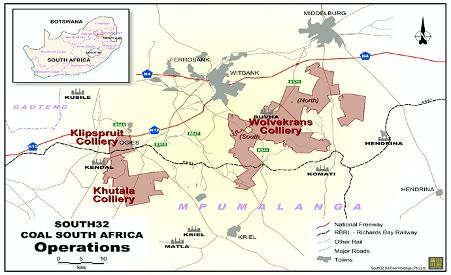
Table 3: Occupational Distribution of Current Workforce (as at the 28th February 2017) and Expected Operation
                                     Workforce for Five (5) Years (FY 2018 to 2022)
Operation Workforce Plan         Current Labour     FY 2018       FY 2019         FY 2020      FY 2021       FY 2022
Top management (f)                                  0             0               0            0             0
Senior management (e)            13                 11            11              11           11            11
Professionally qualified and     270                303           303             303          303           303
experienced specialists and
middle management (d)
Skilled technical and            834                834           834             834          834           834
academically qualified
workers, junior management,
supervisors, foremen and
superintendents (c)
Semi-skilled and discretionary   775                721           721             721          726           741
decisions making (b)
Unskilled and defined decision   1892               1858          1858            1858         1865          1886
making (a)
TOTAL PERMANENT

                                                                                                                       010
SECTION 2
HUMAN RESOURCE
DEVELOPMENT
0112. HUMAN RESOURCE DEVELOPMENT PLAN
2.1. Introduction
The Human Resources Development (HRD) strategy for WMC focuses on talent and performance management mechanisms, in
conjunction with a competency-based career development programme and centrally managed graduate, bursary and Learnership
programmes for permanent employees. The HRD strategy is focused on the following:
• Building and enhancing human capacity and capability to support South32’s vision and strategy
• Attracting and retaining key talent by demonstrating long term commitment to employee development
• Delivering best in class learning experiences that significantly contribute to the lives of WMC employees.
Portable Skills, Literacy and Numeracy training are of further significance in the integrated HRD programme geared towards
ensuring effective business operations as well as accredited and transferable skills training amongst the workforce. The requisite
implementation monitoring and reporting mechanisms are in place at the mine to facilitate these HRD programmes.
2.2. Skills Development Plan
WMC implements skills development programmes that focus on equipping employees with skills to enhance their progression at
the Colliery and the mining industry in general, as well as their development in respect of other sectors of the economy.
The objectives for skills development are:
• Developing and growing the existing internal talent pool to meet current and future business needs with a strong emphasis on
transformation and redressing past practices;
• Establishing a pool of skilled workers that can potentially fulfil the Company’s hard-to-find skills and transformation
requirements;
• Allowing new entrants into the labour market to gain relevant work experience;
• Improving the quality of life of employees; and
• Providing portable and lifelong skills opportunities to improve and enhance employees’ economic independence.
WMC complies with the requirements of the Skills Development Act and will continue to submit the Operation’s Workplace Skills
Plan (WSP) annually, as required by the Act. South32 has registered all of its mining operations with the relevant Sector Education
and Training Authority (SETA), i.e. the Mining Qualifications Authority (MQA), and undertakes to continue to contribute towards
Skills Development Levies.
Key strategic plans within the Skills Development Plan for WMC are outlined in the following sections:
• Education and Training, including Adult Basic Education and Training (AET);
• Learnerships;
• Skills programmes;
• Portable skills programmes; and
• Hard-to-fill vacancies.
2.2.1. Adult Education and Training
The current literacy rate at WMC is 89% (Ref. Table 6: Form Q), with an identified AET need of a total of eighty-seven (87)
employees. The majority of which require level 3 and level 4 AET programmes, a key initiative to ensure lower skilled employees
can access future career development opportunities such as artisan and learnership programmes.
WMC will provide their AET programme on a full-time basis, offering AET levels 1 to 4, facilitated by suitably qualified and
accredited service providers. The Colliery has committed a total of 3.9 million Rand over the five-year SLP Period to adult
education and training and will continue to strive to provide eligible employees access to the relevant AET programmes, through
the following mechanisms:
• Linking AET to various skills programmes;
• Unions as ambassadors; and
• In-house recognition for achievements (graduation ceremony).
WMC’s HRD will monitor enrolments in the respective levels of AET monthly and quarterly and continue reporting through existing
mechanisms.
In addition to monitoring progress, WMC HRD will conduct individual sessions with identified AET candidates (below AET Level 4)
to inform them of the benefits of obtaining an AET Level 4 qualification. Candidates opting not to be part of the AET programme will
be requested to provide a written submission to HRD management providing reasons for not participating in the programme. Table
4 below outlines the commitment from WMC towards their AET programme.
012Table 4: Adult Education and Training Undertaking
Undertaking: WMC undertakes to assist in improving the foundations for skills development by increasing the
literacy rate through participation in AET. The Company will focus on providing education and
training opportunities through AET training from Pre - AET to AET level 4.
Summary Employees at WMC will be assessed on a continuous basis within the development and
performance management process to ensure that the minimum entry levels are achieved.
Furthermore, AET training will be utilised as one of the mechanisms to achieve the minimum
level of entry to other skills development. Once the objectives have been reached as set out, the
skills development programme will focus on providing higher training opportunities through the
successive NQF levels.
Responsible Person Strategic Action Timeframe
HRD Superintendent Develop a detailed programme to provide AET to those employees who are still Annually
eligible for AET.
HRD Superintendent Develop a detailed programme to increase the number of participants in NQF Annually
Level 1 training, and expand the training to higher levels.
As indicated in Form Q (Table 6), the current AET need at WMC is eighty-seven (87) employees. Form Q will be updated at the end of
each reporting cycle of the Colliery and submitted to the DMR. Details of the AET programmes provided for each of the following years,
and the beneficiaries thereof, will be included in the Workplace Skills Plans (WSPs), which will be updated and submitted once a year to
the MQA and integrated into the SLP. Table 5 below further provides a detailed breakdown of the AET need and annual training targets
and budget provision at the colliery. It should be noted however, that WMC has embarked on a process to verify the educational levels of
all employees to ensure the details are accurately and comprehensively captured on the HR Database.
Table 5: AET Targets at WMC (FY 2018 to 2022)
AET Level 1 5 0 0 0 0 0 0
AET Level 2 24 2 2 2 2 2 10
AET Level 3 28 6 6 6 6 6 30
AET Level 4 30 6 6 6 6 6 30
Total AET 87 14 14 14 14 14 70
Enrolments
Budget: R658 000 R723 800 R789 600 R855 400 R921 200 R3 948 000
013Table 6: Form Q – Functional Literacy at WMC as at 28 February 2017
General No Schooling 4 1 4 1
Education Grade 0 / Pre school 0 0
and Train-
Grade 1/ Sub A 0 0
ing (GET)
Grade2/ Sub B 0 0
Grade 3/ Std1/AET 1 18 1 18 1
Grade4/ Std 2 5 5 0
Grade 5/ Std 3/ AET 2 17 1 17 1
Grade 6/ Std 4 10 10 0
Grade 7/Std 5/AET 3 25 25 0
Grade 8/ Std 6 3 1 1 4 1
1 Grade 9 /Std 7/ AET 95 1 3 30 99 30
4 / N1
General Education and
Training
Certificate / Some
National
Certificates
Further 2 Grade 10/ Std 8/ N2 70 3 1 73 1
Education Some Certificates /
and Train- Some National
ing Certificates
3 Grade 11/ Std 9/ N3 118 33 18 1 151 19
Some Certificates /
Some National
Certificates
4 Grade 12/ Std 10/ N4 699 9 2 176 159 2 21 886 182
Further Education and
Training
Certificates / National
Certificate:
Vocational / National
Senior
Certificate / Some other
National
Certificates
Higher 5 2 year National Diplo- 93 4 39 26 4 136 30
Education mas / 1 year
and Train- Higher Certificates / N4,
ing (HET) N5 & N6
National Certificates
6 3 year National & 43 21 22 5 64 27
Higher
Diplomas / Some other
2-3 year
Diplomas / Advanced
Certificate
7 3 year Degrees / Higher 33 1 2 25 25 3 61 28
or
Advanced Diplomas
8 4 year Degrees and 3 1 3 5 1 7 6
Honour's
Degrees
9 Master's degrees 4 1 4 1
10 Doctorates 0 0
TOTAL 1236 15 5 308 291 2 0 35 1564 328
014WMC has extended their AET programme to the benefit of the local host community and has committed a total budget of 4.7
million rand over the five-year period to avail AET training opportunities to community members. The programme will commence in
FY 2019 and a total of eighty (80) training interventions will take place during the SLP period. Table 7 below provides the targets
and associated budget for implementation of the community programme.
Table 7: Community AET Targets at WMC (FY 2018 to 2022)
AET Level 1 0 5 5 5 5 20
AET Level 2 0 5 5 5 5 20
AET Level 3 0 5 5 5 5 20
AET Level 4 0 5 5 5 5 20
Total AET
0 20 20 20 20 80
Enrolments
Budget: R0 R1 034 000 R1 137 400 R1 251 140 R1 376 254 R4 798 794
Learnerships programmes play a key role in the develop of career progression opportunities for semi-skilled and skilled employees
in the mining industry. Section 2.2.2 below outlines the commitments towards the implementation and management of a robust
Learnership programme at WMC-.
2.2.2. Learnerships
A learnership is a registered and accredited learning programme that includes practical work experience as well as theoretical
studies, thereby integrating both workplace and institutional learning. Learnerships enable learners to work towards a qualification
whilst being employed. The purpose of the learnership programme is to equip new and future employees with skills to assist
them in undertaking their responsibilities more efficiently and may allow their progression into other positions at WMC, when
opportunities arise.
The specific Learnership programmes offered will continue to be informed by both the skills requirements of the Colliery (in line
with the WSP, Hard-to-Fill Vacancies and the business plan) as well as the forecasted skills scarcity within the mining industry over
the next five (5) years (as per the MQA’s Sector Skills Audit).
• Candidates for the Learnership programmes will continue to be identified and selected through the agreed recruitment and
selection policy/process of WMC.
• Each Learnership programme is a set programme, consisting of a theoretical and a practical component.
• WMC will continue to budget annually for the Learnership programmes (Ref Table 9 & 10).
• Appropriately trained mentors will be appointed for each learner at WMC.
• Systems will be developed and implemented to record and monitor WMC’s compliance in terms of its progress to achieve the
envisaged Learnership targets for annual SLP reporting purposes.
• Accreditation to be in place through MQA for all Learnership Programmes.
On successful completion of the Learnership programme, the learners will be placed on a three (3) month probationary period
at the Colliery where appropriate vacancies exist. Should vacancies not be available at WMC, other South32 collieries will be
approached to determine suitable placement opportunities. As the placement of learners is dependent on vacancies at the
operation, it is not possible to guarantee the successful placement and/or promotion of learners on completion of their Learnership
programme.
015Table 8: Learnerships Undertaking
Undertaking: The provision for learnerships within the Colliery is aimed at addressing current and future skills
and competency needs in terms of the Career Path structure and Manpower process. WMC
undertakes, and will continue to facilitate access to learnerships for identified individuals based
on an employment ratio of 80:20 HDSAs to non-HDSAs.
Summary: The objective of the learnerships being offered at WMC is to equip new and future employees
with skills to assist them in undertaking their responsibilities more efficiently and which may allow
their progression into other positions at the Colliery. The learnership programmes offered at the
Colliery are informed by the skills requirements at the Colliery (in line with the WSP and business
plan), and the MQA's Sector Skills Audit. Each learner will be allocated a mentor, who will
meet with the learner on a regular basis to review progress and provide support with respect to
performance issues. As a mechanism to address the objective of increasing the pool of available
labour, learners will be recruited, based on a strategy of maintaining a 4:1 ration between artisans
and learners.
Responsible Person Strategic Action Timeframe
HRD Superintendent Align the programme with WSP and hard- Annually
to-fill vacancies (Form R)
HRD Superintendent Ensure proper mentors are trained and Annually
assigned for Learners, and that the
learners receive the necessary exposure
for development.
Tables 9 and 10 below indicates the envisaged enrolment targets and associated annual budgets for the identified Section 18.1 and
18.2 Learnership programmes for WMC for the next five (5) years. The established targets have been based on the current pass
rates of the programme and are cognisant of the lengths of the training programmes.
Table 9: Projected Section 18.1 Learnership Targets for WMC (FY 2018 to 2022)
FY 2018 FY 2019 FY 2020 FY 2021 FY 2022
Continuation
Continuation
Continuation
Continuation
Learnership
New Target
New Target
New Target
New Target
New Target
Programme
Programme
Candidates
Enrolment
Enrolment
Enrolment
Enrolment
Enrolment
Length of
Pass Out
Pass Out
Pass Out
Pass Out
Pass Out
Current
Auto Electri-
3 years 2 1 0 1 3 2 1 4 1 1 1 1 1 1 1
cal
Diesel
3 years 1 3 0 3 4 1 3 7 3 3 3 3 3 3 3
Mechanic
Electrical 3 years 2 2 0 2 4 2 2 6 2 2 2 2 2 2 2
Fitter 3 years 2 2 0 2 4 2 2 6 2 2 2 2 2 2 2
Instrumenta-
3 years 0 1 0 1 1 0 1 2 1 1 1 1 1 1 1
tion
Millwright 3 years 0 0 0 0 0 0 0 0 0 1 0 0 1 1 0
Plater/Welder 3 years 0 1 0 1 1 0 1 2 1 2 1 1 2 2 1
Rigger 3 years 0 0 0 0 0 0 0 0 0 1 0 0 1 1 0
Total 7 10 0 10 17 7 10 27 10 13 10 10 13 13 10
Total Learnerships per
7 17 27 30 33 36
Annum:
Budget R 10 510 450 R 15 476 192 R 14 840 431 R 22 333 022 R 15 683 860 R 19 963 807
016The Section 18.2 Learnerships to be offered to the host community are depicted in Table 10 to follow.
Table 10: Projected Section 18.2 Learnership Targets for WMC (FY 2018 to 2022)
FY 2018 FY 2019 FY 2020 FY 2021 FY 2022
Length of Programme
Current Candidates
Continuation
Continuation
Continuation
Continuation
New Target
New Target
New Target
New Target
New Target
Learnership
Programme
Enrolment
Enrolment
Enrolment
Enrolment
Enrolment
Pass Out
Pass Out
Pass Out
Pass Out
Pass Out
Auto Electrical 3
2 0 0 0 2 2 1 0 0 1 1 0 1 1 1
years
Diesel Me- 3
9 6 0 4 15 9 3 10 6 3 7 4 3 3 3
chanic years
Electrical 3
2 5 0 1 7 2 2 6 5 2 2 1 2 2 2
years
Fitter 3
7 7 0 1 14 7 3 8 7 3 4 1 3 3 3
years
Instrumenta- 3
1 2 0 1 3 1 0 3 2 0 1 1 0 0 0
tion years
Millwright 3
0 0 0 0 0 0 0 0 0 0 0 0 0 0 0
years
Plater/Welder 3
2 4 0 1 6 2 2 5 4 2 3 1 2 2 2
years
Rigger 3
1 2 0 0 3 1 1 2 2 1 1 0 1 1 1
years
Total 24 26 0 8 50 24 12 34 26 12 19 8 12 12 12
Total Learnerships 24 50 58 46 32 36
per Annum:
Budget R 13 579 994,30 R 26 184 866,89 R 31 196 608,18 R 27 531 502,54 R 20 856 946,48 R 17 900 219,23
2.2.3. Core Business Skills Programme
Core Business Skills Programmes play an essential part in equipping all employees with the skills and required competencies to
successfully execute their employment responsibilities. The objective of Core Business Skills Training is to provide the required
knowledge and skills to enable employees to successfully and safely perform their roles. The Colliery will continuously align its
core business skills training programme to the requirements of all aspects of the operation. WMC core business skills training
encompasses both underground and opencast operator training.
Table 11: Core Business Skills Programme Undertaking
Undertaking: Core Business Skills Training is a core element of ensuring that employees are productive,
capable and competent in the delivery of their daily duties. WMC will undertake to conduct
a training needs analysis to ensure the alignment of core business skills to the competency,
developmental areas as well as core mining safety needs of the job to its employees.
Summary: During the recruitment of the workforce individual-specific training is planned based on the
outcomes of the skills analysis. The core business skills training that will be provided by WMC
will be aligned to the needs analysis as well as support the inherent business production
needs.
Responsible Person Strategic Action Timeframe
HRD Superintendent An on-going assessment of employees to be done to identify where Annually
gaps remain and continuous evaluation against business needs and
development plans.
HRD Superintendent Ensure that Skills Matrixes are align to roles and career paths. Link Annually
PDP`s to career path as well as Skills Matrix
017Table 12 below outlines the targets and associated budget for each financial year (FY 2018 to 2022). Table 13 provides the targets
and budget for the implementation of the Artisan programme at the Colliery.
Table 12: Projected Core Technical and Non-Technical Business Skills Training Targets at WMC Operation (FY 2018 to
2022)
Training Course Target Target Target Target Target
Enrolment Enrolment Enrolment Enrolment Enrolment
FY 2018 FY 2019 FY 2020 FY 2021 FY 2022
Earth Moving Equipment 1336 1336 1336 1336 1336
(EME) Operators
Mining Competent A 10 10 10 10 10
Blasting Certificate 12 12 12 12 12
(Rock Breaking)
Blasting Assistant 10 10 10 10 10
Health and Safety 30 30 30 30 30
Rep Training
First Aid Training 164 164 164 164 164
Code 14 Drivers License 4 4 4 4 4
Loco Driver Training 7 7 7 7 7
(Certification)
(Freight Rail)
Basic Fire Fighting 25 25 25 25 25
Machine Operator 35 35 35 35 35
Skills Programme
Basic Coal Preparation 12 12 12 12 12
Advanced Coal 4 4 4 4 4
Preparation
Mining Operations 3 3 3 3 3
Supervisory Level 4
Strata Control 12 12 12 12 12
Opencast Level 2
Total 1664 1664 1664 1664 1664
Budget: R 2 707 371 R 2 978 108 R 3 275 918 R 3 603 510 R 3 963 861
Table 13: Projected Artisan Training Targets for WMC (FY 2018 to 2022)
Slinging and lifting 25 25 25 25 20 120
practices
Lifting and moving 8 8 8 8 8 40
Practices
Medium Voltage 10 10 10 10 10 50
Certification
Medium Voltage 10 10 10 10 10 50
Re Certification
Overhead Crane 4 4 4 4 4 20
Certification
Overhead Crane 8 8 8 8 10 42
Re Certification
Truck Mounted crane 4 4 4 4 4 20
certification
Truck Mounted Re 8 8 8 8 10 42
certification
018Forklift Counterbalance 6 6 6 6 6 30
certification
Forklift Counterbalance 9 9 9 9 9 45
Re certification
Manito Telescopic 8 7 7 7 7 36
Boom Handler Novice
Manito Telescopic Boom 8 8 8 8 9 41
Handler Re Certification
Arial Platform 3 3 3 3 3 15
Certification Novice
Arial Platform Certification 5 5 5 5 5 25
Re certification
Fall Arrest Technician 20 10 10 9 9 58
Level 2
Health and Safety 10 4 4 4 4 26
Rep Training
Starting, Stopping and 9 9 10 10 10 48
Driving Earthmoving
Equipment
6060 Mechanical Training 2 2 2 1 1 8
6060 Electrical Training 2 2 2 1 1 8
CAT Basics 2 2 2 2 2 10
CAT Drive Train 5 5 5 5 5 25
CAT Electrical Systems 3 3 3 3 3 15
CAT Electronic Systems 4 4 4 4 4 20
CAT Electronic Technician 1 1 1 1 1 5
CAT Intermediate 6 6 6 6 6 30
Fuel Systems
CAT Intermediate 4 4 4 4 4 20
Hydraulics
CAT Preventative 5 5 5 5 5 25
Maintenance
PC CAT 6060 - Shovels 0 0 0 0 0 0
Assessment
Siemens Relay Training 2 2 2 2 2 10
Wi-Fi Basic Training 2 1 1 1 1 6
Advanced Gas Safety 7 7 7 8 8 37
CASCAM 4 4 4 4 3 19
Basic Welding 1 1 1 1 0 4
Coaching 15 7 7 7 8 44
Mentoring 7 7 7 7 8 36
Man Truck Service Training 4 4 4 1 0 13
Confined Spaces 20 10 10 10 10 60
Electric Over Hydraulic 15 5 5 5 5 35
Drill Training
Rig Control Systems 2 2 2 2 2 10
Training
Chain Fitment and Tension 4 4 4 3 3 18
Lincoln Training 2 2 2 2 2 10
019PLC Training 3 3 2 2 2 12
Earthing and 1 1 1 1 0 4
Lighting Training
Oil Analysis Training 4 3 3 3 3 16
Total 282 235 235 229 227 1208
Budget R2 616 517 R2 878 168 R3 165 985 R3 482 584 R3 830 842 R15 974 095
2.2.4. Portable Skills Training
WMC intends to offer access to non-mining related skills development programmes for those individuals who may be affected by
downscaling and retrenchment. Access to the potential training programmes will be provided six (6) months prior to any pending
retrenchment exercise at WMC for the remaining life of the operation and will be communicated to affected employees through the
Future Forum.
Table 14: Portable Skills Undertaking
Undertaking: WMC is dedicated to providing opportunities in training and development, thereby
increasing their marketability in the open labour marketing in the possible event
of retrenchment and mine closure. Furthermore, the mine is committed, not only
to equip and prepare employees for the open labour market, but simultaneously
providing the opportunity to obtain NQF credits towards a National Qualification.
Summary: Provision of portable skills to employees during the life of the mine in accordance
with the skills development plans and workforce planning particularly non-mining
related skills. Ramp-up of portable skills training in the last two (2) years of life
of mine, or six (6) months prior to when downscaling becomes inevitable. Such
portable skills must have an impact beyond the company and mining industry
and provide for sustained employability and will, wherever feasible:
(a) Build on employees’ existing skills and be recognised nationally;
(b) Enable employees to manage their careers by addressing identified skills gaps; and
(c) Supplement existing skills with business-related training where appropriate.
Responsible Person Strategic Action Timeframe
HRD Superintendent A Skills Development Forum has been established and will focus on Ongoing
overseeing the implementation of the skills development programmes
aligned to the Human Resource Development programme (HRDP),
which will be reviewed on a monthly and annual basis.
HRD Superintendent Continue to publicise portable skills training Ongoing
programmes amongst employees.
HRD Superintendent Report and monitor employees that may be close to Ongoing
retirement and target for portable skills non-mining.
Table 15 offers an overview of Portable Skills initiatives the mine envisages as part of their training and development initiatives.
Table 16 reflects the portable skills training programme for the skills development within the host community.
020Table 15: Portable Skills Training for WMC (FY 2018 to 2022)
Wonderware 10 2 2 2 2 18
Process Automation (Radiation Safety) 5 5 5 5 5 25
Slinging and lifting practices 30 30 30 30 30 150
Lifting and moving Practices 5 5 5 5 5 25
Medium Voltage Certification 4 4 4 4 4 20
Medium Voltage Re Certification 5 4 4 4 4 21
Overhead Crane Certification 15 15 15 15 15 75
Overhead Crane Re Certification 15 15 15 15 15 75
Truck Mounted crane certification 3 3 3 3 3 15
Truck Mounted Re certification 3 3 3 3 3 15
Forklift Counterbalance certification 7 7 7 7 7 35
Forklift Counterbalance Re
7 7 7 7 7 35
certification
Manito Telescopic Boom Handler
5 5 5 5 5 25
Novice
Manito Telescopic Boom Handler Re
5 5 5 5 5 25
Certification
Arial Platform Certification Novice 5 5 5 5 5 25
Arial Platform Certification Re
10 10 10 10 10 50
certification
Gas Safety International: Lancing for
3 3 3 3 3 15
Supervisors
Gas Safety International for
3 3 3 3 3 15
Supervisors
Fall Arrest technician Level 2 30 30 30 30 30 150
Fall Arrest Supervisor 15 15 15 15 15 75
Health and Safety Rep Training 25 25 25 25 25 125
Starting, Stopping and Driving
10 10 10 10 10 50
Earthmoving Equipment
6060 Mechanical Training 2 2 2 2 2 10
6060 Electrical Training 2 2 2 2 2 10
Siemens Relay Training 1 1 1 1 1 5
Wi-Fi Basic Training 2 2 2 2 2 10
Advanced Gas Safety 1 1 1 1 1 5
Gas Safety Awareness 10 10 10 10 10 50
CASCAM 5 5 5 5 5 25
Basic Welding 3 3 3 3 3 15
Coaching 40 5 5 5 5 60
Mentoring 25 5 5 5 5 45
Man Truck Service Training 1 1 1 1 1 5
Confined Spaces 15 15 15 15 15 75
Confined Spaces for Supervisors 5 5 5 5 5 25
Chain Fitment and Tension 3 3 3 3 3 15
Lincoln Training 2 2 2 2 2 10
PLC Training 2 2 2 2 2 10
Earthing and Lighting Training 2 2 2 2 2 10
Oil Analysis Training 3 3 3 3 3 15
Mining: Earth Moving Equipment
20 20 20 20 20 100
Theory Training
Mining: Earth Moving Equipment
20 20 20 20 20 100
Simulator Training
Mining: Earth Moving Equipment
20 20 20 20 20 100
Practical Training
Total 404 340 340 340 340 1764
Budget R1 088 202 R1 197 022 R1 316 724 R1 448 396 R1 593 236 R6 643 579
021Table 16: Community Portable Skills Training for WMC (FY 2018 to 2022)
Training Courses Target Target Target Target Target Total
Enrolment Enrolment Enrolment Enrolment Enrolment (FY 2018
FY 2018 FY 2019 FY 2020 FY 2021 FY 2022 to 2022)
Driver Training 0 5 5 5 5 20
Machine Training 15 5 5 5 5 35
Blasting Assistant 15 5 5 5 5 35
Total 30 15 15 15 15 90
Budget R500 000 R25 000 R25 000 R25 000 R25 000 R100 000
2.2.5. Hard to Fill Vacancies
Table 17 presents the Colliery’s current skills shortages affecting the operation’s recruitment process. Hard-to-fill vacancies will
be addressed in part by the Colliery; through the implementation of skills development programmes and learnerships as described
in the sections above. These programmes will attempt to build capacity in the areas in which it is needed and will be based on the
WSP and Skills Development Plan. The placement of individuals in hard to fill vacancies may need to be sourced from other mining
sectors and areas.
Table 17: Form R- Hard to fill vacancies
Occupational level Job title or Main reason for inability Intervention
vacancy to fill the vacancy
Top Management
Senior Management
Professionally qualified and Superintendent Due to a shortage of skills in the Talent Management &
experienced specialist and mid Rock Engineer Coal Mining Industry Succession Planning
management
Skilled technical and Instrumentation It’s a scare skill in the market and Increase number of
academically qualified workers, Technician expensive Instrumentation learners and
junior management, supervisors Diesel Mechanic include scare skill allowance
for Instrumentation
Semi-skilled and discretionary Controller Candidates with Lump Ore Process leaners required to
decision making Operator Beneficiation (Coal Preparation) be developed further
required, internal plant attendant
currently don’t have minimum
requirement to be trained.
2.2.6. Career Progression Plan
The career progression plan aims to illustrate a career path for employees, indicating possible routes to move or change from one
role or position to another within a specific discipline through defining competencies such as skills and experience required by
the various job categories. The Colliery’s training and development programmes then become a mechanism through which the
required competencies are developed. The movement could either be to a position on the same level or a position on a higher
level. The path of career progression could also be applied during selection and recruitment, training and development, as well as
talent management. Some of the performance requirements of this standard are that:
• A formal review of the talent pool occurs every six (6) months at the Colliery, HRD Central and South32 talent reviews;
• Succession plans are in place for all key roles, and nominated successors are rated based on readiness and suitability; and
• Talent pipeline gaps are identified and plans are in place to address the shortfalls.
Through this process, individuals with talent and potential are identified, verified and discussed at departmental and operational
talent forums at the Colliery. The information is forwarded to regional talent forums for different functional areas, where individuals
with emerging talent are discussed in terms of development plans and possible transfers within South32. The performance
management system currently in place at WMC, whereby employees are assessed against specific performance measures, forms
an integral part of the talent management process.
022Table 18: Career Progression Undertaking
Undertaking: WMC undertakes to actively promote career progression and succession opportunities among
its employees and refine the Career Progression Programme. A career management system
has been implemented and is in line with the South32 Career Management Programme. This
programme forms the basis on which on-going career path development will continue for
relevant employees at the Colliery. The Colliery's training and development programme is the
mechanism through which the required competencies are developed and results either into
positions on the same level or a position on a higher level. Furthermore, career management
committees have been established and identify and monitor the Colliery's talent pool to facilitate
appropriate skills development for employees in order to meet the operations business plan as
well as to ensure individuals at all occupational levels are developed in respect of their skills.
Summary: WMC has further established a talent management system to facilitate performance management,
whereby employees are assessed against specific performance measures. The Career Progression
Programmes will be linked to the Skills Development Programme, learnerships, internships, bursaries,
mentorship programme and Employment Equity Programme. Mechanisms will be implemented for
individuals to have the opportunity to progress from lower skilled levels into higher skilled working
levels including management levels, should job opportunities arise and positions become vacant.
The career progression plan will ensure that the qualifications, aspirations, developmental needs,
and potential capabilities of all employees are accounted for in line with the needs of the Company's
business needs. WMC, will furthermore, ensure that their employees are mentored according to their
career path requirements on a regular basis in order to facilitate progression within the Company.
Responsible Person Strategic Action Timeframe
HR Department Skill shortages and employment equity needs to be aligned Continuous
to fast tracking plans for succession of HDSAs and identified
women with potential from the established talent pools.
HR Department South32 has developed a Leadership Development Continuous
programme for employees on Paterson D level and above
which will be rolled out over the five-year period
Table 19: Employees with Individual Development Plans
FY 2018 FY 2019 FY 2020 FY 2021 FY 2022
Employees
Employees
Employees
Employees
Employees
% with IDP
% with IDP
% with IDP
% with IDP
% with IDP
Employee
with IDP
with IDP
with IDP
with IDP
with IDP
Categories
No. of
No. of
No. of
No. of
No. of
Paterson E Level 3 27% 3 27% 3 27% 3 27% 3 27%
Paterson D Level 80 26% 80 26% 80 26% 80 26% 80 26%
Paterson C Level 200 24% 200 24% 200 24% 200 24% 200 24%
Paterson B Level 218 30% 218 30% 218 29% 218 30% 218 29%
Total 501 27% 501 27% 501 27% 501 27% 501 27%
Section 2.2.7 provides the Mentorship programme implementation actions and associated targets.
2.2.7. Mentorship Plan
WMC defines mentoring as the transfer of experience and attributes from a mentor (an experienced, more senior employee either
from WMC or from another operation) to a protégé (junior employee with less experience in the relevant field of expertise) with the
intention of improving the competencies of the protégé to meet the current and future job requirements. Mentoring is a term that
describes a relationship and a process to share experience and strategic advice that leads to greater capacity and performance.
To summarise, mentors are:
• Advisers, people with career experience willing to share their knowledge;
• Supporters, people who give emotional and moral encouragement;
• Tutors, people who give specific feedback on one’s performance;
• Sponsors, sources of information about and aid in obtaining opportunities;
• Models, of identity of the kind of person one aspires to be as leader or an expert.
023Mentorship is a key process and tool in support of people development, HRD planning, performance management and employment
equity. It is a formal relationship between a mentor and a mentee, and is established to enhance the mentee's career by building
skills and knowledge. A mentorship programme is in essence a process to foster a continuous mentorship relationship between the
mentor and the mentee. The objective is to ensure that the maximum potential of the mentee is unlocked for the mutual benefit to
the mentee, mentor and the Colliery.
Table 20: Mentorship Undertaking
Undertaking: WMC will actively promote mentorship opportunities among its current and future employees and
will use financial year 2018 to refine and formalise the Colliery’s Mentorship Programme linked
to the Career Progression Programme. The Mentorship programme will focus on mentoring and
coaching HDSAs and women into more specialised technical and managerial positions, in line with
the skills and employment equity requirements of WMC.
Summary: WMC will continue to ensure that all permanent employees at supervisory and management levels
have a CDP with a target of achieving 100% compliance.
Responsible Person Strategic Action Timeframe
HRD Superintendent Formalise mentorship programme and align it with the Career Progression Continuous
Programme, Skills Development Programme, Internship & Bursary Programme
and Employment Equity Programme. Align with the skills need and employment
equity need of Wolvekrans Middelburg Complex.
HRD Superintendent Determine internal mentorship need and individuals with potential to be Continuous
earmarked as mentors. Assess line and senior management aptitude to be
mentors for internal mentorships programme.
All graduates / interns and learners are directly supported by a targeted mentorship programme. Each individual in this
programme is allocated a mentor from South32’s broader Management Team (i.e. Patterson D and E Levels). These mentors are
pivotal and mandatory in both of these programmes and are at a mature state of maintenance and implementation (i.e. all current
graduates and learners have designated, active mentors).
Table 21: Mentorship Target Table:
2018 2019 2020 2021 2022
Learnerships 18.1 17 27 30 33 36
Learnership 18.2 50 58 46 32 36
Bursaries (Internal) 16 30 30 30 12
Bursaries (External) 11 11 11 11 11
Internships (Internal) 13 17 22 4 3
Internships (External) 2 3 10 0 0
Total: 109 146 149 110 98
2.2.8. Bursary Plan and Graduate Development Programme (Internship)
WMC is well aware of the need not only to assist its own employees with development opportunities, but also to provide
opportunities for members of the local community and surrounding areas to access tertiary education opportunities (bursaries)
and experiential work opportunities (internships). The bursary and internship plan links in with developing individuals to supply
the operation with its future skill requirements. Apart from business related qualifications, the Company is also aware of the need
to develop qualified individuals from communities, affected by the operation, in other sectors of the economy. WMC will equip its
employees with skills which are portable to other sectors of the economy upon downscaling or closure.
WMC’s internship and bursary plan will continue to focus on equipping people from Mpumalanga in particular and rest of South
Africa in general, who have an interest in the mining industry, with the necessary skills, aptitude and abilities. In order to acquire
a pool of high performing learners in Mpumalanga and to develop critical skills in the province, South32 will actively promote the
bursary opportunities available to learners. The target is to maintain a bursary portfolio with a 70:30 bias towards HDSAs. This
percentage may vary based on the quality of the pool available.
2.2.8.1. Full Study Bursaries:
Bursaries are available to students (even if they have no current relation to the company) for full time studies at South African
Universities or Universities of Technology in mining disciplines. The adjudication of bursaries is based on the achievements of
applicants and bursaries are open for studies in disciplines offered at a South African University or University of Technology.
Further to the external bursary programme, South32 offers ‘Child of Employee” bursaries whereby financial aid is provided to
employees for their children’s studies and no work obligation is required to be fulfilled by the student. The value of a bursary is
determined annually by South32’s management team.
0242.2.8.2. Study Assistance:
Financial Study Assistance (Study Loan) is also available to WMC employees in order to encourage the workforce to obtain better
qualifications in fields of study that would benefit the operation. This financial assistance is managed by the operation.
Table 22: Bursary Plan Undertaking
Undertaking: The bursary plan is linked to development of individuals in order to supply the operation
with the required skilled people. Furthermore, the Company is aware of the need to develop
qualified individuals from the local community, affected by the Colliery, in other sectors of the
economy. Furthermore, the Colliery commits to continue to provide tertiary education bursaries
to qualifying learners to pursue courses in various fields of study, whether at University or
University of Technology, including dependents of employees.
Summary: WMC will equip its employees with skills which are portable to other sectors of the economy
upon downscaling and closure. South32 has established a Central Bursary Scheme that provides
for training of individuals in disciplines such as, Mining Engineering, Electrical Engineering,
Mechanical Engineering, Industrial Engineering, Metallurgy, Mine Survey, Geology and Finance.
The bursary scheme furthermore provides bursaries to students for full-time studies at selected
South African Tertiary Institutions. The bursaries are open to all Grade 12 scholars as well as
students who are already studying.
Responsible Person Strategic Action Timeframe
HRD Superintendent Review Study assistance programme in line with the business objectives Annually
as well as community programmes
HRD Superintendent Inform the business of Industry trends and also align with the SETA Annually
Sector Skills Plan
Table 23: Targets for Child of Employee Bursary Programmes at WMC (FY 2018 to 2022)
FY 2018 FY 2019 FY 2020 FY 2021 FY 2022
Current Candidates
Continuation
Continuation
Continuation
Continuation
Continuation
New Target
New Target
New Target
New Target
New Target
Programme
Programme
Enrolment
Enrolment
Enrolment
Enrolment
Enrolment
Length of
Pass Out
Pass Out
Pass Out
Pass Out
Pass Out
Bursary
Chemical
4
Engineer 0 0 0 1 1 0 0 2 0 0 2 1 1 1 1
years
(Min Proc)
Electric and
4
Electronic 1 0 0 1 1 1 0 0 2 0 0 2 1 1 1 1
years
Engineer
Geology 4
0 0 0 2 3 0 0 5 0 0 5 3 2 2 2
years
Industrial 4
0 0 0 1 1 0 0 2 0 0 2 1 1 1 1
Engineer years
Mechanical 4
0 0 0 4 4 0 0 8 0 0 8 4 4 4 4
Engineer years
Metallurgy 4
0 0 0 2 2 0 0 4 0 0 4 2 2 2 2
years
Mining En- 4
0 0 0 3 4 0 0 7 0 0 7 4 3 3 3
gineering years
Total 1 0 0 1 14 16 0 0 30 0 0 30 16 14 14 14
Total Bursaries
1 30 30 30 28
at the Mine
Budget R 26 000 R 1 404 489 R 3 363 501 R 3 699 851 R 4 069 836 R 4 112 711
Table 24: Targets for External Bursary Programmes at WMC (FY 2018 to 2022)
External Bursars Current FY 2019 FY 2020 FY 2021 FY 2022
External Bursars 14 5 5 5 5
Total 14 5 5 5 5
Budget: R 1 400 000 R 500 000 R 600 000 R 650 000 R 700 000
025Table 25: Summary of Employee Study Assistance Targets at WMC (FY 2018 to 2022)
Target Target Target Target Target
School Programme
Enrolment Enrolment Enrolment Enrolment Enrolment
Training Course
FY 2018 FY 2019 FY 2020 FY 2021 FY 2022
Postgraduate Diploma in 1 1 1 1 1
Management Practice
Btech Mining 1 1 1 1 1
Engineering
Btech Safety 1 1 1 1 1
Management
Intro to Mining 1 1 1 1 1
Engineering
MBA 2 2 2 2 2
ND Engineer Mech. 1 1 1 1 1
ND Mine Surveying 1 1 1 1 1
ND Safety Management 1 1 1 1 1
Postgraduate Diploma in 1 1 1 1 1
Management
Post Graduate 1 1 1 1 1
Diploma in Business
Administration
Programme in 3 3 3 3 3
Maintenance
Management
Total: 14 14 14 14 14
Budget: R 607 133 R 667 847 R 731 236 R 797 568 R 867 451
Section 2.2.9 to follow provides the proposed implementation of the Internship Plan (Graduate Development Programme).
2.2.9. Internship and Graduate Development Programme:
South32 offers graduate programmes in various disciplines to diplomats and graduates with the focus on the development and
training of employees in the technical disciplines. Graduate programmes are currently offered in the following disciplines: Mining
(Graduates and Diplomats); Engineering (Graduates and Diplomats); Finance; Human Resources; and Geology. A Central Training
Account (CTA) has been established to provide for the funding of training and development of the graduates. WMC participates
and contributes financially to the CTA. On completion of their studies, the bursars participate in a two-year graduate programme
through the CTA to obtain practical work experience. Within their structured programmes, graduates will undergo specific technical
and leadership training to facilitate the acquisition of a professional qualification.
Table 26: Feedback on Internship and Graduate Development Programme Undertaking
Undertaking: The internship plan is linked to development of individuals in order to supply the operation with the
required skilled people. Furthermore, the Company is also aware of the need to develop qualified
individuals from the local community, affected by the Operation, in other sectors of the economy.
Summary: Internships are offered in various disciplines to diplomats and graduates with the focus on
development and training of employees in the technical disciplines such as Mining, Finance,
Human Resources (HR) and Geology. Furthermore, on completion of studies the bursars are
given a two (2) year internship in order for them to gain the practical work experience. Within a
structured programme graduates undergo specific technical and leadership training to facilitate the
acquisition of a professional qualification. All CTA participants are incorporated into the Career
Management Committees and are mentored at the operation through their training.
Responsible Person Strategic Action Timeframe
HRD Superintendent Develop plans to target students at the surrounding Universities of Annually
technology.
HRD Superintendent Practical experience students are monitored and evaluations are done Annually
quarterly to track progress
026Tables 27 and 28 below provides the targets in respect of the Internal to Mining Internship as well as the External to Mining
Internship programmes respectively.
Table 27: Mining Related Internship/Graduate Development Programme Targets at WMC (FY 2018 to 2022)
Internships FY 2018 FY 2019 FY 2020 FY 2021 FY 2022 Total (FY 2018
Programmes to 2022)
Engineering 2 3 6 0 0 11
Industrial Engineering 2 0 1 0 0 3
Mining 4 5 8 2 1 20
Geology 2 1 1 0 0 4
Metallurgy 2 4 5 0 0 11
Survey 0 2 1 2 2 7
Financial 1 2 0 0 0 3
Total Internal 13 17 22 4 3 59
Internships:
Budget: R346 955 R499 082 R710 458 R142 092 R117 226 R1 815 812
1.
Table 28: External to Mining Internship/Graduate Development Programme Targets at WMC (FY 2018 to 2022)
Internships Programmes FY FY FY 2020 FY FY 2022 Total (FY
2018 2019 2021 2018 to
2022)
Engineering 0 2 0 0 0 2
Environmental 0 0 1 0 0 1
Occupational Hygiene 0 0 1 0 0 1
Safety 0 0 1 0 0 1
Human Resources 1 0 1 0 0 2
Metallurgy 0 0 1 0 0 1
Financial 0 0 2 0 0 2
Rock Engineering 0 0 2 0 0 2
Community 1 0 1 0 0 2
Supply 0 1 0 0 0 1
Total External Internships: 2 3 10 0 0 15
Budget: R53 378 R88 073 R322 935 R0 R0 R464 386
2.2.10. Employment Equity Plan
WMC fully subscribes to the principles of the Mining Charter, and strives to achieve more than the minimum requirements. The
Colliery believes that Employment Equity is an integral part of building an effective and representative workforce and to ensuring
equality for all employees. The Colliery has therefore developed and implemented an Employment Equity (EE) Policy to ensure
that HDSA employees, especially women, are developed and targets are met. Particular effort will be directed at identifying HDSAs
with talent, and providing accelerated training and development initiatives to assist their progression, in order to comply with the
provisions of the Employment Equity Act (Act No. 55 of 1998).
South32 will focus on the following strategies to achieve the objectives of EE Legislation:
1. Effective management of Diverse employees;
2. Create an environment that will accommodate all people from designated groups; and
3. Recruit, train and retain people from designated groups.
027You can also read


