Collective Communication and Community Engagement in humanitarian action - How to Guide for leaders and responders - CDAC Network
←
→
Page content transcription
If your browser does not render page correctly, please read the page content below
Collective Communication
and Community Engagement
   in humanitarian action
    How to Guide for leaders and responders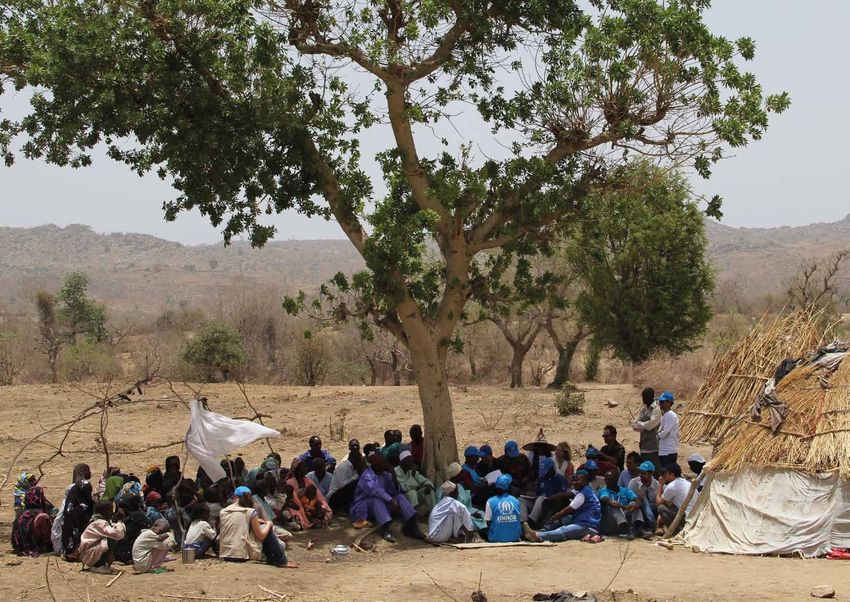
COMMUNICATION AND COMMUNITY ENGAGEMENT: A COLLECTIVE APPROACH
Foreword: voices of leaders and responders
It is well recognised that good communication and participation drawing board over to the communities. “If we wish to deliver high
are prerequisites for successful community engagement in We seem to have forgotten that it is quality aid, the foundation
development and humanitarian action. We need more sustained for the communities that we work. for that must be trusting and
dialogue and meaningful interaction with the people we serve so that It is time for candid communication collaborative relationships
they can take informed decisions and play an active or lead role in the between members of our sector in with crisis-affected children and adults,
aid they receive. order to bring the communities back supported by ongoing dialogue and
So how do we get better at working alongside people affected by disaster? How do to the heart of what we do. In my view, a genuine commitment to take other
we build communication channels fit for purpose so the people we serve maintain or currently community voices and concerns people’s perspectives into account.
regain control of their recovery and the aid they receive? are pushed on the back burner while By working together in a way that About the CDAC Network
While coordination between organisations is vital, deeper collaboration around headquarters rule.” recognises our individual weaknesses The CDAC Network is a
common goals is needed to reduce the burden of the aid industry on affected Marvin Parvez, Regional Director, and builds on our respective strengths, growing platform of more
communities. Community World Service Asia aid actors can help make the rhetoric than 30 humanitarian,
This guide puts the spotlight on collective ways of working through locally-led around communication and community media development, social
communication and community engagement platforms to enable more systematic “Like food, water, shelter engagement a reality.” innovation, technology,
efforts across an emergency response. and safety, communication Philippa Hill, Humanitarian Evidence, and telecommunication
We offer practical guidance to embed communication and community engagement is essential in responding to Effectiveness and Accountability organisations, dedicated
in emergency response and broader aid efforts, enabling leaders and frontline humanitarian emergencies. Adviser, Save the Children to saving lives and making
responders to communicate and engage effectively with people affected by disaster. Just as we plan the delivery of tangible aid more effective through
Marian Casey-Maslen, Executive Director, CDAC Network aid, we need to understand, plan, “This is a really useful communication, information
fund and deliver communication – in and readable guide that exchange and community
“To make the Participation “World Health Organization languages, methods, and technologies I hope will inspire more engagement.
Revolution a reality, we, has an essential role in – that helps and empowers the organisations to start, or
Your feedback humanitarians, must listen to supporting countries to build communities we serve. When we step up, their community engagement Acknowledgements
Collective ways of working the people we seek to serve, capacities to prepare for, put communication at the heart of actions alongside others. At IMS, our The development of this guide
are new to the humanitarian
understand their needs and communicate prevent, respond to and recover from our response, not only do we gain in work in Somalia in particular through the has been possible through
sector. This guide is currently
with them in the best possible way. This health emergencies. Our experience with efficiency, we support resiliency, dignity Radio Ergo project shows how critical it the generous contributions of
being tested. We welcome
your feedback if any of the best valuable guide helps us do just that. It health emergencies has taught us that and community empowerment.” is for us to work together to ensure that many individuals who shared
practice outlined in this guide provides a palette of vivid examples and the most critical part of any emergency Sara Speicher, Deputy General community engagement is coordinated their expertise and time, for
needs to be updated. practical advice on how we can act as response is engaging with communities. Secretary, World Association for and institutionalised. Separately we tend which the CDAC Network is
one in making the principles of efficiency, Community engagement is a public health Christian Communication to serve our individual organisations, grateful. Particular thanks
Copyright accountability and transparency towards intervention. This guide provides practical but collectively we can strengthen goes to Maxine Clayton who
CDAC Network (2019) affected people come alive.” – Marina tools and examples of how effective “If there is one thing that information for communities and ensure wrote the initial draft of this
Skuric Prodanovic, Chief, System-wide risk communication and community all humanitarian and their voices become part of decision- document and Meg Sattler who
Approaches and Practices Section engagement can be operationalized development actors can making processes.” edited various iterations, to
at the Coordination Division, United through the collaboration of community agree on, in spite of their Louise Tunbridge, Programme the steering group who guided
This work is licensed under a
Nations Office for the Coordination of networks and field responders.” different mandates, missions and visions, Manager, International Media Support and accompanied this process,
Creative Commons Attribution-
Humanitarian Affairs (OCHA). Aphaluck Bhatiasevi, Team Lead, it is the importance of the involvement and to the numerous people
NonCommercial-ShareAlike
4.0 International License. This Social Science Interventions & Risk of affected communities in their work. who contributed, reviewed and
means that you can adapt and “#commisaid is the simple Communication, Infectious Hazard And yet we have, until now, struggled agreed to be interviewed for
share it but are not permitted to notion that everyone’s an Management Department, WHO Health to find a coherent approach that we can this guide.
use it for commercial purposes. expert in their own right and Emergencies all work to. This How to Guide offers a
You should use the suggested that the humanitarian system terrific opportunity for us to harmonize A list of individuals who
citation below to reference this should allow the affected population to “This guide is extremely our approaches to communication and contributed to this document
guide as the source material be part of the decision-making process. important. For decades community engagement, bringing greater can be found on page 75.
if you are using, adapting and Because when you ask for input, you we have been focusing on accountability to affected populations
sharing the guide. have to be willing to make the necessary communication as a way and importantly shifting power to the Donors
changes in your programming. Ultimately of promoting our brands rather than grassroots level to ensure communities This document was made
Suggested citation
this means #commisaid is about shifting as a tool to listen to the communities have dignity, rights, sustainability and possible through the generous
Collective Communication and
Community Engagement in the power and allowing the affected we are trying to serve. If we are to truly ownership of programs.” funding from UK Aid, The
humanitarian action. population to drive their own recovery.” allow communities to shape and lead Elijah Manyok, Founder and World Association for Christian
How to Guide for leaders and Stijn Aelbers, Humanitarian Advisor, our response efforts, then we have to go Executive Director, Smile Again Africa Communication (WACC), Save
responders. CDAC Network Internews back to the drawing board and hand the Development Organization – SAADO the Children and Save the
(2019). Children Norway.
2 HOW TO GUIDE WWW.CDACNETWORK.ORG CDAC NETWORK 3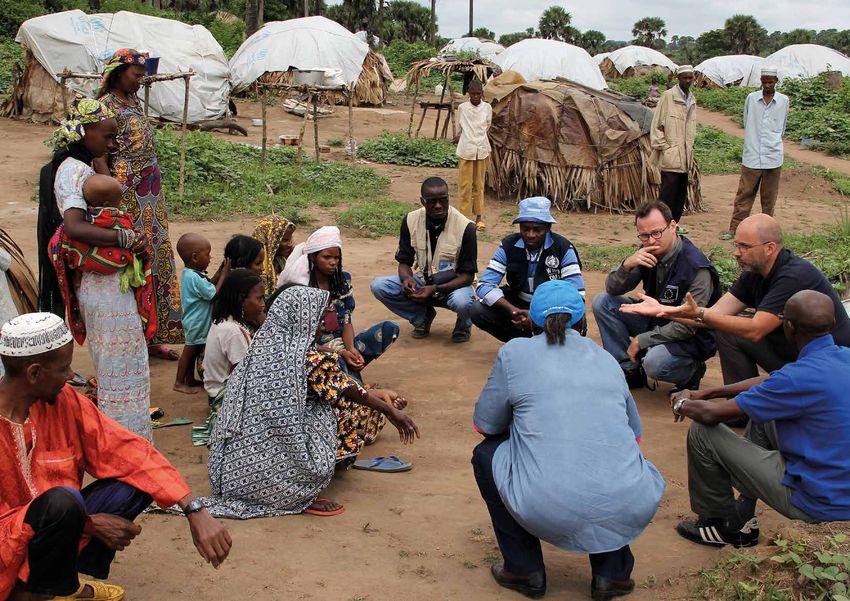
CONTENTS COMMUNICATION AND COMMUNITY ENGAGEMENT: A COLLECTIVE APPROACH
SECTION ONE: COMMUNICATION IS AID 6
Why do we need this guide?...................................................................................6
About this guide ......................................................................................................8
SECTION TWO: A COLLECTIVE APPROACH TO 10
COMMUNICATION AND COMMUNITY ENGAGEMENT
What is communication and community engagement?.................................... 10
Taking a collective approach: platforms, services and tools.............................. 14
Minimum actions and services for communication and
community engagement ...................................................................................... 19
SECTION THREE: IMPLEMENTING MINIMUM ACTIONS 20
AND SERVICES FOR COMMUNICATION AND COMMUNITY
ENGAGEMENT
The communication landscape and understanding information needs
and communication preferences ........................................................................ 20
Strategic response, action planning and funding.............................................. 25
Human resources, expertise and training........................................................... 28
Budget template................................................................................................... 29
Dialogue with the community: mechanisms for sharing information
and seeking feedback from communities .......................................................... 32
Referral pathways................................................................................................. 37
Receiving and addressing complaints................................................................ 38
Protection from Sexual Exploitation and Abuse................................................ 38
A collective approach to sharing information for communities........................ 40
“We need to see communities Developing information content.......................................................................... 40
Working across language, dialects, culture and customs................................. 46
as partners in response, not Working with media............................................................................................. 48
just recipients of information. Opportunities for disaster-affected people to play an active role in
decision-making and leadership.......................................................................... 51
Communities need a specific Keeping people connected.................................................................................. 53 LIST OF CASE STUDIES
Nepal: Nepal’s inter-agency common feedback
role and a stake in the Monitoring and evaluating communication and community engagement..... 53
project proves adaptability to a changing context
– page 16
response.” SECTION FOUR: ESTABLISHING A NATIONAL PLATFORM FOR
COMMUNICATION AND COMMUNITY ENGAGEMENT
58
Bangladesh: The sub-national working group
Establishing a national platform......................................................................... 58 on communicating with communities (CwC) in
Director, Department of Women Affairs, Vanuatu Drawing on global support................................................................................... 61 the Rohingya refugee response, Cox’s Bazar,
Bangladesh – page 17
SECTION FIVE: LEADERSHIP AND ADVOCACY FOR 64 Nepal: Differences in information needs and
COMMUNICATION AND COMMUNITY ENGAGEMENT preferred sources between men and women
Collective leadership............................................................................................ 65 following the 2015 Nepal earthquake – page 23
Tips for organisational leaders: pave the way.................................................... 68 DRC: Inclusion of community engagement in the
Tips for individuals: be a champion for change.................................................. 70 humanitarian response plan in the Democratic
Republic of Congo (DRC) – page 30
ANNEX: COMMITMENTS, STANDARDS AND DONOR 72
ERIC DELUCA, TRANSLATORS WITHOUT BORDERS
West Africa: Understanding and working with
REQUIREMENTS culture and customs – page 46
National commitments and standards............................................................... 72
International commitments and standards........................................................ 72 Philippines: Radyo Abante – page 49
Yemen: Evaluations and measuring community
Key resources are indicated throughout the guide. These are CDAC Network engagement in humanitarian emergencies –
resources unless otherwise stated. page 54
Philippines: The Philippines community
engagement community of practice – page 63
Dominica: Governments take the lead – page 66
Isa Saleh Mohammed (TWB Trainer) conducting
comprehension research. GGSS camp, Monguno, Greece: News that moves – page 69
Borno State, Nigeria
4 HOW TO GUIDE WWW.CDACNETWORK.ORG CDAC NETWORK 5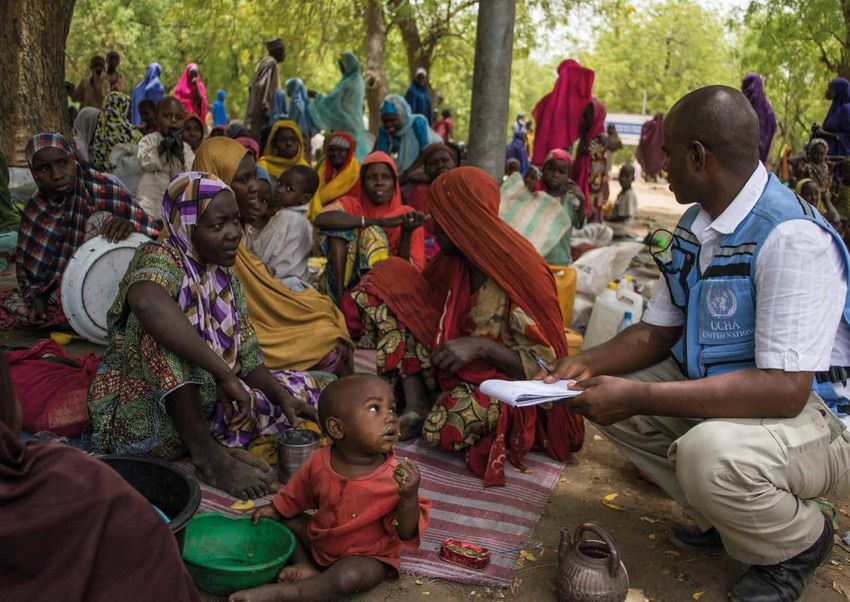
SECTION ONE | COMMUNICATION IS AID COMMUNICATION AND COMMUNITY ENGAGEMENT: A COLLECTIVE APPROACH
Section One:
Communication is aid
Communication. It’s talking to a neighbour. It’s Why do we need this guide?
emailing friends. It’s reading the news. We all In recent years humanitarian responders and
depend on giving and receiving information to donors have adopted significant commitments and
share our experiences and feelings, manage our standards that seek to achieve better outcomes for
lives and connect with our families, friends and people affected by disaster.
communities.
The Grand Bargain1 (2016) is an agreement
In a crisis, communication networks can shatter between more than 30 of the biggest donors
along with resources and lives, when we need and aid providers, including a participation
information and connections more than ever. revolution: to properly include people receiving
aid in the decisions that affect their lives. The
Communication is as crucial as food, water, shelter Core Humanitarian Standard on Quality and
and medicine. Accountability 2 sets out nine commitments,
including that communities and people affected
Where do we go for help? What dangers should by crisis know their rights and entitlements, have Structure of the guide
we be aware of? How can we find missing family, access to information and participate in decisions
or contact friends further afield? Who will listen that affect them, and can raise complaints that Part One describes why we need a guide
to us? What do we do if help is not reaching us? will be addressed. on communication and community
How can we report an issue or complain when engagement.
there’s a problem? The IASC Commitments on Accountability to
Affected People and Protection from Sexual Part Two describes what communication
Insufficient or conflicting information can cause Exploitation and Abuse3 similarly commit and community engagement
confusion, risk safety and worsen feelings of responders to inform, as well as solicit, hear and encompasses, the vision for a collective
isolation. If we don’t trust the information we are act upon the voices, priorities and feedback of approach and the minimum actions and
given, the most important messages can miss the affected people (including sexual exploitation and services for preparedness and response.
mark. If we are not engaged in decisions about abuse-related complaints) and ensure people can
the response we can feel like bystanders, not to play an active role in decision-making. Part Three provides guidance on
mention being powerless to complain or report implementing the minimum actions and
abuse. National government systems set the context services.
– many have in place policies and regulative
When our voices are heard and we know what frameworks committing to information Part Four provides guidance on setting
to expect we regain control of our lives. We can management and communication systems for up national, multi-stakeholder platforms.
actively shape services and hold service providers the rapid and coordinated flow of information
to account. We can rebuild and connect with the to communities, as well as the gathering of Part Five offers guidance on providing
wider world, speeding up recovery. Communication feedback on community concerns. Annex 1, on leadership, championing and advocacy
is aid and community engagement is critical. page 72, outlines these national and international for change in this area.
Take three minutes to see why: https://youtu.be/ frameworks in more detail, as well as donor
ZDmKLcY7Nis requirements. The Annex outlines commitments,
standards and donor requirements
However, there are still gaps in the system: for communication and community
engagement.
• Communities do not feel sufficiently involved
OCHA/YASMINA GUERDA
in decisions that impact their lives. An Key resources are indicated throughout
indicator used to track the Grand Bargain in the guide. These are CDAC Network
six countries examines the participation of resources and available at www.
disaster-affected people. Nearly everywhere cdacnetwork.org unless otherwise
aid workers feel that people are sufficiently IDP camp, Bama town, Bama local stated.
government area, Borno State, Nigeria
6 HOW TO GUIDE WWW.CDACNETWORK.ORG CDAC NETWORK 7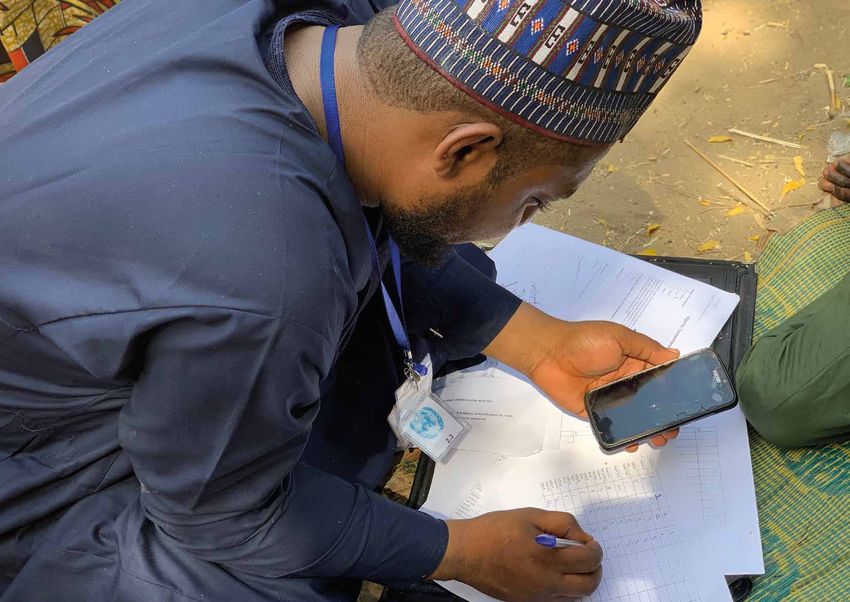
SECTION ONE | COMMUNICATION IS AID COMMUNICATION AND COMMUNITY ENGAGEMENT: A COLLECTIVE APPROACH
involved, and disaster-affected people feel that these are not widespread and systematic. Collective
they are not.4 Time and again evaluative exercises platforms, services and tools are needed to support “When local actors and communities are not in the
point out the need for greater community voice communication and engagement to improve
and participation in strategic and programmatic outcomes for disaster-affected communities.12 driving seat, humanitarian action cannot truly restore
decision-making.5
About this guide humanity, respect dignity and reduce need.”
• More effort is needed to solicit, hear and act This guide suggests practices to support an active
Participation Revolution Workstream 2
upon the voices and complaints of disaster- role for communities in humanitarian services and
affected people. Many people in humanitarian decision-making, improve access to information
crises are unaware of how to make complaints, and keep people connected to support their own
about aid provision, abuse, or anything else. ways of coping. It emphasises a collective approach
When asked whether they believe they would where humanitarian actors coordinate, collaborate
get a response if they did make a complaint, the and are held accountable for their actions. It is
majority say they doubt they’d hear back.6 based on action research into a number of initiatives
and organisations as well as gap analyses and
• Communities cannot access information to help recommendations for strengthening and scaling
them make decisions and regain control of their practice.
lives. In the 2017 response in Cox’s Bazar, 77% of
people surveyed did not have enough information The guide is intended primarily for practitioners
in a language they could understand to make and leaders working in national and international
good decisions affecting their family. 62% were humanitarian and media development SECTION REFERENCES 7
Rohingya Zuban: A Translators without Borders rapid
unable to speak to humanitarian providers due to organisations as well as other entities involved in assessment of language barriers in the Cox’s Bazar Refugee
language barriers.7 preparedness, response and recovery. Experience 1
The Grand Bargain (2016). Response. Translators without Borders (2017).
in the humanitarian sector and prior knowledge https://www.agendaforhumanity.org/initiatives/3861 https://translatorswithoutborders.org/rohingya-zuban/
http://www.arcgis.com/apps/Cascade/index.
• The role of communication and community of relevant policies, plans and processes is 2
Core Humanitarian Standard on Quality and Accountability. html?appid=683a58b07dba4db189297061b4f8cd40
engagement in helping people psychologically assumed, as is familiarity with the humanitarian CHS Alliance, Group URD and the Sphere Project (2014).
cope with disasters is insufficiently recognised. architecture, the humanitarian programme cycle https://corehumanitarianstandard.org/the-standard 8
Five Essential Elements of Immediate and Mid-Term
But it can promote senses of safety, calm, self- and accountability to affected populations. Mass Trauma Intervention: Empirical Evidence. Psychiatry
3
IASC Commitments on Accountability to Affected People Interpersonal & Biological Processes 70(4):283-315;
efficacy, connectedness and hope.8 A woman
and Protection from Sexual Exploitation and Abuse (2017). discussion 316-69 (2007)
who had been affected by Super Typhoon https://interagencystandingcommittee.org/accountability- http://www.researchgate.net/publication/5668133_Five_
Haiyan in 2013 told a Haitian woman who had KEY RESOURCES affected-populations-including-protection-sexual- Essential_Elements_of_Immediate_and_Mid-Term_Mass_
experienced the 2010 earthquake, “If only we had exploitation-and-abuse/documents-56 Trauma_Intervention_Empirical_Evidence
been able to hear stories about how you coped Communication is Aid 4
Tracking the Grand Bargain from a field perspective. Ground 9
Personal communication to the author
so we could learn what to do. We would have In English www.youtube.com/watch?v=0l9Y--OTWs8
Truth Solutions (2018)
had more hope and been able to manage much In French www.youtube.com/watch?v=5VbNSuT5XLY 10
See e.g. The Importance of Mobile for Refugees: A Landscape
http://groundtruthsolutions.org/our-work/tracking-the-
In Arabic www.youtube.com/watch?v=oB6yS7Sirrc
quicker.” 9 grand-bargain-from-a-field-perspective/ of New Services and Approaches. GSMA (2017)
https://www.gsma.com/mobilefordevelopment/wp-
infoasaid (2012) 5
E.g. Time To Listen: Hearing People on the Receiving End of content/uploads/2017/02/The-Importance-of-mobile-for-
• People affected by disaster are increasingly A short video which explains the case for communicating International Aid. M. B. Anderson, D. Brown & I. Jean (2012). refugees_a-landscape-of-new-services-and-approaches.pdf
reliant on connectivity, and response with communities, available in English, French and Arabic on CDA Collaborative Learning Projects.
programmes need to catch up.10 Mobile CDAC Network’s YouTube channel. https://www.cdacollaborative.org/publication/time-to- 11
See e.g. Voices of Refugees. BBC Media Action (2016)
telephone networks and the connectivity they listen-hearing-people-on-the-receiving-end-of-international- https://www.bbc.co.uk/mediaaction/publications-and-
BBC Media Action (2012). Still left in the dark? aid/ and On the road to Istanbul: How can the World resources/research/reports/voices-of-refugees and Iraq’s
provide can be a lifeline for those affected by How people in emergencies use communication to Humanitarian Summit make humanitarian response more displaced people need information, not only food, water and
humanitarian emergencies. People rely on these survive – and how humanitarian agencies can help effective? Humanitarian Accountability Report CHS Alliance shelter. CDAC Network (2014)
to stay in touch with family and friends, but also http://www.bbc.co.uk/mediaaction/publications-and- (2015) http://www.cdacnetwork.org/i/20140917162422-moeda
for other reasons, such as to help them navigate resources/policy/briefings/policy-still-left-in-the-dark https://www.chsalliance.org/2015-humanitarian-
whilst they are fleeing dangerous situations. 11 accountability-report
12
Policy Paper: The Role of Collective Platforms, Services and
BBC World Service Trust (2008). Left in the dark: Tools to support Communication and Community Engagement
The unmet need for information in humanitarian 6
Tracking the Grand Bargain from a field perspective. Ground in Humanitarian Action. CDAC Network (2017)
There are many efforts and indeed successes responses Truth Solutions (2018) http://www.cdacnetwork.org/tools-and-resources/
in implementing national and international http://downloads.bbc.co.uk/worldservice/trust/ http://groundtruthsolutions.org/our-work/tracking-the- i/20170531072915-3fs0r
commitments, standards and frameworks, but an pdf/humanitarian_response_briefing.pdf grand-bargain-from-a-field-perspective/
analysis of the humanitarian system shows that
8 HOW TO GUIDE WWW.CDACNETWORK.ORG CDAC NETWORK 9
SECTION TWO | A COLLECTIVE APPROACH TO COMMUNICATION AND COMMUNITY ENGAGEMENT COMMUNICATION AND COMMUNITY ENGAGEMENT: A COLLECTIVE APPROACH
In this section
• What is communication and
community engagement?
• Taking a collective approach:
platforms, services and tools
• In practice: minimum actions for
communication and community
engagement
• Case studies: a sub-national platform
in Bangladesh and a common service
in Nepal
What is communication and mechanisms and governmental departments.
community engagement? They play a key role in preparedness, for example
Humanitarians now recognise that keeping in advocacy, capacity strengthening and the
people connected to each other, providing inclusion of digital technology for supplying
information for and communicating with information, data and connectivity, or mobilising
people affected by conflict or natural disasters resources (financial, human or hardware).
are among the most important elements of Diagram 1 (on page 12) visualises such a platform
emergency response. The quality, effectiveness and its functions.
and timeliness of humanitarian action is
improved by involving those affected because
they possess valuable local knowledge, can
identify needs and priorities and should have a
A definition of communication and
community engagement
A working definition is given below for the Section Two:
A collective approach
say in decisions that affect their lives. purpose of this guide, though other definitions
and terminologies (such as Communicating with
The recognition is generating a trend whereby Communities or CwC13) are in use.
to communication and
governments, national and international
organisations, media development agencies, Communication and community engagement
technology companies and other actors in high- is an area of humanitarian action based on the
risk countries collaborate in a collective approach principle communication is aid. It gives priority
to ensure communication and community
engagement ‘platforms’ are set up and ready for
future disasters. These national platforms often
identify as a working group, community of practice
to sharing life-saving, actionable information
with people affected by disaster using two-
way communication channels so aid providers
listen to and act on people’s needs, suggested
community engagement
or a project-based collective service. They provide solutions, feedback and complaints, and people
OCHA/IVO BRANDAU
key services to communities in a response, receiving assistance have a say in and lead
coordinate actors, activities and feedback, and decisions that affect them. It also prioritises
support other structures in the humanitarian keeping people in crisis connected with each
Gbiti, Cameroon, 17 July 2014: The Regional
architecture, such as clusters, inter-cluster other and the outside world. Humanitarian Coordinator for the Sahel, Robert Piper,
meets with recently arrived refugees
10 HOW TO GUIDE WWW.CDACNETWORK.ORG CDAC NETWORK 11
SECTION TWO | A COLLECTIVE APPROACH TO COMMUNICATION AND COMMUNITY ENGAGEMENT COMMUNICATION AND COMMUNITY ENGAGEMENT: A COLLECTIVE APPROACH
A Translators without Borders
NATIONAL PLATFORM staff member trains responders
on Rohingya terminology
MULTI-STAKEHOLDER | PREPOSITIONED | PREPAREDNESS AND RESPONSE
SERVICES TO SUPPORT
MOBILISATION SERVICES
HUMANITARIAN PREPAREDNESS
OF RESOURCES FOR COMMUNITIES
AND RESPONSE
Funding Access to
Rumour
information and
tracking
connectivity
People
Support to national
coordination Hardware
structures, clusters, etc Feedback Complaints
mechanism mechanism
Contribution to global
evidence and learning Community voice in
and support from decision-making
global platform as
needed
Common data analysis informs strategic and
programmatic decision-making to improve
services and outcomes for communities
TRANSLATORS WITHOUT BORDERS
There is a growing movement by governments, national and international organisations, media development
agencies, media and technology companies and other actors in high-risk countries to collaborate through
communication and community engagement ‘platforms’. These provide a coordination role for those
working on communication and community engagement, as well as providing services for communities and
support for other structures in the humanitarian architecture, such as clusters, inter-cluster mechanisms and
governmental departments tasked with humanitarian preparedness and response. The diagram visualises
such a platform and its functions.
The following elements are essential for an appropriate language and format. This is and programming has been adapted to reflect at greater risk or alienate them. Adequate
communication and community engagement: a two-way exchange and requires in-depth these views.15 Feedback is collected at key and effective safeguards are put in place,
understanding of the local communication decision points in the programme cycle, on including effective data security and protection
1. Understanding and working within the landscape and capacities, and must include both the humanitarian response and agencies’ mechanisms.
local communication landscape – social, managing false information that can put lives performance, including service quality,
cultural, economic, political and infrastructure at risk. relevance and responsiveness to people’s 8. Connectivity – Measures are taken to re-
aspects, local power dynamics, and barriers concerns. establish, build or maintain communications
to information sharing. Preparedness and 4. Participation – Humanitarian actors make time technology infrastructure and support affected
response actions are communicated in locally and resources available to build on positive 6. Complaints16 – People affected by crisis know communities to restore contact between family
appropriate terms, languages and through local community engagement processes that they have a right to raise a concern or members and communicate with service
channels used by the affected population. Aid and, where needed, put in place supportive, complain about the humanitarian assistance providers.
providers work in partnership with communities inclusive structures and processes that they did or did not receive or about the
and incorporate their knowledge and ensure people, particularly those who may be behaviour of aid workers. They are included 9. Coordination and collective services –
perspectives. disproportionately disadvantaged like women, in the design of and have access to safe and Coordinated, collective models and common
girls, children, young men, persons living with responsive mechanisms to raise concerns, services in preparedness and response will
2. Community leadership – Humanitarian disabilities and older people, take a leading which are addressed.17 Humanitarian actors reduce the burden on communities, ensure
action supports and mobilises the capacities role in designing, shaping and evaluating actively prevent and respond to sexual a more coherent, effective response and
and capabilities of individuals, groups and humanitarian responses. 14 exploitation and abuse, fraud and corruption leverage diverse expertise, knowledge and
organisations so that affected communities are linked to humanitarian aid. learning. Actors should include local, national
better able to lead and shape preparedness 5. Feedback – Communities are aware that their and international NGOs, UN, Red Cross/
and response efforts. perspectives – positive and negative, solicited 7. Protection – Communication and community Red Crescent agencies, government, media
and unsolicited – are important to aid workers. engagement approaches require a careful development agencies, local media and the
3. Information exchange and dialogue – Priority Feedback is systematically collected, analysed, assessment of risk, especially in situations private sector.
is given to the exchange of accurate, useful, reported and acted on, and explanation is of armed conflict or violence as engaging
timely information from trusted sources, in provided to communities as to how strategy individuals or certain groups may put them
12 HOW TO GUIDE WWW.CDACNETWORK.ORG CDAC NETWORK 13
SECTION TWO | A COLLECTIVE APPROACH TO COMMUNICATION AND COMMUNITY ENGAGEMENT COMMUNICATION AND COMMUNITY ENGAGEMENT: A COLLECTIVE APPROACH
Taking a collective approach: platforms, and advocating with donors, developing standard
services and tools materials for country adaptation. Platforms are
Communication and community engagement discussed in detail in Section Three.
require the collaboration of a diverse set of
humanitarian, communication and technology Working collectively requires actors to overcome
actors with the objective of catalysing barriers, such as policies that prohibit information
communities’ ability to connect, access information sharing, competition for funding and pressure
and have a voice in humanitarian emergencies. for visibility. Benefits range from the collective
Accountability
development and standardisation of tools to
Information for
These include Governments, National and improved coordination and efficiencies (see to affected
International NGOs, the International Red Cross Benefits box-out below) and the promotion of communities
and Red Crescent Movement, United Nations
agencies, as well as media development agencies,
leadership by national stakeholders. populations
media (especially those that have a humanitarian Leading, co-leading or participating in
broadcasting18 mandate), technology providers collective platforms does not replace agencies’
(such as mobile network operator signatories to responsibilities on accountability to affected
the Humanitarian Connectivity Charter) and others people. A collective platform should render these
from the private sector. These actors are convened efforts better coordinated, more timely and more
through national communication and community effective, achieving greater participation and
engagement platforms, which should be ownership as envisaged by the Grand Bargain and
recognised in existing or emerging humanitarian Sustainable Development Goals.
architecture. Leadership is not predefined and
Community
should be afforded by the government body or
Connectivity
responding organisation best placed to take it on.
voice informs
At global level, collective work supports national services for
platforms by sharing guidance and good practice, strategy and
communities
programmes
BENEFITS OF A COLLECTIVE
APPROACH TO COMMUNICATION AND
COMMUNITY ENGAGEMENT
A collective approach can:
• Reduce confusion, tensions and conflict with and
between communities through consistency of messaging; Communication and community engagement can be:
• Equip local communities with the information they need
to be more effective responders to disaster; A programmatic area providing relevant, actionable information for disaster-affected communities to save
• Shield affected communities from being overburdened lives, protect livelihoods, support recovery and address dangerous rumours.
and over-questioned;
• Increases the likelihood of comprehensibility, consistency A means for community voice to inform strategy and improve programmatic areas such as cash
and accuracy of language and cultural interpretation; transfer, shelter or nutrition programmes by engaging people in decisions that affect their lives and in
• Enable more consistent and stronger advocacy
shaping services, as well as providing ways of giving feedback to improve them (thereby encouraging
messaging through collective community and adaptive programming).
humanitarian voices;
• Contribute to greater understanding of trends and issues
A means for accountability to affected populations, providing mechanisms to solicit and act upon the
due to increased data collection and analysis outreach; voices and priorities of affected people in a coordinated manner, including for sexual exploitation and
abuse, before, during and after an emergency19. It is also an approach to putting into practice other sector
• Include and value diverse views and expertise in response
analysis and implementation design through the standards, like the Core Humanitarian Standard and Grand Bargain, and meeting donor requirements (see
inclusion of media development, technology and private Commitments, standards and donor requirements).
sector know-how;
• Improve cost-effectiveness due to shared resources; An enabler for people helping themselves and each other by keeping people connected to each other or
helping them reconnect.
• Broaden ownership; and
• Enhance the likelihood of more innovative and Coordination, collaboration and diversity of actors through a ‘collective approach’ is critical in
appropriate tools being created. communication and community engagement.
14 HOW TO GUIDE WWW.CDACNETWORK.ORG CDAC NETWORK 15
SECTION TWO | A COLLECTIVE APPROACH TO COMMUNICATION AND COMMUNITY ENGAGEMENT COMMUNICATION AND COMMUNITY ENGAGEMENT: A COLLECTIVE APPROACH
CASE STUDY CASE STUDY
Nepal’s inter-agency common Feedback Project successfully transitioned its The sub-national working group on BBC Media Action, Internews and
feedback project proves adaptability to approach into the recovery phase, securing communicating with communities (CwC) Translators without Borders operate a common
a changing context an additional two-year mandate from DFID. In in the Rohingya refugee response, Cox’s service for community engagement and
A collective feedback mechanism was this period a large series of focus groups were Bazar, Bangladesh accountability, with funding from DFID and IOM,
established in the aftermath of the 2015 undertaken across all the priority earthquake- Escalating violence in Myanmar’s Rakhine State which includes a collective feedback analysis
earthquake in Nepal, with funding from DFID. affected districts which identified themes and in 2017 led to the displacement of over 655,000 service (What Matters?), the production of common
It had been conceptualised as a ‘common issues that were important to communities so Rohingya refugees into Bangladesh. The country communication tools; the provision of training to
service’ to the entire humanitarian community, that when feedback would be gathered from had already been hosting a verified population of dozens of agencies; and a regular narrowcast and
which would collect and aggregate feedback them in future the feedback questions would well over 200,000 Rohingya and likely many more. rumour-tracking bulletin.
from earthquake-affected communities be framed in the themes and issues that are
through multiple channels and feed into the important to them. The refugees mostly live in camps around Cox’s The project improves efficiency, cost-effectiveness
Humanitarian Country Team and Inter-Cluster Bazar. The response is coordinated by the Inter- and accountability in the overall Rohingya response,
This set the project up to respond quickly and Sector Coordination Group (ISCG). IOM is the lead closely aligned with several shared commitments of
expand once again into the humanitarian space agency for a sub-national working group on CwC to the Grand Bargain. BBC Media Action’s report How
during the August 2017 flooding. The feedback address information and communication needs of Effective is Communication in the Rohingya Refugee
collected showed a significant contrast to what refugees and host communities. Many national and Response explains the mechanism and analyses the
clusters were reporting as priority needs and international agencies participate. results of this initiative.
requesting in funding. As a result, the Central
Emergency Response Fund now allocates Services implemented include radio broadcasts http://www.shongjog.org.bd/response/rohingya/
funding for each cluster based on the importance and information hubs to provide information,
that communities attribute each type of answer questions, capture new questions and offer
assistance needed. referrals to services, face to face or through phone
and text lines. This is supplemented by roving
The model focuses on feedback from information teams. A community feedback service
communities, however the government operates collates and publishes feedback. The working
a hotline for complaints so anyone wishing to group performs coordination, linking with the
make a complaint is advised how to do this via clusters and ISCG to relay feedback and provide
the hotline. Issues related to sexual exploitation training and mentoring.
BBC MEDIA ACTION
and abuse are referred to the protection cluster
and its sub-group working to stop gender-
Nepali woman asking a question as part of ‘Milijuli Nepali’ - a BBC Media based violence. At later stages, the Common
Action radio programme to help people affected by the earthquake Feedback Project worked with the Association
of Community Radio Broadcasters on activities
Coordination Group to inform decision-making. to close the feedback loop, for example
It was the first time such a concept had been broadcasting local radio programmes on issues
put into practice. Yet it quickly proved to play a and questions arising in the feedback.
significant role: for example, when over 40% of
people were raising water supply interruption In 2017 the model was tested in a development
as their primary concern the Common Feedback context, receiving an innovation fund grant from
Project advocated with UN, government, donors the UN Development Group for a perception
and other partners, resulting in an increase survey on the priorities and ambitions of
in programmes to address this as well as £4 communities in some of the least developed
million in new funding made available by DFID areas, around the four pillars of UN Development
to address this community concern. No one Assistance Framework (2018-2022) to guide
knew just how far the concept would go. By its programme planning.
third year, the Common Feedback Project had
not only proven that systematically engaging www.cfp.org.np
communities works in relief, but also in
recovery, development and preparedness.
BBC MEDIA ACTION
In February 2016, as relief and winterisation A presenter at local public radio station Bangladesh Betar
support was winding down and reconstruction interviews a guest as part of a special programme to help
the Rohingya community in Cox’s Bazar
programmes were beginning, the Common
16 HOW TO GUIDE WWW.CDACNETWORK.ORG CDAC NETWORK 17
SECTION TWO | A COLLECTIVE APPROACH TO COMMUNICATION AND COMMUNITY ENGAGEMENT COMMUNICATION AND COMMUNITY ENGAGEMENT: A COLLECTIVE APPROACH
KEY RESOURCES
Super typhoon pre-crisis information and consultation
MINIMUM ACTIONS AND SERVICES FOR
Policy Paper: The Role of Collective Platforms,
Services and Tools to support Communication and
https://www.youtube.com/watch?v=BHR06Ee6Dgc
https://www.humanitarianresponse.info/en/ COMMUNICATION AND COMMUNITY
Community Engagement in Humanitarian Action
http://www.cdacnetwork.org/tools-and-resources/
i/20170531072915-3fs0r
operations/philippines/accountability-affected-
populationscommunications-communities-community ENGAGEMENT
The Philippines Community Engagement
This paper makes the case for communication and community Community of Practice (2017, 2018)
engagement in humanitarian response at global and national Tool, reports and video on the preparedness work undertaken
levels, and describes the shape and functions of collective by the Philippines national platform on communication and Establish a national platform for crisis-affected people have access to the
platforms, services and tools and describes minimum actions for community engagement.
collective efforts. An annex lists potential national and global
communication and community information that they need. This should be
services and activities for preparedness and response. engagement in the right languages and formats, based
1. Under national leadership by the most on trusted sources of information and shared
Pre-crisis information mapping and consultation appropriate actor, preposition and maintain through preferred channels, which may all vary
TOOL: Pre-crisis community perception survey / mapping / support for an inter-agency communication and upon disaggregation of the intended audience.
consultation
community engagement platform or collective
https://www.humanitarianresponse.info/en/operations/
philippines/document/philippines-cop-community- service to convene duty bearers, diverse actors 6. Put in place appropriate, systematic and
engagement-pre-crisis-community-perception and specialists to coordinate activities. The coordinated feedback mechanisms. Feedback
platform should serve existing and emerging data should be collected, analysed and
humanitarian architecture, particularly those linked into individual and collective referral
that support government-led and localised mechanisms to ensure that strategic and
responses. programmatic decisions are informed and
corrective actions taken.
> See Section Four for guidance on establishing a
national platform 7. Put in place an appropriate, systematic
and coordinated mechanism for ensuring
Platform members coordinate and complaints, including sexual exploitation and
SECTION REFERENCES Humanitarian broadcasting in emergencies means mass
18 collaborate to: abuse, fraud and corruption are investigated
media interventions in enabling people to survive and recover in 2. Establish and document an understanding and acted on.
13
Although the term communicating with communities emergencies. of the context, communication culture,
(CwC) and others (e.g. community engagement and language and customs to facilitate meaningful 8. Create or build upon opportunities for disaster-
accountability, C4D in Emergencies, #commisaid and
19
Commitments on Accountability to Affected People and
Protection from Sexual Exploitation and Abuse. Inter-Agency and respectful engagement with various affected people to play an active role in
beneficiary communication) are also used to describe this
work, communication and community engagement is the Standing Committee (2017) affected communities. This will form pre-crisis response decision-making processes, ensuring
preferred term for the CDAC Network, as it implies a pro-active https://interagencystandingcommittee.org/system/files/ information that can be rapidly updated in a clear links between community structures and
process that brings together the expertise of humanitarian iasc_caap_endorsed_nov_2017.pdf crisis. the humanitarian architecture.
actors with that of communications and media specialists, all
of whom are dedicated to saving lives and making aid more
20
This refers to information on a country or area’s media and
telecommunications outlets and coverage, mobile phone 3. Ensure that assessment and analysis of 9. Build components into preparedness and
effective through communication, information exchange and
community engagement. usage, etc. as well as on the audience’s demographic profile, the humanitarian context (as reflected in response programmes to keep people
languages, media preferences, etc. This is sometimes known as Humanitarian Needs Overviews) includes connected to each other to support their own
Recommendations that promote effective participation of the information ecosystem.
14
community perceptions, coping mechanisms, ways of coping, for example by planning ahead
people affected by crisis in humanitarian decisions and incentivise
data on what information people need, how to safeguard, restore or extend mobile phone
participation as a way of working for GB signatories. Inter-Agency
Standing Committee (2017) they prefer to receive such information and connectivity or radio access.
https://interagencystandingcommittee.org/system/files/final_ which channels they trust, and how they prefer
participation_revolution_workstream_reccomendations.pdf to provide feedback and complaints, as well 10. Undertake advocacy and capacity building
as a media and telecommunication landscape to ensure an enabling environment for
15
Inter-Agency Standing Committee. Participation Revolution
Workstream.
snapshot. Data should be disaggregated by sex, communication and community engagement.
https://interagencystandingcommittee.org/participation- age and other vulnerabilities.
revolution-include-people-receiving-aid-making-decisions- Platform members may work collectively on these
which-affect-their-lives 4. Ensure that preparedness and contingency activities, or an individual or group of members
16
PSEA Implementation Quick Reference Handbook. CHS
planning and response strategies, policies may provide a ‘common service’, whereby they
Alliance (2017) and plans include meaningful communication implement one or more components.
http://www.chsalliance.org/files/files/PSEA%20Handbook.pdf and community engagement components, with
requisite staffing and budgetary allocations to > See Section Three for guidance on
Commitment 5. Core Humanitarian Standard on Quality
17
implement the minimum actions and services. implementing the minimum actions and
and Accountability. CHS Alliance, Group URD and the Sphere
Project (2014) 5. Put in place appropriate, systematic and services for communication and community
https://corehumanitarianstandard.org/the-standard coordinated mechanisms for ensuring that engagement
18 HOW TO GUIDE WWW.CDACNETWORK.ORG CDAC NETWORK 19SECTION THREE | IMPLEMENTING MINIMUM ACTIONS AND SERVICES FOR COMMUNICATION AND COMMUNITY ENGAGEMENT COMMUNICATION AND COMMUNITY ENGAGEMENT: A COLLECTIVE APPROACH
In this section
1. The communication landscape and
understanding information needs and
communication preferences
1. The communication landscape and and vulnerabilities24, taking into account 2. Strategic response, action planning and
understanding information needs and specific needs of all diverse groups, and funding
communication preferences explore evolving information needs, as well as 3. Human resources, expertise and training
Communication and community engagement seeking opportunities to promote and support
requires a sound understanding of the community leadership. 4. Dialogue with the community: collective
community: its languages, culture, economic mechanisms for seeking feedback from
conditions, social networks, political and power Over time, as assessments become more communities
structures, norms and values, demographic nuanced, so should the questions associated 5. A collective approach to sharing
trends, history, and experience with engagement with communication and community information for communities
efforts by outside groups. Attention should engagement to better inform services and 6. Opportunities for people to play an
be paid to whether particular groups (such as activities. The more you know about how people active role in decision-making and
women, children, disabled or older people, receive, share and trust information, and can leadership
minority language speakers) face specific anticipate how this might change – the better
7. Keeping people connected
challenges in accessing or providing information. you will be able to determine how to best
support community engagement. 8. Monitoring and evaluation of the
Needs assessments tend to focus on sectors minimum actions and services
(e.g. food security or shelter) but don’t always HOW YOU CAN DO THIS
assess information needs and communication Rapid assessment:
preferences. It is important that these are • Undertake a pre-crisis community
included in initial rapid assessments to inform perception survey to feed into preparedness
how community engagement is undertaken in and contingency planning so that community
the response. voices, including those of the most vulnerable
and disadvantaged groups are reflected in
They should also be included in the detailed any contingency plans (see Key Resources on
assessments that follow. Information needs and page 24).
communication preferences vary over time. After
Section Three: Implementing
an earthquake, for example, people might want • Check which actors have conducted or
information on tracing missing relatives, how are planning a needs assessment and
to access aid, whether they can enter damaged collaborate to avoid duplication of effort and
minimum actions and services
houses and what to do with bodies recovered. burden on communities.
But later, they tend to want information on
replacing lost documentation such as ID and • Find out what information is already available
property deeds, compensation rights, death (“secondary data review”) and coordinate
certificates and legal issues.23
There is a range of different ways (‘channels’)
with others to update existing data,
such as media and telecommunications
landscape guides (see box on page 22). for communication and
community engagement
by which people prefer to communicate and Use this information in conjunction with
access information, from radio, newspaper your emergency preparedness plan, context
or television, to word-of-mouth, participatory analysis, scenario projections and response
theatre, leaflets or town hall meetings with planning.
community leaders.
• Include communication and community
Preferences vary depending on factors such as engagement questions into needs
mother tongue, literacy level, age, ethnic group, assessments, whether these are undertaken
social or economic vulnerability, disability, by government, single agency or multiple
gender or religion, and can change over time, agencies (e.g. Inter-Agency Rapid
particularly when usual channels are disrupted. Assessment, Joint Needs Assessment or Multi
ICRC/MOHAMED ABDIKARIM
Cluster Initial Rapid Assessment). A bank of
Understanding these factors is important not questions can be found via the Key Resources
only to ensure you know who in a community on page 24. Only conduct a separate Mogadishu, Mustaqbal radio station. The
you can reach, but also to avoid doing harm. assessment if it is not possible to integrate it ICRC and the Somali Red Crescent Society
into planned ones. are working with a local radio station to
encourage everyday habits that will help
Data should be disaggregated by sex, age keep diseases, like acute watery diarrhoea
and cholera, away. An actress is recording.
20 HOW TO GUIDE WWW.CDACNETWORK.ORG CDAC NETWORK 21SECTION THREE | IMPLEMENTING MINIMUM ACTIONS AND SERVICES FOR COMMUNICATION AND COMMUNITY ENGAGEMENT COMMUNICATION AND COMMUNITY ENGAGEMENT: A COLLECTIVE APPROACH
As well as gaining a broad understanding of the disseminate a public version of the assessment
community, early assessments and analysis should report suitable for the community to explain CASE STUDY
explore: how the data has been used, to close the
1. What are the most effective ways for ‘feedback loop’. This may need to be done Differences in information needs and Most information initially came from family
humanitarian responders to communicate verbally. preferred sources between men and members and friends via mobile phone, which
with communities following a disaster, so that • Design interventions to meet immediate women following the 2015 Nepal has high ownership and usage in Nepal.
engagement mechanisms can be developed? information and communication needs and plan earthquake27 Subsequently it came from external sources,
for longer-term engagement. It will be necessary Many people said that their main information although less accessible locations were very
2. What information are communities missing, so to continue obtaining and verifying community needs straight after the 2015 earthquakes were poorly served. Information channels reaching
that this can be provided for them by authorities, information to design and refine interventions. to do with shelter and temporary settlement, men and women varied considerably.
and humanitarian and communications actors? how to access relief, and how to stay safe and
• Keep checking how things are evolving, survive aftershocks. These needs were partially Men usually had better access to information
3. To what extent has damage been caused to what is working and not – both in the media met, but rumours caused concern and confusion. about the external context and assistance,
local communications capacity following a and telecommunications landscape and your Seven months on, information needs changed. from local government representatives and
disaster, and how best can trusted networks be community engagement efforts. Adjust accordingly. People wanted to know about government discussions in teashops. Women relied more on
restored?25 assistance, especially for permanent shelter personal contacts – their relatives and friends,
• Explore the use of suitable technology to facilitate solutions as winter intensified, and whether social and health workers. Where available
• If it is not possible to integrate questions into the collection, collation, analysis and dissemination the land was safe to settle and cultivate. The and functioning, radio and TV were cited as
a wider inter-agency assessment or you need of data (see Key Resources on page 24). information circulating was contradictory. information sources, more by men than women.
more in-depth information as a context evolves, Marginalised groups and remote communities
you can conduct a specific information and It is important to disaggregate data as were generally less well served.
communication needs analysis. Whether one BE PREPARED: differences emerge. Women wanted information
or several agencies conduct the assessment, it • What do you know about information needs and about dealing with trauma and future quakes but Face-to-face communication was preferred
communication preferences from previous, comparable
is imperative to coordinate (at a minimum, see disasters? 26
did not feel these needs were well met. They also and trusted, especially for information that was
what information already exists by contacting • Do you have plans and agreements in place for working wanted information on caring for children, older more personally relevant as people sought to
relevant agencies) and undertake the assessment with media and telecommunications providers? people and pregnant women. Men tended to be rebuild their lives and communities. This was
as a common service given its response-wide • Do you have access to a communications landscape concerned by how to treat the injured and deal most likely to come from known sources, from
relevance. guide? with the dead (including animals) and what they the VDC Secretary and/or Ward Coordinator for
• Are you ready to rapidly update information and plans
when disaster strikes?
could expect from the government. Young people men, and for women from social or workers and
• Work with a mix of partners, such as media • What communication and community engagement wanted to know when schools and colleges neighbours.
development organisations, ACAPS and activities and actors exist? would re-open.
anthropological researchers that have expertise • Do you have questions on communication and
in assessing and analysing different aspects of community engagement ready for inclusion in needs
assessments?
the context of the response. . • Are you prepared to assess impact of the crisis on the
media and communications landscape?
After the assessment:
• Analyse and share results with actors to
inform the response strategy. Remember to
MEDIA AND TELECOMMUNICATIONS LANDSCAPE GUIDES
ACAPS’ Briefing Notes and other resources include data regional, ethnic and religious audiences
on the communication landscape and media development • Peak audience periods for radio and television
organisations such as BBC Media Action, International • Offline or traditional forms of communication, such as
Media Support, Internews and Fondation Hirondelle theatre, music, dance and respected
may have undertaken assessments on local media and messengers (e.g. religious leaders or local celebrities)
telecommunications (if not publicly available these could be • Mobile phone access, ownership and usage
sourced through in-country contacts). • Social media usage
• Profiles of telecommunications companies in each
Media and telecommunications landscape guides – often country, regulatory environment and network coverage
produced by media development agencies28, NGOs or United • Media service providers with capacities to produce radio
Nations29 – typically provide information on: programmes, print posters or creative videos
IOM 2015/EUNJIN JEONG
• Cultural and social information • Profiles and contact details of the main radio, TV stations,
• Literacy levels newspapers and websites.
• Languages spoken and understood
• Popular and trusted sources of news and information for Community data should be disaggregated by sex, age and IOM distributes tarpaulins to earthquake
various groups disability. victims in a remote mountainous village
• Media outlets that command significant national, in Dhading district in Nepal
22 HOW TO GUIDE WWW.CDACNETWORK.ORG CDAC NETWORK 23You can also read


