BUSINESS & SUSTAINABILITY REPORT - 2019 BETTER SHARED - The Coca-Cola Company
←
→
Page content transcription
If your browser does not render page correctly, please read the page content below
2019
BUSINESS &
SUSTAINABILITY
REPORT
THE   COMPANY
                 BETTER SHARED
Chairman Our Our Our Portfolio/ Climate World Water Sustainable People & Sustainable Operations Data Reporting
& CEO Priorities & Company Reducing Without Leadership Agriculture Communities Development Highlights Appendix Frameworks
Letter Progress Added Sugar Waste Goals
LETTER FROM JAMES QUINCEY 3 SUSTAINABLE AGRICULTURE 35
BETTER SHARED FUTURE
OUR PRIORITIES & PROGRESS 6
Meetha Sona Unnati:
Supporting Smallholder
OUR COMPANY Sugarcane Farmers in India 38
At a Glance 9
The Coca-Cola System 10
PEOPLE & COMMUNITIES 39
Financial Highlights 11
Supporting Human Rights 40
Building a Total
Beverage Company 12 Empowering Women 41
Governance & Management 13 Employee Safety & Health 42
Our Priority Sustainability Issues 14 Diversity & Inclusion 43
Stakeholder Engagement & Giving Back to
Partnerships 15 Our Communities 44
EXPANDING OUR PORTFOLIO/ SUSTAINABLE
REDUCING ADDED SUGAR 17 DEVELOPMENT GOALS 45
REFRESHMENT IS
BETTER SHARED FUTURE OPERATIONS HIGHLIGHTS 47
Costa Coffee: Bringing a Asia Pacific 48
BETTER
Multi-Platform Coffee Offer Europe, Middle East & Africa 49
into The Coca-Cola Company 21 Latin America 50
SHARED
North America 51
Global Ventures 52
CLIMATE 22
Bottling Investments Group 52
CLIMATE IN FOCUS
ABOUT THIS REPORT 53
Climate Resilience in Action 25
DATA APPENDIX 54
The Coca-Cola Company is here to refresh the WORLD WITHOUT WASTE 26
Financial & Portfolio Data 55
world and make a difference. We craft the brands BETTER SHARED FUTURE
2020 Sustainability Goals
Packaging
61
63
and choice of drinks that people love. We do this ETCO: Extensive Plastic Recycling
P
Water 64
in ways that create a more sustainable business. Launches Across Africa 30 Greenhouse Gas
Emissions & Waste 65
It’s about working together to create a better Workplace & Safety 66
shared future for our people, our communities WATER LEADERSHIP 31 Human Rights, 5by20 &
Agriculture 67
and our planet. BETTER SHARED FUTURE
The Coca-Cola Foundation 68
Assurance Statement 69
Water Funds:
A Force for Water Security 34
REPORTING FRAMEWORKS 73
2 THE COCA‑COLA COMPANY / 2019 BUSINESS & SUSTAINABILITY REPORT
Chairman Our Our Our Portfolio/ Climate World Water Sustainable People & Sustainable Operations Data Reporting
& CEO Priorities & Company Reducing Without Leadership Agriculture Communities Development Highlights Appendix Frameworks
Letter Progress Added Sugar Waste Goals
come. And we’re on track to meet our goal DONE SUSTAINABLY
of empowering 5 million women by the end
of 2020 as well as continuing to replenish We know it’s our responsibility to use our
annually more than 100% of the water used global scale for good. We’re using our
to manufacture our beverages. leadership to achieve positive change in the
world and build a more sustainable future for
our communities and our planet. We’re doing
LOVED BRANDS this by taking a hard look at data and setting
goals for our company based in science.
Our foundation for enduring success is that
we are a total beverage company. We’re • In 2019, we provided consumers more
present in almost every beverage category, beverage choices with less sugar. We
and we have more than 500 brands. Over continue work to reduce package sizes
700,000 people in our global system help and provide clear nutrition information.
deliver those brands to customers and We removed approximately 350,000
JAMES
consumers every day. tons of added sugar on an annualized
basis through approximately 275 product
QUINCEY • In 2019, we continued to execute our
growth strategy, which led to strong
reformulations in 2019.
revenue and profit growth for the year, • W
e are making significant progress
CHAIRMAN &
along with gaining value share in 85% of in our World Without Waste initiative.
CHIEF EXECUTIVE OFFICER
our key markets. We now have 16 markets offering
beverages packaged in 100% recycled
• T
rademark Coca-Cola grew retail PET bottles, with more to come.
value 6% for the second consecutive Coca-Cola Sweden announced it would
In 1923, Robert W. Woodruff Coca-Cola has a history of leadership, of year, supported by contributions from be the first market in the world to
resilience, and of doing the right thing. No
became president of innovations such as Coca-Cola with transition to 100% recycled PET for all
matter whether times are good or when Coffee, which was launched in 35 plastic bottles made in-country.
The Coca-Cola Company. challenges exist. additional markets in 2019.
Woodruff was just 33 at the • We made key investments, including in
time, and Coca-Cola was still Just as our purpose guides us in difficult • W
e introduced Coca-Cola Energy in more a cutting-edge bottle-to-bottle recycling
a small company with an times, it guides our vision for growth in than 45 markets, and Coca-Cola Zero facility in the Philippines and, in the
better times. In 2019, we laid out our vision Sugar continued to see double-digit United States, we teamed with industry
uncertain future.
to craft the brands and choice of drinks volume growth globally. partners and major competitors to
that people love, to refresh them in body launch the “Every Bottle Back” program.
Woodruff went on to help lead the
and spirit. And we said we’ll do this in ways • We completed the acquisition of Costa This includes a new $100 million industry
company for decades—decades filled with
that create a more sustainable business Coffee and acquired full ownership of fund that will be used to improve sorting,
tremendous progress and transformation.
and better shared future that makes a C.H.I. Limited, an innovative, fast-growing processing and collection in areas
He also navigated the company through
difference in people’s lives, communities leader in expanding beverage categories, with the biggest infrastructure gaps to
many difficult chapters, while staying true
and our planet. including juices, value-added dairy and help increase the amount of recycled
to the purpose of The Coca-Cola Company:
to refresh the world and make a difference. iced tea in West Africa. plastic available to be remade into new
We delivered strong revenue and profit beverage bottles.
growth in 2019. Globally, our zero sugar • In January 2020, we acquired full
Today, we face our own challenges. In 2020,
products continued to perform extremely ownership of fairlife. Value-added dairy • We set a new, Science-Based Target,
there has been an unprecedented global
well. We made significant progress toward products have been one of the fastest- aligned with the goals of the Paris
pandemic caused by the novel coronavirus
our World Without Waste goals, with 16 growing categories in the United States, Agreement. By 2030, we aim to reduce
COVID-19. Although the circumstances
markets offering beverages packaged in with fairlife being a large contributor to total GHG emissions across our full value
may be different, our company’s purpose
100% recycled PET bottles, with more to sales growth. chain by 25% below 2015 levels.
remains the same. It’s why we exist,
and it’s needed now, more than ever.
3 THE COCA‑COLA COMPANY / 2019 BUSINESS & SUSTAINABILITY REPORT
Chairman        Our            Our           Our Portfolio/   Climate    World            Water        Sustainable   People &      Sustainable   Operations   Data       Reporting
         & CEO           Priorities &   Company       Reducing                    Without          Leadership   Agriculture   Communities   Development   Highlights   Appendix   Frameworks
         Letter          Progress                     Added Sugar                 Waste                                                     Goals

                                                   Report. We are committed to doing
                                                   business the right way, and this combined
“In 2019, we laid out our
                                                   approach helps us drive collective
  vision to craft the brands                       accountability and increased transparency
  and choice of drinks that                        into our data and processes.
  people love, to refresh them
  in body and spirit.”                             In 2019, we had a successful year. In looking
                                                   back, writing today during a challenging
                                                   period in 2020, I’m reminded of the power
                                                   of our people to make a difference, to serve
                                                   our communities and to constantly work
                                                   to shape a more sustainable business.
FOR A BETTER SHARED FUTURE                         The leaders before us showed the way,
                                                   in their examples of perseverance and
We continue to provide assistance and              resolve. We’ll continue to work toward
support to the communities we serve,               building a better future. And I thank
especially in times of need.                       you for your support and partnership
                                                   along the way.
•	In 2019, we contributed nearly $125
   million ($88 million from The Coca-Cola
   Foundation and $37 million from The
   Coca-Cola Company) to directly benefit
   294 organizations across 129 countries
   and territories.

•	Our economic empowerment programs
   have been making a meaningful
                                                                                                                    OUR RESPONSE TO
   difference. We have empowered more              James Quincey                                                    THE CORONAVIRUS PANDEMIC
   than 4.6 million women and our 5by20            Chairman and Chief Executive Officer
   initiative is on track to reach its target of   April 22, 2020
                                                                                                                    The Coca-Cola Company has—and always will—put the health,
   transforming the lives of 5 million women
                                                                                                                    safety and security of people first. Our approach is grounded
   by the end of 2020.
                                                                                                                    in our company’s purpose, which ensures that we continuously
•	Diversity and inclusion are at the heart
                                                                                                                    strive to make a difference for people in our communities and
   of our values and continue to play an                                                                            in our workplaces.
   important part in our company’s success.
   To emphasize our commitment to gender                                                                            The coronavirus pandemic has posed enormous challenges around
   diversity, Coca-Cola joined several global                                                                       the world. Our company’s deepest sympathies go out to all who
   and national pledges, including Catalyst                                                                         have been impacted. Even in challenging times, our company’s
   CEO Champions for Change, Leading                                                                                134-year history shows us one thing: We have faced crises before,
   Executives Advancing Diversity (LEAD)                                                                            and we always emerge stronger, more resilient and more united
   Network, United Nations Women and the                                                                            than ever.
   CEO Action for Diversity and Inclusion.

                                                                                                                    For more about our company’s actions during the pandemic,
Finally, this is the second year for our
                                                                                                                    please visit our website.
combined Business and Sustainability

4     THE COCA‑COLA COMPANY / 2019 BUSINESS & SUSTAINABILITY REPORT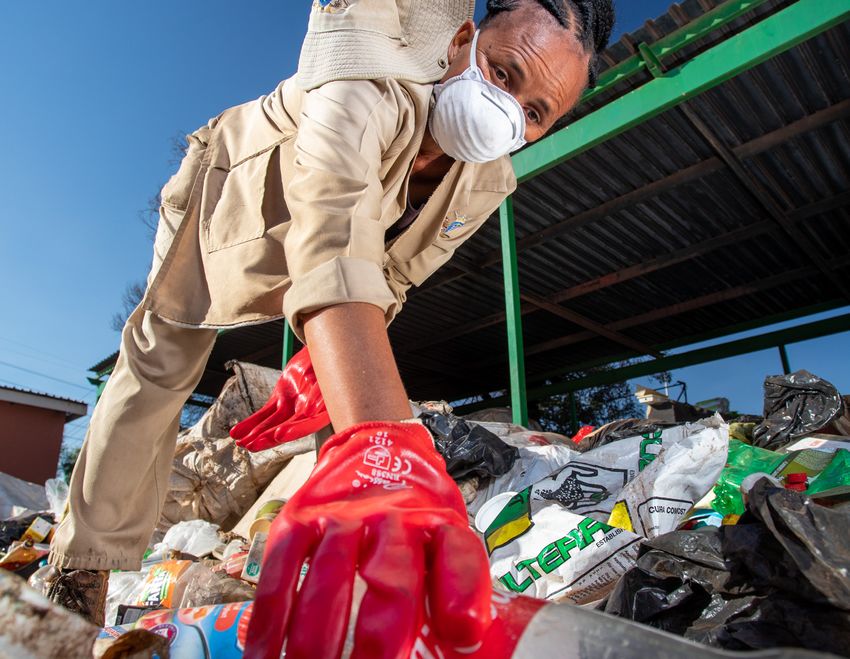
Chairman                            Our            Our           Our Portfolio/     Climate                 World       Water        Sustainable     People &      Sustainable   Operations   Data       Reporting
            & CEO                               Priorities &   Company       Reducing                                   Without     Leadership   Agriculture     Communities   Development   Highlights   Appendix   Frameworks
            Letter                              Progress                     Added Sugar                                Waste                                                  Goals

                                                                                                                                                               “The Coca-Cola Company is built for long-term
                                                                                                                                                                 success. The company has endured challenging
                                                                                                                                                                 historical moments before by remaining grounded
                                                                                                                                                                 in its values. Today, our world is in one of those
                                                                                                                                                                 moments. Our Board of Directors is proud of
                                                                                                                                                                 the way the management team is making decisions
    BOARD OF DIRECTORS                                                                                                                                           and leading through these times. We are also
                                                                                                                                                                 proud of the progress the company has made in
                                                                                                                                                                 the past decade, which has put us on a path to
Herbert A. Allen           4, 5, 6
                                                                         Robert A. Kotick          5, 6
                                                                                                                                                                 meet the needs of today. The company is guided
President, Chief Executive Officer
and Director, Allen & Company
                                                                         Chief Executive Officer and Director,
                                                                         Activision Blizzard, Inc.
                                                                                                                                                                 by purpose: to refresh the world and make a
Incorporated                                                                                                                                                     difference. During challenging times, we learn,
                                                                         Maria Elena Lagomasino               2, 3, 6

Ronald W. Allen            *, 1
                                                                         Lead Independent Director;                                                              act and reflect to keep preparing for the future.
Former Chairman, President and
Chief Executive Officer, Aaron’s Inc.
                                                                         Chief Executive Officer and
                                                                         Managing Partner, WE Family Offices
                                                                                                                                                                 When we face short-term challenges, we
and Delta Air Lines, Inc.                                                                                                                                        persevere—it’s in our heritage.”
                                                                         James Quincey         4

Marc Bolland        1, 7
                                                                         Chairman and Chief Executive Officer
Head of European Portfolio Operations,                                                                                                                         Maria Elena Lagomasino
The Blackstone Group Inc.                                                Caroline J. Tsay       1, 7
                                                                                                                                                               Lead Independent Director
                                                                         Chief Executive Officer and Director,
Ana Botín    2, 5
                                                                         Compute Software, Inc.
Executive Chair,
Banco Santander, S.A.                                                    David B. Weinberg             1, 6

                                                                         Chairman and Chief Executive Officer,
Christopher C. Davis                     3, 5
                                                                         Judd Enterprises, Inc.
Chairman, Davis Selected Advisers -
NY, Inc.

Barry Diller    2, 4, 5, 6

Chairman of the Board and
Senior Executive, IAC/InterActiveCorp
and Expedia Group, Inc.

Helene D. Gayle            3, 7
                                                                         *    onald W. Allen is not standing for reelection
                                                                             R
President and Chief Executive Officer,                                       and will retire from the Board immediately following
The Chicago Community Trust                                                  the 2020 Annual Meeting of Shareowners.

                                                                         1. Audit Committee
Alexis M. Herman                  3, 7
                                                                         2. Committee on Directors and
Chair and Chief Executive Officer,                                           Corporate Governance
New Ventures LLC                                                         3. Talent and Compensation Committee
                                                                         4. Executive Committee
                                                                         5. Finance Committee
                                                                         6. M anagement Development Committee
                                                                         7. Public Policy and Sustainability Committee

5       THE COCA‑COLA COMPANY / 2019 BUSINESS & SUSTAINABILITY REPORT
Chairman Our Our Our Portfolio/ Climate World Water Sustainable People & Sustainable Operations Data Reporting
& CEO Priorities & Company Reducing Without Leadership Agriculture Communities Development Highlights Appendix Frameworks
Letter Progress Added Sugar Waste Goals
REDUCING ADDED SUGAR CLIMATE
Leading health authorities have recommended We set our “drink in your hand” goal in
that individuals should not consume more 2013 to include our full value chain in our
than 10% of their total calories from added greenhouse gas (GHG) emissions reduction
sugar. We’ve embraced this recommendation, efforts. We have cut our carbon footprint by
providing choices that support what 24% toward our 2020 target of 25% reduction
consumers want and need. We have been against a 2010 baseline. Since setting that
aggressively changing recipes to reduce goal, we have recognized the need for even
added sugar, promoting low- and no-calorie more ambitious climate action. In 2019, we
beverage options, and making smaller published a Science-Based Target 1 for the
packages more available to enable portion Coca-Cola system. This metric represents
control. We have also been expanding our the share of carbon we need to reduce as a
range of beverages—including water, coffee, company to help keep global climate change
tea, dairy, fruit juices and plant-based safely below the 2-degree threshold aligned
options—and developing the next generation with the Paris Agreement targets.
of sugar alternatives.
READ MORE: Climate
We are tracking the results of these efforts,
and the majority of the added sugar
NEW SCIENCE-BASED TARGET
reductions stem from changes to our sparkling
beverage recipes and packaging
size reductions.
Reduce absolute Scope
1, 2 and 3 GHG emissions
READ MORE: Our Portfolio/Reducing
25% by 2030 from a 2015
Added Sugar
base-year.
Reducing added sugar while increasing
OUR
sales globally
Drink In Your Hand
Estimated percentage reduction of the
Sugar - vertical
UNIT CASE VOLUME GROWTH carbon footprint of the “drink in your hand”
since 20102
PRIORITIES &
AVERAGE SUGAR PER 100 ML
2020 GOAL
2019 25%
2018
PROGRESS
2.2%
1.6% 16 14%
17 19%
18 21%
Our publicly reported 2020 sustainability goals 19 24%
drive us to continually improve, working in concert
with The Coca-Cola Company’s approximately –1.7% 1. he 2030 Science-Based Target (SBT) is more ambitious
T
than the 2020 “drink in your hand” goal. While both
225 bottling partners in more than 200 countries consider the entire value chain, the “drink in your hand”
goal is per unit of volume. The SBT is an absolute target,
and territories. We are looking beyond 2020 for
so we need to achieve these reductions even with
continued growth.
our priority issues, developing new and more –4.0% 2. T
he calculation of progress toward our “drink in your
hand” goal has been internally vetted using accepted
ambitious plans, such as our packaging goals that and relevant scientific and technical methodologies,
which are aligned with GHG Protocol Scopes 1, 2 and 3.
span to 2025 and our new 2030 climate goal. Due to the nature of our franchise bottling system,
our manufacturing emissions are normally split between
Scopes 1 and 2 for company-owned facilities and
Scope 3 for bottling partner facilities. However, in our
“drink in your hand” calculations, we consider the full
Coca-Cola system (including franchise bottling partners)
in the calculation of our manufacturing, distribution
and refrigeration emissions, in addition to the emissions
from our ingredients and packaging.
6 THE COCA‑COLA COMPANY / 2019 BUSINESS & SUSTAINABILITY REPORT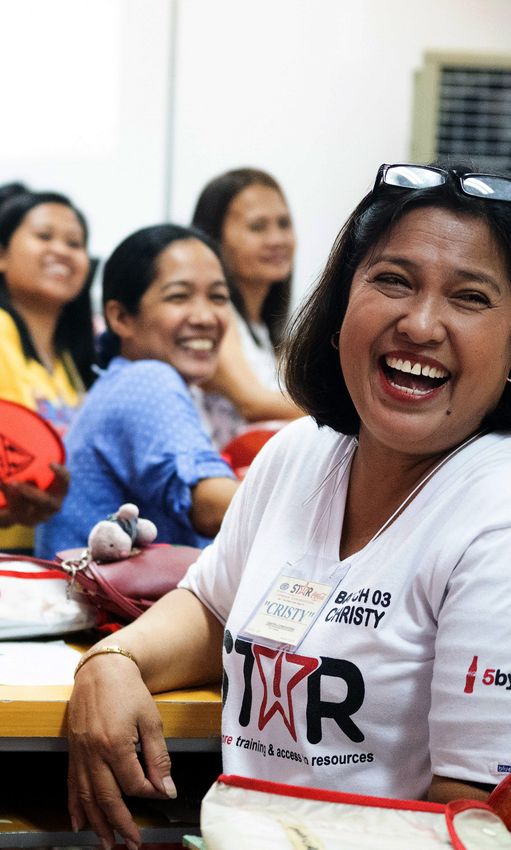
Chairman Our Our Our Portfolio/ Climate World Water Sustainable People & Sustainable Operations Data Reporting
& CEO Priorities & Company Reducing Without Leadership Agriculture Communities Development Highlights Appendix Frameworks
Letter Progress Added Sugar Waste Goals
WORLD WITHOUT WASTE WATER LEADERSHIP SUSTAINABLE AGRICULTURE
We are fundamentally rethinking how we More than a decade ago, The Coca-Cola The quality and integrity of our products
COLLECT
get our products to consumers, including Company made a pioneering commitment to depends on a healthy supply chain with
what kind of packaging to use and whether replenish the water we use in our drinks successful and thriving farming communities.
Collect and recycle a
a package is needed at all. We believe that and their production. For five years running, Since 2013, our goal is to source all our priority
locally appropriate circular economy solutions bottle or can for each one we’ve met and exceeded that goal. We ingredients—including our main natural
that turn old packaging into new ones can we sell by 2030. have also made steady progress toward sweeteners, fruit juices, coffee, tea, soy and
reduce our packaging carbon footprint and using water more efficiently and to treat all timber products—sustainably, according to
keep plastic products out of the natural wastewater in our production processes. our Sustainable Agriculture Guiding Principles
environment. We focus particularly on PET Recognizing that water risks to our system and (SAGP). We have made significant progress
plastic because it’s our highest-volume Percentage of bottles and cans we refilled local communities are increasing with climate with our suppliers to assure or certify the
or helped recover equivalent to what we
packaging material, but its recovery rate lags change and other factors, we will launch farms where our ingredients come from but
introduced into the marketplace1
that of some other materials. We’ve made a new water strategy and goals in 2020. we recognize there is more we need to do.
progress toward our World Without Waste
2030 GOAL READ MORE: Water Leadership
goals by developing models that address local READ MORE: Sustainable Agriculture
challenges in packaging design, reuse and
100%
recycling. We are investing and collaborating Percentage of water used in our finished
with a range of partners on the urgent need 16 59% beverages returned to nature and Percentage of global priority ingredients
to bring these solutions to scale. communities2 volume certified to an SAGP-equivalent
17 59%
sustainable agriculture standard4
READ MORE: World Without Waste 2020 GOAL
18 58% I 56% 100% 2020 GOAL
100%
DESIGN 19 60% 16 133%
13 8%
Make 100% of our packaging 17 150%
recyclable globally by PARTNER
18 155%
18 44%
2025—and use at least Bring people together 19 54%
19 160%
50% recycled material in to support a healthy, debris-
our packaging by 2030. free environment.
Percentage improvement in water
efficiency since 20103
88%
2020 GOAL
25% 1. e changed our method to track the packaging collection
W
rate against our World Without Waste goal beginning
with 2018 data. With better data available, we expanded
the metric to encompass all of our packaging types,
16 13% including beverage cartons, juice boxes and pouches,
etc. This reduced the collection rate from 58% to 56% for
of our packaging 2018. We continue to work to improve our data collection
17 15% and measuring systems. As systems and methodologies
recyclable globally5 improve, we will revisit our prior estimates to ensure
10%
their accuracy and make any necessary corrections to our
18 16% public reporting.
2. A
s estimated working with our many external partners and
19 18% using generally accepted, independently peer reviewed
scientific and technical methods. External assurance of
100% annual replenishment rate. Finished beverages based
on global sales volume. Water in production based on total
system consumptive use.
recycled material in PET 3. W
hile we have made significant progress on water efficiency
plastic packaging globally in production, we recognize that we will not fully meet our
goal of 25% improvement by 2020.
4. S
AGP compliance data is based on supplier reporting
according to our assurance requirements, which is
consolidated and internally verified.
5. Only recyclable where infrastructure exists.
7 THE COCA‑COLA COMPANY / 2019 BUSINESS & SUSTAINABILITY REPORT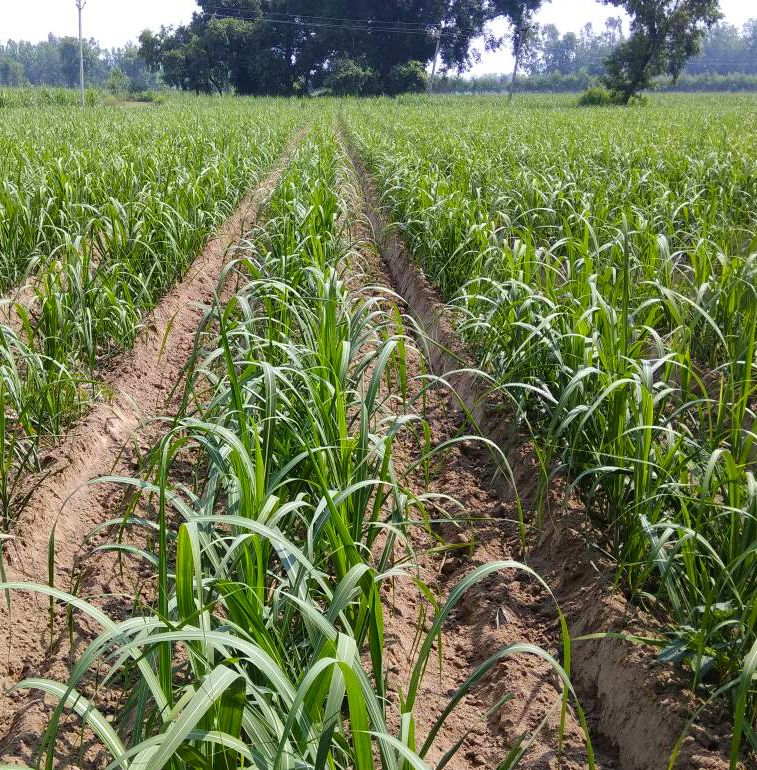
Chairman           Our                 Our            Our Portfolio/   Climate    World        Water         Sustainable    People &       Sustainable   Operations      Data         Reporting
              & CEO              Priorities &        Company        Reducing                    Without      Leadership    Agriculture    Communities    Development   Highlights      Appendix     Frameworks
              Letter             Progress                           Added Sugar                 Waste                                                    Goals

HUMAN RIGHTS                                                                                                   EMPOWERING WOMEN                                 GIVING BACK

Our commitment to human rights starts with                       Percentage of direct suppliers that           Our 5by20 commitment to enable the               We want a better shared future for the
our own employees, making sure they have                         achieved compliance with our Supplier         economic empowerment of 5 million women          communities in which we live and work,
safe, supportive and respectful workplaces.                      Guiding Principles                            entrepreneurs across our global value chain      striving to have a positive impact, especially
Our suppliers and system partners are also                                                                     by 2020 is on track to reach its target. As of   in times of need. We have pledged to
                                                                                                 2020 GOAL
expected to embrace responsible workplace                                                                      the end of 2019, the program has empowered       give back 1% of our prior year’s operating
                                                                                                    95%
practices. In 2003, we set a goal that 98% of                                                                  over 4.6 million women. First announced in       income annually through direct company
our company locations and system bottlers                                                                      2010, the initiative sponsors programs that      donations and funding through The Coca-Cola
                                                                 16 90%
and 95% of our direct and authorized suppliers                                                                 address business barriers faced by female        Foundation. In 2019, those combined
will validate compliance with our Human                          17 88%                                        entrepreneurs around the world. In 2019,         efforts contributed nearly $125 million
Rights Policy and our Supplier Guiding                                                                         we enabled the empowerment of 1,323,167          ($88 million from The Coca-Cola Foundation
Principles (SGP) by the end of 2020. As of                       18 89%                                        women—a 53% increase over the previous           and $37 million from The Coca-Cola Company)
Q4 2019, 93%1 of company-owned facilities,                                                                     year. We collaborate with governments and        to directly benefit 294 organizations across
92%1 of bottlers and 91%1 of suppliers reached                   19 91%                                        NGO partners to build and execute locally        129 countries and territories. The donation
compliance with our Human Rights Policy                                                                        relevant programs, scaling those that are        total in 2019 represented 1.3% of operating
and SGPs.                                                                                                      most successful.                                 income, focused in particular on the
                                                                                                                                                                Foundation’s giving pillars of recycling, water
READ MORE: Human Rights                                                                                        READ MORE: Empowering Women
                                                                                                                                                                and women’s empowerment, contributing
                                                                                                                                                                $18.8 million, $20.8 million and $10.9 million,
Percentage of bottling partners that                                                                           Cumulative number of women                       respectively, to programs and projects in
achieved compliance with our Supplier                                                                          entrepreneurs economically empowered             these three categories.
Guiding Principles                                                                                             across our global value chain
                                                                                                                                                                READ MORE: Giving Back
                                                2020 GOAL                                                                                        2020 GOAL
                                                  98%                                                                                                5M         Percentage of the company’s annual
                                                                                                                                                                operating income invested back into local
16 89%                                                                                                         16 1.7M                                          communities

17 87%                                                                                                         17 2.4M                                                              2020 GOAL
                                                                                                                                                                                         1%
18 89%                                                                                                         18 3.2M

19 92%                                                                                                         19 4.6M                                          16 1.2%

                                                                                                                                                                17 1.6%

                                                                                                                                                                18 1.5%

                                                                                                                                                                19 1.3%

1.    GP is part of all contractual agreements between
     S
     The Coca-Cola Company and our direct and authorized
     suppliers. The Human Rights compliance metric reflects
     the performance of sites and suppliers critical to the
     development of the product, including company operations,
     bottling partners, co-packers and direct suppliers of
     ingredients, primary packaging and dispensing equipment.
     SGP audits may occur in other areas as well, such as
     trademarked marketing and promotional equipment;
     however, these are not included in the metric.

8         THE COCA‑COLA COMPANY / 2019 BUSINESS & SUSTAINABILITY REPORT
Chairman Our Our Our Portfolio/ Climate World Water Sustainable People & Sustainable Operations Data Reporting
& CEO Priorities & Company Reducing Without Leadership Agriculture Communities Development Highlights Appendix Frameworks
Letter Progress Added Sugar Waste Goals
At a The Coca-Cola Financial Building a Total Governance & Our Priority Stakeholder Engagement
Glance System Highlights Beverage Company Management Sustainability Issues & Partnerships
PERFORMANCE/PORTFOLIO OUR SUSTAINABLE BUSINESS PRIORITIES
AT A GLANCE
Net Operating Revenues
(2019, as Reported)
$37.3B
As a total beverage company, we have Market Capitalization
REDUCING WORLD WATER PEOPLE & CLIMATE
ADDED SUGAR WITHOUT WASTE LEADERSHIP COMMUNITIES
been creating shared opportunity through (As of 12/31/2019)
$236.9B
We’re growing We believe a We strive to We aim to improve We look for ways
growth since 1886. our business
while reducing
World Without
Waste is possible
replenish water
back to nature
people’s lives and
create a better
to reduce our
carbon footprint
added sugar by recycling and communities, shared future for across the
and providing our packages improve efficiency our communities Coca-Cola value
consumers with and packaging and treat and planet. chain while helping
more choices. material, as well wastewater to our business and
as delivering our high standards. the communities
500+ 4,700+
beverages through we serve adapt
new, virtually to the realities of
package-less climate change.
solutions.
Brands Products
134 years
of Refreshing
Atlanta, GA
Global
200+ countries
and territories
2019 GLOBAL UNIT CASE DIVERSIFYING REVENUE Volume Growth
VOLUME GROWTH
Consumers Headquarters where our VOLUME BY REGION
products Total Company Unit Cases
2%
are sold (in Billions)
Juice,
Global Ventures Dairy & 10 25.5
Plant
THE COCA-COLA SYSTEM
11 26.7
18% 27%
Tea &
Sparkling Coffee
Soft 12 27.7
Drinks
North Latin 13 28.2
Hydration
America America
14 28.6
~225 ~900 700K+ ~30M 29% 24% Other
Di
ve 15 29.2
Europe, Asia
rsi
16 29.3
Bottling Bottling Retail
Employed by Middle East Pacific yR f
Partners Plants the Company Customer & Africa ev 17 29.2
Worldwide and Bottling Outlets
Partners 18 29.6
19 30.3
9 THE COCA‑COLA COMPANY / 2019 BUSINESS & SUSTAINABILITY REPORT
Chairman           Our                Our            Our Portfolio/   Climate       World          Water          Sustainable    People &      Sustainable   Operations   Data       Reporting
              & CEO              Priorities &       Company        Reducing                       Without        Leadership     Agriculture    Communities   Development   Highlights   Appendix   Frameworks
              Letter             Progress                          Added Sugar                    Waste                                                      Goals

              At a         The Coca-Cola            Financial    Building a Total      Governance &   Our Priority            Stakeholder Engagement
              Glance       System                   Highlights   Beverage Company      Management     Sustainability Issues   & Partnerships

HOW WE
OPERATE
                                                                                                                 THE COCA-COLA SYSTEM¹
The Coca‑Cola Company markets,
manufactures and sells:

•b
  everage concentrates                                                                                                                                  THE                    COMPANY

 and syrups                                                                         Approximately
                                                                                                                                CONCENTRATES
                                                                                    225 bottling partners                                                      INNOVATION, CREATION
• fi
   nished beverages (including                                                     worldwide
                                                                                                                                                                   & MARKETING

  sparkling soft drinks; water
  and sports drinks; juice, dairy
  and plant-based drinks; and                                                                                                                                 FINISHED
  tea and coffee).                                                                                                                                           PRODUCTS

In our concentrate operations, The Coca‑Cola                                                            BOTTLERS
Company typically generates net operating
revenues by selling concentrates and syrups
to authorized bottling partners.

Our bottling partners combine the
concentrates and syrups with still or sparkling
water and sweeteners (depending on the
product), to prepare, package, sell and
distribute finished beverages.

Our finished product operations consist
primarily of company-owned or -controlled
bottling, sales and distribution operations.                                        Approximately
                                                                                    900 bottling plants                                                                       2.0 billion
We also operate retail outlets through                                                                                              DISTRIBUTION
Costa Limited, which operates nearly                                                worldwide                                                                                 servings a day
4,000 coffeehouses in the United Kingdom,
China and other markets across Europe,
Asia Pacific, the Middle East and Africa.
The company’s portfolio also includes a
coffee vending business, at home coffee
solutions and a roastery.

1.    he Coca‑Cola Company and its bottling partners
     T
     are collectively known as the Coca-Cola system.
     The Coca‑Cola Company does not own, manage or
     control most local bottling companies.                                                                                     CUSTOMERS & CONSUMERS

10        THE COCA‑COLA COMPANY / 2019 BUSINESS & SUSTAINABILITY REPORT
Chairman Our Our Our Portfolio/ Climate World Water Sustainable People & Sustainable Operations Data Reporting
& CEO Priorities & Company Reducing Without Leadership Agriculture Communities Development Highlights Appendix Frameworks
Letter Progress Added Sugar Waste Goals
At a The Coca-Cola Financial Building a Total Governance & Our Priority Stakeholder Engagement
Glance System Highlights Beverage Company Management Sustainability Issues & Partnerships
FINANCIAL
HIGHLIGHTS Year Ended December 31, 2017 2018 2019
(In millions except per share data)
Summary of Operations1
Net operating revenues $ 36,212 $ 34,300 $ 37,266
Consolidated net income 1,283 6,476 8,985
Net income attributable to shareowners
of The Coca-Cola Company 1,248 6,434 8,920
Per Share Data
Basic net income $ 0.29 $ 1.51 $ 2.09
Diluted net income 0.29 1.50 2.07
Cash dividends 1.48 1.56 1.60
Balance Sheet Data
Total assets $ 87,896 $ 83,216 $ 86,381
Long-term debt 31,202 25,376 27,516
Operating Income Growth
Organic Revenue Growth Diluted Net Income Adj Free Cash Flow
Organic Revenue Growth2 Operating Income Growth3 Diluted Net
Diluted NetIncome Per
Income Share
Per Adjusted Free Cash Flow
Organic Revenue Growth Operating Income Growth from Continuing4 Operations Growth Adjusted FreeRatio
Conversion Cash5 Flow Conversion
Share Growth
(Non-GAAP)² (Non-GAAP)³ (Non-GAAP)⁴ Ratio (Non-GAAP)⁵
17 3% 17 0% 17 1% 17 75%
18 5% 18 7% 18 13% 18 73%
19 6% 19 13% 19 9% 19 96%
1. onsolidated net income and net income attributable to
C 3. R
eflects comparable currency neutral operating income, 5. A
djusted free cash flow conversion ratio = free cash For more Financial Data,
shareowners of The Coca-Cola Company for the year ended which is a non-GAAP financial measure. Reported operating flow adjusted for pension contributions divided by net
December 31, 2017, were unfavorably impacted by a net income grew 10 percent and 18 percent and declined income adjusted for noncash items impacting comparability. see the Data Appendix.
provisional tax charge of $3,610 million recorded by the 10 percent for the years ended December 31, 2019, 2018 Adjusted free cash flow conversion ratio is a non-GAAP
company as a result of the U.S. Tax Cuts and Jobs Act signed and 2017, respectively. financial measure.
into law in December 2017.
4. R
eflects comparable currency neutral diluted net income Note: See page 56 for a reconciliation of non-GAAP financial
2. O
rganic revenue is a non-GAAP financial measure. per share, which is a non-GAAP financial measure. measures to our results as reported under GAAP.
Reported net operating revenues grew 9 percent and Reported diluted net income per share grew 38 percent
declined 5 percent and 13 percent for the years ended and 419 percent and declined 81 percent for the years ended
December 31, 2019, 2018 and 2017, respectively. December 31, 2019, 2018 and 2017, respectively.
11 THE COCA‑COLA COMPANY / 2019 BUSINESS & SUSTAINABILITY REPORTChairman Our Our Our Portfolio/ Climate World Water Sustainable People & Sustainable Operations Data Reporting
& CEO Priorities & Company Reducing Without Leadership Agriculture Communities Development Highlights Appendix Frameworks
Letter Progress Added Sugar Waste Goals
At a The Coca-Cola Financial Building a Total Governance & Our Priority Stakeholder Engagement
Glance System Highlights Beverage Company Management Sustainability Issues & Partnerships
BUILDING A
TOTAL BEVERAGE
COMPANY
500+
Brands
#1
Value Share across
all category clusters
(except energy)
SPARKLING JUICES, DAIRY & WATERS & COFFEES & TEAS ENERGY
SOFT DRINKS PLANT-BASED HYDRATION Coffee anywhere, any way: Competing globally in the
Coca-Cola and so much more: Refresh, uplift and provide nutrition: Reimagine hydration: freshly brewed, canned, chilled, energy category through our
hundreds of brands, flavors and juices, dairy, and plant-based drinks still, sparkling and flavored organic, vended. 40+ authentic, partnership with Monster
low-calorie options do more than hydrate varieties great-tasting tea brands globally Beverage Corporation1
>50%
2019 Retail
~10%
2019 Retail
~15%
2019 Retail
~15%
2019 Retail
~15%
2019 Retail
Value Share Value Share Value Share Value Share Value Share
#1
Value Share
#1
Value Share
#1
Value Share
#1
Value Share
#2
Value Share
Position Position Position Position Position
1. nergy brands are owned by
E
Monster Beverage Corporation,
in which The Coca-Cola Company
has a minority investment.
12 THE COCA‑COLA COMPANY / 2019 BUSINESS & SUSTAINABILITY REPORTChairman Our Our Our Portfolio/ Climate World Water Sustainable People & Sustainable Operations Data Reporting
& CEO Priorities & Company Reducing Without Leadership Agriculture Communities Development Highlights Appendix Frameworks
Letter Progress Added Sugar Waste Goals
At a The Coca-Cola Financial Building a Total Governance & Our Priority Stakeholder Engagement
Glance System Highlights Beverage Company Management Sustainability Issues & Partnerships
GOVERNANCE & CORPORATE GOVERNANCE The Committee reviews, at least annually,
all shareowner proposals, public policy
MANAGEMENT At The Coca-Cola Company, our sound
business principles and practices foster an
advocacy efforts, political contributions and
charitable contributions to ensure alignment OUR APPROACH
innovative and collaborative culture, which is
committed to ethical behavior, accountability
with company policy. The Committee reports TO DISCLOSURE
regularly to the full Board on these matters.
and transparency. The company’s Board The Committee also receives monthly updates
of Directors has a number of committees We aim to provide stakeholders
on priority sustainability issues, including
to assist in discharging its duties. These with complete, transparent and
information on actions and progress toward
include an Audit Committee, a Talent and candid information in all our public
goals. Annually, the Committee conducts a
Compensation Committee, a Committee communications. In 2019, we combined
self-evaluation, which it presents to the
on Directors and Corporate Governance, our 2018 annual review and sustainability
full Board.
a Finance Committee, a Management reports to publish our first Business and
Development Committee, a Public Policy and Sustainability Report. This is the second
Sustainability Committee and an Executive OUR SUSTAINABILITY report using that integrated approach.
Committee. The charter for each committee We also respond to the CDP climate and
APPROACH ACROSS
can be viewed on our website. Information water questionnaires and make those
about the company’s corporate governance,
THE COCA-COLA SYSTEM disclosures publicly available. For this
including our Code of Business Conduct, report, we have updated our priority issues
We pursue our sustainability goals through
Corporate Governance Guidelines, Certificate matrix and expanded our disclosure in
a concerted effort by The Coca-Cola Company
of Incorporation and Bylaws, is also on our several areas—notably climate change—
and approximately 225 bottling partners in
website. We’re interested in hearing from and provide an index to the Task Force on
more than 200 countries and territories.
stakeholders and value stakeholder feedback. Climate-related Financial Disclosures for
We aim to achieve our ambitious goals to drive
If you’d like to contact us, visit our website. the first time.
system-wide change. We have robust internal
processes and an effective internal control
environment that facilitate the identification We recognize that there is a need
SUSTAINABILITY GOVERNANCE and management of risks and regular for standardization across reporting
communication with the Board, including frameworks, and we’re always evaluating
The Board’s Public Policy and Sustainability
the Enterprise Risk Management team and reporting options and listening to
Committee assists the Board in overseeing
Risk Steering Committee. Beyond this, our stakeholder feedback.
the company’s policies and programs and
related risks to the company that concern Stakeholder Engagement function works
We have a robust reporting process that
regulatory, public policy and corporate social with business units, bottling partners, NGOs,
spans many years. This report is prepared
responsibility matters, including progress governments and people in communities
in accordance with the Global Reporting
against the company’s sustainability goals. all around the world to identify risks and
Initiative (GRI) Standards, a globally
The Committee’s scope includes public progress toward our goals. For more about
recognized framework; and this is the ninth
issues of significance that may affect the our approach to risk management and priority
year that these principles have informed
company’s business, our shareowners, issues, see Our Priority Sustainability Issues.
our reporting process. Our investors
the broader stakeholder community or the have also expressed interest in the
general public. This entails evaluating and Sustainability Accounting Standards Board
reviewing information pertaining to social, (SASB), and Coca-Cola participates on the
political and environmental trends, with SASB Advisory Group. For more information
oversight over sustainability goals and about disclosure in this report, please see
human rights practices. the GRI Index.
13 THE COCA‑COLA COMPANY / 2019 BUSINESS & SUSTAINABILITY REPORTChairman Our Our Our Portfolio/ Climate World Water Sustainable People & Sustainable Operations Data Reporting
& CEO Priorities & Company Reducing Without Leadership Agriculture Communities Development Highlights Appendix Frameworks
Letter Progress Added Sugar Waste Goals
At a The Coca-Cola Financial Building a Total Governance & Our Priority Stakeholder Engagement
Glance System Highlights Beverage Company Management Sustainability Issues & Partnerships
OUR PRIORITY
SUSTAINABILITY
Water
stewardship
Packaging
ISSUES
Product
Focusing on the highest-priority
Scarcity of preferences,
environmental, social and governance issues ingredients health and
for our company and our stakeholders is a and raw added sugar
materials
foundational step in how we conduct business
and develop our corporate strategy.
CONCERN TO STAKEHOLDERS
It is also foundational to how we evolve and
report on our business and our sustainability
Greenhouse
efforts. During 2019, we undertook a thorough gas emissions
review of our priority issues in collaboration Human and
workplace rights
with a cross-functional internal team and key
Climate change
external stakeholders. The global leaders
risk and
represented deep expertise across a range of resilience
issues and sectors, including NGOs, academia,
some of our business partners, customers Deforestation
and beyond. We were guided by a leading
Changing competitive
sustainability NGO, BSR. environment
Manufacturing Social unrest Product
waste and rising safety and
In this most recent analysis we further management inequality quality Digital
disruption
iterated on our approach by aligning with our
Enterprise Risk Management process. We Third-party
Competition service Economic
expanded the scope of risk-related issues for talented providers downturns Political uncertainties
beyond those identified in 2015 to include employee and Diversity and periods of and regulation
resources partners and inclusion uncertainty1
topics such as digital disruption, as well as Information protection
political uncertainties and regulation. and cybersecurity
Many of the same issues remained high CURRENT OR POTENTIAL IMPACT TO THE COCA-COLA SYSTEM
priorities since our last analysis; but we note
an evolution in stakeholder expectations
and potential impacts to our business in
several key areas. For example, climate
change risk and resilience emerged as an
increasing concern for our own operations,
as underscored by our risk process and the insights have continued to shape and influence earn more about our
L
climate scenarios we have elaborated. our work on World Without Waste. approach to stakeholder
engagement here.
Meanwhile, concerns about packaging are This priority issues analysis will ensure that
growing in importance for our stakeholders, we take into consideration the changing social,
and we recognize this issue could potentially environmental and economic context as we
significantly impact our business. These continue to evolve our business.
1. his analysis took place during 2019, and as such this
T
stakeholder view is not indicative of related impacts to the
economy and society from the COVID-19 global pandemic.
14 THE COCA‑COLA COMPANY / 2019 BUSINESS & SUSTAINABILITY REPORTChairman Our Our Our Portfolio/ Climate World Water Sustainable People & Sustainable Operations Data Reporting
& CEO Priorities & Company Reducing Without Leadership Agriculture Communities Development Highlights Appendix Frameworks
Letter Progress Added Sugar Waste Goals
At a The Coca-Cola Financial Building a Total Governance & Our Priority Stakeholder Engagement
Glance System Highlights Beverage Company Management Sustainability Issues & Partnerships
PARTNERING STAKEHOLDER ENGAGEMENT HIGHLIGHTS
FOR SUCCESS:
OUR APPROACH Conversations and collaborations with
diverse stakeholders are what made much
SUPPLIERS
TO STAKEHOLDER of our success possible in 2019. We undertake
a range of activities with partners across
Supplier diversity is an integral component
of our diversity management strategy. We
ENGAGEMENT all of these areas and have included a few
highlights for each.
believe that including our customers and
consumers in our procurement strategy will
help develop stronger local communities while
creating long-term growth and a competitive
Our approach to partnerships advantage for the Coca-Cola system. The
company spent approximately $800 million
and engaging with our key on diverse suppliers in 2019, on the way to our
stakeholders aims to drive goal to spend $1 billion by the end of 2020.1
progress on our priority issues.
We continue to evolve our
CONSUMERS
stakeholder engagement, applying
Globally in 2019 we invested more than
the principles of transparency,
$5 million in community recycling education
inclusiveness, consistency and initiatives on top of our investments in
accountability to promote positive recycling and collection infrastructure and
CUSTOMERS
impact and create a virtuous worked with various partners to implement
cycle of collaboration. BOTTLING PARTNERS recycling education programs across Partnerships with our customers are part
15 markets, reaching more than 1.3 million of our global DNA, and we are proud to
Throughout this report, we seek to The Coca-Cola system introduced a range people and resulting in over 60,000 tons of have partnerships in all 17 of our geographic
demonstrate our ambition and leadership of innovative technologies in 2019, including plastic bottles collected for recycling. business units. For example, Coca-Cola
in the industry, using our leverage on the KeelClip™ packaging technology, an For example, through a partnership with teamed up with South African customer,
global challenges that require broad collective innovative, minimalist paperboard packaging JD.com in China, we piloted a two-week Pick n Pay, as well as Unilever, to roll out an
action, such as eliminating plastic waste, solution, which is a first for the nonalcoholic recycling program in Shanghai, which initiative with new green People n Planet
reducing added sugar intake, upholding ready-to-drink industry. As part of this leveraged JD’s courier team to collect used reusable bags across South Africa. Through
human rights and fostering excellence in water initiative, Coca-Cola will replace shrink wrap bottles from 50,000 households where they the partnership, 43.2 tons of green recycled
stewardship and sustainable agriculture. with KeelClip™ on multipacks of up to eight were delivering packages. The collected PET bottles were repurposed to make the
cans in all European Union markets by the end bottles are then sent to recycling facilities in first 1 million bags, which is equivalent to
The insights and feedback of our key of 2021. Coca-Cola Hellenic Bottling Company partnership with Coca-Cola. about 2 million 500 ml plastic bottles.
stakeholder voices are integrated will invest €15 million in KeelClip™ and begin
into our strategy across all of our the roll-out in Ireland and Poland, followed
sustainability goals. by Austria, Italy, Switzerland and Romania in
2020. This will save 2,000 tons of plastic and
3,000 tons of CO2 annually.
1. 1st tier diverse spend
15 THE COCA‑COLA COMPANY / 2019 BUSINESS & SUSTAINABILITY REPORTChairman Our Our Our Portfolio/ Climate World Water Sustainable People & Sustainable Operations Data Reporting
& CEO Priorities & Company Reducing Without Leadership Agriculture Communities Development Highlights Appendix Frameworks
Letter Progress Added Sugar Waste Goals
At a The Coca-Cola Financial Building a Total Governance & Our Priority Stakeholder Engagement
Glance System Highlights Beverage Company Management Sustainability Issues & Partnerships
INDUSTRY GOVERNMENT in 2019, The Coca-Cola Foundation committed
$2 million to extend our funding of Project
We believe in transparent pre-competitive We seek to work collaboratively and Last Mile through 2024, to continue to
collaboration with other companies, including transparently with governments around the scale interventions and deepen impact.
our peers and competitors, to achieve the world. For example, the company participated For example, in South Africa, Project Last Mile,
necessary scale and impact on our shared in activities related to the opening of the working closely with USAID, has contributed
sustainability issues, including agriculture, United Nations General Assembly, engaging to increasing access to antiretrovirals and
climate, packaging and water. One example in numerous sessions on achieving progress chronic medications by over 500%—reaching a
of such action is the 2030 Water Resources toward the Sustainable Development Goals. cumulative total of over 2.89 million patients—
Group. In November 2019, we joined a Coca-Cola leaders met with senior officials and through using our commercial expertise to
global 2030 Water Resource Group meeting joined key events, highlighting our actions on help the National Department of Health,
in Peru, convening a steering committee women’s empowerment, World Without Waste USAID and partners to expand alternative
comprised of industry and NGO leaders. and packaging innovation. pick-up points from 180 locations to more than
As one of the first countries to successfully
MEDIA 1,800 since 2016, thereby reducing strain on
implement water related policy reforms
hospital infrastructure and ensuring patients
through this collaboration, the gathering Coca-Cola Chairman and CEO James Quincey do not have to choose between renewing their
was an opportunity to explore cross-sector shared our sustainability goals in media prescriptions and earning a living.
cooperation for water stewardship. Our appearances around the world. He talked
dedication to this group stems from our about the need for cross-sector collaboration
belief that water is a public resource, and during a World Economic Forum panel that DISCLOSURE ORGANIZATIONS
it is therefore our responsibility to find and included key industry and government
support effective policy solutions. We participated in progressive dialogue on
officials; in Africa, he shared our focus on
effective reporting and disclosure on our
growing sustainably across the continent;
business and the long-term interests of our
and at the New York Stock Exchange, he
shareowners and other stakeholders, including
celebrated the 100th anniversary of the
our participation on the SASB Advisory Group
company’s initial public offering by highlighting
and the Beverage Industry Environmental
our plans for sustainable growth.
Roundtable (BIER). In addition, we hosted
representatives from the CDP at the company
INVESTORS NGOS AND INTERNATIONAL headquarters to discuss investor engagement
ORGANIZATIONS and climate and water risk reporting.
We undertook a range of activity with
investors throughout the year. In August We engage in meaningful partnerships with
2019, along with 180 other CEOs, NGOs around the world. Project Last Mile
James Quincey signed the Business is our partnership with the United States
Roundtable’s statement on the Purpose Agency for International Development (USAID),
EMPLOYEES
of a Corporation to demonstrate our The Global Fund to Fight AIDS, Tuberculosis
Our employees are the heart of Coca-Cola, commitment to all stakeholders. And in a and Malaria and the Bill & Melinda Gates
and they have a passion for helping follow-up in September, the company held Foundation. We are proud to collaborate with
communities. Employees participated in a an investor dialogue on Environment, Social, leading global health donors, partners and
United Way campaign supporting communities Governance-related topics at our London ministries of health to share our business
facing poverty, homelessness and financial office, welcoming 30 investors from large capabilities to improve the availability and
illiteracy. Employees raised $500,000 and and medium-size firms in the U.S. and Europe uptake of medicines and health services in
volunteered more than 2,000 hours to help who own a collective ~20% of total shares hard-to-reach communities in 10 countries in
thousands of families achieve their full outstanding. The event focused on the Africa. At The Global Fund’s Replenishment
potential and lead healthy, productive lives. company’s sustainable business strategy, Conference hosted by the French government,
exploring priority issues including sugar
reduction, World Without Waste and
water management.
16 THE COCA‑COLA COMPANY / 2019 BUSINESS & SUSTAINABILITY REPORTChairman Our Our Our Portfolio/ Climate World Water Sustainable People & Sustainable Operations Data Reporting
& CEO Priorities & Company Reducing Without Leadership Agriculture Communities Development Highlights Appendix Frameworks
Letter Progress Added Sugar Waste Goals
500+
brands
4,700+
products
EXPANDING 1,000+
OUR new products launched in 2019,
and more than 400 of these
PORTFOLIO
were low- or no-sugar
REDUCING
ADDED SUGAR
Our vision is to craft the brands and a
portfolio of beverages that people love.
We’re offering more choices with less
sugar, reducing packaging sizes and
providing clear nutrition information.
17 THE COCA‑COLA COMPANY / 2019 BUSINESS & SUSTAINABILITY REPORTChairman Our Our Our Portfolio/ Climate World Water Sustainable People & Sustainable Operations Data Reporting
& CEO Priorities & Company Reducing Without Leadership Agriculture Communities Development Highlights Appendix Frameworks
Letter Progress Added Sugar Waste Goals
People’s tastes and preferences are changing, and
we’re changing too through four key actions:
TRANSFORMING
OUR PORTFOLIO
MAKING
SMALLER
PACKAGES
REDUCING so controlling sugar GIVING
intake is easier
ADDED PEOPLE
SUGAR THE
OFFERING
across our entire INFORMATION
portfolio MORE
they need to make
DRINKS informed choices
with additional
nutrition and
hydration benefits
18 THE COCA‑COLA COMPANY / 2019 BUSINESS & SUSTAINABILITY REPORTChairman Our Our Our Portfolio/ Climate World Water Sustainable People & Sustainable Operations Data Reporting
& CEO Priorities & Company Reducing Without Leadership Agriculture Communities Development Highlights Appendix Frameworks
Letter Progress Added Sugar Waste Goals
REDUCING
18 OF OUR 20
RESPONDING TO LOCAL LOCAL PLEDGES
CONDITIONS TO REDUCE ADDED
ADDED SUGAR
We have joined industry partners globally as
SUGAR part of our ongoing effort to reduce added
top brands are low- or no-sugar or sugar. In Mexico, we recently agreed through
have a low- or no-sugar option, and We are taking action on added sugar reduction the Mexican Beverage Industry Association
Leading health authorities have recommended
~45% of our beverage portfolio is even where it means changes to our most to further reduce the calorie content of the
that individuals should not consume more than
low- or no-sugar. 2 popular, time-tested products—putting our food and beverage industry’s portfolio by
10% of their total calories from added sugar.
strength in innovation to meet our consumers’ 20% between 2018 and 2024. For Coca-Cola,
At The Coca-Cola Company, we’ve embraced evolving needs. this reduction will be achieved by changing
this recommendation, providing choices that the recipes in more than 50 products. This
~350,000 TONS
In Spain and Portugal, for example, we have
support what consumers want and need. pledge in Mexico builds on the significant
a long history of successfully cutting added
In recent years, we have been aggressively reformulation work we have been doing there
sugar in our beverages. We have reduced
changing recipes to reduce added sugar, for the last decade. Over the past 10 years,
added sugar per liter in Spain by 50% across
promoting low- and no-calorie beverage calories in Coca-Cola Mexico’s beverage
of added sugar removed on an the total portfolio and by 37% in Portugal, both
options, and making smaller packages more portfolio have been reduced by over 20%.
annualized basis through product over the last 20 years.
available to enable portion control. We have
reformulations in 2019. In the European Union, we are on track to
also been expanding our range of beverages—
including water, coffee, tea, dairy, fruit juices meet the voluntary commitment we made
and plant-based options—and developing the with our industry peers to reduce the average
Our new Coca-Cola Trademark
next generation of sugar alternatives. added sugar content of still and carbonated
recipe with 30% less added sugar soft drinks by 10% by 2020, building on the
TOTAL REFORMULATIONS
We’re exploring and bringing to market began in Mexico in 2018 and has 12% reduction already achieved since 2000.
GLOBALLY
new sugar alternatives that help us keep the since been rolled out to more A mid-term evaluation released in 2019 found
~310
great tastes people love but with less added than 25 international markets. that the average sugar level in European soft
sugar and fewer calories. For example, the 2017
The new formula has removed drinks was reduced by 11.9% from 2015 to 2017.
global sales volume of Coca-Cola Zero Sugar
grew by double digits in 2019 for the third
approximately 280,000 tons of The Australian Beverages Council pledged a
consecutive year. added sugar. reduction in added sugar across the industry
by 10% on average by 2020 and 20% by 2025.
We are tracking the results of these And in the United States, a recent analysis
efforts, and the majority of the added sugar of progress toward the industry’s Balance
reductions stem from changes to our
~400
Reducing added sugar while Calories Initiative (BCI) goal of a national 20%
sparkling beverage recipes and packaging increasing sales globally reduction in beverage calories per person
2018
size reductions.
Sugar - vertical
UNIT CASE VOLUME GROWTH
showed 2018 was the second year in a row
AVERAGE SUGAR PER 100 ML of declines in beverage calorie consumption.
Average calories per pack 1 dropped by
The report, released by Keybridge in 2019,
1.7% in 2019 and 1.8% in 2018. 2019 showed that calories per person per day fell
2018 2.2% at a faster rate in 2018 than in previous years.
1.6% Overall, average beverage calorie consumption
nationally has declined 3% per person per day
~275
since the baseline year of 2014.
2019
–1.7%
1. he calories per pack metric takes into account
T
both levers to reduce sugar: recipe changes and
package size changes.
–4.0%
2. L
ow- or no-sugar brands have between zero
and 5g/100ml of added sugar.
19 THE COCA‑COLA COMPANY / 2019 BUSINESS & SUSTAINABILITY REPORTYou can also read


