Commercial Crew: Starliner Update - UFDC Image Array 2
←
→
Page content transcription
If your browser does not render page correctly, please read the page content below
April 2019 Vol. 6 No. 3                National Aeronautics and
                                          Space Administration

                          Commercial Crew:
                           Starliner Update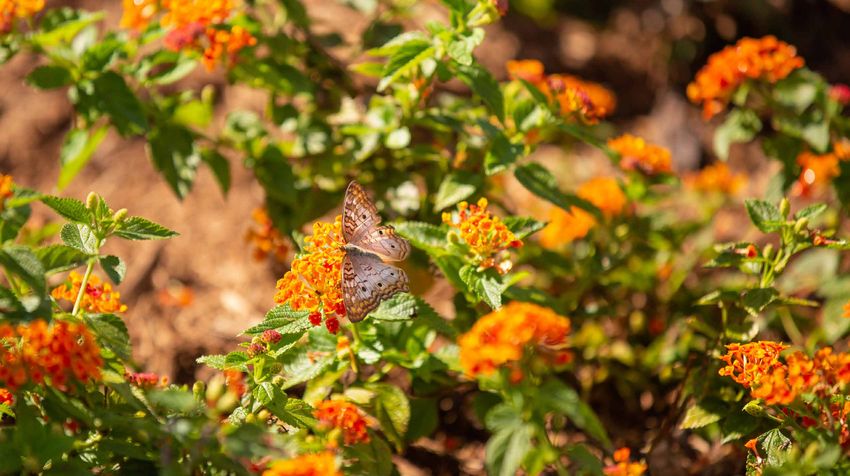
KENNEDY SPACE CENTER’S
SPACEPORT MAGAZINE National Aeronautics and Space Administration
CONTENTS For the latest on upcoming
launches, check out NASA’s
Launches and Landings
Schedule at
4 Commercial Crew Starliner update
www.nasa.gov/launchschedule.
10 Kennedy’s accomplishments focus of center director’s
update Want to see a launch?
18 Innovators’ Launchpad: Daren Etienne
The Kennedy Space Center
Visitor Complex offers the
20 Tech Transfer Office, AFTU project receive recognition closest public viewing of LEE ANN PFISTER
launches from Kennedy I am a design manager in the Construction of Facilities
Space Center and Cape
Design Management Branch in the Engineering
24 Safety and Health Days reinforces safety culture Canaveral Air Force Station.
Directorate at Kennedy Space Center. I have worked at
Launch Transportation
Tickets are available for
the center since March 2018.
26 Earth Day celebrations take flight at Kennedy Space Center some, but not all, of these My main responsibilities include managing facility
launches. Call 321-449- multi-discipline engineering projects. The work involves
4444 for information on
planning, programming, engineering, construction, site
28 In Memoriam: Richard G. Smith purchasing tickets.
operations and maintenance of contractor performance.
I develop architect/engineer designs for assigned facility
29 NASA on the Air attracts worldwide participation
When will the International
engineering projects.
Space Station fly over you? I graduated from New Mexico Tech in Socorro, New
Mexico, in 2002, with a bachelor of science in chemical
32 Our Refuge: wading birds Find out and sign up for alerts at engineering, where I also studied pharmaceuticals.
spotthestation.nasa.gov After graduation I joined the U.S. Air Force to do my
part, where I served for seven years performing duties
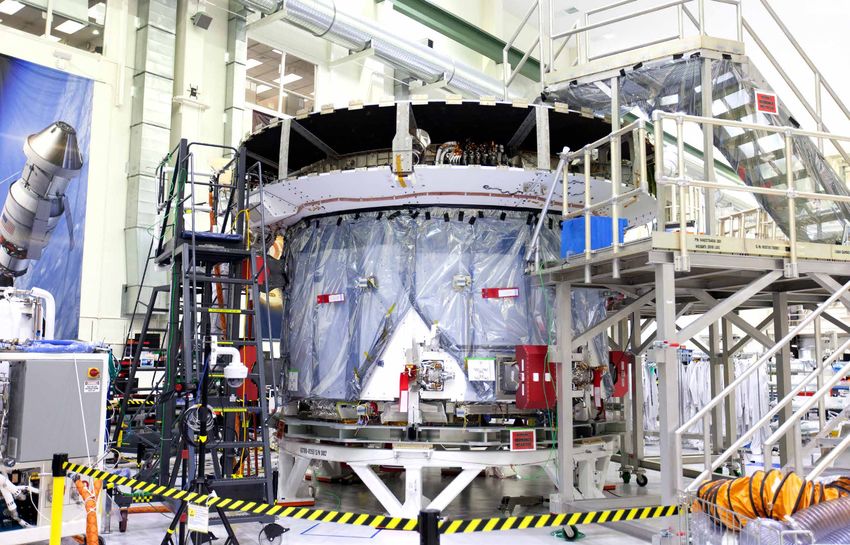
Boeing’s CST-100 Starliner prepares for electromagnetic interference and as a civil engineer. In 2009, I switched to the Air Force
electromagnetic contamination (EMI/EMC) testing in a specialized test chamber at Reserves and took a civilian job with the Dept. of
Boeing’s Space Environment Test Facilities in El Segundo, California on March 22,
2019. These tests were the final part of Starliner’s environmental qualification test Defense (DoD) at Cape Canaveral Air Force Station
campaign. EMI/EMC testing ensures that Starliner’s systems will function properly in as a project manager in the Civil Engineer Squadron.
the orbital radiation environment and also not interfere with other electrical systems
on the International Space Station. Once back in Boeing’s Starliner facilities at the From there, I moved to the Naval Ordnance Test Unit
Kennedy Space Center in Florida, this same vehicle will be prepared to fly Starliner’s as a design and construction engineer until I came to
first crew during the Crew Flight Test mission later this year. NASA’s Commercial
Crew Program is working with Boeing to return human spaceflight launches to the Kennedy.
space station from U.S. soil. Photo Credit: Boeing
The biggest challenge for me here was learning the
“NASA way.” The agency’s design and construction
To get the latest Kennedy Space Center updates, follow us on our Blog, Flickr, Facebook and Twitter. process follows the same legal requirements as DoD, but
Kennedy Space Center has its
is managed very differently. I was finally able to adjust to
own monthly podcast. Welcome
KSC to the “Rocket Ranch.” Listen to
NASA’s unique project management style, which I now
BLOG Episode 9: Developing love, by the way. The biggest hurdle for me thus far was
Technology. NASA has a learning the acronyms and the drastic change in mission.
reputation for creating history
I am most excited about the new missions NASA has
THE SPACEPORT MAGAZINE TEAM changing technology, and much of that
been tasked with. I can’t wait to see what roles the center
technology is available to you right
Editorial Writers Group Creative Group now. One of our secrets to success is will have in the new missions, and what part of that will
that we aren’t developing all of this by come my way.
Editor............................. Linda Herridge Jim Cawley Linda Herridge Amy Lombardo Cassandra White ourselves. We’re leveraging industry
Asst. Editor.................... Anna Heiney Anna Heiney Danielle Sempsrott Richard Murrey Matthew Young and students to make innovative leaps.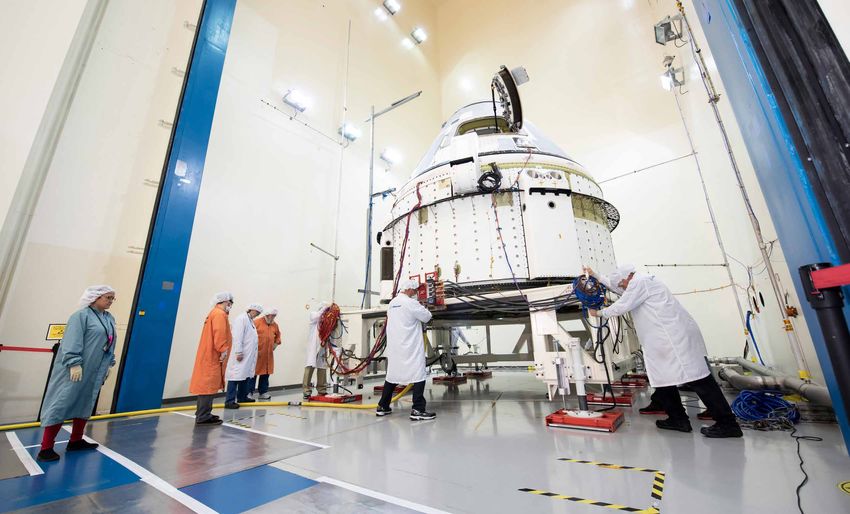
N ASA and Boeing have agreed to extend the duration of the
company’s first crewed flight test to the International Space
Station after completing an in-depth technical assessment of the
“The uncrewed flight tests provide a wealth of data for us to
analyze every phase of flight,” said Steve Stich, NASA’s Commercial
Crew Program deputy manager. “They offer a phenomenal
CST-100 Starliner systems. NASA found the long-duration flight to opportunity for us to evaluate the end-to-end performance of
be technically feasible and in the best interest of the agency’s needs the systems, and really set us up for flight tests with crew. Our
to ensure continued access and better utilization of the orbiting Boeing and NASA teams are making tremendous progress without
NASA and Boeing extend Starliner crew flight test laboratory. compromising safety as we prepare for launch.”
The extended duration test flight offers NASA the opportunity While the Starliner spacecraft for the Orbital Flight Test is close
to space station, target new flight dates to complete additional microgravity research, maintenance, and to complete, the additional time will allow teams to thoroughly
other activities while the company’s Starliner is docked to station. focus on the test and validation activities well ahead of launch.
The mission duration will be determined at a later date. “We remain diligent, with a safety-first culture,” said John
“NASA’s assessment of extending the mission was found to be Mulholland, vice president and program manager, Boeing’s
technically achievable without compromising the safety of the crew,” Commercial Crew Program. “While we have already made
said Phil McAlister, director of the commercial spaceflight division substantial progress this year, this shift gives us the time to continue
at NASA Headquarters. “Commercial crew flight tests, along building a safe, quality spacecraft capable of carrying crews over
with the additional Soyuz opportunities, help us transition with and over again after a successful uncrewed test, without adding
greater flexibility to our next-generation commercial systems under unnecessary schedule pressure.”
the Commercial Crew
Program.”
The agency and its
industry partner also
agreed to adjust the target
launch dates for flight tests,
which will demonstrate
Boeing’s readiness ahead
of NASA certification to
fly crew regularly to the
station.
Boeing is now targeting
August for its uncrewed
Orbital Flight Test,
although this date is a
working date and to be
confirmed. The decision to
adjust that launch date was
guided by limited launch
opportunities in April and
May, as well as a critical
U.S. Air Force national
security launch – AEHF-
5 – atop a United Launch
Alliance Atlas V rocket from Space Launch Complex-41 in June. Boeing technicians meticulously lower the Starliner upper dome to the lower dome
before bolting and sealing the pressure vessel. Photo credit: Boeing
The company’s first flight with astronauts on board, called the Crew
Flight Test, is now targeted for late 2019, again to be confirmed closer Boeing continues to advance toward meeting the agency’s goal
to that timeframe. Boeing also will fly a Pad Abort Test before those of returning human spaceflight launches from American soil to the
Boeing’s CST-100 Starliner prepares for electromagnetic interference and electromagnetic contamination (EMI/EMC) testing in a two orbital flights to demonstrate the company’s ability to safely carry International Space Station as a part of NASA’s Commercial Crew
specialized test chamber at Boeing’s Space Environment Test Facilities in El Segundo, California. These tests were the final part of astronauts away from a launch vehicle emergency, if necessary. Program.
Starliner’s environmental qualification test campaign. EMI/EMC testing ensures that Starliner’s systems will function properly in the
orbital radiation environment and also not interfere with other electrical systems on the International Space Station. Commercial
Crew Program is working with Boeing to return human spaceflight launches to the space station from U.S. soil. Photo Credit: Boeing
4 SPACEPORT Magazine SPACEPORT Magazine 5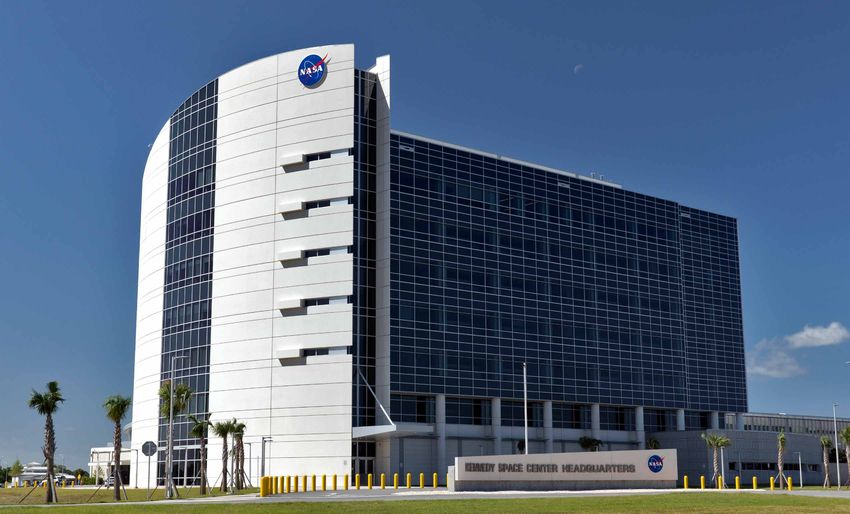
Orbital Flight Test Progress                                                   Another key milestone for the capsule included successful range
    Boeing’s Starliner spacecraft for the uncrewed flight test is nearly   of motion testing on the docking adapter – known as the NASA
complete. This spacecraft is designed to be reusable up to 10 times,       Docking System, or NDS – that will connect Starliner to the space
and will be used for the company’s first full operational mission          station’s Harmony module later this year.
after certification. The Starliner team is working to complete all of
the critical testing and integration on the spacecraft to ensure the           “The uncrewed flight tests provide a
shortest possible time between the completion of the uncrewed
                                                                               wealth of data for us to analyze every
flight and the first launch of crew, and then to operational missions
to station.
                                                                               phase of flight. They offer a phenomenal
    On March 11, Boeing mated the upper and lower domes of the                 opportunity for us to evaluate the end-
same spacecraft inside its Commercial Crew and Cargo Processing                to-end performance of the systems, and
Facility at Kennedy Space Center in Florida. The two domes                     really set us up for flight tests with crew.”
underwent outfitting with avionics, cooling systems, wire harnesses,
fuel and life support lines, and other critical systems before being           Steve Stich
mated together. This is one of the last major milestones ahead of              Commercial Crew Program deputy manager.
final processing and closeouts for flight.
    NASA and Boeing teams also completed two parachute tests.              Pad Abort Test Progress
In February, a “lawn dart” dropped out of a C-17 aircraft over the             Boeing also is working on the Starliner spacecraft slated to fly the
Yuma Proving Ground in Arizona, and the parachutes performed as            Pad Abort Test, which will demonstrate the abort engines can push
planned. These reliability tests are part of a special studies program     the spacecraft about a mile up and a mile out from the test site. This
NASA initiated to validate the robust design of Starliner’s parachute      test will take place at White Sands Missile Range in New Mexico
systems.                                                                   ahead of the Orbital Flight Test.
    Then in March at the White Sands Missile Range in New                      As a precursor to the abort, the company is preparing to restart
Mexico, Boeing completed the fourth of five parachute qualification        its Service Module Hot Fire test campaign at NASA’s White Sands
tests. Successful completion of all five tests will qualify the entire     Test Facility in New Mexico this spring. New hardware, including
Starliner landing system for flight with crew.                             launch abort engine valves, have been redesigned and manufactured

                                                                                                                                                                           Boeing astronaut Chris Ferguson helps NASA astronauts Nicole Mann (left) and Mike Fincke (right) train for a spacewalk inside
                                                                                                                                                                           the International Space Station Airlock Mockup at NASA’s Johnson Space Center in Houston in February. Mann, Ferguson and
                                                                                                                                                                           Fincke are assigned to Boeing’s Crew Flight Test, Starliner’s first flight with crew as part of NASA’s Commercial Crew Program,
                                                                                                                                                                           which will restore human spaceflight launches to the space station from U.S. soil. Photo Credit: Boeing
                                                                                                                        NASA astronaut Suni
                                                                                                                        Williams (seated),
                                                                                                                        assigned to Boeing’s
                                                                                                                        first operational mission
                                                                                                                        aboard the company’s
                                                                                                                                                      and are being installed on the test abort engines. The next set of new                 Boeing’s Chris Ferguson are continuing preparations for the Crew
                                                                                                                        CST-100 Starliner             hardware will soon be installed in the pad abort service module.                       Flight Test at Johnson Space Center in Houston. They are training
                                                                                                                        spacecraft, watches as                                                                                               on Starliner’s systems, including nominal and unlikely scenarios,
                                                                                                                        Boeing test teams outfit
                                                                                                                        Starliner with hot plates     Crew Flight Test Progress                                                              such as water rescue training. They are also well into space station
                                                                                                                        and radiators ahead of            Boeing’s Crew Flight Test spacecraft recently completed its                        training, and are now focusing on becoming a longer duration
                                                                                                                        the thermal vacuum test       Environmental Qualification Test campaign at the company’s Space                       crew. Mann and Fincke are training for upcoming spacewalks, and
                                                                                                                        series at Boeing’s Space
                                                                                                                        Environment Test Facility     Environment Test Facilities in El Segundo, California. The Crew                        Ferguson is training to support them from inside the station.
                                                                                                                        in El Segundo, California.    Flight Test vehicle underwent rounds of acoustics vibration, thermal
                                                                                                                        Photo Credit: Boeing          vacuum and electromagnetic interference and electromagnetic                            Post-Certification Mission Progress
                                                                                                                                                      contamination testing. These tests are designed to simulate the harsh                     The crew for NASA’s first operational mission on Starliner, Suni
                                                                                                                                                      environments of launch, ascent and orbit and also prove that the                       Williams and Josh Cassada, are continuing similar training. All
                                                                                                                                                      electronics systems will operate in space and not interfere with other                 five Starliner crew members are making regular trips to Starliner
                                                                                                                                                      satellites or the station.                                                             production and test facilities to get to know the people and the
                                                                                                                                                          NASA astronauts Nicole Mann and Mike Fincke and                                    vehicles that will take them safely to orbit and back.

    6         SPACEPORT Magazine                                                                                                                                                                                                                                                 SPACEPORT Magazine          7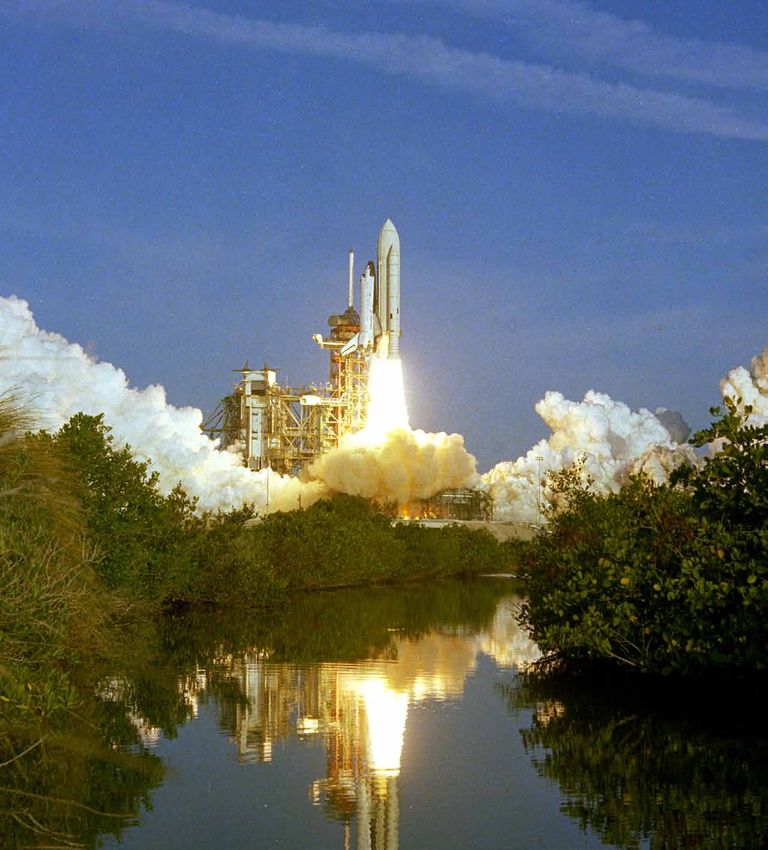
Starliner Undergoes
                Qualification Testing
                  Boeing’s CST-100 Starliner
                  spacecraft undergoes environmental
                 qualification testing at the company’s
                Space Environmental Test Facility in El
                Segundo, California. The capsule that
               will ferry American astronauts back
              to the International Space Station is
             positioned inside a unique test chamber
            designed to determine whether it can
           withstand the fierce vibrations it will see
          during launch and ascent through the
          atmosphere. Other test chambers simulate
         different harsh conditions such as the
        vacuum of space, extreme temperatures and
       electromagnetic radiation in order to prove
      Boeing’s brand new spacecraft is ready to
     fly. Once Starliner completes the company’s
    rigorous test campaign, it will launch this year
   atop a United Launch Alliance Atlas V rocket
  from Cape Canaveral Air Force Station in Florida,
 and begin operational missions to the orbiting
laboratory for NASA and partner nations in the
months ahead. Photo credit: Boeing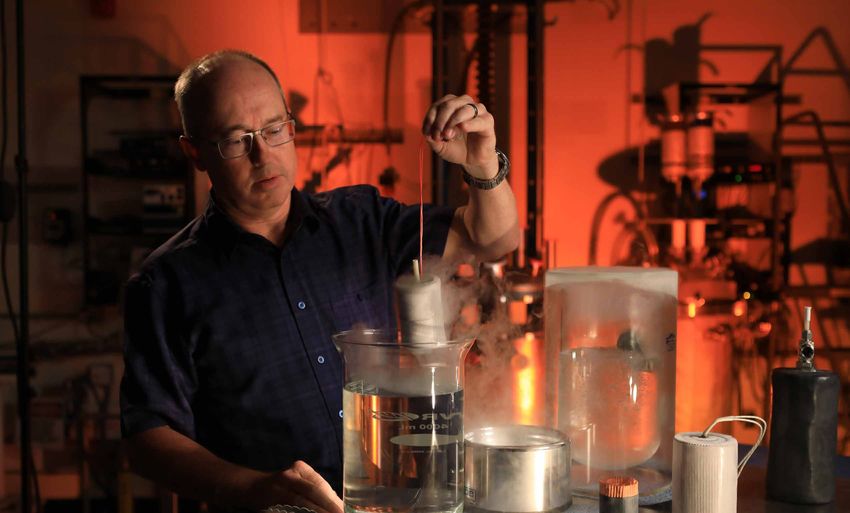
Exciting Year Ahead
                       Kennedy Space Center accomplishments
                          focus of center director’s update
                                                          BY LINDA HERRIDGE

                    “We have a tremendously exciting year ahead of us.”

T     hese were the words spoken by Kennedy Space Center Director
      Bob Cabana during his annual update to community leaders,
stakeholders, partners, educators and government leaders at the
                                                                    Kennedy Space Center,” Cabana said.
                                                                        Some of the center’s great successes include the 20-year lease
                                                                    with SpaceX for Launch Complex 39A, the U.S. Air Force’s X-37
Kennedy Space Center Visitor Complex on March 29, 2019.             aircraft in OPF Bay 1, and Boeing’s CST Starliner in the C3PF
    “My number one goal is to see U.S. astronauts flying from       (formerly OPF 3).
U.S. soil on a U.S. rocket to the
International Space Station before
year’s end. We’re going to make
that happen with the help of
                                                                                                                                                                                      Guests visit with a representative from Exploration Research and Technology during NASA Kennedy Space Center
Boeing and SpaceX,” Cabana                                                                                                                                                            Director Bob Cabana’s update to community leaders, business executives, partners, educators and government
said. “It’s going to happen this year,                                                                                                                                                leaders March 29, 2019, at the Kennedy Space Center Visitor Complex in Florida. Photo credit: NASA/Kim Shiflett
and I can’t wait.”
    Cabana also praised the center’s
partnership with the 45th space                                                                                                                             Commercial Crew Program                                                             gallons of LH2. It will be able to handle multiple launch attempts
wing and others.                                                                                                                                                Cabana described this year as very busy, with a crewed flight test              in the current configuration. The existing tank holds 750,000
    “All that we’ve accomplished                                                                                                                            by SpaceX, uncrewed and crewed test flights with Boeing, and abort                  gallons of LH2.
in the last few years – none of it                                                                                                                          tests coming up with SpaceX and Boeing.                                                 Exploration Mission-1 (EM-1) will put Orion in space
would have possible without the                                                                                                                                 SpaceX had a successful Demo-1 flight test in March.                            without crew on board and bring it out to a distant retrograde orbit
partnership that we have with the                                                                                                                               “It was really great to see a crew vehicle launching off a NASA                 around the Moon. The most important thing NASA will get from
45th space wing, Space Florida,                                                                                                                             pad at 39A for the first time since the space shuttle Atlantis in                   the mission is a check of the thermal protection system of the Orion
the Federal Aviation Authority and                                                                                                                          2011,” Cabana said. I’m really looking forward to seeing crews                      crew module during lunar reentry velocities.
many others.”                                                                                                                                               flying on these vehicles to the International Space Station.                            The team completed some great recovery tests recently in the
    Cabana recapped                                                                                                                                                                                                                             Pacific Ocean off the coast of San Diego, using a test version of the
accomplishments of programs                                                                                                                                 Exploration Ground Systems                                                          Orion spacecraft.
led by Kennedy and provided a                                                                                                                                   The upgraded mobile launcher recently rolled out to Launch                          To prepare for Ascent Abort Test-2, the Launch Abort System
glimpse of what’s to come:                                                                                                                                  Pad 39B and then to the Vehicle Assembly Building, where it is                      is currently integrated with a test version of Orion inside the
                                                                                                                                                            now going through verification and validation testing. In a couple                  Launch Abort System Facility. NASA is targeting a June test date
Center Planning and                                                                                                                                         of months, the mobile launcher will be tested at Launch Pad 39B.                    from Cape Canaveral Air Force Station.
Development                                                                                                                                                 Extensive modifications were completed on the mobile launcher so                        “The data that will be looked at from this test is on the
    Cabana said it remains the center’s “front door” for doing      NASA Kennedy Space Center Director Bob Cabana updates community leaders, business       it can accommodate the extra weight of the Space Launch System                      separation of Orion from the Launch Abort System,” Cabana said.
business here. Overall, Kennedy has more than 19 agreements with    executives, partners, educators and government leaders on Kennedy-led programs and      and Orion spacecraft, though additional modifications are needed.                       Firing Room 1 is where NASA’s first female launch director,
                                                                    accomplishments during a presentation March 29, 2019, at the Kennedy Space Center
commercial companies of various types, doing work at the center.    Visitor Complex in Florida. Cabana recapped achievements and future plans for the       The mobile launcher will be ready this fall when it completes testing               Charlie Blackwell-Thompson, will give the “go” for launch
    “As many agreements as we’ve put in place, we still have room   Commercial Crew Program, Exploration Ground Systems, Launch Services Program,           at the pad.                                                                         of SLS and Orion on EM-1. She has been running launch
                                                                    Exploration Research and Technology, and Center Planning and Development. After the
for more. We’re going to continue to expand on the ones that we                                                                                                 EGS broke ground for a new liquid hydrogen tank at Launch                       simulations and work is continuing on the software needed for
                                                                    presentation, guests had the opportunity to ask questions and visit displays from the
have and develop this amazing resource that we have here at the     programs and some of the commercial partners. Photo credit: NASA/Kim Shiflett           Pad 39B. The new tank will be able to hold more than 1 million                      processing and launch.

 10         SPACEPORT Magazine                                                                                                                                                                                                                                                      SPACEPORT Magazine         11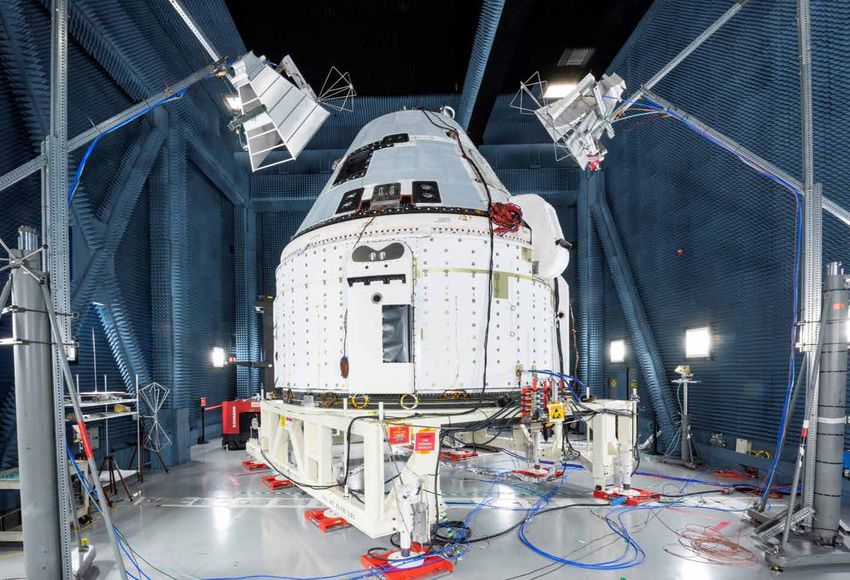
Guests visit with
                                                                                                                     representatives from United
                                                                                                                     Launch Alliance during
                                                                                                                     NASA Kennedy Space Center
                                                                                                                     Director Bob Cabana’s
                                                                                                                     update to community leaders,
                                                                                                                     business executives, partners,
                                                                                                                     educators and government
                                                                                                                     leaders March 29, 2019, at
                                                                                                                     the Kennedy Space Center
                                                                                                                     Visitor Complex in Florida.
                                                                                                                     Photo credit: NASA/Kim
                                                                                                                     Shiflett

Going Back to the Moon                                                 Connection Explorer (ICON) later this year.
    The president directed NASA to land American astronauts in the        “LSP is doing an outstanding job of procuring the expendable
next five years, and the agency is working to accelerate humanity’s    rockets for NASA’s science and interplanetary missions,” Cabana said.
return to the lunar surface by all means necessary.
    “We’ll get back to the Moon in 2024, and we can go to Mars         Exploration Research and Technology
in the 2030s,” Cabana said. “I know the team at Kennedy Space              Last year, Kennedy was the only NASA center to receive an
Center is ready.”                                                      award from the Federal Laboratory Consortium on technology
    This time, when NASA goes to the Moon, we will stay. And then      transfer and partnerships. The Automated Flight Termination
we will use what we learn on the Moon to take the next giant leap –    System for launch vehicles was developed by a Kennedy research
sending astronauts to Mars.                                            and technology team.
    “It’s important to be able to establish a presence in our solar        “This is helping us get that range of the future,” Cabana said.
system beyond our home planet and eventually move on to Mars,”         “This software will be used on all launch vehicles as we move
Cabana said. “We’ve got some work to make that happen.”                forward.”
                                                                           Plant research is ongoing at Kennedy. Two plant growth systems.
Gateway                                                                Veggie and the Advanced Plant Habitat, are in use on the space
     The advantage of the Gateway, a lunar orbiting outpost, is that   station.
it will allow access to anywhere on the lunar surface. Kennedy’s key       “Our efforts are providing nutritional and psychological benefits
role will be to establish a commercial logistics contract.             to space station crews,” Cabana said.
     “We’re putting together the team that will issue the request          Habitability modules are being produced across the nation
for proposals. It will be similar in the way we did the requests for   for NASA’s Next Exploration for Technologies Partnerships, or
proposals for commercial cargo and commercial crew,” Cabana said.      NextSTEP, program. One of the modules being reviewed by
“It’s a great role for us.”                                            astronauts at the center’s Space Station Processing Facility was built
                                                                       by Lockheed Martin using an older logistics cargo module from the
Launch Services Program                                                space station                                                                  The iconic Vehicle Assembly Building (VAB)
                                                                                                                                                      and Launch Control Center cast reflections on
   The program has a challenging year. The big mission coming              “This is our year and we’ve got so much to accomplish. And get             the surface of a nearby waterway at NASA’s
up in 2020 is Mars 2020, the rover that will land on the Red           ready for even more in 2020,” Cabana said. “We are an integrated               Kennedy Space Center. The lights illuminating
                                                                                                                                                      the VAB provide a splendid nighttime view.
Planet. Also, efforts are in work to launch the Ionospheric            team. This is a community effort. Let’s keep working together.”
                                                                                                                                                      Photo credit: NASA/Ben Smegelsky

 12          SPACEPORT Magazine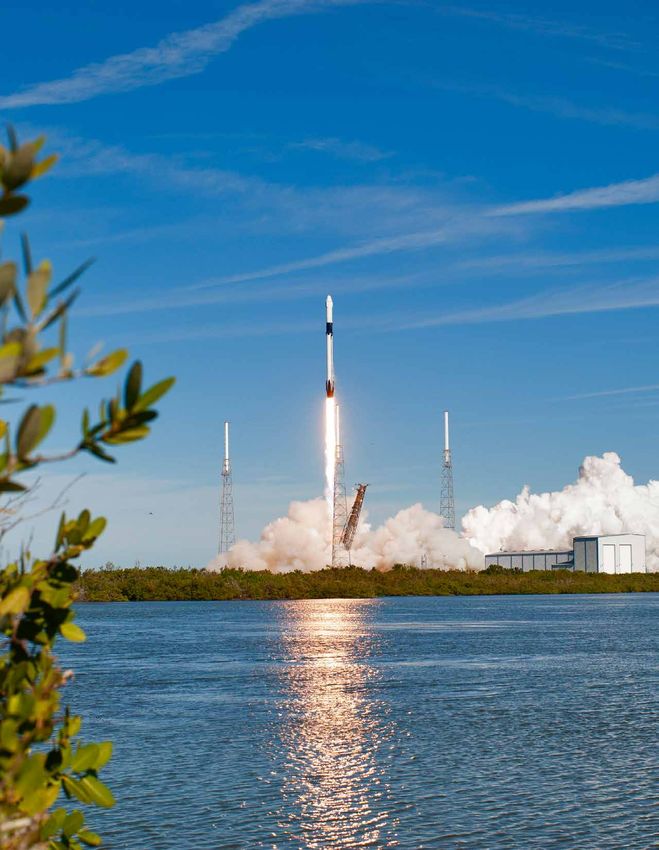
A Lockheed Martin specialist
works on the hatch for
the Orion crew module
for Exploration Mission-1
(EM-1) on March 21, 2019,
inside the Neil Armstrong
Operations and Checkout
Building high bay at NASA’s
Kennedy Space Center. Photo
credit: NASA/Ben Smegelsky

                               The European Service Module that will serve
                               as the powerhouse for Orion for Exploration
                               Mission-1 (EM-1), is in view on a work stand
                               inside the Neil Armstrong Operations and
                               Checkout Building high bay on March 21, 2019,
                               at NASA’s Kennedy Space Center. For EM-1,
                               Orion will launch atop the Space Launch System
                               rocket from Launch Pad 39B. The spacecraft will
                               travel thousands of miles past the Moon on an
                               approximately three-week test flight. Orion will
                               return to Earth and splashdown in the Pacific
                               Ocean off the coast of California, where it will be
                               retrieved and returned to Kennedy. Photo credit:
                               NASA/Ben Smegelsky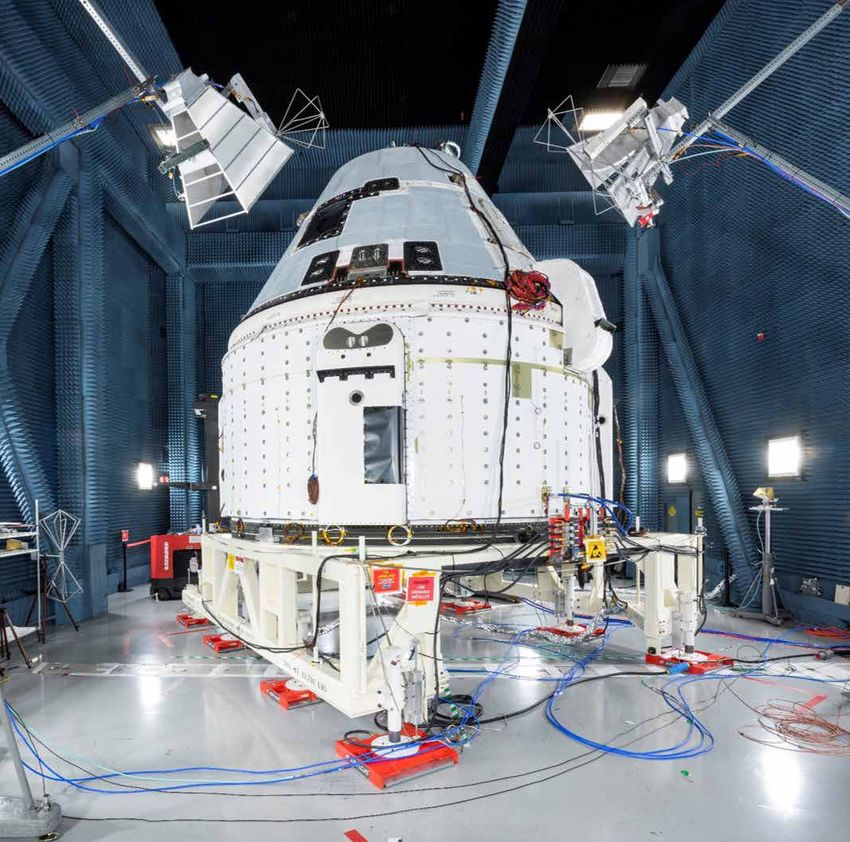
Dragon Will Deliver Experiments, Supplies
to International Space Station
COMMERCIAL RESUPPLY SERVICES MISSION: SpaceX CRS-17
Launch: Late April 2019
Lift Off: Space Launch Complex 40 at Cape Canaveral Air Force Station in Florida
Launch Vehicle: SpaceX Falcon 9, 230 feet tall
Spacecraft: Dragon cargo module, 20 feet high, 12 feet in diameter
Payload: Dragon will deliver cargo and material to support science investigations aboard
the International Space Station, including the Orbiting Carbon Observatory (OCO), the Space
Test Program-Houston 6 (STP-H6) x-ray communication investigation, and the Genes in
Space student experiment.

Return to Earth: After about one month attached to the space station, Dragon will return
with results of earlier experiments, splashing down in the Pacific Ocean off the coast of
Baja California.

                                                                                                                            InSight’s (Interior Exploration using Seismic Investigations, Geodesy and Heat Transport) Principal Investigator W. Bruce Banerdt presents information on the first
                                                                                                                            launch to Mars from the West Coast and the latest findings from InSight to Kennedy Space Center employees on March 12, 2019, at the center’s Space Station
                                                                                                                            Processing Facility Conference Center in Florida. InSight is a NASA Discovery Program mission that placed a single geophysical lander on Mars to study the Red
                                                                                                                            Planet’s deep interior and will ultimately provide a better understanding of the processes that shaped the rocky planets of the inner solar system, including Earth.
                                                                                                                            Photo credit: NASA/Kim Shiflett

                                                                                                                                                                                                                                                                   InSight’s (Interior Exploration using
                                                                                                                                                                                                                                                                   Seismic Investigations, Geodesy
                                                                                                                                                                                                                                                                   and Heat Transport) Principal
                                                                                                                                                                                                                                                                   Investigator W. Bruce Banerdt and
                                                                                                                                                                                                                                                                   Launch Services Program Mission
                                                                                                                                                                                                                                                                   Manager Alicia Mendoza-Hill present
                                                                                                                                                                                                                                                                   information on the first launch to
                                                                                                                                                                                                                                                                   Mars from the West Coast and
                                                                                                                                                                                                                                                                   the latest findings from InSight to
                                                                                                                                                                                                                                                                   Kennedy Space Center employees
                                                                                                                                                                                                                                                                   on March 12, 2019, at Kennedy’s
                                                                                 The SpaceX two-stage Falcon 9 launch                                                                                                                                              Space Station Processing Facility
                                                                                 vehicle lifts off Space Launch Complex                                                                                                                                            Conference Center in Florida. Photo
                                                                                 40 at Cape Canaveral Air Force                                                                                                                                                    credit: NASA/Kim Shiflett
                                                                                 Station carrying the Dragon resupply
                                                                                 spacecraft to the International Space
                                                                                 Station. Liftoff was at 1:16 p.m. EST on
                                                                                 Dec. 5, 2018. Photo credit: NASA/Tony
                                                                                 Gray and Kenny Allen
                                                                                                                                                                                                                                                 SPACEPORT Magazine                            17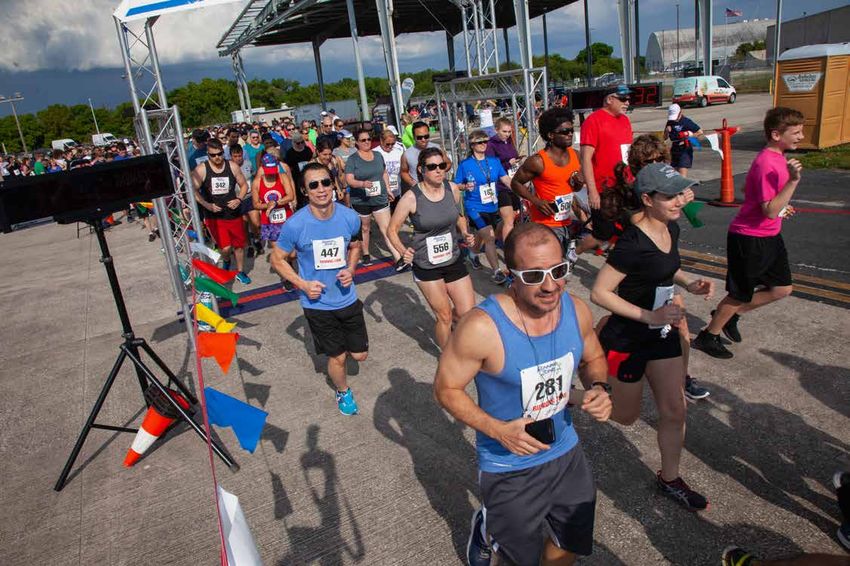
NASA’s Kennedy Space Center
                             Innovators’ Launchpad:     Please explain your job in a single sentence.
                                                        I am the information technology specialist of the Exploration
                                                                                                                               for us. We never wanted for anything and the funds were always on
                                                                                                                               the kitchen table, even for the field trips we didn’t want to go to. I
                                                                                                                               don’t take a single day working on center for granted since I know

                         Daren Etienne
                                                        Research and Technology (ER&T) Program supporting civil
                                                                                                                               the effort that was put into getting me to this point in my life.
                                                        servants, contractors and commercial partners, satisfying their IT
                                                        and communication needs.
                                                                                                                               What motivated you to want to work for NASA?
                                                        What do you find most exciting about your job                          My motivation came from needing to secure an internship to
                                                        as IT specialist lead?                                                 graduate from my university. As soon as I got off the phone
                                                                                                                               informing me that I was accepted for the internship, I let my
                                                        The most exciting thing that I have found in my new role is being
                                                                                                                               parents know. To this day, I still bring up my dad saying, “Isn’t
                                                        able to interface with the many different aspects of ER&T program
                                                                                                                               NASA shutting down?” I truly didn’t know much about the
                                                        and assisting them in achieving their mission goals by supporting
                                                                                                                               space program at the time, but if they were going to offer me an
                                                        various unique requests.
                                                                                                                               internship, I was going to make the best of it. Six years later, I’m still
                                                                                                                               learning something new every day.
                                                        What is a typical day like for you?
                                                        My days are consistently inconsistent. They vary from assisting        Why does conducting research and developing
                                                        a commercial partner rationalize an IT requirement, ordering           new technology matter to you?
                                                        products and services for a project, or providing IT expertise to a
                                                                                                                               In order to continue advancing as a civilization, we have to put the
                                                        particular NASA resource board.
                                                                                                                               time and effort into developing paths forward. If we stopped at the
                                                                                                                               wheel and fulcrum, I certainly don’t believe we would be where we
       Daren Etienne is the
       information technology
                                                        Was the work you did your first month at NASA
                                                                                                                               are today. Can you imagine still having to have a separate camera
       specialist of the Exploration                    anything like your current work?
       Research and Technology
                                                                                                                               and phone with external antennas?
       Programs at NASA’s                               The closest activity that could be comparable to my first month as
       Kennedy Space Center.                            an intern is that I am back working with commercial partners to        How do you think your NASA research or the
       Photo credit: NASA/Kim
                                                        utilize the center’s many assets.                                      agency as a whole benefits people on Earth?
       Shiflett
                                                                                                                               There are so many NASA contributions to society that people
                                                        What is your educational background and why
                                                                                                                               constantly overlook the agency’s impact. I would highly recommend
                                                        did you choose to study those areas?
                                                                                                                               for all NASA employees even to check out the annual “Spinoff”
                                                        I have a Bachelor of Science in Business Administration. I used to     publications to stay abreast of all the wonderful things the agency is
                                                        work with my grandmother as a youth in her store selling fruits and    doing.
                                                        vegetables. I thought I would grow up and take over the business
                                                        when I got older and that a degree would help hone my business         Do you have any advice for people trying to
                                                        skills.                                                                foster innovation in the workplace?
                                                        How do the era and place in which you grew up Not all ideas will work out, but if it only remains an idea forever, it
                                                                                                      never will. Be open to feedback and collaboration to have your idea
                                                        shape how you approach your work?
                                                                                                                               become a reality.
                                                        Growing up in South Florida in the ‘90s with siblings two, four,
                                                        then 11 years apart, all I knew is that my father made things happen

18   SPACEPORT Magazine                                                                                                                                      SPACEPORT Magazine                   19
Efforts Rewarded
aspect of this project and provide transfer support to Valencia’s technology. Parrish continues to actively work on this project.
office, including software release review and approval, vetting “Being able to help move NASA-developed technologies out of the
companies requesting to receive the AFTU design package, laboratories and into use by the public is the most gratifying aspect
working with export control, and completing technology transfer of my job,” said Parrish.
and software usage agreements. In addition, Parrish marketed the “Every time I hit that ‘send’ icon to transfer those design files,
technology to emerging commercial space companies, further that technology benefits yet another customer who can utilize it
expanding awareness that ultimately led to transferring the for safer, more affordable launches of their rockets and payloads,”
technology to outside companies. he said. “My hope is that the awareness of this technology will
Tech Transfer Office, AFTU project receive recognition The AFTU technology currently has been transferred to 35
recipients, including commercial space companies and Department
continue to grow across the space industry.”
While receiving the FLC’s Interagency Partnership Award
BY DANIELLE SEMPSROTT of Defense agencies, and will be fully operational by summer. acknowledges Kennedy’s capabilities in developing cutting-edge
The team at Kennedy is making available the reference design technology, the sheer number of patent licenses put out by the
L ast year, Kennedy Space Center led NASA technology transfer
with the highest number of patent licenses—18. Recently, the
center’s Technology Transfer Office was presented with an internal
transferring a technology.” The FLC represents over 300 federal
laboratories, and the AFTU competed with multiple nominations
across the U.S. government for this award, resulting in Kennedy
drawings and generic wrapper software that will allow custom
implementation by each partner. Rocket Lab will be the first
company to use the AFTU as is, while other companies, such as
center’s Technology Transfer Office demonstrates research and
technology advancements made at the multi-user spaceport supports
U.S. economic competitiveness and enables NASA’s exploration
award for the achievement. Daniel Lockney, NASA Headquarters being the only NASA center to win a FLC award this year. The SpaceX, have already started using the software derived from this missions.
Technology Transfer program executive, presented the team with FLC stated that the AFTU’s nomination was “truly of the highest
the trophy via Skype. caliber.”
Lockney first introduced the internal trophy three years ago as The AFTU is a subsystem that allows the rocket it is flown on
a way to incentivize healthy competition among NASA’s 10 centers to independently determine if it is off course and self-destruct if
for patent licensing. This trophy travels to the winning center for it discovers this is the case. “This system eliminates the need for
one year at a time, and this year, Kennedy will have it on display, ground personnel, transmitters, telemetry receivers and radars
“cementing Kennedy’s place in tech transfer,” said Lockney. historically used for monitoring rocket launches and commanding
Patent licensing enables outside companies to use technology launch vehicle destruction when a rocket goes off course,” Parrish
developed by NASA in commercial products and services that said.
benefit the public. Thanks to the agency’s robust Technology Quinn spoke on the significance of this technology, stating “The
Transfer program, NASA’s innovative solutions are found in AFTU is not only an important endeavor for NASA to make launch
hospitals, factories, family rooms and more, where they benefit operations safer and more efficient from a time and cost perspective,
everyone. but through the transfer of this enabling technology, it also has a
Among the employees recognized were Jim Nichols, Kennedy multiplier effect across the entire space industry.”
licensing manager; Jonathan Leahy, Kennedy licensing attorney; Both the AFTU hardware and software were developed by
Ginger Arrington, licensing paralegal; Jeff Kohler and Kurt Kessel, the technical team at Kennedy led by Valencia. This team worked
technology transfer specialists; and Lewis Parrish, senior technology closely with the Air Force to develop the Core Autonomous Safety
transfer specialist. Software (CASS), which is the software that provides the rules and
Shawn Quinn, director of engineering at Kennedy, also restrictions that enables the launch vehicle to make destruction
recognized individuals supporting the Autonomous Flight decisions and, thus, is flown on any vehicle using AFTU technology.
Termination Unit (AFTU) on behalf of Kennedy. The team is part DARPA, another key agency in the development of this project,
of a joint project among NASA, the U.S. Air Force, the Defense provided the necessary funding and launch opportunities for
Advanced Research Projects Agency (DARPA), and the Federal the development and testing of this CASS software and AFTU
Aviation Administration (FAA) slated to receive the Federal technology. Additionally, the FAA assisted with writing and
Laboratory Consortium (FLC) for Technology Transfer 2019 approving NASA AFTU requirements for design, testing and
Interagency Partnership Award on April 24 at the FLC national operation.
meeting in Orlando. One flight test of this technology was enabled by NASA’s Flight
Lisa Valencia, project manager of the Autonomous Flight Opportunities program, which aims to provide access to space-
Termination System in the Engineering Directorate; Parrish; related test environments through the use of four types of flight
Kennedy Space Center Director Bob Cabana (center), stands among individuals from NASA’s Technology Transfer Office who received an internal award for leading the agency in
Erik Magnuson, AFTU systems engineer; Roger Zoerner, AFTU platforms as a way to demonstrate technical readiness. Through
technology transfer with 18 patent licenses. Also recognized were individuals supporting the Autonomous Flight Termination Unit, a project that has received the Federal Laboratory
software engineer, and many others on the team worked on the this program, two AFTUs were flown on UP Aerospace’s SpaceLoft Consortium (FLC) for Technology Transfer 2019 Interagency Partnership Award. The recognitions took place March 18, 2019, at Kennedy. From left are, Kurt Kessel, Technology
development and transfer of this technology. (SL)-12 mission, and another test is scheduled for the SL-14 Transfer specialist; Megan Victor, Business Development specialist; Mikaela McShane, Technology Marketing and Communications specialist; Lew Parrish, senior Technology Transfer
specialist; Jim Nichols, Kennedy licensing manager; Dave Makufka, Kennedy Technology Transfer Program manager; Cabana; Erik Magnuson, AFTU systems engineer; Lisa Valencia,
According to the FLC, the award recognizes these agencies for mission. NASA AFTU project manager; Roger Zoerner, AFTU software engineer; Meredith Reeves, Kennedy new technology representative; Mike Lester, Technology Transfer Partnership
“collaboratively accomplishing outstanding work in the process of Parrish’s role in the process was to lead the technology transfer manager; and Jonathan Leahy, Kennedy patent attorney. Photo credit: NASA/Tony Gray
20 SPACEPORT Magazine SPACEPORT Magazine 21James Fesmire, senior principal engineer, transfers a charged Cryogenic Flux Capacitor device to a bath of water in the Cryogenics Test Laboratory at NASA’s Kennedy Space Center on March 20, 2019. This demonstration is a visual aid that conveys that a large quantity of fluid is stored in the device at low temperature. Photo Credit: NASA/Kim Shiflett
Safety and Health Days
Cyclists take off from the
Kennedy Space Center Visitor
Complex at the start of the
center’s annual Tour de KSC.
The bicycle tour took place
March 30, giving Kennedy
employees and guests the
A reinforcement of Kennedy Space Center’s safety culture
opportunity to choose from
three different routes that
ranged from seven to 33 miles
BY DANIELLE SEMPSROTT along some of the Florida
spaceport’s most notable
facilities such as the Vehicle
E ach year, NASA Kennedy Space Center’s Safety and Health
Days demonstrates how this topic is not only a top priority
both centerwide and agencywide, but that it’s ingrained in the
a flight crash survivor revealed how resiliency, leadership and
managing your mind can help you overcome obstacles to grow and
thrive; and a briefing on the “Space Launch System Low Oxygen
Assembly Building, the Shuttle
Landing Facility and historic
Launch Pad 39As. Photo
credit: NASA/Ben Smegelsky
spaceport’s DNA. This year’s Safety and Health Days took place Tank Mishap,” in which a team of investigators delved into the
March 25–29. Events and presentations held during the week cause of the incident and discussed recommendations and corrective
emphasized the importance Kennedy places on the wellbeing of its actions that have helped to prevent future incidents at Kennedy.
employees, both at home and at work. Also available for employees were presentations on how to
A few of the classes and presentations open to employees determine if you are getting a good night’s sleep, the seriousness of
included: “Stop the Bleed,” a hands-on course that teaches basic skin cancer and what to look for, the Crimeline, safety awareness,
life-saving interventions to equip individuals with the knowledge crime prevention and education program, presented by Brevard
and power to act quickly and save lives; “Moments Matter,” where County’s well-known Sheriff Wayne Ivey, and the importance of safe behaviors at home and at work. In addition to presentations, 30, with attendees riding alongside Center Director Bob Cabana, an
Kennedy and Cape Canaveral Air Force Station employees had the avid bicyclist.
opportunity to attend the KSC Walk Run on March 26. Employees In addition to the presentations and events that took place
and up to four of their registered guests were able to participate in during the week, Kennedy offers year-round fitness center and
two-mile walk or run, a 5K run, or a 10K run. balance zone classes every week, giving employees the opportunity
The Tour de KSC, a bike tour on Kennedy grounds open to to improve and maintain their health throughout the year. The
employees and up to five guests per employee, is another event activities and information readily available to all employees reinforce
employees are encouraged to attend. Originating in 2009, the Tour the notion that health and safety continues to be a hallmark of
de KSC is another way the spaceport promotes an active lifestyle Kennedy’s values — not only during this week, but throughout the
and a healthy work-life balance. This year’s tour took place March entire year.
Derwin Bradley, a veteran
police officer and former
soldier, speaks to Kennedy
Space Center employees
on the topic of personal
safety and awareness.
The presentation was held
March 27, 2019, as part
of the Florida spaceport’s
Safety and Health Days.
During the presentation,
Bradley also demonstrated
basic self-defense tactics.
Photo credit: NASA/Kim
Shiflett
Kennedy Space Center employees and guests take off at the start of the Florida spaceport’s annual KSC Walk Run on March 26, 2019. Part of Kennedy’s Safety and Health Days, the
event takes place at the Shuttle Landing Facility runway and offers participants the chance to partake in a two-mile walk or run, a 5K or a 10K. Photo credit: NASA/Ben Smegelsky
24 SPACEPORT Magazine SPACEPORT Magazine 25Earth Day Celebrations Take Top right: A butterfly sits in the palm of a visitor’s hand at the
Kennedy Space Center Visitor Complex in Florida. Kennedy kicked
of its annual Earth Day celebrations with a sustainability expo at the
Flight at Kennedy
visitor complex on April 11, 2019, where butterflies were released
throughout the day. Photo credit: NASA/Isaac Watson
Bottom right: Members of the Florida Native Plant Society converse
By Danielle Sempsrott with visitors during a sustainability expo held at the Kennedy Space
Center Visitor Complex in Florida on April 11, 2019. The expo kicked
This year, Kennedy Space Center kicked off its annual Earth Day off Kennedy’s annual Earth Day celebrations. Photo credit: NASA/
Isaac Watson
celebrations with a butterfly release and sustainability expo
Background: A newly released butterfly sits in a cluster of flowers at
at the center’s visitor complex. On April 11, approximately 40 the Kennedy Space Center Visitor Complex on April 11, 2019. Photo
exhibitors from across the nation assembled to provide informa- credit: NASA/Isaac Watson
tion ranging from energy-saving solutions to wildlife and natural
conservation.
Also on display were electric cars for attendees to admire. Plant
and wildlife specialists from organizations such as Merritt Island
Wildlife Refuge and the University of Florida’s Institute of Food
and Agricultural Sciences (UF/IFAS), among others, were there to
provide expertise on safeguarding wildlife and preserving natural
resources.
Continuing the center’s Earth Day focus, Kennedy employees
had the opportunity to attend two lunch and learns, held April 23
and 24, to further learn about ways in which we can protect our
natural environment. Florida Fish and Wildlife Conservation Com-
mission Investigator Steve Wayne and Officer Jeff Sidor brought
a special K9, Harry, for a demonstration. Dogs such as Harry are
trained to locate protected species and detect non-native wildlife
that can be harmful to native flora and fauna.
Sally Scalera, urban horticulture agent and master gardener coor-
dinator from the UF/IFAS Brevard Extension office, led the second
lunch and learn, which educated employees on ways to make
their yards Florida-friendly. Topics included using native plants to
reduce water consumption, reducing turf area, watering efficient-
ly and learning how to employ integrated pest management.
For more than five decades, NASA has used the vantage point of
space to understand and explore our home planet, improve lives
and safeguard our future. The activities held at Kennedy in cel-
ebration of Earth Day further promote awareness of our planet’s
natural resources and strengthen the center’s emphasis on the
importance of sustainability. They encourage employees and
guests to engage in practices that benefit the environment, both
at work and at home.
26 SPACEPORT Magazine SPACEPORT Magazine 27InRichard
Memoriam
G. Smith NASA on the Air
Participants tuned in, tweeted around the world
1929 - 2019 BY RACHEL COX
R
ichard G. Smith, a former director
of NASA’s Kennedy Space Center in
I n a surprising and touching turnout, tens of thousands of people around
the world turned on their ham (or amateur) radios to participate in several
“NASA on the Air” events held over the past year. “This was a beautiful
Florida, passed away March 14, 2019, in thing,” said Kevin Zari, head of the amateur radio club at NASA’s Kennedy
Decatur, Alabama. He was 89 years old. Space Center. Zari especially loved the event photos tweeted by people from
Smith served as director of Kennedy different countries.
from Sept. 26, 1979 to Aug. 2, 1986. Radio clubs from 10 NASA centers and the Jet Propulsion Laboratory in
During his years as director, the buildup Pasadena, California, all supported the yearlong event. Ham radio operators
of the space shuttle was completed, 25 tuned in from all 50 U.S. states and 56 countries across six continents to
space shuttle missions were launched chat with NASA personnel. “There were times in our log where we had 20
and planning efforts began for the contacts a minute – it was that quick. And there were other more relaxed
International Space Station. times, where we were able to just sit and talk,” said Zari. “I don’t know how
At the beginning of his career, Smith many times people said, ‘We thought NASA was gone. We thought NASA
became a member of the rocket research was dead.’ So we educated people around the world.”
and development team at Redstone The NASA on the Air event wrapped up with three special opportunities
Arsenal in Alabama in 1951. He for people to use their radios to download images from the International
transferred to NASA in July 1960 when Space Station. This was done in coordination with Amateur Radio
the Development Operations Division on the International Space Station (ARISS), an international
of the Army Ballistic Missile Agency consortium of amateur radio organizations and space agencies.
became the nucleus for the establishment ARISS encourages young people to explore science,
of the George C. Marshall Space Flight Center in Huntsville. technology, engineering and math through the use
Smith served in various positions at Marshall, including in the former Guidance and of ham radios, and their program works to connect
Control Laboratory and in the Systems Engineering Office prior to being appointed deputy students worldwide with astronauts onboard the space
manager and later manager of the Saturn Program. In 1974, Smith was named deputy station.
director of the Marshall Center. For the final three events, cosmonauts on the
In August 1978, Smith accepted a one-year assignment as deputy associate administrator station transmitted several NASA on the Air images
for Space Transportation Systems at NASA Headquarters in Washington. He served as from space. Participants could compete to collect
director of the Skylab Task Force, appointed by the NASA administrator to represent NASA images and upload them to a website for credit.
preceding and following the re-entry of Skylab. Over 34,600 uploads were received from 18,619
For his contributions to the Apollo Lunar Landing Program and the Skylab Program, participants.
Smith received the NASA Medal for Exceptional Service in 1969 and the NASA Medal for The reaction to NASA on the Air was so positive,
Distinguished Service in 1973. Smith was inducted into the Alabama Engineering Hall of NASA Radio Clubs plans to activate NASA on the Air
Fame in 2011. for special anniversaries in 2019 and beyond (e.g. 50th
Smith was born in Durham, North Carolina, in 1929. He attended Florence State Anniversary of Apollo 11). Follow @NASARadioClubs
College and Auburn University in Alabama, where he received a bachelor’s degree in on Twitter or join the NASA on the Air (NOTA) group on
electrical engineering in 1951. In June 1981, he was awarded an honorary doctorate of Facebook for notifications of future activities.
science degree by Florida Institute of Technology in Melbourne, Florida. He also was
awarded an honorary doctorate of science degree by his Alma Mater, Auburn University, in
December 1983.
He is survived by his wife of close to 66 years, Louise Self Smith, two daughters, two
grandchildren and four great-grandchildren.
28 SPACEPORT Magazine SPACEPORT Magazine 29NOW OPEN:
New Headquarters Building at Kennedy Space Center
A brand-new headquarters building boasting several sustainable features has opened for use at NASA’s Kennedy Space
Center in Florida. The newly constructed facility anchors the multi-user spaceport’s Central Campus.
The facility has earned the U.S. Green Building Council’s Leadership in Energy and Environmental Design (LEED) Gold
designation. It has LED lighting throughout, along with occupancy sensors to turn off unneeded lights; windows, screens
and shades designed to maximize natural light; chilled beam HVAC technology reducing the need for ductwork; and more.
Outside, the parking lot has dual electric vehicle charging stations and Florida native plants.
More than 500 civil service and contractor employees will be based in the 200,000-square-foot
building, including shared services such as printing, reprographics and the center’s post
office. Several center organizations have recently moved in, and more will
follow during the coming months.
Photo credit: NASA/Glenn Benson
30 SPACEPORT Magazine SPACEPORT Magazine 31mixed-species groups called colonies. A colony can
have just a few nests or thousands of nests. Trees and
shrubs located near water are used for nesting; the
preferred substrate for Kennedy’s wading birds is
mangrove. Colonial nesting is a good strategy because
there are so many birds to help detect and mob
predators, find food resources, and numerically reduce
the chances for each individual bird of getting eaten by
NASA’S KENNEDY SPACE CENTER a predator.
NATIONAL WILDLIFE REFUGE
How many wading birds are there on
Kennedy?
WADING BIRDS Based on data collected on Kennedy wading birds
BY REBECCA BOLT (KEMCON)
from 1987 through 2016, there is an average of 2,081
wading bird nests each year, and an estimated average
The wading birds are one of the most numerous and of 5,140 wading birds present at any given time. That’s
visible components of our Kennedy Space Center a lot of birds! A Little Egret wades in a waterway in an area called Wilson’s Corner in the Merritt Island
National Wildlife Refuge near NASA’s Kennedy Space Center. The bird is one of more than
wildlife assemblage. Just learning to notice these 330 native and migratory bird species that call Kennedy and the wildlife refuge home.
beautiful creatures at the edges of the waterways as What are the threats to wading Photo credit: NASA/Glen Benson
we travel to and from work will help make the routine birds?
drive a more enjoyable, relaxing experience. Warning: In the 1800s, millions of wading birds were killed
Once you start looking, you will see them everywhere! Why are wading birds beneficial?
so that their beautiful feathers could be used by the Waders have much to offer on many levels. From a
fashion industry on hats. Laws passed in the early global perspective, they are an excellent indicator
Exactly what is a wading bird? 1900s made this practice illegal and many species’
“Wading bird” or “wader” is an informal term used of wetlands health. When wading bird populations
populations rebounded. Current threats include loss are declining, it is likely because their wetlands are
to describe a group of long-legged birds that typically and degradation of wetlands habitat to development
feed in shallow wetlands. There are 14 species of suffering from direct or indirect ecosystem damage. At
and sea level rise. Four of the species of waders the local level, Merritt Island National Wildlife Refuge
waders found at Kennedy: great blue heron, great on Kennedy (little blue heron, tricolored heron,
egret, snowy egret, little blue heron, tricolored heron, is a premier birding site in Florida and home to the
reddish egret, and roseate spoonbill) are protected as annual Space Coast Birding and Wildlife Festival, one
reddish egret, cattle egret, green heron, black-crowned Threatened by the State of Florida and the wood stork
night-heron, yellow-crowned night-heron, white ibis, of the largest birding festivals in the U.S. Thousands
is federally listed as Threatened under the Endangered of tourists from all over the world visit this area to see
glossy ibis, roseate spoonbill and wood stork. Species Act.
A Great Blue Heron wades in a waterway at NASA’s Kennedy Space Center.
Photo credit: NASA/Glen Benson
reddish egrets, roseate spoonbills, and
What kinds of habitats do they use? wood storks, along with the 300+ other bird
Waders are found in open water and marshes that can and the ibises’ curved bills are perfectly shaped for species that occur on the refuge. This has
be fresh, brackish, or salty. The water must be shallow probing into mud and grass. Roseate spoonbills and significant impact on our local economy. At
because they do not dive or swim to catch food. Edges wood storks are tactile feeders. As they wave their a personal level, because wading birds are
of lakes, rivers, streams, estuaries, ocean, ditches and partially open bills through the water, receptors on the large and often stay still for long periods
retention ponds are all used for feeding. Some species inside of the bill help them feel prey items. They can of time, beginning bird watchers, and
of waders, particularly cattle egrets and ibises, will feed in water that is dark or murky because they don’t especially children, can enjoy finding and
feed in fields and lawns. need to see the food to find it. All of these different learning about these birds without getting
configurations of bill shapes and sizes make it possible frustrated or needing binoculars. With just a
What do they eat? for so many wading bird species to live together in the little bit of effort and attention, anyone can
You name it, and one of the wading bird species same place at the same time. find a wader to watch!
will eat it! Aquatic invertebrates, insects, fish, frogs,
lizards, snakes, small mammals, and even other birds Where do wading birds nest? Two juvenile roseate spoonbills pause near a waterway at Merritt Island
National Wildlife Refuge in Florida. NASA’s Kennedy Space Center
are all on the list of wading bird prey. The herons and The 14 species of wading birds found at Kennedy shares boundaries with the refuge. Photo credit: NASA/Bill White
egrets use their long pointed bills to grab or stab prey, are colonial nesters, meaning that they nest in large
32 SPACEPORT Magazine SPACEPORT Magazine 33Columbia Flies
Just seconds past the
scheduled launch time
of 7 a.m. on April 12,
1981, America’s Space
Transportation System
becomes a fact, with the
liftoff of the first space shuttle
from Launch Pad 39A. The
successful maiden flight of
the new concept in space
vehicles took astronauts John
Young and Robert Crippen
into an Earth orbital mission
scheduled to last 54 hours,
concluding with an unpowered
landing at Edwards Air Force
Base in California. Photo
credit: NASA
National Aeronautics and Space Administration
John F. Kennedy Space Center
Kennedy Space Center, FL 32899
www.nasa.gov
NP-2019-03-474-KSC SPACEPORT MAGAZINEYou can also read


