Recreation and Leisure Strategy 2015-2021 - Volume 2: Play Strategy September 2015
←
→
Page content transcription
If your browser does not render page correctly, please read the page content below
Recreation and Leisure Strategy 2015-2021
Volume 2: Play Strategy
September 2015

Adopted by Council on 2 September 2015

Moorabool Shire Recreation and Leisure Strategy 2015-2021
Volume 2: Play Strategy (September 2015)


About this document
This
  report
  is
  the
  Play
  Strategy
  for
  the
  Moorabool
  Recreation
  and
  Leisure
  Strategy.

  It
  has
  two
  accompanying
  reports:

       1. Volume
  1:
  Moorabool
  Facilities
  Strategy
  Plan

       2. Volume
  3:
  Background
  Report

The
  Facilities
  Strategy
  Plan
  incorporates
  an
  overview
  of
  all
  research
  information
  used
  to
  inform
  the
  facilities
  strategy
  plan,
  and
  includes
  a
  series
  of

recommendations
  for
  new
  and
  upgraded
  sporting
  and
  recreation
  facilities,
  and
  recommendations
  for
  the
  development
  of
  a
  number
  of
  new
  policies.

The
  Background
  Report
  is
  a
  compilation
  of
  research
  carried
  out
  to
  inform
  the
  Recreation
  and
  Leisure
  Strategy.

  It
  was
  initially
  prepared
  as
  a
  discussion

paper
  for
  the
  purposes
  of
  receiving
  feedback
  from
  Councillors
  and
  staff
  on
  the
  existing
  provision
  and
  management
  of
  recreation
  and
  leisure
  facilities,
  and

interim
  directions
  proposed
  for
  the
  future
  delivery
  of
  recreation
  and
  leisure
  in
  Moorabool
  Shire.


Simon Leisure Consulting Pty Ltd                                                                              communityvibe
ABN 38 314 852 941                                                                                            5 Allison Street
Office 1, 655 Nepean Highway Brighton East Victoria 3187                                                      Bendigo Victoria 3550
M 0458 957 824                                                                                                0438 433 555
E richard@simonleisure.com                                                                                    wendy@communityvibe.com.au
www.simonleisure.com                                                                                          www.communityvibe.com.au
Recreation
and
Leisure
Strategy
(2015-‐2021)
4.0
Vision
and
Planning
Principles
________________________
19
Table
of
Contents
4.1
Vision
__________________________________________
19
4.2
Planning
Principles
________________________________
19
Executive
Summary
_____________________________________
1
5.0
Existing
Play
Spaces
within
Moorabool
Shire
____________
21
5.1
Policy
Context
____________________________________
21
1.0
Introduction
________________________________________
4
5.2
Number
of
Play
Spaces
and
Play
Space
Hierarchy
________
21
1.1
Aim
of
the
Strategy
_________________________________
4
5.2.1
Local
Play
Spaces
_________________________________________
21
1.2
Methodology
______________________________________
5
5.2.2
District
Play
Spaces
_______________________________________
22
5.2.3
Regional
Play
Spaces
______________________________________
22
1.3
Scope
of
the
Study
_________________________________
5
5.3
Play
Space
Design
Matrix
___________________________
23
2.0
Our
community
_____________________________________
6
5.4
Assessment
of
the
Quality
of
Public
Play
Space
Opportunities
in
Moorabool
Shire
___________________________________
27
2.1
Shire
Overall
______________________________________
6
5.5
Gaps
in
Provision
of
Play
Opportunities
in
Moorabool
Shire
29
2.2
Population
Projections
and
Age
Cohorts
________________
6
5.6
Management
and
maintenance
of
play
spaces
__________
30
2.3
Implications
for
play
space
planning
___________________
8
5.7
Marketing
of
play
spaces
___________________________
33
5.7
Process
for
developing
play
spaces
in
new
sub-‐divisions:
__
35
3.0
The
Value
of
Play
____________________________________
9
3.1
Definition
of
Play
___________________________________
9
6.0
Distribution
of
Play
Spaces
in
Moorabool
Shire
__________
37
3.2
Types
of
Play
______________________________________
9
3.3
Definition
of
Play
Space
_____________________________
9
7.0
Analysis
of
Gaps
and
Opportunities
____________________
42
3.4
Benefits
of
Play
___________________________________
10
7.1
Gaps
___________________________________________
42
3.5
The
Value
of
Play
to
a
Community
____________________
10
7.2
Opportunities
____________________________________
44
3.6
Creating
Play
Value
________________________________
13
3.7
Barriers
to
Play
___________________________________
14
8.0
Recommendations
and
Guidelines
_____________________
45
3.8
Trends
in
play
spaces
______________________________
16
9.0
Definitions
________________________________________
49
Volume
2
Moorabool
Play
Strategy
(September
2015)
Page
i
Recreation
and
Leisure
Strategy
(2015-‐2021)
Executive
Summary
Moorabool
Shire
Council
recognises
that
play
is
a
major
contributor
to
a
child’s
health,
wellbeing,
education
and
physical,
social
and
cognitive
development.
It
also
recognises
that
play
is
an
important
tool
in
the
development
of
strong
community
connections.
Play
helps
children
to
learn
about
the
world
in
which
they
live,
learn
how
to
get
along
with
others,
engage
with
nature,
challenge
themselves,
learn
new
skills
and
to
simply
enjoy
themselves
alone
or
with
family
and
friends.
Although
we
often
attribute
play
simply
to
the
world
of
children,
in
fact,
parents,
grandparents
and
carers
can
benefit
enormously
from
play
through
their
interactions
with
their
children
or
children
in
their
care
during
play.
Playing
together
can
help
them
to
develop
strong
bonds
and
relationships.
Parents
and
carers
can
also
pass
on
skills
and
knowledge
to
children
by
teaching
them
about
properties
of
materials,
how
to
master
Article
31
of
the
United
Nations
Convention
on
the
Rights
of
the
Child
certain
activities
and
about
the
natural
world.
Much
enjoyment
can
be
recognises
the
importance
of
play
at
the
international
level.
This
key
gained
by
parents
and
carers
from
watching
children
play.
Whilst
at
the
document
recognises
play
as
a
right
for
all
children.
Council
also
recognises
play
space,
they
may
also
develop
social
connections
with
other
parents,
the
important
role
play
offers
in
relation
to
the
development
of
children,
grandparents
and
carers
who
are
present
at
the
same
site.
their
families
and
the
broader
community.
It
has
therefore
commissioned
It
is
wrong
to
think
that
play
only
occurs
in
designated
playgrounds
or
play
this
Play
Strategy
to
identify
a
strategic
framework
to
guide
play
space
spaces.
Instead,
play
can
occur
in
parks,
at
recreation
reserves,
in
the
design,
development,
management
and
maintenance
throughout
the
Shire
street,
in
a
shopping
centre,
near
a
river,
in
the
bush,
in
a
school
ground,
in
over
the
next
ten
years.
a
backyard
or
anywhere
a
person
chooses
to
play.
It
is
therefore
important
to
consider
all
areas
of
public
space
as
potential
play
sites
and
design
them
in
such
a
way
as
to
encourage
independent
and
spontaneous
play.
Volume
2
Moorabool
Play
Strategy
(September
2015)
Page
1
Recreation
and
Leisure
Strategy
(2015-‐2021)
A
vision
and
planning
principles
were
developed
to
accompany
this
play
infrastructure
and
offer
a
diversity
of
play
opportunities
in
an
attractive
strategy.
The
vision
adopted
by
the
Play
Strategy
is:
setting.
Regional
play
spaces,
because
of
their
size
and
catchment,
can
provide
a
much
greater
range
of
activities
and
experiences
and
may
attract
Moorabool:
creating
playful
communities
people
from
the
entire
Shire
and
beyond.
High
quality
regional
facilities
can
instil
a
sense
of
pride
and
unique
character
in
communities
and
add
to
The
eight
planning
principles
to
accompany
the
vision
state
that
play
spaces
the
sense
of
place.
However,
there
is
still
a
place
for
district
play
spaces
in
the
Moorabool
Shire
will:
within
Moorabool’s
suite
of
play
opportunities,
especially
in
the
larger
rural
townships
and
districts.
• Be
inviting
and
welcoming
• Be
well
designed
and
planned
• Encourage
a
diversity
of
experiences
• Be
inclusive
and
accessible
• Be
connected
to
communities
and
transport
links
• Promote
community
interactions
• Respect
and
protect
heritage,
natural
environment,
biodiversity
and
cultural
features
• Be
well
maintained.
There
are
currently
59
play
spaces
on
Council’s
Play
Space
Audit,
47
of
which
are
publicly
accessible
at
all
times,
and
38
of
which
are
owned
by
Council.
To
assist
Council
to
identify
where
to
best
invest
in
play
spaces,
it
is
recommended
that
priority
be
given
to
local
play
spaces
and
regional
play
spaces
over
district
play
spaces.
Local
play
spaces
are
accessible
to
the
whole
community
due
to
their
location
within
residential
neighbourhoods
and
they
provide
a
range
of
play
opportunities
which
children
and
their
A
design
matrix
has
been
developed
to
provide
an
indication
of
the
type
of
parents
/
carers
can
access
independently
or
via
active
transport.
These
experiences,
opportunities
and
infrastructure
that
should
be
available
at
spaces
provide
valuable,
inexpensive
physical
activity
and
socialisation
play
spaces,
depending
upon
the
hierarchy
in
which
various
play
spaces
opportunities
in
communities.
It
is
important,
nevertheless,
that
these
have
been
categorised.
spaces
are
well
designed,
inclusive,
feature
appropriate
supporting
Volume
2
Moorabool
Play
Strategy
(September
2015)
Page
2
Recreation
and
Leisure
Strategy
(2015-‐2021)
Although
Moorabool
Shire
has
some
high
quality,
much
loved
play
spaces;
• Increase
the
number
of
play
spaces
which
offer
tactile
/
sound
/
the
current
system
of
managing
play
spaces
appears
to
be
primarily
based
sensory
experiences.
on
replacement
of
play
equipment
at
the
end
of
its
lifespan,
and
regular
• Increase
the
number
of
play
spaces
that
offer
challenging
activities.
risk
assessments
and
audits.
Whilst
both
of
these
tasks
are
important,
• Improve
marketing
practices,
including
web
based
opportunities.
there
appears
to
be
a
gap
in
relation
to
the
development
of
play
value,
• Improve
coordination
of
play
space
development
through
the
diversity
of
play
opportunities,
inclusion
and
accessibility.
Hence
there
is
establishment
of
an
Internal-‐Council
working
group
and
still
room
for
improvement
at
many
play
spaces
within
the
Shire.
This
Play
identification
of
Council
champions
to
progress
the
Strategy.
Strategy
has
therefore
identified
opportunities
to:
• Improve
play
value
and
the
distribution
of
play
spaces
throughout
Moorabool
Shire.
• Improve
play
opportunities
by
focussing
on
developing
a
diversity
of
opportunities
and
creating
informal,
spontaneous
play
opportunities
throughout
the
Shire
for
people
of
all
ages
and
abilities.
• Improve
inclusion
for
people
of
all
abilities.
• Improve
supporting
infrastructure
at
play
spaces,
such
as
natural
shade,
seats
and
paths.
• Improve
landscaping
and
public
art
at
play
spaces.
• Create
better
connections
to
cycling
/
walking
networks.
• Identify
appropriate
resource
levels
to
maintain
and
renew
existing
play
stock.
• Provide
play
opportunities
for
under-‐serviced
age
groups,
e.g.
0-‐2
year
olds
and
young
people
over
8
years
of
age.
• Increase
natural
play
opportunities
and
loose
materials
in
play
spaces.
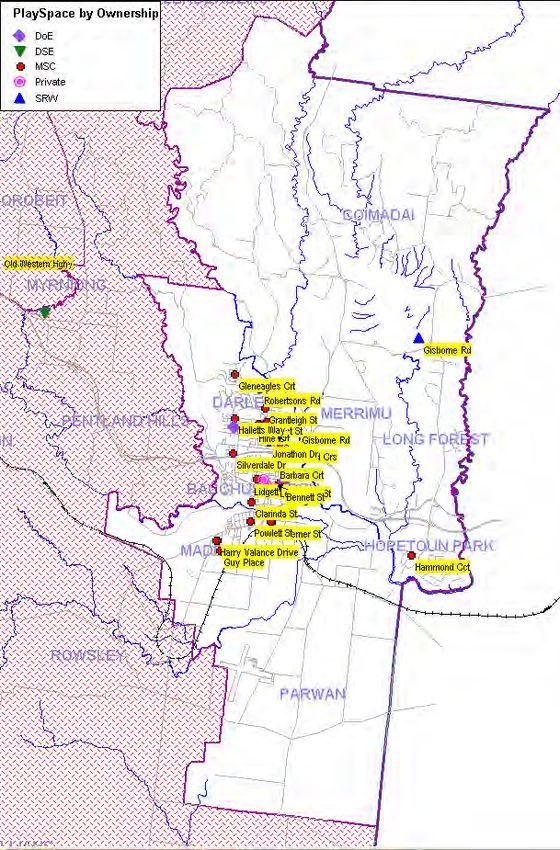
Figure 1: Navigators Recreation Reserve Playground
Volume
2
Moorabool
Play
Strategy
(September
2015)
Page
3
Recreation
and
Leisure
Strategy
(2015-‐2021)
1.0
Introduction
1.1
Aim
of
the
Strategy
v Inform
the
process
to
develop
appropriate
policies
and
The
purpose
of
the
Play
Strategy
is
to
provide
Council
with
a
plan
for
the
procedures
to
ensure
maintenance
and
inspection
regimes
are
provision
of
well
located,
well
designed,
fun
and
accessible
play
spaces
consistently
and
routinely
implemented
to
ensure
that
local
across
the
Shire.
It
specifically
aims
to:
playgrounds
are
safe
and
structurally
sound.
v Develop
a
clear
vision
in
relation
to
a
Council
play
strategy
v Ensure
that
the
Strategy
complements
relevant
documentation
v Establish
appropriate
principles
and
hierarchical
structures
to
such
as
Council
strategies
and
the
Australian
Safety
Standards
for
inform
Council
in
the
location
of,
design,
refurbishment,
play
equipment.
enhancement
and
management
of
public
play
spaces
v Provide
an
equitable
distribution
of
quality
playgrounds
at
v Promote
the
importance
of
play
as
an
essential
part
of
children’s
facilities
across
the
Shire
and
identify
gaps
or
shortfalls
in
current
development,
health
and
wellbeing,
social
interaction,
and
playground
provision
which
Council
can
work
toward
addressing
creation
of
community
connections
for
both
children
and
over
time.
families.
v Establish
processes
to
ensure
that
the
community
is
involved
in
the
planning
of
play
spaces
(including
children)
v Establish
guidelines
for
the
minimum
provision
and
management
of
outdoor
playground
environments
and
associated
infrastructure
within
Council
owned
facilities.
v Provide
a
strong
commitment
and
leadership
to
ensure
that
quality
play
environments
and
experiences
are
available
for
all
children
and
families.
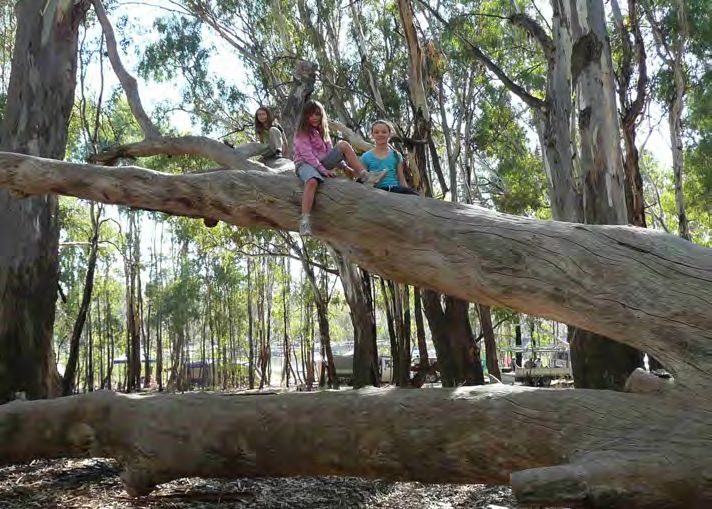
Figure 2: Yendon Recreation Reserve Play Space
Volume
2
Moorabool
Play
Strategy
(September
2015)
Page
4

Recreation
and
Leisure
Strategy
(2015-‐2021)
1.2
Methodology
In
order
to
prepare
the
Play
Strategy,
the
following
methodology
was
Open
space
areas
such
as
bush
land,
conservation
areas,
and
roadside
utilised:
reserves,
although
often
used
for
play,
have
not
been
specifically
• Literature
review
identified
as
‘play
spaces’
in
this
Play
Strategy.
However
such
areas
have
• Assessment
of
the
value
of
play
been
considered
in
the
spatial
analysis
as
providing
important
play
• Trends
analysis
opportunities
where
gaps
exist
in
the
provision
of
formal
playground
or
• Spatial
analysis
other
public
open
space.
• Visual
inspection
and
assessment
of
existing
play
spaces
• Development
of
play
space
hierarchy
• Identification
and
analysis
of
gaps
and
opportunities
• Development
of
a
set
of
recommendations
and
guidelines.
1.3
Scope
of
the
Study
Although
play
spaces
can
include
a
range
of
different
types
of
places,
both
indoors
and
outdoors,
for
the
purposes
of
this
Play
Strategy,
play
spaces
refer
to
the
following:
• Areas
of
public
open
space
containing
play
equipment
(including
skate
facilities
and
BMX
facilities)
• Public
sports
reserves
containing
play
equipment
(including
skate
facilities
and
BMX
facilities)
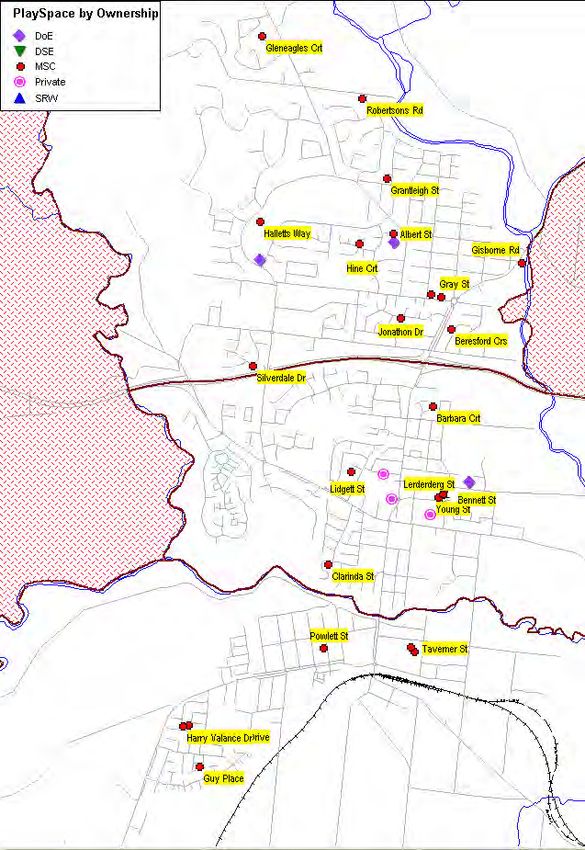
Figure 3: Mill Park Reserve, Ballan
• Primary
school
playgrounds
• Pre-‐school
playgrounds
(owned
by
Council)
Volume
2
Moorabool
Play
Strategy
(September
2015)
Page
5
Recreation and Leisure Strategy (2015-‐2021) 2.0 Our community 2.1 Shire Overall The estimated population of the Moorabool Shire in 2011 was 28,125 people. This is an increase of 10.4% since 2006, being a marginally lower rate of population growth than for Metropolitan Melbourne (10.9%) over the same period, but significantly higher than Regional Victoria (5.5%). Moorabool Shire has a relatively low level of cultural diversity compared to Metropolitan Melbourne, with 83.1% of residents Australia-‐born compared to 63.3%, but similar to Regional Victoria (84.3%). Of all people born overseas in Moorabool Shire (12.2% of the population), a majority were born in the English speaking countries of the United Kingdom and New Zealand. Average weekly household income levels are lower in Moorabool Shire when compared to Metropolitan Melbourne but are significantly higher than all of Regional Victoria, as shown by the proportion of households earning less than $1,000 per week at 38.0% in Moorabool Shire, compared to 34.3% in Metropolitan Melbourne but a high 47.1% in Regional Victoria. In relation to socio-‐economic disadvantage, Moorabool Shire has a SEIFA Index1 score of 1008.5, placing it 52nd of the 79 municipalities in Victoria. This places Moorabool Shire in the least disadvantaged 35% of all municipalities. However, there are pockets of disadvantage in the Shire, including Bacchus Marsh, Maddingley and Ballan. There is a slightly higher proportion of Moorabool Shire residents who live in households with children (46.0%) compared to Metropolitan Melbourne with 44.0%, and 37.5% in Regional Victoria. This validates the ‘younger’ population profile and higher mid-‐age adult population. 2.2 Population Projections and Age Cohorts The population of Moorabool Shire is projected to grow to more than 51,000 people by 2041 (an increase of 81% between 2011 and 2041)2. The projected population growth will not be uniform across the Shire, with a significant proportion of the growth to occur in the east, and this is one of the key considerations to predicting the future play space needs of Moorabool Shire. Table 1 shows that Bacchus Marsh and Surrounds will experience 76% of all projected growth in the Shire to 2041, whilst Moorabool Central (Ballan) will experience 21% and West Moorabool 3%. 1 SEIFA Index is the Socio-‐Economic Index for Australia and is derived from attributes such as low income, low educational attainment, high unemployment, jobs in relatively unskilled occupations and variables that reflect disadvantage. The lower the index value, the greater the relative disadvantage of an area. 2 Source: Moorabool Shire Council Retail Strategy, MacroPlanDimasi, 2014. Volume 2 Moorabool Play Strategy (September 2015) Page 6
Recreation
and
Leisure
Strategy
(2015-‐2021)
Table
1
–
Comparison
of
Projected
Population
Growth
between
Bacchus
Marsh
and
Surrounds,
Ballan
and
the
Rural
Balance
2014
Projected
Change
Projected
Change
Location
Population
2021
'14
to
'21
2041
'14
to
2041
Bacchus
Marsh
and
Surrounds
20,280
24,920
4,640
35,870
15,590
Moorabool
Central
(Ballan)
7,350
8,190
840
11,590
4,240
West
Moorabool
3,550
3,620
70
4,270
720
Total
Shire
31,180
36,730
5,550
51,730
20,550
Another
key
factor
in
predicting
future
play
space
needs
will
be
to
understand
the
projected
growth
within
specific
age
cohorts
throughout
the
Shire.
Table
2
shows
that
there
is
significantly
more
growth
expected
to
occur
in
the
age
cohorts
of
0-‐11
years
and
5–39
years
in
Bacchus
Marsh
and
Surrounds
compared
to
Ballan
and
the
rural
areas
of
the
Shire.
3
Table
2
–
Comparison
of
Projected
Population
Growth
by
Age
Cohort
between
Bacchus
Marsh
and
Surrounds,
Ballan
and
the
Rural
Balance
0-‐11
Years
5-‐39
Years
60+
Years
Location
2014
Projected
2014
Projected
2014
Projected
Population
2041
Population
2041
Population
2041
Bacchus
Marsh
and
Surrounds
2,942
4,885
8,156
13,447
3,276
7,243
Ballan
461
850
1,228
2,369
708
1,680
Rural
Balance
1,559
2,446
4,200
6,378
2,266
4,574
The
age
cohorts
of
0-‐11
years
and
60+
years
are
important,
as
trends
of
growth
or
decline
in
these
cohorts
are
important
as
indicators
to
assess
how
the
profile
of
a
population
might
change
during
the
forecast
period,
i.e.
is
it
ageing,
or
is
it
to
remain
young?
The
age
cohort
of
5-‐39
years
is
important
as
most
people
who
are
actively
involved
in
organised
sporting
activities
will
fall
within
this
age
cohort,
so
the
trend
of
growth
or
decline
in
this
age
cohort
can
be
used
to
predict
with
some
confidence
if
the
overall
demand
for
sporting
facilities
is
likely
to
increase,
be
stable
or
decrease
during
the
forecast
period
3
Source:
Forecast
id,
Council’s
Website.
Volume
2
Moorabool
Play
Strategy
(September
2015)
Page
7
Recreation
and
Leisure
Strategy
(2015-‐2021)
2.3
Implications
for
play
space
planning
The
net
projected
population
increase
in
Moorabool
Shire
to
2041
will
result
in
a
corresponding
increase
in
demand
for
access
to
play
spaces.
The
areas
likely
to
experience
the
most
growth
are
Maddingley,
with
a
projected
increase
of
3,115
people
aged
5-‐39
years
over
the
next
27
years,
and
Bacchus
Marsh
with
an
increase
of
2,423
5-‐39
year
olds4.
These
areas
should
be
the
focus
of
development
of
new
play
spaces
within
the
Shire.
The
increased
number
of
older
adults
will
also
trigger
new
demand
for
parks,
walking
paths
and
open
space
with
shade
and
seating.
Good
access
to
play
spaces
for
residents
will
continue
to
be
important,
not
only
for
young
families
but
for
areas
in
the
Shire
where
older
adults
have
a
dominant
profile,
due
to
the
increasing
trend
for
grandparents
to
be
a
preferred
carer
during
the
day
for
families
where
both
parents
are
working,
or
in
the
case
of
single
parent
families,
the
sole
parent
is
working.
4
Forecast
id,
Council’s
Website.
Volume
2
Moorabool
Play
Strategy
(September
2015)
Page
8
Recreation
and
Leisure
Strategy
(2015-‐2021)
3.0
The
Value
of
Play
3.2
Types
of
Play
3.1
Definition
of
Play
There
are
three
main
types
of
play:
Type
of
Play
Components
Play
is
spontaneous
activity
freely
chosen
by
people
as
a
way
of
Cognitive
imaginative
play,
sensory
experiences,
creating
expressing
themselves;
exploring
the
world
in
which
they
live;
and
manipulation
of
objects
–
e.g.
mazes,
cubby
socialising
with
others;
challenging
themselves;
and
having
fun.
houses.
Social
undertaken
with
other
children
–
imaginative
The
importance
of
play
is
recognised
at
an
international
level
as
being
an
games,
role
plays,
hop
scotch,
snakes
and
invaluable
component
of
children’s
lives
and
their
development.
Article
ladders,
giant
chess
sets.
Physical
/
active
play
running,
jumping,
balancing,
rolling,
swinging,
31
of
the
United
Nations
Convention
on
the
Rights
of
the
Child5
states:
climbing
“That
every
child
has
the
right
to
rest
and
leisure,
to
engage
in
play
and
recreational
activities
appropriate
to
the
age
of
the
child
and
to
participate
freely
in
cultural
life
and
the
arts”.
3.3
Definition
of
Play
Space
The
term
‘play
space’
refers
to
the
entire
site
where
play
can
occur,
rather
than
just
the
site
where
play
equipment
or
opportunities
are
located.
Play
spaces
can
be
formal
or
informal
and
provide
both
structured
and
unstructured
play
opportunities.
A
play
space
may
include
landscaping,
paths,
lighting,
fencing,
open
space
for
ball
games,
seating,
shade
structures,
toilets,
picnic
areas,
drinking
fountains
and
BBQs
as
well
as
traditional
play
ground
equipment
(such
as
swings,
slides
and
climbing
structures)
or
other
items
which
can
be
used
for
play,
such
as
logs,
rocks,
sand,
mounds,
and
water
features.
Play
spaces
can
be
located
in
parks,
at
recreation
reserves,
in
early
childhood
settings,
in
the
street,
next
to
a
river,
in
the
bush,
in
natural
settings,
shopping
precincts
or
anywhere
a
person
chooses
to
play.
5
United
Nations
–
cited
on
International
Play
Association
website:
http://www.ipaworld.org/ipa/ipa_article31.html
Volume
2
Moorabool
Play
Strategy
(September
2015)
Page
9
Recreation
and
Leisure
Strategy
(2015-‐2021)
3.4
Benefits
of
Play
Best
Play,
produced
by
three
UK
organisations7
identifies
the
benefits
of
According
to
the
International
Play
Association6,
play
is
“one
of
the
best
play
for
children
as:
means
to
ensure
the
maximum
potential
development
of
every
individual
• “Freedom,
choice
and
control
over
their
actions.
and
the
communities
in
which
they
live.
Play
stimulates
creativity
and
is
• Test
boundaries
and
explore
risks.
essential
to
the
emotional,
cognitive
and
physical
development
of
the
• Physical,
social
and
intellectual
experiences”.
whole
child,
regardless
of
their
level
of
ability”.
Play,
particularly
in
centre-‐based
settings,
also
has
enormous
potential
to
educate
children
about
themselves,
others
and
the
world
in
which
they
live.
Best
Play
also
identifies
the
benefits
of
play
developed
over
time
for
children
as:
• “Independence
and
self-‐esteem.
• Social
interaction
and
respect
for
others.
• Supports
well-‐being,
healthy
growth
and
development.
• Increases
knowledge
and
understanding.
• Promotes
creativity
and
capacity
to
learn.”
3.5
The
Value
of
Play
to
a
Community
Whilst
there
is
generally
support
for
the
provision
of
play
opportunities
within
a
local
government
area
and
recognition
of
the
physical
and
mental
benefits
that
play
and
physical
activity
can
offer,
the
level
of
support
is
sometimes
contested.
Benefits
of
play
and
physical
activity
include:
• Improved
balance
and
coordination,
resulting
in
fewer
falls.
• Stronger
muscles,
joints
and
bones.
• Improved
motor
skills.
• Greater
sense
of
achievement.
• Higher
energy
and
concentration
levels.
• Less
likely
to
become
overweight
or
obese.
6 7
International
Play
Association
–
website:
http://www.ipaworld.org/home.html
The
National
Playing
Fields
Association,
The
Children’s
Play
Council
and
PLAYLINK
(2000)
Volume
2
Moorabool
Play
Strategy
(September
2015)
Page
10
You can also read


