CONFERENCE PROGRAM 15 - 18 OCTOBER, 2018 MOUNT GAMBIER, SOUTH AUSTRALIA www.muster2018.com - The Muster 2018
←
→
Page content transcription
If your browser does not render page correctly, please read the page content below
CONFERENCE PROGRAM

                15 – 18 OCTOBER, 2018
           MOUNT GAMBIER, SOUTH AUSTRALIA

                 www.muster2018.com
                   #themuster2018

Partners                          Accreditation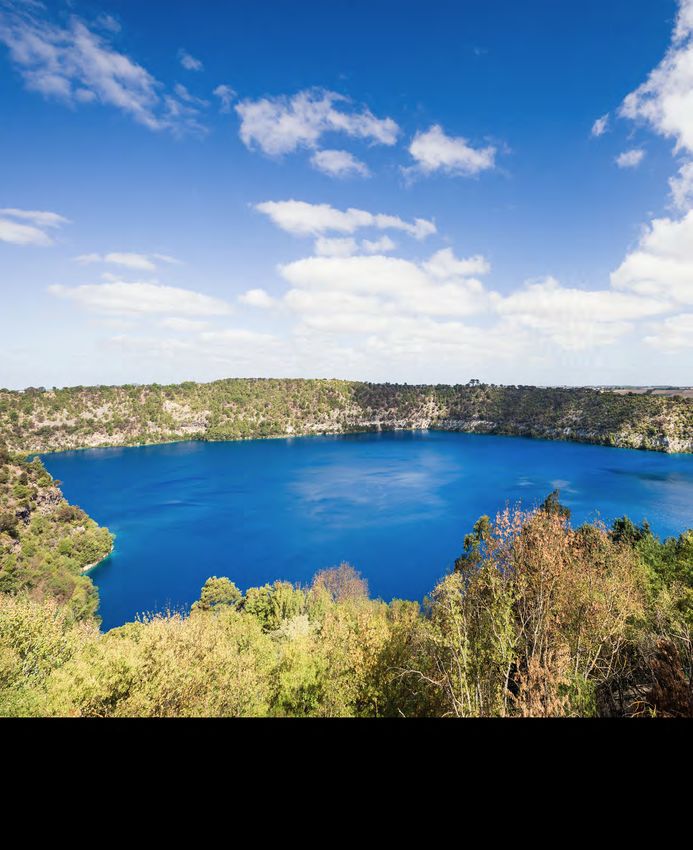
Welcome from the Traditional Owners
The local Boandik people would like to extend a warm welcome to delegates and guests of the
Muster 2018 as they join us on our Boandik country Boandik Mraat for this exciting event.

This rich and fertile coastal country has been occupied for over 60,000 years by the Boandik
people who have continually cared for this country, enduring dry times, ice ages, wet floods, rising
sea level, intense volcanic periods, European invasion, massacres and disease. Stretching from
the Coorong in the North West, Bordertown and the Grampians Gariwerd in the East, this coastal
landscape was even larger during the ice age about 12,000 years ago when, as successful hunter
gatherers, the Boandik people were able to navigate and walk southwards to Tasmania and
return. Here in South Australia we refer to our First Nations Australians as ‘Aboriginal and Torres
Strait Islander peoples’ while in other parts of Australia the term ‘Indigenous’ is sometimes used.

Several local legends tell us of events that shaped that wilderness. These legends have been
retained and recorded and continue to be retold in our colourful storytelling to this day. Vast local
underground cave systems (Naracoorte Caves World Heritage), containing remains of extinct
megafauna and crystal clear cold waters, intrigue visitors and locals as they reflect on the ancient
wilderness which our people called home. The volcanic peak of Berrin and the Blue Lake War War
alongside are woven into our local Boandik legends, and we continue to celebrate our brimming
billabongs, trickling freshwater creeks, and salt lakes with amazing birdlife through stories, song,
and reflection. Although modern day farming, forestry and commercial fishing practices have
influenced many geographical changes to our landscape, we strongly believe that it is important to
acknowledge our past, show respect to previous ancient land use and celebrate the peaceful
spiritual connection that we can all share.

We continue to celebrate that spirit and connection to Country through caring
for the land and fostering strong friendships and family ties. We still follow
ancient land management practices which influence modern day decisions to
care for our Country Wulanda Boandik Mraat, and we are excited and proud
to be involved in the re-awakening of the sleeping Bunganditj language for
the benefit of a new generation.

We learn about hunting and survival, and we respect the strong emotional
connection with our country through our ongoing commitment to environmental management and
the sharing of our unique culture and stories. Our medicines, wild foods, traditional fishing, ancient
agriculture and healing yarns around smoky campfires all guide the modern day ‘Medicine-man’ to
better understand our new age survival.

So, in the local Bynganditj language, we say welcome Maartu Karu to all our guests on Boandik
land as you gather at The Muster 2018 to learn, empower, and enrich both our communities and
those on the many lands from which you have come. We hope you will take away a little of our
spirit and our passion for the land and community, as you seek to teach and train a new
generation of health and medical professionals to create a better future for all.

Ken Jones
Boandik elder
                                                2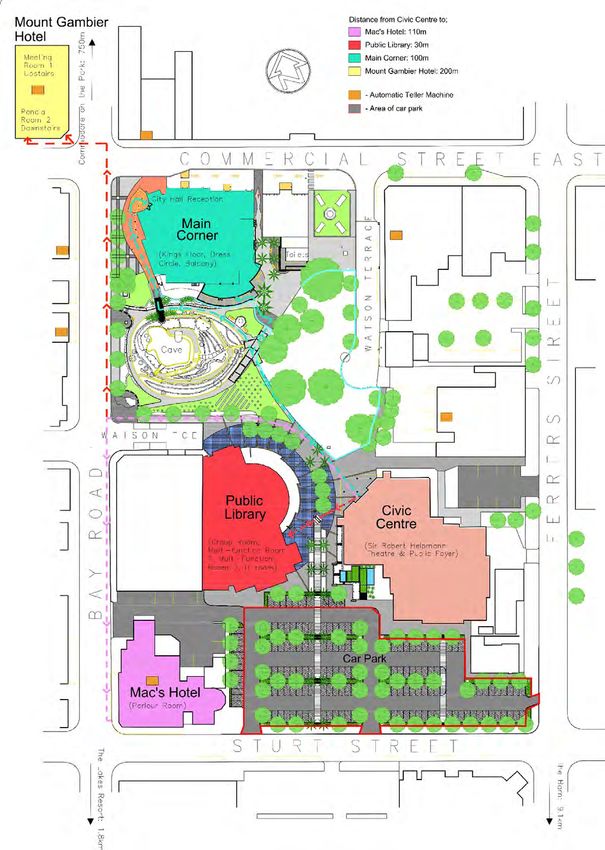
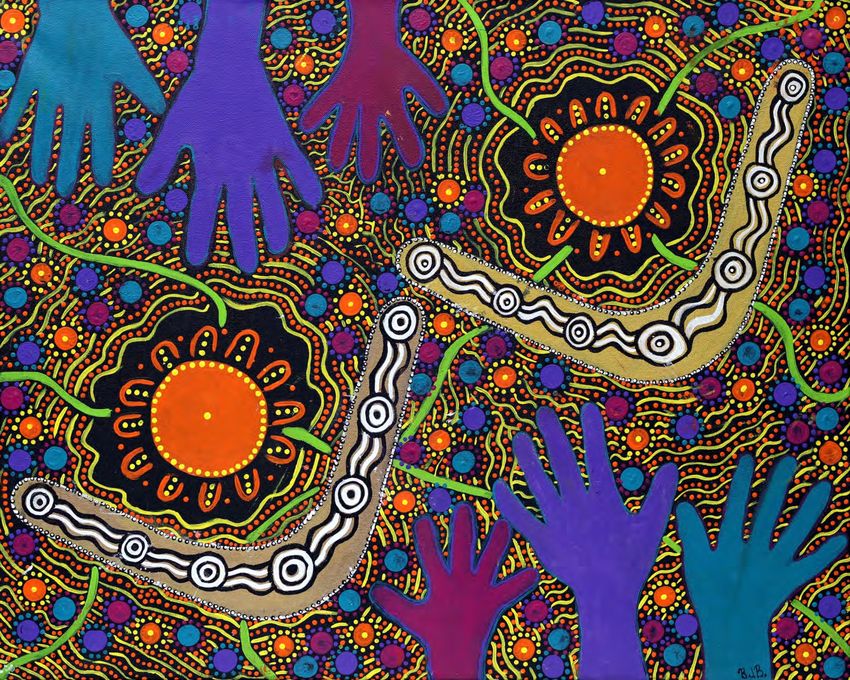
Muster Artwork

                                  Keeping Our People Strong
                                          Acrylic on Canvas, 2018
                                           Artist: Belinda Bonney

Healing hands from Childhood to Adulthood. Circles represent our communities and the
people that live in the community to empower and uplift healthy minds and bodies. Flight of the
boomerang - the boomerang represents journey and travel and how we always return to
country to better our people and communities. Wavy lines represent a ripple effect and the
smaller dots are surrounding communities.

This stunning artwork is featured throughout The Muster 2018 program, and will be on display
throughout The Muster conference in the Main Corner Complex – City Hall Reception.

Artist – Belinda Bonney
Belinda Bonney was born in the Sydney suburb of Blacktown. She is a Muruwari-
Guwamu-Kooma-Ngarrindjeri Women who has lived most of her life in Mt Gambier;
however, her spiritual and cultural ties lead her to the lands of her Ancestors the
Muruwari and Meintangk, belonging to the Ngarrindjeri Nation. Her fraternal
grandmother guided and taught her the Aboriginal cultural traditions which were
passed down in traditional ways; traditions and lessons which instil Belinda with
great pride.

Belinda is a contemporary Aboriginal artist, and in her spare time she loves to paint, do art, make
jewellery and just be creative. ‘One day I just picked up a paint brush and started painting and realised
I had a talent for painting and design’, she recounts. She believes she inherited this spiritual element of
painting from her Mother’s side, as all of her Uncles and Aunties also paint.

Belinda is a mother of six beautiful children - three girls and three boys. She is currently enriching her
children with the culture, art and traditions that were passed on to her. The result? They all love to pick
up a paint brush and paint, just like mum!

                                                       3
Welcome to Mount Gambier
Located in the south east corner of South           Mount Gambier is the jewel in the South East’s
Australia, half way between the state               crown; a friendly, thriving regional centre for
capitals of Melbourne, Victoria and                 business and industry, and an exciting
Adelaide, South Australia, Mount Gambier            destination for the curious traveller. It truly
is an easy five-hour drive from either              offers something for everyone.
location, offering city convenience with the
best of country hospitality.
                                                    We are proud to welcome you to The Muster
Mount Gambier is the major service centre           in Mount Gambier in 2018!
for the Limestone Coast and is a thriving
progressive community. Residents enjoy a
quality lifestyle, with a vast array of
facilities and services on offer. The area
boasts many attractions, over 50 different
accommodation options, major retail
outlets, unique shopping opportunities and
entertainment, all surrounded by volcanic
craters, lakes, limestone and underground
aquifers. Its galleries, museums and
markets provide an insight into the thriving
culture and arts scene.

The natural centrepiece of Mount Gambier
is the famous Blue Lake, an ancient
volcanic crater filled with pure water, so
named due to the vivid blue colour of the
water during the summer months. The
Blue Lake’s shoreline is approximately
3.5km, and a pleasant walk around the
lake rim is a favourite pastime of locals and
visitors alike.

With a population of 26,000 and servicing
another 7,000 people from the surrounding
towns and districts, Mount Gambier enjoys
a temperate climate and is positioned
between 40-75 metres above sea level.
The annual rainfall is between 450mm-
820mm per year.

Due to its central location between
Melbourne and Adelaide, it is the centre for
a thriving transport industry. Its largest
industry is timber, with the region
supported by multiple milling operations.
Dairy, Beef, Lamb and Wool are important
exports. Limestone is quarried locally, and
nearby Port MacDonnell is home to a large
rock lobster fishing fleet.

                                                4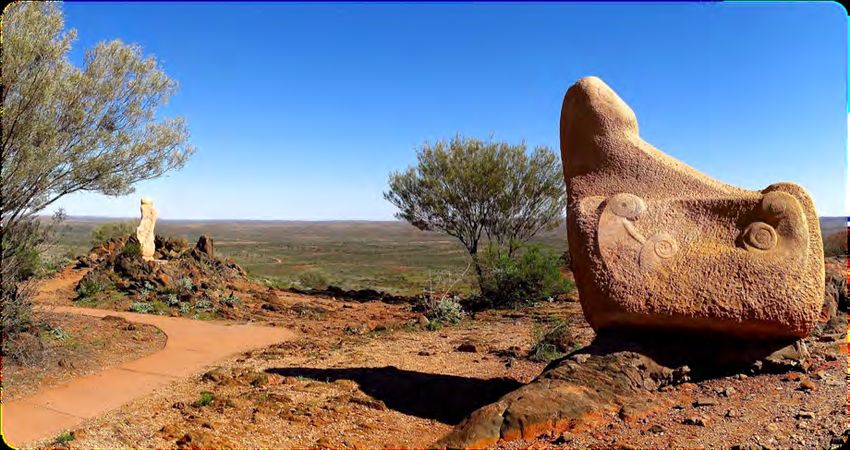
Table of Contents
Muster Hosts                                                             6
Welcome from the Co-Chairs                                               7
Message from Flinders University                                         8
Message from The Northern Ontario School of Medicine (NOSM)              9
Message from THEnet                                                     10
Muster Partners                                                         11
Muster Sponsors                                                         12
Local Supporters                                                        13
Conference Exhibitors                                                   13
Organising Working Parties                                              14
Scientific Working Party                                                15
Accreditation                                                           16
General Information                                                     17
Let’s Get Social                                                        18
Muster 2018 Art Exhibition and Competition                              19
Bush Tucker Lunch and Artisans Market                                   19
Evening Events and Dining                                               20

Conference on the Move
  Broken Hill                                                           22
  Kangaroo Island                                                       24

The Muster 2018
Overview and Learning Objectives                                        28
Conference Themes                                                       29
Presentation Formats                                                    30
Key Speakers                                                            31
Aboriginal Panel Discussion                                             34
Pre-Conference Events
  Tours and Film                                                        35
  CLIC - 101 Workshop                                                   36
Post-Conference – FRAME                                                 37
Wellness Events                                                         38
Student Events                                                          40
Students for Longitudinal Integrated Clerkships and Curricula (SLICC)   41
Francophone Meeting / Recontre de Collaboration Francophone             42
Program Francophone                                                     44

Conference Program and Guide
Program at a Glance                                                     45
Full Muster 2018 Program                                                46
Venue/Location Map                                                      60
Emergency Information                                                   61

                                                   5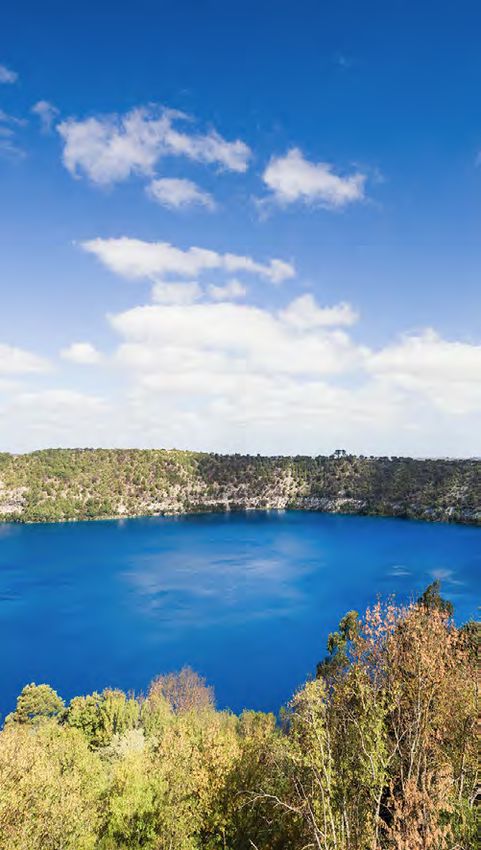
The Muster 2018 Hosts
The sixth in a series of biannual conferences hosted by Flinders University and the Northern
Ontario School of Medicine, we welcome you to Mount Gambier, South Australia, where we
are working together to empower communities, and expand futures!

The Flinders University College of                 The Northern Ontario School of Medicine
Medicine and Public Health has an                  (NOSM) is the first medical school to open in
international reputation for integration and       Canada in over 30 years. Since its official
innovation in patient care, education and          opening in 2005, the School has developed
research. As a member of the Global                and delivered a distinctive model of
Health Education Network and a founding            distributed, community engaged, and socially
member of the The Training for Health              accountable medical education and research.
Equity Network: THEnet, the College is
also committed to being accountable to             NOSM serves as the Faculty of Medicine of
the community it serves, both locally and          Lakehead University in Thunder Bay and
internationally.                                   Laurentian University in Sudbury, with over
                                                   90 teaching and research sites across
The main College of Medicine campus is             NOSM's wider campus of Northern Ontario.
situated in Adelaide, South Australia. It is
co-located within Flinders Medical Centre,         NOSM is a made-in-the-North solution that is
an academic medical centre combining a             attracting attention from around the world for
tertiary teaching hospital and medical             its innovative model. A world leader in
school, and is affiliated with other               community-engaged medical education and
hospitals in the Southern Region of                research, the School stays true to its social
Adelaide                                           accountability mandate of contributing to
                                                   improving the health of the people and
Flinders has a significant and expanding           communities of Northern Ontario.
rural and remote presence, with a highly
successful Doctor of Medicine (MD)                 www.nosm.ca
program in the Northern Territory, and
innovative clinical training and research
activities in regional areas across South
Australia and into Victoria, represented by
Flinders University Rural Health South
Australia.

www.flinders.edu.au/medicine

                                               6
Welcome from The Co-Chairs

Flinders University and the Northern Ontario School of Medicine (NOSM) are pleased to welcome
you to Mount Gambier and The Muster 2018! We acknowledge the traditional owners of the land
and Elders past, present and future, and thank them for welcoming us to their lands.

The Muster 2018 is the sixth biannual conference that aims to provide an unforgettable chapter in
the series, bringing together an international audience to explore and discuss community engaged
medical education and research, Aboriginal health, longitudinal learning and social accountability
in healthcare training. We are also pleased to be hosting the CLIC (Consortium of Integrated
Clerkships) and FRAME (Federation of Australian Medical Educators) Conferences as part of The
Muster 2018. We are proud to partner with the University of Wollongong, FRAME, CLIC, James
Cook University and THEnet (Training for Health Equity Network), and value their input to this
conference.

In the spirit of putting the community in the driving seat, the conference is set to be held in the heart
of Mount Gambier utilising many of the city’s central facilities and local businesses. We hope this
immersion provides plenty of opportunity for you to engage with and experience the local community.

This year The Muster strives to explore how community engaged medical education can empower
communities to improve their health and patient care through the themes of People and
Communities, Longitudinal and Integrated Training, Culture and Wellbeing and Rural Workforce.
The program offers a wide variety of educational formats including posters, PeArLs, workshops,
podium presentations and plenaries. For those fortunate enough to experience Conference on the
Move in Kangaroo Island or Broken Hill we look forward to hearing their tales of what is set to be a
fabulous experience.

Thank you to all those who have provided their support along the way toward the conference. We
thank our sponsors whose contributions to our cause are invaluable. Sincere thanks to all who
served on the conference working groups, reviewed abstracts and volunteered to assist during the
conference proceedings.

Finally, we hope that you can join us for the gala dinner on Wednesday evening to celebrate 10
years of THEnet!

Your co-chairs,

                  Dr Leesa Walker                                Dr Deborah Smith
                  Flinders University                         Northern Ontario School of
                                                                  Medicine (NOSM)

                                                      7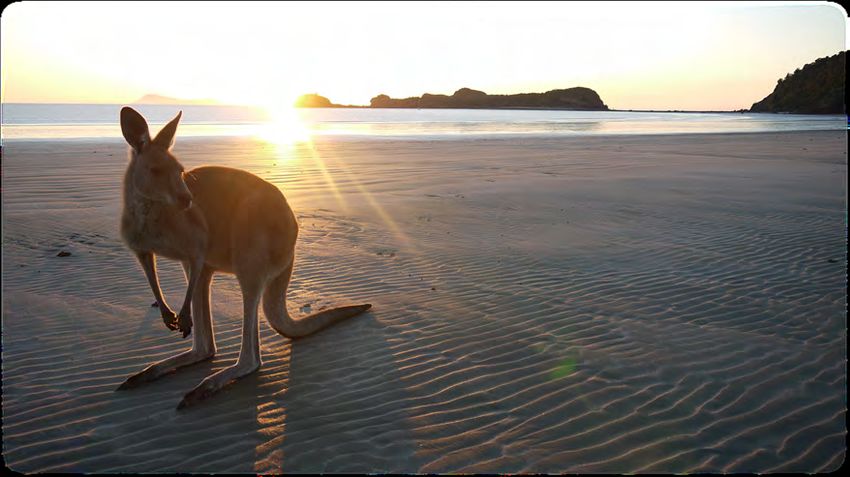
Message from Flinders University

               My recent arrival to Flinders has been a wonderful voyage of
               discovery of great people doing great things. Our impact on the
               health and well-being of people living in rural and remote
               communities, as evidenced by The Muster, is one such
               powerful example. Like almost everything in Medicine and
               Health, that impact derives from strong local partnerships with
               communities, research and educational collaborations across
               the host institution, and international networks who share
               similar values and a common vision.

               In partnership with the Northern Ontario School of Medicine, I
               am delighted to welcome you to Muster 2018 which
               encapsulates such a vision. The College’s 5-year plan can be
               summarized with the words people, culture, excellence and
               social vision. These concepts are also at the heart of a decade
               of these biennial conferences held in Australia and Canada. My
               congratulations to the Consortium of Longitudinal Integrated
               Clerkships and the Training for Health Equity Network for 10-
               years of fabulous work and impact. I also want to acknowledge
               the critical leadership of Michael Kidd and Paul Worley in the
               international impact of Flinders University in rural and remote
               health.

               I trust you find that Australia is indeed a rich and wonderful
               place to visit, and where better to enjoy the real Australia but
               out bush in regional South Australia? My thanks to the local
               team for being fabulous hosts and organisers. I hope that we
               would all leave The Muster 2018 more informed, better
               networked, and filled with ideas, hope and ambition to increase
               our impact on the health and well-being of people in rural and
               remote regions worldwide.

               Professor Jonathan Craig
               Vice President and Executive Dean
               College of Medicine and Public Health
               Flinders University

                             8
Message from the Northern Ontario School of
Medicine

It is with great pleasure that I welcome you to the sixth
international conference jointly hosted by Flinders University
and the Northern Ontario School of Medicine (NOSM). Muster
2018 in Mount Gambier is the continuation of a decade of
exceptional biennial conferences—held in Australia and
Canada—which highlight Indigenous and Francophone health,
social accountability, and community engagement in health
professional education and research.

I would like to acknowledge all partners and sponsors who have
contributed to the success of The Muster over the past 10 years
and in particular, the contributions of the Consortium of
Longitudinal Integrated Clerkships (CLIC) and the Training for
Health Equity Network (THEnet) which are each celebrating
their 10th anniversary. Together we are uniting like-minded
health professionals, educators, researchers, and students from
around the globe who have a shared sense of commitment to
improving health outcomes in our respective parts of the world.

Thank you for being involved in socially accountable research
and education that responds to these unique health needs.

If you participated in the pre-conference session, Conference
on the Move, I sincerely hope you enjoyed visiting other areas
of Australia. Over the next few days, I look forward to our
conversations as we dig deeper into how distributed
community-engaged learning and research benefits
communities in rural and remote areas and beyond.

I extend an extra special thanks to all those that have supported
this conference, and who have dedicated countless hours to
ensure that each of us enjoys an exceptional Muster 2018
conference. Thank you for taking time away from the important
work that you do to join us in Australia for Muster 2018. I look
forward to speaking with you over the coming days.

Professor Roger Strasser AM
Professor of Rural Health
Dean and CEO
Northern Ontario School of Medicine

                                                 9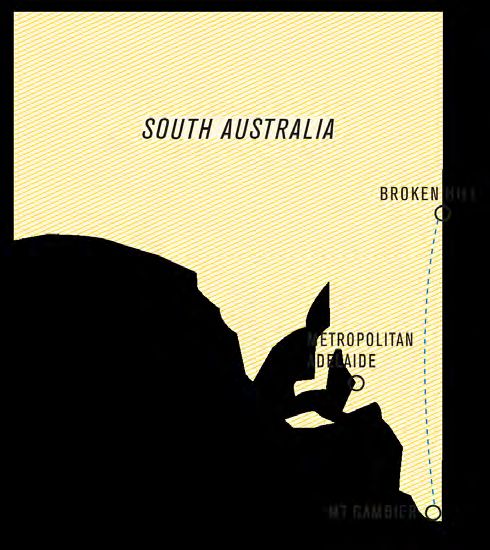
A Message from THEnet
                       We are delighted to welcome you to The 2018 Global Community
                       Engaged Medical Education Muster Conference (The Muster) in
                       Mount Gambier in South Australia.

                       We are especially excited to have the opportunity to celebrate The
                       Training for Health Equity Network: THEnet’s 10th anniversary at
                       The Muster with colleagues who share our commitment to making
                       health and access to quality care a fundamental human right.

                       THEnet started as an idea for a research project on how schools
    Bjorg Palsdottir   of medicine and health sciences could better address health
                       inequities. We had heard of a few innovative community-engaged
                       schools around the world committed to reducing the glaring health
                       disparities in the regions they served and wanted to learn more
                       about their approaches and impact. The journey of THEnet truly
                       began in December 2008 when we brought leaders of eight
                       schools on four continents together in Havana, Cuba. These
                       schools were translating the principles of social accountability into
                       action. Discovering their common mission, strategies and
                       challenges they decided to create a community of practice to
                       strengthen the evidence base for socially accountable health
                       professional education and assess its impact. In the last decade
                       THEnet partners and other organizations and colleagues such as
 André-Jacques Neusy   Muster participants, can take pride in having helped embed the
                       concepts and principles of social accountability and community-
                       engaged health professional education into global policy
                       recommendations and spur reforms at regional and global levels.

                       The over-arching theme of the 2018 Muster — Empowering
                       Communities | Expanding Futures — remains at the core of
                       THEnet’s vision. Building and sustaining authentic relationships
                       and dialogue with communities and other partners is essential if
                       we are to realize the goals of health equity while simultaneously
                       addressing the challenges that competing priorities, technology
                       and resource constraints bring. We look forward to continuing the
                       journey together, learning from you and sharing experiences
                       during The Muster.

                       Bjorg Palsdottir
                       Chief Executive Officer and Co-Founder

                       André-Jacques Neusy
                       Former Chief Executive Officer and Co-Founder

                       Training for Health Equity Network: THEnet

                                        10
The Muster 2018 Partners
The Consortium for Longitudinal Integrated Clerkships (CLIC) is a
group of faculties from medical schools around the world who have or are
considering developing, implementing, and studying the longitudinal
integrated clerkship model to address core clinical training for
undergraduate medical education. Longitudinal integrated clerkships have the following common
core elements:
• Medical students participate in the comprehensive care of patients over time.
• Medical students have continuing learning relationships with these patients’ clinicians.
• Medical students meet, through these experiences, the majority of the year’s core clinical
competencies across multiple disciplines simultaneously.
The Federation of Rural Australian Medical Educators (FRAME) was
established in 2003 to advance the causes common to medical student
training in rural and remote Australia. It is the peak body representing the
Rural Clinical Schools (RCS) and Regional Medical Schools (RMS)
funded (in whole or in part) through the Australian Government
Department of Health and Ageing’s Rural Clinical Training and Support Program (RCTS).
The medical and dental programs at James Cook University (JCU),
North Queensland, have a distinctive regional mission with a focus on the
needs of rural, remote, and underserved communities, tropical medicine,
and the health of Aboriginal peoples and Torres Strait Islanders. The
School aims to lead positive change in health and medical care for
communities of tropical Australia and beyond through socially accountable health education,
discoveries, partnerships, and advocacy that make a difference. Underpinning our work is a
shared commitment to social justice, a passion for innovation, and a commitment to excellence.
The University of Wollongong School of Medicine is committed to
producing excellent graduates who are committed improving the health of
individuals, communities and populations. We provide educational
experiences that are engaging, challenging and relevant for our students.
We focus on producing graduates who can work in a diversity of settings
including rural and regional Australian, as well as internationally. Our high
standards of academic rigour, breadth of knowledge across the health spectrum and a supportive
community, ensure that our graduates are career-ready and have the skills to tackle the most
challenging issues in health for the benefit of the local, national and global communities.
11The Muster 2018 Sponsors
The Muster organisers would like to thank our generous
sponsors for the 2018 conference:
Platinum Sponsor
Gold Sponsors
Silver SponsorsThe Muster 2018 Local Supporters The Muster 2018 would not be possible without the generous support of our local community, in particular: Conference Exhibitors Make sure you visit our exhibitors during The Muster 2018 conference, located in the Sir Robert Helpmann Theatre Foyer.
Muster 2018 Organising Working Parties
Co-Chairs
Dr Leesa Walker                      Dr Deborah Smith
Flinders University                  NOSM

Executive Team                       Donna Quinn
Flinders University                  Michele Summers
Dr Elsa Barton                       Kathryn Sylvia
Kat Cameron                          Prof. Lucie Walters
Prof. Jennene Greenhill
Meredith Peters                      NOSM
Elspeth Radford                      Danielle Barbeau-Rodrigue
Rob Stafford                         Assoc. Prof. Edward Hirvi
Dr Leesa Walker                      Kimberley Larkin
                                     Prof. David MacLean
Team Leads                           Assoc. Dean Penny Moody-Corbett
Administrative/Conference            Assoc. Prof. Maurianne Reade
Management
Rob Stafford                         Aboriginal Reference Group
Flinders University                  Flinders University
                                     Dr Elsa Barton
Budget and Sponsorship               Ken Jones
Elspeth Radford                      Donna Quinn
Flinders University                  Doug Turner

Conference on the Move               Dr Darrel Manitowabi
Broken Hill                          NOSM
Assoc. Prof. David Garne
University of Wollongong             Dr Andrea McKivett
                                     University of Adelaide
Kangaroo Island
Vanessa Ryan and Naomi Thomas        Michelle Jacquelin-Furr
Flinders University                  Local Elder

Marketing and Communications
Kat Cameron
                                     Student Working Group
Flinders University                  Ilze Alexander
                                     Jessica Barnes
Social Program                       Sandra Bocharnikov
Jacqui Michalski                     Enyonam Glover
Flinders University                  Galina Gheihman
                                     Jessica Holster
Team Members                         Damien Kearney
Flinders University                  Chulawallai Murray
Janice Heaven                        Amy Watts
Ken Jones
Emma Kennedy
Kelly Meier
                                14
Muster 2018 Scientific Working Party
Co-Chairs Members
Dr Elsa Barton Flinders University
Flinders University Prof. Jennene Greenhill
Dr Heidi Hodge
Prof. David MacLean Dr David Lim
NOSM
NOSM
Assoc. Dean Penny Moody-Corbett Rob Barnett
NOSM Dr Robert Smith
Assoc. Prof. David Garne
University of Wollongong
Review Committee
Ms Danielle Barbeau-Rodrigue Assoc. Prof. Neelam Khaper Dr Elena Rudnik
NOSM NOSM Flinders University
Dr Chris Barton Dr Koshila Kumar Dr Tarun Sen Gupta
Monash University Flinders University James Cook University
Dr Erin Cameron Dr Abraham Kuot Assoc. Prof. Alain Simard
NOSM Flinders University NOSM
Dr Narelle Campbell Prof. Sarah Larkins Dr Praphun Somporn
Flinders University James Cook University Prince of Songkia
University, Thailand
Dr David Campbell Dr David Lim
Monash University Flinders University Assoc. Prof. Ruth Stewart
James Cook University
Mr John Dabous Prof. David Lyle
NOSM University of Sydney Assoc. Prof. Kath Weston
University of Wollongong
Dr Pascale Dettwiller Dr Lyn Middleton
Flinders University THENet Prof. Ian Wilson
University of Wollongong
Prof. Jennene Greenhill Dr Andre-Jacques Neusy
Flinders University THENet Assoc. Prof. Mark Wilson
University of Wollongong
Prof. Bill Heddle Dr Russell Pearson
Flinders University University of Wollongong
Dr Vivian Isaac Assoc. Prof. Carole Reeve
Flinders University James Cook University
15Professional Accreditation
Australian College of Rural and Remote Medicine (ACCRM)
The following individual events are ACRRM PDP accredited activities.
• ACRRM ID: 12407 The Muster 2018, Mount Gambier (15-18 October 2018):
18 Core PDP points
• ACRRM ID: 13411 Conference on the Move, Broken Hill (12-15 October
2018): 7 Core PDP points
• ACRRM ID: 13415 Conference on the Move, Kangaroo Island (13-15 October
2018): 7 Core PDP points
College of Family Physicians of Canada (CFPC)
This Group Learning program meets the certification criteria of the
College of Family Physicians of Canada and has been certified by
the Continuing Education and Professional Development Office at
the Northern Ontario School of Medicine for up to:
• 25 Mainpro+ credits (Full Conference and Conference on the Move)
• 18 Mainpro+ credits (Full Conference)
• 7 Mainpro+ credits (Conference on the Move)
• 7 Mainpro+ credits (Conference Day One)
• 7 Mainpro+ credits (Conference Day Two)
• 4 Mainpro+ credits (Conference Day Three)
Royal College of Physicians and Surgeons of Canada (RCPSC)
This event is an Accredited Group Learning Activity (Section 1) as defined by the Maintenance
of Certification Program of the Royal College of Physicians and Surgeons of Canada, and
approved by the Continuing Education and Professional Development Office at the Northern
Ontario School of Medicine. You may claim a maximum of 25 hours (credits are automatically
calculated), as follows:
• 25 Section 1 learning hours (Full Conference and Conference on the Move)
• 18 Section 1 learning hours (Full Conference)
• 7 Section 1 learning hours (Conference on the Move)
• 7 Section 1 learning hours (Conference Day One)
• 7 Section 1 learning hours (Conference Day Two)
• 4 Section 1 learning hours Conference Day Three)
American Academy of Family Physicians
American Medical Association (AMA)
European Union of Medical Specialists (UEMS)
Qatar Council for Healthcare Practitioners, Ministry of Public Health
Each of the above organisations holds reciprocal agreements with the Royal College of
Physicians and Surgeons of Canada. Please contact the organisation directly for information
regarding eligible credits covered by these agreements.
16General Information
Registration Desk and Check in Please note that tipping is not required, but
Check in for The Muster 2018 will commence at rather is at your prerogative as a reward for
1pm on Monday, 15 October in the Main Corner services or food quality.
Complex Foyer, with the Registration Desk open
until 4:00pm. Language
The official language of the conference is
The Registration Desk will then move to the Sir English, however we will also be running
Robert Helpmann Theatre from Tuesday, 16 several workshops and sessions in French.
October, and will open at 8am every morning of Please see pages 42-44 for further details.
the Conference for day delegates to register and
check in, closing at 5:30pm Tuesday and Photography and Images
Wednesday and 2pm on Thursday. Photographers and videographers will be
present and taking images throughout the
Catering Conference. The images may be used for
A range of meals, including lunch and health post-conference reports, case studies,
breaks, will be served each day during the marketing activities, social media posts, and
Conference – please see the Program at a reviews/articles concerning The Muster 2018.
Glance in this guide for times and locations. If you do not wish for your image to be
Muster catering staff have been advised of any recorded, please inform the photographer/
dietary information provided by delegates at the videographer and move out of camera range.
time of registration. If you have specific dietary
requirements or allergies, please approach any of Shopping
the Muster 2018 staff at the service area and There are a range of major shopping outlets
advise them of your requirements - they will within easy walking distance of the city
provide you with your meal and/or advise what centre, including supermarkets, major
foods are suitable for you to eat. retailers and specialty stores, as well as
antique shops, galleries and markets.
Privacy
On the registration form you were given the Transport
option to omit your personal details from the Most conference venues are within walking
published list of Muster 2018 delegates. If you distance of accommodation in Mount
selected this option, your name has not been Gambier, and we would encourage
included in the lists distributed to conference delegates to walk where possible to
delegates or exhibitors. maintain your wellness throughout the
conference. Transport will be available to
Medical Service delegates travelling to and from the gala
Local medical services are available to assist in dinner on the Wednesday evening – more
the case of medical issues or emergencies. details are available on page 20.
Please see the back cover of this program for
medical service locations, or contact the staff at If you require transport advice or
the Registration Desk for more information or
assistance, please see the staff at the
assistance.
Registration Desk.
Eating Out
Need Assistance?
Mount Gambier offers a wide range of cuisine
The staff at The Muster 2018 are here to
options, from café style eateries to licenced
restaurants. Many such eateries are located
help you. Please do not hesitate to
within the city centre, and offer a wide choice of approach floor staff (with red lanyards),
options, including local specialties and wines. student helpers (with yellow lanyards), or
Please book directly with your venue of choice or the staff at the Registration Desk for
see the Registration Desk staff for assistance. assistance.
18Let’s Get Social
Maximise your conference experience and get the most out of The Muster 2018:
Introduce yourself by name
Introduce yourself by name to everyone—even to people you have met before, or who you think should
know you. The biggest opportunity you have at a conference is to network. People may choose not to
greet you or connect with you because they are embarrassed they have forgotten your name. And
remember to always wear your delegate ID!
Exchange contact information
One of the particular values of attending a conference in person is the
opportunity to meet other like-minded people. Don’t pass up the
opportunity to take advantage of the large number of educators and
professionals attending The Muster 2018. Hand out business cards
with your contact information and return home with invaluable contacts
and an expanded professional network.
Check out the exhibits
The organisations exhibiting at Muster 2018 chose to be present at this conference because they know
that the information and services they offer are of interest to those attending. Make sure to build time
into your schedules to visit them - you may learn something valuable and it is a great way to make
connections. You can find the exhibitors in the Foyer of the Sir Robert Helpmann Theatre – see their
details on page 13 of this program.
Take care of you!
Be sure to include some quiet time into your days to refresh your energy levels. Mix up your
experiences by attending a variety of presentation formats, so you do not become fatigued by
repetition of structure. Wind down your busy days by enjoying dinner or some social time with your
fellow delegates, and always remember to stay hydrated by filling your water bottle at the water
stations in each venue. Check out page 38-39 of this program for wellness activities throughout The
Muster.
Join the Conversation
We will be regularly posting updates and images from The Muster 2018
on our Social Media sites. Join in and share your experiences!
FACEBOOK TWITTER INSTAGRAM
www.fb.com/muster2018 @themuster2018 @themuster2018
Follow us during the conference and post using the hashtag
#themuster2018.
We will be sharing some of your tagged images and posts
throughout the conference!
17Local Delights
Muster 2018 Art Competition
Throughout The Muster 2018 Conference
South Link, Main Corner Complex
The Muster 2018 is excited to invite local schools to contribute a piece of work from an
emerging and talented secondary school artist currently studying in Year 10 or Year 11. The
entries showcase the cultural diversity in the region, and reflect one or more of our Conference
themes: People and Communities, Longitudinal and Integrated Training, Culture and
Wellbeing and Rural Workforce.
The mediums open for entry were Painted or Paper (painting, photography and drawing), or
Three-dimensional (wood, fibre and clay sculpting).
A prize in the form of a $2,500 bursary for each category will be awarded to each school,
along with a $250 prize for each student. Winners will be announced during the closing
plenary on Thursday, October 18.
All entries will be on display in ‘South Link’ in the Main Corner Complex throughout The
Muster 2018, and conference delegates are encouraged to visit the artworks and reflect on the
talents of the youth in our community.
Bush Tucker Lunch and Artisans Market
Wednesday, 17 October
12pm – 1pm
Verandah, City Hall Reception Building
(inclement weather will move inside to City Hall Reception)
Delegates will be treated to a tasty ‘bush tucker’ lunch and market stalls from local producers
and artisans on the Wednesday of The Muster 2018. A range of tasty treats will be on offer,
sourced from the finest local and native ingredients, and market stalls from local businesses
and artists will be displaying their wares, including:
· Dickins Delights (toffee, sauces & jams)
· Belinda Bonney (handmade aboriginal jewellery and arts)
· Unspun Honey
· Limestone Coast Pantry (preserves, hampers & spices)
…and more! A unique opportunity to take a little of the local community home with you!
19Evening Events
The following two social events are included in the full program:
Welcome Cocktail Evening
Main Corner City Hall & Reception, 1 Bay Road, Mount Gambier
Date: Monday 15 October, 2018
Time: 17:30 sharp – 19:30
Additional Tickets: $65
Dress Code: Smart Casual
For Men - Dark denim, chinos or suit pants with a shirt (open-collared long or short sleeved) or collared
polo. Boat shoes, lace ups, espadrilles and dressy trainers are acceptable. A sports jacket if desired
(but not required)
For Women - Dress, casual dress, skirt, blouse, pants or pantsuit. Heels or flats are appropriate.
No t/shirts, shorts, thongs or flip-flops.
Gala Dinner celebrating 10 Years of THEnet
The Barn, 747 Glenelg River Road, OB Flat
Date: Wednesday, 17 October
Time: 18:30 (for 19:00 start) – 22:30
Additional Tickets: $110
Dress Code: Cocktail Attire
For Men – A collared shirt (preferably long sleeved) with suit pants or chinos (with or without a jacket or
blazer). A tie is optional.
For Women - A cocktail dress, smart skirt or dressy pants with blouse or a pantsuit.
No denim, t/shirts, polos, shorts, thongs or flip-flops.
Transport: Buses will be departing from the corner of Watson Terrace and Bay Road (about 100m
from the Main Corner) to take guests to The Barn at 6pm and 6:30pm. More information will be
provided at Registration. Guests are also welcome to make their own way to the venue.
Dining Out
There are several restaurants, hotels and cafes in the main town centre of Mount Gambier providing a
range of casual and formal dining options. Please refer to the Registration Desk at The Muster 2018 for
advice and assistance on making dining choices.
20Conference on the Move
Kangaroo Island
Broken HillConference on the Move – Broken Hill
Broken Hill, Lake Mungo, Mount Gambier
12 – 15 October 2018
Conference on the Move Broken Hill will
provide participants with a unique
opportunity to visit this historic frontier
mining town in the far west of New South
Wales - the gateway to the Australian
outback.
Also referred to as the Silver City, Broken Hill
has a rich cultural, mining and art history with
numerous attractions and points of interest.
The ore body that was discovered here in 1883
was one of the world’s richest deposits of silver,
zinc and lead, and Broken Hill was the birthplace
of the mining giant Broken Hill Proprietary
Limited – BHP (now BHP Billiton). Although the
part of the lode that was originally above ground
has been completely mined away, underground
mining activities continue to this day.
The region was first settled by the Wilijakali people, once thought to have only intermittently
lived in the area because of the lack of permanent water sources. However, it has since been
found that the Aboriginal clans of the area were able to survive on underground water holes
and wells that were unknown to the European settlers. Many of these waterholes are still kept
secret from non-Aboriginal people.
This unique and engaging experience will take you to the boundaries of rural and regional
health care and show the true diversity and amazing pioneer spirit of Australia’s rural health
and medical professionals.
Itinerary
Arriving in Broken Hill on Thursday, 11 October, you will spend the following two full days in
Broken Hill and surrounds, and then a further two days on a road trip to Mount Gambier via
Lake Mungo, arriving in time for the Muster 2018 Welcome Cocktail event on Monday evening.
22Conference on the Move – Broken Hill
Educational Program – Broken Hill to Mount Gambier
Tour of Broken Hill UDRH, University of Sydney
Learn first-hand how multidisciplinary, interdisciplinary and extended medical student health education
is delivered successfully in a remote site.
Tour of Broken Hill Health Service
Examine how health care is delivered to the population in and around an isolated town in Australia’s
outback, and what happens when services required are not immediately available.
Visit Royal Flying Doctor Service
Visit this iconic service and learn how primary, emergency and inter-hospital transfer services are
offered by the RFDS to a sparsely-populated geographic region the size of England and Wales.
Visit Maari Ma Health Aboriginal Service
A unique opportunity to reflect on the delivery of culturally appropriate primary health services to the
Aboriginal population in Broken Hill and surrounding communities, in particular through chronic disease
treatment and prevention activities.
Workshop – The Language of Medicine
The aim of the workshop is to explore the correlation between the language that clinicans use in case
presentation and level of clinical reasoning ability.
The workshop will:
a) provide participants with a little-utilised tool to identify students who may be struggling with their
clinical reasoning abilities, and
b) give them a method to build competence and confidence in clinical reasoning in these students.
It will be open to participants from all health disciplines as well as those at all levels of training and
experience, from students through to experienced practitioners.
Social/Tour Program – Broken Hill to Mount Gambier
• Sunset drinks at the Sculpture Symposium.
• A BBQ dinner on the verandah of the Palace Hotel (of Priscilla, Queen of the Desert fame).
• A visit to the nearby historic mining town of Silverton, including the Silverton Pub (of Mad Max
fame).
• A creek bed meal by the campfire, under the southern night sky.
• An overnight stop and guided tour of Lake Mungo National Park, the site of Aborignal habitation
dating back some 50,000 years and an area of tremendous cultural significance for the local
Aboriginal people.
• Free time to take in the numerous art galleries, historic attractions, and outback atmosphere of
Broken Hill.
23Conference on the Move – Kangaroo Island
Adelaide, Kangaroo Island, Mount Gambier
13 – 15 October 2018
Conference on the Move Kangaroo Island
will provide participants with a unique
opportunity to visit this ruggedly
beautiful sanctuary for wildlife and flora,
just minutes from the mainland and
112 km southwest of Adelaide.
The island is one of South Australia’s most popular
tourist attractions with several nature reserves,
brilliant local cuisine, unique island products,
stunning walks and adventure opportunities.
Kangaroo Island separated from mainland Australia
around 10,000 years ago, due to rising sea levels
after the last glacial period with evidence showing
Aboriginal inhabitants as long as 16,000 years ago.
The first settlers early in the 19th century were sealers and whalers; today the economy is
mostly agricultural (grapes, honey, wool, meat and grain), with the southern rock lobster and
tourism industries growing rapidly. Kangaroo Island also houses South Australia’s only
eucalyptus oil distillery with oil distilled from the endemic Kangaroo Island Narrow Leaf Mallee.
Itinerary
Arriving in Kangaroo Island on Saturday, 13 October, you will stay overnight in beautiful
Kingscote, the largest town on the island and South Australia’s oldest European settlement.
On the afternoon of Sunday, 14 October you will travel back to mainland Victor Harbor for an
overnight stay and then onto Mount Gambier Monday morning for Muster 2018, arriving in
time for the Welcome Cocktail event on Monday evening.
24Conference on the Move – Kangaroo Island
Educational Program – Kangaroo Island to Mount Gambier
Cultural Awareness Workshop
Gain a rich historical overview and definition of the local Aboriginal groups of Kangaroo Island,
as you examine the impacts of colonialization on the current health and wellbeing status of
these communities and the importance they place on country and land. You will meet local
Aboriginal Elders and discuss current issues impacting the wellbeing of Aboriginal people.
Interprofessional Clinical Simulation Workshop
During a simulated trauma situation you will discuss the challenges of living on a remote island
and collaborate with the interprofessional practice community in a remote context. This
workshop will highlight the unique geography, isolation and clinical challenges of living in a
remote context.
Dinner Workshop
During this workshop you will identify the clinical and social needs of the community. You will
assess the population health needs of the community, and how those needs are being met by
networking with local service providers, community members and medical students
undertaking longitudinal clinical placement. You will also have the opportunity to take in the
stunning views of the Nepean Bay and experience local Kangaroo Island produce, including
world class fresh seafood.
Social/Tour Program – Kangaroo Island to Mount Gambier
• Visit Seal Bay and enjoy an unforgettable wildlife experience as you watch endangered
sea-lions basking on white beaches
• Visit Raptor Domain and get up close and personal (in a safe environment, of course!)
to some of the deadliest creatures in the world.
• Experience the only ‘In-Flight’ Birds of Prey display in South Australia.
• Learn about the Ligurian Bee story, and learn about the bee’s heritage, environment
and honey production as one of the purest strains of bee in the world.
• Visit the Kingscote Farmers Market at the Bay of Shoals winery and cellar door, offering
spectacular views.
• Lunch at Kingston (en route to Mount Gambier) in a rural setting, tasting homemade
produce combining both native and traditional foods.
25NOTES
26‘Muster’ is a term primarily used in Australia
to refer to the round-up of livestock.
However, it can also refer to the calling
forth of people to a gathering.
‘The Muster’ 2018 brings together
internationally recognised leaders in
community-engaged medical education and
will stimulate important discussions about
key concepts and practices at the forefront
of medical education.The Muster 2018 - Overview
The overall goal of Muster 2018 is to convene health professionals, educators, students, and
researchers from all parts of the world to share experiences, opportunities, and the challenges
of community participation in medical education. Through a variety of forums during the
conference, participants will be involved in engaging and thought-provoking discussions and
collaborative learning related to their perspectives of, insights in, and innovative strategies for
community participation in education, research, and service.
Muster 2018 will raise awareness of the diverse global interests of members of the community,
promote greater participation in international dialogue and exchange and, in turn, strengthen
awareness of community-engaged medical education both nationally and internationally.
Learning Objectives
By the end of the conference, participants will:
• Understand the challenges and benefits of community-engaged medical education.
• Develop strategies for implementation of community-engaged medical education.
• Have the opportunity to engage in the community-engaged medical education research
agenda across the globe as part of a worldwide network.
• Acquire knowledge and skills in teaching and clinical domains.
The Muster 2018 conference sessions fall within four distinct abstract themes. These themes,
listed on the following page, have been designed to encourage thought-provoking discussions
and inquiry related to the conference theme of community participation in education, research,
and service. Engaging others in dialogue and conversation facilitates the process of research
and scholarship combined with learning together.
28Conference Themes
People and Communities Culture and Wellbeing
Community Engaged Medical Education Internationally, the health industry still
seeks to ensure that communities are struggles with discrimination and
empowered to shape medical education for processes which disproportionately
the benefit of all health professionals. This impact on the wellbeing of the most
theme focuses on social accountability with vulnerable consumers and providers.
presentations which highlight community This theme explores how community-
engagement processes and outcomes for: engaged medical education seeks to
learners, individuals, community build inclusive cultural perspectives in
organisations and government stakeholders. health services and health education.
This theme will focus on the
empowerment of Indigenous and First
Nations people; the safety of patients and
consumers and the wellbeing of learners
and staff within Universities and health
professionals within clinical settings.
Longitudinal and Integrated Training
This theme seeks to entwine clinical learning
around the patient as a central core. It draws
together clinical sciences and the art of
medicine. The meshing of specialty
disciplines enables longitudinal integrated
clerkships. Inter-professional education
integrates learning for a range of health Rural Workforce
students, bringing them together in teams. Communities are no more invested in
Learning can be integrated with assessment medical education than in rural areas,
to measure progress over time. where the medical workforce is often
fragile. This theme seeks to explore the
impact of Community Engaged Medical
Education programs on rural health
workforce, sustainable models of training
and workforce outcomes from rural
Community Engaged Medical Education
programs.
29Presentation Formats
Workshops PeArLs
Workshops will be allocated 90 minutes. Personally Arranged Learning Sessions
Workshops will have three learning (PeArLS) allow the presenter to present their
objectives/defined outcomes that will be narrative critical dilemma(s) in a way that
achieved through activities participants allows the audience to actively participate in
will undertake. Workshops usually problem solving. The presenter will convey
provide participants with new their problems and challenges, providing the
perspectives or skills that can be taken context and highlighting key questions for
away and applied to their own contexts. small-group discussion. Following,
Some workshops may be invited by the participants will discuss the situation and
Scientific Working Group and these will provide diverse perspectives and authentic
be given priority in the program. problem solving. Through a collaborative
process generating ideas and solutions, small
Oral Presentations groups will discuss the issue and present
Oral presentations are 15 minutes in practical solutions back to the presenter(s).
duration allowing for 10 minutes of The presenters’ responsibility will be to listen
content presentation followed by five and clarify and not to direct or guide
minutes of interactive questioning and discussions. Truly conversational, this allows
comments. The oral presentations the presenter(s) to also learn from the diverse
highlight scholarly work in medical and groups.
health professional education, service,
and research related to the conference PeArLs sessions will be allocated 45 minutes
themes. (5 minute presentation + 40 minutes
discussion).
Posters
Posters will be separated into themes, NOTE: To fit as many sessions as possible
with each theme being allocated a poster into our program, time has not been allocated
session of 30 minutes on either Tuesday between sessions for movement or change
16 October, Wednesday 17 October or overs. With this in mind, we would ask
Thursday 18 October 2018. Authors will delegates to please move promptly between
be required to stand by their poster sessions to avoid delays or disruptions.
during their allocated session time. A Thank you.
poster session facilitator will guide
delegates through the posters allowing
poster presenters two minutes to speak
on their presentation. After ALL authors
have provided a two minute presentation
on their poster, delegates will be
encouraged to browse the poster area
and ask questions.
30Key Speakers
Professor Carrie Bourassa
Plenary: Hunter-Gatherer from the Wisdom-Water – Indigenous Health Scholarship
Carrie Bourassa is a Chair in Indigenous & Northern Health and Senior
Scientist at Health Sciences North Research Institute in Sudbury,
Ontario and the Scientific Director of the Institute of Aboriginal
Peoples’ Health at the Canadian Institutes of Health Research. Prior
to taking the Chair position in October 2016 and the Scientific Director
Position in February 2017, she served her communities as a Professor
of Indigenous Health Studies at First Nations University of Canada for
fifteen years.
Professor Bourassa is an Indigenous community-based researcher
and is proud to be the successful Nominated Principal Investigator on
two Canada Foundation for Innovation Grants that funded the
Indigenous Community-based Health Research Lab in 2010 (re-
named Morningstar Lodge) and most recently in April 2016 the Cultural Safety Evaluation,
Training and Research Lab at FNUniv. She is a member of the College of New Scholars,
Artists and Scientists of the Royal Society of Canada and is a public member of the College
Council, Royal College of Physicians and Surgeons of Canada. Carrie’s research interests
include the impacts of colonization on the health of Indigenous people; creating culturally safe
care in health service delivery; Indigenous community-based health research methodology;
HIV/AIDS, HCV among Indigenous people; end-of-life care among Indigenous people;
dementia among Indigenous people, Indigenous Water Governance and Indigenous women’s
health. Carrie is Métis, belonging to the Regina Riel Métis Council #34.
Dr Walter G. Flores
Plenary: Empowering Communities
Hailing from Guatemala, Walter Flores is the director of the Center for
the Study of Equity and Governance in Health Systems (CEGSS), a
Guatemalan civil society organization specializing in applied research,
capacity building and advocacy around issues affecting indigenous
population health rights and other marginalized populations. He is also
a steering committee member of the Community of Practitioners on
Accountability and Social Action in Health (COPASAH), a global
network of CSOs working towards improving healthcare services for
marginalized populations through human rights, accountability and
social mobilization. He is also a member of the People’s Health
Movement.
Dr Flores holds a PhD and a MCommH from the Liverpool School of Tropical Medicine, UK,
and has carried out research, teaching and consultancy work in more than 30 countries across
Latin America, Africa, Asia and Europe.
31Key Speakers
Dr Michael Karpa
Plenary: The Indigenous Diabetes Eyes and Screening (IDEAS) Van Project
Michael Karpa is a comprehensive ophthalmologist with subspecialty
training in oculoplastics, glaucoma and developing world
ophthalmology. He received a Bachelor of Science with honours from
James Cook University, double majoring in Chemistry and
Biochemistry. He began research in molecular recognition chemistry,
working in Australia at both James Cook and Monash Universities, as
well as the United States of America at the University of Notre Dame
in South Bend, Indiana. He was trained in the Royal Australian Army
as a Specialist Service Officer pilot, where he flew both fixed and
rotary wing military aircraft. He completed Medical School at Flinders
University, underwent registrar training at the Sydney Eye Hospital
and completed two ophthalmology fellowship’s, the first with the Fred
Hollows Foundation in remote Australia, Fiji and Vanuatu and the second in Royal Cornwall
Hospital Trust, United Kingdom.
Dr Karpa is actively involved in basic science and clinical research with publications in
molecular recognition chemistry and ophthalmology. He was awarded a PhD in Medicine for
research into visual and other sensory impairments performed at the University of Sydney. In
wider healthcare activities, Dr Karpa works with the IDEAS Van delivering first world
ophthalmology care to indigenous communities in rural and remote Queensland.
Dr André-Jacques (AJ) Neusy
Plenary: A life long journey through the landscape of social accountability
André-Jacques Neusy is a co-founder and Senior Director of the
Training for Health Equity Network:THEnet. He is also an honorary
associate professor of medicine at New York University School of
Medicine, where he co-founded and directed a cross-disciplinary
Center for Global Health. He is a past president of the Global Health
Education Consortium, a consortium of American universities with
global health programs, now named the Consortium of Universities in
Global Health. He served as a member of the U.S. National
Academies of Sciences’ Board of Global Health’s Global Forum on
Innovation in Health Professional Education and as scientific advisor
for the Lancet Commission on Health Professional Education for the
21st Century.
A leader in health workforce education, Dr Neusy has also consulted on health-workforce
development for academic institutions, governments, bilateral agencies and international
organizations. He has authored and co-authored numerous journal articles and book chapters.
He is a visiting professor at several universities around the world and serves on scientific and
health committees of various organizations.
32Key Speakers
Professor Jill Konkin
Plenary: Connection, courage and care: transforming medical education
Jill Konkin is Associate Dean and Division Director, Community
Engagement and Professor, Family Medicine, in the Faculty of
Medicine & Dentistry (FoMD) of the University of Alberta in Edmonton,
Alberta, Canada. She practiced as a comprehensive rural generalist
family physician until 2003 when she took an academic position, first at
the Northern Ontario School of Medicine and, since 2005, in the FoMD.
Her current portfolio includes responsibilities for global, Indigenous,
inner city, rural & regional health and community engaged research.
Professor Konkin developed and implemented the University of
Alberta’s longitudinal integrated clerkship and the Preclinical
Networked Medical Education Initiative, programs that are now contributing to increasing the
number of physician graduates who choose to practice in rural and remote urban
communities. She has worked with Indigenous communities and their physicians to develop
educational experiences for medical learners and has developed a field station program with
partner institutions in low & middle-income countries. Her current clinical practice is as a locum
for comprehensive rural family physicians. Research interests include social accountability,
rural medical education, professional identity formation and rural health care delivery.
Professor Paul Worley
Plenary: In search of meaning: the perils, privileges and possibilities of being a buzzword
Paul Worley has had a distinguished career in rural health, both as a
practitioner and an academic. He studied medicine at the University of
Adelaide, graduating in 1984 and working as a General Practitioner in
rural South Australia; first at Lameroo, and then in Clare.
From 2007 – 2017 he was Dean of Medicine at Flinders University in
South Australia, where he established the Flinders Rural Clinical
School and the Centre for Remote Health. While at Flinders University,
Professor Worley developed programs which are now recognised
globally as models for the establishment of rural medical education.
During his academic career, he continued to work part-time as a Rural
Generalist in Barmera and currently consults at Yankalilla.
Professor Worley has long been a leading figure in the rural health sector, previously holding
senior positions in the Rural Doctors Association of South Australia and the Australian College
of Rural and Remote Medicine before being appointed as Australia’s first National Rural
Health Commissioner on 11 November 2017. He is passionate about improving Australia’s
rural health system, ensuring we have the right health professionals in the right place at the
right time.
33You can also read


