A spoonful of sugar
How the food lobby fights sugar regulation in the EU
←
→
Page content transcription
If your browser does not render page correctly, please read the page content below
A spoonful of sugar How the food lobby fights sugar regulation in the EU
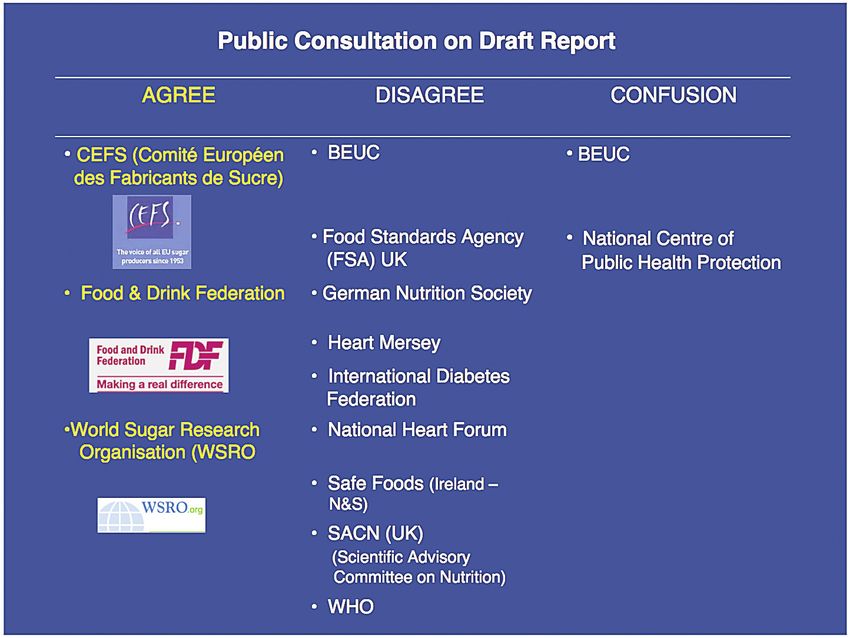
Table of contents
    Summary                                                                                                   3
        Published by Corporate Europe Observatory (CEO), July 2016.                                           3

    Introduction                                                                                              4
               Box: Sweet little lies: decades of misinformation by Big Sugar                                 7

    Free trade, a powerful weapon against regulating sugar                                                    8
          The struggle for a sugar tax                                                                        8
          The sour taste of free trade                                                                        9
                Box: When Mexico was sued for its sugar tax                                                   9
          An avalanche of cheap sugar                                                                         10
                Box: Food and agriculture sector lobbied most on TTIP                                         11

    No upper limit for sugar?                                                                                 12
         EFSA finds “insufficient evidence” for obesity and sugar link                                        12
               Box: How much is too much?                                                                     14
         Confusion and arbitrariness in advice on added sugars?                                               14
         Baby food                                                                                            15
               Box: Get them while they’re young                                                              15

    What’s on the label?                                                                                      16
        Red light for food labelling                                                                          16
        Cutting the ‘red tape’ that prevents misleading health claims                                         17
               Box: Traffic-light labels challenged by EU rules                                               18
               Box: Reformulation: changing the recipe                                                        20

    Voluntary initiatives – a box of treats for industry                                                      20
         A roadmap to where exactly?                                                                          20
         Industry-domination and voluntary measures                                                           21
               Box: EU Presidency: dining out with the food industry                                          21
               Box: The food and drink lobby’s tool-kit: voluntary measures                                   22

    Industry wears the ‘health halo’                                                                          23
              Box: A calorie is not just a calorie                                                            24

    Concluding remarks                                                                                        26

    European sugar lobby - key actors                                                                         27
         1. Caobisco                                                                                          28
         2. European Breakfast Cereal Association (CEEREAL)                                                   28
         3. Comité Européen des Fabricants de Sucre (CEFS)                                                    29
         4. Committee of the European Sugar Users (CIUS)                                                      29
         5. European Snacks Association (ESA)                                                                 30
         6. European Food Information Council (EUFIC)                                                         30
         7. FoodDrinkEurope (FDE)                                                                             31
         8. International Food and Beverage Alliance (IFBA)                                                   31
         9. International Life Sciences Institute Europe (ILSI Europe)                                        32
         10. Specialised Nutrition Europe (SNE)                                                               32
         11. Union of European Soft Drinks Associations (UNESDA)                                              33
         12. World Sugar Research Organisation (WSRO)                                                         33

2                                                                               Table of contents A spoonful of sugar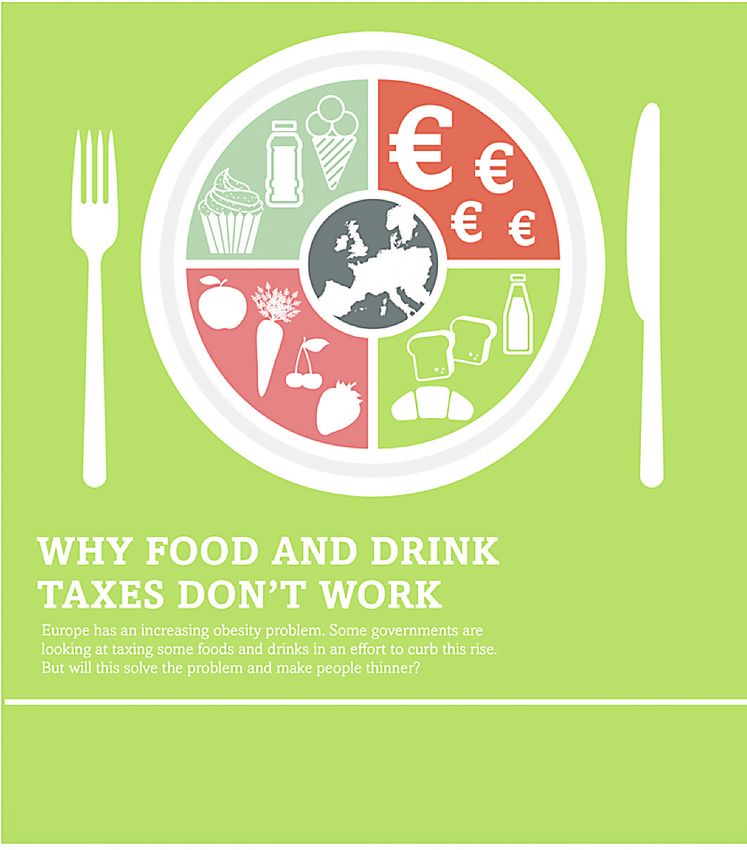
A spoonful of sugar
How the food lobby fights sugar regulation in the EU

Summary
While the growing overconsumption of processed foods is fuelling a health
crisis, the food industry is resisting regulation: processed foods, snacks, and
drinks high in sugars have the highest profit margins.

Despite a growing body of scientific studies highlighting the connection
between excess sugar consumption and obesity, heart disease, and type-2
diabetes, over the past decade the food industry has vigorously mobilised
to stop vital public health legislation in this area. Health policies like manda-
tory sugar reductions, sugar taxes, and food labels that clearly show added
sugars, would support consumers to make healthier choices. However, the
leverage which food industry giants have over EU decision-making has helped
the sugar lobby to see off many of these threats to its profit margins. Key
trade associations, companies, and lobby groups relating to sugary food and
drinks together spend an estimated €21.3 million euros annually to lobby the
European Union.

This report zooms in on food industry strategies derailing effective sugar
regulation in the European Union. It looks at the way the industry lobby uses
channels such as free trade rules and deregulation drives to undermine exist-
ing laws, tries to influence EU regulatory bodies, sponsors not-so-independent
scientific studies, champions weak voluntary schemes, and spends billions on
aggressive lobbying to protect its profits at the expense of European public
health.

                                                                                    Published by Corporate Europe
                                                                                    Observatory (CEO), July 2016.
                                                                                    By: Katharine Ainger and Kasia Klein.
                                                                                    Design: stijn@nestor.coop
                                                                                    Contents of the report may be quoted
                                                                                    or reproduced for non-commercial
                                                                                    purposes, provided that the source of
                                                                                    information is acknowledged

A spoonful of sugar    A spoonful of sugar                                                                                  3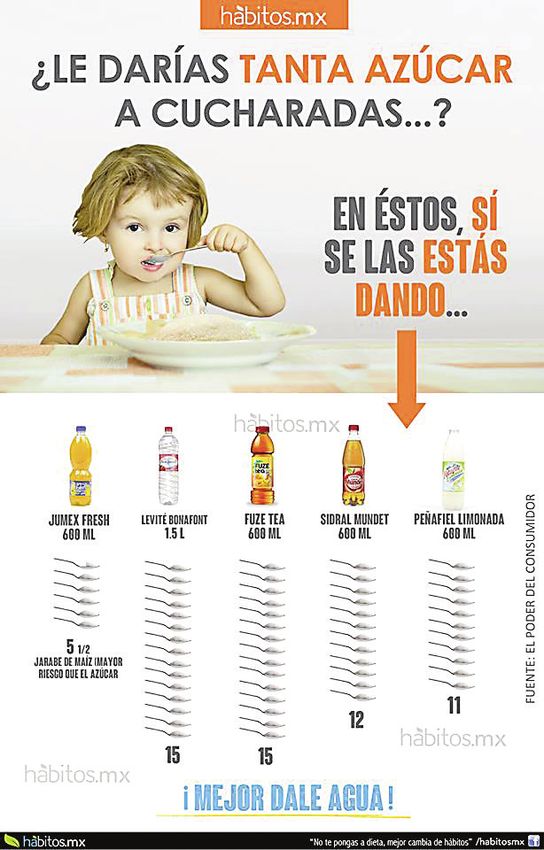
Introduction

    Over half of the population of the European Union is               As a 2014 WHO report on global obesity and inequality
    overweight or obese, and without action this number                points out, “Energy-dense foods of poor nutritional value
    will grow substantially in the next decade.1 This is both          are cheaper than more nutritious foods such as vegetables
    a health crisis and an inequality issue: obesity rates are         and fruit, and relatively poor families with children pur-
    rising fastest among lowest socio-economic groups, par-            chase food primarily to satisfy their hunger.”4 In the EU in
    ticularly women and some ethnic minorities, with maternal          2014 almost ten per cent of people were not able to afford a
    education levels a key indicator for the risk of childhood         regular quality meal every second day.5
    obesity.23

                                                                       While more people than ever before are eating processed
                                                                       foods as a large part of their diet, this is great news for in-
                                                                       dustry: sugar-rich processed and snack foods have the high-
                                                                       est profit margins, while fruit and vegetables are simply
                                                                       not that profitable. And the easiest way to make industrial,
                                                                       processed food cheap, long-lasting and enhance the taste
                                                                       is to add extra sugar as well as salt and fat to products.6 At
                                                                       the same time, more and more scientific evidence shows
                                                                       the key role sugar is playing in fuelling rocketing rates of
                                                                       obesity, heart disease, and type 2 diabetes, and some types
                                                                       of cancer, across the world.

                                                                       The impact of sugar overconsumption on human health is
                                                                       huge. But even in cold economic terms the cost to European
                                                                       GDP is starting to alarm governments; for example in the
                                                                       United Kingdom the cost of obesity is estimated at an as-
                                                                       tonishing £27 billion per year.7 Meanwhile, approximately
                                                                       seven per cent of national health spending in EU member
    According to WHO statistics3                                       states as a whole is due to obesity in adults;8 and this is
                                                                       aside from indirect costs to societies such as sickness and
                                                                       early death, or the impacts on carers.

                                                                       4 ‘Obesity and inequities’, WHO Europe, op cit.
    1 ‘Overweight And Obesity - BMI Statistics - Statistics            5 Eurostat, Oct 2015, European Federation of Foodbanks.
      Explained’. Eurostat, 2016. Accessed 9 July 2016. http://          Accessed 9 July 2016. http://www.eurofoodbank.eu/
      ec.europa.eu/eurostat/statistics-explained/index.php/              poverty-waste/food-poverty
      Overweight_and_obesity_-_BMI_statistics                          6 Sugars can affect a product’s sweetness, colour, fermentation,
    2 Belinda Loring, Aileen Robertson, ‘Obesity and inequities:         shelf-life, texture, bitterness, flavour, crystalline appearance,
      Guidance for addressing inequities in overweight and obesity,’     solubility, freezing point and boiling point.
      WHO Europe 2014. Accessed 9 July 2016. http://www.euro.          7 ‘The Economic burden of Obesity’, National Obesity
      who.int/__data/assets/pdf_file/0003/247638/obesity-090514.         Observatory, PHE, October 2010. The figure includes not just
      pdf?ua=1                                                           health spending but also ‘lost productivity’ and sick days.
    3 The challenge of obesity - quick statistics, WHO                 8 EU Action Plan on Childhood Obesity 2014-2020,
      Europe. Accessed 9 July 2016. http://www.euro.who.int/             February 2014. Accessed 9 July 2016. http://ec.eu-
      en/health-topics/noncommunicable-diseases/obesity/                 ropa.eu/health/nutrition_physical_activity/docs/
      data-and-statistics                                                childhoodobesity_actionplan_2014_2020_en.pdf

4                                                                                                   Introduction A spoonful of sugar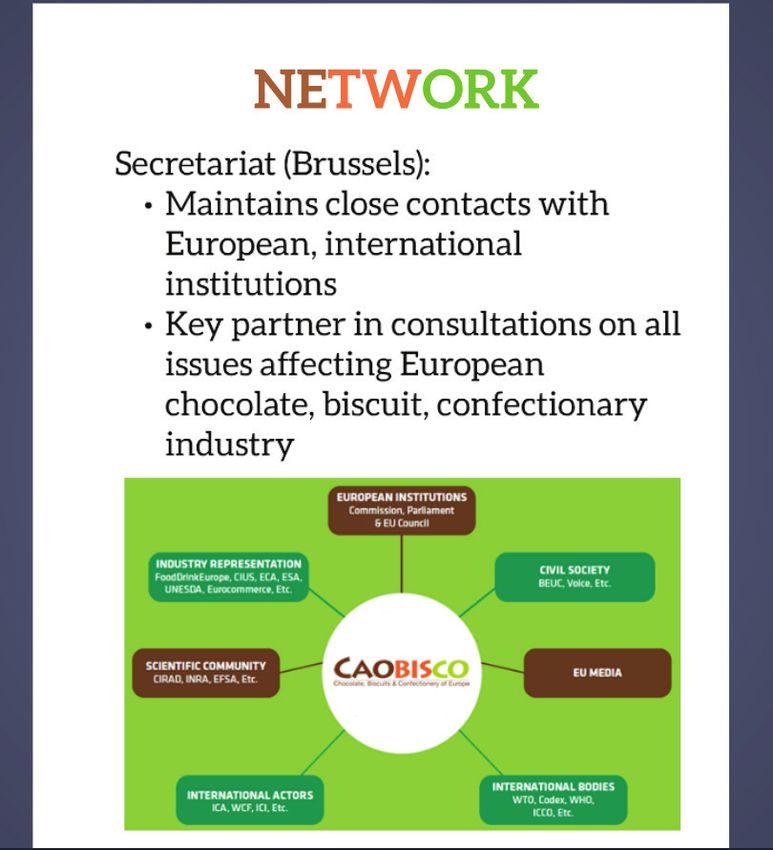
““   tactics are comparable to those
                                                               of the tobacco industry

Health experts and consumer groups recommend the most                  atives that would help Europeans eat less sugar are weak
simple measures to tackle this health crisis are mandato-              and voluntary, or even worse challenged by the EU itself
ry sugar reductions and sugar taxes. No wonder, that the               when enacted at nation state level (see The struggle for a
food industry is spending millions every year in Europe to             sugar tax) or complained about by industry (see Cutting the
deflect attention from its products, push its own research            ‘red tape’ that prevents misleading health claims).11 They are
priorities, and to forestall legislation to cut levels of sugar        also threatened by trade deals the EU is negotiating (see
in processed food. Some say their tactics are comparable to            The sour taste of free trade).
those of the tobacco industry .
                                                                      So while everyone from the Commission to the biggest
 This report shows how food companies, key trade asso-                food lobbyists now talk about the importance of tackling
 ciations and lobby groups promoting the sugar industry,              obesity and diabetes, and even sugar consumption, the
 together spend an estimated €21.3 million euros annually             devil is in the details of how – and whether – these policies
– based on self-declared figures – to lobby the European              are enacted. This regulatory capture has helped the sugar
 Union. It also highlights some of the key industry lobby             lobby in the EU to see off many of these threats to its profit
 campaigns on sugar consumption fought in recent years;               margins over the last decade.
 some of the biggest spending and fiercest pushed battles in
 Brussels have been waged by the food and drink industry to           This report shows how the food industry uses these strate-
 direct legislation on sugar in ways that will not negatively         gies to avoid regulation:
 affect their bottom line.                                             –– Lobbies for trade treaties that help undermine or
                                                                          overturn food regulations: Trade treaties similar to the
 As Danish MEP Christel Schaldemose told The Economist,                   EU’s prospective deals with the US (TTIP) and Canada
“My experience is that the food and drink industry in Europe              (CETA) have already been used to force Mexico to pay
 is quite strong and sometimes very aggressive…. People                   hundreds of millions in compensation for taxing sugar.
 don’t want a nanny state, but at the same time we need to                Now these trade deals, heavily lobbied for by the food
 find ways to help people make more informed choices, in-                 industry, could also threaten Europe’s food labelling and
 cluding using the tax system. We have the toolbox to tackle              safety regimes.
 this.”9                                                              –– Challenges regulation through legal threats, com-
                                                                          plaints, and deregulation drives: Sugar taxes by indi-
Not coincidentally, the sector is crucial to the EU; Europe               vidual member states are often challenged and have
is the world’s biggest food and drinks exporter, and food                 been overturned at EU level after industry complaints.
giant Nestlé is its most valuable corporation, valued at €208             Meanwhile, new mandatory EU food labelling rules will
billion – even more than Royal Dutch Shell.                               actually prevent listing added sugars on the packaging,
                                                                          undermining member state labelling schemes such as
Unfortunately the European Commission and institutions                    the one France is planning before they even begin. The
such as the European Food Safety Authority (EFSA) have
been far too willing to listen to industry’s messages, reflect-          Committee’, by Corporate Europe Observatory et al, 2
ing their all too often overly close relationship with the               March 2016. http://corporateeurope.org/sites/default/files/
                                                                         attachments/open_letter_to_ep_cont_members_-_cc_europe-
food and drink industry.10 Meanwhile, many of the initi-                 an_commission_and_efsa_management_board.pdf
                                                                      11 Niamh Michail, ‘European Parliament Votes To Scrap Nutrient
9 ‘Confronting obesity in Europe’, The Economist Intelligence Unit,      Profiles’, FoodNavigator, 18 April 2016. http://www.foodnaviga-
   November 2015.                                                        tor.com/Ingredients/Carbohydrates-and-fibres-sugar-starches/
  http://www.eiuperspectives.economist.com/sites/default/files/          European-Parliament-votes-to-scrap-nutrient-profiles/?utm_
  ConfrontingobesityinEurope.pdf                                         source=newsletter_product&utm_medium=email&utm_cam-
10 ‘Conflicts of Interest at the European Food Safety Authority:         paign=18-Apr-2016&c=AXf09B2FdvG0fCOHKh2jBgve0%2FAf-
  An Open Letter to the European Parliament’s Budget Control             D9KI&p2

A spoonful of sugar       Introduction                                                                                                     5
““ EFSA said there was “not enough scientific ev-
idence” to set upper limits for added sugars
industry has also used the excuse of ‘cutting red tape’ to In summary, in the words of German NGO FoodWatch,
gut rules meant to prevent false health claims for food voluntary measures alone cannot reverse the obesity epi-
products, including those laden with sugar. demic: “In the obesity crisis, the EU has not exactly covered
–– Works towards corporate capture of regulatory bodies: itself with glory so far.... The European Union is supposed
The European Food Standards Authority (EFSA) stated to solve the major, transnational challenges. The obesity
in its 2010 Opinion that there was not enough scientific epidemic is one of these challenges.... [It] should address
evidence to set upper limits for added sugars, still the the bigger picture, rather than focusing on a voluntary pre-
main reference for the Commission when asked about vention measure with very limited impact.”12
the sugar issue. Four out of five studies they used were
industry funded. There is also heavy effort made to in-
fluence MEPs, EU groups, and national parliaments.
–– Emphasizes physical activity to avoid legislative action:
Coca Cola, Nestlé, and other food giants are sponsors of
sporting events and major exercise programmes, giving
them a “health halo” despite scientific evidence showing
exercise alone cannot compensate for the detrimental
effects of sugar consumption.
–– Sponsors scientific research: Trade lobby groups and
food industry giants sponsor research into subjects such
as obesity and diabetes, sometimes in partnership with
the European Commission. This can set industry-friend-
ly parameters and result in publication bias. Decades of
research emphasis on fat, exercise, and calorie counting
has helped distract nutrition advice from the specific
dangers of sugar. For example the European Hydration
Institute, set up by Coca Cola, publishes research that
helps the company sell soft drinks.
–– Champions weak voluntary schemes: The Dutch
Presidency of the first half of 2016 has been criticised for
its Roadmap for Action on Food Product Improvement
which works hand in hand with the food industry; the
Roadmap emphasizes weak voluntary sugar reduction
targets and public-private partnerships for industry.
–– Lobbies aggressively and spends huge sums to combat ef-
fective regulation: Trade association FoodDrinkEurope
spent approximately €1 billion in a successful campaign
against a mandatory EU-wide ‘traffic light’ food labelling
system that is most recommended by health experts and
consumer groups. Food lobbyists are also mobilising PR
tactics against sugar taxes. The baby food lobby tried
to pass a rule that would allow almost one third of the
12 Niamh Michail, ‘Food industry backs roadmap for
energy in infant food products to come from sugar; it EU-wide reformulation’, FoodNavigator, 23 February
portrayed opponents as opposing bottle feeding. 2016. http://www.foodnavigator.com/Policy/
Food-industry-backs-roadmap-for-EU-wide-reformulation
6 Introduction A spoonful of sugarSweet little lies: decades of misinformation by Big Sugar
Viewed over decades, the sugar industry’s tactics have many
similarities to those of Big Tobacco, in the use of PR and in
funding doubt and denial over the health impacts of sugar
consumption.1
The Sugar Research Foundation (now called the Sugar
Association) was set up by US industry to boost public sugar
consumption after the rationing of World War Two. In 1945 it
awarded its first grant to a University of Minnesota Professor,
Ancel Keys to “study the metabolism in man of sugar”.2
Meanwhile, in the UK in the 1950s, a professor of nutrition
John Yudkin began studying the effects of sugar. In 1972 his
book Pure White and Deadly he warned that, “If only a small
fraction of what we know about the effects of sugar were to
be revealed in relation to any other material used as a food
additive, that material would promptly be banned.”
However his theories about the dangers of sugar were at-
tacked by a rival, Ancel Keys, the very same Professor at the
University of Minnesota who argued that fat, not sugar, was
the culprit in illnesses such as diabetes, obesity, and heart
disease. (These views are now increasingly being debunked.)
Keys was a charismatic and powerful figure who did much to
discredit Yudkin in the eyes of the scientific community in-
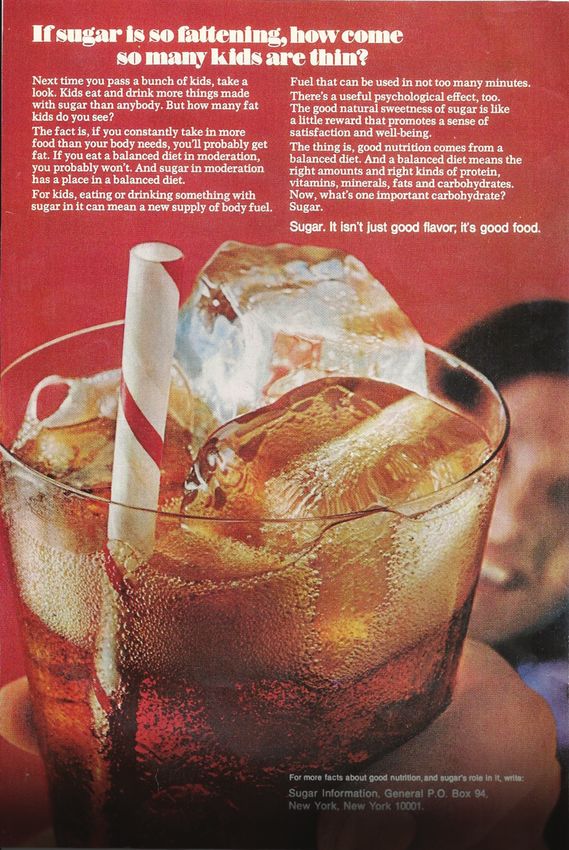
cluding calling his work “propaganda”.3 US sugar industry advert from the 1970s.
But it wasn’t just scientific rivalry that undermined Yudkin’s
life’s work. The sugar industry went out of its way to attack of sugar; its campaign had included bankrolling research and
and marginalise his theories, including, according to Yudkin’s medical experts.6 The 1970s also saw processed foods take
own book, attempts to interfere with the funding of his re- off in the US and around the world; sometimes marketed as
search and its publication. ‘diet’ products which were low in fat but high in sugar.
In 1979 Yudkin sued the World Sugar Research Organisation For decades the health impacts of added sugars in the diet con-
after it described his work as “science fiction”4 (the WSRO is tinued to be largely ignored. The food industry’s undermining of
the European wing of the Sugar Association; both continue the case against sugar was thus extremely successful. Ironically,
their work to this day, claiming “sugar is an important part of a the food industry was the one place where Yudkin continued
healthy diet and lifestyle”).5 to be taken seriously: a former British PR executive noted that
“Yudkin’s work was well-known in the food industry in the mid-
Meanwhile, the Sugar Association had won a PR award in the 80s when I was doing PR for a major dairy products company”.7
US in 1976 for the “forging of public opinion” in acceptance
It has taken decades for the scientific community to come
1 Gary Taubes and Cristin Kearns Couzens, ‘Big Sugar’s Sweet Little Lies’, Mother
round to Yudkin’s way of thinking and rehabilitate this re-
Jones, November / December 2012. search into the negative impacts of sugar, decades in which
http://www.motherjones.com/environment/2012/10/ obesity and diabetes have spiralled into epidemic proportions.
sugar-industry-lies-campaign
Meanwhile, just like Big Tobacco, the food and drink indus-
2 Projects and grants established by the Sugar Research Foundation, 6
September 1945. http://sugarcoateddoc.com/wordpress/wp-content/up- try is still fighting back. (See particularly Chapter 5: Industry
loads/2015/09/zoology-list-of-projects.pdf wears the ‘health halo’.)
3 Ian Leslie, ‘The Sugar Conspiracy’, The Guardian, 7 April
2016. https://www.theguardian.com/society/2016/apr/07/ 6 ‘Big Sugar’s Sweet Little Lies’, Mother Jones op cit.
the-sugar-conspiracy-robert-lustig-john-yudkin 7 ‘John Yudkin was a visionary’, Letters, The Guardian, 8 April
4 Pure, White and Deadly, by John Yudkin, Penguin, 1988. 2016. https://www.theguardian.com/society/2016/apr/08/
5 The Sugar Association website, ‘About Us’. https://www.sugar.org/about-us/ john-yudkin-was-a-visionary-on-harm-caused-by-sugar
A spoonful of sugar Introduction 7Chapter 1
Free trade, a powerful weapon
against regulating sugar
The struggle for a sugar tax
The World Health Organisation (WHO) described taxes
on sugary soft drinks as the most effective single strategy
for improving diet – along with subsidies for fruit and
vegetables.13
However, the European Commission has avoided taking
any real action on sugar consumption; while it is true that
taxation and national health priorities are member state
competencies, sugar is increasingly in the EU’s remit in
everything from trade issues to baby food, as later chapters
show. Meanwhile, at the member state level, a few gov-
ernments have worked on strategies to help reduce sugar
consumption, in areas such as advertising to children, food
labelling schemes, and sugar taxation. Yet many of these
are weak due to their voluntary nature, have been actively
undermined or have even been reversed by industry action,
Soft drink trade association UNESDA’s PR
including via complaints to the EU.
campaign against food and drink taxes.
Sugar taxes are the measure most fiercely fought by indus-
try. In Denmark, strong food industry lobbying by groups
such as the European non-alcoholic beverages association, The UK’s recent adoption of a mandatory tax on sugary
UNESDA, helped overturn a soft drink tax in 2014 that drinks – which will come into force in April 2018 – is also
had been in place for 80 years. “This decision is the result coming under fire. Soft-drink companies such as Coca
of concerted efforts to highlight the negative impact of Cola and Britvic are reportedly considering legal action
the tax,” said Niels Hald, Secretary General of the Danish as an avenue to challenge the tax; they could attempt to
soft drinks association, Bryggeriforeningen in a statement sue the UK Government through the European courts, or
from UNESDA.14 As a result of industry pressure, soft in a post-Brexit context, potentially under other free trade
drink consumption went up in Denmark,15 while plans that rules.16 In Finland, a tax on sweets was successfully over-
had been in the wings for a broader sugar tax were never turned by the EU.17
implemented.
Ireland’s Department of Health proposed a 20 per cent tax
13 Anne Marie Thow, Stephen Jan, Stephen Leeder & Boyd
on sugar-sweetened drinks in 2014; previously they consid-
Swinburn, ‘The Effect Of Fiscal Policy On Diet, Obesity And ered a tax of 10 per cent, which could mean 10,000 fewer
Chronic Disease: A Systematic Review’, Bulletin of the WHO, obese adults in Ireland. Again, the tax was fiercely opposed
August 2010. http://www.who.int/bulletin/volumes/88/8/BLT-
09-070987-table-T1.html
14 Denmark drops decades old soft drinks tax, EU Food Law, 16 Graham Ruddick, ‘Drinks makers consider legal action
Apr 26 2013. http://www.eurofoodlaw.com/country-reports/ against sugar tax’, The Guardian, 20 March 2016. https://www.
eu-member-states/denmark/denmark-drops-decades-old-soft- theguardian.com/business/2016/mar/20/drinks-makers-consid-
drinks-tax-64140.htm er-legal-action-against-sugar-tax-budget ; Katia Merten-Lentz,
15 John Pagni, ‘Domestic beer, soft drinks sales rise after Denmark ‘What’s going wrong with Europe’s policy on nutrition?’, 20 May
cuts taxes’, Just-Drinks.com, 26 October 2015. http://www. 2016. https://www.khlaw.com/9320
just-drinks.com/news/domestic-beer-soft-drinks-sales-rise- 17 http://www.foodnavigator.com/Policy/
after-denmark-cuts-taxes-figures_id118493.aspx Finland-set-to-scrap-tax-on-sweets-and-ice-cream
8 Free trade, a powerful weapon against regulating sugar A spoonful of sugar““ WHO described taxes on sugary soft
drinks as the most effective single
strategy for improving diet
by industry and was not put in place. Slovenia was also per-
suaded by industry not to impose a similar 10 per cent tax. When Mexico was sued
for its sugar tax
The food industry is also pre-emptively working at both
member state and EU level to stop the idea spreading. For In 2001, Mexico imposed a sales tax on soft drinks that
example, UNESDA paid lobby consultants Fleishman- contained any sweetener other than cane sugar, aiming to
Hillard in Brussels for the propaganda website ‘Why Food boost local employment in the sector. This meant almost all
& Drink Taxes Won’t Work http://www.fooddrinktax.eu/.18 US exports of the maize-derived sugar known as high-fruc-
This features dubious statements such as, “All foods contain tose corn syrup (HFCS) to Mexico stopped between 2002
calories eg sugars, fats, proteins, carbohydrates. Sugar, like and 2004.
all products, should be consumed in moderation. Targeting
sugar in the diet via taxation is not a clear way to ensure Corn Products International (CPI), a US based HFSC pro-
that people adopt healthier eating habits.” ducer, challenged Mexico’s sugar tax and won $58.4 mil-
lion.1 The same challenge was made a year later by Archer
UNESDA are particularly worried by the way other coun- Daniels Midland (ADM), another US producer of HFSC and
tries like Colombia and India are watching Mexico’s 2014 AE Stanley, a US based subsidiary owned by British sugar
sugar tax, where initial studies show sales of sugary drinks producer Tate&Lyle. The ruling was in favour of industry,
had an up to 12 per cent decline in one year.19 arguing that the tax discriminated against foreign investors
(although it also applied to Mexican companies), imposing a
fee of US$37 million on the Mexican Government.2
The bitter taste of free trade Cargill, the largest US producer of HFCS, also challenged
the tax under NAFTA rules and won. In 2009 the Mexican
Mexico’s cautionary tale with NAFTA (see box, When Mexico state was forced to pay US$90.7 million to Cargill, including
was sued for its sugar tax) highlights which risks free-trade their lawyers’ costs and judges’ and court fees.3
treaties such as TTIP and CETA could pose to EU member
states that adopt sugar taxes. Like Mexico, they could be Nevertheless, in 2014 Mexico successfully introduced a
subject to repeated damage claims from multinational com- sugar tax on all soft drinks, as the government grew in-
panies for creating ‘illegal barriers to trade’ and be liable to creasingly alarmed by the dramatic rise in obesity and di-
pay out millions in taxpayer’s money awarded by private abetes, and Mexican health campaigners received a boost
arbitration tribunals. Unsurprisingly, the food and drink from the US Bloomberg foundation that enabled them to
industry on both sides of the Atlantic has been one of the equal the budgetary firepower of the food and drink lobby.
biggest proponents of TTIP. (See box Food and agriculture
sector lobbied most on TTIP.) It remains to be seen whether further companies will use
the Investor State Dispute Settlement to punish Mexico for
The ISDS (Investor State Dispute Settlement) system in- its new groundbreaking sugar tax.
cluded in these types of free trade treaties allow multina-
tional companies to sue states over perceived profit losses
1 ‘NAFTA Chapter 11 Investor-State Cases’, Public Citizen, February 2005.
18 As noted by web designers Morris-Chapman at http://www. http://www.citizen.org/documents/NAFTAReport_Final.pdf
morris-chapman.com/portfolio_page/web-3/ 2 Ibid.
19 Colchero, M Arantxa et al. ‘Beverage Purchases From Stores In 3 ‘Cola Wars Beat Drug Wars’, Public Citizen Eyes on Trade, 2 March 2011.
Mexico Under The Excise Tax On Sugar Sweetened Beverages: http://citizen.typepad.com/eyesontrade/2011/03/cola-wars-beat-drug-
Observational Study’, BMJ, 24 November 2015. http://www.bmj. wars.html
com/content/352/bmj.h6704
A spoonful of sugar Free trade, a powerful weapon against regulating sugar 9““ free trade rules could undermine
nutrition labelling and rules on health
claims made on food packaging
that have supposedly arisen through government legisla- An avalanche of cheap sugar
tion. In effect, in the context of these free-trade regimes,
sugar taxes could be deemed barriers to trade. This looming Even before TTIP or CETA have been signed, the removal of
threat could nip any such public health legislation in the EU sugar quotas in 2017 is predicted to contribute to a rise
bud, or, as was the case with Mexico’s 2001 tax, it could in sugar consumption across the continent. This is because
result in countries having to pay out millions in taxpayers’ it is likely to increase EU sugar production and thus dra-
money in compensation to multinational food and bever- matically reduce the price of the commodity,21 making it a
age corporations . cheaper commodity for European food manufacturers. The
removal of the cap also applies to high-fructose corn syrup
Giving extra powers to corporations opposing sugar taxes (HFSC, also variously known as Glucose-Fructose Syrup
aren’t the only ways TTIP and CETA could undermine and isoglucose) – a product linked to soaring rates of obesi-
Europe’s ability to legislate on reducing sugar consumption. ty and diabetes, but cheaper and easier for food industry use.
The aspect of TTIP known as ‘regulatory cooperation’ – This has led to predictions that the use of this high-fructose
an on-going process by which the US and EU harmonise corn syrup may go up by as much as 30 per cent in Europe.22
their regulations on everything from food to public safety Unlike EU producers who are concerned by the risk of sink-
– poses a major threat to national government’s ability to ing sugar prices, the food and drink industry lobbied hard
address health challenges related to high sugar consump- for the removal of quotas, seeking better access to cheap
tion. Regulatory cooperation could undermine, for example, sugar. The association of sugar users, CIUS - whose mem-
nutrition labelling and rules on health claims made on food bers include Coca Cola, Danone and Nestlé and buy nearly
packaging. (For more on food labels as a barrier to trade 70 per cent of Europe’s annual sugar output - was similarly
see Traffic-light labels challenged by EU rules.) It could keen to see quotas removed.
also create a ‘race to the bottom’ in healthy food standards,
for example preventing attempts to have upper limits to Researcher on obesity and diabetes at Århus University, Per
added sugar in products such as children’s cereals or baby Bendix Jeppesen, warned Danish media of the health risks
food (see Baby food). It is not surprising then perhaps, that of increased HFSC use in Europe: “It’s well-known that this
FoodDrinkEurope has been a major TTIP proponent, par- has led to a genuine obesity epidemic in the US since it was
ticularly regulatory cooperation.20 introduced,” he said. “We have tested it on rats, and this
type of sugar increases the risk of getting fatty liver disease
And overall, the EU’s free trade treaties stand to fuel, not and diabetes.”23
reduce sugar consumption and obesity on the continent.
Reducing tariffs and harmonising standards will inevitably
result in more, and cheaper, processed foods on the market 21 Niamh Michail, ‘UK has moral responsibility to
– ones likely to be high in sugar. limit EU sugar reform damage’, Food Navigator, 12
June 2015. http://www.foodnavigator.com/Policy/
UK-has-moral-responsibility-to-limit-EU-sugar-reform-damage
22 Yelto Zimmer, ‘Isoglucose – How significant is the threat to the
EU sugar industry?’, Sugar Economics and Business, 11 November
2013. http://www.agribenchmark.org/fileadmin/Dateiablage/B-
Cash-Crop/Projects/Sugar-Isoglucose/zimmer_Isoglucose_final.
pdf
23 Henriette Jacobson, ‘Obesity researcher: The EU’s new sugar
quotas will increase diabetes rates’, Euractiv, 6 November 2014.
20 FoodDrinkEurope’s position on the EU-US Transatlantic Trade http://www.euractiv.com/section/agriculture-food/news/obe-
and Investment Partnership, FoodDrinkEurope, 19 December sity-researcher-says-the-eu-s-new-sugar-quotas-will-increase-
2014. http://www.fooddrinkeurope.eu/news/statement/ diabetes-rates/; ‘New research exposes health risks of fructose,
FoodDrinkEuropes-position-on-the-EU-US-Transatlantic- sugary drinks’, Science Daily, 28 September 2015. https://www.
Trade-and-Investment/ sciencedaily.com/releases/2015/09/150928144031.htm
10 Free trade, a powerful weapon against regulating sugar A spoonful of sugarMexican public health advert informing
people of the amount of sugar in
these drinks. “Would you give her so
many spoonfuls of sugar? With these,
that’s exactly what you’re doing.
Food and agriculture sector
lobbied most on TTIP
The food and drink sector certainly appears to have much
to gain from TTIP.
Agribusiness and food businesses had most lobbying en-
counters with the European Commission when the TTIP ne-
gotiations were being prepared in 2012 and early 2013.1 This
includes multinationals like Nestlé and Mondelez (formerly
Kraft Foods) and numerous lobby groups for producers and
traders of food and drinks, such as FoodDrinkEurope (the
EU’s biggest food industry lobby group, representing multi-
nationals like Nestlé, Coca Cola, and Unilever).
The food industry is also part of cross-sector industry lobby
Mexico once again offers an interesting case study. The groups, the second largest grouping who lobbied on TTIP
Institute for Agriculture and Trade Policy (IATP), an NGO, in this period. The largest food and drink companies in the
shows how Mexico was flooded with soft drinks and pro- world are members of lobby groups representing multiple
cessed foods containing cheap HFSC after its market had business sectors such as the European employers’ feder-
been opened to the US and Canada through the North ation BusinessEurope (one of the most fierce defenders of
American Free Trade Agreement (NAFTA). This correlated corporate interests in the EU), the US Chamber of Commerce
with a sharp increase in obesity in the country.24 Indeed, (the wealthiest of all US corporate lobbies), the Transatlantic
it is estimated that in Mexico consumption of fruit and Business Council (representing over 70 EU and US-based
vegetables dropped by some 30 per cent in the last 14 years, multinationals) and national industry federation such as the
replaced largely by processed food and sugary drinks. In Confederation of British Industry (CBI) and the Federation of
the years since NAFTA came into force in 1994, Mexico has German Industries (BDI).
replaced the US as the country with the highest rates of
obesity in the world . Coca Cola now controls 73 per cent of
the Mexican soft drinks market; and diabetes has become
the country’s number one killer (see box, When Mexico was
sued for its sugar tax for how the country responded to this
obesity crisis).
1 ‘Who lobbied most on TTIP?’, Corporate Europe Observatory, July
2014. http://corporateeurope.org/international-trade/2014/07/
who-lobbies-most-ttip
24 ‘Exporting Obesity’, IATP, April 2012. http://www.iatp.org/
files/2012_04_04_ExportingObesity_KHK_SM_DW.pdf
A spoonful of sugar Free trade, a powerful weapon against regulating sugar 11Chapter 2
No upper limit for sugar?
The sheer intensity of lobbying by the food and drink industry In the public consultation on the opinion, EFSA were heav-
at the EU level over sugar had some devastating results. The ily criticised by WHO for these positions, particularly the
European Food Safety Authority’s 2010 opinion that there was fact that EFSA chose to “dismiss all the existing evidence”
no connection between sugar consumption and obesity con- on negative health impacts of sugar and disregarded the
tinues to affect European consumer behaviour today. existing data as “insufficient”. The recommendations
proposed by EFSA were in direct contradiction to WHO’s
position.28 Indeed, WHO’s current advice from March 2015
states there is, “solid evidence that keeping intake of free
sugars to less than 10 per cent of total energy intake reduces
EFSA finds “insufficient evidence” the risk of overweight, obesity and tooth decay”.29 (See box,
for obesity and sugar link How much is too much?)
The European Food Safety Authority (EFSA) issued an This opinion has had a huge impact on policy since, and
opinion in 2010 that it “could not establish a correlation be- is often cited by the European food and drink industry
tween high intake of sugars from solid foods (mainly added when countering measures to curb sugar consumption and
sugars) and weight gain,” and that “available evidence was fight negative publicity. For example, the industry-funded
insufficient to set an upper limit for sugars based on their European Food Information Council (EUFIC) highlights
effects on body weight”.25 EFSA’s opinion prominently and in bold on its information
page about High-Fructose Corn Syrup. On the same page
Yet its findings on the lack of a relationship between obesity they inaccurately claim that, “There is no causal link be-
and sugar intake in its Scientific Opinion on carbohydrates tween the consumption of [HFCS] and obesity.”30 It is clear
and fibres were based on five studies, of which the major- just how useful this EFSA conclusion has been to the food
ity were part-funded, including the American Beverage industry.
Association, the European sugar industry, and confection-
ary company Mars, according to a Swedish radio report in
February 2016.26 28 EFSA 2010: Outcome of the Public consultation on the Draft
Opinion of the Scientific Panel on Dietetic products, Nutrition,
and Allergies (NDA) on Dietary Reference Values for carbohy-
EFSA’s controversial opinion also included statements such drates and dietary fibre, Available at: https://sverigesradio.se/
as, “the evidence relating high intake of sugars (mainly as Diverse/AppData/Isidor/Files/3737/b46f87b4-3b3e-4ac1-9200-
added sugars), compared to high intakes of starch, to weight c26afc88e442.pdf The controversy also continued over EFSA’s
2011 opinion on the substantiation of health claims related to
gain is inconsistent for solid foods”.27 intense sweeteners and contribution to the maintenance or
achievement of a normal body weight where the panel again
25 EFSA 2010: Scientific Opinion on Dietary Reference Values for concluded, “epidemiological studies do not show a positive
carbohydrates and dietary fibre, EFSA Journal 2010; association between total sugar intake and obesity”. ‘Scientific
8(3):1462. Available at: https://sverigesradio.se/diverse/appdata/ Opinion on the substantiation of health claims related to
isidor/files/3737/296bdc30-a140-4ffb-abbd-896ebdfd8ec2.pdf intense sweeteners and contribution to the maintenance
26 The 4 reports part-financed by sugar industry in question are: or achievement of a normal body weight,’ EFSA Journal
Saris et al (2000). funding from European sugar industries; 2011;9(6):2229, http://www.efsa.europa.eu/en/efsajournal/
Poppitt et al (2002) funding from European sugar industries; pub/2229
Institute of Medicine (2005) funding from M&M Mars; Forshee, 29 ‘WHO calls on countries to reduce sugars intake among adults
Anderson & Storey (2008) funding from American Beverage and children’, WHO, 4 March 2015. http://www.who.int/
Association. mediacentre/news/releases/2015/sugar-guideline/en/
Via: Daniel Öhman, ‘Sugar industry behind EU advice on 30 ‘FAQ on glucose-fructose syrup’, EUFIC, accessed 10 March
nutrition’, Sveriges Radio, 1 February 2016. https://sverigesradio. 2016, page no longer live. http://www.eufic.org/page/en/page/
se/sida/artikel.aspx?programid=83&artikel=6357999 FAQ/faqid/glucose-fructose-syrup/ Cache visible at: https://
27 EFSA 2010: Scientific Opinion on Dietary Reference Values for web.archive.org/web/20160303234032/http://www.eufic.org/
carbohydrates and dietary fibre, op cit. page/en/page/FAQ/faqid/glucose-fructose-syrup/
12 No upper limit for sugar? A spoonful of sugar““
EFSA’s opinion that there was no
connection between sugar consumption
and obesity continues to affect
consumer behaviour in Europe today
WHO slide showing that
all actors who backed
EFSA’s opinion not to
propose upper limits
for sugar were actually
industry groups.
In this context, it is of interest that of the 21 members of the departments, a retailer or a food association (including
relevant EFSA Dietetic Products, Nutrition and Allergies companies such as Kraft Foods, Danone, Kellogg, Nestlé,
(NDA) panel that took the decision, Corporate Europe Masterfoods, Ferrero, Hipp, Pepsico, Unilever, Coca-
Observatory can only identify two with absolutely no con- Cola and others). Of these thirteen, four had more than
flicts of interest with the food and drink industry.31 The in- four conflicts of interest.
dustry links of other panel members include consultation, –– fourteen had connections to powerful food industry lob-
participation on the board, or research funding.32 Moreover, by group the International Life Science Institute.
the sheer number of conflicts of interests shows EFSA’s in- –– three members worked explicitly on health claims, with
dependence policy was riddled with flaws: one of them also working on labelling.
–– only two did not have any conflicts of interest with the
Of the 21 appointed scientists food industry.
–– thirteen (including panel president Albert Flynn) were
affiliated with at least one food company, its research EFSA defended its independence, saying that, “What mat-
ters is not the status of a study – eg independent or indus-
31 Read the research table with conflicts of interests listed try-sponsored – but rather how well the study is designed,
here: COI NDA 2009-2012 III.ods
carried out and reported.” But as several investigations
32 These conflicts are not necessarily indications of ‘corruption’
but links such as consulting, participation on the board, or have shown, the funding of scientific research can and does
research funding may create institutional mindsets and biases in fact often affect the outcome. A 2013 study found that
that can creep in.
A spoonful of sugar No upper limit for sugar? 13this September meeting will be another round of industry
How much is too much? mobilisation to preserve this most useful of opinions.
2015 WHO guidelines recommend adults and children re-
duce their daily intake of free sugars to less than 10 per
cent of their total energy intake. A further reduction to Confusion and arbitrariness in
below 5 per cent or roughly 25g (6 teaspoons) per day, they advice on added sugars?
say, would provide additional health benefits – this is less
than the sugar contained in one can of Coca Cola (40g). EFSA advises a 2000kcal diet for an average person. Despite
its 2010 opinion not setting an upper limit for sugar con-
Free sugars refer to monosaccharides (such as glucose, sumption, it does advise health institutions to take the
fructose) and disaccharides (such as sucrose or table sug- existing evidence on potential links between sugars and
ar) added to foods and drinks by the manufacturer, cook or weight gain/dental caries into account when formulating
consumer, and sugars naturally present in honey, syrups, guidelines for healthy diets, particularly in the case of sug-
fruit juices and fruit juice concentrates.1 (These guidelines ar-sweetened drinks. However, its 2009 Scientific Opinion
do not refer to the sugars in fresh fruits and vegetables, recommending Guideline Daily Amounts for food labelling
and sugars naturally present in milk, because there is no purposes, proposed a total intake of no more than 90g of
reported evidence of adverse effects of consuming these sugars a day: half for intrinsic sugars and half for added
sugars.) sugars. The 45g for intrinsic sugars (ie naturally occurring
sugars in foods such as fruits, vegetables, cereals) is built on
1 ‘WHO calls on countries to reduce sugars intakes’, op
cit. WHO guidelines. Yet, the 45g recommendation for added
sugars is set completely arbitrarily with no justification or
research funded by the sugar-sweetened beverage industry explanation. These figures coincide with the food indus-
was five times more likely to find no connection between try’s preferred guidelines, specifically FoodDrinkEurope’s
sugar and weight gain or obesity.33 (Also see Chapter 5 on calculations on sugar intake which they had developed,
industry funding of research). developed in their 2005 Guideline Daily Amounts scheme
(GDA).35 (See Red light for food labelling.)
Meanwhile, scientific research on the link between sug-
ar and obesity and other health problems has only been European consumer group BEUC challenged EFSA, asking
strengthened in the six years since EFSA’s opinion. So much why it recommended a guideline daily amount for sugars in
so that in June 2016 five Nordic countries requested that its 2009 opinion, if a year later it claimed not to be able to
EFSA update this opinion and finally set upper limits for give such recommendations in a very similar opinion. BEUC
added sugar intake, citing WHO limits (see How much is suggested that an upper limit for added sugars should be set
too much?). EFSA responded that it will discuss this request at less than 10 per cent of the total daily energy intake, in
at the NDA panel meeting in September 2016.34 No doubt line with recommendations by WHO/FAO.36
June 2016. http://www.foodnavigator.com/Policy/
33 Bes-Rastrollo, Maira et al, ‘Financial Conflicts Of Interest And EFSA-added-sugar-report-requested-by-Nordic-states
Reporting Bias Regarding The Association Between Sugar- 35 ‘Guideline Daily Amounts’ FoodDrinkEurope, 6 June 2005
Sweetened Beverages And Weight Gain: A Systematic Review http://www.fooddrinkeurope.eu/uploads/publications_docu-
Of Systematic Reviews’, PLoS Med 10.12 (2013): e1001578, 31 ments/GDAs_-_Guideline_Daily_Amounts.pdf
December 2013. http://journals.plos.org/plosmedicine/arti- 36 ‘Outcome of the Public consultation on the Draft Opinion of
cle?id=10.1371/journal.pmed.1001578 the Scientific Panel on Dietetic products, Nutrition, and
34 Annie-Rose Harrison-Dunn, ‘Nordic 5 ask EFSA to help Allergies (NDA) on Dietary Reference Values for carbohydrates
set intake limits for added sugar’, Food Navigator, 30 and dietary fibre’, European Food Safety Authority 2010, EFSA
14 No upper limit for sugar? A spoonful of sugar““
The Commission has proposed to
continue to allow 30 per cent of energy
[in baby foods] to come from sugar
Baby food
Get them while they’re young
One of the most recent examples of heavy food lobbying
in the EU was around the reduction of sugar in baby foods. Food lobbies battle particularly hard against restrictions on
In January 2016, the European Parliament voted to reject targeting food at babies and children. If babies are given
draft rules on baby food that were forcefully supported by high-sugar formula and food before six months of age they
industry. MEP Keith Taylor said, “This vote comes down develop a taste which can contribute to childhood obesity
to whether we want to fuel the obesity epidemic,” and em- – and may become a lifelong habit. In addtion the market-
phasised that, “The Commission has proposed to continue ing of any food other than breastmilk or infant formula for
to allow 30 per cent of energy [in baby foods] to come from babies before six months goes against WHO guidelines. As
sugar. This is unacceptable and way above WHO recom- food campaigner Patti Rundall put it, “The aim of companies
mendations.”37 The rejected proposal would also have al- is to hook babies onto soft sugary products so that pro-
lowed baby foods to be labelled for use from four months of cessed foods become the norm. If you wait until the baby is
age in contravention of WHO guidelines (see box Get them developmentally ready – normally around 6 months – they
while they’re young). will reach out and join in with family foods that are much
less processed – and they will be all the healthier for it!”1
The lobby group Specialised Nutrition Europe (SNE)
whose members include Danone and Nestlé, and which
also represents baby food manufacturers, lobbied hard
for the baby food amendment and “deeply regretted” the
way the vote had gone.38 SNE are represented by Brussels 1 ‘European Parliament votes for big reductions in sugar in baby foods and
PR firm Grayling.39 The act now goes back to the European prohibitions on labelling at too early an age’, Baby Milk Action, 20 January
2016. www.babymilkaction.org/archives/8274
Commission for reconsideration – where, no doubt, more
lobbying will take place.
Journal 2010; 8(5):1508 http://www.efsa.europa.eu/sites/de-
fault/files/scientific_output/files/main_documents/1508.pdf
37 Niamh Michail, ‘European Parliament backs ob-
jection to sugary baby food’, FoodNavigator, 20
January 2016. http://www.foodnavigator.com/Policy/
European-Parliament-backs-objection-to-sugary-baby-food
38 Ibid.
39 EU Transparency Register. http://ec.europa.eu/trans-
parencyregister/public/consultation/displaylobbyist.
do?id=53141413510-95
A spoonful of sugar No upper limit for sugar? 15Chapter 3
What’s on the label?
The European Commission’s Directorate General on Industry on the other hand pushed for voluntarily stand-
Health and Food Safety suggests it can only indirectly ards, favouring an approach in which the amounts con-
effect the consumption of sugar through decisions such tained were displayed as a guideline daily amount (GDA)
as labelling schemes (food labelling is harmonised by the of the daily energy and nutrient requirements for human
Food Information to Consumers Regulation – FIC) and consumption.41 GDA was created as a voluntary scheme
health claims (overseen by the Nutrition and Health Claims developed by food industry lobby FoodDrinkEurope.
Regulation). Broadly, both initiatives should aim to help
the consumer in making a healthy choice when buying However, all studies that have been carried out independent
food. However neither the EU’s labelling nor health claim of industry show the same results favouring the traffic light
regulations are fit for purpose, having been progressively system (see EUFIC profile for examples of industry-funded
undermined by industry influence. research). For example the Münster University of Applied
Sciences showed “that, in comparison to the GDA model, a
Heavy corporate lobbying has weakened these rules and/ food label with traffic light colours leads to a better and more
or how they are to be implemented; in some cases (see accurate estimation of sugar and calorie contents, as well as
nutrient profiles) they are close to successfully overturn- more accurate results in direct product comparisons”.42
ing them altogether. And even these measures on food
labelling that do succeed may be threatened by free trade Corporate Europe Observatory reported that
deals such as TTIP and CETA (see Chapter 1: Free trade). FoodDrinkEurope (then named CIAA) had invested more
than €1 billion (a figure including both advertising and
lobby spending) in a campaign to block the traffic light la-
belling scheme.43
Red light for food labelling After heavy lobbying the European Parliament’s environ-
ment, public health and food safety committee rejected the
The food industry fought a massive biggest lobbying battle traffic light proposal in 2010. Instead, they backed a regula-
in Brussels to prevent the adoption of an EU-wide ‘traffic tion that laid down only general rules on the display of nu-
light’ labelling scheme – and in 2010 they won. tritional information rather than prescribing one system.44
Consumer and health groups promoted a mandatory EU- Today, the GDA amount spells out per 100 gram or milli-
wide ‘traffic light’ system which indicate red, yellow, and litres the energy, fat, saturated fats, carbohydrates, total
green for the least to most healthy options and is favoured
by health researchers as an easy and visual way for people to 41 ‘Food Industry wins battle ‘traffic light’ labels’,
see how healthy the foods they are buying are. Euractiv,17 June 2010. http://www.euractiv.com/
food-industry-wins-battle-traffic-light-labels-news-495324
42 ‘Research supports traffic light colours’, FoodWatch, 27
Consumer research shows that overall, people find it diffi- September 2012. https://www.foodwatch.org/en/what-
cult to determine whether a product they are buying is high we-do/topics/traffic-light-labels/more-information/
in salt, sugar, or fat without traffic lights labelling.40 research-supports-traffic-light-colours/
43 ‘A red light for consumer information’, Corporate Europe
Observatory, June 2010. http://corporateeurope.org/sites/
default/files/sites/default/files/files/article/ceo-food-labelling.
40 Ampel-Kennzeichnung bei Lebensmitteln hilft Verbrauchern pdf
-Ergebnisse eines Online -Quiz zur Nährwertkennzeichnung, 44 ‘EU lawmakers reject colour coded system for
VZBV, June 2013. https://www.consumentenbond.nl/actueel/ food labels’, Euractiv, 17 Mar 2010. http://www.
nieuws/nieuwsoverzicht-2013/Kleurcodering-verdubbelt- euractiv.com/section/health-consumers/news/
inzicht-in-vet-zout-en-suikergehalte/ eu-lawmakers-reject-colour-coded-system-for-food-labels/
16 What’s on the label? A spoonful of sugar““
rules threaten to prevent effective member
state labelling schemes before they even begin
sugars, protein, and salt on the package. These new schemes Cutting the ‘red tape’ that prevents
will now be mandatory on packaged food from 13 December misleading health claims
2016.45
Kellogg’s Frosties, a cereal marketed at children which
However these mandatory labels (via the Food Information contains 37 per cent sugar, boasts its health benefits, say-
to Consumers Regulation or FIC) have some very serious ing it is “packed with carbohydrates – a great fuel for your
limitations. Currently ruled out of this labelling is the op- body, and one serving provides half your daily needs of
tion to display the amount of added sugars (also trans fats, three B-vitamins, which help convert food into the energy
though at the time of publication policy options are being you need.”48 These types of nutrient and health claims are
considered by the Commission).46 These FIC rules mean supposed to be regulated under the 2006 EU Nutrient and
that neither individual member states nor retailers can Health Claims Regulation and authorised by the European
print this information to consumers on packaging, even on Food and Safety Authority (EFSA). One of the aims of the
a voluntary basis. legislation is to avoid misleading nutrition claims – such
as a snack bar high in sugar labelled “diet” or “low fat” –
But information on added sugar is essential to the proper and to adopt ‘nutrient profiles’ which are supposed to set
functioning of labelling schemes such as the one currently upper limits to single ingredients in order to prevent this
proposed in France (see box, Traffic-light labels challenged practice.49 European Consumer Organisation BEUC has re-
by EU rules). Thus FIC rules threaten to prevent effective peatedly criticised the failure to establish nutrient profiles.50
member state labelling schemes before they even begin. A German NGO FoodWatch survey from May 2016 of 644
foods and beverages carrying vitamin claims showed that 80
This is in marked contrast to the US, which has recently per cent contained high levels of sugar, fat and salt and were
brought in labelling regulations which, after a huge public “deliberately mislead[ing] consumers in the supermarket”.51
health battle, from 2018 will start to show both naturally oc-
curring and added sugars on packaged food. This can make Food industry lobbyists have long had ‘nutrient profiles’
a huge difference for example in educating consumers about in their sights: FoodDrinkEurope argue that there is no
the sugar they are not expecting that is added to savoury such thing as unhealthy food, just unhealthy diets, and the
meals. European Snacks Association has additionally sounded the
alarm over WHO Europe’s new nutrient profiles, developed
Unsurprisingly FoodDrinkEurope fights against having
added sugars spelled out on the label, opting instead for the 48 ‘MEP welcomes EU crackdown on exaggerated food health
status quo of only showing “total sugars”.47 claims’, Liberal Democrats website, 2 September 2009,
http://westbromwichandwarleylibdems.lib.dm/en/arti-
cle/2009/0439498/mep-welcomes-eu-crackdown-on-exagger-
ated-food-health-claims
45 EUR-Lex, Regulation (EU) No 1169/2011 of the European 49 Council of the European Union 2014: Council conclusions
Parliament and of the Council of 25 October 2011 on the on nutrition and physical activity, 20 June 2014. http://www.
provision of food information to consumers. http://eur-lex. consilium.europa.eu/uedocs/cms_data/docs/pressdata/en/
europa.eu/legal-content/en/ALL/?uri=CELEX:32011R1169 lsa/143285.pdf
46 Katia Merten-Lentz, ‘What’s going wrong with Europe’s policy 50 BEUC 2015: Informed food choices for healthier consumers,
on nutrition?’, 20 May 2016. https://www.khlaw.com/9320 BEUC Position on Nutrition, http://www.beuc.org/publica-
47 Niamh Michail , ‘Should Europeans be told how much tions/beuc-x-2015-008_pca_beuc_position_paper_on_nutri-
sugar is added to their food?’, Food Navigator, 1 June tion.pdf
2016. http://www.foodnavigator.com/Market-Trends/ 51 ‘Study: foods advertised with vitamins are un-
Should-Europeans-be-told-how-much-sugar-is-added-to- healthy’, FoodWatch, March 2016. https://www.
their-food/?utm_source=newsletter_daily&utm_medium=e- foodwatch.org/en/what-we-do/topics/imita-
mail&utm_campaign=01-Jun-2016&c=TPzIqYvvrKlnH8JP7K- tion-foods-and-blatant-trickery/more-information/
WDfU5QBy5EtcGb&p2 study-foods-advertised-with-vitamins-are-unhealthy/
A spoonful of sugar What’s on the label? 17You can also read


