Conversations with the Earth - Indigenous Voices on Climate Change
←
→
Page content transcription
If your browser does not render page correctly, please read the page content below
Conversations
                                                with the Earth
                                             Indigenous Voices on Climate Change

Endala Tilbe, “Ade”– Gamo – Doko, Ethiopia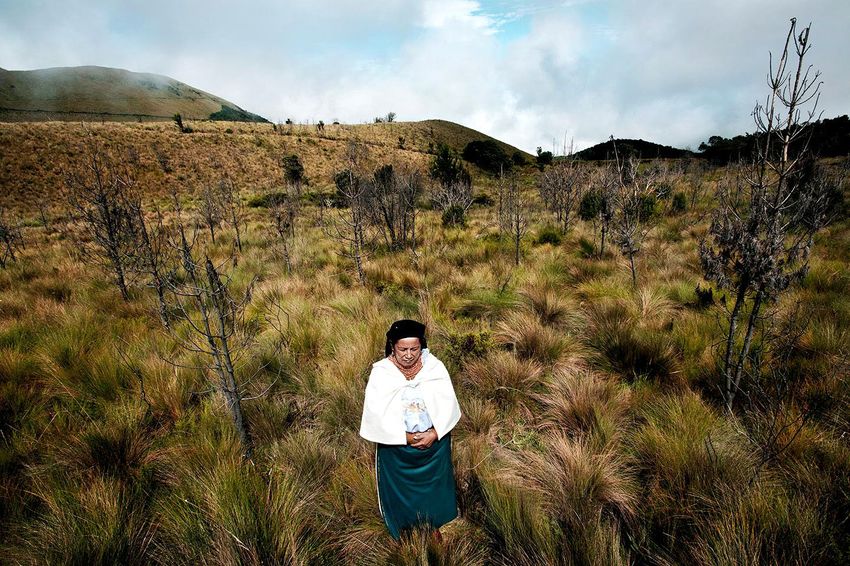
.Conversations with the Earth
Longyearbyen
SJ
Gwich'in Inuit GL
Arctic village Cambridge Bay
RU
NUNAVUT
IS
CA
Nuuk (Godthåb)
Reykjavík
FI
ALASKA Tórshavn
FO
NO
Oslo SE AX
Mariehamn
Helsinki
Stockholm Tallinn
EE
Juneau
Riga LV
DK Moscow
Altai
Copenhagen
LT Vilnius
BY ALTAI REPUBLIC
ALBERTA Dublin
Douglas IM
IE Minsk
GB NL Berlin
PL
Cree / Dene
DE
Amsterdam
Warsaw
London
Brussels
BE
LU Kiev
Prague
CZ UA Astana
Elo, Kurai & Kosh-Agach Villages
JE Luxembourg
Saint Helier
Paris SK
KZ
Vienna Bratislava
AT MD
CH
FR
Budapest
HU
LI
PM Vaduz
Chisinau Ulaanbaatar
RO
Saint-Pierre Bern SI
Ottawa
IT
Fort McMurray / Fort Chipewyan
Ljubljana
Zagreb
HR
BA
Sarajevo RS
Belgrade Bucharest MN
MC
Monaco City of
San Marino
SM
AD ME KV
Sofia BG
GE
ES
Pristina
Podgorica Bishkek
Andorra
la Vella
Rome
VA
Tbilisi
UZ
Skopje
MK
KG
Vatican Tirana
AL
PT Madrid
AM Tashkent
US
GR AZ Baku
TM
Yerevan
Ankara
Lisbon TR Beijing KP
Pyongyang
Dushanbe
CN
Athens
Angra do Heroísmo
TJ
Horta
Ashgabat
Ponta Delgada
JP
Seoul
Algiers
Tunis
MT
Valletta
KR Tokyo
TN CY Nicosia SY Tehran
Kabul
Zanskari
LB
Rabat Beirut
Damascus
Baghdad AF Islamabad
IQ
Hamilton BM
Funchal
MA Tripoli PS
IR
Comcaac / Yaqui
Jerusalem Amman
IL
JO
Igorot
PK
DZ
Cairo KW
Kuwait City
NP
Santa Cruz de Tenerife
Kumik Village
New Delhi
LY
Las Palmas de
Gran Canaria
EG Kathmandu BT
Thimphu
BH
Manama
Punta Chueca, Desemboque & Vicam
QA
EH
Doha
MEXICO
Nassau
SA
Riyadh
BD
Taipei City
Abu Dhabi
BS
Kuna Itogon
AE Dhaka TW
INDIA
Muscat
Havana
CU Macao
Hong Kong
Gamo
Honolulu
TC Cockburn Town
OM MM VN
MO HK
MR
Hanoi
Mexico City
HI George Town KY
HT
DO VG
LA
AI
JM
Road
PR
ML
Town
Vientiane
San Juan
Port-au-Prince MF
NE
VI
Charlotte BL
Santo Domingo Amalie
The Valley
Marigot
Gustavia
Kingston
AG Nouakchott
BZ Belmopan KN
Rangoon
Ustupu Island
Basseterre Saint John's
MS
Plymouth
GP
ER
GT TD YE TH
MP
Doko Village & Gamo Highlands
Basse-Terre
DM
HN
Khartoum
Asmara
SD
Roseau
Fort-de-
MQ
Praia Dakar SN Sana‘a Manila
Guatemala City
SV
France
LC Niamey
Castries
Bangkok
NI BB GM
Banjul
BF
PHILIPPINES
San Salvador
AW VC Bamako
KH
Kingstown
Bridgetown
AN
Oranjestad GD GW N'Djamena
Saipan
Managua St. George’s Bissau DJ Phnom Penh
Willemstad
Ouagadougou Djibouti
MH
Manus
GN
CR
TT
BJ GUHagåtña
PANAMA
NG ETHIOPIA
Port of
Caracas
Spain
Conakry
SO
San José
Panama City
SL TG
VE
Freetown CI GH FM
CF
Abuja Addis Ababa
Porto-Novo Sri Jayawardhanepura Kotte LK
CAMEROON
Georgetown Monrovia Yamoussoukro Lomé
LR Accra
GY BN
Ngerulmud
Manus, Pitilu & Ahus Islands
Paramaribo
Baka
SR
Malé
Cayenne Bandar Seri Begawan Majuro
CO
Bogotá D.C. Palikir
GF Bangui
Malabo Yaoundé MY
Kuala
PW
Mogadishu
MV Lumpur
MY
GQ UG
KENYA
Kichwa
ST Singapore
SG
São Tomé Libreville
CG Kampala
GA
Tarawa
ID
ECUADOR
Quito
Mayos Village & Beroua
Nairobi
ID
CD
Kigali
RW
ID Yaren
BI NR
Brazzaville Bujumbura
KI
ID PAPUA NEW GUINEA
Mojandita Village
Kinshasa
IO
Victoria
TZ SC
Jakarta
Dar Es Salaam
Diego Garcia
ID SB
BRAZIL Maasai
Dili Funafuti
TK
TV
Luanda
TL
PERU
Port Moresby
Honiara
SAMOA
Flying Fish Cove
KM CX
AO
Moroni
Lima West Island
CC
WF Mata-Utu
ZM VU
Apia
Lilongwe
MW
MZ
Oltopesi
Lusaka
BO
Port Vila
TO
La Paz
Brasília
Tagata Mao’i
MG
Harare
Quechua / Aymara
Suva
ZW
Antananarivo
FJ
Guarani
Port Louis
MU Nuku?alofa
Saint-Denis
NA BW RE NC Nouméa
CL PY Windhoek
AU
Fasito'otai & Fagamalo Villages
Gaborone
Cochas Grande, Karhui, Lircay,
Asunción
Peoples
Pretoria
Guaraqueçaba & Antonina
Lobamba
SZ Maputo
Chaka, Perka & HuancavelicaAR ZA
Maseru
Geographic place
LS Kingston
NF
SH
Santiago
UY
CWE Participatory Video Story
Buenos Aires Montevideo
Canberra
CWE Photostory
NZ
Wellington
CWE Media Hub
FK
Stanley
GS
King Edward Point
BV
Map of CWE indigenous climate change stories to date - 2011
Conversations with the Earth (CWE) is a way of listening closely to traditional custodians of the world’s biocultural diversity in order to formulate
viable global responses to environmental challenges. CWE’s opening conversation brings Indigenous Voices on Climate Change to convey local
experiences of climate change. Grounded in respectful long-term partnership between indigenous-led organizations and award-winning experts
in participatory video, journalism, photography, and audio, CWE conveys local accounts of the impacts of climate change on indigenous
communities, stories of the unintended consequences of imposed mitigation efforts on local livelihoods, and examples of traditional knowledge
and its value in developing appropriate responses to climate change. CWE asserts indigenous peoples’ inherent rights to their territories, lands, and
resources as a necessary condition of maintaining and enhancing resilience of local social-ecological systems to multiple converging global crises,
including climate change.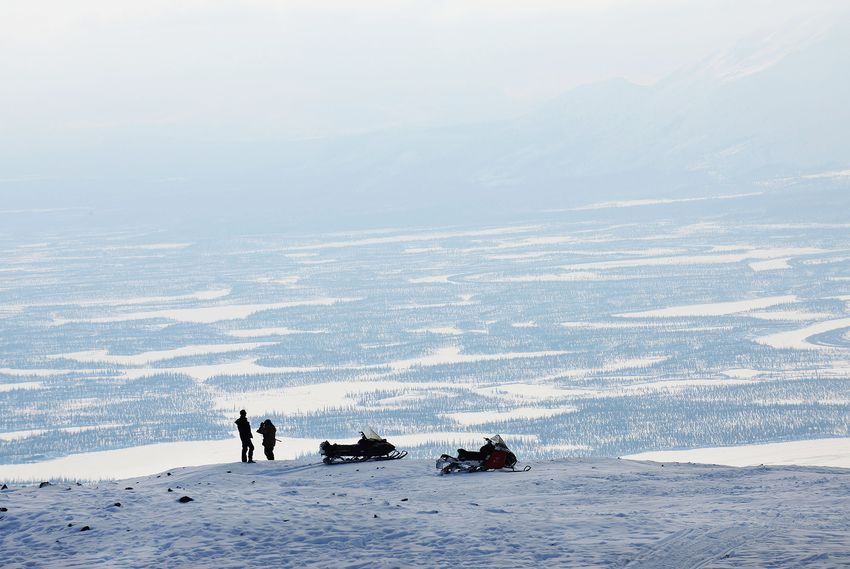
.Core Beliefs
                “We have knowledge that can contribute to finding
                solutions to the crisis of climate change. But if you’re not
                prepared to listen, how can we communicate this to you?”
                Marcos Terena, Xané leader, Brazil.

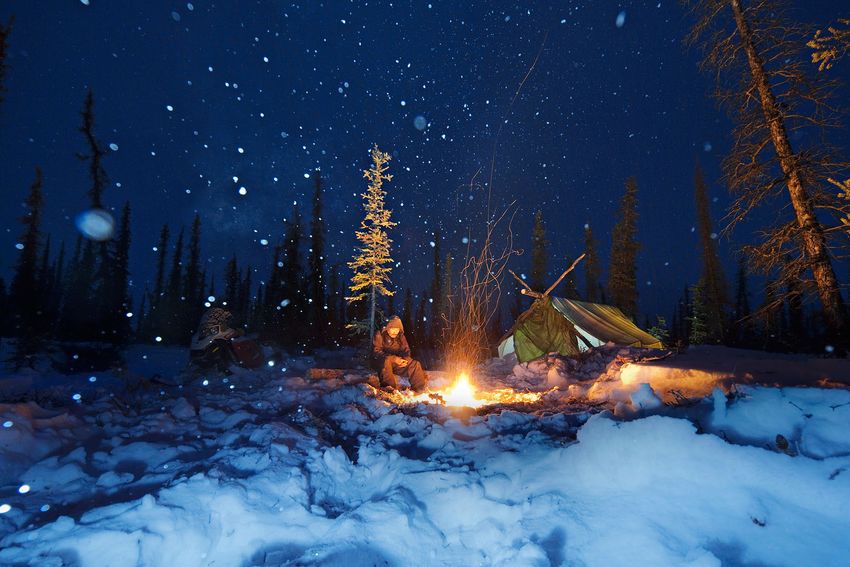
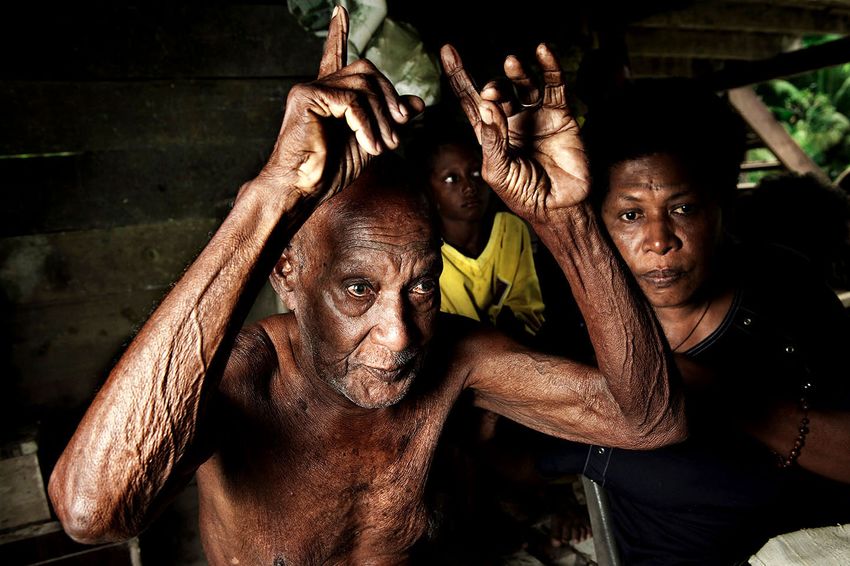
                                                    Jimmy John – Gwich’in hunter, at his winter camp – Arctic Village, Alaska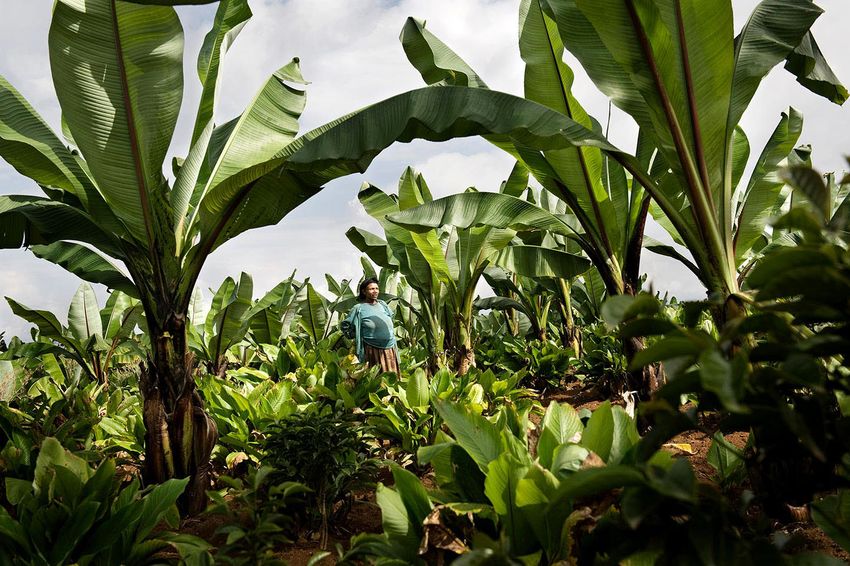
Traditional and Indigenous communities depend on a healthy relationship with the
land and therefore possess a wealth of knowledge, wisdom, and practical
experience in adapting to long-term changes in their environment. Still,
indigenous communities are extremely vulnerable to the current unprecedented
rate of global climate change, with its large-scale external disruptions to the web
of life. This threat to traditional communities is a threat to the entire human family.
Proposed or implemented responses to the common challenges of climate change
will fall short, unless they are grounded in a recognition of the territorial, land, and
resource rights of Indigenous peoples. The traditional ecological knowledge,
wisdom and practices of Indigenous peoples comprise the global biocultural
heritage that must inform and guide climate change adaptation and mitigation
strategies at global, regional and local scales.
.Why now?

“Our proverb says: ‘The ox never gives birth, and it never rains in the dry season.’
But now we have rains in the dry season, and it’s dry in the rainy season.”
Shagre Shano Shale (Gamo), Ethiopia.
                                                                                       Enset propagation field – Doko village, Ethiopia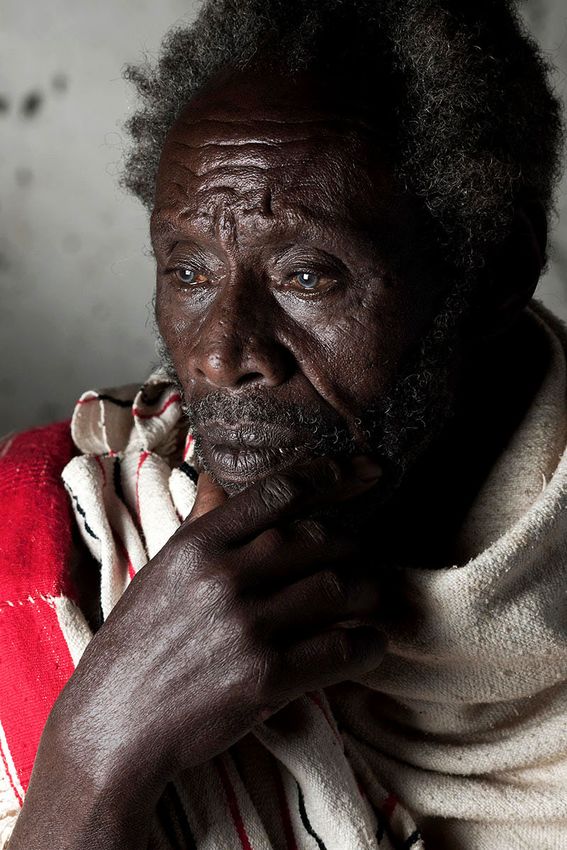
Compared to the dominant industrialized societies, Indigenous Peoples have
contributed least to climate change. Still, they suffer the brunt of the immediate
and direct effects of escalating climate disruption. Despite the September 2007
adoption by the UN General Assembly of the UN Declaration on the Rights of
Indigenous Peoples (UNDRIP), Indigenous Peoples continue to be excluded from
the UN climate negotiations – the embodiment of climate injustice. At this critical
time of global decision-making, Indigenous voices have important knowledge and
wisdom to contribute to the global discourse on climate change that guides global
choices in shaping our collective future. From Manus Islanders in Papua New
Guinea working together to save their oceanside homes, to Maasai villagers in
Kenya responding to a cattle-killing drought in the open grasslands,
Conversations with the Earth works to enable local Indigenous communities to
create and share first-hand accounts of their experience of climate change.
.Who?
        “I make a call to all the people, to all the world, that we
        shouldn’t destroy, we should continue leaving the bad aside,
        and take care.” Josefina Lema (Kichwa), Mojandita, Ecuador.

                                                           Josefina Lema – Mojandita, Ecuador
Conversations with the Earth (CWE) was founded in 2009 by an international indigenous-led advocacy and education organization for the rights of Indigenous Peoples, Land Is Life; renowned experts in participatory video, InsightShare; and award-winning photographer and expert in sustaining oral traditions, Nicolas Villaume, founder of Conversations du Monde. CWE has also benefited from contributions from a range of writers and editorial sources. Today, Conversations with the Earth is a growing network of indigenous groups and communities living in critical ecosystems around the world, from the Atlantic Rainforest to Central Asia, from the Philippines to the Andes, from the Arctic to Ethiopia. As part of CWE, the indigenous communities share their local stories of climate change impacts and adaptation strategies with each other and the global community. Around the world, CWE supports and networks communities developing sustainable autonomous indigenous media based on principles of Free, Prior and Informed Consent (FPIC), local control and support for local indigenous media capacity.
.Evolving Conversation

   “You rich countries are very happy
   about what you’re doing, going
   about your business, not knowing
   that your actions are damaging
   our reefs and our islands.”
   John Pondrein (Manus),
   Papua New Guinea

                                        Amos Tapo – Pitilu island, Papua New Guinea
Conversations with the Earth (CWE) premiered as a major multimedia exhibition at the watershed 15th Conference of the Parties (COP 15) of the United Nation Framework Convention on Climate Change (UNFCCC) meeting in Copenhagen, Denmark (December 2009). Since then, CWE has continued to bring Indigenous voices on climate change to key meetings around the world through CWE's mobile exhibits in Spanish and English, participatory video screenings at film festivals, and in-person presentations of delegates from CWE partner communities. Venues have included the World People's Conference on Climate Change and the Rights of Mother Earth in Cochabamba, Bolivia; the 10th International Festival of Film and Video of Indigenous Peoples in Quito, Ecuador; the US Social Forum in Detroit, Michigan; the UNFCCC COP 16 meeting on climate change in Cancun, Mexico; and National Geographic's All Roads Film Festival in Washington, DC. Most recently, CWE's major exhibit was on display at the Smithsonian's National Museum of American Indian in Washington, DC from 22 July 2011 - 2 January 2012.
“We don’t have much, but what we have is out there.”
Charley Swaney, Arctic Village community member.

                               Gwich’in territory, near Arctic Village – Alaska, USA
The CWE exhibits and web-based resources are an open invitation to the world to engage in a conversation about the real impacts of climate change on Indigenous communities, and to grow a global network of sharing, reflection, action and support. To carry forward the momentum generated over the last two years, CWE has been organizing trainings on Indigenous rights, climate change policy, and participatory media; creating new photostories with Indigenous communities; and, enhancing local capacity to connect and share with each other and the rest of the world through holding retreats, participating in global gatherings and using social media. CWE continues to focus on climate change, but is also exploring issues related to local food systems, food sovereignty and sacred sites - fundamental elements of Indigenous wellbeing.
“We are a harbinger of what is to come,
                   what the rest of the world can expect.”
                   Patricia Cochran (Inupiat), Chair of the
                     2009 Indigenous Peoples Global
                         Summit on Climate Change.

                                                              Contact Conversations with the Earth (CWE)

                                                              Casey Box, CWE Coordinator
                                                              casey@conversationsearth.org
                                                              +1 9177203641 / +1 6468126255

                                                              Follow CWE

                                                              facebook.com/conversationsearth
                                                              youtube.com/conversationsearth
                                                              Twitter: @ConversEarth

                                                              www.conversationsearth.org

Guaraquecaba - Brazil
You can also read


