CORNELL'S QUARTERLY MAGAZINE FALL 2014 - 12 Paying it forward 35 Women's sailing 37 Frank Rhodes reflects on a friendship - Cornell University
←
→
Page content transcription
If your browser does not render page correctly, please read the page content below

CORNELL’S QUARTERLY MAGAZINE FALL 2014

            12 Paying it forward 35 Women’s sailing 37 Frank Rhodes reflects on a friendship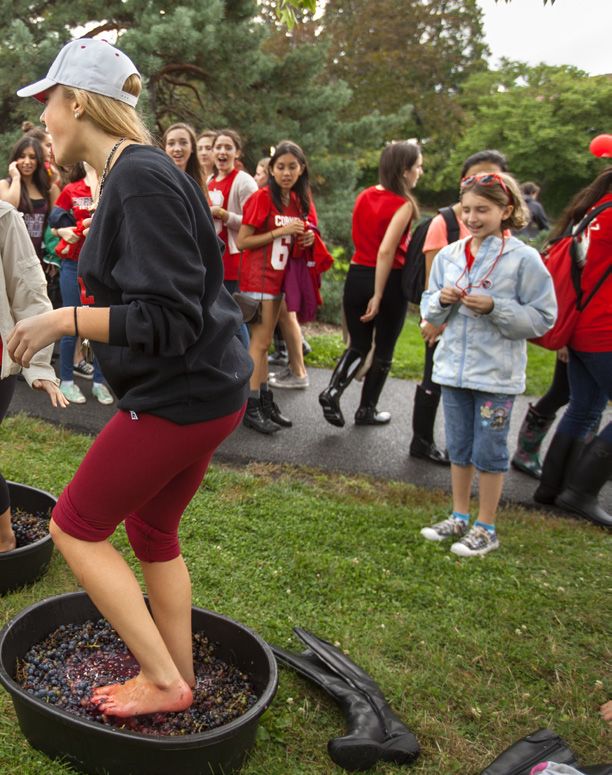
picture cornell

The 2014 Greek Freak: Salute, Step and Stroll! dance performance. To see “Picture Cornell”
slideshows at the Cornell Chronicle, visit www.news.cornell.edu/picture-cornell.
CORNELL’S QUARTERLY MAGAZINE

features

06               THE TRANSFORMER
                 How Chuck Feeney ’56 and The Atlantic Philanthropies
                 have championed the idea of giving while living.

12               PAYING IT FORWARD
                 Cornell’s future is being shaped by the kindness and
                 generosity of Cornellians and friends today.

26               IN THE FIELD
                 Cornelliands help uncover and preserve the “Lost City”
                 of El Mirador.

departments
04 CORNELL UNIVERSE                   32 CAMPAIGN NEWS
eLab alum creates proactive           Crowdfunding at Cornell:
health app, flipping classrooms,      A slowly budding flower
3-D brain image becomes
sculpture, 150.cornell.edu seeks      33
submissions, Cornellian gets          You Can Make It Happen
top MLB job.
                                      34 PEOPLE
24 PEOPLE                             Appreciating the special partnership
Building on opportunity:              of two community leaders
The Cassell family of architects
                                      35 LET’S GO BIG RED
28 REUNION                            Thanks to alumni, women’s sailing
Class of ’09 shares the               receives varsity status
“Spirit of ’31”
                                      36 WE CORNELLIANS
29 FACULTY LEGENDS                    Student clubs and organizations,
Francis Henry Fox                     circa 1940

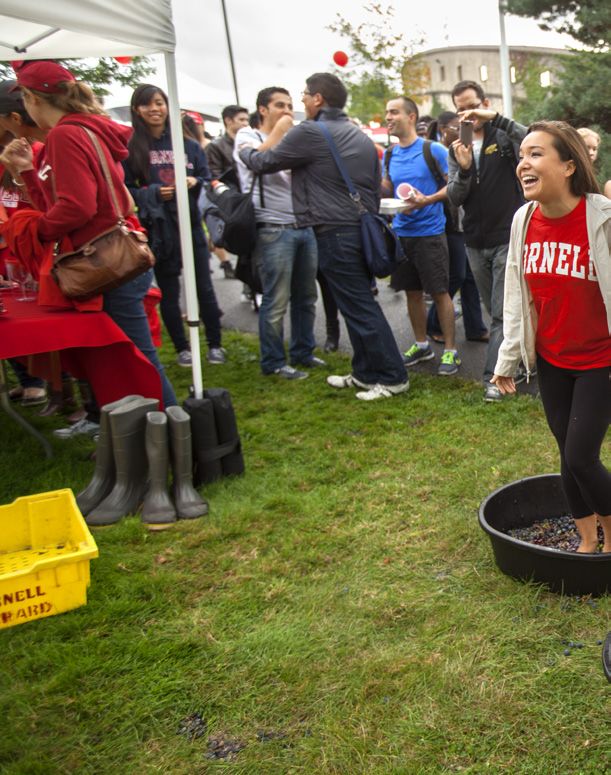
30 PICTURE CORNELL                    37 END NOTE
Grape stomp at the                    Chuck Feeney’s generosity
Homecoming Family Fun Zone            “as extensive as it is imaginative”

                                                       Fall 2014 | ezramagazine.cornell.edu 1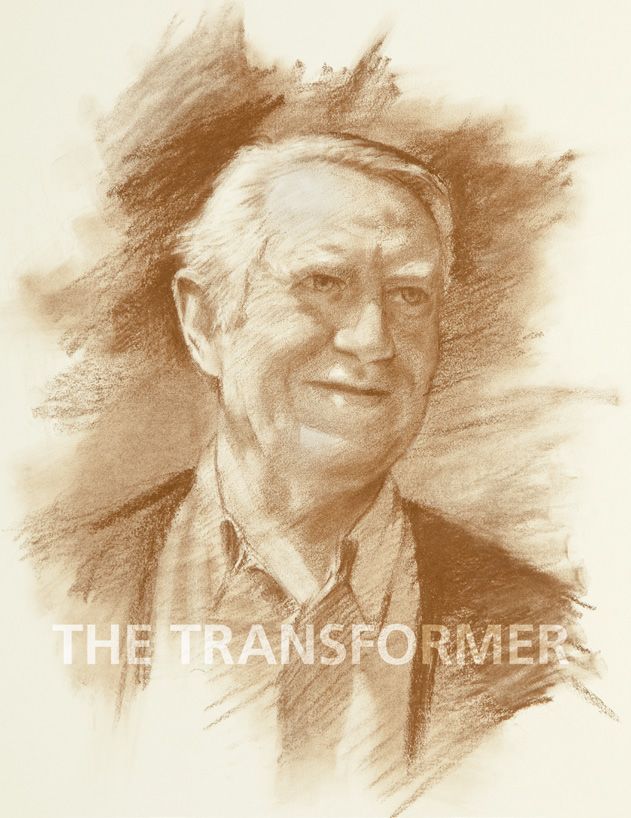
from the publisher
    EZRA: Cornell’s quarterly magazine                                     This issue of Ezra is one that makes me proud to be part of the
    Vol. VII, Issue 1, Fall 2014                                           Cornell community in a powerful way. It is about caring and
                                                                           giving, and it is about excellence. The alchemy of good character,
    Publisher: Tracy Vosburgh
                                                                           good education and a good sense of giving back creates the
    Senior Director for News: Karen Walters                                types of individuals that you will read about in these pages.
    Managing Editor: Joe Wilensky                                         We feature a collection of amazing, heartwarming stories of
                                                                          giving – of time, energy, effort, financial support and professional
    Senior Editor: George Lowery
                                                    guidance – by students and faculty, staff, parents and alumni. Their shared experiences
    Contributing Editor: Emily Sanders Hopkins      and friendships grew over time with so many paying it forward in different ways for the
    Design: University Communications Marketing     next generation.

    Project Managers: Barbara Drogo and
                                                    Most of you will recognize Chuck Feeney ’56 on the cover. But this is not just a photo
    Christopher J. Kelly                            of Chuck or a traditional or formal portrait. This is an illustration of a Cornellian who
                                                    embodies the good that he and others have done, are doing and will do to make the
    Contributors: Daniel Aloi, Jose Perez Beduya,
    Ted Boscia, Corey Ryan Earle, Peter D.          world a better place. It is this greater sense of good and giving back that you will read
    Gerakaris, Jeremy Hartigan, Emily Sanders       about in small and large ways throughout this issue.
    Hopkins, Anne Ju, Jeffrey Kabel, Kate Klein,
    Krishna Ramanujan, Frank H.T. Rhodes, H.        We chose Chuck Feeney to represent this issue’s theme of giving because of his
    Roger Segelken, Gary Stewart, Joe Wilensky
                                                    selfless generosity and commitment to helping others, first anonymously and now as
    Produced by the Cornell Chronicle,              part of the Giving While Living Pledge that Warren Buffett, Bill Gates and others have
    AAD Communications and University
    Communications Marketing. All photography       signed to encourage others. We commissioned artist and Cornellian William “Bill”
    by University Communications Marketing          Benson ’72 to create a charcoal depicting what we call the giving spirit that Chuck
    unless otherwise indicated.
                                                    embodies and shares with others.
    Diversity and Inclusion are a part of
                                                    Bill was selected because he brings together both remarkable representation and the
    Cornell University’s heritage. We are
    a recognized employer and educator              abstract in his portraits. We met with him in his studio and shared photos and stories
    valuing AA/EEO, Protected Veterans, and
                                                    about Chuck, discussed various styles of creating the portrait and described what we
    Individuals with Disabilities.
                                                    wanted to convey. When we saw an early sketch that captured the spirit we wanted, we
    Subscription information:                       left Bill to create our cover. What you see is simply magic.
    ezramagazine@cornell.edu or
    call 607-255-3630.                              Enjoy this issue, and, as always, send me your thoughts at avpcomm@cornell.edu.

    ezramagazine.cornell.edu
    Printed using soy inks on Flo paper (FSC- and
    SFI-certified, 10% PCW, and manufactured
    using 100% Green-e certified energy).

                                                    Tracy Vosburgh
                                                    Assistant Vice President, University Communications
           FSC+RECYCLING                            University Relations
             INFO HERE

    09/14 45.1M Cohber

    ON THE COVER:
    Illustration by William “Bill” Benson ’72;
    design by University Communications
    Marketing.

2
Members of the College of Agriculture and Life Sciences
community gather in Stocking Hall to package 20,000 dry meals
that will be shipped around the world to support school feeding
programs and crisis relief Oct. 16.

                                                                  Fall 2014 | ezramagazine.cornell.edu 3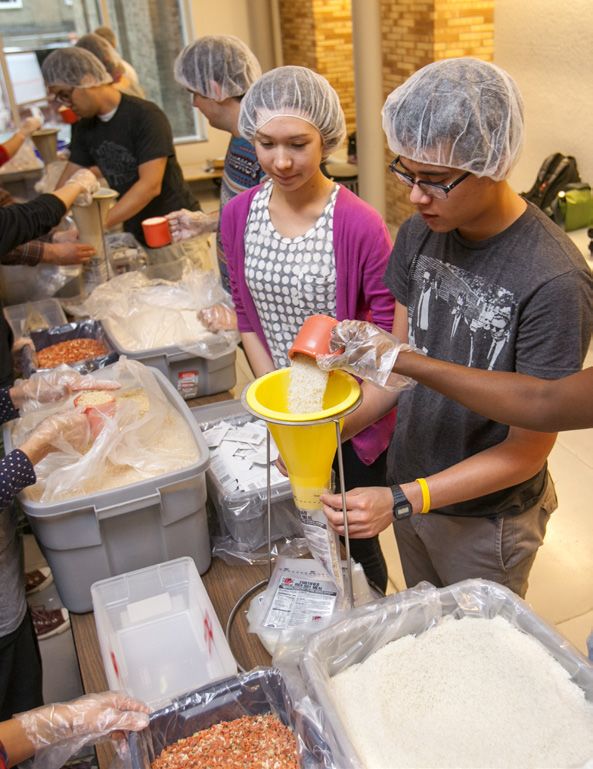
CORNELL UNIVERSE

                                                                        Lentz Photography/iStockphoto
                                                                                                        .

                                                                                                        Turning teaching –
                                                                                                        and knowledge

                                                            TriArctic
                                                                                                        transfer –
                   eLab grad takes company                                                              upside down
                   on venture trail                                                                     From teacher to student: for centuries,
                                                                                                        that’s how knowledge has been
                   A new company founded by Haroon                                                      transferred. But it turns out that’s not
                   Ismail ’13 could make checking your                                                  always the best approach.
                   blood sugar as easy as reaching for
                                                                                                        A pilot project in the College of Arts and
                   your smartphone.
                                                                                                        Sciences is implementing the “flipped
                   Ismail’s company, AkibaH, is a recent                                                classroom” model advocated by Nobel
                   graduate of a highly selective boot                                                  laureate Carl Wieman, where basic
                   camp for promising health care                                                       knowledge is transferred outside the
                   startups, sponsored by Sprint. He’s                                                  classroom, so that class time is focused
                   also a graduate of Cornell’s eLab, the                                               on engaged learning via problem-
                   accelerator for student businesses.                                                  solving and reasoning practice.
                   “We do more than just keep a                                                         Although the curriculum is still
                   running tally of readings and                                                        under development for the pioneer
                   graphing them,” Ismail says about                                                    departments (physics and biology),
                   his company. “Our product helps                                                      faculty aren’t waiting. Students in
                   people be proactive rather than                                                      last spring’s team-taught Introduction
                   reactive, to meet their goals and                                                    to Neuroscience watched videos
                   stay on top of them.”                                                                before class that were prepared by
                   Ismail lost a loved one to diabetes-                                                 neurobiology and behavior professor
                   related complications when he                                                        Carl Hopkins. They then spent class
                   was 16. He entered Cornell as a                                                      time working with real-world problems
                   pre-med major, but realized that                                                     and answering clicker questions.
                   by leveraging technology, he could                                                   Susan Riha’s Environmental Physics
                   have a bigger impact on care.                                                        class also prepared ahead of time,
                   After graduation, he turned down                                                     then spent class time working on
                   a Fulbright Fellowship to found                                                      multipart environmental problems in
                   AkibaH. Other partners in                                                            groups of three.
                   AkibaH include co-founder/COO                                                        Fortunately, the new Clark Hall Learning
                   Fathi Abdelsalam, MPA ’13, and                                                       Suite is ready for flipped classroom
                   Paul Chang ’14.                                                                      use. The suite, made possible by a
                                                                                                        donation from Ruth Lasof, includes four
                                                                                                        classrooms, a new study area and a
                                                                                                        common area. The classrooms feature
                                                                                                        flexible seating and tables.
                                                                                                        The flipped classroom pilot project
                                                                                                        is made possible by the generosity
                                                                                                        of Alex and Laura Hanson, Class of
                                                                                                        1987; Alex Hanson says they “found
                                                                                                        the research on how it benefits
                                                                                                        students really compelling.”

 4
Weill Cornell brain image
           printed in 3-D for exhibit
           Weill Cornell Medical College physicist          how scientists visualize pathways that
           Henning U. Voss has collaborated                 carry out brain functions.
           with Philadelphia’s Franklin Institute to        “I hope that this piece will do its part
           transform a virtual 3-D brain image into a       to make young people interested in the
           physical reproduction.                           brain as an object of scientific inquiry,”
           The two-and-a-half-foot sculpture is the         says Voss, the Nancy M. and Samuel C.
           centerpiece of a new exhibit, “Your Brain,”      Fleming Research Scholar in Intercampus
           at the institute that lets visitors explore      Collaborations and associate professor of
           the brain in themed sections. Voss’              physics in radiology.
           3-D-printed structure, based on imaging
           depicting the brain’s white matter, shows

                                                                                                                                                                                American Precision Prototyping
                                                                                                                                                       Walker1890/iStockphoto
                                                                                                        Cornellian gets top MLB job
                                                                                                         Rob Manfred (below right), a 1980 ILR graduate and Major
                                                                                                         League Baseball’s chief operating officer, has been named the
                                                                                                         sport’s 10th commissioner; he will succeed Bud Selig in January.
                                                                                                         At MLB, Manfred has played key roles in advancing drug testing
                                                                                                         and in steering contract negotiations away from a decades-long
                                                                                                         pattern of work stoppages. “The single biggest skill I gained at
                                                                                                         ILR is the ability to negotiate,” Manfred said in 2013. “I was well
                                                                                                         trained in how to get ready to bargain.”
Provided

           Wanted: Cornell images,
           stories, memories (yours!)
            All Cornellians – students, families, alumni,
            friends, faculty and staff – are encouraged
            to help energize the Big Red community
            as the university prepares to celebrate its
            sesquicentennial.
            Visit 150.cornell.edu to submit stories,
            images and events that have shaped your
            Cornell experience, whether recent or long
            ago. These memories will be gathered and
            shared on the Sesquicentennial website.
            Stand up and be counted as a proud Cornel-
            lian. Show your Sesquicentennial spirit!

                                                                                    Manfred, right, with Gary Bettman ’74, National Hockey League
                                                                     Jesse Winter

                                                                                    commissioner, at a December 2013 event in New York City.

                                                                                                                                           Fall 2014 | ezramagazine.cornell.edu 5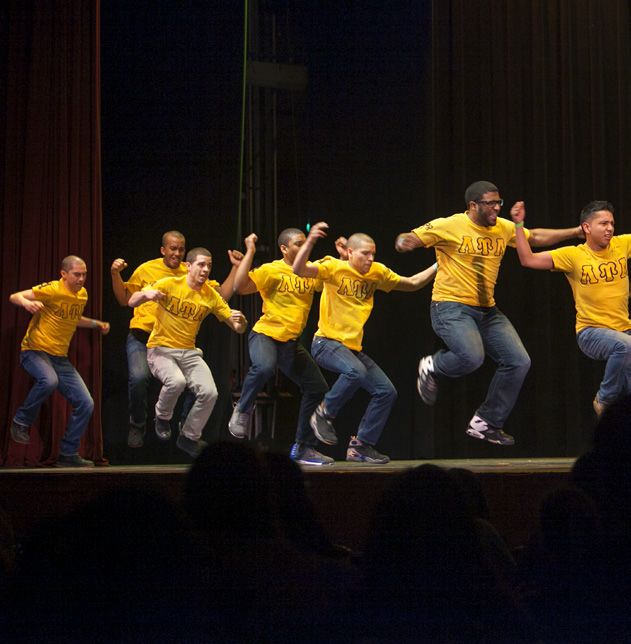
cover story BY EMILY SANDERS HOPKINS

         “I had one idea that never
          changed in my mind –
         that you should use your wealth
               to help people.”

6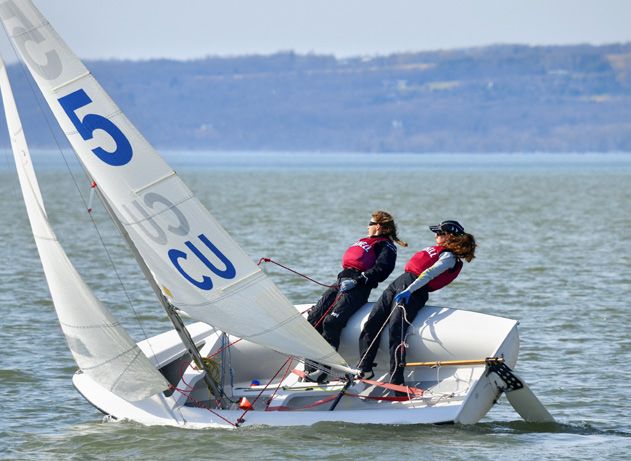
TheTransformer
Fennell Photography

                      Chuck Feeney ’56 champions the
                      pleasure of giving while living
                      He is Cornell University’s biggest donor.
                          Through The Atlantic Philanthropies, the charitable foundation
                      he seeded with nearly all of his wealth, Feeney has given Cornell
                      approximately $1 billion. He is among the top three or four
                      philanthropists in modern times, along with Warren Buffett,
                      George Soros, Michael Bloomberg, and Bill and Melinda Gates.
                      By 2020, he and Atlantic will have given away approximately $7.5
                      billion. The magnitude and impact of his generosity are a source of
                      inspiration even to the world’s highest-profile philanthropists, such
                      as Buffett and Gates, both of whom have said Feeney is a role model
                      for how to give and how much to give. Quoted in a 2012 issue of
                      Forbes, Gates said: “Chuck is fond of saying that none of us
                      has all the answers, but I know that Melinda and I
                      have learned a great deal from him in the time
                      we’ve spent together.”
                              He is, you might say, a philan-
                          thropist’s philanthropist.
                          But for more than two
                             decades,

                                                                                                                                         Rendering: Luke Yoo/Morphosis

                                                                                    Rendering of a portion of the
                                                                                    future Cornell Tech campus
                                                                                    on Roosevelt Island, showing
                                                                                    the campus lawn, the first
                                                                                    academic building (left) and
                                                                                    the co-location buidling.

                                                                                                     Fall 2014 | ezramagazine.cornell.edu 7
cover story
        until his authorized biography was published in 2007,                                sandwiches and made dozens of lifelong friends. He
        almost no one had heard of him or knew about his                                     used his savings to travel to Europe and enroll in a
        massive, anonymous charitable giving.                                                graduate program in France, where he launched a
                                                                                             lucrative summer camp for American military kids.

                       Division of Rare and Manuscript Collections
                                                                     ‘Charlie’ Feeney from   In 1958, with fellow Hotelie Robert W. Miller ’55, he

                                                                     New Jersey
                                                                                             co-founded a duty-free shopping operation in Europe.
                                                                                             Within a few years they expanded to Hong Kong, taking
                                                                                             advantage of the fact that sailors and tourists were
                            Friends and observers have                                       allowed to send home automobiles and up to five bottles
                            described Feeney as shy, a fast                                  of liquor as unaccompanied baggage, duty free, at a
                            walker, brilliant, fearless and                                  significant savings.
                            tireless, quiet and deeply caring. He
                            has striking blue eyes and a wry,
                            quick wit.
                                                                                                   giant cash
                                                                                             Building a
                                Feeney grew up during the
                            Great Depression in Elizabeth,
                                                                                              machine, only to
                            New Jersey. He and his parents
                                                                                             		                give it all away
                            and two sisters made ends meet,                                             Within a few years, thanks to nearly
                            sometimes just barely.                                                       constant travel, remarkable attention to
                            No one in the Feeney                                                         detail, the strategic bailout of a rival duty-
     family had attended college, and no one                                                             free business, and cultivated relationships
     expected that Chuck would, either, let alone                                                        with liquor companies, car manufacturers
     an Ivy League university. Nevertheless, he                                                          and military personnel, Feeney and his
     came to Cornell (above: his yearbook photo)                                                         partners had built an international business.
     and went on to launch a successful global                                                           It leveraged the strong American dollar and
     enterprise that made him a millionaire                                                              rising middle class, as well as burgeoning
     hundreds of times over.                                                                             Japanese tourism and tax havens. Over the
         According to Conor O’Clery’s best-selling                                                       next three decades, Feeney and Miller’s Duty
     biography, “The Billionaire Who Wasn’t:                                                             Free Shoppers (DFS) became the largest seller
     How Chuck Feeney Secretly Made and                                                                  of luxury goods, cigarettes and
     Gave Away a Fortune,” Feeney was already                                                            liquor on the planet.
     cheerfully industrious at an early age. He                                                               By his 50th
     sold greeting cards door-to-door in elementary school,                                  birthday, Feeney was
     among other ventures. By the time he reached Cornell as                                 extremely wealthy,
     an Air Force veteran (he’d volunteered for military service                             making tens of
     at age 17 in 1948), paying tuition with the help of the G.I.                            millions a year.
     Bill, he had further honed his entrepreneurial talents.                                 But he wasn’t interested in having the
          He had decided to apply to Cornell after reading                                   kind of lifestyle often associated with
     an article about the School of Hotel Administration                                     great wealth. Instead, he wanted to
     titled “A School for Cooks” and thought to himself (as                                  use his money to help people in need
     he recalls in O’Clery’s book), “I could do that, I could                                on a large scale (“It’s all about the
     look after people.”                                                                     people,” he often said).
          In his freshman year, Feeney launched a sandwich                                        In 1984, at age 53, he moved
     business on campus (feeding fraternities and sororities)                                forward with a radical decision he’d
     so profitable that he was known by fellow students as                                   been mulling for years – to give away
    “The Sandwich Man.” He’d stand outside the fraternity                                    virtually all of his personal wealth for the
     houses and blow a whistle to alert hungry people inside                                 benefit of others. He quietly transferred
     that now was the time to buy a snack.                                                   the majority of his stake in DFS – estimated
          He’d done the math: people were hungry, convenient                                 to be north of $500 million – to a charitable
     late-hour food was scarce, many students had extra                                      foundation he created. Business publications say
     pocket money; he could buy bread, meat and cheese                                       Feeney was, at the time, perhaps the richest person
     with a check on Friday night that wouldn’t be cashed                                    to give away such a large percentage of his wealth.
     until the following Monday. His roommates and friends                                        Over time, what has really set him apart, though,
     could be inveigled to help spread mustard and assemble                                  is the entrepreneurial nature of his giving and the
     the sandwiches.                                                                         dramatic changes it has brought about within education
          By the time he graduated from the School of                                        and for children, the elderly and the marginalized in his
     Hotel Administration, Feeney had sold thousands of                                      chosen geographic regions – Ireland, Northern Ireland,

8
Vietnam, Australia, South Africa, Bermuda and the is found in Atlantic’s efforts to revamp Ireland’s higher
United States (see map, below). education system starting in the 1980s. At the time,
While he was no longer personally wealthy, he was Irish universities were underfunded and ranked poorly
still always on the lookout for good partners and ways to worldwide,
leverage his resources to get a bigger bang for his buck, and the Irish
Division of Rare and Manuscript Collections
whether in business – still making decisions for DFS – economy was
or philanthropy. so weak that
young people
What transformative were leaving in
giving looks like
droves. Feeney
began by asking
a few university
Feeney has said that he didn’t want to give gifts that presidents
merely “tinkered at the edges.” Instead, he wanted to to think big
utterly transform things. This year, an article in the and come up
Australian Financial Review documented a recent with bricks-
explosion of philanthropy in Australia, giving much and-mortar
credit for the trend to Feeney and Atlantic, who have projects capable
given approximately a half billion dollars to build or of redefining
expand 25 biomedical research facilities in Australia research in Feeney, right, with Jack Clark, then dean of
since the late 1990s. “He strong-armed governments,” Ireland, but the School of Hotel Administration, during
the reporter writes of Feeney’s Australian giving, “to he placed a Hotel Ezra Cornell in 1989.
give matching grants and gave in the wake of the global condition on his
financial crisis when the money was most needed and gifts: They’d have to raise big money from other sources,
went the furthest.” including the Irish government, to claim matching
Another example of Feeney’s habit of using leverage funds from Atlantic.
Fall 2014 | ezramagazine.cornell.edu 9cover story
That first foray blossomed into Atlantic’s investment, involvement and academic achievement.” Atlantic
over the next 25 years, in every university in Ireland, and has since given millions more to the program and
more recently in secondary schools in Northern Ireland. has been joined by hundreds of other donors, who
The foundation has now funneled some $800 million to together have named 263 additional Tradition
Irish schools and several hundred million more to other fellowships. To date, 4,315 Tradition fellows have
Irish institutions, while leveraging much more from given more than one million hours of public service
the Irish government. The Irish educational system has to the community since the program’s inception and
since jumped at least 20 spots in international rankings, have helped enhance the campus’s decidedly public
research output has grown in leaps and bounds, and the service-focused culture.
economy became more robust and able to weather the Without Feeney and Atlantic, there also would be a
global downturn with improved resilience. lot fewer scholarships. The $50 million the foundation
In 2012, for the first time in history, the nine made available for a scholarship campaign starting in
universities of Ireland, north and south, together 1990 was contingent upon the university’s ability to raise
conferred an honorary degree on Feeney. $150 million from others. All told, over 450 alumni,
Atlantic has built schools and parents, friends, corporations
hospitals in Vietnam, improved the and foundations created or
health care system and advocated “The beneficial effects enhanced more than 800
for human rights in South Africa, Cornell University will have scholarships.
advanced cutting-edge medical Atlantic’s support for faculty
research in San Francisco, and
on the lives of its students, has included tens of millions of
with money from his own pocket, alumni, and people in every dollars in bridging funds that
Feeney played a significant role corner of the planet have allowed for new hiring of dozens
in the peace process in Northern of professors. Atlantic’s support
Ireland in the 1990s. Feeney’s and
been multiplied by Chuck’s has allowed the university to
Atlantic’s philanthropy has had generosity and by his quiet, recruit and retain many of the
a transformative effect on whole powerful commitment to most extraordinary faculty on
sectors of national economies and campus today, to think broadly
on entire regions.
making the world better.” about academic priorities most
– President David Skorton important to the university’s
future, and to make investments
Atlantic Philanthropies needed to pursue them.
at Cornell Atlantic’s commitment in 1999 to Cornell’s
Residential Initiative permitted the university to move
forward with a bold, expensive plan, under the leadership
What would Cornell University look like without
of then-President Hunter Rawlings, to house all first-year
Feeney and The Atlantic Philanthropies? For starters, it
students on a renovated North Campus – and to rebuild
probably would not have Cornell Tech, since Atlantic’s
West Campus, where five new living/learning houses
down-to-the wire gift of $350 million was a major factor
offer students in the sophomore year and beyond an
in Cornell’s winning bid to New York City for a tech
attractive on-campus housing option. The initiative also
campus in 2011. The gift made headlines around the
put in place a strong program to incorporate academics
world and is the largest single gift designated to one
into residential life, creating more opportunities for
purpose in Cornell’s history. (In fact, it is one of the
informal student-faculty interaction. The residential plan
largest gifts ever given to any university, topped only by a
has been one of the great Cornell success stories in recent
handful of $400 million gifts and one gift of $600 million
decades – enriching campus life, creating a stronger
from the Gordon and Betty Moore Foundation to the
academic community and underscoring the importance
California Institute of Technology in 2001, according to
of faculty mentoring of undergraduates.
The Chronicle of Higher Education.)
Cornell President David Skorton told Ezra magazine
But Atlantic’s giving at Cornell started much earlier,
that his years as president “have been punctuated by
and much more quietly.
absolutely terrific, transformational moments when
“There is likely no better example of Chuck
Chuck and The Atlantic Philanthropies stepped in and
Feeney’s commitment to ‘giving while living’ than
offered partnership, leadership and support.
Cornell University, his alma mater, and the recipient
“The beneficial effects Cornell University will have
of the first grant The Atlantic Philanthropies ever
on the lives of its students, alumni and people in every
made,” said Chris Oechsli, president and CEO of
corner of the planet have been multiplied by Chuck’s
The Atlantic Philanthropies. That first grant, in 1983,
generosity and by his quiet, powerful commitment to
launched the Cornell Tradition, a fellowship program
making the world better.”
that recognizes and offers programming and book
stipends to students with “a strong work ethic, service
10From left, then-New York City Mayor Michael Bloomberg, Google co-founder and CEO Larry Page, Cornell President David Skorton,
Feeney and Robert Harrison ’76, chairman of the Cornell Board of Trustees, at a May 2012 press conference announcing that Cornell
Tech would have its first physical space, free of charge, in a New York City building owned by Google.
The pledge
Even though he had transferred virtually all of his and receiving the Forbes award. “You get more satisfaction
his family’s assets more than 25 years earlier, in 2011 from giving while you’re alive and involved. You learn
Feeney became a signatory of the Giving Pledge. Created and make adjustments to achieve the highest and
by Buffett and Gates, the pledge aims to motivate the best use of your resources. You get to see what you’ve
wealthiest individuals in America to commit to giving helped accomplish. I am grateful that, by giving me
the majority of their wealth to the philanthropic causes this award, Forbes is encouraging other successful
and charitable organizations of their choice – preferably businessmen and women to more fully engage in
while the donors are still alive. Feeney has wryly philanthropy in their lifetimes.”
observed that it is very difficult to enjoy philanthropy Feeney once famously told The New York Times, “I
once you are dead. want the last check I write to bounce.”
“Try it,” he has said about giving while living – There will probably be no such drama, but The
“you’ll like it.” Atlantic Philanthropies is planning to spend down its
“While Chuck’s theory is a simple one – that donors funds by 2020.
will get more satisfaction from their giving if done President Emeritus Frank H.T. Rhodes, who led
while they are living – the impact of the philosophy is Cornell from 1977 to 1995, served on the board of The
immeasurable,” Oechsli said. “Though hard to quantify, Atlantic Philanthropies from 1995 to 2008 and chaired
the impact can be seen in healthier, better educated, it from 2000 to 2008.
more peaceful communities where people have “The award of the Forbes 400 Lifetime Achievement
increased access to opportunity and are treated with Award to Chuck Feeney is yet another fitting tribute
dignity and respect.” to his extraordinary generosity,” Rhodes told the
This past June, Feeney was honored with the Forbes Cornell Chronicle in June. “A score of areas at Cornell
400 Lifetime Achievement Award for Philanthropy, bear witness to his anonymous generosity. Quietly,
presented to him by Buffett, who told the assembled thoughtfully, steadily, Chuck continues to enrich and
public officials and philanthropists that Feeney was not improve the life of our university. This is one of the
only his hero, but also Gates’ hero, and that “he should very rare occasions when we can publicly acknowledge
be everybody’s hero.” him as Cornell’s foremost benefactor.” ■
“It’s simple, really,” Feeney said on the occasion of
Fall 2014 | ezramagazine.cornell.edu 11paying it forward
Paying it forward, and back
Most American educational institutions rely on the
kindness of friends (and some strangers, too) –
from Stanford’s chart-topping philanthropic What impact does giving and volunteering
support that sometimes reaches the $1 billion have on Cornell? It’s doing nothing less than
mark in just a year’s time, to the vast network changing the course of the university’s future,
of state and local schools that receive major as seen in Chuck Feeney’s story (starting on
funding from both their alumni and state page 6) and Joan and Irwin Jacobs’ story (page
governments. Volunteers plan and host parties, 16). But there are also smaller stories with big
interview prospective students, serve as impact. Like the devoted staffer who goes the
ambassadors and unpaid spokespeople, provide extra mile to help international students (page
expert advice on everything from land use to 13), or members of the Class of 1979, who
financial markets, marketing to engineering. rallied to make a splash on the occasion of their
And there are even standout small colleges like 35th Reunion (page 14).
Centre and Amherst that can count on more Cornell’s future is being shaped by the
than half their alumni making a gift to the kindness of Cornellians and friends today.
school in a given year. – Emily Sanders Hopkins
Busy beavers building scholarships
Of the approximately 2,300 students were admitted but
endowed, named scholarship chose to go elsewhere because
funds supporting Cornell they felt Cornell didn’t supply a
C
undergrads, one of the biggest competitive financial aid package,”
is thanks to the Cornell Club Bishop recalls. Today, all Cornell
of Oregon and Southwest students from Washington or
Washington. Endowed through Oregon who have financial need
gifts from approximately 50 are awarded some portion of the
Oregon and Washington alumni, scholarship’s payout.
including two major bequests, the Soon after enrolling, an
scholarship has grown to almost eligible student will get a letter in
$2 million, with an annual payout the mail from Bishop that states:
of around $85,000. Last year, the “Our scholarship monies have
club’s scholarship helped support been raised to help ‘Oregon’s own’
46 students. It is Cornell’s largest at Cornell. Other Cornellians
alumni club scholarship, which before us have provided a helping
is especially impressive when you hand to the next generation of
realize that there are only 1,000 Cornellians to enjoy the benefits of
Cornellians living in the region a top-rated education. Hopefully,
and only 200 active club members. some day you will be in a position
Keith Binns/iStockphoto
“We started it back in 1980,” to do likewise and carry on this
says Mort Bishop ’74, the proud tradition of helping others
primary driver and caretaker of in our Cornell family.’”
the fund. “It’s just amazing,” he – Emily Sanders Hopkins
muses, “how time flies and how
an endowment builds.”
The club was motivated to
start the scholarship after a bad
year. “It started when several
12A superhero for Students lending a hand
international students (and ears, shoulders, etc.)
Sarah Hilsman ’84, associate director for Student How upperclassmen help new students
Immigration Services in the International Students and adjust to Cornell life
Scholars Office, is “clearly an equal-opportunity giver,”
in the words of one grateful graduate student. Giving the inside scoop Hall residents in her care
“Without her, my life at Cornell would have been Each year before classes start, know that her door is always
10 times harder,” writes Ilil Benjamin, a student from nearly 500 student volunteers open, no matter the issue.
Israel and a Ph.D. candidate in the field of science and serve as Orientation Leaders
technology studies. Organized helping
(OLs). Each helps a group of
“Sarah must have responded to over 100 of my six to nine first-year students During the 2013-14 year,
questions about my immigration status over the past through the critical days nearly 500 students signed
several years and spent dozens of hours investigating between move-in and the up for Campus Connection, a
them personally on my behalf – including in the start of class, taking them on student organization that uses
evenings, on weekends and in her downtime,” tours of campus and giving an online survey to connect
Benjamin continues. “And I am only one student! I can academic pointers. Some upperclassmen with first-year
only imagine how many others she must have helped in favorite tips from OL Marcus students based on shared
this way.” Foo ’15: “Temple of Zeus is academic interests. Zach
“It’s an ethic of the entire office to be as helpful as we known for its soups. The first Praiss ’16 and Blake Barr ’16
can,” says Hilsman (above right, with students). “There’s prelim is usually the easiest founded the organization in
a lot of frustration that comes up for people, so as calm – ace it. If you don’t like your fall 2013 to give back what
as we can be and persistent as we can be, the students end adviser, find another.” OLs they had received from their
up feeling our advocacy, and it helps the anxiety level.” love to share what they’ve own mentors. “For both of
A large part of her role is “helping people navigate learned themselves. us, upperclassmen played an
various bureaucracies,” Hilsman says. “People fall out of invaluable role,” says Praiss.
status and run into endless bureaucratic issues that get Listening, and just “We wanted to provide that for
complicated. There’s a lot of mediating.” being there any student.”
“She clearly cares about her students tremendously,” Resident Advisers are trained For fall 2014 Orientation,
Benjamin says. “She knows we’re in vulnerable and to care for the well-being of Campus Connection
anxious positions as noncitizens, and it’s a personal their residents, in addition to reached out through
mission for her to make sure we’ll make it through our enforcing university rules. “I Facebook, sidewalk chalk
programs intact.” had a hard time adjusting,” and the student organization
When asked what she enjoys most in her job, says Ashley Rousseau ’15, fair to reach the group’s
Hilsman says: “I happen to be good at dealing with whose RA helped her through growth goal: “We want to
immigration regulations and bureaucracy, but I love an especially rough freshman be something all first-year
being able to use that skill to help internationals and get year. “My RA at the time students know about.”
to know them. It’s also exciting to experience Cornell noticed and talked to me – Kate Klein
through the eyes of someone coming to the United States about my academic situation.”
for the first time.” Now an RA herself, Rousseau
– Daniel Aloi makes a point to let the Balch
Fall 2014 | ezramagazine.cornell.edu 13paying it forward
1979
Rah, rah, rah! (plus a lot of legwork
and planning and emailing)
Why do some Cornell Reunion
classes rally together and give back
topped them all
in 2014
Tower Club donors.” Final two factors: engaged, to stay in contact all the
“an extremely hardworking major
gifts team of over 20 classmates,”
and “good stewardship of past Tower
time. When I look back, we all had
student loan debt (of course it pales in
comparison to today), and back then
big time, while others putter and Club gifts, including a tradition of we might have thought, ‘Why should
languish in the fundraising realm? If handwritten thank-you notes from I give the university any money?’ But
you ask folks responsible for the Class Major Gifts Committee chairs.” as you get older and hopefully more
of 1979’s record-breaking stats this Weiss explained that members of successful, you can pay it forward.
Reunion year (they had 134 donors the Class of ’79 “are a fun bunch” and You realize it really was a good
at the Tower Club level – $5,000 and that they have multiple approaches experience.”
above – beating the Class of 1977’s to increasing engagement. “We The class reached its numbers,
record of 122 for any class at any celebrated 90 distinguished classmates
Wilson explains, by sending many ap-
reunion, set back in 2002), you’ll hear for accomplishments across eight
peals for support, by email and paper
the same answer again and again: “the fields, travel together, regularly
mail, on the phone and in person.
two Jeffs.” party and have a memorial fund for
Working in their favor, he points
They would be Jeff Berg ’79, former departed classmates. And then we
class president and current major gifts asked and asked.” out, was age. “From a fundraising
committee member, and Jeff Weiss ’79, In addition to the all-time Tower point of view,” he says, “people’s love
former major gifts chair and current Club record for any class, the Class of tends to get better as they get older.”
class president. ’79 also had more donors than any of Case in point: Cindy Green
And if you ask Berg the secret to this year’s reunion classes: 795 alumni ’79, Wilson’s reunion campaign
success, you’ll get a detailed set of made gifts. (The all-time 35th reunion committee co-chair, who says:
instructions, because he lives and donor participation record is 857, set “Cornell is my most favorite and
breathes this stuff. in 2008 by the Class of revered institution on the planet.
“We didn’t get to 134 Tower 1973.) Together, members
Club donors by accident,” Berg says. of the Class of 1979 gave
Required factors include, he says, gifts to their alma mater
“great staff support,” and the fact totaling more than $33.4
that Weiss set the goal of 125 Tower million in fiscal year 2014.
Club donors a full 18 months before Mark Wilson ’79,
Reunion. Also: “We, over the years, reunion campaign
developed a very generous and loyal committee co-chair, who
set of classmates. You get to 130-plus was roped into class
Tower Club donors in a reunion year engagement “three jobs
by first having several consecutive ago” by Berg, says: “The
Provided
non-reunion years with over 100 real thing is to get people
14Philanthropic parents His son’s disease inspires a
parent to support research
Ray and Kathy Mills made a gift to
are Cornell parents Lammerding’s “[Jan] is bridging
whose son, a junior research on EDMD. the divide between
in the College of Arts “I like the way he
and Sciences, has been is cross disciplinary engineering and
having a great experience – an engineer by biology, and often
at Cornell; he also has training,” Mills says advances come from
Emery-Dreifuss muscular of Lammerding. “He
dystrophy (EDMD). is bridging the divide people … bridging a
EDMD is one of the between engineering gap between fields.”
rarer forms of muscular and biology, and
dystrophy and affects often advances come – Ray Mills
skeletal muscles used from people from one
for movement and field applying their university this past
cardiac muscle. Heart knowledge to another, or fiscal year, supporting
Joe Scaglione
problems affect nearly bridging a gap between everything from medical
all people with EDMD fields. research and the Cornell
by adulthood due to “He has a very positive Annual Fund to athletics
The amazing instruction I abnormalities of the approach to things; he and undergraduate
received from the outstanding electrical signals that is an upbeat person, scholarships.
Urie Bronfenbrenner control heartbeat and engaging,” Mills says. “Parents are unique
and [College of Human heart rhythms. “He has a great group of in having a front-row
Ecology] Dean Jerry Ziegler Ray and Kathy students, undergrad and seat, in a way, to what
accounts for my ability to Mills support research grad, working for him; he makes Cornell an
receive a Ph.D. and develop on the disease and is a good leader, a team amazing place to study
a successful, fulfilling recently discovered builder, a motivating and live,” said Penelope
public policy career. The that Jan Lammerding, person. And I think those Chick, director of parents
connections I made at Cornell assistant professor in the are all things that lead to programs for Alumni
set me on a special trajectory Department good research.” Affairs and Development.
and enabled my life to be of Biomedical “The recent funding “Sometimes even more
amazing and happy and Engineering cuts to the National than their children,
filled with so many lifelong and at the Institutes of Health parents realize how
friends, a wonderful husband Weill Institute directly affect our privileged we all are to
and the three best children for Cell and research by limiting take part in the discovery
imaginable. Molecular available resources,” and community that
“In recognition of what Lammerding Biology at Lammerding says. make up Cornell.”
Cornell did for me, I want Cornell, is “Thanks to the generous – Joe Wilensky
to strongly memorialize researching EDMD. support from the Mills
the people who made this The Lammerding lab’s family, we were able to
possible: my teacher mom and specialty is subcellular expand our research
social worker dad, who took biomechanics and efforts on EDMD and
on second jobs. And I want the cellular signaling to develop new tools to
to give back to the institution response to mechanical identify the underlying
to ensure that it continues stimulation; his work disease mechanism,
to have the resources so that studies the interplay while also providing
future students can continue between cellular two Cornell students
to experience what I did.” structure and function the opportunity to
That’s paying it forward and how defects in gain valuable research
and back. nuclear structure experience on EDMD in
and organization can the lab over the summer.”
– Emily Sanders Hopkins
contribute to numerous More than 5,800
diseases, including parents of current
EDMD. Cornell undergraduates
The Millses recently made gifts to the
Fall 2014 | ezramagazine.cornell.edu 15paying it forward
gift poses
Matching
historic challenge
Help build the
Human Ecology
faculty and impact
The College of Human Ecology college’s eight multidisciplinary Programs and the Irwin and Joan
has received its largest gift ever: research themes: community Jacobs Professorship, both in the
$10 million from longtime Cornell and family policy, economics College of Engineering, as well
supporters Joan Klein Jacobs and federal policy, fashion as the Joan Klein Jacobs Cornell
’54 and Irwin Mark Jacobs ’54, and technology, health and Tradition Fellowship in the College
founding chairman and CEO design, lifespan development, of Human Ecology.
emeritus of Qualcomm, in support neuroscience, public health and – Ted Boscia
of faculty renewal. nutrition, and sustainability.
“It could not have occurred at “Irwin and I are pleased to
a more strategic time for Human support the College of Human RELATED INFORMATION:
Ecology,” said Alan Mathios, the Ecology in furthering its teaching
College of Human Ecology
Rebecca Q. and James C. Morgan and multidisciplinary research
Dean, “as we are in the midst of across a broad range of natural, www.human.cornell.edu
an unprecedented faculty renewal. social and environmental issues,”
Human Ecology
The gift’s matching nature allows Joan Jacobs said. “As an alumna,
us to leverage support from other I have benefited greatly from the Research Themes
alumni and friends far into the education that I received and am www.human.cornell.edu/
future, and the Jacobs’ gift will pleased to help provide a similar about-our-college/themes/
be remembered for helping to outstanding opportunity to
launch the great success of Human future students. We are delighted
Ecology and Cornell into our that this gift will bolster faculty
sesquicentennial year and beyond.” renewal during a critical time
In addition to fully endowing for the college, and hope that it
the Joan K. and Irwin M. Jacobs inspires others to support Human
Professorship in the College of Ecology’s teaching, research and
Human Ecology and a supporting outreach mission.”
Joan K. and Irwin M. Jacobs Joan Jacobs, a nutritional
Graduate Fellowship, the couple sciences graduate, and Irwin
has committed $6 million in Jacobs, an electrical engineering
matching funds to inspire other graduate, have a long history of
alumni and friends to establish generosity to Cornell. Last spring,
four more faculty endowments they gave $133 million to Cornell
in the college. With gifts of $1.5 and the Technion – Israel Institute
million each, other donors can of Technology to create the Joan
establish and name a professorship. and Irwin Jacobs Technion-Cornell
Mathios will use the Innovation Institute at Cornell
professorships to retain senior Tech in New York City. They have
faculty or recruit top scholars also established the Irwin M. and
in fields associated with the Joan K. Jacobs Scholars and Fellows
16supporting health and human services and programs. All other
designations are charged a nominal processing fee by United Way
of Tompkins County, not to exceed 2% of the total gift amount.
Verizon Technology Lending Lab
UWTC’s Verizon Technology Lending provides local nonprofit WORKING WITH OTHERS
organizations with technology to help raise awareness about their
Brother, can you spare
missions, recruit and train volunteers more effectively, present UNITEDdimes?
10 million WAY Vasko Miokovic/iStockphoto
information to funding sources, and educate the
community about the programs and OF TOMPKINS COUNTY
The United Way of Tompkins County In 2011, the Student United Way of
services provided by their organizations.
raiseson40a first
Equipment may be reserved percent of the total Tompkins (UWTC) WILL BUILD Cornell University won the first-ever
County
come, first served basis campaign from Cornell staff
at the UWTC AN ORGANIZATION THAT United Way Worldwide Student United
website (uwtc.org) orand faculty. This year, that amounted
by contacting SUPPORTS INDIVIDUALS IN Way Campus Organization of the Year
the UWTC office. Since the program’s
to $815,000. Most of the money came
inception in 2008, more than THEIR EFFORTS TO LIVE award, and has since been honored
230 equipment loansinhavemodest donations deducted from several additional times.
been made
to area nonprofits. individuals’ paychecks – $7 a month
S E LF-S U FFI C I E NT “United Way agencies and the many
here, Foundation
Program Partner: Verizon $20 a month there, but from PRODUCTIVE LIVES Ithaca-area residents who work there,
thousands of people. And it’s tough CONNECTS FAMILIES WITH support them or benefit from their
UWTC Disability Statement
times, economically, in Tompkins services are an essential part of our
In order to address the needs of individuals with disabilities,
County for many families, making this THEIR COMMUNITIES community’s strong and diverse fabric,”
UWTC is committed to working with local organizations in our ENCOURAGES DIVERSE AGENCIES
community that providesupport truly
opportunities forcritical
individuals and
with appreciated. says Ithaca Mayor Svante Myrick ’09.
AND COMMUNITIES TO ENGAGE “I appreciate Cornell’s commitment
In inclusive
disabilities to lead fully any given year,
lives. Your thousands
support of UWTC of Ithaca
funded programs and andservices helps people with
Tompkins all abilities
County residents EACH OTHER TO ACHIEVE to United Way of Tompkins County,
maximize their independence as fully engaged members of
our community.
– including Cornellians – receive
assistance from the more than 40
MUTUAL GOALS from its nationally recognized student
campaign to campuswide leadership
Contact Information United Way agencies.
MODELS AND EXPECTS that encourages staff and faculty to give
FAIRNESS, DIGNITY, AND RESPECT
United Way of Tompkins CountyStaff, faculty and student United and engage at the local level.”
313 N. Aurora Street Myrick, who volunteered for
Ithaca, New York 14850Way donations can be given for
any need or targeted to specific needs. For example, the Cornell Student United Way Campaign as an
Telephone: (607)272-6286 • Fax: (607)272-2736
contributions to the United Way’s Community Care undergraduate, has been an active voice for United Way,
www.uwtc.org • facebook.com/UWTC.org in part because of the help his family received while he
Fund go to local agencies addressing needs in child care/
early learning; youth; basic needs; crisis services; health/ was growing up in Earlville, N.Y. He knows firsthand
environment; financial stability/building self-sufficiency; that philanthropy is an important component of a
and seniors. functional society and can make a difference between
Dozens of United Way agencies and other nonprofit success and failure.
organizations in Tompkins County have at least one “The story of Ithaca and Tompkins County is not just
Cornell staffer, faculty member or student on its board. about high-profile leaders acting alone, but of thousands
And each fall, about 14,000 pounds of nonperishable of people working behind the scenes,” he says. “It’s what
food, personal care items, and pet and school supplies makes our many communities, including the campuses,
are collected on the Cornell campus and elsewhere in the worth living in and working for.”
county for the annual Stephen E. Garner Day of Caring. – Joe Wilensky
The right doctor in the right place at the right time
Lunchtime. A crisp, sunny day in in the garage is sick, the manager jumps out at the ER patient entrance.
early April. Dr. Louis Aronne is shouts out. Can you help? Following quick administration
walking the five blocks from New Aronne rushes into the garage of medication, Dr. Athos Patsalides,
York-Presbyterian/ and finds Errol Mair, a friendly, a Weill Cornell
Weill Cornell Medical College
Weill Cornell Medical College
Weill Cornell longtime parking attendant neurosurgeon,
Medical Center he immediately recognizes, in operates on Mair
to his office when a chair, his left side paralyzed. and lasers the life-
he sees someone Aronne knows right away what’s threatening clot.
familiar running wrong: a stroke. Later, asked
Aronne
toward him. After ascertaining that an Patsalides
about his role in
It’s the ambulance, which has already been saving Mair’s life,
manager of the parking garage called, might take too long, Aronne Aronne answers simply: “That’s what
where Aronne, a world-renowned urges worried co-workers to get Mair we do.”
internist and obesity expert at Weill into a car to be rushed to the nearby – Anne Ju
Cornell Medical College, parks his Weill Cornell emergency room.
car every morning. One of the guys Aronne rides in the back seat and
Fall 2014 | ezramagazine.cornell.edu 17paying it forward
A dog in need inspires
a human to give
Last September, Debbie Boone Fortunately for Leo, the surgery and I know what it’s like when you’re
of Walworth, N.Y., brought her revealed he did not have life- on your own, and I try to help where
Labrador, Leo, to Cornell University’s threatening cancer, but a hematoma I can.”
Hospital for Animals for evaluation on his spleen, possibly from a fall or a Boone is now fundraising and
after a radiograph taken by her local run-in with a deer, which had given soliciting local support for the wildlife
veterinarian revealed an abnormality him a fractured rib. The veterinarians rehabilitation facility in Walworth –
in his stomach. removed the spleen, and Leo is for example, working with a nearby
The news got quickly worse. thriving at the age of 14. Home Depot to donate lumber, stone
Cornell veterinarians suspected “Debbie’s dedication to her animals and trucking for a fox enclosure.
hemangiosarcoma, a rapidly growing, in the face of all the challenges was “People really stepped up for me,
highly invasive variety of cancer not heartwarming,” says Sarah Bassman, and I never saw that coming,” says
only serious, but also client services Boone, who describes her commitment
potentially expensive “People really stepped coordinator as a way of “paying it forward.”
to treat, with surgeries at the college, “It just was like a building block,
running upwards
up for me and I never who works or a domino effect that started with
of $3,000. saw that coming ... now with client Cornell helping me out, and then it
Boone, who I try to be somebody services just happens, slowly but surely, and I
is disabled due manager saw how that was possible,” she says.
to a spinal injury
who does that, too.” Wendy English “So now I try to be somebody who does
that restricts her – Debbie Boone to identify pet that, too.”
employment and owners in need. Donations of all sizes for the
income opportunities, Boone’s “drive patient assistance program will
was willing to do anything to save to find a way, her willingness to do continue to allow families to face
Leo. With her savings, help from whatever she could for her friend Leo,” treatment decisions with less
the College of Veterinary Medicine’s stood out for Bassman. hesitation, knowing that a generous
patient assistance program, Friends “If Cornell were 30 minutes community has provided needed
& Vets Helping Pets, and Emma’s away instead of two hours, I would financial support.
Foundation for Canine Cancer and bring every animal I have” to the – Krishna Ramanujan
people described by Boone as “people Hospital for Animals, she
who knew and loved Leo, and people says.
who knew how much he meant to me,” The experience
Leo had his surgery in November. has renewed a
The patient assistance program commitment in
is open to anyone in need and Boone to help
generally pays between 5 and 30 others. She is
percent of medical expenses. In the now helping a
application process, program staff local wildlife
members determine a pet owner’s rehabilitator in
income versus bills, family size, job her community,
status and other criteria to make a Carrie Leo
decision on how much to fund. The of Caring for
program is supported by donors, an Cottontails, who
endowment and fundraisers, such as helped Boone by
the student-initiated “Pedal for Pets” caring for her other
annual bike ride. dogs while Boone
was at Cornell with
Leo. “Carrie came
over for no charge at
Provided
all, and helped me
out,” Boone says.
“She needs help,
18A deep appreciation
for business education
It sounds odd to hear it now, but Stephen Smith ’91, MBA
’95, did not fit in at business school.
“I was a fish out of water,” he says. Unlike his Wall Street-
and investment bank-bound classmates, he always had an
aspiration to start his own business, and entrepreneurial
aspirations were less common in those days.
He soon found his place, however, in entrepreneurship
classes at the Samuel Curtis Johnson Graduate School of
Management, particularly those taught by Professors David
Manuel Alvarez Bravo
BenDaniel and Vrinda Kadiyali.
“BenDaniel’s class gave me permission to be a bit of an Passing along a
oddball at the business school,” he says. “I loved that.”
While still a student at Johnson, Smith found a business
passion for poetry
partner – a graduate engineering student
– and together they developed projects. In 1966, Mexican poet Octavio Paz (pictured above),
The friendship and working partnership who would win the 1990 Nobel Prize in literature,
continued after Smith earned his MBA. was teaching at Cornell. When the time came for
One of their projects was Naviance, him to give a public reading of his Spanish poems, he
a company that produces software to chose his student Stephen Meringoff ’66, an electrical
prepare high school students for college engineering major, to read the English translations.
Kadiyali and career choices through academic “I was terrified,” says Meringoff, now chairman of a
planning, test preparation and career commercial real estate firm in New
exploration services. Smith gained a York. “Fortunately I performed as he
deep appreciation for education from asked,” and the reading was a success.
his father, a high school English teacher While Meringoff studied
and principal. electrical engineering and business
In 2001, Smith decided they had at Cornell, he kept his courseload
a chance to make Naviance into an diverse, taking many humanities
BenDaniel Meringoff courses, and Paz was a memorable
independent company.
“It was a pretty big leap,” says Smith, who left his position professor. “To be around him was a
as a vice president at Peterson, a division of the information joy,” Meringoff says.
company Thompson-Reuters, to start Naviance. The poetry course he took with Paz still resonates
The Jonas Weil Entrepreneurial Fellowship at Johnson with Meringoff, and his love of literature has been
helped Smith pay off his student loans during the first embraced fully by Meringoff’s daughter Tory Meringoff
critical two years, when neither he nor his business partner ’08, who majored in English at Cornell and is a writer
took any salary. and writing teacher. She, along with her father and
The risk paid off. In 2007, Naviance was acquired by three sisters, form the board of the Meringoff Family
Hobsons, an education marketing services company with a Foundation, which focuses its philanthropy on
global presence. educational projects.
“It was a natural fit,” says Smith. He now heads up the “He’s taught us a love of giving,”
Naviance division of Hobsons. Leading a company that sells says Tory Meringoff.
materials to help high school students apply for, get into When Stephen Meringoff
and make the most of college, he says, is a perfect marriage had the opportunity to endow a
of his two great professional interests – education and Sesquicentennial Faculty Fellowship
entrepreneurship. at Cornell, he chose to do it in the
To encourage recent Johnson graduates to pursue their Hutchinson English department, in honor of
own entrepreneurial dreams, Smith has committed a major Tory, and to give future Cornell
gift to the Jonas Weil Fellowship that helped him pay back students – no matter their major or college – the
student loans while he started a new business. opportunity to be inspired by assistant professor
“That was investing capital in the business,” he says of his and poet Ishion Hutchinson, the new Meringoff
Weil Fellowship. “I wanted to return that.” Sesquicentennial Fellow, the way Meringoff was once
inspired by Paz.
– Kate Klein
– Kate Klein
Fall 2014 | ezramagazine.cornell.edu 19You can also read


