Seafood NEW ZEALAND - Big tick for orange roughy p07 Quake update p37 Cover Story: Maritime institute gears up p15
←
→
Page content transcription
If your browser does not render page correctly, please read the page content below
Seafood
FEBRUARY 2017 • VOLUME 25 • NO.1

                                       NEW ZEALAND

Big tick for orange
roughy p07

Quake update p37

Cover Story: Maritime
institute gears up p15
FUNDING�
AVAILABLE
FOR�SEAFOOD�INDUSTRY�
RESEARCH�PROJECTS

FOR�INFORMATION�PLEASE�CONTACT�

Mike Mandeno
General Manager, Seafood Innovations Ltd
Mobile +64 21 548 330 • DDI +64 4 801 4695
enquiries@seafoodinnovations.co.nz
www.seafoodinnovations.co.nz
CONTENTS

FEATURES                     OPINION                     REGULARS
15 Cover feature: Maritime   14 Collaboration has        31 Recipe: Steamed salmon
   institute gears up           worked for Ross Sea         wrapped in nori

22 Economic review           28 Gulf plan falls short    29 Nuts and bolts: How a
                                                            trawl door works
24 Huge potential in open    34 Locking up coast not
   ocean shellfish farms        the answer               20 Salt of the ocean: Inshore
                                                            focus will help future, says
37 Kaikoura quake update                                    veteran

                                                                                      31

                                                                                   11

 15 COVER STORY

     32                                             13

 XX               COVER STORY

                                                          Seafood New Zealand | February 2017 | 3
COVER FEATURE
             EDITORIALS

Published by Seafood New Zealand Ltd.

Postal Address:
                                                                       In this issue
PO Box 297
Wellington 6140                                     Welcome to the New Year and the first edition of Seafood New Zealand for 2017.
New Zealand                                            We have started the year as we intend to continue, and that is by being very
Physical Address:                                   proactive to counteract any media reports about the industry that stray from
Level 6                                             the facts. The Herald ran our column disputing Forest & Bird’s claim on their
Eagle Technology House                              Best Fish Guide and the Marlborough Express was happy to run our column
135 Victoria Street                                 disputing recreational fishing’s claim to be of more worth to the country than the
Wellington 6011                                     commercial sector.
Phone: +64 (0)4 385 4005                               It is frustrating and time-consuming to battle this misinformation, but battle
www.seafoodnewzealand.org.nz                        we must.
                                                       We are also constantly looking for good news and will not be shy about
                                                    trumpeting it – as we did widely when research published in the National
                                                    Academy of Sciences rated New Zealand in the top five sustainable fisheries in
                                                    the world.
ISSN 1172-4633
                                                       There are many more great stories out there. We are an industry that still has
Editorial enquiries:                                challenges to face but a collective will to make those changes. We are making
Email: editor@seafood.org.nz                        great progress and we need to tell our story.
Advertising enquiries:                                 As we went to print news came in about MPI’s plans to move six King Salmon
Karen Olver                                         farms to spots in the Marlborough Sounds that offer deeper water and faster
Phone: +64 (0)4 802 1513                            currents. This proposal, if it gets over the line, will mean more jobs and better
advertising@seafood.org.nz                          environmental outcomes. It is to be applauded.
Subscriptions:                                         In this edition, ocean aquaculture is again under serious discussion with
Seafood New Zealand is published for the            news that Nelson’s Cawthron Institute had a team of world class science and
New Zealand seafood industry. It is also            engineering people looking at the challenge of making open ocean shellfish
available on subscription in New Zealand and        farming viable. Cawthron believes that, if successful, the project could
overseas. Subscription rates are available on       significantly increase New Zealand shellfish production and exports by up to $300
request. Seafood New Zealand is produced bi-        million a year in the long term. That is a remarkable doubling of New Zealand’s
monthly (six issues per annum).                     aquaculture production and it is the first research project of its type in the world
                                                    to look at developing new shellfish technology suited to the high-energy offshore
Your Say:
                                                    environment.
Contributions of a
                                                       In another investment in the future of the industry, we look at a purchase by
nature relevant to the seafood industry are
welcomed and industry participants are
                                                    the International Maritime Institute of New Zealand that will be invaluable to
encouraged to contribute. Letters to the Editor     up-and-coming mariners. The Nelson school is buying a state-of-the-art bridge
should be signed and carry the writers’ full        simulator that exposes students to different sea conditions in ports around
names and addresses.                                New Zealand and around the world.
                                                       In opinion pieces in this edition, Sanford Chief Executive Volker Kuntzsch
General:
                                                    examines the Hauraki Gulf Marine Spatial Plan and finds its conclusions less than
The reproduction of articles and materials
published in Seafood New Zealand, in whole          ideal and Storm Stanley of PauaMAC5 challenges Forest & Bird’s call to lock 30
or in part, is permitted provided the source and    percent of Otago’s coast up in no-take marine reserves.
author(s), as applicable, are acknowledged.            We have a busy year ahead.
                                                       Election year will mean the industry’s ‘business as usual’ will be challenged by
However, all photographic material is copyright
                                                    the agendas of competing political factions.
and written permission is required to reproduce
it in any shape or form. Articles and information
                                                       All sectors of the industry agree that we want a sustainable fishery that is held
printed in Seafood New Zealand do not               in high environmental regard. If we work together, achieving that will be easier.
necessarily reflect the opinions or formal             Through science and innovation, we are constantly upping our game and have
position of Seafood New Zealand Ltd unless          made huge strides.
otherwise indicated.                                   We should be shouting that message from the rooftops.
All material published in Seafood New Zealand
is done so with all due care as regards accuracy
and factual content. The publishers and editorial
staff, however, cannot accept responsibility
 for any inadvertent errors and omissions that
may occur.                                          Tim Pankhurst
                                                    Chief Executive

4 | Seafood New Zealand | Volume 25 No. 1
NEWS

Editor                                           “I want to build on Debbie’s work.
                                             There are lots of interesting stories to
seeks more                                   tell, and great people to write about.”
                                                 Moore has been a journalist since
discussion in                                1972 but took a break from newspapers
                                             in the late ‘70s and early ‘80s, spending
Seafood NZ                                   four years on North Sea oil rigs and two
                                             more in shipyards and on construction
Seafood New Zealand’s new editor,
                                             barges in Japan, Singapore and offshore
Bill Moore, hopes the magazine
                                             Brunei.
can become more of a forum for
                                                 “That was in some ways the most
discussion of the many issues the
                                             exciting and memorable part of my life,
industry grapples with.
                                             and gave me a great appreciation of
A former editor of the Nelson Mail and       both the fun and the hardships of life at
a long-time port and fishing industry        sea,’’ he said.
reporter Moore, 63, said the health of           Even then he couldn’t help himself
any publication can be judged by its         from putting out a light-hearted
engagement with its readers.                 newsletter for his offshore co-workers.
                                                                                           Bill Moore
                                                 He’s been a keen boatie and
   “There are many clever and
                                             fisherman since joining the Nelson Mail       “I’ve met and written about quite a few
opinionated people involved in all sides
                                             in 1984, and is the current owner of “one     industry people over the years and been
of the seafood industry. I’m hoping
                                             and-a-half fizzboats”.                        impressed with their
that plenty will grab the chance to put
                                                 Moore believes the industry’s public      professionalism and no-nonsense
forward their views to others in the
                                             image is out of touch with the reality of     approach,” he said. “Some have
industry and enjoy some frank debate.”
                                             21st-century fishing, and conversely that     been challenging, but it’s mainly been
   He said the magazine maintained
                                             those inside the seafood world ought to       enjoyable. I’m looking forward to
a high standard under previous editor
                                             be less suspicious of those outside it.       getting to know more of you.”
Debbie Hannan, who now works for
Sealord in Nelson.

Letter to the                                coasts in area 1.
                                                 Volker Kuntzsch outlines the
                                                                                           an obvious target, and mullet exclusively
                                                                                           caught by set-nets would surely
Editor                                       difficulties in which set-netters will find
                                             themselves and he seems sufficiently
                                                                                           disappear – especially from the bait
                                                                                           market. Other species such as kahawai
Set-netters, especially those who            naïve to suggest that they could              and rig would be casualties too.
have been loyal suppliers to Sanford         transition “to more dolphin-safe                  In these times of uncertainty in the
and Moana New Zealand, will                  methods such as long-lining”. Has he          fishing industry it is regrettable to
understandably be outraged at the            any idea of what transition would entail?     witness the set-netters enduring what
launch on 15 December last of a “full        He can be assured that such would be          seems to be a let-down by two powerful
protection plan for maui dolphins” by        financially impossible for the set-netters    companies, to which some over many
these two companies.                         would end up with boats, trailers,            years have been loyal suppliers.
                                             outboards, and gear that nobody would             There seems to be something
Evidently the plan entails putting an end
                                             touch – a quick journey to insolvency.        fundamentally wrong when society puts
to coastal set-netting within a year along
                                                 The companies concerned are               the welfare of dolphins, some of which
with trawling on the west coast by 2022.
                                             looking to Government for support             could become a shark’s lunch, ahead
   Volker Kuntzsch said in the 15
                                             to assist fishers to transition. How          of that of humans. Is it already time to
December release that “the companies
                                             naïve can one be? It is hoped that            examine our scale of values?
understand that the initiatives will
                                             Government will have the wit to note
adversely affect independent fishers                                                       Maurice Ashby
                                             that if ever this crazy proposal came to
who catch in this area”. Coastal means                                                     Former Chairman AICFA
                                             fruition, there would be a shortening of
just that so the understanding is all
                                             some species in the markets – flounder

                                                                                            Seafood New Zealand | February 2017 | 5
NEWS

“I love the industry and the people. This new position feels like coming home.”

New faces at                                    She moved to Wellington a decade
                                            ago from Nelson, where she worked as
                                                                                        This new position feels like coming
                                                                                        home.”
Seafood New                                 a broadcaster, journalist, and emcee
                                            of events such as Hooked on Seafood,
                                                                                            Atkinson is fresh out of university
                                                                                        having completed his postgraduate
Zealand                                     Opera in the Park and the World of
                                            Wearable Art Awards.
                                                                                        diploma in journalism through Massey
                                                                                        University’s Wellington campus.
Experience and youth have been                  Hamilton still calls Nelson home and        Growing up in the Waikato, and with
added to Seafood New Zealand’s              counts many in the fishing industry as      the Coromandel and Bay of Plenty a
Wellington team with the arrival of         friends. She has always had a strong        stone’s throw away, he became a keen
Communications Manager Lesley               interest in the seafood industry and        fisherman and diver, and said he’d
Hamilton and Communications                 contributed articles to this magazine for   spent many summers “snagging the
Assistant Matt Atkinson.                    many years.                                 seafloor and catching more seaweed
                                                She said the move to the primary        than fish”.
Hamilton has joined from Parliament,
                                            industry sector was a natural one,              Atkinson joined Seafood New
where most recently she was Trade
                                            and she was looking forward to using        Zealand in October. His role involves
Minister Todd McClay’s press secretary
                                            her extensive political experience,         assisting the chief executive and
for two years. Before that she was press
                                            knowledge of the export sector and          communications manager, and
secretary to Prime Minister John Key for
                                            strong writing skills to good advantage.    helping execute the organisation’s
eight years.
                                                “I love the industry and the people.    communication strategy.

6 | Seafood New Zealand | Volume 25 No. 1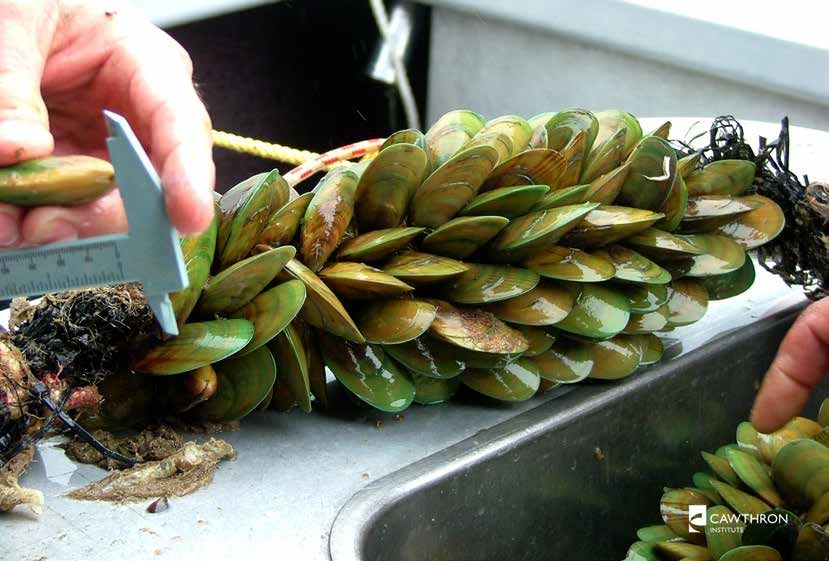
NEWS

Orange roughy being processed for export.

Gold standard                               protection of the marine environment
                                            and effective fishery management.
                                                                                           for all our international consumers,
                                                                                           and domestic as well is, that they now
for orange                                      The one-time poster child for
                                            unsustainable fishing in New Zealand
                                                                                           know that our fishing stocks here in
                                                                                           New Zealand are well managed. It’s
roughy                                      has undergone a transformation, the
                                            certification process evidence of the
                                                                                           about sustainability, traceability and
                                                                                           making sure that consumers know that
Matt Atkinson                               turnaround.                                    we are doing a huge amount in terms
                                                Deepwater Group Chief Executive            of looking after our fishing species and
Orange roughy has been given the
                                            George Clement said the management             stock sustainability.
Marine Stewardship Council blue tick,
                                            approach has changed drastically to               “We can put our hand on heart
the gold standard for sustainable
                                            safeguard the long-term productivity of        and prove to the world that we are
fishing around the world.
                                            the fishery.                                   managing our fishing stocks sustainably,
The announcement, made in London,               “For every 100 adult orange roughy         and this is really exciting news.”
means three fisheries, two on the           in New Zealand waters, we harvest fewer           MSC Asia Pacific director Patrick
Chatham Rise and the third on the west      than five each year, leaving at least 95 to    Caleo said: “This certification signals
of the Challenger Plateau, now carry the    ensure that these stocks remain healthy        to the world that collaboration among
highly sought after sustainability tick.    for the future,” Clement said.                 industry, Maori iwi leaders, government,
   The three fisheries represent about          Significant investment has been            scientists and other interest groups has
two-thirds of the total orange roughy       made by quota holders since the 1980s          the power to improve the health of fish
catch, a $60 million annual export          when catch limits were too high and            stocks and ensure their sustainability.
earner.                                     stock numbers were hit.                           “We believe that rewarding positive
   Certification took two years of              The changes include creating the           change through our certification
exhaustive investigation into the fishery   world-leading multi-frequency Acoustic         programme and ecolabels is essential if
by MSC, liaising with all stakeholders,     Optical System, used to assess the stock       we are to ensure healthy oceans.”
including environmental NGOs which          size of orange roughy - a difficult task for      Orange roughy joins hoki, hake,
opposed the certification.                  a fish living 1000m below the surface.         southern blue whiting, albacore tuna
   The investigation also included              Primary Industries Minister Nathan         and ling as part of the sustainably-
environmental and scientific data to        Guy said the long awaited third party          certified group.
ensure there is a healthy fish stock,       verification was exciting. “What it means

Laser a winner                              changer for the paua industry.                 explained that paua are haemophiliacs.
                                                                                               “He said about how important it was
                                               Mitchell Hollows, 17, recently won the
for this bright                             ASB Bright Sparks competition with his
                                                                                           to be careful when you take them off the
                                                                                           rocks.
spark                                       Koru Paua Tool.
                                               The tool uses lasers to tell a diver the
                                                                                               “The more diving I did I noticed, in
                                                                                           some cases, you just have to take them
Matt Atkinson                               length of paua without having to prise
                                                                                           off the rock in order to see if they’re
                                            them off the rocks.
                                                                                           legal or not. There is no getting around
A high school student from Balclutha           Hollows said he had the idea after
                                                                                           it.
has invented what could be a game-          being out on a dive trip when a friend

                                                                                            Seafood New Zealand | February 2017 | 7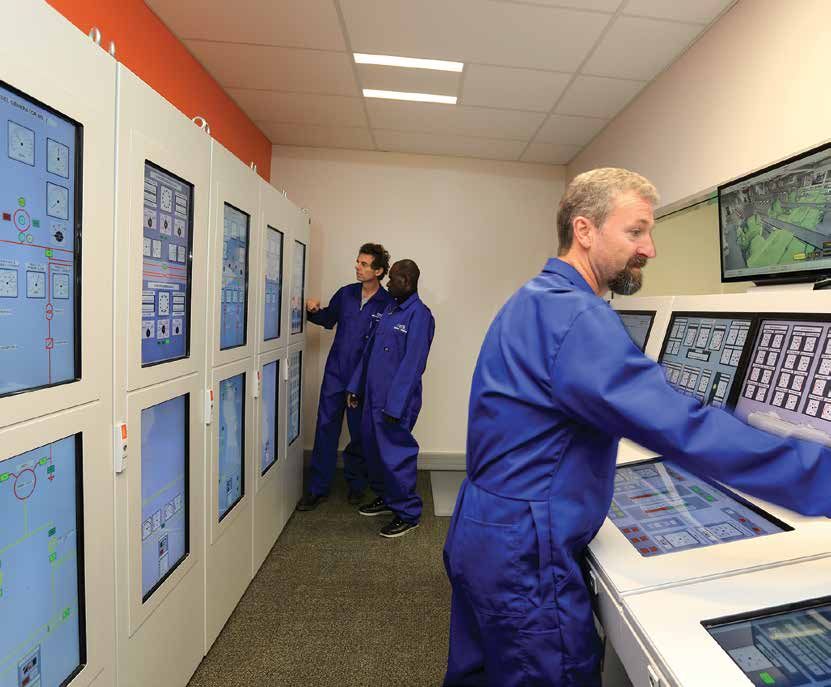
NEWS

   “When you do, quite often you’re             “First I learnt how to do CAB
damaging the tongue on them.”               modelling, using auto-desk software
   With that in mind he came up with        to design 3D printable parts and then
his idea for a simple tool to measure the   using Arduino UNO micro controller
paua, Hollows said.                         to program lasers and sensors and
   “The diver sets the Koru Paua Tool to    switches to essentially make this
the measurement he is looking for - so      tool that measures paua and works
you have the minimum measurement of         perfectly.”
125mm.                                          This wasn’t his first attempt at some
   “Or if he wants the 10 biggest in a      good old Kiwi DIY. Hollows had already
bunch, he can set it to 150mmm and          proven he had a knack for design by
then go around scanning the ones            helping his grandfather out on the lawn
above that, and that way he has a           mower.
healthy catch.”                                 “He needed a reversing sensor.
                                                                                        Mitchell Hollows - A bright spark with a clever
   With an idea in tow, Hollows just            “He couldn’t turn around because he     idea.
needed a push in the right direction.       was at that older age.
                                                                                        a lower-priced easy access tool for the
   “I was making it for my design           “I thought I would have a go at making
                                                                                        recreational sector.
manufacturing class and then I saw          a distance sensor that displayed how far
                                                                                           The Bright Spark winner will head
the posters [for the ASB competition]       away he was from the trailer. So that was
                                                                                        to Canterbury University this year to
around school and thought ‘Oh heck, I’ll    really my first experience.”
                                                                                        study mechatronics.
enter the competition’.”                        Hollows is teaming up with
   But before he could press on, he had     design manufacturing companies in
to spend long hours on the internet         Christchurch to help create the tool on a
upskilling on various software and          larger scale, with the goal to create two
electronics.                                models - one for commercial divers and

King Salmon                                 District Council, scientists and the
                                            community.”
                                                                                        assured that the effect of salmon
                                                                                        farming on our Sounds environment is
farms may be                                   NZ King Salmon chief executive
                                            Grant Rosewarne said when the farms
                                                                                        being well managed,” Leggett said.
                                                                                           “We want to see a strong, sustainable
on the move                                 were set up 30 years they did not know
                                            as much about growing the species.
                                                                                        aquaculture industry which contributes
                                                                                        to our local economy but we also want
The Ministry for Primary Industries            “You just can’t grow that many           to protect the Sounds.”
has announced a proposal to move            salmon there, you have a higher impact         Three resource management experts
six New Zealand King Salmon farms           on the sea floor and we would rather not    will make up an independent panel
to new locations in the Marlborough         be doing that,” Rosewarne said.             to review research reports and written
Sounds.                                        “You can get an OK result, but you       comments, and hold public hearings.
                                            can’t get a world’s best practice result       The panel will be chaired by former
Five of the proposed relocation sites are
                                            out of those sites.                         Environment Court judge Professor
in Pelorus Sound, with the other being
                                               “If it is possible to relocate them      Peter Skelton, and also includes Ron
in Tory Channel.
                                            to the conditions that we now know          Crosby and Alan Dormer.
   Minister for Primary Industries Nathan
                                            are ideal for the species, we can get a        If the relocation is approved, the
Guy said the move is about making the
                                            stunningly good outcome for everybody       Minister for Primary Industries will
best use of existing aquaculture space.
                                            concerned, including the environment.”      make regulations under section 360A
   “The proposed sites are further
                                               The relocation is expected to cost       of the Resource Management Act 1991
from residential properties, and are
                                            over $40 million, but could triple          to change the Marlborough Sounds
positioned in areas with stronger water
                                            production and create another 300 jobs,     Resource Management Plan to enable
currents, which would reduce the
                                            Rosewarne said.                             the relocation.
environmental effects on the seabed,”
                                               Marlborough District Council Mayor          Submissions on the proposal opened
Guy said.
                                            John Leggett said the time has come         on January 26 and will end on 27 March.
   “Moving these farms would allow
                                            to move the farms for the sake of the       Visit mpi.govt.nz to make a submission.
the company to implement the
                                            industry’s long-term future and for the
environmental guidelines it has agreed
                                            environment.
with the Government, the Marlborough
                                               “The ultimate aim is for us to be

8 | Seafood New Zealand | Volume 25 No. 1
NEWS

Kiwi ’water                                   administered by Te Ohu Kaimoana
                                              (the Maori Fisheries Trust) and Nippon
                                                                                          as she had been prepping for applying
                                                                                          for the scholarship since secondary
baby’ to study                                Suisan Kaisha (Nissui) in Tokyo.
                                                 The Global Fisheries Scholarship is
                                                                                          school when her mother Karin spotted
                                                                                          a story about it. She learned Japanese
in Japan                                      awarded to Maori seeking a career in
                                              the seafood industry and the successful
                                                                                          at school and kept the clipping. She
                                                                                          attended Auckland University gaining
Samantha (Sam) Collings knew from a           scholar spends a year in Japan at Nissui    a conjoint degree in commerce and
young age that she wanted a career            learning aspects of the seafood industry    marine biology, always with a career
related to the sea.                           from aquaculture to processing, food        around the sea in mind.
                                              safety to food technology, sales and           By coincidence her secondary school
A self- confessed “water baby” she
                                              marketing.                                  Japanese teacher was the same teacher
grew up around the sea and fishing with
                                                 Collings has undergone training in       for the lessons provided for her in
her whanau. She is Ngapuhi and grew
                                              Japanese culture and language and           New Zealand as part of the scholarship.
up in Auckland.
                                              will be given further intensive language       When Collings returns to
   Collings’ long-term vision paid off last
                                              training when she arrives there in late     New Zealand at the end of the year she
year when she was awarded the 2017
                                              February.                                   will be looking for a role in the seafood
Global Fisheries Scholarship, jointly
                                                 But that wasn’t a problem for Collings   industry.

The Global Fisheries Scholarship is
awarded to Maori seeking a career in
the seafood industry and the successful
scholar spends a year in Japan at Nissui
learning aspects of the seafood industry
from aquaculture to processing,
food safety to food technology, sales
and marketing.

                                                                                           Seafood New Zealand | February 2017 | 9
NEWS

Stick to our                                  stocktake: “Our commercial fisheries are
                                              sustainably managed and overfishing is
guide says                                    decreasing.”
                                                 Fish stock assessments are overseen
Seafood NZ                                    by Ministry for Primary Industries
                                              and National Institute of Water and
Seafood NZ has challenged Forest &            Atmospheric Research scientists,
Bird’s 2017 Best Fish Guide, saying           Pankhurst said.
it is ideologically-driven and not               “They are internationally respected
                                                                                             This lets seafood buyers see for
science-based.                                for their work and this country is at the
                                                                                          themselves just how sustainable and
                                              forefront of fisheries management.
Chief Executive Tim Pankhurst said                                                        healthy New Zealand’s fish stocks are,
                                                 “The great majority of stocks are in
the Forest & Bird guide, released                                                         backed by solid, science-based fisheries
                                              good heart, they are sustainably fished.
in December, is doing consumers a                                                         management, Pankhurst said.
                                                 “The small number of stocks that
disservice.                                                                                  As well as providing the sustainability
                                              are deemed to be overfished have
    “Most seafood would be off the                                                        credentials of all our commercial fish
                                              management plans in place.
menu if you followed this list – no                                                       species, the Seafood NZ online guide
                                                 “The trawl and dredge imprint, which
snapper, no Bluff oysters, no bottom-                                                     has tips for buying fresh New Zealand
                                              seems to be a key influencer in F&B’s
trawled hoki, no whitebait, no groper, no                                                 seafood, and some great recipes, he
                                              thinking, is also reducing.”
flounder, no rig. We can’t all eat tofu.”                                                 said.
                                                 Seafood NZ launched its own
    He said a more credible authority                                                        Browse our Best Fish Guide on
                                              updated Best Fish Guide well ahead of
is the Ministry for the Environment                                                       bestfishguide.co.nz
                                              the Forest & Bird release.
which said in its 2015 environmental

Royal Society                                 delivering research and innovation to
                                              support the sustainable growth of the
honours Bruce                                 plant and marine-based food sectors.
                                                 He has worked highly successfully
Campbell                                      to build relationships and research
                                              programmes based on shared
                                              understanding of how science can
The Royal Society of New Zealand has          partner with industry to achieve targets
awarded Plant & Food Research Chief           for economic, environmental and social
Operating Officer Dr Bruce Campbell           sustainability, with a close alignment
the Thomson Medal for 2016.                   between science and business
                                                                                          Dr Bruce Campbell
                                              strategies. This has extended recently
   The medal recognises outstanding
                                              to building much closer links with          Massey University.
contributions to science and technology.
                                              Maori food businesses and the Maori            Plant & Food bases the majority of its
   It was presented to Campbell for
                                              economy.                                    seafood research in Nelson, where it has
his leadership in agricultural and
                                                 Campbell has championed the              37 research staff. It also has a team in
horticultural sciences over 35 years.
                                              development of the Plant & Food             Auckland working on food safety.
   The medal selection committee
                                              Research Summer Studentship                    Its marine-based research focuses on
said he’d had a positive impact on
                                              Programme, which to date has seen           maximising value from the whole catch,
the New Zealand economy, including
                                              more than 250 young scientists spend        including new harvest and post-harvest
innovations in the forages, wine, kiwifruit
                                              three months undertaking a research         technologies, and novel processing and
and avocado sectors.
                                              project.                                    extraction technologies.
   “He has fostered new science
                                                 He has fostered the creation of             Campbell said the seafood industry
talent and linked science closely with
                                              scholarships that support young Maori       had significant growth potential for
business and the wider community,” the
                                              and Pacific Island students in furthering   New Zealand’s food industries, and
committee said.
                                              their science education and careers,        science had an important part to play.
   It noted his scientific leadership
                                              and was instrumental in establishing           He said it had been a great privilege
during the response to the kiwifruit
                                              the Joint Graduate School in Plant and      to work with the seafood industry.
bacterial disease Psa when it was
                                              Food Science with the University of            “I look forward to building on this
discovered in New Zealand in 2010.
                                              Auckland and the Joint Graduate School      successful relationship into the future.”
   Campbell leads a team of more than
                                              of Horticulture and Food Enterprise with
600 scientists across New Zealand,

10 | Seafood New Zealand | Volume 25 No. 1
NEWS
Scientist Richard O’Driscoll aboard the research vessel Tangaroa with an acoustic towed device. Picture Steve Beatson, MPI.
Fisheries said the Nelson meetings will be a
valuable gathering of world fisheries
understanding of marine ecosystems
and provide information and advice on
technology science experts that will showcase
New Zealand’s fishing industry, science
the sustainable management of human
activities affecting and affected by
meeting and successful fisheries management.
“This will facilitate sharing of
marine ecosystems.
O’Driscoll said ICES frequently
coming up knowledge and help create linkages collaborates with industry stakeholders
between New Zealand and international as well as various intergovernmental and
Up to 120 marine scientists from organisations.” non-governmental organisations.
around the world are expected to The joint workshop at the Rutherford “New Zealand has been a world
attend a ground-breaking conference Hotel will focus on up-to-date research leader in developing acoustic methods
in Nelson from April 3-7. and emerging issues in fisheries science for assessing deepwater fish species like
It will be the first time the triennial and technology, and the benefits orange roughy, and in collecting data
combined meeting of the International that flow through to management, from industry vessels. We are looking
Council for the Exploration of the Sea regulation, conservation and fostering forward to showing off some of our
(ICES) Working Groups on Fisheries sustainability. technology, and also discussing the
Acoustic Science and Technology There will also be topic group latest international developments in
(WGFAST) and Fishing Technology and discussions at NIWA, Nelson, on the fishing gear research.”
Fish Behaviour (WGFTFB) has been held weekends before and after the main The meeting is supported by NIWA,
in the southern hemisphere. meeting. Sealord, Ministry for Primary Industries,
WGFAST chair and meeting ICES is a network of more than 4000 Simrad, Echoview, and Zebratech.
convenor, NIWA Principal Scientist, scientists from over 350 marine institutes For more: https://www.niwa.co.nz/
Fisheries, Dr Richard O’Driscoll, and 45 countries. events/ices2017
Its mission is to advance
Seafood New Zealand | February 2017 | 11NEWS DIGEST
News Digest the propeller. New propellers had been
fitted more than two years previously
few changes to the business and
its direction but I think that as a
New Zealand makes the top five when the ferry was lengthened. consequence the company’s well
The TAIC found that fretting on positioned to move forward.”
New Zealand has joined the world’s five the shaft taper was likely caused by a The order for a $70 million new
best-managed fisheries in a new study. “sub-optimal fit’’ of the new propeller deepsea vessel, due to be delivered
In the survey of 28 countries, on to the the existing shaft. It said there in 2018, was vindication that Sealord
including the 20 that landed the most was a significant lack of documentation is forging ahead on the right track, he
fish, a strong correlation was found around the fitting of the propellers and said in the latest issue of the group’s
between the state of the country’s fish has urged KiwiRai to address this. It said newsletter, The Catch. “To know that
stocks and the quality of its fisheries uneven thrust between the individual the business is in a space with the
management. propeller blades contributed to the confidence to make a commitment to
The research by Michael Melnychuck, failure, and favours an international that level of investment is very pleasing.
a scientist at the School of Aquatic and review of manufacturing standards. I don’t think it would have been in this
Fishery Sciences at the University of kind of position just two or three years
Coming microbead ban welcomed
Washington, and three co-authors was ago.”
published by Washington’s National Seafood New Zealand has welcomed
Warm water species signal headaches
Academy of Sciences. the announcement that the Government
Seafood New Zealand Chief will ban the use of microbeads in make- Scottish fishermen have added
Executive Tim Pankhurst said the study up and other beauty products, citing squid to the menu of marine creatures
was pleasing but not surprising. their impact on oceans and marine life. they regularly pull from the sea, British
“New Zealand’s Quota Management Environment Minister Nick Smith’s newspaper the Guardian reports.
System is already recognised as one announcement of a ban on microbeads Thirty years ago, squid was a rarity in
of the leading fisheries management was good news and one the industry the North Sea. Today, boats bring back
systems in the world and it is good to wass fully behind, Seafood New Zealand thousands of tonnes a year – though
have that reaffirmed in this paper out of Chief Executive Tim Pankhurst said. cod and haddock still dominate catches.
the United States. “These small plastic particles, which Red mullet, sardines and sea bass
“It is consistent with annual reviews do not biodegrade, are a well-known have also appeared with increasing
of New Zealand fish stocks assessed hazard to the environment,” Pankhurst frequency in North Sea fishermen’s
by Ministry of Primary Industries (MPI) said. nets in recent years. All of them are
scientists, which show 96.8 percent The microbeads are used as associated with warmer waters and their
of our catch is from stocks that are exfoliants but can be replaced by other appearance is seen by many scientists as
sustainable.” less damaging products. a sign that climate change is beginning
In the US study, the three “Research has shown that fish may to have a serious impact on the planet’s
characteristics that were found to be eat the particles, rather than natural oceans.
of particular importance to a thriving food sources, and they either die of For Scottish lovers of fresh squid,
fishery were the scientific assessment of starvation or their growth is stunted this is good news, the newspaper
the stock, limiting fishing pressure, and before they reach maturity. said. However, in many other parts
enforcing regulations. “The minute beads are a hazard of the world, rising sea temperatures
The United States, Iceland, Norway and are causing needless damage to – triggered by climate change – are
and Russia were also in the top five New Zealand’s waterways and seas. providing fishing industries and
healthiest fisheries in the world. “The ban is effective July 2018 but it governments with major headaches.
Ferry propeller finding would preferable for that to be brought Fish are moving hundreds of miles from
forward.” their old grounds, sometimes out of
A tail shaft fatigue fracture caused zones that had been set up to protect
Sealord well positioned said
the loss of a propeller from the Cook them. In other cases, fish are simply
departing board member
Strait ferry Aratere, the Transport disappearing from nets.
Accident Investigation Commission has Exciting times lie ahead for Sealord,
Explosion prompts $12,000 payout
found. according to Matanuku Mahuika, who
The passenger and freight ferry lost after five years is stepping down from An engineering operator was ordered
its starboard propeller in November the Sealord board. to pay $12,000 reparation to a worker
2013 while en route from Picton to “I think Sealord’s in a very good seriously injured when the fuel tank on a
Wellington. state,” said Mahuika, who served tourist launch exploded during welding.
Divers confirmed that the starboard as chairman of the board for more Kent Leppien of L I Engineering
propeller shaft had broken off in its than four years, until February last was also ordered to do 100 hours of
tapered section near the forward end of year. “We’ve had to make quite a community work.
12 | Seafood New Zealand | Volume 25 No. 1NEWS
He had pleaded guilty in the Nelson seriously. countries, including 26,880 in the United
District Court to a charge of causing or “This is dangerous work and no one States.
permitting a vessel to be serviced or should take short-cuts when flammable The 40th member of IPNLF, Subway
maintained in a manner which caused substances and confined spaces are said it is concerned by the levels of
unnecessary danger to other people or involved,” he said. bycatch associated with purse-seining
property. Subway joins tuna NGO and will continue to support efforts to
Two employees were injured in the reduce or eliminate the bycatch.
blast, with one suffering a badly broken International restaurant franchise It said it will continue to support
ankle when he was knocked over. Subway has joined the International Pole pole-and-line fisheries, and in the
Maritime NZ Southern Regional & Line Foundation (IPNLF), a non-profit longer term intends to only source tuna
Compliance Manager Mike Vredenburg association developing one-by-one tuna from Marine Stewardship Council or
said it was pleasing to see that the fisheries and supply chains. equivalent sustainable-certified fisheries.
courts viewed safety failures very Subway has 44,600 outlets in 112
“Direct impacts of climate
change are anticipated
to affect the distribution
of key commercial fish
species in the Pacific, as
well as their abundance
and catchability.”
Alex Smith of WWF & National MP Paul Foster-Bell with the open letter outside Parliament.
Government people and organisations taking action,
but this needs to be backed up by
This is backed by a report from
University of Washington scientists
urged to make New Zealand government action on
climate change.
that found rising sea temperatures are
affecting fish stocks.
change “Without the Government pulling its
weight we will not be able to make the
The warmer waters hold less oxygen,
which in turn boosts the metabolism of
Seafood giants Moana and Sanford necessary changes at the pace and scale fish. These effects work together to push
have joined other Kiwi businesses required.” fish away from the equator and could
and personalities in urging the With 2016 being the warmest year on displace habitats by up to 26 percent,
Government to get serious about record, New Zealand’s diverse marine the scientists say.
tackling climate change. ecosystem is under threat. They conclude that this would be
The country has the fourth-largest worse in the Pacific Ocean where there
In an open letter to the Government,
exclusive economic zone in the world, are already low oxygen levels.
also signed by WWF, the Warehouse
ranging from sub-Antarctic to sub- The open letter asks for action right
and Z Energy, among others, they said
tropical waters, worsening susceptibility away.
“it’s time for climate action”.
to ocean changes. “We are calling on the Government
“With the world at a turning point,
A 2008 article by NIWA said climate to set ambitious targets to reduce
we need to grasp the opportunity to
change would likely affect Pacific Ocean emissions, create a long-term plan for
move our country to a clean energy
fisheries through raising ocean surface how to do it, and implement policies
future. New Zealand has the natural
temperatures. that can set us on the right path and
resources, technology and people to
“Direct impacts of climate change empower New Zealanders to make low-
rise to the challenge of reducing our
are anticipated to affect the distribution carbon choices,” it said.
emissions,” the letter said.
of key commercial fish species in the “Our beautiful country may be small
“The move to a low-carbon economy
Pacific, as well as their abundance and but we do matter. The whole world
is starting already with businesses,
catchability.” needs to act and that includes us.”
Seafood New Zealand | February 2017 | 13OPINION
The science - much of it carried out by the fishing
industry - supports sustainable management and by
working collaboratively, the parties have come to an
agreement that will minimise impacts on the fishery
and ensure that the biodiversity objectives are also
achieved by shifting the fishing effort away from more
sensitive and ecologically important coastal areas.
Lou Sanson
Collaboration finding solutions and work together
with differing objectives but the
CCAMLR’s international reputation,
with a strong mandate for conservation,
has worked for same desired outcome. Darryn Shaw,
Deepwater Fleet Manager for Sanford,
is strengthened by the agreement of
this MPA by demonstrating its ability to
the Ross Sea agrees that we must continue to work
together for the future, where our
both deliver on conservation objectives
and manage sustainable fisheries. This
The Ross Sea Marine Protected Area collective interests benefit us all. is one organisation that has teeth and
shows the value of government There is a level of passion that comes this process will ensure the security of
agencies, scientists, the fishing from commitment to a cause and I its role in international governance.
industry and environmental have observed a fishing industry that New Zealand CCAMLR fishing vessels
organisations working together, says believes in giving something back. It with their consistent high performance,
Department of Conservation Director- has been doing this by contributing to have a reputation internationally as
General Lou Sanson. understanding of our ocean resources trusted responsible vessels. The benefit
so that we can ensure our interactions of that trust supports New Zealand
It has been very satisfying to see that
with that environment are sustainable fishers’ access to other fisheries as
DOC’s support along with MFAT, MPI
and within environmental limits. I spoke well as enabling us to promote wider
and fishing industry of the CCAMLR
to NIWA’s Dr Stuart Hanchet about the adherence to the high standard our
initiative to establish a Marine Protected
toothfish tagging programme initiated industry sets.
Area (MPA) in the Ross Sea has helped
by New Zealand fishing vessels in 2001. At a local level, this collaborative
the effort come to reality.
There would be very few examples approach whether offshore or at home,
There has been a long gestation
elsewhere in the world where fishermen has shown us a way forward – we are all
getting to this historic high point for
have voluntarily tagged and released part of New Zealand Inc and it makes
marine protection and now we have the
a fish worth $1500 in the interests of sense to work together on these issues.
world’s largest MPA on our doorstep.
science. We have reached accommodations in
New Zealand – through the efforts
The science - much of it carried the Sub-Antarctic, on the West Coast
of the CCAMLR delegation, can feel
out by the fishing industry - supports of the South Island and we are working
justifiably proud of its achievements. It
sustainable management and by together on the Otago coast and the
could not have been done without the
working collaboratively, the parties Hauraki Gulf.
close working relationship between
have come to an agreement that will MPAs are a compromise but one
the fishing industry and others that has
minimise impacts on the fishery and that ensures sustainable futures for
led to an MPA designed to achieve the
ensure that the biodiversity objectives biodiversity and fishing industries alike.
objectives of all interests.
are also achieved by shifting the fishing That’s the value of working together
From the outset, this has been
effort away from more sensitive and collaboratively.
a collaborative process involving
ecologically important coastal areas. At - Lou Sanson has been DOC head
government agencies, industry,
the same time, access to key existing since 2013. He was previously chief
scientists and environmental
fishing grounds has been preserved and executive of Crown entity Antarctica
organisations. Within the process there
new ones further north will be opened New Zealand.
are key elements for success: high
to account for displaced fishing effort
levels of engagement, the willingness
from within the boundaries of the MPA.
of the various parties to compromise,
14 | Seafood New Zealand | Volume 25 No. 1COVER FEATURE
IMINZ offers advanced
training in Nelson
“We don’t really adhere to the
academic semesters, it’s more
meeting the demands of the industry
and when they need the training.”
- Stuart Whitehouse, IMINZ head
Seafood New Zealand | February 2017 | 15COVER FEATURE
Students from overseas getting life raft training at IMINZ in Nelson.
Maritime rough seas while student skippers can
prepare and execute a pilotage plan.
it, and development work is underway
to input tidal flow data and modelling to
school gears “For many years the bridge and
engine teams have trained separately,”
enable more realistic harbour entrance
conditions in various sea and weather
up with latest he said.
Simulation covers not only the
states.
The simulator has been signed off
technology physical implementation of tasks such as by the NMIT board and is due to be
complying with collision regulations and installed by the middle of the year, with
Bill Moore
steering rules, but also the management a supplier to be decided by a tender
Investment in a state of-the-art of crew resources on the bridge or process.
bridge simulator is going to put the wheelhouse and engine room. When it was in place it would provide
International Maritime Institute of “We look at what human factors have “the most advanced and integrated
New Zealand in Nelson at the head of a part to play – communication, culture, setup in the country”, Whitehouse said.
its class. fatigue – and students get real-time “We can’t really be a maritime school
experience managing situations.” at the level we want to be at without
Updating the current setup and The school can see opportunities that.”
complementing the school’s existing for shore-based groups such as Simulation is embedded in all the
engine simulator, it will be part of the corporate teams to simulate pressure IMINZ programmes, from superyacht
most advanced training system in the situations where they have to plan, crew training to qualifying to skipper
country and equal to the best of what’s communicate and execute tasks, with an fishing vessels heading for the Southern
on offer overseas. odd emergency thrown in to test their Ocean.
The full mission class A simulator and flexibility. It’s all recorded for playback The simulator will allow the school
two class B versions will simulate a range during the debrief. to offer officer of the watch training for
of ports in New Zealand and around the “How better for shoreside managers those wanting to enter the merchant
world, and all kinds of sea conditions. to get an understanding of the navy as navigation officers. Students
It’s the latest innovation that has pressures and responsibilities of the with relevant sea time can qualify within
taken IMINZ from a fishing school at the vessel’s crew without going to sea for a a year as an MNZ Watchkeeper Deck –
old Nelson polytechnic offering basic month?” Unlimited, studying in conjunction with
training courses in the 1970s to a world- The maritime school, a division of those pursuing MNZ’s Super Yacht Deck
class maritime training institute. the Nelson Marlborough Institute of Officer qualification, Chief Mate Yacht.
School head Stuart Whitehouse said Technology, is also talking with harbour IMINZ also offers training in super
simulation had become a key part in authorities about using the simulator for yacht crewing and for Skipper Restricted
maritime training at all levels. pilot and tug crew training. Limits, Skipper Coastal Offshore,
Entry level students can experience Whitehouse said the hardware was Watchkeeper Deck Near Coastal and
standing a watch in darkness, fog or only as good as the data that goes into Able Seafarer Deck tickets.
16 | Seafood New Zealand | Volume 25 No. 1COVER FEATURE
IMINZ head Stuart Whitehouse on a training exercise at Port Nelson.
Its specialised fishing industry Pacific island nations. wanting to pursue a maritime career.
training includes Mate Fishing Vessel Whitehouse said in order to justify A lack of academic success at school
(limited and unlimited), Advanced the additional investment in the new shouldn’t be a barrier but traditionally,
Deckhand Fishing and Skipper Fishing simulator it will be looking at widening “unless you know somebody” it could
Vessel (limited and unlimited). its international marketing. be very hard to get a start. NMIT could
It also runs many short courses at “We’re investigating the Philippines, offer “fantastic” learning support and
basic, advanced and refresher training China, Saudi, and I’ve got a master had suites of qualifications and worked
levels, running from half a day to a few plan to get students over from the UK, with industry to get job placements and
days and arranged to coincide with offering somewhere as a destination to provide experience.
mariners’ shore visits. come and study.” “It’s that chicken and the egg, you
Nelson is New Zealand’s premier He said the maritime industry offers can get the job once you’ve got the
fishing port and Whitehouse said the great opportunities from deckhand to experience, but how do you get the
school recognises how big the industry skipper level for people willing to put experience? That’s always been the
was in the local community. in the time and do the hard work and barrier for a lot of maritime work.
“It’s a hard industry, partners are away study. “A lot of the local companies are
for long periods, and that also creates Globally over the next 10 years really open to it, working with schools,
challenges for the training, because there’s going to be a big demand for providing that link and training, and
there’s going to be times when they’ll seafarers, especially qualified at the then it’s going to benefit everybody – it
be available to come to school, then officer level. China’s growth will be will be a lot easier for people to get into
you get busy times like the hoki season influential and there’s a need to look at the industry, and the industry is going to
when it’s all hands to the pump. New Zealand’s transport infrastructure, get better-trained crew.”
“We don’t really adhere to the with the Kaikoura earthquakes showing IMINZ occupies a three-storey
academic semesters, it’s more meeting how vulnerable the country is without a building on the sprawling NMIT
the demands of the industry and when better coastal shipping network. campus, which sits on the fringe of the
they need the training.” “The strategy for us is being able to Nelson CBD, but because its courses
He said New Zealand fishing take somebody to whatever level they don’t follow the academic year it’s not
companies were very professional and want to go. Certainly for Kiwis who have a big part of the annual graduation
recognised that with the increasing been in the industry and want to upskill, ceremonies and it isn’t well-known in the
complexity of fishing vessels, extra that’s what the new facilities will enable wider community.
training will bring big cost savings. us to do - whether it’s the merchant Open day visitors are often surprised
IMINZ already draws a significant navy, fishing or the superyacht industry, by what the school offers and the
number of overseas students, we’ll have a really good coverage of all sophistication of its training tools.
particularly for marine engineering, with of that.” “There’s a lot that we need to
India providing many. It has also trained He said he’s passionate about be better at shouting about,”
more than 360 fisheries officers for opening up a clear pathway for people Whitehouse said.
Seafood New Zealand | February 2017 | 17Progression pathways
Approved training courses offered through the International Maritime Institute of New Zealand
MEC 3
Watchkeeper Deck STCW Officer in Charge of an Engineering
Watch Class 3
g
cominn
s o o NZ Diploma in
Nautical Science
NZ Diploma in
Marine Engineering
(Level 6) (Level 6)
Skipper Fishing Able
Able Seafarer Deck Vessel >24m MEC 4 Seafarer
Determined by crewing rules
STCW Seafarers STCW-F Fishing Vessel Personnel Engine
NZ Diploma in NZ Certificate in
Unlimited
NZ Certificate in NZ Diploma in
Maritime (Crewing) Fishing Vessel Operations Marine Engineering Maritime (Crewing)
(Level 4) (Level 6) (Level 6) (Level 4)
Deck Watch Rating Mate Fishing
STCW Seafarers, Vessel >24m MEC 5
STCW Deck Watch Rating,
STCW-F Fishing Vessel Personnel
STCW Engine-room Watch Rating
NZ Diploma in NZ Certificate in
Oral examination Fishing Vessel Operations Marine Engineering Class 6
(Level 6) (Level 4)
Chief Mate Yacht MEC 6
STCW Seafarers
g
cominn NZ Certificate in
soo
NZ Diploma in
Yacht Operations Marine Engineering Class 6
(Level 6) (Level 4)
Skipper Fishing
Master 24m
known as ‘limited’ for fishing certificates
combines coastal and offshore areas
STCW Seafarers, STCW-F Fishing Vessel Personnel STCW Seafarers, STCW-F Fishing Vessel Personnel
NZ Certificate in Maritime NZ Certificate in
Operations Off-shore Maritime Operations
(Level 4) (Level 5)
Near-Coastal
Watchkeeper Mate
Deck Fishing Vessel
24m
NZ Certificate in Maritime NZ Certificate in Maritime
Operations Operations
(Level 4) (Level 4)
Skipper Advanced Deckhand
Coastal/Offshore FishingCOVER FEATURE
Back at sea in a before studying for his skipper restricted
limits ticket at IMINZ.
new role Now he’s relief skipper on the
Nelson-based 16.1 metre (54 foot)
Sunni Parkin swapped one seagoing wooden trawler Canopus, owned by
career for another through a fresh Dante Fishing.
qualification from the International Fishing into Talley’s, the Canopus
Maritime Institute of New Zealand. does 4-6 day trips on the West Coast
and around the top of the South Island,
Parkin, 30, grew up in Motueka and
targeting john dory, rig, snapper and
joined the Navy at 17, spending nine
other inshore species.
years based at Devonport and serving
Parkin got his skipper’s ticket towards
as a seaman overseas.
the end of 2016 and was back at IMINZ
That was followed by a couple of
on the Nelson Marlborough Institute of
years when he “skipped the country, just
Technology campus before Christmas to
bumming around and having a great
complete a radio ticket allowing him to Sunni Parkin
time’’ and a year working ashore back in
take the boat up to 100 miles offshore,
New Zealand.
opening the door to tuna trips. skipper coastal offshore ticket, which will
“I didn’t really like that, so I decided
He said IMINZ was a good place to increase his range to 200 miles offshore.
to go back to sea.”
study for his skipper’s ticket, with all 18 He’s not sure how far he wants to in
With some guidance from Doug
in the class graduating. the industry: “I quite enjoy what I’m
Saunders-Loder at Talley’s he worked
He intends to be back there towards doing now. Everyone wants to progress,
a season on a Timaru-based tuna boat
the end of this year or in 2018 to get his though.”
Anchored in private boats, covering many parts of
the world. He had three years as an
Nelson Outward Bound instructor at Anakiwa
in the Marlborough Sounds before
becoming superyacht programme
Stuart Whitehouse has sailed the coordinator at the Nelson Marlborough
world’s oceans and is now firmly Institute of Technology.
anchored in Nelson, where he runs From that role he has risen to the
the International Maritime Institute of maritime institute’s head and deputy
New Zealand in the heart of the city. head of NMIT’s primary industries,
maritime and adventure tourism
“There’s nowhere better in the world as department.
far as I’m concerned,” the 44-year-old IMINZ, which grew out of the original
former superyacht skipper said. school of fishing, has 11 staff and up to
“The people, the climate – the whole 10 contractors providing training.
top of the south is amazing.” Whitehouse said the school covers Stuart Whitehouse
Born in the UK, Whitehouse began the diversity of the maritime industry
his superyacht career in his 20s and – superyachts, fishing, merchant and companies. We find them quite
worked as crew and first mate on round- tourism. proactive and really taking responsibility
the-world racing yachts and then on “I enjoy dealing with the fishing for the training of their crew. “
Seafood New Zealand | February 2017 | 19COVER
SALT OF FEATURE
FEATURE
THE OCEAN
Inshore focus former polytech.
As a schoolboy Woods had done
Japanese surimi ship Daishin Maru 22,
during a period when most of the New
will help holiday work at the Anchor Shipping Co
and New Zealand Sea Products, and as
Zealand hoki catch was being processed
into surimi.
fishing’s future, a casual wharf worker, or “seagull”.
After spending 1968 at Canterbury
In 1993 he shifted from teaching back
into the seafood industry, first with two
says 50-year University he joined the fishing industry years as a seagoing representative with
in earnest as an 18-year-old cray Sealord’s extensive joint venture fleet, at
veteran fisherman working out of Dongara and that time including Norwegian, Chinese,
Geraldton in Western Australia. Japanese, Polish, Ukrainian and Russian
Bill Moore
“I fished there for two years, and in vessels.
Alec Woods spent his childhood in the off-season worked in the oil and gas “We had a compliance issue and
a house that later became a fishing industry, conveniently located across the a quality issue. Soviet-era fishing had
school, was part of a notorious Nelson road.” been all about meeting production
snapper episode in the ‘70s and has Then it was back to New Zealand targets as opposed to satisfying the
since trained hundreds of fisheries where Woods paid his way through customer. We basically had to get them
officers now serving throughout the university with fishing and oil and gas thinking like we thought, so that was an
Pacific. work. interesting period.”
BA completed, he did a year with Invited back to the polytech to start
Connected to the seafood industry in a
Mike Wells and Roy Ayloff, inshore pair up a cadet course he worked alongside
range of capacities since his teens, the
trawling for Nelson Fisheries, before the Industry Training Organisation which
66-year-old Nelsonian said the industry
going back to university to get his was expanding at the same time.
that has been pivotal to his life is in
Master’s in history. Woods remembers it as a time of
good heart and has a huge future.
Then it was back with Mike Wells, this missed opportunities “because while
“It produces a natural, wild product
time paired up with Colin Nunn. we initially thought the ITOs were there
that’s sustainably managed and that
“I’ve always worked with people who to support training providers in the
people can have faith in.
are good fishermen – they’re always industry, what actually happened was
“Sure, we’ve got issues, we’ve got
doing something interesting and what that they became our competitors”.
problems, but they’re solvable.”
we were doing was pushing the pair Woods feels something has been lost
These days Woods contracts his
trawling thing. “ from the earlier days when the maritime
services to the International Maritime
Their success was such that bigger school was producing “very good, very
Institute of New Zealand at the Nelson
boats were brought in and over the competent inshore fishermen who knew
Marlborough Institute of Technology in
next few years snapper in the top of the how to net-mend, knew how to do basic
the heart of the city. The campus has
south got “a hell of a hammering”. mechanical stuff, knew their watch-
long since swallowed the family home
“The rest is history. I’ve seen in my keeping and what-not and were safe out
that was bought under the Public Works
time the scallop fishery go down, we there”.
Act in 1974 when it was required for the
were involved in that, the snapper In 1997 it was back to Sealord as
fishery collapsed, I was involved in the Vessel Technical Quality Manager,
orange roughy fishery in a peripheral running a dozen at-sea representatives
way – and I kind of know what happens and later completing a stint in
with fisheries. You know what the signs Argentina. From the end of 2001 to 2011
are,” Woods said. Woods was back in the maritime school
In 1974 he crewed on a southern at NMIT where he is now contracted
spider crab research trip on a Japanese to IMINZ through his company, Pacific
vessel, initiated by Charles Hufflett in Networks Ltd, and involved in training
his then role of Sealord Products Ltd fisheries officers for Pacific nations and
CEO. “That got me interested in how fisheries observers for the Ministry for
other nations went fishing, and also Primary Industries.
in the links between science, product “We’ve been training fisheries
development, marketing and fishing.” observers here since 2004, putting
Woods also had stints as a through 20-odd courses, and I’ve kept
schoolteacher in Auckland and Nelson up my interest in the Pacific because of
and was part of the second intake in our history in training fisheries extension
the fisheries observer programme that officers for this region. Since 1979,
Alec Woods over 360 Pacific fisheries extension
began in 1986, spending a year on the
20 | Seafood New Zealand | Volume 25 No. 1You can also read


