COVID-19 PASSENGER FACILITATION UNDER PANDEMIC AND ITS LEGACY TO AIRPORT PLANNING - ACI Asia-Pacific
←
→
Page content transcription
If your browser does not render page correctly, please read the page content below

COVID-19
PASSENGER FACILITATION UNDER PANDEMIC
AND ITS LEGACY TO AIRPORT PLANNING
Research Paper by David Oatley
“YOU NEVER WANT A SERIOUS
      CRISIS TO GO TO WASTE.
      AND WHAT I MEAN BY THAT
      IS, IT’S AN OPPORTUNITY TO
      DO THINGS YOU THINK YOU
      COULD NOT DO BEFORE.”
      Rahm Emanuel, Chief of Staff
      for Barack Obama

03.                                  04.
CONTENTS

      EXECUTIVE SUMMARY        P07

      INTRODUCTION             P09

      STRUCTURE OF THE PAPER   P14

      JOURNEY MAPPING UNDER
      PANDEMIC                 P15

      INTERVENTIONS TO RESTORE
      THE CONFIDENCE
      OF PASSENGERS            P21

      RECOMMENDATIONS AND
      CONCLUSION               P28

      REFERENCES               P30

05.                                  06.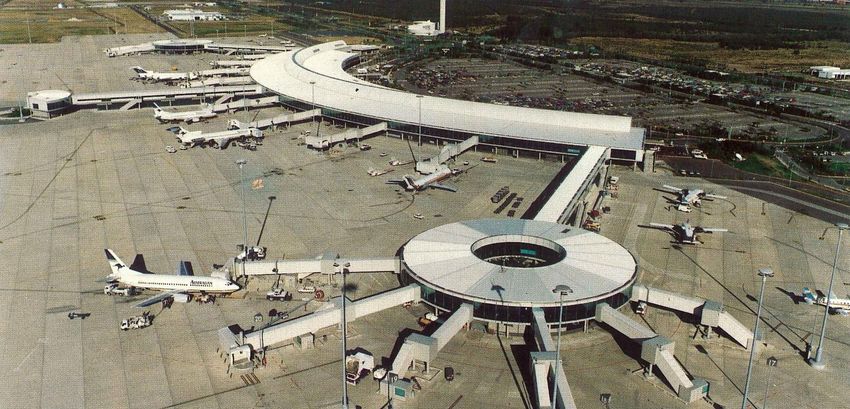
EXECUTIVE                                                                                                       2010s   2020s

      SUMMARY

      Over the past few decades, airports and              1. Design interventions: Seek to further
      airlines have sought to do more with less.           reduce risks to passengers through contactless
      This has included efforts to use infrastructure      processing and improved technology.
      and assets more effectively, strategies to           Safety improvements are sought through
      spread peak demands and employing better             sanitisation processes and infrastructure.
      technology to optimise performance.
                                                           2. Programmed interventions: Seek to
      Generally, these efforts resulted in improved        further reduce risks for passengers through
      passenger throughput without major expansions        greater flexibility and adaptability with day
      and the confluence of more people into tighter       to day operations. These interventions are
      pathways. A set of circumstances that have           intended to be programmed for particular
      not compromised quality, but now presents            circumstances, such as a pandemic.
      challenges for physical distancing. A key
      risk management response to COVID-19.                3. Policy interventions: Seek consistency and
                                                           continuity in decision making from government,
      Through the most recent pandemic, individual         encouraged to come in the form of a nationwide
      risk appetites in the community have been            approach to managing travel, whilst respecting
      tested. Some have demonstrated a comfort             risks and the community’s health.
      with crowds and busy spaces, others have
      preferred relative or complete isolation.            The intervention ideas present a potential
                                                           future state for an airport that aims to provoke
      There is a proportion of the population that         discussion between planners, architects,
      sits between the risk seeking and risk averse        operators, government and airlines.
      that can be influenced to undertake certain
      activities, such as air travel, if they feel safe.   For Brisbane Airport, this work will help to
      During a pandemic, this is the segment of the        inform a new strategy and act as a catalyst
      passenger market that needs to be persuaded          for an updated plan, called Future BNE.
      by airports – they are the ‘Reluctant Middle’.
                                                           Images: Two photos of Brisbane’s first
      This paper focuses on Brisbane Airport’s most        terminal, now known as the Domestic
      recent response to the pandemic. It also presents    Terminal. The first photo, the terminal in
      three types of interventions for all airports,       1989, accommodated approximately 5 million         1980s   2010s   2020s

      based generally on case studies and exemplars        passengers. The second photo, the terminal in
      from around the world, that seek to reduce the       2019, accommodated 17.6 million passengers.
      risk of transmission and compel more people
      to get back into the sky, particularly those that
      can be influenced, the Reluctant Middle.
07.                                                                                                                                   08.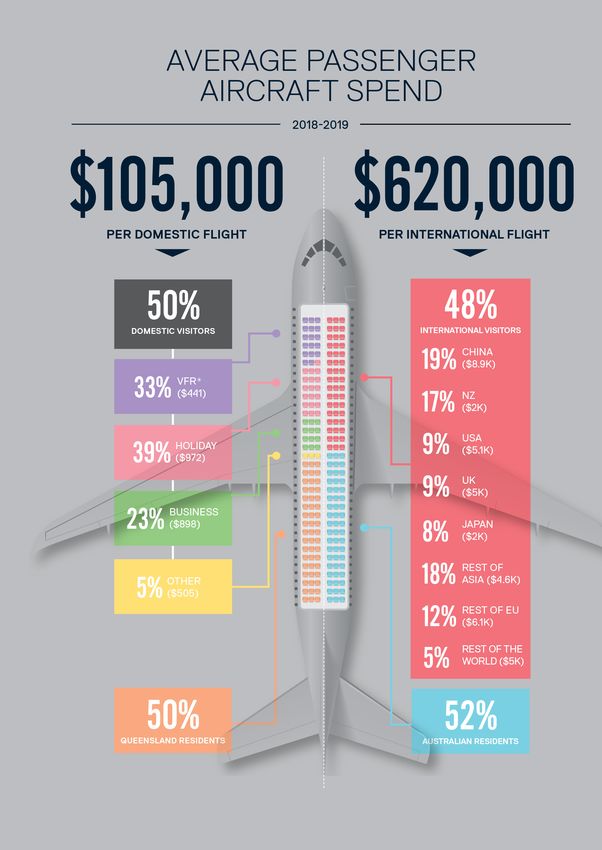
INTRODUCTION

      Last year, when the world was enjoying                    Like all airports around the world, the affability
      normality, 4.5 billion passengers took to                 and warmth of Brisbane Airport temporarily
      the skies. Over 100,000 commercial flights                vanished during the peak of COVID-19.
      a day provided choice and connections
      across the globe (The Economist, 2020).                   Whilst Australian airports are now on the road to
                                                                recovery and the happiness is slowly returning,
      As a consequence of the evolving and                      there are questions about how we can promptly
      unpredictable travel restrictions, the International      exit the situation caused by the pandemic and
      Air Transport Association (2020a) regularly               better prepare for the next interruption.
      downgrades their expectations of full-year
      2020 traffic. CNN Business recently reported              Is it possible to have less disruption and
      that the pandemic is set to cost the airline              more continuity during a pandemic? Can the
      industry $157 billion, down from the June                 accustomed pleasant airport experiences continue
      estimate of $100 billion (Horowitz, 2020).                regardless of the perceived health risks?

      The significant reduction in passenger and                The intent of this research paper is to
      aircraft volumes has required airlines and airports       inspire thought and provide ideas to support
      to become more industrious. At Brisbane                   passenger facilitation during a pandemic.
      Airport, passenger planes were temporarily used           All with a focus on keeping passengers safe
      solely for freight, aprons as aircraft parking            and encouraging more people, including the
      lots and a new online retailer emerged, BNE               Reluctant Middle, to get back into the sky.
      Marketplace, to help airport tenants sell their
      stock whilst passenger numbers were low.

      The pandemic has also completely changed the
      current operations of airports and has resulted in
      airport staff, health workers and police, all kitted in
      personal protective equipment, to greet departing
      and arriving passengers. Most airport retailers have
      temporarily closed their doors due to the lack of
      foot traffic, making for an eery emptiness. Out the
      front of the terminal, the kerbside roads functioned
      with an uncharacteristic flow during peak hours.

09.                                                                                                                  10.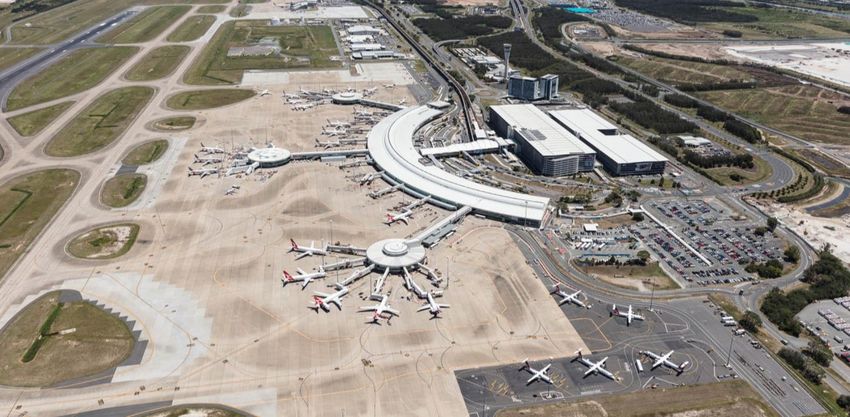
WHAT CONSTITUTES                                          Whilst safety is and always will be paramount, it
                                                                should not be to the detriment of airport ambience
      PASSENGER                                                 and the sense of enjoyment it can offer. If a space
                                                                is not loved, it will not get used to its fullest.
      FACILITATION?                                             Enhancements to passenger facilitation that
                                                                respond to a pandemic must also be supported
      For the purpose of this paper, passenger facilitation     by initiatives that continue to make air travel and
      consists of all air travel-related activities between     lingering in airports desirable.
      the time of booking a flight to the time of arrival at
      the final destination. Whilst passenger facilitation      Furthermore, airports play a crucial role in the
      requires effective coordination between the airlines,     economic development and sustainability of the
      government, service providers, infrastructure             region’s that they support. Prior to COVID-19, the
      owners and technology companies, this paper will          total economic contribution of Brisbane Airport was
      focus on the role and influence of the airport.           set to grow from $4.7 to $8.7 billion by the year
                                                                2040. This contribution is the jobs and economic
                                                                activity created from the ongoing capacity
      WHY IS IT IMPORTANT                                       investment.
      TO HAVE A                                                 Less passengers and flights mean that there is
      STRATEGY FOR ALL                                          reduced expenditure and investment in the region,
                                                                which has a detrimental impact on the local
      CIRCUMSTANCES?                                            economy and jobs.

      For most airports around the world, over 55%              Image: Average passenger aircraft spend for
      of their revenue comes from passenger fees                flights arriving at Brisbane Airport (Brisbane Airport
      and charges, whilst the remainder comes from              Corporation, 2020)
      retail, car parks and other operational activities
      (Airport Council International, 2020). These
      traditionally safe and consistent revenue streams
      have temporarily dissipated, resulting in tens of
      thousands of jobs being lost, businesses becoming
      insolvent and the creation of new debt facilities to
      keep the lights on.

      Earlier this year in Australia and New Zealand,
      S&P Global downgraded the credit rating of
      Melbourne Airport, Wellington International Airport
      and Christchurch International Airport. In recent
      judgements about airports globally, Standard and
      Poor’s have noted that they expect airports to
      operate with “weaker metrics for the foreseeable
      future” and questioned their ability to raise charges
      whilst airlines are not profitable (Kemp, 2020).

      Despite signs of life, particularly on domestic routes
      in Australia, America, Europe and China, the outlook
      remains uncertain (The Economist, 2020). It is
      anticipated that it will take four to five years before
      passenger numbers recover to pre-COVID levels
      at Brisbane Airport, in line with industry outlook.
      What is clear is that any sustainable recovery
      requires passengers to be and feel safe at airports,
      regardless of the prevailing health risks.

11.                                                                                                                      12.
STRUCTURE OF THE
PAPER
Whilst journeys to and through airports have similarities, the first section of this paper maps the journey
of a passenger as it relates to Brisbane Airport, identifying the changes that were adopted in response
to COVID-19. The journey map provides a framework for the exploration of opportunities for future
improvement.
This initial analysis is followed by an examination of case studies and exemplars from around the world.
The case studies and exemplars explore three types of interventions that could enhance passenger
facilitation during a pandemic and improve the overall customer experience. Importantly, each of the
interventions are designed to provide greater confidence to the Reluctant Middle.
1. Design Interventions: Interventions to the built environment at the airport, which promote an improved
experience for passengers, visitors and staff, regardless of the prevailing health risks. These will include
ideas for the terminals and transport infrastructure.
2. Programmed Interventions: Interventions that are programmed for particular circumstances, such as a
pandemic. This will include ideas for risk management and the repurposing of infrastructure.
3. Policy Interventions: Interventions that are necessary to support travel and regain confidence.
This will reinforce the need for governments to work together at all levels to develop consistent policy
frameworks.
The categories are intended to be complementary and create a stronger vision for an improved and safer
passenger journey.
The final section of the paper concludes with a short set of recommendations for advancing the ideas
that were shared in the preceding section.
13. 14.JOURNEY MAPPING UNDER PANDEMIC: TRAVEL TO THE TERMINAL
NORMAL
DURING COVID-19
JOURNEY LOCATION EMOTIONAL EXPERIENCE: COGNITIVE LOAD DURING THE PASSENGER JOURNEY
PRE-JOURNEY TRAVEL TO THE AIRPORT KEY INTERSECTIONS TERMINAL KERBSIDE BUS STOP / TRAIN STATION CAR PARK FORECOURT
VERY
HIGH
HIGH
MEDIUM Increased stress and cognitive loads due to unknowns about
the change in processes as a consequence of COVID-19
LOW
JOURNEY LOCATION EMOTIONAL EXPERIENCE: STRESS DURING THE PASSENGER JOURNEY
PRE-JOURNEY TRAVEL TO THE AIRPORT KEY INTERSECTIONS TERMINAL KERBSIDE BUS STOP / TRAIN STATION CAR PARK FORECOURT
VERY
HIGH
HIGH
MEDIUM
LOW
What are the travel Do I need to wear a mask at What has changed as a result Have kerbside arrangements Why is it so quite at the I want this to be smooth and What has changed as a
restrictions? When can I fly? the airport? Is this the right of COVID-19? I need time to changed as a result of airport? What has changed carefree. Do I have to press result of COVID-19? Do I
DURING COVID-19
Where can I fly? Is the airport route? Will I be on time? make a decision. What is the COVID-19? Which drop-off as a result of COVID-19? the button for a ticket? Does need to wear a mask in the
A PASSENGER’S
open? How do I get there? What decisions do I have next turn or lane? Where is / pick-up point is closest Am I at the right terminal? the airport sanitise their terminal? Why is the coffee
Do I take public transport or to make and when? Where the carpark? Where is the to my airline? Do I have How long do I have? How ticket machines? Where can shop shut? Is it safe to be
is a car safer? How long will is the train station? What drop-off / pick- up point? to pay? Where is the free do I get to my airline? I park? How long can I stay? here? Which entrance takes
THOUGHTS
it take? Which terminal do I train line? Which stop? Which road or lane takes me drop-off / pick-up area? How much will this cost? me to my airline? How long
go to? When does my flight How will I know when to to departures or arrivals? Where is the rental drop-off do I have? Where can I
close before check in? get off? Which terminal? / pick-up point? Where is smoke? Where can I claim my
the valet service? How can I refund associated with the
remember where I parked? Tourism Refund Scheme?
Evolving government Transport operators to Dynamic road signage, usually Demand dropped, but Public transport demand Car parking charges were Retail and alfresco dining
restrictions required the Brisbane Airport implemented used to advise adjusted road private vehicle mode share reduced by over 50%. reduced to incentivise opportunities momentarily
IMPLICATIONS
creation of new websites to COVID Safe plans. Increased conditions, provides news/ increased substantially. Substantial mode shift to passengers and optimise ceased, to reduce the risk of
OF COVID-19
provide real time information public transport during peak messages about COVID-19. In the short term, lower private vehicles as the journey the use of existing facilities. transmission. Significantly
about air travel. COVID periods to provide a means for demand reduced the need was perceived to be safer. Undercover car parks also lower passenger and staff
Safe plans developed by social distancing. Many other for kerbside attendants. provided a storage facility in the terminal. Staff costs
LOCAL
Brisbane Airport Corporation operators reduced services. Kerbside areas repurposed for additional rental cars, exceeding revenue.
and their partners. to support buses destined due to reduced demand.
for quarantine facilities.
Future planning would benefit Unusual circumstances can In planning and designing Variable messaging and Increased services require There would be benefit To ensure passenger needs are
from a single, consistent lead to rapid changes in future dynamic road signage, additional electronic signage more capacity within the in having a completely met, future planning will need
framework to guide decisions demand and the preferred thought should be given to could help to reduce the supporting infrastructure. contactless journey into to consider opportunities for
OPPORTUNITIES
about travel restrictions and mode of transport. opportunities for its ability to need to for face to face To be responsive to change, and out of a car park (i.e. low risk or contactless retailing
processing during a pandemic. Infrastructure needs to deliver news and important interactions. further work is required paperless, no ticket etc.). and dining experiences.
Potential to streamline be more versatile and messages beyond adjusting to identify the acceptable Explore check in kiosks Opportunities for online
POTENTIAL
the journey if passenger adjustable to enable a prompt the speed environment amount of redundancy outside of the terminal to ordering and table reservations
is vaccinated. Greater response (i.e. dynamic lanes and providing an update and capacity within public reduce passenger dwell time in the forecourt and terminal.
collaboration with travel and kerbside areas) about road conditions. transport infrastructure. in the building and provide
partners to promote safe a capacity reprieve.
practices.*INTERNATIONAL ONLY NORMAL
DURING COVID-19
JOURNEY LOCATION EMOTIONAL EXPERIENCE: COGNITIVE LOAD DURING THE PASSENGER JOURNEY
OTHER RETAIL, DINING GATE ENTRANCE
ENTRANCE CHECK-IN SECURITY PASSPORT CONTROL* DUTY FREE* AND PIER CIRCULATION GATE SEATING AND BOARDINGSEATING
VERY
HIGH
Temporary infrastructure competes with permanent
wayfinding and signage requiring greater concentration
HIGH
JOURNEY MAPPING UNDER PANDEMIC: DEPARTURES
MEDIUM
LOW
JOURNEY LOCATION EMOTIONAL EXPERIENCE: STRESS DURING THE PASSENGER JOURNEY
OTHER RETAIL, DINING GATE ENTRANCE
ENTRANCE CHECK-IN SECURITY PASSPORT CONTROL* DUTY FREE* AND PIER CIRCULATION GATE SEATING AND BOARDINGSEATING
VERY
HIGH
HIGH
MEDIUM Government restrictions reduced opportunities for air travel. This
increased pressure on passengers to make their scheduled flight
LOW
Why are some people Where Is my airline? Where are the dots Am I going to be asked Why is Duty Free closed? Why are the retailers Are these chairs clean? Do I have to wear a mask?
wearing masks? Why Do they have COVID-19 for me to stand on? COVID related questions? Where will I buy gifts? closed? Where can I get Can I find a seat that Will I be sitting next to
are there more police requirements that I don’t Have these trays been How long will this take? Where are the gates? food? How much time do keeps me away from someone? Which queue
than usual? Am I getting know about? Who can I sanitised? Which queue Will the shops be open? Where are the toilets? I have now? Where is my others? Can I see my do I join? Will this new
DURING COVID-19
too close to other ask for help? Can I check should I be in? Will there Why is that person How long will it take to gate and how long will it flight information?What app work or should I get
A PASSENGER’S
passengers? Where in without needing to be a problem? Will I be jumping the queue? I get to my gate/do I have take to get there? Where is my flight status? When a ticket as well in case?
am I going next? Is interact with others? searched? Why is this hope I filled the form out time to shop? Where is the lounge? Do I have do I need to head off? Will Why am I having to wait?
THOUGHTS
this my entrance? Do they sanitise the taking so long? Will I miss properly? Will there be a do I get my currency time to go to bathroom? my flight be called on the Are we going to leave on
self-service check-in my flight? Can I take my problem? and tax refund? What is the flight status? PA? What time will we be time? Will there be room
machines? If someone water through here? boarding? for my overhead bag?
takes my bag, is it
COVID Safe?
New signage installed Domestic passengers Security trays cleaned Limited outbound Reduced passenger Retail and alfresco dining Furniture was reorganised For international flights,
about BNE COVID Safe encouraged to check after use. Security officers travellers reduced volumes led to an opportunities momentarily or restricted to provide passengers required to
IMPLICATIONS
practices. Hand sanitiser in on mobile devices. employed Personal staffing requirements oversupply of retail ceased, to reduce the for social distancing. wear Personal Protective
OF COVID-19
dispensers installed at Some industries, such as Protective Equipment at the outbound stock. Brisbane Airport risk of transmission. Equipment. Personal
every entrance. Australian mining, established health to reduce contact with control point. established an online Food options were Protective Equipment
Border Force review screening facilities in the passengers. marketplace (BNE generally limited to Grab was not mandated on
exemption certificate terminal. Marketplace) and and Go, to expedite the domestic routes.
LOCAL
for international travel, leveraged our database dining experience.
due to ban. to facilitate sales.
Dynamic signage is more Future planning to Removing electronic Limited passenger It is possible that the To ensure passenger Permanent built in Seek greater efficiency
adaptable and responsive consider spaces that can devices from bags demand resulted online marketplace will needs are met, future furniture presents through biometrics and
than traditional static be repurposed based presents increased risks in terminals being need to be supported by planning will need to challenges for social paperless processing.
signage. Opportunities to on circumstance. There and delays at security. underutilised. new pick up facilities in consider opportunities distancing. In planning
OPPORTUNITIES
replace static signage with is a reduced need for New scanners, such as Opportunity to the terminal, particularly for low risk or contactless and designing spaces to
electronic signage should self-service check in computed tomography, consolidate activities for duty free. retailing and dining marshal, loiter and rest,
be explored through facilities – how can these have the ability to into a single terminal experiences. there is a need to consider
POTENTIAL
future projects. spaces be used better. increase efficiency and or smaller space, flexibility and adaptability
Focus on the better use reduce risks. UV-C without compromising to provide for new or
of touchless technology. light could form part passenger safety. temporary functions.
of screening processes
to disinfect luggage.*INTERNATIONAL ONLY NORMAL
DURING COVID-19
JOURNEY LOCATION EMOTIONAL EXPERIENCE: COGNITIVE LOAD DURING THE PASSENGER JOURNEY
LANDSIDE THRESHOLD DEPART TERMINAL AND ENTER
PIER ENTRY AIRSIDE CIRCULATION DUTY FREE AND PASSPORT CONTROL* BAGGAGE CLAIM SECURITY INSPECTION POINT* AND ORIENTATION KERBSIDE AREA
VERY
HIGH
HIGH
MEDIUM
A plethora of new and temporary signage
requires greater concentration.
JOURNEY MAPPING UNDER PANDEMIC: ARRIVALS
LOW
JOURNEY LOCATION EMOTIONAL EXPERIENCE: STRESS DURING THE PASSENGER JOURNEY
LANDSIDE THRESHOLD DEPART TERMINAL AND ENTER
PIER ENTRY AIRSIDE CIRCULATION DUTY FREE AND PASSPORT CONTROL* BAGGAGE CLAIM SECURITY INSPECTION POINT* AND ORIENTATION KERBSIDE AREA
VERY
HIGH
HIGH
MEDIUM Increased anxiety as a consequence of the additional processes,
including the presence of the armed forces, police and health officers
LOW
Do I have COVID? Will I be Why are there so many Why is Duty Free shut? Where Can I contract COVID from Has the process changed Do I have to quarantine at Why is there a bus on that
questioned by government police? Where is the exit? can I get cheap alcohol? my luggage? Can I sanitise because of COVID? Which that hotel? When can I see road? Where do I catch my
DURING COVID-19
officers? What part of the Where are my bags? What’s Are they going to make me my luggage? Which is my queue should I be in? Will my family? What transport is bus/train? Where is the
A PASSENGER’S
Terminal am I in? Where is the local time? What’s the do a COVID test before I carousel? How long will my I be stopped? Have I done available? Do I have to wear meeting point? Should I order
the exit? What is the process weather doing? How long enter the country? What bags take? How long will something wrong? a mask? Is this the correct my Uber now? How quickly
THOUGHTS
to leave the airport? Where is the walk? Will I be able are Biometrics? Can I use an it take to get Landside? exit? How do I get to the city? can I get to the kerbside
are my bags? Where is the to locate the exit? express lane? Am I in the right Where are the toilets? Where is the bathroom? area? Will this be a long
bathroom? queue? Where are the toilets? walk? Do I need a trolley?
Will they let me in? Have I
filled in my landing card?
Piers used to facilitate Depending on the risk profile Duty Free closed. Passengers Use of dedicated carousels for No changes to the security For high risk passengers, High risk domestic passengers
processing based on risk of incoming passengers, the escorted through passport each flight to reduce risks. inspection process for there were restrictions and all international
(i.e. low risk destinations use airside circulation areas were control. Staff at inbound returning international that prevented interaction passengers escorted to
northern pier; moderate risk repurposed for processing and control point wearing Personal passengers. between other passengers, coaches destined for
IMPLICATIONS
destinations use southern reviewing forms for accessing Protective Equipment. family and friends. Temporary quarantine hotels. Kerbside
OF COVID-19
pier etc.). International Queensland/Australia. infrastructure was installed facilities repurposed to enable
passengers met by biosecurity Temporary entry/exit points in landside areas to guide the safest and most efficient
officers and temperature were established to regulate movements and ensure movement of passengers.
LOCAL
tested. Passengers with a movements. A plethora of passengers could be
temperature segregated and new signage was installed to marshalled effectively.
assessed in dedicated room. direct passengers.
It is advantageous to Future planning and design Future technology to consider As passenger numbers Improved technology will Multiple exits provide an Future planning to consider
OPPORTUNITIES
compartmentalise operations to consider adaptability, how duty free and other increase, there will be a make screening more ability to organise and manage the ability to repurpose
within a terminal without particularly in relation to retailers can operate profitably need to for multiple flights efficient and reduce the need movements based on risk. kerbside areas and face
mixing passengers with wayfinding and temporary in low volume environments. to use a single carousel. for contact. roads to respond to
POTENTIAL
different risk profiles. Ability processing. Explore ways to Consolidated use of carousels unanticipated change.
to consolidate operations avoid manual processing and to respect the risk profile of
to smallest possible physical forms, which are passengers and flights.
terminal area would reduce inefficient.
operational costs.INTERVENTIONS
TO RESTORE THE
CONFIDENCE OF
PASSENGERS
08
07
01
01
10
06
10
05
As part of mapping the passenger’s journey 04
at BNE during the pandemic, several potential
opportunities were identified. The potential
opportunities provided a catalyst for conversation 10
11
with airport staff and partners about case
studies and exemplars from around the
10
world, as well as ideas for improvement.
The case studies, exemplars and ideas in
the following section explore the types of 10
11
interventions that could enhance passenger 03
07
facilitation during a pandemic and improve
the overall customer experience – all with the 03
intent of restoring confidence in air travel. 09 09
02
21. 22.DESIGN INTERVENTIONS Dynamic electronic signage has the ability to be 04 Windows Up Car Parks 06 Contactless Feedback
repurposed as required and supports consistent
Case Study: Hyderabad, India Technology
messaging during a pandemic. Importantly, if
01 Testing Facilities desired, the signage can direct coaches for Case Study: Atlanta, United
passengers that will be quarantined to locations To reduce the risk of transmission, efforts can States of America
Case Studies: Dublin, Ireland; Miami, be made to reduce contact with surfaces.
that limit interactions with other passengers.
United States of America
Feedback technology has become an invaluable
As an example, Melbourne Airport recently installed In an effort to remove the need to receive a resource to airports. It is increasingly being
One of the greatest barriers to air travel is the parking receipt at entry or make cash/credit card
a 26m electronic sign as part of their Dynamic employed to effectively respond to sanitation issues
risk of transmission and further contagion. payments at the exit, Hyderabad Airport currently
Lane Allocation Project. The sign is capable of in bathrooms and better understand perceptions
nominating lanes and their use as the airport provides customers with a reloadable electronic of the performance of different facilities.
In terminal testing is not ideal, given the risks sees fit (Donald Cant Watts Corke, 2020). Radio Frequency Identification tag, which enables
associated with interactions on the journey to automatic deduction of applicable parking charges Whilst many airports collect data in real time using
and at the airport. There are further questions upon exit (Business Traveller India, 2020).
Future planning should seek to install infrastructure interactive touch screens, Hartsfield-Jackson
about who should wear the costs of the tests.
that provides flexibility and enables airports to Atlanta has recently introduced contactless
be adaptable. A movement away from static Whilst there are still issues with the accuracy of feedback technology. The contactless feedback
As technology improves, rapid testing will signs and billboards provides these advantages. Automated Licence Plate Recognition cameras, technology asks customers to show a thumbs
become more available and cost effective. there will be a future opportunity to leverage up or thumbs, depending on the experience.
In high risk environments, effort should be this technology and facilitate online payments
made to promote testing prior to travel. 03 Public Transport Demand for registered customers. This would replace the
Management need for a Radio Frequency Identification tag. This 07 Better Retailing
As an example, Dublin Airport has established advancement could be combined with parking Case Studies: Brisbane, Australia;
Case Study: Brisbane, Australia;
two coronavirus laboratory and test centres. assist technology to facilitate a more efficient and Seattle, United States of America
These facilities are operated by two private
Sydney, Australia
completely contactless journey for customers.
companies. One has been established as a walk-
Over the last six months, public During the pandemic, there was a period
through facility in a building near Terminal 2 multi-
transport patronage has reduced by 05 Biometrics when most airport retailers closed their
storey car park. The other a drive-through in the
approximately 50% in Brisbane. doors. This significantly impaired the
Express Green car park (BBC News, 2020). Case Studies: Dubai, United Arab Emirates
enjoyability of the passenger journey and
Some staff and passengers are reliant on the profitability of the airport’s tenants.
Subject to agreements, test results could be shared As contactless processing reduces the risk of
with the passenger’s destination. A negative test public transport to get to and from airports. transmission, the development of supporting
To facilitate safer movements and increase The future of airport retailing, which presents a
result could enable the passenger to avoid the technology is likely to be accelerated over the
confidence, effective physical distancing more sustainable operation during a pandemic,
quarantine period. This is currently being trialled coming years. Furthermore, these processes
on buses and trains is important. may look like Amazon Go, originally established
at Miami International Airport by American Airlines provide convenience for passengers and an ability
in Seattle, Washington. It is a completely
for passengers travelling between the United to reduce costs for airports and airlines, increasing
To promote physical distancing, in Sydney, real contactless experience, where a customer
States of America and Jamaica (Moody, 2020). their value to all stakeholders and partners.
time seat availability was shared with commuters scans their app as they enter the store, picks
on Waratah trains. Occupancy is calculated using up items as they see fit, and then walks out
As part of future planning, thought should be At Dubai International Airport, Emirates is without the need to go through a check out.
given to how remote car parks and remote carriage weight data that is derived from in-built facilitating a contactless passenger journey through
buildings near terminals could be repurposed to sensors under the axle of each train. This allows face and iris recognition technology. Building on
passengers to pre-empt possible crowding. The contactless retailing experience is likely to
facilitate testing during a pandemic, particularly the success of the “smart tunnel” project, the
be enhanced by online airport marketplaces
if testing could be quick and cost effective. scans take place at check in desks, passport
In Brisbane, despite the substantial decline in that enable a passenger to shop before and
control, lounges and select boarding gates.
passenger numbers, public transport services after their visit to the airport. Brisbane Airport
02 Dynamic Lanes and Kerbside were increased during peak periods. The intent recently established BNE Marketplace, which
Other airlines, such as Delta, Jet Blue,
Areas was to provide greater confidence to commuters. American Airlines, British Airways and
has provided a source of revenue for airport
retailers whilst passenger numbers are low.
Case Study: Melbourne, Australia Air Asia are also employing biometric
technology at select boarding gates.
Future airport planning will need to consider an
In a pandemic, operational changes need effective allocation of floor space to support click
to be accommodated at short notice. Whilst biometric technology will inevitably and collect shopping. To encourage shopping at
be used at all airports, it is currently unclear multiple airport stores, this may benefit from being
Similar to the challenges within the terminal, it how the required data should be owned and centralised. Melbourne Airport’s recent introduction
can be difficult to adjust signage and wayfinding managed. IATA’s One ID travel token is one option. of a new locker service for Coles, provides a
on the approach roads and at the kerbside Regardless of the steward, effective government contactless option for collecting groceries, which
areas to articulate changed conditions. regulation and oversight will be required to ensure have been ordered prior to arriving at the airport.
biometric information is employed responsibly.
23. 24.08 Sanitation Station 10 Flexible Slot Management POLICY INTERVENTIONS
Case Study: Amsterdam, Netherlands Case Study: China, Brazil, Mexico,
Singapore, Australia and New Zealand 12 Nationwide Safe Travel
Airports around the world have intensified cleaning Framework
regimes and introduced various opportunities Airport slots are normally a solution to an airport’s
for passengers to sanitise and disinfect. lack of capacity. Annually 1.5 billion passengers Case Study: None Found
depart from a slot coordinated airport, which
The need and effectiveness of the efforts accounts for 43% of global departing passengers The inconsistent and reactive State border
depend on the risks to passengers and the (International Air Transport Association, 2020b). restrictions within Australia is the most
operations being facilitated by the airport. significant impediment to deciding to travel.
A number of governments have established the
As an example, Schiphol Airport recently 80-20 ‘use-it-or-lose-it’ slot rule. This provides At present, regulations enable the various
introduced a Sanitation Station. The stations a framework for expectations during normal State governments in Australia to manage
can be found in between Arrival Halls 3 and 4 conditions, but challenges during a pandemic. their borders as deemed necessary. During the
and in Lounge 2. They include hand sanitiser, pandemic, the status of border opening and
disinfectant wipes, hand cream and UV-C light to Many governments, such as China, Brazil, closures has changed at less than 24 hours’
disinfect passenger belongings (O’Leary, 2020). Mexico, Singapore, Australia and New Zealand, notice. This lack of certainty presents a challenge
were early in waiving slot requirements for for airports, airlines, and passengers alike.
the Northern Winter 2021 (International
PROGRAMMED Air Transport Association, 2020c). Like other countries, Australia would benefit from
INTERVENTIONS Flexible slot management during periods of reduced
a nationwide approach to managing clusters of
COVID-19 to prevent such disjointed reactions
demand is important to support the optimal and the resulting traveller uncertainty. This would
09 Flexible Terminal Operations functionality of terminals and airports generally. support business and the community confidence,
Case Study: Adelaide, Australia; noting that while their health is being protected,
Melbourne, Australia 11 Awareness Campaigns their livelihoods are also being prioritised.
Case Study: Brisbane, Australia;
To improve passenger confidence, there
is value in reducing movements and touch Changi, Singapore
points. As an example, both Adelaide Airport
and Melbourne Airport use swing gates that The value of any intervention is devalued if
can facilitate both domestic and international prospective passengers are unaware of the efforts
travel, optimising gate capacity at the one being made by an airport or their partners.
terminal (One Mile at a Time, 2018).
Brisbane Airport recently ran an extensive
Whilst swing gates are not the only infrastructure awareness campaign with travel partners. The
response that provides this capability, there campaign targeted the Reluctant Middle and
is a need for a programmed solution that armed them with detailed information about
enables operations to be consolidated during the efforts being made by the airport and local
particular circumstances, such as a pandemic. airlines to manage risks. The campaign included
awareness videos, dedicated collateral, updated
Future terminal design should consider the ability pages on websites and social media blasts.
to consolidate operations as a risk management
response during unusual circumstances. To ameliorate passenger concerns and address
questions, Changi Airport established an
easy to navigate Information Hub that was
promoted online. In addition to outlining the
efforts that were being made at the airport, the
Information Hub consolidated news sources
and included links to relevant government
sites (Changi Airport Group, 2020).
25. 26.RECOMMENDATIONS
AND CONCLUSIONS
COVID-19 has reminded airports of the value 3. Address the disincentive associated with
of risk-based management practices. quarantine: Pre-travel testing has the ability
to provide greater confidence to governments
Despite the ongoing pandemic, Brisbane and communities about a passenger’s health
Airport has supported thousands of domestic condition. Arrangements that enable a passenger
and repatriation flights without being the to avoid quarantine will likely significantly
source of a single community transmission. increase the attractiveness of air travel.
Regardless, there are members of the community 4. Address traveller uncertainty through
that are currently uncomfortable with the prospect effective communication strategies: Airports
of a journey to or through an airport, however, they and airlines have gone to great lengths to improve
could be swayed to travel should they deem the safety and reduce the health risks associated
journey safe and reliable – the Reluctant Middle. with the pandemic. A collaborative approach to
share each other’s message and efforts will help
The Reluctant Middle must be the focus improve confidence and reduce uncertainty.
of interventions that seek to enhance
and promote a passenger’s confidence. The number and breadth of interventions required
The highest yielding investments are to improve passenger confidence demonstrate
likely to come in the following form: the complexity of the situation and its relationship
with the airport environment. It also highlights the
1. Address risks associated with reactive travel need to engage actively with all stakeholders to
restrictions: Traveller uncertainty will prevail ensure interventions are timely and coordinated.
until a nationwide approach to managing clusters
is adopted. Transparency and consistency with To advance the interventions that have been
government decision making will be integral to explored in this paper and persuade the Reluctant
improving community confidence with air travel. Middle to get back into the sky, there is a need
to plan for the future in a different way.
2. Address perceived risks with the journey
through the airport: Improved processes to For Brisbane Airport, the strategy to
reduce human interaction and an enhancement influence the Reluctant Middle and prepare
to sanitation services are likely to offer increased for the next pandemic will be part of the
value to airports. Investments in contactless focus of an updated plan – Future BNE.
processes, will not only address perceived risks
but also improve the efficiency of the terminals,
creating more space for physical distancing.
27. These should be pursued without hesitation. 28.REFERENCES
Airport Council International. (2020). International Air Transport Association. 2020a.
Airport Economics 2020 Report. https:// Traffic forecast downgrade after dismal summer.
store.aci.aero/product/airport-economics- https://www.iata.org/en/pressroom/pr/2020-
report-2020/ (accessed 14 November 2020) 09-29-02/ (accessed 14 November 2020)
BBC News. (2020). Coronavirus: Dublin Airport International Air Transport Association. 2020b.
Covid tests available at airport. https://www. Traffic forecast downgrade after dismal summer.
bbc.com/news/world-europe-54999446 https://www.iata.org/en/iata-repository/
(accessed 19 November 2020) pressroom/fact-sheets/fact-sheet---airport-
slots/ (accessed 14 November 2020)
Brisbane Airport Corporation. (2020). Brisbane
Airport 2020 Master Plan. https://www.bne.com. International Air Transport Association. 2020c.
au/corporate/projects/airport-master-plan IATA calls for borders to open and continued relief
measures. https://www.iata.org/en/pressroom/
Business Traveller India. (2020). Hyderabad pr/2020-09-01-03/ (accessed 14 November 2020)
Airport car parking goes contactless. https://
www.businesstraveller.com/business- Kemp, D. (2020). S&P downgrades credit ratings
travel/2020/07/15/hyderabad-airport-car-park- of Australia and NZ airports. Infrastructure
goes-contactless/ (accessed 14 November 2020) Investor. https://www.infrastructureinvestor.com/
sp-downgrades-credit-ratings-of-australia-and-
Changi Airport Group. (2020). COVID-19 nz-airports/ (accessed 14 November 2020)
Information Hub. https://www.changiairport.
com/en/airport-guide/Covid-19.html Moody, Melissa. (2020). American Airlines
(accessed 28 November 2020) introduces pre-flight Covid testing. https://
www.aviationbusinessnews.com/industry-news/
Coll, D. (2020). Defining customer experience: How american-airlines-introduces-pre-flight-covid-
airports can own the passenger journey. Airport testing/ (accessed 28 November 2020)
Council International. https://blog.aci.aero/defining-
customer-experience-how-airports-can-own-the- O’leary, Sarah. (2020). Schiphol introduces
passenger-journey/ (accessed 14 November 2020) sanitation stations to disinfect passengers’ luggage.
https://dutchreview.com/news/schiphol-airport-
Donald Cant Watts Corke. (2020). Melbourne introduces-sanitising-stations-for-passengers-
Airport Dynamic Lane Allocation Project. belongings/ (accessed 7 November 2020)
https://www.dcwc.com.au/project/
melbourne-airport-dynamic-lane-allocation- One Mile at a Time. (2018). Melbourne Airport’s
project (accessed 7 November 2020) Capacity Solution to Increase Gate Capacity.
https://onemileatatime.com/melbourne-airport-
Horowitz, J. (2020). Devastating and swing-gates/ (accessed 7 November 2020)
unrelenting Covid crisis will cost airlines
$157 billion, says IATA. CNN Business. The Economist. (2020). Air travel’s sudden collapse
https://edition.cnn.com/2020/11/24/ will reshape a trillion-dollar industry. https://
business/iata-airlines-coronavirus/index. www.economist.com/business/2020/08/01/
html (accessed 24 November 2020) air-travels-sudden-collapse-will-reshape-a-trillion-
dollar-industry (accessed 14 November 2020)
29. 30.You can also read


