2021 Course Guide Engineering & Technology - ECU
←
→
Page content transcription
If your browser does not render page correctly, please read the page content below

2021 Course Guide                             -

Engineering &
Technology
 -	Aeronautical            -	Computer Systems                -	Electronics & Communications   -	Mechatronics
 -	Aviation                -	Electrical Power                -	Instrumentation                -	Motorsports
 -	Chemical                -	Electrical &                       Control & Automation           -	Naval Architecture
 -	Civil                      Renewable Energy                -	Marine & Offshore              -	Ocean Engineering
 -	Civil & Environmental   -	Electronic & Computer Systems   -	Mechanical                     -	Petroleum Engineering

World ready                    -
                                                                                                                   2021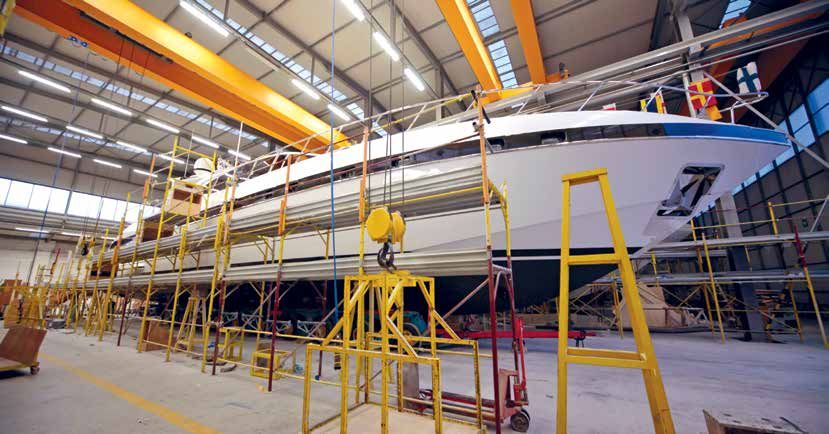
FOR AN
ENGINEERING
CAREER THAT’S
BUILT TO LAST.

Become
world ready
at ECU.

Contents
Engineering at ECU                                 3    Mechatronics Engineering                                         17
Executive Dean’s Message                           3    Marine & Offshore Engineering                                    18
10 Reasons to Choose Engineering at ECU            4    Naval Architecture Engineering                                   19
Engineering Careers                                5    Ocean Engineering                                                20
Pathways to Engineering                            6    Petroleum Engineering                                            21
Scholarships                                       6    Engineering Science                                              22
World Ready Graduates                              7    Electronic & Computer Systems                                    23
Chemical Engineering                               8    Engineering Technology                                           23
Civil Engineering                                  9    Motorsports                                                      24
Civil & Environmental Engineering                  10   Aviation                                                         25
Computer Systems Engineering                       11   Aeronautical                                                     25
Electrical Power Engineering                       12   Double Degrees                                                   26
Electrical & Renewable Energy Engineering          13   Postgraduate Degrees                                             27
Electronics & Communications Engineering           14   Facilities, Services & Support                                   28
Instrumentation Control & Automation Engineering   15   Admission Pathways to ECU                                        29
Mechanical Engineering                             16   Appyling to ECU                                                  30

                                                        ECU is committed to reconciliation and recognises and respects
                                                        the significance of Aboriginal and Torres Strait Islander peoples’
                                                        communities, cultures and histories. ECU acknowledges and
                                                        respects the Aboriginal and Torres Strait Islander peoples,
                                                        as the traditional custodians of the land. ECU acknowledges
                                                        and respects its continuing association with Nyoongar people,
                                                        the traditional custodians of the land upon which its
                                                        campuses stand.
Engineering at ECU
Be World Ready.
ECU has been ranked in the top 175 universities in the world for Engineering and Technology by the
Times Higher Education World University Rankings for 2020.
Here, you’ll study in some of the best-equipped, industry‑grade engineering labs in Australia,
with the opportunity to work on real‑world projects and develop strong contacts through industry
engagements, events and internships.
With an ECU engineering degree, you’ll graduate as a world-ready engineer, able to work globally
and capable of meeting the challenges of the future.

EXECUTIVE DEAN’S MESSAGE
Engineering is a great profession for creative thinkers who   School of Engineering at ECU one
have an analytical mind, and have the desire to apply         of the fastest growing and most
science and technology to develop solutions, systems and      successful engineering schools
infrastructure to serve the changing needs of the global      in Australia.
community. Engineers are highly sought after globally
                                                              If you wish to study engineering
for their unique problem-solving skills and they enjoy a
                                                              in an environment that promotes
professional career that is highly rewarding.
                                                              learning excellence, where you are
The School of Engineering at ECU is recognised                not just a number and everyone is
internationally for its excellent quality of education and    treated like a VIP, a place where
research, along with our highly supportive and committed      diversity is celebrated and inclusion
academics, and outstanding infrastructure and facilities      is the norm, and where integrity,
that are second to none. My colleagues embrace                respect and harmony are at the core of our culture, then
and promote the concept of peace engineering, and             you should consider joining my School.
deliver our teaching and research programs within the
                                                              Join us, be part of our learning journey, and acquire the
paradigms of environmental and community sustainability.
                                                              professional knowledge and ethics to help make the world
We teach the next generation of engineers to reflect
                                                              more sustainable and serve humanity.
on environmental considerations in their design and
development practices, and endeavour to harmonise             Professor Daryoush Habibi
the natural and built environments such that we can           Pro Vice-Chancellor and Executive Dean
sustain and improve our world for all creatures and for       School of Engineering
future generations.
Our responsible and ethical approach to community
and environmental sustainability, together with a
student-centred culture and a strong focus on industry
engagement and professional practice, has made the

                                                                                                                          3
10 REASONS TO CHOOSE
    ENGINEERING AT ECU

    1   Global rankings
        ECU is ranked in the world’s top 175 universities
        for Engineering and Technology (Times Higher
                                                            6    Global recognition
                                                                 You can work wherever you choose because
                                                                 our accredited courses are globally recognised
        Education 2020).                                         under the Washington Accord.

    2   World-class facilities
        Get practical experience in some of
        the most advanced engineering labs in
                                                            7    Choice
                                                                 Choose from over 20 Engineering and
                                                                 Technology courses.
        Australia. Our labs are equipped with the

                                                            8
        latest technology, such as cutting edge 3D               Engineering student clubs
        printers, building-scale structural testing
                                                                 Expand your horizons by joining dynamic
        equipment, automated manufacturing,
                                                                 student clubs like the Climate Change
        environmental remediation technologies,
                                                                 Combat Engineering Society, Women
        smart energy systems, and much more.
                                                                 in Engineering, Edith Cowan Aviators,
                                                                 ECU Robotics, Engineers Without Borders,

    3   5-star ratings
        ECU engineering graduates rate their
                                                                 Edith Cowan University Racing, and more.

                                                            9
        educational experience 5 stars (Good                     Scholarships
        Universities Guide 2020).
                                                                 You could get a $20,000 scholarship if you
                                                                 excel in Year 12.

    4   Industry connections
        Courses are developed in close consultation
        with industry and your study will include a work
        placement of up to 12 weeks.
                                                            10   RANGE OF ADMISSION
                                                                 pathways
                                                                 Our Technology courses provide a pathway
                                                                 to study in the field of engineering if you don’t

    5   Professionally accredited
        Our courses are accredited by
        Engineers Australia.
                                                                 meet the prerequisites, or wish to graduate
                                                                 as an Engineering Technologist instead of a
                                                                 Professional Engineer.

4
DID YOU                                                      WHAT KIND OF
KNOW?                                                        ENGINEER WILL
                                                             YOU BE?
When you study Engineering
at ECU, you can
                                                                  Electrical Engineer
Start with a taste of everything
                                                                  Power generation and distribution,
All of our engineering honours courses have a common
                                                                  renewable energy systems, design and
set of eight units in the first year. This allows you to
                                                                  commissioning of electrical plant for
develop a better understanding of the engineering
                                                                  mining or industry.
disciplines we offer. It also gives you the flexibility to
switch to another engineering course, if desired, after           Mechanical Engineer
your first year.
                                                                  Mining and mineral processing, oil and
Start like a professional                                         gas, manufacturing systems, automotive
                                                                  design, air handling and conditioning,
One of the most valuable things our engineering
                                                                  fluid power.
students learn from the beginning of their course is
hands-on experience in purpose‑built labs. Many of our            Civil Engineer
labs have been built in collaboration with industry and
                                                                  Road design and construction, building
they’re world‑class. This means you’ll be ready for the
                                                                  design and construction, water supply,
real thing when you graduate.
                                                                  harbours and railways.

                                                                  Petroleum Engineer
                                                                  Exploration, drilling, reservoir evaluation,
                                                                  production, delivery and downstream
                                                                  processing of hydrocarbons.

                                                                  Chemical Engineer
                                                                  Chemical, oil and gas, petrochemicals,
                                                                  pharmaceutical production, mineral
                                                                  processing, winery, process design, textile,
                                                                  fertilizer, food production, polymer and
                                                                  environmental protection.

                                                                  Motorsports Engineer
                                                                  Design and development of
                                                                  high-performance vehicles,
                                                                  automotive engineering, engine
                                                                  management systems, motorsports
                                                                  management, mechanical design.

                                                                  Instrumentation
                                                                  Control and Automation
                                                                  Engineer
                                                                  Mining and mineral processing,
                                                                  automated manufacturing systems,
                                                                  agriculture, process control.

                                                                  Computer Systems
                                                                  Engineer
                                                                  Computer and digital system design,
                                                                  embedded systems, robotics,
                                                                  intelligent systems.
   Start your flying training                                     Mechatronics Engineer
   with a HELP loan
                                                                  Automation, robotics, digital electronics,
   If you study ECU’s Bachelor of Aviation course,                manufacturing, mechanical design,
   you’ll have access to an increased Higher                      fluid mechanics and control systems.
   Education Loan Program (HELP) loan limit of
   $152,700 to support your flying training.                      Marine Engineer
   For more information, visit                                    Oil and gas rigs, ports and harbours,
   www.studyassist.gov.au/help-loans/fee-help                     marine system design and operation,
                                                                  marine surveying.

                                                                                                                 5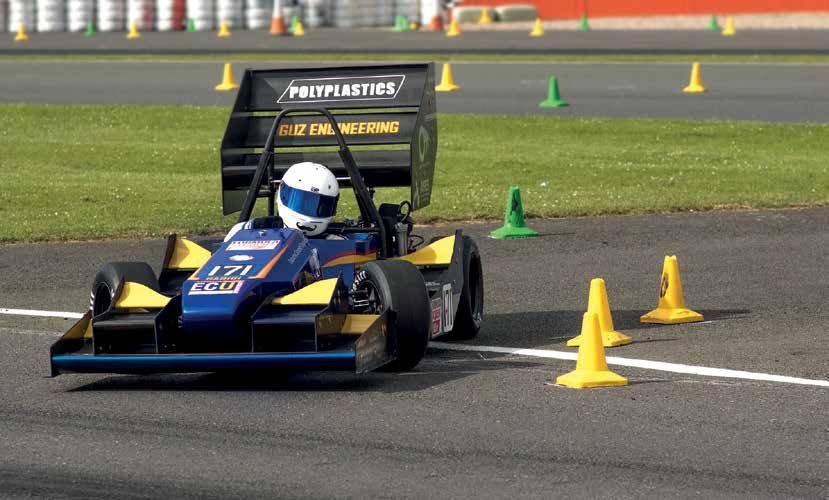
PATHWAYS TO
    ENGINEERING
    At ECU, we welcome anyone with the capability and aspiration to study engineering. If you don’t meet the entrance
    requirements for the Bachelor of Engineering Honours, you may be able to enrol in one of our Bachelor of Technology
    courses. If you successfully complete your first year of studies, you can then apply for a transfer to a Bachelor
    of Engineering Honours course. You’ll also be granted advanced standing (credit) for applicable units you’ve
    already completed.
    Visit ecuworldready.com.au/engineering for entry requirements.

      ATAR 82+ or equivalent
      • Mathematics: Methods ATAR (required)                            Bachelor of
      • Physics ATAR or Engineering Studies ATAR (required)             Engineering
      • Chemistry ATAR (required only for the Bachelor                    Honours
        of Engineering (Chemical) Honours)
                                                                                 4
      • Mathematics: Specialist ATAR (desirable)                                YRS

      ATAR below 82
                                                                                 Bachelor of
                                                   Bachelor of
                                                                                 Engineering
      UniPrep entry                                technology         PLUS         Honours
                                                                                                             ACCREDITED
                                                               1                         3-3.5                ENGINEER
      Experience based entry                                  YR                          YRS

        SCHOLARSHIPS
        Get a $20,000 scholarship to study Engineering
        at ECU. If you’re a high performing Year 12 student
        in Maths Methods, Maths Specialist, Chemistry,
        Engineering Studies or Physics, and you’re on
        target to achieve an ATAR of 94 or above, you
        could be on your way to study Engineering at
        ECU with this scholarship. If you’re successful,
        you’ll receive $20,000, paid as $5,000 per year
        over four years, or pro rata, once you become an
        enrolled student at ECU.
        To find out more and for full terms and conditions,
        visit ecu.edu.au/scholarships/engineering-
        excellence

        Ryan Bradley
        ECU Mechatronics Engineering student and Engineering
        Excellence Scholarship recipient

        “I was unaware of how versatile studying
        engineering really is.”
        After achieving my ATAR results I applied to
        ECU via TISC under the Engineering Excellence
        Scholarship. In high school I was still very unsure
        what I wanted to do, let alone even study
        at university. The scholarship gave me a firm
        direction on where to continue my future.

6
WORLD ready
Graduates
                       Tamzin Walker
                       ECU Mechatronics Engineering/Computer Science graduate
                       Control Systems Engineer, BHP

                       “Getting a job at the forefront of the mining industry has been one of my greatest achievements.”
                       In high school, creating something and having it implemented in the real world interested me.
                       So I chose to study Engineering at ECU, especially for the heavy practical aspect of the degree.
                       After graduating, I joined the BHP graduate program and this has helped me find my current role
                       as a Control Systems Engineer – working with autonomous robots! ECU gave me the skills to learn
                       about myself and my capabilities when challenged with new concepts and situations.

                       Matthew Foster
                       ECU Mechanical Engineering graduate
                       Platform Systems Engineer, Department of Defence

                       “ECU is a fantastic uni and has a lot to offer – it was one of my best decisions.”
                       During my studies, ECU had plenty of industry engagement through careers fairs, workshops and
                       presentations. So when it came time to apply for graduate positions I knew I was ready as I had
                       networked with professionals from those companies and understood what they were seeking.
                       When I was going through job interviews I was able to link back to that and talk about a tangible
                       product and the real engineering I had done. One thing my degree did really well was balance the
                       technical elements of engineering with the project management elements. In the workplace, you
                       need both and it’s an essential part of what I do day to day.

                       Jordan Butler
                       ECU Civil Engineering graduate
                       Structural/Maritime Engineer, Wallbridge Gilbert Aztec (WGA)

                       “If you want a well‑rounded and practical experience, definitely study Engineering at ECU.”
                       My advice to students would be to study to get a job, not to get a degree. Maximise your
                       opportunities to get experience that will get you a career. So for me, that was participating in
                       engineering societies, going overseas, joining the Vice‑Chancellor’s forum and so forth. All of
                       these gave me interpersonal skills and international experience. I was also named the WA Young
                       Professional Engineer of the Year 2018 at the Engineers Australia WA Engineering Excellence
                       Awards. If you want a well‑rounded and practical experience, definitely study Engineering at ECU.

CAMPUS KEY
JO    Available on the Joondalup Campus
ML    Available on the Mount Lawley Campus
BU    Available on the South West (Bunbury) Campus

Please note accreditation or professional recognition details are correct as at time of production.
For latest information please visit ecuworldready.com.au
                                                                                                                           7
Bachelor of Engineering
(Chemical) Honours
Indicative ATAR: 82 The course provides a sound basis in mechanics,
Duration: 4 years full-time or part-time equivalent mathematics, and the principles of engineering
Availability & Campus: design in the first two years of study, along with core
areas of engineering science including chemistry and
JO ML BU
materials science, fluid mechanics, process systems and
Full-time thermodynamics. In the final two years of study, a range
Part-time of more specialist chemical engineering topics are
covered including process design, operations and control,
The chemical engineering discipline is principally to prepare students to enter their chosen profession with
concerned with the application of knowledge of how relevant knowledge and skills.
materials and chemicals interact, or can be converted in
some way to a more useful form, as part of a processing, Admission Requirements
production or refining process. Chemical engineers work in All applicants are required to have Mathematics: Methods
a wide range of domains from mineral processing, mining, ATAR, with equivalents considered, and Physics ATAR or
and oil and gas through to industries associated with Engineering Studies ATAR, with equivalents considered,
clothing, food, packaging, fertilisers, pharmaceuticals and Chemistry ATAR, with equivalents considered.
and many other manufacturing and biological processes. It is desirable that all applicants have Mathematics:
Specialist ATAR, with equivalents considered.
The program focuses on the development of knowledge
and skills relevant to professional engineering practice Applications for this course are not accepted through
and along with a sound theoretical base, includes strong ECU’s Experience Based Entry Scheme.
elements of practical problem solving, team work and
project development. As a result, graduates will gain Work Experience
strong analytical skills, and have the ability to lead Students are required to undertake a minimum of 12 weeks
complex projects as well as having multiple technical practical work experience in an engineering industry
and transferable skill competencies. environment. This will normally be undertaken during a
vacation period. For more information, see course details
on our website.
Professional Recognition
Engineers Australia have accredited this course.
Employment Opportunities
Chemical engineers work in a wide range of domains
from mineral processing, mining, and oil and gas, through
to industries associated with clothing, food, packaging,
fertilisers, pharmaceuticals and many other manufacturing
and biological processes.
In Western Australia, many chemical engineers find career
opportunities in the extensive mining, mineral processing,
and oil and gas industries that dominate the industrial
profile of the state. Chemical engineers play a central
role in both the production, refining and down stream
processing in these important resource‑based industries.
Careers
Chemical Engineer, Process Engineer, Design Engineer,
Plant Engineer, Petrochemical Engineer
See more course information
ecu.edu.au/courses/Y50
8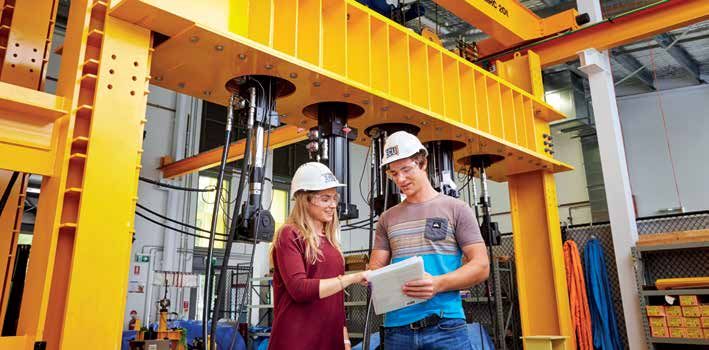
Bachelor of Engineering
(Civil) Honours
Indicative ATAR: 82 Admission Requirements
Duration: 4 years full-time or part-time equivalent All applicants are required to have Mathematics: Methods
Availability & Campus: ATAR, with equivalents considered, and Physics ATAR or
JO ML BU Engineering Studies ATAR, with equivalents considered.
It is desirable that all applicants have Mathematics:
Full-time
Specialist ATAR, with equivalents considered.
Part-time
Applications for this course are not accepted through
Civil engineering is the branch of engineering that deals ECU’s Experience Based Entry Scheme.
with the design, construction and maintenance of the
human-made environment, including buildings, roads,
Work Experience
bridges, tunnels, dams and other large physical structures. Students are required to undertake a minimum of 12 weeks
The course is designed to equip graduates with industry practical work experience in an engineering industry
relevant skills across a full range of core civil engineering environment. This will normally be undertaken during a
subject areas including surveying, soil mechanics, vacation period. For more information, see course details
engineering geology, structural analysis and design, on our website.
hydrology, and transportation engineering, as well as
Professional Recognition
construction technology and site management.
Engineers Australia have accredited this course.
The program focuses on the development of knowledge
and skills relevant to professional engineering practice, Employment Opportunities
and along with a sound theoretical base, it includes Graduates will have competencies in all major areas of
strong elements of practical problem solving, team work civil engineering, and be able to participate in and lead
and project development. As well as having multiple complex, multidisciplinary projects. Civil engineers have
technical and transferable skill competencies, graduates strong employment opportunities in many sectors of
will gain strong analytical skills, and the ability to lead industry, including road and transport, construction, mining
complex projects. and resource, public utilities, defence, and consulting.
The course provides a sound basis in mechanics, Careers
mathematics, and the principles of engineering
Civil Engineer, Structural Engineer, Transportation Engineer,
design in the first two years of study, along with core
Geotechnical Engineer, Water Resource Engineer
areas of engineering science including materials and
manufacturing, engineering drawing and computer See more course information
aided design, foundational electrical engineering, and ecu.edu.au/courses/Y13
thermodynamics and fluid mechanics. In the final two
years of study, a range of more specialist civil engineering
topics are covered to prepare students to enter their
chosen profession with relevant knowledge and skills.
9
Bachelor of Engineering
(Civil and Environmental) Honours
Indicative ATAR: 82 Admission Requirements
Duration: 4 years full-time or part-time equivalent All applicants are required to have Mathematics: Methods
Availability & Campus: ATAR, with equivalents considered, and Physics ATAR or
JO ML BU Engineering Studies ATAR, with equivalents considered.
It is desirable that all applicants have Mathematics:
Full-time
Specialist ATAR, with equivalents considered.
Part-time
Applications for this course are not accepted through
This course includes a range of studies in civil engineering ECU’s Experience Based Entry Scheme.
with a secondary focus towards the management of
environmental concerns that confront an engineer working
Work Experience
in civil engineering. Many engineering projects, especially Students are required to undertake a minimum of 12 weeks
those that may impact on the quality of land, water and practical work experience in an engineering industry
air, require detailed environmental analysis to identify and environment. This will normally be undertaken during a
mitigate any chances that the project will adversely affect vacation period. For more information, see course details
the environment. It is essential to consider both the short on our website.
and long-term sustainability of such projects and their
Professional Recognition
environmental consequences.
Engineers Australia have provisionally accredited
The program focuses on the development of knowledge this course.
and skills relevant to professional engineering practice,
and along with a sound theoretical base, includes strong Employment Opportunities
elements of practical problem-solving, teamwork and Graduates will have competencies in both civil and
project development resulting in strong analytical skills environmental engineering, and be able to participate
and the ability to lead complex projects. in and lead complex, multidisciplinary projects. Civil and
environmental engineers have strong employment
Areas of study within the course include a foundation in
opportunities in many sectors of industry including
physical and engineering sciences along with computer
infrastructure development projects (roads and
aided design, engineering materials, surveying, and other
transportation, urban development), public utilities
core civil engineering topics. This is followed by more
(water supply, waste disposal), mining (planning and
specialist civil and environmental engineering content
operations), and consulting (project management).
areas including structural analysis and design, hydrology
and hydraulics, and construction technology and site Careers
management, and project management. The course
Civil Engineer, Environmental Engineer,
also includes advanced studies in environmental risk
Water Resource Engineer
assessment and management, water and wastewater
treatment, water distribution systems and wastewater See more course information
collection systems, waste disposal and management, ecu.edu.au/courses/Y28
air-borne pollution control and the principles that ensure
long-term sustainable engineering design solutions.
10Bachelor of Engineering
(Computer Systems) Honours
Indicative ATAR: 82 Admission Requirements
Duration: 4 years full-time or part-time equivalent All applicants are required to have Mathematics: Methods
Availability & Campus: ATAR, with equivalents considered, and Physics ATAR or
JO ML BU Engineering Studies ATAR, with equivalents considered.
It is desirable that all applicants have Mathematics:
Full-time
Specialist ATAR, with equivalents considered.
Part-time
Applications for this course are not accepted through
Computer systems engineering requires in‑depth ECU’s Experience Based Entry Scheme.
knowledge of digital and analogue electronic systems
along with a detailed understanding of computer
Work Experience
architecture, software design and hardware-software Students are required to undertake a minimum of 12 weeks
interfacing. Graduates of this course will be conversant practical work experience in an engineering industry
with all aspects of computing from the development and environment. There are attendance requirements for this
application of individual microprocessors, to the design work experience. For more information, see course details
of personal, mainframe or supercomputer systems, as well on our website.
as real-time and embedded systems implementation,
Professional Recognition
robotics, and software engineering.
Engineers Australia have accredited this course.
The program focuses on the development of knowledge
and skills relevant to professional engineering practice Employment Opportunities
and along with a sound theoretical base, includes strong Employment opportunities include the development and
elements of practical problem solving, team work and design of microcomputer systems, computer networks,
project development. As a result, as well as having complex real-time systems, high performance processors,
multiple technical and transferable skill competencies, multimedia systems, and control and automation.
graduates will gain strong analytical skills, and have the
ability to lead complex projects. Careers
Computer Systems Engineer, Electronic Engineer,
The course provides a sound basis in mathematics, and in
Embedded Systems Engineer
the fundamentals of electronics and engineering design
principles in the first two years of study, along with relevant See more course information
computer technology and programming principles. In the ecu.edu.au/courses/Y47
final two years of study, advanced topics from both the
electronics and computer systems engineering fields are
covered including software engineering, data networks
and communication systems, digital signal processing,
real-time embedded systems, industrial control, and
robotics to prepare students to enter their chosen
profession with relevant knowledge and skills.
11Bachelor of Engineering
(Electrical Power) Honours
Indicative ATAR: 82 Admission Requirements
Duration: 4 years full-time or part-time equivalent All applicants are required to have Mathematics: Methods
Availability & Campus: ATAR, with equivalents considered, and Physics ATAR or
JO ML BU Engineering Studies ATAR, with equivalents considered. It is
desirable that all applicants have Mathematics: Specialist
Full-time
ATAR, with equivalents considered.
Part-time
Applications for this course are not accepted through
Electrical power engineering is a well‑established ECU’s Experience Based Entry Scheme.
engineering discipline encompassing electrical power
generation, transmission and distribution. The course
Work Experience
provides broad coverage across a range of core Students are required to undertake a minimum of 12 weeks
electrical and electronic subjects, leading to more practical work experience in an engineering industry
in-depth studies of power systems including generation, environment. This will normally be undertaken during a
transmission and protection, as well as power electronics, vacation period. For more information, see course details
electromechanical systems, industrial control, and on our website.
renewable energy.
Professional Recognition
The program focuses on the development of knowledge Engineers Australia have accredited this course.
and skills relevant to professional engineering practice
and along with a sound theoretical base, includes strong Employment Opportunities
elements of practical problem solving, team work and Electrical power engineers have diverse employment
project development. As a result, as well as having opportunities in most sectors of industry, including
multiple technical and transferable skill competencies, public utilities, renewable energy, mining and resource,
graduates will gain strong analytical skills, and have the manufacturing, defence, aerospace, chemical and
ability to lead complex projects. pharmaceutical, and consulting.
The course provides a sound basis in mechanics, Careers
dynamics, mathematics, and the principles of engineering
Electrical Engineer, Power Systems Engineer,
design in the first two years of study, along with a broad
Electrical Power Engineer
basis in engineering science including materials and
manufacturing, computer aided design, programming See more course information
principles, and analogue and digital electronics. In the ecu.edu.au/courses/Y49
final two years of study, a range of specialist electrical
power engineering topics are covered to prepare students
to enter their chosen profession with relevant knowledge
and skills.
12Bachelor of Engineering
(Electrical and Renewable
Energy) Honours
Indicative ATAR: 82
Duration: 4 years full-time or part-time equivalent
Availability & Campus:
JO ML BU
Full-time
Part-time
Electrical and renewable energy engineering is a
specialisation within electrical engineering concerning
the generation of electrical power from a wide range of
sources, and with a special focus on renewable energy
sources. This includes solar, wind, hydro, biomass and
geothermal, and the integration of these energy sources
into hybrid energy supply and distribution networks.
The course provides graduates with strong competencies
in the fundamental electrical engineering discipline
areas with particular focus on the utilisation, generation,
management and design of renewable energy resources.
The program focuses on the development of knowledge
and skills relevant to professional engineering practice
and along with a sound theoretical base, includes strong
elements of practical problem solving, team work and Work Experience
project development. As a result, as well as having Students are required to undertake a minimum of 12 weeks
multiple technical and transferable skill competencies, practical work experience in an engineering industry
graduates will gain strong analytical skills, and have the environment. This will normally be undertaken during a
ability to lead complex projects. vacation period. For more information, see course details
The course provides a sound basis in mechanics, on our website.
dynamics, mathematics, and the principles of engineering
Professional Recognition
design in the first two years of study, along with a broad
basis in engineering science including materials and Engineers Australia have provisionally accredited
manufacturing, computer aided design, programming this course.
principles, and analogue and digital electronics. In the Employment Opportunities
final two years of study, a range of units are included
covering more in-depth electrical power engineering Electrical and renewable energy engineers have a wide
topics alongside specialist studies on sustainable range of employment opportunities across the energy
and renewable energy sources and systems and their generation, conversion, distribution and management
integration into a mixed energy environment. sectors, including power utilities, the mining industry, larger
manufacturing businesses as well as the domestic markets
Admission Requirements where renewable energy systems are now quite common.
All applicants are required to have Mathematics: Method Careers
ATAR, with equivalents considered, and Physics ATAR or
Engineering Studies ATAR, with equivalents considered. Electrical Engineer, Power Systems Engineer, Renewable
It is desirable that all applicants have Mathematics: Energy Engineer
Specialist ATAR, with equivalents considered. See more course information
Applications for this course are not accepted through ecu.edu.au/courses/W21
ECU’s Experience Based Entry Scheme.
13Bachelor of Engineering
(Electronics and
Communications) Honours
Indicative ATAR: 82 The course provides a sound basis in mathematics, and in
Duration: 4 years full-time or part-time equivalent the fundamentals of electronics and engineering design
Availability & Campus: principles in the first two years of study, along with relevant
computer technology and programming principles.
JO ML BU
In the final two years of study, advanced topics from the
Full-time electronics and communication systems engineering fields
Part-time are covered to prepare students to enter their chosen
profession with relevant knowledge and skills.
This course combines the fundamental engineering
disciplines of electronic and communication systems. Admission Requirements
It provides graduates with skills in all aspects of analog All applicants are required to have Mathematics: Methods
and digital circuit design, as well as communication ATAR, with equivalents considered, and Physics ATAR or
systems and communications networks development. Engineering Studies ATAR, with equivalents considered.
The course concentrates on the engineering principles It is desirable that all applicants have Mathematics:
required to analyse and solve problems related to Specialist ATAR, with equivalents considered.
the design and implementation of electronic and
Applications for this course are not accepted through
communication systems. Graduates will be conversant
ECU’s Experience Based Entry Scheme.
in the fundamental engineering sciences, electronic
circuits and systems, digital signal processing, Work Experience
radio communications, fibre optic and microwave Students are required to undertake a minimum of 12 weeks
communications, computer networking, and cellular and practical work experience in an engineering industry
wireless networks. environment. This will normally be undertaken during a
The program focuses on the development of knowledge vacation period. For more information, see course details
and skills relevant to professional engineering practice on our website.
and along with a sound theoretical base, includes strong
Professional Recognition
elements of practical problem solving, team work and
project development. As a result, as well as having Engineers Australia have accredited this course.
multiple technical and transferable skill competencies, Employment Opportunities
graduates will gain strong analytical skills, and have the
ability to lead complex projects. Employment opportunities exist in most sectors of industry,
including communication and telecommunication, product
development, fabrication, public utilities, mining and
resource, defence, aerospace, and consulting.
Careers
Electronics Engineer, Communications Engineer
See more course information
ecu.edu.au/courses/Y51
14Bachelor of Engineering
(Instrumentation Control
and Automation) Honours
Indicative ATAR: 82
Duration: 4 years full-time or part-time equivalent
Availability & Campus:
JO ML BU
Full-time
Part-time
Instrumentation control and automation engineering is
the integration of electrical, electronic and computing
engineering with control engineering. This integrated
discipline includes the development of intelligent systems
to automate monitoring, processing, and production in
different engineering industries. The course is designed to
provide graduates with a strong background to enter into
a range of career pathways related to automation and
control application in the mining and mineral processing,
oil and gas, and agriculture industries that are strongly
represented in the economy of Western Australia.
Graduates of the course will be conversant in electrical
and electronic engineering; have specialist skills in design,
development and management of advanced control and
automation systems; and have the ability to participate in,
and lead, complex multidisciplinary projects.
The program focuses on the development of knowledge
and skills relevant to professional engineering practice
along with a sound theoretical base, and includes strong Work Experience
elements of practical problem solving, team work and Students are required to undertake a minimum of 12 weeks
project development. As a result, graduates will have practical work experience in an engineering industry
strong analytical skills, in addition to multiple technical environment. This will normally be undertaken during a
and transferable competencies. vacation period. For more information, see course details
on our website.
The course covers topics in process control algorithms,
computer interfacing and communications of industrial Professional Recognition
controllers, as well as computer automation, including the Engineers Australia have accredited this course.
use of PLCs, SCADA, and PC-based systems to control
systems and processes. Topics such as advanced PLC Employment Opportunities
control and SCADA systems, and manufacturing execution Instrumentation control and automation engineers have
systems are introduced in the advanced years of the diverse employment opportunities in most sectors of
program, after students have gained proficiency in the industry, including product design and development,
theory of modern control and dynamic systems. manufacturing, mining and resource, agriculture, public
utilities, road and transport, defence, aerospace,
Admission Requirements
chemical, pharmaceutical, and consulting.
All applicants are required to have Mathematics: Methods
ATAR, with equivalents considered, and Physics ATAR or Careers
Engineering Studies ATAR, with equivalents considered. Control and Automation Engineer, Process Control
It is desirable that all applicants have Mathematics: Engineer, Instrumentation Engineer
Specialist ATAR, with equivalents considered.
See more course information
Applications for this course are not accepted through ecu.edu.au/courses/Y46
ECU’s Experience Based Entry Scheme.
15Bachelor of Engineering
(Mechanical) Honours
Indicative ATAR: 82 The course provides a sound basis in mechanics,
Duration: 4 years full-time or part-time equivalent mathematics, and the principles of engineering design
Availability & Campus: in the first two years of study, along with development
of relevant knowledge in computer aided design
JO ML BU
and manufacturing, materials science, statics and
Full-time dynamics, industrial maintenance, and mechanical
Part-time design. In the final two years of study, a range of
specialist mechanical engineering topics are covered,
Mechanical engineering is the branch of engineering that including electromechanical systems, structural analysis,
deals with the design, manufacture and maintenance of advanced mechanical design, and building services,
mechanical components and moving systems. Areas of providing students with relevant knowledge and skills to
study within the course include a foundation in physical enable them to contribute in the workforce as soon as
and engineering sciences, along with materials science they graduate.
and manufacturing, mechanical design, and building
services. The course includes a particular focus on project Admission Requirements
based and practical learning and provides numerous All applicants are required to have Mathematics: Methods
opportunities for students to extend practical skills ATAR, with equivalents considered, and Physics ATAR or
development. Students taking this course also have the Engineering Studies ATAR, with equivalents considered.
option to undertake a specialist stream in motorsports. It is desirable that all applicants have Mathematics:
This option provides a special focus on automotive design Specialist ATAR, with equivalents considered.
and motorsports engineering. Students should consult
Applications for this course are not accepted through
the course coordinator if they are interested in pursuing
ECU’s Experience Based Entry Scheme.
this option.
The program focuses on the development of knowledge Work Experience
and skills relevant to professional engineering practice Students are required to undertake a minimum of 12 weeks
and along with a sound theoretical base, includes strong practical work experience in an engineering industry
elements of practical problem solving, team work and environment. This will normally be undertaken during a
project development. As a result, as well as having vacation period. For more information, see course details
multiple technical and transferable skill competencies, on our website.
graduates will gain strong analytical skills, and have the
Professional Recognition
ability to lead complex projects.
Engineers Australia have accredited this course.
Employment Opportunities
Graduates will have competencies in all major areas of
mechanical engineering and be able to participate in
and lead complex multidisciplinary projects. Mechanical
engineers have diverse employment opportunities in
most sectors of industry including product design and
development, manufacturing, road and transport,
mining and resource, public utilities, agriculture, defence,
aerospace, and consulting.
Careers
Mechanical Engineer
See more course information
ecu.edu.au/courses/Y45
16Bachelor of Engineering
(Mechatronics) Honours
Indicative ATAR: 82 Work Experience
Duration: 4 years full-time or part-time equivalent Students are required to undertake a minimum of 12 weeks
Availability & Campus: practical work experience in an engineering industry
JO ML BU environment. This will normally be undertaken during a
vacation period. For more information, see course details
Full-time
on our website.
Part-time
Professional Recognition
Mechatronics engineering is a multidisciplinary program, Engineers Australia have accredited this course.
where knowledge of mechanical and electrical/electronic
engineering are combined towards the development Employment Opportunities
of intelligent machines and advanced manufacturing Mechatronics engineers have diverse employment
and processing systems. Whilst developing the strong opportunities in most sectors of industry, including product
analytical and problem-solving capabilities typical of any design and development, manufacturing, mining and
engineering program, this particular program is specifically resource, process control and automation, public utilities,
tailored to Australia’s resource-based and service road and transport, defence, aerospace, and consulting.
industries. The course starts with a typical engineering
science foundation in mathematics, mechanics, electrical Careers
engineering and computing, and then proceeds to cover Mechatronics Engineer, Robotics Engineer,
major engineering topics, including digital electronics Automation Engineer
and microprocessor systems, advanced materials and
manufacturing, and mechanical design. See more course information
ecu.edu.au/courses/Y44
Mechatronics engineering gives a broader engineering
coverage compared with standard mechanical or
electrical engineering programs with the themes
of automation, instrumentation, digital electronics,
manufacturing, mechanical design, fluid mechanics and
Bathurst – winner.
control systems.
Indianapolis – winner.
The program focuses on the development of knowledge Daytona – winner.
and skills relevant to professional engineering practice Engineered at ECU.
and along with a sound theoretical base, includes strong Jon Grove hasn’t looked back since graduating in
elements of practical problem solving, team work and
2012 with a Mechanical Engineering degree from ECU.
project development. As a result, as well as having
Starting in V8 Supercars, he was part of one Bathurst
multiple technical and transferable skill competencies,
and three championship winning teams. In 2015,
graduates will gain strong analytical skills, and have the
he joined Toyota’s NASCAR program – which took
ability to lead complex projects.
out the Indianapolis 400, the Daytona 500 and the
Areas of study within the course include engineering Championship. He is now an Engine Development
mechanics, computer-aided design and manufacturing, Engineer with Tickford Racing, one of the largest
analogue and digital electronics, signal analysis, Supercars teams in Australia.
electromechanical systems, industrial control, and
robotics.
Admission Requirements
All applicants are required to have Mathematics: Methods
ATAR, with equivalents considered, and Physics ATAR or
Engineering Studies ATAR, with equivalents considered.
It is desirable that all applicants have Mathematics:
Specialist ATAR, with equivalents considered.
Applications for this course are not accepted through
ECU’s Experience Based Entry Scheme.
17Bachelor of Engineering
(Marine and Offshore
Engineering) Honours
Indicative ATAR: 82 Work Experience
Duration: 4 years full-time or part-time equivalent Students will be required to undertake a minimum of
Availability & Campus: 12 weeks relevant industry work experience. This will
JO ML BU normally be undertaken during a vacation period.
For more information, see course details on our website.
Full-time
Part-time Professional Recognition
Engineers Australia have accredited this course.
The first two years can be studied at ECU’s Joondalup Campus.
Secondary Location Employment Opportunities
The final two years of this course are delivered at the Australian Graduates of this course will have the capability to work
Maritime College in Launceston. Students will be required to in areas such as engineering alternative marine power
relocate to Launceston for this portion of the course. systems, or improving crude oil extraction to reduce
This course is offered in collaboration with the Australian emissions while maximising yield. Marine and offshore
Maritime College at the University of Tasmania in engineers have strong employment opportunities in many
Launceston, Tasmania. Marine and offshore engineers are sectors of industry including oil and gas, ship building,
involved with the design, manufacture, deployment and alternative energy, marine survey, defence, industrial
commissioning of systems associated with the marine process, power generation, and consulting. Graduates
and offshore oil and gas industries. This course is suited can also apply for any suitable position open to
to students interested in the large-scale mechanical mechanical engineers.
and electro-mechanical systems used in the oil and gas Careers
industries, such as fuel-injected turbocharged engines,
large gas turbine generators, or oil and gas rigs. Oil and Gas Engineer, Naval Engineer, Process Engineer,
Offshore Energy Engineer, Marine Surveyor, Mechanical
Admission Requirements Engineer, Maritime Engineer
All applicants are required to have Mathematics: Methods
See more course information
ATAR, with equivalents considered, and Physics ATAR or ecu.edu.au/courses/Y55
Engineering Studies ATAR, with equivalents considered.
It is desirable that all applicants have Mathematics:
Specialist ATAR, with equivalents considered.
Applications for this course are not accepted through
ECU’s Experience Based Entry Scheme.
18Bachelor of Engineering
(Naval Architecture) Honours
Indicative ATAR: 82 Work Experience
Duration: 4 years full-time or part-time equivalent Students will be required to undertake a minimum of
Availability & Campus: 12 weeks relevant industry work experience. This will
JO ML BU normally be undertaken during a vacation period.
For more information, see course details on our website.
Full-time
Part-time Professional Recognition
Engineers Australia have accredited this course.
The first two years can be studied at ECU’s Joondalup Campus.
Secondary Location Employment Opportunities
The final two years of this course are delivered at the Australian Australia leads the world in the design and construction
Maritime College in Launceston. Students will be required to of high-speed aluminium craft and naval architects are
relocate to Launceston for this portion of the course. in great demand in this sector. Naval architects are also
This course is offered in collaboration with the Australian in demand in companies that design and build leisure
Maritime College at the University of Tasmania in craft, and sailing and power yachts. Many of the vessels
Launceston, Tasmania. Naval architects are professional of the Royal Australian Navy deployed in the defence
engineers who design and oversee the construction and of the nation have been built in Australian yards with
repair of marine craft and various offshore structures. considerable Australian design input; these include
This includes naval craft, passenger and cargo ships, patrol boats, mine hunters, frigates and submarines.
submarines, high-speed ferries and catamarans, tugs, Naval architects also have career opportunities in other
yachts and offshore drilling platforms. Naval architects sectors of the marine industry including oil and gas,
understand the properties of the environments in which marine surveying, and consulting.
marine craft operate and determine ways to optimise Careers
their operations to meet operational, safety and
performance goals. Naval Architect, Maritime Engineer, Submersible Vehicle
Engineer, Oil and Gas Engineer, Marine Surveyor,
Admission Requirements Mechanical Engineer
All applicants are required to have Mathematics: Methods
See more course information
ATAR, with equivalents considered, and Physics ATAR or ecu.edu.au/courses/Y54
Engineering Studies ATAR, with equivalents considered.
It is desirable that all applicants have Mathematics:
Specialist ATAR, with equivalents considered.
Applications for this course are not accepted through
ECU’s Experience Based Entry Scheme.
19Bachelor of Engineering
(Ocean Engineering) Honours
Indicative ATAR: 82 Work Experience
Duration: 4 years full-time or part-time equivalent Students will be required to undertake a minimum of
Availability & Campus: 12 weeks relevant industry work experience. This will
JO ML BU normally be undertaken during a vacation period.
For more information, see course details on our website.
Full-time
Part-time Professional Recognition
Engineers Australia have accredited this course.
The first two years can be studied at ECU’s Joondalup Campus.
Secondary Location Employment Opportunities
The final two years of this course are delivered at the Australian Ocean engineers have strong employment opportunities in
Maritime College in Launceston. Students will be required to many sectors of industry including oil and gas, alternative
relocate to Launceston for this portion of the course. energy, coastal engineering, underwater vehicles, port and
This course is offered in collaboration with the Australian harbour design, defence, and consulting. Graduates
Maritime College at the University of Tasmania in can also apply for any suitable position open to
Launceston, Tasmania. Ocean engineers are involved structural engineers.
in the design of some of the largest, most complex, Careers
and most expensive structures produced by humankind.
These include offshore structures such as oil and gas Oil and Gas Engineer, Offshore Energy Engineer, Coastal
platforms or subsea pipelines, as well as the wide range Engineer, Submersible Vehicle Engineer, Structural
of infrastructure associated with the ports and harbour Engineer, Maritime Engineer
facilities and submersible vehicles required to service them. See more course information
Admission Requirements ecu.edu.au/courses/Y60
All applicants are required to have Mathematics: Methods
ATAR, with equivalents considered, and Physics ATAR or
Engineering Studies ATAR, with equivalents considered.
It is desirable that all applicants have Mathematics:
Specialist ATAR, with equivalents considered.
Applications for this course are not accepted through
ECU’s Experience Based Entry Scheme.
20Bachelor of Engineering
(Petroleum Engineering) Honours
Indicative ATAR: 82 Admission Requirements
Duration: 4 years full-time or part-time equivalent All applicants are required to have Mathematics: Methods
Availability & Campus: ATAR, with equivalents considered, and Physics ATAR or
JO ML BU Engineering Studies ATAR, with equivalents considered.
It is desirable that all applicants have Mathematics:
Full-time
Specialist ATAR, with equivalents considered. Applications
Part-time for this course are not accepted through ECU’s Experience
Based Entry Scheme.
Petroleum engineers work in a range of industry sectors,
often related to the exploration, mining, production, delivery Work Experience
and downstream processing of fossil fuels. These fossil fuels Students are required to undertake a minimum of 12 weeks
are derived from oil and gas reservoirs in the earth’s crust, practical work experience in an engineering industry
but may also include extraction from sands and shales. environment. This will normally be undertaken during a
This course provides the foundations for a professional vacation period. For more information, see course details on
engineering career in the oil and gas industry, both in our website.
Australia and internationally. As well as providing core
mechanical and chemical engineering skills, the course Professional Recognition
provides specialist knowledge in drilling, reservoir and Engineers Australia have provisionally accredited
petroleum production engineering. this course.
The program focuses on the development of knowledge Employment Opportunities
and skills relevant to professional engineering practice
Petroleum engineers work in a wide range of industries
and along with a sound theoretical base, includes strong
associated with the exploration, drilling and mining,
elements of practical problem solving, team work and
development and operation of production and transport
project development. As a result, graduates will gain
of raw and processed products as well as the downstream
strong analytical skills, and have the ability to lead
processing of fossil fuel derivatives.
complex projects as well as having multiple technical and
transferable skill competencies. Careers
The course provides a sound basis in mechanics, Petroleum Engineer, Oil and Gas Engineer, Exploration
mathematics, and the principles of engineering design in the Engineer, Reservoir Engineer, Drilling Engineer, Pipeline
first two years of study, along with core areas of engineering Engineer, Refining Engineer, Production Engineer
science including chemistry and materials science, fluid
mechanics, process systems and thermodynamics. In the See more course information
ecu.edu.au/courses/W17
final two years of study, a range of more specialist petroleum
engineering topics are covered to prepare students to enter
their chosen profession with relevant knowledge and skills.
21Bachelor of
Engineering Science
Indicative ATAR: 92 Developing such breadth in four-year engineering courses
Duration: 3 years full-time or part-time equivalent is a challenge as it compromises the level of specialist
Availability & Campus: knowledge that is also required from a graduate engineer.
Successful completion of this three-year program
JO ML BU
guarantees entry into ECU’s Master of Engineering course,
Full-time affording the opportunity to develop a chosen discipline
Part-time specialisation building on this strong multi-disciplinary
knowledge base.
Provides a high-quality and broad-based coverage of
multi-disciplinary engineering. In the modern engineering Admission Requirements
environment, large‑scale engineering projects are All applicants are required to have Mathematics: Methods
increasingly likely to be of a highly multi-disciplinary ATAR, with equivalents considered, and Physics ATAR or
nature, requiring engineers from diverse backgrounds Engineering Studies ATAR, with equivalents considered.
to be able to work effectively as a team to deliver the It is desirable that all applicants have Mathematics:
outcomes. In such environments, a broader understanding Specialist ATAR, with equivalents considered.
of engineering, beyond one specific area of specialisation,
Applications for this course are not accepted through
is highly desirable and advantageous.
ECU’s Experience Based Entry Scheme.
See more course information
ecu.edu.au/courses/K94
Bruna Rocha
ECU Postgraduate Engineering Science graduate
Structural Engineer, AECOM
“My ECU degree helped me to understand the industry, make the right connections, and work in
the area that I’m really passionate about.”
The best skills that I gained during my studies at ECU was persistence and the ability to solve
problems. These skills are helpful all the time in my current workplace as we’re often faced
with unexpected issues that come up during construction. I’m currently the Chair of the Young
Engineers Australia WA Committee. It has allowed me to meet so many inspiring engineers who
have done some amazing work. My best advice is not to be afraid to ask for what you want or
need. If you are genuine, passionate and share your goals with others, they will try to help you.
Just don’t forget to do the same for them.
22Bachelor of Bachelor of
Technology Technology
(Electronic (Engineering)
and Computer Indicative ATAR: 70
Systems) Duration: 3 years full-time or part-time equivalent
Availability & Campus:
Indicative ATAR: 70 JO ML BU
Duration: 3 years full-time or part-time equivalent Full-time
Availability & Campus: Part-time
JO ML BU
Suitable for students who may not achieve the entrance
Full-time requirements for the Bachelor of Engineering Honours but
Part-time who aspire to have a career in an engineering-related area.
This course can also be used as a pathway to the Bachelor
Provides a pathway for students who wish to pursue a of Engineering Honours courses.
career as a technologist in the fields of electronics or
computer systems. Majors are available in the following disciplines:
Chemical, Civil, Electrical, Electronics and
Admission Requirements Communications, Mechanical, Petroleum Engineering
It is desirable that all applicants have passed
Mathematics: Methods ATAR, with equivalents considered. Admission Requirements
Alternatively applicants can complete a bridging unit It is desirable that all applicants have passed
during the first year of their studies if students have not Mathematics: Methods ATAR, with equivalents considered.
passed Mathematics: Methods ATAR. Alternatively applicants can complete a bridging unit
during the first year of their studies if students have not
Work Experience passed Mathematics: Methods ATAR.
Students are required to undertake a minimum of 8 weeks
practical work experience in an engineering technology Work Experience
industry environment. There are attendance requirements Students must undertake a technology practicum,
for this work experience. For more information, see course which requires 8 weeks of approved work experience.
details on our website. For more information, see course details on our website.
Careers Employment Opportunities
Electronics Technologist, Computer Systems Technologist Graduates of the course will find employment
opportunities in engineering and technology related
See more course information industries.
ecu.edu.au/courses/U78
Careers
Engineering Technologist, Engineering Technician
See more course information
ecu.edu.au/courses/Y62
23You can also read


