December 2019 - Model Flying NZ
←
→
Page content transcription
If your browser does not render page correctly, please read the page content below
December 2019
Over 8000 pictured products covering radio control helicopters, planes, cars,
                  boats, yachts, model trains and all the accessories.
        Money Back Guarantee Online Parts Request form $5 flat shipping rate.

          WEBSITE: www.rcnz.com EMAIL: sales@rcnz.com
        811 Jones Road, Rolleston, Christchurch (Warehouse only)

December 2019                                                                          Page 1
Editor
Murray Race Model Flying New Zealand Council Contents
6 Stevenson Street 3 External Affairs
Ph: 03 418 0969 President 4 Council Report
Mobile: 027 418 0969 Len Drabble 5 National Competition Programme
Balclutha 9230 8 Funding a Project
04 526 2622 Civil Aviation Rules for Aeromodelling
race.m@xtra.co.nz 10
President@modelflyingnz.org 12 Large Model News
14 3D Printed Planes
Advertising Manager 15 Make Your ARF Stand Out
Vivienne Race 18 MFNZ Wings & Commercial UAV Operators
Ph: 03 418 0969 Secretary 19 Bert Street’s Early RC Models
v.race@xtra.co.nz Jonathan Shorer 21 NGH 4 Stroke Petrol Motors
23 GPS Triangle Racing
Copy Deadlines 21 Emma Drive 26 Soarchamps Reports
RD31 Levin 5573 28 Lake Forsyth Fly-in Report
March Issue
027 225 1952 30 Model Expo at RNZAF Wigram Museum
31st January 31 1st RC Pylon Event of the Season
Secretary@modelflyingnz.org
June Issue 32 FIA F3A World Championship
34 Control Line Stunt Series
23rd April Treasurer 36 AKB F3A Competition Japan
September Issue Fran Roulston 38 F3D & F5BWorld Championships Australia
24th July Treasurer@modelflyingnz.org 41 FIA Free Flight World Championships, Lost Hills, USA
45 Jet SIG
December Issue 47 RC Scale SIG
23rd October 48 Soaring Scribe
49 Control Line SIG
Front Cover 50 Free Flight SIG
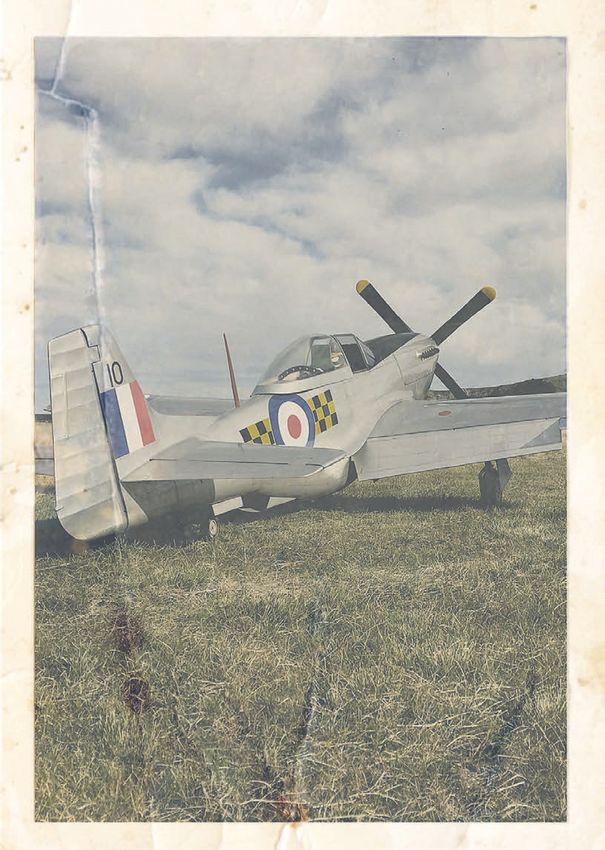
Richard Race’s P51 Mustang. The Northern North Island 50 Free Flight & Control Line Scale SIG
kit is Composite- A R F, 2.5m Chris Jackson 51 NDC Report & Results
wingspan, coming in at 18kgs. 021 0729 458 53 Classifieds
Drop in retracts from Sierra Giant NNIRep@modelflyingnz.org
Scale. Engine is a DLA 116cc twin
inline. Running a 2in prop hub
extension to get the motor
completely inside the cowling
which meant modifying the firewall Central North Island
location further back, ducting to Scott Spooner Special Interest Groups
cool the engine etc. 027 696 1269
Full cockpit from IFlyTailies in CNIRep@modelflyingnz.org Pylon Aerobatics
America with the radio/battery box John Danks Frazer Briggs
behind the pilot designed and 3D Ph 09 432 2071 021 288 9455
printed by Marcus Sargent in theteam@airsail.co.nz frazer@pbgsoftware.co.nz
Invercargill. Pilot from Steve @
Firebrand RC. Operating sliding Southern North Island LMANZ Control Line
canopy was self designed using a Graham Job Hamish Loveridge Dave Thornley
big linear actuator. hamishloveridge@hotmail.com Ph 07 349 3719
027 357 5638 027 460 3848
SNIRep@modelflyingnz.org Free Flight
Colour scheme needs a wee bit of
tweaking but is based on the Large Model Co-Ordinator Rob Wallace
Rene Redmond Ph 06 878 4993
RNZAF Territorial Airforce, based ffonzrjw@xnet.co.nz
Ph 06 356 5861
out of Taieri in Otago. largemodelpermits@
Northern South Island modelflyingnz.org Free Flight &
The Opinions expressed in this Dave Griffin
publication are not necessarily Control Line Scale
those of the editor or 021 352 595 Radio Control Scale Ricky Bould
Model Flying New Zealand. NSIRep@modelflyingnz.org Gwyn Avenell Ph 09 478 8949
Ph 09 298 4819 unimec1994@gmail.com
Neither this publication nor avenellsnz@gmail.com
MFNZ are responsible for the Helicopter
contents or services advertised Soaring Allen James
within these pages.
Southern South Island David James 027 580 5630
Daniel Munro Ph 06 354 3452 allenjames@orcon.net.nz
All advertising is accepted 027 474 3316 nzsoaringtc@hotmail.com
on the integrity of those SSIRep@modelflyingnz.org Vintage
placing the advertising. NZ Jet Turbine Don Mossop
Craig Abbott 07 578 9783
Printed by president@NZJMA.com donmossop@gmail.com
Fisherprint Ltd
Competitions Manager FPV & Multirotors
Kevin Botherway Mathew Wellington
mat_wellington@yahoo.co.nz
027 5570 470
CompMan@modelflyingnz.org
Recording Officer
Allan Knox
recordingofficer@modelflyingnz.org
Administration/Membership Manager
Paul Clegg
The body Governing 021 986 566
Model Aeronautics in New Zealand members@modelflyingnz.org
Recognised by
The Royal New Zealand Aero Club (Inc)
New Zealand Representatives of the F.A.I
Page 2 Model Flying World
MFNZ meets the Ministry of Transport team.
                                    External Affairs

                              WE NEED YOUR HELP!!

How many models do you have? We would like to know to better
inform our conversations with the Ministry of Transport and the Civil
Aviation Authority. It is important because we are talking to them about
plans for the future. In other countries there is a drive towards all
remotely piloted aircraft having to be fitted with a device which
transmits information such as an identity number and also a GPS to
prevent flying in prohibited places. The technology is readily available     choice questions completed
and is already fitted to some quadcopters such as Dji products. Our          on a Smart phone with 16
point to the authorities is that whilst the average drone enthusiast may    answered correctly. There is
have one or two aircraft and buys them built by the manufacturer, the       no skill component. The
average model plane enthusiast has many aircraft and often builds           EASA syllabus for the test
them at home. I’m probably at the extreme end of the spectrum, a            has 67 topic headings. Quite
recent counted showed my current fleet at 87 serviceable aircraft but        how you summarise “Basic
you may know others worse afflicted. A poll of my club members found          principles of flight” into a
20 to about the average but we need to hear from you so please tell us.     multiple choice question is
If you are afraid that someone close might see the number, get your         yet to be decided. Perhaps it
club secretary to send me the number to                                     will be “Do you understand
Secretary@modelflyingnz.org.                                                 the basic principle of flight?”
                                                                            Yes/No/Maybe.
We met with the Ministry of transport at the end of August to discuss
their paper on the future of RPAS legislation in New Zealand. As well       The team from the Ministry of
as developing their own thoughts, they monitor closely developments         Tr a n s p o r t c o n s i s t e d o f
abroad. Some of this may be out of date by early December but in late       Melanee Beatson, Marion
October the news was that Australia see their recreational drone            Hiriat and Simone Blackburn.
registration being pushed back two or three years. In the UK, they          We gave them a presentation
failed to hit their deadline for starting to implement a scheme and we      about the practicalities of
are still waiting to hear when they will be ready. The UK Parliamentary
investigation has given the advice that the model aircraft hobby should
not be harmed by the introduction of new legislation and in this context
my view would be that having to find a way to fit an electronic beacon to
my 87 models would harm both pocket and sanity.

Meanwhile, the European Aviation Safety Agency (EASA) attempts to
make rules to cover all eventualities from micro to magnificent.
Trawling through the tables puts the model aircraft enthusiast into
Open, A3,C4. So now you know where we fit.

Open category – operations that present a low (or no) risk to third
parties. Operations are conducted in accordance with basic and pre-
defined characteristics and are not subject to any further authorisation
requirements.

A3 (Fly ‘far from’ people) – This category covers the more general
types of unmanned aircraft operations. The intent is that the
unmanned aircraft will only be flown in areas that are clear of              Top to bottom:
uninvolved persons and will not be flown in areas that are used for          Chris Jackson and Paul Clegg with Melanee, Simone and Marion.
residential, commercial, industrial or recreational purposes (roughly       Chris gives the basic of drone flying to Marion.
                                                                            That’s the way to fly the simulator, full throttle and max up elevator.
equivalent to what is currently referred to as a ‘congested area’).
                                                                            aeromodelling and then used simulators, quads, helis and FPV aircraft
Class C4 – (flown in subcategory A3 [far from people] only) Unmanned         for some hands on experience. We felt that we were listened to and put
aircraft that do not possess any automation, other than for basic flight     some practical detail into the dry concepts in massive overseas
stabilisation (and so are more representative of a ‘traditional’ model      documentation.
aircraft) which:
   Are less than 25kg maximum take-off mass                                  Things in Great Britain are moving forward. After much negotiating and
                                                                            a change of Minister for Aviation they have now got the fee down to £9
Where you fit into the table is what decides the level of legislation that   from £16.50 and have the ability to collect the fee from members and
will apply over topics like pilot qualifications, age limits, registration   pass it on to their CAA. This will make the process easier for members,
requirements, special fitted equipment, operating locations,                 but is that a good thing? Far better would be to recognise that model
manufacturing standards and others.                                         aircraft flyers are not part of the “drone problem” and shouldn’t be part
                                                                            of the solution. It would be really easy. Policeman shows up in the park
Our goal is “business as usual” to be allowed to continue to operate        and asks if you are a registered flyer. If you are a member of MFNZ, you
under the umbrella of Model flying New Zealand as we have done,              show your membership card if not, you show your CAA registration
safely, since the middle of the last century.                               certificate. However, still, no-one will answer the question, “what is it
                                                                            for?”
The issue of pilot competence is one topic that we are developing. Our
view is that a holder of a Basic Wings qualification demonstrates and        We have another drone forum on the 21st of November when we hear
acceptable level of competence both in knowledge and skill. UK              how the legislative cogs are turning. We’ll keep you posted.
proposals are that pilot competence is assured by paying a fee and
completing a test. The idea is that the test should be twenty multi                                                           Jonathan Shorer

December 2019                                                                                                                                    Page 3
Council Report                           Sinner                  5
                                                                               72nd Nationals Raffle
                                                                               Sinner 5 is an A1 glider, a sensible model that is robust, fun to fly,
                                                                               and is ideal for the small field 2 minute max. Designed by Paul
At this time of year, the weather conspires against us, aided and              Lagan the name SINNER has nothing to do with bad behaviour,
abetted by the forecasters. Days which are supposed to be awful,               the name SIN come from Paul’s Free Flight newsletter from the
result in competitions being cancelled only to leave flyers sitting at          1970’s, South Island News. Drawn up in June 1987, and published
home staring at blue skies. Whilst other times, we turn up to the field         in FFONZ NEWZ in June 1991, the SINNER 5 is over 40 years old
and rush in and out of the clubhouse between showers. The summer               but since then it probably has not had the coverage that it
will be kinder to us. Please. In the meantime, things are very quiet           deserves. So to change all that we are going to raffle off a ready to
between the Council and clubs. Most of our work is concentrated on             fly model at the Nationals and one lucky person will get to take
preparing for the National Championships and our next big show which           home an example of this contest winning design. And we also
will be Warbirds over Wanaka. We are part of a new initiative to display       hope to have a full size plan available for free if you want to build
at Wanaka, all forms of recreational aviation in one venue. We will be         your own.
sharing a marquee with Microlights, Parachutes, Warbirds, Vintage
                                                                               So watch out for the opportunity to buy raffle tickets
planes and many others. If you are going to Wanaka, be sure to drop
into the New Zealand Aviation Federation and say hello. The dates?             coming soon.
10-12 April 2020.                                                              David Ackery
                                                                               Secretary Free Flight Sig

                                   Situation Vacant

                                   Treasurer
We are looking for a member to volunteer for the role of Treasurer. The
daily management of the MFNZ accounts is performed by the
administrator but we need an individual with a good knowledge of
accountancy practices to oversee the accounts. We use the Xero
accounting package so a working knowledge of this software system is
required. The full description of the Treasurers duties are contained in
the Constitution but the main requirement for oversight and help with
preparing the annual financial statements and budget. Please contact
the President or Secretary if you have the skills and the desire to fill this
role.

                                                                Model Flying Hawkes Bay present

                         Web Registrations from November 2019
                                    www.mfhb.org.nz
 Page 4                                                                                                                       Model Flying World
PROGRAMME
                                          Carterton
                                          30th December 2019
                                          to 4th January 2020 Registration
                                          Registration commencing 12noon Monday 30th                 Seniors $35
                                          Contestants meeting and welcome barbecue at
                                          Carterton Showgrounds                                        Juniors
                                          from 7pm Monday December 30th                                 FREE
                                          Frequency Control for non 2.4Ghz users for all RC sites
                                          will be at event headquarters, collect your peg on the day
Code    Event Name                 Site     Start Date/Time               End Date/Time                   Snr Fee
 CONTROL LINE
CL05    FAI F2D Combat             CL       Mon, Dec 30, 2019 2:00 pm     Mon, Dec 30, 2019 6:00 pm       $20.00
CL01    FAI F2B Aerobatics         CL       Tue, Dec 31, 2019 8:30 am     Tue, Dec 31, 2019 2:00 pm       $20.00
CL02    Sportsman Aerobatics       CL       Tue, Dec 31, 2019 8:30 am     Tue, Dec 31, 2019 2:00 pm       $20.00
CL03    Classic Aerobatics         CL       Tue, Dec 31, 2019 2:00 pm     Tue, Dec 31, 2019 6:00 pm       $20.00
CL04    Slow Combat                CL       Wed, Jan 1, 2020 12:00 pm     Wed, Jan 1, 2020 6:00 pm        $20.00
CL14    Percentage Speed           CL       Thu, Jan 2, 2020 9:00 am      Thu, Jan 2, 2020 1:00 Pm        $20.00
CL09    FAI F2C Team Race          CL       Thu, Jan 2, 2020 2:00 pm      Thu, Jan 2, 2020 4:00 pm        $20.00
CL12    Class B Team Race          CL       Thu, Jan 2, 2020 4:00 pm      Thu, Jan 2, 2020 6:00 pm        $20.00
CL13    F2F / Classic FAI          CL       Fri, Jan 3, 2020 9:00 am      Fri, Jan 3, 2020 11:30 am       $20.00
CL10    Slow Goodyear              CL       Fri, Jan 3, 2020 12:30 pm     Fri, Jan 3, 2020 3:30 pm        $20.00
CL11    Fast Goodyear              CL       Fri, Jan 3, 2020 4:00 pm      Fri, Jan 3, 2020 6:00 pm        $20.00
CL06    Classic A Team Race        CL       Sat, Jan 4, 2020 9:00 am      Sat, Jan 4, 2020 1:00 pm        $20.00
CL07    Classic B Team Race        CL       Sat, Jan 4, 2020 9:00 am      Sat, Jan 4, 2020 1:00 pm        $20.00
 FF/CL SCALE
FC01    FAI F4A Power Scale        RC1      Tue, Dec 31, 2019 6:30 am     Tue, Dec 31, 2019 8:30 am       $10.00
FC03    Kit Scale                  RC1      Tue, Dec 31, 2019 6:30 am     Tue, Dec 31, 2019 8:30 am       $10.00
FC04    CO2 & Electric Scale       FF       Wed, Jan 1, 2020 6:30 am      Wed, Jan 1, 2020 8:30 am        $10.00
FC02    Outdoor Rubber Scale       FF       Wed, Jan 1, 2020 6:30 am      Wed, Jan 1, 2020 8:30 am        $10.00
FC09    F4B CL + Profile Scale      CL       Wed, Jan 1, 2020 9:30 am      Wed, Jan 1, 2020 12:30 pm       $10.00
FC05    Peanut Scale               Hall     Thu, Jan 2, 2020 6:30 pm      Thu, Jan 2, 2020 10:00 pm       $10.00
FC06    Indoor kit scale           Hall     Thu, Jan 2, 2020 6:30 pm      Thu, Jan 2, 2020 10:00 pm       $10.00
FC07    Indoor Open Rubber Scale   Hall     Thu, Jan 2, 2020 6:30 pm      Thu, Jan 2, 2020 10.00 pm       $10.00
 FPV
FPV02 MFNZ Wings Championships     RC4      Fri, Jan 3, 2020 9:00 am      Fri, Jan 3, 2020 4:00 pm        $10.00
FPV01 MFNZ Multirotor Champs       RC4      Sat, Jan 4, 2020 9:00 am      Sat, Jan 4, 2020 4:00 pm        $10.00
 FREE FLIGHT
FF13  Aggy                         FF       Tue, Dec 31, 2019 8:00 pm     Tue, Dec 31, 2019 8:30 pm       $5.00
FF06  Catapult launch Glider       FF       Wed, Jan 1, 2020 5:00 pm      Wed, Jan 1, 2020 8:00 pm        $5.00
FF08  Tip Launch Glider            FF       Wed, Jan 1, 2020 5:00 pm      Wed, Jan 1, 2020 8:00 pm        $5.00
FF07  Hand Launch Glider           FF       Wed, Jan 1, 2020 5:00 pm      Wed, Jan 1, 2020 8:00 pm        $5.00
FF01  FAI Combined                 FF       Thu, Jan 2, 2020 7:00 am      Thu, Jan 2, 2020 12:00 pm       $20.00
FF15  Kiwi Power                   FF       Thu, Jan 2, 2020 7:00 am      Thu, Jan 2, 2020 12:00 pm       $5.00
FF05  Open Rubber                  FF       Fri, Jan 3, 2020 7:00 am      Fri, Jan 3, 2020 12:00 pm       $5.00
FF09  Open Glider                  FF       Fri, Jan 3, 2020 7:00 am      Fri, Jan 3, 2020 12:00 pm       $5.00
FF11  Open Power                   FF       Fri, Jan 3, 2020 7:00 am      Fri, Jan 3, 2020 12:00 pm       $5.00
FF03  Indoor HLG                   Hall     Fri, Jan 3, 2020 5:00 pm      Fri, Jan 3, 2020 8:00 pm        $5.00
FF04  Hangar Rat                   Hall     Fri, Jan 3, 2020 7:00 pm      Fri, Jan 3, 2020 11:00 pm       $5.00
FF02  P.30                         FF       Sat, Jan 4, 2020 7:00 am      Sat, Jan 4, 2020 12:00 pm       $5.00
FF10  E 36                         FF       Sat, Jan 4, 2020 7:00 am      Sat, Jan 4, 2020 12:00 pm       $5.00
FF12  Mini Combined                FF       Sat, Jan 4, 2020 7:00 am      Sat, Jan 4, 2020 12:00 pm       $5.00
 HELICOPTER
HEL01 Helicopter Fun Fly           Rc4      Tue, Dec 31, 2019 9:00 AM     Thu, Jan 2, 2020 12:00 PM       $10.00
 RC AEROBATICS
RCA01 Basic IMAC                   RC1      Tue, Dec 31, 2019   8:00 am   Fri, Jan 3, 2020   7:00 pm      $20.00
RCA02 Sportsman IMAC               RC1      Tue, Dec 31, 2019   8:00 am   Fri, Jan 3, 2020   7:00 pm      $20.00
RCA03 Intermediate IMAC            RC1      Tue, Dec 31, 2019   8:00 am   Fri, Jan 3, 2020   7:00 pm      $20.00
RCA04 Advanced IMAC                RC1      Tue, Dec 31, 2019   8:00 am   Fri, Jan 3, 2020   7:00 pm      $20.00
RCA05 Unlimited IMAC               RC1      Tue, Dec 31, 2019   8:00 am   Fri, Jan 3, 2020   7:00 pm      $20.00
RCA06 Clubman Pattern              RC1      Tue, Dec 31, 2019   8:00 am   Fri, Jan 3, 2020   7:00 pm      $20.00
RCA07 Expert Pattern               RC1      Tue, Dec 31, 2019   8:00 am   Fri, Jan 3, 2020   7:00 pm      $20.00
RCA08 Masters Pattern (A20)        RC1      Tue, Dec 31, 2019   8:00 am   Fri, Jan 3, 2020   7:00 pm      $20.00
RCA09 F3A Pattern                  RC1      Tue, Dec 31, 2019   8:00 am   Fri, Jan 3, 2020   7:00 pm      $20.00
RCA10 Classic                      RC1      Tue, Dec 31, 2019   8:00 am   Fri, Jan 3, 2020   7:00 pm      $20.00

December 2019                                                                                                 Page 5
RC Pylon
RCP01 Quickee 500 Sport                    RC1        Thu, Jan 2, 2020      1:00 pm         Fri, Jan 3, 2020   1:00 pm                $20.00
RCP02 F3R                                  RC1        Thu, Jan 2, 2020      1:00 pm         Fri, Jan 3, 2020   1:00 pm                $20.00
RCP03 F5D                                  RC1        Thu, Jan 2, 2020      1:00 pm         Fri, Jan 3, 2020   1:00 pm                $20.00
RCP04 F3D                                  RC1        Thu, Jan 2, 2020      1:00 pm         Fri, Jan 3, 2020   1:00 pm                $20.00
RCP05 F3T                                  RC1        Thu, Jan 2, 2020      1:00 pm         Fri, Jan 3, 2020   1:00 pm                $20.00
RCP06 E Sport                              RC1        Thu, Jan 2, 2020      1:00 pm         Fri, Jan 3, 2020   1:00 pm                $20.00
 RC SCALE
RCS01 Novice Scale                         RC1        Tue, Dec 31, 2019 1:00 pm             Wed, Jan 1, 2020 1:00 pm                  $20.00
RCS02 Intermediate Scale                   RC1        Tue, Dec 31, 2019 1:00 pm             Wed, Jan 1, 2020 1:00 pm                  $20.00
RCS03 F4H                                  RC1        Tue, Dec 31, 2019 1:00 pm             Wed, Jan 1, 2020 1:00 pm                  $20.00
 SOARING
GL01    ALES 200 (Class N)                 RC2        Tue, Dec 31, 2019 8:30 am             Tue, Dec 31, 2019 12:30 pm                $15.00
GL02 Premier Duration (Class C)            RC2        Tue, Dec 31, 2019 1:00 pm             Tue, Dec 31, 2019 6:00 pm                 $15.00
GL03    FAI F3J                            RC2        Wed, Jan 1, 2020 8:30 am              Wed, Jan 1, 2020 5:00 pm                  $15.00
GL04    FAI F3B                            RC2        Thu, Jan 2, 2020 8:00 am              Thu, Jan 2, 2020 6:00 pm                  $15.00
GL05    FAI F5J                            RC2        Fri, Jan 3, 2020 8:00 am              Fri, Jan 3, 2020 2:00 pm                  $15.00
GL06    ALES RADIAN (Class P)              RC2        Fri, Jan 3, 2020 2:00 pm              Fri, Jan 3, 2020 5:00 pm                  $10.00
GL07    FAI F3K                            RC2        Sat, Jan 4, 2020 8:30 am              Sat, Jan 4, 2020 2:00 pm                  $15.00
Soaring Mass Radian Launch                 RC4        Thu, Jan 2, 2020 6.00pm               until completed                           $10.00
 VINTAGE
FFV01    FF Vintage Power Duration         FF         Tue, Dec 31, 2019 7:00 am             Tue, Dec 31, 2019 1:00 am                 $5.00
FFV02    FF Vintage Rubber Duration        FF         Tue, Dec 31, 2019 7:00 am             Tue, Dec 31, 2019 1:00 am                 $5.00
FFV06    FF Vintage Glider Duration        FF         Tue, Dec 31, 2019 7:00 am             Tue, Dec 31, 2019 1:00 am                 $5.00
FFV03    FF Vintage Precision              FF         Tue, Dec 31, 2019 7:00 am             Tue, Dec 31, 2019 1:00 am                 $5.00
FFV07    FF Nostalgia Power Duration       FF         Wed, Jan 1, 2020 7:00 am              Tue, Dec 31, 2019 1:00 am                 $5.00
FFV08    FF Nostalgia Rubber               FF         Wed, Jan 1, 2020 7:00 am              Wed, Jan 1, 2020 1:00 pm                  $5.00
FFV09    FF Vintage Catapult Glider        FF         Wed, Jan 1, 2020 7:00 am              Wed, Jan 1, 2020 1:00 pm                  $5.00
FFV04    FF Vintage/Nos Small Power        FF         Wed, Jan 1, 2020 7:00 am              Wed, Jan 1, 2020 1:00 pm                  $5.00
FFV05    FF Classic Combined duration      FF         Wed, Jan 1, 2020 7:00 am              Wed, Jan 1, 2020 1:00 pm                  $5.00
RCV01    RC Vintage Precision              RC3        Wed, Jan 1, 2020 12:00 pm             Wed, Jan 1, 2020 4:00 pm                  $5.00
RCV02    RC Classical Precision            RC3        Wed, Jan 1, 2020 12:00 pm             Wed, Jan 1, 2020 4:00 pm                  $5.00
RCV03    RC Vintage open Texaco            RC3        Wed, Jan 1, 2020 12:00 pm             Wed, Jan 1, 2020 4:00 pm                  $5.00
RCV04    RC Vintage 1/2 A Texaco           RC3        Thu, Jan 2, 2020 9:00 am              Thu, Jan 2, 2020 4:00 pm                  $5.00
RCV05    RC Vintage A Texaco               RC3        Thu, Jan 2, 2020 9:00 am              Thu, Jan 2, 2020 4:00 pm                  $5.00
RCV06    RC Vintage E Texaco               RC3        Thu, Jan 2, 2020 9:00 am              Thu, Jan 2, 2020 4:00 pm                  $5.00
RCV07    RC Classical E Duration           RC3        Thu, Jan 2, 2020 9:00 am              Thu, Jan 2, 2020 4:00 pm                  $5.00
RCV08    RC Vintage 1/2 E Texaco           RC3        Fri, Jan 3, 2020 9:00 am              Fri, Jan 3, 2020 4:00 pm                  $5.00
RCV09    RC Vintage IC Duration            RC3        Fri, Jan 3, 2020 9:00 am              Fri, Jan 3, 2020 4:00 pm                  $5.00
RCV10    RC Vintage E Duration             RC3        Fri, Jan 3, 2020 9:00 am              Fri, Jan 3, 2020 4:00 pm                  $5.00
RCV11    RC Classical E Texaco             RC3        Fri, Jan 3, 2020 9:00 am              Fri, Jan 3, 2020 4:00 pm                  $5.00
RCV12    RC Classical 1/2 E Texaco         RC3        Sat, Jan 4, 2020 9:00 am              Sat, Jan 4, 2020 4:00 pm                  $5.00
RCV13    RC Sport Cabin E Texaco           RC3        Sat, Jan 4, 2020 9:00 am              Sat, Jan 4, 2020 4:00 pm                  $5.00
RCV14    RC Vintage E Rubber Texaco        RC3        Sat, Jan 4, 2020 9:00 am              Sat, Jan 4, 2020 4:00 pm                  $5.00
RCV15    RC Classical IC Duration          RC3        Sat, Jan 4, 2020 9:00 am              Sat, Jan 4, 2020 4:00 pm                  $5.00
Enquiries to:                                                                 Locations:
Nationals Manager:          Len Drabble                                       CL     Clareville Control Line Circles
             Phone:         04 526 6645                                       FF     Gladstone Road
            Mobile:         027 711 2871                                      HALL Clareville Showgrounds Hall
              Email:        president@modelflyingnz.org                        RC1 Francis Line
                                                                              RC2 Soaring field across railway line
                                                                              RC3 Vintage field
                                                                              RC4 Clareville Showgrounds Arena

                          2019 NATIONALS CARTERTON COMMENCING
                          MONDAY THE 30TH DECEMBER WITH REGISTRATION AND
                          WELCOME BARBECUE

                                                                                    SO REGISTER ON LINE EARLY FOR
DAY 1 TUESDAY the 31st.                                                          THE NEW YEARS EVE ACTIVITIES AND THE
We have a special evening planned as its New Year’s Eve. After the                   EVENTS YOU ARE COMPETING IN.
day’s competition we will have a spit roast dinner starting at 6.30pm              WE WILL SEND OUT THE LINK TO THE
until 7.30pm. Following this, the Aggy will take place at the Free Flight       REGISTRATIONS BY EMAIL AS SOON AS THE
field 8.00pm until 8.30pm, then back to the show grounds for movie                     SITE WILL BE UP AND RUNNING.
night in the upstairs offices from 9.00pm until 11.00pm. Finally from
11.00pm a night flying helicopter demonstration up until midnight then         DAY 4 Friday the 3rd.
Rene Redmond’s full size Viper jet engine will fire up to welcome in the       Scheduled day’s competitions
new year. Truly spectacular.
                                                                              DAY 5 Saturday the 4th.
DAY 2 WEDNESDAY the 1st.                                                      Scheduled day’s competitions up till 12.00pm followed by prize giving
Scheduled day’s competitions                                                  and barbecue at approx 5.00pm

DAY 3 Thursday the 2nd.                                                       DAY 6 Sunday the 5th.
Scheduled day’s competitions                                                  Travel home safely

Page 6                                                                                                                       Model Flying World
Rc1 PROGRAMME

                                                      31st Dec         1st Jan        2nd Jan          3rd Jan       4th Jan
                                                       Day 1            Day 2          Day 3            Day 4         Day 5
                             8:00 am to 9:00 am
                             9:00 am to 10:00 am
                             10:00 am to 11:00 am   RC Aerobatics     RC Scale      RC Aerobatics     RC Pylon      Rain Day
Note:
Midday cut over times 11:00 am to 12:00 pm                                                                            Scale
are not exact. This is a 12:00 pm to 1:00 pm                                                                          Pylon
shared transition time. 1:00 pm to 2:00 pm                                                                          Aerobatics
Be prepared for the          2:00 pm to 3:00 pm
previous event finishing
early if its their last slot 3:00 pm to 4:00 pm       RC Scale      RC Aerobatics     RC Pylon      RC Aerobatics
Eg Scale Day 2, Pylon 4:00 pm to 5:00 pm
Day 4.                       5:00 pm to 6:00 pm                                                                        Main
                             6:00 pm to 7:00 pm                                                                     Prize Giving

                          8:30pm                                                    Aero SIG AGM

         WE WANT YOU AT THE
           72nd NATIONALS
AND THERE IS SOMETHING FOR EVERYONE
     FREE FLIGHT CONTROL LINE VINTAGE
        AEROBATICS IMAC RC PATTERN
          PYLON SCALE FIXED WING
           SCALE HELICOPTER FUN FLY
      POD AND BOOM HELICOPTER FUN FLY
   DRONE RACING FPV FLYING WING RACING
   HANGER RAT AGGY NEW YEARS EVE EVENTS
              SPIT ROAST BARBECUE
        6.30 pm finishes 7.30 pm get your tickets

                         AGGY
            8.00pm to 9.00pm Free Flight field.

                    MOVIE NIGHT
 Upstairs in the car club rooms. Bring your junk food.
 Screening from 9pm to 11pm showing Billy Connellys
 Australian classic comedy The Man Who Sued God.

            HELI NIGHT FLYING DEMO
    11.00pm to 11.50pm Heli night flying demo in the
            Showgrounds New Years Eve.

              VIPER JET ENGINE RUN
 Midnight Rene Redmond will fire up his full size Viper
  jet engine. Bring your ear plugs because this thing
                 makes serious noise!!!

               COMBINED SIG MEETING
 Wednesday 1st January 6pm combined SIG meeting
 upstairs in the Vintage Car Club rooms main complex.

                  PRIZE GIVING & BBQ
                   Saturday 4th 5.30pm

December 2019                                                                                                             Page 7
FUNDING
A PROJECT
Robert Berger

North Shore Model Aero Club, based in Dairy
Flat, Auckland lives on a working farm owned by
Auckland Council with an all-weather gravel
drive. We have a nice lease and a good
membership number (120). We hold open days,
have a team of instructors in charge of a fleet of
training planes and operate a good strip as well
as two Control Line Circles. We have this all
fenced off to keep the sheep and their exhaust out
of our playground and off my wheelchair wheels.
What more could we need? Well we have a few
gentlemen in the club susceptible to skin cancer,
we have a nice bloke in a wheelchair (me) and we have young people.           The outcome must be achievable so there is no point applying for a tar
All of which would do well with a large covered area to rig models            sealed runway if you don’t have the land to put it on for example.
without having to crawl all over the ground on their hand and knees and
to shelter from the sun under. A fifteen metre by three metre carport          Some key factors that your club needs to meet in order to have a
would be a great asset and it could easily be achieved for under              successful outcome include being an Incorporated Society, educating
$15,000. As we don’t have that kind of money, we need to find it.              young people to take up an outdoor hobby / sport, inviting the
                                                                              community to come and watch you fly models and to run have-a-go
So, in the paragraph above I just outlined the basics of what funders         days for the public. NSMAC do all of these so that was a big tick for our
like to see in a club. We have membership numbers that show a                 application.
healthy club with a wide and inclusive membership base that would
benefit from their funding. We have assets that demonstrate a good             Your club must also meet the purposes outlined in the constitution of
foundation in providing for our member. We have shown the health              the funder that you are applying to. For example, this is what Pub
benefits (skin cancer, sunburn etcetera). We have demonstrated our             Charity Ltd post on the front page of their web site:
ability to teach people how to fly with our fleet of aircraft and instructors
and we have a culture of involving the community with open days. So           Pub Charity Limited distributes proceeds from gaming machines
that first paragraph is the base information you have to put into your         situated in venues throughout New Zealand. Our aim is to provide
funding application to get the funders interest.                              enduring community benefit through providing Grants to community
                                                                              organisations in order to make them more capable and sustainable,
How do we fund what we need now if our bank account is not capable            thereby making communities stronger.
of doing that? The answer is simple, apply for funding to one of the
many organisations out there who fund community-based sport and               You will also need a nice set of accounts that include a Profit and Loss
hobby activities. As we all know, there is no free lunch and its not going    Statement and a Balance Sheet and your clubs Certificate of
to be as simple as just asking for some dosh. There are forms to fill out      Incorporation. A signed copy of the minutes from your general meeting
and documents to supply, a few hours of computer work is also                 is also mandatory that state something like “The motion for our club
required to achieve the goal of a successful funding application but          secretary (or whoever) to apply for funding for (project) was approved”.
believe me, it is all worth the effort.                                        Two quotes for the project are required and these must be made out to
                                                                              your organisation. When your funding is provided you must purchase
One of the documents I needed was a letter stating that NSMAC was             from the preferred quote supplier and you must buy exactly what is on
affiliated to a National Body. That would be easy to get and I emailed          the quote. It is very important therefore to make sure your quotes are
Jonathan Shorer for such a document. Now I am not suggesting that             for exactly what you need. Now one thing to watch for is how much
any blackmail took place but Jonathan “suggested” I write an article for      money you already have in your bank account because if you have
Model Flying World about funding applications.                                enough funds to buy what you need you will be unlikely to get full or any
                                                                              funding. However, you have to be honest and if you do have funds that
I sat down to write it then thought it would be better to do that when I      are earmarked for another project then you should explain that in your
could report the outcome of the application. When I did find out the           application. A contribution from the club towards the project is also
outcome (after much jumping for joy, or wheelchair donuts) I thought it       helpful. In our case we could afford to put $1000.00 towards the
would be better to write it after the project was complete and I can now      project. Although this is not essential, it does help.
report that our funding application provided $12,970.00 and our shelter
is built.                                                                     One philosophy I have is “spend the club’s income on building the club,
                                                                              not the bank balance”. If you want to grow your club then it’s never a
The first item you need is to have when applying for funding is a project      good thing to have a large bank account for a rainy day and few assets,
or a requirement for equipment and you must substantiate that need.           especially when it comes to applying for funding.

Page 8                                                                                                                          Model Flying World
Where do we find funding organisations? Well now that we have the Internet and Google it’s not that difficult and you will be surprised how many organisations are out there that actually want, in fact need to give your club money. I say “need to” because the gambling Act insists that organisation that run pokies, casinos and so on must return a percentage of their income back to the community (us). Funding is available from many trusts and funders such as Lottery, Pub Charity, North South Trust, Trillian Trust and many many more. To find them Just Google “charitable funding nz” and you will find dozens of them. Once you have selected your charity and you have checked that you meet their criteria you sign up to their application portal and register yourself and your club. All of these organisations have web-based application forms and processes. You will need some documents such as mentioned earlier such as the clubs Profit and Loss accounts, Certificate of Incorporation, Two quotes for the project and a bank statement. All the documents are basic things a club should have anyway and the application process is not difficult. Also, if you need to get help its just a matter of phoning them up or emailing your questions and they will guide you through it. The funding organisations like to be recognised for their support and for that reason I used Pub Charity Ltd as my example in this article and their logo appears in this, our National Magazine, Model Flying World. Pub Charity Ltd has made a huge difference to our club with much improved facilities that will be enjoyed this summer by all of our members and visitors to our club. I hope that you find this short article helpful and that you are able to access funds to build your club for your members and for the community. December 2019 Page 9
Civil Aviation Rules

                                                                                                                             5
                                                                                                      R

                                                                                                      E
                                                                                                      L
                                                                                                      U

                                                                                                      S
                                                                                              A
                                                                                              A
                                                                                              C
for Aero Modellers
                                                    Chris Jackson

There seems to be a lot of confusion out there as to what the rules are
for flying models in New Zealand, so here is the first part in a series of
articles to helpfully clarify the rules, and how we operate under them.
New Zealand operates two distinctly different set of rules, Civil Aviation
Rule 101 and CAR 102, that apply to model aircraft.

CAR 101 is a prescriptive set of rules, similar to most aviation
regulation. Do this, don’t do this, etc.

CAR 102 is a risk-based set of rules, which provide great flexibility, and
work on the idea of proving to the CAA that you have an alternative
way to operate compared to CAR 101 and provides a way of altering
the rules set under 101.
For the purposes of this article we will be discussing operating under
CAR 101

The Legislation
New Zealand Civil Aviation is prescribed under the Civil Aviation Act,
which is currently undergoing review and a new version is expected
sometime around 2021, in the meantime we operate under a version
that’s existed since 1990.

The Act is looked after by the Ministry of Transport, and it defines basic
things, like not interfering with aircraft, as well as brings organisations
such as the Civil Aviation Authority, and Airways NZ into being.

The Civil Aviation Authority (CAA) are in charge of directly regulating
civil aviation in NZ, they produce the rules (CAR) and look after the
nuts and bolts of the Act. The CAA have a department specifically for
UAV/RPAS/Drones/Model Planes, which currently consists of four
very helpful individuals, some of whom are also modellers. CASA, the
Australian equivalent of the CAA, operates with 20+ staff looking after
UAVs for comparisons sake.

Airways are New Zealand’s Air Navigation Service provider, they look
after all the controlled airspace around New Zealand, look after all the
navigation hardware, control towers etc, and they also operate
Airshare. Airshare provides the ability for access of RPAS/Model
Aircraft to Controlled Airspace using a google map API and web/app-
based form. Airways NZ operate as a state-owned enterprise.
                                                                              the airspace we operate in. When any aircraft is operating with a CTR,
The Airspace                                                                  the airspace controller is dictating where they are, and where they are
There are numerous types of Airspace in New Zealand, some of them             going, and separation is maintained by placing all the aircraft in their
are very useful for model flying, some of them very hazardous. Under           own boxes.
CAR 101.12 anyone operating an unmanned aircraft must have
knowledge of the airspace they are operating within.                          To access controlled airspace with a model aircraft, you’ll need to get
                                                                              approval through Airshare.co.nz (or use the app). Airshare then sends
Uncontrolled Airspace                                                         an email to relevant authority (normally a control tower) as well as one
Uncontrolled airspace is exactly that, known as Class G airspace, it          to your email address. The email contains information about the state
operates on a “see and avoid” principle. Aircraft operating in Class G        of your application, and instructions for the next steps once approved.
airspace must maintain separation from each other by themselves. In           This normally involves, once approved, calling the control tower and
most circumstances manned aviation must stay above 500ft, and                 announcing you are ready to go, and then calling again once complete.
Model Aircraft below 400ft, meaning we have a 100ft safety buffer. No
clearance is required to operate in uncontrolled airspace.                    Special Use Airspace
                                                                              Special use airspace is dotted all over the country, in uncontrolled and
Controlled Airspace                                                           controlled, airspace.
In New Zealand we operate 3 classes of Controlled Airspace (A/C/D)
however for the purposes of model aircraft, the only thing we need to         Military Operating Areas – Model Aircraft can only operate in here
worry about is what’s called the Control Zones (CTR). CTRs are the            with permission from the relevant military authority
parts of controlled airspace that touch the surface, and therefore cover

Page 10                                                                                                                        Model Flying World
Restricted Areas – These are areas in which access is www.airshare.co.nz provides access to gaining approval to operate within 4km,
restricted for various reasons, from conservation through to however does not feature NOTAMs, Danger Areas and incorrectly displays 4km
rocket launches. Operating within them takes approval from boundaries from Aerodromes.
the administering authority
www.dronesafetymap.com features NOTAMs, and analyses ground hazards to
Mandatory Broadcast Zones – MBZ’s are setup around display risks, however, does not feature Danger Areas, and also incorrectly
areas that are uncontrolled, however often have heavy traffic displays aerodrome boundaries
levels. The intent of an MBZ is that everyone operating within www.airmap.com displays NOTAMs, and Danger Areas, along with incorrect
the MBZ broadcasts their position and intentions at a set 4km boundaries.
number of minutes (normally 10) on VHF AirBand radio.
Currently the requirements to broadcast within an MBZ do While the above are all free, and flawed, there are sources which are valid (and
not apply to Model Aircraft, however being aware you are legal) and based on what’s called a Visual Navigation Charts (VNC).
operating within one, and the risk of high traffic within it, is https://shop.aeropath.aero/ - VNC Charts are available to purchase
good practice. Whilst there is no requirement for model https://ozrunways.com/ - OZ Runways - Android and Apple app
aircraft to transmit within an MBZ it is also good practice to https://www.avplan-efb.com/ - AVPlan EFB – Android and Apple app
listen to the relevant frequency.
Next Article
Low Flying Zones – LFZ are used for training purposes by Now that we have the basics of airspace set out, in the next article we will cover
manned aviation, and extent from the surface to 500ft above NOTAMs, Shielded Operations, Barriers, and the rest of the CAR 101 Rules.
ground level, obviously this puts manned aircraft within the
same airspace as aeromodellers. Operating within an active If you have any questions or comments, do not hesitate to get in touch with me –
LFZ is not possible. Chris Jackson
nnirep@modelflyingnz.org
Danger Areas – These are areas around the country where
specific hazards exist… including us! Many club sites are
listed as DA’s on aerospace maps. Other uses for DAs
include quarries, blasting, jet efflux etc. Operating within a
Danger Area does not require permission; however, it does
require assessing the risk of operating within it. It also affords
us some privileges under the rules which we will get into later.
Aerodromes
Aerodromes, as defined in CAR101, is any area used for the
take-off and landing of aircraft, and listed under the
Aeronautical Information Publication (AIP), making them
what’s known as a promulgated Aerodrome -
http://aip.net.nz/NavWalk.aspx?section=CHARTS
Aerodromes come in two flavours; controlled and
uncontrolled. Controlled aerodromes have a controller in the
tower directing traffic, uncontrolled ones… do not.
By definition, operating at an aerodrome is some of the
highest risk airspace, as aircraft are flying in relatively dense
airspace and at low level.
Due to this increased risk there are numerous things you
need to know, and do, when operating close to an
aerodrome. Close is defined as 4km from the boundary of an
Aerodrome, however, note on Airshare this is incorrectly
shown as 4km circles. Many aerodromes in New Zealand are
water, including the likes of Lake Taupo, and the Rotorua
Lakes, and therefore 4km is measured from the shoreline.
To operate within 4km of an Aerodrome you need –
• Permission, from the controller (through Airshare), or in
the case of an uncontrolled aerodrome an agreement
with the operator.
• An observer, some one who is trained and competent,
and monitoring the airspace in which you are flying.
• A qualification from a CAA approved organisation, in our
case – MFNZ Wings
Many aerodromes provide direct guidance to operating
within their 4km radius on their websites, worth looking at are
Taupo and Pikes Point/Advanced Flight.
taupoairport.co.nz/information/pilot-info/drones/
advancedflight.co.nz/assets/UAV_Zones.pdf
Maps
There are many airspace maps available, some of them are
free to use, however due to the nature of the data the rule of
thumb is: If its free it’s not legal data to use. This includes
Airshares map. Unfortunately, none of the online “free” maps
are complete and all have their shortcomings.
December 2019 Page 11LARGE Model
News
Rene Redmond
New Projects on the register!
GIANT PL-12 Airtruk X 2!
Gary Wilson and Lew Woods have embarked on a huge mission
building not one but TWO giant PL-12 Airtruks simultaneously.
These Cat 2 aircraft have a span of 3.60m and will likely end up
weighing approximately 34kg. Powered by twin cylinder DLE engines
complete with EME on-board starter units they will be a delight to
watch cruising by in formation hopefully in 2020.
The models are totally scratch built being scaled from the NZ Aero
Products plans by a factor of 1.2 from the original 118in to 142 inch
span. The fuselage is a fibreglass moulding as are various other
fairings. The wings, booms, fin and tail are conventional built up
components.
Gary has been responsible for construction of all wooden components
with Lew in charge of mould construction and subsequent moulding.
Gary also designed and built the custom undercarriage system which
follows scale construction with the clever use of elastomeric dampers
courtesy of Holden Torana sway bar bushes.
The aircraft will both be painted in Air Contract Masterton colours the
same scheme used when Lew was flying Airtruk’s for this company
back in the 70’s. Lew’s aircraft door will be adorned with a small pink
elephant due to his nickname “PINKY” the flying elephant!
First inspections on both aircraft have been completed so it’s close up
and glassing time for all the wood structures.
Even I have played a small role as material procurement officer and
project enabler, a term of endearment referring to my pestering to just
do it!
So…what’s happening in the Large Model scene?
I’m seeing a steady stream of new registrations coming down the pipes
a couple are featured here and in the Jet SIG news however there are frustration. Fortunately our very talented membership manager Le
also 15kg+ P51’s ….. To name a few so hopefully the 2020 season Clegg is planning a custom built database to replace Machforms in
especially the LMANZ meetings could be exciting. doing so fix the current problems and have full integration into the main
MFNZ database. I’m hoping we will see this first half of 2020 all going
There is a trickle of change of ownership and permit renewals coming well!
in but would like to see more. At the moment we are still investigating
ways and means to notify owners via an automated email message but Lastly and without question most importantly the SAFE operation of
that has limitations as not everyone (yes I know!) has or uses email. our large model fleet is of paramount importance to EVERYONE that
operates aircraft in this category.
I’m not receiving much feedback on the Code of Practise we currently
work under so assume everyone is relatively happy with the content By and large you guys do a good job but please take a moment every
and we have it about right. There is a bit of fine tuning proposed mainly time you go out to fly to ensure the precautions and decisions you
minor changes however always happy to take constructive comment make during your flying session are considered and responsible…bad
from LM operator’s that suggest sensible improvement to the process. decisions could affect us all!
Contact me via the LM SIG page with comment/suggestions.
Distraction during set-up…could it happen to you?
My attitude as LM Controller is that whilst remaining compliant with the It’s vitally important for all RC fliers when assembling their model big or
regulators I’m mindful that the registration process is seen as onerous small at the field that they develop a sound routine to ensure even the
by some. Since taking over 3+ years ago I’ve worked to ensure the path smallest point is not missed.
is as smooth as possible and put actions in place to make it so.
Step that up a level or two as our models increase in size and
Like all things in life processes can always be improved and again I complexity and all of a sudden we are facing serious ramifications if
welcome anyone who has/is struggling with the registration system to things get forgotten or missed during a check list.
tell me and see if we can improve it for you.
Ways this often happen is during an event especially where public are
Machforms the registration system we currently use has its limitations present or a visit to a new field where you may be largely unknown to
and failings especially the save/print/retrieve functions that are a big the modellers present.
Page 12 Model Flying WorldIn trying to be polite and answer the myriad of questions that get fired at crash avoidable with a bit of forethought and planning.
you it’s easy to get side-tracked and miss an important step in our
assembly procedures. Large Model Pilots please note...
For those with Category 1, 2 & 3 aircraft here are a couple of friendly
So what are the ways we can avoid making a monumental cock-up and operating reminders:
remain engaged and polite to on-lookers? Well for starters how about: 1/ Is your aircraft permit to fly current? Remember no permit is a
• I would love to talk to you about the model just give me a few breach of LM/MFNZ/CAA/Insurance operating conditions.
minutes to assemble it and we’ll have a chat! Contact the LMC if unsure about current status (link below)
• Be great to tell you all about my aircraft but for safety reasons I 2/ Remember to carry your permit to all events attended!
need to concentrate for a spell then we will talk. 3/ Is your registration number clearly displayed in a suitable place on
• Mate I’m so excited to be flying here to save me making a mistake your aircraft?
and looking a complete dick can I get back to you in a few minutes 4/ only operate your aircraft when conditions are favourable, don’t put
once the model’s assembled and checked! your investment or the safety of yours and others at risk.
Seriously…at the end of the day it’s common sense and in the heat of Until next time fly safe…think big!
the moment mistakes can and do get made. For Large Model questions my email address and other handy links
are at the bottom of this page
All I’m saying is be aware of the risk of distraction when forgetting that
fuel fitting, safety locking pin, bolt or maybe even a spar and the
outcome it can have on the flight, please make a potential serious
MFNZ Large Model Certification
All Cat 1, 2 & 3 aircraft must comply with the MFNZ Large Model Code of Practice (LMCOP) available to
view on the MFNZ website or by contacting the Large Model Co-ordinator
LM webpage http://www.modelflyingnz.org/sigs/largemodel.html
Handy links to MFNZ LM LMCOP http://www.modelflyingnz.org/sigs/largemodel/LMCodeofPractice.pdf
LMANZ http://www.lmanz.co.nz/
information as follow: NZJMA http://www.nzjma.co.nz
Part 102 info http://www.modelflyingnz.org/archives.html
December 2019 Page 13PRINTED PLANES Ralph Kumm Cessna 152 (1.5m wingspan)
What you can do with a few kg’s of plastic filament
I bought a 3D printer about 2 years ago to play around with and making
a few bits and bobs for my planes, and soon found a web site called 3d
Labprint which took all the hard work out of designing a 3D plane and
include all the necessary files to print a plane for a nominal fee of
course.
My first attempt was a Cessna 152 which is almost 99% printed,
including steerable nose wheel and front wheel spring including the
tyres. This flies very well with very little trim required.
My second attempt was a Pawnee (Dusty from planes movie). This
was however a lot more fiddley work with a lot of small pieces, than the
152 as well as a higher wing loading. Dusty also flew very well with
minimal trim.
Dusty (Piper Pawnee 1.32m wingspan)
Dusty came to an untimely demise in a transporting incident, won’t go
into details.
One of my club mates sparked the interest in a jet, and hence I found
the MIG 15.
This was a bit more ambitious then the first 2 projects and has involved
a lot more printing time and investment in gear like retracts, 90mm
EDF and motor and HV ESC. The total print time was about 120 to 150
hours but then this only involves setup and let it run with very little time
from my end. I used about 2 rolls of filament (2Kg), the assembly of all
the printed bits were then simply trimmed and super glued together in
the correct sequence to enable the installation of all moving surfaces Mig 15 fuselage
including the spit flaps. Installation of servos and landing gear is
currently work in progress.
General specifications:
Length: 1385mm / 54.5 inch
Wingspan: 1385mm / 54.5 inch
Height: 505 mm / 19.7 inch
Wing area: 30,41 dm2 / 3.26 sq foot
Wing loading: 100 g/dm2 / 27 oz at sq foot
Center of gravity: 224mm (8.81 inch) from LE
Airfoil: 3DLabPrint modified
Print weight: 1817 g / 64.0 oz
Empty weight (w/o battery): 2164 g / 76.3 oz
Takeoff weight (2x 3s 3700 lipo): 3093 g / 109.6 oz
Max takeoff weight: 3300 g / 116.4 oz Wings with split flaps and aileron
Never exceed speed, VNE: 200 km/h / 125 mph Left: Mig 15 Wing sections showing internal structure
Design maneuvering speed, VA: 120 km/h / 75 mph
Stall speed: 50 km/h / 15 mph
Powerplant
EDF: 90mm for 6S Li-Pol
Motor: 1750kV
ESC: 100A Electronic Speed Controller or
similar 80-100Amps
Battery: 2x Li-Pol 4000mAh/3s (40-65C),
at least 345g / 12.2oz, 65C
(fuselage space for 3000-
6000mAh packs)
Performance measurement
Max speed VH (level flight): 150 km/h
80 kn
90 mph with 6s Li-Pol
Rate of climb: 46 m/s (10 673 ft/min)
Flight time (2x 3s 2700mAh): 6:00min Awaiting servo installation
Page 14 Model Flying Worldmake your
Steve Wilson
FirebrandAeroRC
Hi all,
ARF
For those that don’t know me, my name is Steve, owner of
FirebrandAeroRC.
stand out
from the
crowd
Firebrand’s
Firebrand sells a lot of really nice ARF’s but the truth of the matter is I
o r i g i n a l
love traditionally built models! Models by craftsman like the late Brian Blackhorse
Borland, Gywn Avnell and Dennis Clark are nothing short of demo model –
extraordinary. Often years in the building they have to be seen to be Wheels, Prop,
believed. S p i n n e r, P i l o t
Figure upgrade
Custom builds by us lesser skilled folk still have a special beauty
however, largely as a result fabric, glass and paint finishes rather than
iron on plastic film. The inherent imperfection is part of the appeal to
many. Rob van Dorts Blackhorse Chippy – Wheels, Spinner, Prop, Lights &
Custom Graphics upgrade
But for most part ARF’s mass produced in China and Vietnam
dominate these days, and its easy to see why. Assembly time can be
measured in hours and days rather than months and years, the models
are built straight typically fly well, and with typical price range of $350 to
$2000 most ARF’s are great value.
Here is a question however - why is it one ARF looks like a million
bucks, while another example out of the same box just doesn’t? Odds-
on the owner of that nice looking example has invested in some simple
upgrades that make a huge difference to visual appeal, and often
performance. If budget permits special spending a little extra on some
good wheels, a nice alloy or carbon spinner, a good pilot figure or pilot
bust, a quality “vintage appropriate” propeller, better hardware & some
decent lights is guaranteed to make your ARF a show stopper!
ARF’s don’t come much better
Biggest “Bang for Bucks” Easy Upgrades than Legacy Aviation, but while
Wheels the little foam wheels supplied
The wheels supplied in most ARF’s be round…so that’s good! But are nice and light (fitted in
suffice to say they are unlikely to be other than functional. This is an upper photo) the low cost alloy
hub oversize jobs look so
easy fix without spending an arm and a leg however. Circa $35 to $70
much better!
will usually cover it, allthough prices rise rapidly with bigger diameter
wheels or top end stuff like Robart Spoked Alloys.
Dubro “Big Wheels” really set off the Hangar 9 Carbon Cub
Tailwheel upgrade fitted to Firebrand’s demo Blackhorse Ryan STA
(30cc)
Prop & Spinners
Most older better quality ARF’s used came with a nice alloy spinner, When it comes to props many modelers like “plastic” as they are more
but these days a cheap plastic job is the norm. If your not keen in plastic likely to survive a ground strike.
spinners you’re not alone! So what are the options?
Some nylon reinforced props like Master Aircrew and APC are very
Spun alloy spinners from TruTurn or Dave Brown are really nice, but good quality products, and very popular. On older style models the
eyewateringly expensive. Master Airscrew “Classic” range of props is a great choice.
However there are some pretty nice Chinese spinners available (e.g. But when it comes bigger motors or sharp looks a quality wood like a
Miracle) which are much more affordable, typically between $30 to $65 Metts, Robbe Dynamic Performance or Xoar is hard to beat, and for
depending on diameter. those with the budget composite props from manufacturers like Beila
are next level.
December 2019 Page 15Whatever you prefer, compare a model with the manufacturer For those who like the idea of lights but not the $300 budget for
provided plastic spinner and an cheap plastic prop to one with nice Unilights, Pichler do great a landing/spot light system for a fraction of
alloy spinner & quality nylon, wood or composite prop. No contest the price of a similar Unight product. These Chinese lights look very
when it comes to style and depending on the prop selection, similar to the 22mm Unilight spots. It would be naive to think they are of
performance. the same quality as the Austrian product but they are very powerful and
work well. Great option at $55 for a system (excluding battery).
Dave Brown Spinner & Master
Airscrew Classic Prop
Unlight systems set the
standard in RC lighting
Pichler spot/landing
lights work well at a
Miracle Spinner & Beila Prop modest cost
Stunning ARK Spinner & Metts Prop
Pilot Figures
If an ARF comes with a pilot figure or bust, its likely to be high on the
upgrade list for the fussy. Notable exceptions include the pilot busts
supplied by Graupner in their ARF’s which are actually pretty good.
Warbird Pilots do a great range of WW1, WW2, Civilian & Jet Pilots
from 10” to 22”, and Great Planes do a range of good basic pilot busts
that are affordable.
Only time will tell if Great Planes owner, Horizon Hobby, continues
production of these pilot busts or they end up discontinued like many
other product lines since the acquisition of Hobbico by Horizon.
Firebrand is nearing
completion of its Graupner
B0209 demo model. Stock
lights replaced with
Unilights. Graupner make
a small number of very
nice, quality ARF’s
Left:
R y a n S TA w i t h c u s t o m
Firebrand pilot figure
Hardware & Engine Mounts
Below: Most ARF hardware is does the job just fine, even the product supplied
Planet Hobby Tucano with with the lower price point models.
Great Planes pilots busts
But if you’re a bit fussy, preferring alloy over plastic, ball joints & locking
clevises to budget tin jobs that use a bit of silicon tube as a “safety
lock”, and engine mounts that isolate rather than channel vibration
there is some nice stuff out there made by the likes of MP Jet, Dubro,
Sullivan & Ritcher.
Lighting
A number of ARF’s come with lights. Sounds nice but the reality is they
have about as much impact in daylight as a candle would have in a
lighthouse. Good lights cost money.
Above: Dubro Isolation Mount – Saito
Unilight specialise in RC lighting systems and are high quality, very Fa125
bright, but not cheap. A basic system of nav, beacon & landing lights is Right: Isolation Mount in Firebrands
going to set you back circa $300 and can rapidly go north from there. BO209 – DLE40 Twin
Page 16 Model Flying WorldFor those with more energy, striping the plastic film then recovering
with a quality fabric covering such at Oratex, or glassing & painting will
qive you a custom built look for a fraction of the time and effort of a
scratch build.
Ritcher Mounts for 30 to
160cc
Alloy arms and MP Jet linkages - Firebrand’s Graupner B0209 demo
model
Next Level
You can of course go much further with some very rewarding results.
Giving the plastic film covering of your SRF a light sand with 1200 grit
paper, drawing on some panel lines with a pencil, adding some
weathering effects, then spraying with a flat/semi-flat (warbird) or gloss Gary Weavers Maxford USA Stearman ARF. Plastic gone, and Oratex
(civilian) clear coat will totally change the “depth of finish” of your ARF. going on. Saito 33cc Radial going in. Will be awesome!
Firebrand’s
Topflite P47 ARF –
Plastic stripped,
then glassed,
d e t a i l e d &
painted.
While this article focuses on the simple low cost/low effort upspec’s, if
anyone would like more information on using ARF’s as a “blank
canvas” please email sales@firebrandaerorc.co.nz or visit
www.firebrandaerorc.co.nz
Hangar 9 P47 built/finished by Firebrand before being purchased by a
South Island based customer. Out of the box the Ultracoat was lightly
sanded, a bit of detailing was added & flat clear coat finish applied. So
Thanks for reading and I hope you got some useful tips.
easy and looks great. Decent spinner, prop, wheels and pilot figure added Happy flying!
of course! Warm regards, Steve
Footnote: FirebrandAeroRC focuses exclusively on quality fixed wing electric, glow & gas aircraft, motors, electronics and accessories. All items
noted in this article are standard stock items. If you haven’t done so already please visit us at www.firebrandaerorc.co.nz
December 2019 Page 17Chris
MFNZ WINGS & COMMERCIAL UAV OPERATORS Jackson
With the rapid expansion of the commercial UAV operators worldwide, In Conclusion
there are many overlapping parts of the operation, and legislation, Although, whilst initially Model Flying New Zealand was the only
between UAVs and Model Aircraft. organisation capable of offering the qualification, our Wings program
is not setup for, nor is it fit for purpose in offering qualifications to
One of these overlapping points, particularly in New Zealand, is the commercial operators. Whilst there are some operators out there who
requirement for a “Qualification from an Approved Organisation” (CAR fly recreationally, and commercially, they are rare cases.
101.202) to fly within the 4km boundary of an Aerodrome (CAR
101.205(3)(i)(A)) Whilst it is technically possible for Model Flying New Zealand to offer
the qualification to a commercial operator, who completes our Wings
A few years ago, Model Flying New Zealand was the only option for program (in the required flight mode) and remains a financial member,
gaining this qualification, being the only approved organisation, and so it opens Model Flying New Zealand up for a significant amount of
by default it required everyone wishing to fly within 4km to be MFNZ liability if something goes wrong, which has very real chances of
members (or hold a Part 61 Pilots license). jeopardising the Wings program.
However, there are now several training organisations (Known as Part If you or your club is approached by a commercial operator purely
141s in the industry) who are setup to train and issue qualifications to looking for qualification, please point them at the list of training
commercial UAV operators. This qualification covers parts of the organisations that are specifically set up to cover the needs of the
Health and Safety Acts requirement for training in the equipment being commercial UAV industry and are much more fit for the purpose.
operated as well.
https://www.caa.govt.nz/drones/your-drone-questions-answered/do-
MFNZ Wings Vs RPAS/UAV 101 Pilots Qualification i-need-a-license-to-fly-a-drone/
Model Flying New Zealand’s Wings program is designed around
people who enjoy flying and wish to be proficient at flying first and
foremost, whereas the overwhelming majority of commercial
operators the UAV is a tool used to carry a sensor, and that sensor is
the primary motivation.
Because of the difference in the primary purpose of the flight, what
goes into the training syllabuses differs greatly.
MFNZ Wings, particularly for Multirotors, requires the flight test to be
carried out in an un-stabilised rate mode. Stick deflection determines
the rate of rotation, there is no self-levelling, and no angle limits. There
is no formal course, no written exam, the holder is expected to train and
(for the most part) operate within a club environment at a club field. The
flight test requires a higher level of skill to carry out than a commercial
certificate. Please ensure any instructors/examiners within your club
are aware of this, no current DJI products fly in rate mode.
An RPAS/UAV 101 Pilots Qualification involves a minimum of a one-
day course in a classroom. The syllabus covers aviation law, hazard
mitigation, IFIS and AIP access, privacy, etc and is followed up with a
theory exam. Once the theory exam is completed, a flight test is carried
out based on real world commercial operating conditions, things like
how to carry out risk assessments, how to deal with the public, as well
as flying the aircraft. The flight test for a commercial operator’s
qualification can be done in a stabilised mode (AKA Atti in DJI speak)
where the aircraft controls its own altitude, self-levels, and stick
deflection determines the angle of rotation up to a maximum point. A
101 Pilot Qualification is valid for 2/3 years, at which point a recurrency
flight test is carried out.
The Pyka Egret carries a 200kg payload, and is operated for testing in NZ
by MFNZ members, who hold Commercial RPAS Operators Certs (as well
as MFNZ Wings)
Page 18 Model Flying WorldYou can also read


