ETSC 14 December 2018 - Delivering Vision Zero in London
←
→
Page content transcription
If your browser does not render page correctly, please read the page content below
Delivering Vision Zero
in London
ETSC
14 December 2018
2
    With London’s population growing we need to adopt a new
    approach to reducing those injured on our streets
    • Transport is an important part of almost every
      aspect of Londoners’ daily lives

    • London’s population is due to grow from 8.7m
      – 10.5m over 25 years.

    • Street environments need to improve for both
      walking and cycling

    • Through our influence over the transport
      network we can help to shape the whole city

                                                       By 2041 the aim is for 80 per
                                                       cent of Londoners’ trips to be
                                                       on foot, by cycle or using
                                                       public transport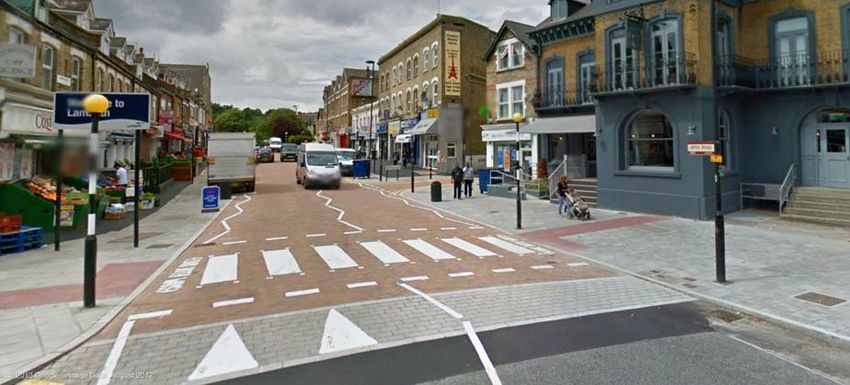
3
The Mayor’s Transport Strategy sets out the
ambition for London
• Published in early 2018
• MTS outcome 2: London’s streets will be safe and secure
Vision Zero for Road danger
Policy 3: The Mayor, through TfL and the boroughs, and working
with stakeholders, will adopt Vision Zero for road danger in
London. The Mayor’s aim is for no one to be killed in or by a
London bus by 2030, and for all deaths and serious injuries from
road collisions to be eliminated from London’s streets by 2041.
Proposal 9 will seek to reduce danger posed by vehicles
Vision Zero is
Proposal 10 seeks to collaboratively set out a programme to being applied to
achieve the entire transport
the Vision Zero aim of reducing the number of people killed or network however
seriously injured on London’s streets to zero. the focus of the
Proposal 11 will seek to improve motorcycle safety VZ Action Plan is
on Road Danger
Reduction.
4
    Vision Zero is at the core of the Healthy Streets Approach
    Vision Zero is part of our Healthy Streets approach to encourage active
    travel and public transport use

                                                 Mode shift                  Reduce
                                                 away from                  dominance
                                                   private                   of motor
                                                  vehicles                    traffic

                                       People from all
                                         walks of life
                                        feel confident                             Reduced
                                         to walk and                              danger and
                                             cycle                                  fewer
                                                                                  casualties

                                                              People feel
                                                                safer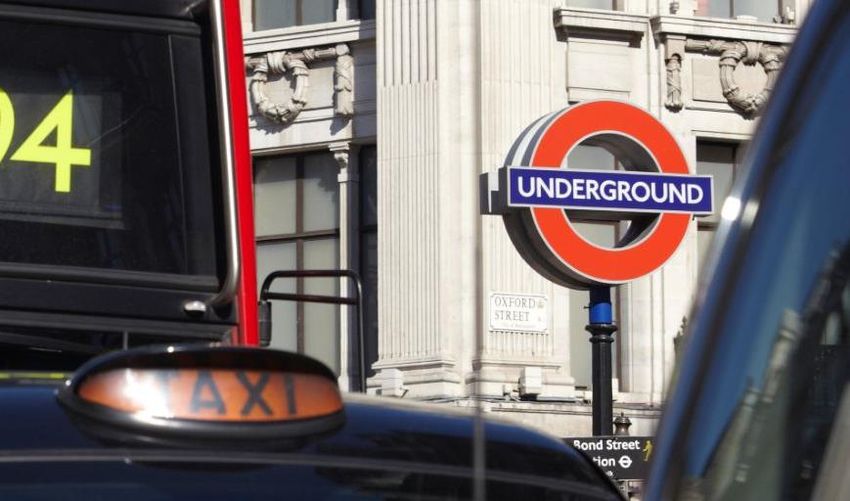
5
              Vision Zero – The Challenge
         •    We have made progress in
              reducing casualties on the
              roads, but challenges remain.
         •    Over 30,000 people were
              injured in road collisions, of
              which 116 were killed and
              2,385 seriously injured (2016)
         •    People who walk, cycle or use
              a motorcycle are most at risk:
              80% of all KSIs (2016)
         •    Collision analysis highlights where people are most at risk to help us
              identify where action is needed

                                                                      Bus casualty targets:
               Short term:         Medium
    TARGETS

                                                   Long term:       1. 70% reduction in KSIs in, or
                65% reduction       term:
                                                                        by, buses by 2022 against
               in KSIs by 2022    70% reduction    Zero KSIs by
                                                                             2005-09 baseline
                  against the    in KSIs by 2030       2041
                                                                   2. No one killed in, or by, a bus
                   2005-09       against the new                                 by 2030
                   baseline          2010-14
                                     baseline
6
    The Vision Zero Action Plan
    Vision Zero Action Plan is a plan to 2023/24 that focuses on intelligence-
    led action to reduce risk on our streets, as part of the overall ambition to
    eliminate deaths and serious injuries on the whole transport network. It is
    based on three principles:
     A fundamental conviction       Requires reducing the
                                                                    Ensuring road danger
        that loss of life and        dominance of motor
                                                                   reduction is a common
     serious injuries are not          vehicles and the
                                                                     priority central to all
          acceptable nor           targeting of road danger
                                                                      transport schemes
              inevitable                   at source

      The Plan follows the Safe System approach:
      People make mistakes, so the system needs to accommodate human error and
      ensure impact energy levels are not sufficient to cause fatal or serious injury. The
      plan contains actions to deliver:

          Safe Speeds            Safe Streets          Safe Vehicles        Safe Behaviours
                           Post-collision learning and criminal
                           justice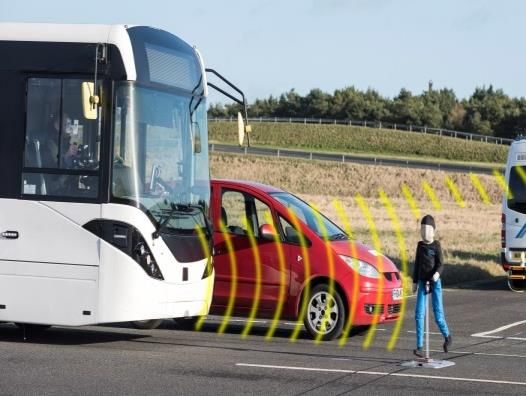
7 VISION ZERO
The Vision Zero Action Plan directly tackles the challenges to
create a Safe Road System for London
1) Safe speeds
Reducing speed is fundamental to reducing road danger and achieving Vision
Zero:
On average, in London over two people per day are killed or seriously
injured in collisions where speed is a contributory factor
Speed is a factor in
up to 37% of
collisions resulting in
death or serious
injury on London’s
streets
Actions include:
• A programme to lower speeds on the TLRN and encouraging boroughs to do
the same
• Raising compliance: through re-designing streets and enhancing the safety
camera network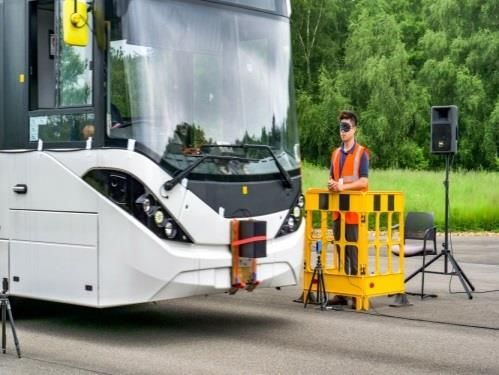
8 VISION ZERO
2) Safe streets
Our analysis has identified the most
dangerous locations and manoeuvres so our
actions can concentrate on where we can
have the most impact:
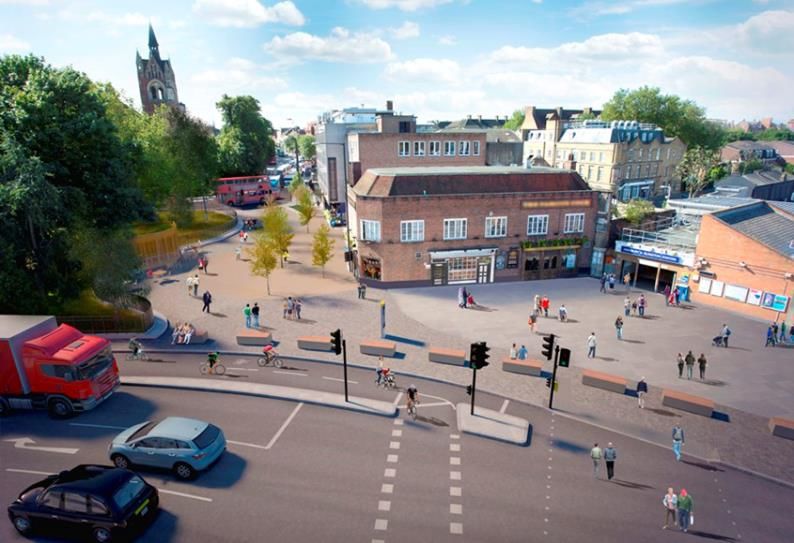
77 per cent of collisions in London occur Preliminary designs for Highbury Corner,
at junctions. one of the Safer Junctions planned for
24 per cent of cyclist KSIs occurred when improvement
another vehicle turned right or left across
their path
Actions include:
• Deliver Safer Junctions
programme at high risk
locations on TLRN
• Extending ‘keep clear’
markings on TLRN
• Using Healthy Streets Check on
Raised tables reduce average speeds by 17-18 per
every large scheme
cent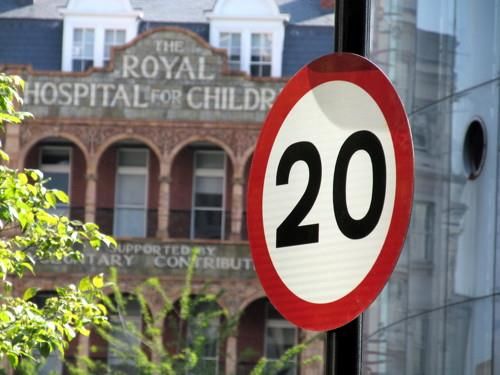
9    VISION ZERO

3) Safe vehicles
Actions target vehicles shown to be most dangerous to people walking, cycling
and riding motorcycles, relative to their share of traffic

                                       Actions
                                       • Raise HGV safety standards by
                                         launching the world’s first Direct
                                         Vision Standard for HGVs; working
                                         with the EU and manufacturers to
                                         change European Standard and raising
                                         FORS requirements in GLA family
                                         supply chain
                                       • Introducing the world’s first bus safety
                                         standard, including speed limiting
                                         technology
                                       • A range of impactful and targeted
                                         measures for drivers of taxi and
                                         private hire and construction vehicles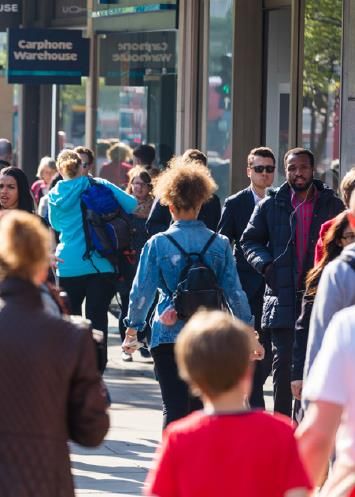
10

 Bus Safety StandardVision
                                Standard                        Runaway bus
                                for Buses                       prevention

                                                  Acousti
                                                        c
     Advanced Emergency
                                                  Conspi
     Braking
                                                    cuity
                    Occupant
                    Friendly                            Intelligent Speed
                    Interiors                              Assistance
                                                            2
                                                            0
     VRU Frontal
                                      Pedal
     Crashworthi
                                    Application
        ness
                                      Error
11
Roll Out of bus ISA in London 20
• ISA roll out began in December 2017 on Volvo buses that are up to two years
old and already contain the hardware needed to limit the speed of the bus.
• By April 2019 there will be 700 ISA enabled Volvo buses across over 50
routes.
• The requirement for ISA to be fitted to all new buses entering the London
fleet has now been written into London’s Bus Vehicle Specification.
• From August 2019 this will equate to approximately 700 buses per year
going forward.
• As an interim measure, a web-based interface is being developed, that will
allow a retrospective analysis of bus or route speed compliance.12 VISION ZERO
4) Safe behaviours
• Police data shows that 93 per cent of all
factors contributing to collisions are
caused by five behaviours:
Inappropriate speed
Risky manoeuvres
Distraction
Drink/drug driving
Vehicle and driver non-compliance
Actions include:
• Marketing and communications to target dangerous behaviours and reframe
the public narrative on road danger
• A new three-tiered approach to enforcement for the MPS
• Local enforcement and communications at priority locations, working with the
police
• Training, education and information for professional drivers including a new
skills course for all 24,000 bus drivers and expanding FORS to include a
standard for the motorcycle/courier sector
• Training, education and information for those at most risk13 VISION ZERO
5) Post-collision learning and criminal justice
Actions on:
• Enhancing and driving
excellence in collision
investigation and learning
• Improving justice and care for
the victims of traffic collisions14 VISION ZERO
6) Future challenges
The Vision Zero Action Plan concludes with
a commitment to continually strengthening
our programme to address future
challenges and achieve our long-term
ambitions
• Monitor and measure the impact and
progress of actions
• New powers necessary for effectively
tackling danger
• Innovation:
• Measuring risk rather than casualties
• Use of data
• New and emerging vehicle
technology15
Thank you
Stuart Reid
Interim Director of Vision Zero
stuartreid@tfl.gov.ukYou can also read


