Development of Cross-border E-commerce through Parcel Delivery - A study for DG GROW Delivering for the Future III: Workshop on Developments in ...
←
→
Page content transcription
If your browser does not render page correctly, please read the page content below
Development of Cross-border E-commerce
                 through Parcel Delivery
                                                          A study for DG GROW

     Delivering for the Future III: Workshop on Developments in the Postal Sector
                                                      Brussels, 29 January 2019

                                                                                    0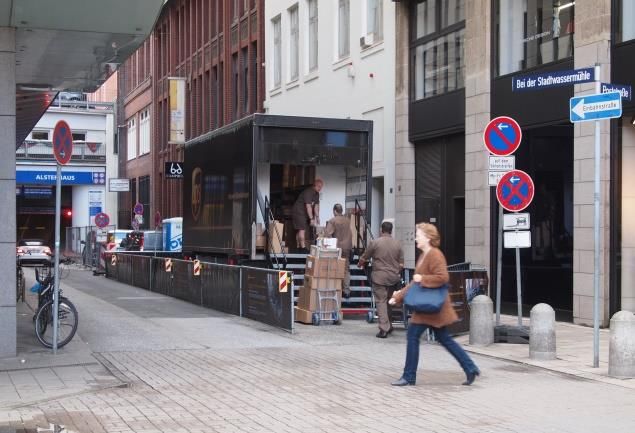
The study

1. Introduction                 6. E-commerce with non-EU
                                   countries

2. E-commerce in Europe         7. Employment and working
                                   conditions in the delivery sector

3. Delivery markets in Europe   8. Environmental aspects of delivery
                                   services
4. Consumers’ experiences       9. Assessment of B2C delivery
                                   market performance

5. E-retailers’ experiences     10. Recommendations

                                                                       1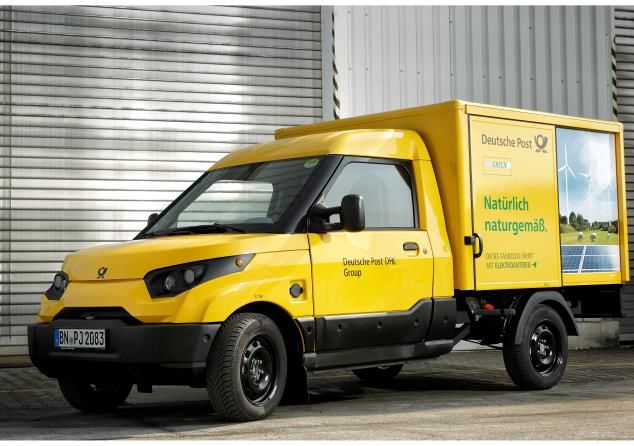
Purpose of the study
EP IMCO asked the Commission to conduct a pilot project on the
‘development of cross-border e-commerce through parcel delivery’
Study to improve understanding of
the state-of-play, past developments and future trends in the EU
delivery markets and
the needs of consumers and e-retailers in relation to cross-border e-
commerce and delivery services
Study to provide input for
evaluation report on the regulation on cross-border parcels (2020) and
application report on Postal Services Directive (expected 2019/2020)
2Scope of the study
Geographical scope: EU-28 and EEA Parcel delivery services
Parcels: Postal items containing goods
weighing up to 31.5 kg
Region Parcel delivery services:
Western EU-28
Southern EU-28 services involving the clearance, sorting,
Northern EU-28/EEA
Eastern EU-28 transport and distribution of parcels
Parcel delivery service providers:
carriers that clear, sort, or distribute parcels
Cross-border parcel delivery service:
delivery of physical goods as individual
parcel from warehouse of selling company
to consumers in another country
Emphasis on B2C cross-border parcels
(intra-EU and extra-EU)
3Methodology
Acknowledgement
We are most grateful to the many
Research individuals and organisations who
Interviews provided valuable information for this
Experts panels study in
National stakeholder workshops personal and phone interviews,
Consumer survey
meetings,
E-retailer survey
workshops,
Survey of NRAs
Dedicated chapters for each topic
experts panels and
to those who attended the public
workshops and offered us their
comments
4Status of the project
2018 2019
Activity 1st quarter 2nd quarter 3rd quarter 4th quarter 1st quarter
Desk Research
Consumer online survey
E-retailer online survey
Interviews
National stakeholder
workshops
NRA survey
Expert panels
Final report
5The study
1. Introduction 7. Employment and working
conditions in the delivery sector
2. E-commerce in Europe
8. Environmental aspects of
3. Delivery markets in Europe
delivery services
4. Consumers’ experiences
9. Assessment of B2C delivery
5. E-retailers’ experiences market performance
6. E-commerce with non-EU 10. Recommendations
countries
6B2C e-commerce is growing at significant rates
in all Member States
Consumers are increasingly purchasing online, domestic as well as cross-border
E-commerce is more developed in Northern/Western EU than in South/East
Even mature B2C e-commerce markets keep growing. South/East is catching up
€2,500 50%
SE UK
Individuals purchasing online
80% DK LU
DE NL NO IS
FI €2,000 40%
FR
60% CZ SK EE BE AT
ES IE EU-28 (2017)
MT €1,500 30%
LV EU-28 (2013)
40% PL HU LT SI
EL PT €1,000 20%
IT CY
HR
20% BG
€500 10%
RO
0% €- 0%
0% 20% 40% 60% 80%
SE
ES
EL
PL
EE
IE
AT
BE
IS
PT
IT
UK
CZ
LV
SI
SK
MT
BG
NO
FI
DK
NL
LU
DE
EU28/EEA
CY
LT
HU
RO
HR
FR
EU-28 (2013) EU-28 (2017)
Individuals purchasing online abroad
E-commerce revenue per capita (2017) CAGR 2013-2017
Source: WIK based on Eurostat Source: WIK based on Ecommerce Europe 7Growing share of enterprises with B2C web sales
particularly in retail trade
Enterprises with B2C web sales
30%
Most e-retailers are micro or SMEs
25%
FR: >75% of French e-retailers
% of enterprises
20%
15%
account for 2.5% of e-commerce
2013
10%
2017 revenues
5% DE: TOP 3 e-retailers account for
0% 40% of e-commerce revenues
With B2C web sales: all With B2C web sales: Retail trade
enterprises
More than 40 per cent of enterprises with Online marketplaces are an important
web sales sell cross-border sales channel for small e-retailers
Source: WIK based on Eurostat
Cross-border web sales Enterprises with B2C web sales by company size (2017)
100% 100%
90% 90%
% of enterprises with web sales
% of enterprises with web sales
80% 80%
70%
70%
60%
60%
50%
50% 2013
2017 40%
40%
30%
30%
20%
20% 10%
10% 0% 8
Small enterprises Medium enterprises Large enterprises
0%
To own country To other EU countries To the rest of the world B2C web sales B2C web sales via online marketplaceBarriers for cross-border online sales (intra-EU): Fraud and tax
regulation are more important than transport & delivery costs
TNS retailer survey Higher risk of fraud and non-payments in cross-
border sales
39.7%
44.5%
shows that perceived Differences in national tax regulations (e.g. VAT 39.0%
rules) 43.1%
barriers for cross- Differences in national contract law
38.1%
40.8%
border sales to other 37.4%
Differences in national consumer protection rules
Member States 42.3%
37.2%
Higher transport costs due to geographic distance
decreased 42.7%
Potentially higher costs involved in resolving 36.2%
Particularly transport complaints and disputes cross-border
Higher costs of cross-border delivery compared to 34.6%
39.9%
and delivery costs for domestic delivery 38.6%
Extra costs from after-sales service in corss- 31.2%
cross-border transport border transactions 33.9%
Source: WIK based on TNS (2017)
Restrictions on cross-border sales imposed by 29.2%
became less important manufacturers or suppliers 31.1%
26.0%
Extra costs arising from language differences 28.0%
2016 2014
Stakeholders at national workshops broadly confirm that cross-border delivery costs are
not a major impediment for e-retailers selling cross-border, particularly in the most
developed e-commerce markets
9Few e-retailers have a dedicated international strategy
E-retailers w/o international strategy E-retailers with international strategy
consider
Receive occasional orders from abroad
Market conditions (growth potential,
No established processes for international
competition, price levels)
deliveries and returns
Legal issues in destination countries
% of cross-border sales
of total B2C sales % of retailers with web sales to other EU countries Cultural differences (marketing,
delivery/return & payment habits)
0% -10% of total sales 53%
Language (translations, after sales services)
11% - 50% of total sales 23% International delivery conditions and/or
(local) fulfilment service
51% or more of total sales 14%
Returns and associated costs
Dont´t know 11%
Online marketplaces as ‘low-cost’ option to
expand internationally before establishing a
Source: TNS (2017) customized online shop 10Expanding internationally requires financial, legal, technical and
operational capacities
Large/very large High capacity &
e-retailers confident in
e-commerce fulfilment
Medium-sized Low capacity &
e-retailers less confident in
e-commerce fulfilment
Small No capacity &
e-retailers not confident in
e-commerce fulfilment
Micro
e-retailers
11
Domestically To neighbour To the rest of To the rest of
countries Europe WorldE-commerce in Europe
Conclusions
B2C e-commerce is growing at significant rates in E-retailers sell to other Member States to reach
all Member States more customers (growth potential) and to reduce
dependency on the domestic market (particularly
Growing share of enterprises with web sales,
in highly competitive domestic e-commerce
particularly in retail trade
markets)
More than 40 per cent of enterprises with web
Fraud and differences in regulations are more
sales sell cross-border
significant barriers for cross-border sales to other
Most e-retailers are very small companies with EU countries than transport & delivery costs
revenues below EUR 100,000
Expanding internationally in a professional
Online marketplaces are an important sales manner requires financial, legal, technical and
channel particularly for small and micro e-retailers operational capacities (particularly difficult for
The majority of enterprises with web sales do not small e-retailers)
follow a dedicated internationalization strategy International online marketplaces provide support
E-retailers with international sales mainly sell to services to SME e-retailers to expand
neighbouring countries but demand from non- internationally
European consumers is also growing
12The study
1. Introduction 7. Employment and working
conditions in the delivery sector
2. E-commerce in Europe
8. Environmental aspects of
3. Delivery markets in Europe
delivery services
4. Consumers’ experiences
9. Assessment of B2C delivery
5. E-retailers’ experiences market performance
6. E-commerce with non-EU 10. Recommendations
countries
13European parcel market is continuously growing
B2C segment shows continuous growth The majority of the 9.4 billion items shipped in
while B2B segment is stagnating in Europe 2017 were delivered in Germany, the UK and
France
Annual revenues in the European parcel market European parcel market 2017 (9.4 billion items)
Bn. €
70 73
CAGR
60 64.5
61.7 DE
59.2 36%
56.7
50 54.4
17 19 + 12.5% p.a.
14 15 B2C
12
40
7 8 9 9 10 + 8.1% p.a. C2X
30
B2B
20 FR
35 35 35 35 35 + 0.1% p.a. 13%
10
UK
0 23%
2013 2014 2015 2016 2017 2018 2019 2020
Source: Apex Insight, Statista Source: WIK based on NRA reports, Annual reports USPs
Revenues include deferred parcels and express items. 14E-commerce markets with lower volumes are catching up
Items per capita
CAGR
> 16
> 16%
8-16
12-16%
4-8
8-12%Increasing diversity of carriers in the European parcel markets
Integrators
• Focus on international express items with own operations and high quality in most countries
• Expanding e-commerce capabilities and introduce new services for smaller e-retailers
European parcel networks
• International and domestic items with own operations and partnerships at varying service levels
• Expanding their networks with partnerships and introduce more receiver-oriented delivery solutions
Regional and local B2B carriers
• Emerging and well-established domestic (B2B) networks expanding their networks to neighbouring
countries and often cooperate as delivery partners with European ground parcel networks
National and local B2C carriers
• USPs and traditional B2C delivery companies from the mail order sector, typically with domestic or
local delivery networks, expand their pickup point networks and introduce receiver-oriented services
Emerging business models and delivery services
• Parcel brokers and consolidators, carrier-agnostic networks of parcel shops and parcel lockers,
and same-day/instant delivery networks in urban areas
Competition becomes more intense in B2C delivery markets, both domestic and cross-border 16B2C e-commerce pushing innovation in
delivery and return services
E-retailers identified as customer group, e.g. specific business accounts,
fulfilment services, APIs, support and consulting services for e-retailers
Improvement of service quality (e.g. live tracking, pick-up services,
recipient-controlled delivery options, investment in backbone and last mile)
Expansion of PUDO networks (parcel lockers, parcel shops)
New and differentiated products for e-commerce items (e.g. tracked letter
Source: Company websites
box parcels) and less complex pricing schedules and products
Introduction of cross-border return services (e.g. by carriers, return
platforms or other e-commerce intermediaries)
17Micro, small and medium e-retailers may benefit
from significant discounts
Public prices represent upper limit Little information available on business tariffs,
however indication of significant discounts
E-retailers often eligible for business
Source: WIK based on Deutsche Post DHL public price list 2019; DHL website.
even for SMEs
tariffs
Example: DHL’s sets of parcel labels provide
DHL Parcel: 200 parcels p.a. (DE), German consumers discounts up to 33%
300 parcels p.a. (AT)
Domestic Cross-border (EU)
100%
Unit price (% of single-piece tariff)
Hermes: 300 parcels p.a. (DE), 20% 24%
11%
20% 22%
29% 31% 28% 33%
150 parcels per week (UK) 80%
Prices refer to parcels up to 5kg.
Discount
60% Unit price
DPD: 10 parcels per month (DE)
40%
PostNL: 1,000 letter box parcels p.a.
20%
Royal Mail: For international shipments
0%
5,000 GBP or 1,000 items p.a.
10 labels
50 labels
3 labels
10 labels
50 labels
Consumer parcel
Online price
100 labels
Consumer parcel
Online price
100 labels
(up to 5kg)
(up to 5kg)
18
Set of labels Set of labelsVolume growth and increasing expectations lead to
transformation and integration of the delivery value chain
Carriers are reorganising their backbone operations (sorting and line haul) from hub & spoke
more to web structure
Hub & Spoke
Point-to-Point
(web) More direct transports
More integrated sorting and
delivery facilities
More warehouses and delivery hubs
in high-demand / urban areas
With increasing volume per line haul
(ideally same volume in both directions to avoid empty trucks)
Closer cooperation between e-retailers and carriers and integration of large e-retailers’ and
carriers’ value chains
Negotiated access to carriers’ delivery depots, more closely linked carriers’ sorting facilities to e-
retailers’ warehouses
Vertical integration of warehousing and delivery activities, either downstream (e-retailers set up own
19
delivery operations) or upstream (carriers provide warehousing and fulfilment services)Technology transforms operations and
last mile delivery services
Last mile delivery becomes more diverse particularly in urban areas
Carrier-agnostic networks Examples
Pick-up and drop-off networks (parcel shops or parcel lockers) which
provide services from / to different carriers and e-retailers
Examples
Instant / same-day delivery
Platforms that provide (on-demand) courier services of different
couriers and delivery from local warehouses in urban regions
New technologies allow more efficient and innovative delivery models
Examples
Big data and artificial intelligence
Source: Company websites
Better usage of existing capacities and more efficient delivery routes
based on predictive models and real-time data (e.g. traffic, weather)
Examples
Automation and interconnection
New and innovative delivery models and methods, e.g.
(semi-)autonomous delivery vehicles, drones etc. 20Varying regulation of parcel carriers among Member States
Classification of parcel & express Authorization procedures
services with limited transparency and There are some countries in which authorization
little harmonisation: Postal services vs. procedures appear burdensome for carriers and
Services within the scope of universal create potential barriers to market entry
service vs. Universal services
Financial contribution to USO net costs
Member States apply very different Carriers contribute to a compensation fund to
criteria for defining postal/parcel services finance USO net costs in very few MS
Boundaries between parcel vs. express
Funding of NRAs
services blurred
One third of MS do not require contributions to NRA
How to classify innovative services /
funding from parcel carriers
delivery models, avoid red tape?
NRA funding required even from very small
Rules are applied to domestic and export operators in EL (>500 operators), IT (>200
parcel & express services usually in the operators), HU (>100 operators)
same way
21USO plays a minor role for intra-EU parcel deliveries
Intra-EU and domestic parcels Imports to EU / UPU small packets
Scope of USO varies among MS in terms of International letters and small packets
Services included generally considered as universal
Weight limits services
Collection, delivery & geographical exemptions
Incoming letters and small packets are
Delivery markets provide appropriate services, delivered at UPU terminal dues rates
in excess of USO requirements Terminal dues generally below cost for
Consumers/small businesses get tracked parcel imports from Asia, losses from incoming
service in many MSs – due to market forces not mail adds to USO net costs
legislation. USO services often more basic
UPU imports often come registered, now
Universal service products rarely used for e- account for substantial share of all
commerce, except sometimes for returns registered mail
Parcel regulation by NRAs is traditionally less Increasingly significant volumes and
intensive than regulation of letters contributions to USO net cost
22Delivery services in Europe
Conclusions (1)
B2C e-commerce drives growth in The competitive landscape for cross-
European parcel markets: revenues border B2C delivery services has become
increased by more than 4% p.a. since more diverse: choice and quality of
2013 in total, and by more than 12% p.a. delivery services for (cross-border) B2C e-
in the B2C segment. Further growth commerce have much improved
expected
Many USPs offer competitive products,
Around 9.4 billion parcels and 1.7 billion playing important role in cross-border B2C
small packets were delivered in the EU in delivery
2017 and with parcel volumes growing at
double digit rates across Europe Carriers increasingly target small and
medium e retailers and even small e-
Available data on delivery markets is retailers may benefit from significant
limited and underestimates actual cross- discounts
border volumes by definition
23Delivery services in Europe
Conclusions (2)
Regional delivery clusters and a handful of Postal regulation is still evolving in response
carriers with European-wide activities to e-commerce
continue to develop, creating a single The boundaries between standard
market for delivery services parcel and express services are
The ‘backbone’ of parcel logistics blurred – and will become more so
transforms towards a denser point-to-point The role of USO parcels for intra-EU e-
network commerce is negligible, except returns
Last mile delivery will become more UPU small packet imports at terminal
diverse particularly in urban areas dues below cost. Increasing volumes
and losses for a number of EU USPs
Quickly evolving technologies (e.g. Burdensome authorisation procedures
platforms, artificial intelligence and big or obligation to fund NRAs for very
data) improve the efficiency, the scalability small carriers might hinder market
and the flexibility of e-commerce deliveries development
in the future
24The study
1. Introduction 7. Employment and working
conditions in the delivery sector
2. E-commerce in Europe
8. Environmental aspects of
3. Delivery markets in Europe
delivery services
4. Consumers’ experiences
9. Assessment of B2C delivery
5. E-retailers’ experiences market performance
6. E-commerce with non-EU 10. Recommendations
countries
25The share of internet users and online shoppers
is continuously growing
100%
Internet usage in 2017 by age (EU-28)
Online shopping depends on internet penetration: the
98% 97%
94% higher the internet penetration, the higher the share of
88%
individuals with online purchases
% of individuals using the internet
80%
75%
Level of internet penetration depends on age, residential
in the last 12 month
60%
54%
area and broadband access and is varying among MS
40%
Relationship between internet usage and ordering physical good online in 2017 (EU28)
100%
IS
% of individuals using the internet in the last 12 month
NO LU DK
20%
SE NL
UK
FI
0% DE
16 - 24 years 25 - 34 years 35 - 44 years 45 - 54 years 55 - 64 years 65 - 74 years 90% EE
BE
Internet usage in 2017 by residential area (EU-28) FR AT
100%
ES CZ
Source: WIK based on Eurostat
SK
LV IE
89%
% of individuals using the internet
CY
80% 85% 80% LT SI MT
80%
HU PL
in the last 12 month
60% PT
IT
70% RO EL
40% HR
BG
20%
60%
0% 0% 10% 20% 30% 40% 50% 60% 70% 80% 90% 100% 26
Individuals living in densely- .. in intermediate urbanized .. in sparsely populated area % of individuals ordering physical goods online
populated area areaBarriers for consumers not shopping online relate to
retail/offline preference, not delivery quality or returns
Reasons not to buy online % of consumers not buying online
Preference for shopping offline (ability to see the 69%
product, loyalty to shops or force of habit) 61%
25%
Payment security concerns
35%
19%
Lack the necessary skills
17%
Trust concerns about receiving or returning goods, 16%
complaint / redress concerns 26%
2017
12% 2009
No payment card
Source: WIK based on Eurostat
12%
Long delivery times or problems in receiving the 6%
ordered goods at home 11%
16%
Other reasons
11%
0% 20% 40% 60% 80%
27Cross-border e-shoppers mainly buy in large e-commerce
markets and in neighbouring countries
The share of e-shoppers purchasing cross-border varies Most recent online purchase of online shoppers in …
was ordered from a e-retailer in …
among Member States AT DE (68%) CN (13%) UK (2%) USA (2%) NL (1%)
BE FR (49%) CN (10%) NL (8%) DE (7%) UK (6%)
BG CN (44%) UK (17%) DE (10%) USA (6%) RO (3%)
CY UK (39%) CN (22%) EL (18%) DE (5%) USA (4%)
CZ CN (67%) UK (7%) DE (7%) USA (6%) PL (1%)
DE CN (41%) UK (15%) AT (5%) USA (5%) ES (4%)
DK DE (22%) CN (20%) UK (15%) SE (11%) USA (8%)
EE CN (49%) UK (14%) DE (9%) USA (8%) FI (2%)
EL CN (31%) UK (21%) DE (8%) USA (7%) ES (5%)
ES CN (40%) UK (16%) DE (12%) USA (6%) FR (5%)
FI CN (28%) DE (20%) UK (12%) SE (10%) USA (10%)
FR CN (30%) DE (15%) UK (14%) USA (6%) IT (5%)
HR CN (53%) UK (12%) USA (7%) DE (6%) ES (2%)
HU CN (55%) UK (8%) DE (7%) USA (5%) SK (3%)
IE UK (58%) CN (16%) USA (6%) DE (4%) IT (2%)
IS CN (32%) UK (17%) USA (11%) LV (5%) DE (4%)
IT CN (29%) UK (20%) DE (19%) USA (7%) ES (4%)
LT CN (55%) UK (17%) DE (9%) USA (4%) PL (3%)
Source: WIK Consumer Survey
LU DE (71%) FR (12%) UK (5%) CN (4%) BE (3%)
LV CN (46%) UK (16%) DE (6%) USA (5%) EE (3%)
MT UK (68%) CN (18%) DE (5%) USA (3%) IE (1%)
NL CN (36%) DE (18%) UK (10%) BE (5%) USA (4%)
NO CN (29%) UK (17%) USA (15%) SE (10%) DE (7%)
PL CN (46%) DE (12%) UK (8%) USA (6%) CZ (2%)
PT CN (31%) ES (20%) UK (17%) DE (7%) FR (6%)
RO CN (35%) UK (17%) DE (9%) USA (7%) PL (4%)
SE CN (24%) DE (21%) UK (17%) USA (15%) DK (4%)
SI CN (35%) DE (22%) UK (15%) AT (4%) USA (3%)
SK CN (41%) CZ (26%) UK (8%) DE (7%) HU (2%)
UK CN (34%) USA (19%) DE (5%) IT (2%) PL (2%)
N=17,037.
CN UK DE neighbouring countries 28Nearly same levels of perceived service quality for domestic and
cross-border purchases from other MSs
Perceived service quality of online purchases from Rest of World is much lower
than from EU/EEA
Source: WIK Consumer Survey
29
N=17,037.Delivery time options and management of returns are matters of
concern in nearly all Member States
Perceived service quality regarding the categories ‘Delivery quality’ and
‘Delivery location’ generally matches expectations
Source: WIK Consumer Survey
30
N=17,037.
Service categoriesThere is room for improvement in delivery time options
and returns management
Concerns about returns management
Relatively low levels of perceived service quality
Less of a concern for domestic purchases than for cross-border
Perceived quality of returns management is lowest for
- Imports to many Eastern and Southern Member States
- imports from Rest of World to all Member States
Concerns about delivery time options
Consumers expect more choice between different delivery options in terms of
speed (express delivery), and day/time of delivery
31Overall, consumers are almost equally happy with domestic
delivery by USPs and other carriers
120 Most recent domestic online purchase delivered by the USP
110 Most recent domestic online purchase delivered by another carrier
Service Quality Score-Index
Perceived service quality equals service quality expectation
100
90
80
70
Source: WIK Consumer Survey
60
50
BE***
DE***
EE
PL*
SE
BG
SK
AT
LT
FI
ES
LV
LU
CY
NO**
RO
HU
NL
EL
DK
UK
SI
PT
CZ
HR
MT
FR*
IE
IS
IT
N=17,037. This figure includes the delivery elements ‘Tracking the delivery process in real time’, ‘Notification of any attempt
to deliver the item’, ‘Delivery to the agreed location’, ‘Delivery on time’, and ‘Courteous deliverer’.
32
Significance: *0.10, **0.05, ***0.01USP performance partly affected by cross-border purchases
from Rest of World
Gap between other carriers‘ and USPs‘ perceived More than half of online purchases from
delivery quality is much bigger for cross-border China were delivered by USPs
This may partly affect overall USP
performance
Carriers delivering the most recent cross-border purchase
100%
% of cross-border online shoppers
90% 20% 23%
30%
80%
70%
20%
60%
50% 55%
Source: WIK Consumer Survey
43%
40%
30% 57%
20%
25% 28%
10%
0%
EU/EEA China Rest of World
WIK consumer survey. N=17,037. This figure on the right includes the delivery elements ‘Tracking
I do not remember which company delivered the item/No answer Other Carrier USP
the delivery process in real time’, ‘Notification of any attempt to deliver the item’, ‘Delivery to the
agreed location’, ‘Delivery on time’, and ‘Courteous deliverer’.
Significance: *0.10, **0.05, ***0.01
33Carriers’ delivery quality often better in rural/suburban
than in urban areas
Source: WIK Consumer Survey
The service quality in urban regions is significantly better than in rural/suburban areas
No significant difference in service quality
The service quality in rural/suburban regions is significantly better than in urban areas
N=17,037. This figure includes the delivery elements ‘Tracking the delivery process in real time’, ‘Notification of any attempt
to deliver the item’, ‘Delivery to the agreed location’, ‘Delivery on time’, and ‘Courteous deliverer’.
34
Significance: at least 0.10Consumers’ experiences
Conclusions (1)
The share of internet users and online shoppers is continuously growing: Around half of
consumers purchased physical goods online in 2017
Consumers not shopping online prefer offline shopping and/or have security concerns.
Delivery quality and returns are next important issues
The majority of consumers purchase online either domestically, in large e-commerce
markets or in neighbouring countries
Consumers complain in case of significant problems (damaged or mis-delivery), mostly
to e-retailers or parcel carriers first
Practices for dispute resolution vary across Member States
The residential area of consumers appears to be linked with carriers‘ delivery quality:
The perceived delivery quality of carriers often better in rural/suburban areas than in
urban areas
35Consumers’ experiences
Conclusions (2)
Consumers value each of the seven service categories as equally important
Nearly the same levels of perceived service quality for domestic and EU/EEA
purchases, overall and for each service category
Service quality of purchases from the Rest of the World (RoW) are a matter of major
concern for most service categories
Perceived service quality with regard to delivery quality and delivery location generally
matches expectations
Delivery time options and management of returns are matters of concern in nearly all
Member States
Consumers are almost equally happy with domestic delivery by USPs and other carriers
but much less in case of cross-border purchases particularly from RoW
36The study
1. Introduction 7. Employment and working
conditions in the delivery sector
2. E-commerce in Europe
8. Environmental aspects of
3. Delivery markets in Europe
delivery services
4. Consumers’ experiences
9. Assessment of B2C delivery
5. E-retailers’ experiences market performance
6. E-commerce with non-EU 10. Recommendations
countries
37E-retailers want simple solutions
E-retailers’ needs Cross-border sales: Challenges
E-retailers have a customer-centric ~60% of all enterprises report no difficulties selling
approach: attracting and retaining online online to other MS
buyers is key High costs of delivery and returns still an issue but
not a significant barrier for cross-border sales
Small e-retailers often have limited
% of enterprises with web sales to other EU countries (EU-28)
capacity in logistics None (of high costs, complaints, labelling, 58%
languages, business partners restrictions) 62%
E-retailers need simple solutions for
Any (of high costs, complaints, labelling, 39%
delivery & return services that are languages, business partners restrictions) 37%
8%
Easy to find Restrictions from business partners
10%
Appropriate (product-specific) Lack of knowledge of foreign languages
14% Small enterprises
11% Medium enterprises
Reliable 8%
Adapting product labelling
11%
Visible (tracking)
Related to resolving complaints and 13%
Reflect consumer needs (delivery options) disputes 11%
High costs of delivering or returning 28%
Cost-effective products 25%
Question: During 2016, did your enterprise experience any of the following 38
difficulties when selling to other EU countries via a website or “apps”? (Eurostat)Cross-border delivery services are not a significant
barrier for growth of e-commerce exports
National Stakeholder Workshops: Cross- E-retailers complain about lack of
border delivery services not considered transparency of available cross-border
as significant barrier for growth of e- delivery services
commerce exports
Managing and processing cross-border
Cross-border delivery services are returns appears to be even more
no a significant
barrier.. barrier.. challenging to e-retailers than cross-
0 1 2 3 4 5
border deliveries
Belgium
Appropriate cross-border return solutions
Sweden
are slowly developing
Germany
Re-sell
Poland
Recycle
Bulgaria
Scrap
Portugal Retrieve Transport Receive Inspect Sort
Others
.. for the growth of e-commerce exports
39E-retailers’ experiences
Conclusions
Choice for domestic and cross-border delivery services has improved for micro and
SME e-retailers particularly in the most mature e-commerce markets
National stakeholder workshops: Cross-border delivery services not considered as
significant barrier for growth of e-commerce exports
High delivery costs of e-commerce exports are no longer a major issue except
in peripheral Member States with less developed e-commerce markets
for micro and small e-retailers
High costs for returns and return handling challenge e-retailers
Inherent element of the e-commerce business
Transparent reverse logistics becomes more important for e-retailers
Development of appropriate cross-border return solutions have gained momentum
40The study
1. Introduction 7. Employment and working
conditions in the delivery sector
2. E-commerce in Europe
8. Environmental aspects of
3. Delivery markets in Europe
delivery services
4. Consumers’ experiences
9. Assessment of B2C delivery
5. E-retailers’ experiences market performance
6. E-commerce with non-EU 10. Recommendations
countries
41Rise of postal imports from Asia
Substantial growth in volumes from Asia (most importantly: China) to Member States
Small packets now represent about 40 percent of international mail volume (and 60% of
mail weight)
Chinese websites are the most popular destinations for online shoppers in many
Member States
Postal e-commerce imports are delivered almost entirely by USPs
Many USPs report operational challenges with Chinese packets, and complain about
low terminal dues (losses add to USO net cost)
Postal imports as a transitory stage to warehousing of Chinese goods in Europe
42E-commerce and the Universal Postal Union
International exchange of e-commerce goods between postal operators is governed primarily by
the UPU Convention and Regulations adopted by the UPU
The primary focus of the UPU has changed since 2000 ––
From exchange of documents between postal administrations
To exchange of e-commerce goods between commercialized postal corporations
UPU use of legacy intergovernmental powers raises three main issues ––
EU designated operators charge less for delivery inward goods than domestic goods
Customs and security controls are less strict for postal goods than non-postal
The UPU’s Postal Operations Council combines commercial interest with regulatory authority
over governments of EU Member States
43Terminal dues
Terminal dues (TDs)
are delivery rates for
international
documents and
goods < 2 kg
TDs are far less than
equivalent domestic
postage in many EU
Member States
TDs favour foreign
merchants over
domestic merchants
44US challenges to UPU
On Oct 17, 2018, the United States ––
US will introduce non-discriminatory 'self-declared rates’ for delivery of
international postal goods ‘as soon as practical, and no later than January 1,
2020’
US will withdraw from the UPU on October 17, 2019, unless negotiations to
resolve fundamental policy concerns are successfully concluded by that date
Potential collaboration:
US concerns are similar to issues raised by the EU and some Member States.
Collaboration with the US to adopt fundamental UPU reform, including
remuneration
Pursue trade agreements for exchange of e-commerce packets
45Customs/VAT
Current EU customs code and UPU rules allow simplified process for postal imports
(compared to other freight imports, including express parcels):
Physical UPU documentation (CN22/23), not electronic advance notification
Postal operators not liable for wrong customs declarations
Exemption of VAT and customs duties for low value imports (below 22/150 Euro).
Incidents of undervalued postal imports (i.e. false declarations)
Change in EU legislation will terminate simplified treatment
Union Customs Code will require electronic notification system for postal imports by
2021 (but delay negotiated in the Council)
Abolish de-minimis VAT rule by 2021. All imports will be charged import VAT. Platforms
(Amazon, Ebay, Alibaba, Rakuten etc) will become liable for paying VAT for sellers on
the platform. For remaining postal imports (non-platform sales), VAT will be difficult to
collect without electronic notification.
46E-commerce with non-EU countries
Conclusions
E-commerce imports to the EU increase substantially
Chinese e-commerce imports are mostly delivered by USPs
UPU terminal dues remain below local delivery cost as UPU struggles to reform
US move to request reform, or withdraw from UPU presents opportunity for EU
EU should promote reform of UPU terminal dues to achieve more cost-reflective
terminal dues
In addition, e-commerce trade agreements should be analysed as an alternative
Reform of VAT application to e-commerce imports (= abolition of de minimis rule for
import VAT) may reduce low value e-commerce imports from China, incite more
warehouses in EU Member States
Full application of VAT on all postal imports raises major operational issues, difficult
transition, postal operators not sufficiently prepared yet
47The study
1. Introduction 7. Employment and working
conditions in the delivery sector
2. E-commerce in Europe
8. Environmental aspects of
3. Delivery markets in Europe
delivery services
4. Consumers’ experiences
9. Assessment of B2C delivery
5. E-retailers’ experiences market performance
6. E-commerce with non-EU 10. Recommendations
countries
48Growth in parcel deliveries partly compensates
decline in USP employment
Total 2013 Total 2016 CAGR
EU-28 1,812,600 1,826,100 0.4% -2.2%
DE, FR, IT, UK account for more
-2.4%
than 2/3 of employment in
-2.3%
postal and courier activities
8.0% -4.3%
Substantial employment -0.2%
increase in CY, DK, DE, EL 0.6% 0.9% -5.0%
3.5% 0.3%
-2.3%
Source: WIK based on Eurostat 2018
-0.9%
Biggest reductions in HR, NL 1.5%
-1.3%
-1.9%
~70,700 courier, express -0.7%
-2.1% -0.6%
and postal companies -6.2%
(2015, Eurostat) 1.0%
0.9% -0.1%
CAGR 2013-2016. HR: CAGR 2015-2016. 6.8% 49
IE und EU-28: 2013-2015.SE: CAGR 5.0%
2014-2016. FR, IE, IS, LU, MT n/a.Only part of delivery workforce subject to
collective labour agreements
Employment contract Employment contract
Service contract Type of contract
with service provider with service contractor
Self-employed
USPs and their Delivery companies drivers („owner
Postal and parcel subsidiaries contracted by parcel drivers“) contracted Type of company
carriers or USPs by parcel carriers or
delivery services Parcel carriers contractors of
parcel carriers
Industry or company No or different CLAs
collective labour compared to
agreements (CLAs), USPs / parcel carriers, Formal self- Type of working
works councils less workforce employment relationship
representation
50Subcontracting cascades are a challenge for working conditions
(e.g. wage levels and working time)
1st Tier
Source: WIK based on Alexander Heinen et. al. (2017), Liability in Subcontracting Chains:
Parcel carrier Subcontractor
A (Principal
contractor) 1st Tier
National Rules and the Need for a European Framework, expert interviews.
Subcontractor
1st Tier 2nd Tier
Parcel Carrier Subcontractor Subcontractors
B (Principal
E-retailer contractor) 1st Tier 2nd Tier 3rd Tier
(Client) Subcontractor Subcontractors Subcontractors
3rd Tier nTier
Subcontractors Subcontractors
2nd Tier
Subcontractors
3rd Tier nTier
Parcel Carrier Subcontractors Subcontractors
1st Tier
C (Principal
Subcontractor
contractor) 3rd Tier nTier
Subcontractors Subcontractors
2nd Tier
Subcontractors
3rd Tier nTier
51
Subcontractors SubcontractorsSubcontracting in the delivery industry:
Flexibility versus exploitation?
Pros Cons
Flexibility for parcel operators to manage Possible division of market in standard and non-
peaks of online-shopping (week days, standard employment contracts
seasons, holidays etc.)
Liability limited to next level contractual partner
Flexibility in pricing policies for parcel (e.g. service level agreements, employment
operators contracts)
Opportunities for individual, part-time or Some evidence of precarious working conditions
seasonal workers in non-transparent subcontracting cascades:
Payment below minimum wage
Opportunities for parcel & express companies
Unlimited working hours
(e.g. instant/same-day delivery, regional,
specialised services) Illegal hiring of workers from foreign countries to
lower labour costs (according to domestic labour
legislation)
Image of logistics and e-commerce sector
52E-commerce growth leads to more employment
in the delivery industry
> 70,000 companies with postal and Delivery industry is challenged
courier activities employed more than 1.8
million people in 2016 by labour shortages
Growth in parcel deliveries partly by peak demand and need for more
compensates decline in USP employment flexible delivery services
(driven by shrinking letter volume) Subcontracting is a common practice in
Eurofound estimates that less than 1% of parcel delivery to deal with flexible
the workforce in Europe is part of total demand
sharing economy working environment Regulation of subcontracting differs
substantially among Member States
Source: Euroestat
53Working conditions in the delivery industry are very diverse
among Member States
Only part of delivery workforce subject to Variety of employment and working
collective labour agreements conditions in the delivery industry will
persist
Minimum wages applied in nearly all
Member States Growth in e-commerce continues to
provide employment opportunities
USPs and international carriers pay
well above minimum wage Trend to more flexible work
arrangements
Minimum wage is reference point
for subcontractors of carriers Discussions about precarious
working conditions in sharing
The need for social dialogue in the postal economy has just begun
and courier sector is uncontested among
Source: Euroestat
stakeholders
54The study
1. Introduction 7. Employment and working
conditions in the delivery sector
2. E-commerce in Europe
8. Environmental aspects of delivery
3. Delivery markets in Europe
services
4. Consumers’ experiences
9. Assessment of B2C delivery
5. E-retailers’ experiences market performance
6. E-commerce with non-EU 10. Recommendations
countries
55Environmental responsibility of the parcel industry
The transportation sector is one of the Major operators have committed
largest contributors to greenhouse gas themselves to goals for CO2 reduction;
emissions measures and progress are being
The postal industry reports decreasing published in annual reports
GHG emissions per parcel in the past five Measures mainly focus on
years Efficiency gains (e.g. fleet renewal,
But: Growing parcel volume may improvements in network structure
outweigh savings in greenhouse gas per and route planning)
item Shift of transport mode (e.g. from air
Mode of transport matters: air freight to road service)
accounts for up to ten times higher GHG Implementation of electric vehicles
emission compared to road freight and alternative fuels (e.g. natural gas)
Carbon neutral shipping options and
carbon offsetting
56Transport is the main cause of air pollution in cities
Conventionally-fuelled delivery vehicles still
predominant for last-mile delivery
High emission values due to stop-and-go traffic and
congestion
Cities increasingly react by introducing traffic
restrictions
Carriers implement innovative solutions: Urban micro hub (UPS), source: Paketda
Micro-hubs and cargo-bikes, e.g. urban micro
hub in Hamburg (UPS)
Efficiency gains, e.g. Eco-Driving (bpost)
Electric vehicles, e.g. StreetScooter (DPDHL)
57
Streetscooter, source: Deutsche Post AGEnvironmental aspects of delivery services
Conclusions
Carriers are increasingly aware of the Research and development are essential
environmental impact of their business for environmentally-friendly last-mile
delivery solutions – most innovative
Cost savings, local regulations and concepts are still being tested and
growing public awareness are main drivers implemented in selected cities
of environmentally-friendly parcel delivery
Future trends
Many carriers are improving fuel and
Environmental aspects will become more
network efficiency and offer carbon neutral
important in the next five to ten years due
shipping options to growing parcel volume
Carriers’ initiatives for the last-mile include Trend to more local warehouses promotes
more sustainable last-mile delivery
electric delivery vehicles, micro-hubs and
solutions
delivery by cargo-bikes
Growing need (& pressure) for
environmentally-friendly delivery solutions
in the last mile
58The study
1. Introduction 7. Employment and working
conditions in the delivery sector
2. E-commerce in Europe
8. Environmental aspects of
3. Delivery markets in Europe
delivery services
4. Consumers’ experiences
9. Assessment of B2C delivery
5. E-retailers’ experiences market performance
6. E-commerce with non-EU 10. Recommendations
countries
59Delivery Market Performance Index based on four assessments
WIK Delivery Market Performance Index
Asseses performance of a national delivery market relative to the performance of delivery
markets of other Member States
Four equally weighted criteria with several indicators per criterion
Informed expert assessment based on quantitative and qualitative indicators, and supported
by expert interviews and workshops
Delivery quality (25%)
Delivery
WIK consumer Competitive landscape (25%) Market
survey (domestic,
cross-border) Number and USP performance (25%)
Perfor-
types of carriers, mance
choice Delivery quality, State of e-commerce (25%)
volume/inh.
market share Demand and supply of
e-commerce, parcels per capita
60Best performing delivery markets: NL, BE, DE, UK, AT
1 Netherlands 15 Hungary
2 Belgium 17 Spain
2 Germany 17 Croatia
2 United Kingdom 19 Czech Republic
5 Austria 19 Iceland
6 Luxembourg 19 Portugal
6 Sweden 19 Slovakia
8 France 23 Italy
8 Norway 24 Latvia
10 Finland 24 Malta
11 Denmark 26 Lithuania
11 Ireland 27 Bulgaria
11 Poland 27 Cyprus
11 Slovenia 27 Greece
15 Estonia 30 Romania
61Performance index based on four assessments
performance
performance
e-commerce
e-commerce
Competitive
Competitive
landscape
landscape
Delivery
Delivery
State of
State of
quality
quality
USP
USP
Total
Total score score
1 Netherlands 15 Hungary
2 Belgium 17 Spain
2 Germany 17 Croatia
2 United Kingdom 19 Czech Republic
5 Austria 19 Iceland
6 Luxembourg 19 Portugal
6 Sweden 19 Slovakia
8 France 23 Italy
8 Norway 24 Latvia
10 Finland 24 Malta
11 Denmark 26 Lithuania
11 Ireland 27 Bulgaria
11 Poland 27 Cyprus
11 Slovenia 27 Greece
15 Estonia 30 Romania 62Assessment of B2C delivery market performance
Conclusions
Delivery markets perform best in
Western/Northern Member States
WIK Delivery Market
Performance Index
Highest performing markets are score
≥4
Netherlands, Belgium, Germany, UK, 3-4
Austria 2-3The study
1. Introduction 7. Employment and working
conditions in the delivery sector
2. E-commerce in Europe
8. Environmental aspects of
3. Delivery markets in Europe
delivery services
4. Consumers’ experiences
9. Assessment of B2C delivery
5. E-retailers’ experiences market performance
6. E-commerce with non-EU 10. Recommendations
countries
64E-commerce, delivery services and the Single Market:
A Success Story
E-commerce has significantly contributed Cross-border B2C delivery services have
to the development of the Single Market greatly improved since 2013
E-commerce has immensely facilitated the B2C e-commerce develops to meet
way consumers can buy from abroad, and e-retailers’ and consumers’ needs,
enabled enterprises to sell cross-border including parcel delivery
Remaining challenges mainly caused by Competition in cross-border delivery has
the heterogeneity of European national increased in Europe: more choice and
markets in terms of infrastructure, legal improved quality for e-retailers and
conditions, digital and logistical readiness, consumers
and culture/languages Increased investment and innovation in
E-commerce growth drives employment in the delivery industry
the delivery industry Appropriate cross-border return solutions
are slowly developing
65Cooperations among carriers and e-retailers are
emerging in the market
Cross-border delivery services have much improved due to closer cooperation
between national operators and industry initiatives (IPC Interconnect)
Voluntary agreements between large e-retailers and carriers exist
Cooperation for cross-border deliveries based on commercial agreements
Efforts of carriers and e-retailers in standardisation help facilitate
interoperability between e-retailers, carriers and intermediaries
Dynamic market developments and technological advance do not call for
mandatory standards
Downstream access to local parcel delivery emerges in some Member States
Imposing new access obligations at EU level would be disproportionate
66Transparency in delivery markets emerges
Increasing competition and e-commerce intermediaries are enhancing
transparency for e-retailers about products and service levels
USPs and parcel carriers should continue to improve the transparency,
clarity and accessibility to information of e-commerce delivery services and
prices for SME e-retailers
Carriers could cooperate more closely with e-commerce intermediaries
(e.g. e-commerce and delivery management platforms) to facilitate
transparency of and access to their delivery services
Regulation (EU) 2018/644 on cross-border parcel delivery services to be
implemented this year. Given the progress made towards higher quality
parcel delivery and value for money, we do not think further EU level action
on prices, transparency and quality of service would be appropriate
67Effective management of returns remains a common challenge
for e-retailers and carriers in the EU
Carriers and e-commerce intermediaries should continue to develop appropriate
return solutions for e-retailers, including for SME e-retailers
Particularly SME e-retailers need more information on return solutions to better
support their customers in return handling
Carriers, intermediaries and e-commerce associations should provide easily
accessible information and thus support SME e-retailers
to establish an appropriate return policy on their web sites and
to improve the information on returns handling and to facilitate returns handling
for domestic and cross-border returns
Carriers should (continue to) work on solutions to facilitate returns collection for
consumers particularly in less populated areas (e.g. cooperation between USPs
and other carriers to facilitate collection of returns in postal outlets)
68EU and NRAs should clarify and harmonise how postal
regulation applies to parcel operators
NRAs should be clear about the criteria applied to determine whether a service is
categorized as a postal service, as a universal service, or to be “in the scope of the
USO”
In order to enhance choice and service quality for e-retailers and consumers, some
Member States should review whether authorization procedures could be simplified
EU should provide more clarity regarding the obligations to contribute to USO net
costs by (cross-border) carriers outside the USO – especially if USO net costs
increase
NRAs should clarify whether or not alternative delivery models and new services
are considered as postal services under current legislation, and thus offer planning
and regulatory certainty for e-commerce and delivery companies
EU should consider further harmonisation in defining the scope of universal service
69EU and Member States should ensure level playing field
for e-commerce imports
For import e-commerce items, the ambition must be to ensure that the cost of delivering
import packages is covered by remuneration, to a similar extent as domestic
Opportunity for EU to work with / support UPU reform (Trump initiative)
European Commission should analyse scenarios for alternative trade agreements on
rates and operations for international e-commerce packets
Full application of import VAT on all postal imports raises major operational issues
USPs and customs authorities not yet prepared for electronic notification and/or controls
on all low-value imports
MS should upgrade staff at customs and, possibly, tax authorities
USPs should put in place electronic notification systems quickly and collaborate with
foreign postal operators (mostly China Post) to avoid massive stoppage at customs
borders and mail centres in 2021
70Subcontracting is an issue in the delivery industry
In light of diverse subcontracting practices in the delivery industry, subcontracting
chains should be monitored
Member States should monitor subcontracting chains in the delivery industry in
order to ensure effective protection of workers' rights, where necessary, through
taking appropriate measures in accordance with national law and/or practice and in
compliance with Union law, and after consulting the relevant social partners
Social dialogue should be continued to shape labour policy for EU delivery services
71Environmental regulation increasingly affects the provision
of delivery services
Local authorities should be open for cooperation with carriers to advance
sustainable delivery
Promote transparency of regulation and clear responsibilities for carriers
Encourage innovative solutions for the last mile (e.g. charging infrastructure
for electric vehicles, appropriate locations for micro-hubs, parking and driving
rights for electric vehicles)
72WIK-Consult GmbH
Postfach 2000
53588 Bad Honnef
Deutschland
Tel.:+49 2224-9225-0
Fax: +49 2224-9225-68
eMail: info@wik-consult.com
www.wik-consult.com
73You can also read


