Digital Health Innovations, Tools, and Resources to Support Helping Babies Survive Programs
←
→
Page content transcription
If your browser does not render page correctly, please read the page content below
Digital Health Innovations, Tools, and
                                       Resources to Support Helping Babies
                                       Survive Programs
                                       Sherri L. Bucher, PhD, MA,a,b Peter Cardellichio, PhD,c Naomi Muinga, Msc,d Jackie K. Patterson, MD, MPH,e
                                       Anu Thukral, MD, DM,f Ashok K. Deorari, MD,f Santorino Data, MBChB, MMed,g Rachel Umoren, MBChB, MS,h,i
                                       Saptarshi Purkayastha, PhDj

The Helping Babies Survive (HBS) initiative features a suite of evidence-based curricula and                                                                  abstract
simulation-based training programs designed to provide health workers in low- and middle-
income countries (LMICs) with the knowledge, skills, and competencies to prevent, recognize,
and manage leading causes of newborn morbidity and mortality. Global scale-up of HBS
initiatives has been rapid. As HBS initiatives rolled out across LMIC settings, numerous
bottlenecks, gaps, and barriers to the effective, consistent dissemination and implementation
of the programs, across both the pre- and in-service continuums, emerged. Within the first
decade of expansive scale-up of HBS programs, mobile phone ownership and access to cellular
networks have also concomitantly surged in LMICs. In this article, we describe a number of
HBS digital health innovations and resources that have been developed from 2010 to 2020 to
support education and training, data collection for monitoring and evaluation, clinical decision
support, and quality improvement. Helping Babies Survive partners and stakeholders can
potentially integrate the described digital tools with HBS dissemination and implementation
efforts in a myriad of ways to support low-dose high-frequency skills practice, in-person
refresher courses, continuing medical and nursing education, on-the-job training, or peer-to-
peer learning, and strengthen data collection for key newborn care and quality improvement
indicators and outcomes. Thoughtful integration of purpose-built digital health tools,
innovations, and resources may assist HBS practitioners to more effectively disseminate and
implement newborn care programs in LMICs, and facilitate progress toward the achievement
of Sustainable Development Goal health goals, targets, and objectives.

a
 Division of Neonatal-Perinatal Medicine, Department of Pediatrics, School of Medicine, Indiana University, Indianapolis, Indiana; bEck Institute for Global Health, University of Notre Dame,
Notre Dame, Indiana; cGlobal Health Media Project, Waitsfield, Vermont; dKenya Medical Research Institute Wellcome Trust Research Programme, Nairobi, Kenya; eDepartment of Pediatrics,
School of Medicine, University of North Carolina, Chapel Hill, North Carolina; fDepartment of Pediatrics, All India Institute of Medical Sciences, New Delhi, India; gDepartment of Pediatrics and
Child Health, Mbarara University of Science and Technology, Mbarara, Uganda; hDivision of Neonatology, Department of Pediatrics, School of Medicine, Seattle, Washington; iDepartment of
Global Health, School of Medicine, University of Washington, Seattle, Washington; and jDepartment of Data Science and Health Informatics, School of Informatics and Computing, Indiana
University–Purdue University Indianapolis, Indianapolis, Indiana

                                   Downloaded from www.aappublications.org/news by guest on June 1, 2021
PEDIATRICS Volume 146, number s2, October 2020:e2020016915I                                                                                                SUPPLEMENT ARTICLE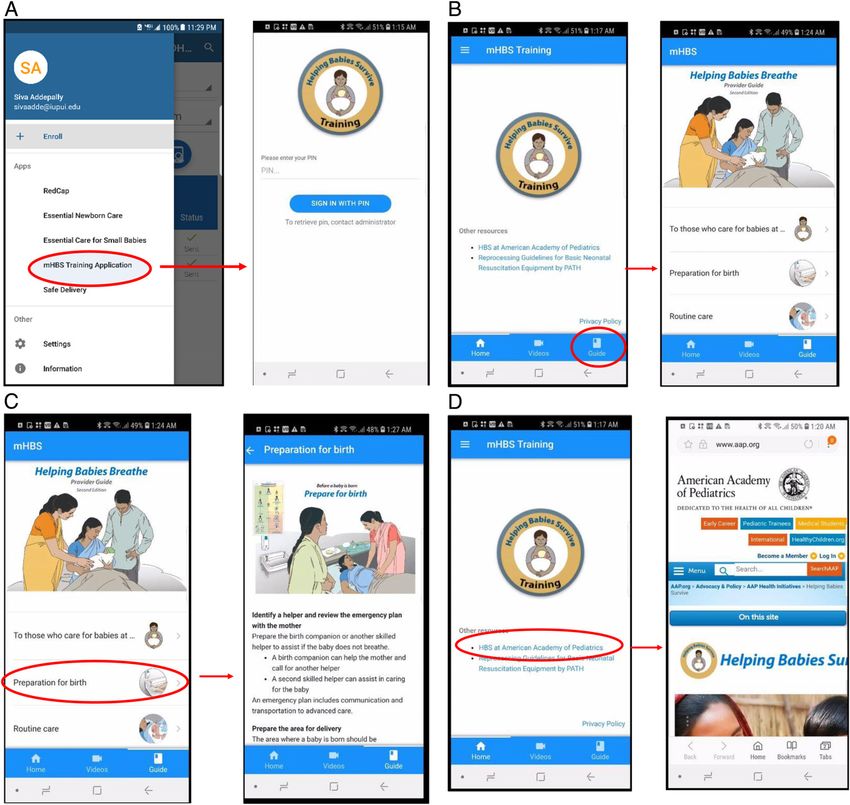
BACKGROUND AND SIGNIFICANCE                to sustained translation of knowledge            53% of global citizens (4.021 billion)
                                           and skills into clinical practice.15 Also,       with access in 2018.32 Acceptance of,
History and Context of Helping Babies      even when knowledge and skills are               and access to, a wide variety of digital
Survive Programs
                                           robustly acquired initially, if not              health interventions has also
The Helping Babies Survive (HBS)           supported by subsequent in-person                skyrocketed, among a wide range of
initiative features a suite of             refresher courses,16 peer learning, or           stakeholders, including HCPs.33–38
evidence-based curricula and               low-dose high-frequency training,17              Implementation of mobile health and
simulation-based training programs         competencies rapidly decay over                  digital tools in LMICs has been
designed to provide health workers         time.18,19                                       demonstrated to have numerous
in low- and middle-income countries                                                         benefits, including improving access
                                           Another key challenge that emerged,
(LMICs) with the knowledge, skills,
                                           as HBS programs rapidly scaled, was              to care for patients,39,40 increasing
and competencies to prevent,                                                                knowledge retention and
                                           reliance on paper-based methods
recognize, and manage leading                                                               competencies among community
                                           for data collection and reporting. As
causes of newborn morbidity and
                                           compared to digitized data                       health workers,41,42 and improving
mortality. HBS was built on the                                                             training outcomes, confidence and
                                           collection systems, paper-based
success of its flagship program,                                                             satisfaction, and reporting of key
                                           efforts are often plagued by a higher
Helping Babies Breathe (HBB),                                                               indicators among health
                                           rate of data entry errors and are
a global initiative launched in 2010
                                           difficult to search.20 Thus, although             providers.35,43–46
to educate and train LMIC health
                                           paper-based systems can be easy to
care providers (HCPs) in knowledge,                                                         Over the past decade, a number of
                                           use for initial data collection, this
skills, and competencies for basic                                                          digital resources and innovations
                                           can create bottlenecks in the
neonatal resuscitation.1–4 In addition                                                      have been developed to augment
                                           subsequent collation and extraction
to HBB, HBS includes Essential Care                                                         HBS initiatives. Below, we describe
                                           of crucial information, which, in
for Every Baby (ECEB),5 essential                                                           some of these. This article does not
                                           turn, can then impede integrated
newborn care from birth through                                                             serve as an exhaustive systematic
                                           and timely documentation efforts,
24 hours postnatal,6,7 and Essential                                                        review of all digital tools or
                                           underlie time lags in reporting, and
Care for Small Babies (ECSB),8                                                              educational repositories that have
                                           hamper effective monitoring,
essential care for the small well                                                           been reported during 2010–2020.
                                           evaluation, and QI efforts.21,22
infant.9                                                                                    Rather, the interventions selected
                                           Thoughtfully designed digital health
                                                                                            have been designed and developed
Dissemination and Implementation           interventions may help to
                                                                                            in collaboration with partners of
Challenges                                 ameliorate educational and training
                                                                                            the former Survive and Thrive
                                           gaps, barriers, and bottlenecks
The scale-up of HBS programs has                                                            Global Development Alliance
                                           identified within the HBS
been explosive; during the initial                                                          (2012–2017), 47 and as such, have
                                           dissemination and implementation
5 years after the global launch, HBB                                                        received significant input from
                                           cascade or that are created by
was disseminated in .80 countries,         reliance on paper-based data
                                                                                            a broad coalition of local, national,
many at a national scale.10 As HBS         collection systems.23–27
                                                                                            and international stakeholders for
initiatives rolled out across LMIC                                                          specific alignment with evidence-
settings, numerous bottlenecks, gaps,                                                       based HBS curriculum and training
and barriers to the effective,             THE PROMISE OF DIGITAL HEALTH TO                 content. The featured digital
consistent dissemination and               SUPPORT HBS                                      resources and innovations are
implementation of the programs             Within the first decade of expansive              organized according to their
emerged. These educational, data           scale-up of HBS programs, mobile                 primary function(s). Broadly, we
collection, and quality improvement        phone ownership and access to                    describe HBS digital innovations
(QI) challenges were detected across       cellular networks has concomitantly              that support (1) education and
both the pre- and in-service               surged in LMICs.28–31 In 2018, there             training, (2) data collection for
continuums and emerged at multiple         were 5.135 billion mobile phone                  monitoring and evaluation, (3)
points throughout the HBS training         users, and two-thirds of the world’s             clinical decision support, and (4)
cascade, including before, during, and     population of 7.6 billion people                 QI. Some of the innovations
after training.11–13 For example,          owned a mobile phone; half of these              described in this article have
although HBS training is successful at     devices were “smart” (ie, enabled                multiple, overlapping functions
initially improving knowledge, skills,     with Internet access, data storage,              (Table 1). Additional digital
and competencies among HCPs,14             and other computing capabilities).               health tools of potential interest
HBB 1-day training courses, on their       Globally, Internet penetration also              to HBS practitioners are shown
own, are often insufficient in leading      continues to rise, with an estimated             in Table 2.

                               Downloaded from www.aappublications.org/news by guest on June 1, 2021
S166                                                                                                                     BUCHER et al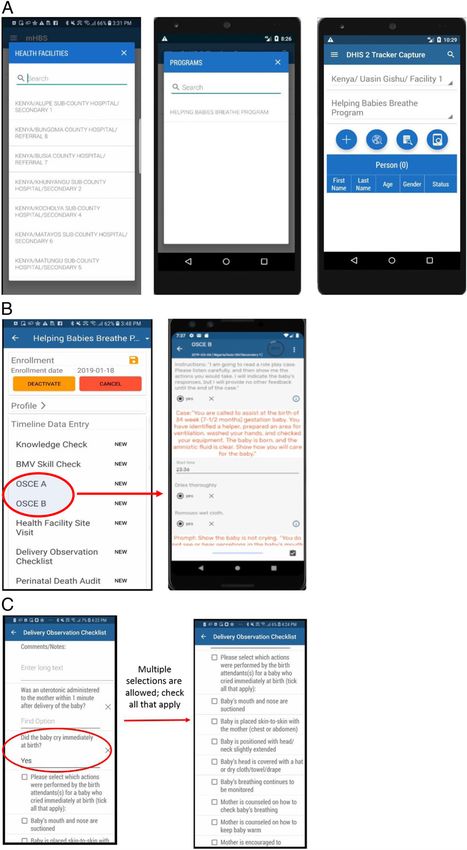
TABLE 1 Digital Tools To Support HBS Programs
 Digital Tool                          Developer                         Brief Description                HBS           Functions                      Web Site
                                                                                                         Content
 GHMP Video                 GHMP                       Live-action videos of evidence-                  HBB,        Education and        https://globalhealthmedia.org/
   Repository                                             based practices with patients                   ECEB,       training
                                                          and HCPs in clinical settings in                ESCB
                                                          LMICs
 AIIMS ECEB app          AIIMS                         Digital reference for ECEB                       ECEB        Education and        https://play.google.com/store/apps/
                                                          curriculum with scenarios for                               training;             details?id=com.eceb
                                                          role playing and evaluation of                              clinical
                                                          knowledge through case                                      decision
                                                          exercises                                                   support
 AIIMS ECSB app          AIIMS                         Digital reference for ECSB                       ECSB        Education and        https://play.google.com/store/apps/
                                                          curriculum with scenarios for                               training;             details?id=com.ecsb
                                                          role playing and evaluation of                              clinical
                                                          knowledge through case                                      decision
                                                          exercises                                                   support
 LIFE (VR and mobile) KEMRI Oxford University          Mobile VR simulation for neonatal                HBB         Education and        https://play.google.com/store/apps/
                                                          resuscitation                                               training              details?id=uk.ac.ox.NDM.LIFE
 eHBB VR and eHBB        University of Washington and Mobile VR simulation for neonatal                 HBB         Education and        https://play.google.com/store/search?
    mobile apps             Oxford LIFE team              resuscitation                                               training                           q=ehbb
 Liveborn                Laerdal Global Health, UNC    Audit-feedback app for observer                  HBB         Data collection      https://play.google.com/store/apps/
                            SOM                           documentation of timing of                                  for                   details?id=com.
                                                          resuscitation actions; gives                                monitoring            laerdalglobalhealth.
                                                          automated feedback that is                                  and                   neobeatbirthregistration.
                                                          based on the HBB algorithm                                  evaluation; QI        newborn_ventilation_tool
 mHBS-DHIS272,91,92,94: Indiana University School of   Digitalized curricula, such as the               HBB,        Education and        https://github.com/iupui-soic/mHBS_
    Trainer module          Medicine, IUPUI School of     provider’s guide; access to                     ECEB,       training              tracker
                            Informatics and Computing,    educational and VR training                     ECSB
                            Alupe University College,     videos (ie, eHBB); linkage to
                            and Moi Teaching and          partner Web sites
                            Referral Hospital
 mHBS-                   Indiana University School of  Digitized knowledge checks, BMV                  HBB,        Data collection https://github.com/iupui-soic/dhis2-
    DHIS271,73–75,93,94:    Medicine, IUPUI School of     and OSCE skills checklists, and                 ECEB,       for              android-trackercapture
    Tracker module          Informatics and Computing,    QI tools such as delivery                       ECSB        monitoring
                            Alupe University College,     observation checklist, and                                  and
                            and Moi Teaching and          perinatal death audit; linkage to                           evaluation; QI
                            Referral Hospital             partner apps (eg, AIIMS, Safe
                                                          Delivery, eHBB)
 mHBS-DHIS295–97:        Indiana University School of  Support tool to track multiple                   ECEB        Clinical decision                     —
    ECEB Digital Action     Medicine, IUPUI School of     infants with automated advice                                support
    Plan app                Informatics and Computing,    for management
                            Alupe University College,
                            and Moi Teaching and
                            Referral Hospital
BMV, bag mask ventilation; IUPUI, Indiana University–Purdue University Indianapolis; KEMRI, Kenya Medical Research Institute; —, not applicable.

EDUCATION AND TRAINING                                        and health outcomes.48 The media are                           The videos, which are accessible
                                                              designed to be basic, practical, and                           across various modalities,
Global Health Media Project                                   reliable. The content is distilled from                        demonstrate kind and respectful
Educational Video Repository
                                                              current international guidelines, and                          behavior and are carefully crafted to
Global Health Media Project (GHMP) is                         scripts and videos are rigorously                              draw a trainee’s eyes and ears to all
a US-based nonprofit founded in 2010                           reviewed by global content experts                             the subtleties that lead to good
that has created a large digital                              with extensive experience in low-                              knowledge acquisition. Voice-over
repository of live-action videos to help                      resource settings. The videos are shot                         makes it easy to narrate the films in
health workers and caregivers in low-                         with in-service frontline health                               multiple languages. Using real HCPs
resource settings obtain information                          workers, exhibiting best practices with                        who role model best practices for
and skills that can improve health care                       patients in actual LMIC clinical settings.                     delivery of evidence-based health

                                      Downloaded from www.aappublications.org/news by guest on June 1, 2021
PEDIATRICS Volume 146, number s2, October 2020                                                                                                                             S167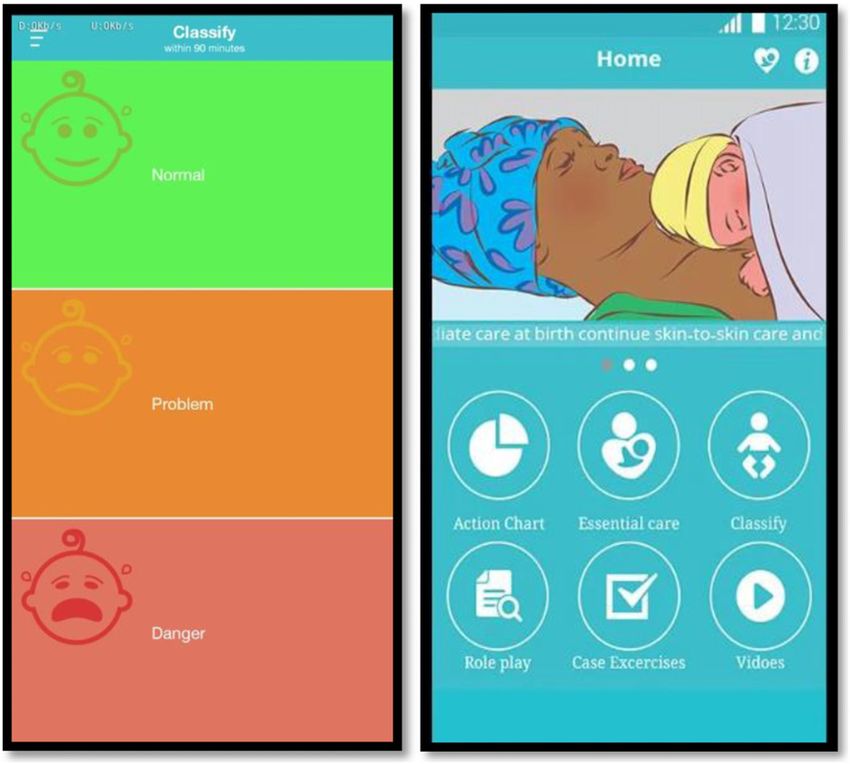
TABLE 2 Additional Digital Health Innovations of
         Potential Interest to HBS Practitioners
 Delivery room timer
    In conjunction with a large global
       implementation trial of HBB in Kenya and
       India,3,4,116 Somannavar et al117 developed
       and tested a voice-activated mobile
       phone–based timer to be used during
       deliveries for capture of time elapsed
       between birth and beginning of bag mask
       ventilation efforts in non-crying infants.
 HBB Prompt
    Investigators from North America and
       Uganda are currently designing,
       developing, and performing feasibility
       testing in Uganda for an app, HBB Prompt,
       to improve retention of HBB skills and
       competencies.104
 NeoTree
    This is an mHealth tool that integrates
       educational, data collection, and neonatal
       care decision support functions to
       improve the quality of care provided to
       newborns in LMICs. The content is aligned
       with HBS curricula. Usability testing was
       conducted in Malawi.118
 Safe Delivery app
    The Safe Delivery app is a digital health tool
       used to support acquisition of knowledge
       and skills for basic emergency obstetric
       and neonatal care; the guidelines for
                                                      FIGURE 1
                                                      AIIMS HBS-ECEB Android app (reproduced with the permission from A.D.). Screenshots from the
       neonatal resuscitation align with
                                                      AIIMS HBS-ECEB Android app demonstrating the classify-the-infant function.
       recommendations found in HBB, second
       edition. Recommendations for labor,
       delivery, and postpartum care harmonize        nearly every country in the world and            are aligned with existing versions of
       with those found in the Helping Mothers
       Survive curricula.43–45
                                                      streamed online .430 million times.              the American Academy of Pediatrics’
 Telehealth                                           Available in .40 languages, they have            (AAP) ECEB and ECSB programs.
    Increasingly, Telehealth is being used for        been downloaded by .7500                         They support acquisition of
       telementoring to foster north-south and        organizations. Recently, GHMP                    knowledge among HCPs in regard to
       south-south educational and training           released the Birth & Beyond app,                 immediate care of the newborn after
       relationships and to support virtual
       learning within neonatal resuscitation
                                                      available on iOS; it allows 1-click              birth and during the first day (HBS-
       training programs,119 including HBB.120        access to their 28 videos that have              ENC) and for well small infants (HBS-
                                                      been designed specifically for                    ECSB).
                                                      mothers and caregivers and are
                                                                                                       The HBS-ENC can be paired with the
                                                      available in 21 languages.
                                                                                                       ECEB curriculum as a ready digital
care aligns with adult-learning
                                                      The All India Institute of Medical               reference for the action plan, which
principles for the development of
                                                      Sciences Essential Newborn Care                  highlights key steps in essential care
competencies through self-directed
                                                      and ECSB Apps                                    and classification of the newborn.
learning.49,50
                                                                                                       (Fig 1). The app also has case
                                                      Developed by collaborators at the All
                                                                                                       exercises for paired practice by health
GHMP has created 150 videos that are                  India Institute of Medical Sciences
                                                                                                       care workers that combine several
focused on maternal, newborn, and                     (AIIMS), the Helping Babies
                                                                                                       actions with an objective to harness
child health. For HBS, there are 4                    Survive–Essential Newborn Care
                                                                                                       skills for each component of the
videos with live footage to                           (HBS-ENC) and Helping Babies
                                                                                                       action plan.
complement HBB and 30 videos                          Survive–Essential Care for Small
closely aligned with ECEB, covering                   Babies (HBS-ECSB) apps are available             The HBS-ECSB app is structured
newborn care skills, problems, and                    on Google Play and iOS; the Android              similar to the HBS-ENC app, but the
breastfeeding.51 To support ECSB                      versions of HBS-ENC and HBS-ECSB                 content is based on the ECSB program
content, 27 videos are available.52                   have been downloaded .5000 and                   (Fig 2).8 In addition to offering
GHMP videos have been watched in                      1000 times, respectively. Both apps              opportunities for self-directed

                                          Downloaded from www.aappublications.org/news by guest on June 1, 2021
S168                                                                                                                                 BUCHER et al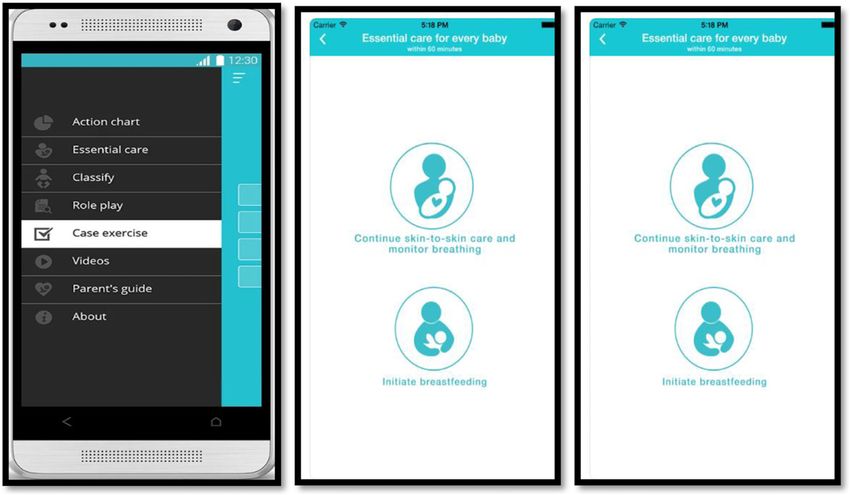
learning to serve as memory aides                courses.53,54 Although these software             entertainment. Through integration of
and tips for facility-based QI, both             programs require a high-speed                     simulations, virtual environments,
apps also link to educational videos             Internet connection and a personal                and mixed reality and media, they
that are offered by a variety of                 computer with sufficient graphics                  provide educational and training
newborn care partners, including                 capabilities, mobile virtual                      opportunities through storytelling,
GHMP. HCPs may use the apps as                   simulations, such as Life-Saving                  narratives, and game-play
preparation for and during an initial            Instruction for Emergencies (LIFE)                encounters.58 There is evidence that
training workshop, as well as after              (mobile) and the electronic Helping               serious-game simulations result in
the completion of the course for self-           Babies Breathe (eHBB) program (see                a 20% higher post-training self-
directed knowledge refresher training            descriptions below), can be delivered             efficacy, 11% higher declarative
and as point-of-care tools at the                off-line on mobile phones as screen-              knowledge, 14% higher procedural
bedside. The apps guide activities that          based experiences transformed into                knowledge, and 9% higher
help providers maintain and improve              immersive experiences with the use                retention.59 Serious games and virtual
knowledge and skills through review              of a low-cost virtual reality (VR)                simulations are increasingly being
and practice. In addition, both apps             headset.54 Game-based learning                    used to augment traditional methods
also incorporate QI functions.                   creates interconnections between the              of neonatal resuscitation training and
                                                 off-line identity, the game scenarios,            have particular potential to augment
                                                 and the actual interactions with and              simulation-based medical and
VIRTUAL REALITY EDUCATION AND                    within the virtual simulation,                    nursing education.53,54,60,61 Mobile
TRAINING TOOLS                                   allowing the learner to demonstrate               VR simulations can be used to
In high-income countries, computer-              skills and modify behaviors that                  demonstrate real-world phenomena,
based training simulations such as               relate to clinical practice.55–57                 illustrate abstract concepts, and
HeartCode Pediatric Advanced Life                                                                  motivate learners.62 In a national
Support and the Neonatal                         “Serious games” are electronic games              survey of 161 pediatric health care
Resuscitation Program eSIM                       or apps that are deliberatively                   workers in Nigeria, nearly all
programs complement in-person                    designed for learning as well as                  respondents (98% physicians [n =

FIGURE 2
AIIMS HBS-ECEB IOS app (reproduced with the permission from A.D.). Screenshots from the AIIMS HBS-ECEB iOS app: home screen, tabs to navigate
through content, “Essential care for every baby,” and prevention of disease.

                                      Downloaded from www.aappublications.org/news by guest on June 1, 2021
PEDIATRICS Volume 146, number s2, October 2020                                                                                          S169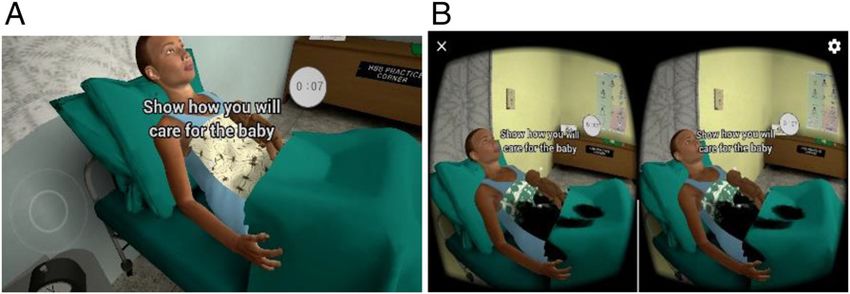
LIFE has partnered with the Kenya
                                                                                                    Pediatric Association to offer
                                                                                                    Continuing Professional Development
                                                                                                    points to providers using the platform.
                                                                                                    Additional training modules are being
                                                                                                    developed, and user design and
                                                                                                    evaluation research is currently being
                                                                                                    conducted.70

                                                                                                    eHBB
FIGURE 3                                                                                            eHBB VR and mobile applications
LIFE screenshots (reproduced with permission from Dr Chris Paton, Oxford University). Screenshots   feature 3 simulations that are based
from the LIFE VR serious gaming platform reveal interactive learning and labor and delivery room
screens.
                                                                                                    on the HBB curriculum (second
                                                                                                    edition) in which a newborn may
                                                                                                    require only routine care, some
92] and 96% of nurses [n = 52])                    headsets or mobile phones. The
                                                                                                    resuscitation, or resuscitation with
would recommend the use of online                  scenarios hosted in the LIFE app,
                                                                                                    positive-pressure ventilation (Fig 4).
simulation for their center.63                     available on Google Play67 and iOS,
                                                                                                    eHBB VR is designed primarily to
                                                   are based on the Emergency Triage,
                                                                                                    work on low-cost mobile VR viewers
LIFE                                               Assessment and Treatment plus
                                                                                                    such as Google Cardboard. The focus
                                                   admission care program (ETAT1).68
LIFE is a platform that was developed in                                                            of the activity is to have the user
                                                   More than 5000 African health
a partnership between researchers in                                                                “show” what they would do for the
                                                   workers have received ETAT1
Kenya and the United Kingdom.64,65 It                                                               infant by interacting with the
                                                   training. The initial steps of ETAT1
hosts mobile and VR training scenarios                                                              three-dimensional objects in the
                                                   basic neonatal resuscitation training
that help health workers to learn the                                                               simulation and making selections by
                                                   are closely aligned with those of HBB;
steps they need to manage medical                                                                   pressing a button-lever mechanism
                                                   also similar to HBB, ETAT1 training
emergencies. The LIFE platform                                                                      on the outside of the headset or
                                                   among health workers is associated
employs the concept of serious games to                                                             by touching the screen. eHBB is
                                                   with reduced child mortality at
deliver training in a virtual environment                                                           designed to complement in-person
                                                   facilities where it is implemented.69
that follows highly structured care                                                                 classes, promote individualized
pathways (or algorithms; Fig 3).                                                                    learning, and provide standardized
                                                   LIFE (mobile) is a highly interactive
                                                                                                    feedback that is based on the HBB
The LIFE platform is intended to                   three-dimensional mobile game,
                                                                                                    Action Plan.
serve as a tool for neonatal                       currently being rolled out nationwide
resuscitation refresher training to                in Kenya, in collaboration with the              To develop eHBB, the eHBB research
prevent the documented decay in                    Kenya Pediatric Association. Using               team, led by the University of
knowledge and skills that occur after              LIFE (mobile), health workers can                Washington, worked with the Oxford
initial skills acquisition.66 When                 access neonatal resuscitation training           LIFE team to codesign scenarios with
subsequent face-to-face training                   modules off-line via their smartphones           stakeholders representing a range of
courses are not accessible, LIFE offers            whenever desired. To incentivize                 technical and clinical experience in
realistic simulation training via VR               health workers to keep using the app,            Nigeria and Kenya. The working
                                                                                                    group used an agile, iterative
                                                                                                    codesign and testing approach to
                                                                                                    create VR scenario storyboards,
                                                                                                    identify game actions and animations,
                                                                                                    specify user prompts, and create
                                                                                                    individualized feedback. Internal
                                                                                                    testing during development was
                                                                                                    performed by the project team at
                                                                                                    several international sites: University
                                                                                                    of Washington, Seattle, Washington;
                                                                                                    Indiana University, Indianapolis,
FIGURE 4                                                                                            Indiana; National Hospital Abuja,
eHBB screenshots (reproduced with permission from R.U.). A, eHBB mobile screen-based simulation.    Abuja, Nigeria; and the Kenya Medical
B, eHBB mobile VR simulation.                                                                       Research Institute, Nairobi, Kenya.

                                     Downloaded from www.aappublications.org/news by guest on June 1, 2021
S170                                                                                                                            BUCHER et al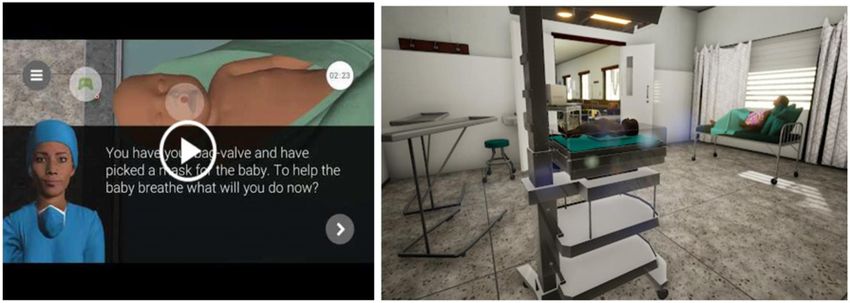
User feedback was also obtained
during demonstrations at several
national and international meetings.
Collaborating institutions for pilot
testing were the University of Lagos
(Nigeria) and Alupe University
College (Busia, Kenya). Mobile
eHBB VR training for retention of
neonatal resuscitation knowledge
and skills is being field tested in
a randomized controlled trial among
nurses and midwives in Nigeria and
Kenya.
EDUCATION, TRAINING, AND DATA
COLLECTION FOR MONITORING AND
EVALUATION: MOBILE HELPING BABIES
SURVIVE POWERED BY DISTRICT
HEALTH INFORMATION SYSTEM 2
The mobile Helping Babies Survive
powered by District Health
Information System 2 app (mHBS-
DHIS2) is an integrated suite of open-
source digital health tools to equip
HCPs with one-stop access to, and
linkage of, key resources and
functions that are of particular
importance to them in their
educational, training, and clinical
service trajectories.71–75 mHBS-
DHIS2 supports off-line mobile
phone- and tablet-based data
collection, education and training,
reporting, and QI functions, as well as
Web-based data visualization and
dashboards via individually owned or
shared (facility-based) Android
devices. Built within the District
Health Information System 2
platform,76 which is currently used in
.60 countries, including by many
ministries of health that have also
integrated HBB at the national
level,77–81 mHBS-DHIS2 is extremely
flexible and customizable; it is
purpose designed for rapid scale-up
and sustainability within the global
regions where neonatal mortality is
the highest,82,83 where HBS programs
FIGURE 5 have scaled, and where partners are
Screenshots of the mHBS-DHIS2 tracker (version 1.0.1, build 653). A, Enrollment of new participants
can be customized by geographic location, facility, and type of HBS program. B, Digitized data focused on achieving Sustainable
collection forms enable mobile devices to be used for monitoring, evaluating, and reporting of HBS Development Goals.19,79,84–89
educational and training outcomes; OSCE B is shown. C, Providers can self-report information that
may be useful for QI initiatives; the delivery observation checklist is shown. Screenshots were The methods used to develop the
reproduced with permission from S.L.B. BMV, bag mask ventilation. mHBS-DHIS2 app included a human-
Downloaded from www.aappublications.org/news by guest on June 1, 2021
PEDIATRICS Volume 146, number s2, October 2020 S171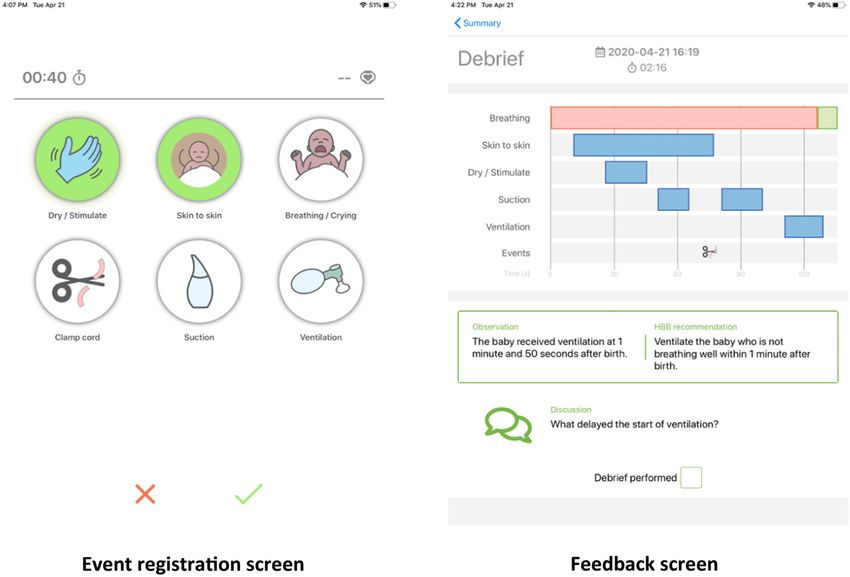
FIGURE 6
Screenshots from the mHBS-DHIS2 trainer app. A, The mHBS-DHIS2 trainer app, in addition to other Android-based educational, training, and data
collection apps, is accessed from links integrated in the mHBS-DHIS2 tracker app. B, From the mHBS-DHIS2 trainer home screen (left) users can navigate
to partner Web sites, educational videos, and digitized HBS materials, including action plans and provider’s guides (right). C, Users can navigate as
desired through the digitized HBB second edition provider’s guide. D, Web-based resources can be accessed from the mHBS-DHIS2 trainer app.
Screenshots were reproduced with permission from S.L.B.

centered design approach in                        compliant with the General Data                     credential. After logging on, users
conjunction with agile, iterative                  Protection Regulation (2016/679).                   toggle seamlessly between self-
development processes, heuristic                                                                       directed learning (mHBS-DHIS2
evaluation,90 and extensive usability              The mHBS-DHIS2 app is composed of                   trainer module) and data collection
testing, in conjunction with                       a suite of integrated digital modules               and reporting or QI functions (mHBS-
international partners.91 All mHBS-                (trainer and tracker). It is accessed               DHSIS2 tracker module). Customized,
DHIS2 innovations are open source,                 via a single, customizable log-on                   permission-based access allows
and code is available on GitHub.92,93              screen using an assigned or self-                   various types and levels of users (eg,
The mHBS-DHIS2 privacy policy is                   selected username, pin code, or other               country champions, district

                                     Downloaded from www.aappublications.org/news by guest on June 1, 2021
S172                                                                                                                                     BUCHER et al
FIGURE 7
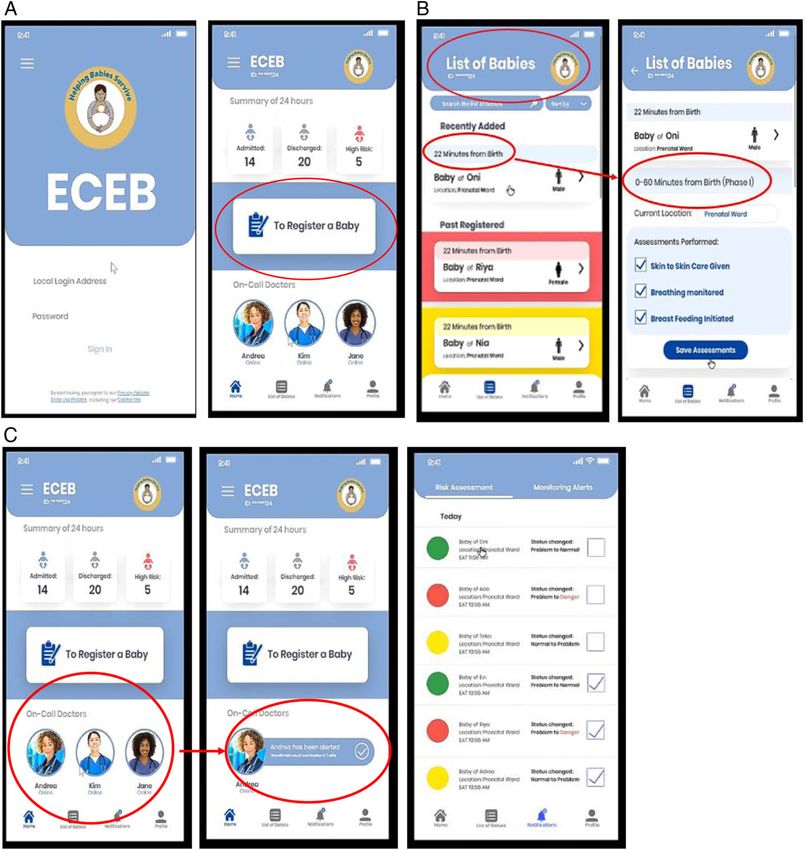
A, Screenshots from the ECEB Digital Action Plan; clinical decision support to guide essential newborn care. A, Customized log-on (left) and then register
and track multiple infants (right). B, Births are time stamped, and automated care reminders are generated. C, Requests for consultation are embedded
in the app (left); HCPs can track changes in infants’ health status over time (right). Screenshots were reproduced with permission from S.L.B.
managers, HBS master trainers or facility, and the HBS program in based educational, training, and
providers) to enroll and track which a health worker is participating implementation partner resources
participating health facilities and HBS (Fig 5A).93 (eg, AAP HBS site), educational
trainees or providers according to videos, and easily navigable digitized
geographic location (country, The mHBS-DHIS2 trainer module91 HBB second edition materials,
province, district), level of health provides linkage to digital and Web- including the action plan and
Downloaded from www.aappublications.org/news by guest on June 1, 2021
PEDIATRICS Volume 146, number s2, October 2020 S173FIGURE 8
Screenshots from the Liveborn app. The Liveborn event registration screen allows an observer to document the timing of resuscitation actions and
breathing status of the newborn. The feedback screen depicts a time line of the resuscitation, highlights a gap in quality, provides an HBB recom-
mendation about how to improve care, and suggests a question for discussion. Screenshots were reproduced with permission from Laerdal Global Health
(https://laerdalglobalhealth.com/).
provider’s guide. Android-based the progression of learning, skills, and delivery and practice log to self-report
partner apps (eg, AIIMS apps, eHBB, competencies among trainees.94 (1) the number of deliveries and
Safe Delivery43) and online toolkits resuscitations they perform each shift
(eg, PATH) are seamlessly integrated In addition to digitized versions of the and (2) stillbirths, as well as (3) if they
with and accessible via the trainer HBB second edition multiple choice had an opportunity to engage in peer
module (Fig 6 A–D). In addition to questionnaire, bag-and-mask skills learning or skills practice. QI champions
using the mHBS-DHIS2 app for assessment (bag mask ventilation), can use the mHBS-DHIS2 app to follow-
educational and training functions, and Objective Structured Clinical up on reported resuscitations and
end users can easily and effectively Examinations (OSCEs) (Fig 5B), the perinatal deaths through use of the
capture a wide variety of key mHBS-DHIS2 tracker module includes resuscitation debriefing form and
monitoring and evaluation metrics, QI tools, such as the health facility site perinatal death audit.
indicators, and outcomes. Currently, visit, delivery observation checklist
a total of 12 HBB educational (Fig 5C), and HBB delivery and HBS program implementers and
evaluation, data collection, and practice log. The former is participants can use mHBS-DHIS2 in
reporting tools are available. Scoring a standardized tool used to rapidly various ways to support acquisition,
is automated, and “pass” or “fail” assess a facility’s readiness to provide retention, and evaluation of key
messages as well as guided debriefing basic neonatal resuscitation services. knowledge, skills, and competencies
sequences are fully customizable. The delivery observation checklist is at different time points throughout
After submission to the mHBS-DHIS2 used to assess HBB competencies the dissemination and
server, evaluation forms are no longer among HCPs during actual, observed implementation cascade. For example,
editable, providing a digital record of deliveries. HBB providers use the HBB facilitators or champions can use mHBS-
Downloaded from www.aappublications.org/news by guest on June 1, 2021
S174 BUCHER et alDHIS2 to administer educational user (eg, birth weight, vital signs), the Liveborn is an audit-feedback mobile
evaluations and skills assessments to ECEB app automatically classifies health application for newborn
trainees before and after a course or each infant into green (normal), resuscitation designed by Laerdal
during QI exercises. HBS providers can yellow (problem), or red (high-risk) Global Health in partnership with the
use the app to evaluate one another zones and generates advice for University of North Carolina School of
during peer learning at a course or management. The app then Medicine (UNC SOM). Initially
subsequently as part of low-dose high- automatically tracks the infants’ developed as a data collection tool,
frequency training sessions after an in- health status over time, including the application has been adapted for
person workshop. their movement between ECEB zones. clinical use with the additions of
Requests for consultation or help a simplified documentation screen
Currently used as a research tool in
from on-call providers can be sent and automated feedback after
conjunction with partners from Alupe
directly from the app. a resuscitation. To date, Liveborn has
University College, Lagos University,
been used in the Democratic Republic
University of Washington, and Kenya The ECEB Digital Action Plan was of the Congo (DRC), Nepal, Norway,
Medical Research Institute/Oxford designed by an international team of and Tanzania to document .26 564
University (United Kingdom), mHBS- faculty, students, and clinicians, newborn resuscitations.98
DHIS2 is undergoing field testing including content experts and mobile
among HBB providers at 20 health app developers from Indiana Using Liveborn, an observer can
facilities in Kenya and Nigeria. After University School of Medicine, document the timing of resuscitation
completion of the study, mHBS-DHIS2 Indiana University–Purdue University actions using push buttons with HBB
will be available for free download School of Informatics and Computing, icons for dry or stimulate, skin-to-
from Google Play. Alupe University College, and Moi skin, clamp cord, suction, and
Teaching and Referral Hospital ventilate (Fig 8). The observer can
(Eldoret, Kenya). The also document when the infant begins
CLINICAL DECISION SUPPORT breathing and crying. Using Bluetooth
multidisciplinary team collaborated
The ECEB Digital Action Plan (Fig 7 over 10 months to design, develop, technology, Liveborn includes the
A–C) is a mobile phone–based clinical evaluate, and build a user interface option to stream heart rate from
decision support tool built to support prototype.95 Heuristic evaluation and NeoBeat, Laerdal’s battery-operated
nurses, midwives, and physicians in person-centered design assessments newborn heart rate meter. After the
LMICs to more effectively deliver key were conducted in Kenya among 40 resuscitation, providers can review
newborn care interventions from birth nurses and midwives from 3 a feedback screen that visually
through 24 hours postnatal and to equip facilities.96 The app, which works off- displays a time line of resuscitation
HCPs to prevent, recognize, and manage line, was awarded first prize in the events and the newborn’s breathing
common newborn complications as American Medical Informatics status and heart rate (if NeoBeat is
outlined in the AAP’s ECEB educational Association 2019 Student Design used). This screen includes an
and training curriculum. Challenge.97 It is anticipated to be observation about a gap in quality
available on Google Play in 2021. derived from an automatic
The ECEB app, which can be used as
comparison of recorded actions to the
a standalone app or as a module with
HBB algorithm. The observation is
mHBS-DHIS2, has numerous
QUALITY IMPROVEMENT accompanied by an HBB
functions, including allowing health
recommendation for how to improve
workers to simultaneously track Evaluation of resuscitation care in
care and a discussion question for
multiple infants across nursing shifts LMICs is challenged by poor
reflection. Data from multiple
and to quickly ascertain, in real time, documentation of delivery room
resuscitations can also be aggregated
the overall patient acuity in a facility’s practices. As such, these evaluations
through a Microsoft Power BI
newborn population (eg, number of are frequently limited to an
dashboard system to support facility-
“normal” versus “problem” versus assessment of delivery room
based QI activities. Liveborn is free of
“high-risk”). Births are time stamped, preparedness (availability of an HBB-
charge and publicly available on both
and automated, time-specific trained birth attendant and essential
Android and iOS platforms with
reminders for ECEB interventions are resuscitation equipment) rather than
English and French versions.
generated for each infant according to actions taken during a resuscitation.
the infant’s time of birth. There are Digital tools to document resuscitation Although publicly available, there is still
checklists that providers can use to actions in real time provide a unique uncertainty regarding how best to use
track the delivery of ECEB opportunity to enhance understanding Liveborn in the clinical setting. A team
interventions for each infant. On the of delivery room practices in LMICs of investigators from UNC SOM, the
basis of information entered by the and ultimately support QI. Kinshasa School of Public Health, and
Downloaded from www.aappublications.org/news by guest on June 1, 2021
PEDIATRICS Volume 146, number s2, October 2020 S175Laerdal are evaluating usability, platforms may have the potential to Anushri S. Rajapuri, Radhika
feasibility, and acceptability of Liveborn address some of the gaps and barriers Ravindran, Kevin Horan, Kevin
in a pilot study in one health center in that have been identified in the Otieno, Janet Rukunga, Sammy
Kinshasa, DRC (University of North dissemination and implementation Barasa, Bonnie Munyalo, Geoffrey
Carolina Institutional Review Board cascade for HBS. Overcoming these Mwai, Mary Concepta Nafula, Annet
19–3479; DRC Institutional Review challenges might, in turn, augment Musale, Professor Fabian Esamai, and
Board 166/CNES/BN/PMMF/2020). global progress toward better the many nurses and nurse-midwives
Future directions for Liveborn include policies, outcomes, and clinical care who have graciously provided
audiovisual real-time feedback during for newborns in LMICs.106–108 invaluable feedback over the years.
a resuscitation when paired with
NeoBeat, as well as automation of data Stakeholders can potentially integrate
capture to eliminate the need for an digital innovations with HBS ABBREVIATIONS
observer. dissemination and implementation AAP: American Academy of
efforts in a myriad of ways. For example, Pediatrics
all of the digital tools described in this AIIMS: All India Institute for
CONCLUSIONS article could be potentially used in Medical Science
creative ways to support acquisition, DRC: Democratic Republic of the
The global community has 10 years to consolidation, and retention of
achieve Sustainable Development Congo
knowledge, skills, and performance ECEB: Essential Care for
Goals, including health target 3.2, to competencies for neonatal
reduce the overall global neonatal Every Baby
resuscitation,2,4,109 both during pre- ECSB: Essential Care for Small
mortality rate to 12 per 1000 live service and through integration into low-
births.99 HBS partners and related Babies
dose high-frequency skills practice, in- eHBB: electronic Helping Babies
collaboratives, such as the World person refresher courses, continuing
Health Organization’s Every Newborn Breathe
medical and/or nursing education, on- ETAT1: Emergency Triage,
Action Plan and Quality, Equity, the-job training, or peer-to-peer learning
Dignity Network, are striving to Assessment and Treatment
among in-service providers.2,4,109,110 The plus admission care
achieve this ambitious goal. To be quality of newborn care is also often
successful, there is a critical need to program
impacted by high rates of staff turnover GHMP: Global Health Media
substantially improve the quality of and chronic shortages of skilled nursing
health worker education and training Project
and physician cadres, as well as lack of HBB: Helping Babies Breathe
and delivery of newborn care for high-quality data regarding key
effective, high-impact interventions HBS: Helping Babies Survive
indicators and outcomes.111 Thus, any HBS-ECSB: Helping Babies
such as neonatal resuscitation, training and data collection efficiencies
essential newborn care, and care for Survive–Essential Care
that can be leveraged, via digital health for Small Babies
premature and small infants.19,84,85,100 interventions, to ameliorate these
Better tracking of high-quality HBS-ENC: Helping Babies Survive–
challenges and strengthen health Essential Newborn Care
neonatal data and key indicators is systems112 are potentially of high
also urgently needed.79,101 HCP: health care providers
value.113–115 LIFE: Life-Saving Instruction for
Over the past decade, a number of Emergencies
mobile phone app and digital health LMIC: low- and middle-income
innovations have been developed to ACKNOWLEDGMENTS
country
support education and training, data We thank the many student and mHBS-DHIS2: mobile Helping
collection for monitoring and Kenyan collaborators who have Babies Survive
evaluation, clinical decision support, contributed to the mHBS-DHIS2 and powered by District
and QI for HBS programs. Additional ECEB Digital Action Plan design, Health Information
data are needed regarding the development, usability testing, and System 2
efficacy, cost, and impact of each of evaluation from 2012 to 2020, OSCE: Objective Structured Clinical
these apps as standalone tools and as including M.T. Imran Chowdhury, Examination
bundled innovations, where Bhavani Singh Agnikula Kshatriya, QI: quality improvement
applicable.102,103 A number of trials Prem Chand Avanigadda, Siva UNC SOM: University of North
are currently underway.98,104 If Addepally, Elisabeth Meyers (in Carolina School of
shown to be effective, and if adopted memoriam), Taylor Childers, Medicine
and scaled, particularly as integrated Olakunle Olardiran, Siddhartha VR: virtual reality
interventions,105 digital tools and Nuthakki, Chinazom Chukwuemeka,
Downloaded from www.aappublications.org/news by guest on June 1, 2021
S176 BUCHER et alDr Bucher conceptualized and designed the review, drafted the initial manuscript, coauthored the sections on mobile Helping Babies Survive powered by the
District Health Information System 2 (mHBS-DHIS2), was the primary author for the section regarding the Essential Care for Every Baby Digital Action Plan, and
created the mHBS-DHIS2 and mobile Helping Babies Survive–Essential Care for Every Baby figures; Dr Cardellichio was the primary author for the section regarding
Global Health Media Project; Ms Muinga was the primary author for the section regarding the Life-Saving Instruction for Emergencies platform and created the Life-
Saving Instruction for Emergencies figure; Dr Patterson was the primary author for the section regarding Liveborn, created the Liveborn figure, and developed
Table 1; Drs Thukral and Deorari were the primary authors for the section regarding the All India Institute for Medical Science apps and created the All India
Institute for Medical Science app figures; Dr Umoren was the primary author for the section regarding electronic Helping Babies Breathe and created the electronic
Helping Babies Breathe figure; Dr Purkayastha coauthored the sections on mHBS-DHIS2 and cocreated the mHBS-DHIS2 figures; and all authors reviewed and
revised the manuscript, approved the final manuscript as submitted, and agree to be accountable for all aspects of the work.
DOI: https://doi.org/10.1542/peds.2020-016915I
Accepted for publication Aug 4, 2020
Address correspondence to Sherri L. Bucher, PhD, MA, Division of Neonatal-Perinatal Medicine, Department of Pediatrics, School of Medicine, Indiana University,
1030 W Michigan St, Suite C4600, Indianapolis, IN 46202-5119. E-mail: shbucher@iu.edu
PEDIATRICS (ISSN Numbers: Print, 0031-4005; Online, 1098-4275).
Copyright © 2020 by the American Academy of Pediatrics
FINANCIAL DISCLOSURES: Support for the development of Global Health Media Project videos related to Helping Babies Survive programs was provided by the
Laerdal Foundation, Latter-day Saint Charities, Vitol Foundation, and Save the Children Federation. Life-Saving Instruction for Emergencies design and development
funding was provided through a crowdfunding initiative by the University of Oxford and the Saving Lives at Birth seed funds (round 6). Support for the development
of electronic Helping Babies Breathe and electronic Helping Babies Breathe 1 mobile Helping Babies Survive powered by the District Health Information System 2
(mHBS-DHIS2) field testing activities was provided by Bill and Melinda Gates Foundation to the University of Washington (Dr Umoren; OPP1169873). Development and
proof-of-concept funding for mHBS-DHIS2 was provided, in part, to Dr Bucher by the Laerdal Foundation for Acute Medicine (2012–2014); contextual analysis
(2015–2016) by Johnson & Johnson corporate giving (4581903); and Indiana University–Purdue University Indianapolis Center for Teaching and Learning,
Multidisciplinary Undergraduate Research Institute (summer 2017; academic year 2017–2018). Essential Care for Every Baby Digital Action Plan app development
and additional mHBS-DHIS2 server hosting were supported by Indiana University School of Medicine (Bucher) and Indiana University–Purdue University Indianapolis
School of Informatics and Computing (Dr Purkayastha). Dr Santorino Data received funding from Grand Challenges Canada for the development and testing of the
Helping Babies Breathe Prompt application; support for development and b-testing of Liveborn was provided, in part, by a University of North Carolina Junior
Faculty Development Award to Dr Patterson; the authors have indicated they have no other financial relationships relevant to this article to disclose.
FUNDING: No external funding.
POTENTIAL CONFLICT OF INTEREST: Dr Bucher is principal investigator (PI) of mobile Helping Babies Survive (HBS) powered by the District Health Information
System 2 and Essential Care for Every Baby Digital Action Plan initiatives. She was the co-PI for the electronic Helping Babies Breathe (HBB) project, in collaboration
with Dr Umoren. She serves as an international mentor, on behalf of the American Academy of Pediatrics, for HBS programs, and as the HBS country mentor for
Kenya and Liberia. Dr Cardellichio is the associate director of Global Health Media Project. Ms Muinga is a health informatics researcher based at Kenya Medical
Research Institute Wellcome Trust Programme for the Life-Saving Instruction for Emergencies initiative. Dr Patterson is the PI for the feedback and debriefing
portions of Liveborn and the ongoing b-testing of Liveborn. Dr Thukral and Prof Deorari serve as associate professor in the department of pediatrics and professor
and head of the department of pediatrics at All India Institute for Medical Science, New Delhi; Prof Deorari serves on the HBS Planning Group. Dr Santorino Data is
the PI and colead designer for the HBB Prompt app. Dr Umoren was lead PI for the electronic HBB project. Dr Saptarshi Purkayastha is co-PI of the HBS powered by
the District Health Information System 2 and Essential Care for Every Baby app projects. The authors have indicated they have no other potential conflicts of interest
to disclose
REFERENCES
1. Singhal N, Lockyer J, Fidler H, et al. a multi-country scale up of Facilitator flip chart. 2014. Available at:
Helping Babies Breathe: global resuscitation training of facility birth https://www.aap.org/en-us/advocacy-
neonatal resuscitation program attendants: does Helping Babies and-policy/aap-health-initiatives/
development and formative Breathe training save lives? BMC helping-babies-survive/Pages/Essential-
educational evaluation. Resuscitation. Pregnancy Childbirth. 2016;16(1):222 Care-Every-Baby.aspx. Accessed July 23,
2012;83(1):90–96 2020
4. Bang A, Patel A, Bellad R, et al. Helping
2. Hoban R, Bucher S, Neuman I, Chen M, Babies Breathe (HBB) training: what 6. Thukral A, Lockyer J, Bucher SL, et al.
Tesfaye N, Spector JM. ‘Helping Babies happens to knowledge and skills over Evaluation of an educational program
Breathe’ training in sub-Saharan Africa: time? BMC Pregnancy Childbirth. 2016; for essential newborn care in
educational impact and learner 16(1):364 resource-limited settings: Essential
impressions. J Trop Pediatr. 2013;59(3): Care for Every Baby. BMC Pediatr. 2015;
5. Bose C, Singhal N, eds; American
180–186 15:71
Academy of Pediatrics; Laerdal Global
3. Bellad RM, Bang A, Carlo WA, et al; HBB Health. Helping Babies Survive: 7. Perez K, Patterson J, Hinshaw J, et al.
Study Group. A pre-post study of Essential Care for Every Baby. Essential Care for Every Baby:
Downloaded from www.aappublications.org/news by guest on June 1, 2021
PEDIATRICS Volume 146, number s2, October 2020 S177improving compliance with newborn Tanzanian hospital: an observational 26. Medhanyie AA, Moser A, Spigt M, et al.
care practices in rural Nicaragua. BMC study. BMJ Open. 2019;9(9):e030572 Mobile health data collection at primary
Pregnancy Childbirth. 2018;18(1):371 health care in Ethiopia: a feasible
17. Drake M, Bishanga DR, Temu A, et al.
challenge. J Clin Epidemiol. 2015;68(1):
8. Singhal N, Berkelhamer S, eds; Structured on-the-job training to
80–86
American Academy of Pediatrics; improve retention of newborn
Laerdal Global Health. Helping Babies resuscitation skills: a national cohort 27. Medhanyie AA, Spigt M, Yebyo H, et al.
Survive: Essential Care for Every Baby. Helping Babies Breathe study in Quality of routine health data collected
Facilitator flip chart. 2015. Available at: Tanzania. BMC Pediatr. 2019;19(1):51 by health workers using smartphone at
https://www.aap.org/en-us/advocacy- 18. Gurung R, Gurung A, Sunny AK, et al. primary health care in Ethiopia. Int
and-policy/aap-health-initiatives/ Effect of skill drills on neonatal J Med Inform. 2017;101:9–14
helping-babies-survive/Pages/Essential- ventilation performance in a simulated 28. Jemere AT, Yeneneh YE, Tilahun B, Fritz F,
Care-Small-Babies.aspx. Accessed July setting-observation study in Nepal. Stem Alemu S, Kebede M. Access to mobile
23, 2020 Cell Res Ther. 2019;10(1):314 phone and willingness to receive
9. Prullage GS, Baker VL. Readiness for 19. Kamath-Rayne BD, Berkelhamer SK, Kc A, mHealth services among patients with
essential care of the small baby Ersdal HL, Niermeyer S. Neonatal diabetes in Northwest Ethiopia: a cross-
practice in Rwanda: an exploratory resuscitation in global health settings: sectional study. BMJ Open. 2019;9(1):
study. Midwifery. 2018;58:50–55 an examination of the past to prepare e021766
10. Kak LP, Johnson J, McPherson R, Keenan for the future. Pediatr Res. 2017;82(2): 29. Endehabtu B, Weldeab A, Were M, Lester
W, Schoen E. Helping Babies Breathe: 194–200 R, Worku A, Tilahun B. Mobile phone
Lessons Learned Guiding the Way 20. Ley B, Rijal KR, Marfurt J, et al. Analysis access and willingness among mothers
Forward. Westport, CT: Save the of erroneous data entries in paper to receive a text-based mHealth
Children; 2015 based and electronic data collection. intervention to improve prenatal care in
BMC Res Notes. 2019;12(1):537 northwest Ethiopia: cross-sectional
11. Moshiro R, Ersdal HL, Mdoe P, Kidanto
study. JMIR Pediatr Parent. 2018;1(2):e9
HL, Mbekenga C. Factors affecting 21. Njuguna HN, Caselton DL, Arunga GO,
effective ventilation during newborn et al. A comparison of smartphones to 30. Lee S, Cho YM, Kim SY. Mapping mHealth
resuscitation: a qualitative study among paper-based questionnaires for routine (mobile health) and mobile penetrations
midwives in rural Tanzania. Glob Health influenza sentinel surveillance, Kenya, in sub-Saharan Africa for strategic
Action. 2018;11(1):1423862 2011-2012. BMC Med Inform Decis Mak. regional collaboration in mHealth scale-
2014;14:107 up: an application of exploratory spatial
12. Musafili A, Essén B, Baribwira C,
data analysis. Global Health. 2017;13(1):
Rukundo A, Persson LÅ. Evaluating 22. Campbell TC, Hodanics CJ, Babin SM,
63
Helping Babies Breathe: training for et al. Developing open source, self-
healthcare workers at hospitals in contained disease surveillance software 31. Madanian S, Parry DT, Airehrour D,
Rwanda. Acta Paediatr. 2013;102(1): applications for use in resource-limited Cherrington M. mHealth and big-data
e34–e38 settings. BMC Med Inform Decis Mak. integration: promises for healthcare
2012;12:99 system in India. BMJ Health Care Inform.
13. Rule ARL, Maina E, Cheruiyot D, Mueri P,
23. Thriemer K, Ley B, Ame SM, et al. 2019;26(1):e100071
Simmons JM, Kamath-Rayne BD. Using
quality improvement to decrease birth Replacing paper data collection forms 32. Kemp S; We Are Social. Digital in 2018:
asphyxia rates after ‘Helping Babies with electronic data entry in the field: world’s Internet users pass the 4 billion
Breathe’ training in Kenya. Acta Paediatr. findings from a study of community- mark. 2018. Available at: https://
2017;106(10):1666–1673 acquired bloodstream infections in digitalreport.wearesocial.com/.
Pemba, Zanzibar. BMC Res Notes. 2012;5: Accessed February 12, 2020
14. Eblovi D, Kelly P, Afua G, Agyapong S, 113
Dante S, Pellerite M. Retention and use 33. Noordam AC, Kuepper BM, Stekelenburg
of newborn resuscitation skills following 24. Dickinson FM, McCauley M, Madaj B, van J, Milen A. Improvement of maternal
a series of Helping Babies Breathe den Broek N. Using electronic tablets for health services through the use of
trainings for midwives in rural Ghana. data collection for healthcare service mobile phones. Trop Med Int Health.
Glob Health Action. 2017;10(1):1387985 and maternal health assessments in low 2011;16(5):622–626
resource settings: lessons learnt. BMC
15. Ersdal HL, Vossius C, Bayo E, et al. A one- Health Serv Res. 2019;19(1):336 34. Garner SL, Sudia T, Rachaprolu S. Smart
day “Helping Babies Breathe” course phone accessibility and mHealth use in
25. Zeleke AA, Worku AG, Demissie A, et al.
improves simulated performance but a limited resource setting. Int J Nurs
Evaluation of electronic and paper-pen
not clinical management of neonates. Pract. 2018;24(1):e12609
data capturing tools for data quality in
Resuscitation. 2013;84(10):1422–1427
a public health survey in a health and 35. Källander K, Tibenderana JK,
16. Mduma E, Kvaløy JT, Soreide E, et al. demographic surveillance site, Ethiopia: Akpogheneta OJ, et al. Mobile health
Frequent refresher training on newborn randomized controlled crossover health (mHealth) approaches and lessons for
resuscitation and potential impact on care information technology evaluation. increased performance and retention of
perinatal outcome over time in a rural JMIR Mhealth Uhealth. 2019;7(2):e10995 community health workers in low- and
Downloaded from www.aappublications.org/news by guest on June 1, 2021
S178 BUCHER et almiddle-income countries: a review. Ethiopia: a randomized clinical trial. anxiety and specific phobias: a meta-
J Med Internet Res. 2013;15(1):e17 JAMA Pediatr. 2016;170(8):765–771 analysis. J Behav Ther Exp Psychiatry.
2008;39(3):250–261
36. Amoakoh-Coleman M, Borgstein AB, 45. Bolan NE, Sthreshley L, Ngoy B, et al.
Sondaal SF, et al. Effectiveness of mLearning in the Democratic Republic 56. Seymour NE. VR to OR: a review of the
mHealth interventions targeting health of the Congo: a mixed-methods evidence that virtual reality simulation
care workers to improve pregnancy feasibility and pilot cluster randomized improves operating room performance.
outcomes in low- and middle-income trial using the Safe Delivery app. Glob World J Surg. 2008;32(2):182–188
countries: a systematic review. J Med Health Sci Pract. 2018;6(4):693–710
57. Riva G, Wiederhold BK, Mantovani F.
Internet Res. 2016;18(8):e226
46. Carmichael SL, Mehta K, Srikantiah S, Neuroscience of virtual reality: from
37. Gisore P, Shipala E, Otieno K, et al. et al; Ananya Study Group. Use of mobile virtual exposure to embodied medicine.
Community based weighing of newborns technology by frontline health workers Cyberpsychol Behav Soc Netw. 2019;
and use of mobile phones by village to promote reproductive, maternal, 22(1):82–96
elders in rural settings in Kenya: newborn and child health and nutrition:
58. Almeida L, Menezes P, Dias J. Augmented
a decentralised approach to health care a cluster randomized controlled Trial in
Reality Framework for the Socialization
provision. BMC Pregnancy Childbirth. Bihar, India. J Glob Health. 2019;9(2):
Between Elderly People. Philadelphia, PA:
2012;12:15 0204249
IGI Global; 2013
38. Winters N, Langer L, Nduku P, et al. Using 47. US Agency of International Development.
59. Sitzmann T. A meta-analytic examination
mobile technologies to support the Survive and thrive global developmental
of the instructional effectiveness of
training of community health workers in alliance. 2012. Available at: https://
computer-based simulation games.
low-income and middle-income surviveandthrive.org/Pages/default.
Person Psychol. 2011;64(2):489–528
countries: mapping the evidence. aspx. Accessed February 26, 2020
BMJ Glob Health. 2019;4(4):e001421 60. Kaplan AD, Cruit J, Endsley M, Beers SM,
48. Global Health Media Project. 2020.
Sawyer BD, Hancock PA. The effects of
39. Oyeyemi SO, Wynn R. Giving cell phones Available at: https://globalhealthmedia.
virtual reality, augmented reality, and
to pregnant women and improving org/. Accessed July 23, 2020
mixed reality as training enhancement
services may increase primary health
49. Reed S, Shell R, Kassis K, et al. Applying methods: a meta-analysis [published
facility utilization: a case-control study of
adult learning practices in medical online ahead of print February 24, 2020].
a Nigerian project. Reprod Health. 2014;
education. Curr Probl Pediatr Adolesc Hum Factors. doi:10.1177/
11(1):8
Health Care. 2014;44(6):170–181 0018720820904229
40. Oyeyemi SO, Wynn R. The use of cell
50. Curtis HA, Trang K, Chason KW, Biddinger 61. Foronda CL, Fernandez-Burgos M,
phones and radio communication
PD. Video-based learning vs traditional Nadeau C, Kelley CN, Henry MN. Virtual
systems to reduce delays in getting help
lecture for instructing emergency simulation in nursing education:
for pregnant women in low- and middle-
medicine residents in disaster medicine a systematic review spanning 1996 to
income countries: a scoping review. Glob
principles of mass triage, 2018. Simul Healthc. 2020;15(1):46–54
Health Action. 2015;8:28887
decontamination, and personal
62. Vishwanath A, Kam M. Kumar N.
41. Early J, Gonzalez C, Gordon-Dseagu V, protective equipment. Prehosp Disaster
Examining low-cost virtual reality for
Robles-Calderon L. Use of mobile health Med. 2018;33(1):7–12
learning in low-resource environments.
(mHealth) technologies and
51. Global Health Media Project. Newborn In: Mival O, ed. Proceedings from the
interventions among community health
care educational videos 2020. Available Conference on Designing Interactive
workers globally: a scoping review.
at: https://globalhealthmedia.org/ Systems. New York, NY: Association for
Health Promot Pract. 2019;20(6):805–817
videos/. Accessed June 30, 2020 Computing Machinery; 2017:1277–1281
42. Modi D, Dholakia N, Gopalan R, et al.
52. Global Health Media Project. Care of 63. Umoren R, Ezeaka VC, Fajolu IB, et al.
mHealth intervention “ImTeCHO” to
small babies educational videos. 2020. Perspectives on simulation-based
improve delivery of maternal, neonatal,
Available at: https://globalhealthmedia. training from paediatric healthcare
and child care services-A cluster-
org/videos/. Accessed June 30, 2020 providers in Nigeria: a national survey.
randomized trial in tribal areas of
BMJ Open. 2020;10(2):e034029
Gujarat, India. PLoS Med. 2019;16(10): 53. Sawyer T, Umoren RA, Gray MM.
e1002939 Neonatal resuscitation: advances in 64. Edgcombe H, Paton C, English M.
training and practice. Adv Med Educ Enhancing emergency care in low-
43. Thomsen CF, Barrie AMF, Boas IM, et al.
Pract. 2016;8:11–19 income countries using mobile
Health workers’ experiences with the
technology-based training tools. Arch
Safe Delivery app in west Wollega zone, 54. Ghoman SK, Patel SD, Cutumisu M, et al.
Dis Child. 2016;101(12):1149–1152
Ethiopia: a qualitative study. Reprod Serious games, a game changer in
Health. 2019;16(1):50 teaching neonatal resuscitation? A 65. University of Oxford. Team: the LIFE team.
review. Arch Dis Child Fetal Neonatal Ed. 2020. Available at: https://oxlifeproject.
44. Lund S, Boas IM, Bedesa T, Fekede W,
2020;105(1):98–107 org/team/. Accessed May 31, 2020
Nielsen HS, Sørensen BL. Association
between the Safe Delivery app and 55. Parsons TD, Rizzo AA. Affective outcomes 66. Dol J, Campbell-Yeo M, Murphy GT, Aston
quality of care and perinatal survival in of virtual reality exposure therapy for M, McMillan D, Richardson B. The impact
Downloaded from www.aappublications.org/news by guest on June 1, 2021
PEDIATRICS Volume 146, number s2, October 2020 S179You can also read


