DISTRICT PROFILE 2020-2021 - SCHOOL DISTRICT OF MARSHFIELD "Working together to nurture excellence in a collaborative, inclusive, and supportive ...
←
→
Page content transcription
If your browser does not render page correctly, please read the page content below
SCHOOL DISTRICT OF MARSHFIELD

       DISTRICT PROFILE
              2020-2021
                         “Working together to nurture excellence in a
                 collaborative, inclusive, and supportive community.”

1010 East Fourth Street Marshfield, WI 54449 | (715) 387-1101 | www.marshfieldschools.org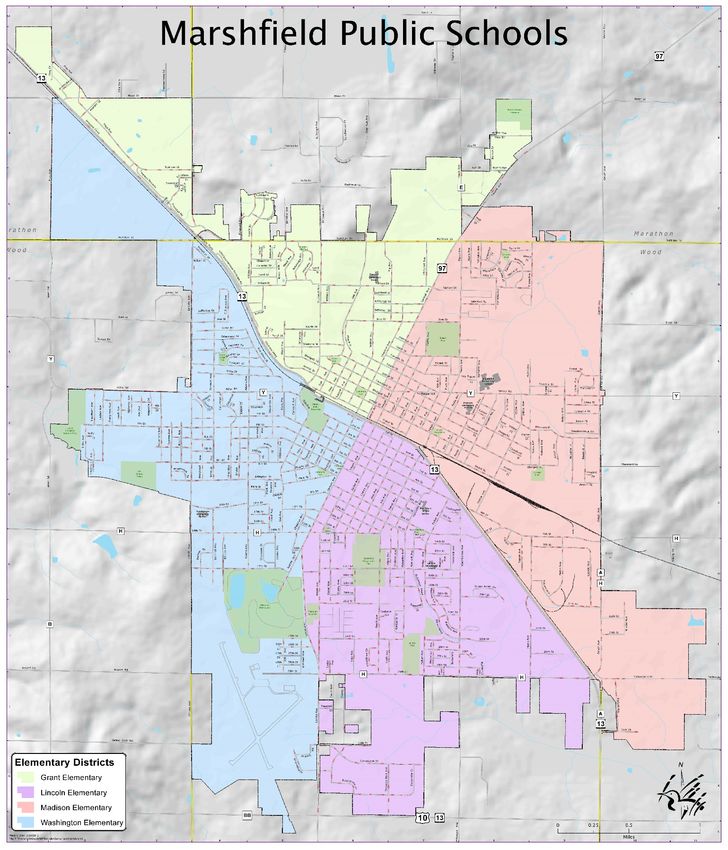
0|Page
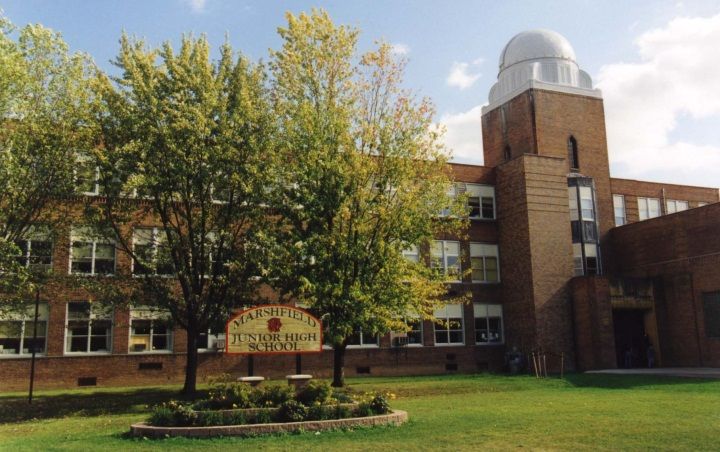
Table of Contents
ABSTRACT ...................................................................................................................................................................2
EARLY HISTORY OF MARSHFIELD................................................................................................................................3
DISTRICT FRAMEWORK...............................................................................................................................................4
  MISSION..................................................................................................................................................................4
   PHILOSOPHY ...........................................................................................................................................................4
   GOALS .....................................................................................................................................................................4
HISTORICAL SKETCH ...................................................................................................................................................5
BOARD OF EDUCATION ........................................................................................................................................... 12
  SCHOOL BOARD COMMITTEE MEMBERS                                    End Term .............................................................................. 12
ADMINISTRATION .................................................................................................................................................... 13
BUILDING SITES........................................................................................................................................................ 14
  GRANT ELEMENTARY ........................................................................................................................................... 14
   LINCOLN ELEMENTARY ........................................................................................................................................ 14
   MADISON ELEMENTARY ...................................................................................................................................... 14
   NASONVILLE ELEMENTARY .................................................................................................................................. 14
   WASHINGTON ELEMENTARY ............................................................................................................................... 14
   MARSHFIELD MIDDLE SCHOOL ............................................................................................................................ 15
   MARSHFIELD HIGH SCHOOL ................................................................................................................................ 15
   MARSHFIELD ALTERNATIVE HIGH SCHOOL ......................................................................................................... 15
   MARSHFIELD SCHOOL FOREST ............................................................................................................................ 15
MAPS ....................................................................................................................................................................... 16
 BUILDING SITES MAP ........................................................................................................................................... 16
   ELEMENTARY SCHOOL BOUNDARIES MAP.......................................................................................................... 17
   DISTRICT BOUNDARIES MAP ............................................................................................................................... 18
CURRICULUM........................................................................................................................................................... 19
  ELEMENTARY SCHOOL ......................................................................................................................................... 19
   MIDDLE SCHOOL .................................................................................................................................................. 19
   HIGH SCHOOL ...................................................................................................................................................... 21
GRADUATION REQUIREMENTS ............................................................................................................................... 24
STUDENT SERVICES .................................................................................................................................................. 25
ACADEMIC & ATHLETIC HIGHLIGHTS....................................................................................................................... 26
FUTURE GRADUATION PLANS OF SENIORS ............................................................................................................. 30
ACHIEVEMENT RESULTS .......................................................................................................................................... 32

                                                                                                                                                              1|Page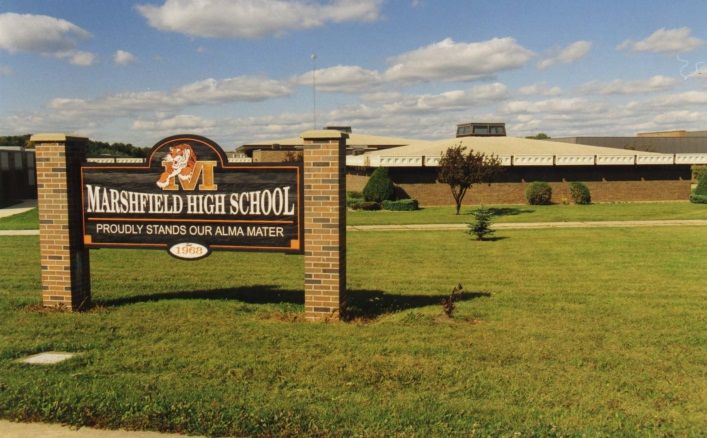
ABSTRACT

The Marshfield School District, is a unified school district with an average annual budget of fifty-four million
dollars, and serves approximately 4,000 students. It employs 266 teachers, 21 administrators, and 167 support
personnel with a payroll of approximately $24.5 million. The total cost per pupil is $11,751 (state average
$12,470). Instructional cost per pupil is $6,682 as compared with the state average of $7,154. The present tax
rate is $9.45 per thousand dollars of assessed value. Local funds account for 43.46 percent of the school
system's income. State aids account for 43.8 percent with the remaining 12.74 percent from federal monies and
various miscellaneous sources.

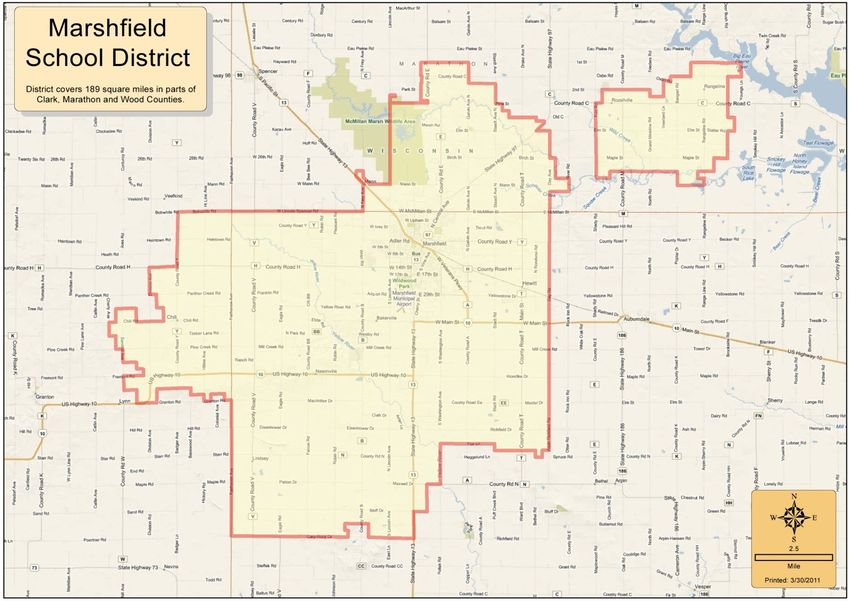
Attendance areas include the City of Marshfield, the towns of Cameron, Fremont, Lynn, Marshfield, Lincoln,
McMillan, Day, Richfield, Green Valley, Rock; and the Village of Hewitt. The area includes 194 square miles with
an approximate equalized value of $2,115,096,675. The district facilitates curriculum for grade levels of four-
year-old kindergarten through twelfth grade. The district is comprised of five elementary schools (with one
elementary school located in Nasonville), a Middle School (serving grades seven and eight), and High School
(serving grades nine through twelve).

Bus transportation is provided for students who live outside the city limits. City residents, may purchase
transportation from the contracted bus company, Kobussen Buses Ltd, managed by Darren Wilson (387-0101).
Kobussen Buses Ltd serves nearly half of the School District of Marshfield student population.

                                                                                                     2|Page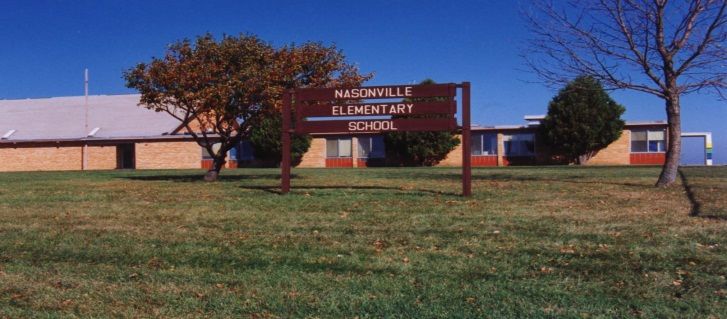
EARLY HISTORY OF MARSHFIELD

Marshfield was named after John J. Marsh, of Haverville, Mass., one of the original proprietors of the town site.
Around 1865, the Fox and Wisconsin Improvement Co. was organized, and entered into a contract with the State
to complete waterway improvements on the Fox and Wisconsin Rivers to make possible the navigation between
Green Bay and the Mississippi. When the work was not completed by 1866, a new company known as the
Green Bay and Mississippi Improvement Co. was formed to take over the work. When this company dissolved,
the site of Marshfield became the property of John Magee and Samuel Marsh. In 1886, Louis and Frank Rivers
settled here. In April 1871, the Rivers brothers purchased a tract of land from Samuel Marsh on which they built
a log house was later used as a dwelling, store, tavern, and eventually a post office. In June 1871, Peter
McGuigan arrived and opened a small store and saloon. That same year many other settlers arrived.

The Wisconsin Central Railroad (now known as the Soo Line) came through with the first train on July 4, 1872.
The first official post office was established in 1872, of which Louis Rivers was the Postmaster until June 1887,
and was succeeded by E.S. Renne, proprietor of the first drug store. The first school was opened in the summer
of 1873 with Clara Davis, Fanny Baker, and Ella Kelly being the first teachers. In 1874, Jerry Couture built the
first frame house in the village on South Depot Street, and by 1875 Marshfield had 22 frame buildings. The plat
for Marshfield was surveyed in December 1875, with the assistance of J.P. Buck and J.J. Marsh, and recorded on
September 9, 1875. Among the first professionals to come to the area were W.T. Shaw, as acting physician; and
lawyers Frank Kirkland and A.E. Deming.

The first Sunday school met in November 1878. On November 27, 1878, Rev. Jacob Patch organized the First
Presbyterian Church. Prior to 1878, Catholic meetings were held in the River's house; they were later held in the
schoolhouse until the completion of the first Catholic church in 1880. The first Methodist church was built in
1883. Also that same year, the City of Marshfield was incorporated and the first city election returned L.A.
Arnold as the first Mayor of the city. The first newspaper began in 1879, the Marshfield Times. The first bank,
First National Bank organized as a branch of the Clark County Bank of Neillsville, was established in December
1880. The Marshfield City Library was first organized in the early 1880's with 500 volumes donated to the city by
John J. Marsh of New York through Mrs. W.H. Upham. The first fire department was organized in May 2, 1883,
with R.H. Howrath elected the first captain. In June 1887, a fire, started in the lumber yards of Upham Mfg. Co.,
destroyed most of the city. The electric lights and waterworks were installed in 1889. The Marshfield telephone
system was started by Theo. Springborn, around 1890. The Roddis Lumber and Veneer Co. was established by
William Roddis in 1894. St. Joseph's Hospital was established in 1890, and was incorporated in 1891 by the
Sisters of the Sorrowful Mother, and the first building was erected during the year 1891. The Marshfield Clinic
was organized in 1916 and started business in January, 1917. Felker Bros. Mfg. Co. was organized in Kendall, WI
in 1903 and came to Marshfield in December of 1908. The S. Miller Fruit Co. had its beginning in 1901. The
Police Department was organized on July 1, 1910, with Michael Griffin serving as the first Chief of Police.

Marshfield Lodge No. 224, A.R.M. was established in November, 1882, and the Chapter 78, R.A.M. on May 26,
1902. Chapter 95 Eastern Star was established on December 23, 1896. Marshfield Lodge 100, Odd Fellows, was
established June 6, 1889. Hub Rebekah Lodge No. 158 was instituted June 2, 1897. Lodge 665 Order of Elks was
founded in 1901. Lodge 624 Order of Eagles, May 1, 1904. Pine Tree Camp Modern Woodmen, on January 20,
1896. Mayflower Camp of Royal Neighbors started in 1898. The Knights of Wisconsin Branch 74 started June
20, 1887.

                                                                                                      3|Page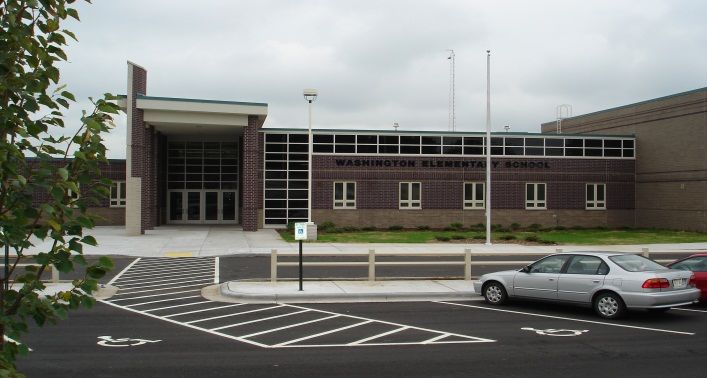
DISTRICT FRAMEWORK
MISSION
WORKING TOGETHER TO NURTURE EXCELLENCE IN A COLLABORATIVE, INCLUSIVE, AND SUPPORTIVE
COMMUNITY.
PHILOSOPHY
The School District of Marshfield is a public institution organized to educate students from grades 4K – 12. We
accept learning as the fundamental purpose of our schools and therefore are willing to examine all practices,
policies, and procedures in light of their impact on student learning. By establishing a primary focus on learning,
the District assures that students will have the skills, knowledge and dispositions to be productive members of
society with an appreciation of the ideals and processes of American democracy.
We promote a collaborative culture through the development of high-performing teams at all levels, referred to
as Professional Learning Communities and endorse the following principles:
The team is the fundamental building block and engine of improvement.
We work interdependently to achieve common goals that are directly related to improved
student learning.
Students are provided increased levels of time and support in a manner that is relevant,
directive and systematic.
Student learning includes academic, intellectual, social and personal development.
We are mutually accountable for achieving these goals.
Teams are provided with the time, resources and support to be effective.
GOALS
I. The school district will provide quality, diverse programs that allow students to develop their
capabilities.
II. The school district will encourage the professional, occupational, and personal development of its
employees.
III. The school district will promote and support individual, institutional, family, and community
partnerships in the education of youth.
IV. The school district will provide an appropriate, safe, and healthy physical environment for students,
staff, and community.
4|Page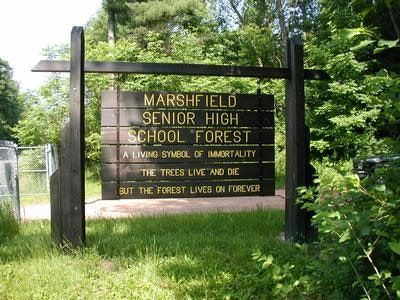
HISTORICAL SKETCH

1873   -   First school in Marshfield, occupied the front room of one of the residences

1877   -   Total expenditures for the year 1878-1879 were $418—of this amount $338 was raised by the
           town—$50 was raised in state aid

1881   -   New school built on present site of Washington School; with final cost of $4,200

1882   -   First parochial school built

1883   -   First school census—125 students

1888   -   360 students enrolled; with first high school graduating class—7 students

1889   -   441 pupils enrolled in public schools
       -   New high school built on South Central Avenue, with a total cost—$15,000, opened January 29,
           1899

1898   -   High school placed on accredited list of University of Wisconsin

1901   -   School board increased from 3 to 7 members
       -   Kindergarten instruction was established

1903   -   City has first city Superintendence—James B. Borden

1905   -   Mr. Borden named Assistant State Superintendent; Charles W. Ott transferred from High School
           Assistant to Superintendent

1906   -   Schools named after outstanding American citizens—Washington, Grant, Lincoln, and McKinley

1908   -   N.C.A. Accreditation

1911   -   Jefferson School was built

1915   -   School expenses—$30,089, full-time agriculture instructor employed
       -   Music and Art supervisor employed through PTO efforts

1917   -   First full-time High School Principal, Miss Andrews

1920   -   Dedication of Willard D. Purdy building at Chestnut and West Third (named for Sergeant Purdy
           who died to save the lives of seven other Wisconsin soldiers)

1921   -   Uniform salary schedule adopted

1922   -   School expenses—$130,046, school nurse employed, instruction for exceptional children started

1924   -   1,759 pupils enrolled
       -   A course in German was reintroduced due to demand

1931   -   School of Deaf opened; by 1936, 35 pupils enrolled

                                                                                                5|Page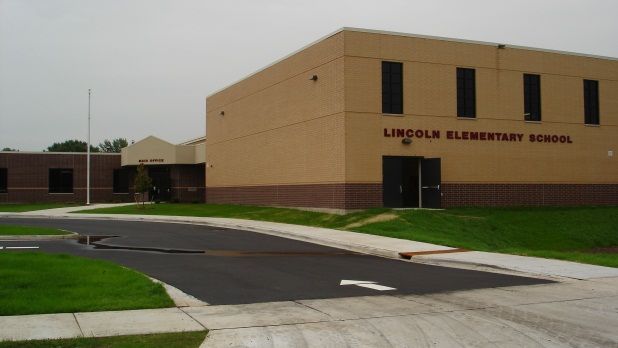
1936   -   October 13, McKinley High School burned (office records and football equipment were saved); the
           Purdy Building was used for four years to accommodate for the junior and senior high

1937   -   First school bus ran from Marshfield to Chili

1940   -   High School on Palmetto is completed

1941   -   Dedication of "the finest high school football stadium in Wisconsin;" the project was completed
           through a Federal Works Progress grant

1951   -   Madison School was built, Jefferson School renovation took place

1957   -   Lincoln and Washington Schools were replaced

1960   -   Grant School was replaced

1962   -   Annexation of rural schools completed
       -   East Fremont and Nasonville Schools served rural students

1963   -   School offices moved from Purdy to 1010 East Fourth Street; a large historical landmark
           purchased from the W.H. Roddis family

1969   -   New Marshfield Senior High was dedicated (January 12). Remodeling occurred at Junior High,
           Lincoln, and Washington
       -   "Oklahoma" was the first musical presented in the theater
       -   Modular scheduling was introduced
       -   February 26, fire destroyed Board of Education offices (valuable files were rescued); temporary
           offices were relocated to the Purdy Building

1970   -   New Board of Education offices were built on site of previous building

1988   -   Building referendum failed; through a lease-purchase agreement plans moved forward to build a
           new Grant School (the old school was exchanged for property from the Marshfield Clinic)

1991   -   School restructuring effort was completed with a set of 63 recommendations

1992   -   Grant School opened at new site

1993   -   Village Partnership—site-based decision making was initiated. Agreement was jointly signed by
           Board, Administration, and MTA at the graduation ceremony

1994   -   Thirty classroom addition to Senior High
       -   Cafeteria, restrooms, and basement sections were added to the Junior High
       -   Fall enrollment decreased by 90 students

1995   -   Interschool transfers were implemented

1996   -   Additional space was constructed at the Board of Education Office and Maintenance garage
       -   MACCI employed a coordinator to work with business and schools

1997   -   Breakfast program and full-day kindergarten were studied but denied by the Board of Education
       -   Breakfast program implemented at Jefferson School with volunteers and donations
       -   School improvement NCA model was implemented with the purpose of accrediting all schools
                                                                                                  6|Page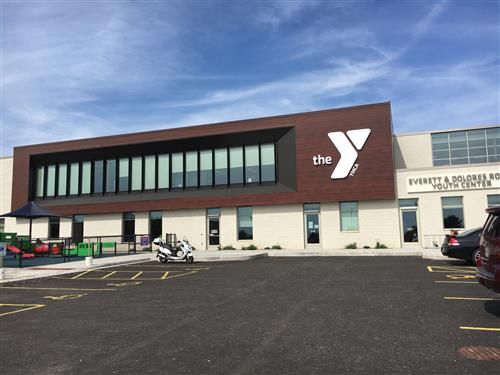
1998   -   Full-day Kindergarten was approved/implemented for East Fremont and Jefferson
       -   Open enrollment was implemented
       -   Wisconsin Model Academic Standards were accepted by the Board of Education

1999   -   Multi-age classroom opened at Madison School (Grades 1-2)
       -   All schools were networked and e-mail was established
       -   On-line job application process was fully implemented
       -   Use of multiple youth apprenticeships by students began

2000   -   Ken Krahn retired, after having served for nine years, and Dave Smette was named
           Superintendent
       -   S.A.G.E. was implemented at Jefferson and Nasonville
       -   Class Size Reduction Grant was utilized at Grant School
       -   Nasonville School construction was approved
       -   Programs cut because of budget constraints included: Reading Department, SAIL (staff at
           elementary level), Keyboarding (staff at elementary level)
       -   Alternative School (for high school students) opened on Third Street

2001   -   Opened all-day Kindergarten in all elementary buildings; five new teachers and classrooms were
           arranged in the city; Nasonville’s partially completed school had two Kindergarten classrooms
           open
       -   Jefferson Kindergarten was closed
       -   Health 8, Strategies 7, and one elementary counselor were cut
       -   First phase of Nasonville was built
       -   In order to balance enrollment, elementary attendance sites were modified and a rural bus
           transfer was implemented at Nasonville School
       -   Book fees were increased and electronic lunch tickets were implemented at Grant School
       -   A breakfast program ($1.00) was implemented at Nasonville School
       -   A 21st Century Grant in excess of $600,000 was received by the High School
       -   Funding for youth apprenticeship was cut in half

2002   -   Jefferson School was closed
       -   Most students from Jefferson were reassigned to Lincoln School; rural students south of Highway
           10 attend Nasonville
       -   Nasonville opened as a two-track school
       -   Six elective classes were added to Junior High schedule
       -   November referendum, for one million dollars for next three years, was approved by
           overwhelming margin
       -   Hoffman, Inc. was contracted to provide long-rang facilities planning
       -   Healthy Lifestyles initiative began in cooperation with Marshfield Clinic and community
       -   Dennis Myers and Bill Berry retired from High School; John Blankush and Gordon Sisson were
           contracted for Principal and Assistant Principal, respectively
       -   Charmaine Ulrich was appointed Principal of Grant School
       -   Middle School concept approved by Board (staff/facilities to be approved later)

2003   -   November referendum for building additions (elementary and middle school construction) failed
           by approximately 500 votes
       -   Dr. Dave Smette, Superintendent, resigned to assume superintendency of Jamestown Public
           Schools, North Dakota
       -   Local School Improvement Plan process began
       -   Common math assessments were developed
       -   Bruce King was appointed Superintendent; Pat Saucerman assumed Director of Business Services
       -   An administrative position was eliminated at Central Office – job restructuring occurred

                                                                                                7|Page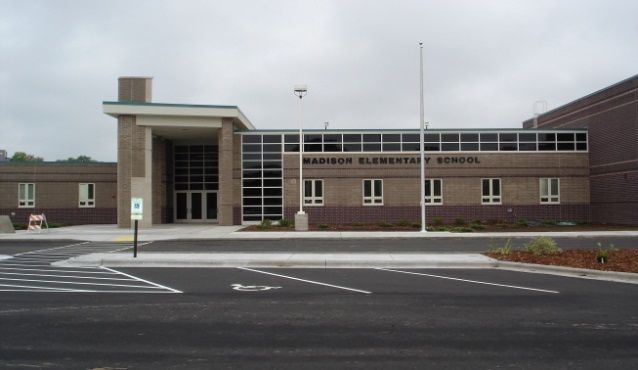
2004   -   A $25,610,000 school referendum for construction of a new Madison and Washington schools and
           improvement projects at Lincoln, Junior High, and High School failed by 855 votes in the April 6
           election
       -   Alternative School moved to Chestnut Arts Center for more space
       -   Tile mural on tolerance was created with the efforts of the Art department, guest artist-in-
           residence, and about 100 students
       -   Physical Education department name was changed to Exercise and Sports Science to reflect their
           new focus and mission
       -   Scholastic Reading Inventory (Lexiles) was implemented in grades 2-6

2005   -   Junior High School was renamed Marshfield Middle School
       -   A district facilities referendum of $21.3 million passed in the April election
       -   Tom Kongslien retired as Director of Student Services; Jesse Jackson was named new director
       -   Curriculum was placed on the district web site
       -   Continued study of Virtual School possibility, particularly for home school students

2006   -   4K program implemented in partnership with ABC Child Care Center, Bright Horizons, Child Care
           Centers of Marshfield, Grace Lutheran, Tiny Tigers Intergenerational Center, Wood County Head
           Start, and YMCA-Pied Piper Child Development Center
       -   New construction was completed for elementary schools Madison and Washington
       -   Bernice Lansing retired as Director of Instruction; Peg Wolff was named new director
       -   Alternative Middle School program approved and funded through a grant to be located within the
           Middle School
       -   Lincoln Elementary and High School receive building upgrades through facilities referendum
           dollars

2007   -   Tiny Tigers Intergenerational Center opens serving infants through senior citizens and the
           Marshfield High School Human Services Academy
       -   New computers were provided for elementary teachers
       -   District website was updated
       -   Implementation of K-12 district grading guidelines
       -   Development of grade level/course level common assessments for reading, writing, and
           mathematics
       -   Increased parent involvement in team meetings for student intervention and enrichment plans
       -   Collaborative Leadership training provided to teachers to facilitate grade level and department
           meetings

2008   -   A five-year referendum override of $13.5 million passed in the April election
       -   Marshfield High School ranked as No. 2 high school in the State of Wisconsin and No. 434 high
           school in the nation, according to Newsweek Magazine’s List of Top 1300 Public Schools in the
           Country
       -   The top Female and Male AP Scholars, for the State of Wisconsin, graduate from Marshfield High
           School
       -   John Blankush retires from High School; Gordon Sisson is named Principal
       -   Staff reductions in all areas due to budget shortfalls

2009   -   Marshfield High School ranked as No. 3 high school in the State of Wisconsin and No. 357 high
           school in the nation, according to Newsweek Magazine’s List of Top 1300 Public Schools in the
           Country
       -   The top Female and Male AP Scholars, for the State of Wisconsin, graduate from Marshfield High
           School
       -   Jump Start summer program is implemented for elementary students

                                                                                                  8|Page
- Barbara Buss retires and Charmaine Ulrich is named Principal of Nasonville; Kelvin Kling is named
principal of Grant
- Branch bank of Central City Credit Union opens at Marshfield High School
2010 - Marshfield High School ranked as No. 2 high school in the State of Wisconsin and No. 380 high
school in the nation, according to Newsweek Magazine’s List of Top 1300 Public Schools in the
Country
- Marshfield High School received national recognition of its AP Program, by the College Board, for
supporting a broad range of students taking AP courses while retaining their current success rate
- The top Female AP Scholar graduates from Marshfield High School
- The Wisconsin Department of Public Instruction highlighted the district’s successful PLC initiative
for reducing district-wide student failures
- Ron Sturomski assumes Director of Buildings & Grounds
2011 - Marshfield High School ranked as No. 1 high school in the State of Wisconsin
- Bruce King retires as Superintendent; Peg Geegan is named as his successor
- Kim Ziembo becomes Director of Instruction for K-6; Liz Dostal becomes Director of Instruction for
7-12
- The district is willed a parcel of land adjacent to the Marshfield Middle School by Mrs. Augustus
Roddis
- Wisconsin Act 10 is passed by Wisconsin Legislature; subsequently, 53 teachers in the district
retired/resigned
2012 - Washington Post 2012 Report lists Marshfield High School as No. 2 in Wisconsin overall and first
among public high schools; MHS is ranked as No. 29 overall among Midwest schools
- Newsweek ranked Marshfield No. 1 High School in Wisconsin
- Board approved $5 million Middle School renovations
- Gordon Sisson retires from High School; Steve Sukawaty is named Principal
- Kelvin Kling retires and Ted DiStefano resigns from Grant; Jeff Damrau is named Principal and
Craig Michaels is appointed as Assistant Principal
- Lincoln Elementary receives Wisconsin School of Recognition award for the 2012-2013 school year
- High school student, Emily Nordin, receives the 2012 AP State Scholar award
2013 - Recognized as the No. 1 Wisconsin high school on the Washington Post’s America’s Most
Challenging High Schools list
- Recognized among the 2,000 best high schools on Newsweek’s 2013 America’s Best High Schools
list
- Receives national ranking of 614 of US News Best High Schools list for 2013; also ranking as 3rd
best high school in Wisconsin
- Received the Meritorious Budget Award for the 2012-13 annual budget from the Association of
School Business Officials (ASBO) International
- The College Board recognizes 175 Marshfield High School students as recipients of AP Scholar
Awards and 159 students as National Scholars, Scholars with Distinction, Scholars with Honors,
and Scholars
- Marshfield High School receives Project Lead The Way (PLTW) certification for its Biomedical and
Engineering science courses
- Marshfield High School is receives recognition among 7 Wisconsin high schools listed on the 2013
AFS-USA Top Schools list; the MHS active AFS adult chapter both supports hosting foreign
exchange students in the school and providing scholarships for area students to study abroad
- $2.5 million 4-year referendum is approved for district operating costs
- The first ever in-district professional development program is piloted; the program provides an
innovative approach to aligning professional growth opportunities to the district framework
- Nasonville Elementary is awarded the National Blue Ribbon Award
9|Page- Lincoln Elementary receives Wisconsin Title I Schools of Recognition award for the 2013-2014
school year
2014 - Recognized as the No. 2 Wisconsin high school on the Washington Post’s America’s Most
Challenging High Schools list
- The College Board recognizes 199 Marshfield High School students as recipients of AP Scholar
Awards and 132 students as National Scholars, Scholars with Distinction, and Scholars with
Honors.
- Superintendent Peg Geegan transfers to Washington Elementary Principal after the retirement of
Jim Cain. Dr. Deidre Wells is named new superintendent.
- Liz Dostal resigns; Kim Ziembo becomes Director of Teaching & Learning
- Received the Meritorious Budget Award for the 2013-14 annual budget from the Association of
School Business Officials (ASBO) International
2015 - Marshfield High School, partners with UW-Marshfield/Wood County, to host an English language
immersion program for students from China. Dr. Wells, Patrick Saucerman and Mike Nicksic
travel to China to formalize the process.
- For the first time the 3-8 Badger Exam is administered online in place of WKCE exam.
- The 2014-15 school year marks the first year the ACT is required for all grade 11 students and has
become Wisconsin’s accountability measure to comprehensively assess high school students.
- Director of Student Services, Dr. Jesse Jackson resigns. Tracey Kelz is named new director.
- Principal of Lincoln School, Todd Felhofer resigns. Brooke Bargender is named principal of Lincoln
Elementary.
- Middle School principal, Dave Schoepke retires and Mike Nicksic is named his successor.
2016 - Personalized Learning Initiative is approved by the school board resulting in all K-8 students have
access to personal technology devices
- Wisconsin Forward Exam is administered in place of 3-8 Badger Exam that was first given in 2015
- Principal of Marshfield High School, Steve Sukawaty resigns. Jason Wilhelm is named principal of
Marshfield High School.
- Madison Elementary principal, Greg Kaster retires and Tiffany Scheer is named his successor.
- On the US News and World Report for 2016 Marshfield High School ranked 29th in the state and
1240 in the nation for best high schools.
- New Marshfield International Student Exchange Program (MISEP) is implemented, and high
school enrolls its first international student from China on an F-1 Visa.
- Community approves $12 million referendum for District operations to be used over the next four
years.
2017 - New elementary Literacy curriculum, K-12 Student Services curriculum, and revised 7-12 World
Language curriculum are approved by the board of education resulting in new standards and
resources.
- All K-8 students and professional staff are provided with an iPad for learning purposes.
- A 4K coach position is approved by the board of education to increase the effectiveness of
community-based 4-year-old kindergarten programming.
- Positive Behavioral Interventions & Supports (PBIS) implement tier I training and implementation
at each school in the district.
- Academic and Career Planning (ACP) is launched in grades 6-12 in all elementary schools, the
middle school, and high school.
- A common learning management system known as Canvas is available with support throughout
the school district as an educator and student tool for digital content in education.
- MISEP program grows and accepts 12 students from China and Germany.
- Ad Hoc Committee of community member studies current athletic facilities and makes
recommendation to school board for needed upgrades.
10 | P a g e2018 - A new 4K-12 Mathematics curriculum and a revised 7-12 Technology Education curriculum are
approved by the board of education resulting in new standards and resources for many students.
- All 9-12 students and professional staff are provided an iPad for learning purposes.
- The district Multi-tier Systems of Support (MTSS) complete tier III implementation. A new action
plan will be created for future growth and sustainability.
- Personalized Pathways programming for students determined at-risk is approved by the board of
education launching programming for middle and high school students during the 2018-2019
school year.
- The school district becomes invested members of the Rural Virtual Academy (RVA) as an
alternative to traditional educational options.
- Washington Principal, Peg Geegan retires and Jenna Southworth is named her successor.
A school based 4 year old kindergarten classroom added to Washington Elementary in addition to
five community sites.
- Superintendent, Dr. Deidre Wells retires. Dr. Ryan Christenson is named the new superintendent.
Construction begins on athletic facilities upgrades in the amount of $11.2 million approved by the
school board to be funded by private and District funds.
2019 - Revised 7-12 Business Information Technology curriculum, revised 7-12 Family and Consumer
- Science curriculum and a revised 9-12 Driver Education curriculum are approved by the board of
education resulting in new standards and resources.
- Principal of Marshfield High School, Jason Wilhelm, resigns. Mike Nicksic is named principal of
Marshfield High School. Mike Devine is appointed as Interim principal of Marshfield Middle
School.
- Assistant Principal of Marshfield High School, Dave Roeglin, retires. Jamie Defelice is appointed
Assistant Principal.
- Recipients of a state Mental Health Grant.
- A school based 4 year old kindergarten classroom added to both Lincoln Elementary and Madison
Elementary, in addition to Washington Elementary and five community sites.
- The Kenneth and Ardyce Heiting Community Stadium is completed.
2020 - Revised K-12 Science curriculum, revised K-12 Health curriculum, revised K-12 Physical Education
curriculum and revised 7-12 Agriculture curriculum are approved by the board of education
resulting in new standards and resources.
- Matt Biederwolf is named new principal of Marshfield Middle School.
- Director of Building and Grounds, Ron Sturomski, retires. Aaron Heeg is named new Director of
Building and Grounds.
11 | P a g eBOARD OF EDUCATION
The regular School District of Marshfield Board of Education meeting is held on the second Wednesday of each
month at 7:30 p.m. at the Board of Education Office located 1010 East Fourth Street, unless otherwise specified
in the media notice. In accordance with state law, all meetings are open to the public, except during executive
session. A report of each meeting appears in the Marshfield News Herald.
SCHOOL BOARD COMMITTEE MEMBERS End Term
Frances Bohon, President 2021
Curriculum & Instruction (chairperson), Employee Relations
Dale Yakaites, Vice President 2022
Employee Relations (chairperson), Facilities, Safety & Transportation, Finance
Mark Konrardy, Treasurer 2023
Facilities, Safety & Transportation (chairperson), Finance
SAM Steiner, Clerk 2021
Employee Relations, Policy/Legislative
Dan Neve, Member 2023
Curriculum & Instruction, Policy/Legislative
Karen Shulman, Member 2021
Policy/Legislative (chairperson), Facilities, Safety & Transportation
Kajal Sitwala, Member 2022
Finance (chairperson), Curriculum & Instruction
12 | P a g eADMINISTRATION
BOARD OF EDUCATION & CENTRAL OFFICE
1010 EAST FOURTH STREET, MARSHFIELD, WI | (715) 387-1101
Dr. Ryan Christenson, Superintendent
Pat Saucerman, Director of Business Services
Kim Ziembo, Director of Teaching & Learning
Tracey Kelz, Director of Student Services
Nicole Laber, Director of Human Resources
Aaron Heeg, Director of Buildings & Grounds
Mike Nanstad, Curriculum, Instruction, and Data Specialist
GRANT ELEMENTARY SCHOOL
425 WEST UPHAM, MARSHFIELD, WI | (715) 384-4747
Jeff Damrau, Principal
Jillian Banser, Assistant Principal
LINCOLN ELEMENTARY SCHOOL
1621 SOUTH FELKER AVENUE, MARSHFIELD, WI | (715) 387-1296
Brooke Bargender, Principal
MADISON ELEMENTARY SCHOOL
510 NORTH PALMETTO, MARSHFIELD, WI | (715) 384-8181
Tiffany Scheer, Principal
NASONVILLE ELEMENTARY SCHOOL
11044 HIGHWAY 10, MARSHFIELD, WI | (715) 383-1312
Char Ulrich, Principal
WASHINGTON ELEMENTARY SCHOOL
1112 WEST 11TH STREET, MARSHFIELD, WI | (715) 387-1238
Jenna Southworth, Principal
MARSHFIELD MIDDLE SCHOOL
900 EAST FOURTH STREET, MARSHFIELD, WI | (715) 387-1249
Matt Biederwolf, Principal
Kevin Fadrowski, Assistant Principal
MARSHFIELD HIGH SCHOOL
1401 EAST BECKER ROAD, MARSHFIELD, WI | (715) 387-8464
Mike Nicksic, Principal
Jamie Defelice, Assistant Principal
Jackson Hein, Assistant Principal
Mike Drevlow, District Director of Technology
Nathan DeLany, Director of Athletics
Stacey Weichelt, District Director of Food Service, RD, CD
Melanie Jaecks, District Director of Food Service
MARSHFIELD ALTERNATIVE HIGH SCHOOL
410 W MCMILLAN, MARSHFIELD, WI | (715) 384-6510
Jamie Defelice, Principal
13 | P a g eBUILDING SITES
GRANT ELEMENTARY
Grant school was constructed in 1992, with a total of
81,600 sq. ft., and designed for a capacity of 850
students. Facilities include 33 classrooms, a
cafeteria/commons area, and a multi-purpose room. The
school is located on the northwest side of the city, near
the Marshfield Clinic and hospital. Current enrollment is
approximately 680 with a staff of 69; serving grades
Kindergarten through Six.
LINCOLN ELEMENTARY
Originally constructed in 1957, with additions and remodeling in
1968 and 2006 which transformed the school into an energy-
efficient building. The building is 43,108 sq. ft. with a designed
student capacity of 500. Facilities include 25 classrooms and a
multi-purpose room. The school is located on the southeast
section of the city. Current enrollment is approximately 325 with
a staff of 40; serving grades Kindergarten through Six.
MADISON ELEMENTARY
Newly constructed in 2006, with an energy-efficient design. The
building is 50,134 sq. ft., with a designed capacity of 500
students. Facilities include 25 classrooms and a multi-purpose
room. The school is located adjacent to the Marshfield High
School, in the northeast section of the city. Current enrollment
is approximately 350 with a staff of 42 serving grades
Kindergarten through Six.
NASONVILLE ELEMENTARY
Constructed in 2001, with a total 40,205 sq. ft., and a
capacity of 475 students. Nasonville features 19
classrooms and a multi-purpose room. The school is
located 8 miles southwest of the city on Hwy 10. Current
enrollment for Nasonville is approximately 320 with a
staff of 34; serving grades Kindergarten through Six.
WASHINGTON ELEMENTARY
Washington school was constructed in 2006, with an
energy-efficient building design. The school contains 25
classrooms and a multi-purpose room. The school is
located in the southwest section of the city. Current
enrollment at Washington is approximately 345 students
with a staff of 42; serving grades from Early Childhood
through Six.
14 | P a g eMARSHFIELD MIDDLE SCHOOL
Constructed in 1939 with additions and remodeling in
1968, 1993, and 2013. The building is 115,740 sq. ft. with
a designed capacity of 900 students. Facilities include 34
classrooms, two gymnasiums, and a multi-media center.
The school is located adjacent to the Board of Education
Office at 900 East Fourth Street. The building was first
constructed as the district’s Senior High and was
transitioned in to a Junior High in 1969. The school’s
current enrollment is approximately 565 students with a
staff of 69; serving grades Seven and Eight. A unique
architectural feature of this building is the observatory dome, located on the southwest corner of the building.
MARSHFIELD HIGH SCHOOL
Constructed in 1968, with additions and remodeling done
to the building in 1994 and 2006. The building is 297,985
sq. ft. with a designed capacity of 1,400 students, and is
considered to have an award-winning design. Features
include 79 classrooms, an auditorium, field house and
auxiliary gymnasium, cafeteria, library, multi-media room,
and swimming pool. The school is located in the northeast
corner of the city at 1401 East Becker Road; adjacent to
Madison Elementary. Current enrollment is approximately
1,225 students with a staff of 132; serving grades Nine through Twelve.
MARSHFIELD ALTERNATIVE HIGH SCHOOL
Constructed in 2018, the Marshfield Alternative High
School is located in the new wing at the Marshfield Clinic
Health Systems YMCA.
MARSHFIELD SCHOOL FOREST
The School District of Marshfield’s School Forest is a 320 acre
forest property located 6 miles southwest of Marshfield at 11450
County N. The property was first purchased in 1956. Since the
purchase multiple additions have been made to the School Forest,
including: a shower house and shelter-storage building/lodge with
kitchen and dormitories, a man-made pond with a pier, and a
number of trails with trail signs. Teachers are encouraged to
provide environmental experiences in the forest at all levels.
15 | P a g eMAPS
BUILDING SITES MAP
16 | P a g eELEMENTARY SCHOOL BOUNDARIES MAP
17 | P a g eDISTRICT BOUNDARIES MAP 18 | P a g e
CURRICULUM
ELEMENTARY SCHOOL
Kindergarten – Sixth Grade:
        Art
        Communication Arts
        Guidance
        Math
        Music
        Physical Education
        Science
        Social Science

MIDDLE SCHOOL
Note: the addition of electives reduces the number of study halls for the student

Seventh Grade:
 REQUIRED – Five credits for grade advancement
 Required Courses of Study:                                  Length of Course:
 English (1 cr.)                                             Year
 Advanced English* (1. cr.)                                  Year
 Middle School Reading* (.5 cr.)                             Semester
 Global Studies (1 cr.)                                      Year
 Advanced Global Studies* (1 cr.)                            Year
 Transition Math* (1 cr.)                                    Year
 Grade 7 Mathematics (1 cr.)                                 Year
 Science (1 cr.)                                             Year
 Advanced Science* (1 cr.)                                   Year
 Health (.5 cr.)                                             Semester
 Physical Education (.5 cr.)                                 Semester
 Exploratory Wheel:                                          Year
    Art (.25 cr.)
    BizKid$ (.25 cr.)
    Gateway Design & Modeling (.25 cr. )
    Family & Consumer Science (.25 cr.)

 Electives:                                                  Length of Course:
 Band (.5 cr.)                                               Year (meets every other day)
 Choir (.5 cr.)                                              Year (meets every other day)
 Orchestra (.5 cr.)                                          Year (meets every other day)
 Advanced Art 7* (.5 cr)                                     Year (meets every other day)
 Exploring AgriScience (.5 cr)                               Semester
 World Language Survey (.5 cr.)                              Semester
 *Screened for placement

                                                                                                19 | P a g e
Eighth Grade:
REQUIRED – Five credits for grade advancement
Grade Eight students must have at least 1 elective credit, but no more than 2.5 credits. Students may not
repeat previously taken electives, with the exception of band, choir, and orchestra.
Required Courses of Study: Length of Course:
English (1 cr.) Year
Advanced English* (1 cr.) Year
Middle School Reading* (1 cr.) Semester
Global Studies (1 cr.) Year
Advanced Global Studies* (1 cr.) Year
Transition Math* (1 cr.) Year
Grade 8 Mathematics (1 cr.) Year
Algebra 1* (1 cr.) Year
Science (1 cr.) Year
Advanced Science* (1 cr.) Year
Career Quest (1 cr.) Year
Physical Education (.5 cr.) Semester
*Screened for placement
Electives: Length of Course:
Advanced Art 8 (.5 cr.) Semester
Art 8 (.5 cr.) Semester
World Language Survey (.5 cr.) Semester
Exploring French & Spanish (.5 cr.) Semester
French I (1 cr.) Year
Spanish I (1 cr.) Year
Band (1 cr.) Year
Choir (1 cr.) Year
Orchestra (1 cr.) Year
Exploring AgriScience (.5 cr) Semester
Gateway Innovation & Robotics (.5 cr.) Semester
20 | P a g eHIGH SCHOOL
Ninth – Twelfth Grade:
The following is the entire course listing available to high school students, please see graduation requirements
for the specific number of credits required for students to graduate.
Course Description Grading Scale Notes
Regular – R Course sections are 4.0 Scale
designed for students who
demonstrate fundamental
skill and content
competency.
Honor – H Course sections are for 4.25 Scale
those students who seek an
enrichment experience in
the subject area.
Post-Secondary – PS Includes AP and TC courses 4.5 Scale
(see descriptions below)
Advanced Placement – AP Course sections are 4.5 Scale To earn college credit, students sit for
designed for students who national exams in May. Marks of 3, 4, and 5
plan to pursue post- on AP exams typically allow students to
secondary education at the earn general education credits towards
university and technical their post-secondary degree.
college levels.
Dual Credit - DC Course sections are 4.5 Scale
technical college courses
taught at the high school in
which students can earn
both high school and
technical college credit
Advanced Standing – AS Course sections are 4.5 Scale Students must earn a “B” or better and
technical college general meet skill competencies required by the WI
education courses taught at Technical College System for the course to
the high school. be evaluated by the technical college.
Subsequent enrollment in a technical
college class is required for credit to appear
on a technical college transcript.
Course Options – CO Course(s) from another 4.5 Scale Any student enrolled full-time in the
educational institution District may apply to take a course(s) in
approved under the Course another educational institution under the
Options Program. Course Options Program in accordance
with state law. A student may attend no
more than two (2) courses at any time at
another educational institution under this
Course Options Program.
Concurrent Enrollment – Course sections are 4.5 Scale Placement in these courses is strictly
UW System Course CE university level courses determined by placement test scores and
taught at the high school by marks in pre-requisite courses. Students
an adjunct professor of the may take the course for high school credit,
University of Wisconsin and for college credit if they pay tuition
system. cost. Tuition cost is half the cost of the
credit bearing course.
21 | P a g eADVANCED PLACEMENT ART EDUCATION ENGLISH
AP Art History PS Advanced Applied Art & Design H AP English: Language & Comp PS
AP Art: 2-Dimensional PS Advanced Art Photography H AP English: Literature & Comp PS
AP Art: 3-Dimensional PS Advanced Ceramics H AS Oral & Interpersonal Comm PS
AP Art: Drawing PS Advanced Drawing H AS Written Communication
AP Biology PS Advanced Jewelry & Metal Arts H Creative Writing
AP Chemistry PS Advanced Painting H Drama
AP Comparative Government PS Advanced Sculpture H English Composition H
AP Computer Science A PS AP Art History PS English I
AP Computer Science Principles PS AP Art: 2-Dimensional PS English I Essentials
AP Economics PS AP Art: 3-Dimensional PS English I H
AP English: Language & Comp PS AP Art: Drawing PS English II
AP English: Literature & Comp PS Applied Art & Design R English II Essentials
AP Environmental Science PS Art Metals English II H
AP European History PS Art Photography R English III
AP French Language & Culture PS Beginning 2-Dimensional Art R English III Essentials
AP History of Am Gov & Politics PS Beginning 3-Dimensional Art R English III H
AP History of Gov & Politics, US PS Ceramics English IV Contemporary Lit
AP Human Geography/Globalization PS Drawing English IV Essentials
AP Physics C Elec & Magnetism PS Innovative Fabrication MTSS Reading Intervention
AP Physics C Mechanics PS Jewelry & Metal Arts Speech I: Intro to Speaking
AP Physics I PS Painting TC CE English 102 Composition PS
AP Physics II PS Sculpture
AP Psychology PS Studio Applied Art & Design H FAMILY & CONSUMER SCIENCE
AP Spanish PS Studio Ceramics H Career Pathways
AP United States History PS Studio Drawing H Caregiving and Community
AP World History PS Studio Jewelry & Metal Arts H Connecting Generations
AGRICULTURE EDUCATION Studio Painting H Family Dynamics
AgriBusiness Co-Op Studio Photography: Still & Video Food and Hospitality
AgriBusiness Management Art H Food, Family and Society
Agriculture Youth Apprenticeship Food Science
DC Animal Management BUSINESS INFORMATION Future Teacher Internship
DC Dairy Science TECHNOLOGY Health Career Connections
DC Forestry PS Accounting Principles Internship
DC Horticulture PS Advanced Computer Programming H Medical Professionalism
DC Wildlife Management PS AP Computer Science A Sports Medicine Internship
ES AgriScience AP Computer Science Principles Sports Medicine
ES Animal Science Business Information & Tech Capstone TC Careers with Kids
ES AS Plant & Soil Science Computer Applications TC Medical Terminology
ES Biotechnology Computer Applications Foundations TC Parents and Children
Small Animal Veterinary Science Computer Applications H Youth Apprenticeship
Consumer and Personal Finance
eTechnologies
Game Programming H
Intro Computer Programming
Sports & Event Marketing
TC College Accounting I & II
TC The Business Core
Web Design
22 | P a g eMATHEMATICS SCIENCE TECHNOLOGY EDUCATION
Algebra I Anatomy & Physiology Technology Co-Op
Algebra I Honors Anatomy & Physiology H Tech Ed Youth Apprenticeship
Algebra II AP Biology PS AUTOMOTIVE
Algebra II H AP Chemistry PS Advanced Auto Tech Capstone
AP Calculus AB PS AP Environmental Science PS Automotive Technology
AP Calculus BC PS AP Physics I PS Automotive Technology Capstone
AP Statistics PS AP Physics II PS Consumer Auto Maintenance
AS Technical Math AP Physics C Elec & Magnetism PS Outdoor Power Equipment
Customized Algebra AP Physics C Mechanics PS CONSTRUCTION
Customized Geometry Biology Architecture, Construction &
Geometry Biology H Engineering Academy
Geometry H Biomedical Innovation H (PLTW) Building Technology Pre-
Math 105- Intermediate Algebra H Chemistry Apprenticeship
MTSS Math Intervention Chemistry H Exploratory Woods & Metals
Pre-Algebra Earth & Space Science Home Maintenance
Pre-Calculus AB H Earth & Space Science H TC Construction Technology
Pre-Calculus BC H Human Body Systems H (PLTW) TC Construct Tech Capstone PS
TC CE Math 110- College Algebra PS Medical Interventions H (PLTW)
DIGITAL
Oceanology H
Digital Publications
MUSIC Physics
Physics H ELECTRICITY
Chamber Choir
Computer Networking
Chamber Orchestra Prin of Biomedical Science H (PLTW)
EM Digital Electronics H (PLTW)
Concert Choir Science Exploration
TC Computer Hardware Systems PS
Jazz Band
TC Electricity & Electronics PS
Soundscape SOCIAL SCIENCE
Symphonic Strings H & R AP Comparative Government PS ENGINEERING
Civil En & Architecture PS (PLTW)
Symphonic AP Economics PS
Engineering Capstone
Treble Choir AP European History PS
ES Principles of Engineering H (PLTW)
Wind Ensemble H & R AP History of Am Gov & Politics PS
Intro to Engineering Design H (PLTW)
AP History of Gov & Politics, US PS
AP Human Geography/Globalization PS MANUFACTURING
PHYSICAL EDUCATION, HEALTH &
AP Psychology PS TC Metal Technology 1 PS
DRIVERS ED
AP United States History PS TC Metal Technology 1 2.0 PS
Adventure Challenges
AP World History PS TC Metal Technology 2 PS
Aquatics
Crime, Justice & Law TC Metal Technology Capstone PS
Balance
Fit For Life Psychology
Healthy Choices The American Republic WORLD LANGUAGES
Movement Exploration in Dance The Am Republic & English II Essentials AP French Language & Culture PS
Outdoor Pursuits US History & Am Gov Foundations R AP Spanish PS
Personal Training US History & American Government French I
Personal Wellness World Studies French II
Sports Challenge – Individual/Dual French III H
Sports Challenge – Team French IV H
Ultimate Challenge Spanish I
Spanish II
Spanish III H
Spanish III R
Spanish IV H
Spanish IV R
Please see the district website for more information on specific curriculum syllabi and learning target.
23 | P a g eGRADUATION REQUIREMENTS
A diploma shall be issued to all students who earn a total of 25 credits, satisfactorily complete all graduation
requirements, and received the recommendation of the high school principal.
To earn the 25 credits required for graduation, the student must meet the following:
a. 4 credits of English
b. 3 ½ credits of social science
c. 3 credits of mathematics
d. 3* credits of science
e. 1 ½ credits of physical education (taken over 3 years)
f. ½ credit of Consumer and Personal Finances (taken junior or senior year)
g. ½ credit of Healthy Choices (taken in grade 9-10)
h. ½ credit of Computer Applications R, H or Computer Essentials Foundations
i. 8 ½ credits of electives
*= A MAXIMUM OF 1 CREDIT of science may be obtained from the following agriculture classes:
The courses listed below earn the science credits listed:
• ES Animal Science – ½ credit
• ES Biotechnology – ½ credit
• ES Plant & Soil Science – ½ credit
• ES AgriScience – 1 credit
You must take BOTH of the courses listed below to earn ½ science credit:
• Dairy Science
• Small Animal Veterinary Science
24 | P a g eSTUDENT SERVICES
The School District of Marshfield provides a full continuum of services, for students with disabilities 3-21 years of
age, which includes the following programs:
SPECIAL EDUCATION RELATED SERVICES
• Early Childhood/Community Provided to Allow the Student
Options (ages 3-5 only) to Benefit from Special
Education
The Director of Student • Assistive Technology
Services appoints the IEP
• Audiology
Team and the IEP Team
• School Counseling
• Speech and Language places the child with a
disability in the least • Educational
• Emotional/Behavioral
restrictive placement Interpreting
Disabilities
option in the most age • Medical Services for
• Cognitive Disabilities
appropriate setting. Diagnosis & Evaluation
• Learning Disabilities
• Occupational Therapy
• Hearing Impaired
• Orientation & Mobility
• Visually Impaired
Students with disabilities (Visually Impaired Only)
• Other Health Impairment are generally placed in • Physical Therapy
the Home, Daycare, 4K • School Psychology
setting, Elementary, Services
Junior High, or High
• Recreation
School setting they would
• Rehabilitation
attend if not disabled,
• Adaptive Physical Education Counseling Services
unless the IEP Team
• Homebound/Hospital-bound requires a different • School Health Services
• School Age Parent arrangement. • School Social Work
• Designated Vocational Services
Instruction • Speech & Language
• Project RESEARCH – post • Transportation
high school vocational
training
Classes for some students with emotional disabilities are offered at out of district day placement schools.
The above represents special education and related services that the IEP Team considers to allow a
student with a disability to (1) advance appropriately toward attaining the annual goals (2) to be
involved in and progress in the general curriculum (3) to participate in extracurricular and other non-
academic activities, and (4) to be educated and participate with other students with disabilities and
non-disabled students to the extent appropriate.
25 | P a g eACADEMIC & ATHLETIC HIGHLIGHTS
National Merit Scholarship
2021 – Semifinalists- Tara Bhat, Maureen Edwards, Alejandro Mayagoitia & Justin Post
Commended- Sary Bseiso, Benjamin Jirochvong & Matthew McEwen
2020 – Semifinalists- Macy Perrine, Tyler Katzenberger & Eben Lonsdale
Commended- Riya Bolander
2019 – Semifinalists- Muhammad Abidi, Suhaas Bhat, Adrian Mayagoitia, Aria Rens, Kyle Schultz
2018 – Semifinalists- David Gui, Evelyn Greenlee, Tyler Nanstad, Lilly O’Brien, Roma Shah &
Graham Verona
Commended- Craig Paulman
2017 – Commended- Maisie Cramer, Caleb Cravillon & Madison Nikolai
2016 – Semifinalists- Andrew Gilkerson, Michael Gui, Nick Okon & Eric Schultz
Commended- Michaela Schar
2012 – Commended- Emily Nordin & Christine Tyler
Certificates of Merit- Michael Josephson, Cy Lavongsa, & Rahul Pathak
2011 – Commended- Thomas Bloczynski, Ian Padron, Dana Speth, & Michael Yohn
Semifinalists/Finalists- Seth Berger, Gerald Claessens, & Kathryn Hastreiter
2010 – Commended- Sean Kaiser & Elisa Prebble
Semifinalists- Alexander Jensen, Priya Pathak, Matthew Sherman, & Allison Warner
National Hispanic Scholar
2021 – Alejandro Mayagoitia
National Rural & Small Town Scholars
2021 – Tara Bhat, Maureen Edwards and Alejandro Mayagoitia
Herb Kohl Excellence Award
2018 – Roma Shah
2015 – Ryan Hayes
2014 – Laura Josephson
Jennifer Kaiser
2012 – Michael Josephson
2010 – Elisa Prebble
2009 – Danielle Berger
2008 – Emily Barker
2006 – David Sutterer
Charles Workinger
2005 – Kaitlin Schalow
2003 – Brett-Justin Siasoco
2002 – Meredith Carpenter
Kelsey Vidaillet
2000 – April Schulz
1995 – Kimberly Schalow
ACT Score of 36
2018- Suhass Bhat
2017- Joshua Colby & David Gui
26 | P a g e AP Scholars 2020
• 23 students qualified for the National AP Scholar Award
• 78 students qualified for the AP Scholar with Distinction Award
• 36 students qualified for the AP Scholar with Honor Award
• 67 students qualified for the AP Scholar Award
AP State Scholars
2019- Suhaas Bhat & Nikita Gonugunta
2018- David Gui
2016- Michael Gui
2015- Michelle Fernandez
2014- Neehal Shukla
2013- Jennifer Kaiser
2012- Emily Nordin
2010- Priya Pathak
2009- Stephen Nordin & Kara Faciszewski
2008- Kathryn Leifheit & Marcus Ewert
2007- Jamie Robertson & Noah Elmhorst
2005- Jason Hitchcock
2004- Christine Chu
1999- Gina Grinstead
Herb Kohl Teacher Fellowship Award
2015 – Anne Dick, Marshfield High School Intellectual Disabilities Teacher
2012 – Kristi Vantassel, Grant Elementary Grade 6 Teacher
2011 – Janis Hoehn, High School Science Teacher
2010 – Amy Dopp, High School Science Teacher
2007 – William Elmhorst, High School Social Science Teacher
2005 – Paul Herder, High School Science Teacher
Robert Michalski, High School Art & Alternative Ed. Teacher
Janet Schmidt, Grant Elementary Grade 3
2001 – Mark Zee, High School Agriculture Teacher
1999 – Jane Wagner, High School Consumer Education/School to Work Coordinator
William Zuiker, High School English Teacher
1996 – James Bokern, High School Social Science Teacher
1995 – Dennis Kramer, High School Instrumental Music
1991 – Jean Bitner, High School Business Education Teacher
Marshfield High School Wisconsin ranking 2017
The Washington Post ranked Marshfield High School as number eight in Wisconsin in its National High
School Challenge rankings.
National Ocean Sciences Bowl
This competition is an academic tournament with questions pertaining to geology, physics, chemistry,
biology, history, geography and economics of the oceans and Great Lakes.
o 2012 State & National Champions
27 | P a g eYou can also read


