DOD HFE TAG Program Holistic Human Factors Engineering - DEPARTMENT OF DEFENSE HUMAN FACTORS ENGINEERING TECHNICAL ADVISORY GROUP
←
→
Page content transcription
If your browser does not render page correctly, please read the page content below
DEPARTMENT OF DEFENSE
   HUMAN FACTORS ENGINEERING
    TECHNICAL ADVISORY GROUP
           Meeting #74

       DOD HFE TAG Program
Holistic Human Factors Engineering

      In person 16-20 May 2022
FAA Mike Monroney Aeronautical Center,
          Oklahoma City, OK
DOD HFE TAG Explained
Origin
The Department of Defense Human Factors Engineering Technical Advisory Group (DOD HFE
TAG) was implemented by a Memorandum of Understanding signed by the Assistant Secretaries
of the Services in November 1976 for the purpose of coordinating and communicating research
and development at the working level among the services and other Government agencies involved
in Human Factors Engineering (HFE). The first DOD HFE TAG (TAG) meeting convened on
August 9–10, 1977, in Fort Washington, Pennsylvania.
Goals
The major goal of TAG is to provide a mechanism for the timely exchange of technical information
in the development and application of HFE by enhancing the coordination among Government
agencies involved in HFE technology research, development, and application. TAG also assists in
the preparation and coordination of tri-service documents and advisements and sponsors in-depth
technical interaction, which aids in identifying HFE technical issues and technology gaps.
Scope
Due to the diversity of the subject matter covered by the HFE discipline, the scope of the technical
areas addressed by TAG is broad. TAG defines HFE as dealing with the concepts, data,
methodologies and procedures which are relevant to the development, operation and maintenance
of hardware and software systems. The subject matter subsumes all technologies aimed at
understanding and defining the capabilities of human operators and maintainers. TAG is comprised
of technical sessions focused on specific topic areas. Referred to as SubTAGs, they are led by
dedicated SubTAG Chairs, see Appendix B.
Composition
TAG is composed of technical representatives from the Department of Defense (DoD) Services,
National Aeronautics and Space Administration (NASA), Federal Aviation Administration (FAA),
Department of Homeland Security (DHS), and the Veterans Administration (VA), with technical
responsibilities in human factors and related disciplines.
Representatives from organizations and activities with allied interests, technical experts in special
topical areas, and official representatives of technical societies or industry associations are also
invited to attend specific meetings. These representatives must be credentialed by the TAG before
attending.
Dr. James “Ben” Petro, Director of the Labs, FFRDCS, & UARCs Directorate, Office of the Under
Secretary of Defense for Research and Engineering / Director of Defense Research and
Engineering (Research and Technologies) (OUSD(R&E) / DDRE(RT)) serves as OUSD TAG
proponent.
More information about the TAG: https://rt.cto.mil/ddre-rt/dd-rtl/hfetag/

                                                                                           Page | 2
THEME
                   Holistic Human Factors Engineering
In the human factors, human performance, and Human Systems Integration (HSI) fields, there is
recognition that factors combine and interact to influence efficiency, effectiveness, safety, and
satisfaction related to human performance, sometimes in unpredictable ways. It is important to
investigate and account for these interactions in order to reach and sustain the capability levels and
operational tempo required of modern technology and warfare.

TAG 74 will highlight Holistic Human Factors Engineering (HHFE) and explore the impacts that
innovative technologies, ubiquitous threats, and novel approaches have on human mental and
physical health, wellness, and capabilities. A myriad of human factors techniques and technologies
are relevant to this space, such as wearables for situation awareness; mental imagery for mastery;
big-data analytics to target interventions; and mixed reality, artificial intelligence, and machine
learning application to selection, training, and system maintenance.

Developments and achievements in HHFE may have broad application and implication across DoD
and beyond. Thus, we invite HFE government, industry, and academic communities of interest to
work together to share ideas, findings, and advances in this area.

In addition to our community of practice technical briefs, our theme will be addressed by Dr. Melchor
Antuñano, Aviation Safety Director, Civil Aerospace Medical Institute (CAMI), Federal Aviation
Administration (FAA) through a keynote address on Research Trends at the Civil Aerospace Medical
Institute: New Challenges & Opportunities.

Our Plenary Session will provide further insight from LT Col Matthew Taranto, PhD, USAF, and Dr.
Anthony Tvaryanas, FAA, who will present Model-Based Human Systems Integration, and Dr. Larry
Shattuck and Dr. Nita Shattuck, Naval Postgraduate School (NPS), who will present Lessons Learned
from Eight Decades of Teaching and Research in HSI, HFE, and Human Performance.

                                                                                            Page | 3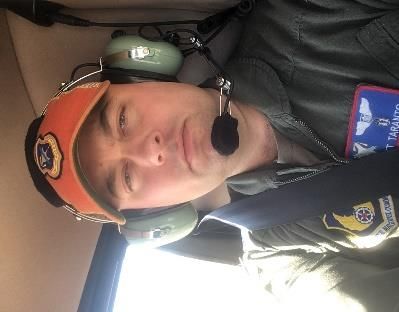
LEADERSHIP 2022
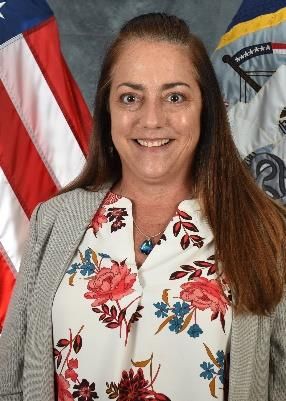
Chair: Ms. Marianne Paulsen, Navy, TAG Member since 2002
Ms. Paulsen is the Senior Engineering Psychologist at the Naval Information Forces
Command within the Force Surgeon’s Office. She has a passion for lifelong learning
and positive impact through human centric design and outcome based continuous
improvement that enhances overall system performance through human optimization
and well-being. She synchronizes holistic requirements through alignment of
enterprise goals to organizational initiatives and leads multi-disciplinary, collaborative
teams to identify root cause and influence viable recommendations for effective
resource and risk management within a trade space. She advises organizational
maturity, mission readiness, and operational safety through human centric
considerations and strategic technology innovation. As a nearly 20-year public servant
dedicated to strengthening the Navy Fleet, she applies holistic perspective, specialized
knowledge, and data driven decision making to align initiatives, policies, and priorities which enable
expanded, persistent global presence of an expert, technically agile IW Force. Ms. Paulsen holds a BS in
Psychology from University of Central Florida, an MS in Human Factors and Systems Engineering from
Embry Riddle Aeronautical University, and an HSI Certification from Naval Post Graduate School.

Vice Chair: Dr. Helen Fuller, VA, TAG Member since 2017
Dr. Fuller is a Systems Safety Engineer with the Department of Veterans Affairs (VA)
Veterans Health Administration (VHA) Office of Health Informatics (OHI) Clinical
Informatics and Data Management Office (CIDMO) Human Factors Engineering
(HFE) team. Her responsibilities include analyzing, designing, and testing VHA
healthcare systems, including processes, workflows, and the optimization of and risk
management for system performance. She provides expert advice and counsel on
human performance risks and issues and supports the implementation of the human-
centered design (HCD) approach across VHA. Dr. Fuller completed her PhD in
Biomedical Engineering at the University of Michigan, with a focus on human factors
and ergonomics, including cognitive and physical modeling of driver distraction.

Outgoing Chair: Dr. Tom Alicia, Army, TAG Member since 2009
Dr. Alicia is an Engineering Research Psychologist in the HSI Technical Area of the
U.S. Army Technology Development Directorate in Moffett Field, CA, who has
established a portfolio of basic and applied research focused on unmanned aerial
system (UAS) automation and interfaces. He has investigated multimodal sensation
and perception applications, led usability testing for operator stations, and explored
decision making cues for novice and expert UAS sensor operators to inform future
designs. His current focus is on autonomy and interface design principles applied to
multi-vehicle manned-unmanned teaming to increase operator capability and
situation awareness. Dr. Alicia holds a PhD in Applied and Experimental Human Factors Psychology from
University of Central Florida and a Graduate Certificate in Design for Usability.

                                                                                                Page | 4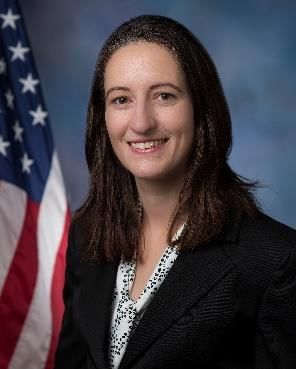
SCHEDULE
Monday, 16 May
1100 – 1630 Meeting Check-in at Visitor Center: pick-up badge and conference material; sign-
up for Tour and Social Event
1200 – 1400 Training: Accessing HSI Body of Knowledge and Community of Practice Online
Resources
1400 - 1430 Networking Break
1430 – 1630 Workshop: Review of the HSI Tools Catalog for the Joint HSI Working Group
1630 Close Day One
TAG Leadership Meetings – Invitation Only
1645 – 1745
Executive Committee (EXCOMM) / Operating Board (OPBOARD)
Tuesday, 17 May
0730 - 1630 Meeting Check-in at Visitor Center: pick-up badge and conference material; sign-
up for Tour and Social Event
0830 - 0840 Welcome
Dr. Ben Petro, Director, Labs, FFRDCS, & UARCs Directorate, OUSD(R&E)
0840 - 0900 Opening Remarks
Ms. Marianne Paulsen, DOD HFE TAG Chair
0900 - 1000 Plenary Topic: Model-Based Human Systems Integration
Lt Col Matthew Taranto, PhD, USAF and Dr. Anthony Tvaryanas, FAA
1000 – 1100 Plenary Topic: Lessons Learned from Eight Decades of Teaching and
Research in HSI, HFE, and Human Performance
Dr. Larry Shattuck and Dr. Nita Shattuck, NPS
1100 – 1200 Keynote Address: Research Trends at the Civil Aerospace Medical Institute:
New Challenges & Opportunities
Melchor J. Antuñano, Aviation Safety Director, CAMI, FAA
1200 – 1330 Lunch (no-host)
1330 – 1400 New Member Orientation
Poster Sneak Peek: Browse topics and mingle with TAG OPBOARD, see
Appendix A for topic list.
1400 – 1630 SubTAGs
Trust in Autonomy, Extended Reality, Tech Society/Industry
1630 Close Day Two
Page | 5
Wednesday, 18 May
0730 – 1300 Meeting Check-in at Visitor Center: pick-up badge and conference material;
sign-up for Tour and Social Event
0830 – 1130 SubTAGs
Training, Healthcare Human Factors, Human Performance Measurement I
1130 – 1300 Lunch
1300 – 1500 SubTAGs
Personnel, Human Performance Measurement II
Other: SAE International G-45 HSI Committee Spring Meeting
1500 Close Day Three
1700 – 2000 Social (No-host)
Thursday, 19 May
0830 - 1130 Tour of Civil Aerospace Medical Institute (CAMI)
1130 - 1300 Lunch (No-host)
1300 - 1530 SubTAGs
Modeling & Simulation, Test & Evaluation
Poster Session: Q&A with the Authors, see Appendix A for topic list
1530 - 1630 Service Caucuses
Friday, 20 May
0830 – 1000 SubTAG
Cognitive Readiness
0830 – 1200 SubTAGs
Standardization, HFE/HSI Application and Management
1200 End of Technical Program
TAG Leadership Meetings – Invitation Only
1230 – 1400 Operating Board Post TAG Meeting: Working Lunch
1400 – 1530 Warrior Toughness Training Pilot
1530 Close of TAG 74, see you next year!
Page | 6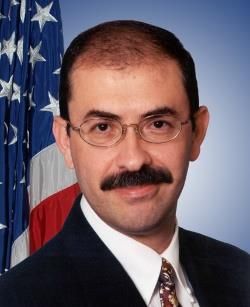
PROFESSIONAL DEVELOPMENT
Training: Access the HSI Body of Knowledge and Community of Practice
(BOK/COP) Online Resources
Facilitator: R Christopher DeLuca, OUSD(R&E) Advanced Capabilities, EP&S
Co-facilitators: Mitch Woods, OUSD(R&E) Advanced Capabilities, EP&S and Michael O’Neil,
Naval Postgraduate School

In 2021, the Joint HSI Working Group deployed the HSI BOK and COP in two digital venues: All
Partners Access Network (APAN) and Defense Acquisition University (DAU). This delivery closed
the Capabilities-Based Assessment gap analysis for an HSI BOK and providing digital access to HSI
resources to practitioners as part of an outreach initiative. This event will provide: 1) an overview of
the HSI BOK and COP vision architecture; 2) training for individuals to become registered as
community members in the digital venue; 3) opportunity for question and answers to lead
owners/moderators; 4) discussion of future functionality improvements from community feedback.

This exercise is intended for attendees that: 1) do not know the HSI BOK exists; 2) do not know how
to become a member or access HSI resources such as training, education, tools and methods, or how
to reach other HSI practitioners; 3) have an interest in becoming a registered HSI community member
in one or both digital venues to stay connected on key HSI topics.

Workshop: Review of the Tools Catalog for the Joint HSI Working Group
Facilitator: Mr. Napoleon Gaither, U.S. Army Futures Command (AFC) / DEVCOM
Co-facilitators: Dr. Liana Algarín, Office of the Under Secretary of Defense for Research &
Engineering; Mr. Eric Engel, U.S. Air Force SAF/AQRE; Dr. Christopher Garneau, U.S. Army
DEVCOM Analysis Center (DAC)

The Joint Human Systems Integration (HSI) Working Group (JHSIWG) maintains an HSI tools
catalog. Comprised of tools employed by HSI practitioners across government and industry, the
HSI tools catalog requires periodic revisions by the JHSIWG. The Human Factors Engineering
(HFE) Technical Advisory Group (TAG) can help the JHSIWG to ensure that the planned CY22
HSI tools catalog revision is as comprehensive and useful as possible.

This workshop will provide an overview of the HSI tools catalog in its current state and solicit
feedback from members of the HFE TAG.

The product from this workshop will yield a set of comments and recommendations for an
improved HSI tools catalog, which will allow HFE TAG members and colleagues to discover tools
that can augment their ability to optimize Warfighter and human performance. The improved HSI
tools catalog will be publicly available on the Defense Acquisition University HSI Community of
Practice website.

                                                                                              Page | 7
INVITED SPEAKERS
TAG Welcome
Dr. Ben Petro, SES
Director, Labs, FFRDCS, & UARCs Directorate
Office of the Under Secretary of Defense for Research and Engineering
As the Director of the Labs, FFRDCS, & UARCs Directorate, Dr. Petro supervises and leads a team of senior
experts to guide and oversee the Department’s ~$3B annual investment in human systems, medical, biological,
and environmental research and regulatory compliance. He ensures portfolio alignment with National and DoD
policies, strategies, and guidance and coordinates, integrates, and synchronizes Military Service and
Component investments. He is the Senior Human Systems sciences advisor to the Office of the Under
Secretary of Defense for Research and Engineering and the lead DoD representative to the White House Office
of Science and Technology Policy and Interagency on related topics.
Dr. Petro obtained a Ph.D. in Microbiology and Immunology from Vanderbilt University (2001), M.S.S.I. in
Strategic Intelligence from the Defense Intelligence College (2004), and B.S. in Biotechnology from WPI
(1997). In 2020, he completed the Senior Executive Fellow program at the Harvard Kennedy School. In
addition to supporting the Office of the Secretary of Defense, Dr. Petro has supported the White House
National Security Council, the Department of Homeland Security S&T Directorate, and the Defense
Intelligence Agency.

Keynote Address
Dr. Melchor J. Antuñano, M.D., M.S.
Aviation Safety Director, Civil Aerospace Medical Institute
(CAMI), SES-0602, Federal Aviation Administration (FAA)
Dr. Antuñano was born in Mexico City and is a graduate of the National
Autonomous University of Mexico School of Medicine. He completed the
Residency Program in Aerospace Medicine at Wright State University in Dayton,
Ohio. He was a post-doctoral research associate with the U.S. National Research
Council of the National Academy of Sciences at the USAF School of Aerospace
Medicine in San Antonio, Texas. He is the Director of the FAA Civil Aerospace
Medical Institute (CAMI) in Oklahoma City. He is credited with 940 professional
presentations and invited lectures at national and international conferences in aerospace medicine in 42
countries, and with 65 scientific publications covering a variety of aerospace medicine topics.
He is Past-President of the International Academy of Aviation and Space Medicine, the U.S. Aerospace
Medical Association, the U.S. Space Medicine Association, and the Iberoamerican Association of Aerospace
Medicine. He is a Fellow of the Aerospace Medical Association and the Aerospace Human Factors
Association. He is a member of the International Academy of Astronautics. He is Honorary Member of the
Austrian, Brazilian, Colombian, Greek, Mexican, Peruvian, Slovanian and Turkish Societies of
Aviation/Aerospace Medicine. He is a faculty member at the University of Texas Medical Branch in Galveston
and the National University of Colombia School of Medicine. He is a former faculty member at Wright State
University School of Medicine. He has received 85 awards and recognitions for his academic, administrative,
and research achievements. He has experience as private pilot, parachutist and scuba diver.

                                                                                                 Page | 8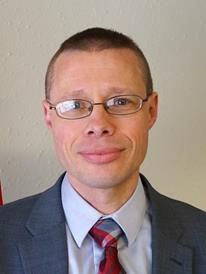
Plenary Session
Model Based Systems Engineering

Dr. Anthony Tvaryanas
Federal Aviation Administration (FAA)
Dr. Tvaryanas received a Medical Degree from the Uniformed Services University
of the Health Sciences, a Master’s Degree in Public Health from Tulane University,
and a Ph.D. in modeling, virtual environments, and simulation from the Naval
Postgraduate School. Dr. Tvaryanas has nearly 30 years of experience in aerospace
and occupational medicine serving in clinical, research, and management positions.
He served 24 years in the U.S. Air Force, starting his career as an operational flight
surgeon. He transitioned to research at the Air Force Research Laboratory, where he
led multiple projects addressing human systems integration challenges related to the
adoption of unmanned aircraft systems. Later research explored the application of
big data analytics and techniques to very large, combined operational and healthcare
datasets to inform operational risk-based decision making. In 2017, he left the government and worked in the
commercial sector as a senior scientist and program manager for an operationally focused life sciences research
program. Dr. Tvaryanas returned to the government in 2019, when he joined the FAA at the Civil Aerospace
Medical Institute as the division manager for the Aerospace Medical Research Division.

Lt Col Matthew T. Taranto, PhD, CAsP
U.S. Air Force
Lt Col Taranto is an Aerospace Medical Association Board Certified Senior Air
Force Aerospace Physiologist currently serving as an Assistant Professor of Flight
Test Engineering and the resident Physiologist at the Air Force Test Pilot School.
Matt was commissioned in the Air Force in 2003 after graduating from Northern
Arizona University. He has held a variety of assignments spanning five Air Force
Commands and numerous Physiology missions, including serving as the U.S. Air
Force Thunderbirds and Weapons School Aerospace Physiologist, and an HSI
Division Chief at AFRL. Matt holds graduate degrees in Aeronautical
Science/Human Factors, Military Operational Art and Science, and Human Systems
Integration. He completed his PhD at the Naval Postgraduate School where he developed Model-Based Human
Systems Integration. Lt Col Taranto is a Defense Acquisition University Certified Acquisition Level II
Science/Technology Management and Engineering Professional, and a distinguished graduate of the United
States Naval Postgraduate School.

                                                                                                    Page | 9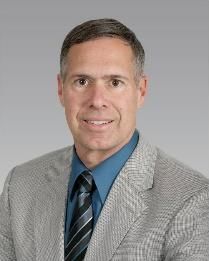
Lessons Learned from Eight Decades of Teaching and
Research in HSI, HFE, and Human Performance

Dr. Larry Shattuck
Director, Human Systems Integration Program, Chair,
Institutional Review Board at the Naval Postgraduate School

Colonel (retired, U.S. Army) Lawrence G. Shattuck, Ph.D. is a native of
Lindenhurst, NY. He is a Senior Lecturer and Director of the Human Systems
Integration Program at the Naval Postgraduate School (NPS) in Monterey,
California. Dr. Shattuck holds faculty appointments in the Operations Research
Department and the Systems Engineering Department where he teaches HSI and
HFE. He also serves as the Chair of the NPS Institutional Review Board.

Dr. Shattuck graduated from the United States Military Academy in 1976. He holds an M.S. from Rensselaer
Polytechnic Institute in Human Factors Psychology and a Ph.D. from the Ohio State University in Cognitive
Systems Engineering. He is also a graduate of the U.S. Army War College. In 1995, he was appointed as an
Academy Professor at the United States Military Academy, where he directed the Engineering Psychology
Program until his retirement in 2005.

He has been an active researcher in the domain of military command and control for nearly forty years. Dr.
Shattuck is a past recipient of the Roland Calori Award for Best Paper in the journal of Organizational Studies;
the Gary F. Wheatley Award for Best Paper at the International Command and Control Research and
Technology Symposium; and the Best Paper Award in the Journal of Cognitive Engineering and Decision
Making. He can be reached at lgshattu@nps.edu.

Nita Lewis Shattuck, Ph.D.
Operations Research Department, Naval Postgraduate School
Dr. Nita Shattuck is a Professor in the Operations Research Department at NPS in
Monterey, California. She received her Ph.D. in Behavioral Sciences from the
University of Texas, School of Public Health. Dr. Shattuck teaches courses in human
factors engineering and human systems integration, directs thesis research, and
pursues her research interests in human fatigue in operational settings, individual
and team performance, and decision-making.

As the leader of the NPS Crew Endurance Team, she studies ways to improve the lives of military personnel.
Dr. Shattuck’s work has resulted in sweeping changes to US Navy policy that now mandates the use of
circadian-based watchbills and emphasizes benefits of crew rest practices. She is the recipient of multiple
awards including the Department of the Navy Distinguished Civilian Service Award, the highest Navy award
given to civilians. Dr. Shattuck received her Ph.D. in Behavioral Sciences from the University of Texas, School
of Public Health. She can be reached at nlshattu@nps.edu and her faculty website is
http://faculty.nps.edu/nlshattuck.

                                                                                                    Page | 10
Warrior Toughness Training Pilot
The Warrior Toughness Initiative was presented in the “TAG the
Deckplate” session of the 2021 Virtual TAG by FORCM David Twiford,
Naval Information Forces (NAVIFOR) Command Master Chief.
CNO’s guidance in The Design for Maintaining our Maritime
Superiority identified Warrior Toughness (WT) core attributes as
toughness, integrity, initiative, and accountability. Commanders Intent
directed focus on the basics with a sharpened focus on warfighting skills
integrating WT into everything the Navy does. Everything in WT is tied to the Navy mission at every
level of our chain of command. WT supports a cultural shift from compliance or “have to” to
internalized motivation or “will and want to.”
WT develops character by strengthening our soul, our identity, who we are. Our professional and
personal connections breathe life into who we are and give us that “fighting spirit” for what we do.
Connections such as family, faith, and mission unite us to a cause, giving a common purpose. A
person with strong connections will have strong commitments, foundational to the warrior mindset.
Our character is a manifestation of our soul.
Connections It is knowing who we are, what we believe,
and why we do what we do. Strong
Intellectual Personal
character results in Sailors who pursue that
which is right and do everything that they
Character do with excellence. It provides an anchor, a
fighting spirit, which gives Sailors the
conviction and commitment to do what is
Navy Core Values Navy Core Attributes right, to never quit, to win. They are
spiritually tough, they know who and what
Honor Courage Initiative Toughness they are fighting for.
Commitment Accountability
In addition to fighting spirit, understanding
Integrity
the connection between the body and brain
is crucial to managing the stress response
Competence and optimizing performance. Competency
in WT is the ability to understand the
Performance mind/body connection and execute
Mindfulness
Psychology performance psychology techniques such
Recalibrate
Mental
Mental
as self-talk, performance statements,
Scan Self-Talk
Rehearsal mental rehearsal, goal setting, and energy
Body
Progressive management to enhance performance.
Muscle Goal Energy
Scan
Relaxation Setting Management Competence gives confidence that a person
can perform and knows how to do their job.
Character gives trust that a person will get the job done and do it the right way. A Sailor that is
competent, has character, and strong connections will be able to take a hit and keep going, perform
under pressure, and excel in the day-in and day-out grind. They will be Warrior Tough.
NAVIFOR is expanding the program to address the civilian workforce. Marianne Paulsen, TAG 74
Chair and NAVIFOR Senior Engineering Psychologist is piloting the approach with the TAG
Operating Board in order to garner expert, cross service HFE practitioner feedback and input for
ensuring efficacy in addressing civilian workforce challenges.
Page | 11DETAILED AGENDA
PROFESSIONAL DEVELOPMENT: Monday
16 May 2022 | 1200 – 1630 | Room 234
1200 - 1400 Training: Accessing HSI Body of Knowledge and Community of Practice
Online Resources
R Christopher DeLuca and Mitch Woods, OUSD(R&E) Advanced Capabilities, EP&S
Michael O’Neil, Naval Postgraduate School
1400 - 1430 Networking Break
1430 - 1630 Workshop: Review of the HSI Tools Catalog for the Joint HSI Working
Group
Mr. Eric Engel, Air Force, Mr. Napoleon Gaither, Army, Dr. Christopher Garneau,
Army, Dr. Liana Algarín, Office of the Under Secretary of Defense for Research &
Engineering
OPENING EVENTS: Tuesday
17 May 2022 | 0830 – 1630 | MMAC HQ Auditorium
0830 - 0840 Welcome
Dr. Ben Petro, Director, Labs, FFRDCS, & UARCs Directorate, OUSD(R&E)
0840 - 0900 Opening Remarks
Ms. Marianne Paulsen, DOD HFE TAG Chair
0900 - 1000 Plenary Topic: Model-Based Human Systems Integration
Lt Col Matthew Taranto, PhD, USAF and Dr. Anthony Tvaryanas, FAA
1000 – 1100 Plenary Topic: Lessons Learned from Eight Decades of Teaching and
Research in HSI, HFE, and Human Performance
Dr. Larry Shattuck and Dr. Nita Shattuck, Naval Post Graduate School (NPS)
1100 – 1200 Keynote Address: Research Trends at the Civil Aerospace Medical Institute:
New Challenges & Opportunities
Melchor J. Antuñano, Aviation Safety Director, Civil Aerospace Medical Institute
(CAMI), Federal Aviation Administration (FAA)
TECHNICAL SESSIONS: Tuesday
Poster Sneak Peek: Browse Topics and Mingle with OPBOARD
17 May 2022 | 1330 – 1400 | Basement Hallway
New Member Orientation: Learn about TAG with TAG 74 Vice Chair
17 May 2022 | 1330 – 1400 | Room 234
Page | 12SubTAG: Trust in Autonomy
Chairs: Vicki Ahlstrom, Chelsey Lawson
17 May 2022 | 1400 – 1630 | CAMI Auditorium
1400 - 1415 SubTAG Business and Opening Remarks (Chairs)
1415 - 1445 Human Systems Considerations for Autonomy and Information Fusion
Bob Copeland, US ARMY DEVCOM Aviation and Missile Center
1445 - 1515 A Bayesian Inference Method for Estimating Operator Cognitive States in Real Time
Spencer Kohn, Perceptronics Solutions
1515 - 1530 Networking Break
1530 - 1600 Measuring Cohesion in Human-Autonomy Teams
Samantha Berg, ORAU/Army Research Laboratory
1600 - 1630 Characteristics of a Good Teammate
Beth Hartzler, CAE
SubTAG: Extended Reality
Chairs: Marianne Paulsen, Jamie Lukos, Amelia Kracinovich
17 May 2022 | 1400 – 1630 | Room B27/31
1400 - 1415 SubTAG Business and Opening Remarks (Chairs)
1415 - 1445 Scientometric Analysis of Extended Reality Research in Aviation
Jeff Dressel, FAA
1445 - 1515 Pre-development Ergonomic Evaluation in Virtual Reality: Assessment Tools and
Future Research Opportunities
Kirsten Miskovich, NUWC Keyport
1515 - 1530 Networking Break
1530 - 1600 Automated Content Creation for Immersive Maintenance Training
Jason Wong, NIWC PAC
1600 - 1630 Augmented Ship Transits for Improved Decision-making Using (ASTRID)
Amelia Kracinovich, NIWC PAC
SubTAG: Technical Society/Industry
Chairs: Frank Lacson, Barbara Palmer, Steve Merriman
17 May 2022 | 1400 – 1630 | Room 117
1400 - 1420 TS/I Introductory Presentation
Steve Merriman, Barb Palmer, Frank Lacson
1420 - 1520 HFE/HSI Plans, Activities and Accomplishments
Frank Lacson, Steve Merriman, Jennifer Narkevicius, Barbara Palmer, Randi
Rohrer, Bob Smillie
1520 - 1600 SubTAG Business and Closing Remarks (Chairs)
Page | 13TECHNICAL SESSIONS: Wednesday
SubTAG: Healthcare Human Factors
Chairs: Tandi Bagian, Jill Marion, Mihriban Whitmore
18 May 2022 | 0830 – 1130 | CAMI Auditorium
0830 - 0900 Lessons Learned from Operationalizing HFE Methods for Use in Healthcare
Environments
Helen Fuller, Timothy Arnold, Kas Adams, Kyle Maddox, VA
0900 - 0930 Novel Use of Patient Safety Risk Management Tools for Physician Burnout
Prevention
Kristin Chrouser, VHA-Ann Arbor
0930 - 1000 Using Eye Tracking Metrics to Quantify Simulator Learning
James Bliss, Leidos, Inc.
1000 - 1030 Natural Language Processing in Helping to Study and Design Clinical Work Systems
Timothy Arnold and Helen Fuller, VA
1000 - 1030 Group Discussion of Safety Reporting and Metrics
Kristin Chrouser, Timothy Arnold, and Helen Fuller, VA
1100 - 1130 SubTAG Business and Closing Remarks (Chairs)
SubTAG: Human Performance Measurement I
Chairs: Justin Stofik, Jeff Dressel
18 May 2022 | 0830 – 1130 | Room: B27/31
0830 - 0900 Analytically Oriented Human Performance Measures as Constituents of Model
Based Human Systems Engineering (MBHSE)
C.J. Hutto, Georgia Tech Research Institute (GTRI)
0900 - 0930 Establishing Guidelines to Collect Speech
Shan Lakhmani, U.S. Army Combat Capabilities Development Command Army
Research Laboratory
0930 - 1000 Is BOS the Boss? BOS vs BARS and Other Measurement Scales as a Method for
Rapid Competency Assessment
Carl Persing, Infoscitex, a DCS Company
1000 - 1030 Break
1030 - 1100 Operator State Monitoring (OSM) – Simulation development and measurement
methods for correlation of self-reported and measured workload
Matthew Shivers, US Army - Army Futures Command
1100 - 1130 SubTAG Business and Closing Remarks (Chairs)
Page | 14SubTAG: Training
Chairs: Adam Biggs, Jared Young
18 May 2022 | 0830 – 1130 | Room: 117
0830 - 0900 CV-22 Virtual Maintenance Training Solution: An operational assessment
Beth M. Hartzler (Defence & Security), & Winston Bennett (Air Force Research
Laboratory)
0900 - 0930 Attentional Training using Scaffolding
Angela Sebok, TiER1 Performance, LLC
0930 - 1000 Gamified Learning Tool for Understanding Naval Netted Force Concepts
Terence Andre & Marc Gacy, TiER1 Performance, LLC
1000 - 1030 Building a Learning Management System to Train Future Aviators
Scott Scheff, Andi Sue Phillips, John Wilson (HF Designworks, Inc.), John O’Malia
(Thayer Mahan, Inc.), & Beth Atkinson, James Pharmer (Naval Air Warfare Center
Training Systems Division)
1030 - 1100 Modernized Data Collection and Analysis for Scalable Marksmanship Training
Program Evaluation
Greg Huffman (Leidos, Inc.), Joseph Hamilton (Hamilton Strategic Solutions), LT
John Casachahua, Rachel Markwald (Naval Health Research Center), & LCDR
Adam Biggs, (Naval Special Warfare Command)
1100 - 1130 SubTAG Business and Closing Remarks (Chairs)
SubTAG: Personnel
Chairs: James Johnson
18 May 2022 | 1300- 1530 | CAMI Auditorium
1300 - 1330 The Value of a Sensitivity Review for Writing Situational Judgement Test Items
Registrants
Shane Sizemore, Ph.D., Infoscitex, a DCS Company
1330 - 1400 Determining the Utility of Serious Games for Cyber Aptitude Assessment
Thomas Carretta, Ph.D., Air Force Research Laboratory
1400 - 1430 Factors that Predict Inclusivity in Exceptional Teams
Pete Khooshabeh, Ph.D., Combat Capabilities Development Command, Army
Research Laboratory
1430 - 1500 Air Force Self-Description Inventory (SDI-O) Evaluation: Future Directions
Rusty Wilson, Infoscitex, a DCS Company
1500 - 1530 SubTAG Business and Closing Remarks (Chairs)
Page | 15SubTAG: Human Performance Measurement II
Chairs: Justin Stofik, Jeff Dressel
18 May 2022 | 1300- 1530 | Room: B27/31
1300 - 1330 Individual Difference Correlations in Two Route Planning Task Studies
Jessica Armstrong, 711th Human Performance Wing - Air Force Research Lab
1330 - 1400 Can We Trust Wearable Personal Status Monitors: Current state of sleep tracking
performance and implications for military use
Dale Russell, Commander, Naval Surface Forces
1400 - 1430 Break
1430 - 1500 Human and Human-Machine Experimentation for Combat Medicine
Stony Trent, The Bulls Run Group, LLC
1500 - 1530 SubTAG Business and Closing Remarks (Chairs)
SAE International G-45 HSI Committee Spring Meeting
Facilitator: Eric Stohr, Sr. Human Factors Engineer, Basic Commerce & Industries
18 May 2022 | 1300- 1530 | Room: 117
TECHNICAL SESSIONS: Thursday
SubTAG: Test & Evaluation
Chairs: Darren Cole, Stephanie Blake
19 May 2022 | 1300 – 1530 | CAMI Auditorium
1300 - 1330 Methods and Measures for Evaluating Aids Supporting Aviation Decision Making
and Situation Awareness
Ms. Katie Ernst, Applied Decision Science, LLC
1330 - 1400 An AI Assurance Ecosystem
Dr. Stoney Trent, Ph.D., The Bulls Run Group, LLC
1400 - 1430 Leveraging Data Science and Cloud Tools to Enable Continuous Reporting
Presenter TBD, Air Force Operational Test and Evaluation Center (AFOTEC),
Detachment 5
**Distribution D: Department of Defense and U.S. DoD contractors only**
1430 - 1500 NSWCDD and NUWCNPT Bridge Light Assessment
Mr. Adam Goetz, NSWCDD
1500 - 1530 SubTAG Business and Closing Remarks (Chairs)
SubTAG: Modeling & Simulation
Chairs: COL James Ness, Mihriban Whitmore, and Alex Hoover
19 May 2022 | 1300 – 1530 | Room: B27/31
1300 - 1330 Integrated Model Based Human Systems Engineering (MBHSE) Using the Systems
Modeling Language (SysML)
C.J. Hutto, Georgia Tech Research Institute
Page | 161330 - 1400 Laser Dazzle/Glare Effects in Virtual Reality
Leon McLin, Air Force Research Laboratory/711th Human Performance
Wing/Directed Energy Bioeffects Division
1400 - 1430 Assessing the Simulation of Detection & Recognition Metrics Affecting Soldier
Survivability
James Ness, Federal Aviation Administration William J. Hughes Technical Center
1430 - 1530 SubTAG Business and Closing Remarks (Chairs)
Poster Session: Q&A with the Authors, see Appendix A
19 May 2022 | 1300 – 1530 | Basement Hallway
TECHNICAL SESSIONS: Friday
SubTAG: Cognitive Readiness
Chairs: Kellie Turner, Anne Cybenko
20 May 2022 | 0830 – 1000 | Room: 117
0830 - 0900 The Effects of Framing and an Emulated Social Media Environment on Levels of
Memory Representation
Kathleen Larson, PhD., Air Force Research Laboratory Business Meeting
0900 - 0930 Area Remote Combat Exposure Assessment (ARCEA): Flagging ISR events that
pose mental health risks
Kirsten Rice, Air Force Research Laboratory
0930 – 1000 SubTAG Business and Closing Remarks (Chairs)
SubTAG: Standardization
Chairs: Bob Copeland, Daniel Wallace
20 May 2022 | 0830 – 1200 | CAMI Auditorium
0830 - 0900 Air Force Lifecycle Management Center Standard Process for Human Systems
Integration Planning
Rachel A. Heffner, Air Force Lifecycle Management Center, Crew Systems Engineering
& Human Systems Integration Enterprise
0900 - 0930 SAE International G-45 HSI Committee – Recent Accomplishments, Activities and
Observations
Stephen C. Merriman, SCMerriman Consulting LLC
0930 - 1000 Standards initiatives affecting Army Aviation
Bob Copeland, USARMY DEVCOM AVMC
1000 - 1030 Helmet Mounted Display Symbology for Use During Reduced Visibility Landings
Ben Johnson, NAVAIR Human Systems Engineering Department
1030 - 1100 Discussion of DVES Displays and Airworthiness
Christopher R. Taylor, USAF/AFLCMC/EN-EZFC
1100 - 1130 Congruence of Three Dimensional and Conformal Symbology Standards
Bob Copeland, USARMY DEVCOM AVMC
1130 - 1200 SubTAG Business and Closing Remarks (Chairs)
Page | 17SubTAG: HFE/HSI
Chairs: Chelsey Lawson, Vicki Ahlstrom
20 May 2022 | 0830 – 1200 | Room: B27/31
0830 - 0845 Welcome and SubTAG Business
Vicki Ahlstrom, FAA; Chelsey Lawson, NSWCDD
0845 - 0915 Integrating User-Centered Design into Agile Development
Richard Thompson, Naval Surface Warfare Center Dahlgren
0915 - 0945 Human Systems Responsibilities of the Office of the Under Secretary of Defense for
Research and Engineering
Liana Algarín, PhD and Katie Stilling, Strategic Analysis, Inc
0945 - 1015 Heavy-duty Truck and Pedestrian Crashes at Signalized Intersections: Comparison of
high-vision and low-vision cab drivers’ performance on a driving simulator
Jared Young, US DOT Volpe Center
1015 - 1030 Break
1030 - 1100 A Rotary Wing Degraded Visual Environment (DVE) Critical Task Analysis,
Certification Plan, and Requirements Development
Kristina Kuhlken, Georgia Institute of Technology - Georgia Tech Research Institute
1100 - 1130 Human Cognition in Future Vertical Lift Complexity in Information Systems
Katie Ernst, Applied Decision Science, LLC
1130 - 1200 Aeromedical and HSI Aspects of the U.S. Army’s Future Vertical Lift Program
John Crowley, U.S. Army Aeromedical Research Laboratory
End of Technical Program
Thank you for attending TAG 2022!
DoD HFE TAG #75
Spring 2023
Host: TBD Location: TBD
Check the TAG Website and Social Media for updates
https://rt.cto.mil/ddre-rt/dd-rtl/hfetag/
https://mobile.twitter.com/dodhfetag?lang=en https://www.facebook.com/DoDHFETAG/ https://www.linkedin.com/groups/6786183
Page | 18Appendix A: Poster List
Can We Trust Wearable Personal Status Monitors: Current state of sleep tracking performance and
implications for military use
-Dale Russell, Commander, Naval Surface Forces
Characteristics of a Good Teammate
-Beth Hartzler, CAE
Characterization of Metabolic Adaptation and Kinematics in an Ankle-Based Exoskeleton System During
Steady State Walking
-Isabella O’Keefe, DEVCOM Soldier Center
CV-22 Virtual, Maintenance Training Solution: An Operational Assessment
-Beth Hartzler, CAE
Heavy-duty Truck and Pedestrian Crashes at Signalized Intersections: Comparison of high-vision and
low-vision cab drivers’ performance on a driving simulator
-Jared Young, US DOT Volpe Center
Human Sensing in Noisy Environments
-Nancy Ronquillo, Naval Information Warfare Center Pacific
Individual Difference Correlations in Two Route Planning Task Studies
-Jessica Armstrong, 711th Human Performance Wing - Air Force Research Lab
Lessons Learned While Advancing an Infrastructure for Wearable-based Sleep Data Capture in US Navy
Surface Forces
-Dale Russell, Commander, Naval Surface Forces
Review of the HSI Tools Catalog for the Joint Human Systems Integration Working Group
- Napoleon Gaither, Army
Second Moderate-Prevalence Target Improves Detection of Low-Prevalence Target During a Dynamic
Motion Stimuli Visual Search Task
-Sylvia Guillory, Naval Submarine Medical Research Laboratory
Signal Detection Without Correct Rejections
-Anu Venkatesh, Naval Information Warfare Center Pacific
Page | 19Appendix B: SubTAG Chairs 2022
Kellie Turner kellie.turner@us.af.mil
Cognitive Readiness
Anne Cybenko anne.cybenko.1@us.af.mil
Kenneth Robinson kenneth.s.robinson4.civ@us.navy.mil
Controls & Displays
Chris Taylor christopher.taylor.2@us.af.mil
Marianne Paulsen marianne.paulsen.civ@us.navy.mil
Cyber Security
Rebecca Iden rebecca.m.iden.civ@us.navy.mil
Gina Thomas gina.thomas.2@us.af.mil
Design Tools & Tech
Patrick O'Neill patrick.oneill.17@us.af.mil
John Plaga john.plaga@us.af.mil
Extreme Environments
Dawn Chandler dawn.f. chandler.civ@us.navy.mil
Tandi Bagian tandi.Bagian@va.gov
Healthcare Human Factors Jill Marion jill.marion@fda.hhs.gov
Mihriban Whitmore mihriban.whitmore-1@NASA.gov
Chelsey Lawson chelsey.lawson.civ@us.navy.mil
HFE/HSI
Vicki Ahlstrom vicki.ahlstrom@faa.gov
Justin Stofik justin.stofik.1@us.af.mil
Human Perf Measurement
Jeff Dressel jeffrey.dressel@faa.gov
Marianne Paulsen marianne.paulsen.civ@us.navy.mil
Extended Reality
Amelia Kracinovich amelia.r.kracinovich.civ@us.navy.mil
COL James Ness james.ness@westpoint.edu
Modeling & Simulation Mihriban Whitmore mihriban.whitmore-1@nasa.gov
Alex Hoover alex.Hoover@hq.dhs.gov
Personnel James Johnson james.johnson.271@us.af.mil
Safety/Survivability/Health Maureen Abshire maureen.abshire@us.af.mil
Hazards Tony Thomas anthony.thomas@nasa.gov
Bob Copeland robert.r.copeland6.civ@army.mil
Standardization
Daniel Wallace daniel.f.wallace.civ@us.navy.mil
Tom Nesthus tom.nesthus@faa.gov
Sustained Operations
Tony Thomas anthony.thomas@nasa.gov
Frank Lacson frank.c.lacson@outlook.com
Tech Soc/Industry Barbara Palmer barbiepalmer@gmail.com
Steve Merriman scmerriman@tx.rr.com
Darren Cole darren.cole.1@us.af.mil
Test & Evaluation
Stephanie Blake stephanie.blake@nasa.gov
Adam Biggs adam.t.biggs.mil@socom.mil
Training
Jared Young jared.young@dot.gov
Vicki Ahlstrom vicki.ahlstrom@faa.gov
Trust in Autonomy
Chelsey Lawson chelsey.l.lawson.civ@us.navy.mil
Tom Alicia thomas.j.alicia.civ@army.mil
Unmanned Systems
Sherry Springs sherry.l.springs.civ@us.navy.mil
Page | 20You can also read


