DRAFT STRATEGIC COMMISSIONING PLAN 2019-2022 - Angus Carers Centre
←
→
Page content transcription
If your browser does not render page correctly, please read the page content below

DRAFT VERSION 9

DRAFT STRATEGIC COMMISSIONING PLAN
              2019-2022

                                     1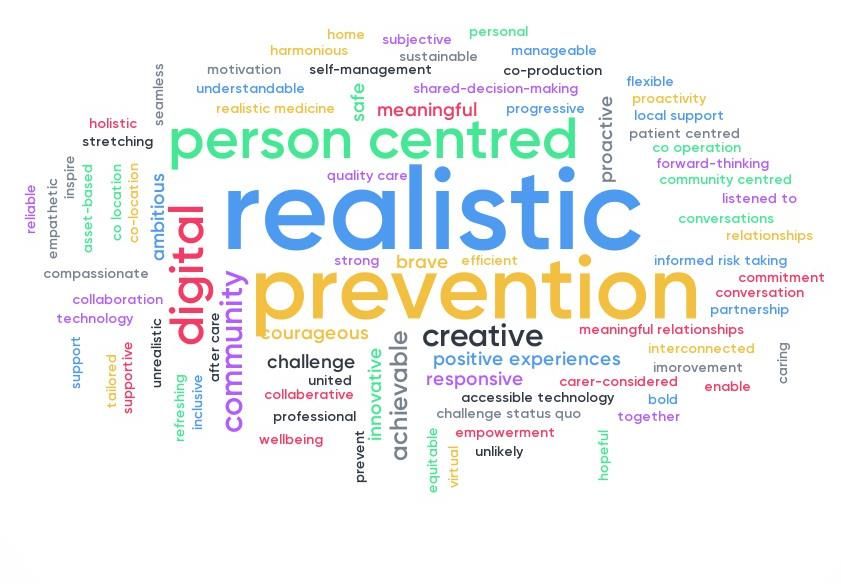
DRAFT VERSION 9

contents

Foreword

                                                                       Page
 1    Our vision for health and social care

 2    Our Ambition

 3    Listening to our communities

 4    Delivering our vision, achieving our ambition

 5    Our plans
           Improving Health, Wellbeing and Independence
           Supporting care needs at Home
           Developing integrated and enhanced Primary care and
           community responses
           Improving Integrated care pathways for priorities in care

 6    Our resources

 7    The Case for Change

 8    More information

 9    Get involved, complete our survey

                                                                              2
DRAFT VERSION 9

                               FOREWORD
Thank you for taking the time to read this draft strategic commissioning plan. We hope
you will contribute to our consultation after reading it. We aim to give you an insight
into how the Angus Health and Social Care Partnership will continue to build the Angus
Care Model. This plan shows how we will work to integrate services and how we will
work differently to improve health and promote wellbeing. We believe that everyone
has the right to live a long and healthy life and to be supported to live at home when
it is safe to do so. By 2022 we want to progress towards that belief. We know that we
can’t achieve this on our own. We know that Angus has great places to live and great
communities; together we can make a difference. Together, we can be courageous
by being open to doing things differently. We need you to help by taking control and
responsibility for your own health and wellbeing.

We know that wider issues of poverty, housing, loneliness and social isolation can have
an impact on a person’s health and wellbeing. The Angus Health and Social Care
Partnership is committed to working through our Locality Improvement Groups and the
Angus Community Planning Partnership to contribute to addressing these issues.

Information to date, published in our annual report, suggests we are already doing
well, with more than 90% of older people’s care being delivered in the community, but
there is still more to do for the whole adult population. Our data tells us that while
hospital admission rates for people over 75 are declining, admission rates for people
aged 50-75 are increasing. We have already delivered good work in relation to self-
management but we are beginning to understand more about opportunities for
improvement around potentially preventable admissions for people aged 50-74 with
Chronic Obstructive Pulmonary Disease (COPD), diabetes and asthma. The
importance of delivering prevention in partnership with communities cannot be
underestimated.

This strategic commissioning plan is built upon the importance of equal partnership
with people and communities, with providers and the users of services. It sets out the
vision and future direction for health and social care services in Angus and how those
arrangements will be funded. It is not a list of every action that the Angus Health and
Social Care Partnership will deliver over the coming years; the detail about how we
make those smaller steps will continue to be developed through our four localities and
our Angus-wide engagement structures in collaboration with all partners in the public,
independent and voluntary sectors, and in local communities, over the lifetime of the
plan. Whilst we are aiming to be ambitious with our plans we also recognise the need
to be realistic about what can be achieved within the resources available to us. We
hope this plan sets out this ambition and the realism.

We would encourage you to let us know what you think of our plans by completing
our questionnaire; perhaps identifying more ways we could improve whilst continuing
to be realistic about our available resources.

     Lois Speed                   Hugh Robertson               Vicky Irons
     Chairperson                  Vice Chairperson             Chief Officer
     Angus Integration Joint      Angus Integration Joint      Angus Health and
     Board                        Board                        Social Care Partnership

                                                                                      3
DRAFT VERSION 9
1. Our Vision for Health and Social Care in Angus
What we will do to make a difference What you can do to make a difference
• Work with communities Take control of your own health and
• Focus on prevention wellbeing
• Be realistic: provide safe and effective Keep active whatever your stage in life
services in an increasingly challenging Maintain a healthy weight
financial environment Be informed about how to best address
• Be more creative, courageous and your health concerns
innovative Be mindful of the wellbeing of others in
• Build for a future where digital your community
technologies are more integrated in Get involved in your local community
our work and used more widely by the
Join our conversations on the shape of
population
health and social care services for the
• Deliver on our plans future
4
DRAFT VERSION 9
2. Our Ambition
Progress on delivering integration is measured nationally through 23 national core
indicators. These along with other measures are reported on in our annual report. To
measure progress against this plan we believe that further measures are required to show
that Angus Health and Social Care Partnership (HSCP) is making a difference in 3 areas of
ambition. These are:

 1. Promote the wellbeing of the people of Angus by supporting approaches to
 prevention.

 Where we are now                                               Where we want to be by
                                                                         2022
 Prescribing of medication for type 2 diabetes                  Reduce rate of growth to
                                                                         zero
 Prescribing of medication for hypertension                     Reduce rate of growth to
                                                                         zero
 Prescribing of medication for depression and anxiety           Reduce rate of growth to
                                                                         zero
 Prescribing of medication for pain management                  Reduce rate of growth to
                                                                         zero

 2. Support people to be independent for as long as possible

 Where we are now                                                Where we want to be by
                                                                          2022
 The average age that an older person is likely to require        Increase by 6 months
 support with personal care
 Number of older people in every 1,000 using personal care           Reduce by 10%
 services.
 Admissions due to falls in 2017/18                             Reduce rate of growth to
                                                                         zero
 Following an assessment, people with drug and alcohol            80% people referred
 concerns have a support and treatment plan in place
 within 3 weeks

 3. Shift the balance of care from hospital to home, supporting more people in our
 communities.

 Where we are now                                                Where we want to be by
                                                                         2022
 Unplanned hospital admissions                                      Reduce by 10%
 Unplanned hospital bed days in adult mental health                 Reduce by 10%
 services
 Unplanned hospital bed days used for all adults                     Reduce by 10%
 People admitted in an emergency return to hospital within           Reduce by 10%
 28 days after being discharged

The baseline for these measures will be established in our 2018/19 annual report.

                                                                                          5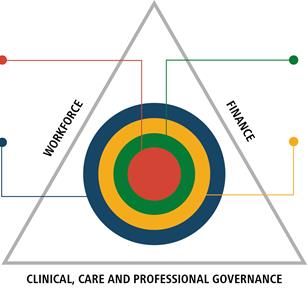
DRAFT VERSION 9
3. Listening to our communities
As we develop the Angus Care Model, engaging with communities, people who use services,
carers, staff, providers and the third and independent sectors is essential if we are to deliver
change that is right for Angus. Engagement has been and will continue to be an ongoing
activity. It serves to ensure that we understand our localities, and that we are working in the right
direction with consensus.
We host a range of groups and forums to deliver consensus on plans and the vision for the future.
Involvement and engagement approaches include:
Locality Improvement Groups
Care Home Improvement Groups
GP clusters
GP clinical partnership forum
Providers Forums
Conversation events held in localities
Questionnaires on our website, Facebook and Twitter feeds and paper copies available
in a range of public accessible areas .
We asked stakeholders to tell us what we need to deliver through our strategic plan. This is what
they told us:
We have aimed to show a greater commitment to prevention in this plan and to ensure that our
plans are realistic. We will continue to grow our approach to engagement within our localities.
Locality improvement groups have a central role in ensuring that, as integration is progressed,
communities are at the centre of change and improvement.
6DRAFT VERSION 9
4. Delivering Our Vision, Achieving Our Ambition
We will deliver our vision for the Angus Care Model through focusing service integration,
improvement and transformation on four strategic priorities, underpinned by the effective
management of three performance areas.
5. Our Plans
Each priority will be delivered through a number of projects, and each project will require an
improvement plan that demonstrates consideration of the Angus 6 Rs for improvement and
transformation. Projects will be required to set out measures, including improvement targets,
to be achieved over the 3 years of the strategic commissioning plan.
The Angus 6 Rs for Improvement and Transformation in Health and Social Care
Rebalance care, maximising support for people in their own homes.
Reconfigure access to services delivering a workable geographic model of care
outside the home.
Realise a sustainable workforce delivering the right care in the right place.
Respond to early warning signs and risks in the delivery of care.
Resource care efficiently, making the best use of the resources available to us.
Release the potential of technology.
The 6Rs will ensure that we are able to match resources to our transformational and
improvement activity and monitor progress though the mid-year and annual performance
reports.
Project improvement plans developed under each priority will be brought together into a
delivery plan to demonstrate progress against this strategic plan. The following provides a
summary of these plans.
7DRAFT VERSION 9
Improving health, wellbeing and independence
Is
Working together to create an Angus that actively cares. Promoting Health and Wellbeing;
Delivering for carers: working on prevention
Communities are:
Involved; making a difference Complete the Encouraging active living
Inclusive implementation of Promoting healthy weight
Compassionate the Carers Drinking water
Disability and dementia friendly (Scotland) Act 2016 Reducing caffeine intake when
Suicide aware by 2021 by working affected by incontinence
Active towards: Following sensible alcohol intake
Supporting loneliness and isolation Carers are identified
guidelines
Carers are supported
Building support online
and empowered to
Promoting contact with pharmacy
manage their caring
role first
AHSCP will support
the third sector by Carers are enabled to
Deliver more housing solutions for the ageing
have a life outside of
population and those with other varying needs, providing financial
caring
ensuring housing models and related services support for
Carers are fully Supporting self-management of long term
meet the needs of our communities. prevention, early engaged in the
intervention and conditions:
Work with partners to increase the supply of planning and shaping
Improving information on Independent Living
affordable housing for people with particular the growth of of services
Angus
needs communities that Carers are free from
Growing technology for the future
Implement the Rapid Rehousing Transition Plan, actively care. We disadvantage or
Diabetes prevention and early intervention
will provide further discrimination related
aiming to prevent homelessness and ensure Mental wellbeing
support through to their caring role
that households achieve settled Continence support
Carers are recognised
accommodation and necessary support needs Locality Developing more support for chronic pain
and valued as equal
Work with partners to improve our adaptations Improvement management
partners in care
service, ensuring we make best use of resources Groups to address
and deliver as needed community based
issues. 8DRAFT VERSION 9
Supporting care needs at home
Care management Palliative and end of life care
Promote independence by: ensures that care is:
and community
Growing digital platforms such Compassionate and person Learning disability
nursing delivering
as Independent Living Angus centred services working to
person centred care
Promoting wellbeing Good information is available to deliver:
by the right person
approaches through support individuals and their Increases in local
at the right time.
Enablement Response Teams carers supported
Growing the potential of Care is delivered as close to accommodation
Integrating working
technology through home as possible Replacement of the
practice across
community alarm Both the workforce and families Gables Care Home
teams.
are informed and resilient Longer term solution to
Enabling enhanced
Individuals and communities residential respite care
community support
are involved in discussion on provision
for people with the
death, dying and bereavement Minimal use of out of
greatest needs.
area placements
Review overnight
Co-ordinating care
support
and treatment.
Review day Help to live at
care home:
provision focus support on
and ensure those who need it
appropriate extend free Protecting vulnerable adults; ensuring that the workforce
levels are personal care is alert to the issues as increasingly vulnerable people are
available provision to supported to live at home for longer. The Adult Protection
and that it people aged Carers are recognised as equal Committee will continue to address knowledge, skills and
offers best under 65 partners in care 9
understanding
valueDRAFT VERSION 9
Developing integrated and enhanced primary care and community responses
Older people, carers, professionals and local communities will be informed about
Improving primary mental illness that may affect older people.
care including Embed Enhanced Older people with mental illness and their carers will:
developments in line Community Support know who they should speak to about a possible diagnosis and what to expect
with the 2018 GMS model in all throughout that process and afterwards. After diagnosis, they will be given the
contract: practices information they need to access the appropriate support.
Delivering a general feel assisted to plan for their future and will progress towards the level of
medical services Expand to include all independence that is right for them. They will feel safe, secure, supported and
premises plan adult population cared for. They will have an awareness of the range of options that are available to
Improving access to support them
community Develop potential be involved in planning for their own and/or their family member’s future and will
treatment and care for prevention of have confidence in professionals to provide appropriate support during transitions.
services admission models Good communication and partnership working between professionals and families
Aligning using efrailty index during transitions will take place
pharmacotherapy
support Build on the
New models for Continence The Alcohol and Drug
experience of
urgent care services Improve the pathway for continence services to deliver health Partnership will continue
Monifieth Integrated
to be explored improvement, self-management approaches and timely access to to support people, their
Care in other areas
Introducing specialist support where required families and local
of Angus
additional communities to
professional services manage the challenges
Continue to build associated with drug
Value your medicines, a best value approach to prescribing:
integrated working and alcohol use.
Supporting a transformation of care pathways for diabetes
with the third sector Implementation of prescribing formulary and associated guidance Plans will ensure that
Growing technology A focus on chronic pain pathways people access support
for the future Engaging the public and providing information regarding medicines use and waste and treatment at the 10
Review of non medicines prescribing and the development of an agreed formulary earliest opportunityDRAFT VERSION 9
Improving integrated care pathways for priorities in care
A focus on whole pathway approaches to:
The Angus Care Model Diabetes pathway Mental Wellbeing Pathway Work with NHS
Promote the use of life curve to support Working with communities to Working with communities to Tayside on the
Priority
Improving health, independence encourage and to normalise address loneliness and isolation
North region Deliver a more
wellbeing and active living Improve the physical health of person centred
Deliver the enablement potential of new people with mental health Transformation
independence
Enablement and Response service programme approach to
Promoting healthy weight problems
Focus personal care services on those Supporting access to weight Working with the third sector on transition from
Priority
who need support management accessible community based child to adult
Supporting care
needs at home Delivering new models in local authority support services
care homes Mental health and wellbeing
Deliver sustainable nursing care in care practitioners working in every
homes practice
Complete the roll out of Enhanced Timely access to specialists who Shift the balance of care from
Priority
Developing Community Support in all localities will be able to see higher risk inpatient services to supportive
integrated and Providing a 24 hour model that delivers patients more frequently community services
enhanced primary out of hours support appropriately Ensure timely discharge and Work with NHS Tayside to transform
care and community reduce average length of stay in outpatient services. Better support
responses hospital for people and for our community
Priority
Less morbidity from diabetes Develop a co-morbidity pathway based services
Continue to deliver a hospital bed model preventing the downstream social or people with both substance
Improving that supports people effectively
integrated care care costs associated with misuse and mental health
pathways for Maintain low levels of delays in timely amputations and other high cost problems
priorities in care discharge complications of diabetes Work with Perth and Kinross
HSCP to transform the interface
pathway in and out of inpatient
mental health services
11DRAFT VERSION 9
6. Our resources
6.1 Finance
The Partnership’s financial planning environment will be challenging for the duration of this
Strategic Commissioning Plan. This is consistent with the environment faced by the public
sector generally and Angus Council and NHS Tayside specifically. Both organisations face
significant financial challenges and require Angus HSCP to live within agreed devolved
resources. The final strategic financial plan for the period 2019-2022 for the Partnership will
continue to be dependent on a number of factors including:
• The conclusion of annual budget negotiations with both Angus Council and NHS
Tayside.
• Implications of the Scottish Government’s annual budgets.
• The increased pressures the HSCP has to absorb annually including inflationary,
demographic, legal and service pressures.
• The scale and timing of change and interventions that the HSCP plans to
progress in response to the above pressures.
The charts below summarise the indicative financial resources available to the Angus
HSCP to plan and deliver health and social care services. This reflects the most current
information regarding financial resources that will transfer from Angus Council and NHS
Tayside to the Angus HSCP.
Angus
HSCP
Spend
Profile
.
The IJB’s future spend profile will be described in associated strategic
2021/22 financial plans. The IJB anticipates that most volume growth will happen
expected within social care (particularly home care and prescribing).
spend
profile National initiatives such as the General Medical services (GMS) contract
will also shift spend profiles
12DRAFT VERSION 9
Resource management is becoming more challenging because of increasing levels of
demand. Year on year we face a growing requirement to manage the resources of the
IJB in line with increased demand. Using the current resource framework as efficiently
and effectively as possible is essential. The strategic plan identifies a number of areas of
efficiency, and the shift in the balance of care required. Angus HSCP’s financial planning
assumptions will continue to be developed during 2019/22 with regular “Strategic
Financial Plan” reports shared with the IJB Board. Many of the issues that will be reflected
in further detailed financial planning are described in the “Delivering our Vision” section
of this plan. These, and other issues, will have detailed financial plans developed and
progressed via the appropriate governance forums within Angus HSCP. When brought
together, these individual plans will contribute to Angus HSCP’s overall strategic financial
plan. Some of the financial planning issues include:
Priority: Improving Health and Well Being
Review the HSCP’s overall funding to develop third sector capacity, independent
sector capacity to progress support for prevention and early intervention.
• Review existing arrangements which support the self-management of long term
conditions and consider how digital approaches can be included through the
further development of Independent Living Angus platform.
• Work with local General Practices and Pharmacy Services to progress plans which
ensure that local Prescribing resources are utilised effectively.
• Ensure we have a strategy that helps mitigate overall demand to allow us to focus
available resources on those who need it most.
• Further develop Enablement response services to maximise support for promoting
independence and promoting wellbeing approaches.
Priority: Supporting Care Needs at Home
Consider the utilisation of HSCP funding, including Technology Funding, to further
develop Technology Enabled Care.
Further develop contracting frameworks with providers to ensure best value, to
create effective contract mechanism and to support the sustainability of our
providers.
Undertake a review of Older People’s day care provision to ensure best value and
appropriate levels of service are available. Consider how this might be extended
to ensure that adult resource centres continue to efficiently and affordably meet
the needs of the population with learning disability and complex care needs.
Joint Equipment Store – Continually review arrangements for service provision to
ensure the provision of high quality sustainable Community Equipment provision.
Review the models of care for Care Home capacity provided in local authority
care homes including reviewing support services.
Modernise the approach to administration of medications in the community for
those that require support.
Review models of care in supported accommodation.
Review arrangements for supporting carers to meet the requirements of the
Carers (Scotland) Act 2016.
Priority: Developing Integrated and Enhanced Primary and Community Responses
Undertake a further review of local inpatient care to reflect planned changes in
unplanned hospital bed use.
Consider the development of a sustainable nursing workforce to support care
homes.
13DRAFT VERSION 9
Consider how care home models might better support people with very high
levels of need with dementia who currently require In patient care.
Continue investment in locality and community support (including Enhanced
Community Support and services provided through the third and independent
sectors) to prevent increased demand for social care and health services thereby
releasing resources to be re-invested.
Conclude reviews of Minor Injury & Illness Units across Angus to ensure all services
are delivered effectively and efficiently.
Priority: Improving Integrated Care Pathways for Priorities in Care
Work to develop revenue and capital financial plans that reflect improved
pathways of care for services that are delivered through community services, in
patient services, care homes and supported accommodation including Adult
Mental Health, Older People’s Mental Health, Learning Disability and Autism
Services and Substance Misuse services.
Explore the resources available in the large hospital set aside released from the
reduction in Angus bed days used in Ninewells with a focus on the potential for
different models which refocus staff towards community based models.
Other
These issues will be taken forward in addition to the above and are expected to make a
material impact within the IJB’s strategic planning.
• Progress plans to respond to impending recruitment and retention issues.
• Work operationally and strategically to reduce levels of sickness absence.
• Review management structure and administration functions within Angus HSCP.
• Develop opportunities for collaborative working with neighbouring IJBs, Angus
Council and NHS Tayside.
• Continue to review contribution and charging policies to best allow us to meet
the cost of service provision.
• Work to introduce new legislation and other requirements (e.g. Free Personal Care
for under 65s and the 2018 GMS contract) in an effective and efficient way as
possible.
• Continue to develop plans with all locally hosted services to ensure efficient and
effective services delivery within available resources, on behalf of all Tayside IJBs.
6.2 Workforce
Angus HSCP relies upon its employing authorities, Angus Council and NHS Tayside, for
recruitment and retention. The policies of the employing organisations need to deliver a
workforce that is:
Sustainable
Integrated
Capable
Effective in leadership and management
Well informed
Treated fairly and consistently
Empowered
Involved in decision making
Work in a afe environment
14DRAFT VERSION 9
We are able to predict with certainty that there will be an imbalance between our
demand and supply of staff. This is almost entirely due to the age profile of our workforce
and shortages of key professionals. We cannot plan to increase the overall number of
posts within the Council and NHS. The introduction of new models allows opportunities to
ensure we have the right staff, in the right numbers, working in the right places at the
right time, and we will work to streamline this in partnership with the Professional Leads
including the Nursing and Allied Health Professionals Directorates and the Chief Social
Work Officer.
Angus HSCP therefore needs partners to deliver integrated workforce planning which will
include:
Profiling workforce,
Re-designing jobs and services taking into account grading and terms and
conditions,
A skills gap analysis and
Workforce development requirements,
Integrated workforce policies and practices.
An integrated approach to proactive recruitment campaigns
There is a need to identify opportunities to give us better flexibility across the roles within
the Council, NHS, third and voluntary sector to support.
6.3 Property
Angus HSCP relies on its partners, NHS Tayside and Angus Council, to provide
appropriate accommodation for staff with safe working environments and
accommodation that is also appropriate and safe for the delivery of services.
6.4 Information technology
Angus HSCP relies on its partners, NHS Tayside and Angus Council, to ensure that
sufficient and appropriate information technology is available to support staff to deliver
on the Partnership’s ambitions. Angus HSCP recognise that digital technology and good
data play a major role in improving services, enabling research and economic
development and improve outcomes for the people of Angus. Angus HSCP will work with
partners to deliver:
A working environment which is agile, mobile and using the most appropriate
technologies to support service delivery with shared access to agile
environments and infrastructure in any property regardless of employing
authority.
An infrastructure which uses new and emerging technologies to support service
redesign in a way which meets the changing digital environment.
Digital technology which enables our services to be delivered with the capability
to meet future needs, and designed in a way that customers choose to use
them as a default, whilst still supporting those who are not yet capable of doing
so.
Better use of data and make data more accessible through online channels,
increasing accessibility and transparency.
7. The Case for Change
7.1 Understanding Angus
15DRAFT VERSION 9
There is a growing demand for care provision. People are living longer with multiple and
complex care needs that require more support from health and social care services.
Local people have told us they want to access care closer to home, and care which
helps to maintain their independence and the support of their own community.
Our strategic needs assessment and our current performance tell us that our future means
addressing these challenges:
Improving the health of the population;
Many more people who need support and care;
A smaller available workforce to deliver support and care;
Continued pressure on public finance;
Using more technology to improve efficiency and productivity.
Our Population
Angus adult population 2017
Age under 18 21,907
Age 18-64 67,568
All people Age 65-74 14,852
116,280 Age 75-84 8,493
Age 85+ 3,460
Female 59,594 Male 56,686
Since the publication of the last strategic commissioning plan the shape of the Angus population
has changed. Whilst the total population has remained fairly static in the last 3 years the
population of people:
aged over 65 has increased by 11%,
aged 65-74 has increased by 3%
aged over 85 years has increased by 39%
Over the next 3 years the population of Angus is expected to grow slightly however the
proportion of the population aged over 75 years is expected to grow by a further 20%.
During this time the working age population is expected to decline by around 3%
16DRAFT VERSION 9
Life Expectancy at birth (2017)
Angus Scotland
Male 78.5 77.1
Female 81.8 81.1
Life expectancy in Angus has not grown over the period of the last strategic plan. This is similar
to the picture across Scotland.
There continues to be a real gap between life expectancy for those living in the most
deprived areas of Angus where men can live approximately 9 years less and women 3 years
less than those living in the least deprived areas of Angus.
Deprivation in Angus
In the map below the deepest red shows the most deprived areas in Angus; the palest colour
shows the least deprived areas of Angus.
Of Angus’s 20% most deprived areas, two thirds are found in the South East Locality with the
remainder in the North West and North East Localities.
17DRAFT VERSION 9
Our Health
From GP records we know that:
1 in 25 people 1 in 40
1 in 10 people has 3 people in
have depression people
2 or more long 20 smoke
has
term conditions
stroke or
TIA
1 in 25 people has
diabetes
1 in 20 people has
asthma Around 3 in 1 in 500
5 adults are people
overweight 1 in 7 people has are
1 in 40 has chronic and 1 in 4 receiving
high blood
obstructive are obese palliative
pressure
pulmonary disease care
7.2 National Outcomes
Our vision sets out to progress the nine national outcomes:
National Health and Wellbeing Outcomes
1 People are able to look after and improve their own health and
wellbeing and live in good health for longer
2 People, including those with disabilities or long term conditions or
who are frail are able to live, as far as reasonably practicable,
independently and at home or in a homely setting in their
community
3 People who use health and social care services have positive
experiences of those services, and have their dignity respected
4 Health and social care services are centred on helping to maintain
or improve the quality of life of people who use those services
5 Health and social care services contribute to reducing health
inequalities
6 People who provide unpaid care are supported to look after their
own health and wellbeing, including to reduce any negative impact
of their caring role on their own health and wellbeing
7 People using health and social care services are safe from harm
8 People who work in health and social care services feel engaged
with the work they do and are supported to continuously improve
the information, support, care and treatment they provide
9 Resources are used effectively and efficiently in the provision of
health and social care services
18DRAFT VERSION 9
7.3. Scope of the Strategic Plan
The Angus Health and Social Care Partnership is responsible for planning and
commissioning integrated services and overseeing their delivery. These services include:
16 GP practices.
23 pharmacies.
3 community hospitals; Arbroath Infirmary, Whitehills Health and Community Care
Centre and Stracathro Hospital. The Partnership currently provides 105 in-patient beds
in Angus supporting medicine for the elderly, psychiatry of old age, palliative care, and
stroke rehabilitation.
Angus people also have access to emergency and acute services provided at
Ninewells Hospital in Dundee.
Care management teams co-ordinate packages of care throughout Angus for service
users with a range of health, social, emotional or psychological problems.
Integrated community learning disability teams, community mental health for older
people teams and an Integrated Alcohol drugs and rehabilitation service(AIDARS).
Homeless support services.
District Nursing Teams who co-ordinate care and provide treatment.
Allied Health Professionals providing access to a range of therapies.
31 care homes in Angus providing 991 beds supporting older people, people with
dementia, adults with learning disabilities. Currently we commission around 740 beds at
any one time including some intermediate care beds, beds for older people outwith
Angus and some specialist learning disability places outwith Angus. In addition we
commission residential respite.
Approximately 7,000 hours of care at home support is commissioned every week
alongside services such as supported accommodation, community meals, community
alarm, enablement and prevention of admission services.
Community organisations operate in Angus to support people in our communities.
6,017 volunteers contributing across Angus.
10,852 carers.
The Partnership must have a strong relationship with secondary care in relation to
unplanned hospital admissions. There are links to Tayside-wide hospital services at
Ninewells Hospital, Strathmartine Centre and Murray Royal Hospital where a range of
support for acute care, people with learning disability, adult psychiatry and drug and
alcohol rehabilitation services are provided.
Some services are relatively small, are particularly specialist in nature or provide services
across the whole of Tayside. This means that they are difficult to disaggregate to the
three partnership areas in Tayside. In keeping with Scottish Government requirements,
hosting arrangements have been established in relation to those services. This means that
they are managed by one or other of the partnerships on behalf of all of the partnerships
in Tayside.
19DRAFT VERSION 9
Hosted Services
Angus Dundee Perth and Kinross
Locality Pharmacy Psychology Learning disability
Primary Care (excl. Sexual and inpatients
NHS Board reproductive health Substance Misuse
administrative, Homeopathy inpatient services
contracting and Specialist palliative General Dental/
professional advisory care Community Dental
roles) Centre for brain injury services
GP out of hours rehabilitation General Adult
Forensic Medical Eating disorders Psychiatry
Services Dietetics Prisoner Healthcare
Continence service Medical advisory Podiatry
Speech and language service
therapy Tayside Health Arts Trust
Keep Well
Psychotherapy
Hosted services will contribute to the delivery of the priorities for health and social care
integration in Angus. Plans for hosted services need a Tayside wide approach.
8. More Information
You can find out more information on the work of Angus Health and Social Care
Partnership by reading papers considered by our Integration Joint Board. You can find
these via our website. This includes:
Annual Performance Reports
Reports to the Integration Joint Board ( including finance reports)
Plans from the Localities
Joint Strategic Needs Assessment
We continue to develop addional informration which will become avaialble on the
website as the final version of this Strategic Commissioning Plan is approved by the IJB. This
will include:
an updated version of the Strategic Needs Assessment
a new Housing Contribution Statement
a Workforce Plan
a Communication, Participation and Engagement
a Strategic Delivery Plan which shows the activity that will deliver on our plans
9.Get invovled, complete our survey.
You can tell us what you think of our plans for the next 3 years by completing our survey.
You can find the survey at http://www.angushscp.scot/category/consultations/
The survey will close on 28 February 2019
20You can also read


