DUROR PRIMARY SCHOOL Handbook 2021 -22 - Highland ...
←
→
Page content transcription
If your browser does not render page correctly, please read the page content below

DUROR PRIMARY SCHOOL Handbook 2021 -22

CONTENTS
Contact Details                                 Page 3

Welcome                                         Page 4

Covid-19                                        Page 5

School Context                                  Page 6

Vision , Values and Aims                        Page7

Equality & Expectations                         Page 8

Staff & School Hours                            Page 9

Pupil Absence                                   Page 10

Complaints & Placing Requests                   Page 11

Parental Engagement                             Page 12

Curriculum Design                               Page 13

Curriculum Information                          Page 14-16

Assessment and Reporting                        Page 17

Enrolment and Transitions                       Page 18

School Improvement                              Page 19

Additional Support Needs                        Page 20-21

School Policies                                 Page 22

Additional Information                          Page 23-25

Educational Data                                Page 26

Pupil Data                                      Page 27

Equality and Inclusion and Military families    Page 28
Contact Details              3

    Head Teacher – Mrs Ainsley Burns

                  Please contact:

Duror Primary School, Duror, Appin, Argyll. PA38 4BS

             Telephone: 01631 740339

          duror.primary@highland.gov.uk

    To contact Mrs Burns directly please email:

          ainsley.burns@highland.gov.uk

            Basic Information
Name of School:
Duror Primary School, Duror
Appin, Argyll PA38 4BW

School Telephone: 01631 740 339
Adverse Weather 0800 5642272 School Pin
041970

Denominational Status: Non-
Denominational.
Present Roll: 5
Stages Taught: P2 - 7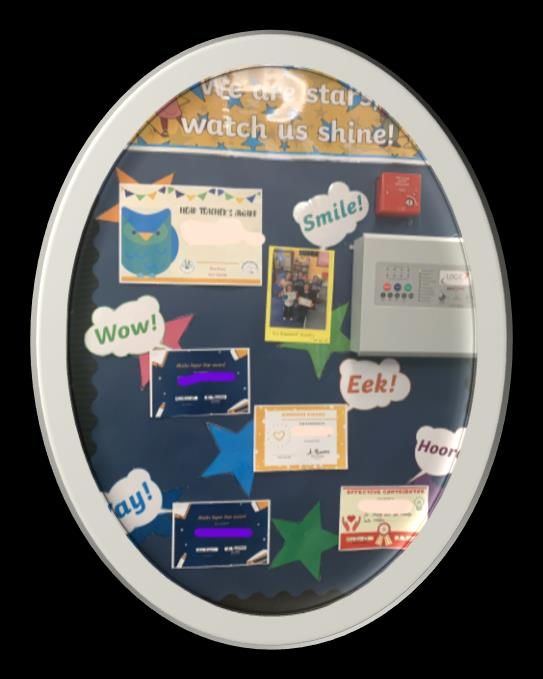
Welcome Message
Dear Parents,

The information in this brochure is correct at December 2020.
Whilst the information in this handbook is considered to be
correct at the date of publication, changes in circumstances
after the time of publication may impact on the accuracy of
the information.

I hope that the items in the enclosed brochure answer any
questions you may have about this school and give you an
idea as to how our school is run.

If you have any unanswered questions or would like more
information about any item, please do not hesitate in
contacting me.

I mention in various places in the brochure that you should
contact me if you have any worries about your child,
educational or emotional problems, and this is sincerely
meant. We are as concerned about the happiness and
welfare of your child as you are.

Yours sincerely,

Ainsley Burns

Cluster Head Teacher
Ballachulish and Duror Primary Schools

COVID-19
Covid-19
The current pandemic has affected the normal running of schools in many
ways. This handbook reflects the way the school usually runs but does not
cover all of the changes that we have made because of the pandemic.
Our arrangements have changed in many ways this session, and may well
change again, depending on how the pandemic develops. For the most
up-to-date information about any aspect of the work of the school, please
contact the school and we will be able to tell you about our current
arrangements. For the latest information about how the pandemic affects
children, young people and families across Scotland, please visit the
Scottish government website, which has helpful information about
coronavirus and its impact on education and children.
A BRIEF HISTORY
                                       OF
                                  THE SCHOOL
Duror Primary School provides education for children living in the Duror /
Kentallen area. The school was originally part of the Argyll Education
Authority but, with the advent of Regionalisation, became a southerly
outpost of Highland Region.

The original building was completed in 1877.

Duror Primary School is situated on the Cuil Bay road at the junction of A828
trunk road. The single track side road leads to an attractive bay which
enhances the school curriculum. A wooded area behind the school adds to
the attractiveness of the school setting and further promotes outdoor
learning.

Duror Primary became an Associated School with Ballachulish Primary in
January 2020. Over the years the roll has varied reducing and increasing the
teaching staff ratio.

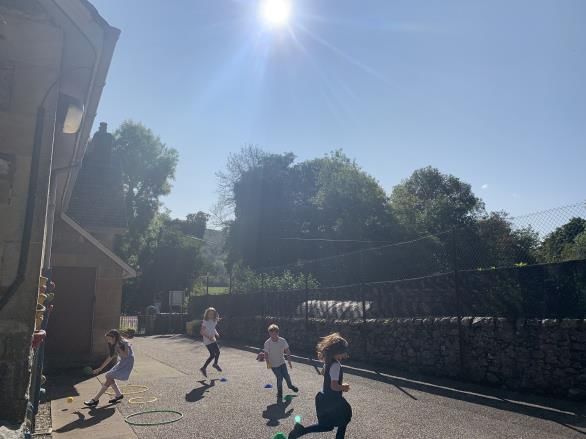
Improvements to the playground have enhanced the quality of play, the
safety of the children and the promotion of physical exercise. The
improvements made have been the painted Stop, Look, Listen at the school
gate improving the safety of children as they exit the school, a boundary
fence has been placed in front of the old stone wall, the tarred side of the
playground has been painted with playground games by parents. A second
bike shed has been erected at the rear of the playground. A section of the
Cycle Track is accessed opposite the school. A bouldering wall along the
outside of the main entrance was erected in May 2007 and a Balance Trail
was installed in 2008. The school grounds have been further enhanced
through the ongoing ECO Schools activities.

 Parents and the local community
are very supportive of the school’s
 developments and give generously
to all school funding activities.
Vision, Values and
                                            Aims for our school

Vision and Values
  At Duror Primary School we work together as a community to
  provide a happy, secure and stimulating environment where
  children are motivated to learn, are valued as individuals and
encouraged to reach their full potential through our curriculum for
 excellence. We are at the heart of our Community and with our
   Parents’ support we will build on the very good strengths we
                          already have.

Our Aims:
 •We will:                                                                               •We will:
 •Provide a broad and balanced                                          •Encourage our pupils to
  curriculum with significant                                        develop respect, knowledge
  opportunities for depth, which                                       and understanding of their
  challenges and motivates all                                                              world.
  pupils.                                                                •Help our pupils to make
 •Provide a range of teaching                                    informed choices and decisions.
  and learning experiences in a                                    •Help our pupils to understand
  fun and innovative environment                                  the wider world and their place
 •Encourage creativity across all                                                             in it.
  learning

                                    Successful    Responsible
                                     Learners       Citizens

                                     Confident     Effective
                                    Individuals   Contributors

 •We will:                                                                                   •We will
 •Help our pupils to grow and                                          •Encourage our pupils to
  develop respect,                                                  communicate effectively in
  knowledge and                                                        many different situations.
  understanding of their world.                                    •Help them to think critically
 •Encourage independence,                                            and develop skills in many
  success and the                                                                           contexts
  development of life skills for                                 •Help learners apply creativity
  all our pupils.                                                    skill for learning, life & work
Equality Statement
At Duror Primary School we will work with and develop each child to reach
their full potential. We seek to maximise opportunities for all our young
people regardless of gender, race, sexual identity, disability, religious or
political beliefs.

Expectation
A big part of our ethos at Duror Primary School is that we expect our young people to be
active, positive contributors to the school and its wider community. We will provide
formal opportunities for this to happen but also encourage initiative amongst our pupils.
We recognise that this positive engagement is a major component in the well-being of
the whole community

To achieve these aims it is essential that the school :
 ●    Encourages open and constructive communication between staff,
      parents, students, community and external agencies
 ●    Recognise and supports all positive contributions and achievements
 ●    Always seeks to review, evaluate and improve on the service we
      provide
Staff and School
                                         Hours
Staffing 21/22:

Headteacher                    Ainsley Burns

Principal Teacher/ Class       Leah Burns
Teacher (3 days)

Management Cover               Vacant

Office :                       Elizabeth MacLachlan
                               Monday, Tuesday Wednesday

Facility Management            Calum Smith
Assistant :                    Thursday morning 8.30am – 11.30am

Canteen :                      Maria Boyle

Cleaning :                     Lesley Ross

School Day:

Class                          Morning                 Afternoon

P1-3                           9am-12.30pm             1.15pm-2.30pm

P4-7                           9am- 12.30pm            1.15pm-3pm

Morning interval: 10:45-11am
Pupil Absence or
                                                          Sickness Procedure
Good attendance is vital if pupils are to achieve their full potential. But if a pupil is absent from school, a
parent or guardian should phone the school on the first day of absence, on 01631 740 339. When returning
to school after an absence, the parent or guardian must give written reason for the time absent.

Permission to leave during the school day: If a pupil needs to leave during the school day for an
appointment etc, pupils need to bring with them a note from parent or guardian or the class teacher should
be contacted via SeeSaw- if you do not receive a reply please follow up with a d phone call. Ifat all
possible, medical and dental appointments should be made out with school hours.

If pupils fall ill during the day, parents are contacted for them to collect their child, therefore it is essential
that we have up to date day time contact numbers and emergency contact numbers for all pupils.

Schools are required to keep an attendance register by law. We have a responsibility for the care and
welfare of all pupils during the school day therefore need to know the whereabouts of absent pupils.

When parents are considering whether or not to remove their children from school for a family holiday, they
should be aware that such a decision:

·    will result in a significant loss in classroom experience;

·    will result in a pressure to ‘catch up’ on missed work by pupils;

·    could result in pupils missing assessments with consequential impact on pupils and teachers;

·    could result in the loss of curricular activities;

·    will affect school attendance records and efforts to raise standards of attendance;

·   under the guidance issued at a national level, most family holidays will be coded as unauthorised
absence, only in exceptional cases will the absence be recorded as authorised.

In conclusion, we would ask parents to be aware of these considerations when making decisions on
planning holidays during term time. We have enclosed a link to the school term dates on the Highland
Council website to aid parents in planning any holidays they may be considering

https://www.highland.gov.uk/info/878/schools/32/school_term_dates

 If parents decide to make holiday arrangements during school term, this should be confirmed in writing to
the Mrs Ainsley Burns.

During the current pandemic we may need to amend our approaches to recording attendance, for
example if it becomes necessary for pupils to work from home. For more details please contact the school.
Complaints, Requests for Service
and School Placing Requests
Complaints & Requests for Service
If a parent has any concerns they should contact their child’s Named Person in the first
instance, Ainsley Burns or the Senior Management Team for more serious issues.
The school will always endeavor to resolve issues by listening to parents and seeking
solutions in partnership. Should a situation not be resolved, parents can contact the Area
Education Manager- Don Esson.
Please note that transport is not a school responsibility and any queries should be
addressed to the Transport Development Officer, Highland Council, Glenurquhart Road,
Inverness, IV3 5NX, or public.transport@highland.gov.uk.
Arrangements for parents seeking a place for their child in the school, including
arrangements for
visiting the school.
School Placing Requests - Parental Choice
Each school serves its own particular catchment area. Pupils whose homes are located in
that area will have priority in being allocated a place in the school. However, parents
have the right to specify the school in which they wish to place their child.
Application must be made to the Area Education Manager Don Esson placing request
forms can be obtained from
https://www.highland.gov.uk/info/878/schools/887/enrol_your_child_for_school
Transportation to and from school, for placing request pupils, is a parental responsibility.
If pupils live outwith the school catchment area and their parents wish them to attend
Duror Primary School they can contact Ainsley Burns-01631740339 to arrange a visit.
Parents of children with additional support needs, (including those that have Coordinated
Support Plans) can make placing requests to any school in Scotland including schools
outside of the local authority area they live in. All appeals about placing requests to
special schools will be referred to the Additional Support Needs Tribunal.Parental Engagement
and Involvement
We really value and welcome parents’ involvement in our school and are keen to
work with you to help us give your child the best education we can provide. The
Scottish Schools (Parental Involvement) Act 2006 is seen as a key step in improving
parents’ involvement in their own child’s education and in the wider work of the
school. All evidence shows that when parents, carers and other family members
are actively involved in supporting their child’s education, children’s achievement
and general experience of school are better.
As a parent of a child in attendance at school, you will be automatically a
member of what is called the Parent Forum for the school.
As a member of the Parent Forum:
You can ask the school for advice and information on your child’s education
and how you can support this.
You will have the opportunity to come along to meetings and to feed in your
ideas in other ways.
You can also help choose the Parent Council for your child’s school – this is a
group of parents who represent the views of all parents in the school.
The type of things a parent council could get involved in includes:
Supporting the work of the school.
Gathering and representing parents’ views to the Head Teacher, education
authority and HMIE.
Promoting contact between the school, parents, pupils, providers of nursery
education and the local community.
Fundraising.
Organising events.
Being involved in the appointment of senior staff.
We are currently using Seesaw to promote the parental engagement in the
school. The children are able to write about their week, upload pictures and
parents can respond. We look forward to being able to invite parents back in to
school for a variety of different events.Curriculum Design
TAKING ACCOUNT OF THE PRINCIPLES OF CURRICULUM DESIGN
CHALLENGE AND ENJOYMENT
o Taking on board children’s learning styles and feedback
o Teachers are aware of individual abilities, providing learning intentions and
success criteria which are relevant to the learner
o Teachers provide a range of motivating and creative activities
BREADTH
o Learning in a variety of environments with all areas covered
o 3 year plan ensures breadth of science, health and well-being, social studies
and technology
PROGRESSION
o Use planning to progress through experiences and outcomes – evaluating termly
o Some curriculum progression pathways are used as a reference
o 3 year plan ensures progression of science, health and well-being, social studies
and technology
DEPTH
o Pupils input on learning, e.g. what they think they know already and what they
want to find out
o Child led learning through play at early level
PERSONALISATION AND CHOICE
o Individual and class targets set and reviewed regularly
o Opportunities for individual improvement time given
o All lessons include learning intentions and success criteria and plenary time to
reflect and evaluate
o Committee groups allow children to participate in decision making
COHERENCE
o Where appropriate links are made and learning is contextualised, e.g. using
rhythm in P.E with links made to numeracy/Eco activities include science and
maths, health and wellbeing.
RELEVANCE
o Look for relevant links with real life, e.g. Olympic commonwealth games, locally,
nationally and globally
o Some children require individualised programmes which are made relevant to
their interests and needsCurriculum Information
In Duror Primary School we ensure that all children develop the attributes, knowledge and skills
they need to flourish in life, learning and work. They will be able to demonstrate the four
capacities (successful learners, confident individuals, effective contributors and responsible
citizens) through the four contexts for learning (curriculum areas and subjects, interdisciplinary
learning, ethos and life of the school and opportunities for personal achievement) and in a
curriculum which reflects the seven principles of design (breadth, progression, depth,
personalisation and choice, challenge and enjoyment, coherence and relevance).
This curriculum will:
•
Allow pupils to contribute to the ethos and life of the school community
Provide opportunities for personal achievement and supports all learners in developing skills
for learning, life and work.
Have a continuous focus on literacy, numeracy and health well-being with all staff having a
responsibility to develop, reinforce and extend learning in these areas.
Provide opportunities for mixed-stage learning which is interest-based coherent and
relevant.
Place the emphasis of our curriculum on breadth, challenge and depth and on the
entitlements of learners rather than subject based content.
Provide a broad general education including all the experiences and outcomes.
Provide progression through the experiences and outcomes that is consistent with their
learning needs and prior achievement.
Allow learning to be organized more flexibly to take into account personalization, creativity,
choice and the most recent research.
Raise standards by developing an interest and enthusiasm for learning.
Develop an interdisciplinary approach to learning through topic and thematic work.
Provide multiple experiences through a range of learning opportunities, out of doors,
through play, in small groups, through art, music and sport, by watching, listening and
doing.
Recognise both local and global dimensions of citizenship. We make links with local and
global communities to facilitate and develop the four capacities of a Curriculum for
Excellence, ensuring the children are given opportunities to develop informed and diverse
attitudes.
Provide opportunities for personal achievement and support all learners in developing skills
for learning, life and work.Curriculum Rationale and
Information continued
Curricular Key Resources/ Approaches Assessment/ Tracking
Area
to learning
Literacy Emerging Literacy Developmental E. L Progression Framework-Pre-
Writing Approach Handwriting continuum transferred to
Big Writing approach (VCOP and Tracking Documents
WOW words etc.)
Aspects of HLP Targets set and children complete an
Talk for Writing unsupported piece of writing which is
Wraparound Spelling (PEF Literacy assessed and next steps are set. Big
Officer) Writing Criteria scale Peer VCOP
Nelson Handwriting
Prim. Ed Spelling Focus ASG Moderation
Alphabet Code
Jolly Phonics, Spelling & Grammar Key assessment task shared with parent
Programme
in See Saw
Unsupported pieces of writing (variety
of genre) are used for moderation and
Standardised assessments in P1, P4 and
assessment and for reflection with the
P7 – Teacher judgments made and
teacher, peer or parent. These support
pupils and teachers in identifying clear updated Nov and May
next steps/targets for future learning.
HLP Phonological Assessments
Progression of phonics, Spelling & Screen – tracking documents
Literacy Grammar through the Jolly Phonics
Reading Scheme (systematic phonics Standardised assessments in P1,
approach) P4 and P7 – Teacher judgments
Key resources – Early Level Ginn 360 – made and updated Nov and
Oxford Reading Tree First Level Ginn
May
360 Oxford Reading Tree
Second Level –Various Novels, Chapter
–Continual formative
Books
ASN – Hop On, Toe by Toe, Wellington assessment against success
Square criteria by teacher, pupil and
peer.
Show and Tell Continual formative assessment
Implementation of CFE experiences against success criteria by
Literacy – and outcomes for talking and listening teacher, pupil and peer.
Talking and HLP activities
Emotional Literacy activities
Listening Circle TimeCurriculum Rationale and
Information continued
Curricular Key Resources/ Approaches Assessment/ Tracking
Area
to learning
Numeracy Highland Numeracy Progression Blog – HNP Diagnostic Assessment for
Focus on Mental Maths addition and subtraction used
Catch Up Numeracy Assessment and as baseline assessment for
techniques
grouping – ongoing
A broad range of resources are used
to support learning including Scottish End of topic assessment
Heinemann and Teejay
Maths(Numicon/Maths Plus1 & 2) Timed mental maths challenge
Peter Patilla resources for mental
maths Key assessment task posted on
Opportunities for interdisciplinary
Seesaw.
learning is provided, e.g. Enterprise
topics
Use of a wide range of games and
computer based activities/games on I
pads
Links with Maths Recovery Teacher
(KHS)
Health and • Through implementation of the Highland Continual formative assessment
Well-Being PE programme (including Better Movers, against success criteria by
Better Thinkers activities) and CfE teacher, pupil and peer.
Experiences and Outcomes
Specialist PE input provided Key assessment task posted on
Active Schools Seesaw,
Go Noodle
Swimming P2-7 8 x swimming lessons
Skiing P5-7 4 days
Daily Mile Initiative Active School Co-
ordinator – Rugby, Dodgeball, Cross
Country, Shinty Taster
Pupils also develop skills in Emotional
Literacy through the Resilient Kids
Themed Days
Regular input from outside agencies
Social Studies A record of topics ensures progression and Continual formative assessment
coverage of the CfE experiences and against success criteria by
outcomes. teacher, pupil and peer.
Class trips related to class topics
Seesaw
Key Assessment TasksAssessment & Reporting Assessment and Reporting The current pandemic has affected the way in which we are able to engage with parents, and this may change further depending on how the pandemic progresses. For the latest information, please contact the school. Written reports are issued in June each year and parents are invited to Parents' Meetings during the year to discuss their child's progress. The reports will give parents information on their child's performance in all aspects of the curriculum. Examples of school work are published on Seesaw and children report at least fortnightly about their progress in school. This gives parents the chance to see what their children are working on and the progress they are making. The Head Teacher meets with class teachers during the session to discuss the progress of every individual pupil, discussing targets and next steps. Homework Homework provides an opportunity for parents to support and encourage their children with their schoolwork as well as providing the parents with an insight in to some aspects of the curriculum. It is of great practical necessity for certain kinds of activity – memorization of number facts, practice of spelling etc. Reading, Maths and Research all feature regularly in homework tasks. While we regard homework as important, it is important that it should not become burdensome and it is anticipated that tasks should take no longer than 15-20 minutes each evening. Each child is issued with a Homework Diary which should be signed on a daily basis. We encourage the use of the diary to promote communication between home and school. Achievement The school marks achievement in a number of ways. Once a month we have a ‘Certificate Assembly.’ At this, the class teacher nominates pupils in the class for a variety of different achievements. We celebrate the four capacities, kindness, have a Head Teacher’s award that is given out depending on the theme of that month and specialised certificates for literacy and numeracy. We are currently hosting these on line and classes from both Duror and Ballachulish School and Nursery are involved.
Enrolment and Transitions
Transition in to Nursery

Ballachulish Nursery is the nursery that feeds directly in to the school. Ballachulish nursery will offer
1140 hours from January 2021. Ballachulish Nursery offer a transition day for any child who is
attending and further transition can be arranged if required. Please feel free to contact
Ballachulish Primary School to discuss nursery options- 01855 811 373NROLMENT Children who are

Nursery to Primary School

We try to offer a range of different transition activities on the lead up to a child coming in to
school. The class teachers will also take the opportunity to be in the nursery if possible and if not
will meet with the children virtually. Children who are due to begin school in August are enrolled
the previous February. Enrolment week is advertised in advance in the local press and we also pin
up posters in the local area. Parents who are considering enrolling their children are most
welcome to visit the school to meet the Head Teacher and tour the school. An appointment can
be arranged by telephoning the school.

Primary to Secondary School

This school is in the catchment area for Kinlochleven High School. Pupils completing Primary 7
normally transfer to Kinlochleven. However, parents have the right to ask for their child to attend
any other school in the Highland Region. In our case, this really means Lochaber High School in
Fort William, although parents would be responsible for providing transport to any school other
than Kinlochleven.

Information about such transfers is issued to those parents concerned during their child’s primary
seven year. All primary schools and Kinlochleven High School, Glencoe, Duror, St. Bride’s,
Ballachulish and Kinlochleven Primary Schools all work together as an Associated School Group
(ASG) to ensure continuity.

Pupils due to transfer to Secondary School usually visit the school in the summer term for a
preview tour. Our pupils who transfer to Kinlochleven attend the school for a week when they
can follow a mock timetable and get to know the teachers and the building.

Parents of pupils in P7 are invited to tour and information evening in Kinlochleven during the
March before they move on. The children will receive regular newsletters keeping them in touch
with the developments in their future school. Enhanced visit arrangements to support pupils with
additional needs will be arranged , if necessary to make successful transitions.

          If you require any additional information about transition then please contact:
               Ainsley Burns, Head Teacher Ballachulish and Duror Primary Schools :
             Ballachulish Primary – 01855 811373 or Duror Primary School 01631 740339
                                                   Or
              Jemma Playfair, Head Teacher Kinlochleven 3-18 School 01855 832042
School Improvement
· This year, because of the pandemic, all schools in Highland are focusing on certain key
priorities as followings:
Priority 1 - Recovery from Covid-19 School Closures
1. Health and wellbeing
2. Recovery of learning, teaching and assessment
3. Attainment in session 2020/21 (focusing on identifying new or widened gaps caused by the
Covid-19 situation)
Priority 2 - Inspection Follow Up Action Plan
In May 2019, a team of inspectors from Education Scotland visited Duror Primary School.
The inspection team found the following strengths in the school’s work:
The welcoming ethos established across the school. Children are respectful towards
each other and adults and demonstrate an eagerness to learn.
Partners and parents involvement and enthusiasm to support the life and work of the
school.
Children’s enjoyment of learning opportunities within the local community.
The following areas for improvement were identified :
Develop highly motivating and relevant learning experiences that are supported by a
progressive curriculum.
As a matter of urgency, plan appropriately challenging learning that meets the needs of
all children. In doing so, tasks and activities should take account of what children
already know and develops their independence in learning.
Develop assessment approaches that ensure all children make very good progress in
their learning. Information gathered about children’s progress should be accurate,
reliable and used by teachers to inform children’s next steps.
Raise attainment in literacy and numeracy for all children.
You can find the summarised inspection findings here -
ttps://education.gov.scot/media/lhhm4ssn/durorpssif270819.pdf·Additional Support Needs
The amount of additional support time allocated to a school is based on the identified needs of a
school. Additional support can take many forms in a school from working as an individual, in a small group, in a
large group with a particular curriculum focus or through team teaching.
There are equal opportunities for all children regardless of ability, race, and creed.
Support for Learning is available to help children who:
are having difficulties with specific curricular areas
are in a focus group to assist with difficulties
require additional support prior to formal assessment
require extension activities for further challenge
Children will be supported in their learning by a number of adults in the classroom in addition to the classroom
teacher: Pupil Support Assistants work with children who require support either academically, with behaviour or to
assist where there are physical needs identified. Other agencies such as occupational therapy, physiotherapy,
speech and language therapy, behaviour support, vision support and the deaf outreach service are also involved
with some children to support their learning. Our Additional Support Needs Teacher supports a range of identified
needs in consultation with class teachers. The role of the Additional Support Needs Teacher is varied and can be
used for consultation, providing resources, team teaching, working with individuals or supporting children with
Child’s Plans and Individualised Education Programmes. All children need support to help them learn. Some children
require more help than others.
We follow The Highland Practice Model staged approach to assessing, identifying and supporting additional
support needs. In this model every child has a ‘named person’ who is responsible for making sure that the child is
safe and well, the named person has the right help to support his/her development and well-being. If you have a
concern about your child in primary school, please contact your child’s class teacher in the first instance or the
‘named person’, who will usually be the head teacher. Sometimes a Child’s Plan may be put in place to help
organise, monitor and regularly review your child’s progress. If you wish to find out more about The Highland Practice
Model or the Child’s Plan you can access more information at: http://www.forhighlandschildren.org/5-
practiceguidance/high-pract-model.pdf T
here are also Information sheets available at: www.chipplus.org.uk ~ click on Education.
Staff in Highland Schools follow a Staged Approach to identifying and assessing the needs of the children and
young people in their care to ensure that they receive the help they need.
Stage 1 ~ Most children and young people’s needs will be met at the classroom level by the class teacher’s
observations, assessments and planning for the class as a whole, for groups and for individuals.
Stage 2 ~ Where your child has needs identified which cannot be met wholly by the class teacher’s planning then
assistance from support staff within the school will be requested. Observations and further assessment will help the
staff plan for and monitor how your child is achieving.
Stage 3 ~ Should your child continue to have difficulties in moving forward with his/her learning help, advice and
direct involvement may be requested from Education Services available to the school. For example; Area Support
for Learning staff, Psychological Services, Autism Outreach Service or Services for Hearing or Visual Impairment. At
this stage an Individualised Educational Programme (IEP) may be drawn up. This will record your child's needs, the
support required to meet those needs, the learning outcomes and the planning needed for the programme. You
and your child should be involved in drawing up and reviewing their IEP.21
Additional Support Needs Continued…
Stage 4 ~ A few children and young people may need more help from wider services such as Health
and/or Social Work. Help from these services would be requested at this stage at a multi-agency Liaison
Group level. If your child's needs are: - significantly complex, - likely to last for more than a year and -
are proving a barrier to their learning They may need a high degree of co-ordination of support from
the Education Authority and other agencies. A Co-ordinated Support Plan may then be required. A Co-
ordinated Support Plan is a legal document. If, at any time, you feel your child needs this high level of
support, you can request that the Education Authority considers whether or not they should have a Co-
ordinated Support Plan. You can also request that particular assessments are carried out as part of the
process.
At Duror, we would advise parents at Parents’ Evening if their child were at a stage 1. As soon as a child
moves on to stage 2 then class teachers will inform parents and will arrange a meeting to discuss the
needs identified and support in place. Regular reviews are held throughout the year.
Follows these links for further information and support to parents of children and young people with
ASN.
(a) Enquire – the Scottish advice and information service for additional support for learning
http://enquire.org.uk/
(b) My Rights, My Say – an advocacy and advice service for young people over 12 with additional
support needs http://enquire.org.uk/myrightsmysay/
(c) Scottish Independent Advocacy Alliance, an advocacy service to support parents and children
(d) Scottish Child Law Centre, an organisation providing free legal advice to young people
Highland Council would seek to work in partnership with parents at all times, but sometimes you will have a
concern that you don’t feel is being addressed, or will want to talk to someone out with the school. Should
you have any concerns that your child’s additional needs are not being met, you should contact your
child’s named person in the first instance and/or the Head Teacher . If your concerns continue, there are a
number of means of resolving difficulties and disputes and information on this can be found at:
http://www.highland.gov.uk/info/886/schools_-_additional_support_needs/1/support_for_learners
Progress
Parents wishing to enquire about a pupil's progress or have concerns about their progress are invited to get
in touch with Ainsley Burns, Head TeacherSchool Policies
Please see list of our school policies which are available upon request:
1. General Information for Supply Teachers
2. Major Emergency Procedures
3. Wet Weather Arrangements
4. Closure Due to Adverse Weather
5. Administration of Medicines
6. Multi-cultural, Anti-Racist & Cyberbullying Policy
7. Equal Opportunities Policy
8. Guidelines for Drug Related Incidents
9. Child Protection
10. Looked After Children
11. Health and Safety
12. Road Safety
13. Partnership with Parents
14. Promoting Positive Behaviour
15. Discipline / Bullying Policy
16. Induction for New Staff
17. Probationer Teacher Policy
18. Learning Policy
19. Quality Assurance & Raising Attainment
20. Annual Professional Review
21. Forward Planning
22. Pupil Induction & Transition
23. Reporting to Parents
24. Intimate Care
25. Volunteering Policy
26. Bereavement
27. Technologies
28. Complaints Procedure
29. Staff Use of Social Media
30. Autism
31. Minibus
32. Staffing Arrangements
Curriculum Policies are currently under construction, here is a list of the policies we are reviewing:
A. Numeracy B. Literacy C. Homework D. Health & Wellbeing E. Social Studies F. Science G.
Technologies H. Expressive Arts I. Religious and Moral Education J. Support for Learning inc. ASN
K. Learning for Sustainability L. MLPS M. Living Policy N. Outdoor Learning
To access our Highland wide policies please follow the link:
https://www.highland.gov.uk/info/893/schools_-
_general_information/29/school_policies_procedures_and_guidelinesAdditional Information Health Promoting School As a Health Promoting school we also encourage pupils, staff and parents to think about healthier lifestyles. All pupils are encouraged to set Health Targets. Healthy living is a regular topic in classes. We have a School Travel Plan which promotes safe and healthy routes to school. Staff take part in health promotion activities. We value all the activities that make up a healthy and happy community. School Meals cost £2.30/£2.55 for pupils and just keep getting better, with better quality food, healthier meals, larger portion sizes and more and better choices. If a pupil has special dietary needs, please inform the school. Free meals can be claimed in certain circumstances, for information and application form please see http://www.highland.gov.uk/info/899/schools_- _grants_and_benefits/10/free_school_meals_and_assistance_with_clothing Application forms are available from the school reception. Pupils receive credit on their account which they can use during break and lunchtime in the canteen. The Highland Council operates a ‘Cashless catering’ system which utilises pupils’ NEC cards. For further details please see: http://www.highland.gov.uk/info/878/schools/9/school_meals/2 Lunchtime Choices Parents are responsible for pupils who decided to go out with school grounds at lunch time. Administration of Medicines National Guidance on the Administration of Medicines in Schools has been issued by the Scottish Government. https://www.gov.scot/publications/supporting-children-young-people-healthcare- needs-schools/ This guidance is based on a number of common principles that will be consistently applied when identifying, supporting and reviewing the healthcare needs of children and young people in Highland schools to enable them to make the most of their learning.
Additional Information
Under Article 24 of the United Nations Convention on the Rights of the Child, all children have a
right to the highest attainable standard of health and to health care services that help them
attain this. Article 7 of the United Nations Convention on the Rights of Persons with Disabilities
states that children with disabilities have the right to express their views freely on all matters
affecting them. The arrangements for each individual will therefore take account of the health
professionals' advice, the pupil’s views and, where appropriate, their parent's views.

NHS Highland, Highland Council and school staff will work collaboratively to ensure that pupils
receive the service they need in the way most appropriate to their personal circumstances.

We will work with pupils and parents/carers to support the healthcare in our school, making
reasonable adjustments that children and young people with healthcare needs might need and
require.

Where appropriate, we will make arrangements for staff providing healthcare to pupils to receive
appropriate training from a health professional, or other accredited source in the care they are
providing.

Assistance with intimate care may be needed by children in any school and this will be provided
if required to support these needs quickly and with respect for children's privacy, dignity and
rights.

If your child requires medication, please note that this will only be administered by staff when
there is clear written guidance from a parent/carer, providing:

·     The name of the medicine, the quantity of the medicine to be given, the time it has to be
    given.
·      As far as possible prescriptive medication should be given at home by parents/carers. If it is
    required to be given in school, the medication should be unopen, clearly marked with the
    directions from the pharmacist and administered as part of an agreed medical protocol.

Minor injuries

School will only deal with minor cuts and bruises, these will be cleaned and a plaster applied. If
your child is injured, falls or becomes unwell during the school day you or the emergency contact
you have provided, will always be contacted and you may be advised to collect your child from
school.

Mental Health and Wellbeing

Staff will support the emotional development and wellbeing of pupils through formal and informal
curricular activities. Any concerns about a pupil’s wellbeing can be discussed with the named
person. School have access to Highland Council’s Primary Mental Health Worker Service and
consultation and advice may be sought if there are concerns that might require more targeted
support. Parents would generally be involved in discussions beforehand, however a young person
over the age of 12 can ask for support themselves.
Additional Information
Continued
Adverse Weather
Schools now have a dial-in service if there is risk of closure due to adverse weather. This allows
parents to listen to a recorded message from the head teacher.
It is an enhancement to the present service and does not replace existing methods of giving
out information, such as radio broadcasts, described in the schools Adverse Weather
Guidelines.
You can also access the highland school closure website on: for school closure information.
http://www.highland.gov.uk/schoolclosures
To contact the school directly please phone the school and enter the pin number below:
School Telephone:01631 740 339
Adverse Weather 0800 5642272 School Pin 041970
School Uniform
We encourage children to wear school uniform and appreciate that most parents cooperate
with this policy.
The uniform consists of: -
White polo shirt or navy polo shirt
Navy Duror sweatshirt/ fleece or cardigan
Black/Grey skirt or trousers.
Indoor footwear e.g. gym shoes or trainers.
Shorts and T-shirt for PE
Please contact the school for more information regarding ordering school uniformEducational Data Transferring Educational data about pupils The Scottish Government and its partners collect and use information about pupils through the Pupil Census to help to improve education across Scotland. This note explains why we need this information, how we use it and what we do to protect the information supplied to us. Further information can be obtained from http://www.gov.scot/Topics/Statistics/ScotXed. Data about pupil preferred routes, preferred occupations and anticipated school leaving date is also collected from S3/S4 to support planning for leaving school. This information is shared with Skills Development Scotland. Further information about 16+ Data can be found here: http://hi-hope.org/directory/listing/16plus-planning Data policy Information about pupils’ education is collected through our statistical surveys in partnership between the Scottish Government and Local Authorities through the ScotXed Programme which aims to help schools and Local Authorities by supporting efficient collection, processing and dissemination of statistical information. The Scottish Government then provides analysis of the data to support research, planning, management and monitoring of education services as well as to produce National Statistics publications. Education data within Scottish Government is managed effectively by secure systems and is exploited as a valuable corporate resource, subject to confidentiality restraints. As part of its data policy, Scottish Government will not publish or make publicly available any information that allows individual pupils to be identified, nor will data be used by Scottish Government to take any actions in respect of individuals. Data is held securely and no information on individual pupils can or would be made publicly available by Scottish Government. The individual data collected by Scottish Government through the Pupil Census is used for statistical and research purposes only. Information on why we collect data about pupils and who we share this data with can be found in Highland Council’s Privacy Notice which is available here: https://www.highland.gov.uk/directory_record/1095920/enrol_your_child_at_a_school
Pupil Data

Why do we need your data?

In order to make the best decisions about how to improve our education service, Scottish
Government, education authorities and other partners such as the SQA and Skills Development
Scotland need accurate, up-to-date data about our pupils. We are keen to help all our pupils
do well in all aspects of school life and achieve better examination results. Accurate and up-to-
date data allows us to:

  ●   plan and deliver better policies for the benefit of all pupils
  ●   plan and deliver better policies for the benefit of specific groups of pupils
  ●   better understand some of the factors which influence pupil attainment and achievement
  ●   share good practice
  ●   target resources better
  ●   enhance the quality of research to improve the lives of young people in Scotland

Your data protection rights

The collection, transfer, processing and sharing of ScotXed data is done in accordance with data
protection legislation. We also comply with the National Statistics Code of Practice requirements
and other legislation related to safeguarding the confidentiality of data. Data protection
legislation gives you the right to know how we will use your data. This note can give only a brief
description of how we use data. Fuller details of each individual ScotXed survey, including the
purpose of each and the published data, can be found on the ScotXed website

http://www.gov.scot/Topics/Statistics/ScotXed/SchoolEducation

Scottish Government works with a range of partners including Education Scotland, Skills
Development Scotland and the SQA. On occasion, in order to help meet our aim of improving
the life of young people in Scotland, we may make individual data available to partners such as
the National Registers of Scotland to carry out research relating to the national population census
and also academic institutions and organisations to carry out additional research and statistical
analysis to meet their own official responsibilities. Any sharing of data will be done under the strict
control of Scottish Government, and will be consistent with our data policy. This will ensure that no
individual level data will be made public as a result of the data sharing and that these data will
not be used to take any actions in respect of an individual. Decisions on the sharing of data will
be taken in consultation with relevant colleagues and individuals within and outwith Scottish
Government. At all times pupils’ rights under the Data Protection Act and other relevant
legislation will be ensured.

Concerns

If you have any concerns about the ScotXed data collections you can email the Head of Schools
Analysis at ScotXed@scotland.gsi.gov.uk or write to The ScotXed Support Office, Area 2D, Victoria
Quay, Leith, EH6 6QQ. Alternative versions of this page are available, on request from the
ScotXed Support Office, in other languages, audio tape, Braille and large print.
Equality and Inclusion and
                                   Military Families
Equality and Inclusion

For up-to-date information please see:

http://www.highland.gov.uk/info/751/equality_diversity_and_citizenship/313/equal_opportunities

In summary, our activities in school should ensure that we:

Eliminate unlawful discrimination, advance equality of opportunity, promote good relations. Activities
should not discriminate against any of the following ‘protected characteristics’ age, disability, race,
religion or belief, sex, sexual orientation, gender reassignment, pregnancy and maternity.

Protection of Children

From time to time incidents can occur within the school setting which cause concern and could
indicate that a pupil is suffering some form of abuse.

In terms of Highland Child Protection Committee Inter-agency Protection Guidelines, Education
Service staff must report such incidents to Social Work Services which can lead to a joint Social
Work/Police investigation.

All agencies involved in Child Protection are obliged to make the welfare of children their paramount
consideration and this will be the priority for Education Service staff.

COPIES OF CHILD PROTECTION POLICY GUIDELINES are available from  or online at

http://www.highland.gov.uk/info/1361/childcare_and_family_care/438/child_protection

Military Families

Our school welcomes and supports families, their children and young people from Forces families:
serving, veteran and reservists.

We understand some of the challenges that mobility of service life can bring and we look forward to
working with you to ensure a smooth transition for your child/young person coming into or moving on
from our school. Please get in touch with us as soon as you can so we can work with you to ensure the
transition is as smooth as possible.

Highland Council have proudly committed to the Armed Forces Covenant and as such support our
veteran and reservist families as well as those currently serving. There is a dedicated Highland Council
Military Liaison Group (MLG) which has been formed to promote and ensure equality and equity for
your children and young people in their education.

Visit the Highland Council Armed Forces Website for lots of helpful information and support

https://www.highland.gov.uk/info/886/schools_-_additional_support_needs/833/armed_forces_-
_support_for_families_and_schools

Please get in touch with your child’s named person or the Head Teacher if you have any concerns.
You can also read


