Eastern Victorian Fires 2019-20 State Recovery Plan - Bushfire Recovery Victoria August 2020
←
→
Page content transcription
If your browser does not render page correctly, please read the page content below
Eastern
Victorian Fires
2019–20
State Recovery
Plan
Bushfire Recovery Victoria
August 2020
Acknowledgement of Country
BRV proudly acknowledges the First Peoples of Victoria and their ongoing strength in practising
the world’s oldest living culture. We acknowledge the Traditional Owners of the lands and waters on
which we live and work and pay our respects to their Elders past and present.

Accessibility
This document is available for downloading at brv.vic.gov.au.
Please contact connect@brv.vic.gov.au if you require other accessible formats.

Publication details
Authorised and published by Bushfire Recovery Victoria, 121 Exhibition St, Melbourne, 3000.

©State of Victoria, August 2020
This work is licensed under a Creative Commons Attribution 4.0 international licence.
It is a condition of this licence that you credit the State of Victoria as author.
Print: ISBN 978-1-922262-33-2
PDF/online: ISBN 978-1-922262-34-9
Contents
Message from the Minister for Police        This Plan                                 31
and Emergency Services                  4
                                            Snapshot of this Plan                     32
Message from the Emergency
Management Commissioner                 5   People and Wellbeing Recovery             34

Message from the CEO of Bushfire              Recovery priorities                     35
Recovery Victoria                       6     Case study:
                                              Bushfire Case Support Program           36
The Eastern Victorian Fires 2019-20 7         Actions                                 37
The fires                               7   Aboriginal Culture and Healing Recovery   42
The impact                              8     Recovery priorities                     44
Compounding stressors and COVID-19      8     Case study:
Snapshot of impacts                    10     A Resilient Recovery Journey            45

Framing the recovery                   14     Actions                                 46

A whole of government response         15   Environment and Biodiversity Recovery     49
                                              Recovery priorities                     50
Progress to 30 June 2020               17     Case study:
                                              Southern Brown Bandicoot Rescue         51
About this Plan                        20     Actions                                 52
Purpose                                20
                                            Business and Economy Recovery             55
Scope                                  20
                                              Recovery priorities                     55
Structure                              21
                                              Case study:
                                              Mallacoota Abalone Co-op Refit          56
Vision and outcomes                    22
                                              Actions                                 57

Implementing this plan                 24   Buildings and Infrastructure Recovery     59

Roles and responsibilities             24     Recovery priorities                     60

Bushfire Recovery Victoria’s role to          Case study:
deliver this Plan                      26     Road infrastructure                     61

Implementation arrangements            26     Actions                                 62

Prioritisation and funding             27   Appendix A                                68
COVID-19 impacts                       27   Appendix B                                76
Cross-border impacts                   28

Next steps                             29
Supporting community-led recovery      29
Monitoring outcomes                    29
Identifying funding pathways           29
Preparing for the future               30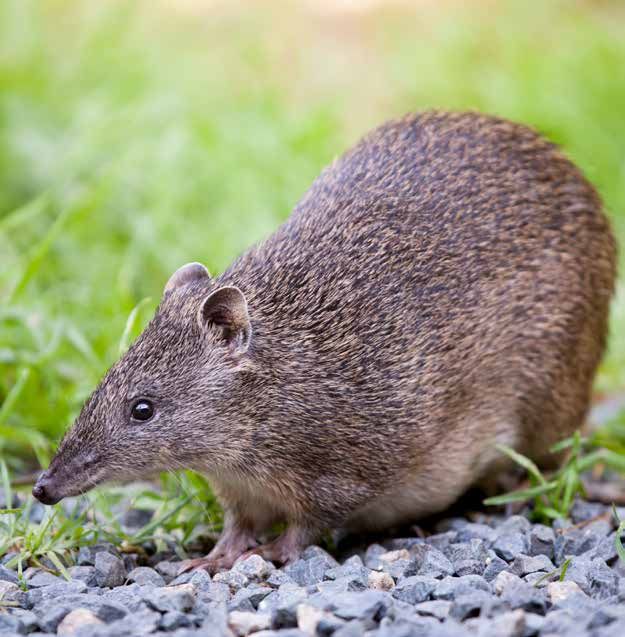
Message from the
                                           Minister for Police
                                           and Emergency
                                           Services
    The Eastern Victorian Fires 2019–20 had a          recovery will ensure the best outcome. Affected
    devastating impact on communities and the          communities should be confident they will be
    environment and I am committed to ensuring         not only empowered to lead recovery efforts but
    that the right support is provided to help with    also well supported over the long haul.
    recovery and rebuilding.
                                                       The road to recovery is long and while much
    Homes were lost, farms destroyed, businesses       has been done since the fires were contained
    affected, and the natural environment ravaged.     there is still a long way to go. The Victorian
    Tragically, five lives were lost, and I join all   Government has invested more than $347
    Victorians in extending my sympathies to their     million towards bushfire recovery and
    families, friends and work mates.                  established Bushfire Recovery Victoria (BRV)
                                                       as a permanent agency to support the long
    I want to acknowledge the hard work and efforts    term recovery journey. BRV is working closely
    of emergency workers and volunteers, who over      with the Commonwealth Government and
    many days and nights fought to bring the fires     local governments to streamline assistance
    under control, supporting residents to protect     and support individuals, businesses and
    their lives and livelihoods. I also extend my      communities to get back on their feet.
    thanks to the many volunteers who stepped up
    to provide support in response to the fires and    The 2019-20 Victorian fire season was
    who continue to give their support today. We       unprecedented and caused devastation and
    have seen the best of humanity in action.          loss in communities across East Gippsland and
                                                       North East Victoria. These communities have
    In the months since the fires, Victorians          since been subject to the compounding impacts
    have demonstrated extraordinary strength           of the COVID-19 pandemic. The Victorian
    and community spirit as they start to rebuild      Government will continue to stand with these
    their lives.                                       communities every step of their recovery.
    The Victorian Government is dedicated to           Together we will work to ensure these
    standing shoulder to shoulder with communities     communities emerge stronger, better and more
    to ensure people can access the immediate,         resilient in the future.
    medium and long-term support that will help
    them to recover and rebuild.

    Our approach to recovery is guided by the          Hon Lisa Neville MP
    principle that a locally-led and locally-driven    Minister for Police and Emergency Services

4   State Recovery Plan | Bushfire Recovery Victoria
Message from
                                  the Emergency
                                  Management
                                  Commissioner
The Eastern Victorian Bushfires were               The community is at the centre of everything
devastating for many of our Victorian              we do in emergency management in Victoria
communities, families and businesses.              and this must continue throughout the
                                                   recovery effort.
Over the fire season, 1.5 million hectares of
land was burnt, 42 National Parks and              We must enable and empower individuals
conservation reserves were impacted, 458           and communities to support themselves and
residences damaged or destroyed, as well as        each other. This is crucial to preparing for and
51 business buildings and community facilities.    responding to emergencies and supporting
                                                   recovery and resilience in the aftermath.
My thoughts continue to be with the family,
friends and colleagues of the five people who      We can all act to improve the resilience of
lost their lives this summer. I also acknowledge   Victorian communities. This Plan sets out
the tragic loss of three firefighters, which       those important foundational steps the
highlights the inherent dangers of firefighting.   Victorian Government is undertaking and puts
                                                   communities in a stronger place to lead their
Keeping the community safe from fires over         own recovery.
the summer was a true partnership with the
community supported by a huge team with
many different agencies contributing.
                                                   Andrew Crisp APM
We have and continue to listen and learn from      Emergency Management Commissioner
community members in East Gippsland and the
North East about what they experienced during
the fires, about what they need right now, and
what their priorities are for the future. That’s
what a community-led recovery and the State
Recovery Plan is all about.

                                                           State Recovery Plan | Bushfire Recovery Victoria   5
Message from the
                                           CEO of Bushfire
                                           Recovery Victoria

    The 2019-20 Eastern Victorian Fires                clean-up of buildings damaged and destroyed
    devastated individuals, families and               in the fires. We have established community
    communities. The impacts of the fires were         recovery hubs – one-stop-shops for services
    far reaching – on people’s health and wellbeing;   and supports in local communities that are
    on buildings, fences, bridges and roads;           staffed by local people. Importantly, BRV also
    Aboriginal culture and Country, local and          supported the establishment of Community
    regional economies, and on our environment         Recovery Committees (CRCs) across the
    and biodiversity. These impacts will be felt       affected communities to ensure locals have a
    for many years to come.                            loud voice in driving recovery.

    The process of rebuilding and recovery will take   The Eastern Victorian Fires 2019-20 State
    years and require the support of partners from     Recovery Plan (this Plan) presents the Victorian
    across the state, local and Commonwealth           Government’s priorities and actions for the
    governments, businesses, non-government            next 12-18 months. It is an account of the
    organisations and the community.                   services and support the State will provide
                                                       across the fire affected regions to December
    As a new permanent and dedicated recovery          2021. This plan will continue to be updated and
    agency, BRV will work directly with local          subsequent versions will be more reflective
    communities so that they can lead their own        of the aspirations and priorities of local
    recovery. We will ensure those communities are     communities, as CRCs establish and work with
    at the front and centre of our recovery efforts,   their communities to develop plans to lead their
    coordinating across all our partners to ensure     own recovery – which BRV will support every
    recovery services and support are integrated,      step of the way.
    seamless and easy to access.

    BRV’s early focus has been on listening to
    people and providing them the immediate            Lee Miezis
    financial, accommodation, wellbeing and other      Chief Executive Officer,
    supports that they need, while progressing the     Bushfire Recovery Victoria

6   State Recovery Plan | Bushfire Recovery Victoria
1
The Eastern Victorian
Fires 2019-20
the Mallacoota foreshore as fire threatened
The fires the town. Over the next two days almost
2,000 were evacuated by air and sea.
The bushfires that swept • On 2 January 2020, a State of Disaster was
through eastern Victoria in declared in parts of Victoria that would last
ten days.
the summer of 2019-20 were
significant. • More than 60,000 people are estimated
to have evacuated East Gippsland as a
Lives were lost, thousands were displaced, result of the warnings and the State of
and numerous communities were temporarily Disaster declaration.
isolated. The bushfires were unprecedented
When all significant fires across Victoria
in being prolonged over many months
had been contained in February 2020, over
and occurring alongside bushfires across
1.5 million hectares had been burnt.
the eastern seaboard and other parts of
Australia:On 21 November 2019, more than 150 More than half of the East Gippsland LGA was
fires had ignited, with 2,000 firefighters and burnt (1.1 million hectares). In Towong LGA,
500 trucks on the ground. 205,000 hectares were burnt and 187,000
hectares in the Alpine LGA were burnt.
• On 31 December 2019, approximately
4,000 people were forced to shelter on
2019/20 Bushfire Burnt Area with Local Government Areas
Walwa Disclaimer:
!
This map is a snapshot generated
from Victorian Government data.
Cudgewa Corryong
The State of Victoria does not
Tallangatta
!
!
! guarantee that the publication is
Wangaratta
without flaw of any kind or is wholly
Beechworth
! !
TOWONG appropriate for your particular
Milawa purposes and therefore disclaims
!
Mitta Mitta all liability for error, loss or damage
Ovens
!
! !
Dartmouth
which may arise from reliance
upon it. All persons accessing
Bright this information should make
!
appropriate enquiries to assess the
currency of the data.
Harrietville
!
ALPINE
Dinner Plain
!
Cobungra
! !
Omeo
Swifts Creek
!
EAST Combienbar
Tambo
Crossing
GIPPSLAND !
! Genoa Gipsy Point
Club Terrace ! !
! Cann River Mallacoota
!
!
Wairewa Cabbage
Clifton Creek Bruthen Orbost
! ! ! Tree Creek
Sarsfield ! Nowa Nowa ! !
! ! Bemm River km
Bairnsdale Lakes Newmerella Marlo !
!
Entrance
!
0 7.5 15 30 45 60
!
Burnt Area
State Recovery Plan | Bushfire Recovery Victoria 7
BlazeAid volunteers work on fencing (photo used with permission)

                                                                  Homes, businesses, community facilities and
    The impact                                                    thousands of kilometres of roads and fences
                                                                  were damaged or destroyed.
    The bushfires resulted in far
    reaching devastation for local                                Compounding stressors
    people, communities, ecosystems,                              and COVID-19
    businesses and infrastructure.
                                                                  Many of the fire impacted areas were already
    The impacts continue to be felt in                            facing pressures from drought and industries
    affected communities and across                               in transition. Following the 2019-20 Eastern
    the state.                                                    Victorian Fires all affected communities have
                                                                  experienced further challenges emerging from
                                                                  COVID-19.
    Individuals, families and communities who
    experienced the fires have lived through,                     The physical distancing restrictions placed
    and continue to experience, significant levels                on people to help minimise the spread of
    of distress and anguish. For many, this comes                 the virus, paired with job losses and other
    after previous experiences of fire.                           economic impacts, have further isolated people
                                                                  and compounded existing stressors relating
    The impacts have been particularly acute
                                                                  to financial hardship, accommodation, and
    for Aboriginal Victorians given the deep
                                                                  psychosocial health.
    spiritual connection to and cultural obligation
    to care for Country. The destruction of Country               The restrictions have also required a changed
    has taken a significant toll on Aboriginal                    approach to the clean-up and operation of the
    communities, causing immense grief as                         Community Recovery Hubs to ensure services
    bushfires begin to reveal the extent of the                   can continue in impacted communities. They
    damage to the environment, loss of and                        have also affected activities that rely on people
    damage to significant cultural heritage and                   coming together, such as Community Recovery
    large numbers of deaths of wildlife, in addition              Committees (CRCs) and tourism.
    to destroying or damaging the homes of
    Aboriginal individuals and families.                          As we approach the 2020/21 summer bushfire
                                                                  season, many communities are still responding
    Habitats and national parks were                              to the twin impacts of the 2019/20 bushfires and
    significantly impacted, with devastating                      the health and economic impacts of COVID-19.
    effects for Victoria’s biodiversity.                          The trauma, health and economic impacts of
                                                                  these continue to be felt deeply.
    Key regional industries such as
    agriculture, tourism, forestry and retail                     This plan takes these impacts into
    were severely affected.                                       consideration.

8   State Recovery Plan | Bushfire Recovery Victoria
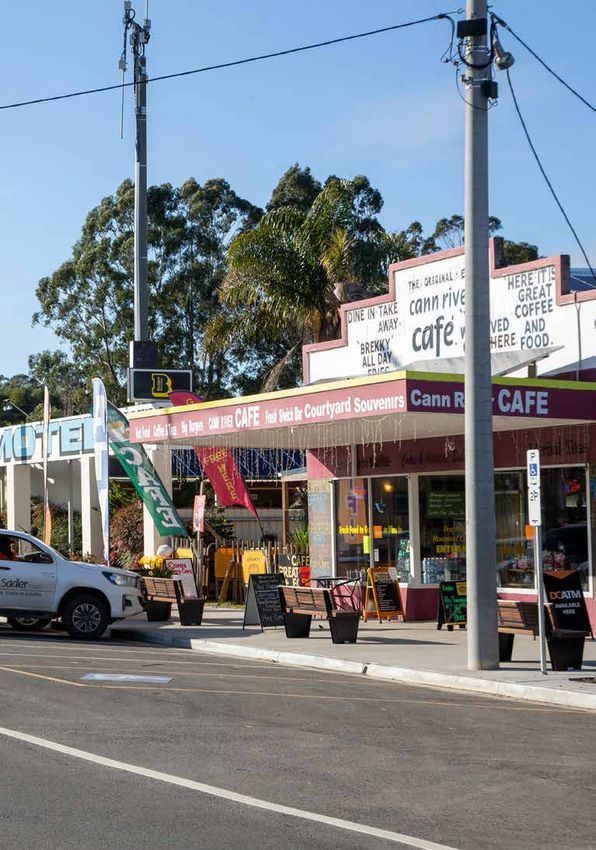
Local businesses in Cann River
Snapshot of impacts

                 People &                                  Aboriginal                     Environment &
                well-being                              culture & healing                  biodiversity

                       5                                        1,000                              170
             people lost their lives                Over 1,000 known registered             rare or threatened
                                                     Aboriginal heritage places           species have had more
                                                    were impacted within the fire        than 50% of their habitat
                                                           affected areas                    impacted by fires

                    120+
                  communities
               directly impacted
                                                                  248
                                                        Aboriginal and Torres Strait          1.5m ha+
                                                         Islander people impacted
                                                                                                burnt
                     313
               homes destroyed
                 or damaged

                                                                   42
                                                        Aboriginal and Torres Strait       463,000 ha
                                                        Islander people had homes       of National Parks and other
                    2,687                                  destroyed or unliveable     Parks Victoria managed land
               calls to the BRV                                                            impacted by the fires
           bushfire recovery hotline

                                                                    14
                    1408                              Aboriginal and Torres Strait
              case support cases                   Islander run businesses affected               57%
                                                                                            of state forest burnt
                                                                                         in the three most directly
                                                                                                  hit LGAs

                    1,371
             evacuees by sea from
             Mallacoota; 551 by air

                                                                                                $30m
                  3 LGAs                                                                 at least $30m in damage
            were directly affected,                                                           to buildings and
           and 5 adjacent LGAs were                                                      infrastructure managed
              indirectly affected                                                             by Parks Victoria

     *Please see Appendix B for all sources

10   State Recovery Plan | Bushfire Recovery Victoria
Business & Buildings &
economy infrastructure
$114– $79– 458 51 $40m
$199m $181m residences business buildings in damage to
damaged and community agriculture
estimated estimated decline buildings
across all or destroyed facilities destroyed
decline across
all industries in industries in or damaged
Alpine, East Indigo, Mansfield,
Gippsland and Wangaratta,
Towong Wellington and
Wodonga
6,350 km $69m 1 school
$330– 656 fencing destroyed of fencing lost destroyed
$350m farm (Clifton Creek
Primary School)
infrastructure
in lost tourism damaged or
revenue in destroyed
bushfire affected
regions between
December 2019
and March 2020
1,162 1/3 742
buildings destroyed, A third of homes properties
damaged or closed as destroyed in the fires requiring clean up,
22% 10,000 a result of the fires are believed to be
uninsured, or
as at 26 June
of agricultural livestock lost underinsured
land in the fire
affected area
was burnt
1,400 km 1,500
$325m 8,600 Arterial roads road signs and
economic impact Around 8,600 closed over 14,000 guide
on farms in businesses posts damaged
Victoria through were within or destroyed
loss of assets and 5km of the
production (as at fires
February 2020)
4.6 days 324
80-100 $391m Average lengths of telecommunications
telecommunications facilities in Victoria
fishing and in cumulative
acquaculture expected outage incidents impacted by fire
businesses production losses
impacted by end 2022
State Recovery Plan | Bushfire Recovery Victoria 11Beginning the journey together
The journey of recovery takes time – sometimes many years. As a
permanent agency, Bushfire Recovery Victoria will support people
and communities along their recovery journey every step of the way.
Six months on from the fires of December, January and February 2019/20, people are
still coming to terms with the fire events and their broad-ranging impacts. The
subsequent onset of a one-in-100 year pandemic has made coming to terms with those
impacts, coming together as a community and moving forward as a collective that
much more difficult.
Successful recovery is community centred, responsive and flexible, and it relies on
community engagement to support them to move forward.
Recovery will occur differently in different places and on different timelines – and that’s
okay. Community-led recovery is open-ended and not pre-determined, which means
ideas are considered and agreed collectively by the community, and activities and
priorities are adapted and refined as required.
A high-level timeline of the recovery journey
2020-2021 2021-24 2025 and beyond
Shorter term Medium term Long term
Identify actions to support Increased community Complete delivery of all
short term recovery leadership community priorities
Establish community Rebuilding activity Continue Victorian
leadership commences in earnest Government support as
needed
Commence planning at Coordination of recovery
all levels sector to deliver CRC Eventual handback to
priorities communities
Future Plans iterated, improved and expanded to
Focus of this Plan reflect changing priorities and needs
State-
This Community-
directed Plan v2 v3 v4
led
CRCs Community Plans iterated Plans iterated
established plans finalised and adapted and adapted
12 State Recovery Plan | Bushfire Recovery Victoria“Community-led” – what does it mean?
One of BRV’s recovery principles is to use community-led approaches.
A community-led approach moves beyond a traditional community
engagement method, where the community provides input or is
engaged through a process determined by the government.
In practice, this means that BRV and Local Government is supporting
the creation of Community Recovery Committees (CRCs) to understand
local impacts, identify local priorities and develop a community
recovery plan.
BRV will support CRCs to bring their plan to life through funding
projects, delivering services and coordinating supports from third
parties such as philanthropists and appeal funds.
The first version of a State Recovery Plan
This Plan is intended to inform a range of recovery activities to occur over the next 12-18 months.
It is by no means exhaustive or exclusive – more activities will occur than what appears in this Plan,
but what’s in this Plan is what we know is needed six months on from the fire events.
Much of the activity outlined in this plan is State-directed rather than community-led, because of
its urgency and because people rightly expect these activities to occur as a matter of course.
Over the coming months, as CRCs are established and find their feet, the community-led model
will become more prominent, with locally identified priorities and projects driving government and
partner recovery activity. BRV will do everything it can to support communities to deliver the future
they determine. The Victorian and the Commonwealth Governments have committed more than
$100 million for funding programs that communities and councils can draw upon to deliver on
locally-identified needs. Grant information and guidelines are available at www.brv.vic.gov.au,
with further programs to be added in the near future.
This Plan will be updated a number of times over the coming years to take account of progressive
community-led planning and development, as well as further funding outcomes from State and
Commonwealth budget processes in future years.
Delivering through partnership
BRV recognises that the work of recovery can only be effectively pursued through partnerships. All
levels of government, businesses and industry associations, charities, volunteer groups and
not-for-profits are hard at work making a difference in so many different and valuable ways. The
collective endeavours of the recovery sector in Victoria can be harnessed to make a powerful and
long-lasting difference for the people and communities affected by bushfires.
The community itself, given voice through CRCs, community clubs and associations, and individuals
and families, must remain at the centre in an empowered position to inform and drive the efforts
across the whole of the recovery sector.
State Recovery Plan | Bushfire Recovery Victoria 13Framing the recovery
The significance and scale of the recent bushfires and the need to adjust to elevated fire dangers
pose key recovery questions. These are questions BRV is working through in partnership with other
levels of government and communities
How does Victoria recover, rebuild and reconnect communities in the
regions impacted by bushfires?
What are the shared state, regional and local priorities for recovery?
How do these priorities link to recovery plans in order to rebuild these
communities? What are the recovery outcomes needed to achieve this,
and how can we measure progress over time?
What are the existing activities, strengths, expertise and experience
across all layers of government, the community and others that can be
brought together in a holistic approach that leverages ongoing and new
initiatives?
How are recovery activities coordinated and delivered across all
levels of government and the New South Wales-Victoria border,
and with third parties, non-government organisations and the private
sector in an integrated manner while keeping community at the centre
of the recovery?
How can impacted communities become stronger and more resilient to
support them adjust to the ‘new normal’ of elevated fire danger?
How can we coordinate activities across the New South Wales –
Victoria border?
How are lessons and experiences from previous major events identified
and considered throughout the recovery journey?
How does the Victorian Government, through BRV, support
community-led recovery given pre-existing stessors impacting affected
communities, restrictions and complications (e.g. COVID-19, drought and
timber industry transition)?
These questions have guided Victorian Government recovery activities to date and informed the
development of the Eastern Victorian Fires 2019-20 State Recovery Plan (this Plan). This Plan, and
BRV’s Recovery Framework (See www.brv.vic.gov.au) outline a roadmap to answer these questions,
and over the coming months and years the Victorian Government will work closely with community,
businesses, government and non-government partners to iterate and refine our response.
14 State Recovery Plan | Bushfire Recovery VictoriaWaterside in Mallacoota A whole of government response Responding to these challenges requires a whole of government response that leverages the expertise and capacities of all Victorian Government agencies. This Plan describes how the Victorian Government will support the recovery of communities impacted by the 2019-20 Eastern Victorian Fires over the next 12-18 months. This Plan will be updated as the needs of communities continue to be identified and as they evolve throughout the longer-term recovery journey. BRV will work with bushfire-affected communities to help them develop plans that represent distinctive needs at a community level and will continue to incorporate those needs into future iterations of this Plan. BRV is responsible for coordinating and supporting the state’s rebuilding and recovery activities for the areas affected by the 2019-20 Eastern Victorian Fires through a whole of Victorian Government effort—and this plan puts this mandate into action. The agency works closely with affected communities, all levels of government, businesses and non-government organisations to meet recovery needs. This Plan also reflects the agency’s awareness of, and planning for, the compounding effect of COVID-19 on bushfire-affected communities during some of the most critical recovery months. The impacts of COVID-19 are likely to stretch into the beginning of the Summer 2020/21 bushfire season and beyond. This Plan is guided by and intended to be read in conjunction with BRV’s Recovery Framework. The Framework provides a consistent and community-led approach for the planning and delivery of recovery activities across five lines of recovery. This Plan therefore comprises five chapters which take a deep dive into each line of recovery.
This Plan also responds to the issues raised in After the flames: Community Reflections, prepared
     by Ken Lay AO APM, then Chair of BRV following his meetings with individuals, communities and
     businesses impacted by the fires as well as experts, Members of Parliament, State Government
     Ministers and the Commonwealth Government through the National Bushfire Recovery Agency.
     After the flames summarises these discussions and the Chair’s own observations and reflections
     to support BRV’s work into the future.

     BUSHFIRE                                RECOVERY                             THIS
     RECOVERY                                FRAMEWORK                            PLAN
     VICTORIA                                A consistent basis for a whole       A comprehensive and
                                             of government recovery effort.       coordinated plan for a whole of
     A permanent agency dedicated
                                             This is underpinned by other         government recovery effort.
     to a whole of government
                                             recovery frameworks, including
     recovery effort.                                                             This Plan uses the Recovery
                                             the State Emergency Relief and
                                             Recovery Plan.                       Framework as a basis to plan
     BRV was established on 6
                                                                                  holistic and coordinated support
     January 2020 as a permanent
                                             BRV has developed the                for people and communities
     agency dedicated to working
                                             Recovery Framework to guide          affected by the fires.
     with bushfire-impacted
                                             the response to the 2019-20
     communities to recover.                                                      It outlines what the Victorian
                                             Eastern Victorian Fires.
                                                                                  Government will do in the coming
     BRV’s role complements the
                                             The Framework provides five          12-18 months to help communities
     work of Victorian Government
                                             lines of recovery to guide a         rebuild and recover.
     departments and agencies
                                             holistic and coordinated recovery;
     by focusing on whole of                                                      It also outlines how community
                                             principles for effective recovery;
     government coordination and                                                  priorities will guide funding
                                             and an approach to community-
     a community-led approach to                                                  decisions and delivery of
                                             led recovery.
     recovery.See www.brv.vic.gov.au                                              this plan.
                                             See www.brv.vic.gov.au

16   State Recovery Plan | Bushfire Recovery Victoria
2
Progress to
30 June 2020
Work is already well underway in assisting bushfire-affected communities to recover.
The Victorian Government has invested more than $387 million towards support for bushfire-
affected communities across Victoria – and this will continue to grow as families and businesses
access supports. In addition to the emergency response and immediate relief activities conducted
during the bushfires, the Victorian government has already conducted a range of recovery
activities to help communities in the months since the bushfires. This includes short-term recovery
activities that needed to be undertaken immediately, medium-term activities that are already
underway, and preparatory activities to enable future recovery or resilience-building work.
Courtesy of Visit Victoria
State Recovery Plan | Bushfire Recovery Victoria 17Some examples of progress to 30 June 2020 include:
People and Aboriginal culture Environment
wellbeing and healing and biodiversity
Installed temporary bridges
in partnership with the
Established the Australian Defence Force
Established the $17.5 million Bushfire and other partners at
Bushfire Case Biodiversity Buchan Caves Reserve, in
Support Program to Response and line with community
Established governance Recovery Program priorities to open for the
support over 1,400 mechanisms to ensure March long-weekend.
recorded cases. Aboriginal ownership
and direction of
the recovery journey for
Aboriginal communities
(e.g. Aboriginal Reference
Group).
Conducted more than Rescued an at-risk
2,000 wildlife population, temporarily
assessments, including relocated and returned
around 270 veterinary healthy Eastern Bristle
Distributed $16.9 million assessments. birds to Cape Howe.
in Personal Hardship
and Assistance
Payments (emergency
relief and emergency
re-establishment
payments) .
Released $3.5 million
for Bushfire Recovery Managed pest animals Re-established 80
Grants for Aboriginal (deer, pigs, feral cattle, per cent of the
communities. fox and goats) in Southern Ark
245,000 hectares of predator control
high priority habitat. program.
Drew on the Bushfire
Case Support Program
to support the roll out of
the Housing Assistance
Grant payments scheme
for owner/occupiers and
renters whose principle
place of residence was
either— destroyed Staged re-opening and
severely damaged by re-establishment of
the bushfires. access to Cape Conran Allocated $42,000 in
and other natural visitor funding to Wildlife
destinations (prior to Shelters and Carers.
COVID-19 restrictions
coming into place).
Provided intensive
culturally appropriate
Developed the Mental case support assistance
Health Bushfire Recovery to Aboriginal
Package Implementation communities. Allocated $900,000 for
Plan (Bushfire Mental on-ground works,
Health Plan) to commission Released Version 1:
Victoria’s bushfire community education
services for individual and capacity building
families and communities emergency: Biodiversity projects through
affected by the bushfires. response and recovery. Biodiversity Bushfire
Recovery Grants.
BRV has also established a range of other processes to prepare for medium and long-term
bushfire recovery planning and activities. Community Hubs have been established to coordinate
local recovery efforts, while CRCs are in the process of being established to ensure that recovery
planning includes bushfire-affected community members directly.
18 State Recovery Plan | Bushfire Recovery VictoriaBusiness and Buildings and
economy infrastructure
Completed 68 per cent of
clean-up, with more than 1,300 Rebuilt 309 kilometres of
structures cleared out. Clean-up fencing with new materials
is on track to be fully completed
Released $14.6 million by the end of August.
in Small Business
Bushfire Support
Grants of up to $10,000
to 1,457 successful
applications.
Distributed over $4.4m of Completed 454
fencing grants, enabling bushfire hazard
agricultural activity and building assessments
resilience for future bushfires.
Released $1.7
million in grants to Introduced permanent
65 small planning provisions to create Introduced new planning
businesses and exemptions for the temporary provisions to simplify processes
non-profits. use and development of land for rebuilding dwellings.
for bushfire recovery
Placed four students from the RMIT School
of Global, Urban and Social Studies with
East Gippsland Council to work remotely Re-opened all
and gain valuable regional experience in arterial roads
bushfire recovery. Now some restrictions
have eased, there will also be an opportunity
for the students to work in East Gippsland.
Awarded $21.4
million in primary
industry grants.
Managed the transition of the Provided early recovery
tank flush and fill program support for East Gippsland
from response/early recovery to Water through the purchase of
normal operations. silt-buster machines.
State Recovery Plan | Bushfire Recovery Victoria 193
About this Plan
Purpose Scope
This Plan describes how the Victorian This Plan outlines state priorities and actions
Government will support the recovery of for recovery from the 2019-20 Eastern Victorian
communities impacted by the 2019-20 Eastern Fires. It will be updated as community needs
Victorian Fires over the next 12-18 months. are identified, or as community needs evolve
It presents a Whole of Victorian Government throughout the recovery journey.
roadmap for recovery and is written for those
involved in recovery. It is intended to be read This Plan complements and builds on existing
in conjunction with the Recovery Framework recovery policies and procedures, such as
which describes how BRV is planning the Emergency Management Manual Victoria
and delivering its recovery coordination State Emergency Relief and Recovery Plan
responsibilities. (Part 4) and the Resilient Recovery Strategy
2019. It focuses on the next 12-18 months, as
further assessment and planning is undertaken,
If you are a community member or business especially at the community level, and medium
seeking support in fire-affected Gippsland to long-term recovery activities start.
and North East Victoria please: BRV is working with federal and local
• Visit the BRV website at governments as well as communities to support
www.brv.vic.gov.au their own planning processes. As additional
plans are developed, they can be integrated
• Call the Victorian Bushfires Case into updates of this Plan. These include:
Support Program on 1800 560 760 or
• Community Recovery Committees’
• Find your local Community Recovery Community Recovery Plans that identify
Hub at https://www.vic.gov.au/ local priorities
community-noticeboard-bushfire-
recovery • Local Council and Municipal Recovery
Plans that identify priorities within Local
Government Areas and regions
• Victorian Government department plans
that identify department specific priorities
• The Commonwealth Government’s
National Bushfire Recovery Plan that
identifies national priorities.
20 State Recovery Plan | Bushfire Recovery VictoriaThis Plan is structured around the
Structure Recovery Framework’s five Lines of Recovery.
More detail on why these were chosen is
This Plan will be guided by the eight available in the Recovery Framework.
recovery principles identified in the
Recovery Framework. The principles These five overarching priorities provide a
underpin BRV’s approach to community-led lens to ensure recovery planning is holistic
recovery. The principles support flexible, and coordinated across different areas of
locally-driven and locally delivered action government:
and can be applied to deal with complex
This Plan comprises chapters for the five Lines
issues and support needs as required.
of Recovery, each outlining:
The principles are:
• A lead department
• Understand the context
• Recovery priorities
• Recognise complexity
• Actions
• Use community-led approaches
• Coordinated all activities
• Communicate effectively
• Recognise and build capacity
• Strengthen communities
• Ensure an inclusive approach.
Ab
e& g cu orig
l
e op ein he ltur ina
P llb al e & l
in
we g
Community
inf
iver nt
sity
Bu struc
e
ra
ildi
& b ironm
ngs ure
iod
Env
t
&
Business &
economy
State Recovery Plan | Bushfire Recovery Victoria 214
Vision and outcomes
The impacts of the bushfires were devastating and more resilient in order to respond to
on individuals, families, communities and elevated fire threats in future, while also
businesses. The compounding effects of responding to the compounding effects of
COVID-19 at a time when communities and COVID-19 and the prolonged drought. This
businesses were commencing their recovery vision is a long-term vision and will take many
journey has added additional pressure on our years to be realised. It will require coordinated
regions and state. partnerships across the Victorian Government
and with Local Councils, the Commonwealth
Until now, BRV’s focus has been on Government and other partners. It will involve
supporting Victorians to recover from the coordinating not just bushfire recovery
immediate impacts of the fire: ensuring initiatives, but also aligning to COVID-19
people are housed, fed and warm; commencing recovery initiatives. Most importantly, it will
clean up and reconnecting services; supporting be led by the priorities and needs of bushfire
businesses to re-open and encouraging affected communities through local Councils
visitors; understanding the scale of the and CRCs.
impact on our natural environments and
re-locating threatened species, and supporting The long-term outcomes outlined in the
Traditional Owners and Aboriginal people in Recovery Framework define this vision (see
the affected regions to recover and thrive Figure 1). These outcomes align to the Victorian
beyond the fire event. Government’s priorities1 in health, jobs,
education and transport to ensure recovery
Now, the agency’s focus will shift to considering is coordinated and cohesive. They also have
how to strengthen our communities and where regard to the outcomes outlined in the Resilient
BRV wants to be in the medium and longer- Recovery Strategy which set an agreed
term. BRV’s vision for Victoria’s recovery from direction to guide the Victorian Government’s
the 2019-20 bushfires is to be better, stronger recovery programs and service.
1. https://www.premier.vic.gov.au/our-priorities/
22 State Recovery Plan | Bushfire Recovery VictoriaFigure 1: Long-term recovery outcomes
Community Recovery Outcomes
Individuals Community Population
& families outcomes outcomes
People & • People are safe and secure
• People are healthy and well
wellbeing • Communities are cohesive and people connected
Lines of recovery Outcomes
Aboriginal • Aboriginal culture is valued and respected
• Aboriginal trauma is addressed and healing is supported
culture & • Aboriginal cultural safety is promoted
Better, stronger and
healing • Aboriginal participation and ownership is promoted
more resilient
Environment • Natural environments are healthy, resilient and biodiverse
& biodiversity • Natural environments have high levels of amenity
• Natural environments are productive and accessible
• Industries and businesses recover and are stronger
Business • Employment opportunities are accessible
& economy • Local businesses and communities are resilient
• Utilities and transport routes are restored and resilient
Buildings & • Commercial and agricultural infrastructure is rebuilt and improved
infrastructure • Residential property is rebuilt and improved
• Public infrastructure is relevant and of high quality
Keeping community at the centre of recovery
Outcomes across Lines of Recovery include
impacts on Individuals and their families,
communities and the population as a whole
While the long-term outcomes are aligned to Victorian Government priorities, community-led
recovery drives the implementation of this plan. Over the coming months, draft outcomes
indicators will be developed in consultation with communities to identify when we have achieved
these outcomes. BRV and Victorian Government departments and agencies use an outcomes-
based approach to monitoring and evaluation to determine the impact of recovery programs.
This is aligned to the expectation in the Assurance Framework for Emergency Management2
that all sector organisations have a role in assurance, and the use of outcome measurement.
The line of recovery chapters in this plan focus on the priorities used to guide the next 12-18
months to December 2021, and the actions BRV will undertake to work towards this long-term
vision as outlined in Figure 2 below. These priorities have been developed by Line of Recovery
working groups in consultation with community. BRV will continue to work with CRCs to define their
recovery objectives and refine these priorities and indicators. These will be developed and iterated
as necessary to ensure community-led recovery planning.
Figure 2: Aligning long-term outcomes and 2020-2021 priorities
Long-term Outcome 2020-2021 Actions
outcomes indicators priorities
Focus of this plan
2. Inspector General for Emergency Management, 2019, Assurance Framework for Emergency Management,
State of Victoria, September.
State Recovery Plan | Bushfire Recovery Victoria 235
Implementing
this plan
Roles and responsibilities
This Plan brings together and leverages the capabilities of local communities, local governments,
Victorian Government departments and agencies, the Commonwealth Government and experts.
Future iterations of this Plan will be informed and complemented by municipal/regional and
community recovery plans as they are developed.
BRV coordinates and oversees the implementation of this Plan through the following key
mechanisms.
Cabinet
State Bushfire
Recovery
Community
Recovery Guide Coordination Premier
Committees recovery
needs and
Committee Provides
advice as
priorities (supported by required
Municipal/ Minister for
Regional five Line of Police and
Recovery Recovery Emergency
Services
Committees
Working
Groups)
State Crisis
and Resilience
Council
Bushfire Recovery Victoria
24 State Recovery Plan | Bushfire Recovery VictoriaRecovery is being planned and will be their responsibilities and resolves cross-
implemented using community-led approaches, government strategic issues. SBRCC includes
as per the Recovery Framework. Community senior representatives from BRV and across
Recovery Committees (CRCs) are the primary government. As required, SBRCC provides
mechanism for both understanding community advice to the Cabinet and the State Crisis
needs and implementing effectively within and Resilience Council (SCRC) (which includes
communities. They will keep local voices, know- Secretaries from each Victorian Government
how and expertise front and centre during Department, the Chief Commissioner of
recovery planning and delivery. In this next Policy and the Emergency Management
phase of recovery, BRV will begin the transition Commissioner) on this Plan’s implementation
from leading recovery activities to providing and the recovery needs and priorities of
funding and support to CRCs to help them Victorian communities.
operate effectively, implement local recovery
actions and lead their own recovery. SBRCC is supported by five Line of Recovery
working groups, which include executives from
Local Government and Municipal/Regional relevant Victorian Government departments
Recovery Committees, will also provide clear and external stakeholders. Their role is to
directions to BRV on the needs and priorities guide the effective implementation of recovery
of communities as we implement this Plan, and activities, connect initiatives with department
develop future iterations of this Plan. recovery services, and foster partnerships with
government and non-government stakeholders.
The State Bushfire Recovery Coordination
Committee (SBRCC) oversees the delivery and Several advisory groups also provide advice
coordination of recovery activities outlined as required:
in this plan, supports agencies to undertake
Advisory Group High-level terms of reference
Bushfire Recovery To set the agenda and inform bushfire recovery efforts to support Aboriginal communities, and
Aboriginal Reference elevate the voices of Aboriginal communities to the Victorian Government.
Group
This group comprises representatives from a number of Aboriginal-led organisations (see
Aboriginal Culture and Healing chapter for more detail on this group).
Minister’s Special To provide expert strategic advice to the Minister on the planning and delivery of recovery
Advisory Council on activities.
Bushfire Recovery
This group comprises senior government and non-government stakeholders.
Industry and Worker To provide advice to BRV on local employment, worker safety and the procurement of goods
Advisory Group and services to ensure that recovery and rebuilding activities also help to support local industry,
create good local jobs and support skills development where possible.
This group comprises representatives from unions and business associations.
State Federal To facilitate collaboration and coordination between states and territories and the
Recovery Commonwealth Government, drawing on the expertise of all jurisdictions to support the 2019-20
Consultative Group bushfire recovery effort.
State Recovery Plan | Bushfire Recovery Victoria 25BRV has also established and is operating
Bushfire Recovery in line with the vision of this Plan to support
Victoria’s role to communities. BRV is recruiting and procuring
locally in bushfire-affected communities
deliver this Plan as much as possible, and putting Victorian
businesses and workers first in its procurement
and purchasing through application of the
BRV has an opportunity as a permanent
Local Jobs First policy.
recovery agency to deliver on this Plan
and to support a sustainable, ambitious
and coordinated approach to long-term
recovery for the communities affected by Implementation
the 2019-20 bushfires.
arrangements
BRV is focused exclusively on recovery and
supporting communities every step of the In its role as system steward, BRV is
way across several key areas, including: responsible for ensuring clear implementation
arrangements with a focus on delivery, funding,
• System steward and coordinator: and monitoring and evaluation.
BRV will lead the recovery effort and
support coordination, cohesion and Delivery of this Plan is supported by five
accountability across the Victorian cross-departmental line of recovery working
Government (including the intersection groups. These groups are responsible for
with COVID-19 recovery initiatives). coordinating delivery activities within their line
of recovery across Commonwealth, Victorian
• Commissioning agency: BRV will commission Government Department, regional/municipal
activity as agreed through SBRCC. and community plans. They are also responsible
for ensuring recovery is community-led and
• Delivery: BRV will lead delivery where the
focused on community priorities.
activity is not core business for a department
(e.g. clean-up). Funding for recovery activities across State,
Local Council and CRC plans is coordinated
• Coordinator of funding and effort: BRV will
by BRV across the Victorian Government
coordinate funding and activities across tiers
and delivered through grants programs
of government and line of recovery working
and Regional Recovery Committees. EMV
groups, rather than along departmental
administers the Disaster Recovery Funding
lines. This also involves maintaining the
Arrangements (DRFA) in Victoria, through the
institutional knowledge of what works in
Natural Disaster Financial Assistance Team.
bushfire recovery, and the lessons learnt,
to build resilience and be prepared for and Monitoring and evaluation of recovery activities
leading recovery from future fire threats. is undertaken by BRV, with support from
responsible departments. Monitoring and
• Coordinator of community solutions:
evaluation will be aligned to the long-term
BRV will provide a single point of contact
recovery outcomes articulated in the Recovery
to support local Councils and communities
Framework and the priorities outlined in this
design, fund and deliver their plans.
Plan. They will also meet the requirements of the
• Architect for community-led recovery National Monitoring and Evaluation Framework
and service delivery: BRV will support for Disaster Recovery Programs. More detail on
a community-led approach to recovery, this approach can be found in BRV’s Recovery
drawing on national and international best Framework.
practice. This will ramp up as this Plan is
implemented, and in future iterations of
this Plan.
26 State Recovery Plan | Bushfire Recovery VictoriaAppendix A includes a list of grants and
Prioritisation and prioritisation commitments led by the Victorian
funding Government to support bushfire recovery.
From 5 January 2020 the Victorian
Government began to announce funding
COVID-19 impacts
to support recovery for communities, local COVID-19 has had a significant impact on
economies and the environment impacted by bushfire-affected communities, as these
the fires. The Government has committed more communities are still recovering from the
than $387 million so far (at 3 July 2020), with a compounding effects of the bushfires and
range of initiatives now underway delivering long-term drought. Physical distancing
support to individuals, families, businesses and requirements has added to the challenges
regions. This includes a $2 million donation to these communities are facing, resulting in an
the Victorian Bushfire Appeal. extended stabilisation focus in preparation
The Victorian and Commonwealth for the shift in focus to growth or resilience.
Governments also agreed to jointly fund a
The delivery of some recovery services,
range of support measures under the DRFA
including through the Regional Recovery Hubs,
including clean-up of all affected properties,
has necessitated a focus on alternative delivery
personal and financial assistance, $68.6 million
modes, including online and phone service
for local economic recovery priorities and an
delivery. It has also compounded the need for
$86 million Community Recovery Package.
safe and affordable accommodation to ensure
Further joint funding to support municipal that individuals and families can engage in
and CRC identified priorities will be delivered physical distancing in private accommodation.
through regional recovery committees.
The temporary closure of Victoria’s regional
Initiatives in this Plan will be funded through tourism industry, as well as hospitality
these announcements and individual and recreational businesses, has had a
departments. significant economic impact. Social distancing
requirements also resulted in the cancellation of
The Victorian Bushfire Appeal also delivers
several events planned to stimulate economic
support for bushfire recovery, with $36.4 million
activity. This has significantly constrained
raised by 30 June 2020. The Appeal supports
economic recovery from the bushfires, which has
medium to long term community recovery
in turn led to increasing unemployment, financial
initiatives recommended by the Victorian
insecurity, and health and wellbeing risks.
Bushfire Appeal Advisory Panel, chaired by
the former Victorian Deputy Premier Pat Specific recovery projects have also
McNamara. The Appeal also delivers direct been delayed, for example the volunteer
financial assistance to individuals and families reconstruction of fencing led by BlazeAid,
affected by the fires, enables boundary the in-person operations of Community
fencing replacement through BlazeAid and Recovery Hubs, and a range of environment
delivers support for Aboriginal Community and biodiversity impact assessments.
Controlled Organisations.
A range of programs have been established
Support for bushfire recovery in Victoria to address the challenges of COVID-19,
is also provided by regional and national including the Victorian Government’s $2.7
not-for-profit organisations, such as the billion Building Works Package and the
Gippsland Emergency Relief Fund and the Commonwealth Government’s JobSeeker
Salvation Army, many of whom have raised and JobKeeper programs. While these are
funds through public appeals. not specifically targeted at bushfire recovery,
Bushfire and COVID-19 recovery activities will they will still go towards addressing related
need to be coordinated. BRV will work closely problems for bushfire-affected communities,
with other Victorian Government agencies in particular economic impacts.
to ensure COVID-19 and bushfire recovery
activities and funding are coordinated.
State Recovery Plan | Bushfire Recovery Victoria 27The Victorian Government also set up a • Safer Neighbourhood Places program
COVID-19 Aboriginal Community Taskforce evacuation points for some Victorian
in April 2020 to inform the government’s towns are in NSW, leading to coordination
coordination of services to Aboriginal challenges – especially for people trying
Victorians, which includes Aboriginal to get back once road closures were
Community Controlled Organisations (ACCOs) implemented.
and departmental representatives. BRV will
We are actively working with NSW on cross-
work with the Taskforce in delivering this Plan border coordination of recovery efforts, for
to ensure coordination of activities in bushfire- example through the establishment of cross-
affected areas. border CRCs at Walwa and Jingelic.
The Victorian Government will explore how
Cross-border services can be tailored to the needs of people
living and working near the border in order to:
impacts • Ensure an easy and pragmatic approach
to service delivery so individuals or families
The location of the fires impacted many
residing close to borders do not miss out on
individuals and families living and working
receiving the help they need and access to
across the border. This has raised the need for
services to facilitate their recovery.
equitable and convenient access to appropriate
services, regardless of which side of the border • Extend access to community events
an individual or family resides. This is especially supported by the Victorian Government
relevant for Aboriginal communities, as to rebuild community cohesion and reduce
Traditional Owner group boundaries don’t align the risks of individuals or communities
with state borders. being isolated.
The 2019-20 bushfire season also highlighted • Engage local community networks to
some specific challenges with emergency understand the support required for people
management, relief and recovery, for example: living and working across the border.
• Emergency services radio frequencies were • Allow access to bushfire support programs
not aligned across state borders, which for businesses that may be registered
added to the challenge of emergency relief as businesses in other states, but have a
majority of customers in Victoria.
as fire teams could not easily communicate
with each other. • Maintaining transport links to support the
interstate supply chain.
BlazeAid volunteers (photo used with permission)
28 State Recovery Plan | Bushfire Recovery Victoria6
Next steps
This Plan covers recovery activities that have
Identifying funding pathways
already commenced or will commence in the
next 12-18 months. This Plan will be regularly With the release of this plan BRV will also
updated to reflect changing community needs. increase its efforts to work with local Councils,
The next steps in recovery planning are to CRCs and Victorian government departments
support community-led recovery, monitor to implement planned recovery activities. BRV
outcomes, identify clear funding pathways will play a central role in identifying the right
and to prepare for the future. funding sources for proposed recovery activities
in CRC and municipal plans to ensure that they
can be carried out effectively. BRV will also
Supporting community-led coordinate across all stakeholders to ensure
recovery recovery activities are executed in a prioritised
and efficient way that meets the needs of
The Victorian government will consult
communities.
with bushfire-affected communities and
update this Plan accordingly to ensure that BRV will directly administer over $100 million
recovery planning is community-led, in line for community-led recovery initiatives ($68.6
with the Recovery Framework. The priorities million through the Local Economic Recovery
in this Plan for each Line of Recovery will program funds and $32 million through
be tested and refined to ensure they reflect Community Recovery funding). This will
community priorities. be available for community-led initiatives
developed by CRCs, local Councils, or other
BRV, together with relevant Commonwealth,
local or regional bodies. Once these groups
State government departments and local
develop recovery plans with clear priorities,
Councils, will support CRCs to develop their
proposals that align to funding guidelines may
own recovery plans, with clear local priorities.
be funded directly at the community level, or
BRV has established a fund of $6 million to
may be escalated to municipal, regional or state
support communities to develop community
level funding, depending on the initiative’s size
recovery plans. Municipal and community plans
and complexity. Regional Recovery Committees
will then inform future updates to this Plan to
will have oversight of triaging, escalating and
support a holistic, community-led approach to
implementing these investments, while BRV will
recovery efforts.
work across Victorian government to support
communities in identifying funding. Proposals
Monitoring outcomes that identify new types of recovery activities
that are outside the scope of existing funding
Over the next six months, BRV will also sources will be collated for consideration in the
develop an Outcomes Framework to monitor following year.
recovery activities. As part of this, BRV will
work with local Councils, CRCs and the
Aboriginal Reference Group to define the
success indicators for the long-term outcomes
identified in the Recovery Framework.
State Recovery Plan | Bushfire Recovery Victoria 29You can also read


