EDUC 5173 - Primary/Junior - Curriculum & Pedagogy in Elementary Language Arts
←
→
Page content transcription
If your browser does not render page correctly, please read the page content below
Transforming Education. Transforming Lives.

                    EDUC 5173 - Primary/Junior
       Curriculum & Pedagogy in Elementary Language Arts
Instructor:
 Dr. Rachel Heydon Course Coordinator             Jennifer Hunter 002 (PJ)
 E: rheydon@uwo.ca                                E: jhunte24@uwo.ca
                                                  Office Hours: by appointment

 Betsy Reilly 003-004 (PJ)                        Carla Ruthes Coelho 005 (PJ)
 E: ereilly2@uwo.ca                               E: cruthesc@uwo.ca
 Office Hours: by appointment                     Office Hours: by appointment

Schedule:
 Section 002 (PJ): Tues 4:30PM-6:30PM,            Section 003 (PJ): Mon 8:30AM-10:30AM,
                   Room: 2035
                                                                     Room: 2035
 Section 004 (PJ): Mon 10:30AM-12:30PM,
                    Room: 2035                    Section 005 (PJ): Mon 12:30PM-2:30PM,
                                                                    Room: 2035

Program Context:
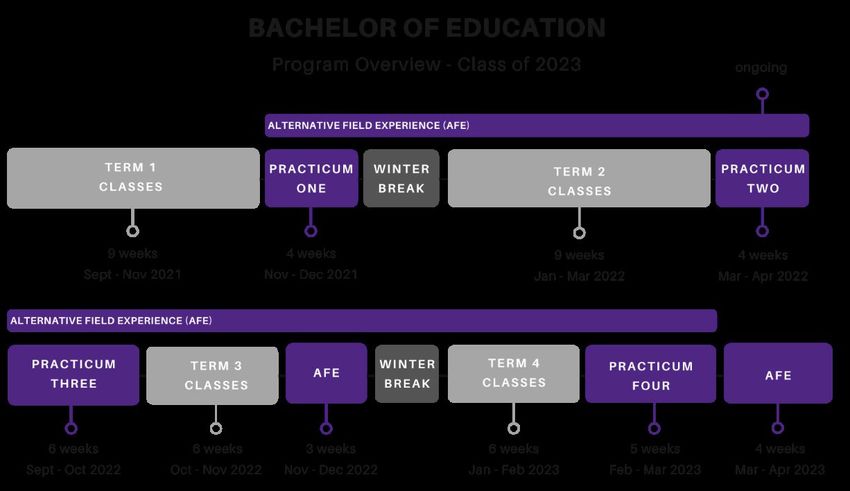
This is a PJ Curriculum Course taken by Teacher Candidates during Year 1, Full Year of the
Bachelor of Education.

2021-2022
Elementary School Language Arts (EDUC 5173) An overview of teaching and learning in the English Language Arts for the elementary school grades with attention to speaking, listening, reading, writing, viewing, and representing. Course content focuses on appropriate pedagogies, the design and implementation of language arts curricula, and on critical issues and research in these areas. 2 hours per week, full year, .5 credit. The course is designed to provide opportunities for candidates to acquire and demonstrate the following outcomes: 1. Knowledge of the connection between literacy, social justice and equity 2. knowledge of key research literature and curriculum documents pertinent to language arts teaching and learning, including documents from the Ontario Ministry of Education and Ontario College of Teachers; 3. knowledge of the historical and contemporary context of language arts teaching and learning and its implications, especially as they relate to the settler-colonial nature of Canada; 4. knowledge of the six dimensions of language arts (reading, writing, listening, speaking, viewing, and representing) and how a diversity of children may acquire them; 5. how to plan for language arts learning opportunities in the classroom using a variety of pertinent resources, including provincial programmatic curricula, from school entry to the end of the junior grades; 6. knowledge of contemporary literacy-related pedagogies including multimodal pedagogy, pedagogies for the support of culturally and linguistically diverse learners, and literacies across the curriculum; 7. knowledge and appreciation of a range of children’s literature texts and how to integrate it into the classroom curriculum;
8. knowledge of asset-oriented, inclusive, and emergent curricular approaches to
language arts teaching that are based on children’s diverse funds of knowledge;

9. knowledge of a range of classroom-based, authentic language arts
assessments predicated in bias for best practices and how these can inform
curriculum and pedagogy;

10. knowledge of ethics and standards of practice within language arts teaching;
and

11. the ability to effectively communicate the above to a range of audiences.

Required Readings :

Heydon, R., McTavish, M., & Bainbridge, J. (2021). Constructing meanings:
pedagogies for literacies K-8 (Seventh edition). Toronto: Nelson/TopHat
(Available at the Western Bookstore)

(Please note that this updated edition is significantly different from past editions.)

Ministry documents as indicated below. All Ministry of Education and Ontario
College of Teachers resources for required and optional readings are available
online.

Number of Credits : 0.5

Number of Weeks: 18

Week 1: Introduction (Week of Sept 6, 2021)

  Navigating Course Site

  Review of Course Syllabus

  Introductions

  Considering our own Language Arts experiences

  Learning Activities
Type            Name          Description
                              Article: Through the Lens of a Critical Friend
                              (Educational Leadership)
                 Week 1
 Reading                      http://www.ascd.org/publications/educational-
                 Readings
                              leadership/oct93/vol51/num02/Through-the-Lens-of-
                              a-Critical-Friend.aspx
                              Discussion Participation
 Formative       Weekly
 Assessment      Activities
                              Professional Language Arts Portfolio Artifact

Week 2: Introduction to Language and Literacy Education
(Week of Sept 13, 2021)

 Introduction to Literacy in Contemporary Times

 Introduction to the Ontario Curriculum: Grade 1-8: Language

 The Kindergarten Program, 2016

 Learning Activities
 Type            Name                  Description
 Formative       Due: Graphic
 Assessment      Literacy Life Map
                                       Constructing Meanings (7th Edition),
                                       Chapter 1

                                       Optional Text to Text Connections:
                                       - Literacy for Learning, Chapter 2 pp 5-9
                                       (Check text patterns and features for these
 Reading         Week 2 Readings       Ministry reference texts)
                                       - The Ontario curriculum Grades 1-8
                                       Language (2008)
                                       - The Kindergarten Program (2016)
                                       - The Call to Action of the Truth and
                                       Reconciliation Commission (2015)
                                       - Indigenous Languages Act (2019)
Learning Activities
Type Name Description
Discussion Participation
Formative
Weekly Activities
Assessment Professional Language Arts Portfolio
Artifact
Week 3: Planning in Language and Literacy Education
(Week of Sept 20, 2021)
Planning and selecting materials
Gathering, scheduling and organizing the learning environment
Planning for diversity and inclusion
Learning Activities
Type Name Description
Week 3
Reading Constructing Meaning, Chapter 2
Readings
Discussion Participation
Formative Weekly
Assessment Activities Professional Language Arts Portfolio
Artifact
Week 4: Language Learning and Oracy (Week of Sept 27,
2021)
Overview of English Language Acquisition and Oracy for a Diversity of Learners in
Ontario Classrooms
Language systems
The Purposeful Nature of Language
Social Context of Language Learning
Oral Language in the ClassroomLearning Activities
Type Name Description
Constructing Meanings, Chapter 3
Optional Text to Text Connections:
- The Kindergarten Program, pp 64-74, 181-194
Week 4 - Literacy For Learning, Chapter 8
Reading
Readings - Guide to Effective Literacy Instruction, Grades 4
– 6, Vol. 4 Oral Language
- Many Roots (pp. 19-22)
- Supporting English Language Learners: A
Practical Guide for Ontario Educators
Discussion Participation
Formative Weekly
Assessment Activities
Professional Language Arts Portfolio Artifact
Week 5: Early Literacies (Week of Oct 4, 2021)
Introduction to the concept of early literacies
Literacy Pedagogies with/in Early Childhood
Assessing Early Literacies
Learning Activities
Type Name Description
Constructing Meanings, Chapter 4
Week 5
Reading Optional Text to Text Connections:
Readings
- The Kindergarten Program, pp 194-214,
pp 181-216
Discussion Participation
Formative Weekly
Assessment Activities Professional Language Arts Portfolio
Artifact
Week 6: The Pleasures of Literacy (Week of Oct 18, 2021)
Children’s Literature, Culture & IdentityCritical Literacy
Supporting Learners’ Transitions as Readers
Roles of picture books, myths/fairy tales/fables, poetry and information books
Learning Activities
Type Name Description
Formative Due: Module 1 Professional Portfolio Submission
Assessment Portfolio #1 Due
Constructing Meaning, Chapter 5
Reading Week 6 Readings
The Kindergarten Program, 2016
Discussion Participation
Formative
Weekly Activities
Assessment Professional Language Arts
Portfolio Artifact
Week 7: The Nature & Assessment of Reading (Week of Oct
25, 2021)
Perspectives on Reading
Reading Assessment
Assessment with Reading Pedagogies
Learning Activities
Type Name Description
Constructing Meanings, Chapter 6
Week 7 Optional Text to Text Connections:
Reading
Readings - The Ontario Curriculum Grades 1-8
Language (2006)
- Growing Success (2010), pp 5-26
Discussion Participation
Formative Weekly
Assessment Activities Professional Language Arts Portfolio
ArtifactWeek 8: The Nature & Assessment of Reading (Week of Nov
1, 2021)
Assessment Strategies :
- Observation
- Conferencing
- Work samples
Learning Activities
Type Name Description
Due: Running
Formative Record
Assessment Assessment
Activity
Constructing Meanings, Chapter 6
Optional Text to Text Connections:
- The Ontario Curriculum Grades 1-8
Reading Week 8 Readings
Language (2006)
- Guide to Effective Literacy Instruction
Grades 4-6, Volume 2 Assessment, pp
15-25
Discussion Participation
Formative
Weekly Activities
Assessment Professional Language Arts Portfolio
Artifact
Week 9: Reading Pedagogies (Week of Nov 8, 2021)
Phonics in the service of meaning
Explicit and implicit; incidental and systematic pedagogies
Reading pedagogiesLearning Activities
Type Name Description
Constructing Meanings, Chapter 7
Optional Text to Text Connections:
Week 9
Reading - A Guide to Effective Instruction in Reading,
Readings
Kindergarten – Grade 3
- A Guide to Effective Literacy Instruction,
Grades 4-6, Volume 5 Reading
Discussion Participation
Formative Weekly
Assessment Activities
Professional Language Arts Portfolio Artifact
Week 10: Pedagogies to Foster Strategic Reading (Week of
Jan 3, 2022)
Strategic Reading
Word Solving
Graphophonic Cues
Structural Analysis
Reading Comprehension
Learning Activities
Type Name Description
Due: Practicum
Formative
Literacy Map
Assessment
Experiences
Constructing Meanings, Chapter 8
Optional Text to Text Connections:
- A Guide to Effective Instruction in
Reading Week 10 Readings
Reading, Kindergarten – Grade 3
- A Guide to Effective Literacy Instruction,
Grades 4-6, Volume 5 Reading, Chapter
9Learning Activities
Type Name Description
Discussion Participation
Formative
Weekly Activities
Assessment Professional Language Arts Portfolio
Artifact
Week 11: Pedagogies to Foster Strategic Reading (Week of
Jan 10, 2022)
Strategic Reading
Word Solving
Graphophonic Cues
Structural Analysis
Reading Comprehension
Learning Activities
Type Name Description
Constructing Meanings, Chapter 8
Optional Text to Text Connections:
Week 11
Reading - A Guide to Effective Instruction in Reading,
Readings
Kindergarten – Grade 3
- A Guide to Effective Literacy Instruction,
Grades 4-6, Volume 5 Reading
Discussion Participation
Formative Weekly
Assessment Activities
Professional Language Arts Portfolio Artifact
Week 12: The Process of Writing (Week of Jan 17, 2022)
The Process of Writing and Composing
Writing Technologies
Forms of WritingConducting a Writing Workshop
Writing Resources
Social Interaction in the Writing Process
Learning Activities
Type Name Description
Constructing Meanings, Chapter 9
Optional Text to Text Connections:
Week 12 - Guide to Effective Instruction in Writing,
Reading
Readings Kindergarten to Grade 3
- Guide to Effective Literacy Instruction, Grades
4-8, Volume 6 Writing
- "Writer's Workshop" at eworkshop.on.ca
Discussion Participation
Formative Weekly
Assessment Activities
Professional Language Arts Portfolio Artifact
Week 13: The Process of Writing (Week of Jan 24, 2022)
The Process of Writing and Composing
Writing Technologies
Forms of Writing
Conducting a Writing Workshop
Writing Resources
Social Interaction in the Writing ProcessLearning Activities
Type Name Description
Constructing Meanings, Chapter 9
Optional Text to Text Connections:
Week 13 - Guide to Effective Instruction in Writing,
Reading
Readings Kindergarten to Grade 3
- Guide to Effective Literacy Instruction, Grades 4-
8, Volume 6 Writing, pp.18-28
- "Writer's Workshop" at eworkshop.on.ca
Discussion Participation
Formative Weekly
Assessment Activities
Professional Language Arts Portfolio Artifact
Week 14: Assessment and Conventions of Writing (Week of
Jan 31, 2022)
Assessing Writing
Spelling Pedagogies
Conventions of Writing (Grammar, Punctuation, Capitalization)
Handwriting
Keyboarding and Technology
Learning Activities
Type Name Description
Formative Due: Module
Professional Portfolio Submission #2 Due
Assessment 2 Portfolio
Constructing Meanings, Chapter 10
Text to Text Connections:
Week 14
Reading - Guide to Effective Instruction in Writing,
Readings
Kindergarten to Grade 3
- Guide to Effective Literacy Instruction,
Grades 4-8, Volume 6 Writing
Discussion Participation
Formative Weekly
Assessment Activities
Professional Language Arts Portfolio ArtifactWeek 15: Assessment and Conventions of Writing (Week of
Feb 7, 2022)
Assessing Writing
Spelling Pedagogies
Conventions of Writing (Grammar, Punctuation, Capitalization)
Handwriting
Keyboarding and Technology
Learning Activities
Type Name Description
Constructing Meanings, Chapter 10
Optional Text to Text Connections:
Week 15
Reading - Guide to Effective Instruction in Writing,
Readings
Kindergarten to Grade 3
- Guide to Effective Literacy Instruction,
Grades 4-8, Volume 6 Writing
Discussion Participation
Formative Weekly
Assessment Activities
Professional Language Arts Portfolio Artifact
Week 16: Responding to Efferent Texts (Week of Feb 14,
2022)
Language and Thinking, Responding to Informational Text and Non-Fiction
Text structures
Writing and LearningLearning Activities
Type Name Description
Constructing Meanings, Chapter 11
Week 16 Optional Text to Text Connections:
Reading
Readings - Guide to Effective Literacy Instruction Grades 4-6,
Planning and Classroom Management.
- Volume 3: Planning and Classroom Management
Discussion Participation
Formative Weekly
Assessment Activities
Professional Language Arts Portfolio Artifact
Week 17: Responding to Aesthetic Texts (Week of Feb 28,
2022)
Reader Response
Responding with Love
Learning Activities
Type Name Description
Week 17
Reading Constructing Meaning, Chapter 12
Readings
Discussion Participation
Formative Weekly
Assessment Activities Professional Language Arts Portfolio
Artifact
Week 18: Consolidation Class (Week of Mar 7, 2022)
Consolidating learningLearning Activities
Type Name Description
Discussion Participation
Formative Weekly
Assessment Activities Professional Language Arts Portfolio
Artifact
Assessment Activities
Type Name Description
This assignment is designed to provide you with
the opportunity to synthesize and demonstrate
your understandings of the course content,
readings, class activities, your practica and other
related teaching experiences, and other sources
of professional learning in language arts teaching
and learning toward your fulfillment of the
competencies.
To provide an authentic task, you will choose
whether you are communicating with a principal
Due Mar 16: who is interviewing you for a teaching position or
Final with the parents of your future students.
Professional
Assignment
Language You will describe the Language Arts program you
Arts intend to establish in your own classroom. You
Assignment may choose from a variety of multi-modal
approaches to communicate your intentions – an
interview statement, script, a powerpoint, an
audio/video presentation, etc. Include a reference
list. When using a quotation, please include a
complete citation.
This assignment will be submitted on-line.
(Equivalent to 750 words).
Evaluation: Evaluation criteria will be shared in
class.
Ongoing: To demonstrate attainment of the course
Assignment Discussion outcomes, candidates must engage in all
Participation required weekly discussions and logs.Assessment Activities
Type Name Description
To demonstrate your attainment of the course
outcomes, including your understandings of the
readings and connections from theory to practice,
and to reflect on your language arts education
learning in fulfillment of the competencies, you
are asked to create a portfolio.
This portfolio of work will be done in-class and
sometimes outside of class time.
Ongoing: The portfolio work is expected to be completed
Professional weekly. Submission format will be given by your
Assignment Language instructor.
Arts
Portfolio Twice during the year, you will be asked to submit
your portfolio which will include a 500-word
Educator Statement expressing your learning in
Language Arts. Assessment criteria will be
shared in class.
Weeks 1-5 - Due Class 6 (week of October 18th,
2021)
Weeks 6-13 - Due Class 14 (week of January 31,
2022)
This course meets the following Course Outcomes:
Key Literature & Curriculum Documents: 1. knowledge of key literature and
curriculum documents pertinent to language arts teaching and learning including
Ontario Ministry of Education and Ontario College of Teachers documents.
Knowledge of Six Language Arts: 2. knowledge of the six language arts (i.e.,
reading, writing, listening, speaking, viewing, and representing) and how a
diversity of children may acquire them.
Language Arts Learning Opportunities: 3. how to plan for language arts learning
opportunities in the classroom using a variety of pertinent resources (includingprovincial programmatic curricula) from school entry to the end of the junior grades. Knowledge of Multiliteracies Pedagogy: 4. knowledge of multiliteracies pedagogy including multimodal pedagogy, pedagogies for the support of culturally and linguistically diverse learners, and literacies across the curriculum. Range of Pertinent Children's Literature: 5. knowledge and appreciation of a range of pertinent children's literature and how to integrate it into the classroom curriculum. Children's Funds of Knowledge & Interest: 6. knowledge of asset-oriented, inclusive, and emergent curricular approaches to language arts teaching that are based on children's funds of knowledge and interests. Authentic Language Arts Assessment: 7. knowledge of a range of classroom- based, authentic language arts assessment. Inform Curriculum & Pedagogy: 8. practices and how these can inform curriculum and pedagogy. reflective Practice within Language Arts: 9. knowledge of reflective practice within language arts teaching; and Ability to Effectively Communicate: 10. the ability to effectively communicate the above.
How to Protect Your Professional Integrity:
The Bachelor of Education is an intense and demanding program of professional
preparation. Teacher Candidates are expected to demonstrate high levels of academic
commitment and professional integrity that align with both Western University's
Academic Rights and Responsibilities and the Professional Standards and Ethical
Standards set by the Ontario College of Teachers. These expectations govern your
time in class, in your Practicum, in your Alternative Field Experiences, and include the
appropriate use of technology and social media.
The Teacher Education Office will only recommend teacher candidates for Ontario
College of Teachers certification when candidates have demonstrated the knowledge
of, and adherence to, the faculty polices throughout the two-year program.
To review the policies and practices that govern the Teacher Education program,
including attendance, plagiarism, progression requirements, safe campus and more,
visit: edu.uwo.ca/CSW/my-program/BEd/policies.html

Faculty of Education Pass/Fail Policy:
All courses and assignments in the Bachelor of Education are assessed as Pass/Fail.
Instructors will make the Success Criteria of the assignments clear, and refinements of
the criteria may take place in class as a means of co-constructing details of the
assignments in the first two weeks of a course. This will allow for differentiation of
process, product and timeline depending upon student needs.
Success Criteria will
   • Articulate what needs to occur to demonstrate learning outcomes for a
     course/assignment;
   • Inform the instructional process so that teaching can be adapted to ensure
     students continue to remain on track to meet the criteria as needed and
     appropriate.
   • Align with the assignments created to provide opportunities for students to
     demonstrate the knowledge, skills and abilities they are working toward;
   • Establish clear descriptive language that allows Teacher Candidates to identify,
     clarify and apply the criteria to their work and to their engagement in peer
     feedback;
   • Focus the feedback on progress toward meeting the overall and specific
     tasks/assignment goals for the course.

Participation:

2021-2022
Participation is essential to success in the Teacher Education program. As a
professional school, you need to treat coming to class as showing up for work in the
profession. If you are not in class, you cannot participate. Actively participating in
discussions, peer reviews/feedback, group work and activities is integral to the
development of your own learning and to the learning within your classroom
community.
Given the varied experiences of Teacher Candidates in the program, you may engage
with ideas/concepts or skills that are familiar or unfamiliar to you.
A Professional Teacher Candidate is one who:
• Arrives in class (virtual or online) on time, and prepared. This includes
completing any readings, viewing assignments or tasks in advance of class as
requested.
• Listens to others and contributes thoughtfully to discussions;
• Models respectful dialogue and openness to learn, monitors, self-assesses and
reformulates one’s prior beliefs and understandings in light of new information;
• Monitors and addresses their wellness, practices self-care, and seeks
appropriate support when necessary.
Support Services & Resources:
Health and Peer Support Learning Skills
Wellness westernusc.ca uwo.ca/sdc/learning
uwo.ca/health
Indigenous Student Accessibility Writing Support
Services Services writing.uwo.ca
Indigenous.uwo.ca sdc/uwo.ca/ssd
Financial Not sure who to ask?
Assistance Contact the Teacher Education Office at eduwo@uwo.ca
registrar.uwo.ca
2021-2022You can also read


