Emergency appeal 2020 - syria regional crisis - ReliefWeb
←
→
Page content transcription
If your browser does not render page correctly, please read the page content below
syria regional crisis

emergency appeal
2020
2020 syria regional crisis
      emergency appeal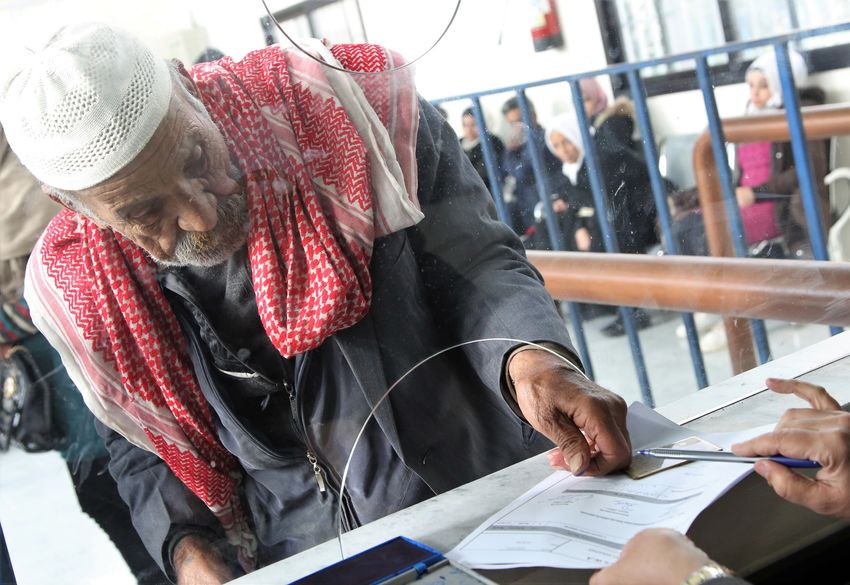
i       2020 syria regional crisis emergency appeal

@2020 United Nations Relief and Works Agency for Palestine Refugees in the Near East

About UNRWA
UNRWA is a United Nations agency established by the General Assembly in 1949 and is mandated to provide assistance and
protection to a population of some 5.6 million registered Palestine refugees. Its mission is to help Palestine refugees in Jordan,
Lebanon, Syria, West Bank, including East Jerusalem, and the Gaza Strip to achieve their full potential in human development,
pending a just solution to their plight. UNRWA services encompass education, health care, relief and social services, camp
infrastructure and improvement, microfinance and emergency assistance. UNRWA is funded almost entirely by voluntary
contributions.
Headquarters - Amman
Amman, Jordan
Tel: +962 (6) 580 2512
www.unrwa.org

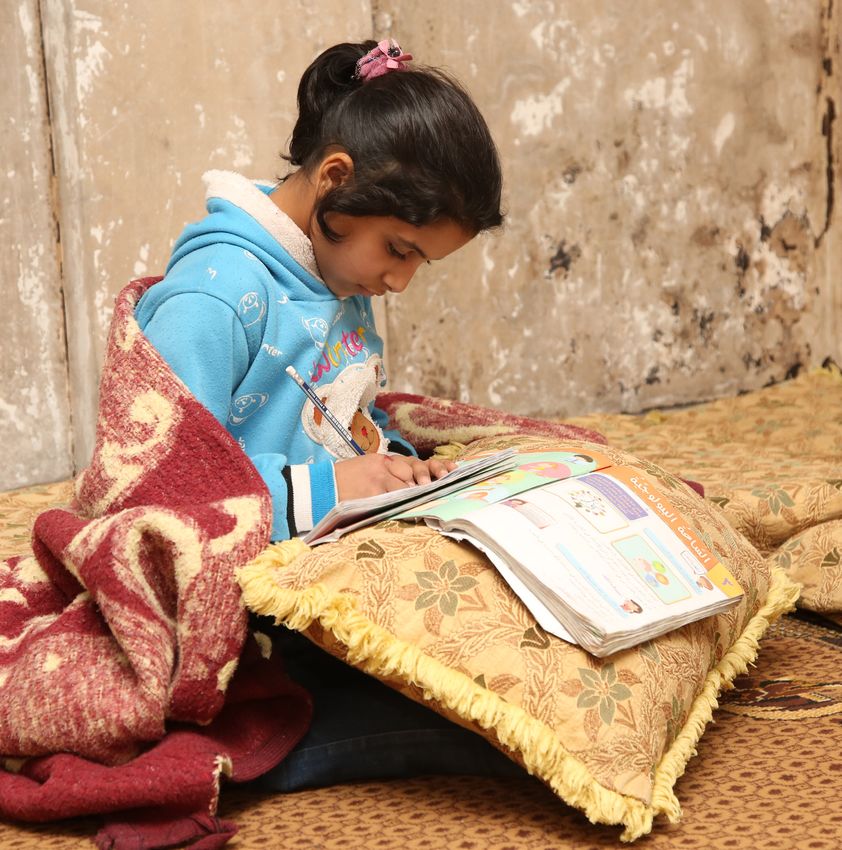
Cover Photo: Palestine refugees are adamant that their education continue, despite the challenges, conflict and distress they face, Dera’a camp in
Syria. © 2019 UNRWA Photo
united nations relief and works agency for palestine refugees in the near east                   ii

                           foreword by the acting
                           commissioner-general
                           of unrwa
In 2019, UNRWA was confronted with unprecedented                       Syria (PRS) only thanks to availability of earmarked funds.
organizational and financial challenges, which put our ability to
                                                                       In 2020, ensuring sufficient and predictable funding to the
fulfill our mandate to the test. The decision of the United Nations
                                                                       UNRWA Syria Regional Crisis Emergency Appeal is crucial to
General Assembly, in December 2019, to extend the UNRWA
                                                                       prevent Palestine refugees in Syria from slipping into further
mandate until 2023 is a confirmation of the relevance of the
                                                                       misery and despair. It is also needed to maintain vital services
Agency’s mission, pending a just and lasting solution to the plight
                                                                       for PRS in Lebanon and in Jordan, who live in conditions of
of Palestine refugees.
                                                                       marginalization and poverty, and are exposed to multiple
However, a severe financial shortfall is threatening the               protection vulnerabilities.
sustainability of our operations. By end of October 2019, UNRWA
                                                                       I would like to acknowledge the generous support of our many
had only received 26 per cent of the funds required to deliver
                                                                       donors and partners in 2019. This has allowed us to maintain
humanitarian assistance to some 438,000 Palestine refugees,
                                                                       the provision of services and deliver emergency assistance even
who remain amongst those worst affected by the conflict in
                                                                       in the midst of crisis; I call on the international community to
Syria. Over 90 per cent of Palestine refugee households in Syria
                                                                       maintain and increase its support to our humanitarian activities
live in poverty and 40 per cent remain in protracted displacement
                                                                       in 2020, to ensure that Palestine refugees receive the necessary
as a result of conflict and the damage and destruction of their
                                                                       support to meet their basic needs, prevent further suffering, and
homes. The continuous depreciation of the Syrian pound and
                                                                       foster a measure of stability in the region.
the deteriorating socio-economic conditions experienced by all
civilians in Syria during the last year have increased the hardship
faced by Palestine refugees, whose resilience is at breaking point.
In these circumstances, any interruption to UNRWA services
would inflict major suffering, depriving vulnerable communities
of their main – and often - sole source of assistance.
In an incredibly challenging and complex environment, UNRWA
has continued to deliver cash assistance, education, health care
and other services thanks to the exceptional commitment and                                                          Christian Saunders
courage of our staff, who are dedicating their lives on the front
                                                                                             Acting Commissioner-General of UNRWA
line to deliver crucial assistance to those most in need. However,
in 2019, due to underfunding, the Agency was forced to reduce
the amount of cash assistance provided per person per month in
Syria, with a negative impact on the ability of families to cover
essential needs such as food and rent. We were also forced to scale
down our livelihoods and vocational training activities, which are
critical to the resilience of Palestine refugees. While we have made
significant efforts to restore our services in areas of spontaneous
return of Palestine refugees, additional funding is needed to
ensure the rehabilitation of our installations in Palestine refugee
camps that have experienced large-scale destruction, such as
Dera’a. In Lebanon and in Jordan, we were able to maintain the
provision of basic services and humanitarian relief, such as cash
assistance, health and education, to Palestinian refugees from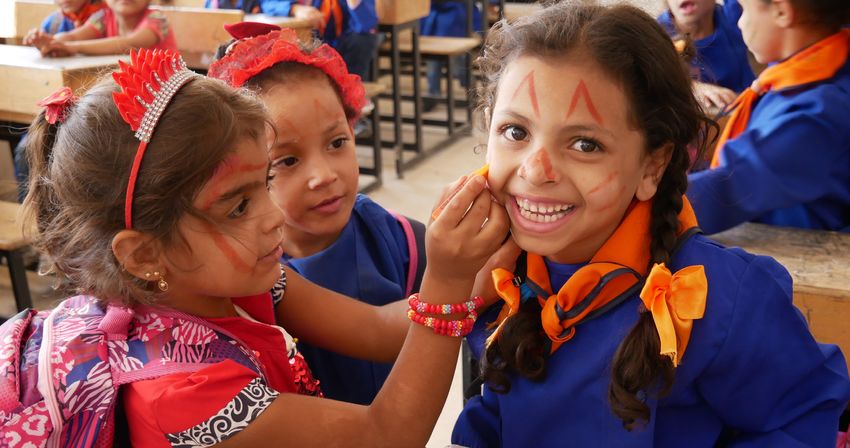
iii       2020 syria regional crisis emergency appeal

table of contents
acronyms and abbreviations��������������������������������������������������������������������������������������������iv
humanitarian dashboard�������������������������������������������������������������������������������������������������� 1
executive summary���������������������������������������������������������������������������������������������������������� 2
funding requirements������������������������������������������������������������������������������������������������������� 4
syria: context and needs analysis������������������������������������������������������������������������������������ 5
syria: planning assumptions�������������������������������������������������������������������������������������������� 6
syria: sector-specific interventions��������������������������������������������������������������������������������� 8
    strategic priority 1������������������������������������������������������������������������������������������������������� 8
    strategic priority 2����������������������������������������������������������������������������������������������������� 10
    strategic priority 3����������������������������������������������������������������������������������������������������� 17
lebanon: context and needs analysis����������������������������������������������������������������������������� 20
lebanon: planning assumptions ����������������������������������������������������������������������������������� 21
lebanon: sector-specific interventions�������������������������������������������������������������������������� 23
    strategic priority 1����������������������������������������������������������������������������������������������������� 23
    strategic priority 2����������������������������������������������������������������������������������������������������� 25
    strategic priority 3����������������������������������������������������������������������������������������������������� 32
jordan: context and needs analysis������������������������������������������������������������������������������� 34
jordan: planning assumptions �������������������������������������������������������������������������������������� 35
jordan: sector-specific interventions ���������������������������������������������������������������������������� 36
strategic priority 1���������������������������������������������������������������������������������������������������������� 36
strategic priority 2���������������������������������������������������������������������������������������������������������� 38
regional response����������������������������������������������������������������������������������������������������������� 43
annex 1: risk register����������������������������������������������������������������������������������������������������� 44
endnotes������������������������������������������������������������������������������������������������������������������������� 48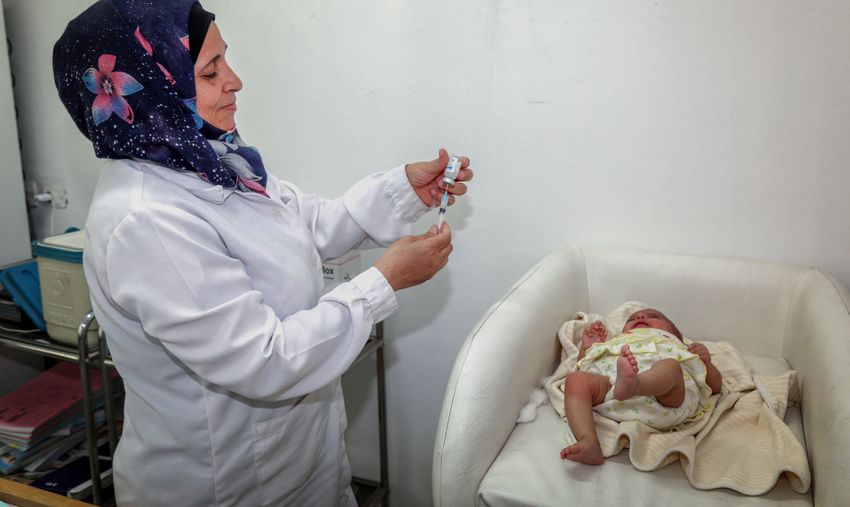
united nations relief and works agency for palestine refugees in the near east          iv

acronyms and abbreviations
ATM     Automated Teller Machine                             NGO       Non-Governmental Organisation
AVAC    Addressing Violence Against Children                 OCHA      United Nations Office for the Coordination of
                                                                       Humanitarian Affairs
CBOs    Community-based organisations                        PCM       Project cycle management
CCTV    Closed circuit television                            PDM       Post-distribution monitoring
EA      Emergency Appeal                                     PHC       Primary health care
ECU     Emergency Coordination Unit                          PRJ       Palestine refugees in Jordan
EiE     Education in Emergencies                             PRL       Palestine refugees in Lebanon
ERW     Explosive Remnants of War                            PRS       Palestinian refugees from Syria
FESA    Faculty of Educational Sciences and Arts             PSS       Psycho-social support
GBV     Gender-Based Violence                                PTA       Parent teacher association
HCs     Health Centres                                       RBM       Results-based monitoring
HCT     Humanitarian Country Team                            3RP       Regional Refugee and Resilience Plan
HNO     Humanitarian Needs Overview                          RSS       Relief and Social Services
HLP     Housing, Land and Property                           SEA       Sexual Exploitation and Abuse
HPs     Health Points                                        SFO       Syria field office
HRP     Humanitarian Response Plan                           SSAFE     Safe and Secure Approaches in Field Environ-
                                                                       ments
ICT     Information, Communication and Technology            SSNP      Social Safety Net Programme
IHRS    International Human Rights System                    SOPs      Standard Operating Procedures
INGO    International Non-governmental Organizations         STC       Siblin Training Centre
IDPs    Internally displaced persons                         TVET      Technical and Vocational Education and Training
JHAS    Jordan Health Aid Society                            UNDG      UN Development Group Business Operations
                                                             BOS       Strategy
JFO     Jordan field office                                  UNHCR     United Nations High Commissioner for Refugees
KAP     King Abdullah Park                                   UNRWA United Nations Relief and Works Agency for
                                                                   Palestine refugees in the Near East
LBP     Lebanese Pound                                       VHF       Very High Frequency (radio)
LCRP    Lebanon Crisis Response Plan                         VTC       Vocational and Training Centre
LFO     Lebanon field office                                 WASH      Water, Sanitation and Hygiene
MHPSS Mental Health and Psychosocial Support                 WFP       World Food Programme
NFIs    Non-Food Items                                       WSAT      Women’s Security Awareness Training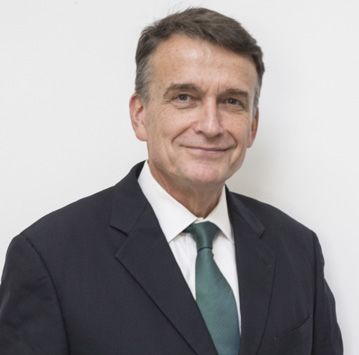
1        2020 syria regional crisis emergency appeal

                                           2020 syria regional crisis
                                                 emergency appeal
                                                                    of refugees remain displaced within Syria,

                                                                                                                                             US$ 212,845,582
                                                                    with two-thirds of Palestine refugees

                                                                                                                      funding requirements
                                                         40%
                    438,000                                         displaced at least once since the beginning
                                                                    of the conflict
                Palestine refugees
Syria

             remaining in the country                    91%        of Palestine refugee households in Syria live
                                                                    in absolute poverty
                  52%         31%
                 female      children

                                                    126,000         vulnerable

                                                         89%     of PRS live in poverty

                                                                                                                     funding requirements
                                                                                                                                             US$ 45,414,764
Lebanon

                      27,700                             80%
                                                                 of PRS rely on UNRWA cash assistance as their
                        PRS in 2019                              main source of income

                  51%         42%
                                                                 of PRS do not possess valid legal residency
                 female      children
                                                         55%     documents

                                                                                                                                             US$ 11,238,112
                                                                                                                      funding requirements
                                                     100%        of PRS are in need of winterization assistance
                     17,343
Jordan

                        PRS in 2019
                 52%
                                                         32%     of PRS households are female headed
                               43%
               female        children
                                                         86%     of PRS households reported to be in debt

  PRS: Palestinian refugee from Syria

 total funding requirements: US$ 269,849,817
  programme requirements                    syria         lebanon           jordan           regional          subtotal
  strategic priority 1
  cash assistance for essential needs     106,773,557      26,228,122        8,546,734           -             156,564,475
  non-food items (NFIs)                     4,108,485         -                -                 -
  food assistance                          10,907,577         -                -                 -                  (58%)
  strategic priority 2
  emergency health                         12,527,639       6,514,885          515,262           -
  education in emergencies                 21,189,539       7,089,344        1,345,875           -
                                                                                                                  82,627,950
  livelihoods                              19,315,139         512,074          -                 -
  protection                                2,348,384       1,133,490          181,152           -                  (31%)
  environmental health                      7,360,364       2,594,803                            -
  strategic priority 3
  safety and security                        2,242,552         200,855           -
  capacity and management support            7,802,301         608,391           649,089         351,359          30,657,392
  emergency repair and maintenance of
                                            18,270,045         532,800           -               -                  (11%)
  unrwa installations
  total                                   212,845,582     45,414,764        11,238,112         351,359         269,849,817
united nations relief and works agency for palestine refugees in the near east 2
executive summary
Palestine refugees in Syria continue to face severe and multiple livelihoods and vocational training, as well as mental health
needs as a consequence of nine years of conflict and associated and psychosocial support activities. In Lebanon and Jordan,
hardship. This has resulted in extensive casualties, large- the Agency was able to maintain the provision of basic
scale and protracted displacement, destruction of civilian services such as cash assistance, education and health to PRS
infrastructure, a decrease in the provision of public services mainly through the availability of earmarked grants. However,
and the devastation of the economy. Household resilience in Lebanon, lack of funding limited the Agency’s ability to
and coping capacities continue to be severely undermined provide employment support services to vulnerable PRS youth
by rising inflation, increases in the price of basic commodities, and constrained the implementation of maintenance works
destruction or damage of homes and infrastructure and on facilities serving PRS. In Jordan, due to funding shortfalls,
limited livelihood opportunities. Palestine refugees remain the Agency could not support the provision of WASH services
heavily reliant on UNRWA emergency assistance to meet their to PRS in King Abdullah Park (KAP).
most basic needs. Ein el Tal, Dera’a and Yarmouk camps, where In this context, ensuring predictable and sufficient funding to
previously more than 30 per cent of Palestine refugees in Syria the UNRWA Syria Regional Crisis Emergency Appeal in 2020
were registered, have been largely destroyed, leaving many will be essential to maintain the provision of relief assistance
Palestine refugees in a situation of protracted displacement, and basic services to Palestine refugees in Syria and to PRS in
unable to return to their homes, burdened with additional Lebanon and Jordan. Cash assistance will remain a priority
expenses and confronted with persistent humanitarian and in the three countries of operation. In Syria and Jordan,
protection needs. UNRWA will continue to provide cash assistance through a
Many of the Palestinian refugees from Syria (PRS) who have targeted approach prioritizing most vulnerable families, who
fled the country and are currently in Lebanon and Jordan, will continue to receive a higher social transfer, while the
continue to face a precarious and marginalized existence due remainder will receive a reduced amount of assistance. In
to their uncertain legal status and limited social protection Lebanon, cash assistance will continue to be provided through
mechanisms, with very limited access to basic services other a universal approach given the high levels of vulnerability
than the assistance provided by UNRWA. Deteriorating socio- and dependency across the PRS community. The Agency also
economic conditions, constrained employment opportunities plans to update a socio-economic survey of PRS in Lebanon
and increased costs of living experienced both in Lebanon and to better understand their vulnerabilities and adjust its
Jordan over the past years have increased the vulnerability of operations accordingly.
PRS families, and stretched coping mechanisms even further. Under this Emergency Appeal, UNRWA will continue to seek
In 2020, UNRWA will continue to support Palestine refugees funding to ensure the provision of essential services such
affected by the protracted crisis through providing relief as education, health and WASH services in camps. Critical
assistance and ensuring access to essential education and protection services will also be maintained for Palestine
health services. Drawing on its existing structures, supply refugees in Syria and PRS in Lebanon and Jordan. Livelihoods
chains and capacities, the Agency will continue to adapt its and vocational training opportunities, with a focus on
interventions to respond to ongoing and evolving needs in Palestine refugee youth, will be provided in Syria and in
an effective and agile manner. In Syria, it is expected that the Lebanon depending on the availability of funds.
spontaneous return of Palestine refugees from within and In 2020, UNRWA requires US$ 270 million for its humanitarian
outside the country will continue in areas that experience response to the Syria crisis. This response will be guided by the
relative calm and where basic infrastructure is rehabilitated, following strategic priorities:
as observed in Sbeineh and Khan Eshieh camps in recent
Strategic Priority 1: To preserve resilience through the
years. In 2020, UNRWA will increase its efforts to rehabilitate
provision of humanitarian assistance ensuring that the most
its facilities and restore its services in areas of spontaneous
vulnerable Palestine refugees meet their basic needs.
return, including in Dera’a, where small scale returns have
been observed in 2019. Strategic Priority 2: To contribute to a protective environment
for Palestine refugees by maintaining access to basic services
In 2019, US$ 277 million was needed to cover the costs of
including education; health; water, sanitation and hygiene
emergency interventions in Syria, Lebanon and Jordan;
(WASH), and livelihoods; and protection.
however, as of 31 October 2019, only US$ 78.6 million had
been pledged, corresponding to 28 per cent of total funding Strategic Priority 3: To improve the effectiveness and
requirements. Operations inside Syria were disproportionately efficiency of emergency programme delivery through
affected by underfunding, forcing the Agency to scale down strengthened humanitarian capacity, coordination and
its operations particularly in the areas of cash assistance, management.3 2020 syria regional crisis emergency appeal
Activities described in this appeal are consistent with the
priorities and interventions of the Humanitarian Country Team
(HCT) in Syria,1 the Lebanon Crisis Response Plan (LCRP), and
the Regional Refugee and Resilience Plan (3RP) for 2020-2021.
They will be complemented by ongoing operations supported
by the Agency’s Programme Budget, particularly in the areas
of education and health.
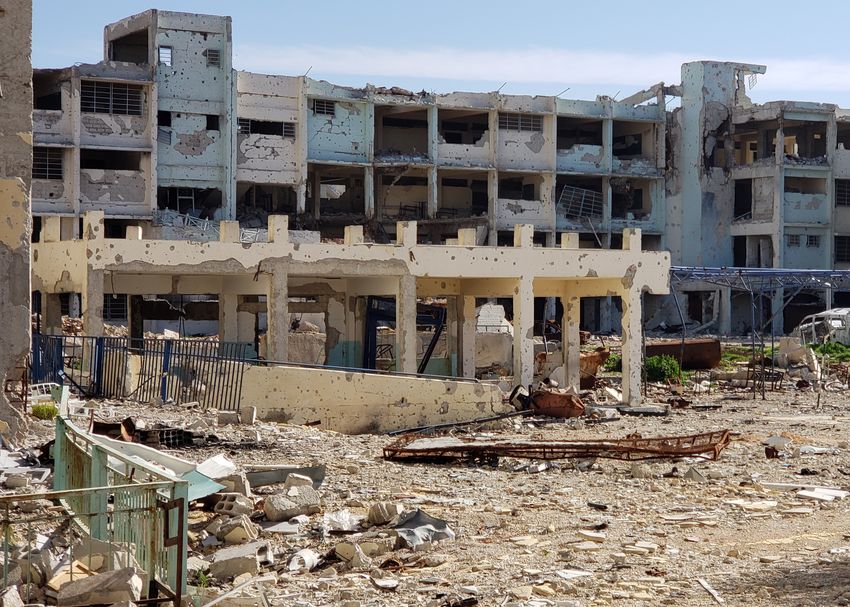
The UNRWA Al-Jamaq School, one of 23 Agency
installations damaged by the conflict in Yarmouk,
Syria. © 2019 UNRWA photounited nations relief and works agency for palestine refugees in the near east 4
2020 syria regional crisis response
funding requirements
programme requirements syria lebanon jordan regional total
cash assistance for essential needs,
including food, shelter and non- 106,773,557 26,228,122 8,546,734 - 141,548,413
food items (NFIs)
non-food items (NFIs) 4,108,485 - - - 4,108,485
food assistance 10,907,577 - - - 10,907,577
emergency health 12,527,635 6,514,885 515,262 - 19,557,786
education in emergencies 21,189,539 7,089,344 1,345,875 - 29,624,758
livelihoods (microfinance, vocational
training, income generation, social 19,315,139 512,074 - - 19,827,213
cohesion for lebanon)
protection 2,348,385 1,133,490 181,152 - 3,663,026
environmental health 7,360,365 2,594,803 - - 9,955,167
safety and security 2,242,553 200,855 - - 2,443,407
capacity and management support 7,802,301 608,391 649,089 351,359 9,411,140
emergency repair and maintenance
18,270,045 532,800 - - 18,802,845
of unrwa installations
total (US$) 212,845,582 45,414,764 11,238,112 351,359 269,849,8175 2020 syria regional crisis emergency appeal
syria: context and needs analysis
Almost nine years of conflict continue to have distressing years. Several children were killed or injured by ERW explosions
humanitarian and protection consequences on civilians in Syria. during 2019, including an eight-year-old Palestine refugee
Palestine refugees, among the most affected communities in who was playing in an area near Dera’a camp.
Syria, continue to rely heavily on UNRWA for the provision of
In 2020, cash assistance will remain a priority for UNRWA
the most basic services, including protection and emergency
in Syria, to contribute to mitigating the consequences of
humanitarian assistance.
deepening poverty and increasing vulnerabilities. Under
Displacement, loss of life and livelihoods, rising inflation, this Emergency Appeal, the Agency will continue to provide
decreasing value of the Syrian pound, fluctuations in the cash assistance to up to 418,000 Palestine refugees through a
price of basic commodities, destruction of homes and basic targeted approach introduced in the second half of 2019, which
infrastructure and movement restrictions in certain areas are gives priority to the most vulnerable. Based on this two-tier
among the many factors that have aggravated the existing system, female headed households, persons with disabilities,
vulnerabilities of the 438,000 Palestine refugees2 currently households headed by older persons and unaccompanied
estimated to remain in country. An estimated two-thirds of minors (orphans) receive a higher social transfer value, while
Palestine refugees have been displaced from their district the remainder of the caseload receives a reduced amount of
of origin at least once since the beginning of the conflict, cash assistance. While UNRWA will strive to provide refugees
and around 40 per cent remain displaced within Syria as of with a meaningful social transfer, funding constraints may
the end of 2019, with the three Palestine refugee camps of force the Agency to decrease the amount provided. In-kind
Yarmouk, Dera’a and Ein El Tal (Aleppo), largely destroyed by food assistance will also continue to be limited to the most
the hostilities. vulnerable.
In 2019, a severe depreciation of the Syrian pound added an Throughout 2020, UNRWA will also continue to provide quality
increased socio-economic burden to a population already education to over 50,000 students in 103 UNRWA-managed
struggling to cope with multiple challenges. A socio-economic schools across the country, and primary health care to Palestine
assessment of living conditions conducted by UNRWA in refugees through 25 medical facilities. The Agency will also
December 2017 estimated that 91 per cent of Palestine strive to ensure that mental health, psychosocial support and
refugee households in Syria live in absolute poverty (less than protection services remain available to Palestine refugees.
US$ 2 person/day) prior to receiving UNRWA cash assistance. UNRWA will continue to focus on livelihoods, including support
At the time of the assessment, UNRWA was providing Palestine for TVET and Microfinance; should funds become available,
refugees in Syria with an average cash transfer of US$ 23 per the Agency will also explore opportunities to support most
person per month. However, over the past year, the Agency has vulnerable refugees through small-scale shelter rehabilitation
been forced to reduce this amount due to funding constraints. interventions to increase their resilience and reduce their
In addition, mental health needs persist, particularly among dependency on aid. UNRWA will continue to rehabilitate and
children; however, the UNRWA response to these issues in maintain water and sanitation services in Palestine refugee
2019 has been constrained due to underfunding. Failing to camps, with a particular focus on newly accessible areas.
provide the needed support will have a devastating long-term With many Agency facilities, including 40 per cent of UNRWA
impact that will be increasingly difficult to address. schools and 29 per cent of health facilities currently unusable
due to the conflict, essential rehabilitation and construction
During 2019, the situation in Syria has remained tense and
works on UNRWA installations will also remain a priority in the
unstable. While Damascus, Rural Damascus and most of
coming year.
the major urban concentrations in Homs, Hama, Latakia
and Dera’a experienced relative calm with the end of active In 2019, funding shortfalls constrained UNRWA emergency
hostilities, increased fighting and hostilities in the north-west activities in Syria, forcing the Agency to reduce the amount
(Idlib and surrounding areas) and the north-east (Qamishli and of cash assistance provided per person per month, exposing
Al Hasakeh) have caused further displacement and civilian Palestine refugees to further poverty and depleting their
casualties. On 14 May 2019, several rockets hit the densely already scarce coping mechanisms; the Agency also had
populated Palestine refugee camp of Neirab in Aleppo, killing to scale down its mental health and psychosocial support
at least eleven civilians, including five children of whom four activities and the provision of assistive devices. No TVET short-
were UNRWA students, and wounding more than thirty. term courses could be provided under the Emergency Appeal,
depriving young Palestine refugees of the opportunity to
In 2019, the threat of asymmetric attacks and the risks posed
improve their access to livelihoods. Necessary rehabilitation
by the widespread presence of Explosive Remnants of War
and maintenance works on UNRWA installations were also
(ERW) remained high, particularly in newly accessible areas
limited due to the funding shortfall.
and camps that have witnessed active hostilities in recentunited nations relief and works agency for palestine refugees in the near east 6
In 2020, donor support to UNRWA emergency activities in
Syria will be even more crucial to ensure that life-saving
interventions can be provided without interruption.
syria: planning assumptions
In 2020, UNRWA expects localized hostilities to continue to preferential US$ exchange rate applicable to cash assistance
trigger pockets of violence and destruction in certain areas provided by UNRWA and other UN Agencies, improving the
of the country. At the same time, spontaneous returns to purchasing power of this assistance. However, at the time of
newly accessible areas are expected to increase with the drafting, the preferential exchange rate was still below the
government recovering control across parts of the country. market rate and overall socio-economic conditions remained
The Agency’s emergency response in 2020 is based on the bleak.
following planning assumptions:
The impact of sanctions on daily life will also continue to be
A mix of humanitarian and post-conflict interventions: felt, with the country experiencing fuel shortages and cuts in
Whilst Damascus, Rural Damascus and most of the major urban electricity, particularly during the winter season, thus, driving
concentrations in Homs, Hama, Latakia, and Dera’a experienced up the price of fuel and gasoline and increasing the economic
relative calm throughout 2019, hostilities continued in other burden on families.
areas of the country (e.g. north-east and north-west) and
A large proportion of Palestine refugees in Syria will
the overall situation remained tense and unstable. In 2020,
remain displaced: Out of the 438,000 Palestine refugees
the Agency anticipates that a mix of humanitarian and
currently estimated to remain inside Syria, two-thirds have
development approaches that are supportive of post-conflict
been displaced at least once since the beginning of the conflict,
rehabilitation will be needed to respond to the different needs
and around 40 percent remain displaced. It is anticipated that
of Palestine refugees across Syria.
the levels of displacement will remain high among Palestine
Improved access with localized conflict in certain areas of refugees, as access to Yarmouk is still restricted and the
the country: Hostilities may continue in certain areas of the level of destruction there is significant. The majority of the
country; in order to respond to emergency situations, UNRWA 160,000 former residents of Yarmouk are, therefore, expected
will keep a contingency stock to address sudden onset needs. to remain in displacement, often paying high rents, which
Should safe access resume for civilians in areas like Yarmouk, further increases their vulnerability. Returns to Dera’a and Ein
the Agency will focus on resuming its basic services (health, El Tal camps, which have sustained major destruction, remain
education and WASH) in these areas. UNRWA will prioritize slow, due to the level of damage to basic infrastructure and
resuming its basic services in Dera’a and Ein el Tal camps the lack of public services.
where spontaneous returns were observed.
Increase in spontaneous returns: In 2020, UNRWA anticipates
High levels of humanitarian needs especially amongst additional small-scale spontaneous returns, particularly to
the most vulnerable Palestine refugees: As 91 per cent locations and camps that experience relative calm and where
of Palestine refugees in Syria live in absolute poverty, the basic infrastructure is being rehabilitated. UNRWA will seek
level of humanitarian needs and vulnerabilities is expected to resume its basic services (education, heath, relief and
to remain very high, resulting in a correspondingly high social services, WASH and microfinance services) in defined
dependency of Palestine refugees on the Agency for support. locations where feasible, to ensure that Palestine refugees are
Specific categories of individuals, including female-headed served. While a small number of spontaneous returns of PRS
households, older persons, persons with disabilities and from outside Syria were observed in 2019 (about 2,167 PRS
unaccompanied minors / orphans are particularly at risk and returning from Lebanon and Jordan, as of October 2019) and
will continue to be prioritized. Humanitarian needs are also are expected to continue, most returns in 2020 are expected
likely to persist for internally displaced Palestine refugees to be amongst the internally displaced. This trend may change
and those who are able to return to newly accessible areas, depending on regional developments and on the conditions in
where homes have sustained damage and destruction, and neighbouring countries hosting PRS. UNRWA will continue to
properties have often been looted or destroyed. monitor the situation and will maintain operational flexibility
to respond to increased needs.
Precarious socio-economic conditions are expected to
compound vulnerabilities: Fluctuations in the price of basic Palestine refugees in and from Syria will continue to
commodities, rising inflation and the depreciation in the face serious protection challenges: It is anticipated that
value of the Syrian pound will continue to increase the socio- protection risks will persist and may intensify in newly
economic vulnerability of Palestine refugees and Syrians accessible areas where spontaneous returns, both from within
alike. In December 2019, the Syrian Central Bank granted a and from outside of Syria, are expected to increase. These incl-7 2020 syria regional crisis emergency appeal
ude, but are not limited to, protection risks associated with protective community support structures, including for
Housing, Land and Property (HLP) issues, civil documentation, women, older persons, children and persons with disabilities.
Explosive Remnants of War (ERW), GBV, risk of violence against
Caseloads for the interventions highlighted below are based
children and other general protection issues.
on a planning figure of 438,000 Palestine refugees in Syria. Out
Protection response capacities, including external protection of this population, 418,000 Palestine refugees are considered
referrals, remain constrained in Syria due to sensitivities in the highly vulnerable and at-risk of a further decline in their
operating environment and limited funding. These challenges coping mechanisms. Of these 418,000, an estimated 126,000
are compounded by the fragmentation of previously existing have been identified as extremely vulnerable.
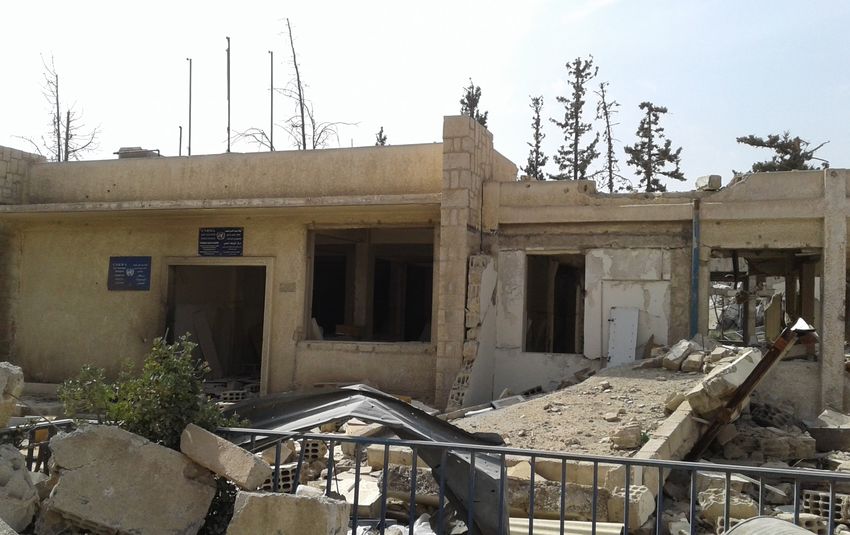
An UNRWA health centre in Yarmouk. The Agency
has three health centres in Yarmouk, all of which
need to be completely rebuilt. © 2018 UNRWA Photo
by Hala Mukhlesunited nations relief and works agency for palestine refugees in the near east 8
syria: sector-specific interventions
UNRWA cash assistance is a vital lifeline for the
most vulnerable Palestine refugees, UNRWA Syria
field office, Damascus. © 2018 UNRWA Photo9 2020 syria regional crisis emergency appeal
Cash Assistance for Essential Needs, Including Food, Shelter and NFIs
Outcome/Output Indicator Baseline Target
Outcomes
Palestine refugees are able to meet Percentage of households reporting an
their life-saving needs and cope with improved food consumption score3 63% 90%
sudden crises
Outputs
Number of individuals receiving cash assistance 409,280
during the last completed distribution round (194,688 male, 418,000
(disaggregated by sex) 214,592 female)
Number of most vulnerable Palestine refugees 121,944
provided with cash assistance during the last (48,396 male; 126,000
completed distribution round (disaggregated 73,548 female)
Palestine refugees in Syria are
by sex)
provided with relief assistance
Number of most vulnerable Palestine refugees 135,662
and targeted vulnerable cases⁴ provided with (55,828 male;
135,000
food assistance during the last completed 79,834 female)
distribution round (disaggregated by sex)
Number of Palestine refugees receiving NFIs 30,393 30,000
In 2020, UNRWA plans to provide up to 418,000 Palestine rounds during 2020. The Agency will continue to monitor the
refugees with cash assistance to meet their basic needs, availability of food on the markets and will retain operational
including for food, NFIs and shelter. The Agency will deliver this flexibility to adjust to a changing context as appropriate.
assistance through a targeted approach introduced in 2019,
Ready-to-eat food baskets and NFIs (including mats, mattresses
focusing on the most vulnerable. In 2020, under this Emergency
and blankets) will also be provided to Palestine refugees
Appeal, approximately 126,000 Palestine refugees who fall
affected by acute emergencies, including newly displaced
within one of the four most vulnerable categories (female-
persons and those directly impacted by new or increased
headed households, families headed by a disabled person and
hostilities. Families and individuals spontaneously returning
people with disabilities, families headed by an older person and
to newly accessible areas that were severely affected by the
unaccompanied minors / orphans) will be provided with US$
conflict and/or lacking basic services will also be eligible for
28 per person per month. The remaining caseload will continue
in-kind support based on needs.
to receive US$ 14 per person per month. Through its partners,
comprising a network of banks and private companies present Should funding become available, UNRWA will launch pilot
in all regions of Syria, UNRWA will continue to provide cash initiatives in selected locations to support the most vulnerable
assistance in a flexible and timely manner with minimal financial refugees whose shelters have been damaged as a result of
risk. In 2020, UNRWA also plans to extend the use of ATM for the conflict. Supporting the rehabilitation of these individual
its cash distribution. Some 40,000 ATM cards will be issued, shelters will contribute to protecting the most vulnerable
distributed and credited to selected beneficiaries, on top of the while preserving their resilience and reducing dependency
10,000 cards already issued in 2019. on aid handouts. Different implementation modalities will be
explored, including a self-help approach used in other UNRWA
Food insecurity continues to negatively affect the Palestine
fields of operations, directly involving the families whose
refugees who depend on UNRWA assistance to meet their
shelters are being rehabilitated, respecting their dignity and
minimum food needs. To mitigate the impact of poverty and
generating employment within the local economy, whilst
food insecurity, UNRWA will provide the most vulnerable
supporting cost effective rehabilitation.
Palestine refugees and a few additional identified vulnerable
cases with in-kind food assistance through three distributionunited nations relief and works agency for palestine refugees in the near east 10
11        2020 syria regional crisis emergency appeal

Emergency Health
               Outcome/Output                                       Indicator                        Baseline            Target
 Outcomes
                                                   Number of visits and/or consultations
 The impact of the crisis on health services for
                                                   supported by UNRWA (primary,                      829,518            830,000
 refugees is addressed
                                                   secondary and tertiary health care)
 Outputs
                                                   Number of Palestine refugee visits to
                                                                                                     811,518            810,000
                                                   UNRWA health facilities
                                                   Number of operational Agency health
                                                                                                        25                 25
 Palestine refugees have access to primary         centres, health points and mobile clinics
 health-care services                              Number of UNRWA hospitalizations
                                                                                                      18,000             20,000
                                                   accessed by Palestine refugee patients
                                                   Percentage of HCs with no stock-out of
                                                                                                        100               100
                                                   12 tracer items

The provision of health care inside Syria remains hindered by       UNRWA subsidizes 75-95 per cent of the total cost of treatment
the widespread damage and destruction of health facilities,         for referred patients, depending on the socio-economic status
insufficient human resources and access constraints in some         of the patient. UNRWA will continue to ensure that patients
areas. While the general cost of living, including of health        have adequate access to essential medical supplies and drugs
services, has dramatically increased since 2011, the ability of     and will strive to maintain contingency stocks of medical
public and private hospitals and clinics to respond to the needs    supplies and drugs to address any emerging situation.
of the population has decreased. As a result, the vast majority
                                                                    Finally, the Agency will focus its efforts on the resumption of
of Palestine refugees in Syria have become increasingly
                                                                    health-care services in newly accessible areas and in areas
dependent on UNRWA for the delivery of health-care services.
                                                                    of spontaneous return. Those areas will include the South
In 2020, UNRWA will continue to deliver quality primary health      (Dera’a camp, Muzeirib, Jillin) and the South Damascus
services through 17 health clinics, six health points operating     area, where accessible (Yarmouk/Yalda), as well as main
in areas of displacement of Palestine refugees and two mobile       gatherings, depending on access and based on needs. Should
clinics which are deployed according to needs. UNRWA health         funding become available, UNRWA will also reconstruct its
facilities provide a range of primary medical services, including   health facilities that have been completely destroyed by
out-patient consultations, immunization services, growth            the hostilities in selected locations to ensure that Palestine
monitoring, provision of medicine, gynaecology consultations,       refugees have access to services. The Agency will continue to
laboratory services, non-communicable disease care, maternal        deploy its mobile clinics to sustain the provision of medical
and child health care, dental and MHPSS services.                   and dental services to refugees in areas where facilities are not
                                                                    fully operational. UNRWA will also equip rehabilitated health
Furthermore, the Agency provides support to Palestine
                                                                    centres with confidential spaces for patients facing protection
refugees seeking secondary and tertiary health care through a
                                                                    concerns, including cases of gender-based violence (GBV) and
system of referrals to public, private and NGO hospitals.
                                                                    violence against children.
united nations relief and works agency for palestine refugees in the near east 12
Education in Emergencies
Outcome/Output Indicator Baseline Target
Outcomes
Number of students graduating from basic 3,669
education (Grade 9) (1,720 boys;
3,500
Palestine refugees in Syria continue to access 1,949 girls)
quality, inclusive and equitable education
despite conflict and displacement. Number of Palestine refugee students 44,387
completing end-of-year exams (Grades 1-8) (22,671 boys; 44,000
21,716 girls)
Outputs
50,143
Palestine refugee students have access to Number of school-age children enrolled in
(25,482 boys; 51,000
education through regular/catch-up classes regular classes in UNRWA schools
24,661 girls)
Number of students who have attended at
42,310
Palestine refugee students are provided least one counselling session (individual or
(21,300 boys; 51,000
with psychosocial support (PSS). group counselling)
21,010 girls)
Palestine refugee students are provided 50,143
Number of students provided with at least one
with educational and recreational (25,482 boys;
item of material support to enable them to 51,000
materials and activities 24,661 girls)
access education at an UNRWA school
Nine years of conflict have severely affected the provision of School principals and teachers in UNRWA schools will continue
education services in Syria, with many school facilities destroyed to receive training on safety and security topics with the
and children experiencing displacement and dropping out of aim of enhancing preparedness and response to safety and
the education system. security risks in schools. Training topics will include evacuation
procedures, dealing with ERWs and mines, and tips on fire
In response, in 2020, UNRWA will continue to provide quality,
safety, in addition to live drills. Similar training sessions will also
inclusive and equitable education services to up to 51,000
Palestine refugee children enrolled in 103 UNRWA schools be provided to students, offering them basic survival skills and
located in Damascus, Rif Damascus, Aleppo, Hama, Homs, raising their awareness of security risks.
Latakia and Dera’a. A number of schools still operate on a In 2020, UNRWA will work towards the resumption of
double-shift basis. Since the beginning of the conflict, the educational services in newly accessible areas or areas of
number of UNRWA-managed schools has decreased from increased returns, including Yarmouk/Yalda should conditions
118 to 103 in the 2019 / 2020 scholastic year, due to access allow, and Dera’a and Ein el Tal camps. Construction works
constraints and damage or destruction. UNRWA will employ will be undertaken depending on the availability of funding
approximately 1,700 teachers, including daily paid teachers to ensure students have access to safe and secure UNRWA
to cover possible gaps created by the conflict. The Agency will premises. With the authorization received to carry out works
also continue its Education in Emergencies (EiE) interventions, in Dera’a camp, UNRWA will prioritize the reconstruction of
including the maintenance and running of recreational spaces; schools in this area to ensure provision of education services to
the implementation of recreational activities, the provision the increasing number of returning Palestine refugees.
of Summer Learning activities; the engagement of parents
through awareness-raising sessions on violence / GBV, ERWs,
and career guidance for their children; the strengthening of
the identification and management of Psychosocial Support
(PSS) cases in schools; and continued capacity-building for
education staff. To address the anxiety and stress generated
by the trauma of conflict, group and individual PSS counselling
sessions facilitated by professional counsellors will be available
throughout the academic year to students in UNRWA schools.13 2020 syria regional crisis emergency appeal
UNRWA promotes the psychological well-being of
Palestine refugee students in its schools in Syria.
©2019 UNRWA Photo by Noorhan Abdulhafeez
Livelihoods (Vocational Training and Microfinance)5
Outcome/Output Indicator Baseline Target
Outputs
Palestine refugees in Syria and Syrians Number of Palestine refugees and Syrians who
receive microenterprise and consumer receive microfinance loans (disaggregated by 0 11,500
loans for small businesses and households. sex)
Young Palestine refugees in Syria receive Number of students completing short-term
vocational training and are supported with courses (disaggregated by sex) 0 1,200
job placements.
The protracted crisis in Syria continues to have a dramatic impact the direct disbursement of loans to meet rising demand. The
on the Syrian economy. In 2019, no funding was received under majority of the loans requested are consumer loans, which
the EA to support livelihood interventions; however, in 2020, enable a household to cover unforeseen expenditures, such
UNRWA will continue to fundraise for these activities, which are as the purchase of assets. Entrepreneur loans continue to be
critical to increase the resilience of Palestine refugees in Syria less in demand, reflecting the ongoing constraints of the Syrian
and to support their access to employment opportunities. economy. In 2020, UNRWA will continue to work to resume
microfinance activities in areas of spontaneous return such
Depending on the availability of funds, the UNRWA Technical
as Sbeineh and Qabr Essit camps through the provision of
and Vocational Education and Training Programme (TVET)
consumer loans, business loans or youth and women focused
will provide short-term courses in Damascus, Dera’a, Homs,
loans. Special microfinance products focusing on women and
Aleppo and Latakia. As demand for TVET services grows, the
youth will continue to be developed by UNRWA and will be
Agency will continue its efforts to better link students with
further promoted in order to stimulate livelihood activities in
the job market in an effort to increase employability rates of
recovering areas.
graduates. Reconstruction/rehabilitation-focused courses,
such as electricity, plumbing or masonry, will remain an area Finally, and in response to the evolving needs of the Palestine
of focus. refugees in Syria, UNRWA will explore the feasibility of
conducting small scale cash-for-work initiatives in 2020. Work
Despite significant challenges, the microfinance programme
opportunities will be provided to support the provision of
continues to provide a growing number of loans to Syrians
current UNRWA services (health, and education), or to support
and Palestine refugees in Syria. In 2020, the microfinance team
the restoration of Agency services in newly accessible areas.
will continue to provide inclusive financial services to Palestine
refugees and Syrians requiring additional capital throughunited nations relief and works agency for palestine refugees in the near east 14
The UNRWA Damascus Training Centre prepares
young Palestine refugees for the immediate needs
of the job market. © 2017 UNRWA Photo by Taghrid
Protection
Output Indicator Baseline Target
Outputs
Number of Palestine refugees who receive PSS support
New Indicator 5,680
(disaggregated by sex, age)⁶
Number of individuals sensitized on mine risk awareness
Strengthened
(disaggregated by children, staff and community members and 50,000 51,000
prevention and
disaggregated by sex)
protection response
Number of UNRWA staff members and volunteers trained on protection
for Palestine refugees. 733 800
(disaggregated by sex)
Number of Palestine refugees provided with legal assistance and referrals
4,046 4,000
(disaggregated by sex)
UNRWA will continue to provide increasingly needed ERWs remain a major protection concern with often
protection services to Palestine refugees in Syria. Protection devastating consequences. The high level of destruction in
concerns remain critical across the country, particularly in Palestine refugee camps and gatherings will see ongoing
areas where access is constrained, in newly accessible and/ needs for this population in relation to shelter, HLP and civil
or areas and camps affected by previous hostilities and in documentation issues, while also restricting the possibility of
host communities where services are overburdened after return movements of IDPs and refugees from abroad.
receiving large numbers of displaced persons. Protection
risks and vulnerabilities identified in 2019 are anticipated to In 2020, UNRWA aims to improve protection through
continue through 2020. These include, but are not limited to, various interventions responding to the most critical needs
psychosocial trauma and distress, particularly among children of Palestine refugees in Syria. The Agency will continue to
and other vulnerable groups, including older persons, focus on protection mainstreaming, including through area-
increased rates of GBV; child protection concerns, specifically based protection committees and capacity building of staff
violence against children; exclusion and discrimination, and volunteers, with priority given to disability inclusion,
particularly in regards to persons with disabilities and Addressing Violence Against Children (AVAC), prevention of
increased reliance on negative coping mechanisms. Sexual Exploitation and Abuse (SEA) and case management15 2020 syria regional crisis emergency appeal
and referral of high-risk protection cases. ERW awareness protection mechanisms, engage, as appropriate, with the
raising among children, staff and community members will International Human Rights System (IHRS) in line with the
remain another main area of focus. UNRWA will implement Agency’s IHRS framework and, with the support of HQ, interact
dedicated programmatic activities to strengthen the response with relevant stakeholders, including the protection sector of
to psycho-social needs, foster social cohesion and prevent the Humanitarian Country Team (HCT) at country and area
the adoption of negative coping mechanisms. Legal support levels. UNRWA will also continue to monitor and advocate
will continue to be offered to individuals experiencing GBV for particularly vulnerable groups among the Palestine
through assistance to obtain documentation and referrals to refugee community, including the at least 40 per cent who
external partners. are expected to remain in displacement in 2020 and returnees
from within Syria and abroad.
Protection monitoring, reporting and advocacy will also
remain a focus. UNRWA will continue to participate in global
Environmental Health
Outcome/Output Indicator Baseline Target
Outcomes
Palestine refugees in need are provided with Number of Palestine refugees receiving WASH
30,393 30,000
WASH items (hygiene kits, baby kits, diapers) items
Outputs
Palestine refugees living in camps are Number of accessible Palestine refugee camps
New
provided with basic WASH services and receiving repair, rehabilitation and sanitation 10
indicator
support. works
In 2020, UNRWA will continue to provide essential WASH and surface drainage systems, in addition to collecting and
services to Palestine refugees, with specific attention to managing solid waste and controlling rodents and insects
areas and camps affected by the conflict. The crisis in Syria in accessible camps. In 2020, UNRWA will prioritize the
has resulted in extensive damage to water networks and rehabilitation of water networks and sewer infrastructure in
sewerage infrastructure, resulting in restricted access to Dera’a camp, in order to respond to the needs of Palestine
potable water and affecting domestic and personal hygiene, refugees spontaneously returning to this area. During the
which in turn has increased the risk of disease outbreaks. course of the year, WASH items will be distributed to Palestine
refugees affected by emergencies, as well as Palestine
UNRWA will continue its efforts to repair, rehabilitate and
refugees spontaneously returning to newly accessible areas
maintain water supply systems and to ensure that Palestine
and those facing access constraints, to help safeguard their
refugees, particularly in newly accessible camps, have access
personal and domestic hygiene.
to potable water. The Agency will also repair, rehabilitate
and maintain infrastructure systems including sewerageunited nations relief and works agency for palestine refugees in the near east 16 UNRWA staff members implement a clean-up campaign in Jaramana camp in Rif Damascus. ©2019 UNRWA Photo by Isber Haddad
17     2020 syria regional crisis emergency appeal

 UNRWA works to promote the safety and security
 of its staff. ©2018 UNRWA Photo by Taghrid
 Mohammad
united nations relief and works agency for palestine refugees in the near east               18

Safety and Security
                Outcome/Output                                          Indicator                          Baseline         Target
Outcomes
UNRWA is able to provide services to
                                                     Number of UNRWA installations with
Palestine refugees with appropriate security                                                             New indicator        48
                                                     completed security risk assessment
arrangements.
Outputs
                                                     Number of staff trained on safety and security
                                                                                                              509            300
                                                     (SSAFE)
Enhanced safety and security of UNRWA staff          Number of staff reached through the
to facilitate the provision of humanitarian aid      Women’s Security Awareness Training (WSAT)               170            200
to Palestine refugees.                               programme
                                                     Number of missions supported by the SFO
                                                                                                              568            600
                                                     security team

Since the onset of the conflict, UNRWA has made significant          physical enhancement works to ensure a safe and secure
investments in the safety and security of its staff, assets and      environment for its staff and beneficiaries accessing assistance
facilities and security procedures. UNRWA requires funding           and services.
to maintain and strengthen existing security infrastructure. In
                                                                     In addition, UNRWA plans to ensure the installation of a
2020, the main investments will continue to focus on security
                                                                     closed circuit television (CCTV) room and Internet Protocol
personnel staffing costs, the procurement of communication
                                                                     (IP) surveillance cameras at its offices in Damascus and
devices such as VHF radios, as well as the procurement of
                                                                     Central areas. UNRWA will continue to train its staff in Safe
personal protection equipment and uniforms for security staff.
                                                                     and Security Approaches to Field Environment (SSAFE) and
These investments will enable UNRWA to facilitate and provide
                                                                     will also provide fire safety trainings. Finally, through its
security support for over 600 field missions conducted yearly
                                                                     commitment to ensuring gender considerations in security
in a medium to high risk security environment, and to conduct
                                                                     management, and recognizing that women are more exposed
security risk assessments of its installations. In order to ensure
                                                                     to risks of GBV, UNRWA in Syria will maintain a Women’s
that UNRWA facilities are compliant with minimum operating
                                                                     Security Awareness Training (WSAT) programme for UNRWA
security standards, the Agency will conduct security risk
                                                                     female staff members.
assessments on targeted facilities and will carry out necessary

Emergency Repair and Maintenance of UNRWA Installations
                Outcome/Output                                          Indicators                         Baseline         Target
Outcomes
                                                     Number of UNRWA facilities rehabilitated            New indicator        23
UNRWA installations repaired or maintained
for continued provision of services.                 Number of UNRWA facilities that are
                                                                                                                60            80
                                                     maintained through minor repairs

Contrary to the principle of the inviolability of United Nations     mergency Appeal, UNRWA will prioritize the rehabilitation
premises, UNRWA facilities in Syria have suffered extensive          of its installations in Dera’a camp to meet the demands of
damage throughout the conflict. Many Palestine refugee               the increasing number of Palestine refugees spontaneously
camps have seen major hostilities, particularly Ein el Tal           returning to this area.
(Aleppo), Dera’a (South) and Yarmouk (Damascus) official
                                                                     Provided access is granted, assessment missions will be
and nonofficial camps, which have sustained large-scale
                                                                     conducted in areas where UNRWA emergency repair and
destruction.
                                                                     reconstruction of UNRWA facilities is expected to be required,
In 2020, UNRWA will continue to focus on resuming its core           including in Yarmouk, Ein el Tal and Dera’a camps , as UNRWA
services in areas where access has resumed and civilians are         initial assessments indicate that most of the Agency’s facilities
spontaneously returning, as observed in 2019 in Sbeineh,             in these areas have been either partially or fully destroyed.
Khan Eshieh, and Hama camps and Muzeirib in Dera’a. The              UNRWA will develop area-specific implementation plans
main Agency priority is to ensure access to its education and        based on the findings of the assessment missions, to ensure
health facilities and to support the restoration of basic WASH       a comprehensive, needs-based response involving all needed
services, such as water and sewage connections. Under this E-        programmes and support departments. While the Agency st-
19 2020 syria regional crisis emergency appeal
nds ready to respond to these situations on a case-by-case in these areas have been either partially or fully destroyed.
basis, additional funding will be needed to cover all emergency UNRWA will develop area-specific implementation plans
repair and reconstruction needs throughout the country. based on the findings of the assessment missions, to ensure
a comprehensive, needs-based response involving all needed
Provided access is granted, assessment missions will be
programmes and support departments. While the Agency
conducted in areas where UNRWA emergency repair and
stands ready to respond to these situations on a case-by-case
reconstruction of UNRWA facilities is expected to be required,
basis, additional funding will be needed to cover all emergency
including in Yarmouk, Ein el Tal and Dera’a camps , as UNRWA
repair and reconstruction needs throughout the country.
initial assessments indicate that most of the Agency’s facilities
Maintenance and repair works continue on UNRWA
installations across Syria. ©2019 UNRWA Photo by Taghrid
Mohammad.
Capacity and Management Support
Management, coordination and technical staff are prevention of SEA, and to participate in humanitarian
essential for UNRWA to deliver timely and effective coordination mechanisms at country level, including the
humanitarian assistance, to ensure efficient coordination humanitarian sectors and the HCT. While the vast majority of
with relevant stakeholders and to enhance advocacy on posts will continue to be filled by Palestine refugees, UNRWA
behalf of Palestine refugees. UNRWA will continue to build will maintain some international capacity, particularly
staff capacity regarding neutrality, to comply with the specialist staff in the fields of humanitarian response,
UNRWA regulatory framework in relation to AVAC and the protection, logistics and grants management.You can also read


