Employment available in exchange for debt - Working conditions in the Thai broiler industry - Supply Cha!nge
←
→
Page content transcription
If your browser does not render page correctly, please read the page content below
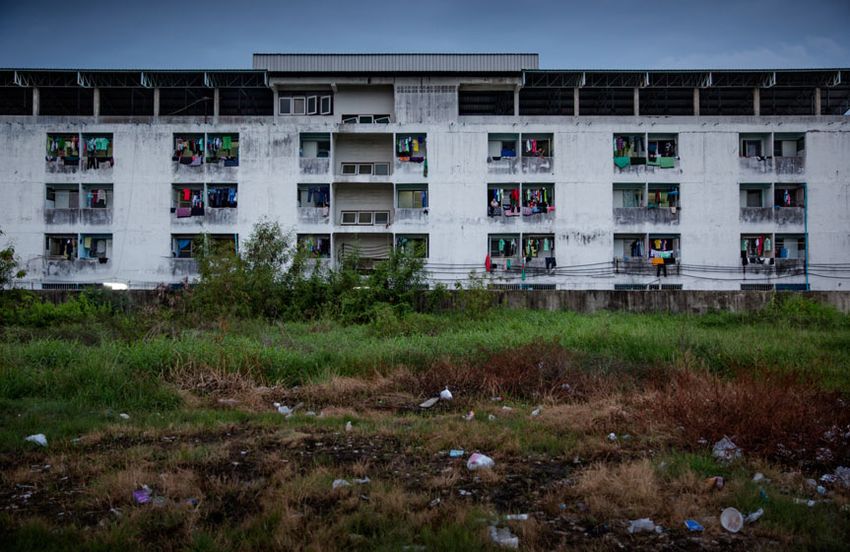
9/2015

Employment available in exchange
for debt
Working conditions in the Thai broiler industry
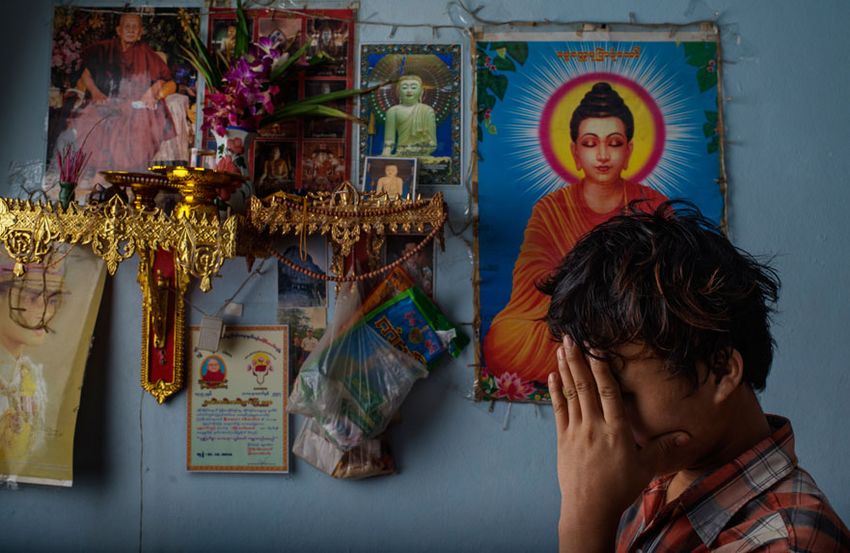
This report has been produced as part of Finnwatch’s
Decent Work Research Programme. The programme is
funded by:

Supported by official development aid from
the Ministry for Foreign Affairs of Finland.

This document has been produced with the financial assistance
of the European Union. The contents of this document are the
sole responsibility of Finnwatch and can under no circumstances
be regarded as reflecting the position of the European Union.

Finnwatch is a non-profit organisation that studies the global impacts of Finnish business. Ten
development, environment, consumer organizations and trade unions support Finnwatch’s
work: the International Solidarity Foundation (ISF), Kepa, Kehys – The Finnish NGDO Platform to
the EU, Pro Ethical Trade Finland, the Trade Union Solidarity Centre of Finland SASK, Attac, Finn
Church Aid, the Dalit Solidarity Network in Finland, Friends of the Earth Finland and the Con-
sumers’ Union of Finland.

Swedwatch is an independent, non-profit organization that reports on Swedish business rela-
tions in developing countries. Its member organizations are the Church of Sweden, the Swed-
ish Society of Nature Conservation, Diakonia, the Africa Groups of Sweden, Solidarity Sweden-
Latin America and Fair Action.

Authors: Henri Telkki, Sonja Vartiala, Kalle Bergholm and Sanna Ristimäki
Layout: Petri Clusius / Amfibi ky
Publication date: November 2015
Cover photo: Jonas Gratzer
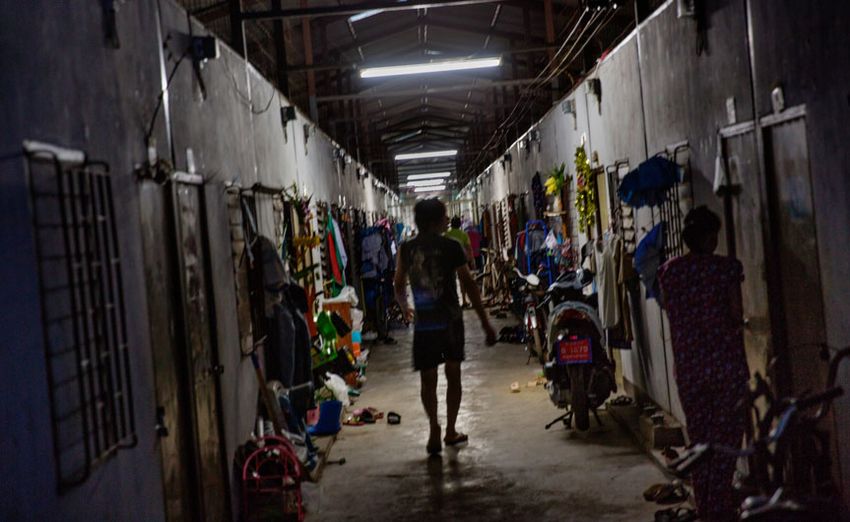
Contents

1. INTRODUCTION .............................................................................................................................. 4
2. RIGHTS OF MIGRANT WORKERS NOT REALISED IN THAILAND ............................................ 5
   2.1 Migrant workers do not have collective protection .................................................................. 5
   2.2 Poor regulation of recruitment subjects migrant workers to exploitation .............................. 6
3. PURCHASER HOLDS A SHARE OF RESPONSIBILITY FOR THE RIGHTS OF MIGRANT
   WORKERS IN THAILAND ............................................................................................................... 8
4. THAI BROILER CHICKEN PRODUCTION GROWING ............................................................... 11
    4.1 Information on the origin of broiler meat difficult to access .................................................. 12
    4.2. Use of Thai broiler in Finland .................................................................................................. 14
5. FIELD STUDIES AT THAI BROILER FACTORIES –
   MIGRANT WORKERS DENIED THEIR RIGHTS .......................................................................... 19
   5.1 Charoen Pokphand Foods PCL, Minburi .................................................................................. 20
   5.2 Charoen Pokphand Foods PCL, Saraburi ................................................................................. 22
   5.3 Laemthong Poultry ................................................................................................................... 24
   5.4 Laemthong Food Products....................................................................................................... 27
   5.5 Centaco Group ......................................................................................................................... 33
   5.6 Golden Line Business, Saha Farms Group ............................................................................... 37
6. SUMMARY OF PROBLEMS WITH SOCIAL RESPONSIBILITY OBSERVED IN THE
   ACTIVITIES OF BROILER FACTORIES AND BROILER IMPORTERS ........................................ 41
7. RECOMMENDATIONS.................................................................................................................. 43
ANNEX 1 – CPF’S POLICY ON FOREIGN LABOUR HIRING IN THAILAND................................ 46

                                                                                                                                                    3
1. Introduction

                                                                responsibility for ensuring that the human
                                                                rights of workers at production facilities at
    Broiler chickens bred for meat production
                                                                the beginning of the product’s supply chain
    will soon be the most popular raw mate-
                                                                are realised.
    rial on the global meat market. According to
    the Food and Agriculture Organization of the                This report examines the working conditions
    United Nations, broiler production and con-                 at Thai broiler chicken production facilities.
    sumption will surpass that of pork before                   The research is based on interviews carried
    2020. Even avian influenza, which rocked                     out in May and June of 2015 with migrant
    the poultry market, has not swayed this                     workers from six Thai factories. The focus is
    development.1                                               on migrant workers, who have come to Thai-
                                                                land from Myanmar and are responsible for
    More and more broiler chicken is being
                                                                the majority of jobs in slaughter houses and
    imported to Europe from emerging econo-
                                                                processing plants. Due to their vulnerability
    mies such as Brazil or Thailand, where
                                                                and being targeted by ethnic discrimination,
    increasing wealth has made the industrialisa-
                                                                migrant workers in Thailand are in need of
    tion and export of broiler chicken possible.2
                                                                special protection.
    The Thai food production industry is known
                                                                Finnwatch and Swedwatch have collaborated
    for its related human rights risks3. According
                                                                on this report. Thailand based non-profit
    to the UN Guiding Principles on Business
                                                                migrant worker organisation the Migrant
    and Human Rights4, not only companies that
                                                                Worker Rights Network MWRN carried out the
    produce and handle broiler chicken, but also
                                                                field study research for this report.
    actors involved in its procurement (importers,
    food industry companies that further process
    meat, distributors, wholesale and retail
    stores, restaurants, as well as national and
    municipal public procurement units) share

    1 The global consumption of broiler meat increases by
      2.5% each year, whereas the consumption of pork
      increases by 1.5%. OECD-FAO Agricultural Outlook
      2014-2023, http://www.agri-outlook.org/ (viewed on
      26.10.2015)
    2 The Poultry Site, Global Poultry Trends 2014, http://
      www.thepoultrysite.com/articles/3258/global-poultry-
      trends-2014-asia-biggest-exporter-of-processed-chick-
      en/ (viewed on 3.11.2015)
    3 See Finnwatch report on tuna fish and pineapple fac-
      tories, Follow-up Study: Improvements at Tuna Fish
      Factories in Thailand, can be read at: http://www.
      finnwatch.org/images/pdf/Finnwatch_followup_
      tuna_2015.pdf, Finnwatch, 2014, Out of a Ditch into
      a Pond – Follow-up Research on the Effects of the
      Finnwatch Report Cheap Comes With A High Price,
      scan be read at: http://www.finnwatch.org/images/pdf/
      finnwatch_private_label_followup_web.pdf, Finnwatch,
      2013, Cheap Comes With A High Price– Responsibility
      of private label products of retail stores: http://www.
      finnwatch.org/images/pdf/finnwatch_private_label_
      web_2_rev.pdf
    4 Unofficial Finnish translation of UN guiding principles,
      Ministry of Employment and the Economy, 2013, Guid-
      ing Principles on Business and Human Rights: Imple-
      mentation of the United Nations ‘Protect, Respect and
      Remedy’ Framework” in Finnish at https://www.tem.fi/
      files/37713/TEMrap_36_2013_web_30.1.2014.pdf

4
2. Rights of migrant workers not realised in Thailand

Thailand’s ageing population and declining
birth rate has led to a shortage of domestic
workforce, which has been and will continue

                                                                                                                          VARDION/WIKIMEDIA
in coming years to be compensated for by
employment of foreign workers5. Thailand’s
neighbouring countries of Myanmar, Cambo-
dia and Laos are all developing economies                                M YA N M A R

and offer workforce in the form of migrant                                                     LAOS
workers for the food processing industry, fish
industry, domestic work services, construc-
tion sites, tourism and other labour inten-                                                 THAILAND
sive fields that is considerably cheaper and
more easily available than domestic labour.
                                                                                                        CAM BODI A
Migrant workers are employed especially in
jobs that are not as desirable for Thai workers
due to low wages and unpleasant working
conditions.

Thailand represents itself to migrant workers
as an opportunity to gain employment and
escape the poverty and lack of prospects
in origin countries. Members of Myanmar’s                    Thailand and its neighbouring countries.
ethnic and religious minorities often leave
their home country to escape persecution.
False or over-stated promises of working                     2.1 MIGRANT WORKERS DO NOT
conditions in Thailand by recruiters also add                HAVE COLLECTIVE PROTECTION
to the workers’ desire to leave their home                   Thailand is one of the International Labour
country. Migrant workers are often disap-                    Organization ILO’s founding members, but it
pointed and disillusioned by conditions upon                 has only ratified fifteen of the ILO’s 189 con-
their arrival.6                                              ventions and five of the ILO’s fundamental
                                                             conventions on labour rights.8 Thailand has
According to an estimate by the United
                                                             yet to ratify the Freedom of Association and
Nations, in 2013 there were estimated to be
                                                             Protection of the Right to Organise Conven-
approximately 3.25 million migrant workers in
                                                             tion (No. 87), the Right to Organise and Col-
Thailand, of whom 2.7 million were originally
                                                             lective Bargaining Convention (No. 98) as well
from Cambodia, Laos or Myanmar. 1.6 million
                                                             as the Discrimination (Employment and Occu-
of these migrant workers from Thailand’s
                                                             pation) Convention (No. 111).9
neighbouring countries were estimated to be
irregular.7                                                  Thailand’s Labour Relations Act10, which
                                                             deals with the freedom of association, only
5 Thailand’s official unemployment rate has been under
  1% from 2011. World Bank, Unemployment, total (% of
  total labor force), http://data.worldbank.org/indicator/   8 ILO, Normlex, Ratifications for Thailand, http://www.ilo.
  SL.UEM.TOTL.ZS (viewed on 28.10.2015)                        org/asia/countries/thailand/lang--en/index.htm (viewed
6 See Finnwatch 2014, Out of a Ditch into a Pond – Fol-        on 16.11.2015)
  low-up Research on the Effects of the Finnwatch Re-        9 Freedom of Association and Protection of the Right to
  port Cheap Comes With A High Price, can be read at:          Organise Convention, 1948, No. 87; Right to Organise
  http://www.finnwatch.org/images/pdf/finnwatch_pri-             and Collective Bargaining Convention, 1949, No 98 and
  vate_label_followup_web.pdf, Finnwatch, 2014, Car-           Discrimination (Employment and Occupation), 1958, No
  ing for Hands, Not Workers, Labour conditions in Siam        11. ILO, Normlex, Ratifications for Thailand, http://www.
  Sempermed factory, Thailand, can be read at: http://         ilo.org/dyn/normlex/en/f?p=1000:11200:0::NO:11200
  www.finnwatch.org/images/pdf/semperit_fi.pdf                   :P11200_COUNTRY_ID:102843 (viewed on 26.10.2015)
7 United Nations Thematic Working Group on Migration in      10 ILO, Natlex, Thailand, Labour Relations Act, B.E.
  Thailand, 2014, Thailand Migration Report, pp. 1, can be       2518 (1975), http://www.ilo.org/dyn/natlex/natlex4.
  read at: http://th.iom.int/images/report/TMR_2014.pdf          detail?p_lang=en&p_isn=14497 (viewed on 5.11.2015)

                                                                                                                                              5
PHOTO: JONAS GRATZER
    According to Thai law,
    migrant workers can-
    not establish their own
    trade unions.

    permits freedom of association to workers                      are in principle entitled to the same pro-
    working in the private sector.11 According                     tection in the workplace as Thai nationals.
    to this law, migrant workers cannot estab-                     In practice, migrant workers are however
    lish their own trade unions but can join as                    unable to effectively demand their rights due
    members of existing unions created by Thai                     to a language barriers, lack of awareness,
    nationals. However, migrant representation                     lack of a channel through which to raise com-
    is often a mere formality. There are few trade                 plaints and inadequate bargaining power.
    unions as Thailand has the lowest rate of
                                                                   Irregular migrant workers often have no legal
    unionisation in South East Asia. Only 1.5% of
                                                                   protection.15 Without the necessary docu-
    the workforce has union membership.12 The
                                                                   ments and legal status, these workers are
    level of interest that trade unions have in rep-
                                                                   continuously at risk of being arrested or
    resenting workers also varies. Unions have
                                                                   expelled from the country.
    been accused of passiveness and outright
    corruption, as well as promoting the interests
    of employers and those in power.13 Workers,
    who make an effort to organise, are harassed                   2.2 POOR REGULATION OF
    and fired illegally.                                            RECRUITMENT SUBJECTS MIGRANT
    Thailand’s Labour Protection Act14 stipulates                  WORKERS TO EXPLOITATION
    that migrant workers who work in Thailand                      Even though Thailand has a large number
                                                                   of migrant workers, the country has been
                                                                   unable or unwilling to develop effective regu-
    11 Friedrich Ebert Stiftung, The Thai Labour Movement:         lation and monitoring to control the recruit-
       Strength Through Unity, can be read at: http://www.
       fes-thailand.org/wb/media/documents/The%20                  ment, cross-border migration and work of
       Thai%20Labour%20Movement_Sakdina%20Chatra-                  these migrant workers.
       kul%20Na%20Ayudhya.pdf
    12 In October 2015 IndustriALL filed a complaint against        Migrant workers, who seek factory work and
       Thailand at the ILO in Geneva. IndustriALL, 7.10.2015,
       IndustriALL files ILO complaint against Thai Govern-
                                                                   other jobs that require only minimal educa-
       ment, http://www.industriall-union.org/industriall-         tion, can be granted the right to work and
       files-ilo-complaint-against-thai-government (viewed          live in Thailand either (1) by entering the
       on 26.10.2015)
    13 ITUC, Survey of Violations of Trade Union rights, http://   country by way of a bilateral Memorandum of
       survey.ituc-csi.org/Thailand.html?lang=en#tabs-3            Understanding (hereinafter MoU procedure)
       (viewed on 17.11.2015); UK, Overseas Business Risk
       – Thailand, https://www.gov.uk/government/publica-
       tions/overseas-business-riskthailand/overseas-busi-
       ness-risk-thailand (viewed on 17.11.2015)
    14 Thailand’s 1998 Labour Protection Act (LPA), See the        15 Finnwatch, 2014, Caring for Hands, Not Workers, La-
       ILO’s NATLEX database: http://www.ilo.org/dyn/natlex/          bour conditions in Siam Sempermed factory, Thailand,
       docs/WEBTEXT/49727/65119/E98THA01.htm (viewed                  can be read at: http://www.finnwatch.org/images/pdf/
       on 14.10.2015)                                                 semperit_fi.pdf
6
or (2) by registration amnesty, followed by a    Migrant workers face a multitude
nationality verification procedure.               of problems in Thailand
The purpose of the MoU procedure is to           The most common labour rights violations
support legal entry into the country and         experienced by migrant workers and/or prob-
to protect migrant workers from the very         lems linked to human trafficking17 in Thailand
beginning of the recruitment process with a      include:
regular status. However, the complex nature,
                                                 • untruthful information provided in advance
high cost and slow pace of the procedure,
                                                   during recruitment on the workplace and
alongside corruption of officials involved,
                                                   terms of employment
make it less desirable for employers and
workers.                                         • confiscation of ID documents (passport,
                                                   temporary ID cards) and work permits
The workers, who take part in the MoU pro-
                                                 • illegally low wages/ a wage that is not a living
cedure, are dependent on the recruiter,
                                                   wage
who maintains contact with them, arranges
their travel, entry into the country and work    • overtime with no statutory overtime compen-
related matters including paperwork. A             sation incentive
migrant worker may enter into an agree-          • no written employment contract
ment with a recruiter without having a           • high recruitment and documentation fees
proper understanding of the kind of work for       which may be deducted directly from the
which he or she has been hired, the terms          worker’s salary
of employment or working conditions at the       • other illegal deductions from a worker’s salary
destination. Even though only authorised
                                                 • dangerous working conditions and insufficient
recruiters that have been licensed should be
                                                   safety clothing and equipment
able to participate in the MoU procedure, the
system is plagued by sub-agents, corruption      • extortion of undocumented workers by police
and the monitoring or regulation of recruiters     authorities
is near non-existent. Recruiters charge high     • lack of social security, workers must pay their
fees for their services and may even collect       own health care and treatment costs18
bribe money for authorities from migrant         • workers are not paid statutory compensation
workers. Thailand has no laws or regulations       for sick leave
to control the behaviour of these recruiters.    • employer perpetrated physical and psycho-
Instead of selecting an official recruitment        logical violence
option, many migrant workers travel to Thai-     • discrimination
land for a job without the necessary docu-       • exploitation of child labour
ments or are smuggled into the country by
                                                 • lack of social dialogue options
agents, corrupt officials or even human traf-
fickers.16 An undocumented migrant worker
can, if a regularisation amnesty is currently
underway, register when they are already
in the country and be granted the right to       17 The US Department of State’s annual report on human
work temporary pending deportation and              trafficking rated Thailand in the worst category with
can undertake nationality verification. A            regard to trafficking. United States Department of
                                                    State’s annual report Trafficking in Persons, 2015, can
worker who completes the nationality veri-          be read at: http://www.state.gov/documents/organi-
fication procedure receives a passport and           zation/245365.pdf
the right to live and work in the country for    18 Migrant workers, who are in the scope of social secu-
                                                    rity also often experience problems in practice with
a longer period of time. The nationality veri-      access to these services. Finnwatch has previously
fication procedure was developed as part of          reported how health care services are considered to
                                                    be of poor quality (so- called ’paracetamol hospitals’),
the implementation of MoUs for the specific          see e.g. Follow-up report – Improvements at Tuna
purpose of legalising the status of undocu-         Fish Factories in Thailand, p. 8, available at http://
                                                    www.finnwatch.org/images/pdf/Finnwatch_followup_
mented migrant workers.                             tuna_2015.pdf

16 Ibid.
                                                                                                               7
3. Purchaser holds a share of responsibility for the
       rights of migrant workers in Thailand

    The human rights risks linked to Thailand’s
    export industry highlight the responsibility of               Basic labour rights highlighted
    companies purchasing products for ensuring                    in migrant work
    the responsibility of their suppliers.
                                                                  The UN International Convention on the
    In June 2011, the UN Human Rights Council                     Protection of the Rights of All Migrant
    adopted the Guiding Principles on Business                    Workers and Members of Their Families
    and Human Rights19, which have become                         prescribes that legal and undocumented
    a worldwide standard that outlines the                        migrant workers shall be treated as equals.
    responsibilities countries and businesses                     The convention stipulates e.g. the following
    are expected to abide by. Businesses have
    a responsibility to respect human rights and                  • migrant workers shall have the freedom
    this responsibility is not optional.20                          to travel from one country to another and
                                                                    the right to return to their home country
    The UN Guiding Principles specifically high-
                                                                  • the confiscation or destruction of
    light those human rights that have been
                                                                    passports, IDs, immigration permits or
    recognised in international human rights
                                                                    work permits shall be prohibited
    documents21 and the ILO Declaration on Fun-
                                                                  • migrant workers shall have the right to the
    damental Principles and Rights at Work.22 In
                                                                    same wage for the same work and equal
    addition to these principles, companies must
                                                                    treatment with regard to their terms of
    also take other norms into account in order
                                                                    employment and working conditions as
    to respect groups and parts of the popula-
                                                                    the country’s own citizens
    tion that require special attention, such as
    migrant workers and their families. Vulnerable                • migrant workers shall have equal pro-
                                                                    tection from termination and the right to
                                                                    issue complaints to authorities
                                                                  • migrant workers shall have the freedom
    19 UN, 2012, The UN Guiding Principles on Human Rights
                                                                    to establish and join a trade union and
       (UNGP), can be read at: http://www.ohchr.org/Docu-           participate in its activities
       ments/Publications/GuidingPrinciplesBusinessHR_
       EN.pdf                                                     • migrant workers shall have the right to
    20 Although the document is not in itself legally binding,      maintain their cultural identity and practi-
       it specifies the content of existing norms and prac-          ce its customs
       tices. According to the interpretive guide for the UN
       Guiding Principles, the obligation to abide by these       • migrant workers shall have the right to
       takes precedence over lacking or non-existent na-
                                                                    receive information on their rights as emp-
       tional legislation and is valid as a global standard re-
       gardless of whether a business has committed to re-          loyees, in a format that they understand
       specting human rights. Violation of the duty to respect      (as comprehensively as possible)
       human rights may lead to judicial, economic or rep-
       utation-related consequences. UN, 2012, The corpo-         • migrant workers shall have the right to
       rate responsibility to respect human rights – an inter-      health with access to health care re-
       pretive guide, can be read at: http://www.ohchr.org/
       Documents/Publications/HR.PUB.12.2_En.pdf. An un-            gardless of their legal status
       official Finnish translation by Finland’s Human Rights
       Centre, 2014, Yritysten vastuu kunnioittaa ihmisoikeu-
       ksia, Tulkintaopas
    21 These include the Universal Declaration on Human
       Rights and other key instruments, in which it has been
       codified, such as the International Covenant on Civil
       and Political Rights (ICCPR), the International Cove-
       nant on Economic, Social and Cultural Rights (ICESCR).
       Ibid.
    22 ILO Declaration on Fundamental Principles and Rights
       at Work, can be read at http://www.ilo.org/declara-
       tion/lang--en/index.htm (viewed on 22.9.2015)

8
UN Guiding Principles on Business and Human Rights

According to the UN Guiding Principles                    According to the UN Guiding Principles Inter-
responsibility to respect human rights means              pretative Guide:
that companies should avoid infringing on the
                                                          if a company is at risk of causing or con-
humanrrights of others and should address
                                                          tributing to and adverse human rights impact
adverse human rights impacts with which they
                                                          through its own activities, it should cease or
are involved. In order to meet their respon-
                                                          change the activity that is responsible in order
sibility to respect human rights companies
                                                          to prevent or mitigate the chance of the impact
should have:
                                                          occurring or reoccurring.
a) a policy commitment to meet their respon-
                                                          If an impact nevertheless takes place, the
   siblity to respect human rights
                                                          company should engage actively in its reme-
b) a human rights due diligence process to                diation either directly or in cooperation with
   identify, prevent, mitigate and account for            others (be it the courts, teh governemetn, other
   how they address their impacts on human                copmanies involved or other third parties).24
   rights
                                                          If a company is at risk of involvement in an
c) processes to enable the remediation of any             adverse impact solely because the impact is
   adverse human rights impact they cause or              linked to its operationz, products or services by
   to which they contribute.23                            a business relationship, the company has the
                                                          responsibility to use its leverage to encourage
According to the UN Guiding Principles, there
                                                          the entity that caused or contributed to the
are three basic ways in which a copmany can
                                                          impact to prevent or mitigate its recurrency.
be involved in an adverse impact on human
                                                          This may involve working with the entity and/or
rights:
                                                          with others who can help.
• it may cause the impact through its own
                                                          For more information please refer to the
  activities;
                                                          Interpretative Guide.25
• it may contribute to the impact through its
                                                          In Finland, representatives of grocery trade,
  own activities—either directly or through
                                                          NGOs, and public officials have adopted a
  some outside entity;
                                                          shared vision on implementation of the UN
• when the impact is caused by an entity with             Guiding Principles in grocery trade supply
  which it has a business relationship and is             chains.26
  linked to its own operations, products or
  services.

23 UN, 2011, Guiding Principles on Business and Human     24 UN, 2012, The corporate responsibility to respect
   Rights, available at http://www.ohchr.org/Documents/      human rights – an interpretive guide, p. 15–18, avail-
   Publications/GuidingPrinciplesBusinessHR_EN.pdf           able at: http://www.ohchr.org/Documents/Publica-
                                                             tions/HR.PUB.12.2_En.pdf.
                                                          25 UN, 2012, The corporate responsibility to respect
                                                             human rights – an interpretive guide, available at:
                                                             http://www.ohchr.org/Documents/Publications/
                                                             HR.PUB.12.2_En.pdf.
                                                          26 Shared Vision for Respecting the UN Guiding Princi-
                                                             ples on Business and Human Rights in Grocery Trade
                                                             Supply Chains, 20 August 2015, available at https://
                                                             www.tem.fi/files/44250/UNGP_Grocery_Trade_
                                                             final_200815_eng_final.pdf

                                                                                                                      9
individuals, groups and communities are at
     heightened risk of experiencing discrimina-
     tion or other human rights violations.

     The responsibility to respect requires due dili-
     gence on the basis of which businesses must
     assess the actual and possible human rights
     impacts of their activities, integrating and
     acting upon the findings, tracking responses,
     and communicating how impacts are
     addressed.27

     In practice, with regard to a company’s
     supply chain due diligence means that the
     company requires its suppliers to respect
     human rights by including this in the terms
     and conditions of their procurement con-
     tracts and by providing guidelines, and that
     the company monitors the implementation of
     fundamental labour rights from the beginning
     of production through independent audits
     and certification schemes. Companies must
     also adjust their own procurement practices
     in a way that will facilitate decent working
     conditions in production factories and ensure
     that the workers at the production factory
     have sufficient means for issuing complaints
     on human rights violations.

     27 UN, 2012, The UN Guiding Principles on Human Rights
        (UNGP), can be read at: http://www.ohchr.org/Docu-
        ments/Publications/GuidingPrinciplesBusinessHR_
        EN.pdf

10
4. Thai broiler chicken production growing
Table 1. Nearly 40 per cent of Thailand’s broiler exports
Thai broiler – statistics from 201428 are exported to Europe33. In 2014, Thailand
Boiler production in 1,570,000 tonnes in 2014 (an was the third biggest provider of broiler meat
Thailand: estimated 1,640,000 tonnes in for Finland after Brazil and Germany, and
2015)
accounted for 14 per cent of Finland’s overall
Export: 580,000 tonnes i.e. 37 % of
broiler imports34. Although the import of broiler
overall production
has grown steadily for quite some time35, it
Biggest purchasers of EU (47%), Japan (43%), other
broiler exports: countries (10%)
is modest in comparison to the consumption
Finnish broiler production and imports of domestic broiler meat. However, Finnish
Amount of broiler 106,000 tonnes29 Customs statistics on import figures do not tell
chicken bred in the entire story, as Thai broiler is used in many
Finland: processed foods, which are not accounted for
Import broiler as 4,862 tonnes in customs statistics.
listed in statistics by
Finnish Customs: Just a few years ago, hardly any raw broiler
Countries of origin Brazil (1,182 tonnes), Germany meet was exported from Thailand to Finland
for imported broiler: (733 tonnes) Thailand (682
or other EU countries. The import of raw
tonnes)30
broiler meat plummeted for nearly a decade
beginning in January 2004, due to the dis-
Over the last few decades, broiler meat has covery of avian influenza in Thailand. In addi-
become one of the Thai food industry’s most tion to the destruction of poultry, this disease
important export products. Thailand’s poultry led to the death of dozens of people36. The
industry has grown by 173 per cent between EU immediately set an import ban on raw
1980 and the present.31 The country’s broiler chicken which was in force until July 2012.37
production has shifted from countryside However, the import ban did not apply to pro-
farms that satisfied domestic needs to an cessed foods and the import of processed
extensive industry that has set its sights on chicken meat grew steadily even during the
export. In 2014, Thailand exported approxi- import ban. Cases of avian influenza were later
mately 580,000 tonnes of broiler products observed in other broiler production countries
and the number is expected to grow to over such as China and Malaysia38. This has in part
900,000 tonnes by the 2020s.32 helped the rapid growth of the export of raw
Thai broiler.
28 Thai Broiler Processing Exporters Association, Table 1:
Estimated Chicken Meat Exports of Thailand 2014, can 33 USDA Foreign Agricultural Service, “Thailand Poul-
be read at: http://www.thaipoultry.org/Portals/5/Con- try and Products Annual 2014”, GAIN Report Num-
tainers/border/%E0%B8%81%E0%B8%B2%E0%B8%A ber: TH4076, can be read at: http://gain.fas.usda.gov/
3%E0%B8%AA%E0%B9%88%E0%B8%87%E0%B8%AD Recent%20GAIN%20Publications/Poultry%20and%20
%E0%B8%AD%E0%B8%81/Dec2014.pdf; USDA, Thai- Products%20Annual_Bangkok_Thailand_9-2-2014.pdf
land Broiler Meat (Poultry) Production by Year, http:// 34 Uljas database for foreign trade statistics, http://uljas.
www.indexmundi.com/agriculture/?country=th&com tulli.fi (viewed on 28.10.2015)
modity=broiler-meat&graph=production (viewed on
35 YLE, 12.3.2013, Ulkomaisen lihan tuonti lisääntyi,
19.10.2015), Finnish Poultry Association Suomen siipi-
http://yle.fi/uutiset/ulkomaisen_lihan_tuonti_lisaan-
karjaliitto, Statistics, http://www.siipi.net/index.php/si-
tyi/6534672 (viewed on 20.10.2015)
ipikarjaliitto/tilastoa (viewed on 3.11.2015)
36 Approximately, 62 million birds died or were killed. The
29 Finnish Poultry Association Suomen Siipikarjaliitto,
economic loss was estimated at 25 million baht i.e. ap-
http://www.siipi.net/index.php/siipikarjaliitto/tilastoa
proximately 666 million euros. Centers for Disease Con-
(viewed on 9.11.2015)
trol and Prevention, 2015, Highly Pathogenic Avian Influ-
30 Uljas database for foreign trade statistics, http://uljas. enza H5N1, Thailand, 2004, http://wwwnc.cdc.gov/eid/
tulli.fi (viewed on 28.10.2015) article/11/11/05-0608_article (viewed on 28.10.2015)
31 US Department of Agriculture, Thailand Broiler Meat 37 US Department of Agriculture, 2012, Internation-
(Poultry) Production by Year, http://www.indexmun- al Egg and Poultry Review, can be read at: http://
di.com/agriculture/?country=th&commodity=broiler- www.thefarmsite.com/reports/contents/IntlPoultry-
meat&graph=production (viewed on 28.10.2015) andEgg15May2012.pdf
32 The Poultry Site, Global Poultry Trends 2014, http:// 38 Centers for Disease Control and Prevention, Avian Influ-
www.thepoultrysite.com/articles/3258/global-poultry- enza A (H7N9) Virus, http://www.cdc.gov/flu/avianflu/
trends-2014-asia-biggest-exporter-of-processed-chick- h7n9-virus.htm (viewed on 26.10.2015)
en/ (viewed on 3.11.2015)
114.1 INFORMATION ON THE ORIGIN OF country of origin41. Consumers often believe
BROILER MEAT DIFFICULT TO ACCESS they are purchasing broiler that is originally
Due to current legislation, it is difficult for from an EU country, when it is actually from
third parties to determine the exact amount Thailand.
of broiler meat brought from Thailand to Imports of Thai broiler are difficult to clarify
Finland or to trace all the actors that import from the customs’ foreign trade statistics
chicken to Finland and sell it in Finland. either as broiler products that have been
The supply chain from the Thai broiler factory further processed within Europe do not
to Finland generally includes a large importer show as originating in Thailand in the sta-
or joint procurement company that acts tistics. Norvida, which also imports chicken
within EU import quotas. Depending on how to Finland, estimated in the interview given
much the product has been processed, there to Swedwatch that 50 per cent of broiler
may be numerous different actors involved in imported from Thailand is not visible in
the procurement process. Thai broiler is used official import statistics42.
for example as a material for convenience It is possible to trace those food products
foods made in the EU. In these cases, the EU processed to their final state in Thailand
country in which the convenience food has on which the approval number concerning
been made is marked as the country of origin EU food safety is printed all the way to the
for the product. production facility by using a public list of
EU Regulation 178/2002 on matters of food factories that have been granted approval
safety prescribes that every actor within a numbers43. If the product is further processed
chicken meat or other foodstuff supply chain, in the EU, the approval number list is of no
no matter if they are in processing or dis- help, because in this case, the EU country
tribution, must be able to identify no more in which the product was last processed is
than one step ahead or behind in the chain. marked as the country of origin.
In other words, the middleman must know As part of a procedure called control of
who the product has been purchased from places of first arrivals, Finland’s Food Safety
and who the product has been sold to after Authority Evira collects import and approval
them. This also applies to materials added to number data monthly from summaries
the foodstuff. However, this information only drawn up by companies on animal-based
needs to be reported to authorities. food products. Finnwatch asked Evira for a
The EU’s regulations39 on labelling country of list of the approval numbers of those fac-
origin in turn stipulate that consumers must tories from which broiler meat is imported
be given information on the factory and the to Finland. We also inquired whether Evira
country of origin, but this only applies to had any knowledge of which companies in
fresh or frozen poultry. If broiler meat is pro- Finland are importers of Thai broiler meat.
cessed or heated or it is prepared into a pro- Evira supplied a list of the approval numbers,
cessed food that contains multiple materials but did not divulge the names of individual
in addition to broiler meat, the country of Finnish companies that imported Thai broiler
origin need not be mentioned.40 meat. According to Evira, its list of approval
As a result of regulation, the majority of 41 For example, the country of origin information is not
chicken meat transported through the EU required for meat used in marinated raw meat or pro-
cessed meat products unless there is a reason to sus-
from third countries is not within the scope pect that the consumer is being misled.
of regulations pertaining to labelling the 42 Norvida, Johan Hållbus, interview 19.10.2015. Norvi-
da’s own imports are discussed in chapter 4.2.
43 The EU grants a food safety-related approval number
to all factories that import broiler meat into the EU.
See e.g. list of approved factories in Thailand: Euro-
pean Commission, Thailand, Third Country Establish-
39 Commission Implementing Regulation (1337/2013) ments, https://webgate.ec.europa.eu/sanco/traces/
40 Swedwatch interview, Swedish National Food Agency, output/non_eu_listsPerCountry_en.htm# (viewed on
Daniel Karell, 9.9.2015 29.10.2015)
12,,
numbers may also be incomplete, as reports Table 2. List of those Thai broiler factories that Evira is
aware of, which export their products to Finland.
on these often lack some of the requested
information.44 For example, the approval Factory Name of the factory Location
number (TH05) for the Thai factory examined approval
in this study, which produces Lejos’ Kitchen number
TH 06 Laemthong Food Products Sam Phran
Joy frozen meals was not on the list Evira
Co., Ltd
supplied to Finnwatch (see Table 2).
TH 07 Central Poultry Processing Khlong Luang
Statistics by Finnish Customs provide infor- Co. Ltd
mation on the amount of broiler meat TH 10 Better Foods Co., Ltd. Krathumban
brought from Thailand, but in accordance TH 11 GFPT Public Company
Limited
with the Statistics Act (361/2013) and the
TH 14 Bangkok Ranch Public Co., Bang Phli
Customs Act (1466/1994) specific information
Ltd
on customs documents is to be kept secret.
TH 21 CPF (Thailand) Public Co., Min Buri
Only authorities have access to these docu- Ltd.
ments within the scope of their work. In prac- TH 23 CPF (Thailand) Public Co.,
tice, linking broiler meat processed in a spe- Ltd.
cific factory in Thailand to a Finnish importer TH 37 Ajinomoto Frozen Foods Bang Pa-In
requires market research and submitting indi- (Thailand) Co. Ltd.
vidual direct inquiries to well-known Finnish TH 42 CPF (Thailand) Public Co., Min Buri
meat importers, companies that process and Ltd.
sell food in Finland (wholesale and retail) and TH 49 B. Foods Product Phatthana
International Co., Ltd. Nikhom
restaurants.
TH 51 Kaona Poultry Co., Ltd Warin
At the beginning of 2015, a group of MEPs Chamrap
requested in their Resolution that the Euro- TH 60 Chaveevan International Si Racha
Foods Co.,Ltd
pean Commission work to implement its own
legislative proposals45, in which it has been TH 70 Leamthong Poultry Co. , Ltd Sung Neon
proposed that the country of origin must be TH 129 Golden Line Business Baeungsam-
Company Limited pan
marked on processed meats to ensure trans-
TH 139 CPF (Thailand) Public Co., Chokchai
parency throughout the foodstuff’s produc-
Ltd.
tion and procurement chains.46 MEP Merja
TH 141 CFP Co. Ltd. Si Racha
Kyllönen has also submitted a question to
TH 146 Hi-Q Food Products Co. Ltd. Bangbor
the Commission on ways in which current
TH 192 Sky Food Co. Ltd. Klong Luang
EU legislation on foodstuff could provide con-
TH 200 GFPT Nichirei (Thailand) Nong Yai
sumers information on which company has Company Limited
44 According to Evira, not all distributors have necessar-
ily reported all requested information to Evira or Evira
is not aware of the actor (it is not in Evira’s registry),
and therefore consumers may find products in retail
stores that have a different approval number from
that which is listed in Evira’s registry. Evira, Kirsi Harti-
kainen, email 4.6.2015.
45 European Commission, Study on mandatory origin la-
belling for pig, poultry and sheep & goat meat, can be
read at: http://ec.europa.eu/agriculture/external-stud-
ies/2013/origin-labelling/fulltext_en.pdf
46 European Parliament resolution on country
of origin labelling for meat in processed food,
(2014/2875(RSP)), http://www.europarl.europa.eu/
sides/getDoc.do?pubRef=-//EP//TEXT+MOTION+B8-
2015-0097+0+DOC+XML+V0//EN (viewed on
28.10.2015)
13PHOTO: JONAS GRATZER
processed specific products outside of the Grandiosa pizzas in Finland, said that no Thai
EU.47 broiler is used in their pizzas48.
Thai broiler is also used as a material in the
private label products of Finnish supermarket
4.2. USE OF THAI BROILER IN FINLAND chains such as in some Pirkka and Rainbow
With no comprehensive official statistics in meals. Tuko Logistics and Lidl do not import
place, Finnwatch surveyed the Finnish cor- Thai broiler or products that contain Thai
porations that import Thai broiler by submit- broiler to Finland49.
ting enquiries about supply chains directly to Typically, a consumer will consume Thai
known Finnish meat importers and distribu- broiler in some restaurant and cafes. The
tors, Finland’s largest grocery retailers and restaurants and cafes that use Thai broiler
foodstuff and restaurant chains. Products include Sodexo, the S Groups restaurants,
that contain Thai broiler were also surveyed Restel restaurants and Picnic. Subway
in the product range of supermarkets in the responded to Finnwatch’s inquiry but refused
Helsinki region. Additionally, Finnwatch was to confirm whether or not it imports Thai
in contact with Finnish poultry association broiler to Finland50. There are numerous meat
Suomen Siipikarjaliitto, Finnish meat associa- processing companies that serve industrial
tion Lihakeskusliitto and the Finnish Grocery kitchens in Finland that also distribute Thai
Trade Association. broiler meat to other restaurants that are not
Many Finnish companies that operate on the examined in detail in this study.
consumer market sell different types of pro- Large fast-food chains such as McDonalds,
cessed products, such as ready meals and Hesburger, Burger King and Kotipizza
pizzas in which broiler originating in Thai- reported that they do not use broiler origi-
land is used. Thai broiler can be found in nating in Thailand in their products. Thai
Kitchen Joy meals, Findus’ frozen products broiler was not found in the Fazer Groups
and Dr Oetker’s frozen pizzas. Contrary to the restaurants or in the range of products
situation with Findus and Dr. Oetker frozen
pizzas, Orkla Foods Finland, which markets
48 The broiler used in Grandiosa pizzas is imported from
Sweden. Orkla Foods Finland, Emma Vironmäki, email
12.11.2015
47 European Parliament, Question for written answer 49 Tuko Logistics, Pirjo Heiskanen, emails March-April
21.7.2015, Merja Kyllönen, can be read at: http:// 2015 and telephone conversation on 17.11.2015
www.europarl.europa.eu/sides/getDoc.do?pubRef=-// 50 Subway, email conversation with Kurt Möller 10.11,
EP//TEXT+WQ+E-2015-011798+0+DOC+XML+V0//FI 16.11. and 17.11.2015
14offered by Palmia, which is owned by the city Services Oy/Ltd57, Haugen-Gruppen Oy58,
of Helsinki. McDonalds’s Oy59, Hesburger60, Kotipizza
Oyj61, Wursti Oy62, Lihajaloste Korpela
Numerous wholesalers that sell to industrial
Oy63, Burger King64, Palmia65, Saarioinen66,
kitchens did not reveal the amount of Thai
HKScan67, Viivoan68 and Tamarin69.
chicken they import to Finland. Of the com-
panies that did reveal the amount of Thai The following companies use or redistribute
broiler they imported, Norvida and Snell- Thai broiler, but do not import it themselves:
man imported the largest amounts. Swedish Ab Chipsters Food Oy70, TFT Topfoods Trading
Norvida imported approximately 500 tonnes Oy71, Restel Oy72, Ropakonnokka Oy73 and
of Thai chicken to Finland in 2014. Baron’s Food74.
Snellman’s subsidiary Snellman Pro, which Importers of broiler products are discussed
serves industrial kitchens, imported 263 separately in table 3 on the next page.
tonnes of Thai broiler to Finland in 2014.
Snellman resells Thai broiler to many com-
panies and its products are also purchased
by the S-Group’s restaurants. In 2014, the
S-Group’s restaurants used 161,000 kilos
of Thai broiler and its share of the overall
volume (kg) of similar products was 13.8 per
cent. In 2015, the corresponding numbers
were 48,000 kg and 4.1 per cent. According
57 Thailand is not on the company’s list of approved
to the S Group, it is currently looking for country of origin for poultry. The policy applies to
domestic alternatives to replace Thai imports. Amica restaurants and Fazer Ravintola Oy as a whole.
Fazer Food Services Oy, Timo Ståhlström, email
According to the Group, its most significant
12.11.2015
products are already made from domes- 58 The company only imports meat products from other
tic broiler and alternatives will be found for EU countries. Haugen-Gruppen Oy, Anne Punkka,
email 13.10.2015
the rest of the supply likely during this year.
59 McDonald’s Oy, Heli Ryhänen, email 16.10.2015
In addition to Snellman’s broiler products, 60 Hesburger does not use broiler that is originally from
the S Group has purchased Thai broiler from outside the EU and lists its product-specific suppli-
ers on its website. E.g the information for Hesburger
Findus.51 chicken burger can be read here: https://www.hes-
burger.fi/tuotteet/Hampurilaiset/Kanahampurilainen.
Of other Finnish meat processing companies, Hesburger, Eeva Mäki, email 15.10.2015.
only Pouttu said it used minimal amounts of 61 The company has transitioned to only using Finn-
Thai broiler. Pouttu resells one cooked broiler ish broiler. Kotipizza Oyj, telephone conversation
5.11.2015
product that is originally from Thailand.52 62 Wursti Oy, Sallamari Saarela, email 15.10.2015
Atria53, Saarioinen54 and HKScan Finland Oy55 63 Lihajaloste Korpela Oy, email 15.10.2015
said that they did not use any Thai broiler 64 Restel Oy/Burger King, Mikko Mollberg, email
16.11.2015
meat in their products.
65 Palmia, Jenni Koskinen, email 26.10.2015
The following companies included in this 66 Saarioinen, Marja Joutsen, email 8.6.2015
67 HKScan Finland Oy, Minna Friman, email 25.5.2015
study did not use, distribute or import Thai 68 Viivoan, email 14.10.2015
broiler at all: Oy Rollfoods Ab56, Fazer Food 69 Tamarin, Kenny Wu, email 15.10.2015
70 Ab Chipsters Food Oy, email Reijo Vainionpää,
22.10.2015
71 The company procures Thai broiler from Euro Poultry.
TFT Topfoods Trading Oy, Jani Forssell, email 18.6.2015
51 S Group, Sanni Martikainen, email 13.11.2015
72 The company procures Thai broiler from Snellman (the
52 Pouttu, Keijo Känsälä, email 10.11.2015. share of Thai broiler is 17% of the total poultry prod-
53 Atria only uses domestic broiler in its products. Atria, ucts used and sold by the company). Restel Oy, Katja
Hanne Kortesoja, email 10.11.2015 Knuutinen, email 22.6.2015
54 Saarioinen, Marja Joutsen, email 8.6.2015 73 Distributes Thai broiler imported by Pan Nordic Meat
55 HKScan Finland Oy, Minna Friman, email 25.5.2015 Oy. Ropakonnokka Oy, Pekka Halonen, telephone con-
56 The company has set a policy that Asian meats will versation 15.10.2015
not be used in its products. Oy Rollfoods Ab, Tiina 74 Distributes Thai broiler imported by Pan Nordic Meat
Tammi, email 21.5.2015 Oy. Baron’s Food, telephone conversation 11.11.2015
15Table 3. Companies that import Thai broiler to Finland.
Company Type of Amount of broiler Thai factory that Possible responsibility
company imported processed the policies and procedures
broiler concerning human rights
Norvida75 Importer Imports approx. 1,500 Betagro, numerous Visits to the factory, no
tonnes of Thai broiler different factories third party responsibility
to Sweden each year. audits or human rights risk
Approx. 1/3 of this is assessments
sold to Finland.
Pan Nordic Meat Importer Trade secret TH 49 No actual responsibility
Oy76 policy. According to the com-
pany’s website, the company
complies with high ethical
standards in production7. The
company says that it operates
"within the framework of EU
legislation and audits".
Dencon Foods78 Importer 20,000 kilos in 2014 TH 192, TH 49, TH Requires that factories
109, TH 129, TH 201, comply with ILO standards
TH 07
TTM Food Import79 Wholesaler, Several shipping con- TH 70, TH 32, TH 139, No responsibility policies
importer tainers a year, approx. TH 44, TH 129, TH 10,
20,000 kilos/container TH 53, TH 79, TH 201
Sodexo80 Food services Imported 96,170 kg CPF - the company Sodexo’s own responsibility
conglomerate in 2014, which com- will not divulge more policy, which is currently
prises 31% of chicken specific factory being updated, is piloting
products used by the approval numbers third party audits (the first
company product category that will be
audited are work clothing)
Snellman Pro81 Importer that Imported 263 tonnes in TH 06, TH 51 Suppliers have committed to
is part of the 2014, which accounts complying with the ILO con-
Snellman for 41 per cent of the ventions, no written require-
Group corporation’s ments for suppliers with
regard to human rights at the
overall chicken moment, compliance with ILO
product imports. conventions will be entered
into supplier requirements.
Snellman Pro’s European sup-
plier monitors its suppliers
activities through self-asses-
ments by said suppliers.
SOK Corporation82 Network of 4,700 kilos of Thai TH 21, TH 03, TH 42 SOK is a member of the BSCI
retail and broiler imported in and Sedex corporate respon-
service sector 2014 as a material in sibility networks .The respon-
companies ready-made meals sibility of suppliers is moni-
tored before a procurement
contract is entered into, in the
terms of contract and through
third party audits.83
Kesko84 Listed trading 386 kilos own imports TH 177 Kesko is a member of the
sector in 2014. In addition BSCI corporate responsibility
company Fresh Servant OY has network. The responsibility of
TH 51 (imported by
imported 10 811 kilos suppliers is monitored before
Fresh Servant Oy)
of Thai broiler for a procurement contract is
Pirkka Caesar salad. entered into, in the terms of
contract and through third
party audits.85
Europicnic86 Company 60,000 kilos in 2014 TH 51 Dutch principal responsible
operates in the for monitoring the respon-
areas of import, sibility of production facili-
marketing and ties, with the BSCI Code of
wholesale Conduct as a requirement
16Subway87 Restaurant Subway is the only No answer Subway has its own Code of
respondent that did Conduct for suppliers, which
not confirm whether or is based on the ETI’s crite-
not it uses or imports ria. The company’s broiler
Thai broiler. supplier is a member of the
Sedex corporate responsi-
bility network.
Lejos Oy88 Wholesaler, Imported 2.14 million TH03, TH05 The company visits the
importer ready meals to Finland factory it uses, and states
in 2014, which con- that it has received responsi-
tained approx. 135 bility reports and other rele-
tonnes of Thai broiler. vant information from CPF
Findus89 Frozen foods Purchases approx. Six Thai suppliers, The company has its own
producer 1,000 tonnes of Thai of which one is CPF, responsibility policy, which
broiler each year, but will not reveal is based on the ETI standard.
uses two European specific production Does not commission audits.
importers. Thai broiler facilities Findus is a member of Sedex
is used as a raw mate- and it has access to the
rial in ready meals Sedex SMETA audit database,
made in Sweden. which it has used for moni-
These are also sold to toring the working conditions
Finland. at Thai factories.
Euro Poultry90 Importer Thai broiler accounts Trade secret. Forwards its own Code of
for approximately However, a Finnish Conduct to Thai suppliers. The
20-25 per cent of Euro client of the company corporation’s personnel in the
Poultry’s overall import gave Finnwatch the Netherlands and Thailand are
of chicken products. names of some of responsible for monitoring
the company’s sup- compliance with responsi-
pliers. Suppliers bility requirements.
include TH 52, TH
192, TH 49, TH 141.91
Dr. Oetker Suomi Importer of 8,000 kilos of Thai Will not reveal the The corporation’s procure-
Oy92 frozen products broiler as part of factory approval ment guidelines are attached
frozen pizzas numbers of the pro- to supply contracts. These
duction facilities it dictate that suppliers must
uses in Thailand comply with the law and
respect human rights.
Pouttu93 Meat pro- Varying, small TH 51 Pouttu’s Thai supplier has
cessing amounts, under 100 signed the BSCI Code of
company kilos a week Conduct
Chef Wotkins Oy94 Importer Under one per cent of TH51 No responsibility policy in
overall annual imports place, price is the deciding
factor
As is stated in the above table, importing The companies’ responses make it clear that
companies were asked about the amounts the majority had taken corporate responsi-
of Thai broiler they imported to Finland, the bility into account in some way, e.g. in their
approval number of the factories that have procurement contracts. Only Chef Wotkins Oy
processed the broiler and the company’s and TTM Food Import stated that they do not
possible procedures and policies concerning take human rights into account. According
human rights. to Chef Wotkins Oy “price is the deciding
factor”.
17Policies concerning corporate responsibility
were partly quite ambiguous and unspecific.
Only SOK and Kesko conduct human rights
risk assessments before even entering into
a contract with a supplier, attach clearly
detailed responsibility principles to procure-
ment contracts and monitor compliance with
responsibility principles via third party audits.
The situation is very concerning regarding
companies that refuse to give any infor-
mation on their supply chain. Actors that
refused to divulge the names of factories
included Dr. Oetker, Euro Poultry and Findus
(Findus gave the name of one supplier: CPF).
Without openness, there is no way to monitor
compliance with corporate responsibility
promises. However, it is positive that the
companies that choose to hide their supply
chain seem to be in the minority.
75 Interview conducted by Swedwatch at Norvida’s
headquarters in Stockholm 19.10.2015
76 Pan Nordic Meat ltd, Minna Havukainen, emails 4.6.
and 16.11.2015
77 Pan Nordic Meat Ltd, http://www.pnm.eu (viewed on
16.11.2015)
78 Dencon Foods Oy, Floris Wissink, email
79 TTM Food Import Oy, Jari Mutka, telephone conversa-
tion 19.11.2015
80 Sodexo Oy, Eva Kristensson, emails 12.10, 4.11. and
18.11.2015
81 Snellman Oy, Manne Vainionpää, email 17.11.2015
82 SOK, Sari Ristaniemi, email 13.11.2015
83 More information on corporate responsibility work by
S Group at http://vuosikatsaus.s-ryhma.fi/fi/vastuulli-
set-tuotteet-ja-palvelut
84 Kesko, Matti Kalervo, email 24.11.2015
85 For more information regarding how Kesko manages
human rights risks see http://kesko2014.kesko.fi/en/
responsibility-in-figures/performance-indicators/so-
cial-impacts/human-rights
86 Europicnic, Teppo Kuuttiniemi, email 17.11. ja
20.11.2015. Picnic and Europicnic are sister compa-
nies. The parent company is Picnic Yhtiöt Oy.
87 Subway, Kurt Möller, email 10.11. and 17.11.2015
88 Lejos Oy, Kaisa Kiintonen, emails 26.3. and 30.4. and a
telephone conversation on 17.11.2015
89 Interview conducted by Swedwatch with Findus’ An-
nelia Selander 21.10.2015, email to Swedwatch from
Annelie Selander 10.11.2015; Findus lists the country
of origin of all the meats in its products on its website.
List can be read at: http://www.findus.fi/static/files/li-
han-alkupera-2014-09-01.pdf
90 Euro Poultry, Mikael Kristensen, email to Swedwatch
6.11.2015
91 TFT Topfoods Trading Oy, Jani Forssel, email 18.6.2015
92 Dr Oetker Suomi Oy, Virva Rantala, email 13.11.2015
93 Pouttu, Keijo Känsälä, email 10.11.2015.
94 Chef Wotkins Oy, Veijo Votkin, email 11.11.2015.
185. Field studies at Thai broiler factories –
migrant workers denied their rights
The information in this study on the working received assistance from the Thai Broiler Pro-
conditions at factories is based on interviews cessing Exporters Association in contacting
with factory workers from six factories in six the factories. Comments and opinions by
Thai districts: Pathum Thani, Nakhon Pathom, each Group have been included in the fol-
Saraburi, Nakhon Ratchasima, Petchabun and lowing chapters.
Bangkok. The interviews were carried out off-
site in May and June 2015.
The factories the study examines belong to
Charoen Pokphand Foods PCL, Laemthong
Corporation Group, Centaco Group and Saha
Farms Group.
The interviews were carried out in collabora-
tion with the Migrant Worker Rights Network
T
(MWRN). Between 10 to 28 workers from
H
each factory were interviewed totalling 98
A
workers. Of these workers, 52 were men and
I
46 were women. The majority of workers (78) L A N D
were from Myanmar and the remaining 20
Petchabun
from Cambodia. The interviews were carried
out in Thai, Khmer and Burmese.
Nakhon Ratchasima
All the interviews were recorded. Additionally Nakhon
Saraburi
Pathom Pathum
workers’ payslips, work permits, IDs, pass- Thani
Bangkok
ports and other documents related to work
and immigration were photographed, if the
interviewed worker had possession of these.
Legal proceedings initiated by a worker were
underway at one of the studied factories
and MWRN’s representatives also observed
related court proceedings and discussed case
issues with the plaintiffs and lawyers.
AMFIBI/NORDNORDWEST/WIKIMEDIA
The identities of the interviewed workers are
not revealed in the study to protect them
from negative consequences.
According to Finnwatch’s ethical guidelines95
for research, all the researched Thai facto-
ries were given the opportunity to comment
on the information received from workers The factories, where the interviews with workers
before this report was published. Finnwatch were conducted, are located in six different provinces
in Thailand.
95 Finnwatch, Ethical guidelines, can be read at: http://
www.finnwatch.org/en/what-we-do/ethical-guidelines
19You can also read


