Enough! - Environmental Defense Fund
←
→
Page content transcription
If your browser does not render page correctly, please read the page content below

Vol. 51, No. 3 / Summer 2020
                               Solutions
                   Enough!
              As the Trump administration undermines science and public
              health, EDF — and the world’s scientists — are fighting back.
                        Page 8: EPA and the pandemic | Page 10: A voice for censored science

 6Booming                      14 As seas                     17 Rainforest                    18  Eight great
online retailers               rise, nature                   defenders and                    citizen science
must clean up                  can protect us                 COVID-19                         projects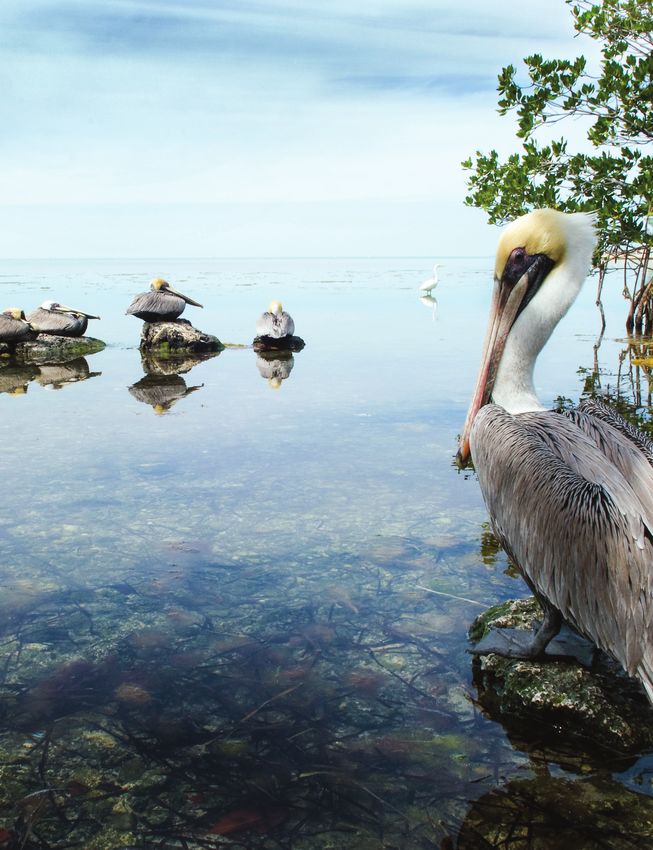
A safe return
The brown pelicans are back on Queen Bess Island. This barrier island, an
important rookery for pelicans south of New Orleans, had all but disappeared
due to land loss and rising seas. Today, it’s been restored with funds that
EDF and partners helped secure. The brown pelicans are themselves a hardy
survivor. They were near extinction 50 years ago when EDF won a ban on
the pesticide DDT. And now their population has topped 650,000.

                                                                         MINDEN PICTURES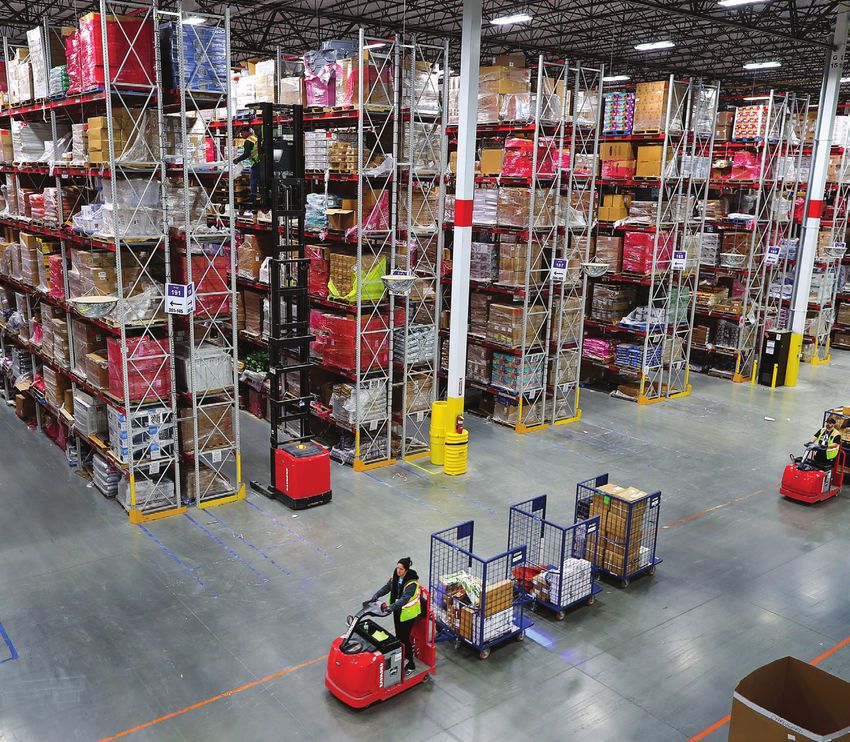
LOOKING FORWARD

Our work in a new world
                         As the world continues to absorb and react
                         to the reality of the pandemic, one thing is
                         clear: we will emerge changed as individuals
                         and as a society. Many attitudes and patterns
                         of living will return to familiar territory once
                         an effective vaccine is widely deployed.           Environmental Defense Fund’s mission
                         Others will not.                                   is to preserve the natural systems
                                                                            on which all life depends. Guided
                           Society, and EDF as an organization, must        by science and economics, we find
                           begin to anticipate lasting changes—and,         practical and lasting solutions to the
                           where we can, help shape them. We must           most serious environmental problems.
begin to envision the world emerging from the pandemic, project             Our work is made possible by the
ourselves into that world and plan the changes needed to rebuild            support of our members. Donate
better. One heartening fact I’ve observed is that even in the face of an    online at edf.org/newsletter or by
administration determined to ignore and evade science, public trust         mail: EDF, Attn.: Member Services,
in science and expert opinion is stronger than ever (see cover story        1875 Connecticut Ave. NW, Ste. 600,
p. 7). I firmly believe the future will favor science and science-based     Washington, DC 20009
decision-making.
                                                                                                  On the cover:
                                                                                                 The Trump
The inequitable course of COVID-19 through the United States, in                                 administration’s
which the poor and communities of color have been especially hard                                response to
hit, must result in a reexamination of basic equity and fairness in                              COVID-19 was
our society. This will include measures, long advocated by EDF,                                  rooted in a
to clear the air in communities disproportionately exposed to                                    fundamental
                                                                                                 disregard for
multiple pollutants that make serious lung diseases more likely.                                 science. And now,
                                                                            the administration is compounding the
Even in the midst of the pandemic, we are facing a barrage of assaults      disaster by rolling back environmental
on the environment from the administration. Among them are the              standards. In this issue, Solutions
broad rollback of clean car standards, the ongoing effort to censor         writers explore how we are fighting
the science needed to formulate policy and the sweeping rollback of         back, strengthening science in the
                                                                            interests of public health.
pollution enforcement—a move that former EPA Administrator Gina
McCarthy calls “an open license to pollute.” EDF and our allies are
working full time to counter these cynical actions. In fact, in 43 of the
45 legal challenges to date, courts ruled against Trump environmen-         Solutions
tal rollbacks or the administration withdrew the action (see p. 8).
                                                                            Editor Peter Klebnikov
Many have likened COVID-19 to a “black swan,” an unforeseeable              Senior Designer Anuranjan Pegu
event with huge consequences. But it was not unforeseeable; scien-          Environmental Defense Fund
tists had long warned of such a pandemic. Climate change is even            257 Park Ave. South
more certain. We can clearly foresee its increasingly severe impacts        New York, NY 10010
and we must address climate change with the urgency required,
                                                                            Main number 212-505-2100
not with the complacency that largely preceded the pandemic.                Membership questions 800-684-3322
                                                                            or members@edf.org
After the terrible events of 9/11, I noticed many in New York City
becoming more purposeful in their lives, and more selective in their        WE WANT TO HEAR FROM YOU
                                                                            Send feedback to address above or
career choices. The life-changing nature of this pandemic makes             email editor@edf.org
me think that the resulting societal changes will be even more pro-
found. Many more people will want to help solve the environmental           CONNECT WITH US ONLINE
challenges we face together.                                                     edf.org

Today, even as science races to respond to the pandemic, EDF, our           ©2020 Environmental Defense Fund.
members and our growing cohort of allies are working with new               Published quarterly in New York, NY
                                                                            ASSN 0163-2566
energy and vision, helping to create a moment for transformational
change that will slash pollution and build a more just world. With          New York / Austin / Bentonville, AR /
your help, I firmly believe we can succeed.                                 Boston / Boulder / Chicago / Raleigh /
                                                                            Sacramento / San Francisco /
                                                                            Washington, DC / Beijing / Jakarta /
                                                                            La Paz, Mexico / London

                                             EDF President
                                                                                           Solutions / edf.org / Summer 2020   3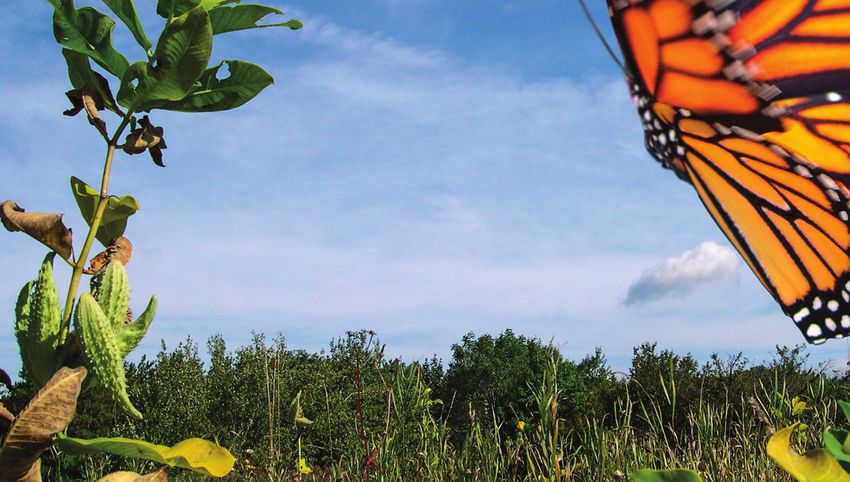
FIELD NOTES

   Teeing up a win
   for monarchs
   Sometimes a golfer will hook               two decades. Chief among the
   a tee shot deep into the rough.            suspected culprits are climate
   But while searching for the                change, pesticides, habitat loss
   ball, that golfer might come               and especially fewer milkweed
   across a lovely surprise: a flut-          plants, which monarchs rely on
   ter of monarch butterflies in              for food and reproduction. In
   their milkweed habitat, thanks             just two years, Monarchs in the
   to EDF and Audubon Inter-                  Rough has signed up nearly
   national. Together, we have                700 courses in all 50 states,
   created Monarchs in the                    plus Canada and Mexico.
   Rough, a novel program that                    Gary Ingram, superinten-
   creates habitat for monarchs               dent of a public course in
   and other pollinators on golf              Oakland, California, says,
   courses. The monarch is a                  “Environmental stewardship
   North American icon that mi-               is everything. I want to make
   grates an astounding 3,000                 the course more than just
   miles every year. But some                 a place to play golf.” America
   populations have plummeted                 has more than 2 million acres
   more than 90% over the last                dedicated to golf courses.

 The heat effect                                      EDF exposes the true cost of lead pipes
                                                      Roughly 9 million U.S. homes still get        health benefits to adults of replacing lead
                                                      their drinking water through a lead pipe,     service lines. But in a new analysis, EDF
                                                      presenting serious risks to residents from    concludes that each service line removed
                                                      lead poisoning. Two new EDF analyses          means fewer deaths from cardiovascular
                                                      show that replacing lead pipes needs          disease, with a social benefit of $22,000
                                                      to be a national priority. In one study,      per line replaced.
                                                      researchers looked at 3,400 lead pipe
                                                      replacements in Washington, D.C. The          TEST YOUR PIPES››
                                                      city has been replacing pipes, but home-      Does your home have a lead service
                                                      owners must pay to replace pipe on their      line? Follow the steps in this interactive
                                                      own property. That disproportionately         tool to find out and learn what to do
                         As a result of climate-      affects low-income households who are         next. Learn more: bit.ly/3epHT2
                         related events, the          less likely to replace the line. Washington
                                                                                                                                                  GETTY

of the hottest           American economy             now has a policy to assist them.
                         sustained more than              According to the EPA, 11,000 other
                         $500 billion in losses       cities are in the same predicament, so
years on record          over the past five years.    action is needed nationwide. At issue are
have occurred                                         pipes that connect water mains to homes.
since                                                 These were once commonly made of
                                                      lead. Lead exposure is dangerous for
                                                      children, but it also puts adults at higher
                                                      risk of cardiovascular disease. Until now,
Sources: NASA; U.S. Federal Reserve Bank              we haven’t been able to quantify the

 4 Solutions / edf.org / Summer 2020
MEET EDF

                                                                                                                                                     GETTY
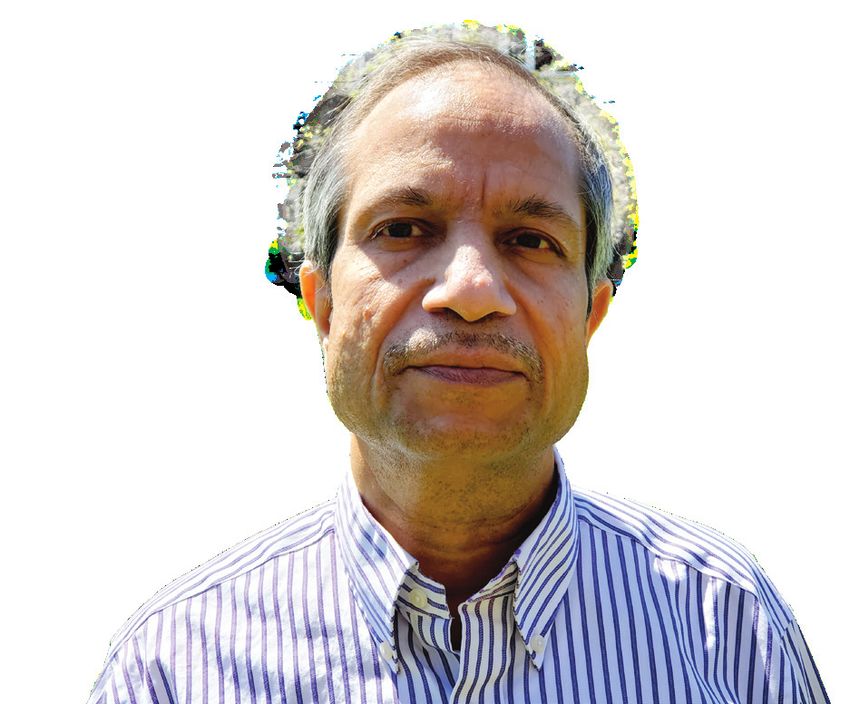
                           Anil Jain
                           Senior director,
                           information security
                           During the pandemic, EDF shut its of-
                           fices worldwide and went 100% remote
                           almost overnight. Our information tech-
                           nology team made sure our defense of
                           the environment didn’t miss a beat.

                           How did your team handle this
                           emergency?
                           Actually we were ready. A blizzard
                           shut down much of the Northeast
                           a few years ago and we made fixes
                           then to make sure everyone can             Finding a low-carbon flight path
                           work remotely. Now it will be very
                           difficult to defeat us!                    The International Civil Aviation Organization took a major step
                                                                      this spring to tackle climate pollution from international flights.
                           What are you working on now?               ICAO adopted new rules for its carbon offsets program, which
                           I look at the big picture. We can tell a   caps climate emissions from international flights at the average
                           computer to do anything, but what it       of 2019-2020 levels, starting in 2021. It’s the first global carbon
                           should do, and how? It’s more intel-       market for an entire industry sector, and it could channel funds
                           lectual than technical.                    to reduce tropical deforestation.
                                                                          “At a time of great stress for the industry, ICAO has begun to
                           Has working at EDF changed you?            grapple with the climate crisis,” says EDF International Counsel
                           I wasn’t aware of environmental            Annie Petsonk.
                           issues when I started more than                But now airlines are pressing ICAO to suspend the program.
                           20 years ago. Now I’ve learned the         “That would be a dangerous mistake,” says Petsonk. “There are
                           global nature of the problem and our       plenty of high-quality credits available to meet their carbon
                  GETTY    ability to stop the damage. I’m proud      limits without undue financial hardship for the airlines.” EDF
                           that my team’s work helps move this        is working to safeguard the program’s integrity.
                           organization forward.
Climate
calculator                 Tell us something people don’t
                           know about you.
                           I am a seeker of absolute truth.             Revealing a hidden climate threat
                           What is the purpose of life? Tomor-          EDF-led research in America’s Permian Basin, the world’s
                           row keeps coming, but what is the            biggest oil field, shows alarming underestimates of climate
                           reason?                                      pollution.

                           When you find out, will you let us           Companies in the         Permian methane             Despite low oil
                           know?                                        heart of the basin       pollution is                and gas prices,
                           Of course. After I get the requisite         (in NM and TX)           accompanied                 companies
EDF helped develop         approvals.                                   are leaking nearly       by toxic air                can reduce
an open source policy                                                   three times more         pollutants and              methane
analysis tool for cities                                                methane than                                         pollution by
                                                                                                 other chemicals
and states to gauge
                                                                        the EPA national         that form smog.             about 1/3 at
how the actions they
                                                                        average.                                             no net cost.*
take to address climate
change will affect their
bottom line. “This
powerful tool will allow
states to design
climate policies that
align with their eco-
nomic objectives,”
says EDF economist                                                                                               *International Energy Agency
Gökçe Akın-Olçum.

                                                                                                             Solutions / edf.org / Summer 2020   5
Online retailers

                                                                                                                                                          GETTY
           must clean up
           their act
     P
                  rice , quality , aesthetics .
                   Many factors influence online
                   shopping purchases. What if we
           could easily factor in sustainability too?
               That’s the goal of a new EDF initiative
           aimed at pushing online retailers such
           as Amazon and Walmart to disclose the
           environmental footprint of the products
           they sell.
               “Does it contain unsafe chemicals?
           Were rainforests cleared to make it? How
           much pollution was produced?” asks
           EDF manager of consumer health
           Boma Brown-West. “For most products,
           consumers have no way of knowing.”
               Now Brown-West has created a guide
           to drive the estimated $600 billion online
           retail industry to greater transparency
           about the health and climate impacts of
           the products sold on their sites. The work
           builds on more than 25 years of EDF en-
           gagement in corporate sustainability.              when selling products online and —             — including General Mills, Microsoft and
               The case for action is clear. Analysis         particularly when buying through third-        Visa — calling on Congress to pair eco-
           shows consumer products are responsi-              party sellers — there’s no guarantee           nomic recovery and future Congressional
           ble for around half the world’s green-             shoppers will get products that are safe.      spending packages with climate action,
           house gas emissions. Sixty-six percent                Last year, a Wall Street Journal investi-   including policies that lead to a net-zero
           of consumers say they’d pay more for               gation found more than 4,000 items for         emissions economy by 2050. And last
           sustainable goods.                                 sale on Amazon.com that had been de-           year, EDF helped launch the CEO
               “Transparently sharing sustainability          clared unsafe by federal agencies or were      Climate Dialogue, a group of CEOs from
           information empowers consumers and                 deceptively labeled. Among them were           21 leading companies, including Ford
           gives retailers a competitive edge,” says          2,000 listings lacking warnings about          Motor Company, Shell and Unilever,
           Brown-West. “Some retailers have made              health risks to children and at least 157      which is lobbying for an economywide
           key steps in the right direction — notably         items Amazon itself said it had banned.        price on carbon with a goal of reducing
           Target with its Wellness Icon — but this              From employees to customers and             greenhouse gas emissions 80% by 2050.
           needs to be a mainstream activity.”                shareholders, companies are under in-             “It is critical we begin to set durable
               Currently there is no legal require-           creasing pressure to become more trans-        and achievable goals that help safeguard
           ment for companies to list ingredients             parent and sustainable.                        the environment while reducing our car-
                                                                           “The public is looking to         bon footprint,” said Jamie Gentoso, CEO
JOHN RAE

                                                                        businesses to take the lead in       of US Cement at LafargeHolcim.
                                                                        protecting their health,” says          EDF is also working with big investors,
                                                                        EDF+Business VP Tom Murray.          such as Legal and General Investment
                                                                        “Businesses that step up will        Management and California State
                                                                        reap the benefits.”                  Teachers’ Retirement System, to call for
                                                                                                             stronger sustainability in the companies
                                                                       Time to take a stand                  they invest in, which include the oil and
                                                                       on climate                            gas industry and other major greenhouse
                                                                       Companies must also engage in         gas emitters.
                                                                       demanding climate action from            “The American public deserve a cor-
                                                                       our elected leaders. In May, EDF      porate sector that protects them and the
                                                                       helped organize the largest-ever      planet,” Brown-West says. “We need to
                                                                       corporate day of action on cli-       build a critical mass of demand — from
                                                                       mate change. The day saw more         employees, customers and investors —
            EDF’s Boma Brown-West wants online retailers to            than 300 companies, with a            so we can change the system.”
            fully reveal the climate footprint of their products.
                                                                       combined value of $11.5 trillion                                  Tasha Kosviner

           6 Solutions / edf.org / Summer 2020
COVER STORY

  Standing up
  for science
   By Rod Griffin, Tasha Kosviner, Shanti Menon and Charlie Miller

   The Trump administration’s policy of ignoring science
   left the nation fatally unprepared for COVID-19.
   EDF uses science to protect the public from mounting
   environmental health threats.

GETTY                                                                Solutions / edf.org / Summer 2020   7
COVER STORY

Every time the Trump administration abandoned science this year in favor of policies that assault
the environment, EDF took a stand. When EPA Administrator Andrew Wheeler used COVID-19 as
cover to roll back environmental health protections, EDF and allies successfully fought back. When
the administration tried to censor science, our legal team exposed this outrageous act. Whenever
local air pollution spiked, EDF teamed up with cities and communities to deploy new technology
and hold polluters accountable. And when the EPA chose not to protect the nation from toxic
chemicals, we sued and held the agency accountable.

Daily, EDF is using science to defend and strengthen environmental protections that safeguard
our nation’s public health. The following pages describe the progress we’re making.

                                                                         Fighting back against the EPA’s
                                                                         sabotage of public health

                                                                         T
                                                                                he   Trump administration has targeted more than
                                                                                 95 environmental rules and regulations since taking office.
                                                                                 But the onslaught in the midst of a public health crisis
                                                                         is particularly galling.
                                                                             As courts, businesses and other federal and state agencies
                                                                         pushed back nonessential activities, the Environmental
                                                                         Protection Agency forged ahead with its aggressive timetable to
                                                                         roll back critical environmental regulations. The rollbacks range
                                                                         from weakening automobile pollution standards and regula-
                                                                         tions on mercury emissions from power plants, to undermining
                                                                         science and disregarding the health impacts of a coal bailout.
                                                                             The good news is that EDF and allies have so far successfully
                                                                         defended in court nearly all of the administration’s attempted
                                                                         rollbacks of climate and air pollution rules.
                                                                             If the rollbacks stand, people across the country will be more
                                                                         exposed to life-threatening pollution and thus potentially more
                                                                         vulnerable to respiratory infections, including COVID-19.
                                                                             “The fact that the Trump administration would shamelessly
                                                                         exploit the coronavirus crisis to advance its radical goal of dis-
                                                                         mantling environmental protections is simply outrageous,” says
                                                               GETTY

Chronicle of catastrophe
The COVID-19 pandemic virtually shut down the U.S. economy. The lights remained on at the EPA however,
as Administrator Andrew Wheeler took numerous harmful actions that deepen human suffering. This calendar tells the story.

Jan 30                  Feb 29            Mar 17       Mar 18                            Mar 26                             Mar 27

World Health            Washington        U.S.         EPA Administrator Wheeler         The U.S. leads the world in        The U.S. becomes
Organization            State reports     COVID-19     pushes through a proposal         confirmed COVID-19 cases.          the first country to
declares a              first death in    deaths       to limit what scientific stud-                                       exceed 100,000
global health           U.S. related to   reach 100.   ies the agency can use                                               COVID-19 cases.
emergency.              COVID-19.                      when writing public health
                                                       protections. This can be          Prodded by fossil fuel groups,
                                                       used to block research            Wheeler allows polluters to vio-
                                                       when confronting current          late critical environmental and
                                                       or future pandemics.              public health protections during
                                                                                         the pandemic.
 8 Solutions / edf.org / Summer 2020
COVER STORY

Dominique Browning, co-founder of Moms Clean Air Force, an             to our air, making Americans sicker and causing thousands of
EDF partner organization with more than 1.2 million members.           premature deaths.” Even many auto companies — including
“This is when we should be tightening up health protections.”          Ford, Honda, BMW, Volkswagen and more recently Volvo —
    On March 26, the same day that the United States assumed           oppose the rollback.
the global lead in confirmed COVID-19 cases, the EPA eased                 Despite the setback, the administration has continued with
environmental enforcement, purportedly in response to the              its assault, prompting EDF to challenge the rollback itself, along-
pandemic, allowing power plants, factories and other facilities        side a broad coalition of health and environmental groups and
to determine for themselves if they can meet requirements on           23 states.
reporting air and water pollution. Essentially, many industrial
polluters may stop monitoring emissions and argue that they            Ignoring science
are exempt from fines, claiming they broke the rules because           As the pandemic unfolded, the president also issued an execu-
of the coronavirus.                                                    tive order waiving the requirement for environmental review of
    The new directive was imposed after the American Petroleum         major infrastructure projects, and the EPA fast-tracked a rule on
Institute sent a letter to EPA Administrator Andrew Wheeler re-        fine particulate pollution, or soot, which is linked to cardiovas-
questing the former coal lobbyist loosen the rules. Cynthia Giles,     cular disease. The White House abruptly ended review of the soot
who headed EPA enforcement during the Obama administra-                rule, canceling meetings with Moms Clean Air Force and the
tion, told The New York Times: “This is essentially a nationwide       Environmental
                                                                                            GETTY
waiver of environmental rules ... I am just stunned.”                  Law & Policy
    EDF acted quickly. Under the Freedom of Information Act,           Center. Moms
we requested records of all correspondence between the EPA             received word of
and industry related to the directive. “The EPA has a duty to          the cancellation
protect public health,” says EDF attorney Rosalie Winn. “That          at 2 a.m. on a
should mean more swift enforcement of pollution limits during          Saturday.
this crisis — not less.”                                                   Public health
    A recent Harvard study reveals that people with COVID-19           experts say that
who live in regions with high levels of air pollution are more         the decision not
likely to die from the disease than people who live in less            to strengthen the
polluted areas.                                                        soot standard
    The administration’s blatant willingness to disregard public       defies scientific
health and economic data was rebuked in court. One day after           research, which
the EPA finalized a measure to substantially weaken the popular        indicates that
clean car standards, a federal appeals court ruled that it had un-     particulate pollu-
lawfully concealed information relating to its action.                 tion contributes
                                                                                             Driving a truck through environmental
    The court case was in response to a lawsuit filed by EDF and       to tens of thou-      regulations
NRDC opposing the agency’s suppression of the main model on            sands of prema-
which the clean car standards were based. The model is likely to       ture deaths
show that the standards can be achieved by automakers at rea-          annually and that even a slight tightening of controls on fine
sonable cost, while saving lives — and money at the fuel pump.         soot could save thousands of American lives.
    “The court ruled unanimously that the administration has no            Perhaps the most craven broadside came when the adminis-
legitimate reason to keep this vital information hidden,” said         tration gutted the basis for the Obama-era rules that compelled
EDF attorney Ben Levitan. “The rollback will add more pollution        the country’s coal plants to cut back emissions of mercury,

Mar 31                  Apr 5                  Apr 11                Apr 14                   Apr 16                       May 28

Wheeler finalizes       Harvard releases       U.S. COVID-19         The EPA opts not to      The EPA introduces its       The number of
clean cars rollback,    new research show-     deaths reach          strengthen the stan-     final mercury and air        documented U.S.
subjecting Americans    ing the probable       20,000, the high-     dards for particulate    toxics rollback, under-      COVID-19 cases
to an estimated         link between air       est of any coun-      matter, or soot, which   mining protections that      reaches 1.7 million;
18,500 more prema-      pollution and higher   try in the world.     is responsible for an    prevent up to 11,000         U.S. death toll
ture deaths, 250,000    death rates from                             estimated 85,000         premature deaths and         tops 100,000.
asthma attacks and      COVID-19.                                    deaths each year.        130,000 childhood asth-
350,000 respiratory                                                                           ma attacks every year.
ailments by 2050.

                                                                                                                Solutions / edf.org / Summer 2020   9
COVER STORY

                  arsenic and other toxic air pollution. Virtually all coal-fired pow-   off pollution control equipment. The EPA’s own analysis said the
                  er plants have made the technological upgrades required by the         rules curbed mercury’s devastating neurological damage to chil-
                  rules, which cut mercury pollution from coal plants by more            dren and prevented thousands of premature deaths annually.
                  than 80% since 2012. This recent action has already prompted a             By disregarding the co-benefits of reducing other pollutants,
                  legal challenge from industry and could result in plants turning       the rollback could also set a precedent for weakening future
                                                                                         safeguards. Former EPA Administrator Carol Browner called it
                                                                                         a “sinister Trojan horse” with long-lasting and deadly conse-
                                               In 43 of 45                               quences. EDF has joined with allies to file suit.
                                               environmental cases                           “This is not normal,” says EDF General Counsel
                                                                                         Vickie Patton. “We cannot become numb to these unprecedent-
                                               courts ruled against rollbacks or the     ed assaults on human health. We must fight back. This is an
                                               administration withdrew the action.       all-hands-on-deck moment — and together we’ll prevail.”

                  Zero tolerance for censorship

                  W
                              hile health experts were neck-deep in fighting                 The administration

                                                                                                                                                              JOHN RAE
                            the COVID-19 crisis in March, the Trump EPA rushed           has made its disdain
                            out a brazen proposal to censor the science that             for science clear. In its
                  helps protect public health. Studies that shaped the EPA’s stan-       first two years, some
                  dards for arsenic in drinking water, particulate pollution in air      1,600 federal scientists
                  and even those showing links between air pollution and                 were pushed out.
                  COVID-19 impacts could be eliminated from consideration                Leading academic sci-
                  in crafting EPA protections. The agency is expected to make            entists on the advisory
                  a final decision later this year, but the proposal, which broadens     board — which evalu-
                  the scope of an earlier censorship attempt, has sparked a wave         ates the scientific
                  of harsh criticism.                                                    integrity of EPA
                      EDF attorneys filed comments calling the proposal “irret-          proposals — were
                  rievably unlawful” and “fatally deficient.” Nearly 80,000 EDF          replaced with industry
                  supporters told the EPA to drop the perilous plan, which               representatives and
                  undermines vetted research that constitutes the foundation             climate change

                                                                                                                 ‘‘
                  of health and environmental safeguards.                                deniers. Nearly 700
                      “The EPA makes life and death decisions,” says EDF Chief           staff scientists have
                  Scientist Dr. Steven Hamburg, who served on the EPA Science            left the EPA in the past        This administration
                  Advisory Board until 2019. “They should be based on facts,             three years, and only       isn’t interested in data,

                                                                                                                                     ’’
                  not politics.”                                                         350 have been repl-
                                                                                         aced. This loss of          but we are.
JULIE DERMANSKY

                                                                                         scientific expertise,        — Steven Hamburg, EDF Chief Scientist
                                                                                         together with funding
                                                                                         cuts and staff reductions, is hindering the agency from doing
                                                                                         its job.
                                                                                             However, dedicated EPA scientists remain, producing unbi-
                                                                                         ased data that reveal whether the agency’s actions are based
                                                                                         on fact or if they are, as EDF general counsel Vickie Patton says,
                                                                                         “arbitrary and capricious.” EDF is also fighting back with our
                                                                                         own rigorous science.
                                                                                             With academic, government and grassroots partners, we’re
                                                                                         spearheading research on air pollution in urban communities
                                                                                         and climate pollution from the oil and gas industry. By making
                                                                                         our data public in near real time, we are spurring action by cit-
                                                                                         ies, states, industry and concerned citizens to reduce pollution.
                                                                                             “This administration isn’t interested in data, but we are,”
                                                                                         says Hamburg. “Science will reveal the truth.”

                  EDF is spearheading new science on oil and gas pollution, making       TAKE ACTION›› See page 18 for ways you can make
                  the data public to spur action.                                        a difference by engaging in citizen science.

                  10 Solutions / edf.org / Summer 2020
COVER STORY
Dusk falls in Salt Lake City, one of multiple cities worldwide where EDF scientists are shedding light on air quality. GETTY
Clearing the air in cities
E
velyn Garcia well remembers the day last year “There is plenty of information about pollution at a county
when a chemical facility exploded in Houston’s Deer Park level,” says Craft. “But it’s the air on your block that matters.
neighborhood, sending a vast fireball and black plumes Our work is filling that crucial information gap.”
of toxic smoke into the sky. The work builds on research by EDF and partners in Oakland,
“It was terrifying,” the 17-year-old asthma sufferer, who lives California, which found pollution can vary as much as eight
near Deer Park, said. “People had headaches, irritated noses times within one city block. Oakland residents and environ-
and nausea.” mental justice groups are using our findings to advocate for
The fire, which burned for four days, was one of six major healthier communities.
chemical disasters in Houston between March 2019 and January As COVID-19 swept the globe, laying bare direct connections
2020, causing pollution to surge in a city already ranked one of between air pollution, underlying health issues and increased
the nation’s 10 smoggiest. risk of death, EDF’s work gained even greater urgency. In April,
With fewer than 3% of illegal releases of air pollution being a preliminary nationwide study by researchers at Harvard’s T.H.
penalized, Houston is a poster child for what happens when un- Chan School of Public Health found people with COVID-19 who
derregulation and disregard for science give industry a free rein live in counties with high levels of air pollution are more likely to
to pollute. die from the virus than people in less polluted areas. To further
But the city is not alone. Worldwide, nine out of 10 people validate this finding, EDF’s Craft, along with Rice University and
breathe unhealthy air. Every year, air pollution is responsible for local public health agencies, launched the COVID-19 Registry,
five million premature deaths. People of color, residing in neigh- collecting data on the illness and further exploring the links
borhoods close to heavy industry, are particularly at risk. between poverty, pollution and health.
Across the globe, EDF is fighting back, harnessing new sensor In Pleasantville, a predominantly black and Latino neighbor-
technology and data analysis to show communities the pollut- hood on Houston’s heavily industrialized east side, that has
ants in the air they breathe, and who is responsible for it. This particular resonance. COVID-19 claimed one of its first Houston
drives policy changes and better enforcement. victims here.
“We’re shining a light on air quality at a scale and scope never “Even without the pressing threat of coronavirus, people
seen before,” says EDF scientist Dr. Elena Craft. in our neighborhood have higher rates of lung disease, heart
In London we’re providing hyperlocal air quality data through disease and cancers, and limited access to healthcare,” says
one of the world’s most comprehensive networks of fixed and
DAN JOYCE
mobile monitors and sharing lessons with cities across the
globe. In Cangzhou, China, we’re showcasing emerging sensor
technology that can drive down pollution further by targeting
enforcement at hot spot areas. In Salt Lake City, we’re combining
data from Google Street View cars with meteorological data to
pinpoint pollution sources. More air quality work is planned
in India.
“By demonstrating solutions, and sharing our findings glob-
ally, we aim to accelerate the number of cities taking clean air
action,” says EDF’s VP for Health, Sarah Vogel. The goal? To halve
the global burden of disease from air pollution by 2050.
In Houston, home to more than 2,500 chemical facilities,
we’ve equipped Google Street View cars with sensors to map
pollution citywide. In analysing the data, our scientists found
hot spots where pollution was up to nine times higher than the Houston clean air activist Bridgette Murray (right) on the job in
2019 with then-EDF scientist Katie Moore.
average across all areas measured.
Solutions / edf.org / Summer 2020 11COVER STORY
Bridgette Murray, a retired nurse and founder of the nonprofit Yet Texas remains polluter-friendly. Shortly after Hurricane
advocacy group Achieving Community Tasks Successfully. Harvey hit Houston in 2017, causing more than 100 releases
“COVID-19 shines a bright light on that inequity.” of pollutants, Gov. Greg Abbott suspended 46 environmental
Last year, EDF helped Murray launch Texas’ first community- protections. And this spring, at the height of the COVID-19
owned and managed air quality monitoring network. ACTS will use pandemic, the EPA allowed polluters to violate critical environ-
the network’s findings to educate residents and ultimately, demand mental and public health protections. Shortly thereafter, air pol-
tougher control of polluters. “If the data reveals significant expo- lutants in Houston’s industrialized areas surged as much as 62%.
sure, we can pursue further enforcement action,” Murray says. (See pp. 8-10 for how EDF is fighting back.)
Much progress has already been made. In the late 1990s, “The consequences of this retreat will be devastating,”
Houston residents breathed unhealthy air an average of 110 days, warns Murray.
compared to fewer than 27 days in 2019. Last year, Harris County As communities across the globe reckon with their losses,
voted to invest more than $11 million in environmental protec- EDF will keep up the fight, bringing solutions based on science
tions — the highest one-time commitment in 30 years — and the to those who need it most.
district attorney’s office tripled the number of prosecutors in its “There will be another COVID-19,” Murray says. “We’re tack-
environmental crimes unit. ling the underlying disparities to make sure communities like
Houston and Harris County both plan to step up monitoring, ours aren’t always harder hit. We’re in this for the long haul.”
coordinated by EDF’s Craft.
“Improving our ability to measure air pollution improves our TAKE ACTION›› Join the COVID-19 Registry and
ability to manage it,” says Loren Hopkins, chief environmental support EDF’s research into air quality and health at
science officer at the Houston Health Department. registry.rice.edu/covid19
Defending chemical safety laws
F
ew actions by the Trump administration are fray, filing detailed comments on the agency’s draft review that
as contemptible as the attacks on chemical safeguards. provide a strong record for any future legal challenge. EDF also
A longtime leader on chemical safety, EDF has challenged raised public awareness of our concerns through our highly
the administration from Day One. influential health blog, a must-read for journalists, government
Take the case of trichloroethylene. This common industrial officials and the public health community.
solvent causes kidney cancer. Even more concerning are fetal The administration’s decision to ram through scientifically
heart defects seen at low exposures. flawed chemical risk evaluations without adequate public or ex-
For decades, TCE was dumped indiscriminately across pert review parallels its rollbacks of air pollution protections and
the country, and it continues to leak and contaminate soil and its complete failure to address climate change. These actions all
groundwater. Its ongoing use puts workers and the public at risk. endanger public health during the pandemic.
So what has the Trump administration done? It shelved two “The administration’s approach to chemical safety is to give
proposed bans on high-risk uses and is now twisting science chemical companies just about whatever they want regardless of
to argue that TCE isn’t so dangerous. what the science says,” says EDF scientist Dr. Richard Denison.
In its new safety review, the administration trashed decades In 2016, Denison worked with many stakeholders, including the
of scientific practice, ignored major exposures to TCE and failed chemical industry, to help enact a sweeping reform of our main
to safeguard against fetal heart defects. EDF has jumped into the chemical safety law. Today, he says, “I am frankly horrified
by the greed of the industry. Science has been shoved to
JULIE DERMANSKY
the background.”
Under Trump, the task of gutting the new chemical safety law
fell to industry insider Nancy Beck. Upon arriving at EPA’s toxic
chemical unit, Beck rewrote the rules governing how the law was
to be implemented, overruling EPA’s own experts. Not surpris-
ingly, the rules closely track an industry wish list.
TCE isn’t the only dangerous chemical that the administra-
tion has failed to protect us from. Methylene chloride is a deadly
chemical commonly used in paint strippers. Under pressure
from EDF, families that have lost loved ones, and others,
EPA took a half-step by banning consumer use of these deadly
products. But by refusing to prohibit commercial use, EPA
left workers, who account for the vast majority of deaths from
these products, at risk.
EDF is working with public health groups to fight back. We’re
exposing the real costs of the administration’s acts and suing the
Wendy Hartley lobbied Congress after her son Kevin died from
exposure to a paint stripper. EPA over its illegal actions. Science — and the law — are on our
side. And that’s a winning combination.
12 Solutions / edf.org / Summer 2020to kill the cap-and-trade pact between
California and Quebec. How important
are such regional agreements?
They matter a lot. Humans are really good
at cooperating with people close to them.
But the challenge with climate change is
that we have to cooperate across boundar-
ies. We need tight and binding agreements
between countries, or states, that already
trust each other.
How effective are international agree-
ments, like the Paris Agreement?
Paris provides a public platform through
which countries must commit to reduce
emissions and report what they are do-
ing. That’s critically important. But broad
international agreements alone don’t get
countries to act. So EDF is working to
catalyze cooperation among smaller
groups of countries that leverages gains
from trade and builds political will for more
ambitious action.
China will roll out its carbon market na-
tionwide this year. How important is this?
THEISPOT.COM
It’s incredibly important. China has made
the market relatively public, so it’s going to
be under pressure to show progress. If it
Using economics to put
succeeds, China can help countries they
have close relationships with create
their own carbon markets. This could
a lid on climate pollution be transformational.
Working on climate change involves
EDF’s new chief economist Suzi Kerr speaks out the biggest, scariest problem on Earth.
How do you keep going?
Optimism. I know we can solve this. It’s not
Dr. Suzi Kerr recently moved to New York from Together, they reduce the host’s emis-
New Zealand, where she served as Founding a technologically unsolvable problem. It’s
sions faster. Unless developing nations
Director and a Senior Fellow at Motu, New not economically infeasible. And the cost-
reduce emissions rapidly, we’re not going
Zealand’s leading economic and public policy benefit analysis in favor of solving climate
research institute. Kerr has dedicated her life to succeed.
change is so overwhelming that it’s obvious
to advancing large-scale climate solutions that How important are emissions trading we should do it.
help vulnerable populations. She spoke to
systems in combating climate change?
Solutions editor Peter Edidin. What do you miss about New Zealand?
Very important. They translate national
I miss our 72 acres that we’re converting
Amid the turmoil of the pandemic, targets into enforceable private sector
to native forest. My family and I have a little
how important is climate? targets. They also make countries’
off-grid house with solar panels and a water
The pandemic hasn’t changed the science commitments transparent. And they’re
tank and a sewage system powered by
behind the climate crisis. We need to get flexible, so politically they can work in
worms. It’s called vermiculture.
to net-zero emissions globally as fast as we many places. There are now 21 such sys-
can. If we don’t, we’re going to be facing tems across four continents and 24 more
BRAD HAMILTON
much bigger crises than COVID-19. in development or under consideration.
What’s the focus of your work? Can emissions trading systems boost
I work on emissions trading systems and local air quality as well?
global cooperation on climate. I’m par- Yes, beyond limiting emissions, they can
ticularly interested in a new idea,“climate generate billions of dollars that govern-
teams,” where a small group of govern- ments can spend on things that help
ments cooperate intensively. The group people locally — for example, electrifying
includes a host — a developing country buses, which can make a big difference
— and partners, which are richer countries. in local air quality.
EDF and NRDC
THE WILSON LEGACY recently had a
This feature honors the memory of Robert W. Wilson, a victory in the
longtime EDF supporter and champion of harnessing market
forces to drive environmental progress. See edf.org/wilson
Trump adminis-
tration’s effort
Solutions / edf.org / Summer 2020 13Natural infrastructure such as this wetland in Jamaica Bay, New York, helps protect coastal communities from storm surge.
FLICKR.COM/FRANCISCODAUM
Harnessing nature’s power
By Tasha Kosviner
Rising seas and more intense storms threaten lives and livelihoods up and down our
coasts. With 20 years’ experience in coastal resilience, EDF is helping communities
prepare today so they can weather the storms of tomorrow.
F
rancis Suarez, mayor of miami, For Cochran, this means building “Other states don’t need to reinvent
is a Republican whose acknow- climate resilience into every government the wheel,” says Cochran, who has
ledgment of climate change is decision, harnessing the power of natural worked on environmental issues for
noticeably out of step with the national defenses such as wetlands and barrier 30 years. “They can build off the work
leadership. And with good reason. islands, engaging local residents in solu- Louisiana has done.”
Seas in Miami have risen six inches since tions and, critically, heeding the science. Influenced by EDF’s systemwide ap-
1996, and flooding is a monthly occur- With as many as 6.7 million people proach, Louisiana harnessed three im-
rence. For Suarez and the city’s 500,000 at risk, coastal states desperately need a mense powers to help it — nature, people
residents — 85,000 of whom live three blueprint for resilience. Now, fortunately, and government.
feet below sea level — the water that regu- there is one. Over the next three years, the state will
larly laps at the footings of Miami homes Louisiana is often dubbed the ground invest nearly $1 billion a year on natural
is all the evidence they need. zero of sea level rise in the United States. protections, including harnessing the
As polar ice caps melt and oceans Between 1932 and 2016, the state lost power of the mighty Mississippi to move
warm and expand, communities, busi- an area the size of Delaware to the sea. sediment to build and sustain tens of
nesses and wildlife on every coast are Critical wildlife habitats, the multibillion- thousands of acres of coastal wetlands.
under threat. In addition to sea level rise dollar shipping and petroleum industries In response to a year-long community
and erosion, warmer waters supercharge and the homes and livelihoods of a mil- engagement project that EDF and local
hurricanes, which contribute to inland lion people are under threat. partners convened, the state invested
flooding such as that seen when But Louisiana has a plan. Under a bi- more than $41 million in community-
Hurricane Harvey clobbered Texas partisan 50-year, $50 billion state plan driven projects, including floodproofing
with record-breaking rainfall in 2017. that EDF helped develop, the Pelican homes, planned relocations and increas-
“Higher seas and stronger storms State is seeking to stem the rate of loss ing access to mental health services.
are normal conditions now,” says and devise ways for people and nature to And Louisiana has embedded resil-
Steve Cochran, EDF’s Associate VP for thrive in the face of the inevitable. From ience planning into the heart of govern-
coastal resilience. “Up and down the the muddy marshes of the Mississippi ment. Earlier this year, Gov. John Bel
coast, cities and states need to be think- River Delta to the steamy streets of New Edwards, acting on advice from EDF,
ing about how to live with that in a sys- Orleans, this is a state that knows a thing appointed the state’s first chief resilience
temwide way.” or two about resilience. officer, charged with ensuring every state
14 Solutions / edf.org / Summer 2020JULIE DERMANSKY
agency, from housing to transportation, just 500 acres of
health and more, establishes a plan for new wetlands
confronting how the threats the state could reduce water
faces will affect their services. flow to Goldsboro
Now, EDF is taking Louisiana’s learn- up to 28% during
ings further afield. This spring, we helped peak storms. With
convene a knowledge exchange between input from EDF,
Louisiana and senior resilience officers North Carolina re-
and environmental officials from Florida, leased its first resil-
New Jersey, North Carolina, Virginia and ience plan in June.
New York. Over the course of two days, “The state
delegates shared approaches and chal- united behind the
lenges from their own states and cities. science and moved
“Having EDF get these conversations forward decisive-
going is invaluable,” said Noah Valenstein ly,” says McDow.
of the Florida Department of Environ- Elsewhere in
mental Protection. the country,
Leading the effort is EDF scientist progress is also
Natalie Snider, who has adapted lessons underway. About
from Louisiana to guide other states in a half-dozen
Plans proposed by Darilyn Turner and 3,000 neighbors led to a
developing their own coastal resilience states, including $41 million state investment in protections for Louisiana’s threatened
plans. She highlights the importance of Illinois and coast. Says Turner: “I trust in God and put pressure on government.”
building consensus, engaging residents, Wisconsin, have
investing in science and taking action adopted floodplain building rules silience reduces the cost of disaster
even when the future is uncertain. tighter than federal ones, and a few recovery by $6. Meanwhile, a growing
“Coastal states must tackle imminent dozen communities have prohibited number of mortgage and insurance com-
threats with often limited resources,” building on floodplains altogether, panies now refuse to lend to or cover
says Snider. “Having comprehensive, according to the Association of State homeowners in high-risk areas.
science-based plans will allow them to Floodplain Managers. “In what is often a very partisan envi-
define priorities and secure funding ronment, resilience is a truly bipartisan
to build resilience over time.” Funding natural infrastructure issue,” says Mark Rupp who leads EDF’s
It’s a message multiple states have In New Jersey, where the election of Gov. state and federal ecosystems policy
picked up on. Phil Murphy in 2017 propelled climate efforts. “And what happens in states
In Goldsboro, North Carolina, memo- onto the political agenda, EDF is sup- influences what happens on the Hill.”
ries of the destruction wrought by hurri- porting the creation of new climate and Rupp points to at least 20 current or
canes Matthew in 2016 and Florence two coastal resilience plans. recently passed pieces of bipartisan fed-
years later are still fresh. “It was like a Across the river in New York, the state eral legislation addressing resilience.
week with no power,” says resident legislature, at the request of Governor Among them is a bill to create a low-in-
Rebecca Montague, recalling Florence, Cuomo, passed the $3 billion Restore terest loan program for states and tribes
which also caused a 15-foot storm surge. Mother Nature Bond Act to fund natural undertaking resilience efforts, and the
EDF’s director of resilient landscapes infrastructure and resilience efforts, America’s Transportation Infrastructure
Will McDow worked with North Carolina including support for underserved com- Act, which includes $10 billion to address
State University to examine how the munities near the water’s edge. The act climate change, including support for
creation of new wetlands and forests goes to a public vote in the fall and EDF natural infrastructure.
upstream could help prevent flooding will be working to ensure it’s passed. Perhaps most revealingly, the cause
in the region. Their findings showed that We are also fighting some very bad of sea level rise is now being broached
ideas, including a plan to spend in some unlikely places. In states like
$119 billion on floodgates and walls Louisiana, with its deep roots in the fossil
Risk by the numbers around New York City. The plan is based
on a 1955 Congressional authorization
fuel industry, the blunt reality of the
crisis has made talk of climate change
40% of the U.S. population that fails to consider climate change. The acceptable. In February, Gov. Edwards
lives in counties on walls would not protect the city from the established a task force to explore ways
the coast expected sea level rise and flooding and to reduce the state’s carbon emissions.
will cause additional catastrophic dam- EDF’s Cochran is an advisor. North
Flooding costs the U.S. age to water quality, wildlife and more. Carolina also has in place climate mitiga-
economy $54 billion a year The good news is that at state and fed- tion plans.
eral levels, efforts to build resilience gar- As Miami’s Suarez says: “We can’t just
6.7 million people are ner greater bipartisan support than those react to what Mother Nature is doing.
at risk of coastal focused purely on climate. This is helped We have to do everything in our power
flooding today
by some stark economic metrics: research not to make matters worse, but to make
shows that every $1 spent upfront on re- matters better.”
Solutions / edf.org / Summer 2020 15DEPARTMENT STANDING HEAD
Navigating toward
sustainability in Mexico
T
he Gulf of California, a 700- such as electronic monitoring to make the dock to transmit data to regulators
mile narrow sea between the the fishery more sustainable and profit- and processors in real time.
Mexican mainland and the Baja able. The fishery supports the livelihoods “The technology can show that we are
peninsula, is one of the most productive of more than 2,400 families. fishing sustainably,” says Gilberto Marquez,
ocean ecosystems in the world. It’s home Why EDF? The fishermen recognized who has had cameras installed on his
to more than 800 species of fish and an that management ideas we’ve long trawler. Demonstrating that the fishery
extraordinary array of marine mammals, championed were helping fisheries meets standards for eco-certification will
including endangered turtles and blue recover from the Gulf of Mexico to the improve access to premium markets in
whales. Explorer Jacques Cousteau called Pacific. The approach gives fishermen the United States and Europe.
it the “aquarium of the world.” a stake in the health of these fisheries,
The region is also responsible for 70% so they become stewards of the resouce.
of Mexico’s fishing revenue. The domi- “We wanted to act before the fishery
nant fisheries in the northern Gulf are was in crisis, while fish stocks are still
shrimp and sardines, followed by hake, healthy.,” says Claudia Higuera,
a type of finfish that was, until recently, a second-generation fisher in Sonora.
completely unregulated. In the 1990s, “EDF has been with us all the way.”
hake was not widely fished. Over the past Last year, hake permits were issued
decade, however, shrimp fishermen be- to 80 trawlers.“The next step will be to
gan switching gear during the off-season set scientific catch limits to ensure the
to catch hake and supplement their in- health of the fishery and the well-being
come. Recognizing that there are poten- of fishers,” says Rafael Ortiz, EDF’s
tial new markets for hake and a risk of director of Mexico fishery programs. If Changemaker: Claudia Higuera
overfishing, a group of forward-thinking we succeed, it’ll be the first catch share
fishermen reached out to EDF and the program for an industrial fishery in Mexico. EDF has similar smart boat projects
Mexican government in 2012. “Our goal is for other industrial fisher- underway around the globe, including
Working with us, they are now devel- ies to adopt similar measures,” says several off the U.S. West Coast and in
oping a rights-based management sys- Higuera. “We want people to know that the Gulf of Mexico, as well as in Chile,
tem and using technological innovations the fishing industry in Mexico can help Indonesia and Japan. On the West Coast,
with food security while protecting EDF has partnered with the Oregon Fish
the ocean and its resources.” Fish and Wildlife Service to install cameras at
consumption per capita in Mexico ports to monitor recreational fishing and
has increased roughly 30% over the inform fisheries policy.
last five years. “Just as smartphones transformed
To help with accountability, EDF global communications, smart boat
has launched two pilot “smart boat” technology can revolutionize fishing
projects for the hake fishery. The worldwide,” says Shems Jud, EDF’s director
first involves satellite tracking, cam- of oceans and technology solutions. “By
eras and low-cost sensors on boats giving us a better understanding of the
to document where they are fishing. state of oceans ecosystems, we can help
The second couples electronic mon- put fisheries on a sustainable course.”
itoring with networked computers at Rod Griffin
16 Solutions / edf.org / Summer 2020The pandemic:
A
kã Panará is an elder of Brazil’s Panará people. In the 1960s,
he survived the near extinction of his people when the government carved
A view from the a road through their territory and two-thirds of his people died of viral
infections such as the flu. Akã was one of just 89 survivors. EDF anthropologist
Amazon
Dr. Steve Schwartzman met Akã in the 1980s when he was leading his people to reassert
their autonomy. Schwartzman lived with the Panará, learned their unwritten language
and helped the tribe win legal recognition of some of its territory, preserving a forest the
size of Delaware in Pará and Mato Grosso states. When word of the novel coronavirus
reached Akã’s village, Nasepotiti, he recorded the following message.
Coronavirus and the history of my people, by Akã Panará
Why have the white people done this to us, among ourselves and decided to leave the vil-
indigenous people? I’m very concerned, for lage. We crossed the river and came to an old
myself and for my people. If it [the coronavirus] garden, and started to clear new gardens. That’s
gets here, it is going to finish us off. where the sickness started. We got a very strong
In the old days, we lived happily by our- cough, it was hard to breathe, we got a sore
selves. No one told us when the white people throat, chest pain and high fever. We heard ex-
began clearing the path for the road plosions, and thought that the explosions had
through our territory. One day, brought the sickness. First, an old woman died,
we went to collect bamboo and then everyone got sick. People began dying.
we came across the road. We We managed to bury some of the dead, then
went back to the village to the living were so weak and sick that they
tell the others. We decided couldn’t bury the dead anymore. We were very
to go fight the white peo- afraid, people ran away and hid in the forest.
ple, so we took our bows People kept on dying by the side of the road.
and arrows and went Only a few of us survived, and the white people
back to the road took us to the Xingu [Indigenous Park], where
and shot arrows the Kayapó live. We didn’t know where the sick-
at them. Then we ness came from or where it went.
went to tell the I think that this sickness we hear about today
other villages. is the same thing. I’m very worried. Why did the
An airplane white people do this to us, Panará, indigenous
came and flew peoples? I think the white people want to finish
over our villag- us off.
es. We talked
Akã’s story is the story of indigenous peoples in the
Americas since 1492, when tens of millions died
from new viruses brought by the Europeans, to
which they had no immunity. Recent research shows
that fragmentation of natural habitats through
tropical deforestation increases the risk of passing
new viruses from wild animals to domesticated ones
to humans.
We need to pay attention to Akã’s concerns and
MARIA FE
recognize, unlike Brazil’s Bolsonaro government, that
Akã and his we are all in this together. “We are now beginning to
Panará people
RNANDA
survived viral do to ourselves what we’ve done to the indigenous
infections and the peoples,” says Schwartzman. “Let’s help Akã keep his
RIBEIRO/
incursions of land- people — and their forest — safe. It will help us too.”
grabbers. Now they
BELIEVE
fear the coronavirus. Peter Klebnikov
.EARTH
Solutions / edf.org / Summer 2020 17You can also read


