Environmental Policy Quarterly
←
→
Page content transcription
If your browser does not render page correctly, please read the page content below
September 2019 Vol.Ⅲ Issue 3

                          Environmental Policy Quarterly
                          Environmental Protection Administration R. O. C. (Taiwan)

                          ISSN: 1811-4008 GPN: 2008600068
                          http://www.epa.gov.tw

   Waste          Strengthening Industrial Waste Management
  F   rom industrial waste reduction in its early days to the recent reduction at source, the direction
      of industrial waste management in Taiwan has gradually incorporated new concepts such as
  sustainable materials management (SMM) and from-cradle-to-cradle (C2C). Through combining reuse
  and management of industrial wastes, the EPA will keep pushing for resource cycling and zero waste
  as Taiwan’s long-term goals.

How it began                                            recycling and reuse guidelines,                              of clearance and disposal
Waste management in Taiwan                              opening up diverse reuse channels,                           organizations
started with the promulgation of                        and improving proper treatment
the Waste Disposal Act (廢棄物清                            technology. In recent years, the                         To e f f e c t i v e l y m a n a g e t h e
理法) in 1974. When established                           approach has shifted to reduction                        operation of clearance and
i n 1 9 8 7 , t h e E PA b e g a n t o                  at source. Concepts like SMM and                         disposal organizations, the EPA
keep track of industrial waste                          C2C have been introduced into                            forms inspection plans every year
production and set up a permit                          Taiwan one after another.                                for waste clearance and disposal
system concerning clearance and                                                                                  equipment and organizations
disposal organizations. As different                    Strengthening industrial waste                           currently in operation. Regional
industries were gradually placed                        management can be examined                               competent authorities are also
under control, industrial waste                         in two aspects: Strengthening                            encouraged to conduct regular
treatment became a focal point for                      management of the waste disposal                         onsite inspection to properly
the EPA.                                                system, and tracking industrial                          ascertain actual practices
                                                        waste flows.                                             and operations at treatment
Beginning in 1990, the core policy                                                                               organizations. Inspection mainly
has been to cut industrial waste                        Strengthening management                                 focuses on online registration and
generation by pushing for clean                         of the waste disposal system                             operation documentation, storage
production technology, specifying                       (1) S trengthening management                           methods and facilities, treatment

     In This Issue
● Strengthening Industrial Waste Management....................................................................................................................... 1
● Simultaneous Inspection Launched Nationwide Following Start of Ban on Single-use Plastic Straws................................. 3
● EPA Promotes Recycling of Plastic Wrapping....................................................................................................................... 3
● Taiwan-US Cooperation Steps Forward in International Environmental Education............................................................... 4
● International Collaboration for Air Pollution Control Formed Under New Southbound Policy................................................ 5
● Volatile Organic Compound Limits for Architectural and Industrial Maintenance Coatings Announced................................ 6
● Enhancing Soil Pollution Remediation and Related Technology Development..................................................................... 7
● Green Point Scheme Expands to Include Smile Logo-certified Products............................................................................ 10
● EPA Celebrates Its 32nd Anniversary with Former Ministers............................................................................................... 10
● Stricter Air Quality Standards Preannounced to Tackle Air Pollution.................................................................................... 11

                                                                                                                                                                        1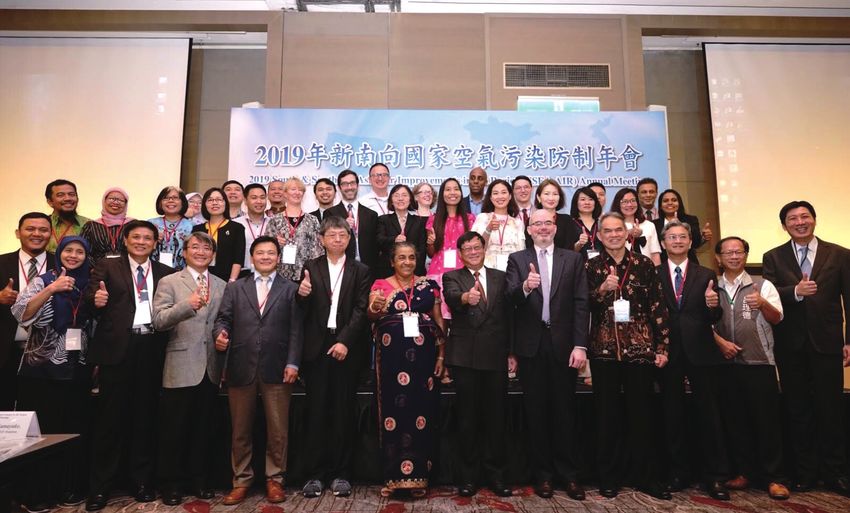
September 2019          Environmental Policy Quarterly

    and operation maintenance,                     70% of industrial feedstocks                       Circular Resources for Taiwan’s
    clearance of waste generated after             are imported due to inadequate                     Construction Industry have been
    treatment, product flows, and so               natural resources locally, suddenly                set up. The purpose of these
    on. Moreover, the EPA continues                stopping imports of industry-                      alliances targets the recycle and
    to assist enterprises in their                 use materials would seriously                      reuse of waste plastic, e-waste,
    applications for setting up waste              impact industries that are unable                  wastes generated from construction
    disposal organizations. From 2016              to source needed materials in                      and demolition, incinerator bottom
    to 2018, a total of 23 enterprises             Taiwan. Therefore, the EPA has                     ash, and slag. Various groups
    obtained clearance and disposal                been focusing on management                        voluntarily promoted the signing of
    permission to improve their own                and planning to improve material                   the Green Deal and now strive to
    waste disposal channels.                       q u a l i t y, s e t t i n g u p i m p o r t e r   create win-wins for the economy
                                                   data, and adding controls on                       and environmental protection via
    On 22 December 2018, the                       registrations.                                     cooperation with the public sector.
    E PA a n n o u n c e d r e v i s i o n s o f                                                      The semiconductor industry has
    the Regulations Concerning                     Opinions have been collected                       been assisted to recycle and reuse
    Permisssions for Citizens’ Waste               from all stakeholders and sectors                  waste solutions and solvents, with
    Clearance and disposal (公民廢                    in order to understand concerns                    work done at source management
    棄物清除處理機構許可管理辦法 ) t o                           around the environmental impacts                   and sorting of solvents. Moreover,
    improve the management system                  brought by imported industry-use                   the industry has begun pushing
    for waste clearance and disposal.              materials. The EPA also considered                 for testing wastewater treatment
    One of the revision details is that            the implications of China’s no-                    plants located in industrial parks,
    disposal facilities are mandated               waste policy as part of its effort                 and exploring the feasibility of
    to present their own standards                 to tighten controls of imported                    using low-concentration waste
    for taking in waste, conduct tests             materials and protect the recycling                isopropanol, which is only
    on waste and products, and keep                system in Taiwan as quickly as                     generated in the semiconductor
    records on business, management,               possible.                                          industry, as a carbon source.
    and operations. The aim is to keep
    track of products reutilized from              O n 4 O c t o b e r 2 0 1 8 , t h e E PA           Regarding collection, clearance,
    treated waste so that waste can                announced the Industrial Wastes                    disposal, and reuse of agricultural
    be properly cleared and disposed               Categorized As Industrial Raw                      waste, the EPA has planned to
    of. Clearance and disposal prices              Materials (屬產業用料需求之事業廢棄                            establish a recycling, treatment,
    are required to be disclosed to the            物). The content included adjusted                  and reuse mechanism for
    public in order to establish a pricing         criteria for the importation of waste              waste orchard branches and
    and market mechanism for waste                 plastic and waste paper, specified                 other residual materials from
    clearance and disposal. Meanwhile,             import limits, and relevant quality                agricultural production. Pingtung
    the EPA is requiring clearance                 controls.                                          County’s experiences in crushing,
    and disposal organizations to join                                                                centralized storage and clearance
    relevant associations based on the             (3) E
                                                        nhancing at-source                           and reuse of waste orchard
    Commercial Group Act (商業團體                         reduction of industrial waste                  branches, all commissioned,
    法) to enhance coordination among                   and self-management                            are greatly relied upon for
    associated enterprises and tighten                                                                reference. The practices have
    links among competent authorities.             Since 2018, civil society groups                   been promoted to municipalities,
                                                   in Taiwan have been gradually                      counties, cities, and townships
    (2) Management of industrial                   and voluntarily promoting the                      that produce large amounts of
        waste categorized as                       Green Deal, based on referencing                   waste orchard branches. The EPA
        industrial raw material                    c o n c e p t s o f t h e N e t h e r l a n d ’s   also designated Pingtung County
                                                   Green Deal. The Alliance of a                      as a demonstration point and
    Waste paper and plastic have                   Circular Economy of Marine Waste                   assisted the agricultural industry
    been announced as industrial                   Plastic, the Green E-Resource                      to voluntarily establish a circular
    raw materials since 2003. As                   Alliance, and the Alliance of                      system for recycling and reuse of

2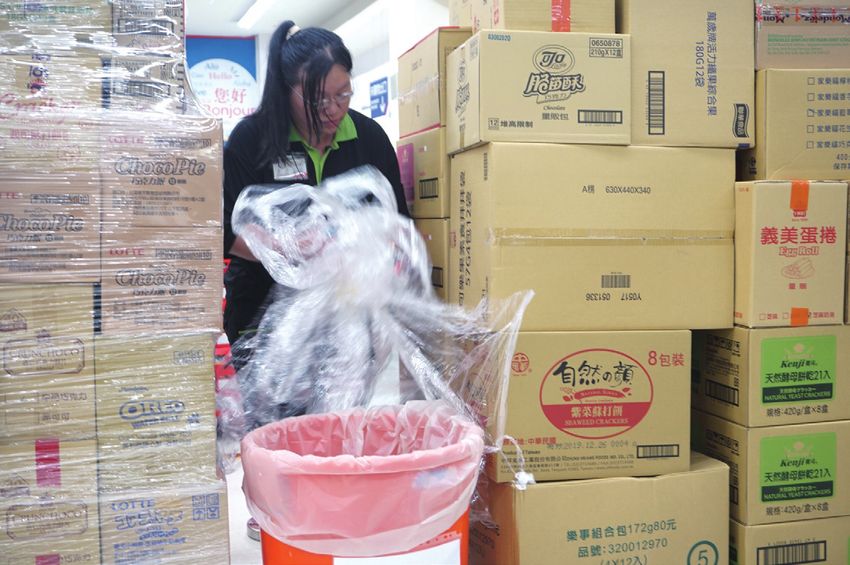
Environmental Policy Quarterly             Vol.Ⅲ Issue 3

residual materials.                        install a real-time tracking system                   sensors and signals for power
                                           is now expanded to include those                      failures in vehicles and machinery
Tracking the flow of                       that clear and transport wastes like                  specifications to increase stability
industrial waste                           sludge, construction waste, and                       and accuracy of vehicle track
To better track the flow of industrial     waste plastic. In addition, the EPA                   signals.
waste, the EPA announced the               further required all clearance and
revised Regulations Concerning             transport vehicles with operation                     Future prospect
C l e a r a n c e a n d Tr a n s p o r t   permissions to be equipped with                       I n t h e f u t u r e , t h e E PA w i l l
Machinery Required to Be                   such a system. The measure is                         continue to improve management
Equipped with Real-Time Tracking           expected to put all machinery                         of industrial waste reuse as it
S y s t e m s ( 應裝置即時追蹤系統之                 and vehicles under control in                         gradually works toward reaching
清運機具及其規定 ) o n 1 7 A u g u s t             four stages from 2019 to 2022.                        Taiwan’s goals of resources cycling
2018. The list of clearance and            Additionally, the EPA will utilize new                and zero waste.
transport vehicles required to             technology by including collision

  Waste       Simultaneous Inspection Launched Nationwide
              Following Start of Ban on Single-use Plastic Straws
  A   fter a ban on single-use plastic straws took effect on 1 July 2019, inspections of the item were
      conducted in every county and city in Taiwan, which took place simultaneously at 1,138 sites
  on the first day. Two enterprises were found not compliant with the ban and subsequently received
  warnings. Nationwide implementation of the ban has generally gone well overall.

The Targets and Implementation             breaking it a second time while                       in the face of increasingly severe
Methods of the Single-use Plastic          showing no improvement. Before                        environmental and ecological
S t r a w B a n ( 一次用塑膠吸管限制使               t h e b a n o ff i c i a l l y t o o k e ff e c t ,   challenges. The main goal of the
用對象及實施方式), announced by                    the EPA formulated regulations                        ban on single-use plastic straws
the EPA on 8 May 2019, requires            concerning inspections and                            that begun on 1 July 2019 is to
roughly 8,000 enterprises in four          compiled lists of enterprises in                      implement phased controls and for
categories, namely, the public             the four categories as references                     the public to become less reliant
sector; schools; department                for local governments to conduct                      on such straws. Citizens and
stores and shopping malls; and             inspections and awareness                             enterprises can learn to adapt to
fast-food chain restaurants to             campaigns.                                            such a measure starting with the
stop providing single-use plastic                                                                first targets subject to the ban,
straws for onsite dining. Before 30        The EPA stated that since reducing                    which are onsite, indoor dining
June 2020, violators will receive          marine waste is a pressing issue                      environments where use of single-
warnings for breaking the ban for          globally, it hoped more and more                      use plastic straws is not necessary.
the first time, with fines ranging         people would voluntarily answer
from NT$1,200 to NT$6,000 for              the call to reduce waste at-source,

  Waste       EPA Promotes Recycling of Plastic Wrapping
  T   o reduce plastic waste, the EPA promotes the recycling of plastic resources and has thus
      developed a platform for connecting both upstream and downstream enterprises, such as
  hypermarkets, logistics enterprises, as well as clearance and recycling organizations. This will allow
  for plastic wrapping with recycling value to become a reusable material. Initial assessments estimate
  that 1,700 metric tons of waste plastic wrapping can be recycled annually.

                                                                                                                                              3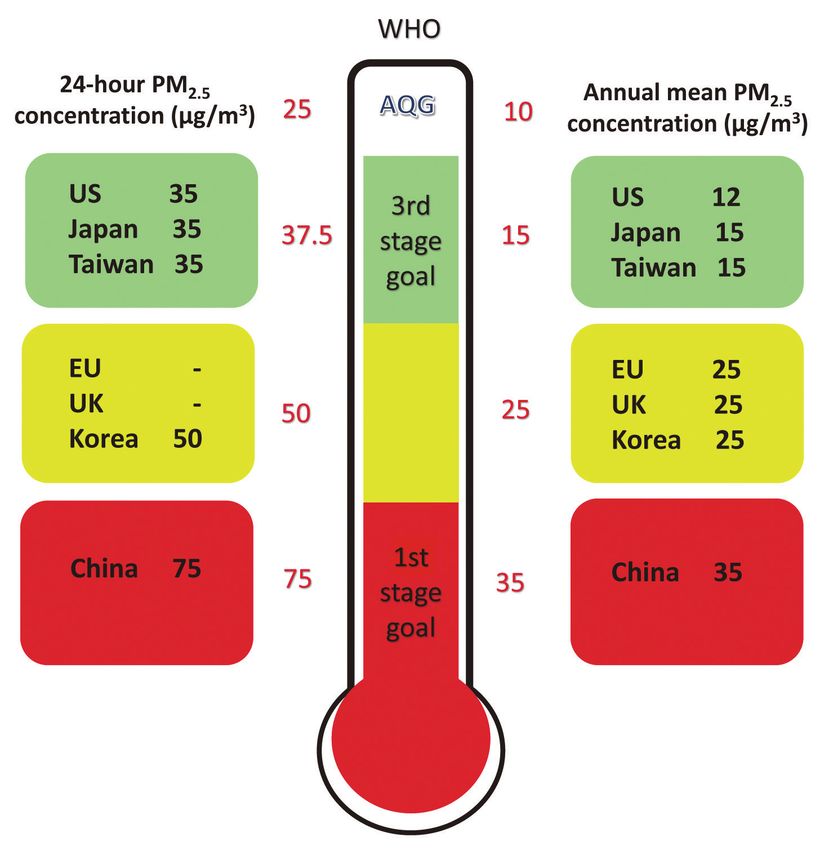
September 2019     Environmental Policy Quarterly

    Hypermarkets and logistics             The costs of recycling plastic bags    other products. As plastic wrapping
    enterprises use large amounts of       and film are currently high due to     recycling demonstration sites,
    plastic wrapping when transporting     the complexities of the material and   hypermarkets must improve their
    goods. The plastic wrapping            the tendency of being contaminated     processes of removing plastic
    is mixed with labels made of           with oil. However, plastic wrapping    wrapping. They must remove any
    different materials along with tape    used in hypermarkets is made           labels or tape, and store the plastic
    and waterproofing materials that       of a single material, most often       separately. This entails enhanced
    impact the sorting process. Once       polyethylene (PE), that is resistant   employee training. Meanwhile,
    plastic wrapping is discarded, it      to oil and other contaminants. It      clearance enterprises can take
    is typically incinerated. The EPA      would be most effective to reclaim     into consideration the light weight
    has therefore created a platform       this resource if the disposed          of the plastic film, the puffy nature
    to bring together upstream and         plastic could be sorted properly       of the product, and the reasonable
    downstream industries, including       at its source. Presently, there        allocation of compactor trucks
    hypermarkets, logistics enterprises,   are more than 150 hypermarkets         to save on the costs of shipping.
    and clearance and recycling            in Taiwan that are estimated to        Recycling enterprises can also
    organizations, in order to ensure      produce 1,700 metric tons of waste     have label-removing equipment
    that plastic wrapping with recycling   plastic wrapping per year. The         remove labels and tape to increase
    value is reused as plastic feedstock   EPA has thus decided to prioritize     the quality of the recycled material.
    material.                              hypermarkets as plastic wrapping
                                           recycling demonstration sites          T h e E PA n o t e d t h a t t h r o u g h
                                           and to connect them with other         this demonstration plan and by
                                           enterprises for plastic wrapping       encouraging more enterprises to
                                           recycling.                             follow through on their corporate
                                                                                  social responsibility, the EPA will
                                           Once plastic wrapping is removed,      further promote plastic wrapping
                                           sorted and then re-packaged, a         recycling by bringing in more
                                           clearance organization transports      hypermarkets and logistics
                                           it to a recycling organization,        enterprises to learn from the
                                           which then sorts and breaks the        procedures at demonstration
                                           material down further. After it is     sites. This will further boost plastic
                                           cleaned, dried and melted, it is       resource recycling, by allowing
                                           turned into pellets. This process      more people to become familiar
                                           transforms the wrapping into           with Taiwan’s plastic recycling
    Hypermarket plastic wrapping tends
                                           recycled plastic feedstock material    technologies and join in the
    to be made of a single material, and
    is thus easier to recycle.             that can then be used to produce       creation of a circular economy.
                                           plastic bags, film, containers, and

     Environmenal
      Education
                      Taiwan-US Cooperation Steps Forward
                      in International Environmental Education
      T  he Ministry of Education and Chinese Society of Environmental Education (CSEE) in Taiwan
         both joined the Taiwan-US Environmental Education Task Force in 2019. The first meeting of the
      task force was held on 29 July. The meeting was attended by the USEPA, Japan’s Ministry of the
      Environment, Taiwan’s Ministry of Foreign Affairs and Ministry of Education, and NGOs.

    It’s been 25 years since Taiwan and    years Taiwan has evolved from a        the Global Environmental
    the US signed the Environmental        learner and created its own path       Education Partnership (GEEP)
    Protection Technology Cooperation      step by step. Since 2014, both         and the Taiwan-US Eco Campus
    Agreement in 1993. Over the            countries have jointly promoted        P a r t n e r s h i p p r o g r a m . Ye a r s

4
Environmental Policy Quarterly Vol.Ⅲ Issue 3
promotion of international
environmental education. As
mentioned in GEEP’s mission
statement, a goal has to be large
enough in order to be seen at
all times, so Taiwan will always
endeavor to work hard on the path
to sustainable development.
Not only so, Japan’s Ministry of the
Environment came to the meeting
as an observer to learn more about
Members of the Taiwan-US Environmental Education Task Force. Taiwan-US joint collaboration
to create opportunities for
of endeavor have gradually Task Force displayed, but the future multilateral collaboration
shaped Taiwan into a leader in participants also discussed and exchanges among Japan,
environmental education both in all possibilities of continuing t h e U S , a n d Ta i w a n . A n d t h e
the Asia-Pacific region and the collaboration between the US and American Institute in Taiwan also
world. Taiwan. acknowledged the agreement as
the most significant part of the
The meeting was attended by the In the future, GEEP will first build bilateral collaboration between
USEPA, Japan’s Ministry of the a more tightknit environmental the US and Taiwan. Meanwhile,
Environment, Taiwan’s Ministry education network in the Asia- Taiwan will continue to look for
of Foreign Affairs and Ministry Pacific region. Aligned with this opportunities to interact with the
of Education, North American goal, the Taiwan EPA brought up w o r l d . T h e Ta i w a n E PA a i m s
Association for Environmental in the meeting its mission of soon to let environmental education
Education (NAAEE), National working with Taichung City Hall take deeper root in Taiwan and
Wildlife Federation (NWF), Fairfax to set up GEEP’s Asian center in keep up with developments in
County Public Schools in the US Taichung. The center’s purpose is t h e i n t e r n a t i o n a l c o m m u n i t y,
State of Virginia, and CSEE. to plan environmental education making Taiwan a key figure in the
Not only were the achievements promotion in the Asia-Pacific region sustainable development of global
of the Environmental Education and communicate and coordinate environmental education.
Air International Collaboration for Air Pollution Control
Formed Under New Southbound Policy
T he 2019 South & Southeast Asia -- Air Improvements in the Region (SSEA-AIR) Annual Meeting was
held in Taipei from 29 July to 2 August. The meeting was jointly organized by the Taiwan EPA and
the USEPA, and more than 30 government officials and experts in the field shared their experiences in
air pollution control. Participating countries and organizations included Indonesia, Korea, Mongolia,
Sri Lanka, Thailand, the Asian Development Bank (ADB), and the Asian Environmental Compliance and
Enforcement Network (AECEN).
Through the help of the Asia Pacific on the differences of air pollution the International Environmental
Clean Air Partnership of the UN control policies among various Partnership to support the
Environment Programme located Asian countries. Moreover, the implementation of the SSEA-AIR.
in Bangkok, Thailand, a contingent Taiwan EPA and the USEPA have Most Southeast Asian countries
from the USEPA visited Vietnam also launched the new Air Quality have agreed that the three key
and Indonesia to gather information Management (AQM) platform under parts of air pollution management
5September 2019 Environmental Policy Quarterly
are: the establishment of air quality strategies based on local air quality practice in roadside and random
policies and standards, the control and pollution characteristics, inspections of mobile sources and
of transportation emissions, and Taiwan has gained a considerable its achievements in air pollution
the development of environmental amount of unique experiences in reduction. After the meeting, the
monitoring and data management air pollution control to share with Taiwan EPA gave Vietnam 100
t e c h n o l o g y. I n a d d i t i o n , m o s t other Asian countries. sets of air quality sensors to help
officials have expressed that they establish environmental monitoring
are facing similar environmental The main purpose of the meeting technology with lower costs.
challenges. Therefore, the AQM was to exchange experiences in air
will also serve as an important quality management. The meeting The meeting laid the foundation
communication and collaboration focused on topics that most for not only future cooperation with
network for the training of Southeast Asian countries showed other Asian countries that will be
government officials and technical interest in due to their similar mutually beneficial, but also the
experts, especially for developing environmental and developmental implementation of the SE Asian
countries that are in their early or background, including funding for Quality Management Platform.
middle stage of development. air pollution improvement, mobile By providing technical assistance
source pollution control, and and implementation experiences,
Taiwan has seen significant results pollution prevention equipment the Taiwan EPA aims to achieve
in air quality improvement in the for factories. The Taiwan EPA regional air quality improvement
past 25 years. Additionally, since also arranged on-site tours for the and promote local environmental
every city adopts different control guests to demonstrate Taiwan’s education and green industry.
Air Volatile Organic Compound Limits for Architectural
and Industrial Maintenance Coatings Announced
O n 13 August 2019, the EPA announced the Volatile Organic Compound Content Limits for
Architectural Coatings and Industrial Maintenance Coatings (建物及工業維護塗料揮發性有機物成分標準).
These regulations seek to reduce the usage of volatile organic compounds (VOCs) as part of the EPA’s
mission to safeguard the public’s health.
Architectural and industrial to collect and treat these VOCs to be released, impacting air
maintenance coating products during coating processes. For quality, working personnel and
contain high concentrations of a short period of time after the people in general.
VOCs. It is often not possible coating is applied, VOCs continue
The concentration limit of VOCs in three broad categories and five specific types
Category Use Adjust stickiness method Concentration limit of VOCs
Coatings used for interior walls and water-based
Category A must not exceed 50 (g/L)
ceilings (60o glossiness < 25 GU) solvent-based
Coating used for interior walls and water-based
Category B must not exceed 100 (g/L)
ceilings (60o glossiness > 25 GU) solvent-based
Category C1 Exterior wall coating water-based must not exceed 100 (g/L)
Category C2 Opaque exterior wall coating solvent-based must not exceed 450 (g/L)
Category C3 Transparent exterior wall coating solvent-based must not exceed 600 (g/L)
6Environmental Policy Quarterly Vol.Ⅲ Issue 3
Furthermore, according to the the EPA announced the Volatile manufacturing, importation and
recently amended Air Pollution Organic Compound Content Limits sale of architectural and industrial
Control Act, chemical products that for Architectural Coatings and maintenance coatings containing
are manufactured, imported or sold Industrial Maintenance Coatings. VOCs. The regulated coatings
containing the VOCs announced by The restrictions put in place will be include three broad categories and
the central competent authorities for coatings used in buildings and five specific types. The categories
must meet the content limits for in maintaining industrial equipment, are: coatings for interior walls and
such VOCs. Thus, there is a need as these are stationary sources ceilings (category A/B) and exterior
to enhance related controls on of pollution. The concentration walls (category C). Labels for the
such products. limits are for the VOC content in diluting solvents and the solution
the products sold on the domestic ratios will be required to prevent
After considering other countries’ market. Coatings to be exported the use of solvents from unknown
experiences in controlling VOCs, will not be affected. sources and to determine the
the current state of manufacturing largest amounts of VOCs used in
technology development, and the The EPA emphasized that the coating products.
VOC content testing data of the targets of this draft include
coating products on the market, enterprises involved in the
Soil &
Groundwater
Enhancing Soil Pollution Remediation and
Related Technology Development
S peeding up soil pollution remediation and developing relevant technology is a vital part of the
EPA’s “A Sustainable Earth” policy. Under the Soil and Groundwater Pollution Remediation Act
(土壤及地下水污染整治法), the policy consists of two major parts: “strengthening preventive control and
conducting investigations of high pollution potential” and “speeding up remediation of pollution sites
and enhancing remediation technology”. As tasks under the policy are gradually implemented, soil and
groundwater pollution sites can be cleaned up and taken off the control list, leading to improvement of
overall environmental quality.
Strengthening preventive a total of 7,921 voluntary reporting parks based on current testing
control and conducting cases between 2005 and 31 status and control results. The
investigations of high July 2019. In the future, current latest result (in August 2019)
pollution potential
relevant regulations will undergo showed red in five sites, orange
(1) Preventive control measures evaluations on a rolling basis in in 13 sites, yellow in 24 sites,
order to increase the effects of and green in 116 sites. The EPA
Land owners and enterprises are voluntary controls. will continue to promote the color
supervised and urged to take signal control system, enhance
the soil quality of the land they To enhance regional control of soil warning and monitoring efficiency
use seriously as well as clear and groundwater quality, competent in industrial parks, speed up
up both pre- and post-operation authorities are responsible to pollution improvement, strengthen
responsibilities. In accordance regularly monitor pollution trends systematic support services for
with the Soil and Groundwater within their jurisdictions under the decision making and analysis, and
Pollution Remediation Act, Soil and Groundwater Pollution supervise all units to actively take
announced enterprises are Remediation Act. From 2011 to up various projects.
required to report soil pollution 31 August 2019, the monitoring
assessment investigations and rate reached 98.7% in all of the Every year, the EPA holds two
testing data before land transfer, 158 designated industrial parks to three training seminars on
as well as establishing, changing, in Taiwan. A color signal control sediment quality testing and
and closing business. There were system is in place in industrial reporting as well as sediment
7September 2019 Environmental Policy Quarterly
reporting coordination meetings so quality monitoring wells, monitoring list. The investigation of the rest
as to supervise and help competent is conducted regularly in order 145 enterprises is expected to be
authorities conduct testing and to get a grip on groundwater completed in two years.
reporting tasks. The purpose is to quality background in Taiwan. In
strengthen control of water body 2018, a total of 750 samples were Furthermore, the EPA surveyed
sediment quality, disclose testing taken from monitoring wells and 943 enterprises and inspected 198
data, and set up an Environmental the testing results that met the enterprises from 2008 to August
Resource Open Data Platform for Groundwater Pollution Monitoring 2019 for plants with high-polluting
the public to look up testing data. It S t a n d a r d s (地下水污染監測標 potential that are still in operation.
also assists competent authorities 準) (Category 2) was 92.3% on The detection rate reached 62%
and agencies in charge of water average. as 122 of them were found to be
body control to complete various polluted. To date, 29 enterprises
reporting operations. (2) Investigation of high-polluting are off the regulatory list. Onsite
potential inspection at another 194 plants
Between January 2014 to 31 will continue and is expected to
August 2019, authorities of 473 A. Enterprises finish in three years.
sites, including 83 rivers, 91 lakes To enhance control of abandoned
and reservoirs and 299 irrigation factories, the EPA has inspected B. U n d e r g r o u n d s t o r a g e t a n k
ditches have submitted sediment and rated 504 enterprises as systems
investigation and sampling plans sites with high-polluting potential. To prevent underground storage
for reference. The plan submission Inspection was done on 359 of tank systems from leakage,
rate reached 100%. Among these enterprises between 2004 enterprises are required by law
them, 90.7% have completed the and August 2019, 157 of which to self-monitor them on a regular
inspections and submitted the were confirmed with pollution, basis before reporting to the local
reports for references. or a detection rate of 44%. environmental agency. Targeting
Currently, 98 enterprises have abnormalities in these reports, the
For the 453 regional groundwater been removed from the regulatory EPA has continued inspection and
The color signal control system in industrial parks (unit: site)
180
160 5
5
5 5 13 13
140 5 5 6 19
27 20 26 24
120 27 36 22
25
100 28
80 58 40
60 113 116
95 104
40 83
52 62
20
0
2013 2014 2015 2016 2017 2018 2019
For the soil and groundwater pollution remediation network, color signals for pollution control in industrial parks are
updated to effectively keep track of environmental quality and improvement status.
8Environmental Policy Quarterly Vol.Ⅲ Issue 3
pollution investigations in order A. Developing and testing new Research units were welcomed
to prevent pollution. Inspections technology to submit applications to
have been conducted since 2001 Technologies suitable for pollution develop technologies suitable
with a total of 3,524 station- investigation and remediation in for domestic needs. A two-
times, leading to confirmation of Taiwan have been developed and stage review was carried out
pollution in 289 stations. A total of tested based on the features and from October to December
224 stations have been removed remediation needs of polluted 2018. Twenty-eight applications
from the regulatory list so far, sites. It includes phyto-sensors, were approved, which included
and 65 stations on the list are high-resolution site investigation 18 research projects and ten
currently undergoing remediation technology, bio-remediation, and pilot study projects. The total
implemented by their respective onsite smoldering remediation. The subsidies amounted to NT$30
enterprises. technologies developed are being million.
tested on seven sites. (iii) F o r c o m m e r c i a l i z e d
Speeding up pollution-site technology with great potential
remediation and enhancing B. P romoting development and developed under the research
remediation technology and pilot study project above,
application of local technology
(1) P romoting remediation on (i) S i n c e 2 0 1 0 , t h e E PA h a s t h e E PA h a s e s t a b l i s h e d
polluted sites been promoting the 2019 Soil a soil and groundwater
and Groundwater Pollution pollution technology matching
T h e E PA h a s s e t u p s i t e Remediation Funds-subsidized mechanism. A conference
management plans, a mechanism Research and Pilot Study with 360 attendees was held
to improve sites where remediation Program. Research centers in June 2019 to promote soil
has halted, and a control system in universities in Taiwan (both and groundwater remediation
to oversee the entire operation. national and private) as well results and match available
The aim is to hasten improvement as public and private research technologies to those in need
of sites with soil and groundwater facilities are encouraged to of them. It aimed to strengthen
pollution and effectively increase investigate soil and groundwater local technical capacity, link
remediation progress by keeping and develop remediation and up industries and academia,
an eye closely on the status of r e h a b i l i t a t i o n t e c h n o l o g y. and enhance the potential for
site remediation. The use of the The program also helps link application of technology.
Soil Pollution Fund is maximized remediation technology with
through taking inventory of polluted those in need of it in order to C. I n t r o d u c t i o n o f a d v a n c e d
sites, keeping track of investigation speed up removal of polluted technology and related training
information such as site history and sites from the regulatory list. In 2018, Dr. James Landmeyer
current pollution status, evaluating Up to December 2018, major of the US Geological Survey and
new evidence, and assessing the results included 205 projects Dr. Song Jin of the University
needs for additional investigation. subsidized with NT$220 million, of Wyoming were invited to
129 research manuscripts speak at seminars and staff
As of 31 July 2019, a total of 8,680 submitted to international training programs titled “Green
sites had been put under control. journals, 23 patents, five Investigation Technology” and
As many as 5,724 sites had been technology transfers, 43 “Electrokinetic Remediation
removed from the regulatory instances of technology applied Technology”. A total of 413 people
list, leaving 2,956 sites that are to polluted sites, and more attended 13 training sessions. Soil
currently under control, 2,515 of than 800 soil and groundwater and groundwater investigation and
which are farmland (374 hectares) professionals trained. remediation technology in Taiwan
and 441 sites of enterprises. (ii) In 2019, the EPA has kept on were greatly enhanced through
promoting the research and such training courses and case
(2) E n h a n c i n g r e m e d i a t i o n pilot study program, accepting sharing.
technology applications between 31 August
and 26 September 2018.
9September 2019 Environmental Policy Quarterly
Green
Mark
Green Point Scheme Expands to Include Smile
Logo-certified Products
E PA Minister Tzu-Chin Chang announced that MIT smile logo-accredited products are to be included
in the green point redemption program starting from 1 September 2019. The green point scheme
allows participants to earn and collect points by taking public transportation, renting public bikes, and
taking part in environmental protection activities. The green points can be used in exchange for food,
clothing, accommodation and transportation. For example, the points can be redeemed for products
with the Green Mark certification, or entrance to environmental education facilities and national forest
recreation areas. Points can also be used for purchasing green products or dining at green point
partner restaurants.
Minister Chang announced that Director General Leu also 7-Eleven, and ET Mall. The green
the EPA would be launching new encouraged consumers to support point system has a total of 320,000
incentives in September as part the domestic products and take users who have accumulated more
of the green point scheme to part in environmental protection than five billion points.
encourage public participation. by purchasing MIT smile logo
Starting from September 2019, products. The green point system To start earning points, individuals
the EPA will hold weekly giveaway recently expanded to include 814 only need to create an account
events to give out one million MIT smile logo products (such as on the Green Point website or
points to randomly selected clothing, towels, shoes and small app and link up their smart cards
participants. Also, purchasing home appliances) and, with the or retail customer reward cards
specific items will be given 2000 existing green products, now to their accounts. Points can also
extra points and purchasing MIT consists of a total of 1,858 green be acquired through shopping
smile logo-accredited products on products. The purpose of the from a range of 1,000 eco-friendly
weekends can earn participants 10 green point scheme is to boost products on the website. The green
times the number of points. green business participation, point redemption program is the
support a circular economy, and best reward program in the market
Both Minister Chang and Director promote green consumerism and where points can be exchanged
General Jang-Hwa Leu of the sustainable lifestyles. for up to 10% of discounts on
Industrial Development Bureau of products.
the Ministry of Economic Affairs Individuals can redeem their green
urged retailers to support the points in exchange for more than The EPA encourages everyone
green point program to stimulate 1,000 available Green Mark- to download the Green Point app
green consumerism and a circular certified or eco-labelled products and sign up to enjoy the various
e c o n o m y. T h e s c h e m e a l s o (including home appliances, benefits of the redemption program
motivates manufacturers to obtain household cleaners, thermos cups, while practicing environmental
MIT smile logos, Green Mark stationery, food and groceries) protection in their daily lives. For
certification, and carbon footprint through the following retailers: more information, please go to
labels. E - L i f e M a l l C o r p o r a t i o n , R T- its official website: htps://www.
Mart, Far Eastern A-Mart, Hilife, greenpoint.org.tw/.
General
Policy
EPA Celebrates Its 32nd Anniversary
with Former Ministers
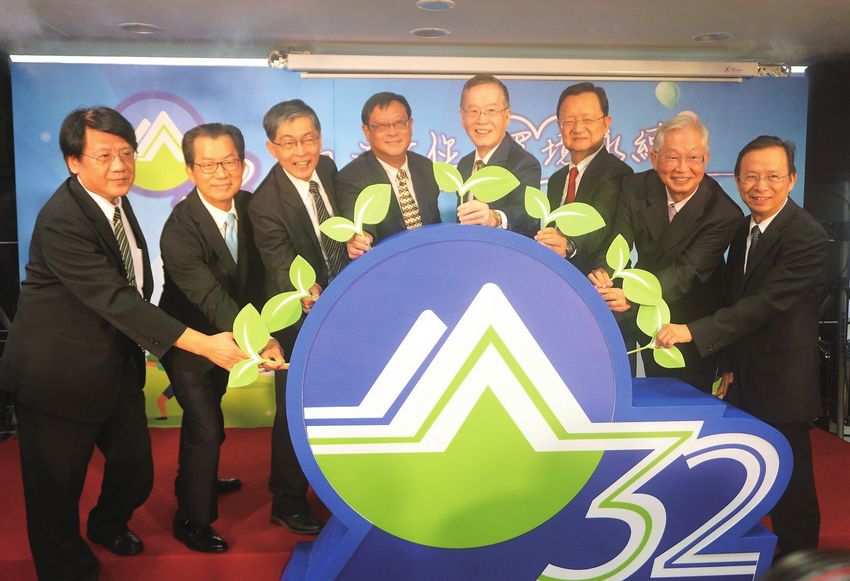
O n 22 August 2019, the EPA marked the 32nd anniversary of its founding. To celebrate its birthday,
the EPA held an event and invited former EPA ministers, deputy ministers, and all retired
employees to share its accomplishments in environmental protection.
10Environmental Policy Quarterly Vol.Ⅲ Issue 3
With the joint efforts of 16 former environmental protection over the honor the EPA staff’s hard work
ministers and the entire EPA staff, past 32 years. Participating former and commitment in promoting
environmental protection sprouted ministers included: Eugene Chien, e n v i r o n m e n t a l s u s t a i n a b i l i t y.
and has become deeply rooted in Larry L.G. Chen, Chu-Enn Chang, Hence, to commemorate the
Taiwan’s education system. On Stephen Shu-Hung Shen, Kuo-Yen EPA’s growth over the past three
this special day, former ministers Wei, and Ying-Yuan Lee. decades and to show gratitude for
were invited to join the celebration the joint cooperation of the entire
and share their experiences in The theme of the event was to staff, the EPA made a large mosaic
poster with thousands of images
of current and past staff. The EPA
also made special anniversary
albums with photos of major
environmental events throughout
the last 32 years and gifted them to
every former minister.
I n r e c e n t y e a r s , Ta i w a n
has experienced significant
improvement in both its
environmental regulations and
awareness. In the future, the EPA
will continue working on resource
reuse and recycling and striving
for environmental sustainability.
Through this event, the EPA also
wished to show the public its
On 22 August 2019, the EPA hosted its former ministers and deputy ministers determination and perseverance in
to celebrate past accomplishments. environmental protection.
Air Stricter Air Quality Standards Preannounced to
Tackle Air Pollution
T o further improve air quality in Taiwan, the EPA plans to tighten the air quality standards and lower
the daily average PM10 limit to 100 µg/m3, and the maximum one-hour average of SO2 concentration
to 0.075 ppm. In addition, the EPA will also impose stricter standards for NO2 and lead.
The Air Quality Standards were 0.25 ppm to 0.075 ppm and the According to the air quality
last amended on 14 May 2012, in annual average concentration from guidelines published by the World
which both the annual and 24-hour 0.030 ppm to 0.020 ppm. As for the Health Organization (WHO) in
PM2.5 concentrations were added NO2 standards, the maximum one- 2005, the interim target values for
to strengthen PM 2.5 control. To hour average NO 2 concentration the 24-hour PM 2.5 concentration
enhance air quality improvement, will be brought down from 0.25 a n d t h e a n n u a l m e a n P M 2.5
the EPA plans to lower the daily ppm to 0.1 ppm and the annual concentration are set at 25 μg/m3
average PM 10 limit from 125 µg/ average from 0.050 ppm to 0.030 and 10 μg/m 3 , respectively. The
m 3 to 100 µg/m 3 and reduce the ppm. Lastly, the air quality standard interim targets are provided to
annual average limit from 65 µg/ for lead will be set at 0.15 µg/m3 encourage air quality improvement
m3 to 50 µg/m3. Moreover, the EPA as a rolling three-month average and to reduce adverse health
will lower the maximum one-hour concentration. effects posed by PM2.5 emissions.
average SO 2 concentration from However, the WHO did not set a
11September 2019 Environmental Policy Quarterly
fixed threshold for PM 2.5 and the WHO also provided three interim tightened to 35 μg/m 3 in 2006,
interim target values provided target values for both the 24-hour and the annual standard was
are relatively lenient. Hence, the PM2.5 concentrations (75, 50, 37.5 lowered to 12 μg/m3 in 2012. Even
EPA won’t change the air quality μg/m3) and the annual mean PM2.5 though the annual standard finally
standards for PM2.5. concentrations (35, 25, 15 μg/m3). dropped from 15 μg/m3 to 12 μg/
m3 after 15 years of adjustments
The WHO suggested that national The US first established its PM2.5 and efforts, most states were still
air quality standards should be set standards in 1997, which originally unable to reach the tightened
based on factors such as health set the 24-hour concentration standard of 12 μg/m3. South Korea
risks caused by local air conditions, at 65 µg/m3 and the annual started implementing an annual
current pollution sources, mean concentration at 15 μg/ P M 2 .5 s t a n d a r d o f 2 5 μ g /m 3 i n
technological feasibility, and social m 3 . The standards for the 24- 2015. Singapore currently does
and economic development. The hour concentration were then not maintain air quality standards
for PM 2.5, but a goal of reaching
an annual mean concentration of
12 μg/m 3 by 2020 has been set.
Thus, Taiwan enforces stricter
PM2.5 standards compared to other
Western and Asian countries.
From the Clean Air Action Plan
promulgated in 2015 to the Air
Pollution Control Action Plan, the
EPA has shown its devotion to the
control of PM2.5 and its precursors.
2nd
According to the data collected by
stage
goal manual monitoring devices, the
annual average PM2.5 concentration
in 2017 was 17.5 μg/m3, which was
an improvement over the previous
three years.
The WHO set three interim target
values for both the 24-hour PM2.5
concentrations and the annual mean
PM2.5 concentrations.
Environmental Policy Quarterly For inquiries or subscriptions, please contact:
R.O.C. (Taiwan) Environmental Policy Quarterly
Office of Sustainable Development
Publisher
Environmental Protection Administration
Tzi-Chin Chang, Minister
83, Sec. 1, Zhonghua Rd., Taipei 100, R.O.C. (Taiwan)
Editor-in-Chief tel: 886-2-2311-7722 ext. 2211
Shyn-Wei Chen fax: 886-2-2311-5486
Contents Copyright 2019
Executive Editors
Shiuan-Wu Chang; Yu-Ling Yang; Chun-Wei Yang; 行政院新聞局出版登記證局版北市誌字第1611號
Shaowen Chang; Ken Lee; Jason Hoy 中華郵政北台字第6128號執照登記為雜誌交寄
12You can also read


