Exposing the Hidden Connectivity Crisis for Older Adults
←
→
Page content transcription
If your browser does not render page correctly, please read the page content below
Exposing the Hidden Connectivity Crisis for Older Adults
TABLE OF CONTENTS

  A Letter of Welcome and Urgency                    3

  Executive Summary                                  4

    Why Broadband? What’s at Stake for Seniors       6

  Quantifying the Technology Gap Research Findings   8

  Implications                                       16

  Aging Connected: A Programmatic Approach for
  Sustained Action                                   19

  A Call to Action                                   21

  Appreciation                                       23

                                                          2
A LETTER OF WELCOME
AND URGENCY

   The coronavirus pandemic has exposed a hidden crisis in connectivity for our country’s older
   adults. As tens of millions of seniors continue to endure an indefinite period of social distancing
   and residential confinement, the stark inequities of digital access are becoming clear. Older
   adults are one of the largest demographics without meaningful use of the internet, and this
   has severe implications for individuals, families, communities, and our nation.

   Those implications are as wide-ranging and diverse as older adults themselves. For some,
   lack of internet use means not taking advantage of tools that could help reduce feelings of
   loneliness. For others, this could mean an inability to manage finances online or use telehealth
   services to stay safely at home during quarantine. As a whole, being on the wrong side of the
   digital divide means older Americans are not using the tools that could help them live happier,
   healthier lives.

   Humana and The Humana Foundation began investing in OATS in 2018, working to help seniors
   improve their social connections by offering technology classes designed for older learners via
   Senior Planet San Antonio. More recently, this partnership began exploring ways to help older
   adults during the COVID-19 health crisis, launching Aging Connected, a national campaign to
   connect at least one million seniors to the knowledge and technology needed to get online.

   The Aging Connected report is part of this partnership and reveals urgent disparities in
   technology access and use among older adults. The report details both the many benefits of
   connectivity and the obstacles to achieving greater internet access, which have negatively
   affected U.S. seniors’ ability to stay healthy, meaningfully engaged, and financially secure. Even
   more importantly, we present collaborative paths forward for solving this social challenge.

   We’re grateful for your interest in this report and the injustice it aims to uncover. If it strikes
   a resonant chord, we invite you to join us in our efforts and move towards solving this social
   crisis, together. All are welcome as we engage public, private and nonprofit sectors with older
   Americans looking for connectivity.

   With Purpose,

   Bruce D. Broussard                                           Thomas Kamber, Ph.D.
   Chairman of the Board, Humana Foundation                     Executive Director
   President and CEO, Humana Inc.                               Older Adults Technology Services

                                                                                                         3
EXECUTIVE SUMMARY

   Getting older adults online has never been more urgent. The COVID-19 crisis has disrupted
   our nation’s systems for social support, communications, and health care, demonstrating that
   home-based internet and digital skills are an essential lifeline for older adults. Unfortunately,
   large proportions of Americans over the age of 65 remain offline—a problem that many people
   recognize from personal experience, but until now have lacked statistical data to underpin
   anecdotal observations and provide a solid foundation for policies intended to close the gap.

   In 2020, OATS, with the support of the Humana Foundation, commissioned the most
   comprehensive research study ever undertaken in this area, conducted by two leading
   academics: John Horrigan from The Technology Policy Institute, and Erin York Cornwell from
   Cornell University. This new research presents a detailed portrait of digitally disconnected older
   adults in America—how many people remain offline, what demographics are disproportionately
   affected, which barriers continue to perpetuate non-participation, and how existing
   connectivity resources match up with patterns of need.

   In addition, this report will provide a blueprint for action. OATS is a social change organization
   and our partnership with Humana aims to create new collaborations and systems of practice
   that will bring more than a million older adults online. We have analyzed the research data in
   the context of existing programs, options for building new initiatives, and potential frameworks
   for lasting change. Our recommendations offer a path toward creating a more comprehensive
   and resilient system for bringing older Americans online and supporting them in achieving
   meaningful outcomes in health, social engagement, and other areas of life.

   This report contains several overarching takeaways:
          Digital disconnectedness is a serious national crisis. More than three decades after
      1
          national policymakers became aware of the technology gap for older adults, our
          research shows that nearly 22 million American seniors do not have wireline
          broadband access at home. The scope and persistence of the problem are shocking
          reminders that nearly half of older Americans live with technological barriers that
          restrict social and other essential connections.

     2    Technology is exacerbating social divisions and inequalities. Our research found
          disturbing correlations between digital disengagement and race, disability, health
          status, educational attainment, immigration, rural residence, and, of course, income. As
          America seeks to provide equal opportunity for all, the lack of internet access at home
          threatens to widen already serious divides between the privileged and disadvantaged.

                                                                                                        4
EXECUTIVE SUMMARY

      3   Existing programs to help seniors get online are showing promise but are still too
          fragmentary and limited to complete the job. A review of existing digital inclusion
          efforts targeting seniors found a hodgepodge of offerings, with large sections of
          the country served by no significant low-cost offerings or age-friendly initiatives.
          The programs that do exist are virtually all sponsored by telecommunications companies
          in collaboration with nonprofit partners, with no direct public sector support.

      4   The solutions to the problem are well within our reach. This is not the race to the moon,
          announced in 1960 before the technology existed to accomplish the task. We know
          how to get seniors online right now, and this report lays out the steps to achieve our
          goal of eliminating the age-based differential in home broadband use.

   Drawing on the research presented in this report, OATS is making four recommendations to
   help guide policymakers and practitioners in closing the technology gap for older Americans.
   These recommendations call for action on increasing the supply of affordable connectivity
   for older adults, building widespread awareness among seniors on the importance of getting
   online, activation of a national network of partners to help promote and support broadband
   adoption, and meaningful action by public agencies tasked with addressing these issues.

   Finally, OATS will be acting on these recommendations directly through the launch of a new
   national partnership campaign to get over a million older adults online. With generous
   support from the Humana Foundation, we launched “Aging Connected” this year with the
   aim of sparking a national dialogue about aging and connectivity, sponsoring research,
   building a consortium of public and private stakeholders, and sparking action to address this

                                                                                                      5
WHY BROADBAND?
WHAT’S AT STAKE FOR OLDER ADULTS

   Home-based broadband is, for most older Americans, an essential service. Broadband
   provides a critical link to social contacts, health information and services, commerce, financial
   management, and government and media. With over 70 percent of the population 18-59 online
   at home, many basic life activities have come to be mediated through technology—shopping,
   communicating, personal finance, even exercise. Technology may have become second nature
   for many people, but its ubiquity only underscores the disadvantage experienced by those who
   remain offline.

   Some have questioned the priority of equipping older adults with in-home broadband and
   mainstream devices, suggesting that shared internet at local libraries or senior centers, and
   refurbished or limited-functionality computers, phones, or tablets are adequate for older
   users. In practice, these digital tools often lack important capabilities that seniors need to be
   successful in the modern age:

       ●• Devices that lack full size screens interfere with essential functionalities. Document
          management and text editing are restricted. Interactive video such as Zoom cannot
          display group screens or live chats. Financial management screens are truncated.
       ●• Use of non-mainstream operating systems limits options for popular apps that are
          designed for iOS and Android devices with up-to-date software. “Closed” systems
          present barriers to sharing information with family and social contacts who don’t share
          the platforms, and who are unfamiliar with outmoded or non-standard technology
          when asked for technical support.
       ●• Relying entirely on community institutions for internet access presents both
          inconvenience and risk for would-be adopters among the senior population. Covid-19
          has underscored the need for home-based connectivity sufficient to enable users
          to perform daily tasks without traveling. Residential internet that offers substandard
          speeds or restrictive data caps can present severe obstacles for older users who must
          contend with erratic transfer rates and connections at the same time they are working
          to develop new digital skills and habits.

   Even before COVID-19, seniors benefited from a host of specialized online services designed
   to make their lives easier and more rewarding, while enabling providers to realize significant
   cost savings and efficiencies. Examples include Medicare Part D signup, access to government
   forms, telehealth and financial services, and medical and monitoring devices that enable
   aging in place. These services require larger screens, rich functionality, and a fast,
   stable connection to deliver effectively to older adults, which is why wireline broadband
   connectivity is foundational to the Aging Connected agenda.

                                                                                                       6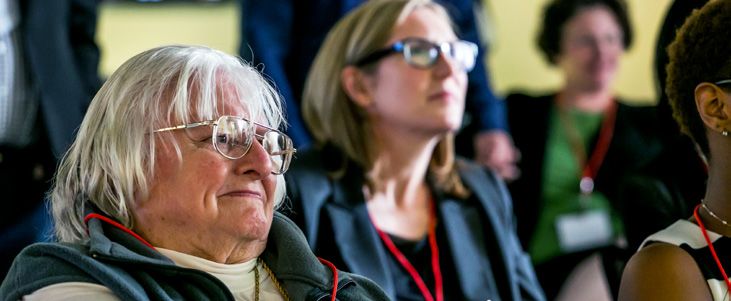
WHY BROADBAND?
WHAT’S AT STAKE FOR OLDER ADULTS

   ...experts agree that high-speed wireline
   access is essential in the near term to create a
   level playing field for residential internet users.

   This is a problem that won’t solve itself. Emerging technologies—wearables, 5G and satellite
   connections, voice activation, etc.—offer important future options, but experts agree that
   high-speed wireline access is essential in the near term to create a level playing field for
   residential internet users. Moreover, the technology gap for older adults is a dynamic problem;
   home wireline access is simply the first step in a broader agenda of supporting older adults
   in choosing and utilizing a wide range of technologies that contribute to independence,
   productivity, engagement, and personal growth. With an eye to this future, Aging Connected
   seeks to form relationships between service providers, device makers, seniors and their
   advocates to ensure maximum choice and flexibility.

   This challenge affects us all: Seniors isolated by lack of access to reliable technology face
   personal hardships including physical and mental health issues that affect the quality and
   duration of their lives. Loved ones and caregivers are less able to support disconnected seniors
   effectively. Institutions such as governments, private healthcare providers and community-
   based organizations incur higher costs for delivering services. Because of the scale of the
   problem, any efforts to expand access will improve these outcomes for older adults and society
   as a whole.

                                                                                                      7
QUANTIFYING THE CONNECTIVITY GAP:
RESEARCH FINDINGS

           The internet has been central to American life and commerce for more than two decades, and
           for most of that time, nearly everyone has observed or experienced the issues that older adults
           face in getting connected relative to other demographic groups. The connectivity gap has been
           the subject of study by organizations and government, and we have seen a rising commitment to
           increase access to underserved populations. However, there have heretofore been no studies that
           measure the number or the characteristics of seniors who remain left behind by society’s progress
           toward fast, reliable broadband connectivity. Those studies that have appeared – such as ones
           from the Pew Foundation which provide glowing accounts of how seniors constitute the fastest
           growing population online – paint a distorted picture: seniors are the fastest growing group online
           today because they lagged for so long and are only starting to catch up. Of course their numbers
           are increasing. But how many are still left behind?

           In 2020, with support from the Humana Foundation, OATS commissioned this study to answer
           those questions. Our goal was not just to find the topline numbers, but to identify particular
           characteristics among the older adult population that correspond to systematic exclusion from
           digital participation.

           Research Methodology
           OATS reviewed existing literature and reports on digital inclusion and online participation by
           older adults, along with program and internal research data that OATS has collected over time.
           We identified key gaps in the knowledge base and selected two leading experts to carry out
           extensive analysis on national data sets and report on key findings.
                  ●• John B. Horrigan, PhD, of the Technology Policy Institute, used data from the 2018
                     American Community Survey as a baseline for measuring the penetration of broadband
                     access for seniors in the United States, to dig into the demographic profiles of
                     underserved subgroups, and to identify barriers to adoption. The American Community
                     Survey is conducted annually by the U.S. Census Bureau and collects data from 3.5
                     million households.
                  ●• Erin York Cornwell, PhD, Cornell University Associate Professor of Sociology, examined
                     similar questions around inequalities in home internet access among community-
                     residing older adults using evidence from the National Social Life, Health and
                     Aging Project (NSHAP)1. NSHAP is a nationally representative, population-based
                     longitudinal study conducted between 2005-2011 of older adults living independently
                     in their communities. Participants responded to questions about their age, gender,
                     socioeconomic status, health, housing context, and in-home internet service or lack

1
    Waite, Linda J., Kathleen Cagney, Benjamin Cornwell, William Dale, Elbert Huang, Edward O. Laumann, Martha McClintock, Colm A. O’Muircheartaigh,
    and L. Phillip Schumm. National Social Life, Health, and Aging Project (NSHAP): Wave 2 and Partner Data Collection. ICPSR34921-v1. Ann Arbor,
    MI: Inter-university Consortium for Political and Social Research [distributor], 2014-04-29. doi:10.3886/ICPSR34921.v1                         8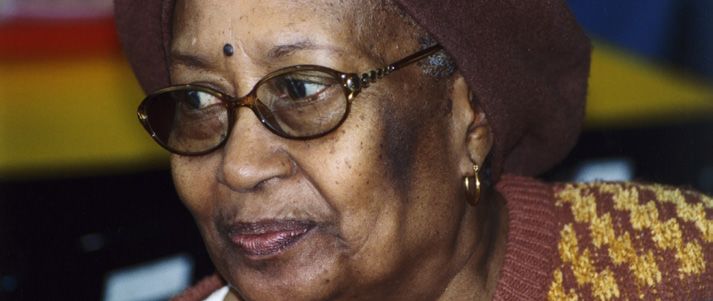
QUANTIFYING THE CONNECTIVITY GAP:
RESEARCH FINDINGS

                      thereof. The results demonstrate the confluence of sociodemographic indicators and
                      broadband internet access.
            York Cornwell also investigated patterns of broadband adoption against the benchmark
            eligibility standards of one lighthouse industry initiative designed to serve vulnerable, lower
            income people: Comcast’s Internet Essential Program. Both researchers shared findings that
            highlight the urgency of the need for a coordinated national strategy and point the way to
            effective, targeted interventions that stakeholders can use to bridge the technology gap and
            bring more older Americans into the mainstream of connected information services. Here are
            some of the key results of our research.

            A National Connectivity Crisis: 21.8 Million Older Americans Offline at Home
            Our most important finding is the enormous number of American seniors – an estimated 21.8
            million – who still do not have broadband access to the internet. According to the American
            Community Survey, only 58 percent of Americans age 65 or older have wireline broadband
            internet service at home, compared with 73 percent of all other adults. Age is one of the
            three strongest predictors, along with income and educational attainment, in correlating with
            residential non-adoption. Since older adults are a large (and growing) portion of the national
            population, the 42 percent who lack internet at home represent the second largest
            demographic group%of    With  In-Home
                                      Americans     Wireline
                                                 left behind Broadband
                                                             in the digital age.2

            Percentage of Americans With In-Home Wireline Broadband

                    100%

                      90%
                                                                                          21,800,000 Adults 65+
                      80%                                                                 without in-home wireline
                                                                                          broadband
                      70%
                                                   73%
                      60%
                                                                               58%
                      50%

                      40%

                      30%

                      20%

                      10%                                                                                 Adults 18-64
                                                                                                          Adults 65+

                        0%
                                              Adults 18-64                  Adults 65+

2
    Poverty is the strongest determinant for total population lacking internet at home.                                  9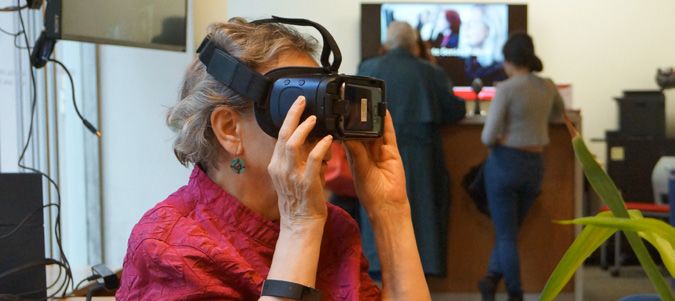
QUANTIFYING THE CONNECTIVITY GAP:
RESEARCH FINDINGS

            Knowing the scope of the problem from a national
            perspective is simply the first step in understanding the
            problem of technology exclusion facing older Americans.

            Moreover, the technology gap for older Americans is not closing by itself. Twenty five years after
            the invention of the Word Wide Web, the gap between seniors and the rest of the population
            in terms of home broadband adoption stands at 15 percent—which represents a differential
            of 5.6 million older adults who would be online today if home wireline broadband participation
            were equalized across the age range. Absent a coordinated or significant public sector strategy,
            progress on closing the digital divide for seniors has stalled. One longtime activist on technology
            inclusion for older adults interviewed for this report pointed out that the technology gap has
            persisted more than 30 years. Indeed, recent data from the Pew Research Center show that
            older Americans lag younger by double-digits on a range of technology measures—internet
            use (23 percent gap); smartphones (25 percent gap); tablets (19 percent gap); and social
            media (35 percent gap).3 To provide context, if we were to move all 5.6 million “surplus” digitally
            disconnected older Americans together into one locale, they would make up the second largest
            city in America.

            Accelerating Inequality: Patterns of Digital Nonparticipation
            Knowing the scope of the problem from a national perspective is simply the first step
            in understanding the problem of technology exclusion facing older Americans. What if
            some groups are disproportionately represented among those who are offline? Are there
            concentrations of those affected that relate to geography, demography, or class? Answering
            these questions allows a fuller understanding of the social consequences of the digital divide
            for seniors, and permits an examination of issues related to social equity and civic engagement.
            Finally, by identifying characteristics that correlate with digital exclusion, we can better
            target interventions to geographies and institutional networks that correspond to the highest
            concentrations of the disconnected.

            OATS worked with Professor York Cornwell to analyze a sample of 2,145 people over 62 years
            of age who were interviewed for the NSHAP study. Our analysis demonstrates clear patterns of
            exclusion that systematically correspond with factors such as race, health and disability status,
            and income level. These disparities were observed using logistic regression that calculated odds
            ratios for bivariate and multivariate models, with both models showing strong correlations with
            key variables.4

3
    Pew Center, Citation: “Tech Adoption Climbs Among Older Adults,” Monica Anderson and Andrew Perrin. May 2017
4
    Our dependent variable is self-reported lack of internet at home or primary use of it outside the home. Note that for this section of our
    research, the data set is NSHAP, so the population is 62+, the survey was completed in 2011, and the dependent variable is a composite
    of two questions related to home internet access and primary place of accessing the internet. Contact OATS for more detail.                 10
QUANTIFYING THE CONNECTIVITY GAP:
RESEARCH FINDINGS
●• The two strongest predictors of lack of broadband were low educational attainment
(less than a high school degree) and income below $25,000. Both categories were
more than ten times more likely to be offline at home than the reference categories for
people with higher education or higher incomes, respectively.
●• Race was a significant factor as well. Black people were 2.6 times more likely to be
offline, and Latinos were 3.4 times more likely to be offline than White people. And
living in areas of high concentrations of poverty was associated with a 6.7 times higher
likelihood of lacking home broadband, while living in Census tracts with over 50 percent
African-Americans corresponded to a 3.7 times higher likelihood.
●• Health status plays a role, with people reporting poor-to-middling health over three
times more likely to be offline, as well as people reporting functional impairment (twice
as likely), frequent depressive symptoms (1.5 times as likely), and Medicaid enrollment
(2.7 times as likely).
●• Finally, household composition and place of residence are important factors. Older
adults who are single (2.7 times as likely) or live in rural areas (1.6 times as likely) have
elevated odds of lacking home internet service.
These findings are alarming for those who believe our society has a responsibility to strive for
equity for disadvantaged or historically excluded groups. The portrait presented here is one
where technology barriers are further reducing the quality of life for older adults who are already
challenged by poverty, ill health, racism, lack of education, or social and physical isolation. For
many older adults, several factors may be operating simultaneously: For instance, a low-income
senior with less than a high school degree who has a functional impairment and lives alone is
very unlikely to be online at home, based on the data from this study. Digital disengagement for
this individual simply adds an additional layer of burdens to overcome—diminished resources for
connecting with government services, fewer tools for healthcare management, limited functionality
for online financial transactions, higher costs for goods and services, and less access to news and
information. Technology, which could be a great equalizer, is instead serving to drive many older
Americans further from the mainstream.
As a second frame of analysis, OATS asked Dr. York Cornwell to analyze patterns of digital
participation with reference to the enrollment criteria for the country’s largest digital inclusion
program for low-income people: Comcast’s Internet Essentials program.5 Internet Essentials
offers broadband internet at a reduced cost ($9.95/month) for individuals who qualify for public
assistance programs such as housing assistance, Medicaid, Supplemental Nutrition Assistance
Program, Supplemental Security Income, Temporary Assistance for Needy Families, Women
5
Disclosure: OATS is a 501(c)3 nonprofit organization and has received funding from Comcast, T-Mobile, Charter, Humana, and other companies
mentioned in this report, or whose business is relevant to our findings. For more information, contact OATS at info@oats.org
6
Note that York Cornwell’s analysis is based on a sample of people over 62 who would likely be eligible for Internet Essentials or a program
with similar eligibility criteria. Internet Essentials is not available in all 50 states, so is being used here as a reference standard for estimating
the potential national impact of a low-cost option for older adults. Also note that her estimate is based on matching reported characteristics
of respondents with Comcast eligibility standards; actual rates may vary due to factors such as family size, program enrollment patterns,
local poverty thresholds, etc. 11QUANTIFYING THE CONNECTIVITY GAP:
RESEARCH FINDINGS
Infants and Children, or a VA Pension. York Cornwell used NSHAP data to assess in-home
internet access among community-residing older adults who would be likely eligible for the
program if they lived in a Comcast service area. She selected NSHAP variables that correspond
to Internet Essentials eligibility categories: income below $25,000, coverage by Medicaid,
military veteran status, and employment status (including unemployed, laid off and looking for
work, or disabled and unable to work).6
Our analysis uncovered a critically important disparity in the current distribution of offerings
of low-cost options for older adults. Her estimate of the potential “reach” of the Internet
Essentials program is 53.8 percent of older Americans where Comcast provides service. By
contrast, Spectrum Internet Assist, which limits senior eligibility to SSI recipients, is available
to approximately 1.9 percent of older adults in their service area. Other telecommunications
companies such as T-Mobile offer special pricing for all older adults (although at much higher
rates than Comcast), and still others offer nothing at all. There are no federal, state, or local
guidelines regarding eligibility criteria for these kinds of private sector offerings, and the
regulatory agencies typically do not require the companies to report data on how many older
adults are actually served, even for agreements negotiated as part of corporate mergers.
York Cornwell estimates that, of those who are likely eligible for Internet Essentials or a program
using similar criteria, 27.8 percent are not currently online. Another 16.8 percent would likely not
qualify for means-tested subsidies but still lack internet at home—i.e., people who theoretically
In-Home
In-Home Internet
Internet Access
Access andLow-Cost
and Low-Cost Service
ServiceEligibility AmongAmong
Eligibility Older Adults
Older Adults
(NSHAP Wave 2, weighted, n=2,388)
(NSHAP Wave 2, weighted, n=2,388)
Not Eligible 16.8%
and Not Online
31.9% Not Eligible
and Online
Eligible and 27.8%
Not Online
23.5% Eligible and
Online
6
Note that York Cornwell’s analysis is based on a sample of people over 62 who would likely be eligible for Internet Essentials or a program
with similar eligibility criteria. Internet Essentials is not available in all 50 states, so is being used here as a reference standard for estimating
the potential national impact of a low-cost option for older adults. Also note that her estimate is based on matching reported characteristics
of respondents with Comcast eligibility standards; actual rates may vary due to factors such as family size, program enrollment patterns,
local poverty thresholds, etc. 12QUANTIFYING THE CONNECTIVITY GAP:
RESEARCH FINDINGS
could afford market-rate service but don’t see the value proposition or lack the training or
knowledge to use the technology. This first group, whom York Cornwell calls the “unreached,” are
the most likely to be served through extension of affordable access through publicly or privately
subsidized low-cost offerings. They are also the highest priority for a campaign to get the most
vulnerable older Americans online.
Where are these “unreached” individuals, and what can we learn about them from the NSHAP
data? York Cornwell calculated odds ratios for various demographic categories and found
some similarities with the general population of offline older adults, as well as some
important differences:
●• Lower incomes and low educational attainment continue to be strong predictors
of internet nonparticipation in this group, with people lacking a high school degree
continuing to be the least likely to go online at home (17.7 times more likely to lack
internet)
●• Gender is a stronger predictor than in the general group of older adults offline (see
above), with women having a 2.5 times higher likelihood of being offline than men
●• Race is a stronger predictor in this group, with Blacks (3.1 times as likely) and Latinos
(4.5 times as likely) suffering much higher rates of nonparticipation, and being foreign-
born is also a significant variable (2.3 times as likely to be offline)
●• Being single and living alone is a stronger predictor in this group (3.5 times as likely)
●• Finally, rural location (1.7 times more likely), poor-to-fair health (3.5-4.2 times as likely),
and disability (1.9 times as likely) are still significant predictors of being offline.7
The picture that emerges from these data is again one where overlapping characteristics
of education, race and immigration, health, gender, isolation, rural residence, and disability
are factors that compound one’s likelihood of lacking broadband at home for older adults. A
multivariate model (which controls for variations in sociodemographic and socioeconomic status)
found continued strong associations for advanced age, lower educational attainment, living
alone, race, and income. These patterns underscore the potential social consequences of
the digital gap for older Americans and present a disturbing image of millions of older
people living in digital isolation while also grappling with some of our society’s most recognized
social challenges.
Finally, the notable size of the second group (16.8 percent of older Americans equals
approximately 8.8 million people) suggests that there is a compelling public interest in
7
OATS conducted confirmation testing by calculating comparable outcomes using ACS 2018 data, which resulted in findings that closely
matched those reported from the NSHAP. For more information on specific data and calculations, contact OATS. 13QUANTIFYING THE CONNECTIVITY GAP:
RESEARCH FINDINGS
addressing the population who are above means-test thresholds but are still offline in large
numbers. This group, when examined by York Cornwell, showed particularly high associations
with poor health, low education, residence in a high-poverty Census tract, and identification
as Latino. Data patterns such as these should be the initial building blocks for determining a
strategy to promote internet participation among this overlooked population.
The Role of Geography
Thus far we have only considered the patterns of digital nonparticipation from a nationwide
viewpoint, but there are important differences across geographies that may play a role in
shaping who is online, as well as guiding practice for those seeking to make change. To begin
with, internet access is not evenly distributed across the United States, with significant gaps
in coverage existing particularly in rural and lower income areas. Second, each wireline service
provider has a unique footprint for coverage, and as we have seen, this can translate into
significant differences in patterns of low-cost opportunities for older subscribers. Finally,
older adults themselves are not evenly distributed in terms of geography, meaning that efforts
to bring them online should consider prioritizing geographies where the most people can
be reached.
OATS calculated the broadband adoption gap on a statewide basis by analyzing Census data
from the 2018 American Community Survey to find the percentage of people below and above
65 who were online. We found wide disparities in home broadband use by people, with different
states having adoption rates as much as 30 percentage points higher or lower, and some
variation in which locations had the highest/lowest rates for seniors.
Lowest Rates Highest Rates
Age 18-64
Mississippi 53.0% New Hampshire 82.4%
Arkansas 56.8% New Jersey 82.6%
Oklahoma 61.6% Massachusetts 82.9%
Age 65+
Mississippi 39.6% New Hampshire 70.2%
Arkansas 43.5% Washington 66.4%
Alabama 48.3% Delaware 66.4%
Finally, we calculated the percentage point difference between home broadband participation
between the younger and older groups, allowing us to rank the states by the size of their
adoption gap and determine which have the largest disparity by age:
8
U.S. Census Bureau; American Community Survey, 2018 American Community Survey 1-Year Estimates, generated using data.census.gov;
; (5 January 2020). 14QUANTIFYING THE CONNECTIVITY GAP:
RESEARCH FINDINGS
Home
Home Broadband Gap by Broadband
State Gap by State and Age
and Age
Broadband Gap (Quartiles)
5.7% - 14%
14.1% - 15.2% Broadb
15.3% - 17.5%
17.6% - 24.2% Broad
Smallest Gap Age 18-64 Age 65+ Broadband Gap Largest Gap Age 18-64 Age 65+ Broadband Gap
Alaska 69.4% 63.7% 5.7% Wisconsin 73.2% 53.3% 19.9%
Nevada 74.5% 64.4% 10.0% Pennsyvalnia 77.7% 57.6% 20.2%
Arizona 72.9% 62.0% 10.8% Minnesota 76.6% 56.0% 20.6%
Vermont 74.2% 63.4% 10.8% Nebraska 75.5% 54.1% 21.4%
Florida 75.0% 64.1% 10.9% District of Columbia 81.0% 56.8% 24.2%
This calculation reveals very large disparities between states on the issue of digital inclusion
for seniors. Alaska has a relatively low adoption gap‑just 5.7 percent, possibly reflected by the
strong value proposition for older adults who might be isolated by weather and geography. Two
other states with large rural areas have low gaps–Nevada and Arizona. The difference between
the lower gap states and the higher ones should be noteworthy to policy-makers: Minnesota
and Nebraska both have gaps over 20 percent, and highly urbanized Washington, DC has a gap
of 24.2 percent.
These wide disparities may reflect multiple overlapping causes. Some states have higher levels of
economic inequality than others. Heterogeneity in telecommunications providers and offerings
may play an important role. Living in a rural area, apparently does not play a role in this context;
we tested the disparity using the 2018 ACS data and found that, while urban and metro areas
have higher home wireline adoption rates for 18-64 year-olds (a gap of about 16 percent),
this gap remains consistent when we look at “non-metro” areas. Residence in a rural area
tends to reduce home wireline adoption rates by 10 percentage points for both young and old.
Nevertheless, the very large gap in certain states compared to their more equitable counterparts
suggests a potentially fruitful area of focus for activists and policymakers.
15IMPLICATIONS
The overarching conclusion that emerges from this research is that older Americans are
undergoing a connectivity crisis of enormous magnitude and severity in social consequence.
The pandemic has erased any doubt that high-speed, affordable, home broadband is a lifeline
for older adults, yet more than 20 million seniors are enduring the strain of isolation and
health risk with no wireline connectivity in their residence. Over 80 percent of Covid deaths
in the United States have been individuals over 65 years of age. It is disheartening to know
that, based on our research, approximately 40 percent of them likely lacked the technology
resources for communication, social support, health information, and financial management
that were essential for so many others during this terrible time.
Moreover, our research quantifies for the first time the extent to which the digital divide for
older Americans compounds long-standing patterns of inequality and vulnerability. We found,
using the most comprehensive data sets available and the most experienced researchers
conducting analysis, that lack of home broadband correlated strongly with virtually all major
categories of socioeconomic inequality. If you are over 65 and lack a high school diploma,
live in poverty, are non-White or foreign-born, live alone, suffer from poor health or physical
disability, are female, or live in a rural area, then digital privation is likely added to any burdens
you endure. In a nation committed to promoting equal opportunity for our citizens and seeking
to redress past and continuing injustices, the technology gap stands out as a force that divides
us, leaving millions of vulnerable older adults without many of the benefits of the digital age.
Digital exclusion is widespread, impactful in consequences, and strongly correlated with
“protected classes” that have been the focus of extensive protections in our laws and policies.
Based on this research, we see the technology gap for older adults as a major civil rights
challenge for our time.
The persistence of the digital divide for seniors suggests that concerted public and private
sector action will be required to alter patterns of technology availability, affordability, adoption,
and utilization. More than 20 years after the creation of the World Wide Web, tens of millions of
seniors are still offline, and despite increases in overall digital participation, home broadband
adoption by older adults is still a long way from universal. Moreover, as new technologies are
introduced, systems need to be in place to steepen the adoption curve for older adults. Even
if we reach full adoption of home broadband by older adults at some point, there will be new
devices, apps, and user skills and knowledge that must be diffused through the population in
a timely fashion. New organizational capacity will be needed in senior centers, libraries, senior
care facilities, and in the nonprofit organizations that can forge partnerships with stakeholders
in industry and government.
In addition to socioeconomic and demographic disparities, the fragmented and erratic system
that serves older Americans with residential wireline broadband‑both market-rate and low-
16IMPLICATIONS
The implications of this research point the way
toward targeted strategies that can effectively
extend the benefits of broadband connectivity to
the underserved community of seniors.
cost‑means that residential location is a major determinant of whether seniors are likely to be
online. The comparatively large technology adoption gaps between young and old observed
in places like Washington, DC, Nebraska, and Minnesota point to a geographic pattern of
disparity that overlays the demographic elements discussed above. In areas where the gap
between young and old is larger, the comparatively higher rates of technology adoption by
people between the ages of 18-64 suggest not only that the physical infrastructure for home
broadband is present, but also that a general culture of technology use predominates as
well‑just not for older adults. From an equity standpoint, these are high-priority geographies
where closing the digital divide may not only be more feasible due to more robust
infrastructure, but where it also may help bridge a socio-cultural gap between the generations.
In short, if we seek to take action to heal an age-divided society, closing the technology gap in
high-disparity states should stand out as a priority.
The implications of this research point the way toward targeted strategies that can effectively
extend the benefits of broadband connectivity to the underserved community of seniors.
These challenges fall into two main categories: increasing uptake and utilization of services
among those who have access to broadband services – either subsidized or full-price – but
do not take advantage of them, and expanding programs that provide low-cost access.
Our research makes clear that millions of higher-income older adults aren’t subscribing
partly because they lack the awareness of the value of the internet‑a disconnect that can
be addressed by increasing demand through increased awareness of the technology value
proposition by older adults, and providing training and support for novice users. At the same
time, expanding low-cost options for older adults is a supply-side approach that can make
affordable broadband more available to help address the affordability challenges many older
people face.
On the demand side, it is critical to raise awareness of existing low-cost options for older
Americans who may be able to take advantage of them. This research has underscored
the importance in particular of the Comcast Internet Essentials initiative as a program that
potentially covers half of older adults in the 40 states where they have service‑providing
17IMPLICATIONS
access for approximately 25 times more seniors than Spectrum’s version (notably, most other
providers offer no low-cost options for seniors at all). Expanding awareness of this program
and any others that provide comparable discounts for older adults should gain priority as
a strategy. In addition, finding ways to increase the ease of adoption and awareness of the
benefits of internet adoption to the higher-income population is critical, as over a third of the
offline population over 65 falls outside the eligibility range for a subsidized program. Public
service announcements, nonprofit/corporate awareness campaigns, and efforts to enlist
caregivers and family members as ambassadors and facilitators can all contribute to helping
this segment of the aging population to get online through market-rate offerings.
…connectivity gaps among seniors intersect with
other factors such as race, immigration status,
physical limitations and income…
Because connectivity gaps among seniors intersect with other factors such as race,
immigration status, physical limitations and income, efforts to address digital inclusion must
be infused with the best practices around reaching these communities at large. Skills training
is another factor; a 2017 Pew Research Center study found that 60 percent of all adults were
interested in training on how to use online resources to find trustworthy information. Such
training can have an impact‑46 percent of recent broadband subscribers with digital skills
training used the internet for job search compared with 35 percent for those without training.
John Horrigan has drawn attention to this issue of “digital readiness”: the uncertainty that new
internet users bring to their online experience. Low levels of digital readiness afflict those new
to the internet, as well as experienced users who may struggle with new applications, and are a
significant barrier for older adults seeking to become first-time internet subscribers.
Finally, expanding the supply of affordable broadband for older Americans will require
convincing more providers to create low-cost programs, expand existing eligibility criteria, or
lower prices for existing offerings targeted at older customers. An inconsistent and unstable
regulatory environment at the federal, state, and local levels has resulted in the current
patchwork of offerings and suggests that additional opportunities for older consumers may be
as likely to emerge from nonprofit-corporate partnerships as from negotiations for regulatory
considerations. Importantly, the Covid relief legislation passed by Congress in December, 2020,
included a provision for a $50 monthly subsidy for broadband expenditures‑the first such
subsidy available through the federal government and a possible watershed in the evolution of
policies designed to close the digital divide.
18AGING CONNECTED: A PROGRAMMATIC
APPROACH FOR SUSTAINED ACTION
In late 2020 OATS, with founding support from the Humana Foundation, launched Aging
Connected, a national campaign to help close the technology gap for older adults. This research
report was commissioned to help guide the strategy and action plan for the initiative, which has
the goal of bringing a million older Americans online by the end of 2022. Based on the findings
described here, we are recommending four starting points for a national agenda:
1 Publicize and clearly articulate the value of broadband to seniors. Many seniors
do not connect to broadband even when they have affordable access because they
do not see or understand the value, or are intimidated by the perceived complexity of
getting online. Aging Connected calls for a concerted campaign to raise awareness of
connectivity options among older adults and the organizations that work with them,
focusing on clear messages that are relevant to the specific needs and concerns
of this audience. Marketing and publicity efforts must address both low-cost and
market-rate options to reach diverse audiences of offline seniors.
2 Prioritize social equity and inclusion. Our research highlights the socio-economic
and geographic disparities that intersect with issues of connectivity among older
adults. Aging Connected invites organizations with cultural competencies and
longstanding relationships with at-risk populations of seniors to focus on the issues
of technology enablement in coordination with national aging-based organizations.
Geographies with comparatively high age-based disparities or high concentrations of
poverty and underserved demographics should be prioritized for action. Policymakers
and stakeholders must be made aware that digital inclusion is a social equity issue.
3 Expand access to low-cost offers. The wide disparity in programs and coverage for
affordable broadband should be corrected. Aging Connected urges telecom providers,
in partnership with nonprofit supporters, to embrace the best practices around
affordability and extend these programs to serve meaningful numbers of older adults,
including veterans, lower-income and disabled seniors, and enrollees in major social
service programs. The federal subsidy program launched in 2020 should be extended
if initial results are successful. Stakeholders should join in a collaborative effort to
collect comprehensive data regarding seniors’ online participation and program
outcomes.
4 Develop content, communities and experience for older adults to increase
utilization of broadband services. OATS and other senior-focused organizations
have developed effective programs over the years to promote engagement, from
age-appropriate training curricula to senior-focused online communities like Senior
Planet. Aging Connected proposes investing in and extending targeted content and
communities that make older adults feel at home online, with a special emphasis on
high value topics such as digital health, social engagement, and financial security.
19AGING CONNECTED: A PROGRAMMATIC
APPROACH FOR SUSTAINED ACTION
This research should be the beginning of a longer conversation requiring sustained attention
and commitment on the part of all stakeholders. Aging Connected is calling on organizations
to join a national campaign to help close the technology adoption gap for older adults, and is
coordinating the efforts of telecommunications companies, nonprofit senior service providers,
and public sector agencies, to help seniors maximize the benefit of technology.
As organizations work across sectors to address all components of successful digital
inclusion initiatives, change must also come from the top. The solution cannot rely on telecom
companies alone; it calls for a national federally led effort with state and local action and
engagement. Public funding should be allotted to the connectivity crisis and incentivize
and support private organizations to join forces to bridge the gap. While increased funding is
essential, a new federal policy must be partnered with effective programming.
Many existing programs addressing the digital divide focus on sociodemographic indicators
that are associated with broader social exclusion. This is appropriate, as lack of connectivity
exacerbates existing inequalities. However, as age itself is one of the largest determinants
of home internet access, it should also be a primary focus. Collaboration from senior service
providers, advocacy organizations and telecommunication organizations will also be essential.
This level of sustained commitment will allow us to spot new challenges before they bloom
into crises, and to measure, monitor and adjust tactics to be sure resources are being
used effectively.
20A CALL TO ACTION
Now that this social crisis has been brought to light, we invite you to join us in pursuing a bold
path forward, drawing on the solutions presented here. Aging Connected has a goal of bring-
ing at least one million seniors online by coordinating the efforts of internet service providers,
health care organizations, public sector officials, and nonprofits already working on aging and
digital equity issues.
Please visit www.AgingConnected.org for more information or email us at
info@agingconnected.org to get the conversation started or request additional information
about the methodology and research referenced in this report.
Why Now?
The urgency of tackling this crisis is greater than ever. The COVID-19 pandemic has left nearly
50 million older Americans facing an ongoing period of home confinement, exacerbating the
disparity in older adults’ internet connectivity and digital literacy. The consequences are se-
vere: lack of access to public health information; diminished social support, and; high rates of
social isolation. Simply put, seniors are dying from loneliness and disengagement, and many
more have not been given the opportunities and resources to pursue their full potential.
Stakeholders across sectors are beginning to engage in response to the COVID-19 crisis.
Comcast has launched a series of summits under their low-cost brand, Internet Essentials,
which includes digital equity activists. The Administration for Community Living (ACL) held a
Mobilizing and Empowering the Nation and Technology to Address Loneliness & Social Isolation
(MENTAL) Health Innovation Challenge, seeking to collate online tools to help socially isolated
Americans connect and engage. AARP partnered with Senior Planet to train more than 12,000
members on the basics of Zoom to participate online with friends, family and the multitude of
virtual programs.
Why OATS?
Older Adults Technology Services, a 16-year-old nonprofit organization, is uniquely placed to
lead the Aging Connected movement and promote widespread digital engagement. From its
origins in a single Brooklyn neighborhood, OATS has grown into a trusted international force for
social change. After a series of successful collaborations, OATS formally joined the AARP family
as a charitable affiliate in 2021. The affiliation allows OATS to pursue its mission at scale, help-
ing seniors harness the power of technology no matter their socioeconomic circumstances,
geography, educational background or age.
21A CALL TO ACTION
While OATS teaches free technology classes through Senior Planet, an initiative offering cours-
es, programs, and activities that help seniors learn new skills, save money, get in shape, make
new friends, the organization is not itself technology-focused. Instead, we see technology
as an entry point for a myriad of conversations and collaborations with older adults seeking
positive change in their lives. When older adults commit to personal change, the first step is
often to seek to learn new skills to achieve their goals. OATS is privileged to be the first stop for
thousands of older people embarking on such a transformation.
Finally, systems change requires shaping public policies and practices. OATS participates in a
wide range of commissions, policy councils, and advisory boards across the U.S. Public sec-
tor collaborations such as the NYCHA 10,000 tablet project are the result of years of alliances.
Under the Aging Connect banner, we have launched a Mayor’s Pledge, calling upon leaders of
cities across the country to commit to promoting digital equity and supporting aging services
for older adults. This bold pledge centralizes connectivity initiatives, ensuring the inclusion of
older adults and measuring progress.
With a growing base of committed older adults as members, partnerships with public and non-
profit organizations across the U.S., and an “A List” of corporate and philanthropic collaborators,
OATS is well positioned to shape the future of aging which must include Aging Connected.
22APPRECIATION Special thanks to the hardworking team at Older Adults Technology Services, particularly Thomas Kamber, Alex Glazebrook, Clarence Burton, Aaron Osgood, Suzanne Myklebust, Melissa Sakow, DeAnne Cuellar, Rita Soni, and Joyce Weil for their contributions to this report. Our gratitude goes to Erin York Cornwell, Associate Professor at Cornell University, and John Horrigan, Senior Fellow at the Technology Policy Institute, for their research contributions to both this report and the broader fields of aging and digital inclusion. We are grateful to our partners at Humana and the Humana Foundation, whose passion and shared vision for the connectedness of older adults helped to inspire this report. Thanks to Social Strategy Associates, particularly Eliot Johnson and Javon Robinson, for supporting the landscape research that shaped the narrative presented in this report, and Elke Aspillera for her design work. This report features all original photography from OATS, featuring Senior Planet participants.
You can also read


