FEDERAL TRANSIT ADMINISTRATION
←
→
Page content transcription
If your browser does not render page correctly, please read the page content below

FEDERAL TRANSIT ADMINISTRATION 1
Bipartisan Infrastructure Law
Significant                                New Grant
Funding Increases                          Programs
• Up to $108 billion for public transit   • Rail Vehicle Replacement Program
  over five years                         • All Station Accessibility Program
 o $69.9 B from Highway Trust Fund        • Electric or Low-Emitting Ferry Pilot
 o $21.25 B in Advance Appropriations       Program
 o $17 B in Authorized Appropriations
                                          • Ferry Service for Rural Communities
• New and increased funding for State
  of Good Repair, Low or No Emission,
  and CIG Grants
• Continues existing structure for FTA
  programs focused on urban, rural,
  and targeted populations

FEDERAL TRANSIT ADMINISTRATION                                                     2
Increased Funding for Public Transportation
$25.00

                                                                                                                          $21.93   $22.29
                                                                                          $21.28         $21.64

                   An additional $45 Billion
                                                                                 $21.01

$20.00

                   authorized over 5 years
$15.00

                                                               $12.59   $12.96
                     $12.18       $12.18              $12.38
         $11.79

$10.00

 $5.00

   $-
         2016         2017         2018               2019     2020     2021     2022     2023            2024            2025     2026
                                           FAST Act                                           Bipartisan Infrastructure Law

            FEDERAL TRANSIT ADMINISTRATION                                                                                                  3
Increased Formula and Competitive Funding
                                                                                 Ferry Service for Rural        All Stations Accessibility,
                                                                                                                                                      Other, $641M
                                                                                 Communities, $400M                       $350M
                                                                 Seniors and Individuals
                                           $21 B                 with Disabilities, $421M
20
                                                                  Formula Grants for Rural
18                                                                     Areas, $893M

16                                                                 Buses/Bus Facilities
                                           Formula                  Formula, $604M
14              $13 B                      Programs
                                                                   Buses/Bus Facilities
                                             $14 B
12                                                                Competitive, $376M                                                          Urbanized Area Formula,
                                                                                                                                                        $7B
10                                                                Low-No Competitive,
                Formula                                                 $1.1B
8               Programs
                  $10 B                                                                                State of Good Repair
6
                                                                                                          Formula, $4.4B
                                         Discretionary
4                                                                      Railcar Replacement
                                           Programs
                                                                        Program, $300M
2            Discretionary                    $7 B
             Programs $3 B                                                                                                             Capital Investment
0                                                                                                                                        Grants, $4.6B
           FAST Act (FY 21)       Bipartisan Infrastructure
                                         Law (FY 22)

     Note: Total funding shown includes authorized trust fund contract authority, authorized annual appropriations for FY22 and certain advance
     appropriations for FY22 enacted as a part of the Bipartisan Infrastructure Law. Annual appropriations are subject to Congressional action.

                                                                                                                                                                        4
Apportionments and Funding Competitions
Full year funding not yet available – Continuing Resolution through Feb. 18, 2022
• FY22 Apportionment Tables
    • FTA plans to post a partial year apportionment based on Continuing Resolution levels
      by the end of January 2022
• FY22 Apportionment Notice with Interim Guidance
    • Guidance for transit agencies, applicants, and funding recipients
• Notices of Funding Opportunity for 10 competitive programs
    •   Will be issued on a rolling basis; will combine to extent possible
    •   NOFOs will contain program guidance for new programs
    •   Buses & Bus Facilities and Low or No Emission Vehicle Program likely first to be issued
    •   Schedule for some programs depends on timing of a full year appropriation

                                                                                                  5
FTA Is Ready To Make History!
• FTA wants to continue the dialogue about the Bipartisan Infrastructure Law
     • Multiple FTA Listening Sessions conducted
     • Regional Office outreach
     • Meetings and discussions at conferences
•   Ahead of passage, FTA had a running start on implementation
•   Program Fact Sheets and website
•   Guidance on program changes to be published
•   FTA staff in Regions and in DC are ready and available to answer questions
•   Technical Assistance will be provided on discretionary funding programs, fleet
    transition plans, additional sources of funding from within DOT

                                                                                     6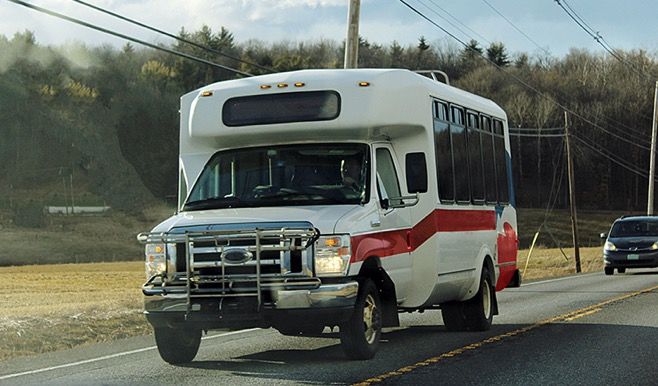
FTA Priorities for Implementation
                                  Safety – The law will enable FTA to enhance state safety
                                  oversight programs by strengthening rail inspection practices
                                  to protect transit workers and riders from injuries and to
                                  ensure safe access to transit.

                                         Modernization – Increased formula and competitive
                                         funding will begin to reduce the enormous state of
                                         good repair investment backlog in the nation’s transit
FTA Bipartisan                           systems by repairing aging infrastructure and
Infrastructure                           modernizing bus and rail fleets.
Law Priorities                           Climate – The law includes landmark investments to support
                                         the replacement of thousands of transit vehicles, including
                                         buses and ferries, with cleaner low- and zero-emission
                                         vehicles.
                                  Equity – Investments in equity, including Justice40, will help eliminate transit
                                  deserts, improve connectivity to economic and social opportunities, ensure
                                  universal accessibility for people with disabilities, support minority and women-
                                  owned businesses, and reduce the disparity in quality and frequency of service
                                  in underserved communities.
 FEDERAL TRANSIT ADMINISTRATION                                                                                       7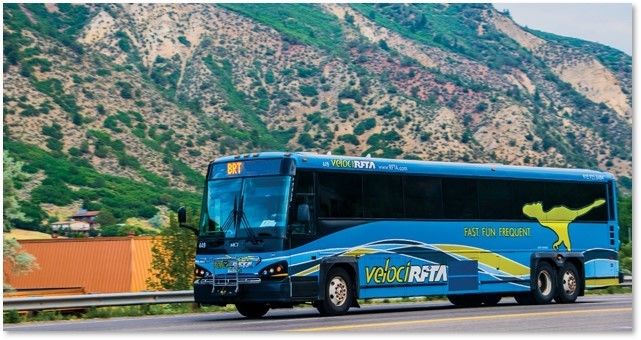
FTA Priorities – Workforce and Rider Safety

                 • Ensure the safety of the transit                • Collect data on safety incidents
                   rider                                             and operator assaults

                                                      Strategies
Our Priorities

                 • Ensure the safety of the transit                • Provide additional training to
                   workforce                                         transit agency staff
                 • Ensure the safety of the general                • Promote continued adoption of
                   public                                            safety management systems
                                                                   • Enhance oversight of safety
                                                                     requirements and regulations

                 FEDERAL TRANSIT ADMINISTRATION                                                         8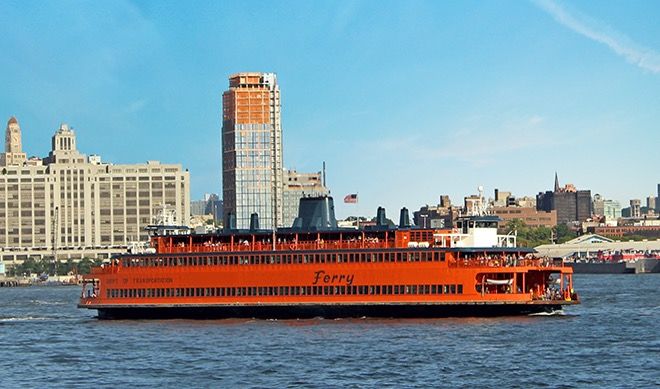
FTA Priorities – Modernizing Transit Infrastructure

                 • Ensure the availability of modern,                • Provide funding to repair and
                   safe, and efficient transit                         replace aged and outdated transit
Our Priorities

                                                        Strategies
                   infrastructure                                      infrastructure
                 • Reduce the backlog of transit                     • Promote equitable and climate
                   modernization investments                           friendly transit investments
                                                                     • Incorporate new technologies
                                                                     • Build and expand transit to serve
                                                                       growing communities and those
                                                                       without adequate mobility options

           FEDERAL TRANSIT ADMINISTRATION                                                                  9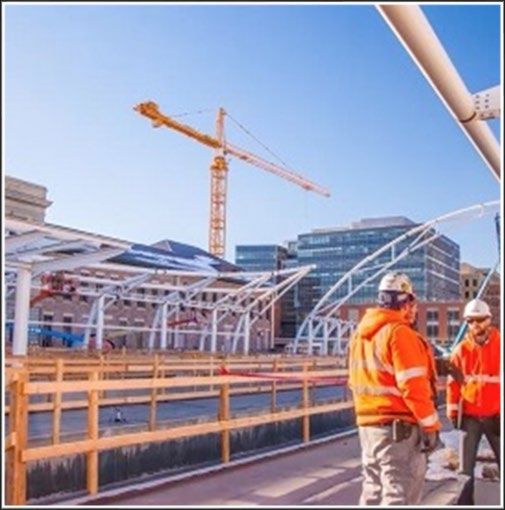
FTA Priorities – Addressing the Climate Crisis

                  • Reduce carbon emissions from                      • Focus discretionary
                    transit vehicles, infrastructure                    investments on projects that
Our Priorities

                                                         Strategies
                    and construction                                    address the climate crisis
                  • Increase the resilience of transit                • Technical assistance to
                    systems to climate and extreme                      support adoption of zero-
                    weather hazards                                     emission vehicles
                  • Support the adoption of                           • Research and innovation
                    American-made low and zero-                         investments
                    emission vehicle technologies

                 FEDERAL TRANSIT ADMINISTRATION                                                        10
FTA Priorities – Improving Equity in Transit
• Expand access and opportunity to • Support underserved, overburdened,
underserved, overburdened, and and disadvantaged communities by:
disadvantaged communities o Ensuring that planning organizations
Our Priorities
Strategies
• Incorporate equity in transportation responsible for planning hear from
planning and funding decisions these communities
• Increase social and economic opportunity o Focusing discretionary investments on
through investments in equitable transit projects that promote equity
projects o Directing technical assistance
• Justice40: Ensure that no less than 40% of o Collecting data on the effects of transit
the benefits of FTA investments reach service that can address historic
underserved, overburdened, and inequities
disadvantaged communities o Supporting minority and women-
owned businesses
FEDERAL TRANSIT ADMINISTRATION 11Program Areas Changed by the Law
Formula Programs
Competitive Programs
Planning
Environment
Capital Investment Grants Program
Safety
Research, Innovation, and Administration
FEDERAL TRANSIT ADMINISTRATION 12Formula Programs
Urbanized • 30% increase to program funding levels from FY21 to FY22 ($4.8B to $6.3B)
• Increases the set-aside for Small Transit Intensive Cities from 2% to 3%
Area • Requires recipients in large UZAs to use at least 0.75% of their funds for safety-related projects
Formula eligible under the Urbanized Area Formula program (Section 5307)
• 30% increase to program funding levels from FY21 to FY22 ($601M to $781M)
Formula • Provides $229 million for Public Transportation on Indian Reservations over five years
• 20% of the Public Transportation on Indian Reservations funds must be distributed on a
Grants for competitive basis, while the remainder must be apportioned by formula
Rural Areas • 3% of Rural Formula funding is available for the Appalachian Development Public
Transportation Assistance program
• 30% increase to program funding levels from FY21 to FY22 ($461M to $599M)
Buses and • The Formula National Distribution is increased to $4 million for each State and $1 million for
Bus each territory
• Encourages use of Innovative Procurement tools, such as cooperative procurement contracts or
Facilities state cooperative procurement schedules
FEDERAL TRANSIT ADMINISTRATION 13Competitive Programs: Changes to Existing
• 30% increase to authorized funding levels, plus additional $1.1 billion
per year for Low or No Emissions Competitive Grants
• Requires a Notice of Funding Opportunity (NOFO) be issued no more
than 30 days after the passage of a full-year appropriation, and awards
be announced 75 days after the NOFO closes or the end of the fiscal
Buses and Bus year the NOFO was issued, whichever is earlier
Facilities • An applicant that is submitting a project to both Low-No and Bus, or
only Low-No, may propose partnerships with TVMs to satisfy the
Competitive and competitive procurement requirements
Low or No • Both require that for projects related to zero-emission buses, a zero-
Emissions emission fleet transition plan must also be submitted with the
application
Competitive • Not less than 25% of Low-No funding must be made available for low
Programs emission vehicles and related facilities
• 5% of funds used to purchase zero-emission vehicles or infrastructure
must be utilized for workforce development unless the applicant
certifies that less is needed to carry out their transition plan
• Minimum amount of rural funding has increased from 10% to 15% for
the Buses and Bus Facilities Competitive Program
FEDERAL TRANSIT ADMINISTRATION 14Competitive Programs: New Programs
$300M Per Year $100M Per Year $400M Per Year $350M Per Year
Rail Vehicle Replacement Program
All Stations Accessibility Program
Communities
Ferry Service for Rural
Program
Electric or Low-Emitting Ferry Pilot
($50M of which subject ($200M of which subject
Eligible Recipients: to appropriations) to appropriations) Eligible Recipients:
• States and local • States and local
government Eligible Recipients Eligible Recipients: government
authorities • Will be identified in a • States for ferry service authorities
Eligible Activities: NOFO that operated a Eligible Activities:
• Replacement of Eligible Activities: regular schedule at • Upgrade legacy rail
rail rolling stock • Electric or low- any time during five- transit stations that
emitting ferries that year period ending remain inaccessible
use alternative fuel or March 1, 2020 and to individuals with
onboard energy served at least 2 rural disabilities
storage systems, areas located more
related than 50 sailing miles
charging infrastructure apart
Eligible Activities:
• Capital and operating
assistance
FEDERAL TRANSIT ADMINISTRATION 15Planning
• Adds consideration of state and local housing • Permits federal financing for site-specific
Transit Oriented Development
Pilot Program for
patterns in the planning process and comprehensive planning for TOD
Metro & Statewide Planning
• Requires MPOs to ensure the consistency of data
used in the planning process if more than one
MPO is designated within an urbanized area
• Permits the use of social media and other web
tools to encourage public participation in planning
• Requires MPOs to consider the equitable and
proportional representation of the population of
the planning area when designating officials
• Permits more than 80% federal share for planning
in lower-density or lower-income portions of
metropolitan or adjoining rural areas
FEDERAL TRANSIT ADMINISTRATION 16Environment
• Codifies “One Federal Decision” under “Major Project”
references in FTA’s environmental statute
o Applies to projects meeting the “Major Project” definition
o Creates schedule expectations for Major Projects
• Establishes page limit for environmental impact statements
Environmental (no more than 200 pages, unless the lead agency establishes
Programs a different page limit)
• Requires the lead agency calculate annually the average time
taken by the lead agency to complete all environmental
documents for each project during the previous fiscal year
• Increases the project cost thresholds for the Limited Federal
Assistance Categorical Exclusion (23 CFR 771.118(c)(13))
FEDERAL TRANSIT ADMINISTRATION 17Capital Investment Grants & Expedited Project Delivery Program
• Revises the eligibility parameters for:
o Small Starts - capital cost of < $400 million and a CIG request of < $150 million
o New Starts - capital cost of > $400 million or that are seeking > $150 million
from CIG
Capital Investment o Core Capacity to projects at capacity today or that will be in 10 years
• Establishes a new process for bundling CIG projects, to replace the “Program of
Grants (CIG) & Interrelated Projects” eligibility
Expedited Project • Changes Congressional notification period for CIG Full Funding Grant
Delivery (EPD) Agreements, EPD Program Letter of Intent or construction grant from 30 to
15 days
Programs • Adds a requirement for the FTA to determine that the CIG project sponsor has
made progress toward meeting transit asset management performance targets
• Requires a routinely updated public dashboard providing the status on each
project seeking funding
• Transfers the responsibility for the "before-and after study report" to GAO
FEDERAL TRANSIT ADMINISTRATION 18Safety
Requires recipients of Urbanized Area Formula program funds that
serve urbanized areas with populations of 200,000 or more to: Provides state safety oversight
agencies authority to collect and
analyze data and conduct risk-based
1.Establish a Safety Committee, composed of representatives of inspections of rail fixed guideway
frontline employees and management, that is responsible for transportation systems
identifying, recommending, and analyzing the effectiveness of
risk-based mitigations or strategies to reduce consequences
identified in the agencies’ safety risk assessment
2.Develop, and add to their agency safety plan, a risk reduction Requires recipients of Urbanized Area
program for transit operations to improve safety by reducing Formula program funds serving an
the number and rates of accidents, injuries, and assaults on urbanized area with a population of
transit workers based on data submitted to the National fewer than 200,000 to develop their
Transit Database agency safety plan in cooperation with
frontline employee representatives
3.Set risk reduction performance targets using a three-year
rolling average of the data submitted by the recipient to the
National Transit Database and allocate not less than 0.75% of
their Urbanized Area Formula program funds to safety related Requires agency safety plans to be
projects consistent with Centers for Disease
4.Require maintenance personnel to meet the existing safety Control and Prevention and State
training requirements and safety, operations, and health authority guidelines to minimize
maintenance personnel to complete de-escalation training exposure to infectious diseases
FEDERAL TRANSIT ADMINISTRATION 19Research, Bus Testing, NTD
Public Transportation Innovation
1. Directs FTA to establish an Advanced Digital Construction Management Systems program
2. Allows low or no component testing facilities to conduct directed technology research and use
funds for equipment and capital projects related to testing low or no emission vehicle
components, or research related to advanced vehicle technologies
Bus Testing Program
1. Federal funds may now be used for the purchase of equipment and capital projects related to
testing new bus models
2. Prohibits facilities selected to conduct low or no component testing from carrying out bus
testing performed through the Bus Testing Facility program
National Transit Database
1. Adds geographic service area coverage as a reporting requirement
2. Requires data relating to assaults on transit workers and fatalities resulting from impact with a bus to
be reported
FEDERAL TRANSIT ADMINISTRATION 20Other Changes
Joint Development
Electric vehicle charging infrastructure eligible as part of a joint development project, subject to certain
conditions
Administrative Provisions for Disposition
1. For assets with a fair market value of more than $5,000:
•If sold, recipient retains $5,000 and the non-Federal share of the remainder
•Remaining Federal share must be returned to FTA and may not be kept for public transportation use
2. The recently passed National Defense Authorization Act also included a provision expanding property
disposition to permit transfers for TOD projects with affordable housing under certain circumstances
Emergency Relief Program
Requires applicants for Emergency Relief Funds to submit proof of insurance required by Federal law for
structures related to grant applications and certify that it has insurance required under State law for all
structures related to grant applications
21Resources and Contacts
Bipartisan Infrastructure Law Website - https://www.transit.dot.gov/BIL
Program Fact Sheets - https://www.transit.dot.gov/funding/grants/fta-program-
fact-sheets-under-bipartisan-infrastructure-law
Contact FTA-IIJA@dot.gov
Contact your FTA Regional Office for assistance
Additional webinars will be held by Regional Offices
22TRANSIT.DOT.GOV
You can also read


