Female Pelvic Medicine and Reconstructive Surgery Fellowship Program 2021 - 2022 - CooperHealth.edu
←
→
Page content transcription
If your browser does not render page correctly, please read the page content below
2021 - 2022

           Female Pelvic Medicine and Reconstructive Surgery
                          Fellowship Program

Our mission:
To serve, to heal,
to educate.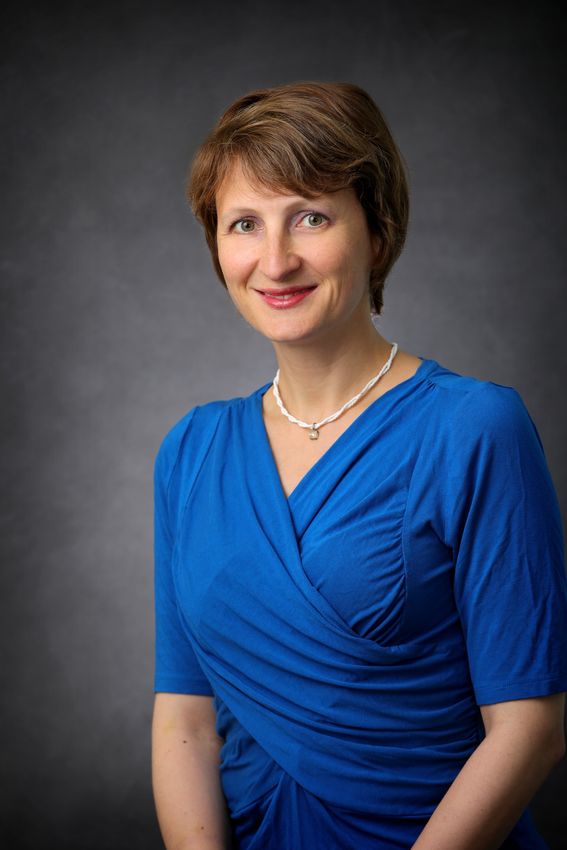
Diversity Message From Our Program Director

                                     Coming to the United States from Russia, a country where the population is almost
                                     entirely white and women have been integrated into the workforce for centuries, I was
                                     not exposed to the concepts of diversity. Everyone spoke the same language with
                                     barely a regionalism to distinguish their background. Being a stay at home mom was
                                     not an option: everyone worked. Discussing sexual orientation simply wasn’t done: it
                                     was rude. In fact, I did not realize that there were orientations other than heterosexual
                                     until I was in my 20s.

                                     All of that changed, however, when I moved to the United States in 2000. My eyes
                                     opened, not only to diversity, itself, but to the major role it plays in the treatment of
                                     patients. As I became more enlightened, I began to notice that female patients
                                     preferred to see female providers for their gynecologic care; Spanish speaking
    Lioudmila Lipetskaia, MD,        patients opened up more to Spanish speaking staff; older patients would hesitate to
          MSc, FACOG                 talk to younger physicians, and so forth. These simple, seemingly common sense
         Program Director            attitudes and reactions startled me. In earnest, I began reading articles related to
    Female Pelvic Medicine and       patient compliance when faced with “like” and “unlike” practitioners. The medical
 Reconstructive Surgery Fellowship   community in America, indeed the world, needs to recognize and embrace these
                                     simple concepts and train physicians to best serve the needs of all patients.

In 2015, I took it upon myself to actively seek diversity training. Recognizing that, of course, I cannot change my race or
gender or upbringing in order to be “like” my patients, I knew I could learn more in order to better care for a diverse
population. In addition to my reading and constant observation of actions and reactions in both hospital and outpatient
settings, I determined to study transgender surgery first hand. I was on the faculty at the University of Rochester and
collaborating with Trillium, an organization with the mission to promote health equity by providing affordable primary and
specialty care, including the LGBTQIA+ community. They wanted to create a pelvic health component to add to their well-
designed primary care program. I quickly realized that I lacked the knowledge and training to better help the local
transgender population. I scheduled observerships in the most recognized transgender centers in Europe including Serbia,
Netherlands, and Belgium. This experience, witnessing pre- and post-op care, as well as the surgeries themselves,
provided immeasurable training which enabled me to care for my transgender patients with greater understanding and
sympathy.

Since moving on from The University of Rochester, I now enjoy working with fellows in my current role as Program Director
for FPRMS Fellowship at Cooper University Health Care. Promoting diversity within a small group of people, such as our
fellowship program, is not an easy mission. It is very important to keep a balance, to make sure the initiatives operate
efficiently. It would have been very easy to identify diversity as number game. We have now one male fellow and one
Asian fellow, hence, one would say we have achieved the diversity targets. I, however, do not see diversity as a set metric.
My personal goal, as director, is to create an inclusive environment so that a person of any of gender, ethnicity, or

                                                 to serve
orientation would feel comfortable being a fellow on our team and have the best opportunity for personal growth and who is
able to contribute productively to the team.

Continued on next page

                                                              1
Diversity Message From Our Program Director
Certainly, there is a myriad of reasons for the “leaky diversity pipeline” in medicine. For example, one cause may be that
women are not promoted: 50% of female medical students are recruited, but only 11% are in leadership roles at the
department level, according to Columbia University. Another cause may be a lack of an “all are welcome” culture. I have
noticed, on too many occasions, how women seated at a big C-suite table surrounded by men, are made to feel
uncomfortable: micro aggression is real, as in the old adage, “It is not what they say, but how they say it.” Related, one of
my driving missions as the fellowship program director has been to create an environment where biases against any
“other,” be it gender, ethnicity, gender orientation, or an unrecognized “+” are eliminated. Everyone should feel included
and supported. Last year I convinced the faculty in my division to eliminate the use of USMLE step scores as a cut off for
fellowship applicants’ interviews. This year I proposed that the Harvard implicit bias association test be completed by each
faculty on the selection committee in hopes that, by exposing their, often unrecognized, biases we could work together to
eliminate the inequality and be open to the true potential of each applicant.

With more inclusivity, recognition, and elimination of biases, and broadening of services, we have actively addressed
diversity in our work, institution, and community in many ways. When we address fellows, medical students, and residents
we stress that everyone is different – not just patients, but the cohort of trainees, as well. In addition to different styles of
learning, generational differences exist, as well. Millennials, for example, not only understand technology quicker than their
elders, they expect to use it. Making sure that this strength does not hamper personal interaction presents a specific set of
challenges. Likewise, patient materials must be tailored to background, ethnicity, and social-economic status, and, yes,
age. Attention to clear communication including method and message, vocabulary and delivery is high on our training watch
list. Our fellows have been encouraged to participate in research targeting health care disparities. Cooper Health University
is currently a site for the Fellows’ Network Diversity Study, a project investigating differences in attitude towards pelvic floor
disorders between Caucasian populations and various minorities.

Ideally, the goal for FPMRS Division would be an environment of inclusivity, where all people feel safe raising concerns and
feel empowered to propose changes side by side within a culture of accountability. Everyone has strengths and
weaknesses – being a leader requires the ability to direct the balance between these sides.

Certainly the medical landscape is constantly changing: women used to be the minority in OB-GYN. Soon it could be a
struggle to recruit men into the field. It is of the utmost importance to be in touch with the ever fluctuating local and global
trends in medicine, business, and populations, staying current and using every opportunity to tailor a team to address, cope
with, and practice within these shifting needs and demands. If you are an applicant to our fellowship and identify yourself as
underrepresented minority in medicine please contact us with your diversity statement: we would like to hear from you!

Lioudmila Lipetskaia, MD, MSc, FACOG
Program Director
Female Pelvic Medicine and Reconstructive Surgery Fellowship

                                                               to heal
                                                                2
About the Program
The department of Obstetrics and Gynecology at Cooper University Health Care
offers women a full range of advanced medical programs and services through
all stages of life. All OB-GYN sub-specialists are board-certified and fellowship-
trained, offering expert treatment options in many areas from the management
of pregnancy and delivery, maternal fetal medicine, gynecologic oncology,
treatment of disorders of the reproductive system, to pelvic and sexual health.
Cooper is distinguished as a state-designated Regional Perinatal Center,
serving the region’s highest-risk patients in need of the most serious care.
Cooper’s division of Female Pelvic Medicine and Reconstructive Surgery was
Program Aims established in the late 1990s and accredited in 2000 when the first fellow was
1. Produce well-rounded, independent accepted. The division has more than 5,000 patient visits and 400 surgeries per
surgeons who are able to offer vaginal year. The division has trained fellows that have gone on to practice in many
universities around the country.
and minimally invasive abdominal
approach as well as non-surgical
The FPMRS team works closely with the divisions of urology, colorectal surgery,
options to treat pelvic floor disorders.
plastic surgery, and physical therapy to provide patients with access to
2. Educate fellows to utilize a comprehensive care that best meets their needs. Although Cooper University
multidisciplinary approach and work in a Hospital is the core teaching facility where patients are seen and surgeries are
pelvic floor care team model (including performed, urogynecologic care is provided at many of the surrounding
colorectal surgery, physical therapy, community hospitals from central to southern New Jersey. Their two offices are
pain management and urology). located in Voorhees and Hamilton, in addition to The Jaffe Family Women’s
3. Teach management and cognitive skills Care Center, a fellow-run office in Camden where patients receive the most up-
to-date diagnostic and treatment modalities available.
essential for future researchers
and educators
Our division’s faculty is nationally recognized for their skills in vaginal
4. Create a collaborative teaching
reconstructive surgery and are considered key opinion leaders in FPMRS. They
and working atmosphere which are all founders of international mission organizations that provide much needed
promotes self-learning, long term care to women around the world. Former fellows have had the opportunity to
fellows and faculty well-being and provide mission work around the world, adding to the unique opportunities that
personal excellence. continue to enhance our program.
The Jaffe Family Women’s Care Center
The Jaffe Family Women’s Care Center at Cooper University Hospital provides obstetric and gynecologic care for
patients with financial burdens. The primary goals of this clinic are to provide services for those who otherwise cannot
afford OB-GYN care and to provide education for the residents and fellows. All subspecialty services for obstetrics and
gynecology are offered. This is one of few clinics that provides such services for the underserved.
The FPMRS clinic is run by the fellow(s) one half-day session a week for three weeks a month with attending
supervision. The first week is dedicated to The Jaffe Family Women’s Care Center OR. It is a great opportunity for the
fellow to work as a supervisor and clinical instructor. There is always at least one resident assigned to this clinic that
evaluates the patients and presents the cases to the fellow and the attending. The fellows are able to make independent
clinical decisions and teach residents under faculty supervision.
3
Educational Curriculum

                                          Our fellowship is designed to provide fellows with comprehensive education
                                          and training in a variety of specialties in urology, colorectal surgery, plastic
                                          surgery, and research. Fellows are also given the opportunity to explore
                                          additional interests in the FPMRS field during their clinical elective rotation in
                                          the third year. The educational curriculum has been designed to meet
                                          the objectives set forth in the ACGME program requirements for education in
                                          FPMRS. There is a didactic conference schedule covering all aspects of
                                          FPMRS, in addition to lectures on atypical topics encountered in FPMRS.
                                          The fellow is expected to refer to this curriculum to direct their learning
                                          activities and identify areas of weakness or lack of experience. We strongly
                                          encourage fellows to bring any concerns to the attention of the program
                                          director in order to personalize their curriculum to strengthen those areas.
     Sample Monthly
   Educational Schedule                   Research
                                          During the FPMRS fellowship, the fellows fully participate in the theoretical

                                          and technical aspects of clinical and basic science research. Fellows are
                                          required to take Statistical Methods for Data Analysis, a graduate level course
                                          at Thomas Jefferson University, during the first fellowship year. During this
                                          course they learn to apply the principles and techniques of basic statistical
                                          analysis to research and are expected to actively conduct research during time
                                          away from clinical care responsibilities. The annual didactic sessions include
                Journal Club              research design, grant writing, research methodology, scientific writing, and
                Research
                                          presentation skills. The fellows learn how to conduct FPMRS research, work
                Meeting
                Didactics/Board           as part of a research team, and develop skills to critically review the research
                Review Business           of others. The FPMRS fellow is required to complete and publish one thesis
                of Medicine               project and write and receive a grant by the end of the fellowship. This thesis
                                          should make a meaningful contribution to FPMRS literature. For further
                                          support, monthly research meetings are scheduled, in addition to quarterly
                                          meetings between the fellow and the faculty advisor with continuous oversight
                                          and direction provided by the director of FPMRS research, the research nurse,
                                          and the biostatistician.

 Quality Improvement Projects
 With the newest policy revision of the ACGME, the fellows are required to describe one learning activity to identify
 strengths, deficiencies, and limits in their knowledge and expertise (self-reflection and self-assessment). The fellows
 will also set learning improvement goals and identify and perform appropriate learning activities to achieve self-
 identified goals. One such goal instituted was to improve the efficiency of our fellow-run clinic. This included all

                         to educate
 aspects of health care, i.e., patient wait times, improving accessibility of clinic resources, patient education, and billing
 and coding.

                                                              4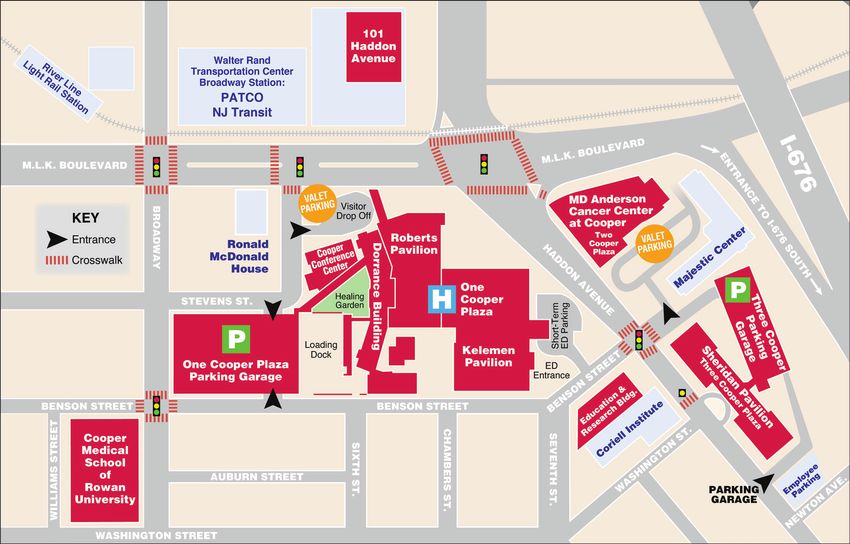
International Opportunities
There are several opportunities for international exposure and experience. The entire core faculty in FPMRS, as well as
many faculty in the OB-GYN Department and Cooper University Hospital, have extensive global experience. The division
of FPMRS believes that in order to develop globally sensitive physicians, it is essential for those in training to participate
in health care in other regions of the world. Thus, the division of FPMRS offers the fellows ample opportunity to become
active internationally. Such places include, but are not limited to: Jamaica, Ghana, Rwanda, and Vietnam. Additionally, to
enhance our fellows’ education in the repair of fistula, our division, in conjunction with the International Organization of
Women and Development and International Healthcare Volunteers, has the opportunity to send one fellow along with at
least one member of the faculty to Ghana in West Africa or Rwanda in East Africa for a period of two weeks during their
senior year. The fellows can also develop contacts outside of Cooper and make their own arrangements if desired.

Medical Mission Trip
From January 26 to February 6, 2019, Dr. Saifuddin Mama, Cooper Division Head of Urogynecology, and Dr. Michelle
Schroeder, Urogynecology Fellow, traveled to Kibagabaga Hospital in Kigali, Rwanda for a mission trip to provide fistula
care with International Organization for Women and Development (IOWD). They were joined by Urogynecologists and
Fellows from Brown University, University of New Mexico, and Medstar Health, and an Anesthesia team from Temple
University. Two local OBGYN residents and several medical students from University of Rwanda also participated in
patient care.

Obstetric fistula is an abnormal opening between the woman’s genital tract and her urinary tract or rectum. The
development of obstetric fistula is directly related to obstructed labor and inability to access delivery through cesarean
section. Women who experience fistula suffer from constant urinary or bowel leakage, shame and social segregation. An
estimated 2 million women live with untreated obstetric fistula in Asia and Sub-Saharan Africa.

IOWD is a non-profit, charity dedicated to providing underserved women and children in low-income countries with free,
specialized surgery care. Their mission is to provide free treatment and care to women and girls suffering from obstetric
fistula, and gynecologic and pelvic floor disorders. Since its inception, IOWD has carried out over 40 missions and
operated on more than 2200 patients.

During the February IOWD mission, a total of 82 patients were evaluated. Surgeons performed 14 rectovaginal fistula
repairs, 14 vesicovaginal fistula repairs, along with several other complex procedures including ureteral reimplantations,
prolapse repair, and repair of congenital anomalies. Fellows and attendings also provided educational lecture sessions
for the Rwandan residents and students.

Dr Mama travels yearly with IOWD and this is the first
trip for Dr Schroeder with this organization. In the future,
this will be a yearly experience for Dr Mama and a
Urogynecology fellow.

                                                               5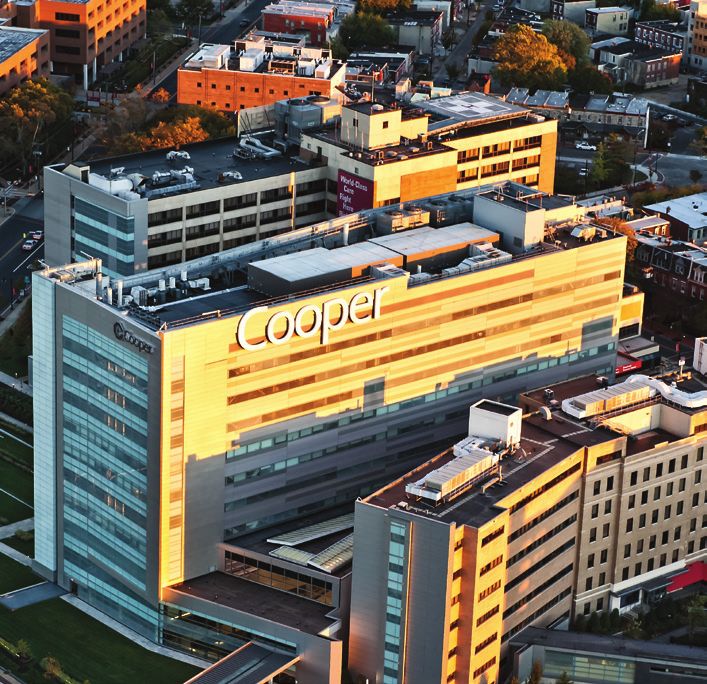
How to Apply

                                   TThe Female Pelvic Medicine and Reconstructive Surgery Fellowship Program at
                                   Cooper University Hospital/Cooper Medical School of Rowan University participates in
                                   the Electronic Residency Application Service (ERAS) and all information is processed
                                   through this system without exception. Information regarding the ERAS application
                                   process and timeline is available on the websites listed below.

                                   Association of American Medical Colleges

                                   www.aamc.org/eras

                                   ERAS Fellowship Document Office

                                   www.erasfellowshipdocuments.org

                                   ERAS applications must contain all of the following information in order for your
                                   application to be considered:

                                     • Common application form
                                     • Curriculum vitae
                                     • Medical school transcript
                                     • Three original letters of recommendation, one of which must be from your current
                                         or most recent training director
    Contact Information              • Personal statement describing your training goals and future career plans
                                     • ECFMG certification (IMG only)
             Director:
                                     • USLME reports (1, 2, and 3).
    Lioudmila Lipetskaia, MD,
           MSc, FACOG
                                   The program director and two additional faculty members will review applicant files.
             Contact:
                                   Invitation for interview will be based upon their recommendations.
    Dawn Maziarz, Coordinator
              Phone:               Program Eligibility
           856.342.3006            Eligibility for the FPMRS Fellowship requires a satisfactory completion of an Obstetrics and
               Fax:
                                   Gynecology OR Urology residency approved by the American Council for Graduate
           856.365.1967
                                   Medical Education (ACGME) or the Council of the Royal College of Physicians and
              Email:
                                   Surgeons of Canada (CRCPSC). Individuals accepted for a position in the fellowship
  maziarz-dawn@cooperhealth.edu
                                   program must be a U.S. citizen, a permanent resident, or hold a J-1 visa.
             Website:

   cooperhealth.edu/fellowships/   The annual application deadline is May 31.
    female-pelvic-medicine-and-
       reconstructive-surgery
             Address:
   Cooper University Health Care
         Sheridan Pavillion
   Three Cooper Plaza, Suite 221
        Camden, NJ 08103

                                                        6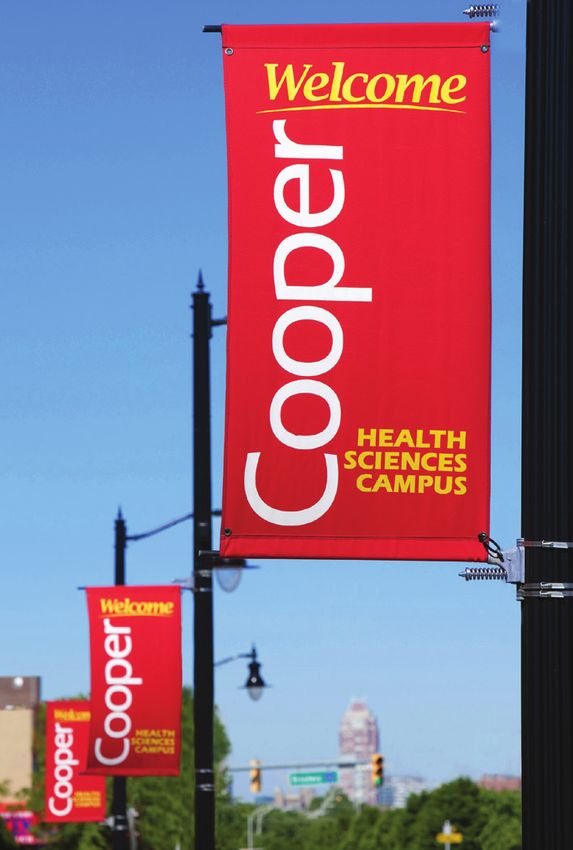
The Cooper GME Experience
                              Cooper University Health Care takes pride in its ability to offer a
                              comprehensive array of diagnostic and treatment services. Cooper University
                              Hospital serves as southern New Jersey’s major tertiary care referral hospital
                              for specialized services. Cooper Premier Institutes, Centers of Excellence, and
                              programs include: MD Anderson Cancer Center at Cooper, Surgical Services
                              Institute, Adult Health Institute, Cooper Heart Institute/Cardiac Partners at
                              Cooper and Inspira, Cooper Bone and Joint Institute, Cooper Neurological
                              Institute, Women’s and Children’s Health Institute, Urban Health Institute,
                              Center for Population Health, Center for Critical Care Services, Center for
                              Urgent and Emergent Services, and the Center for Trauma Services, which
                              includes our Level I Trauma Center, Level II Pediatric Trauma Center, and
                              active community trauma prevention education.

                              Cooper has been a cornerstone in Camden for more than 130 years and has
                              expanded its facilities and services throughout South Jersey. Cooper has been
                              nationally recognized for its leadership in patient safety, receiving the 2019
                              Patient Safety Excellence Award™ from Healthgrades, placing it among the
                              top 5% of hospitals in the nation. Cooper was also recognized as a high-
                              performing hospital for treating heart failure and COPD by U.S. News & World
 Learn more about training    Report’s 2019-2020 Best Hospital Survey.

  at Cooper and hear from     Cooper’s commitment is to provide exceptional care to every patient, every
                              day, in a patient-centered, family-focused environment. Every employee—
    current residents at
                              including our residents and fellows—is a member of the care-giving team and
                              has an important role in making the experience at Cooper a healing one for
  CooperHealth.edu/GME
                              patients and their families.
            and
                              Your training at Cooper will be academically challenging, enhanced by our top-
 CooperHealth.edu/Diversity   ranked faculty and state-of-the-art equipment and facilities. We welcome the
                              opportunity to have you as part of our team, as we provide university-quality
                              health care in southern New Jersey.

                              Diversity Statement

                              The Graduate Medical Education programs of Cooper University Health Care
                              is committed to providing a supportive environment that allows all members of
                              its academic community to thrive and succeed. We work to recruit a diverse
                              group of residents and fellows, and celebrate the multiple dimensions
                              represented in our community, including, but not limited to race, creed,
                              ethnicity, sexual orientation, gender identity, ability, or age. We recognize the
                              importance of monitoring the outcomes of our diversity efforts so that we can
                              better reflect the diversity of our patients and community. Through our GME
                              Diversity Council, we promote on-going exploration of our own biases while
                              also providing education on discrimination and anti-racism. We provide a safe
                              space for residents to engage in dialogue, learn, and contribute to their fullest
                              potential. We seek opportunities to enrich our community through volunteerism
                              and to effect lasting change through engagement with local leaders.

                              We are proud. We are diverse. We are Cooper.

                                                7
Off Campus Highlights

                    Just across the bridge from bustling Philadelphia, and less than an hour from
                    the tranquility of the Pine Barrens and activity of the Jersey shore, Cooper
                    University Hospital is easy to access. The academic campus is located across
                    the street from two commuter rail lines (PATCO and NJ Transit’s River Line)
                    and within walking distance of Rutgers University and Rowan University
                    Camden campuses.

                    The Cooper Health Sciences Campus is located in the heart of Camden’s
                    business district. The academic medical center campus is easily accessible by
                    car or public transportation via the commuter high-speed line and bus terminal
                    adjacent to the hospital.

                    Cooper is a short walk or drive from the exciting Camden waterfront, which
                    includes a magnificent waterfront park and marina; the Adventure Aquarium;
                    and the BB&T amphitheater, which hosts nationally renowned entertainment
                    throughout the year. Nearby are the Sixers Training Complex, L3
                    Communications complex, Lockheed Martin, Rutgers University Camden
                    Campus, and Camden County College.

                    There are expected to be $350M in transportation and infrastructure
                    improvements within the next four to five years to handle the influx of
                    thousands of new employees to the area and students at nearby growing
                    academic campuses.

                    Cooper is conveniently close to Philadelphia. Just a mile-long drive over the
                    Benjamin Franklin Bridge will put you at the doorstep of Philadelphia’s cultural,
                    culinary, and historic venues. South Jersey also offers a range of living and
                    entertainment options. Quaint towns such as Haddonfield and Collingswood
                    are just 10 minutes away. The lights and action of Atlantic City and popular
                    beach towns such as Cape May and Ocean City are a one-hour drive from
                    Cooper.

                                      8
Cooper Camden Campus Map

         The most up-to-date directions to Cooper University Hospital are available at:
                               CooperHealth.org/Locations

                                              9
One Cooper Plaza · Camden, NJ 08103-1489 · CooperHealth.edu Hospital Main Number: 856.342.2000 Graduate Medical Education: 856.342.2922
You can also read


