FINANCIAL SERVICES PROVIDER TO MOBILITY - HOW CAPTIVES CAN STRENGTHEN THEIR MARKET POSITION BY 2030 - Capgemini
←
→
Page content transcription
If your browser does not render page correctly, please read the page content below

FROM
 FINANCIAL SERVICES
PROVIDER TO MOBILIT Y
    POWERHOUSE
         A POINT OF VIEW ON
HOW CAPTIVES CAN STRENGTHEN THEIR
     M ARKE T POSITION BY 2030
PRELUDE Changing customer demands and new competitors disrupt the
Captive Finance and Mobility Service business heavily.
FLE XIBLE MOBILIT Y ENABLEMENT ALONG
WITH NEW MOBILITY SERVICES AS WELL AS
P L AT F O R M B U S I N E S S A R E K E Y L E V E R S F O R
FUTURE SALES PERFORMANCE.
This point of view provides insights on how Captives can
leverage the latest disruptions to their advantage to remain
relevant by 2030 and why business model transformation is key
to meeting customer expectations in a digitized world.
We bring our industry insight and multi-disciplinary expertise
to support Captives on their transformation journey.
02
CONTENT S
Disruptive trends and changing customer needs ......................................................... 4

Building future capabilities ............................................................................................ 9

Next steps ....................................................................................................................... 12

How to become a leader with a platform ecosystem by 2030 ..................................... 16

About Us ............................................................................................................................ 17

                                                                                                                                    03
DISRUPTIVE TRENDS
AND CHANGING
CUS TOMER NEEDS
The traditional business model of Captives will face forces of
disruption. In particular, each of the following six trends will have a
significant impact.
Captives recorded double digit growth in the past years and are the most
profitable companies in the banking sector. The financial subsidiaries of the
automotive brands are the profit drivers for their parent companies. Yet,
disruptive trends put them under pressure and raise the question of
whether Captives’ traditional business model is still viable in the future.1
01 Urbanization &
Sustainability 02 Connected
Services 03 Autonomous
Driving
According to the United Nations, global The introduction of 5G will be the Worldwide up to 15% of new cars sold
population is projected to increase to foundation for realizing the whole in 2030 could be fully autonomous
around 8.5 billion by 2030, more than potential of Internet of Things5 – when the technological and regulatory
60% of whom will live in urban areas.2 5G combined with an integrated issues have been solved.5 As soon as
Urbanization leads to increased traffic; telematics interface will accelerate the autonomous driving reaches its final
hence city dwellers and commuters’ development of connected services level of maturity, the potential pool
urge for fast and reliable ways of and related revenue structures. of users for the same car will be close
mobility. Over the last two years, to infinite. As a result, vehicle users
Flat-rate fees for vehicles could then
there has been 20% compound annual and vehicle owners will be no longer
cover the costs of automotive mobility
growth in car-sharing members in identical.
as well as the use of entertainment
Germany (compare figure 1), which can
services, for instance. The technology will improve the
be attributed to urbanization.3
customer experience of mobility
In this scenario, minute-accurate
Moreover, urbanization forces cities to services significantly as autonomous
real-time billing for driver-specific
provide ecological travel alternatives cars can be easier coordinated and
insurances is also conceivable.
to reduce carbon emissions according provide door-to-door journeys.
to legal constraints. Also among Through connected services and
consumers a significant trend towards AI, autonomous cars may be able to
ecological behavior can be recognized.4 transport customers with low lead
times and provide faster trips from A
to B in real time.
1 Automobilwoche.de, Autobanken mit Rekordergebnis, 2019
2 UN, Department of Economic and Social Affairs, Population Division – World Urbanization Prospects 2018, 2018
3 Statista: Carsharing Users in Germany between 2008 and 2019, 2019
4 Business News Daily: Most Consumers Want Sustainable Products and Packaging, 2019
5 Ericsson.com, 5G and IoT: Ushering in a new era, 2019
04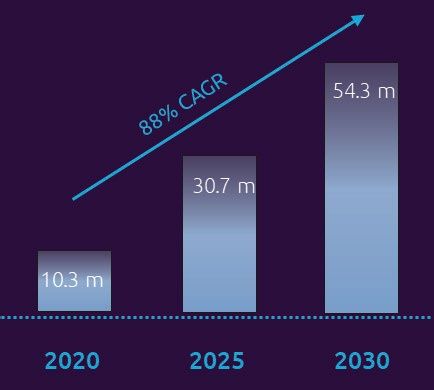
Figure 1: Number of newly registered electric
vehicles and plug-in hybrids worldwide
Source: Statista 2019
VEHICLE USAGE
Driven by health and safety
concerns resulting from
COVID-19, customers are
veering towards
individual mobility⁹
04 New Distribution
Models 05 Electric
Mobility 06 Flexible Mobility
Enablement
Customers’ preferences for a seamless In 2018, the number of electric vehicles In recent years, many consumers
online and offline experience as well globally rose by approximately 64%.7 started to enjoy services that enable
as the desire of companies to obtain For 2030 the compound annual growth flexible access to assets, providing a
a 360° view of their customers are rate is forecasted to increase up to real alternative to ownership.
resulting in new distribution models 88% (compare figure 1).
New ways of car usage which rival
like direct sales. In order to not exclude
New uncertainties like the provision traditional car ownership are emerging.
dealers from the business, agency
of charging infrastructure or the sales Car subscriptions, flexible contracts
models6 are emerging – especially in
of used electric cars will arise from and special offers are all highly
the battery electric vehicle sector.
that trend. Especially electric used car customer centric and fixing customer
It becomes obvious that separated business bears a lot of uncertainties pain points.9
customer journeys are no longer due to missing benchmarks.
As technological advancement,
conceivable, but must be integrated
In addition, subscription models on-demand solutions and tailored
to strengthen the future market
become particularly popular in the experiences became available to
positions of all parties – OEM, Captive
field of electric mobility as many customers, they come to value the
and Dealer. To survive, all three
customers are still uncertain about convenience of flexibility and low
parties must take up on new roles and
owning an electric vehicle (compare responsibility they offer.
collaborate more closely.
Capgemini Car Subscription Survey).8
6 Automobilwoche, Agenturmodell im Autohandel, 2020
7 Statista: Number of existing electric vehicles worldwide, 2019
8 Capgemini Car Subscription Survey, 2019
9 Capgemini Research Institute, Consumer Behavior Survey, 04/2020
05
Generation Z will shape the future of mobility. Now is the time to learn
more about its needs to meet the expectations.
Generation Z sets Generation Z wants Generation Z wants
the course for the future to stay in control to stay connected
As addressed in the previous chapter Gen Z is reaching the threshold of Generation Z, who grew up in a hyper-
the traditional customer journey its prime spending years and has connected world, a
ttaches great
is blurring, which is attributed to high demands when it comes to importance to connectivity.13
Generation Z (or Gen Z), who were the usage of product and services –
Generation Z wants to be heard and
born between 1995 and 2015. Even simplicity, flexibility, transparency and
to exchange its views and opinions
though, people of this generation are on-demand availability is key to them.12
with both its peers and companies.
propagated to be bicycle riders and People of that generation prefer
Channels which enable customer-
public transportation commuters, a staying in control of their expenses
to-customer communication like
large portion of this generation is keen which is why complex products like car
ratings & comments are highly valued
to get behind the wheel just as much financing or insurances are becoming
product features.
as their parents and grand parents.10 less attractive to them.
Especially as through the pandemic Furthermore, a direct communication
As of today, very successful
COVID-19 the need for individual channel to the company, which is quick
comparison platforms like Check24
mobility increased. and easy to use, gives customers the
excel in fulfilling these needs in
feeling that their opinion matters.
Generation Z has a significant presenting a wide range of products
Moreover, it provides companies with
preference for living in urban areas while providing the best prices
prompt feedback that can be used
and its preferences differ a lot to older and direct comparison between
to customize their offerings to fit its
generations (Gen X, born between providers in real-time. Future younger
customer needs.14
1965 and 1979, and the Baby Boomers, generations will expect the same
born between 1944 and 1964) – while standards when it comes to mobility – en Z will prefer a complete digital
G
older cohorts favor the ownership of and car subscription is the first step experience with access to all products
luxury cars, Gen Z instead prefers a towards it. and services via one digital platform of
flexible mobility enablement.11 choice (compare figure 2).
CHARACTERISTICS EXPECTATIONS
Generation Z
Tech Savvy grew up in a Personalization of services
hyper-connected world
Difficult to satisfy Simplicity and flexibility
Socially active On-demand availability
Seek inter Seamless customer experience
Figure 2: Post-millennial profile: Generation Z; Source: Capgemini Financial Services Analysis, 2019
10 Transunion, Millenial Credit Study, 2017
11 Capgemini Research Institute, Consumer Behavior Survey, 04/2020
12 Entrepreneur Europe, 3 Tips to Keep Millennials Engaged, 2019
13 Kasasa.com; Boomers, Gen X, Gen Y, and Gen Z explained, 2019
14 Lyfe Marketing, The Solution to Connecting with Marketing to Millenials, 2019
06Personalization is Implications of trends and customer needs, as well
key to reach Gen Z as key areas in which Captives must take action
Younger generations expect
• Urbanization as well as customers’ need for simplicity, convenience
personalized experiences tailored
and flexibility pushes Captives to include alternative offerings like car
to their needs. As their needs are
subscription or car sharing into their business model in order to not
constantly changing, they expect
lose the customer touchpoint.
products to change with them. They
want to be treated individually with • Due to electric mobility, Captives may find it increasingly difficult to
their specific preferences addressed. forecast accurate residual values for their fleet, which poses a risk
to their asset-based business model. Hence, recycling and second life
A crucial component when delivering
business models are going to become lucrative market segments.
personalized experience is guiding
customers through all phases of a • Captives need to utilize collected customer data more efficiently. It
user journey. Treating each member of will provide them with new value propositions, business models and
the younger generations as a unique help them innovate. Yet, data safety must remain a priority to build
individuals and providing outstanding trust and loyalty with customers.
user experience to them, will
• Intuitive mobility is the future – combining car connectivity, new
encourage them to return.16
shared services as well as autonomous driving will fascinate customers.
Nike, Levi’s and other retail companies
• Captives need to focus on brand equity, when providing direct-to-
are forerunners when it comes to
consumer products in the future. Trust, customer satisfaction,
providing individualized customization
and sustainability are important metrics consumers use to make
programs through their web site.
purchasing decisions.
Customers can alter mass products
to match their personal aspirations. • Customers are better informed and more sophisticated than ever
Such customization programs and will set the pace for mobility. They will choose products and services
help millennials to express their by criteria (like personalization), which Captives are not competing with
individuality and set themselves apart yet, but need to focus on in order to survive.
from others.17
• The traditional customer journey will vanish – instead unlimited door-
to-door user journeys per service from one single platform will
Data security builds unfold. Fit-for-purpose mobility solutions is an interesting area for
loyalty with Gen Z Captives to extend their product portfolio to.
Comparison platforms, personalization
tools as well as customer product
“ Byto anticipate
reviews all require personal customer
data. The collection of personalized 2030 it will be important more than ever
data can be a potential pitfall as 65% of
respondents would stop using a brand customer needs and approach
“
that was dishonest about how it was
using their data.18 them individually.
Furthermore, 49% of respondents
would not engage with a service or
application that experienced a recent
data breach.19
16 Samsung, Case Study: Connecting With Millennials Through Personalization, 2017
17 FinancesOnline, Understanding The Rise of Personalized Products Ecommerce, 2020
18 Acquia, Data privacy survey, 2019
19 techrepublic.com, Consumer are more concerned with data privacy in 2018, 2018
07“Captives cautiously are taking first steps in adapting to new market developments.” 08 © Capgemini Invent 2020
BUILDING FUTURE
C A PA BIL I T IE S
Captives started building the required capabilities towards becoming a
mobility powerhouse – still they hesitate to take a pioneering role.
Weekly news of intentions to partner, new mobility concepts Captives started extending their product and service
to serve customers’ demand or start-ups that already left the portfolio within various market segments, entering
market again, create the impression that there is a green field cooperations with peers or investing in start-ups. Still the
in the industry where providers are still in an enthusiastic amount of third-party players within the mobility start-up
testing phase, being motivated by failing fast rather than landscape is much larger than that of Captives and their
missing the trend. Between 2014 and 2019, the investment OEMs (compare figure 3). Especially, in Germany investments
volume into mobility services was sevenfold higher than into mobility are reasonably low compared to the United
between 2010 and 2013.20 States, China or Israel.21
MARKET SEGMENTS
Subscription
Micro-Mobility
Payment
Car Sharing
Ride-Hailing
Parking & Charging
Other services
Amount of OEM/Captive providers Amount of third-party players
Figure 3: Sample selection of mobility companies that Captives, OEMs or third parties either invested in or created
The amount of third-party players within the mobility start-up landscape
exceeds that of Captives and their OEMs.21
20 Statista, Annual average worldwide investments in mobility start-ups, 2019
21 Automotive World, US leads global investment in mobility start-ups, 2019
09Developments in start-up single offers. These holistic umbrella cooperations. Thorough negotiations
brands are primarily initiated by the are key to staying in the ownership and
investments large OEMs. can take a long time.
Captives are already acquiring
Another reason, is the IT landscape
interesting start-ups or entering OEMs already started legacy, which creates a burden for
into cooperations. These steps open
new possibilities: Toyota Financial building platforms Captives to fully emerge given the right
opportunities. It is very expensive and
Services, for instance, invested in As Daimler and BMW joined forces,22 difficult to reach a seamless technical
Faxi, which enable them to establish a it became clear that even giants need integration without partnerships.
Toyota-branded, real-time carpooling to bring their knowledge together in
platform. Such investments make order to have a chance to win the race Furthermore, the operating model
Captives’ main business – being the in the next decade. While Captives and business model of OEMs and
fleet and data manager for their OEMs are involved in parts of the offerings Captives are increasingly blurring. As
– redundant. on the platform, they do not have a the illustration of mobility investments
leading role, yet. show (compare figure 3), both, OEMs
Moreover, there are no limits to
and Captives, try to strengthen their
partnerships anymore when it comes The Volkswagen Group started competitive position through mobility
to potential investment areas: With building an ecosystem under the brand offerings, but the future roles of both
the Share companies – different name Volkswagen We that includes organizations in this ecosystem have
on-demand mobility services like car different services like parking, charging not been defined yet.
sharing, ride hailing, parking and others and the delivery of packages in the
– Daimler and BMW provide already the trunk. Also Daimler has an ecosystem Another major hesitancy occurs in the
technology and interface to customers of services known as Mercedes Me talent acquisition. Not only cost-cutting
in cities. Captives and OEMs who have that includes services like door-to-door measures, but the general war for
always stood for their established navigation and the control of a vehicle talents – especially, for experts in new
and well-known brand, seem to also from an app. technologies – makes it increasingly
become the silent partner of others. difficult to hire the right people.
While OEMs are beginning to bundle
As there is no single service provider various services, Captives have been At the same time, regulations and
reaching the majority of market share, hesitant to take a pioneering role the legal set-up makes them more
we are still in the era of testing, failing and set the course for the future cautious and risk averse. Especially,
and joining forces. Although services, proactively. automotive banks are monitored by
such as subscription models are regulatory institutions, which leads
dominating mobility trends, it is still to the need to balance the increasing
not clear if customers will apply and Reasons for hesitation regulatory effort with new business
demand them as expected by OEMs of Captives to take a opportunities.
and Captives. pioneering role Last but not least, there is a strong
Depending on the overall strategy artnerships still create the fear
P dependency on the OEM, which in
of each firm, mobility services differ of losing data ownership and the turn is challenged by the power of the
a lot in their maturity level. While associated direct customer contact dealer network. These circumstances
some providers have already initiated with third parties, which is why lead to internal political affairs and
a whole umbrella brand, other firms Captives cautiously enter into often impede quick decision-making.
are still fragmentedly investing in
22 orange by Handelsblatt, DriveNow und Car2Go werden ShareNow, 2019
10The future of Captives business models and services in The core competence of Captives is
close alignment with the OEM customer centricity, therefore they
As already touched upon in our
should not only invest and cooperate
Captive Finance Study 2.0, Captives • Digital mobility platform –
with partners fragmentally, but also
need to map their future role. From developing and offering new
bring together many relevant mobility
the suggested four possible business innovative services, not just for
services on the same platform, which
models, Captives need to carefully one OEM but as a platform for
will ultimately translate into more
evaluate their strategic position the industry
growth.
(compare figure 4).
As it is the most disruptive and
The possible business model as innovative business model for Captives, “ In the future, the supreme
described in the study are: this point of view focuses on the discipline for Captives will
digital mobility platform provider and be creating an ecosystem
• Multi-brand Captive – the
evaluates the four possible roles within
Captive might offer financial
that business model. based on a platform to
products for a different brand
in addition to those for its own The best example of a platform and
deliver a seamless customer
OEM ecosystem business model is Amazon experience and scale its own
• Traditional Captive –staying
that evaluates relevant customer data business”
to present personalized offers to the
competitive by improving
customer. If Captives were Amazon,
operations across the business
they would know that customers
• Internal innovator and partner buying a baby car seat need to be
for mobility – driving new offered a family van.
innovative
Internal Innovator and Digital
Partner for Mobility
Mobility Platform
OEM supporting OEM independent
conservative
Traditional Captive Multi-brand Captive
Figure 4: Possible future roles of Captives23
23 Capgemini Invent, Captive Finance Study 2.0, 2019
11NEXT STEPS
Digital platforms and ecosystems are the cornerstones of future
business growth.
The difference between The more providers on the platform, The strengths of an ecosystem are:
platform and ecosystem the greater the range of products
• Focus:
and services, and the more attractive
Digital platforms and ecosystems Companies no longer need to
the platform becomes for customers.
are described as innovative and key be strong in every aspect of the
The more customers there are on the
to business success. Depending on value chain but can focus on
platform, the more lucrative it is for
experts’ opinion, either the one or the specific steps.
providers to offer their products and
other is the true key success factor to services there. In combination with • Efficiency:
survive. Nevertheless, there seems the first strength there is an incentive The readiness to pay for end-to-
to be no common understanding. for cooperation and exponential end services as well as customer
The terms are often confused and network effects. satisfaction increases, which
rarely distinguished from each other. means that despite an increased
However, before Captives can derive To sum up, a digital platform provides
number of service providers, a
strategic measures for action, the the infrastructure to connect
higher return remains for the
terms need first to be sharpened. providers and customers. The added
individual provider.
value is not only generated through
Traditional marketplaces have been the sale of products and services, but Similar to the platform, the added
around since the very beginning of also by bringing competitors together, value for both the customer and the
mankind. The digital platform24 is which creates increased transparency provider is increased by additional
basically an online marketplace for the customer. participants in the ecosystem and
where supply and demand also associated network effects.
come together. Companies can offer An ecosystem25 is an orchestrated
product and services and compete on combination of multiple providers Both concepts require multiple service
the platform. The best example is the that tailor their products and services providers – platforms in form of a
Amazon marketplace. The possibilities to customers’ needs. An ecosystem competitive situation and ecosystems
of digitization are creating changed can address one or more customer in form of synergy effects.
strategic implications that allow needs. Supply and demand between
customers and providers is also The main difference is that an
platforms to leverage their strengths: ecosystem can consist of several
existent in an ecosystem, but in this
• Scalability: case different providers combine digital platforms – an isolated digital
The cost structures of platforms their individual range of services in platform, however, cannot function as
are characterized by high fixed order to better satisfy the customer’s an ecosystem. That means a platform
costs and low marginal costs for overall needs. Another important enables customers to compare
additional customers - platform aspect is the direct focus on end-to- providers, products and services.
providers therefore profit from end solutions. Through the combined If there are price or performance
each additional customer. services of different providers, differences the user can easily see that
the customer is offered a higher and increases his benefit by selecting
• Network effects: the best offer. In the case of the
benefit than if he would use the
The value added of a platform for ecosystem, the service is completed by
services individually.
both providers and customers several providers. Provider A fulfils one
depends on the number of each part of the total service and provider B
other. another part. The service is therefore
provided cooperatively.
24 FH Münster, Digital Platforms – Vom Pipeline- zum Plattform Business; 2017
25 The Telegraph, What is a digital ecosystem and how can your business benefit from one, 2017
12Captives can explore four different strategic positions within the digital
platform business
high
In the future role of a digital mobility
provider there are four strategic
positions for Captives to get involved 3 4
into digital platform business
(compare figure 5): Platform Platform
• Option 1 – Captives purchase Owner/ Ecosystem
E2E CUSTOMER EXPERIENCE
mobility services from start-ups, Orchestrator Provider
for instance and provide them on
existing platforms.
• Option 2 – Captives build their
own mobility services and
provide them on other platforms,
e.g. on the platforms of OEMs.
• Option 3 – Captives are the 1 2
platform owner, i.e. they
provide the infrastructure and Mobility Mobility
orchestrate mobility services of Services Service
third parties. Purchaser Provider
• Option 4 – Captives are a
platform ecosystem provider,
i.e. they not only provide the
low
necessary infrastructure for
an ecosystem and orchestrate
mobility services from third low COMPETITIVE ADVANTAGE high
parties, but also build and offer
their own mobility services on Figure 5: Possible strategic positioning of Captives
the platform.
Option 1: Mobility Services They cost time and money. Time, skilled employees.
because the goals of the investment
Purchaser should be well defined beforehand
Although, acquisitions take time
and cost money, it is generally
The first option for Captives is the and a suitable start-up has to be found,
easier and cheaper to buy existing
purchase of mobility product and which can take several months.
services instead of investing into new
services. Especially, start-ups are
Money, as not only the investment technologies and IT infrastructure.
known for their innovative strength.
itself is expensive, but also the process Moreover, Captives as part of OEMs
This strategic position seems to be
of administration and assessment of face the challenge of being caught
the easiest for Captives to explore
the desired candidate. up in idleness – mobility services
and indeed the chances outweigh the
purchase therefore can strengthen the
challenges, still the risks should not be In terms of recruiting, however,
innovation dynamic. The competitive
underestimated when purchasing or investments in start-ups pay off: In
advantage and customer centricity of
investing in third parties. Investments times of a lack of skilled workers,
this strategic positioning is the lowest
in third parties need to be well Captives can acquire new groups
compared to the other three options.
considered. of international, young and
13Option 2: Mobility Service Option 3: Platform Option 4: Platform
Producer Owner/Orchestrator Ecosystem Provider
Another option for Captives when The third option for Captives is being The last option with the highest end-
positioning themselves within the a platform owner that orchestrates to-end customer experience as well
digital platform business is to focus products and services of other parties. as the highest competitive advantage
on providing technical components to What sounds to be simple, is in fact is the combination of option 2 and 3 –
an already existing platform provider. very complex. As a platform owner the thus, building an ecosystem on their
key success factor is to add value to all own platform, integrating services
As a technology provider, Captives
participants (supply and demand side) or even platforms of third parties
would act as a mobility service
on the platform by providing the legal and offering self-produced services.
producer and exploit competitive
and commercial framework and at the This option offers an extremely high
advantage in a product category they
same time to capture value for oneself customer reach.
are strong in, for instance leasing
(e.g. by charging transaction costs).
offers. Besides the development This strategic position is by far the
of the mobility services, Captives Crucial for the growth and value most complex type, especially when
would also be responsible for the creation of a platform is a good it comes to the integration of several
marketing and sales of that services management of network effects for platforms into one integrated service.
to platform providers, as well as for the demander and supplier. If this However, this option has the highest
consulting and after-market services. capability is mastered well, being value proposition for customers.
a platform owner has basically no
This option bears risks like losing the Besides the already mentioned
negative side-effects, but helps to
direct customer touchpoint as well strengths in option 3, this strategic
scale business.
as losing customer data ownership. position has extremely valuable data
The dependency on the platform An effective data strategy is another flows. Gathering and analyzing this
provider is high. If it is a third-party important lever for Captives that want customer data helps to identify new
platform provider, this option requires to succeed with their own platform. In revenue streams by creating new
a good relationship and contract as this context it is also important to look products and services. If the business
frequently platforms have premium at the impact of regulations, which may and data processes are automated,
partners, which are preferred in terms hinder the data collection capabilities operational costs can be reduced.
of product placement, for instance. of Captives. Major risks of this strategic
Special attention should be attached
positioning are high investment costs
Providing services on the branded to the structure of networks on the
in IT and missing benchmarks in the
platform of their OEMs, however, platform as it will affect the scalability.
financial services sector.
can leverage the end-to-end Network effects are strongest, when
customer experience as Captives However, this scenario gives Captives they are built on a global scale instead
can build on their joint strong the greatest freedom in taking on a local one. This prevents rivalry
brand name that many customers decisions and therefore can accelerate with local threats.
trust in. Moreover, Captives could time-to-market.Moreover, the first
A major risk when offering self-
benefit from OEMS cooperation mover advantage takes effect giving
produced services within an ecosystem
with tech giants and hyperscalers. Captives the chance to snatch the
with third parties is focusing only on
pioneering role as a platform provider
The challenge of this option, your own services. An ecosystem lives
among other Captives.
though, is the dependency on the from network effects, which means
OEM, which might affect time-to- that the other participants within it
market. OEMs are known for their should not be cannibalized.
decision-making inertia – therefore,
Captives need to take a pushing role
when thinking of this scenario.
141 2 3 4
Mobility Mobility Platform Platform
Services Purchaser Service Producer Owner/Orchestrator Ecosystem Provider
Captives are not only
Captives purchase Captives build their Captives are the the infrastructure
mobility services from own mobility services platform owner, i.e. provider and orchestrator
Operating start-ups, for and provide them they provide the of third parties’ services,
Model instance and provide on other platforms, infrastructure and but also build and
them on existing e.g. on the platforms orchestrate mobility offer their own
platforms. of OEMs. services of other parties. mobility services on
that platform.
E2E Customer
medium medium high high
Experience
Competitive
medium medium high high
Advantage
Low IT investments as First mover advantage
The purchase of third No dependency on other
platform already exists and extremely valuable
party services can parties; the freedom of
Strength strengthen the
and joint strong brand
taking decisions can
data flows that can
name can leverage help to identify new
innovation dynamic accelerate time-to-market
customer experience revenue streams
Negotiations of High IT infrastructure Risk of only focusing on
Dependency on OEM,
acquisitions can be costly, investments and skilled self-produced services
Risk which might affect
time consuming and bear talents to operate thereby destroying
time-to-market
the risk of failure it are required network effects
Figure 6: Four digital mobility platform options for Captives
Captives need to leverage their existing capabilities
Captives are the asset manager for their OEMs and therefore are in regular exchange with customers. With their core
capability of customer centricity and customer insight, Captives are best equipped to orchestrate customer data,
products and services.
This close customer touchpoint can enrich every OEM’s service and defend their position on the market by becoming a
partner for innovation. The market, OEMs and Captives operate in, is taking one of the most drastic changes since the
emergence of automobiles.
Captives have the ability to anticipate demands early and use disruption to their advantage. Taking these capabilities
into account, Captives are in a great position to take a leading role in being a platform orchestrator or providing an
ecosystem based on a platform.
“ Attracting many services to the same platform sharing infrastructural
components will translate ultimately into more growth.
“
15HOW TO BECOME A LE ADER
W I T H A P L AT F O R M
ECOS YS TEM BY 2030
1 2
Define your vision and develop a clear Make or join decision: define your role
strategy towards it within the platform ecosystem
Business performance and the potential for Each company can find a place within the
significant revenue growth are at the heart of platform business model. Do you want to be a
platform business. To realize the full potential, all platform participant or the platform orchestra-
involved stakeholders need a clear vision and a tor? Key guiding questions to the answer are:
roadmap that outlines how the network effects Who are your clients? What do they want? Who
will scale. are your partners? What are your strengths?
Think about platform value-creating Focus on end-to-end customer experience
mechanisms
To be a successful platform provider companies Think of new products and services as a way for
must provide value-creating mechanisms: your customers to experience your brand.
(1)network effects that enable consumers and Develop convenient solutions which solve
demanders to benefit from each other; customer pain points to gain rapport. Provide an
(2)innovation capabilities to create solutions that end-to-end experience to your customer as this
complement to the platform ecosystem. creates a unique value proposition.
3 4
“ Who will be the winner in the world of platform ecosystem? Captives‘ customer
centric business model can be a great lever for building products and services on
a platform. To keep pace with the innovation speed of start-ups Captives need
to create their own platform on which they can build strong partnerships. A “
platform is the best possibility to create network effects.
The race is on – the winner will take it all!
16AUTHOR
Justina Loewen
Manager Captive Finance
justina.lowen@capgemini.com
Office: Nuremberg Special thanks to my co-author Diana Veit.
OUR GLOBAL CAPTIVE FINANCE EXPERTS
Michael Zellner
Global Head Captive Finance
michael.zellner@capgemini.com
Office: Zurich
Felix Gerstenberg Anthony Gauchier
Senior Manager Captive Finance Senior Manager Captive Finance
felix.gerstenberg@capgemini.com anthony.gauchier@capgemini.com
Office: Munich Office: Hamburg
Franck Dansaert David Pitoiset
Head of Automotive | FR Director Automotive Captive Finance
franck.dansaert@capgemini.com david.pitoiset@capgemini.com
Office: Paris Office: Paris
Will DuPont Peter Alsterberg
Automotive Practice Lead | NA Head of Brand & Experience
will.dupont@capgemini.com peter.alsterberg@capgemini.com
Office: Atlanta, Georgia Office: Gothenburg
Carlos de Moura Cortes Wei Song
Head of Brand & Experience | Belux Director Automotive
carlos.de.moura.cortes@capgemini.com wei.a.song@capgemini.com
Office: Brussels Office: Beijing
17WE BRING TO LIFE WHAT‘S NEXT! 18
Our various Strategic Sales Offers make us the ideal partner for Captives
to support the transformation to a digital mobility platform:
Smart Mobility Connect Efficiency and Scalability Strategy
Do you want to establish connectivity in your automotive A roadmap for efficient scaling of organizations
product portfolio? Capgemini Invent has the necessary
capabilities to make you build the connected cars of the
future Tailored Efficiency & Scalability Assessment
Capgemini Invent unlocks the massive potential of new
technologies and business models by analyzing the gaps
Connected Customer
in an organization’s focus areas – governance, structure,
apgemini Invent’s offering creates seamless customer-
C technology, capabilities, culture and partners.
centric strategies and solutions, using advanced technologies
to heighten the impact of customer experience. It leverages
real-time data to provide actionable insight, resulting in Efficient scaling operating model
quick turn-around innovative solutions. It creates customer
loyalty by anticipating future needs along the holistic Capgemini Invent provides a blueprint of an efficient scaling
customer journey. operating model that is fitted to the individual needs of
our clients. Based on the tailored Efficiency & scalability
Assessment we jointly define the target picture dimensions
and detailed characteristics for each identified focus area.
Connected Services & Products
nlock untapped business potential with new connected
U
services and products including our end-to-end mobility Efficiency & Scalability Transformation Ramp-up
solutions, which are tailored to the clients needs and
capabilities by Capgemini Invent. Rapid Start is Capgemini’s global standard for early
mobilization of projects in established partnerships to
accelerate the ramp-up phase and to establish consistent
method and tool usage through minimal local adaptation.
Connected Ecosystem
In this important phase Capgemini Invent supports through
Capgemini Invent helps businesses define their future intensive training and coaching.
positioning within the digital value chain. We create
cooperation models with non-traditional partners and
activate our clients’ vision through carefully-designed and
agile business and operating models.
Customer Engine
The Customer Engine demonstrator connects these three
core pillars providing the architectural framework to
reimagine the customer experience of the future. With
the technical blueprint Capgemini Invent delivers an
implemented set of innovative future-ready use cases,
connecting all involved parties of the mobility ecosystem.
19ABOUT CAPGEMINI
INVENT
As the digital innovation, consulting and transformation brand of the
Capgemini Group, Capgemini Invent helps CxOs envision and build
what’s next for their organizations. Located in more than 30 offices
and 25 creative studios around the world, its 7,000+ strong team
combines strategy, technology, data science and creative design with
deep industry expertise and insights, to develop new digital solutions
and business models of the future.
Capgemini Invent is an integral part of Capgemini, a global leader
in consulting, digital transformation, technology and engineering
services. The Group is at the forefront of innovation to address the
entire breadth of clients’ opportunities in the evolving world of cloud,
digital and platforms. Building on its strong 50-year+ heritage and
deep industry-specific expertise, Capgemini enables organizations
to realize their business ambitions through an array of services from
strategy to operations. Capgemini is driven by the conviction that the
business value of technology comes from and through people. Today,
it is a multicultural company of 270,000 team members in almost 50
countries. With Altran, the Group reported 2019 combined revenues of
€17billion. People matter, results count.
Visit us at
www.capgemini.com/invent.
The information contained in this document is proprietary.
©2020 Capgemini Invent. All rights reserved.You can also read


