Fish & Wildlife News - Join us online fws.govhome/fwn Disaster Response / 12 - US Fish and Wildlife Service
←
→
Page content transcription
If your browser does not render page correctly, please read the page content below

U.S. Fish & Wildlife Service                   Winter 2018

Fish & Wildlife News

                               Join us online
                               fws.gov/home/fwn

                               spotlight

                               Disaster
                               Response / 12
                               Soaring Past Danger / 16

                               Always Prepared / 24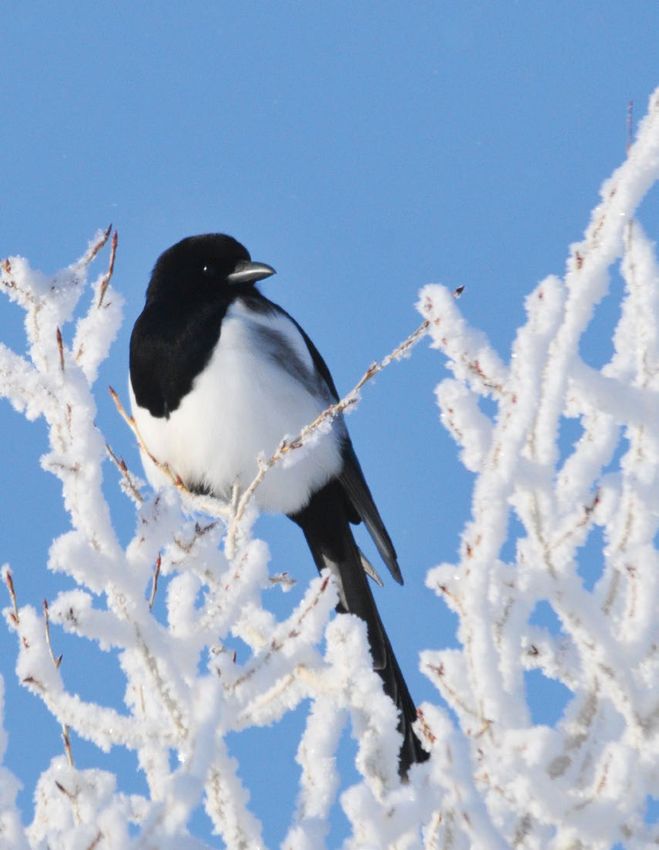
what’s inside

                                                                                  12
                    SPOTLIGHT: Disaster Response / 12
features                                                                               Service works to keep
                    A Tiny Town Hit Hard by Irma / 13
                                                                                       communities safe
                    A Service task force wades into the gray mud
                    to help families in Everglades City, Florida
                    story and photos by P H IL K LO ER

                    Soaring Past Danger / 16
                    Puerto Rican parrots weather Hurricane Maria
                    by M A R K D AV IS

                    Getting Things Going / 18
                    Service responds to help stricken island near
                    Puerto Rico | by M A R K D AV IS

                    After Hurricane Harvey / 20
                    Rapid assessment leverages technology, diversity
                    and teamwork to appraise storm damage
                    by K EENA N A D A M S

                    Not-So-Great Balls of Fire Ants / 22
                    Red imported fire ants plague endangered Attwater’s

                                                                                  13                           16
                    prairie-chickens even after flooding | by AL BARRUS
On the cover:
A black-billed      Always Prepared / 24
magpie soaks        From wildfires to hurricanes, firefighters are
up some sun on      disaster-ready | by K A R EN M IR A ND A
a cold morning
at Seedskadee       Oh Baby! / 28
National Wildlife   Refuge caretakers face raging Columbia
Refuge in           Gorge Fire | by B R ENT LAWR ENC E
Wyoming.

                    MORE FEATURES
TOM KOERNER/USFWS

                    Tag, You’re It / 30
                    Premium hunting opportunities abound on national
                    wildlife refuges | By B R ENT LAWR ENCE

                    A River Runs Free in Rhode Island / 32
                                                                                                               22
                    Returning the Pawcatuck River to its natural state
                    helps wildlife and people | by IS A AC BURKE and LAURI
                    M U NR O E- H U LTM A N

                    From the Directorate / 1        Life After the Service / 37
departments
                    News / 2                        Our People / 38

                                                                                  30                           32
                    Curator’s Corner / 36
from the directorate

                          When Conditions Are at their Worst,
                          Our Employees Are at Their Best

                          A   s our nation coped with devastating wildfires
                              in the West and multiple hurricanes in Puerto
                          Rico, the Southeast and Gulf Coast, hundreds of
                                                                                    The Service remains in many of the areas hit by
                                                                                    hurricanes as the rebuilding continues. Not because
                                                                                    it is our job. These communities are our homes, too,
Greg Sheehan, Principal   Fish and Wildlife Service employees deployed to           and many of us have deep roots in the affected
Deputy Director of the    crisis spots to assist with preparation, response         communities, sharing schools, churches, friendships
U.S. Fish and Wildlife    and recovery efforts.                                     and more.
Service
                          In the face of these tragedies, we witnessed              Fighting Wildfires
                          incredible acts of courage, sacrifice and strength
                          from responders and ordinary people alike. And            Throughout the year, as areas were hammered by
                          from my perspective, the hundreds of Service              a longer-than-usual, more destructive fire season,
                          employees who have answered the call and deployed         Service firefighters worked tirelessly to keep the
                          to help with rescue, recovery and firefighting efforts    public safe and staff often took the extra step to
                          embody the best of what we expect from ourselves          help manage any losses.
                          as public servants.
                                                                                    Montana ranchers experienced this additional
                          I was so impressed and humbled as I watched               support over the summer when Charles M. Russell
                          the Service team rise to the occasion. In the midst       National Wildlife Refuge opened its gates to
                          of these crises, I talked with our team members           neighboring ranchers who lost grazing land to a fire.
                          assisting with wildfires in Montana and the first
                          responders and refuge managers in Texas, Florida          How, you may ask, is the Service able to accomplish
                          and Puerto Rico. In every case the professionalism        so much?
                          and commitment of the Service team have been
                          absolutely outstanding.                                   Certainly, the strength and dedication of the people
                                                                                    who deployed on the ground is truly astonishing.
                          Hurricane Response
                                                                                    There’s another key ingredient, though: the people
                          Our people provided the basics to residents               who don’t go out to disaster sites. These unheralded
                          struggling in Texas, Florida and Puerto Rico:             staffers happily shoulder extra work, so a co-worker
                          clean water, cleared roads and more.                      can deploy to an affected area.

                          They developed a better way to survey damage              Pulling together with federal, state and local agencies,
                          after Hurricane Harvey, helped clean homes in             we had a positive impact on thousands of people. An
                          Florida after Hurricane Irma, helped provide law          impact that goes far beyond what we could hope to
                          enforcement in Puerto Rico after Hurricane Maria.         achieve alone.

                          And this was just the assistance to the human             I couldn’t be prouder of the Fish and Wildlife Service
                          communities.                                              professionals who enabled us to do so much good in
                                                                                    the face of tragedy. This issue of Fish & Wildlife
                          Our Service team members also watched over                News gives just a glimpse of the amazing work we
                          Attwater’s prairie-chickens, Key deer, Puerto Rican       accomplished.
                          parrots and a host of other species affected by the
                          storms. These dedicated Service staffers came to
                          work when their own homes and family members
                          were left behind without power, water and other
                          personal needs. And for these efforts I am particularly
                          thankful.

                                                                                                          Winter 2018 Fish & Wildlife News / 1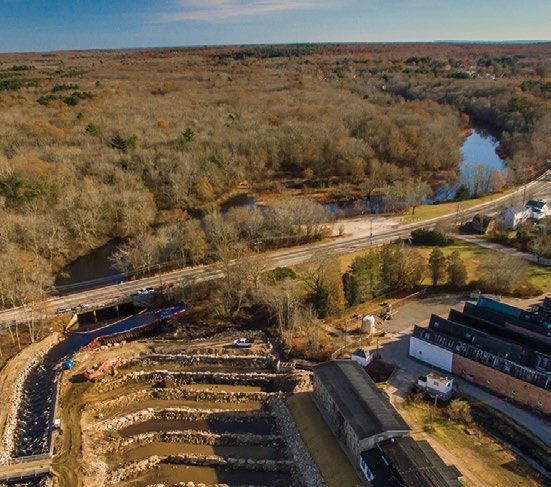
news
A Decade Fighting a Deadly Bat Disease White-nose syndrome is And: Little brown bats have
caused by a fungus — survived multiple years of
Pseudogymnoascus destructans, infection, and some bat colonies
or Pd for short — which is that were nearly wiped out are
primarily spread among bats gradually growing in numbers,
RYAN VON LINDEN/NEW YORK DEPARTMENT OF ENVIRONMENTAL CONSERVATION
as they hibernate in caves and bringing hope for recovery.
abandoned mines. Pd disrupts
bats’ hibernation, causing them When asked about the outlook
to rouse more frequently and for now, Kocer seems cautiously
longer periods of time during the optimistic.
winter, burning up their stores of
fat. Some even leave their caves “There is evidence of little
and mines during the winter and brown bats surviving white-nose
early spring and become victims syndrome and reproducing,”
of hypothermia, predation or she says. “
starvation.
And while a decade may seem
We’ve learned that some species, like a long time, Kocer notes,
such as the little brown bat, “Ten years is roughly the lifespan
Y ou can hear the desperation in
Christina Kocer’s voice, as she
describes how it felt to find bats
A little brown bat with white-nose
syndrome.
tri-colored bat and northern long-
eared bat, are more susceptible
to the disease, while others show
of a little brown bat, so we’ve
seen only one generation since
the disease was discovered.”
mysteriously dying in the winter resistance.
of 2007. She and other scientists In that generation, we’ve learned
watched helplessly as bats in the You don’t need to be a scientist Scientists today have new a lot about white-nose syndrome
Northeast succumbed to what to be concerned. Bats are ways of detecting the fungus, and the importance of commu-
would become known as white- important not only from an including using ultraviolet light. nication and collaboration in
nose syndrome, a disease that ecological standpoint but also Field research on treatment has fighting wildlife diseases. While
has decimated bat populations. from an economic one. They eat begun, and work on vaccines and the situation remains dire, the
tons of insects nightly, providing molecular and genetic tools to knowledge and experience
“Bats weren’t behaving normally. a natural benefit to farmers and improve bat survival is underway. gained will guide the Service and
In the middle of winter, when they foresters, not to mention those its partners in the fight to stop
should have been hibernating, we who enjoy the outdoors. Some There have been some promising white-nose syndrome in the next
were finding them flying around research suggests that bats developments. generation and address myste-
outside their caves,” says Kocer, can save agriculture more than rious illnesses in the future.
white-nose syndrome coordi- $3 billion in pest control every A study published in January
nator for the Service’s Northeast year simply by eating insects. showing that ultraviolet light LAURI MUNROE-HULT MAN , External
Region. “By 2009, it looked as can kill Pd is just one example. Affairs, Northeast Region
though all bats would be gone.” Since its discovery, white-nose
syndrome has spread rapidly Another: People who enter
Fortunately, 10 years on, all bats
are not gone. But neither is the
throughout the eastern United
States and Canada, and is
places where bats hibernate,
whether for work or recreation,
? M O R E I N F O R M AT I O N
threat. While we’ve learned a lot, now found in 31 states and five can pick up the Pd fungus on Learn more about
biologists such as Kocer continue provinces. More than 6 million their clothes, shoes and gear, white-nose syndrome at
to race the clock, looking for bats have been killed by white- and spread it to the next site they .
ways to detect, treat and reduce nose syndrome, with mortality visit. The Service and its partners Visit our bat conservation
the spread of the disease. The rates exceeding 90 percent for have created decontamination story map at to echo-
state and private partners, has been confirmed in nine species, spread of the disease by humans. locate your favorite bat story
completed a national response two of which are protected under and to learn more about
plan for managing white-nose the federal Endangered Species these amazing creatures.
syndrome and is carrying it out. Act, one as endangered and
another as threatened.
2 / Fish & Wildlife News Winter 2018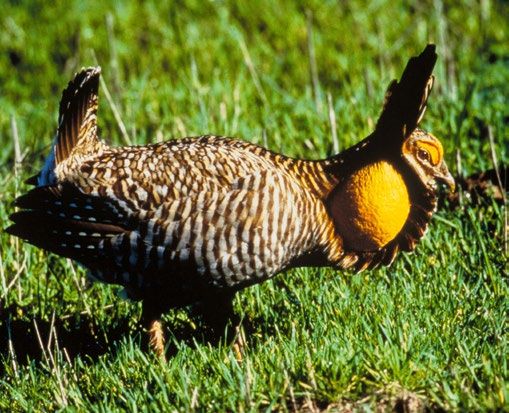
news

        Beach Restoration Project in Texas Provides                             Beaumont and more than 30             sand and dirt, and the former
        Protection During Hurricane Harvey                                      oil refineries (including Motiva,     marsh eventually just becomes
                                                                                the largest refinery in the United    part of the Gulf, providing no

        A   beach renourishment project
            at McFaddin National Wildlife
        Refuge in Jefferson County,
                                            Dune Restoration Project.

                                            And in October, the Texas
                                                                                States and second largest in
                                                                                the world), the busiest section
                                                                                of the Intracoastal Waterway
                                                                                                                      protection whatsoever from
                                                                                                                      storms. Fewer plants also mean
                                                                                                                      fewer birds and fishes.
        Texas, which rebuilt a three-       Commission on Environmental         (by tonnage), and the Port of
        mile stretch of dunes, withstood    Quality (TCEQ) released its         Beaumont, the world’s busiest         Jefferson County Judge Jeff R.
        the pounding of Tropical Storm      Multi-year Implementation Plan      military port, as well as neigh-      Branick, a leading proponent of
        Cindy about a month after it        for another Deepwater Horizon-      boring communities and other          the renourishment project, admits
        was finished in May and then        related fund that included an       infrastructure.                       in a column in the Beaumont
        the howling force of Hurricane      additional $10 million to help                                            Enterprise, that until he became
        Harvey in late August.              fund the project.                   In addition to the infrastructure     a county judge, he didn’t realize
                                                                                they protect, the marshes             how important the beach and
        Perhaps taking notice, the Texas    Beaches and dunes provide           are extremely important for           dunes are.
        Trustee Implementation Group,       needed protection along coastal     commercial and recreational
        which is responsible for a fund     areas, keeping seawater out of      fisheries and wintering and           He soon found out, and he writes,
        established to restore natural      the local salt marshes during       migratory birds.                      “This ribbon of beach and marsh
        resources injured during the 2010   all but the heaviest tides. Salt                                          grasses has existed for millennia
        Deepwater Horizon oil spill, has    marshes in turn serve as buffers    “You have the best mix of             but now it is under threat.”
        allocated $15.8 million for the     against storms — soaking up         environmental and economic
        restoration of an additional 17     waves, taking the pounding and      co-benefits of any place in the       So the Service and partners,
        miles of beach and dunes at the     diminishing it, and more — but it   Gulf of Mexico, I think,” project     including Jefferson County, the
        refuge, part of the Salt Bayou      starts with beaches and dunes.      consultant Tim Richardson tells       Texas General Land Office, Texas
        watershed. This covers approxi-                                         The Examiner of Southeast             Parks and Wildlife, and Ducks
        mately one-third of the estimated   Behind the dunes and marshes        Texas. “If you stack up these         Unlimited, began work to restore
        cost of the McFaddin Beach and      of McFaddin sit the city of         co-benefits, a dollar spent in        the beach to how it was 100 years
                                                                                Jefferson County brings you           ago and protect the marshes.
                                                                                more multiple benefits than a
         Dozers work on the restoration.                                        dollar spent anywhere else in         The pilot project included
                                                                                the Gulf.”                            dredging sand from about one
                                                                                                                      mile out into the Gulf and creating
                                                                                Adds Toby Baker of TCEQ: “As          an 8-foot dune system over three
                                                                                a Beaumont native, I realize the      miles of coastline, a section
                                                                                importance of the Salt Bayou          considered the most vulnerable
                                                                                watershed’s role in safeguarding      and subject to the most saltwater
                                                                                people and industry as well as a      intrusion.
                                                                                world class wildlife habitat area.”
                                                                                                                      Hurricane Harvey showed
                                                                                The beaches and dunes naturally       that the pilot project worked.
                                                                                erode, but the sediment that
                                                                                has historically allowed them         Deepwater Horizon-related
                                                                                to rebuild no longer flows down       restoration funds will enable
                                                                                rivers to the Gulf of Mexico —        the start of the last phase of the
                                                                                it is blocked by dams and other       project, which will, as Judge
                                                                                structures.                           Branick says in his column,
                                                                                                                      “ensure all the benefits of this
                                                                                That means seawater is able to        critical marsh to future genera-
                                                                                flow into the marshes, killing off    tions.”
                                                                                plants that are not adapted to
                                                                                salty water. The loss of vegetation   MATT TROTT , External Affairs,
                                                                                leads to more erosion because         Headquarters
                                                                                plants are no longer there to trap
USFWS

                                                                                                                      Winter 2018 Fish & Wildlife News / 3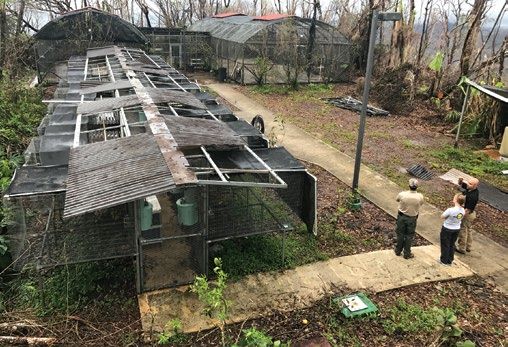
news

The Long Road to Recovery                                                   The Ransom Road accident led                 erected a small monument to
                                                                            to increased funding for the                 the landmark contribution of the

R   esilience is a common
    word in disaster recovery.
Ecosystems need to be resilient
                                       crosses central Florida. They
                                       began plowing around the
                                       easternmost side of the fire near
                                                                            refuge and professional fire
                                                                            training for its employees, which
                                                                            has continued and expanded
                                                                                                                         two men’s deaths. Members of
                                                                                                                         the Service’s uniformed national
                                                                                                                         honor guard were on hand to
to natural disturbance, such           Ransom Road, while co-workers        to other refuges. The events of              raise the American flag and place
as wildfires, floods and oil           downwind set backfires to            that single day were the biggest             ceremonial pulaskis, a common
spills. First responders speak of      impede the fire spread and others    catalyst to the Service developing           fire tool, at the monument before
mental and emotional resilience        on pumper trucks sprayed water       a safe and effective wildland                a crowd of 50 people.
to stressful work. Survivors           to cool the flames. While plowing    fire program, after decades of
develop resiliency skills and often    the fireline, a thunderstorm         biologists routinely conducting              During the ceremony, Sauselein’s
resilient spirits as they rebuild      approached; winds picked up          controlled burns and attempting              widow — herself recently retired
their disaster-impacted lives.         and suddenly switched direction,     to put out wildfires. To date, the           from the Service — sat next to
An organization demonstrates           pushing the fire toward them.        Service has not lost another                 her brother in the front row with
resilience when it recovers and        Sauselein evidently began driving    firefighter in the line of duty.             a smile, remarking later how
learns from both natural disaster      them away from the fire, but the                                                  proud she is of her late husband.
and human tragedy it has faced.        plow became stuck on a stump         The more recent chapter of this              After the dedication, Michael
The Service’s fire program has         hidden from view. The men            story unfolded in early November,            Good, the refuge’s assistant
its roots in such resilience.          abandoned the tractor to try to      when Service officials and fire              fire management officer, took
                                       outrun the flames, one of them       staff gathered with the men’s                Maness’ younger siblings to the
By all accounts, Beau Sauselei         making a consequential error in      families and former co-workers               nearby Canaveral seashore.
n and Scott Maness had                 leaving behind his fire shelter.     to honor the pivotal lessons of              They had been so young when
independent spirits and                The thick brush and 8-foot high      their deaths, which linger in                their brother died that their
were dedicated to wildlife             palmetto made their effort to        the minds of refuge firefighters,            parents had not included them
management. Sauselein was an           escape futile. They were overrun     these decades later. Sometimes               in his funeral and they asked to
outgoing U.S. Air Force veteran        by the fire, both suffering third-   recovery takes a long time,                  see where his ashes had been
and accomplished pilot, one of         degree burns as they shared a        and in this case, more than 36               scattered on the beach.
the best refuge law enforcement        fire shelter meant for only one.     years passed before the refuge
officers, adept with machines of
all kinds and a gifted instructor,     Their story continued as events
a Southern gentleman with a            were repeatedly studied. One         Members of the Service National Honor Guard at the firefighter monument with
loving wife and a passion for          investigator concluded, “Two         (at center, left to right) Chris Wilcox, Chief of Fire Management; Jim Kurth, Deputy
fishing and sailing. Maness            lives were lost due to a lack of     Director of the Service; Cynthia Martinez, Chief of the National Wildlife Refuge System;
was a bachelor from California,        training.”                           and Shane MacDonald, Deputy Chief of Fire Management.
who had worked with the Peace
Corps for three years as a
research zoologist and become
fluent in Spanish, a true academic
intent on tracking alligators
and making discoveries. Both
32, Maness was Sauselein’s
student-for-a-day on June 8, 1981,
as Sauselein drove a John Deere
550 tractor outfitted with a plow
for building a fire line at Merritt
Island National Wildlife Refuge,
where they both worked as
biologists.

They were a tractor plow team,
                                                                                                                                                                       USFWS/JOSH O’CONNOR

responding to one of the many
wildfires that commonly erupt
within this lightning belt that

4 / Fish & Wildlife News Winter 2018
news

The day after the monument            Technology Speeds Safer Response
dedication, the refuge’s fire
operation specialist, Ryan
Sharpe, hosted the Service’s
first-ever leadership “staff ride,”
an intense field study and visit to
                                      W     hether building a better
                                            fire shelter, using smart-
                                      phone apps to speed hurricane
the site of a firefighting tragedy,   respond or surveilling damage
to better appreciate circum-          with a drone, Service employees
stances and decisions made at         and volunteers are using,
the time. Former co-workers of        and developing, technology
Sauselein’s and Maness’ joined        to respond more quickly and
about two dozen Service fire          safely to disasters.
staff, walking in the same places
and imagining the sights, sounds      Last May, Service firefighters
and emotions the two men experi-      on the Madison Wetland
enced in those pivotal moments.       Management District in eastern
                                      South Dakota worked with
These two days of events offered      researchers from North Carolina
the opportunity for those in          State University to field test a

                                                                                                                                                             USFWS/LORI IVERSON
attendance to share long-awaited      new fire shelter prototype. Fire
healing moments.                      shelters, carried by all wildland
                                      firefighters in the United States
The closure, Good says, was a         and Canada, are foil tents used as
long time coming for the Service.     a last resort to trap breathable air
He hopes the Ransom Road Staff        and shield the body from radiant       During its response to Hurricane    Service Burn Boss Blake Stewart,
Ride becomes an established           heat. While they have saved            Harvey, the Service’s Southwest     assistant fire management officer at
training activity to benefit more     hundreds of lives, they are not        Region used the Rapid Hurricane     Balcones Canyonlands National Wildlife
wildland firefighters who may be      fail-safe. After 19 members of the     Assessment Tool (R-HAT), an         Refuge in Texas, stands by to call for
fighting wildfire in southeastern     Granite Mountain Hotshot Crews         ArcGIS-based smartphone app,        fire ignition once the area is cleared,
vegetation.                           died under fire shelters during        to collect Service asset damage     while graduate student Bobby Williams
                                      Arizona’s 2013 Yarnell Hill Fire,      information and share it with       (left) and Professor Joe Roise from
With other refuge fire staff,         N.C. State’s College of Textiles       others in real-time (See p. 20).    North Carolina State University set up a
Good helped design and install        and Department of Forestry             Meanwhile, fire specialist Josh     prototype fire shelter for testing during
the monument in front of the          and Environmental Resources            O’Connor from the Southeast         on a prescribed burn at Madison Wetland
refuge headquarters building,         teamed up using a FEMA grant to        Region built an innovative tool     Management District in South Dakota.
close to the fire office.             research and develop new fabric        to tell searchers in murky waters
                                      technology for the protective          where they are and what utility
“We wanted to put [the                tents. The new prototype is being      infrastructure may be submerged
monument] near our work station,      tested in both laboratory and          beneath them.
where we would see it and be          outdoor environments. Native
reminded of them every day,”          tallgrass prairie on the wetland       “I can’t say enough about how
says Good. It is clear that at        district is one of many vegetation     much we appreciate everything
Merritt Island and throughout         types that can fuel dangerous          that the U.S. Fish and Wildlife
the Service that, these two           wildfires.                             Service has done and continues
men — simply referred to locally                                             to do with its people, technology
as Beau and Scott — will never        “The whole project is extremely        and equipment to help us save
be forgotten.                         important because it can save          lives,” said Hardin County Judge
                                      lives across the nation,” N.C.         Wayne McDaniel shortly after
                                      State professor Joe Roise says.        Harvey.
                                      “That’s the bottom line: saving
                                      lives.”                                The Service has also begun
                                                                             using Unmanned Aerial Systems
                                                                             (UAS), commonly known as
                                                                             drones, for emergency response.
                                                                             This past year, with the help ››

                                                                                                                 Winter 2018 Fish & Wildlife News / 5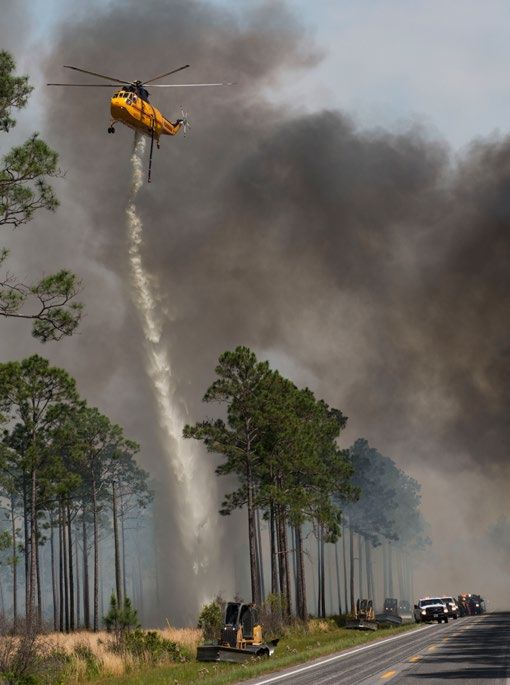
news
Partnership Promotes Latino Engagement
in Wildlife Conservation
T o help ensure that all
Americans engage in outdoor
recreation and wildlife conser-
internships at 10 national wildlife
refuges in the Northeast. Among
other duties, the interns helped
vation, the Service partnered last plan and execute LCW events
year with the Hispanic Access to engage Latinos and other
Foundation (HAF) to support and stakeholders at national wildlife
promote Latino Conservation refuges. In total, the interns
Week (LCW). hosted approximately 20 events
that engaged more than 650
LCW was established by HAF to Latinos.
recognize and encourage Latino
participation in outdoor recre- One of the HAF interns working
ation and wildlife conservation. at a refuge last summer was
During the week, Latinos engage Ariel Martinez from Hamden,
in recreational activities such as Connecticut. A student at Smith
hiking, bird watching and fishing, College studying environmental
as well as conservation activities science and policy, Martinez
such as removing garbage from was assigned to Iroquois Natural
natural areas, banding migratory Wildlife Refuge in New York.
birds and removing invasive As an intern she partnered with
plants. nearby Boys and Girls Clubs and
BRITTA SCHROEDER/NPS
community centers to engage
Since its inception in 2014, LCW approximately 150 disadvantaged
has grown both in number of kids in age-appropriate environ-
events and participants. Last mental education programs.
IT Specialist Scott Bishaw (left) from Florida Panther National Wildlife Refuge in year, between July 15 and 23,
Florida listens for incoming air traffic on an aviation radio, while volunteer aerospace more than 125 events engaged “Interning with the U.S. Fish and
engineer Garrett Bryl with the City of Joshua Public Safety UAS Response Team approximately 6,500 Latinos on Wildlife Service was an amazing
programs a UAS for a mapping/damage assessment mission over Nome, Texas. public lands. experience for me. I worked hard
and had fun doing so. Most of all
“We are pleased to have I am proud to have been able to
of NASA, refuge staff at Great team processed high-resolution partnered with the Hispanic help the U.S. Fish and Wildlife
Dismal Swamp National Wildlife imagery into ortho-mosaic maps; Access Foundation to help Service and other organizations
Refuge in Virginia tested a UAS created a 3-D model of a levee to increase awareness of public to connect youth with nature,”
with infrared and video cameras inspect for signs of damage; and lands as welcoming places for says Martinez.
to detect smoke and heat and surveilled Big Thicket National all Americans to enjoy nature as
deliver real-time data to fire Preserve, using GoPro live video well as to learn about and engage In addition to helping strengthen
personnel. One Service-owned to show park staff the condition in conservation,” says Service connections between refuges
UAS and pilot, information of their facilities. The team was Deputy Director Jim Kurth. and their surrounding commu-
technology specialist Scott also asked to fly over a chemical nities, Martinez and other interns
Bishaw from Florida Panther plant outside of Houston, which “As different cultures engage gained valuable work experience
National Wildlife Refuge, was had been evacuated for safety with the outdoors in different and served as role models for
dispatched during Hurricane reasons, but the plant exploded ways, our partnership is helping other Latino youth thus helping
Harvey. He joined a 10-person before they arrived. To date, the increase awareness of and contribute to the development of
Department of the Interior team Service has trained 19 UAS pilots, expand access to outdoor recre- the next generation of conserva-
of UAS remote pilots to assist with two serving on regional ation and conservation,” adds tionists.
the North Texas Public Safety Incident Management Teams. Maite Arce, president and CEO
UAS Response Team in Nome Another remote pilot training is of HAF. The Service and HAF are working
and southwest Houston. The scheduled in March. through LCW and the internship
In support of LCW, the Service program to help ensure that
placed Latino youth in summer conservation remains relevant
6 / Fish & Wildlife News Winter 2018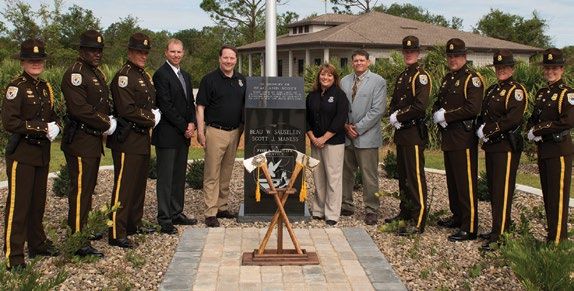
news

                                                   Public Lands: Hagerman National Wildlife Refuge Consistently
                                                   Produces Quality Deer

                                                   D   aybreak on November 17
                                                       didn’t show great promise
                                                   for deer hunter Kyle Walker.
                                                                                                                Walker and his family enjoy the
                                                                                                                bounty of the harvest: free-range
                                                                                                                organic meat. He is even able to
                                                                                                                                                    “It’s affordable, too,” says
                                                                                                                                                    Whaley. “Successful appli-
                                                                                                                                                    cants pay only $50 to hunt on
                                                   It was going to be exceedingly                               share the harvest, too. This deer   the refuge, in addition to state
                                                   warm — and windy. Wind blows                                 went into his freezer and that of   hunting license fees.” And it’s
                                                   scent around and to a deer the                               a graduate student where he         one that Walker is willing to pay
                                                   world is a smell, not to mention                             works, who has a family of          again — he has every intention
                                                   it hampers a hunter’s hearing.                               teenagers.                          of hunting at the refuge in the
                                                                                                                                                    future.
                                                   Walker was lucky to be drawn                                 Hagerman Refuge has earned
                                                   in a lottery for a chance to hunt                            its reputation, says its manager,   Hagerman is located near
                                                   white-tailed deer at Hagerman                                Kathy Whaley. “I’ve worked the      Sherman, Texas. In addition to
                                                   National Wildlife Refuge in north                            deer check stations for nine        deer, it’s open to hunting turkey
                                                   Texas, an 11,320-acre refuge                                 years, and have seen a lot of       and feral hog by lottery draw
                                           USFWS

                                                   known for quality deer hunting.                              harvested deer and many trophy      and dove, rabbit and squirrel in
Through a partnership with the Hispanic                                                                         bucks,” says Whaley. The refuge     accordance with regulations
Access Foundation, Ariel Martinez                  He had done his homework.                                    has been open to deer hunting       with the Texas Parks and Wildlife
served as an intern at Iroquois National           Walker scouted the refuge for                                since 1984. Over the last 15        Department.
Wildlife Refuge connecting youth with              three days in July for places                                years hunters have harvested an
nature.                                            that he knew from experience                                 average of 40 deer each year.       CRAIG SPRIN GER , External Affairs,
                                                   might harbor deer. Walker also                               The refuge has six units from       Southwest Region
                                                   took a required bow hunter                                   800 to 3,300 acres, of which only
into the future. Today, three out                  education course and passed                                  three are open to deer hunting on
of every five American children                    an archery shooting proficiency                              a given year. The deer hunts are
under the age of 5 are from                        test to enter the lottery draw at                            managed for safety and quality      Scouting paid off for public lands
minority communities. So, as                       Hagerman. Come opening day,                                  experience.                         hunter Kyle Walker.
the population continues to                        Walker was secured in his stand
age and becomes increasingly                       in a choice spot in the hardwoods
more diverse, the Service must                     that, and it paid dividends.
continue to build a conservation
constituency reflective of that                    “I took the best buck I have
diversity to help conserve,                        ever harvested on public lands,”
protect and enhance wildlife and                   says Walker. “It was the hunt of
their habitats for the benefit of                  a lifetime.”
everyone.
                                                   Walker, who makes a living as
E DWARD S T O K E R , External Affairs,            an administrator and a professor
Headquarters                                       at a seminary in Fort Worth,
                                                   Texas, relies on public lands for
                                                   his hunting opportunities. “I hunt
 ?       M O R E I N F O R M AT I O N              public land exclusively; I live
                                                   in the metroplex where there
   To learn more about the HAF                     are a lot of people and lots of
   internship program or how                       concrete — public lands have
   you might get involved in                       been my only place to hunt in
   and support LCW in 2018,                        Texas — and I am very grateful.”
                                                                                        PAUL BALKENBUSH/USFWS

   email Edward Stoker at

   or Jill Wheeler at .

                                                                                                                                                    Winter 2018 Fish & Wildlife News / 7
news
Boise Community Digs in to Conserve Monarch Butterflies, Pollinators Eureka! Mussel
Discovery Made
Monarch butterfly caterpillars Other partners were the Service, in a Tub
eat only milkweed, but native the Boise Parks and Recreation
milkweed and other needed
habitat have declined and
fragmented due to loss from
Department, Boise Public Works
Department, Golden Eagle
Audubon Society, University of
T ucked away just off the shore
of Lake Pepin in Minnesota,
the Center for Aquatic Mollusk
urban and agricultural devel- Idaho, Boise State University, Programs’ (CAMP) facility is
opment. Not so good for the Idaho Fish and Game, Bureau staffed and equipped for an
monarch. The Service is working of Land Management and other overarching mission: conserving
with partners to help increase Boiseans. native mussels. Tubs, tanks and
monarch populations by working tubes fill the research facility
with agricultural producers, “This is a fabulous partnership, with the sound of running water.
transportation agencies, where many people are coming A variety of fish gaze at you from
B oise community members
began a long-term effort
in October to establish a major
government agencies and the
public to create wildlife-friendly
pollinator gardens and monarch
together to create pollinator
habitat in an area that is full of
invasive weeds and is a City of
shelves, while tubs filled with
tiny specks are washed with the
constant flow of water. If you look
pollinator habitat project on habitat. Boise property that is kind of a closely, those specks are small
the Boise River in Idaho. buffer zone between our water mussels, which will live at CAMP
“This project originated through renewal facility and adjacent until they are large enough to
Volunteers turned up the rocky a partnership we have with the neighborhoods,” says Cindy be released into the wild. Larger
soil of the former pasture along Land Trust of the Treasure Valley. Busche, Boise WaterShed circular tubs hold either adult
the Boise River downstream We grew a bunch of milkweeds education manager. mussels or fish. It’s in one of
of downtown Boise. Pick axes, for propagation experiments, those tubs that the enigma of
shovels and trowels clanked and we’re now placing those The partners and volunteers the spectaclecase mussel host
against the numerous rocks that milkweeds on this unused planted native milkweed and species was finally solved.
the volunteers cleared to make pasture land with our community other flowering plants to create
holes for a variety of pollinator- partners, and one of those habitat for monarch butterflies Mussels have a fascinating life
friendly plants, including more community partners is the Boise passing through and breeding cycle; mussel larvae attach to
than 300 native milkweed WaterShed,” says Dusty Perkins, within the City of Trees. The the gills of their host fish, which
seedlings to benefit monarch a biology professor at the College planting will also benefit other serves as a mussel nursery,
butterflies. of Western Idaho. pollinator species such as native protecting mussel larvae until
bees and flies. they transform into juveniles that
are ready to strike out on their
Adam Hanson, a teacher from Boise School District’s Dennis Technical Education By the end of the day, a portion own. Researchers have been
Center, tosses unearthed rocks aside during planting. of the once weed-riddled field looking for the host species for
was transformed by the volun- the endangered spectaclecase
teers and partners into a budding mussel for decades, long before
bastion of hundreds of native it was added to the endangered
plants that will ideally take to species list in 2012. More than
the soil over the winter before 90 species of mussels are
offering many pollinators new protected as federally threatened
nectar sources in the coming or endangered, and 29 species
years. have gone extinct. Threats facing
mussels include dams, pollution,
LEITH EDGAR , External Affairs, habitat loss, invasive species and
Pacific Region loss of host species. ››
LEITH EDGAR/USFWS
8 / Fish & Wildlife News Winter 2018news
COURTESY OF BERNARD SIETMAN/MINNESOTA DEPARTMENT OF NATURAL RESOURCES.
MELISSA A. CLARK/USFWS
The extensive search for the (Left) Tricia Anderson, natural resource St. Croix River, held them in tanks “Mussels are nature’s water
spectaclecase host species technician, checks the growth of juvenile at the CAMP facility, and within filter,” said Nate Eckert, mussel
included more than 50 species of mussels. (Right) Spectaclecase mussels a few days, recovered juvenile biologist from Genoa Hatchery.
fish. Biologists even questioned if Spectaclecase mussels — “Some populations need more
the host was not a fish at all, and eureka! help to recover in a timely
tested amphibians and crayfish to eyes and dying from the subse- fashion. Many of these species
no avail. quent infection. Although the mystery of the have benefited from additional
spectaclecase host species is research, such as host fish
“We had already tested common “It was a problem we had to finally solved, research continues requirements, that have been
species that could be easily overcome,” says Sietman. “So to move this species toward paid for largely by funding made
held in captivity,” says Bernard we got larger tanks, improved recovery. The hundreds of available because of federal or
Sietman, a CAMP mussel filtration and consulted experts, resulting juvenile spectaclecase state endangered status.”
biologist. “We suspected the including our partners at the mussels were sent to expert
host was either hard to catch or Minnesota Zoo. Ben Meinrich, a mussel biologists at the Service’s The Service is one source of
hard to keep alive in captivity.” zoo aquarist, suggested installing Genoa National Fish Hatchery funds through the State Wildlife
a bubble curtain so fish could and Missouri State University to Grant Program. CAMP uses these
Ironically, a clue in finding the more easily detect the tank walls. find the best conditions to raise grant funds to establish protocols
host was one of the threats facing It worked; long enough at least these tiny mussels until they are to propagate endangered and
mussels: a dam. Spectaclecase for spectaclecase larvae to fully ready to be released into the wild. threatened mussels, identify
populations above St. Croix transform into juveniles.” suitable host fish and identify
Falls Dam were disappearing, Protecting mussels reintroduction sites. These grants
while populations below were In June 2017, Sietman and the further state priority conser-
doing well, suggesting that the CAMP team had laboratory
means protecting vation research, monitoring and
host was now absent above proof that spectaclecase larvae ecosystem engineers management.
the dam. Mooneye and goldeye successfully transform into
fish both looked like promising juvenile mussels on a goldeye.
that keep our water MELISSA A. CLAR K , External Affairs,
candidates because they were A few weeks later, mooneye was systems healthy for Midwest Region
extirpated above St. Croix Falls also confirmed as a host in the
Dam. Unfortunately, both species laboratory. But to confirm these their host fish, other
were difficult to keep alive in the fish were hosts in nature, Sietman aquatic organisms
lab. Mooneye and goldeye were and the CAMP crew worked with
exposed to spectaclecase mussel longtime collaborator Mark Hove and us.
larvae and placed in the circular at the University of Minnesota.
tubs, where they swam along the The team captured mooneye near
edges, scratching their bulbous spectaclecase colonies on the
Winter 2018 Fish & Wildlife News / 9news
Oil Spill Exercise
Tests Interagency
Emergency Response
Plans
V isitors at Potawatomi State
Park and George K. Pinney
County Park in Sturgeon Bay,
Wisconsin, watched in late
September as a floating oil
containment boom was stretched
across the bay, duck decoys
were pulled from the water,
and unfamiliar equipment was
unloaded on shore. Several
people asked, what is going on?
The Service, with federal,
state and local partners,
was participating in the Door
Peninsula Preparedness for
MELISSA A. CLARK/USFWS
Response Exercise Program
to test emergency response
plans, improve preparedness
and increase interagency
cooperation.
The purpose of the exercise was “We hope a disaster like this Agencies work together to learn how
More than 100 people from 16 to learn how different agencies never happens, but this exercise to deal with an oil spill.
organizations practiced their work together to protect people, is helping protect the waters and
roles in the event of an oil spill. resources and wildlife in the lands of Green Bay,” says Green
The exercise simulated a barge event of a real emergency. The Bay Ecological Services fish and
grounding on a reef outside exercise was led by the U.S. wildlife biologist Betsy Galbraith.
Sturgeon Bay, resulting in a Coast Guard, which established “Working with federal, state and
diesel fuel spill. This area, which an Incident Command Post local partners builds relationships
includes the Green Bay National and Joint Information Center to respond effectively in the event
Wildlife Refuge islands, is home at Sturgeon Bay City Hall. of a real spill.”
to important fish spawning reefs, Service staff from the Ecological
migratory birds, and threatened Services, External Affairs and While park visitors may not have
and endangered species, such Fisheries programs participated been able to tell the difference
as the piping plover and pitcher’s in the Unified Command, Joint between representatives from
thistle. Information Center and injured different agencies, they all had
wildlife rescue activities. the same feedback for exercise
participants — thank you for
working together to keep the
Green Bay safe and healthy!
MELISSA A. CLARK , External Affairs,
Midwest Region
10 / Fish & Wildlife News Winter 2018news
Firefighters Join Service Honor Guard
F or the first time since the
Service’s uniformed Honor
Guard was established in 2010,
one chance to do it right when
it comes to paying our final
respects. The standards of the
two firefighters have succeeded Honor Guard reflect and uphold
in completing its rigorous these important Service values.”
acceptance requirements and
joined this exclusive group. Adds Richard Johnston, Chief
of Refuge Law Enforcement, who
Regional Fire Management supervises the Guard: “With the
Coordinator Jason Riggins addition of Service Firefighters
from the Midwest Region and to the team, we are very proud to
Zone Fire Management Officer have an Honor Guard that is truly
Rob Wood from Alligator River representative of some of the
National Wildlife Refuge in North very best of the Service.”
Carolina graduated from the
80-hour Honor Guard training The Honor Guard, formerly just
USFWS
course at the end of January. law enforcement officers, has
incorporated the presentation
To join this specially trained, of crossed pulaskis — the a memorial honoring the Newest members of the Service Honor
uniquely decorated and highly common and iconic tool of passengers and crew of United Guard at the 2018 graduation ceremony
disciplined unit, the firefighters wildland firefighters — to honor Airlines Flight 93, one of four (left to right): Federal Wildlife Officer
met demanding physical and firefighters who have died in the airliners hijacked on September Sam Sain, Firefighter Jason Riggins,
appearance standards that line of duty. 11, 2001. The actions of refuge Firefighter Rob Wood, Federal Wildlife
exceed those already in place for manager Richard Guadagno and Officer Josh Frazier and Federal Wildlife
Service personnel. Honor Guard In addition to honoring employees other passengers and crew on Officer Heather Sharp.
members are required to exhibit who have died in the line duty, board, all of whom perished,
the most polished appearance the Honor Guard rendered final are credited with thwarting
and perform with the finest honors for lifelong firefighter the hijackers’ planned attack
discipline at a moment’s notice. Shane Del Grosso before more on the nation’s capital.
than 200 mourners in 2016 and
The primary duty of the Honor dedicated a memorial to biologist- The Honor Guard performs
Guard is to render final honors firefighters Scott Maness and at a variety of special events,
for fallen comrades. The Beau Sauselein in 2017 along including annual Police Week
Honor Guard remembers and with 140 other guests (see p. 4). ceremonies in Washington, DC,
renders honors to fallen Service and whenever the Service’s
employees and provides comfort Firefighters and law enforcement Fallen Comrades Memorial
and support to survivors of those officers share much in common adds a name.
who have died. Twenty-one given their arduous and highly
officers and three active alter- skilled professions that entail “We are learning and growing
nates are chosen based on their elements of duty and personal and evolving over time,” says
skills and dedication to the core risk. Many law enforcement Honor Guard Commander
values of the Service. officers are among those Deborah Goeb, who has been
Service personnel qualified to with the group since its inception
“This is a proud moment for the support large wildfires and other and was named its Commander
Fire Management Program,” emergency incident response. last July. “It is our honor and
says Fire Management Branch privilege to be present for
Chief Chris Wilcox, who attended The Service Honor Guard is families and the Service at these
the graduation ceremony along authorized by the Service events.”
with Deputy Branch Chief Shane Director. Its first official function
McDonald. “When one of our was to represent the agency
own perishes, there is only at the dedication of land and
Winter 2018 Fish & Wildlife News / 11spotlight: disaster response
We’re
There The U.S. Fish & Wildlife Service is very much
a part of our local communities. As disasters
When
strike across the country, our first obligation
is to the health and safety of our employees
and the public. Then it is time to help local
Disaster
communities — human and wildlife — recover.
Read some of what we did last year in the face
of wildfires and hurricanes.
Strikes Service
works to keep
communities
safe
12 / Fish & Wildlife News Winter 2018spotlight
A Tiny Town Hit The Service personnel got busy, saving
what they could, carrying the family’s
possessions to a safe, dry garage in the
Hard by Irma
backyard, where it would wait for the
Snyders to rebuild. What could not be
saved, they loaded into big black trash
bags and hauled them to the curb.
“Thanks a ton,” Snyder told the crew.
“I don’t know how we would have done
A Service task force wades into the gray mud it without you.”
to help families in Everglades City, Florida The sun got hotter. The trips got
repetitious. The day had just started.
story and photos by P H IL K LO ER
‘It’s the right thing to do’
Everglades City is a tiny town of 400-plus,
south of Naples on the southern Gulf
Coast of Florida. Irma blasted through
here on September 10, with 140 mph
winds and a storm surge that was reported
between six and 10 feet high. According
to news reports, Everglades City was
one of the places that suffered the most
from Irma’s fury; most of the town was
underwater at one point. Then the storm
E verglades City, Florida, resident Billy
Snyder stood in mud-caked boots in his
mud-caked living room, or what used to
surge receded and left the residents with
the mother of all clean-up projects.
be his living room before Hurricane Irma Not all that much blew away in Hurricane
roared in. Irma. Instead, Irma made the residents do
the work themselves, hauling their ruined
“If we can save the stuff that’s important possessions out into their front yards and
to us, we can just close the doors and dumping them next to the street.
never come back in,” he told the workers
who had gathered around him. “We’re Even before Irma hit, the Service had
just gonna demolish the whole house and set up an Incident Command team,
rebuild, this time on stilts.” a structure used to more effectively
coordinate efforts in an emergency,
Half a dozen Service personnel waited and decided to send three task forces
for his instructions: What to save, what to Florida as soon as it was safe. Service
to dump. It was actually pretty easy. coordinator David McCaghren helped
Anything below three feet off the ground assemble the Central Louisiana Task
was a smelly, sodden mess, because that Force; the majority of its 14 members
was the level at which Irma’s storm surge hailed from that state. They mustered
dumped a deluge of stinky gray mud and at Mississippi Sandhill Crane National
swamp water that ran through and ruined Wildlife Refuge, then set off in a convoy
his family’s house. for south Florida, hauling lots of chain-
At Big Cypress National Preserve, U.S. Fish and Wildlife saws and heavy equipment. They got
But there was plenty to salvage that had Service workers helped out their partners, the U.S. to Everglades City, more than 750
survived above the storm surge mark: National Park Service, by nailing tarps down on three miles away, five days after Irma and got
dishes, wine glasses, wife Shannon’s damaged roofs. to work. ››
macramé hangings, a son’s Little League
trophies.
Winter 2018 Fish & Wildlife News / 13spotlight
“Whole neighborhoods were trashed,” and loaded it onto his trailer for him,”
says McCaghren. “Incident Command said Chris Nothstine, a supervisory
said we’ve got to help these people. We’ve forestry technician at Sandhill Crane
got all these assets; let’s put them to work Refuge. “It meant a lot to him.”
for the public.
Nothstine had a busy summer. He
“It’s the right thing to do.” deployed in Utah for two weeks fighting
the Western wildfires in a separate
Kayla Kimmel’s day job is as a biologist Incident Command. He returned home
in the Service’s Baton Rouge, Louisiana, for one week, then left for a two-week
conservation office. She volunteered to stint in Florida.
join the task force, and was the only
woman working alongside 13 men. “When we finished up with that street,
pushing debris out of the road,” he
“We were in this situation a year ago in continues: “we met a guy named Chris
Baton Rouge,” she says. “We had what Richards, whose family had stayed on
they called a 1,000-year flood, and my the island during the storm. We followed
mom’s house got four and a half feet of him to his house and his whole family
water. College friends came down from was out there working. We started taking
different states and we cleaned out my a lot of the work off them that they had
mom’s house, and then we just continued been doing for three, four, five days.
working, going house to house for eight
days.” “When they saw they had people to
help, his wife went straight over to the
Like all the task force members, she was neighbors’ house and started helping
spattered from head to toe with the foul- them. When we finished with Chris’s
smelling gray mud that became ubiquitous house, we went over to the neighbors’
in Everglades City. “I’d like to be able to house where his wife was working and
pay it forward,” she continues. “This is a started helping them. We took a tree
long process, and this is just the start. off a shed.
It’s totally overwhelming for these people.
But having people come in who can get “At one point,” he adds, “I just walked
big parts of it done takes a lot of the down the street with a chainsaw, cutting
stress off.” down trees that were leaning on houses or
blocking roads. The big thing is just being
‘I just walked down the street out here. Three people on a crew can go
with a chainsaw’ a long way.”
The task force split up into several smaller Another group of task force members
groups. Their first priority was clearing headed to Big Cypress National Preserve (Top) Kayla Kimmel, a Service biologist, talks to
roads so that residents could move freely. in Ochopee, Florida, a few miles from homeowner Billy Snyder in his ruined living room in
Everglades City. The U.S. National Park Everglades City. “Having people come in who can get
One narrow road was blocked by a Service manages Big Cypress, and some big parts of [the job] done takes a lot of the stress off,”
battered old boat that had seen better buildings there had suffered wind damage she says.
days even before Irma. The wall of water to their roofs. A crew of four Fish and
had lifted it out of a nearby yard and Wildlife staffers nailed down tarps on (Bottom) Most houses in Everglades City stood up to
deposited it in the middle of a road. three buildings to protect them. It was hot Hurricane Irma’s winds, but the storm surge flooded
work, but at least there was no gray mud. many of them and ruined almost everything inside.
“We were gonna just push it off the road Residents hauled their sodden belongings out to the
to open the road, but the guy had some ‘They’re just amazing, covered in dirt’ street, and most neighborhood roads were lined with
attachment to that boat and asked if we piles like this.
could put it on its trailer, so myself, Rod “This community has deep roots; it’s more
Cobb and John Dickson took a little time than 100 years old, which is amazing in
Florida, where everything is so new,” says
14 / Fish & Wildlife News Winter 2018spotlight
Jim Ragusa, principal of Everglades City “When we went to leave, we explained “And how the Fish and Wildlife Service
School, which educates pre-kindergarten to them why we were leaving,” he just rolled up out of nowhere and said.
through 12th grade in one building. “Many remembers. “We showed them the ‘Hey, we’re gonna get you back in shape.’ ”
of these people, their great-grandparents television. Let them express their
and grandparents grew up here.” feelings. There was no crying, no fussing. By Sunday morning, the task force had
We are not feeling sorry for ourselves. new orders. Incident Command wanted
The school was already the center of this We are counting our blessings and them to take their heavy equipment to the
community in many ways, and Ragusa consider ourselves extremely fortunate. Florida Keys, where it was needed. They
made it more so in the days after Irma, Nobody died. were on the road before sunrise. Pretty
turning the cafeteria into a staging area much all of them took a little gray mud
to store supplies and a free lunch program “The real story is the way the townsfolk with them.
for first responders and anyone else who have come together and really pulled
just needed a free lunch. He took his turn together to help one another,” he PHIL KLOER , External Affairs, Southeast Region
grilling hot dogs and hamburgers along continued.
with his many volunteers, but spent
a lot of time on his cell phone managing
disaster response logistics by the seat Endangered Key Deer Withstand Hurricanes
of his pants. Key deer, a popular and very endangered
species in Florida, rolled with the
“The Fish and Wildlife people have just punches that the hurricane season
been tremendous,” he says. “They’ve brought to Florida, especially Hurricane
been working their butts off. They’re Irma, which did substantial damage to
just amazing, covered in dirt, busting the Florida Keys.
their ass.”
The Service completed post-Irma Key
As he was speaking, the Central Louisiana deer surveys in their core habitats on
Task Force, most of them covered in Big Pine and No Name keys. The driving
slimy gray mud, lined up for hot dogs and surveys began immediately upon the
hamburgers, apples and bottles of ice-cold return of refuge staff from mandatory
Gatorade. Volunteers greeted them and evacuation and continued for several
thanked them. weeks.
“When I ate lunch with the crew,” task “These Key deer and the natural habitat
force leader McCaghren says, “they were they depend on are pretty resilient. First,
grinning. I told them, ‘It’s a good feeling, they made it through the New World
helping like this, isn’t it? There ain’t screwworm infestation last year and
nothing like it.’” now through the direct hit of a category four hurricane. We are happy to report Key deer
population numbers are well within the range we observed before Irma,” says Dan Clark,
‘We’re gonna get you back in shape’ project leader for the Florida Keys National Wildlife Refuges Complex.
As the Service personnel continued Increased numbers of surveys were conducted after Irma to ensure an accurate estimate
to salvage what they could from Billy of the population because of the increased number of response and recovery vehicles on
Snyder’s little turquoise bungalow, the roads as well as piles of debris. The most recent estimate collected before Hurricane
he paused for a minute. Irma determined approximately 1,100 Key deer occupied the core range on Big Pine and
No Name keys. Survey estimates post-Hurricane Irma suggest 949 Key deer live in these
“Three generations of people have lived same areas.
in this house. This house has been passed
around,” he says. “But I think it’s A key problem after the hurricane: Irma’s waves and salt-infused rains ruined many of the
run its course.” Key deer’s watering holes and left them dehydrated. Rarely before, according to refuge
biologists, have so many water sources turned so salty. To solve this, thirsty Key deer got
When Irma was approaching, Snyder, a helping hand in the form of fresh water from Service and the public.
DAN CHAPMAN/USFWS
a biologist with the U.S. National Park
Service, and Shannon, took their sons, (Above) A thirsty key deer drinks water provided by the Service at National Key Deer Refuge on Big Pine Key.
Henry, 9, and Jack, 7, and evacuated to
Enterprise, Alabama.
Winter 2018 Fish & Wildlife News / 15spotlight
Soaring Past Danger The birds did well. None died during the
storm, though nine succumbed to heat
and stress afterward.
For that, Jafet Velez is
grateful — pleasantly surprised, too.
Puerto Rican parrots weather Hurricane Maria
“I was amazed,” says Velez, a Service
By M A R K D AV I S biologist with nearly 30 years’ experience
working with the parrots. “I thought
they would have been more stressed.”
Maybe the birds knew they were in the
right hands. Service biologists have
been working for decades to propagate
a species that perched on the edge of
extinction 50 years ago.
Though the bird is still endangered under
the Endangered Species Act, it shows
small signs of recovery with each clutch
of chicks.
Still, Maria — and, before it, Hurricane
E l Yunque National Forest, Puerto
Rico — They’re old, parenthood behind
them, but that hardly means the two
Irma — tested the species as it hadn’t
been tested in years.
senior citizens serve no purpose. Tested Service workers, too. The aviary
here has been without power from the
They like to talk. Others, sometimes, grid since the hurricane made landfall
show up to listen. People here call September 20; a generator powers a
them Egida, literally, a “house for the refrigerator and freezer that keep bird
elderly.” The Spanish-to-English food and other essentials chilled. Cell
translation describing their function is not phones cannot find a signal. The only cool
precise, but it’s close enough. The Puerto air comes from breezes off fog-shrouded
Rican parrots sit in a cage and call to their peaks.
wild peers. It’s one way scientists assess
how well the endangered species survived No one is sure when the aviary will be
Hurricane Maria. fully functional again.
The couple is among about 240 birds that No regrets
weathered the tempest when it struck
Puerto Rico in September. Most of them He began working for the Service as a
stayed in a reinforced-concrete building young man wanting to set aside cash to
at an aviary owned and operated by the pay for medical school. But something
Service. about the birds called to him. Velez,
MARK DAVIS/USFWS
now 49, delayed med school for a year,
While 150 mph winds ripped the jungle then another, then a third.
apart, two Service workers remained at
the aviary to await the storm’s passage. “And now, it’s 28 years later!” he says.
Puerto Rican parrots rode out Hurricane Maria With them were parrots in cages, brought “I don’t regret it!”
in their aviary in El Yunque National Forest. In the inside before hell came howling.
‘70s only about 13 parrots were known to exist; last year
more than 100 hatched.
16 / Fish & Wildlife News Winter 2018You can also read


