Five trends to impact the grocery retail sector in the 2020s
←
→
Page content transcription
If your browser does not render page correctly, please read the page content below
Five trends to impact
the grocery retail sector
in the 2020s
Whitepaper / December 2020
INTRODUCTION
            Despite the challenges posed by the coronavirus pandemic, grocery retail has risen to the task. Has this
            changed the way we shop? Will there be any lasting legacies that will impact the next decade?

            The 2020’s have certainly had a bumpy start, as businesses and consumers adapt           “There is no doubt that the pandemic has
            to the challenges posed by the coronavirus pandemic.
                                                                                                      impacted our behaviour as consumers, but
            Despite early problems surrounding product shortages driven by panic buying at            the fundamentals are broadly the same, with
            the beginning of the pandemic, the UK grocery retail sector has largely benefit-          existing trends remaining relevant, albeit slightly
            ted. With the hospitality industry under strict guidelines, consumers have turned
                                                                                                      reimagined.”
            to supermarkets, discounters, convenience stores and online retailers, resulting in
            increased footfall, frequency and basket spend.

            But, what does this mean for the rest of the decade? Has the pandemic completely
            changed the way we shop?

            Absolutely not. There is no doubt that the pandemic has impacted our behaviour as
            consumers, but the fundamentals are broadly the same, with existing trends re-
            maining relevant, albeit slightly reimagined.

            In this whitepaper, we highlight the following five trends that we believe will be
            significant over the coming decade and cast a critical eye on their potential implica-
            tions on the sector:

                   •    Supermarkets will target delivery
                   •    Meat-free will be the default option
                   •    Arrival of targeted health specialist products and services
                   •    Discounters will benefit from recessionary impact
                   •    Sustainability considerations acquire business critical importance

Five trends to impact the grocery retail sector in the 2020s
© Lumina Intelligence 2020
Supermarkets will target foodservice
            delivery/takeaway
            The major players have seen huge success through online grocery, with capacity seemingly the biggest
            problem. A leap into foodservice delivery seems a natural progression.

            The leading supermarket chains have long been           many grocers temporarily shut their fresh food

                                                                                                                              18%
            offering online ordering and will soon become an        counters during the pandemic. Whilst some retail-
            even bigger competitor for foodservice delivery.        ers (Waitrose, Morrisons) are committed to their
            Many have cafés, restaurants and hot food counters.     long term success, Sainsbury’s has announced the
            According to the Lumina Intelligence Foodservice        closure of its fresh meat, fish and deli counters.        The UK delivery market grew
            Delivery Market Report 2019/20, the UK delivery mar-    However, its pizza counters will continue to operate.
            ket grew 18% to £8.4bn in 2019 versus 2018. Further-    In a similar move, Asda will replace its meat and fish
                                                                                                                              18% to £8.4bn in 2019 versus
            more, expectations are for the foodservice delivery     counters with food for now stalls in 150 stores.          2018.
            market to continue growing strongly over the next
            three years, with Lumina Intelligence forecasting a     We’ve already seen supermarket chains partnering
            CAGR of 7.7%.                                           with the delivery aggregators (at least on a trial
                                                                    basis) to deliver groceries, including Asda and Uber
            The pandemic will only serve to fuel this growth in     Eats, Morrisons and Deliveroo. It appears a natural
            delivery as consumers seek to treat themselves –        extension to form an ‘extended life intermediary
            and for much of 2020 at least, dine-in options have     service’ to help fulfil a wider spectrum of food & bev-
            been limited. In a similar vein, supermarket in-store   erage requirements of busy householders. It is also
            cafes are now increasingly banking on takeaway          not too much of a leap for this to potentially encom-
            trade. Following the closure of these units for many    pass some form of dark kitchen/virtual brands too as
            months during lockdown, many have reopened but          supermarkets look to reconfigure excess, under-uti-
            with a focus on takeaway – which will be an impor-      lised superstore space.
            tant change for the short term future as shoppers
            are reluctant to dwell.

            For a similar reason, as well as hygiene concerns,

Five trends to impact the grocery retail sector in the 2020s
© Lumina Intelligence 2020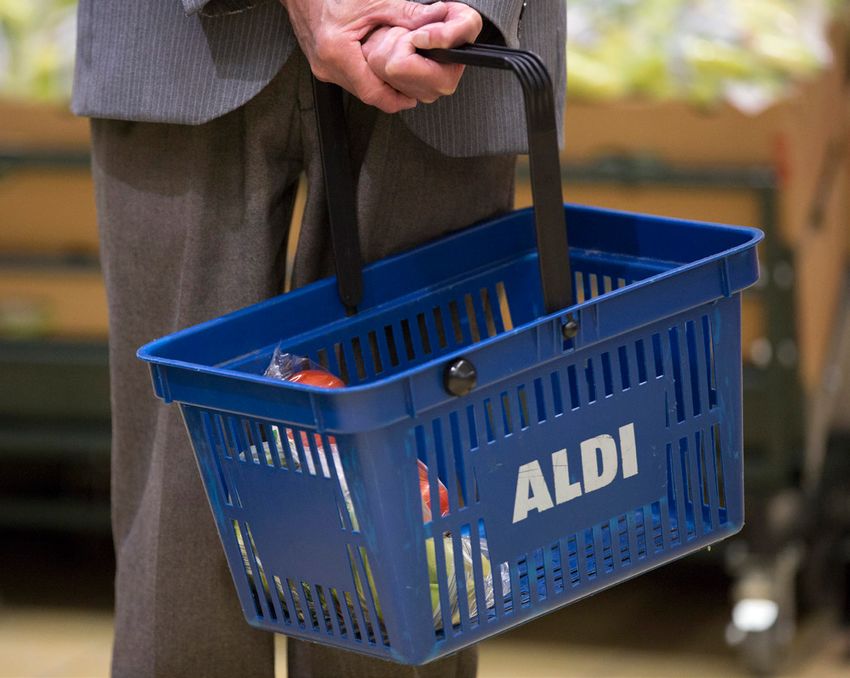
The rise of veganism and vegetarianism will see
            meat-free become the default option
            Awareness of health, sustainability and environmental issues is more prominent than ever, resulting in
            consumers becoming more conscious in their decision making
          The relentless rise of growing consumer responsibility around more personal       that operators should put a greater focus on locally sourced products, and
          health, animal and planetary welfare will catalyse further growth in meat-re-     the Lumina Intelligence Convenience Market Report 2019 showed that qual-
          duction dietary preferences. Vegetarianism and veganism will potentially be-      ity of fresh meat and fish, quality of fresh fruit and veg and quality of fresh
          come sufficiently popular normal practices that a tipping point will be reached   bread and bakery were the three in store KPIs that returned the highest annual
          whereby meat dishes become the versions consumers ‘opt-in’ for.                   increases in importance.

          In the six months to February 2020, 23% stated that they were eating less meat    “In the six months to February 2020, 23% of
          than they used to, and 2% of UK adults became vegetarian or vegan, adding to
                                                                                             consumers stated that they were eating less meat
          the 7% who stated they already were (Lumina Intelligence Channel Pulse Feb-
          ruary 2020), clearly highlighting the shift towards plant-based consumption.       than they used to, and 2% of UK adults became
          The Coronavirus pandemic, commonly thought to have originated from con-            vegetarian or vegan, adding to the 7% who stated
          tact and/or consumption of animals, has furthered this movement. Consumers         they already were, clearly highlighting the shift
          have become more conscious about their consumption and in May 2020 16%
          stated they were eating less meat than in February (Lumina Intelligence Chan-
                                                                                             towards plant-based consumption.”
          nel Pulse May 2020).                                                              However, once again, the pandemic has contributed to further growth of these
                                                                                            trends: One in five claimed to be purchasing local more in lockdown (Lumina
          The implications for the farming industry will clearly be immense, but the        Intelligence Recovery Report 2020) and the same number were buying better
          strong likelihood is that meat consumption will decrease, and will migrate to-    quality food and drink (Lumina Intelligence Channel Pulse).
          wards lower quantity, but higher quality, more premiumised product with even
          higher provenance and sustainability credentials.                                 The sheer volume of plant-based and vegan NPD hitting the sector is gathering
                                                                                            pace and will need skilful demand assessment and shelf-space management in
          Pre-pandemic the importance of local and quality were both obviously grow-        both foodservice and retail. Certainly, demand will be stronger in catchments
          ing in relevance. The Lumina Intelligence Menu & Food Trends Report 2019          with higher proportions of younger adults, as opposed to those with a far
          identified provenance as a real opportunity, with 29% of consumers agreeing       more elderly skew.

Five trends to impact the grocery retail sector in the 2020s
© Lumina Intelligence 2020
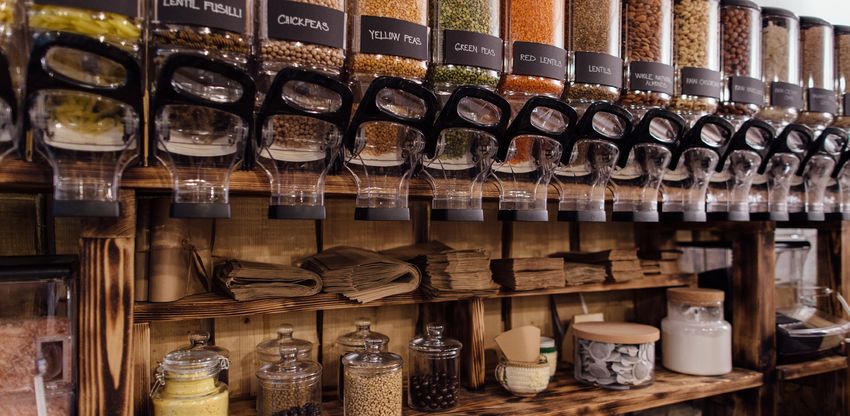
63% of shoppers think refill
                             stations should be available
                             within grocery stores
                             “The natural evolution of the health trend is to provide consumers
                              with the capabilities to choose the products and quantities that
                              best suit their needs. Whilst these are becoming more common
                              within stores, there is clear demand from consumers to see more
                              of them.”

Five trends to impact the grocery retail sector in the 2020s
© Lumina Intelligence 2020
Arrival of targeted health specialist
            products and services
            Through innovation, we will continue to see an increase in new products hit the market that are
            designed to improve physical and mental health.

            Thinking about how healthier eating is going to evolve, a logical next step is with
            more personalised and prescriptive food & beverage intake. Refill stations in stores
            are becoming more and more common and provide shoppers the opportunity to                   Discover the difference
            purchase products and quantities that are tailored to their needs. The Lumina Intel-
            ligence Future of Convenience Report 2020 indicates that 63% of shoppers think              Lumina Intelligence can make to
            refill stations should be available within grocery stores. In March 2020, the Coronavi-
            rus pandemic slowed their use due to hygiene concerns, but this shift away has not
                                                                                                        your business
            been and will not be permanent.

            In many ways this will be a second coming of ‘functional foods’, but with improved             Learn more »   Request free demo »
            timing through more engaged and better-informed consumer audiences. Younger
            customers will be more knowledgeable via more widely accessible nutritional and
            allergy-related information and because of greater understanding of the advantag-
            es and disadvantages of plant-based diets. The Lumina Intelligence Convenience
            Market Report 2019 highlights that 45% of consumers are already actively trying to
            make healthier choices when it comes to diet. Furthermore, Lumina Intelligence’s
            Channel Pulse has tracked that three in 10 are eating and drinking more healthily
            since the start of the pandemic.

            Scientific advances will open-up more prescriptive benefits for more niche consum-
            er segments with specific conditions, along with targeted advantages for older con-
            sumers. Food and drink products specifically developed to improve energy levels,
            sleep quality, gut health, mental functionality and mobility, and to provide pain relief,
            will all become more popular. New product categories will emerge in supermarkets,
            and there will be growing numbers of dedicated health food shops.

Five trends to impact the grocery retail sector in the 2020s
© Lumina Intelligence 2020
Discounters will benefit from recessionary
impact
The recessionary impact of the coronavirus pandemic will be felt for some time. As consumers feel the
pinch, discounters are likely to rise in popularity and benefit from increased footfall.
Over the past decade, one of the most seismic discounters have limited capability in this area. The
“Where discounters stand to
events within grocery retailing has been the rise of issue is of course profitability – the complexities of
the discounters. After significant physical expansion, last mile delivery do not sit well with the discounter lose out is online grocery. We’ve
Aldi and Lidl now have a combined grocery market model. Aldi has trialled click & collect and quickly identified this as one of the
share of 14%, up from just 5% in 2010. A figure of rolled it out, with the service expected to be avail- legacy behaviours coming out of
20% is by no means an unrealistic expectation by able at a quarter of its stores by Christmas 2020.
2030. This growth forecast has several implications. Unlike some of its rivals, Aldi charges for the service,
coronavirus and the discounters
It is going to require further physical expansion, par- arguably a necessary move to retain profitability. have limited capability in this
ticularly within London and the South-East, but will area.”
also more focus upon high street sites nationally. In addition, the retailer has a partnership with De-
liveroo, but this service is currently only available
The economic impact of the coronavirus pandemic from a small proportion of stores and roll-out has not
will be felt for some time, with most estimates sug- been as rapid as for click & collect. Whilst this ser-
gesting three to five years. Consumer confidence vice allows Aldi to tap into consumer desire for ‘on
will remain low, with increasing unemployment and demand convenience’, prices are subject to a mark
a close eye on household budgets. As such there is up vs. instore as well as a £4.99 delivery charge. This
high shopper intention to increase price checking somewhat eats into Aldi’s value credentials – and
activity and cook from scratch. These factors play paying a third party will hamper profit – therefore
into the hands of the discount channel, which is set we’d expect this route to market to remain limited to
to benefit from recessionary spending behaviours. high density cities.
Where discounters stand to lose out is online gro-
cery. We’ve identified this as one of the legacy
behaviours coming out of coronavirus and the
Five trends to impact the grocery retail sector in the 2020s
© Lumina Intelligence 2020Sustainability considerations acquire business
critical importance
Sustainability certainly wasn’t de-prioritised in 2020, but changes had to be made due to obvious
hygiene concerns. The sustainable revolution that began pre-pandemic will continue to gather pace.
It is difficult not to agree that in 10 years’ time, more burdens for firms at this challenging time”, just to
24%
of us will be more worried about climate change name a few.
than is currently already the case.
Yet, these problems aren’t going away, and as the
Pre-pandemic, we were in the midst of a con- dust is beginning to settle consumers are refocusing claim they are thinking more
sumer-led revolution about the use of plastic, and their attention – arguably encouraged a little or a lot
about the environmental
grocery industry stakeholders were becoming by David Attenborough’s latest Netflix resurgence
increasingly mindful about their environmental – with their agendas going beyond plastic. In fact,
impact of their food and drink
impacts to not only avoid a consumer backlash, but 24% claim they are thinking more about the envi-
also to better position themselves to capitalise on ronmental impact of their food and drink (Lumina
the gathering momentum behind more responsible Intelligence Channel Pulse May 2020).
consumerism. The Lumina Intelligence Future of
Convenience Report 2019 highlighted that 65% of The 2020s will increasingly see consumers demand
shoppers thought plastic free aisles made a store values alongside value, meaning that sustainability
more appealing. will increasingly guide business decision-making as
companies look to reaffirm their various commit-
However, this unprecedented year shook plastic-re- ments to the environment, community and to inves-
duction progress, and we saw countless cases of tors. Sustainability audits and reporting will become
“clean” leapfrogging “green”. Coffee shops stopped more commonplace, and more operators will ensure
accepting reusable cups, the single-use plastic bag they are not left behind regarding best practices.
charge for online grocery was scrapped in order to
speed up deliveries and reduce contamination, and
the UK’s ban on plastic straws, stirrers and cotton
buds was delayed for six months “to avoid additional
Five trends to impact the grocery retail sector in the 2020s
© Lumina Intelligence 2020Five trends to impact the grocery retail sector
in the 2020’s
In summary, the 2020s is already proving to be a decade like no other given the welfare, environmental. With no signs of this trend slowing, particularly among
impact on retail that coronavirus has had. The convenience channel has shown younger generations, and the volume of plant based NPD hitting shelves increas-
its strength and resilience through the year and our Convenience Tracking ing, there will be a need for skilful demand assessment and shelf-space manage-
Programme allows our customers to continuously track shopper behaviour and ment in both foodservice and retail.
purchases each month covering in-store and the ‘last mile’ behaviour. It is a sector
we expect to remain strong throughout. Supermarkets are increasingly looking for Arrival of targeted health specialist products and services
opportunity outside of retail and through our Eating & Drinking Out panel we have Scientific advances will open-up more prescriptive benefits for more niche con-
begun to see the widening competitive set for supermarkets as consumers look sumer segments with specific conditions, along with targeted advantages for old-
for more varied options found across the OOH market. er consumers. Food and drink products specifically developed to improve energy
levels, sleep quality, gut health, mental functionality and mobility, and to provide
Here is a short conclusion on each of the five trends that we forecast will pain relief, will all become more popular.
impact the UK grocery retail market in the 2020s:
Discounters will benefit from recessionary impact
Supermarkets will target foodservice delivery/takeaway The economic impact of the coronavirus pandemic will be felt for some time, with
We’ve already seen supermarket chains partnering with the delivery aggrega- most estimates suggesting three to five years. Consumer confidence will remain
tors (at least on a trial basis) to deliver groceries, including Asda and Uber Eats, low, with increasing unemployment and a close eye on household budgets. As
Morrisons and Deliveroo. It appears a natural extension to form an ‘extended life such there is high shopper intention to increase price checking activity and cook
intermediary service’ to help fulfil a wider spectrum of food & beverage require- from scratch. These factors play into the hands of the discount channel, which is
ments of busy householders. It is also not too much of a leap for this to potentially set to benefit from recessionary spending behaviours.
encompass some form of dark kitchen/virtual brands too as supermarkets look to
reconfigure excess, under-utilised superstore space. Sustainability considerations acquire business critical importance
The 2020s will increasingly see consumers demand values alongside value,
The rise of veganism and vegetarianism will see meat-free become the meaning that sustainability will increasingly guide business decision-making as
default option companies look to reaffirm their various commitments to the environment, com-
The vegan revolution continues to accelerate, as more and more consumers munity and to investors.
cutback on meat consumption for a range of different reasons i.e. health, animal
Five trends to impact the grocery retail sector in the 2020s
© Lumina Intelligence 2020Discover the difference
Lumina Intelligence can
make to your business
Designed for insight and category teams and used by the UK’s
leading FMCG companies, our data pool incorporates thousands
of data-points across key FMCG channels including convenience,
high street, discounters, wholesale and online.
Learn more » Request free
Readdemo »
case studies
Five trends to impact the grocery retail sector in the 2020s
© Lumina Intelligence 2020Get in touch For further information about how Lumina Intelligence can support your business, please contact: Holly.Franklin@Lumina-Intelligence.com / 0207 611 0434
You can also read


